American music cities don’t just churn out hit songs—they set the stage for road trips that stick with you long after the last mile. From Chicago’s smoky blues clubs to Nashville’s neon-lit honky-tonks, every city brings its own beat to the journey.
These musical hotspots blend legendary venues, local flavor, and regional sounds that make any drive feel alive. I’ve wandered through New Orleans, New York, and Los Angeles, and honestly, music just spills out onto the streets. It’s not just about concerts; it’s the way each city feels like it’s humming with its own melody.
Music cities and road trips? There’s something deeper there. These spots invite you in with historic landmarks, world-famous festivals, and the chance to catch both up-and-comers and living legends. When you map out a drive through America’s music capitals, you’re not just ticking off destinations—you’re building a playlist for your life.
America’s Musical Roads: Turning Travel Into a Symphony
Some American highways literally play music as you drive. Engineers have designed stretches of road with special grooves, so your tires become the band.
How Rumble Strips and Vibrations Produce Melodies
Musical roads happen when crews cut grooves into the pavement at just the right intervals. As your tires roll over, your whole car vibrates, and suddenly—music.
Each groove spacing creates a different note. Engineers figure out the exact measurements for every tone.
Key Elements of Musical Roads:
- Grooves cut into asphalt at precise intervals
- Tire contact creates consistent vibrations
- Sound travels through the car’s frame
- Multiple groove patterns can make whole melodies
The rumble strips work a bit like a vinyl record. Your tires act as the needle, reading the music built into the road.
The Role of Speed in Musical Road Experiences
Your speed totally changes what you hear on musical roads. Most are set up for 35-45 mph—go faster and the song squeaks by, go slower and it drags.
I’ve learned to keep a steady speed for the best sound. Some roads even post signs with the “right” speed, but sometimes you just have to play around until it clicks.
Famous Musical Roads: Avenue G and Route 66
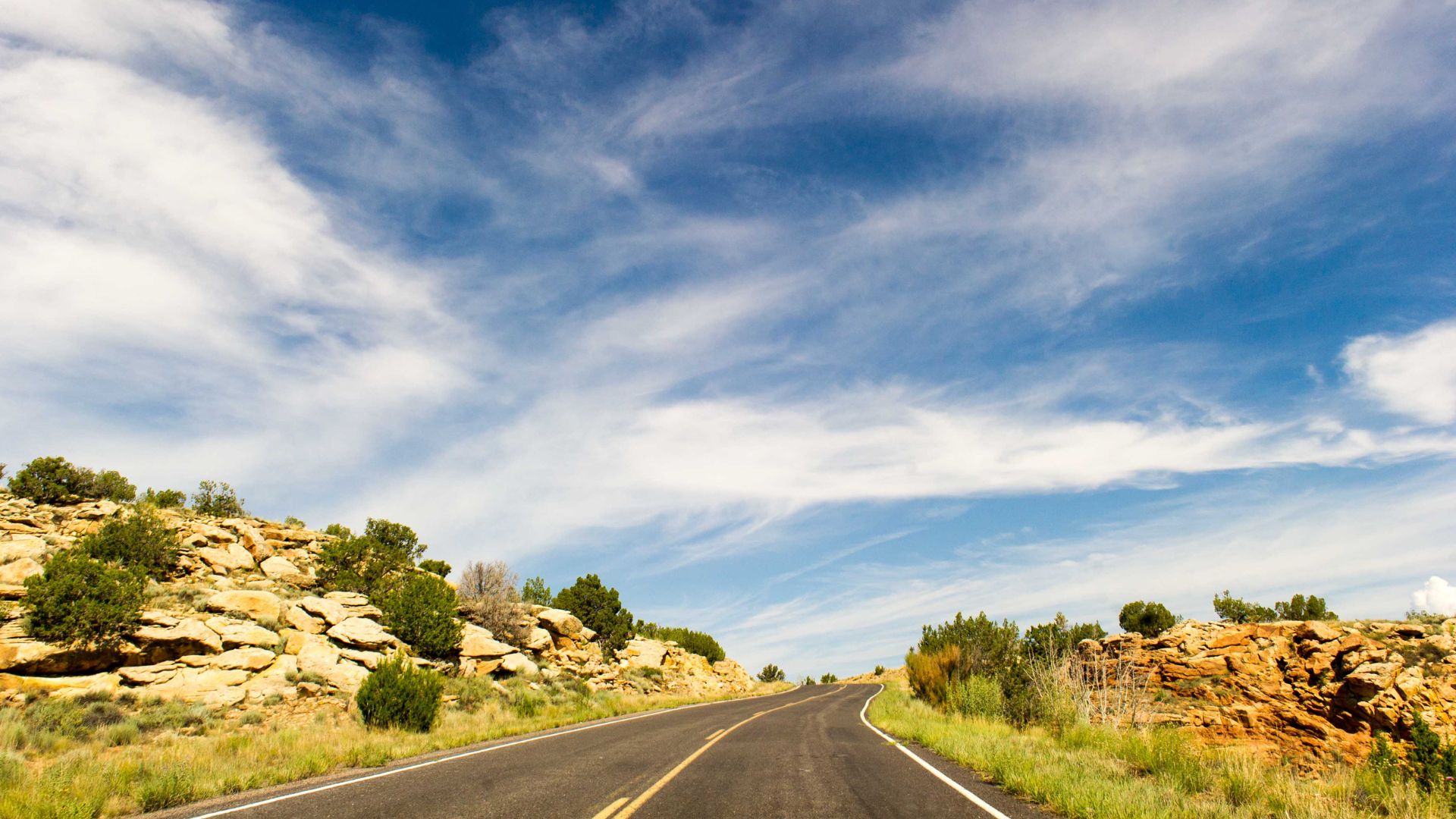
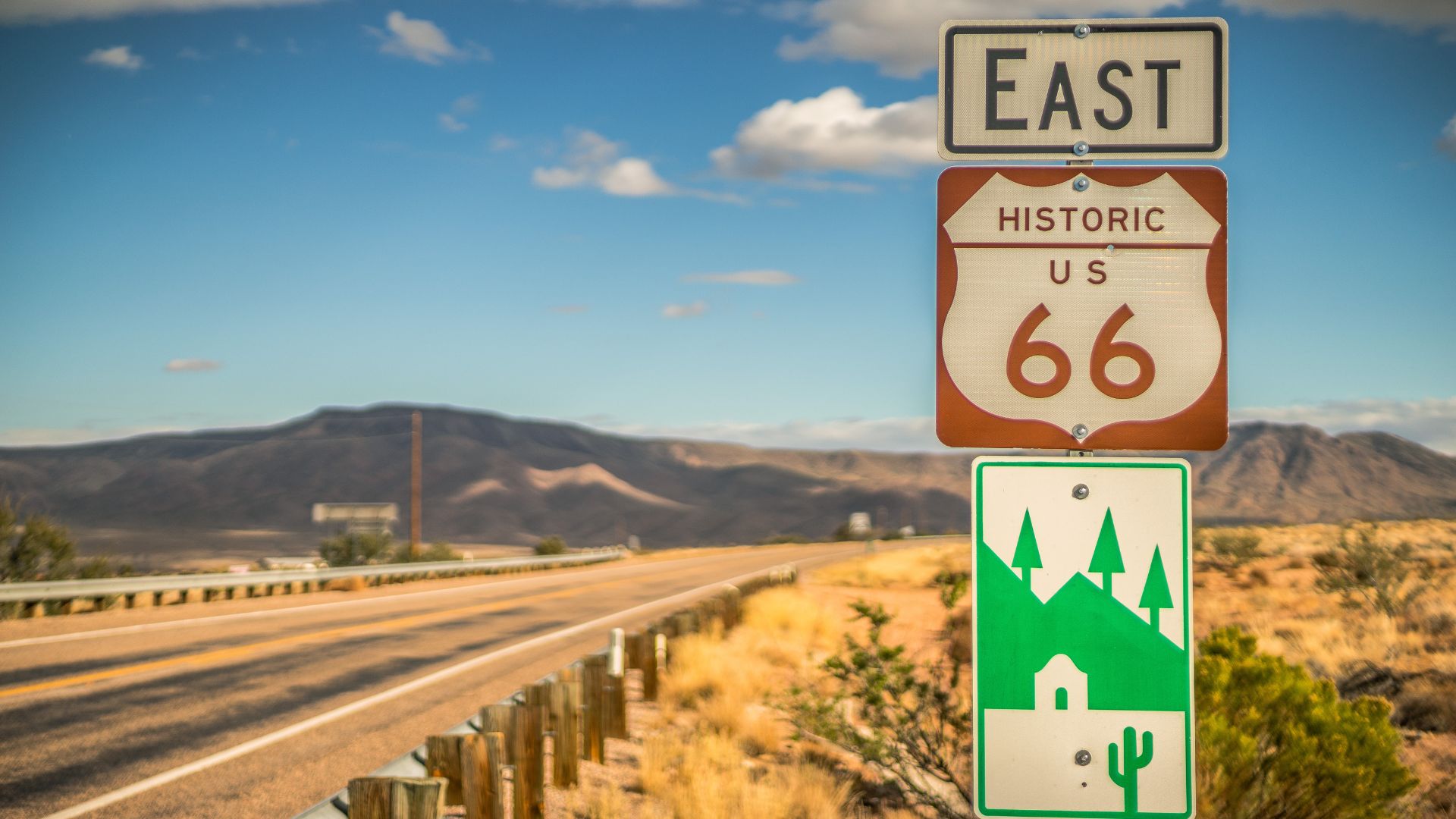
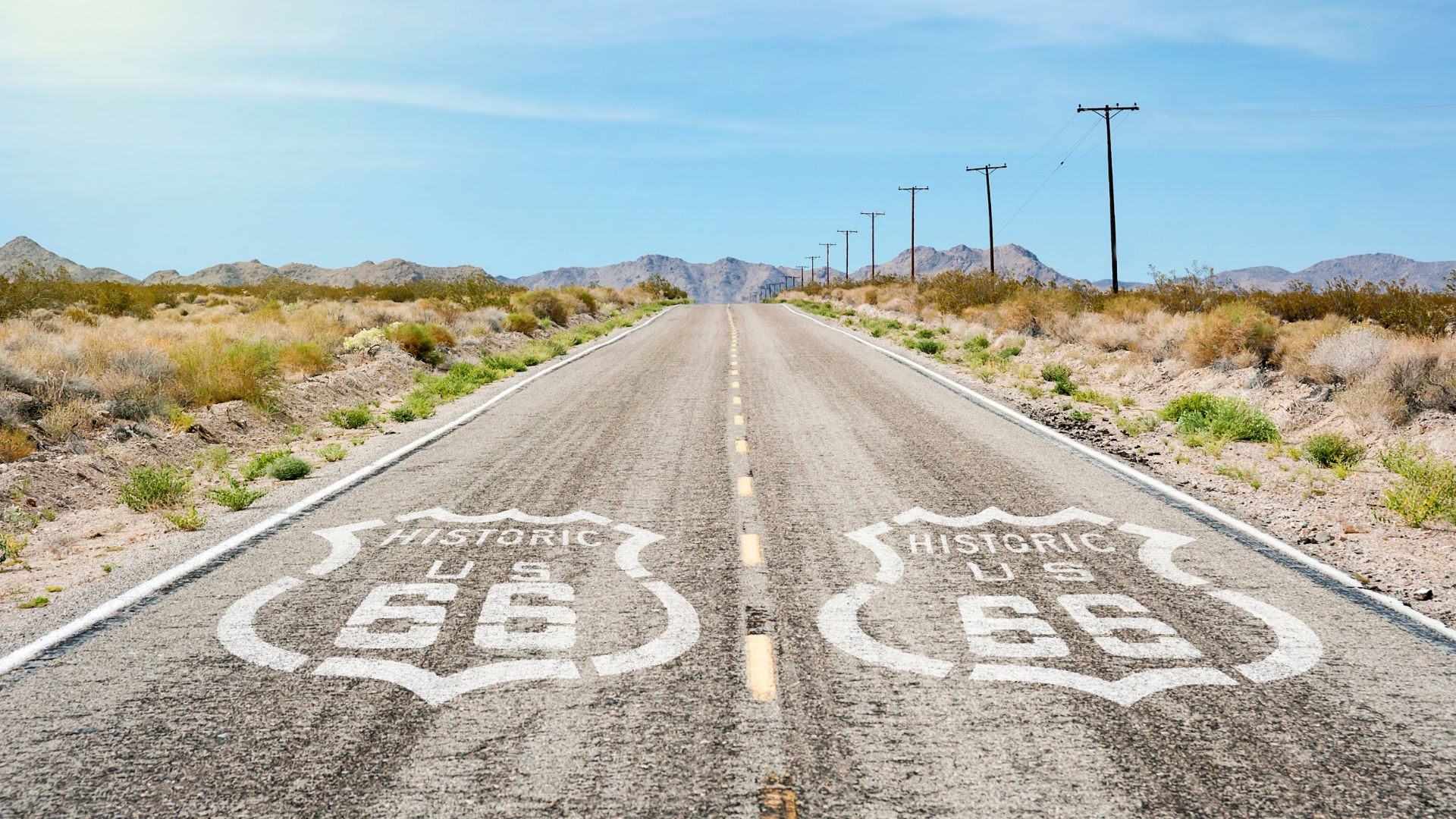
Route 66 in New Mexico has a stretch between Albuquerque and Tijeras that plays “America the Beautiful.” They built it in 2014 to celebrate the highway’s culture.
Avenue G in Lancaster, California belts out the William Tell Overture if you hit 55 mph. It’s one of the first musical highways in the country.
Notable Musical Road Locations:
- Route 66, New Mexico: “America the Beautiful”
- Avenue G, California: William Tell Overture
- Route 10, New Mexico: Multiple short melodies
People flock to the Route 66 musical section every year. Some folks travel just for that singing highway moment.
These roads mix America’s road trip spirit with musical creativity. It’s travel turned into interactive art.

Legendary Music Cities That Define the Road Trip Soundtrack
Four cities really stand out when it comes to shaping America’s musical identity. Nashville brings country classics, Memphis is the birthplace of blues and rock, Austin explodes with live music in every genre, and Detroit gave us soul and Motown.
Nashville: The Heart of Country Music
Nashville is basically country music’s beating heart. They don’t call it “Music City” for nothing.
Music Row is where the magic happens. I’ve strolled past studios where legends recorded their greatest hits.
The Country Music Hall of Fame is a must. Inside, you’ll find:
- Johnny Cash’s original lyrics
- Guitars from the greats
- Interactive songwriting exhibits
- Rare records and memorabilia
The Grand Ole Opry still hosts live shows every weekend. I watched modern stars share the stage with country royalty.
Broadway’s honky-tonks spill live music onto the street. If you love country, you’ll feel right at home.
The Ryman Auditorium is the Opry’s original home. There’s a real sense of history in those walls.
Memphis: Cradle of Blues and Rock ‘n’ Roll
Memphis shaped American music in ways few places can match. It’s where blues and rock ‘n’ roll really took off.
Graceland is a shrine for Elvis fans. The mansion’s filled with stories and memorabilia from the King himself.
Some Memphis music landmarks you shouldn’t miss:
- Sun Studio – Where Elvis first recorded
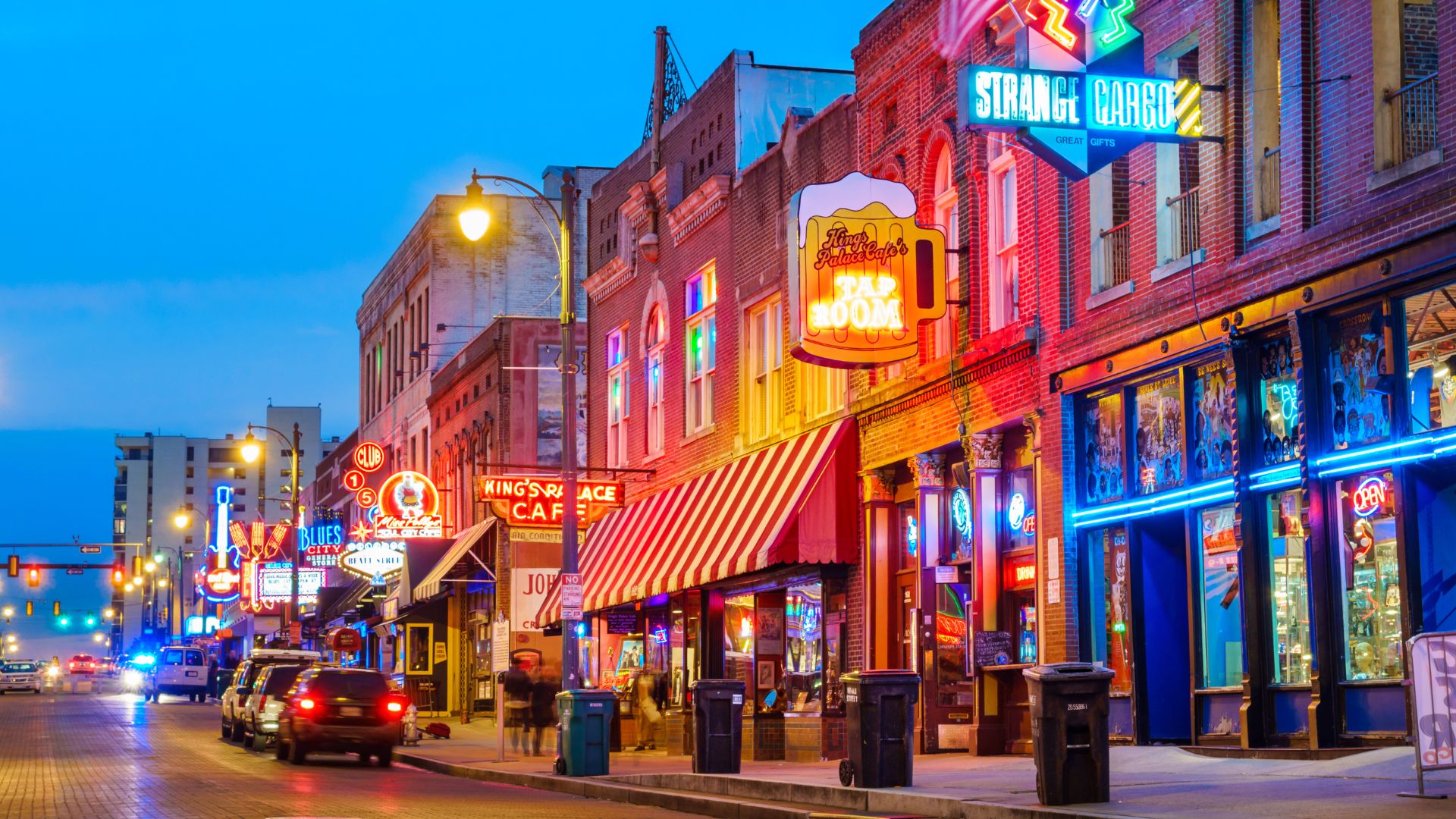
- Beale Street – Blues central
- Stax Museum – Soul music legends
- Memphis Rock ‘n’ Soul Museum – The big picture of Memphis music
Beale Street buzzes with live blues every night. Walking those blocks, you can almost hear B.B. King’s guitar echoing.
Sun Studio gives tours of the room where it all started. Standing there, you feel the electricity—Elvis, Johnny Cash, Jerry Lee Lewis, all in one place.
Austin: The Live Music Capital of the World
Austin wears its “Live Music Capital of the World” crown proudly. There are more venues per person here than anywhere in the U.S.
South by Southwest (SXSW) takes over the whole city every March. It’s wild—hundreds of artists, dozens of stages, every genre you can imagine.
Austin’s music scene is more than just country:
- Red River District – Indie and alt shows
- Rainey Street – Cozy houses turned music venues
- The Continental Club – Local legends, old-school vibes
- Antone’s – Blues headquarters
Sometimes you’ll catch a band at Franklin Barbecue while waiting in line for brisket. It’s that kind of town.
The Austin City Limits Music Festival brings the big names to Zilker Park twice a year. There’s always a mix of stars and up-and-comers.
Detroit: The Rise of Soul and Motown
Detroit invented the Motown sound and changed American soul forever. Here, you can trace the roots of The Supremes, The Temptations, and Stevie Wonder.
Hitsville U.S.A. is the original Motown HQ. You can walk through the same rooms where Berry Gordy and his artists made history.
The Motown Museum keeps Studio A just as it was. I saw the upright piano where so many classics began, and the vocal booth that caught those iconic harmonies.
Detroit’s music scene stretches way beyond Motown:
- Historic jazz clubs
- Downtown electronic venues
- Local rock stages
- Blues bars keeping traditions alive
You can feel how Detroit’s industrial grit shaped its music. The city’s energy gave Motown its polish and later fueled its rock scene.
The Fox Theatre still brings in top acts. Seeing a show in this restored 1920s theater is an experience in itself.
Mapping the Iconic American Music Road Trip
The best music-themed road trips follow routes connecting the birthplaces of America’s favorite genres. Think Mississippi Delta blues, the winding stretches of Route 66, and the cities where jazz, country, and rock all took root.
Connecting Music Genres to Destinations
Every genre has its home turf. Blues started in the Mississippi Delta and traveled north to Chicago and Memphis. Jazz grew up in New Orleans before spreading to Kansas City and Chicago.
Country music found its soul in Nashville, while rock and roll exploded in Memphis at Sun Studio. Alabama’s Muscle Shoals created its own soulful blend.
You can plan a route that ties these places together. The Americana Music Triangle links Nashville, Memphis, and New Orleans—country, blues, jazz, and rock, all in one trip.
Chicago connects to the southern triangle through historic blues routes. You can stretch your trip to Detroit for Motown, or head west to L.A. for a taste of the coast.
Historic Highways: Route 66, Music Highway, and Beyond
Route 66 is still the most iconic musical road. Musicians traveled it from Chicago to Los Angeles, carrying their sounds with them.
As you drive, you’ll pass cities that shaped music history. Chicago’s electric blues, St. Louis jazz, Tulsa’s western swing—they all line Route 66.
Music Highway in Alabama celebrates the state’s musical roots. It links Muscle Shoals with other legendary sites. Aretha Franklin and the Rolling Stones both recorded here.
Highway 61, the “Blues Highway,” runs from New Orleans up through the Delta to Memphis. So many blues legends followed this road.
I suggest stopping at music museums and historical markers along the way. They add depth to every mile.
Mississippi Delta and the Roots of Blues
The Mississippi Delta is the birthplace of American popular music. Between Memphis and Vicksburg, the blues took shape and influenced everything that followed.
Don’t miss Clarksdale, where Highway 61 crosses Highway 49. Some say Robert Johnson made his infamous deal with the devil right here. The Delta Blues Museum sits in the heart of town.
Dockery Plantation is worth a stop—Charley Patton shaped the Delta blues style here. The B.B. King Museum in Indianola honors the Delta’s most famous son.
Tunica’s Gateway to the Blues Museum does a great job explaining how Delta blues spread north and eventually powered rock and roll.
From here, it’s a quick drive to Memphis, where the blues went electric at Sun Studio and Stax Records.
Crafting the Perfect Road Trip Playlist
A killer road trip playlist mixes local favorites with classic hits, matches the scenery, and turns your drive into a rolling concert. The right songs make every stretch of highway unforgettable.
Blending Local Music and Scenery
I love matching my playlist to wherever I’m driving. Nashville’s rolling hills? Gotta be country classics.
Regional Music Pairing Guide:
- Southwest Desert: Folk rock, indie country
- Pacific Coast: Surf rock, alt tunes
- Midwest Plains: Classic rock, heartland anthems
- Southern Routes: Blues, jazz, country
Before hitting the road, I dig up local artists. In Austin, I’ll queue up Spoon or Black Pumas for that unmistakable Texas vibe.
Timing is everything. I save big, cinematic tracks for mountain passes or empty highways, and keep things mellow for small towns.
Seasons matter too—summer begs for upbeat jams, while autumn colors call for folk or indie tracks that fit the mood.
Building the Mood for the Miles Ahead
Honestly, I treat my playlist like it’s a movie soundtrack—each drive deserves its own emotional arc. The first hour? It’s gotta be packed with high-energy songs that set the adventure vibe.
Playlist Structure I Swear By:
- Opening (30-60 min): Crank up the anthems.
- Highway Cruise (2-3 hours): Settle in with steady rhythm tracks.
- Scenic Breaks: Drop in some mellow, thoughtful tunes.
- Final Push: Go for motivational tracks as you close in on your destination.
I always plan for different phases of the drive. Early morning? I’ll start with gentle wake-up songs. If it’s late at night, I reach for those energizing tracks to keep everyone awake.
Weather totally changes my picks. Driving through rain? I lean into moody alternative rock. Bright, sunny day? That’s when I want upbeat pop or some classic rock blasting.
I keep a few backup songs for those unpredictable moments. If the car’s energy shifts, I can switch from chill folk to something with a bit more punch—sometimes in seconds.
Tips for Memorable Sing-Alongs
Nothing beats a car full of people belting out songs everyone knows. I go for classics from the 70s, 80s, and 90s—they just work. Everyone, young or old, seems to know at least half the words.
Perfect Sing-Along Categories:
- Stadium Anthems: “Don’t Stop Believin'”, “Livin’ on a Prayer”
- Classic Rock: “Bohemian Rhapsody”, “Sweet Child O’ Mine”
- Pop Hits: “Dancing Queen”, “I Want It That Way”
- Country Favorites: “Friends in Low Places”, “Life is a Highway”
Before the trip, I test out songs to make sure the choruses are catchy and easy to remember. The best ones stick in your head after just one play.
I scatter sing-along tracks throughout the playlist. That way, there’s always something to look forward to, and nobody loses their voice from too much shouting in a row.
For sing-alongs, I keep the volume just right—not so loud that we’re yelling, but loud enough to feel the energy.
Unique Experiences: Festivals, Landmarks, and Living Legends
Some American music cities just pull you in. Legendary venues, festivals, and live music everywhere—travelers get to experience music history firsthand. These places blend iconic landmarks with real, living music scenes, so you can actually feel the spirit of each genre.
Touring Music Museums and Iconic Landmarks
If you want to connect with America’s musical roots, music museums and landmarks are the way to go. Graceland in Memphis? It’s the ultimate stop for any rock ‘n’ roll fan. Walking through Elvis Presley’s mansion and studio, you can almost hear the echoes of his music.
Nashville’s Country Music Hall of Fame is packed with artifacts from country legends. The exhibits walk you through the genre’s evolution—from old-school classics to today’s stars.
Memphis isn’t just about Graceland. The Memphis Rock ‘N’ Soul Museum tells the story of the city’s unique sound. Beale Street is alive with daily live shows, and you can catch blues musicians playing where legends once stood.
I always tell friends to check out the Johnny Cash Museum in Nashville. You’ll see personal items, instruments, and rare recordings—his whole story, really.
Detroit’s all about Motown. The Motown Museum at Hitsville U.S.A. keeps the vibe alive in the original studio where so many hits were born.
Live Festival Energy Across American Music Cities
There’s something wild about how music festivals take over American cities. Suddenly, whole neighborhoods feel like one big celebration.
Let’s start with Austin. This city bursts with over 250 live music venues—seriously, you’ll hear guitars from every corner. SXSW? It’s legendary. You get music, film, and multimedia art all tangled up across the city. I still remember wandering from a tiny club to a packed outdoor stage, discovering new sounds with every step.
Nashville knows how to throw a festival. The city comes alive for CMA Fest and Bonnaroo Music & Arts Festival. Picture days packed with country, rock, blues, and folk. You’ll see both big names and indie artists sharing the stage. It’s a mix that keeps things interesting.
In Memphis, music feels like it’s in the air. The city honors its roots with Jazz Fest and wild street performances during Memphis in May. Walking down Beale Street, you’ll hear blues and rock ’n’ roll everywhere—plus, there’s always a new artist putting their own twist on the classics.
New Orleans? You can’t beat the vibe during Jazz Fest or the ESSENCE Festival of Culture. The French Quarter turns into a giant outdoor concert. One minute you’re listening to traditional jazz, the next it’s modern R&B or hip-hop. It’s a mashup that just works.
And then there’s Chicago. Festivals like Lollapalooza and the Chicago Blues Festival pull in music fans from all over. You’ll find crowds at Jay Pritzker Pavilion, but honestly, the music spills into neighborhoods all across the city.
If you’re chasing festival energy, these cities never disappoint.