
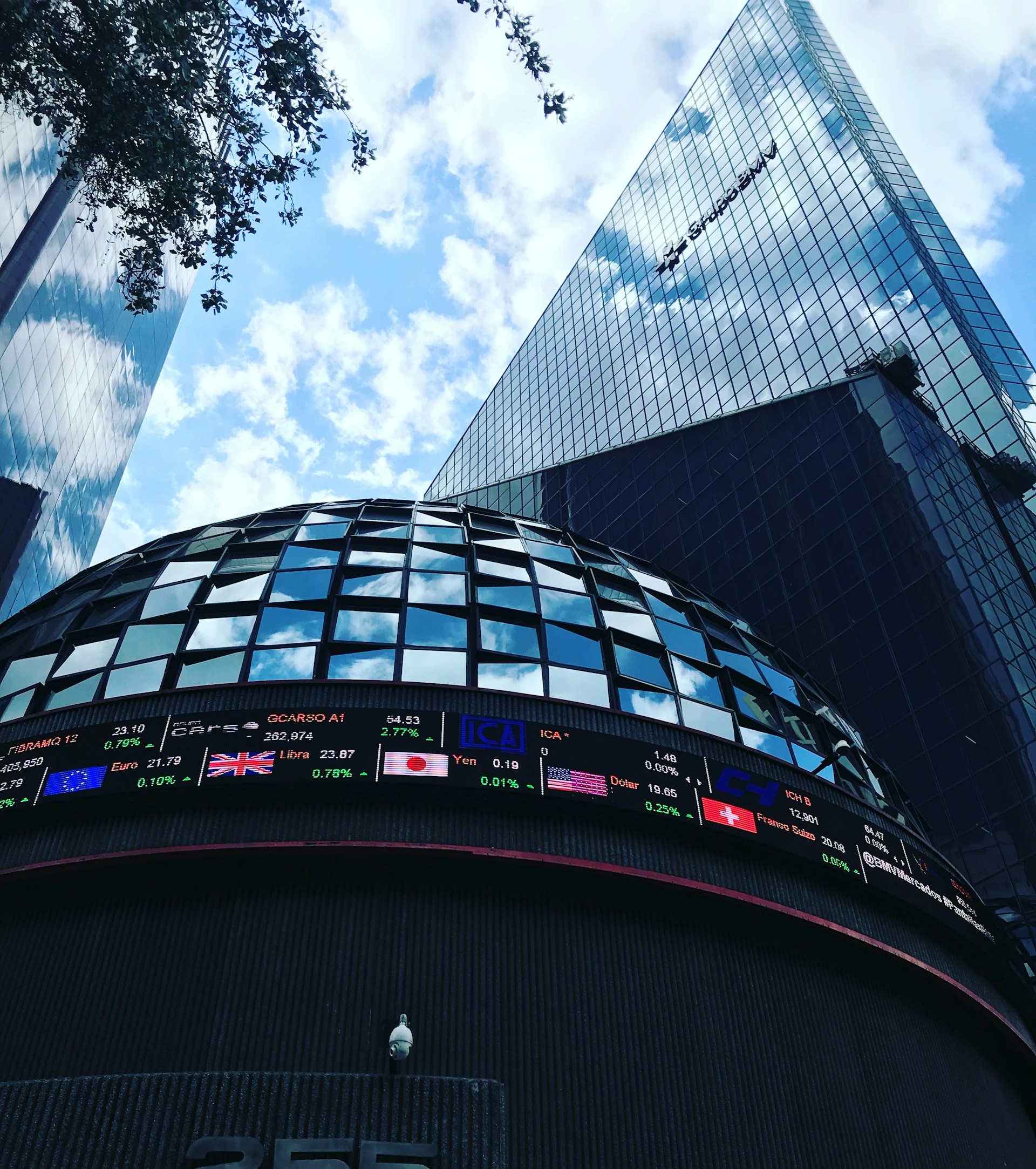
Lately, the Mexican peso has quietly made the U.S. dollar look a bit flimsy. Not long ago, Americans enjoyed the sweet deal of 20 pesos for every dollar. Now, that’s shifted—think closer to 17 pesos per dollar as of late 2025.
This stronger peso means American dollars just don’t go as far in Mexico. Everyday goods and services cost about 15% more for Americans living or traveling south of the border. It’s a real sting if you’re used to those old exchange rates.
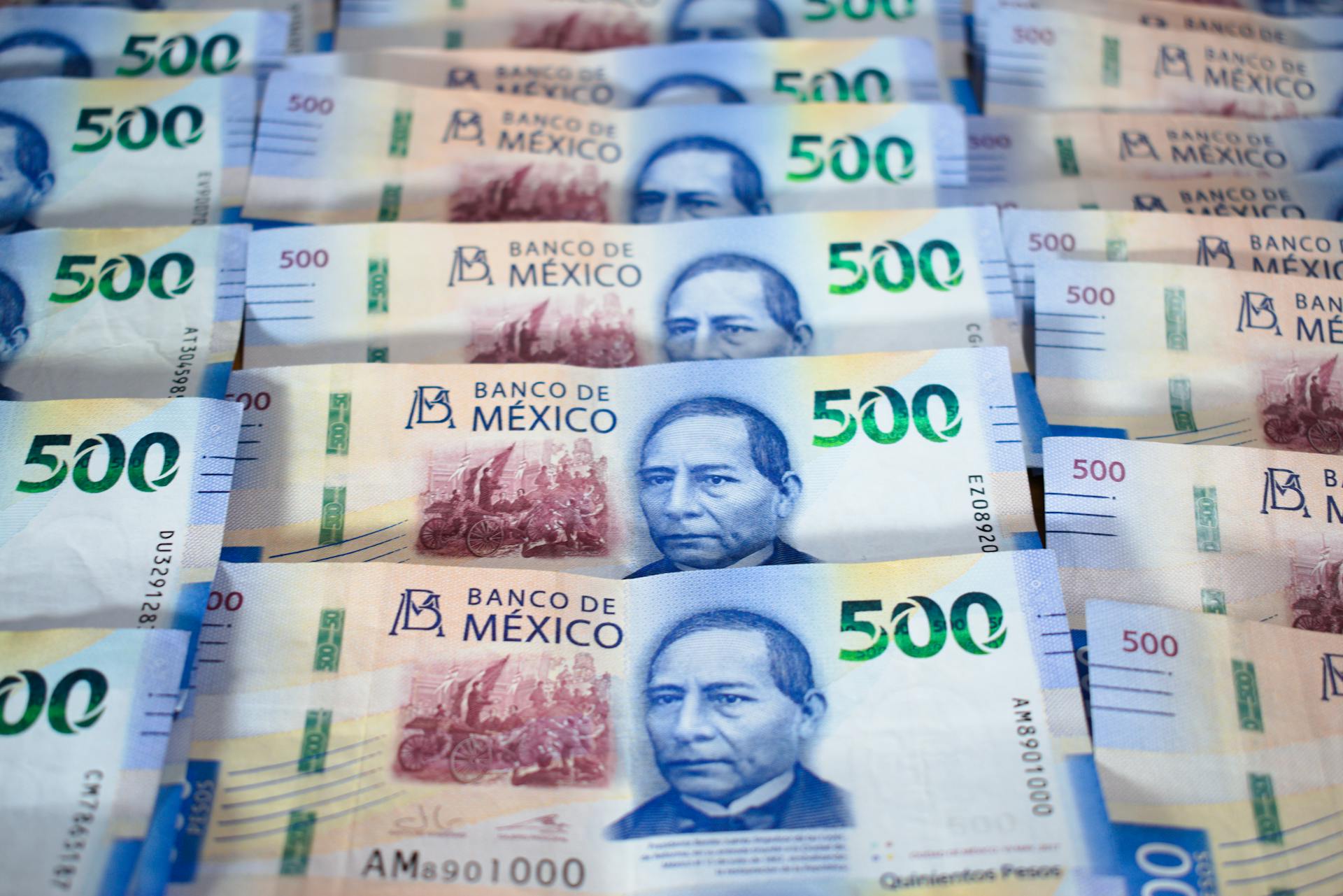
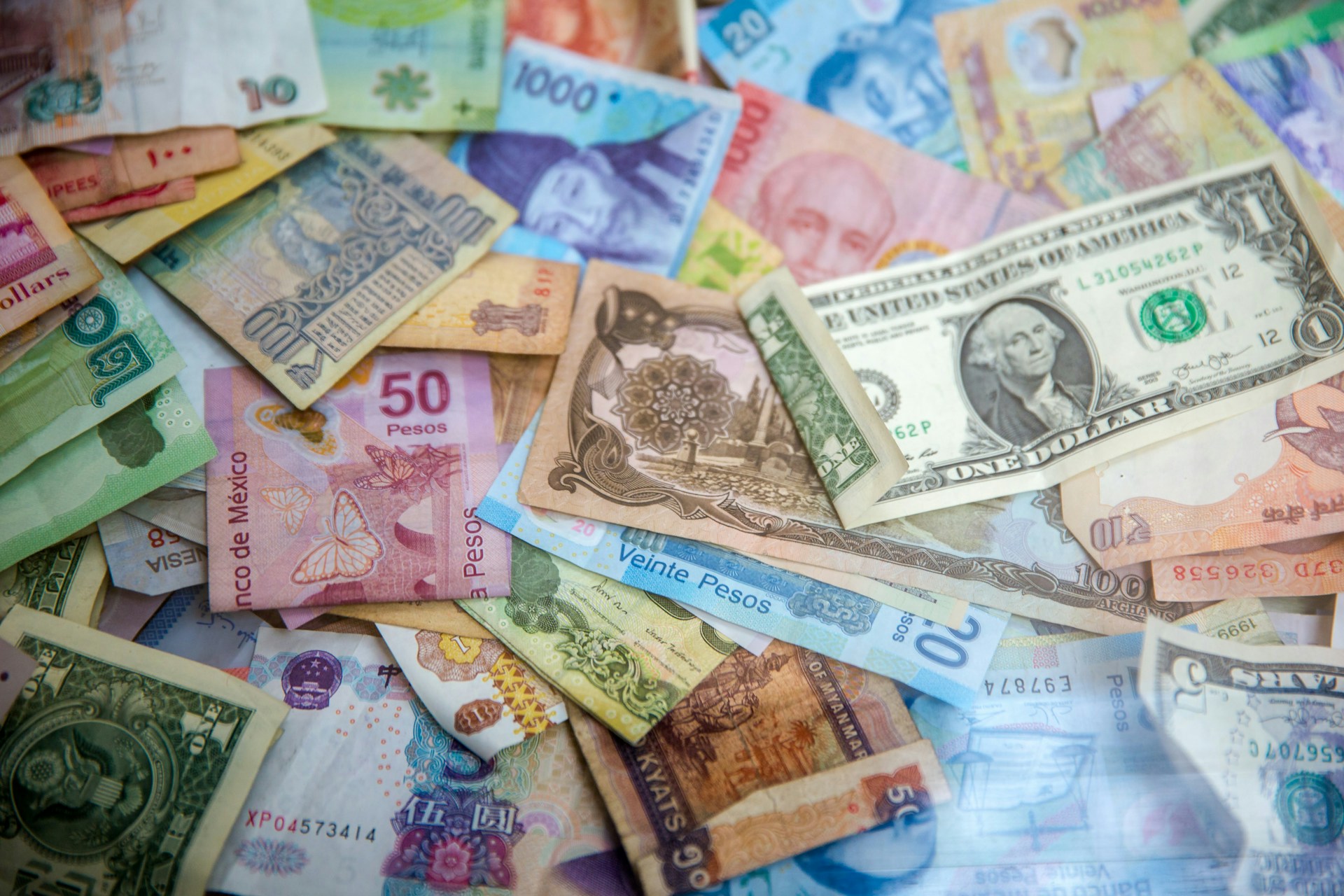
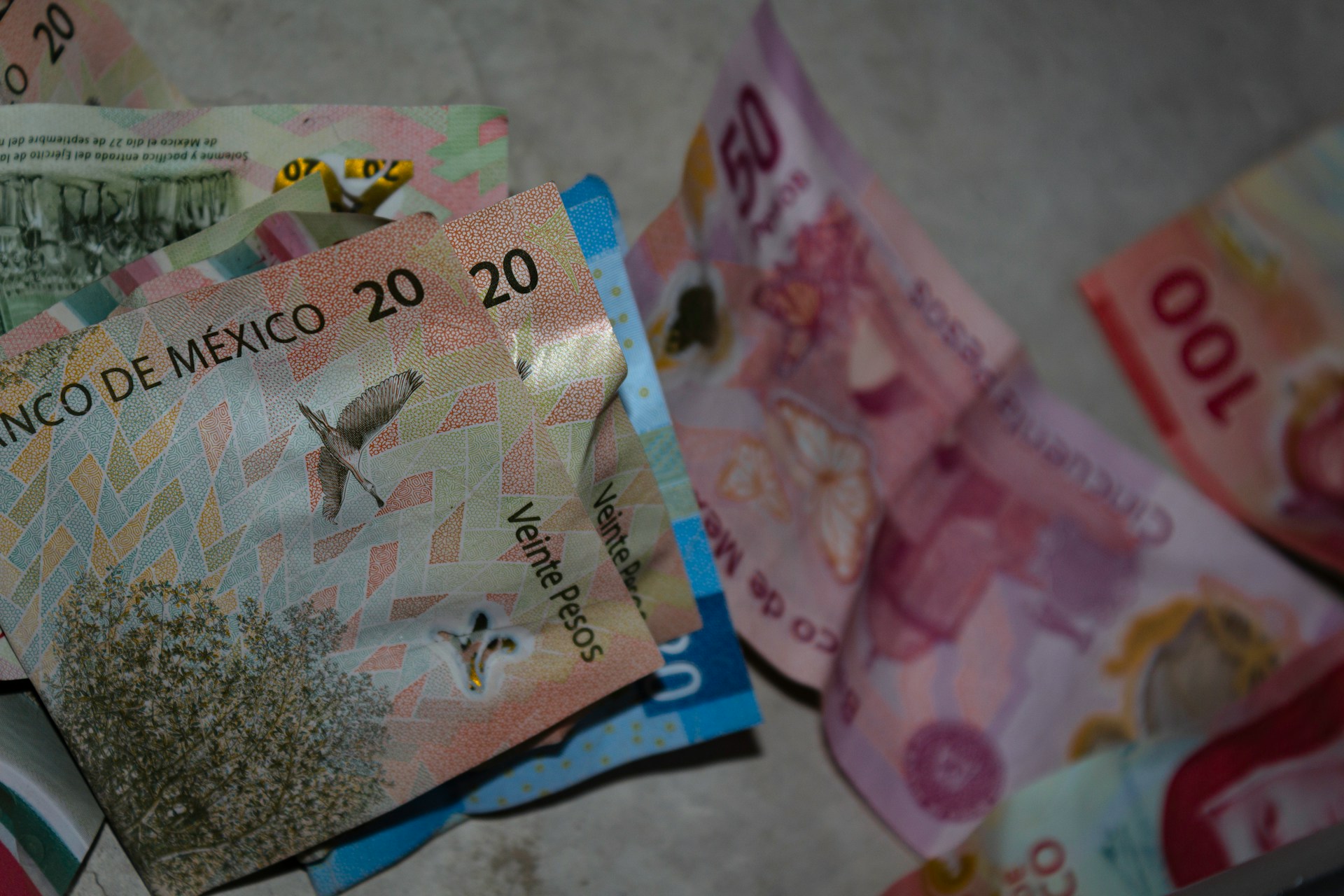
I’ve watched this currency shift up close, and honestly, it’s eye-opening. The peso’s colorful, sturdy bills feel modern next to those tired, easy-to-tear American notes. Stack them side by side and, wow, the dollar suddenly seems a bit… dated.
But this isn’t just about numbers. The peso’s recent muscle flexes Mexico’s growing economic stability. It makes you wonder about monetary policy, global trust, and what it all means for Americans—whether you’re at home or wandering around Oaxaca. The ripple effects go way beyond border towns and force us to rethink what our money’s really worth in a world that keeps changing.
Why the Peso Outshines the U.S. Dollar Today
Mexico’s peso has shown some serious backbone against the U.S. dollar, thanks to sharp monetary policy and decent economic winds. Interest rate gaps, careful inflation control, and strong remittance flows have made peso investments look pretty tempting compared to holding onto dollars.
Monetary Stability and Recent Appreciation
I noticed the peso’s hot streak throughout 2023, when it gained about 15% on the U.S. dollar. It closed out the year at roughly 16.92 pesos per dollar and folks started calling it the “super peso.”
Key rate differences push this trend. Mexico’s central bank kept rates at 11.25% through much of 2023 and 2024, so investors flocked to those higher yields. Even after dropping to 7.75% by August 2025, Mexican rates still beat what you’ll find in the States.
The carry trade is alive and well. Investors chase those peso-denominated assets for the better returns.
Remittances hit a record high—$64.7 billion in 2024. That constant flow of foreign cash props up the peso and keeps it strong against the dollar.
Comparing Purchasing Power Parity
From what I’ve seen, the peso gives Americans in Mexico a real edge in purchasing power—at least when the exchange rate works in your favor. When the peso strengthens, imported goods get cheaper for Mexicans, but Americans used to benefit from better rates.
Oil exports help too. Mexico’s status as an oil producer means higher energy prices boost export income and shore up the peso.
Nearshoring is a big deal right now. In the first nine months of 2023, those investments jumped 47%. Companies moving factories to Mexico need pesos, which drives up demand.
Since 2017, the peso usually hangs out in the 18-20 range against the dollar. Lately, it’s broken below that, outperforming a lot of other currencies.

Inflation and Exchange Rate Trends
Mexico’s inflation dropped from 5.53% in 2023 to 4.72% in 2024. That’s better control than you’ll see in some developed countries. It helps the peso hold its value next to the dollar.
Central bank targeting stays on point. Banco de México aims for 3% inflation, with a little wiggle room. They really stick to their guns.
The peso’s outpaced global currencies by more than 8% over recent six-month stretches. That kind of performance says a lot about Mexico’s economic fundamentals, especially when the U.S. economy feels shaky.
Trade ties with the U.S. matter too. Over 80% of Mexico’s exports head north, so there’s always a steady need for pesos in cross-border deals.
Monetary Policy: Peso Versus the U.S. Dollar
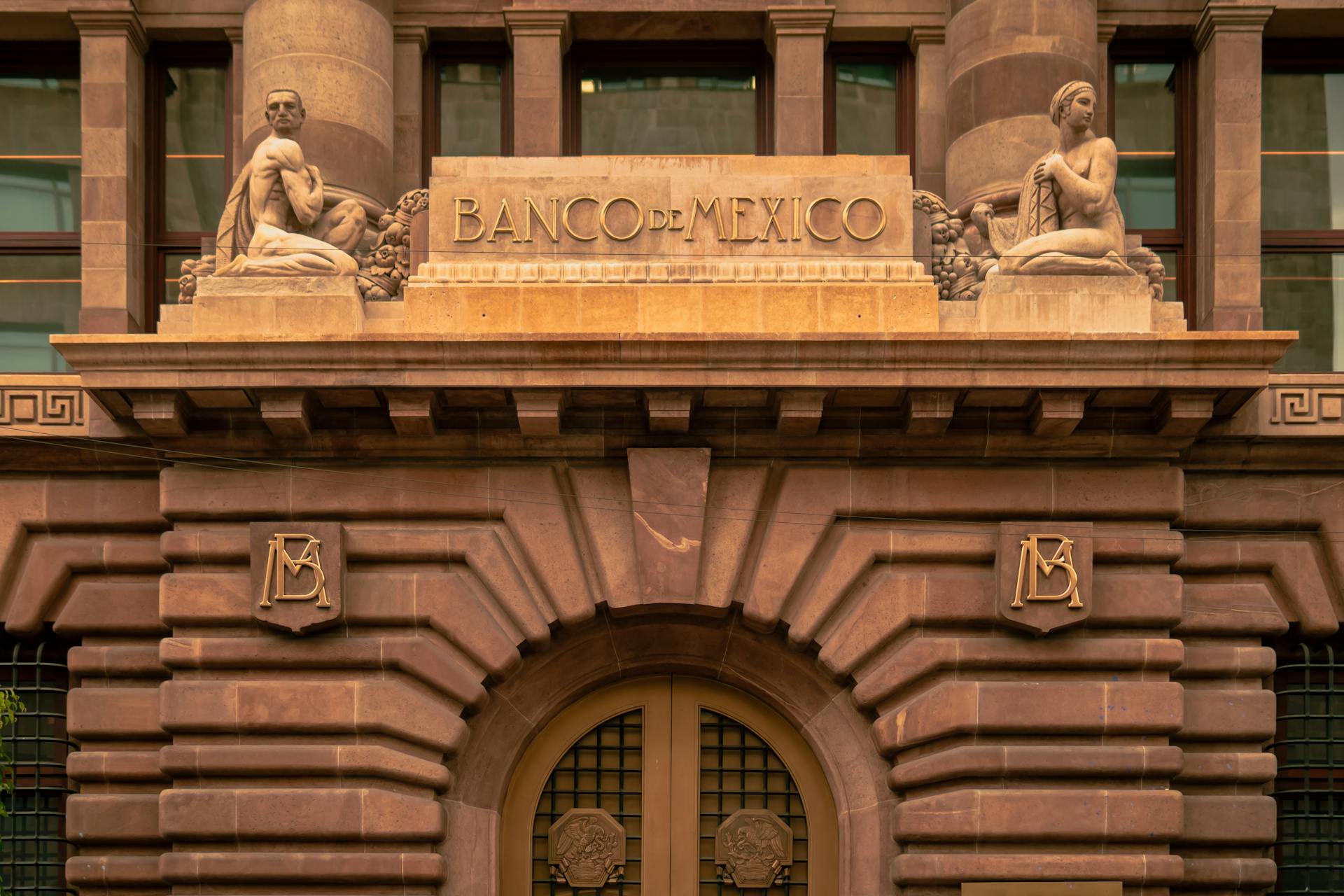
Mexico’s central bank keeps its monetary policy tighter than the Fed. That’s created big interest rate gaps, and those gaps give the peso an edge over the dollar. These differences change how easily you can swap dollars for pesos—and sometimes make American cash feel a bit less valuable.
Effective Central Bank Strategies
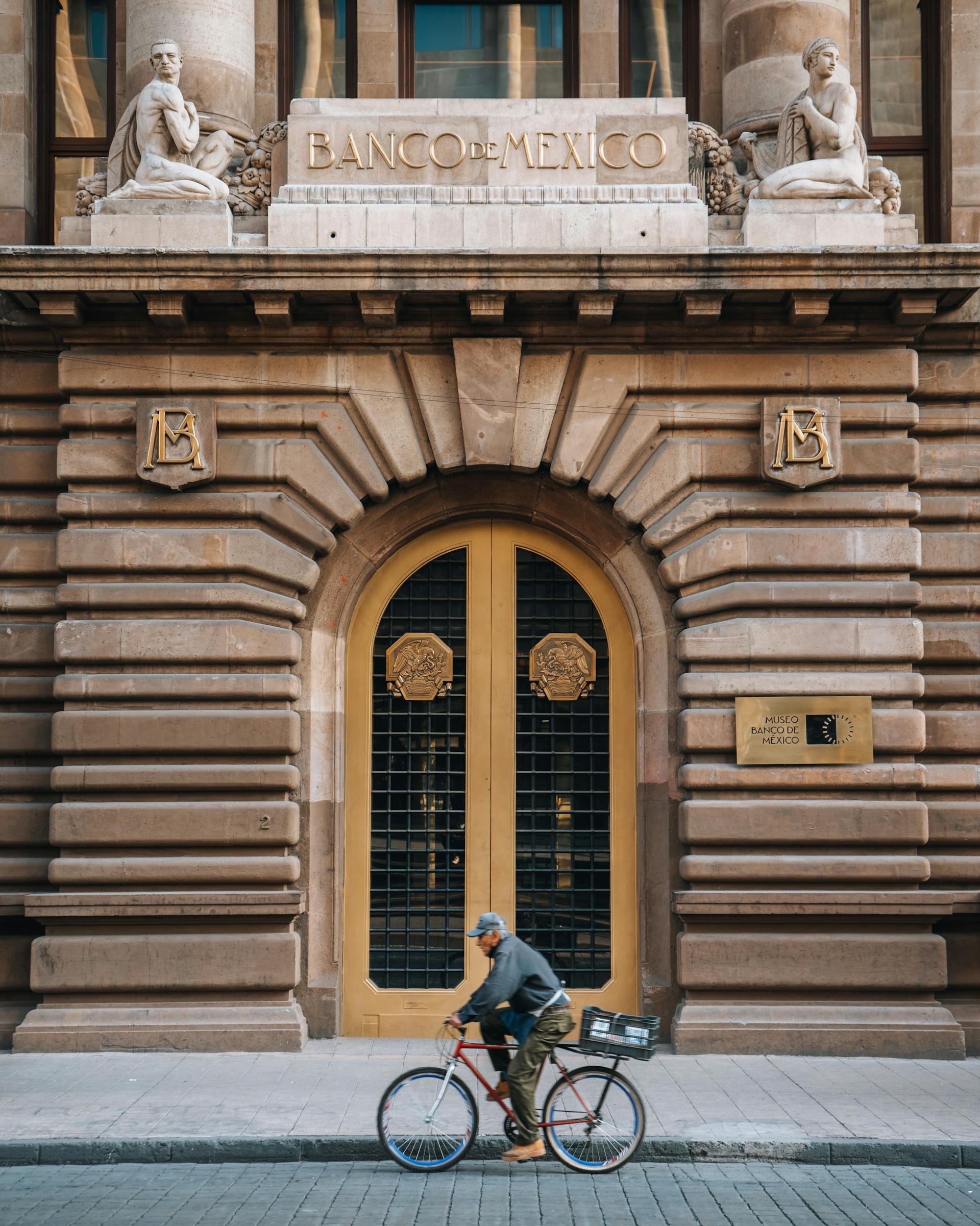
Mexico’s Bank of Mexico holds its interest rates well above U.S. federal funds rates. I like to call this the “peso magnet”—it just pulls in investors looking for better returns.
Those interest rate spreads hit record highs lately. When Mexican rates soar above U.S. rates, money naturally flows south in search of yield.
Key Central Bank Tools:
- Higher rates to lure foreign investors
- Big international reserve stockpiles
- Flexible policies for the exchange rate
- Clear inflation targets
Bank of Mexico’s foreign currency reserves are no joke. These reserves calm nerves and help prevent sudden peso meltdowns.
I’ve noticed this strict monetary policy makes the peso act more like a developed market currency. The central bank’s solid reputation keeps the peso steady, even when the world feels unpredictable.
Impacts of Government Intervention
Mexican monetary authorities step in to manage the peso’s strength with a few tricks up their sleeves. They don’t just let the peso drift like play money in a board game.
The government keeps debt-to-GDP ratios on the lower side. This fiscal discipline backs up the central bank’s efforts.
Government Support Mechanisms:
- Low public debt
- Careful government spending
- Support for central bank independence
- Ongoing economic reforms
Mexico’s government doesn’t fight against a strong peso. They seem to accept that it helps keep inflation and import costs in check.
Fiscal and monetary policy actually work together here. That teamwork gives the peso a stability you don’t always see in countries where policies clash.
Responses to Economic Shocks
The peso’s held up surprisingly well during global crises. Other emerging market currencies have tanked, but the peso managed to stay afloat against the dollar.
During COVID-19, the peso took a dive but bounced back faster than most expected. It clawed back about 30% from its pandemic lows, which caught a lot of experts off guard.
Crisis Response Tools:
- Adjusting the exchange rate when needed
- Using international reserves wisely
- Coordinated policy moves
- Keeping markets liquid
Bank of Mexico doesn’t freak out in a crisis. They act calmly and provide liquidity when necessary, which builds trust.
I’ve seen firsthand how this steady hand reassures investors. When central banks act predictably, you don’t get those wild swings that make cash feel like Monopoly money.
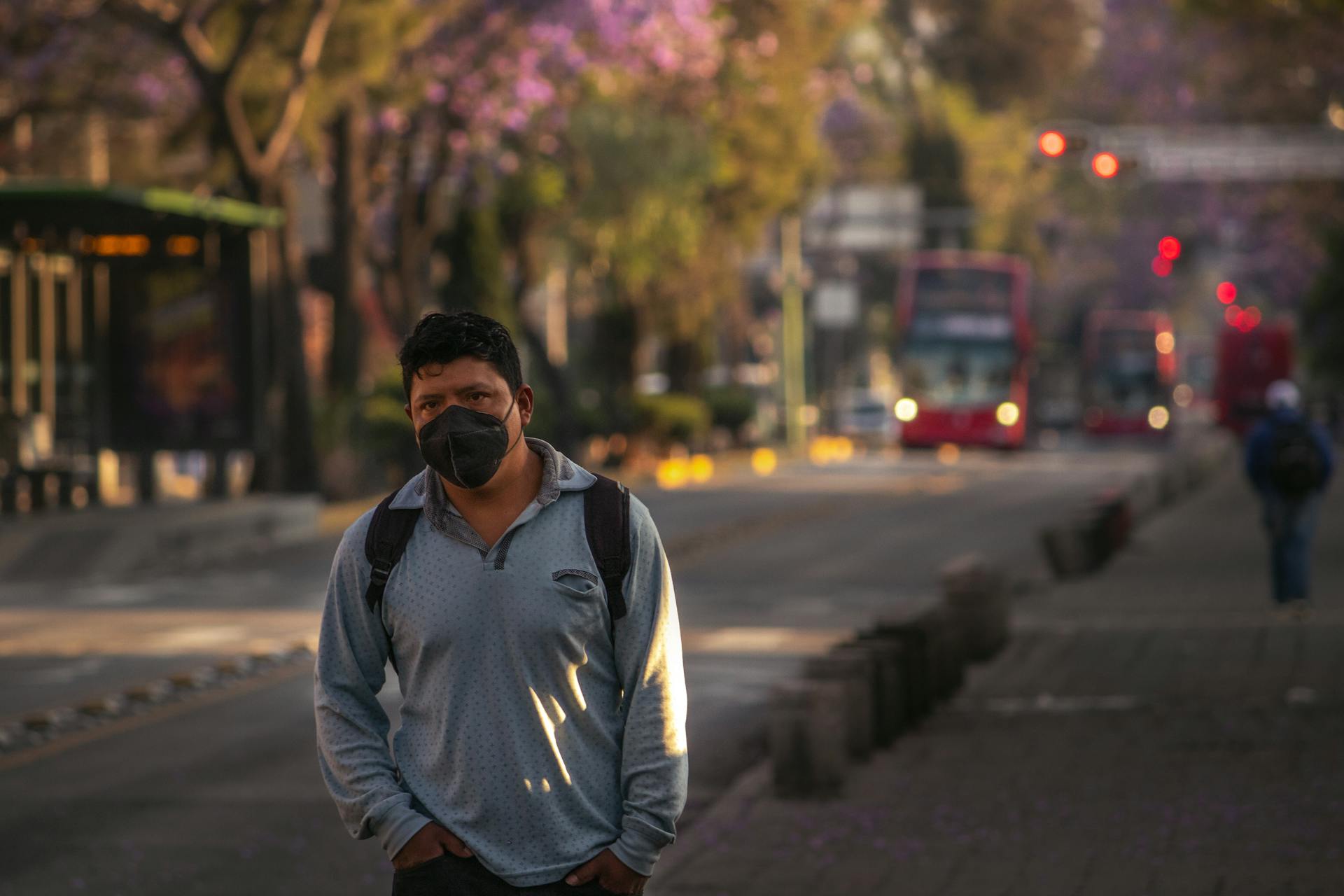
After Mexico’s 2024 election, the peso took a hit but didn’t crash. That’s a testament to how strong the monetary framework is.
Global Perception and Trust in Currencies
The U.S. dollar still holds the crown because the world trusts it and it’s the top reserve currency. But that status isn’t as rock-solid as it once was. Liquidity and investor confidence decide how these currencies stack up in the global arena.
Reserve Currency Status Under Pressure
As of 2021, the dollar made up 60% of global foreign exchange reserves. That’s a big chunk of power in global trade and finance.
But here’s the catch: that number’s down from 71% in 2000. Other currencies are slowly creeping up, although none are ready to dethrone the dollar just yet.
I sense the pressure building. China’s economy keeps growing and could surpass the U.S. in the 2030s. The EU is working on tighter financial integration too.
Key reserve currency perks:
- Deep, liquid markets
- Reliable legal system
- Political stability
- Plenty of safe assets like Treasuries
The dollar anchors a lot of the world. About half of global GDP comes from countries pegged to the dollar.
Even China’s renminbi stays tied to the dollar more than they admit. Between 2016 and 2021, the renminbi barely budged—less than 2% most months.
The Role of Liquidity in Global Markets
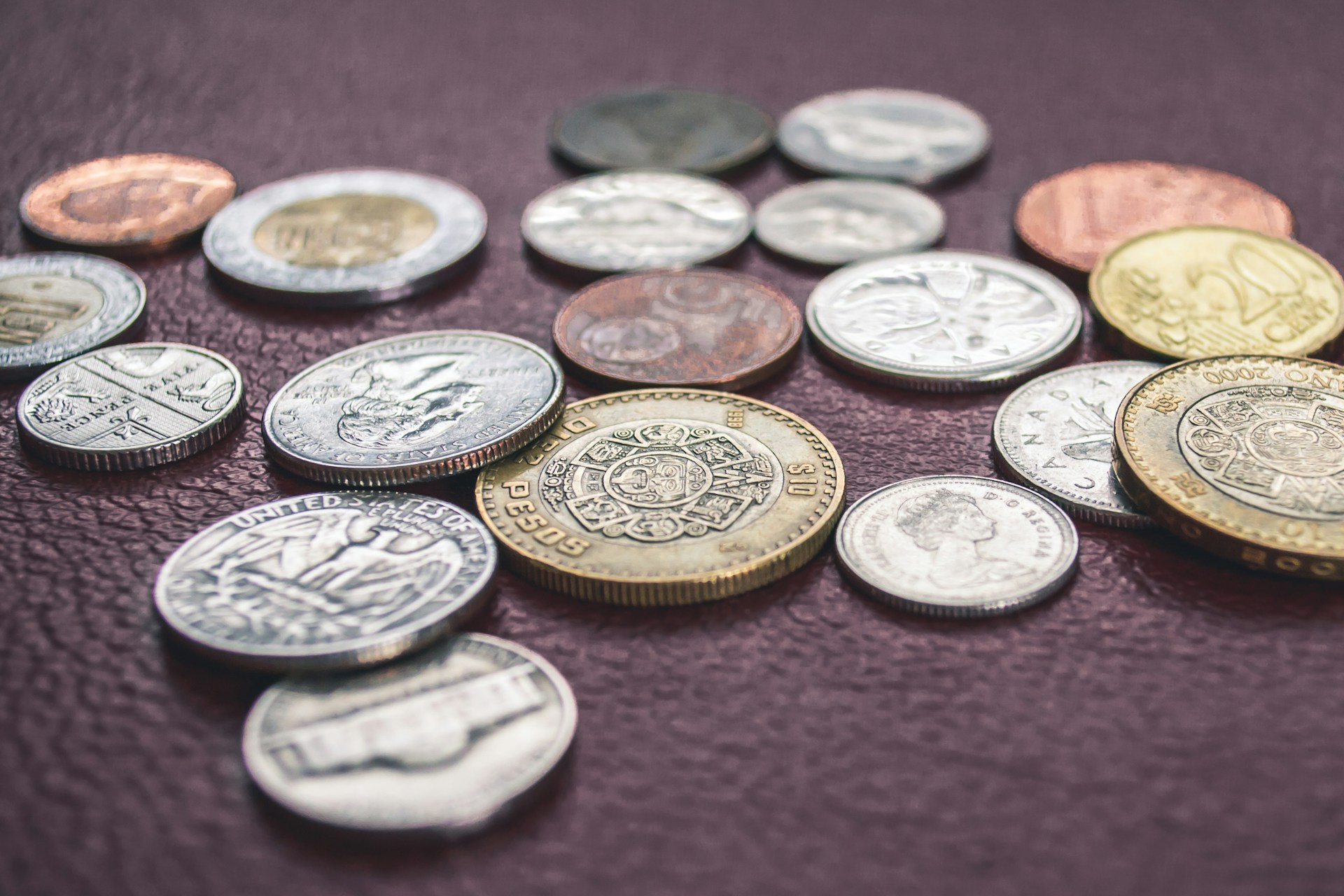
Dollar liquidity keeps global financial gears turning. The dollar pops up in 88% of all forex trades worldwide.
That creates a mad rush for dollars in tough times. Foreign banks scramble for dollar funding when markets get rocky.
The Federal Reserve swooped in during both the 2008 and 2020 crises. It handed out $585 billion in 2008 and $450 billion in 2020 through swap lines. Other central banks couldn’t match that.
Dollar dominance by the numbers:
- 60% of global banking deposits and loans
- 96% of trade invoicing in the Americas
- 60% of foreign currency debt issued in dollars
This liquidity gives the dollar an almost untouchable feel. Whenever markets wobble, investors grab dollars and U.S. Treasuries.
Foreigners own $7 trillion in Treasury securities—about a third of the market. Over $950 billion in physical U.S. banknotes circulate outside the country.
That deep liquidity lets the dollar absorb huge trades without wild price swings. Other currencies just can’t compete when things get rough.
Comparative Case Studies: Other Currencies That Felt Like Monopoly Money
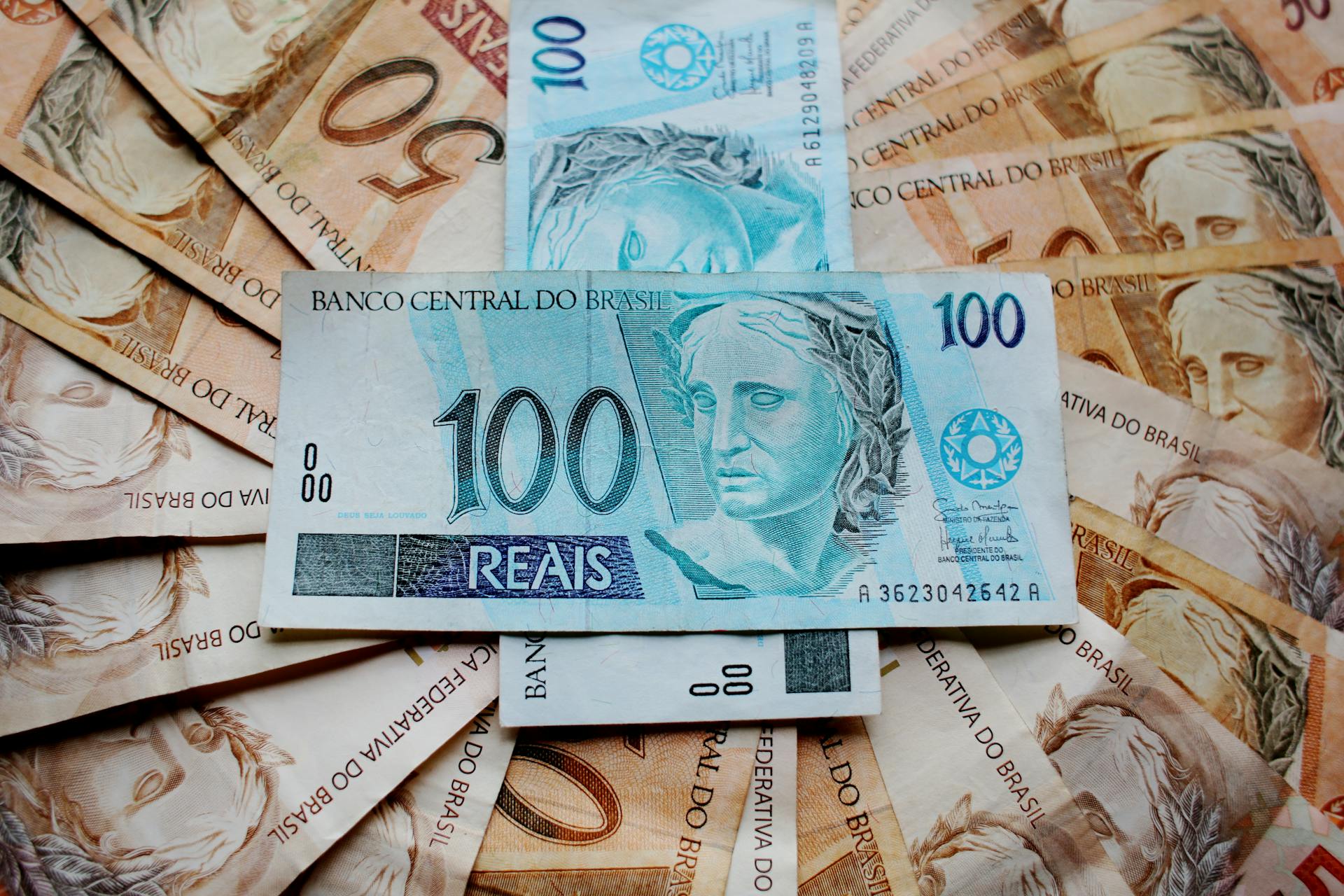
If you want to see what happens when money loses its value, Brazil’s cruzeiro and Turkey’s lira are textbook examples. Their stories show how inflation can turn cash into little more than colorful play money.
Lessons from Brazil and Turkey
Brazil’s currency crisis in the ‘80s and ‘90s was wild. Hyperinflation got so bad that people needed bags of cash just to buy groceries.
Between 1986 and 1994, Brazil rolled out five different currencies. Each new one replaced the last because the old bills became worthless.
At one point, the cruzeiro real’s inflation topped 2,000% a year. Workers wanted to be paid daily because their wages lost value so fast.
Turkey’s lira had its own meltdown in the early 2000s. In 2005, they chopped off six zeros just to make prices readable.
Before that, a coffee could cost millions of lira. The bills were bright and fun to look at, but they didn’t mean much.
Both stories show how bad government monetary moves can wipe out trust in a currency.
Hyperinflation and Currency Devaluation Worldwide
Zimbabwe’s dollar takes the cake for currency collapse. By 2008, inflation hit 231 million percent a year.
They printed 100 trillion dollar notes that couldn’t even buy a loaf of bread. People switched to foreign cash or bartering.
Germany’s Weimar Republic had the same nightmare in the 1920s. Folks pushed wheelbarrows full of bills just to buy bread.
Common hyperinflation signs:
- Governments print money to cover spending
- People lose all trust in the money
- Locals turn to foreign cash or gold
- Bills get so bulky they’re a hassle to use
Venezuela’s bolívar followed this script too. The government chopped off five zeros in 2018, then three more in 2021.
Visual and Psychological Effects of Foreign Currency
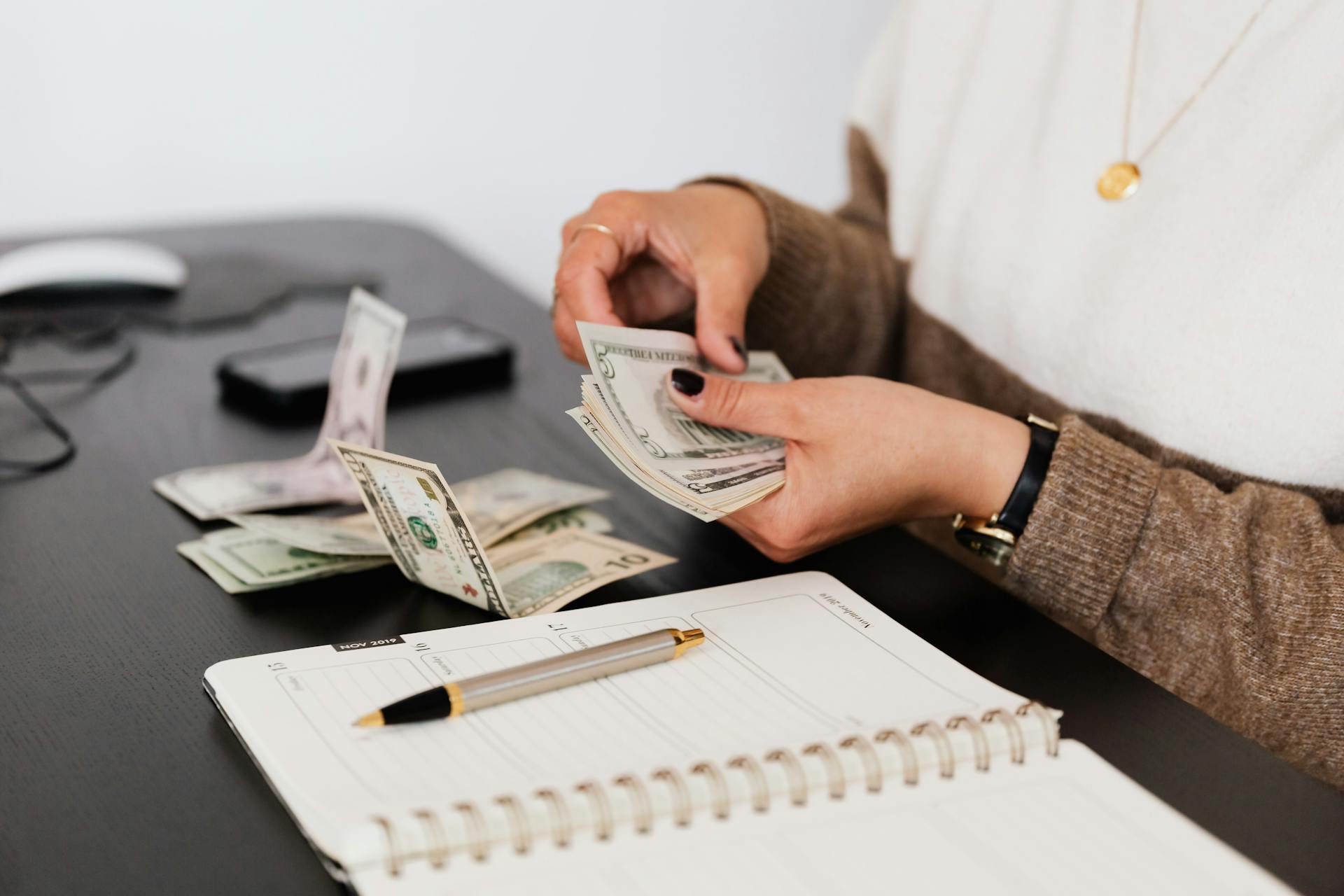
Foreign money can feel like play cash—especially when the bills are bright, unfamiliar, or have huge numbers on them. It’s easy to lose track of value.
Those bold colors and plastic-like textures? They add to the Monopoly vibe. Turkish lira and Brazilian reais, for example, just feel different from American bills.
When a currency tanks, people start treating it carelessly. The faster it loses value, the less real it seems.
Visual cues that make cash feel fake:
- Odd sizes compared to dollars
- Cartoon-bright colors
- Massive numbers on bills
- Faces and symbols you don’t recognize
This disconnect helps explain why tourists often overspend abroad. If the money doesn’t look or feel like home, you just don’t register the cost the same way.
Consequences for Americans at Home and Abroad
A stronger peso means real headaches for Americans, whether you’re planning a vacation or sending money to family. These shifts ripple out, changing how we spend, invest, and even connect with Mexico.
Loss of Purchasing Power Internationally
My dollar just doesn’t stretch like it used to in Mexico. When the peso jumped over 12% in 2023, Americans traveling or living there felt it right away.
A $1,000 budget that used to get you 20,000 pesos at 20:1 now only buys about 17,000 pesos. That’s a 15% hit—ouch.
What that means on the ground:
- Hotel rooms cost more in dollars
- Restaurant bills sting a little extra
- Rentals don’t feel like bargains anymore
- Shopping trips yield fewer deals
Americans on fixed incomes—retirees, remote workers—get squeezed the most. If you planned your budget around old rates, you’re either cutting back or dipping into savings.
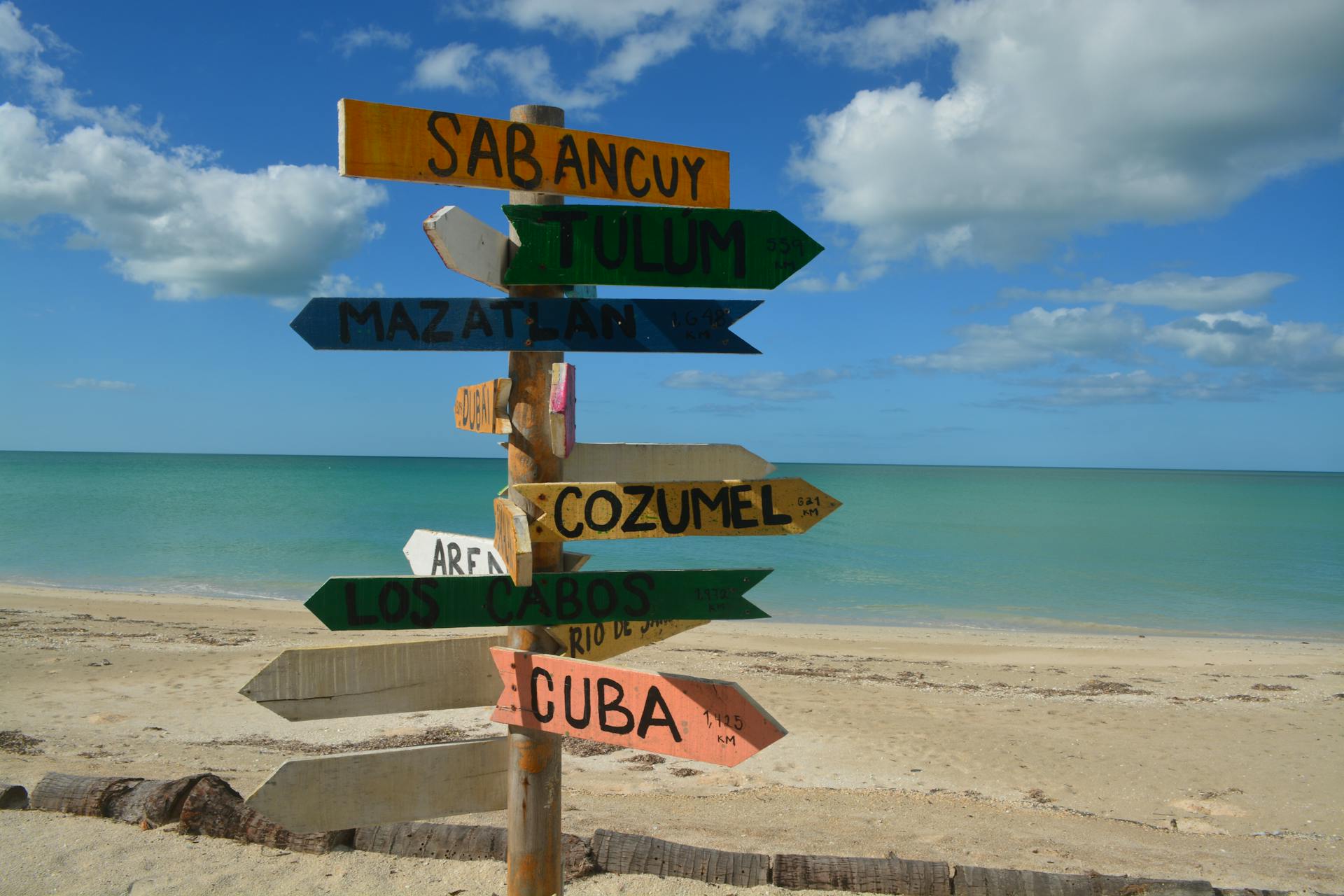
Places like Puerto Vallarta and Los Cabos start to lose their shine. Vacation rentals that seemed cheap last year now feel pricey once you do the math.
Shifting Investment and Travel Behaviors
Americans are rethinking their travel and investment plans as the peso gets stronger. Mexico’s tourism industry—over 4 million jobs strong—could take a hit as folks look for better value elsewhere.
Booking data shows Americans checking out other destinations where their dollars go further. Costa Rica, Guatemala, even some spots in Eastern Europe are getting more attention.
On the investment side:
- Fewer Americans buying Mexican real estate
- Currency traders tweak their peso strategies
- Some investors pull out of peso assets
I’ve noticed people timing their Mexico trips around exchange rates now. They watch the numbers and plan visits when the dollar gets a little bump.
Business travelers feel it too. Meetings and conferences in Mexico cost more, so companies either up their budgets or cut back on trips.
Remittances and Cross-Border Transactions
If you’re a Mexican-American sending money home, you’ve probably noticed things are getting trickier. Remittances to Mexico soared to record highs in 2023, but the strong peso is complicating life for families back home.
Let’s say you send $500 each month. Not long ago, that turned into 10,000 pesos at a 20:1 exchange rate. Now? You’re looking at just about 8,500 pesos. It’s a tough choice—send more dollars or accept that your family can buy less.
Here’s what else is happening:
- American companies with Mexican suppliers are paying more.
- Those cross-border doctor visits? They’re pricier now.
- Mexican imports don’t look like such a bargain for U.S. shoppers anymore.
I’ve watched people living near the border cross over to buy groceries or medicine, hoping to save a few bucks. Lately, though, the strong peso is eating into those savings. Border shopping just isn’t the deal it used to be.
Money transfer apps like Western Union and Remitly are buzzing with activity. People are hunting for the best exchange rates, comparing services, and trying to squeeze every last peso out of their hard-earned dollars. I get it—every little bit counts when you’re supporting family across the border.
