
Rome stole my heart the moment I stepped onto its ancient cobblestone streets. With its rich history, breathtaking architecture, and mouthwatering cuisine, the Eternal City offers an unforgettable experience for first-time visitors. Three days in Rome is the perfect amount of time to explore major landmarks like the Vatican, Colosseum, and Roman Forum while also discovering hidden local gems and savoring authentic Italian food.
Planning your first Rome itinerary might seem overwhelming with so many incredible sights to see. During my recent trip, I crafted a balanced three-day schedule that allowed me to visit iconic spots like the Trevi Fountain and Spanish Steps without feeling rushed. I even found time to wander through charming neighborhoods and enjoy gelato breaks between sightseeing adventures.

My Rome experience taught me that the best way to enjoy this magnificent city is to mix must-see attractions with unplanned exploration. In this three-day itinerary, I’ll share how to make the most of your first visit to Rome, including insider tips on avoiding crowds, finding the best local restaurants, and creating memories that will last a lifetime.
Setting the Scene: Rome’s Historic Center
Rome’s historic center is a living museum where ancient monuments stand alongside Renaissance palaces and baroque fountains. Walking these cobblestone streets connects you to thousands of years of history while offering some of the world’s most iconic sights within a surprisingly walkable area.
Exploring the Heart of Ancient Rome
The historic center of Rome feels like stepping into a time machine. As I wandered through these ancient streets, the Pantheon immediately captured my attention with its perfect dome and oculus letting in a heavenly beam of light. This 2,000-year-old architectural marvel remains the best-preserved ancient Roman building.
Nearby, Piazza Barberini offers a less crowded experience with Bernini’s Triton Fountain as its centerpiece. I found this square to be a perfect starting point for exploring the historic center, especially in the morning before the crowds arrive.
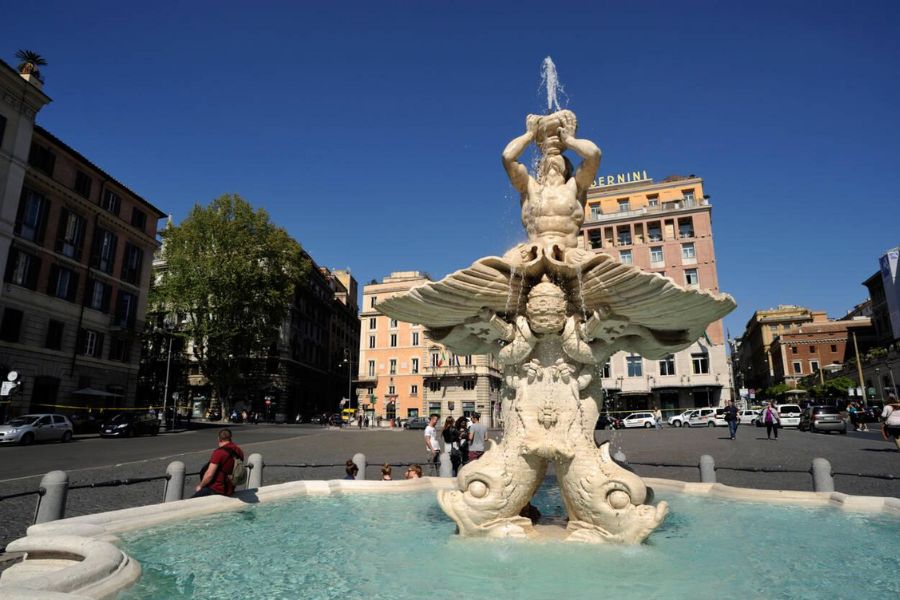
The layers of history are visible everywhere you look – medieval churches built atop ancient Roman temples, Renaissance palaces alongside baroque masterpieces. Each narrow alleyway holds surprises that won’t appear in guidebooks.
A Stroll Through Rome’s Piazzas and Fountains
The Trevi Fountain became an early morning destination for me to avoid the crowds. This massive baroque masterpiece depicts Neptune riding a shell-shaped chariot led by sea horses. Don’t forget to toss a coin over your shoulder to ensure your return to Rome!

Piazza Navona captivated me with its elongated shape (once a Roman stadium) and three stunning fountains. Bernini’s Fountain of the Four Rivers stands at its center, with detailed sculptures representing the world’s major rivers.

The Spanish Steps provide the perfect spot to rest and people-watch. I enjoyed sitting here with a gelato, taking in the atmosphere and the Barcaccia Fountain below. This area comes alive in spring when the steps are decorated with colorful azaleas.
These piazzas aren’t just tourist attractions – they’re living spaces where locals meet, children play, and the daily rhythm of Roman life continues as it has for centuries.
The Artistic Soul of Rome
Rome isn’t just about ancient ruins and pasta. The city breathes art at every corner, with masterpieces spanning centuries that will leave you speechless whether you’re an art aficionado or just appreciate beautiful things.
Discovering Caravaggio and Bernini
Walking through Rome, I found myself constantly stumbling upon Caravaggio’s dramatic paintings and Bernini’s emotional sculptures. These two masters defined the Baroque period, and Rome houses their greatest works.
In San Luigi dei Francesi, I stood mesmerized before Caravaggio’s stunning trilogy of St. Matthew paintings. The dramatic lighting and raw emotion left me speechless. The entrance is free, but bring a few coins for the light box.
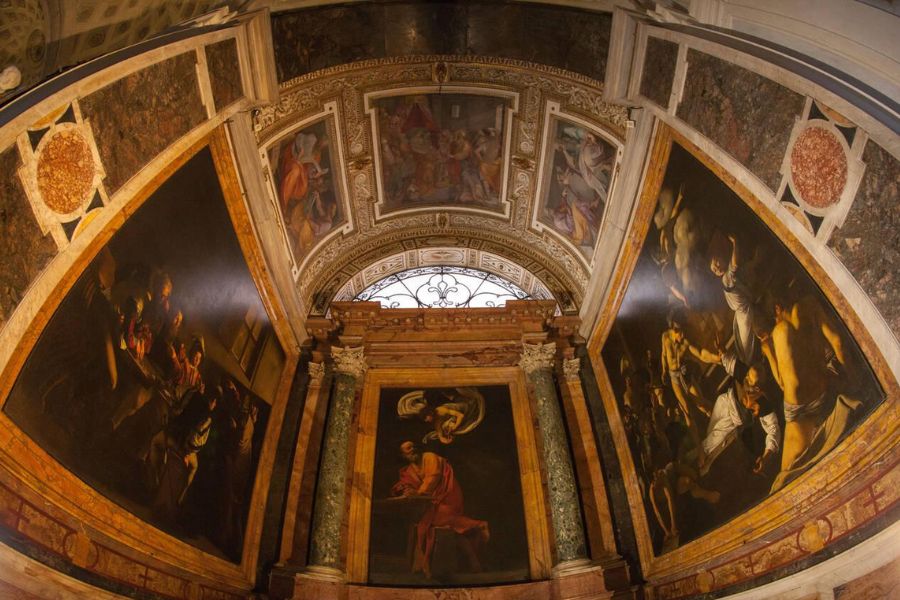
Bernini’s sculptures tell stories through stone. His “Apollo and Daphne” at the Borghese Gallery captures the exact moment of transformation with impossible delicacy. I recommend visiting in the morning when the natural light streams through the windows.
Museums and Galleries Galore
Beyond the Vatican Museums, Rome offers countless artistic treasures in more intimate settings. The Borghese Gallery tops my list as a must-visit – it houses masterpieces in a former villa surrounded by gardens.
Booking tickets in advance is essential as they limit visitors. I spent two hours admiring works by Raphael, Titian, and Caravaggio without feeling rushed or crowded.
The Capitoline Museums surprised me with their incredible collection of ancient Roman sculptures and Renaissance paintings. The statue of Marcus Aurelius and the original she-wolf nursing Romulus and Remus are highlights.
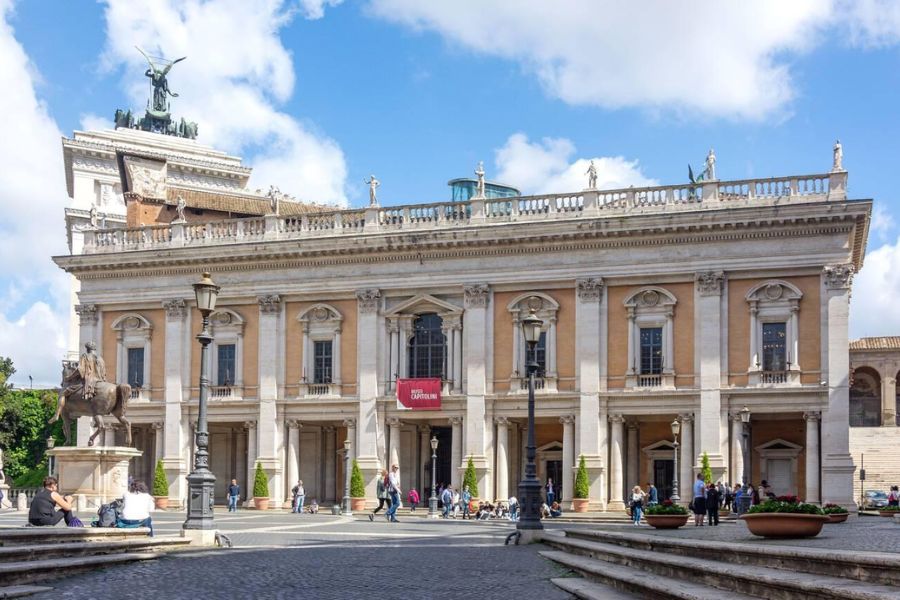
For contemporary art lovers, MAXXI offers a refreshing contrast with its modern architecture and rotating exhibitions. I enjoyed the building design almost as much as the artworks inside.
Experiencing the Vatican City
Vatican City is a must-visit treasure during your Rome adventure. This tiny independent state houses some of the world’s most incredible art collections and religious landmarks that will leave you breathless regardless of your faith or background.
The Wonders of the Sistine Chapel and St. Peter’s Basilica
Walking into the Sistine Chapel, I was immediately struck silent by Michelangelo’s masterpiece ceiling. The vibrant colors and intricate details were far more impressive in person than any photo could capture.
Don’t rush this experience! I recommend sitting on one of the benches along the walls to fully absorb the genius displayed above you. The Creation of Adam panel is particularly mesmerizing.
St. Peter’s Basilica is equally magnificent. Its massive dome, designed by Michelangelo, towers over the city. Inside, Bernini’s bronze baldachin and Michelangelo’s Pietà sculpture showcase Renaissance perfection at its finest.
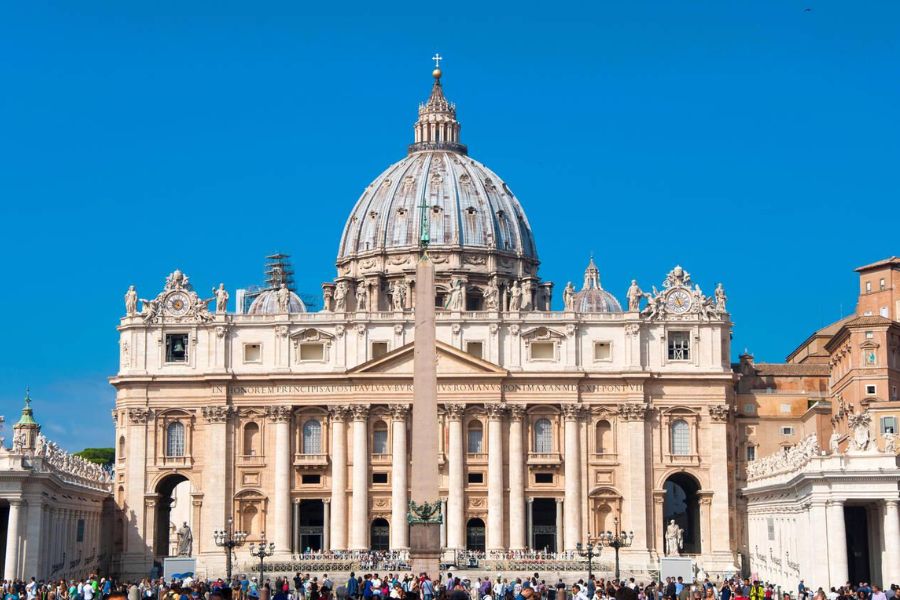
Be sure to climb to the top of the dome for just €8. The panoramic views of Rome are absolutely worth the 551 steps (or fewer if you take the elevator part way).
Vatican Tours and Hidden Gems
I strongly recommend booking a guided tour for the Vatican Museums. My early morning tour helped me skip hours-long lines and provided fascinating context I would have missed otherwise.
Some lesser-known highlights worth seeking out:
- The Gallery of Maps with its stunning 16th-century topographical paintings
- Raphael’s Rooms, particularly “The School of Athens” fresco
- The spiral Bramante Staircase, an architectural marvel
For the best experience, visit on Tuesday or Thursday when crowds are typically smaller. Wear modest clothing (covered shoulders and knees) to ensure entry to religious sites.
Consider visiting the Vatican Gardens if you have extra time. These peaceful grounds offer a quiet escape and unique views of St. Peter’s Basilica from angles most tourists never see.
Rome’s Culinary Delights and Nightlife
Rome transforms from a historical wonderland to a gastronomic paradise as the sun sets. The eternal city offers unforgettable flavors and lively evening spots that are essential to experiencing authentic Roman culture.
Taste of Italy: Gelato, Aperitivo, and Cappuccino
I discovered that mornings in Rome begin with a perfect cappuccino. Unlike the oversized versions back home, authentic Roman cappuccinos are small, strong, and meant to be enjoyed standing at a bar counter before 11 AM. My favorite spot was near the Pantheon where locals gathered before work.
Gelato became my daily ritual. The best shops use natural ingredients and seasonal flavors. I learned to spot authentic gelaterias by checking if the pistachio is earthy green rather than bright – a sign of real nuts instead of artificial flavoring.

The aperitivo tradition was my evening highlight. Between 7-9 PM, I’d join locals for a spritz or negroni paired with complimentary snacks. Bar del Fico offered a perfect people-watching spot with generous buffets included with your drink purchase.
Evening Escapades: Rooftop Bars and Trastevere
Rome’s rooftop bars provide magical sunset views that transformed my understanding of the city. Hotel Raphael’s terrace gave me panoramic vistas of ancient domes and monuments bathed in golden light. I sipped prosecco while watching the sun set behind St. Peter’s dome – worth every euro of the slightly pricey drinks.
Trastevere became my favorite nightlife district. This charming neighborhood across the Tiber River buzzes after dark with narrow, cobbled streets filled with outdoor tables and twinkling lights.
I wandered through Piazza di Santa Maria, the neighborhood’s heart, where street musicians performed while locals and visitors mingled. The small bars felt authentic rather than touristy. Da Enzo al 29 became my go-to spot for late dinner, though arriving early or making reservations proved essential as locals pack this tiny trattoria nightly.
Off the Beaten Path: Rome’s Hidden Treasures
While Rome’s iconic attractions deserve attention, the city’s lesser-known spots offer equally enchanting experiences without the crowds. These hidden gems reveal a more authentic side of the Eternal City.
Green Spaces and Ancient Sites
I love escaping to Villa Borghese Park when the bustling streets become overwhelming. This sprawling green oasis offers peaceful gardens, rowing on the small lake, and the excellent Borghese Gallery housing masterpieces by Bernini and Caravaggio.
Not far away, Piazza del Popolo presents a magnificent entrance to Rome with its twin churches and Egyptian obelisk. I recommend climbing the steps to Pincio Terrace for a breathtaking city panorama.
The overlooked Circus Maximus might seem like just a grassy depression now, but standing here lets you imagine the roaring crowds of ancient chariot races. It’s significantly less crowded than the Colosseum but equally historical.
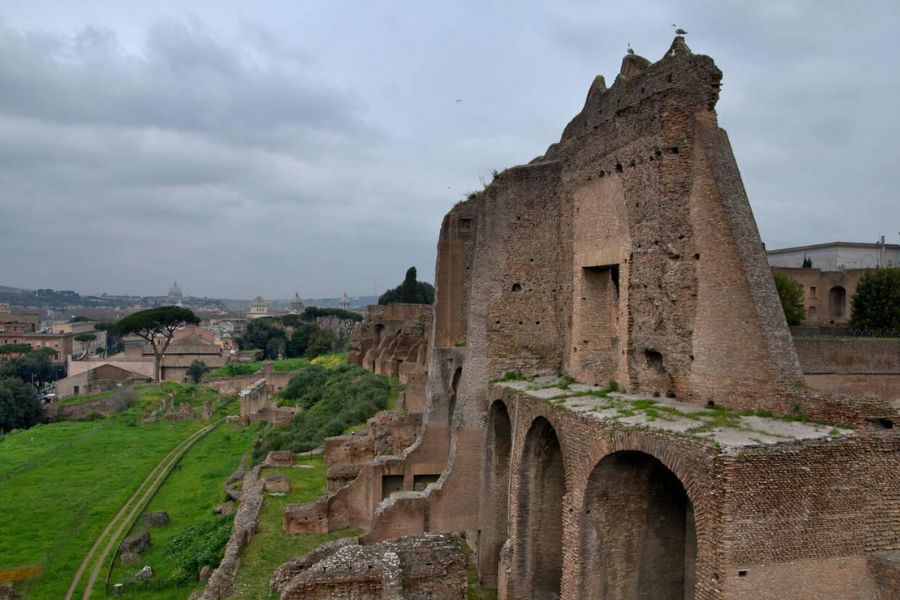
Palatine Hill offers a serene archaeological experience. Walking among imperial ruins, I feel transported to ancient Rome while enjoying spectacular views over the Forum and city beyond.
The Charm of Rome’s Neighborhoods
The Jewish Ghetto captivates me with its rich history and authentic cuisine. I always make time for a plate of carciofi alla giudia (Jewish-style artichokes) at one of the traditional restaurants along Via del Portico d’Ottavia.
Narrow alleyways lead to hidden courtyards and unexpected architectural gems. The works of Borromini, a Baroque master, dot the city in less touristy areas. His perspective-bending designs at Palazzo Spada always astonish first-time visitors.
For a unique experience, I visit Castel Sant’Angelo in the evening when the crowds thin. This fortress-turned-museum offers a secret passage (Passetto di Borgo) that once protected popes fleeing danger.
Capitoline Hill, Rome’s smallest yet most significant hill, houses the fantastic Capitoline Museums. The piazza designed by Michelangelo provides a perfect sunset spot with fewer tourists than the Spanish Steps.
