
When I first stood before the Trevi Fountain in Rome, I was just another tourist planning to toss a coin over my shoulder. Little did I know that this magnificent Baroque masterpiece had a history dating back centuries before the coin-tossing tradition began.
The Trevi Fountain isn’t just a wishing well—it’s one of the world’s most celebrated fountains and a spectacular display of Roman artistry that has captivated visitors for generations.
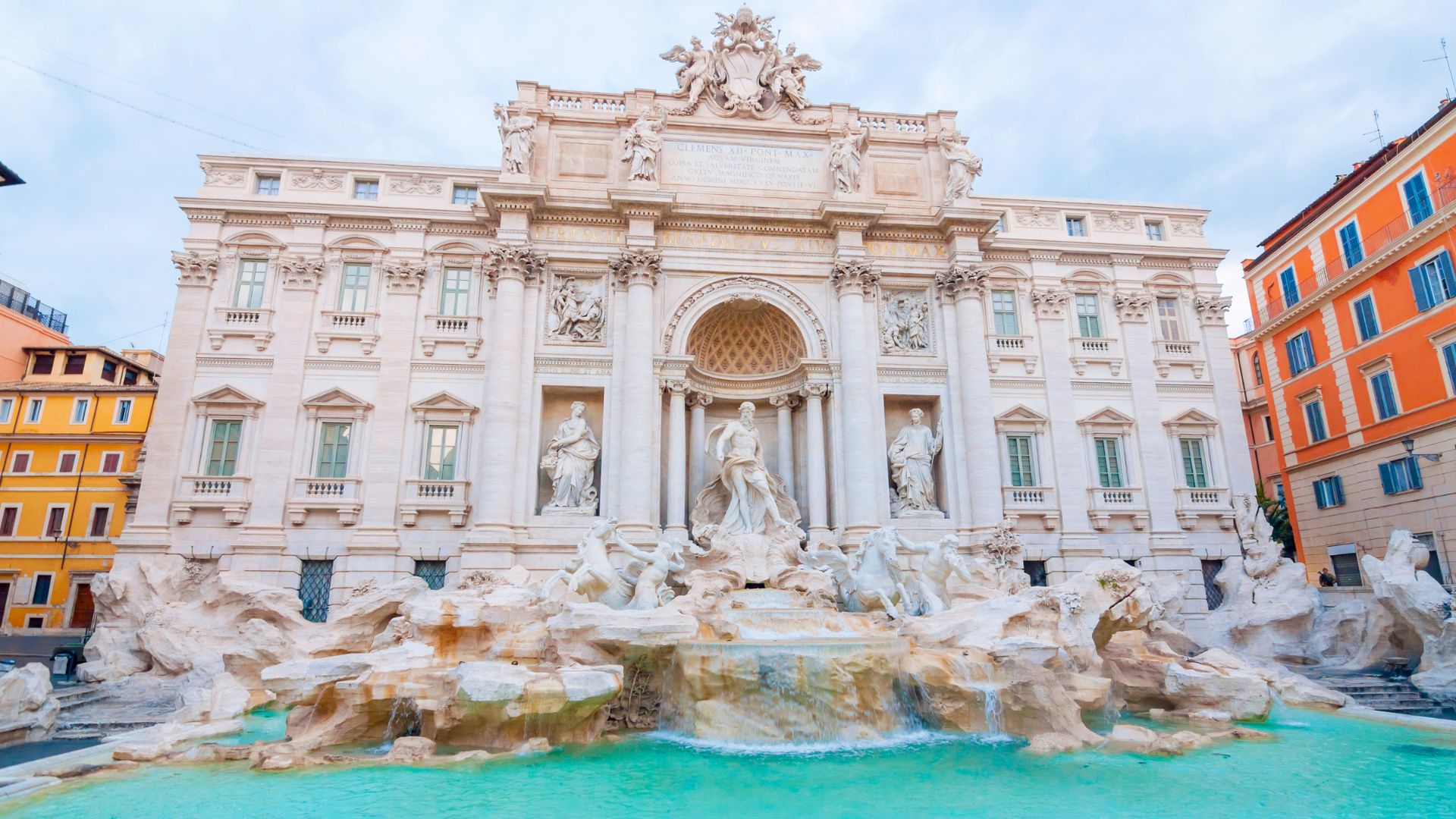
The fountain’s grand design features the god Oceanus riding a shell chariot led by sea horses, with tritons guiding them through the rushing waters. Created by Nicola Salvi in the 18th century, this breathtaking monument stands as the perfect example of Baroque style with its dramatic sculptures and dynamic water elements.
Every detail tells a story about ancient Rome’s relationship with water, from the abundant cascades to the mythological figures frozen in marble.
Beyond the popular coin toss ritual that promises a return to the Eternal City, the Trevi Fountain serves a practical purpose too. Each evening, coins are collected and donated to charity, transforming tourists’ wishes into real help for those in need. I’ve visited Rome many times, but standing before the Trevi’s magnificent façade always feels like seeing it for the first time—a testament to its timeless appeal and artistic significance.
Unearthing the History
The Trevi Fountain’s story spans centuries, connecting ancient Roman engineering with baroque artistic vision. This magnificent monument evolved from practical waterworks to one of the world’s most beloved fountains.
The Conception by Nicola Salvi
I find Nicola Salvi’s role in creating the Trevi Fountain fascinating. In 1730, Pope Clement XII held a competition to redesign the fountain. Though Alessandro Galilei initially won, the commission ultimately went to Salvi, a Roman architect.
Salvi’s design brilliantly integrated the fountain with the Palazzo Poli behind it, creating a seamless facade. He envisioned a mythological theme featuring Neptune at its center.
Work began in 1732, but sadly, Salvi never saw his masterpiece completed. He died in 1751, with only the central portion finished. Giuseppe Pannini took over, and the fountain was finally completed in 1762.
Influences of Marcus Vipsanius Agrippa
When I walk around the Trevi, I’m reminded of its ancient origins. Marcus Vipsanius Agrippa, Emperor Augustus’s right-hand man, commissioned the original aqueduct that feeds the fountain back in 19 BCE.
Agrippa built the Aqua Virgo to supply water to his baths near the Pantheon. Legend says a young virgin helped soldiers find the water source, hence the name “Virgin Waters.”
The fountain’s central relief depicts this story, showing Agrippa approving plans for the aqueduct. This connection to Rome’s imperial past gives the Trevi remarkable historical significance beyond its baroque beauty.

From Ancient Aqueducts to Baroque Masterpiece
The Trevi’s transformation from utilitarian water source to artistic monument took centuries. The original fountain was much simpler, marking where the Aqua Virgo emerged.
After several medieval redesigns, the fountain took a dramatic turn in the baroque era. Pope Urban VIII asked Gian Lorenzo Bernini to reimagine it in 1629, though his plans were abandoned after the pope’s death.
The Aqua Virgo aqueduct itself underwent multiple restorations throughout history. Even today, the fountain is fed by the same ancient aqueduct system, though now called Acqua Vergine.
I’m always struck by how the Trevi represents layers of Roman history – from ancient engineering to baroque theatricality, all preserved in a single monumental fountain.
Architectural Wonders
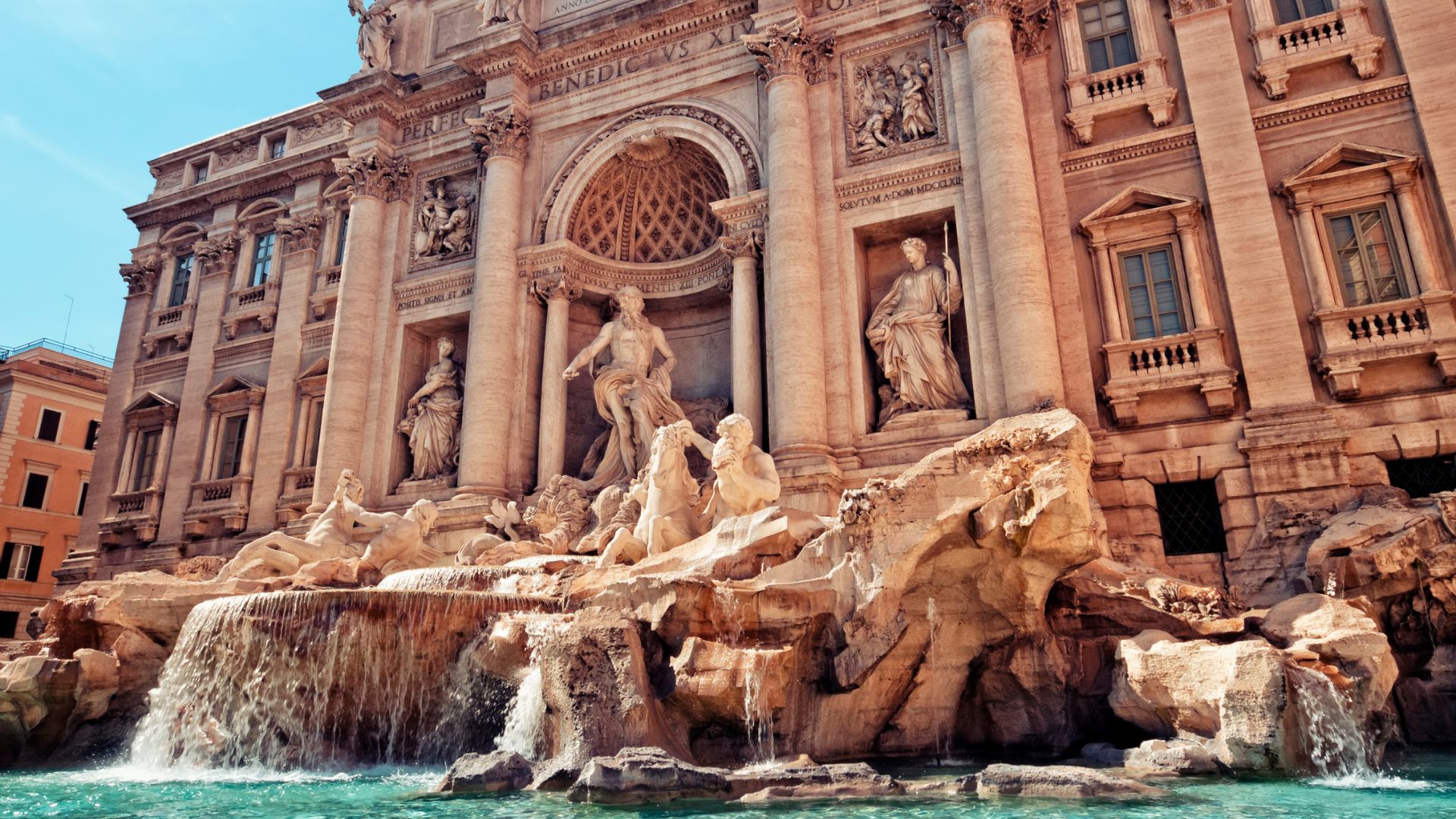
The Trevi Fountain stands as one of Rome’s most magnificent baroque masterpieces. Its intricate design combines powerful sculptural elements with the dramatic backdrop of Palazzo Poli, creating a theatrical display that has captivated visitors for centuries.
Oceanus Takes Center Stage
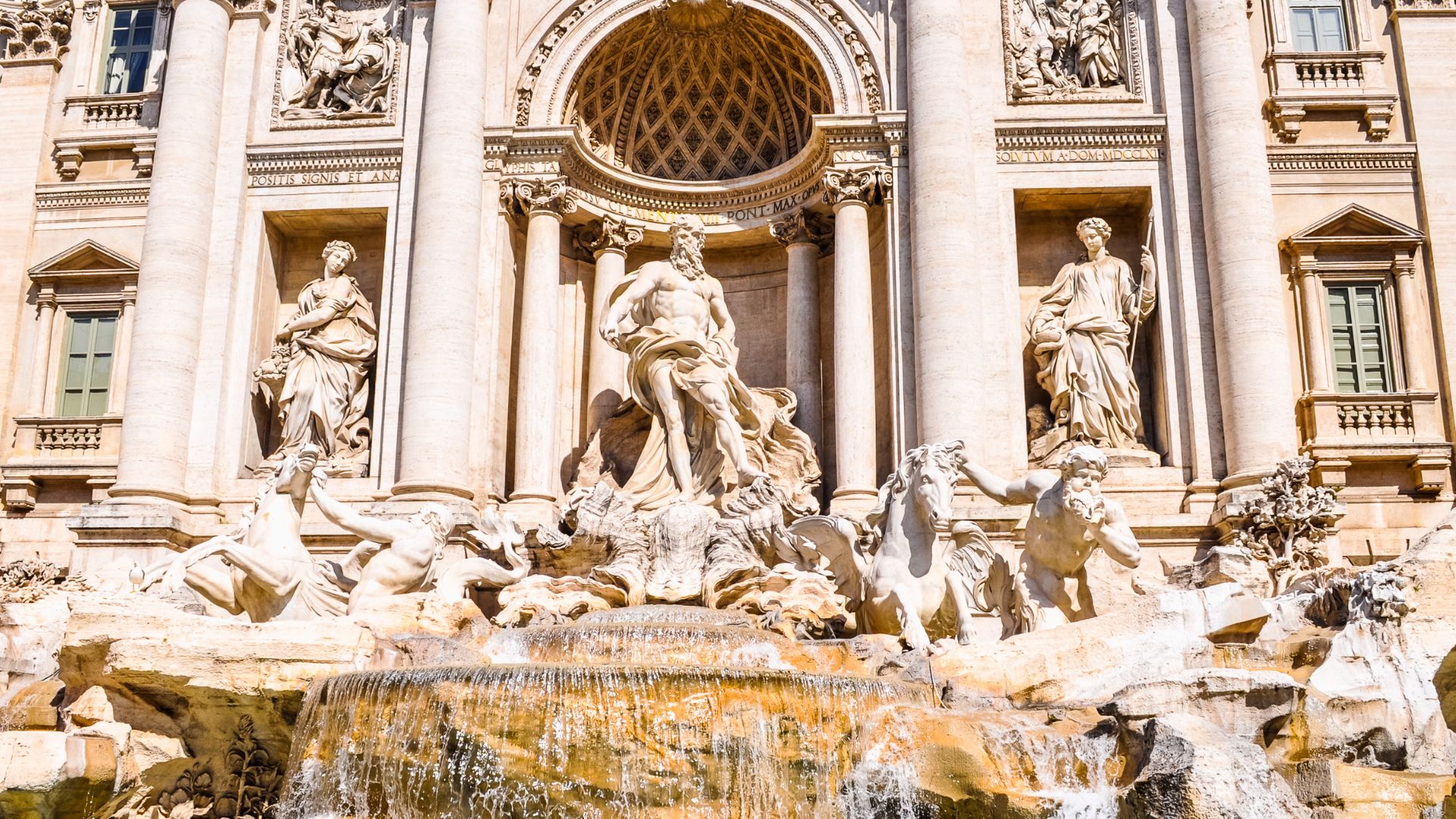
At the heart of the Trevi Fountain stands the imposing figure of Oceanus, god of all water. I was amazed by this central sculpture, standing nearly 5.8 meters tall and commanding attention from every angle. Nicola Salvi’s design places Oceanus riding a shell-shaped chariot pulled by sea horses.
Two Tritons guide these horses – one wild and one docile – representing the contrasting moods of the sea. Oceanus’s powerful stance, with water cascading around him, creates a sense of movement that’s truly breathtaking.
The god’s expression conveys both strength and serenity, perfectly capturing the dual nature of water as both life-giving and potentially destructive. The detail in his muscular form and flowing beard showcases the exceptional skill of the sculptors.

The Palazzo Poli Backdrop
The fountain isn’t a standalone structure – it’s brilliantly integrated into the facade of Palazzo Poli. I found this architectural marriage fascinating, as it creates the illusion that the fountain emerges directly from the building.
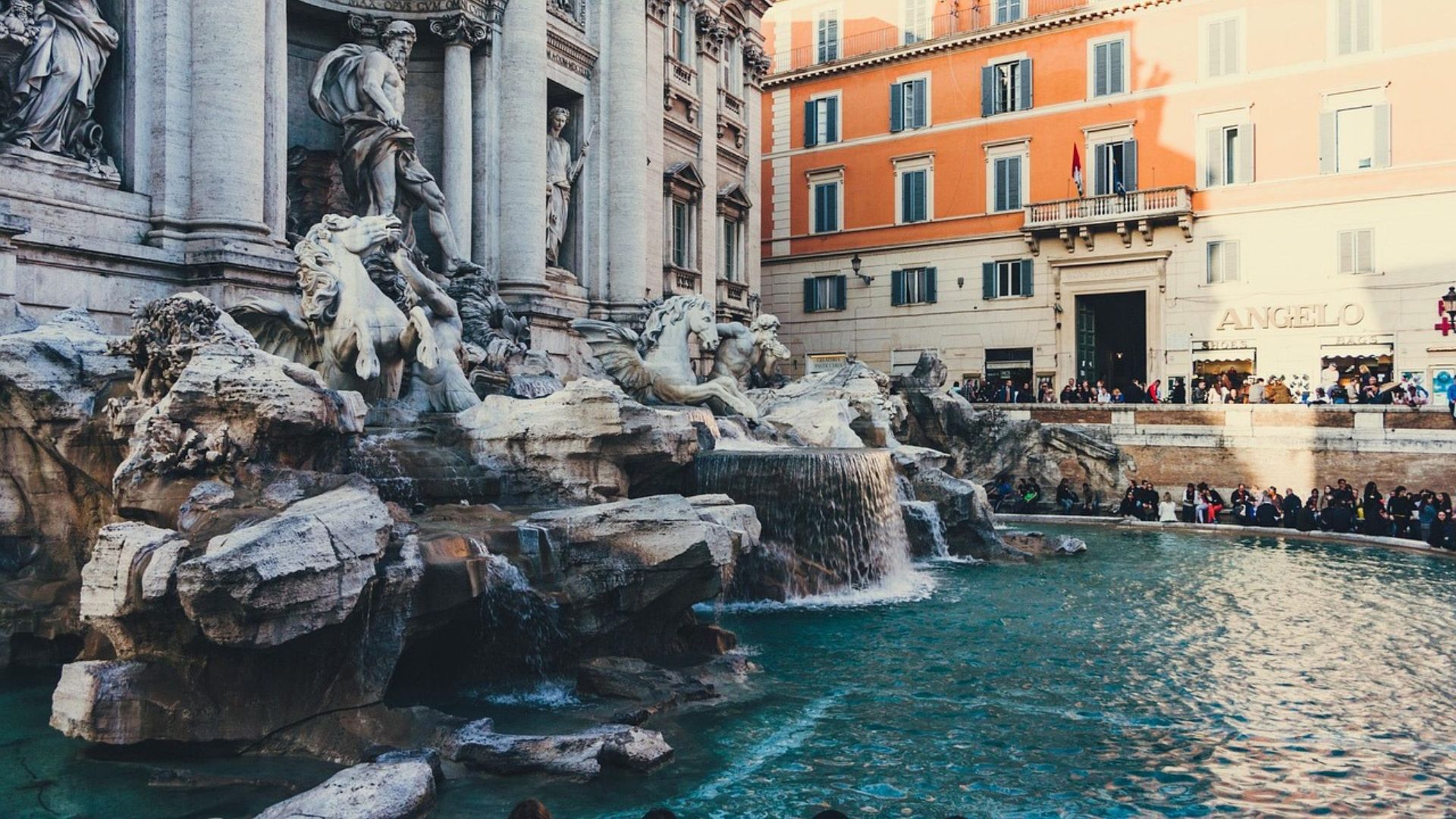
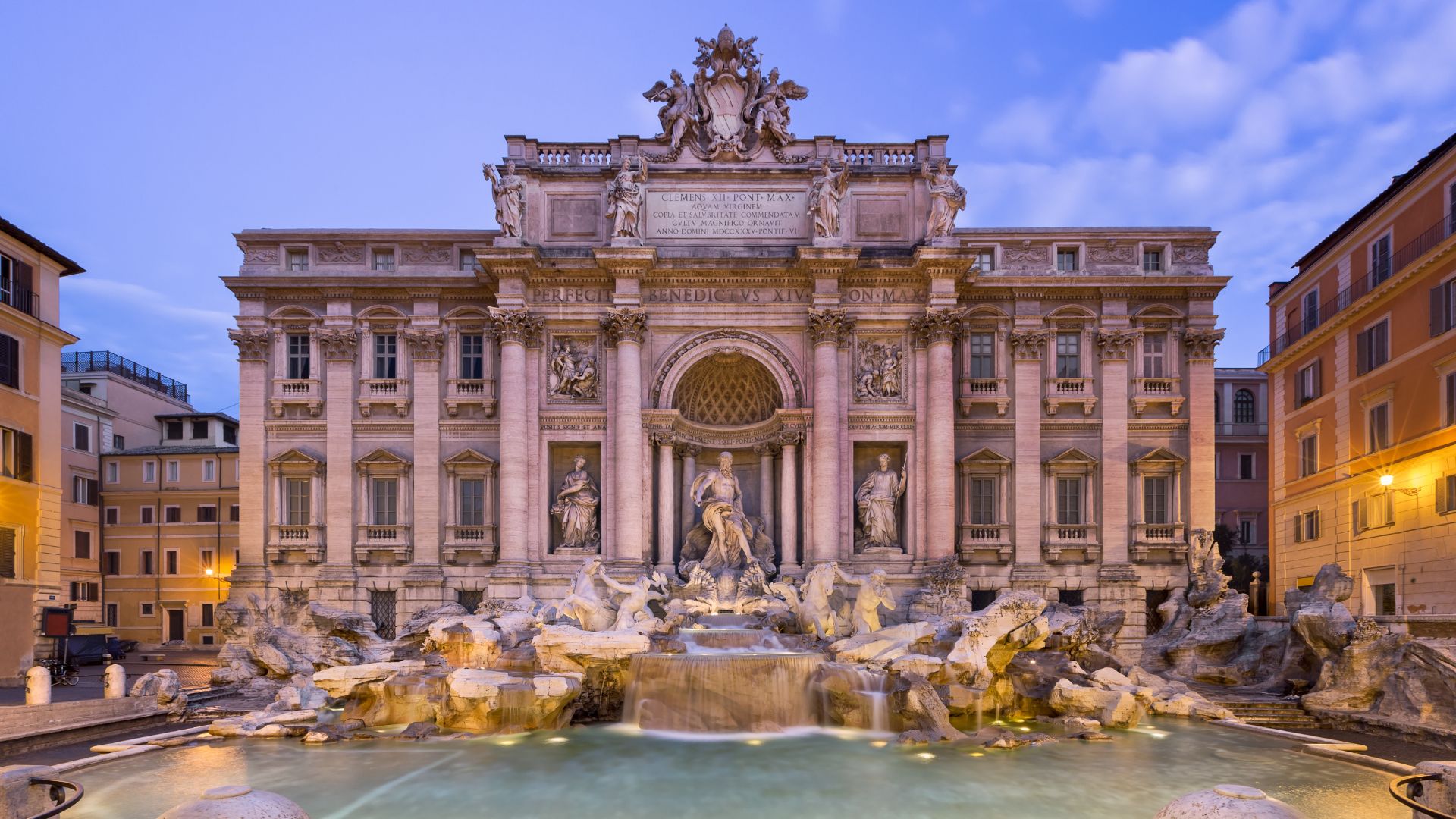
The palace provides a theatrical backdrop spanning 20 meters wide and 26 meters high. Four colossal Corinthian columns divide the facade into three sections, framing the sculptural scene below and creating a sense of grandeur.
Between these columns stand allegorical statues representing Health, Fertility, Abundance, and the Seasons. These figures create a visual balance and add symbolic meaning to the entire composition.
The palace’s windows and balconies aren’t merely functional but form part of the artistic whole. This integration of building and fountain exemplifies the baroque approach of blending architecture with sculpture.

Travertine and Marble Splendor
The materials used in the Trevi Fountain contribute significantly to its beauty. I was struck by how the travertine limestone from Tivoli forms the fountain’s main structure, providing a sturdy yet elegant foundation.
The sculptural elements are crafted from Carrara marble, whose pristine whiteness contrasts beautifully with the darker travertine. This material choice wasn’t just aesthetic but practical – marble’s fine grain allows for the intricate detailing seen throughout the sculptures.
The fountain’s basin, made from travertine, extends outward in an irregular semicircle, mimicking the ancient trivium (three-way intersection) that gives the fountain its name. Water flows over artificially roughened rocks, creating the dynamic bubbling and splashing effects.
What impressed me most was how these materials have endured centuries of exposure while maintaining their visual impact. Recent restoration work completed in 2015 returned the fountain to its original splendor, removing decades of pollution and damage.
Cinema’s Romance with the Fountain
The Trevi Fountain has captured the hearts of filmmakers, becoming one of cinema’s most beloved backdrops for romance and magical moments. Its cascading waters and dramatic sculptures have starred in several iconic films that helped cement its place in popular culture.
La Dolce Vita and Anita Ekberg’s Iconic Scene
Federico Fellini’s 1960 masterpiece “La Dolce Vita” features perhaps the most famous scene ever filmed at the Trevi Fountain. I’ll never forget the first time I watched Anita Ekberg wade into the fountain’s waters, calling to Marcello Mastroianni to join her.
The midnight scene became an instant classic, with Ekberg’s flowing black dress contrasting against the illuminated white marble. It wasn’t just a beautiful moment – it transformed the fountain into a symbol of indulgence and sensuality.
Fellini’s artistic choice to film this scene at night enhanced the fountain’s dramatic lighting and created a dreamlike quality that millions of visitors now try to recapture when visiting Rome.
Three Coins in the Fountain and Cinema Lore
The 1954 film “Three Coins in the Fountain” introduced many Americans to the legend of tossing coins into the Trevi. I was amazed to learn how this simple romantic comedy actually helped popularize the coin-tossing tradition worldwide.
The movie follows three American women working in Rome who each wish for love at the fountain. Its theme song, performed by Frank Sinatra, became a massive hit that further cemented the fountain’s romantic reputation.
What’s fascinating is how the film created its own mythology – tossing one coin means you’ll return to Rome, two means you’ll fall in love with an Italian, and three guarantees marriage. This cinematic legend continues to inspire millions of visitors who now toss an estimated €3,000 daily into the fountain.
Legends and Traditions
The Trevi Fountain isn’t just a beautiful monument—it’s wrapped in fascinating stories and customs that have captivated visitors for centuries. These traditions have transformed a stunning piece of architecture into a magical place where dreams and coins merge.
The Myth of the Coin Toss
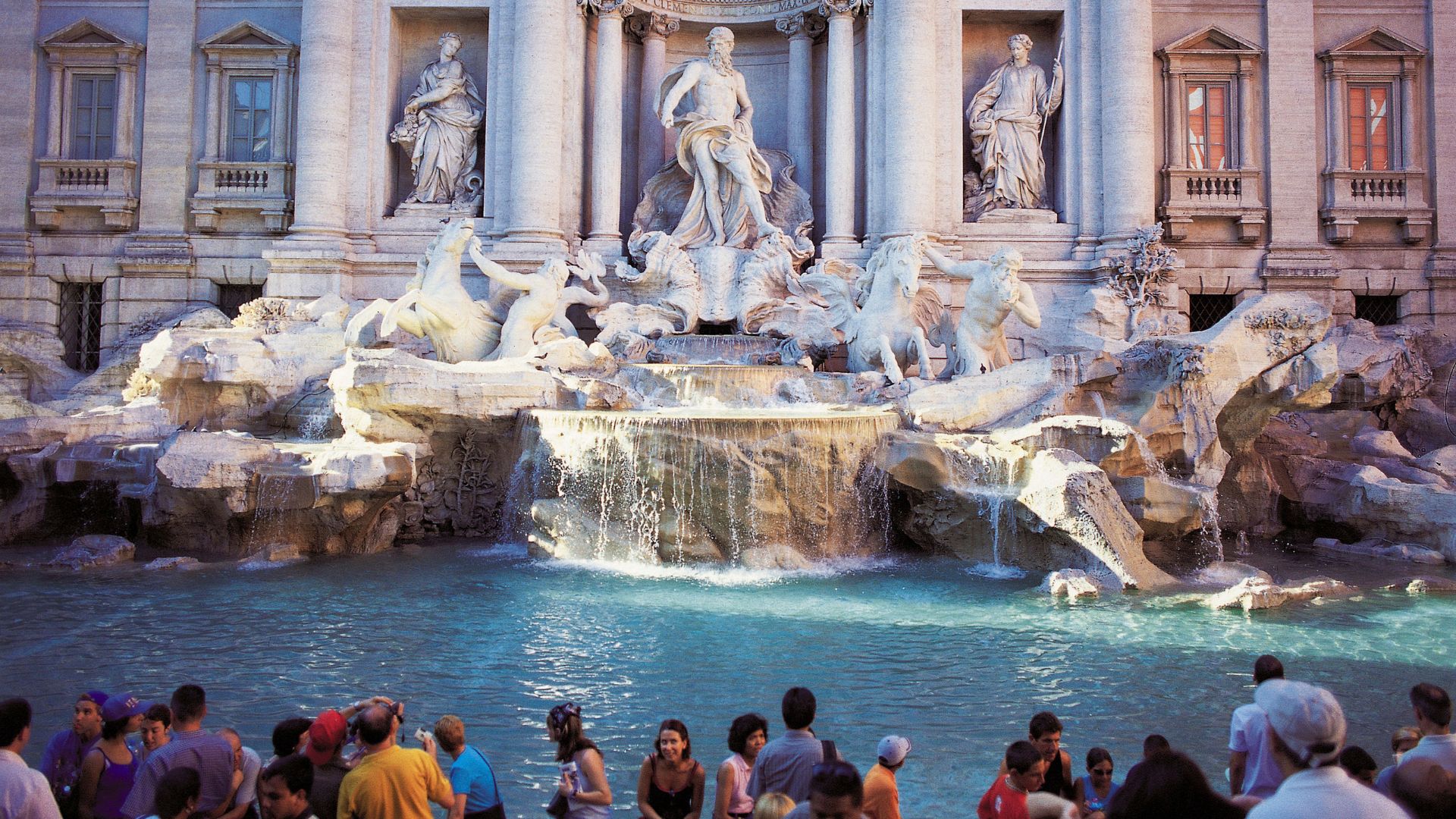
The most famous legend associated with the Trevi Fountain involves tossing a coin into its sparkling waters. According to tradition, if you throw a coin over your left shoulder with your right hand, you’ll ensure your return to Rome. I’ve done this myself, standing with my back to the fountain, and felt the strange mix of hope and superstition that comes with the gesture.
This custom has ancient roots, stemming from Roman practices of tossing coins into water as offerings to deities. Today, millions of visitors follow this ritual yearly. Some variations exist, too—tossing two coins promises a new romance with an Italian, while tossing three coins could lead to marriage or divorce.
The scene in the 1954 film “Three Coins in the Fountain” helped popularize this tradition globally, making it one of Rome’s most beloved tourist activities.
The Charitable Legacy of Caritas
What happens to all those coins? Every evening, workers collect approximately €3,000 (about $3,300) from the fountain waters. This adds up to over €1 million annually!
These funds don’t go to the city’s coffers but instead support Caritas, a Catholic charity that helps Rome’s neediest residents. The money provides food for the hungry, shelter for the homeless, and other social services throughout the city.
I find this aspect particularly moving—each wish becomes a small act of kindness. When you toss your coin, you’re not just following tradition but contributing to something meaningful.
The collection process itself is fascinating. Workers use special vacuum equipment and brushes to gather coins without damaging the fountain’s delicate structure.
Other Folklores and Superstitions
Beyond the famous coin toss, the Trevi Fountain hosts other curious beliefs. Some locals say drinking from the fountain on your wedding night brings good luck to your marriage. I’ve met couples who’ve attempted this despite it being officially prohibited!
Another legend claims that lovers who drink together from the small side fountain called “Fontanina degli Innamorati” will remain faithful to each other.
The fountain’s water itself carries significance. It comes from the ancient Aqua Virgo, named after a young virgin who showed thirsty Roman soldiers the spring’s location. This connection to pure water has inspired beliefs about the fountain’s healing properties.
Curiously, some visitors place their hands in the water while making their wish, believing direct contact enhances their chances of returning to the Eternal City.
Visitor Insights
The Trevi Fountain offers different experiences depending on when you visit. Timing your trip can completely transform how you enjoy this iconic landmark.
Strategies to Sidestep the Crowds
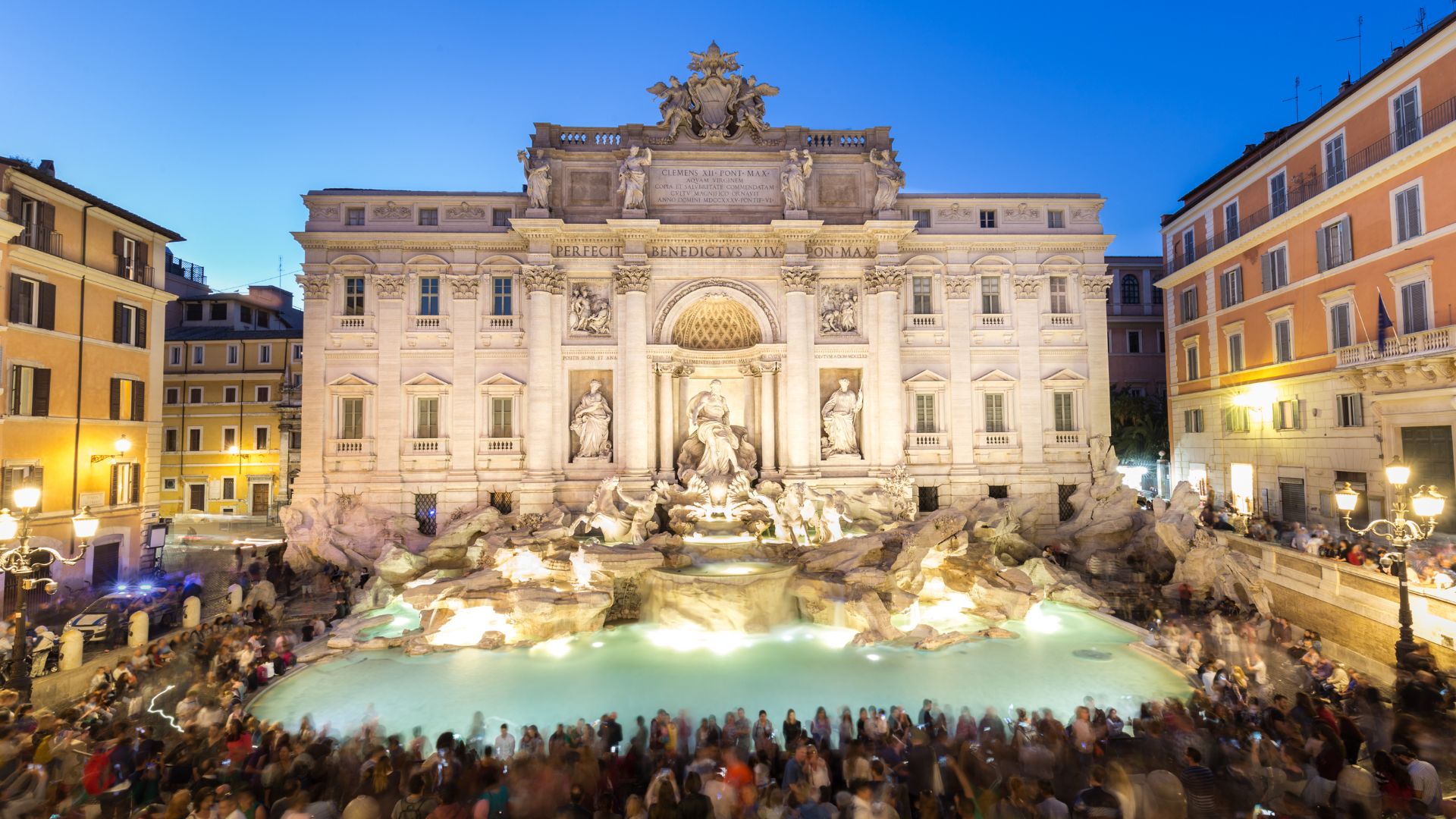
I’ve visited the Trevi Fountain multiple times, and I can tell you that timing is everything. The fountain is typically packed between 10 AM and 8 PM, especially during summer months.
For a more peaceful experience, I recommend visiting between 6-7 AM or after 11 PM. The late evening offers a magical atmosphere with the fountain beautifully lit, though you’ll still encounter other night owls.
Weekdays are noticeably less crowded than weekends. If you’re visiting in peak tourist season (June-August), be prepared for crowds regardless of timing.
Another trick I’ve discovered is to visit during light rain – the slight drizzle keeps many tourists away while adding a unique glistening effect to the fountain’s sculptures.
Experiencing Rome at Dawn
Dawn at the Trevi Fountain is truly special. I arrived at 5:30 AM on my last trip and had the place almost entirely to myself for about an hour.
The soft morning light bathes the marble sculptures in a golden glow that photographers dream about. You can hear the water clearly without the usual buzz of conversation.
This early visit allows you to easily combine your Trevi experience with other nearby attractions. I walked from the fountain to the Spanish Steps and Piazza di Spagna, enjoying them before the crowds arrived.
Morning light also reveals details in Oceanus and the other sculptures that are harder to appreciate in bright midday sun or evening lighting.
The nearby cafés open early too, so you can reward your early rise with a perfect Italian coffee after your fountain visit.
A Guide to Special Tours
Private tours offer insights you might miss when visiting independently. I took a “Rome at Twilight” tour that included the fountain. Our guide shared fascinating details about the ancient aqueducts that feed it.
Many tours combine the Trevi Fountain with nearby Barberini Palace and the Spanish Steps. These routes follow logical paths through central Rome. They provide historical context that connects these landmarks.
For history buffs, I highly recommend specialized tours focusing on Roman water engineering. These tours explain how the fountain connects to Rome’s ancient water systems.
Night photography tours are perfect for capturing the dramatic lighting. Our guide showed us the best angles and camera settings to photograph the fountain.
Book tours at least a week in advance during high season. The small-group options (8 people or fewer) provide a more intimate experience than larger tours.
