
During my travels across Italy, I stumbled onto a place that honestly feels like stepping into another era—Molise, the country’s least-known region.
I wandered along ancient trails that twist through medieval villages and castle ruins, and for a moment, it seemed like I had Italy entirely to myself.
Molise gives travelers a rare chance to experience authentic Italian culture without the crowds you’ll find in places like Tuscany or the Amalfi Coast.
The coastline here is still one of Europe’s best-kept secrets.
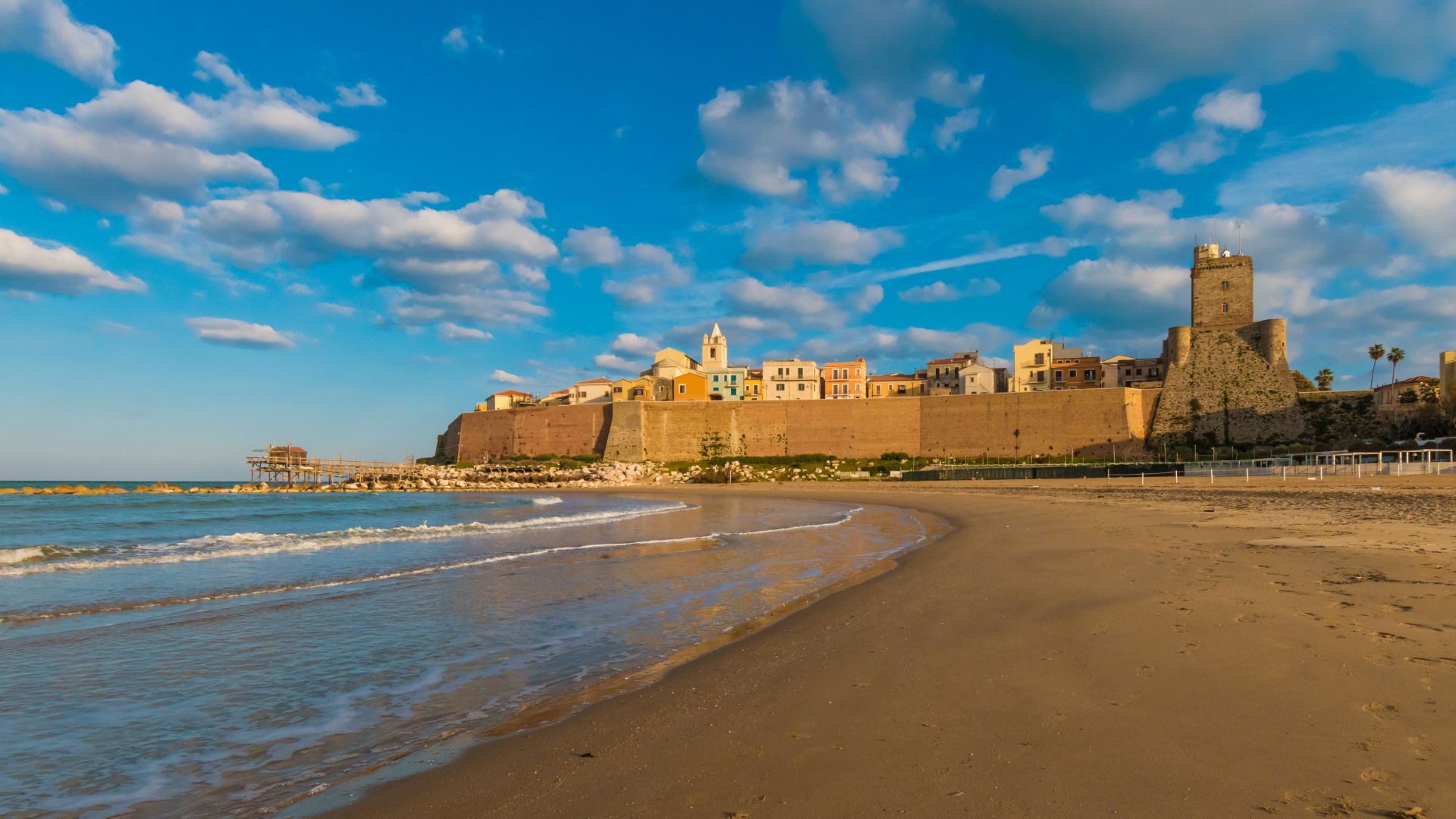
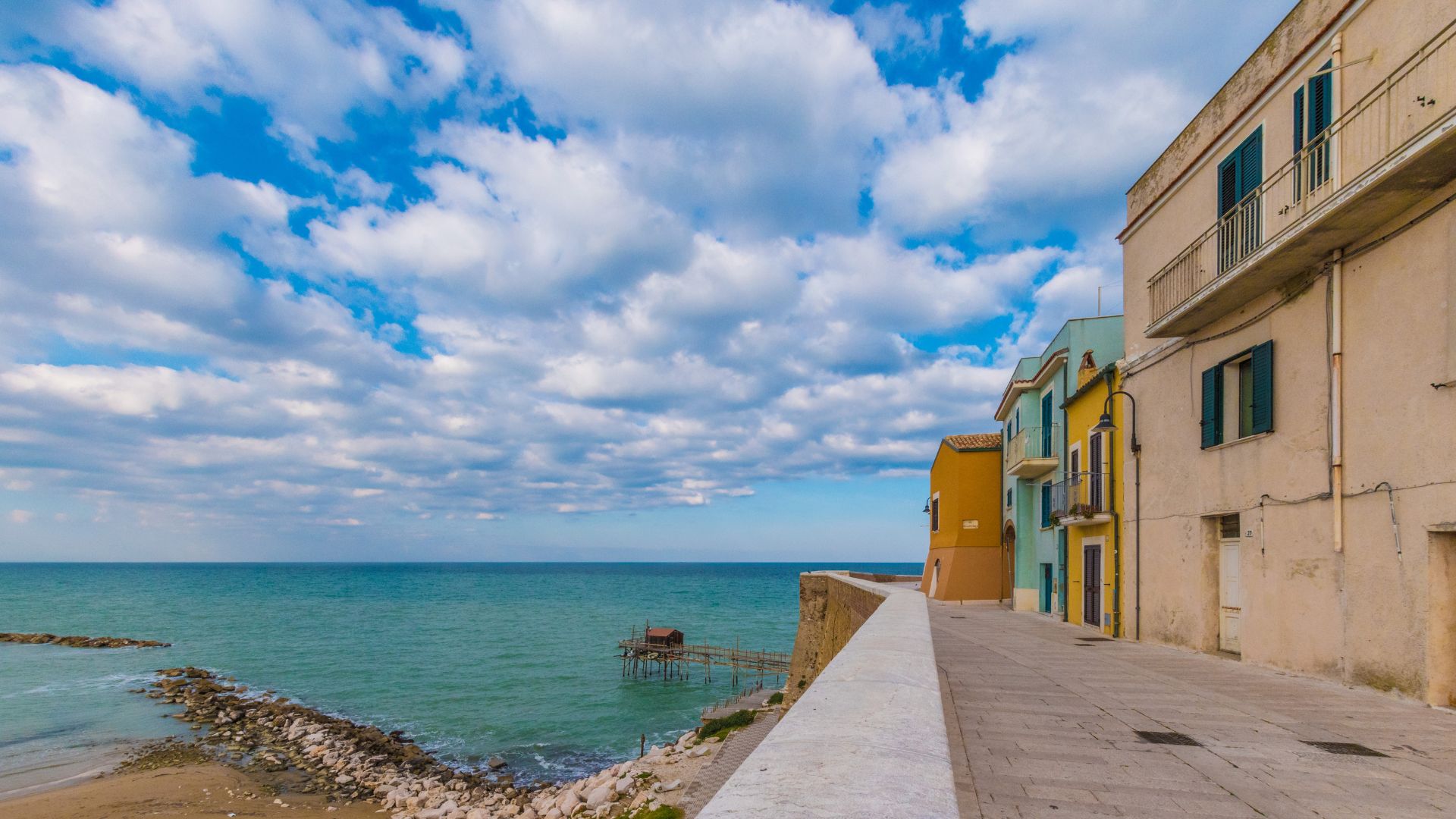
I spent quiet mornings on empty beaches near Termoli, where clear Adriatic waters meet golden sand, and there’s barely anyone else around.
The 13th-century castle above the sea creates a backdrop that feels totally different from the packed beaches elsewhere in Italy.
What really got me about Molise was the way mountain trails and coastal paths blend together.
One day I hiked through rolling hills dotted with ancient Italic temples.
The next, I wandered the narrow streets of stone villages where artisans still keep old crafts alive.
Molise’s untouched beauty gives you a glimpse of Italy as it used to be—genuine, unhurried, and just waiting for anyone willing to step off the usual tourist routes.
Unveiling Molise: A Land Forgotten by Time
Molise sits tucked between more famous Italian regions, moving at its own pace and almost empty of tourists.
You get a rare look into an Italy untouched by mass tourism.
The Mystery of Molise’s Undiscovered Reputation
Italians sometimes joke, “Molise doesn’t exist”—a running gag about how obscure this region is, even for locals.
While Tuscany welcomes millions every year, Molise remains Italy’s least-visited region, which only adds to its mysterious vibe.
Molise’s lack of crowds has nothing to do with its scenery.
The region’s history of isolation kept it quiet.
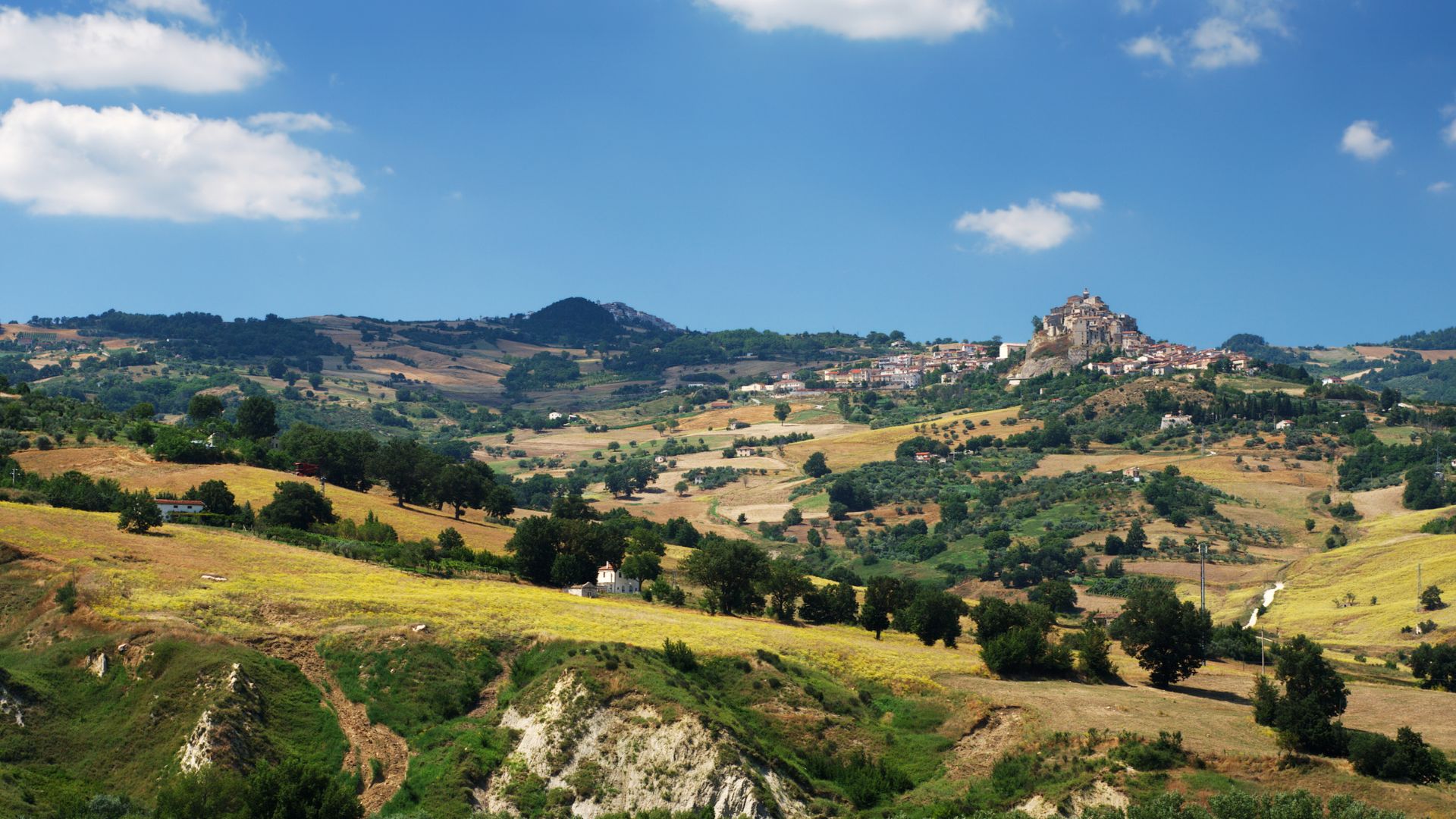
You’ll find medieval villages perched on hills, ancient Samnite ruins scattered across the countryside, and castles standing guard over valleys—all waiting to be explored without the usual tourist noise.
Molise’s anonymity is honestly a bit puzzling because the local culture feels so authentic.
Traditions here haven’t changed for generations.
Festivals celebrate harvests, not tourists, and the food? Still untouched by outside influences.
Where Is Molise? Geography and Connections
Molise nestles between Abruzzo in the north and Puglia in the south.
It’s Italy’s second-smallest region, after Valle d’Aosta.
Its eastern edge hits the Adriatic, where you’ll find surprisingly empty beaches—a huge contrast to the crowded shores elsewhere.
Getting to Molise takes some effort.
From Rome, you’re looking at about a 2.5-hour drive east.
Naples is about the same distance to the southwest.
There are trains, but not many, and that’s probably part of the reason this region stays so undiscovered.
The landscape shifts quickly—from Apennine mountains in the west to rolling hills and finally, the Adriatic coast.
Towns like Termoli give you sea access.
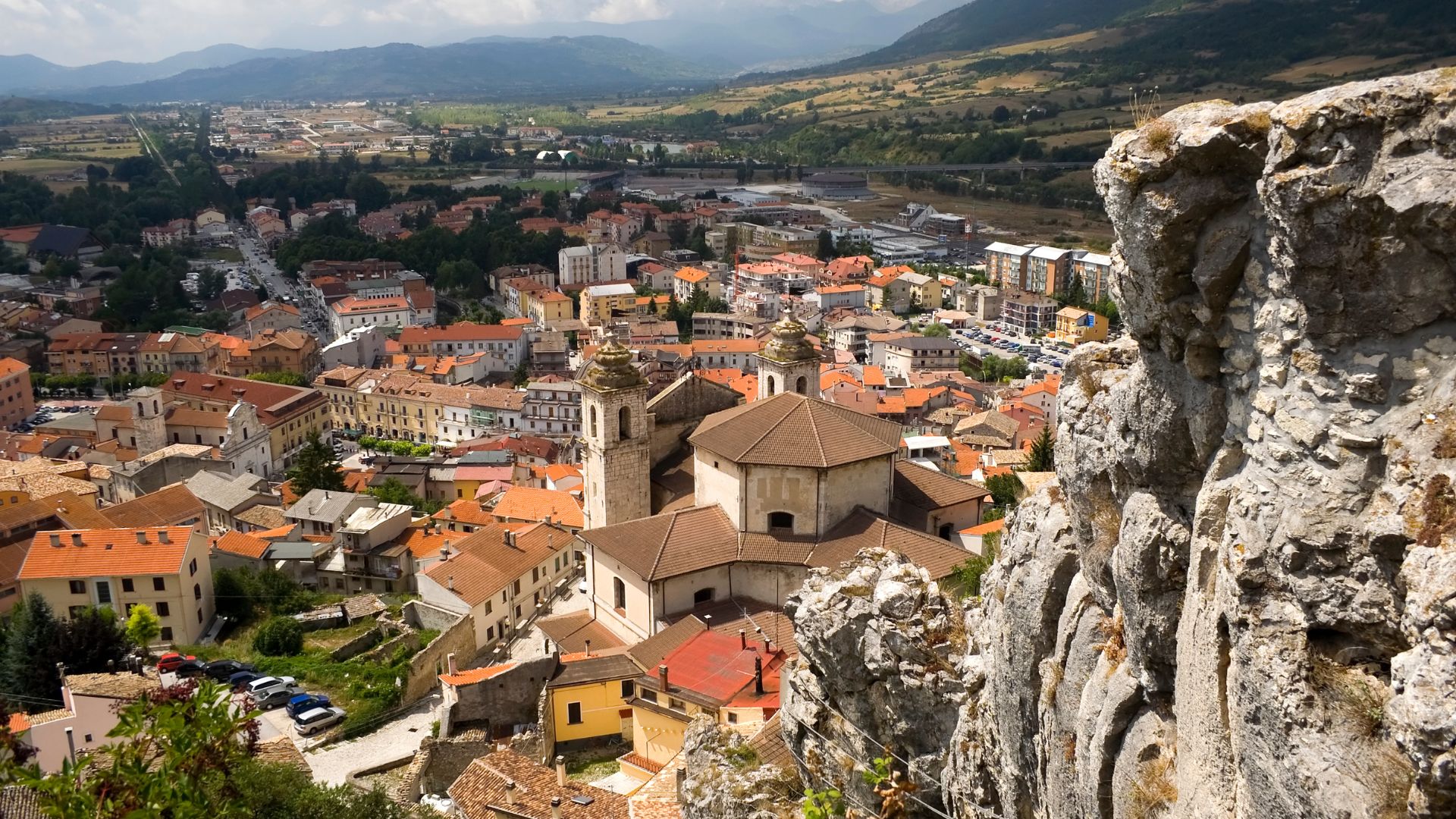
Inland spots like Campobasso (the capital) and Isernia highlight the region’s rugged, mountainous side.

First Impressions and the Art of Slow Exploration
Driving through Molise for the first time, I saw fields of wheat waving beneath medieval towns, shepherds with their flocks on far-off hills, and almost no tourists anywhere.
Travel here demands patience.
Roads wind through the mountains, and every town deserves slow, careful exploration.
In Larino, I wandered ancient Roman ruins completely on my own.
In Agnone, I watched bell-makers practicing a craft that’s been around for a thousand years.
Locals seemed genuinely surprised to meet a foreign visitor.
Conversations usually started with “Why Molise?” but quickly turned into proud stories about local traditions and secret spots you won’t find in any guidebook.

Ancient Trails: Walking Through History
Molise’s ancient pathways tell stories of civilizations long gone.
Every step connects you to centuries of history, surrounded by landscapes that most tourists never see.
Remarkable Historical Landmarks and Ruins
Walking through Molise feels like wandering an open-air museum.
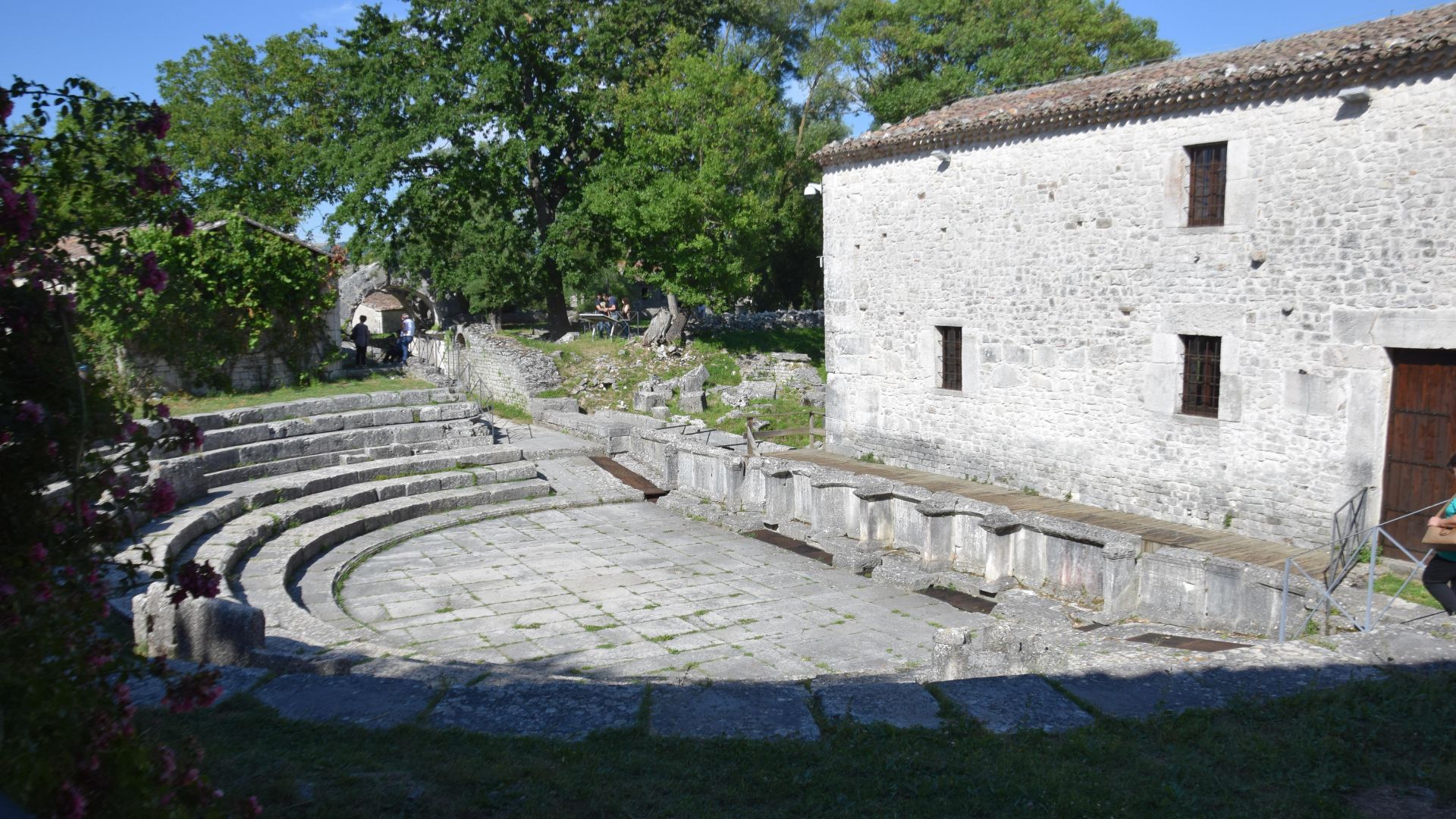
Saepinum blew me away—it’s one of Italy’s best-preserved Roman towns, but you won’t find the crowds that swarm Pompeii.
The ancient stone walls, forum, and theater are still standing, and you can just stroll through history at your own pace.
I explored Samnite ruins at Pietrabbondante, a dramatic hilltop sanctuary with stone theaters and temples from the 2nd century BC.
I loved how accessible these places are.
I had Larino’s Roman amphitheater almost entirely to myself one sunny afternoon.
Old Town Charms: Hidden Villages and Stone Streets
The medieval villages on Molise’s hilltops grabbed my heart right away.
In Agnone, I wandered cobblestone streets lined with stone buildings that have stood for centuries.
This town is known for the Marinelli Foundry, where they’ve been making papal bells since 1339.
Scapoli is a maze of narrow lanes and stone archways.
Locals call it the “village of bagpipes,” and traditional craftsmen still make these instruments using ancient methods.
Bagnoli del Trigno, or “the pearl of Molise,” clings to a rocky spur.
I spent hours exploring its medieval castle remains and stone houses that seem to grow right out of the mountainside.
Wildflowers push through old stone walls everywhere.
If you visit in spring, you’ll get an explosion of color against those weathered stones.
Following Ancient Footsteps: Molise’s Legendary Paths
The Tratturi—ancient grass paths used for seasonal sheep migration since pre-Roman times—give you the most authentic hiking experience.
I walked parts of the Castel di Sangro-Lucera trail, once part of a 5,000-kilometer network connecting mountain pastures to the coast.
Along the way, I found shepherd huts called pagliari and old milestone markers that have guided travelers for centuries.
The plants and scenery change as you climb—mountain wildflowers higher up, Mediterranean scrub closer to the sea.
History lovers should try the Via Francigena, once used by pilgrims heading to Rome.
Walking this path, I found hidden chapels and stone crosses marking the way, just as they did for travelers hundreds of years ago.
Spring and autumn are the best times to hike—temperatures are mild, and the landscape is at its best.
Bring sturdy hiking boots; many trails are still rugged and untouched by modern changes.
Secret Beaches and the Wild Adriatic
Molise’s coastline is honestly a dream for anyone who loves unspoiled beaches and clear waters.
The region’s 35 kilometers of Adriatic shoreline hide some of Italy’s prettiest natural spots.
Discovering Empty Beaches Along the Adriatic Coast
I often found myself alone on wide stretches of golden sand along Molise’s coast.
Unlike the crowded beaches elsewhere in Italy, you can actually spread out your towel here without bumping elbows with strangers.
The beaches near Termoli really stood out—broad, clean, and blissfully empty, even in the heart of summer.
Early mornings, I’d walk the shore collecting seashells while watching fishermen come in with their catches.
The sand changes from golden to pebbly as you move along the coast, so every beach feels a little different.
Most beaches don’t have a ton of facilities, which honestly helps keep them natural.
Bring your own water and snacks, since beachside cafes are rare.
Exploring Marine Life and Hidden Coves
The Adriatic waters here are so clear, you can spot all kinds of marine life.
Snorkeling near the limestone cliffs, I saw bright fish darting between rocks and swaying seagrass.
A few small coves are only reachable by boat or short hikes.
If you’re up for a little adventure, you’ll find private swimming spots that feel like your own secret.
The cove near Petacciato Marina is a standout, with its unique ecosystem.
If you have an underwater camera, bring it—you’ll want to capture the colorful sea stars and darting fish.
Sometimes, local fishermen offer boat tours to hidden spots you can’t get to by land.
These trips give you a fresh view of the coastline, and if you’re lucky, you might spot dolphins.
A Guide to Sea Breezes and Tranquil Waters
Molise’s Adriatic coast gets gentle sea breezes that make even hot summer days comfortable.
Mornings are best for swimming, with calm waters.
Afternoons bring breezes perfect for windsurfing or sailing.
I’d suggest visiting between June and September, when water temps hover around 75-80°F (24-27°C).
The sea stays surprisingly calm compared to other parts of Italy, which makes it great for families.
Local plants like sea fennel and coastal juniper add a fragrant touch to your beach days.
They’re tough, thriving in salty air and wind—nature’s little show of resilience.
For the quietest experience, go midweek.
Weekends bring more locals to the shore, but even then, it’s nothing like the crowds elsewhere.

Savoring Molise: Flavors, Cafes, and Local Hospitality
Molise’s food scene is all about tradition and authenticity.
Local produce shops like Molise Food highlight the region’s commitment to fresh, high-quality ingredients.
Authentic Seafood Soup and Molise’s Culinary Treasures
The seafood soup here became a fast favorite for me.
It’s made with the morning’s catch—clams, mussels, and white fish in a tomato broth with garlic and herbs.
Molise’s cuisine is rooted in its rural traditions.
The region’s signature pasta, cavatelli, usually comes with simple but bold sauces using local veggies or meats.
You have to try ventricina, the spicy local salami, and the sheep’s milk cheeses that farmers have been making forever.
The olive oil is fantastic too—I grabbed a bottle from a tiny producer after a tasting.
Best Cafes and Gathering Spots
In Termoli’s old center, I found cozy cafes where locals meet for espresso and a chat.
Bar del Porto became my go-to, with its view of fishing boats and a friendly owner who remembered my order right away.
For something sweet, Pasticceria Romana serves up scrippelle—fried dough with local honey.
I’d see entire families, from grandparents to toddlers, enjoying pastries together on Sunday mornings.
Smaller villages like Larino and Casacalenda have their charming cafes.
Even with my rough Italian, locals would invite me into conversation, and I got a real taste of Molisano hospitality.
Unmissable Local Seafood Experiences
The trabocchi—those traditional wooden fishing platforms—offer some of the most memorable meals in Molise.
I had dinner at one that’s now a restaurant, eating seafood caught just meters from my table as the sun set.
For the freshest fish, check out the morning market in Termoli.
Fishermen sell their catch straight from the boat, and some restaurants nearby will cook up whatever you buy for a small fee.
My best seafood meal was at La Terrazza sul Mare, where I tried brodetto alla termolese, the local fish stew.
The terrace looks right out over the sea—couldn’t ask for a better setting.

Day Trips and Border Adventures
Molise’s location makes it perfect for easy day trips to nearby regions, each with its flavor but still off the beaten path.
Connections to Vasto and Abruzzo
Vasto was one of my favorite day trips from Molise.
This charming Abruzzo coastal town is just a short drive north along the Adriatic.
Its medieval center sits dramatically above a beautiful bay.
Vasto stands out for the contrast between its historic upper town and the beach area below.
The Loggia Amblingh offers sea views that honestly rival the Amalfi Coast, but without the crowds.
Abruzzo’s wild interior is close by, too.
Driving through Majella National Park, I found rugged mountains and old hermitages that feel worlds away from touristy Italy.

Cultural Crossroads: Lazio, Naples, and Beyond
Heading west from Molise, I found easy access to Lazio’s eastern towns.
The drive itself is part of the fun, watching the landscape change from Molise’s rolling hills to Lazio’s dramatic scenery.
Rome is about 2.5 hours by car, so it’s doable as a day trip, but honestly, I preferred smaller Lazio towns like Cassino, with its famous monastery.
Naples and Pompeii lie to the south and are great for overnight trips.
The ancient ruins of Pompeii felt like a natural extension of the archaeological sites I’d seen in Molise.
Comparing Molise’s Charm to Tuscany, Umbria, and Veneto
What sets Molise apart from places like Tuscany, Umbria, or Veneto is how untouched it feels.
Florence has its Renaissance masterpieces, but Molise gives you quiet villages where life hasn’t changed much for centuries.
I’d say Molise has the rural charm of Umbria, but with even fewer tourists.
The hill towns remind me of Tuscany’s landscapes, but everything is far more affordable.
Unlike Venice’s packed canals or Lake Como’s celebrity buzz, Molise’s attractions stay blissfully uncrowded.
Even at the height of summer, I never ran into the kind of crowds you see around Lake Garda or Bellagio.
