
Tucked away in Italy’s often-overlooked Molise region, Venafro sits quietly, almost as if time forgot about it. When you walk through its narrow medieval streets, you can’t help but feel transported back centuries.
Small covered passages connect different corners of the town. One of these paths, barely five meters long, twists like a secret from medieval times and now links two streets.
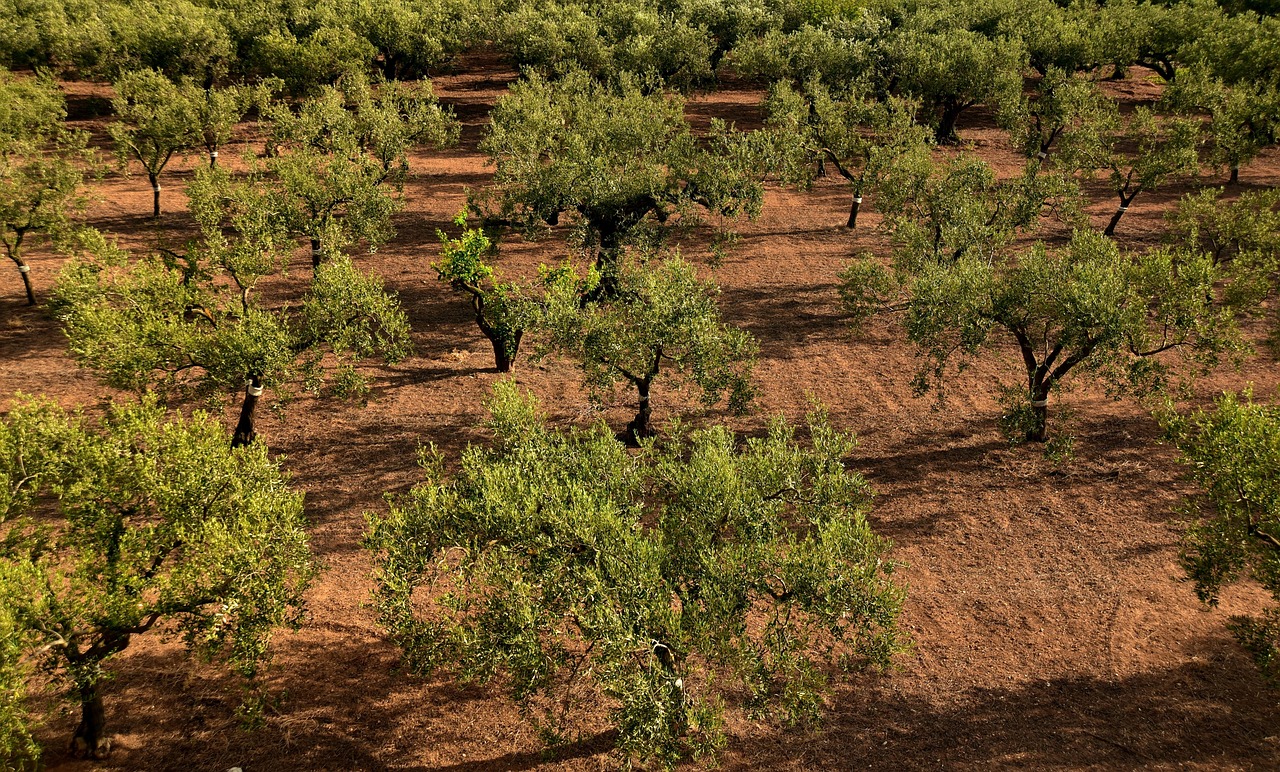
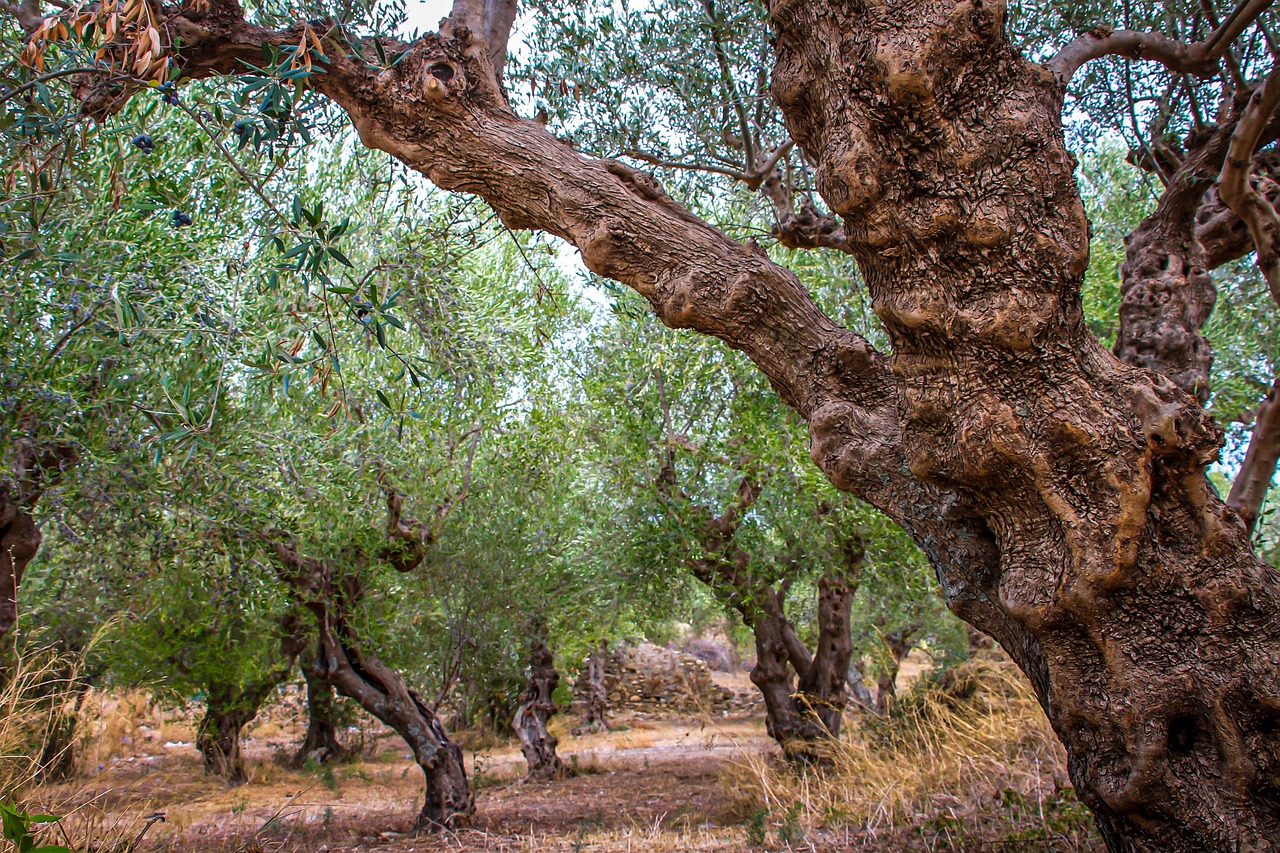
Venafro’s real magic comes from its ancient bond with olive cultivation. Here, history and agriculture blend in a way you just don’t find in most Italian towns. The monumental olive trees seem to whisper stories from Roman days, when Venafro’s oil was prized across the empire.
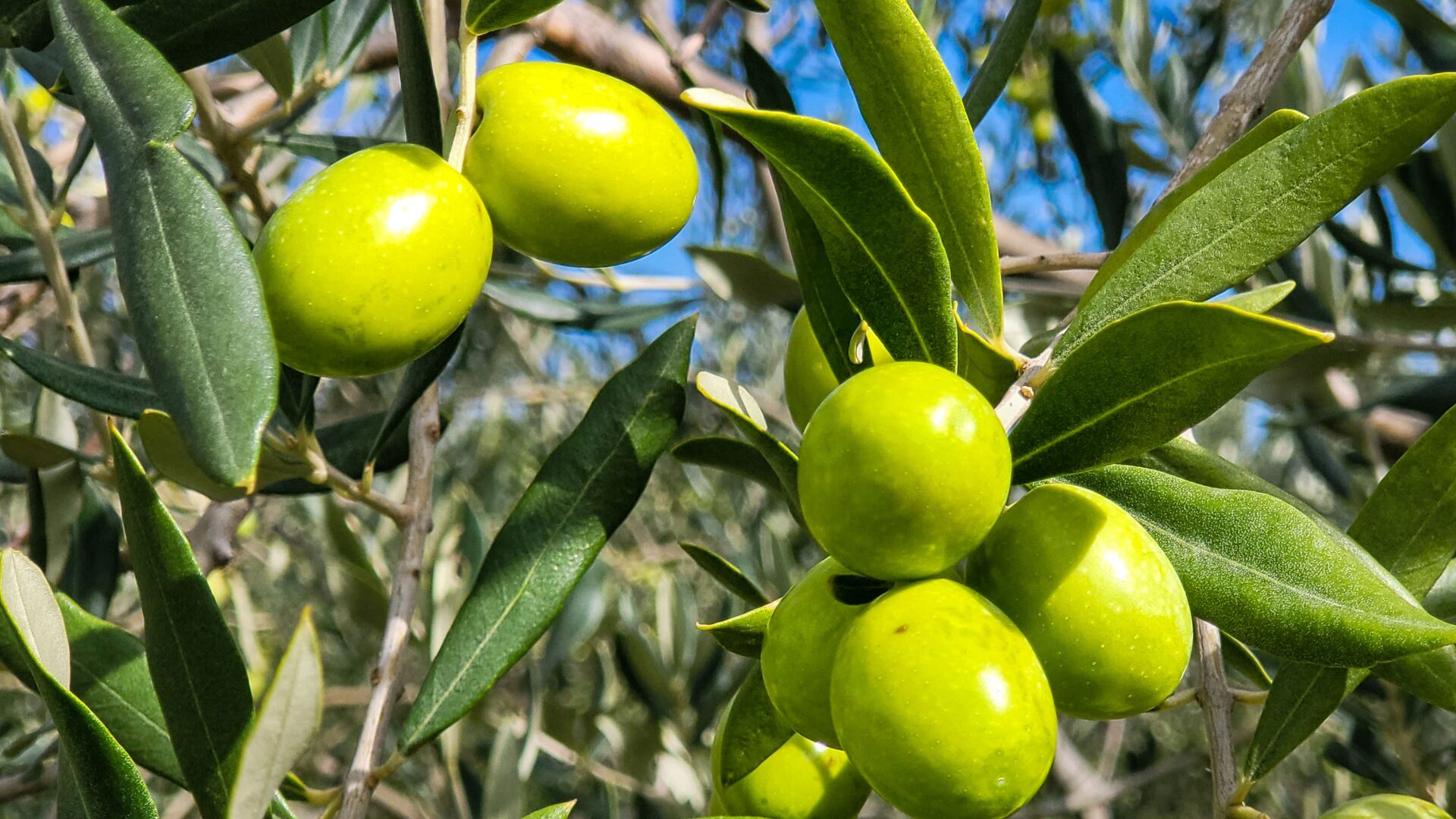
Even now, these gnarled old trees still produce some of Italy’s most distinctive olive oil. Their orchards frame the town with a kind of wild elegance.
I stumbled upon Venafro one autumn, right in the middle of olive harvest season. Wandering from the cozy cobblestone alleys straight into centuries-old groves felt surreal, honestly.
The Olive Tree Park of Venafro keeps this heritage alive. Visitors like me get to witness traditions that have shaped the community for ages.
Olive Orchards of Venafro: A Living Legacy
Venafro’s olive groves quietly witness centuries of tradition. These ancient trees, some of them rooted since Roman times, keep producing oil that captures the spirit of this land.
Centuries-Old Groves and Olive Varieties
Walking through Venafro’s olive orchards feels a bit like wandering through a living museum. I found trees over 500 years old, their twisted trunks hinting at all the generations that have come and gone.
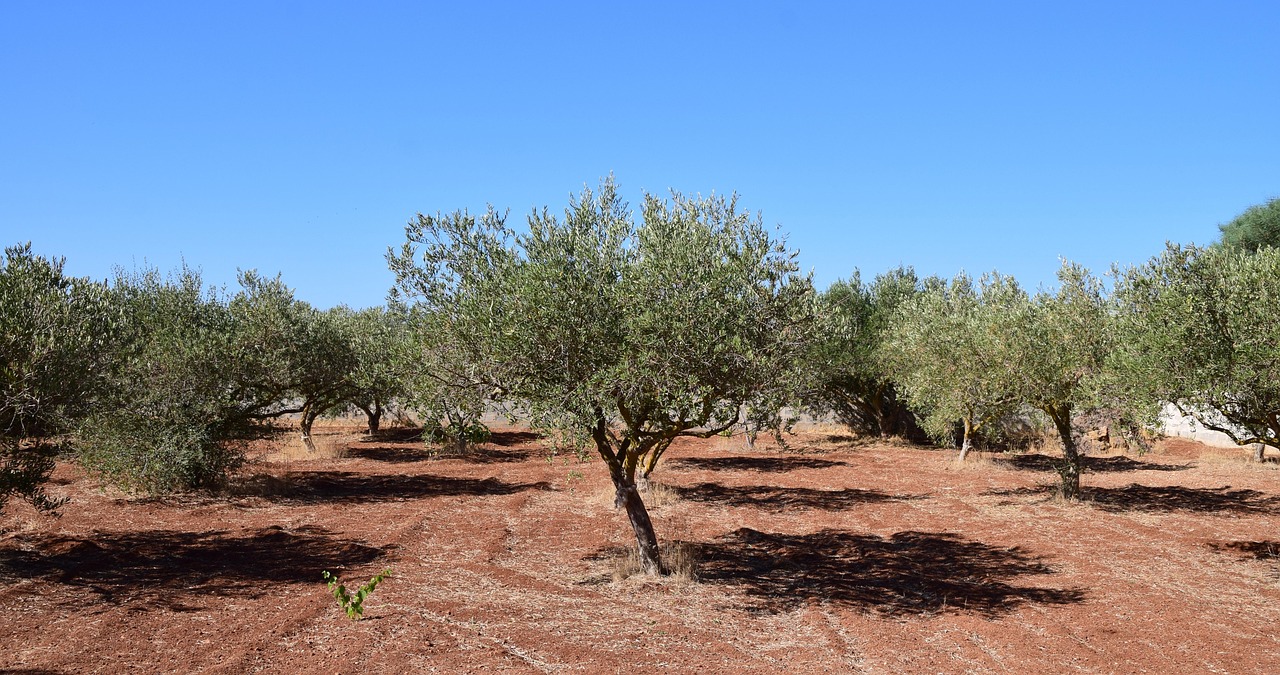
The Parco Regionale dell’Olivo di Venafro protects these monumental trees. They grow across hills and valleys where the land drains just right.
The local Aurina olive variety dominates these groves, producing oil that’s been prized since the Romans. Looking out over the landscape, it’s obvious why they picked this spot—the soil, the slopes, the climate, it all just works.
Traditional irrigation systems still water many orchards, using methods honed over centuries. The trees get spaced for maximum sun, and the hills shelter them from harsh winds.
Harvest Traditions and Milling Methods
Harvest season turns Venafro into a flurry of activity. I watched families gather to collect olives—some picked by hand, others with more modern gear.
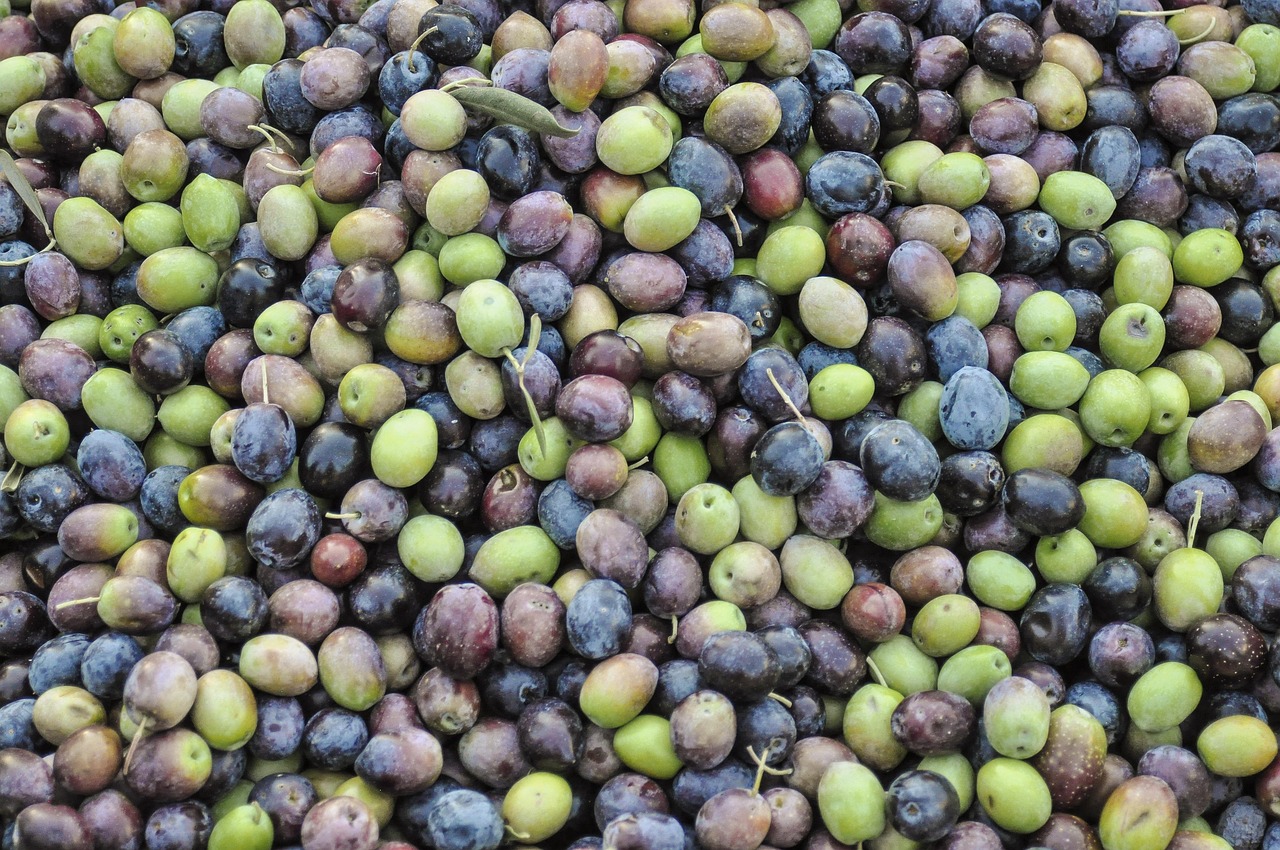
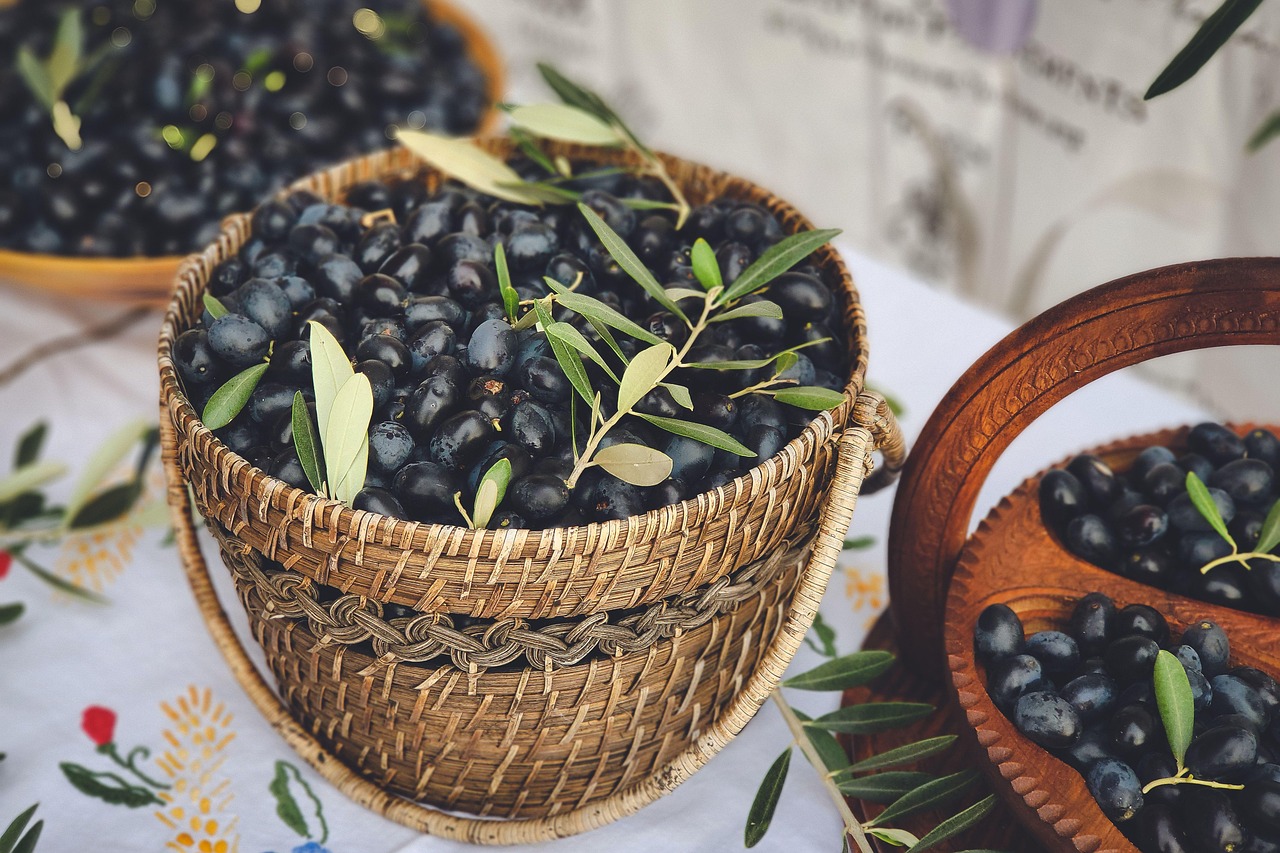
Locals often wait for the olives to shift from green to purple before harvesting. That’s when the flavor peaks.
The milling process here is a mix of old and new. Some producers still use slow stone mills, preserving delicate flavors with cold-pressing.
Families pass down not just trees, but knowledge about:
- When to harvest, watching the weather
- Pruning techniques that keep the trees healthy
- Natural pest management that protects the local plants
Olive Oil Tasting and Culinary Experiences
Tasting Venafro olive oil is a sensory adventure. The oils have a peppery kick, with notes of artichoke and fresh grass that really reflect the land.
I joined a guided tasting where experts taught us to warm the oil in special glasses and breathe in the complex aromas.
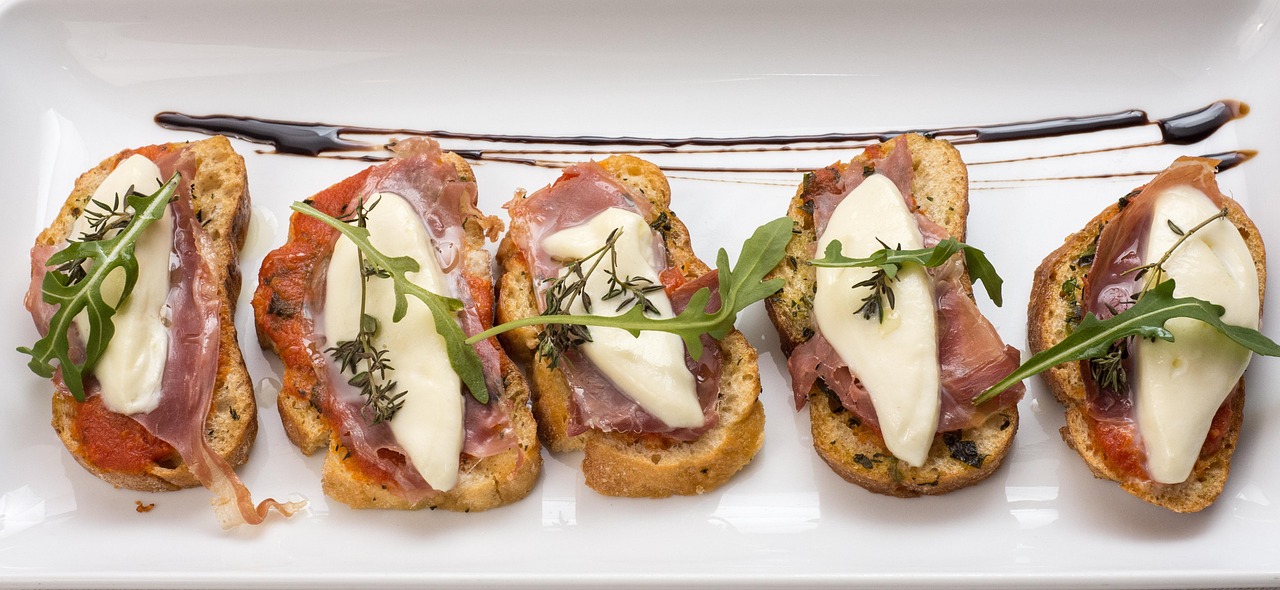
Local food traditions revolve around this liquid gold. In trattorias, I tried bruschetta drenched in fresh oil—nothing fancy, but unforgettable.
Producers now invite visitors for:
- Orchard tours
- Oil pressing demos
- Cooking classes with local oil
- Gift packs of premium oil
Venafro’s landscape and olive culture create an agricultural heritage that’s honestly worth protecting. Each taste is a little piece of history.
Wandering the Medieval Streets of Venafro
Venafro’s historic center reveals a treasure trove of medieval architecture and real Italian life. The narrow streets seem to whisper stories at every turn.
Architectural Jewels and Cobblestone Lanes
I felt instantly drawn in by Venafro’s medieval quarter. Time just seems to slow down here.
A labyrinth of cobblestone lanes twists between buildings from the 12th century. The vibe is both cozy and grand, if that makes sense.
Stone archways frame sudden views, and old doorways show off carvings that hint at better days. The honey-colored buildings rise three or four stories, their worn facades telling silent stories.
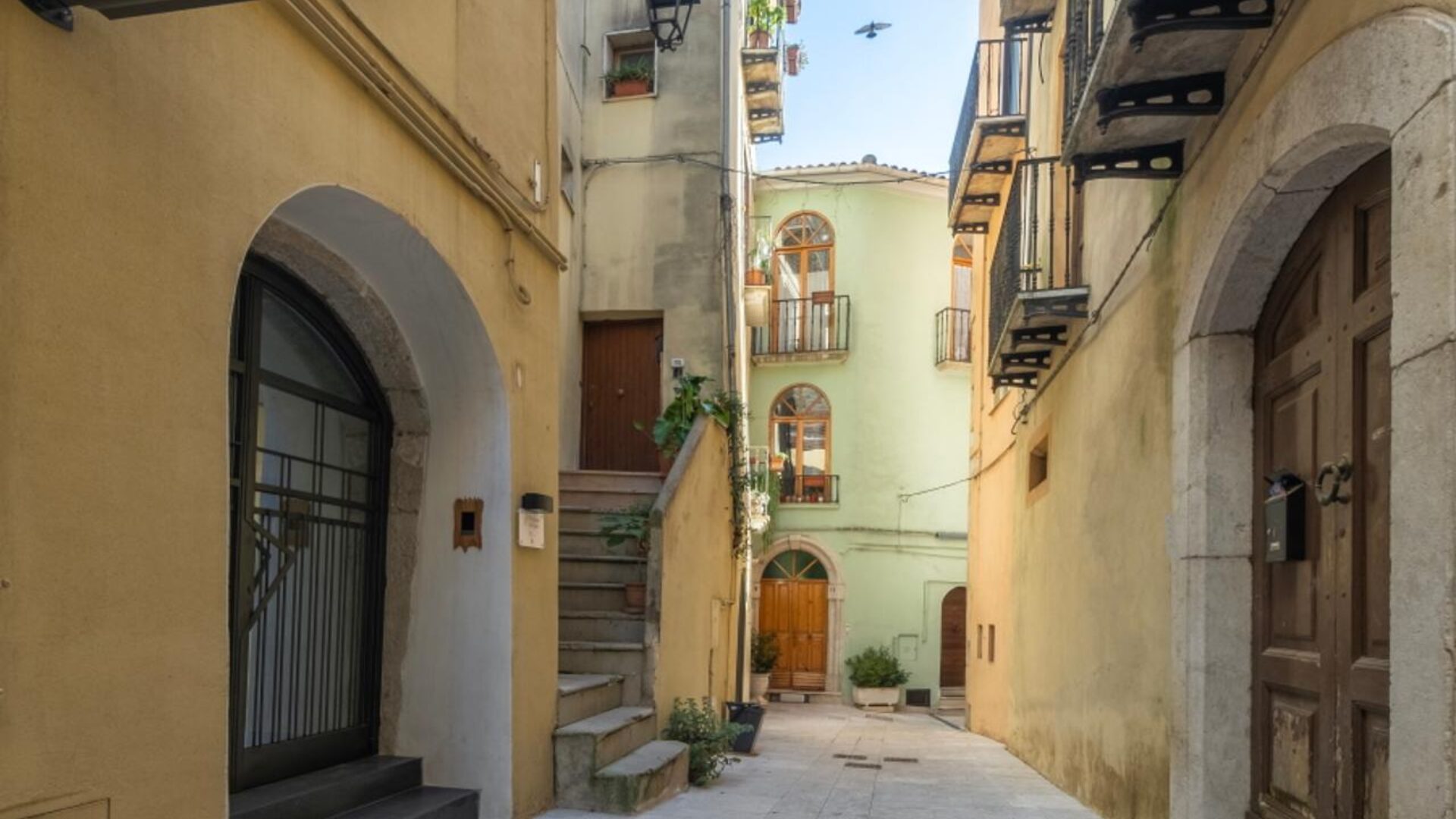
What really stood out was how authentic it all felt. Unlike touristy medieval towns, Venafro’s center hasn’t changed much—shutters still work, balconies overflow with flowers, and you’ll spot a nonna or two watching from her window.
Palace of the Commune and The Duomo
The Palace of the Commune anchors Venafro’s civic life. Its 14th-century façade reminds you of the town’s medieval importance.
Inside, the stone courtyard sometimes hosts gatherings, and you can still see faded frescoes about Venafro’s history.
Nearby, the Duomo rises—Venafro’s cathedral dedicated to Santa Maria Assunta. Its Romanesque-Gothic lines and the way sunlight filters through stained glass left me speechless.
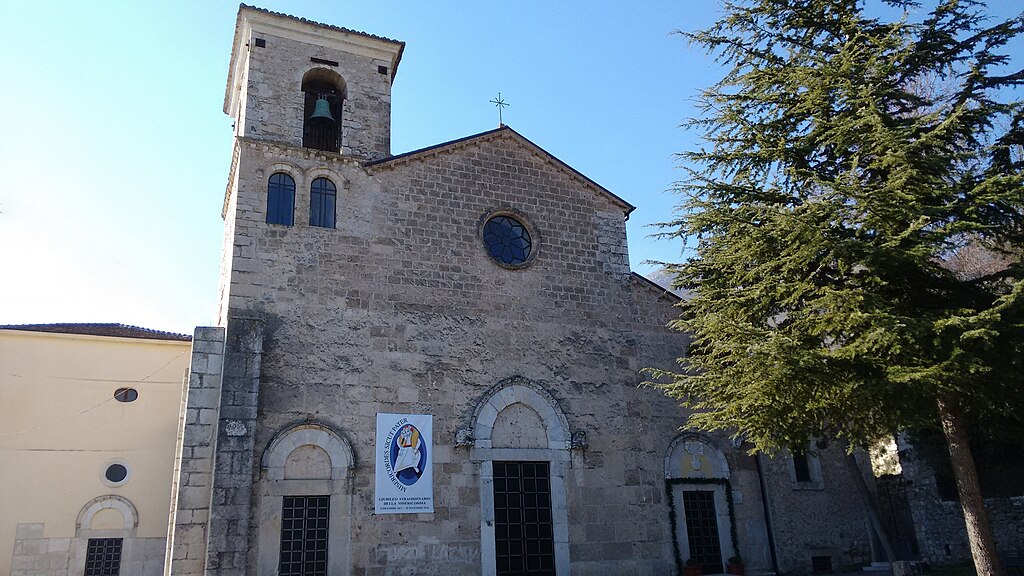
The baptistery next door has a remarkable medieval font. Hidden chapels feature artwork from different eras.
If you climb the bell tower’s narrow steps (not for the faint of heart), you’ll get a sweeping view of the historic center and olive-dotted countryside.
Local Life and Intimate Spaces
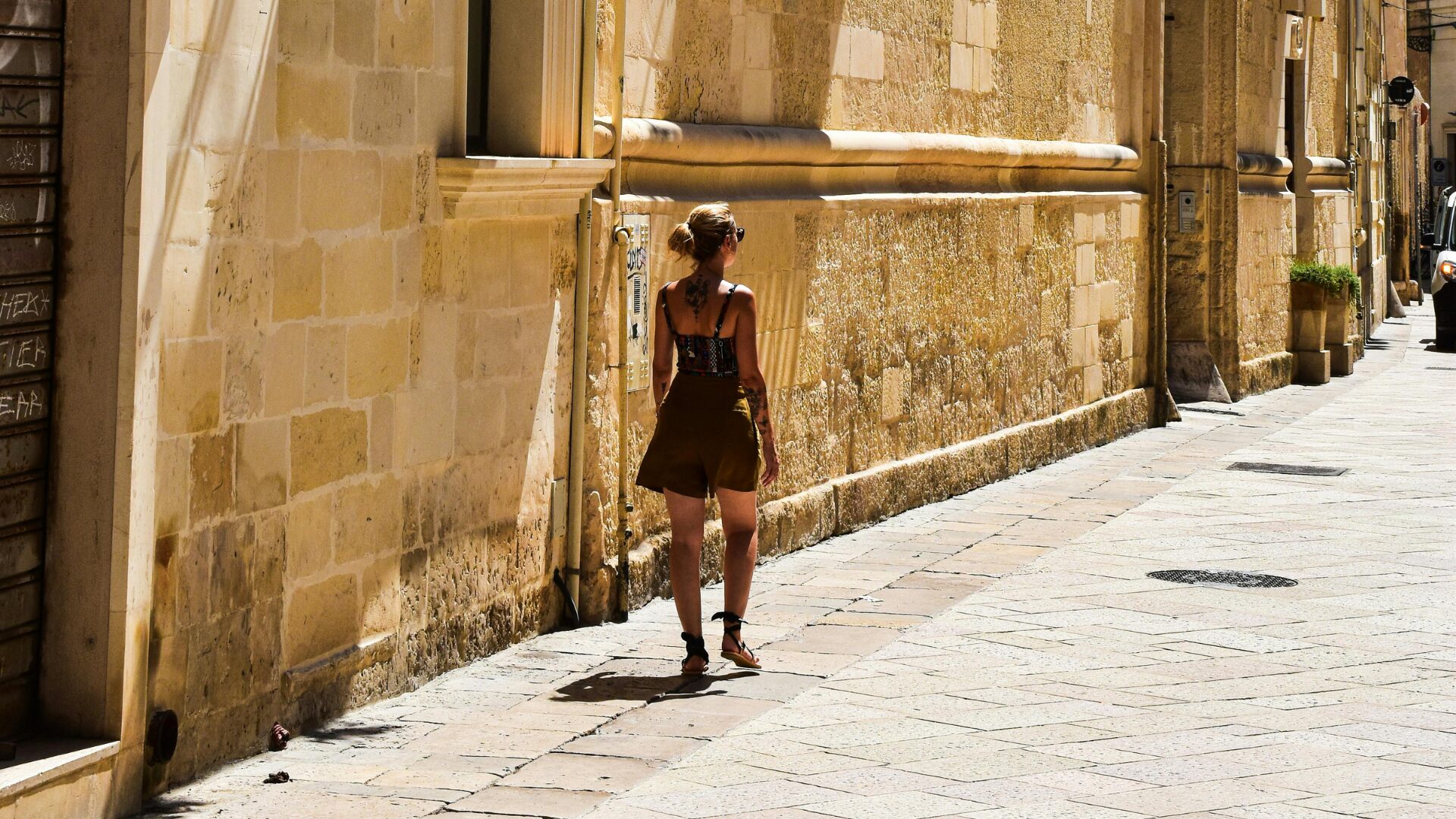
Wandering these streets drops you right into real Italian life. Small piazzas act as open-air living rooms where locals chat, play cards, or just watch the world drift by.
I found tiny family shops tucked into medieval buildings, selling handmade pasta or local olive oil. Shopkeepers, often from families who’ve run these places for generations, love sharing Venafro’s stories.
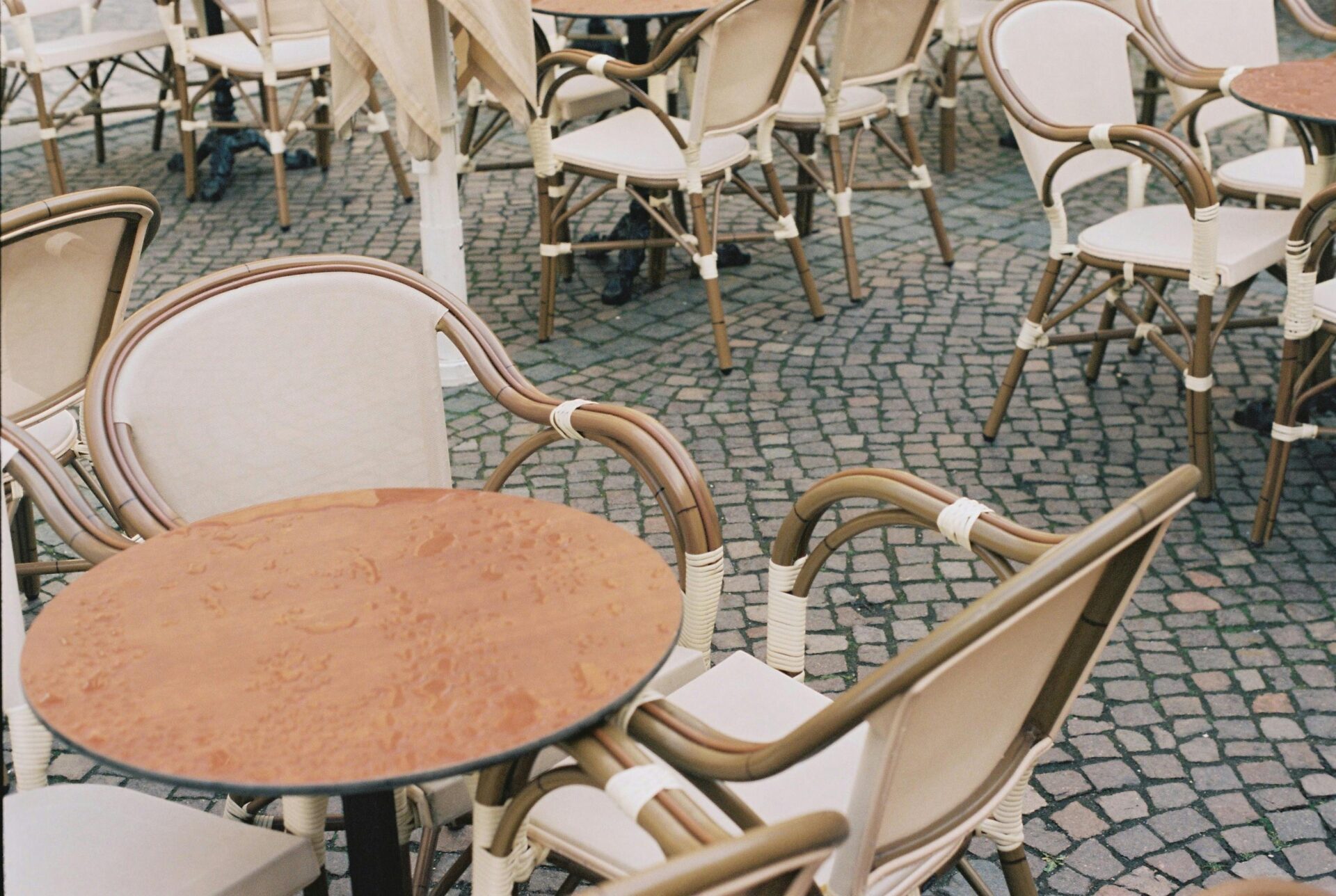
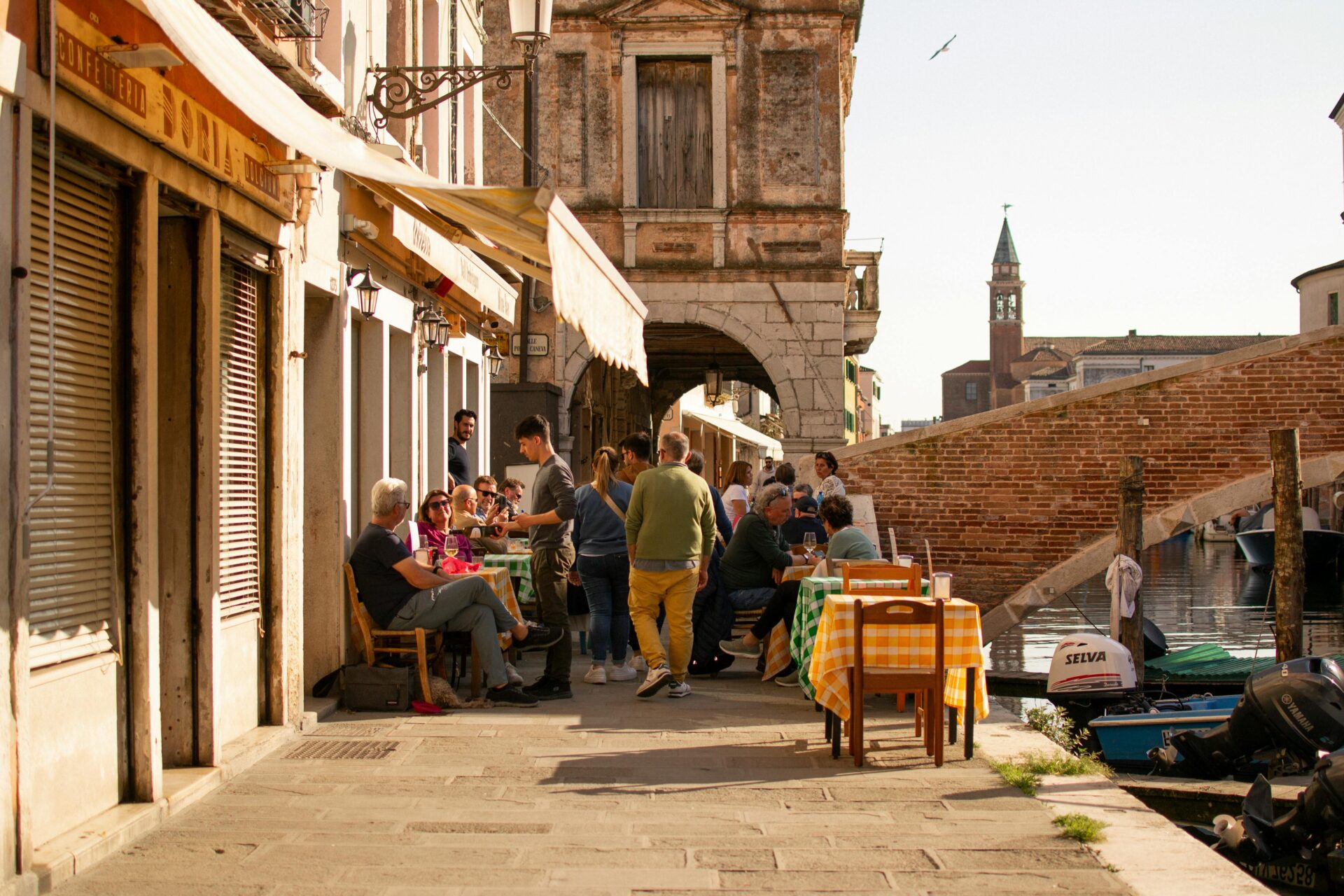
Cafés spill out onto the lanes, tables perfect for people-watching. Old men debate politics over espresso, kids play timeless games.
Life here follows ancient rhythms—shops close for riposo, and evenings bring everyone out for the passeggiata.
Hidden Terraces and Stone-Pine Walks
Some of Venafro’s best spots are hidden terraces, reached through nondescript doors or narrow passages. These spaces offer stunning views over rooftops to the mountains.
Stone-pine trees line a few elevated walkways, creating shady paths for summer strolls. These routes date back to medieval times, once used for defense and lookout.
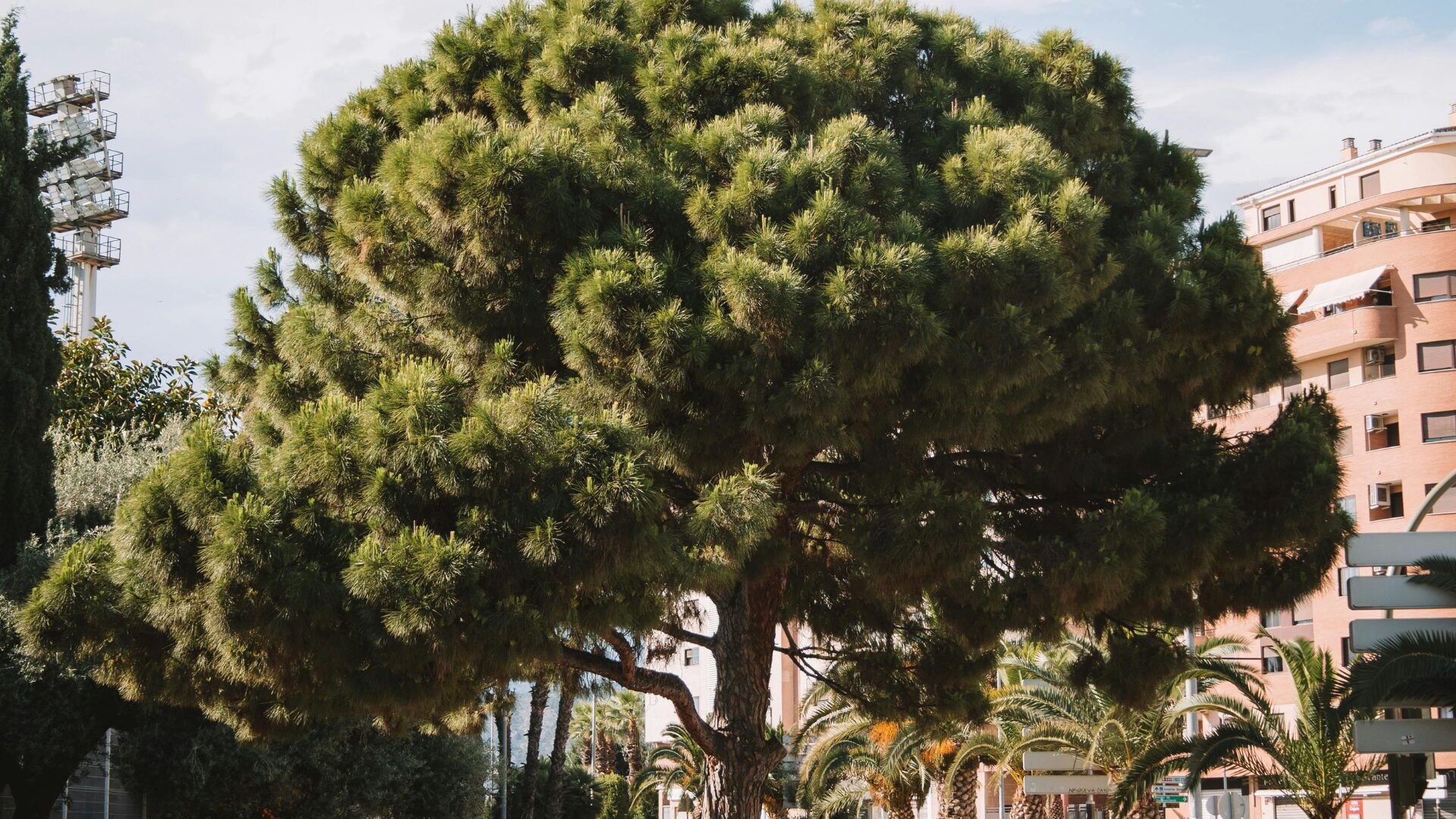
One evening, I sat on a terrace watching the sunset turn medieval buildings gold while church bells echoed. The smell of pine mixed with cooking from nearby homes.
These elevated spots let you see Venafro from a new angle, and you start to understand how the town’s layout grew over centuries, shaped by both defense and nature.
History and Legends Intertwined
Venafro’s story runs deep, with myths and history tangled together like the roots of its olive trees. The town’s patchwork of tales connects it to empires, rulers, and old religious traditions.
Venafro Through the Ages: Romans to Renaissance
Walking Venafro’s streets, I felt layers of history under my feet. The Romans loved this place for its olive oil, which they considered among the best.
Roman consuls built villas here, drawn by fertile land and a pleasant climate.
After Rome’s fall, Venafro changed hands many times. Lombard dukes settled here in the 6th century, leaving behind traces you can still spot.
The Renaissance brought new energy. In the old quarter, I noticed 15th-century palazzos right next to medieval buildings.
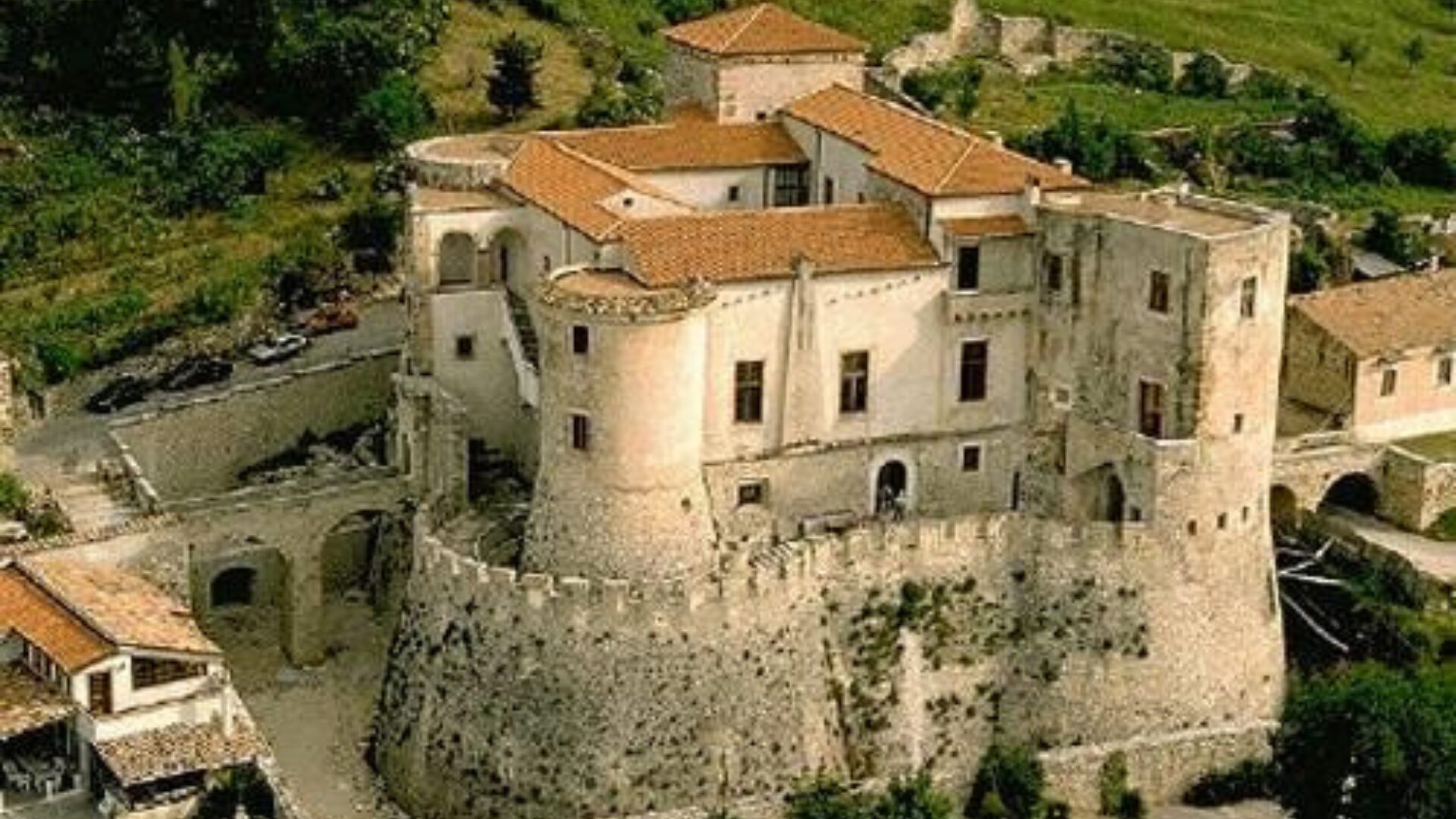
Pandone Castle, renovated then, shows off frescoes that echo the artistic revival sweeping through Italy.
Early Medieval Evidence and Local Tales
The early medieval period left its mark on Venafro. Archaeologists have uncovered 7th-century settlements that reveal how people lived after Rome.
Local legends still swirl around Jacob, a hermit who supposedly lived in the hills above town in the 9th century. People point out “Jacob’s hollow” where he performed miracles.
Tales of Demetrius, a Byzantine monk, say he brought sacred relics to Venafro around 800 CE. These stories, handed down for generations, keep the past alive.
Folk songs remember the battle of Fornovo. Elderly residents sang me ballads about how locals defended their town from invaders.
Influences of Charlemagne, Gothic Kings, and the Medici
Charlemagne’s reach extended to Venafro during his Italian campaigns. Old records mention imperial delegates coming to collect tribute and set up administration.
Gothic King Theodoric admired Venafro’s strategic spot between mountains and valleys. His garrison’s foundations became part of the medieval walls I traced with my hand.
The Canossa family briefly held Venafro in the 11th century. Their coat of arms still marks an ancient gateway.
Later on, Medici bankers financed olive oil production and trade here. Their influence shaped the town’s economy into the 17th century, with mercantile buildings still standing.
Religious Heritage: Blessed Trinity, Baptism, and Holy Spirit
Religion pulses through Venafro’s core. The Cathedral of Santa Maria della Libera holds baptismal fonts from the 11th century, where generations have been christened.
During Pentecost, locals carry on ancient traditions honoring the Holy Spirit. Colorful processions wind through the streets, and homes display symbols of flames and doves.

The Blessed Trinity Church preserves frescoes of biblical scenes and local saints. Its bell tower gives a valley view early pilgrims would’ve recognized.
The Jordan River appears in religious art throughout town, a symbol of spiritual cleansing. I found these motifs carved into doorways and painted on chapel ceilings—a reminder of Venafro’s deep spiritual roots.
Venafro and Its Artistic & Literary Inspirations
Venafro’s old streets and olive groves have inspired artists and writers for ages. The town’s unique landscape and long history keep drawing creative souls.
Arts, Literature, and the Town’s Soul
Walking through Venafro, I could feel the artistic buzz that’s been here for centuries. The light falls across stone buildings in a way that painters just love.
Local artisans still make things that honor the town’s olive-growing heritage. Workshops display pottery and paintings with twisted olive trunks.
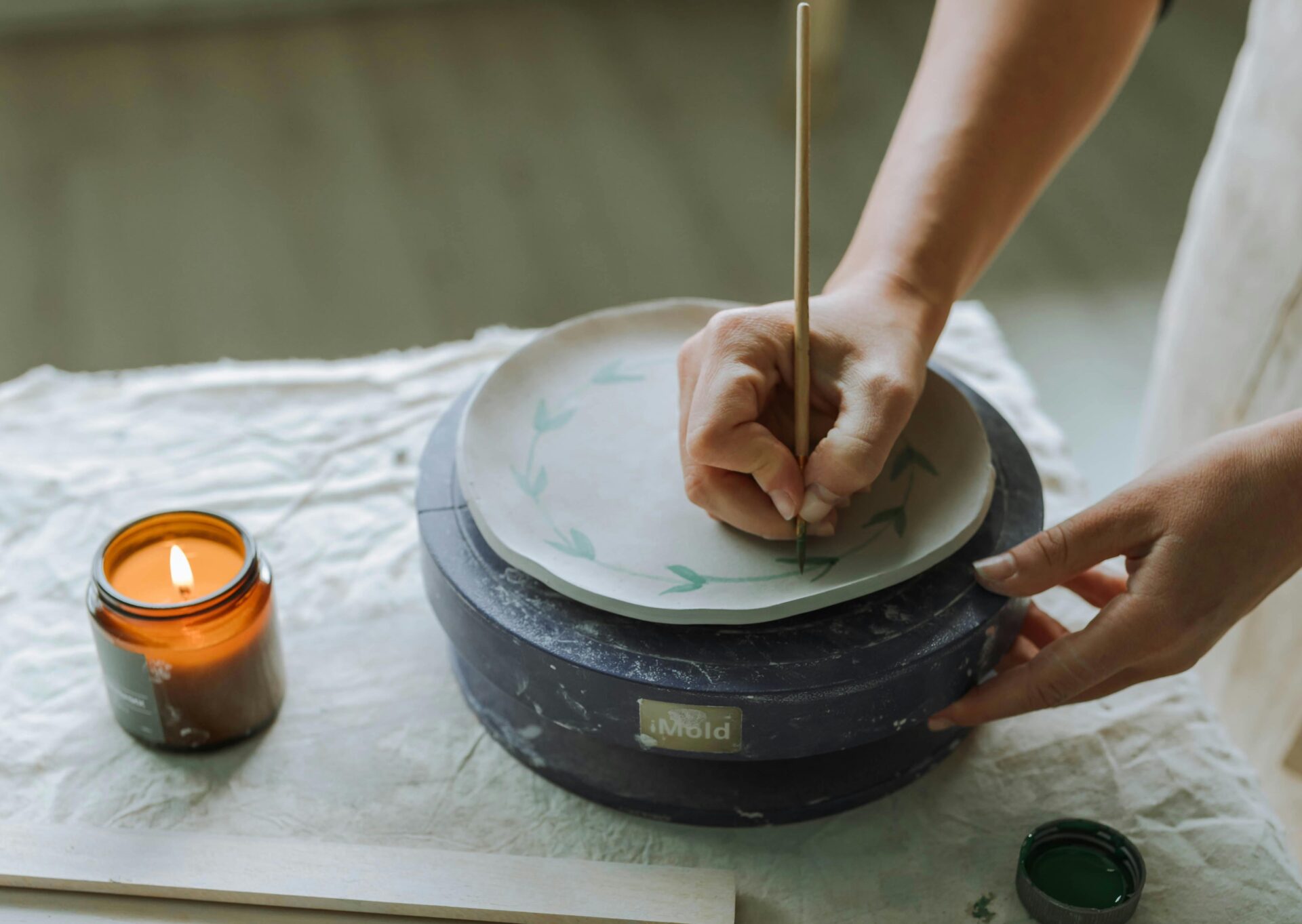
During festivals, Venafro transforms into an open-air gallery. Many families keep artwork showing the town as it looked in past centuries, turning the community into a kind of living museum.
Famous Visitors: From Cicero to Seneca
Venafro’s intellectual history is impressive for such a small place. Cicero wrote about Venafro, praising its strategic spot and rich farmland.
He even described the olive oil here—one of the earliest shout-outs to the region’s quality.
Seneca mentioned Venafro’s groves in his philosophical works. These ancient writers helped put Venafro on the map.
During the Grand Tour, educated travelers came here because of those classical references. They wanted to see what inspired the great thinkers.
The Influence of Italian and English Literature
Italian writers since the medieval era have included Venafro in poetry about rural life and simple traditions.
English travelers “discovered” Venafro during the Romantic period. British writers described their journeys through Molise, calling Venafro an authentic Italian experience.
I found old travel journals from the 19th century describing the “untouched medieval charm” of its streets. These stories appeared in popular magazines, boosting Venafro’s reputation abroad.
Itinerarium, Historiography, and Knowledge
The Encyclopædia Britannica lists Venafro’s historical importance, especially during Roman times. That kind of recognition cements the town’s place in history.
Ancient Roman road maps, or itineraria, featured Venafro as a key stop. These early travel guides put it right on the route through central Italy.
Local libraries hold manuscripts about the town’s past, including details of medieval life. I spent an afternoon in an archive, amazed by records of olive growing passed down for centuries.
The wisdom in these documents still shapes modern ideas about sustainable farming and community life.
Cultural Life, Nature, and Everyday Pleasures
Life in Venafro is a mix of tradition, natural beauty, and simple joys. The olive orchards don’t just support the economy—they set the stage for community life.
Celebrating Society, Unity, and Local Festivals
Venafro’s social calendar is packed with events that bring people together. Each November, the Festival of the Olive fills the town with energy as families celebrate the harvest.
I joined residents for the Feast of San Nicandro, the patron saint’s day. The processions through medieval streets felt deeply rooted in community.
The evening passeggiata—everyone strolling the main street—remains a daily ritual. It’s a simple thing, but it keeps people connected.
Women gather in piazzas to prepare festival dishes, passing recipes and stories to the next generation. These shared tasks stitch society together in a way that feels rare these days.
Exploring the Waterways: Fishing, Bathing, and Relaxing
The San Bartolomeo River near Venafro gives locals plenty to enjoy year-round. One morning, I watched elderly fishermen cast lines into the clear water, using time-tested techniques.
Natural pools form along the river, perfect for summer swims. Families picnic on the banks while kids splash around.
Riverside paths make for peaceful walks. I saw locals gathering herbs or relaxing with a book.
Environmental advocates fight to protect these streams. Their work has kept the water clean and preserved old traditions.
I found out that water from these streams still irrigates olive groves, channeled through Roman-era systems. This link between water and agriculture shows how the town lives with nature.
Connecting with the Landscape: Hiking, Flora, and Wildlife
Venafro nestles against mountains that offer great hiking. I followed trails through olive groves, then up into forests of chestnut and oak.
In spring, over 40 wildflower species bloom. Local guides pointed out rare orchids that only grow here.
Wildlife thrives on these hillsides. Early morning hikes sometimes reveal wild boar, foxes, or a burst of birdsong. Locals know the habits and migrations of the animals.
The mountains offer more than scenery—they provide mushrooms, chestnuts, and berries that fill local dishes. Foraging is still a family affair.
Older residents share stories about how the landscape has changed over the years. These memories help guide conservation efforts to protect Venafro’s natural treasures.
Venafro and Its Place in Italian Heritage
Venafro stands as a testament to Italy’s layered culture, weaving together Roman roots and medieval traditions that still shape life today. The town’s significance reaches far beyond Molise.
Links to Tuscan Cities: Florence, Siena, Parma, Rimini, Ravenna
When I visited Venafro, I noticed echoes of Tuscan cities. Some architecture reminded me of Florence’s details or Siena’s medieval planning.
Noble families from Venafro traded with Parma, swapping olive oil for cheese and cured meats. These exchanges left lasting marks.
The artistic traditions here show similarities to Rimini and Ravenna, especially in religious art and mosaics.
During the Renaissance, Venafro artisans traveled to these cities, learning techniques they brought home.
In the historic center, I found frescoes in styles reminiscent of Ravenna’s Byzantine works. These connections shaped Venafro’s unique identity.
Shared Traditions across Umbria and the Adriatic
Venafro’s festivals and religious events echo those in Umbria. The spring olive blessing here is a twin to rituals in towns like Spello and Trevi.
Farmers share cultivation techniques with communities across the Adriatic. The methods, passed down through generations, have roots in Croatian and Albanian regions too.
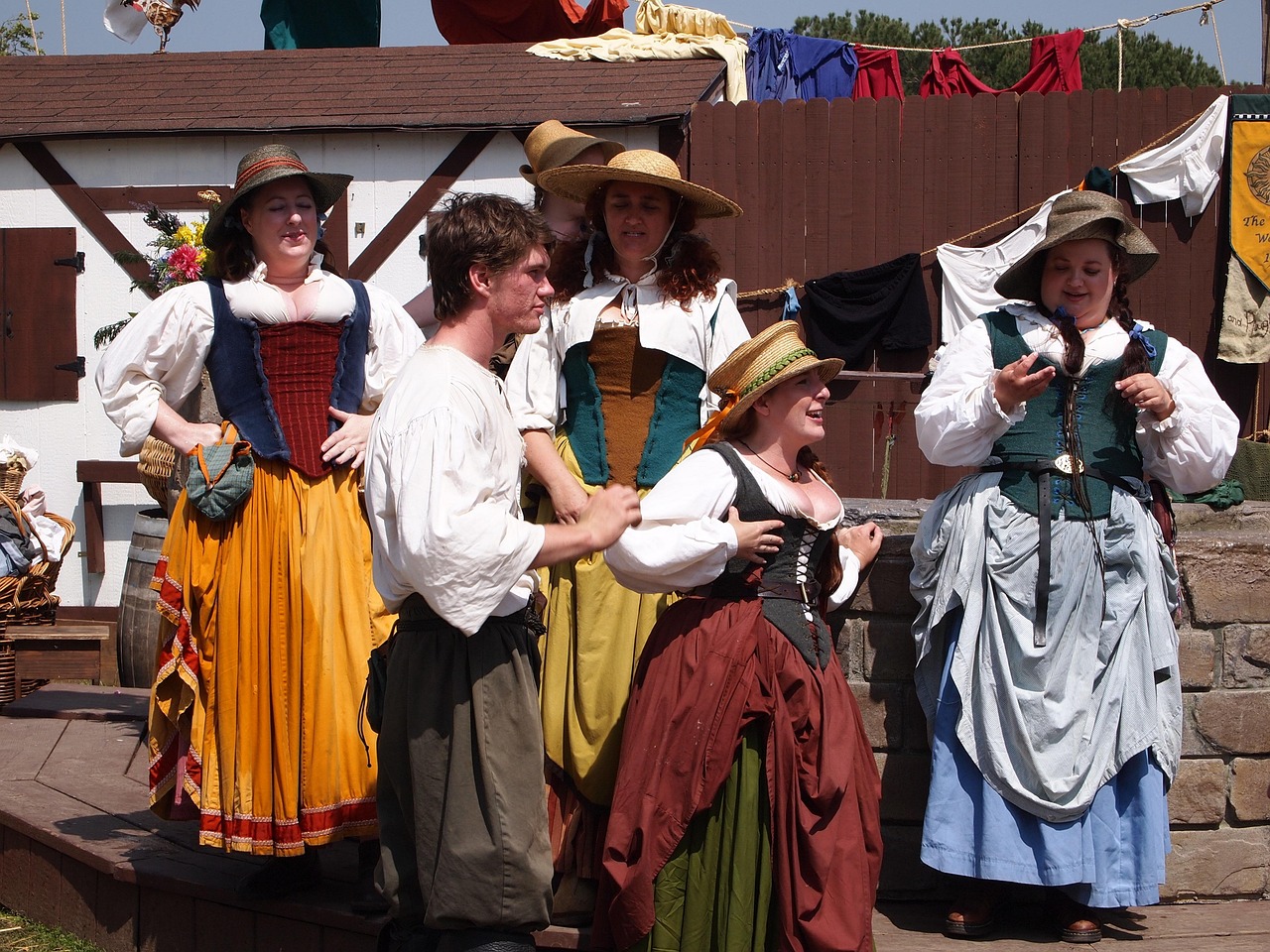
Folk music in Venafro uses rhythms and instruments found in both Umbrian hill towns and Adriatic villages. Summer festivals sometimes bring musicians together from all over, blending their sounds.
Culinary traditions bridge these regions as well. Olive oil, simple methods, and seasonal ingredients create a shared food culture.
Regional Foods, Real Estate, and Local Economy
Venafro’s economy revolves around its olive oil. Many old estates now offer agritourism stays, where guests can help with the harvest.
Real estate here is surprisingly affordable compared to more famous Italian spots. Historic homes in Venafro cost a fraction of what you’d pay in Tuscany, which is drawing buyers looking for the real Italy.
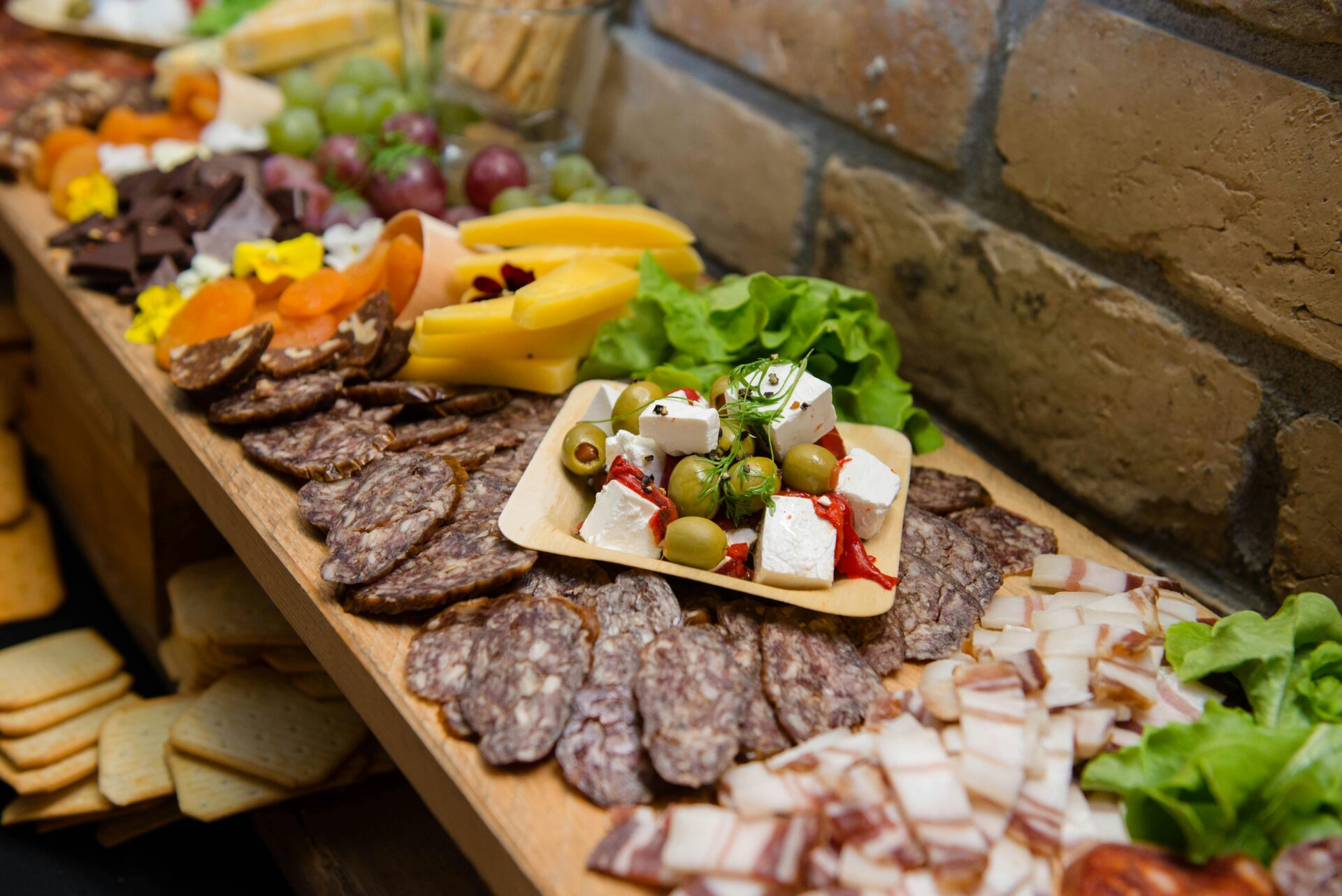
Local initiatives focus on sustainable tourism. Cooperatives run walking tours through ancient groves and cooking classes featuring regional specialties like caciocavallo cheese.
The town invests in preserving its agricultural roots while updating infrastructure. New irrigation supports traditional farming, and restored medieval buildings house hotels and restaurants that provide local jobs.

