
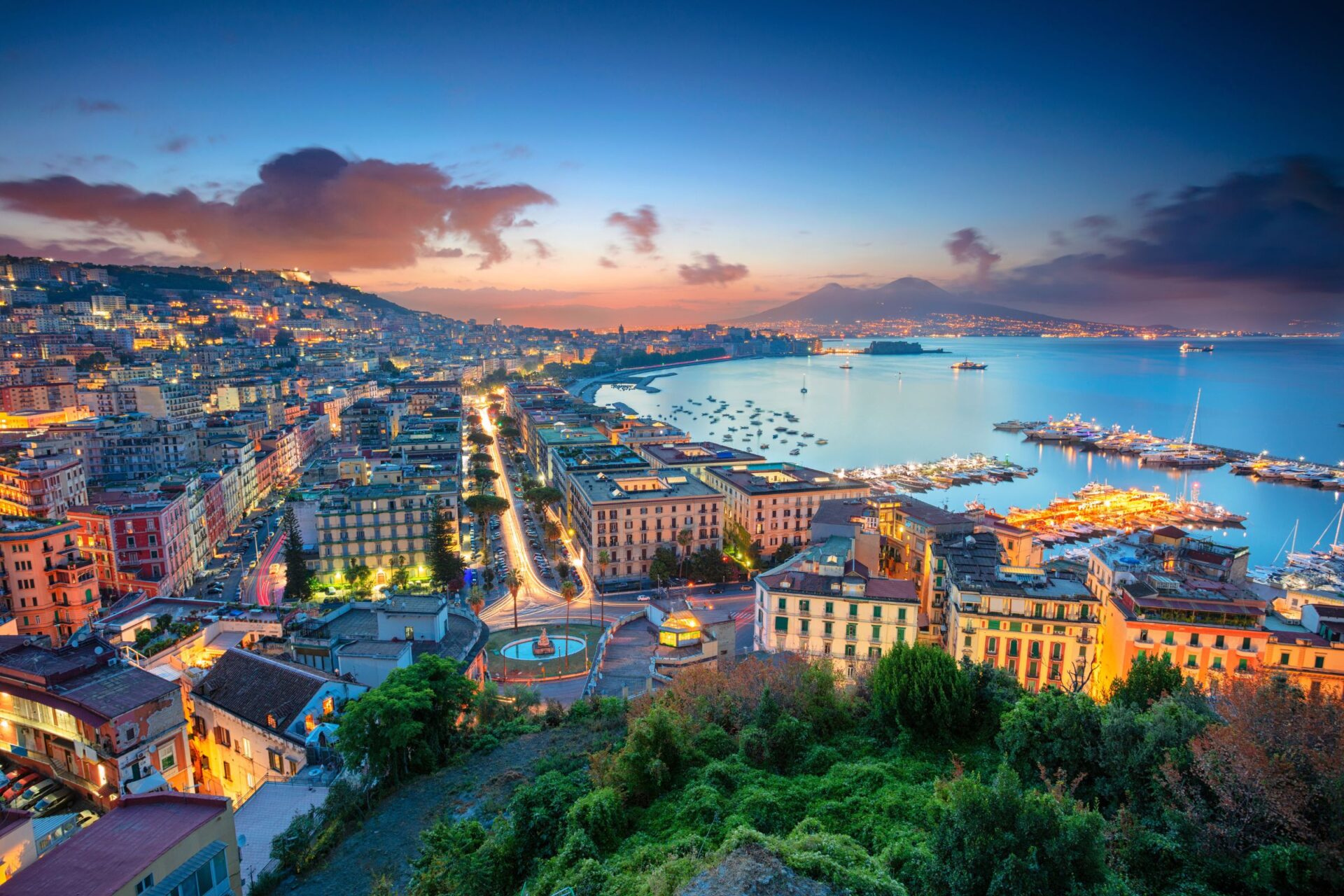
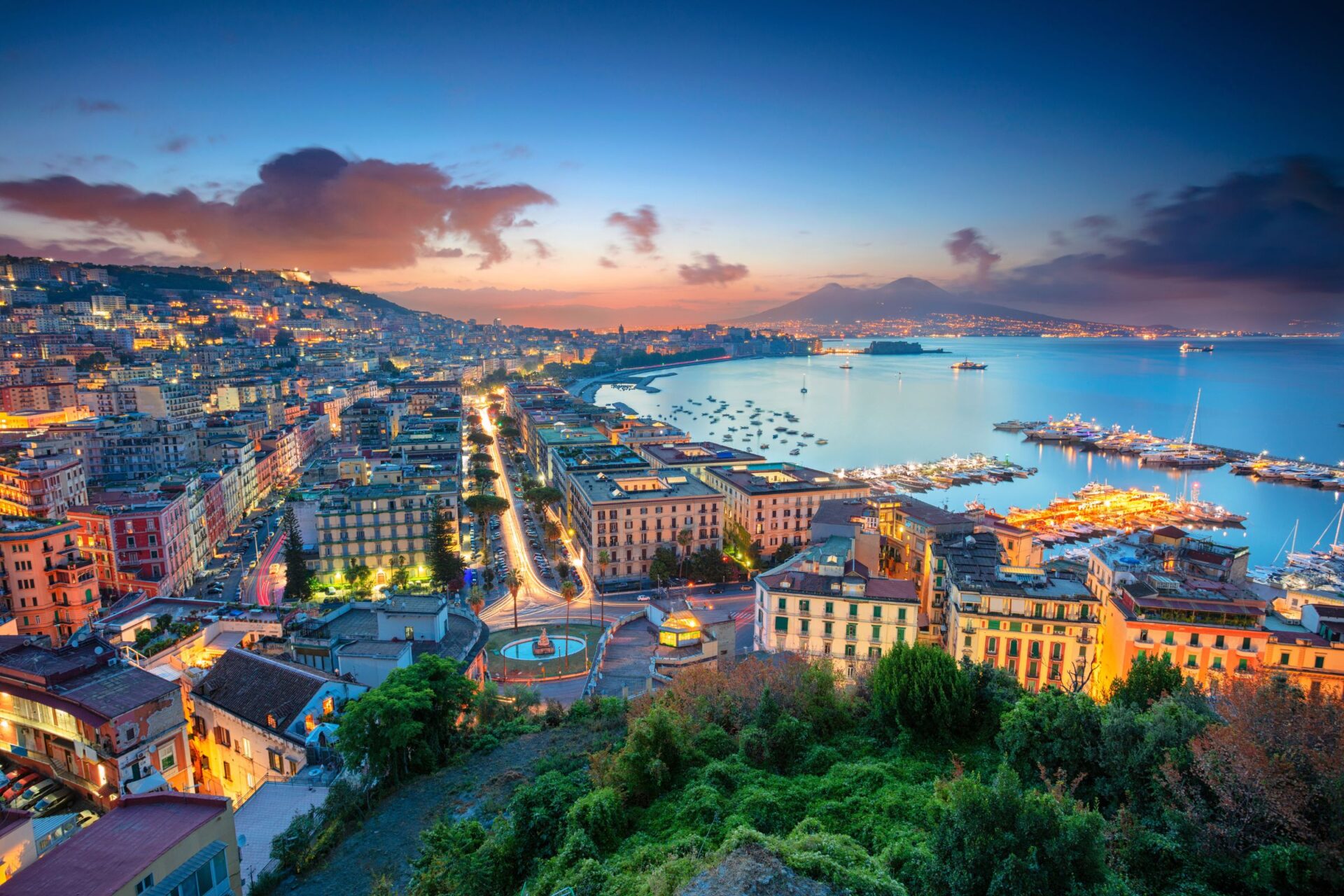
I never thought I’d fall in love with a city. But suddenly, there I was, standing on a skinny cobblestone street in Naples, Italy, with the smell of pizza everywhere and Vesuvius looming in the distance.
A week-long trip somehow flipped my idea of travel, food, and connection upside down. The chaos people often complain about—the noisy streets, the passionate locals, the total disregard for schedules—those quickly became the things I missed most.
Naples doesn’t try to be Florence or Venice. It’s raw, authentic, and never apologizes for it.
I wandered crowded markets where vendors shouted in dialects I could barely follow. I found tiny family restaurants where meals stretched for hours, always ending with limoncello and new friends.
Naples doesn’t put on a show for visitors—it just exists. If you’re open to its mess and its beauty, it’ll pull you right in.
I fell for Naples in ordinary moments: watching the sunset turn the Bay of Naples gold, learning to make pizza dough from a local grandma, or getting lost in winding alleys and stumbling into ancient churches.
Before that week, I traveled to tick boxes and see landmarks. Naples made me realize travel is really about letting a place seep into your bones and change you, even if it’s just a little.
Discovering Naples: First Impressions and Hidden Gems
Naples hit me like a wild, beautiful storm the second I arrived.
The city’s energy, history, and all its little surprises instantly drew me in.
The Energy of a Densely Populated City
Walking Naples for the first time felt like jumping into a living, breathing creature.
Narrow streets buzzed with life as locals zipped by on scooters, their horns creating a soundtrack that’s pure Naples.
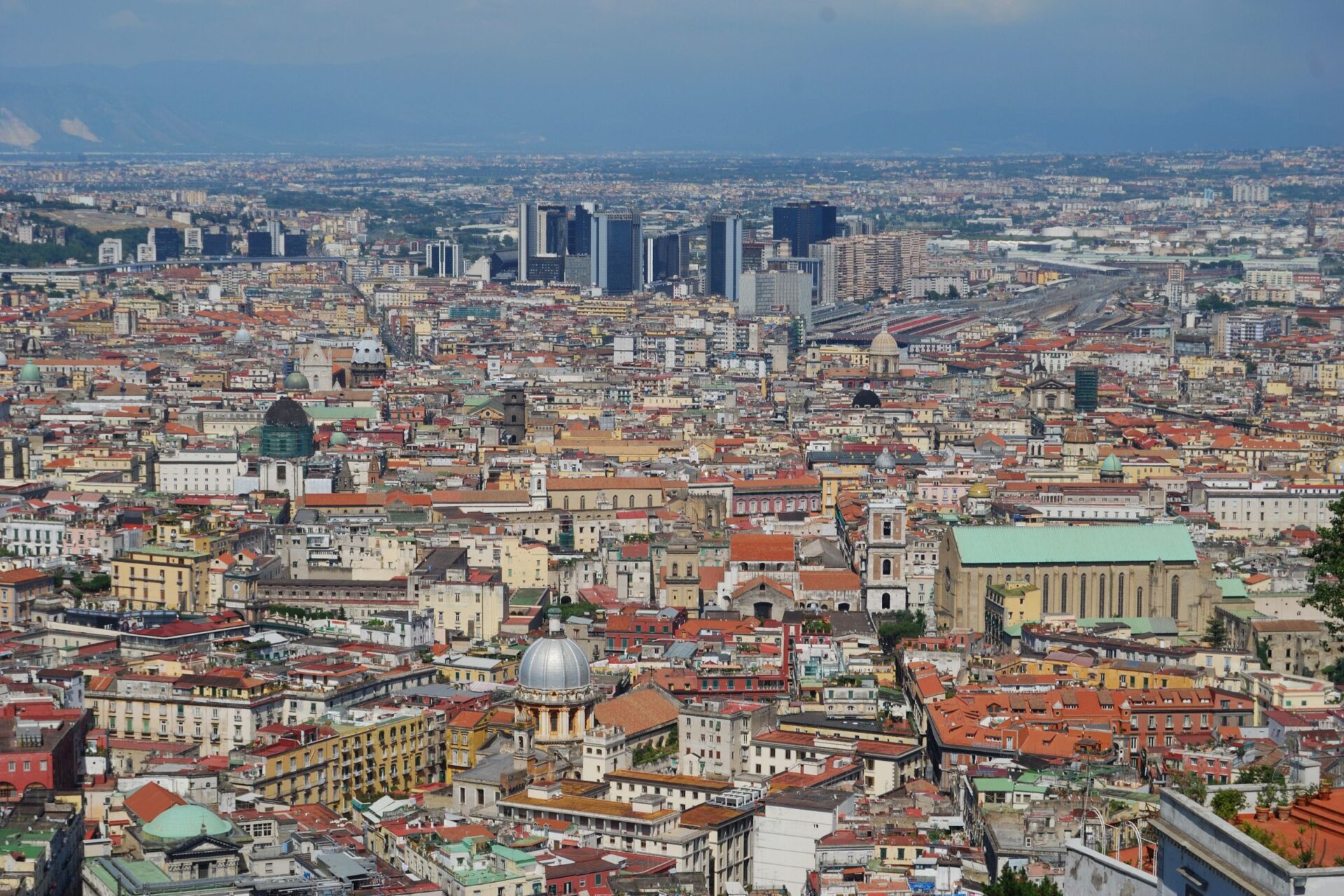
The city’s density stunned me. Buildings practically leaned across alleys, neighbors calling to each other over lines of laundry.
Naples isn’t just crowded—it’s gloriously alive.
In Spaccanapoli, that ancient street slicing through the city, I got swept along with locals running errands or heading to work.
Some travelers might find the chaos too much, but honestly, I found it addictive.
There’s a realness to Naples that shinier Italian cities just don’t have.
Local Life and Culture
Neapolitans live outside. Coffee isn’t just coffee—it’s a ritual.
I watched locals argue about politics and football in tiny espresso bars, hands flying everywhere.
Food opened the door to their culture for me.
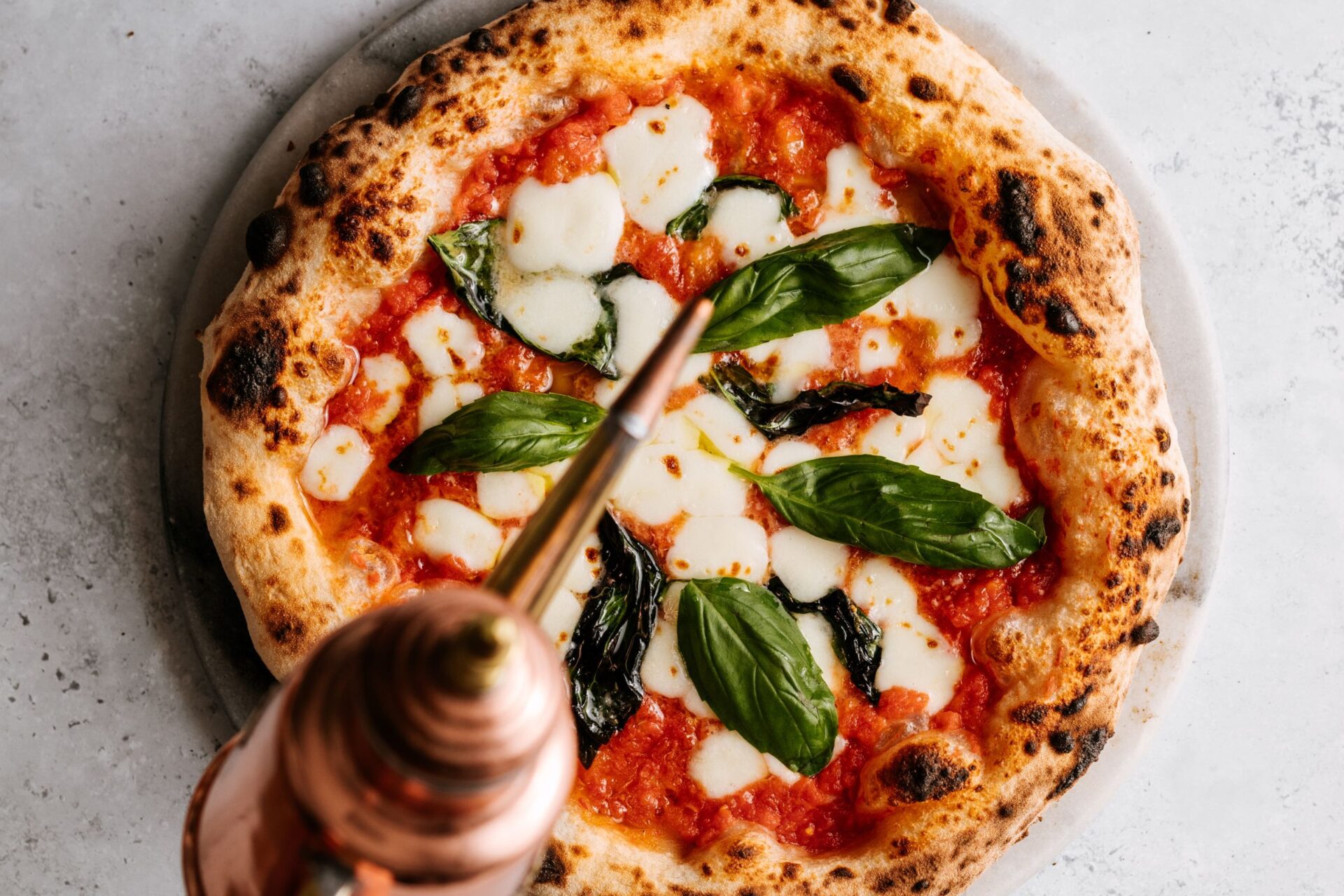
Pizza in Naples isn’t just legendary—it’s almost holy. At Da Michele, I watched the pizzaiolo craft a margherita with just dough, tomatoes, and mozzarella.
Street markets showed me another side of daily life. At Pignasecca Market, fishmongers shouted prices and old ladies squeezed every tomato.
Religious traditions run deep here. I stumbled into a San Gennaro procession, the air thick with incense and the city’s most precious jewels on display.
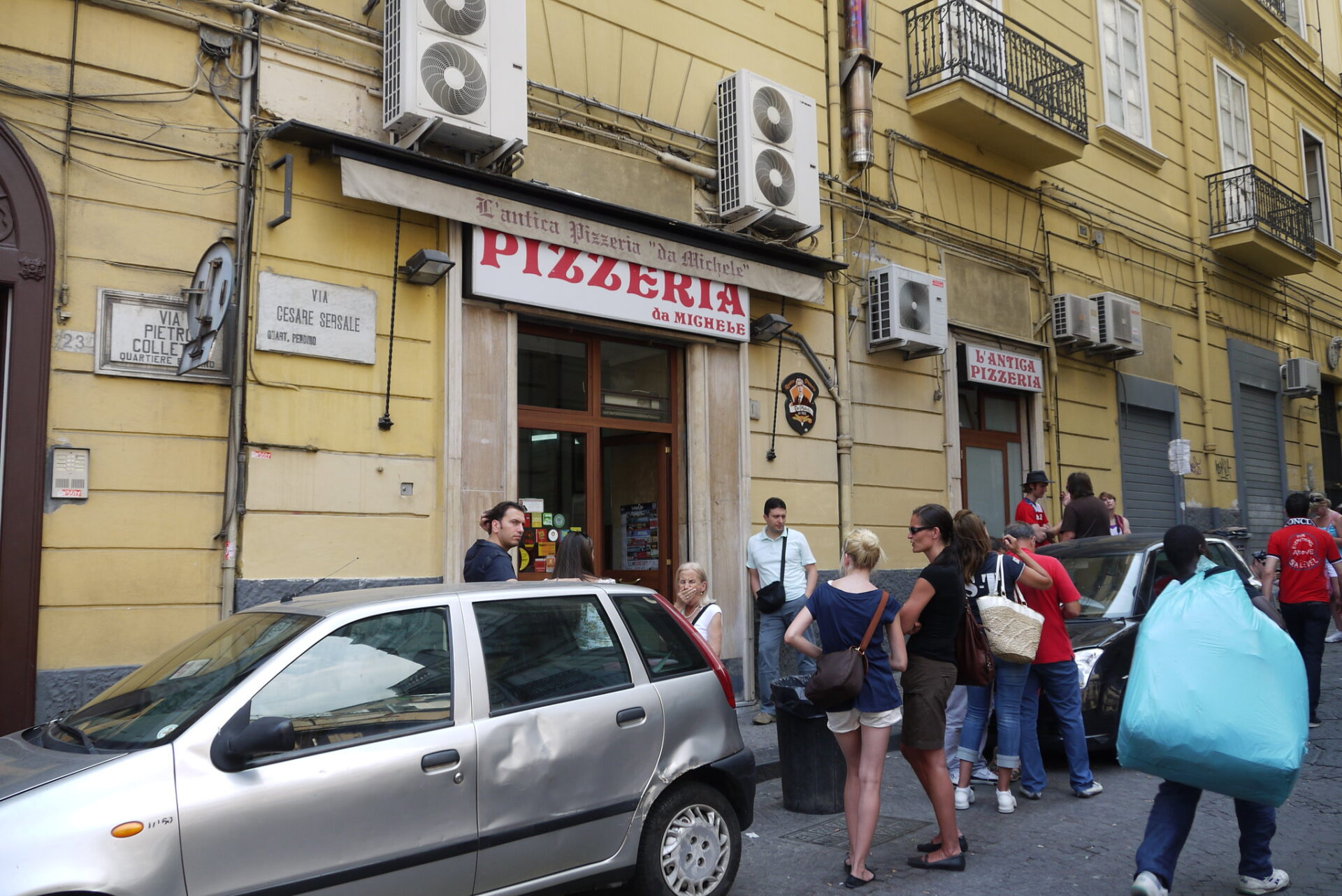
Image Source: Flickr
Unraveling Naples’ Unique Character
Naples refuses to fit into any neat box. Beauty and grit sit side by side—grand baroque churches next to crumbling buildings covered in street art.
History is everywhere. The catacombs below the city streets send you straight into another world, connecting modern Naples to its ancient roots.
Pompeii and Herculaneum aren’t far, offering haunting glimpses of frozen lives.
Mount Vesuvius looms in the background, both a threat and a source of life. Its eruption preserved ancient wonders, and now its slopes grow the region’s best wine and produce.
I found the contradictions charming. I’d go from admiring priceless art in a museum to laughing with strangers over street food in a crowded alleyway.

A Journey Through Naples’ Art, Architecture, and Churches
Naples unfolded as a living museum, where centuries of art and architecture blend into daily life.
The city’s culture formed the backdrop for some of my favorite moments.
Masterpieces in Museums and the Farnese Collection
The National Archaeological Museum knocked me off my feet.
I spent a whole morning lost in the Farnese Collection, gawking at massive marble sculptures once owned by the powerful Farnese family.
The Farnese Bull and Hercules statues are mind-blowing—photos can’t capture their scale.
What really surprised me? The museum felt almost empty compared to those in Florence or Rome.
I had the masterpieces nearly to myself.
The mosaics and Pompeii artifacts inside show just how sophisticated ancient Roman art could get.
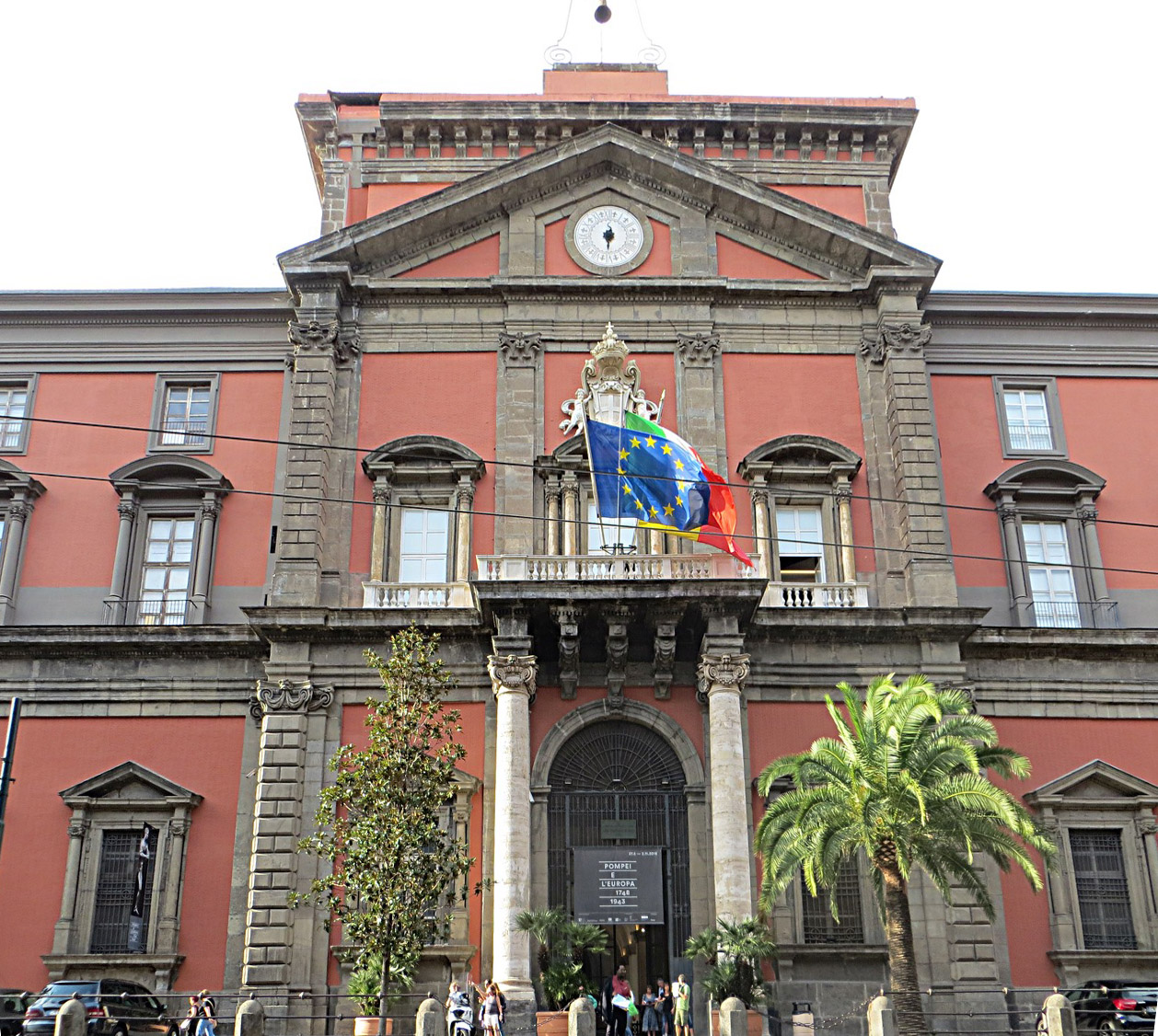
Image Source: Wikimedia Commons
If you’re into modern art, Museo di Capodimonte delivers, with works from the 13th century to now.
The palace itself adds a whole other layer of grandeur.
Architectural Wonders and Historic Buildings
Walking the historic center (hello, UNESCO!) felt like time travel.
Narrow streets suddenly open to reveal gems that made me gasp more than once.
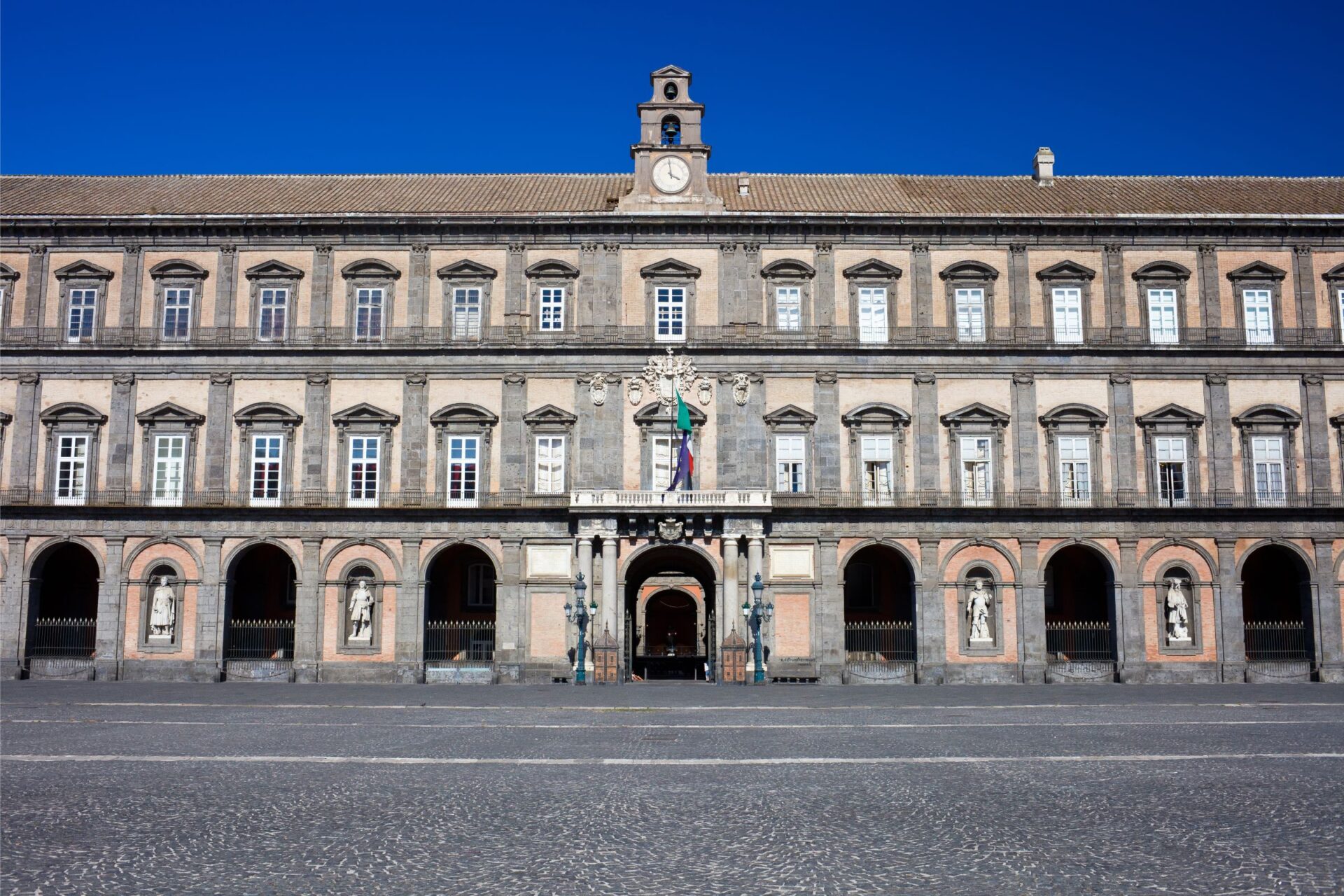
The Royal Palace of Naples (Palazzo Reale) shows off the city’s regal past with its sweeping staircase and lavish rooms.
I went early on a weekday and basically had the throne room to myself.
But Naples’ architecture isn’t just about the big stuff.
Everyday buildings—weathered facades, laundry strung between windows, ancient doorways hiding secret courtyards—carry stories from centuries ago.
Galleria Umberto I especially caught my eye, with its glass dome and cross-shaped layout.
It rivals Milan’s version but feels more real and lived-in.
Sacred Spaces: Iconic Churches of Naples
Naples’ churches hide some of the city’s most jaw-dropping art.
The Cappella Sansevero holds the “Veiled Christ” sculpture, where marble somehow turns as delicate as fabric.
I stood there, stunned, not quite believing it was stone.
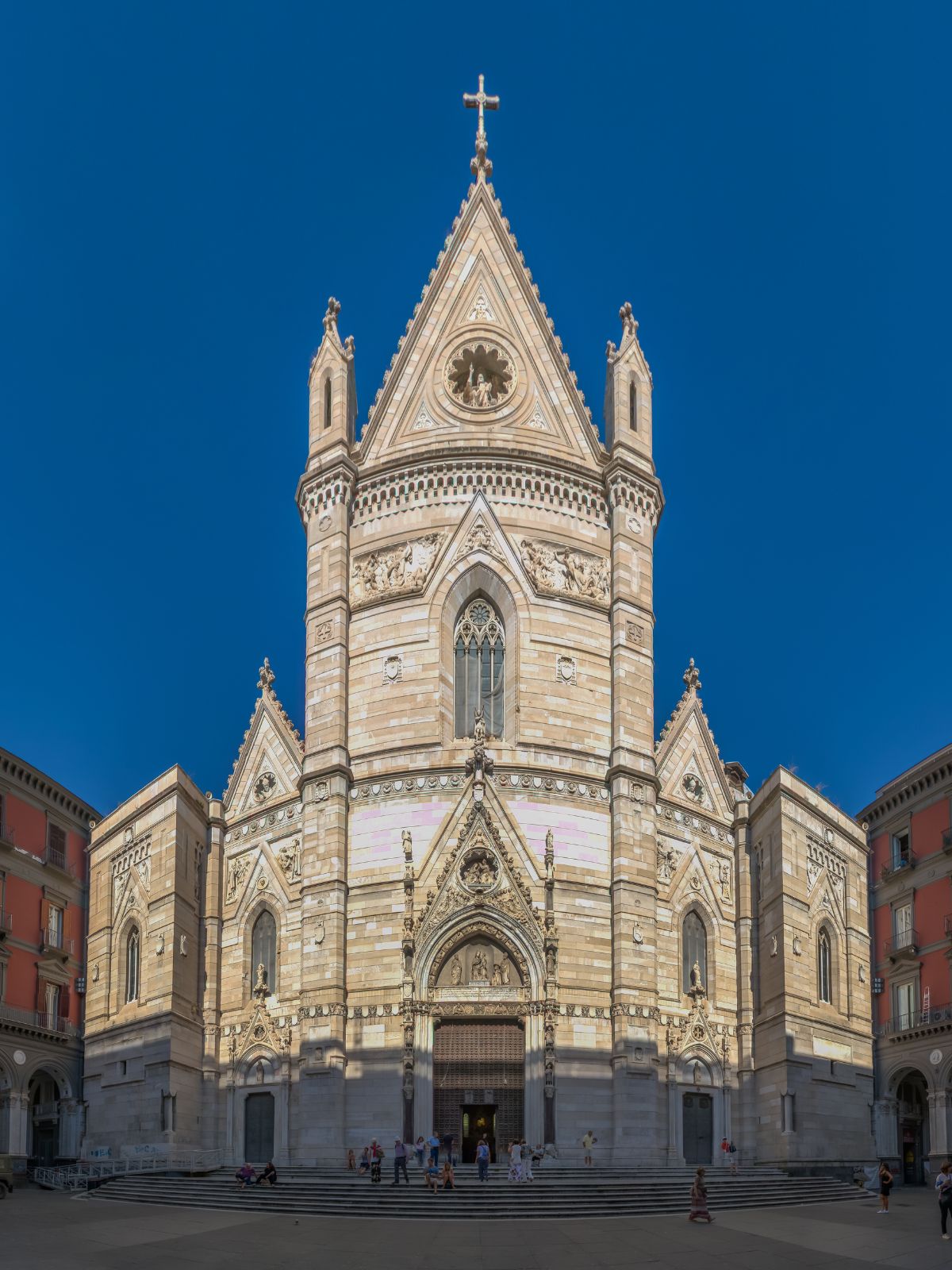
Naples Cathedral (Duomo) mixes Gothic and baroque styles.
Twice a year, locals crowd in for the miracle of San Gennaro, when a vial of the saint’s blood supposedly liquefies.
Santa Chiara surprised me the most. Its quiet cloister, covered in colorful majolica tiles, gave me a rare moment of peace after the city’s constant buzz.
The Pulse of Contemporary Art
Naples doesn’t just cling to the past—it bursts with contemporary art.
Museo d’Arte Contemporanea Donnaregina (MADRE) fills a renovated palace with edgy works, sparking conversations between old and new.
Street art is everywhere, especially in the Spanish Quarters.
Huge murals of Diego Maradona (the city’s football hero) sit next to political art and bold abstracts.
Even underground, art thrives here.
Toledo Metro Station, dubbed “the most beautiful subway station in Europe,” dazzles with its lights and mosaics.
Honestly, every metro stop feels like a mini art gallery.
Naples’ creative energy feels more genuine than the polished scenes in other Italian cities.
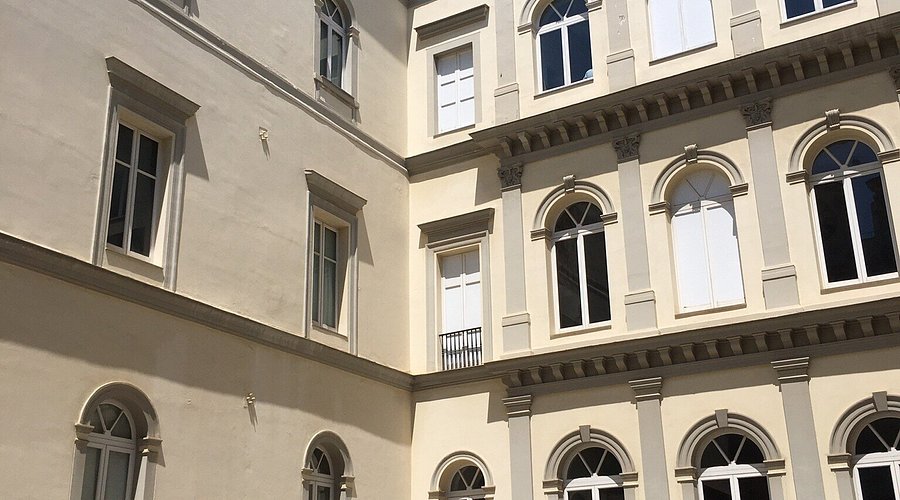
Image Source: Tripadvisor
Culinary Adventures: Tasting Naples’ Iconic Flavors
Naples won me over not just with its views, but through my stomach.
The city’s food scene is all about tradition, passion, and fresh ingredients.
Authentic Neapolitan Pizza
I still remember that first bite of real Neapolitan pizza.
The crust was soft and pillowy with just the right char from the wood oven—nothing like the pizza back home.
“This is where pizza was born,” my guide said as we squeezed into a tiny pizzeria packed with locals.
The Margherita amazed me—just San Marzano tomatoes, mozzarella, basil, and olive oil.
Simple, but the flavors hit hard.
The magic is in the technique.
I watched the pizzaiolo stretch the dough by hand, top it lightly, then slide it into a 900°F oven for barely a minute and a half.
Those leopard spots on the crust? Perfection.
Da Michele became my go-to. They’ve been making pizza the same way since 1870.
No fuss, no extras—just pizza that changed how I think about food.
Heavenly Gelato and Sweet Treats
Naples’ gelato deserves a whole chapter.
It’s nothing like commercial ice cream—the gelato here is denser and silkier, melting on your tongue in the best way.
I got hooked on pistachio gelato from Gay-Odin.
They use Sicilian nuts, so the flavor is deep and rich.
The lemon sorbet, made with Sorrento lemons, was bright and refreshing.
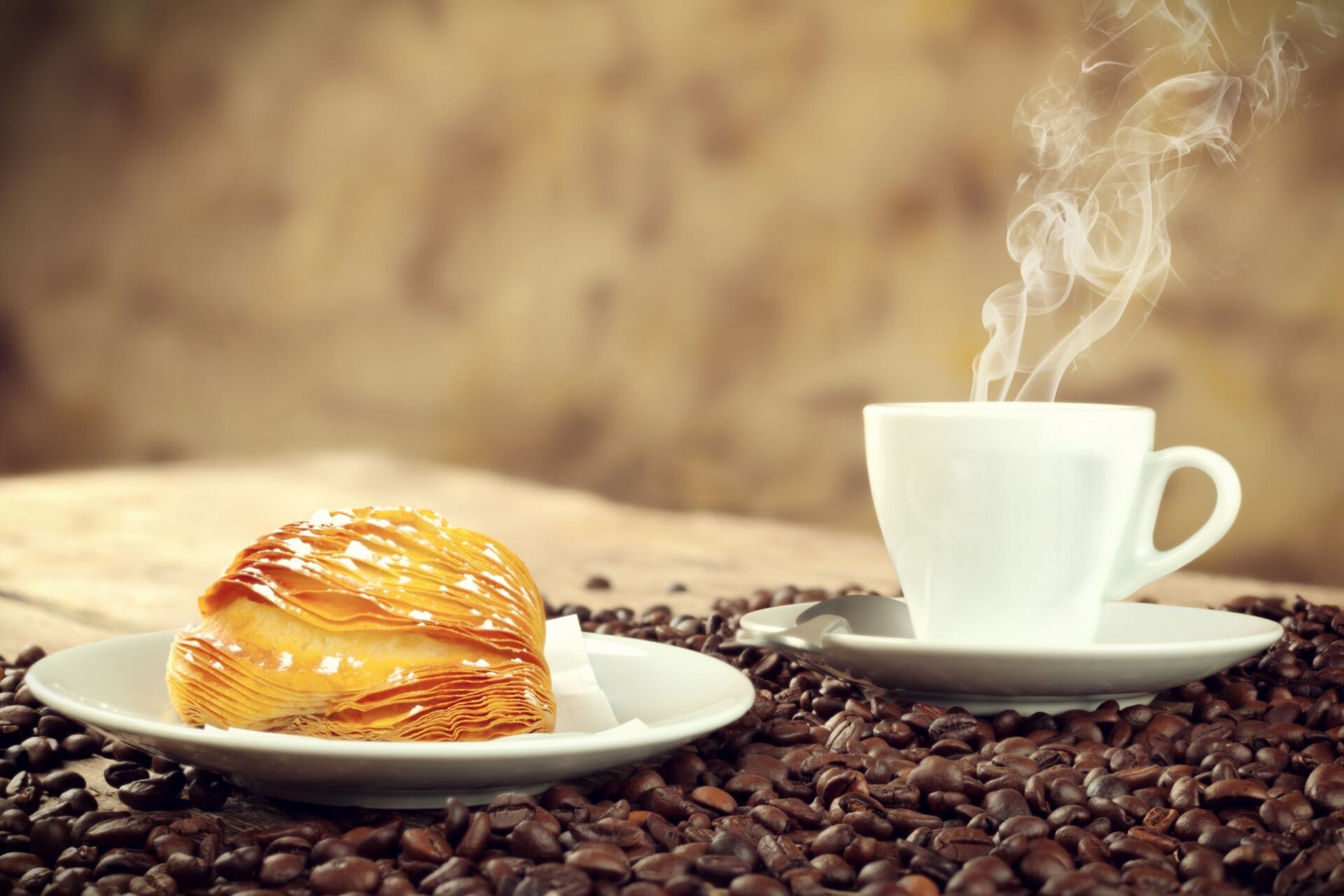
Then there’s sfogliatella—a pastry shaped like a seashell, filled with orange-scented ricotta.
The crispy, layered shell and creamy filling blew my mind.
If you love coffee, try an espresso with “sfogliatella riccia” in the morning.
The bitter coffee and sweet pastry make a perfect pair.
Mozzarella, Pastries, and Cookies
Buffalo mozzarella from Campania ruined all other mozzarella for me.
The real stuff is delicate, milky, and a little tangy—nothing like the rubbery cheese I’d tried before.
One morning, I watched a vendor at the market slice open a fresh ball.
Creamy milk oozed out, and with just salt and olive oil, it was a revelation.
Naples knows its cookies, too.
Taralli—savory rings with almonds, pepper, and lard—became my favorite afternoon snack.
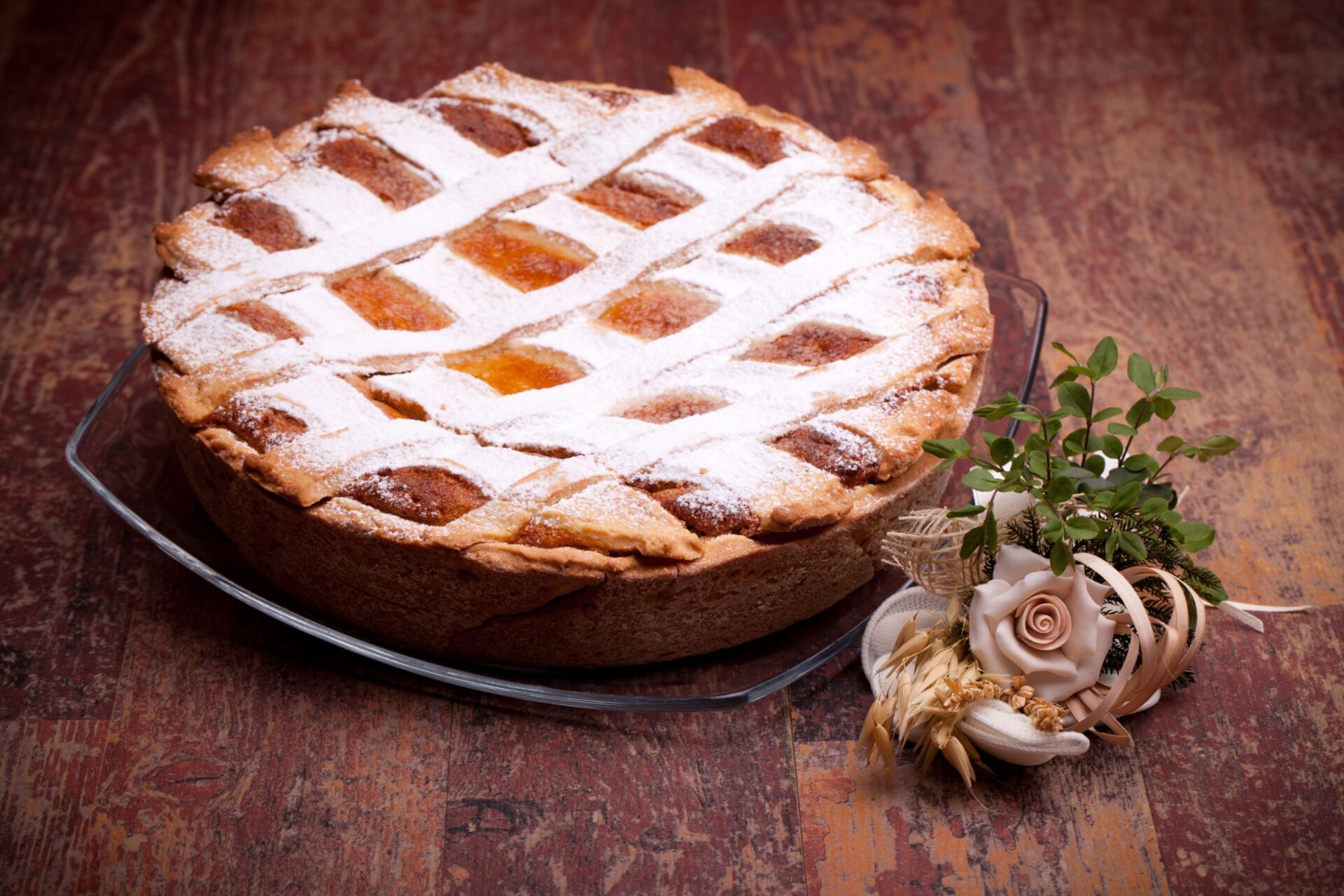
Pastry shops show off pastiera napoletana (a wheat and ricotta pie) and rum-soaked babà.
But struffoli—tiny fried dough balls in honey with sprinkles—stole my heart.
During a food tour, my guide explained that these recipes haven’t changed in generations.
Tasting them made me get why Neapolitans are fiercely proud of their culinary heritage.
Exploring Pompeii, Herculaneum, and the Shadow of Vesuvius
Standing by the Bay of Naples, I felt history pressing up from the ground and Vesuvius looming over everything.
Exploring these ancient cities became the highlight of my trip.
Wonders of Ancient Pompeii
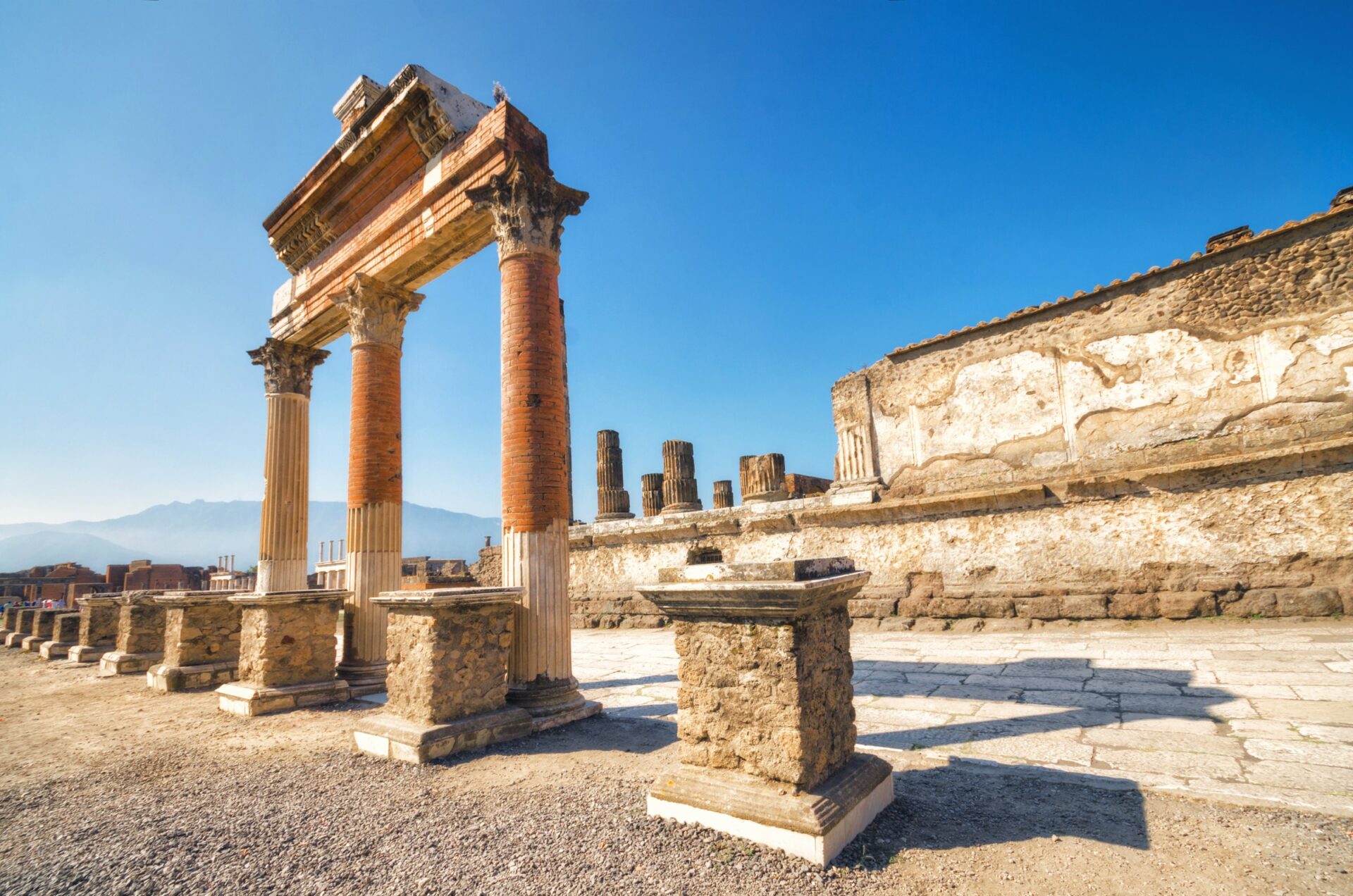
Walking Pompeii’s stone streets felt like time travel.
Mosaics still decorate the floors, and faded frescoes splash color on ancient walls.
I wandered for hours, passing the old Forum and the amphitheater.
It’s so well-preserved, you can almost hear the crowds from 2,000 years ago.
The plaster casts of victims stopped me cold.
They capture the final moments of people caught in the eruption—a sobering, unforgettable sight.
I arrived early to dodge crowds and the midday sun.
The House of the Faun and Villa of Mysteries are must-sees for their art and peek into elite Roman life.
Walking Through Herculaneum
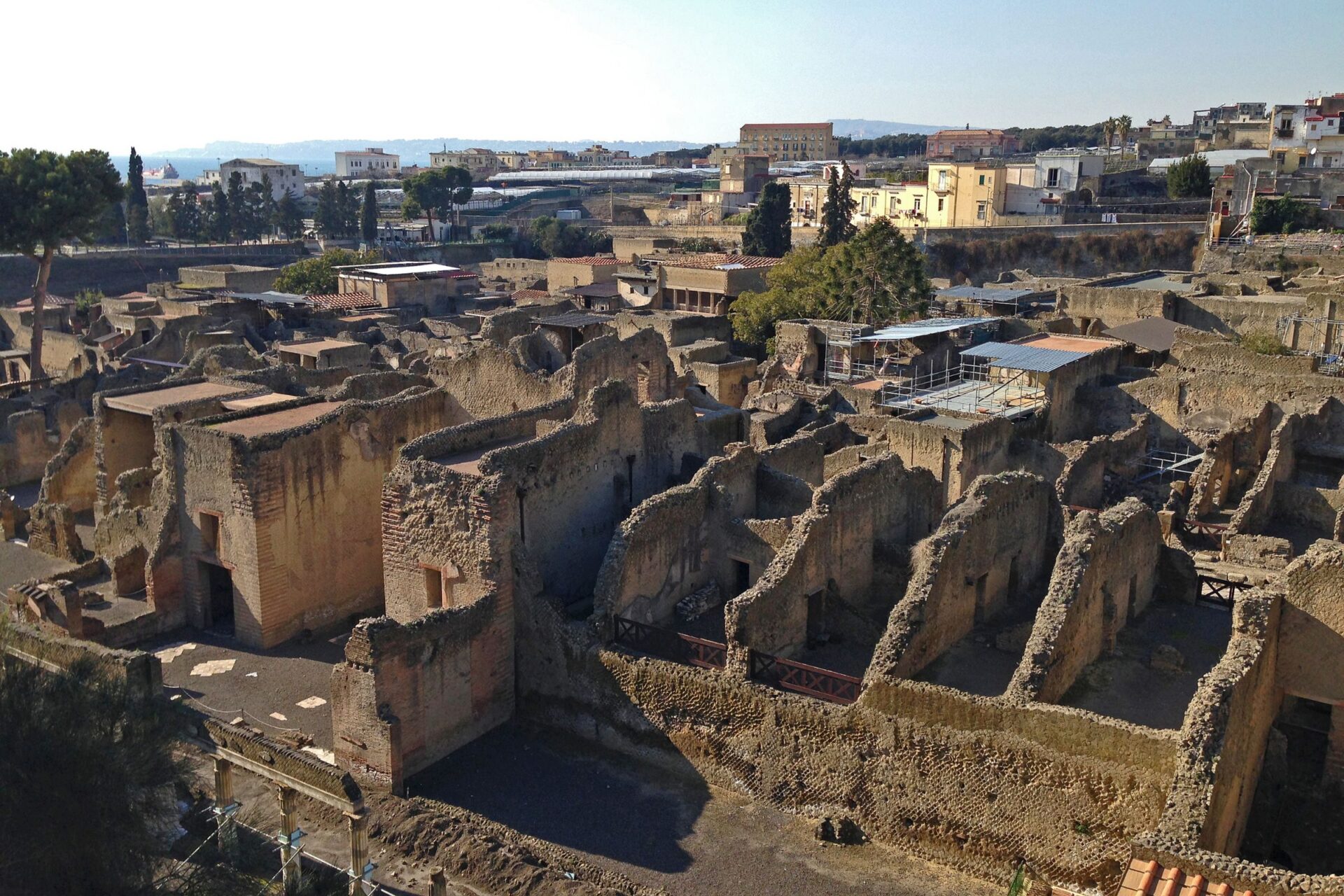
Herculaneum felt more intimate than Pompeii.
It’s smaller, but better preserved, with wooden beams and mosaics that survived the pyroclastic flow.
Multi-story houses, balconies, and boathouses filled with skeletons tell a haunting story.
Instead of ash, mud buried Herculaneum, locking everything in place—even wooden beds and doors.
The House of the Neptune Mosaic blew me away with its detail.
I liked the lighter crowds here—it let me linger and really absorb the place.
You can see the whole site in a few hours without feeling rushed.
Experiencing Mt. Vesuvius
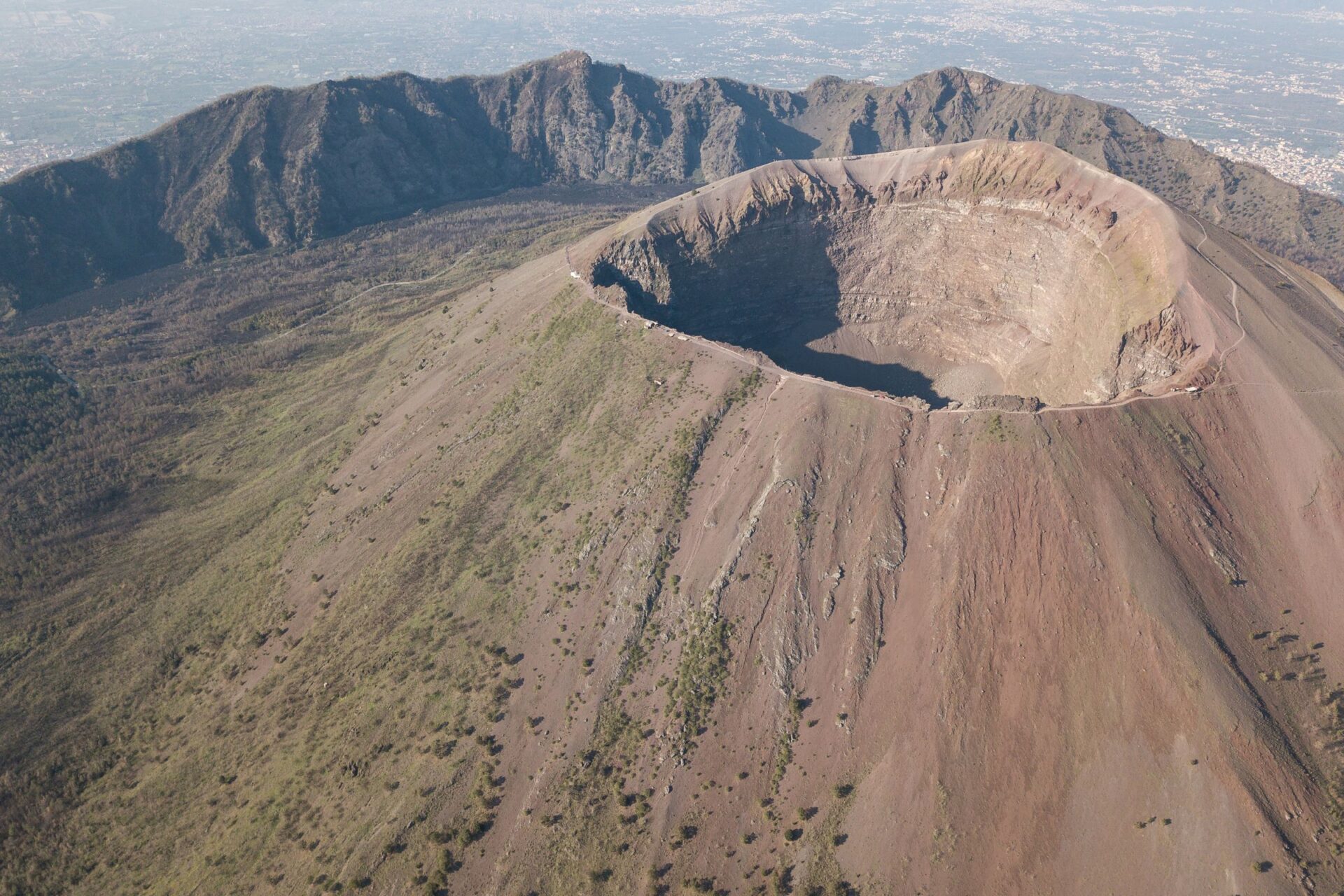
Climbing Vesuvius capped off the ancient sites perfectly.
The trail zigzags up and takes about half an hour, but the views of the bay are unreal.
Looking into the crater, I felt a weird mix of awe and unease.
This volcano destroyed so much, but now it just sits there, quietly watched by scientists.
Its last big eruption was in 1944—a reminder that it’s still alive.
From the top, you can see Naples, Capri, and even the ruins of Pompeii below.
I suggest sturdy shoes and a jacket—the summit gets windy.
Tour buses run often, so getting there is easy, even if the volcano’s past is anything but.
Capri and Beyond: Day Trips and Unforgettable Escapes
Naples turned out to be the best base for exploring the gorgeous surroundings that make this part of Italy so special.
The day trips I took from here ended up being some of my favorite memories.
Allure of Capri and Island Adventures
Capri won me over instantly.
Meeting our guide Rebecca at the harbor was a breeze, and she set a perfect, relaxed pace for the day.
The blue waters around the island sparkled as our boat glided toward the Blue Grotto.
I spent the morning poking around Capri Town, with its fancy shops and lemony cafés.
The chairlift up Monte Solaro gave me views that made me catch my breath.
In the afternoon, I found hidden coves where the Mediterranean lapped at limestone cliffs.
These quiet spots made me wonder if I should have stayed longer on the island.
Hidden Coastal Villages
Nearby coastal villages charmed me just as much.
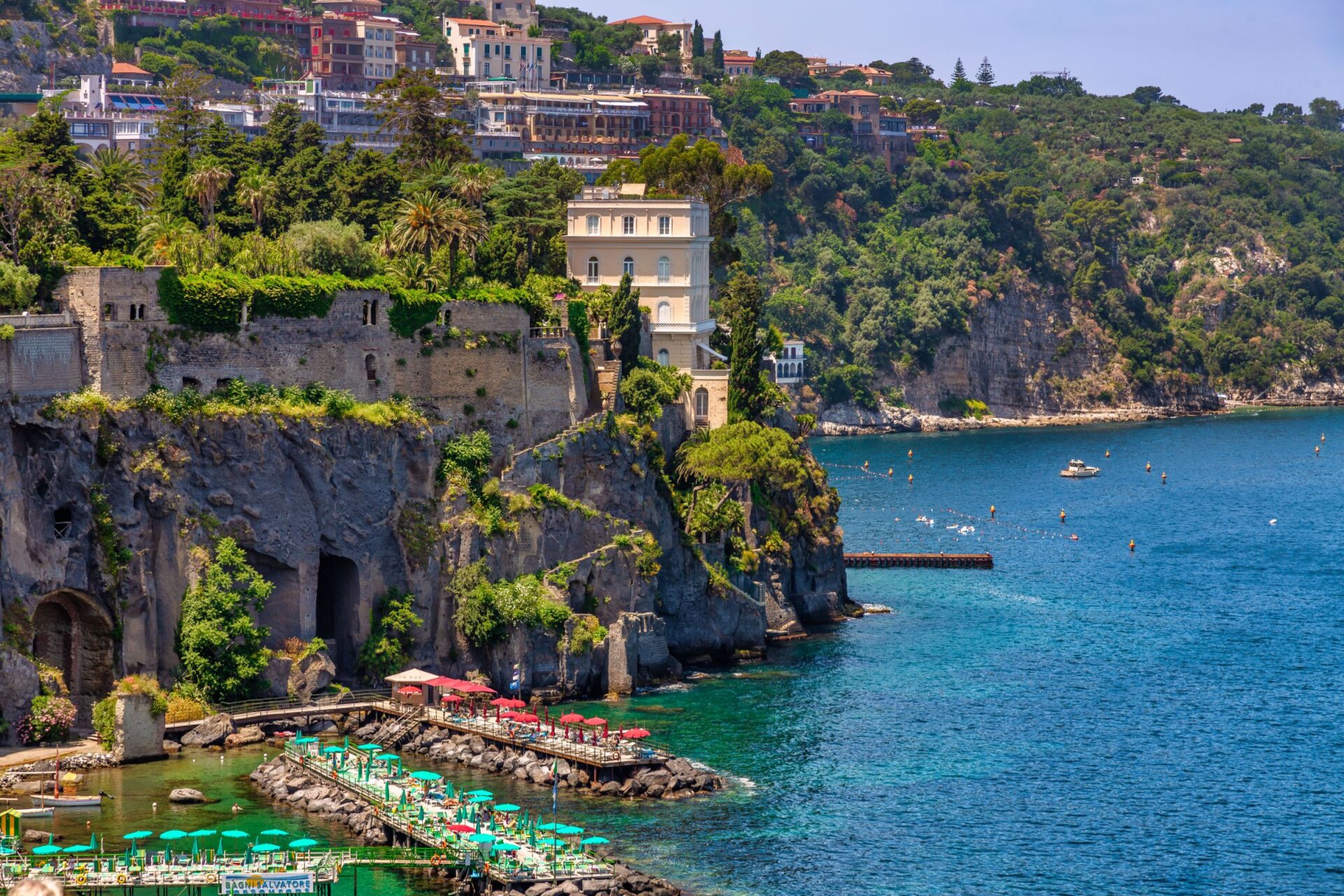
Positano’s pastel houses tumble down the cliffs in a way that photos can’t quite capture.
Sorrento felt more laid-back, with stunning views from the cliffs.
I wandered lemon groves and ate homemade pasta at a family-run trattoria.
Adding these villages to my trip turned out to be a great decision.
Each one had its own vibe, but all of them shared that unmistakable Italian coastal beauty.
One magical evening I ended up in a tiny fishing village, watching locals haul in their catch as the sunset painted everything gold.
Those little escapes beyond Naples gave my trip a whole new dimension.
Finding Hope and Inspiration in Naples
Naples got under my skin in ways I never saw coming.
The city’s raw beauty, tough people, and deep traditions made it the perfect place for personal renewal.
Transformation Through Travel
I arrived in Naples feeling lost and burned out from my corporate job.
The city’s chaos overwhelmed me at first.
But something shifted on my third day.
While sipping espresso at a tiny café near Spaccanapoli, an old Neapolitan man told me stories of rebuilding after hard times.
“Naples teaches you to find beauty in imperfection,” he said, waving his hands at the lively street scene.
That conversation changed my outlook.
I started walking the city with new eyes, noticing how residents turned obstacles into art and opportunity.
Street artists painted masterpieces on crumbling walls.
Families transformed simple ingredients into world-famous dishes.
Rising Beyond the City’s Challenges
Naples has real problems—crime, economic struggles, crumbling infrastructure.
But the spirit of Neapolitans refuses to be defined by any of that.
I saw community groups reclaiming neighborhoods once known for crime.
A local guide showed me areas now filled with murals and small businesses.
“We build hope through action,” Francesca, a community organizer, told me as she handed me a paintbrush for a garden wall.
Everywhere I looked, I saw resilience—mothers creating play spaces in forgotten courtyards, youth centers giving kids options beyond the streets.
These moments made me rethink how I face obstacles at home.
Leaving Naples Changed
Leaving Naples stung a little.
The city had worked its magic on me in just one week.
I took home a handwritten pizza recipe, photos of the coast, and a small chunk of volcanic rock from Vesuvius.
But the real souvenirs were less tangible.
Naples taught me to embrace life’s mess instead of chasing perfection.
Hope doesn’t just appear—it’s something people build together, even when things are tough.
Back home, I finally started the community project I’d been putting off for years.
Naples’ spirit still nudges me to find beauty in the unexpected and tackle challenges with a little more creativity and a lot less fear.

