
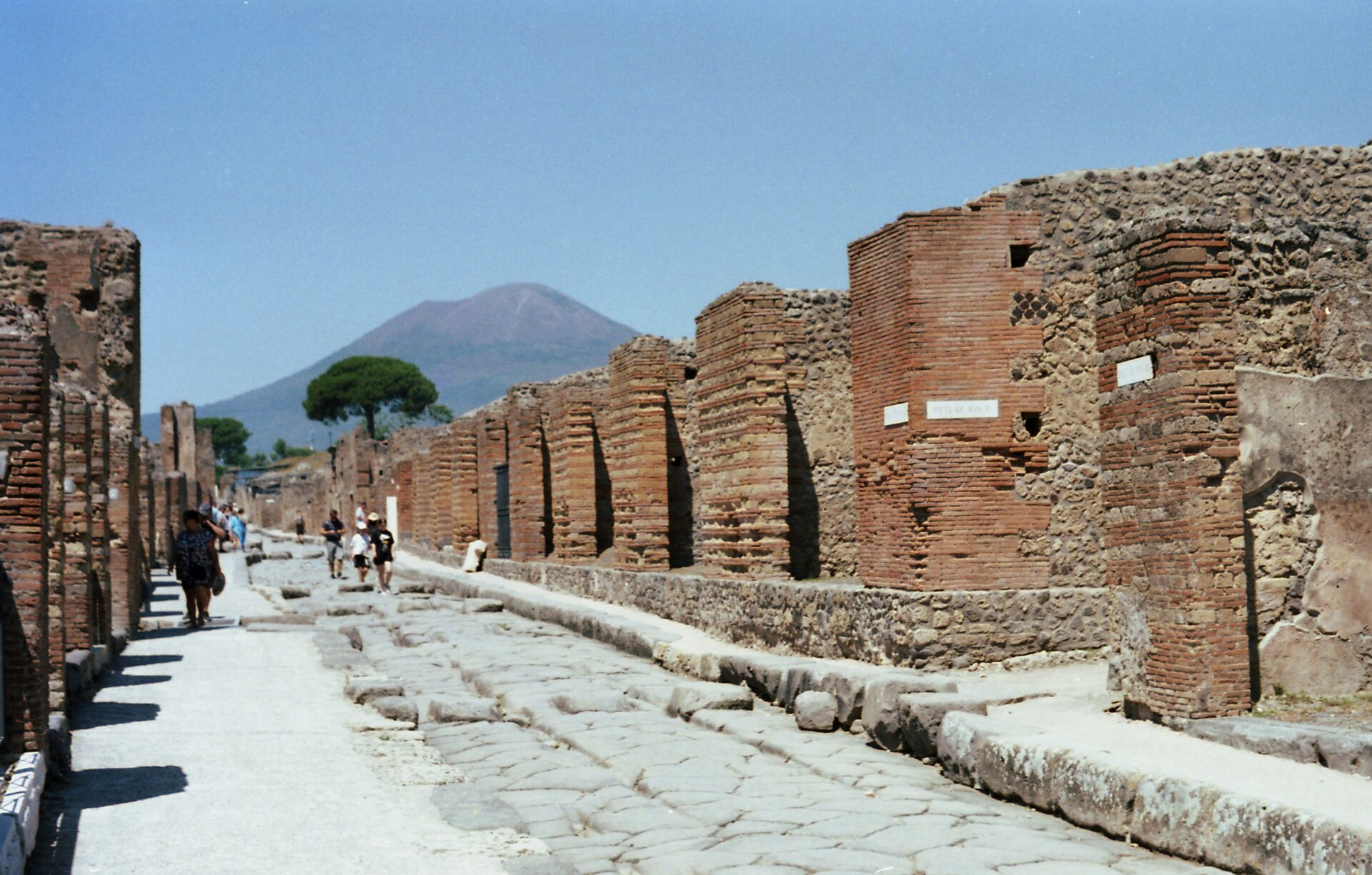
Walking the ancient streets of Pompeii, I feel like I’m stepping into a time machine. Mount Vesuvius froze this Roman city in time in 79 AD, letting us peek into daily life almost 2,000 years ago.
A self-guided tour lets you explore Pompeii at your own pace, discovering incredible highlights like the Forum, Amphitheater, House of the Faun, and Villa of the Mysteries.
I’ve visited Pompeii a few times, and honestly, having a plan changes everything. The city splits into nine regions, so you can navigate without missing the big stuff.
With a solid map and a bit of background, you can wander the stone streets, stare at ancient frescoes, and peek into homes and shops that once buzzed with life.
I usually start early at the Forum—the heart of ancient Pompeii’s civic life. From there, I like to drift through the quieter neighborhoods before the crowds take over.
Audio guides at the entrance (about 5€) share stories and context that really bring these ruins to life. The magic of Pompeii, at least for me, is how it connects you to the everyday folks who lived here.

Planning Your Pompeii Self-Guided Adventure
A good trip to Pompeii really starts with some prep. With a bit of planning, you can see so much more and dodge the usual headaches.
Essential Tickets and Entry Information
Tickets run about €16-18 for adults, with discounts for EU citizens under 25. I always buy tickets online from the official Pompeii Archaeological Park site to skip those long entrance lines.
There are three entrances: Porta Marina (the main one), Piazza Anfiteatro, and Piazza Esedra. Porta Marina gets packed, so if you’re visiting in peak season, maybe try one of the others.
A standard ticket gets you into the whole site for the day. For €22, you can grab a combined ticket that also covers Herculaneum and some nearby sites. It’s a great deal if you’re planning to see more than just Pompeii.
Opening hours change with the seasons:
- November to March: 9:00 AM – 5:00 PM
- April to October: 9:00 AM – 7:00 PM
- Closed: January 1, May 1, December 25
Choosing the Right Time to Visit
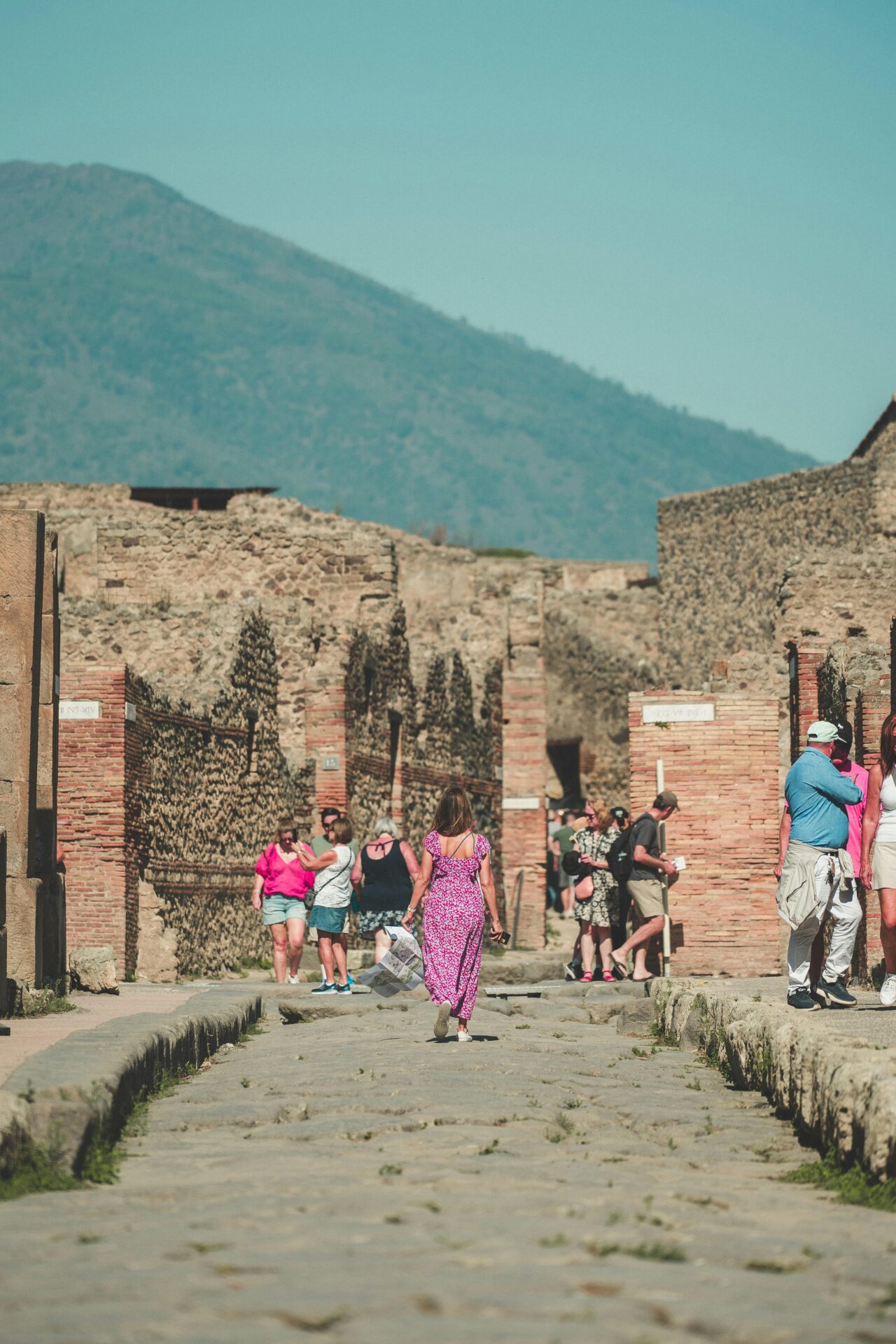
Early morning (right at opening until 11 AM) or late afternoon (after 3 PM) is the best time to visit. I always try to get there at opening—there’s just something about having the place almost to yourself before the crowds show up.
Summers (June-August) and holidays get super crowded. If you can, go in April-May or September-October. The weather feels nice, and you’ll deal with fewer people.
Weekends in peak season? I’d avoid them. Weekdays are usually much quieter.
The weather matters, too. Summer can be brutal—over 90°F (32°C) and almost no shade. Winter is cooler but the site closes earlier.

What to Bring and Wear for Comfort
You need comfortable walking shoes. I wore sandals once and regretted it immediately—those ancient streets are no joke.
I always pack:
- Water bottle (there are refill stations)
- Sun protection (hat, sunscreen, sunglasses)
- Light clothing for summer, layers for spring/fall
- Small backpack for your stuff
- Snacks (there’s a café, but it’s not always convenient)
- Portable phone charger (for maps and photos)
With so little shade, sun protection is a must. I usually bring a lightweight scarf that doubles as a sun shield.
A paper map from the entrance helps a lot. Signs exist, but Pompeii is huge and easy to get lost in.
Optional Private Guides and Audio Guides
You can rent official audio guides for €8 at the gates. They give you plenty of info about the main sites and are a budget-friendly way to learn as you go.
If you want more depth, hire a private guide. Official guides charge about €120-150 for two hours. It’s not cheap, but the stories and context they share are worth it. I’ve done both, and honestly, I learned way more with a guide.
You can book guides online or find them near the entrance. Look for those with official badges.
Not ready for a full tour? Walking tour apps offer self-guided routes with audio commentary, usually for €5-15. They give you more structure but still let you wander at your own pace.
Mapping Out the Route: Pompeii Highlights
To really see Pompeii without missing out, you need a plan. I’ve mapped out some walking routes that cover the big attractions and help you dodge the worst crowds.
Main Entrances: Marina Gate and Alternatives
Most folks enter through the Marina Gate (Porta Marina), which puts you right by the Forum. It’s convenient, but it gets packed from 10 AM to 1 PM.
If you want to avoid the crowds, try the Amphitheater entrance (Porta Anfiteatro) on the east side. I like starting here—it’s quieter, and you can see the eastern sections before everyone else shows up.
Every entrance has ticket offices, but buying tickets online saves time. The ticket comes with a free map, which you’ll definitely need.

Navigating the Archaeological Park
Pompeii splits into nine regions (regiones), with numbered blocks (insulae) to help you find your way. The site covers about 170 acres—way bigger than most people expect.
Trust me, wear good walking shoes. The ground is uneven, with stepping stones and sometimes muddy patches after rain. In summer, bring:
- At least 1.5 liters of water
- Sun protection (hat, sunscreen)
- A light scarf or cover-up
Shade is rare, so I always start early (they open at 8:00 AM) to beat the heat. I follow the blue lines on the pavement—they mark the shortest route through the main highlights.
Key Walking Circuits and Must-See Stops
The 3-hour circuit works best for first-time visitors. I start at the Forum and hit these spots:
- The Forum – The city’s political and commercial core
- House of the Vettii – Newly reopened, with stunning frescoes
- The Brothel (Lupanare) – Famous for original wall art
- The Baths – Both Forum and Stabian Baths show off Roman bathing culture
If I have extra time, I add the Villa of the Mysteries—those red-background frescoes are wild, but it’s a 15-minute walk off the main route.
The Garden of the Fugitives is both beautiful and heartbreaking, with plaster casts of the victims. The Amphitheater, the oldest one we know, is best to visit around lunchtime when the big groups are eating.
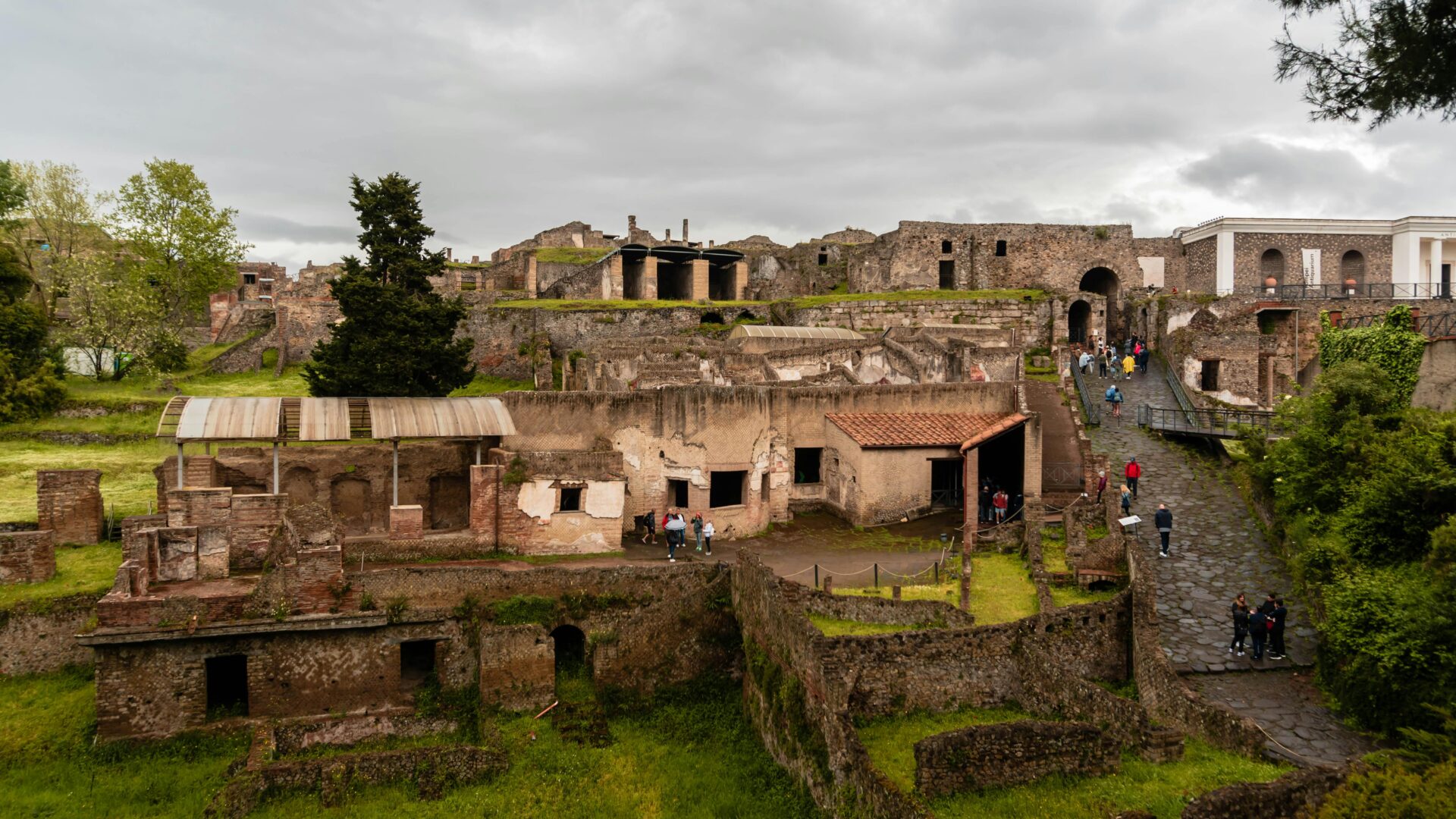
Stepping into Pompeii’s Ancient Heart
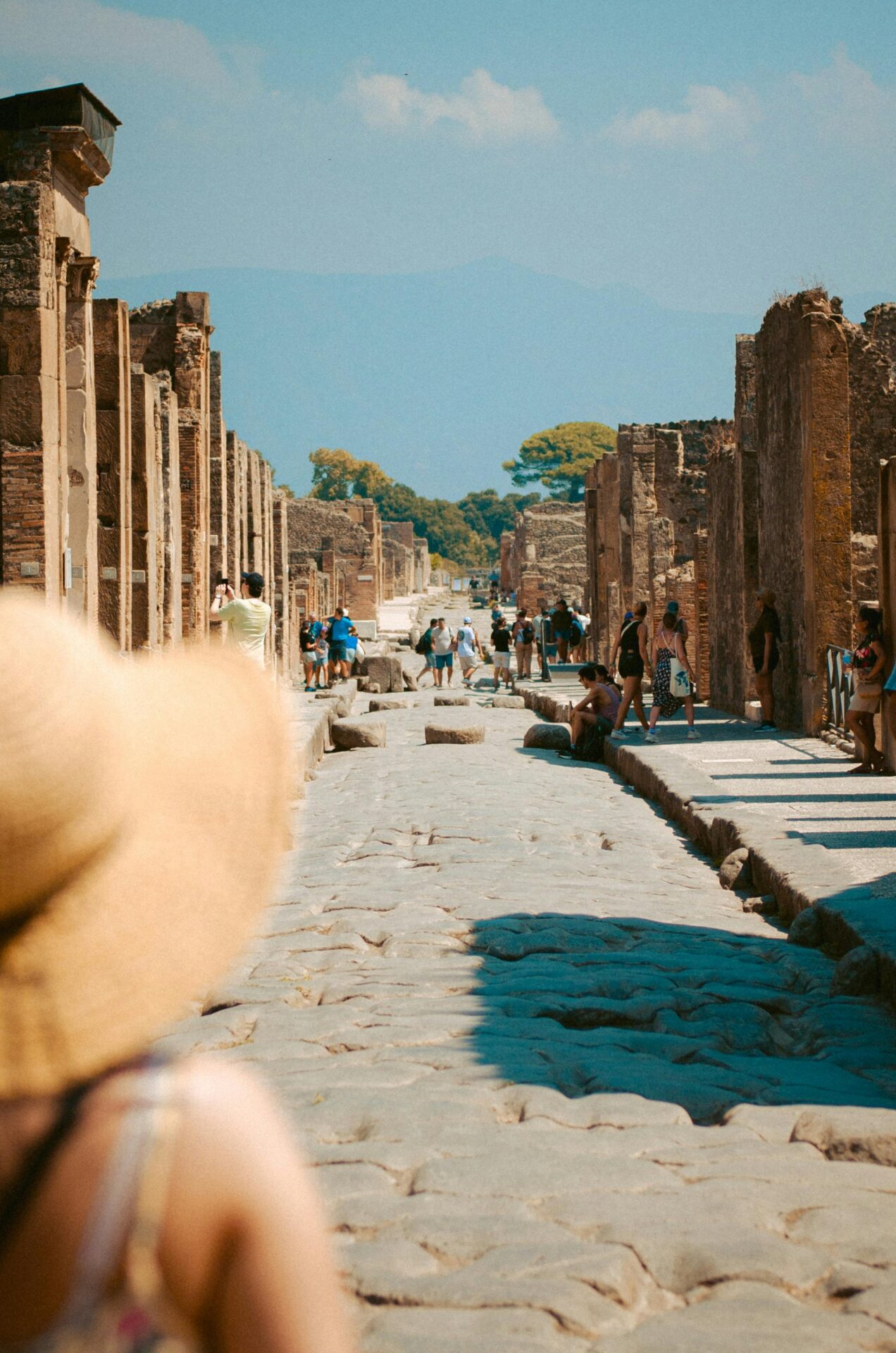
Wandering through Pompeii’s ash-covered streets, I feel like I’ve slipped back to 79 AD. The city’s central areas say the most about Roman daily life—public spaces now stand silent, but you can almost imagine the bustle.
The Forum: Center of Daily Life
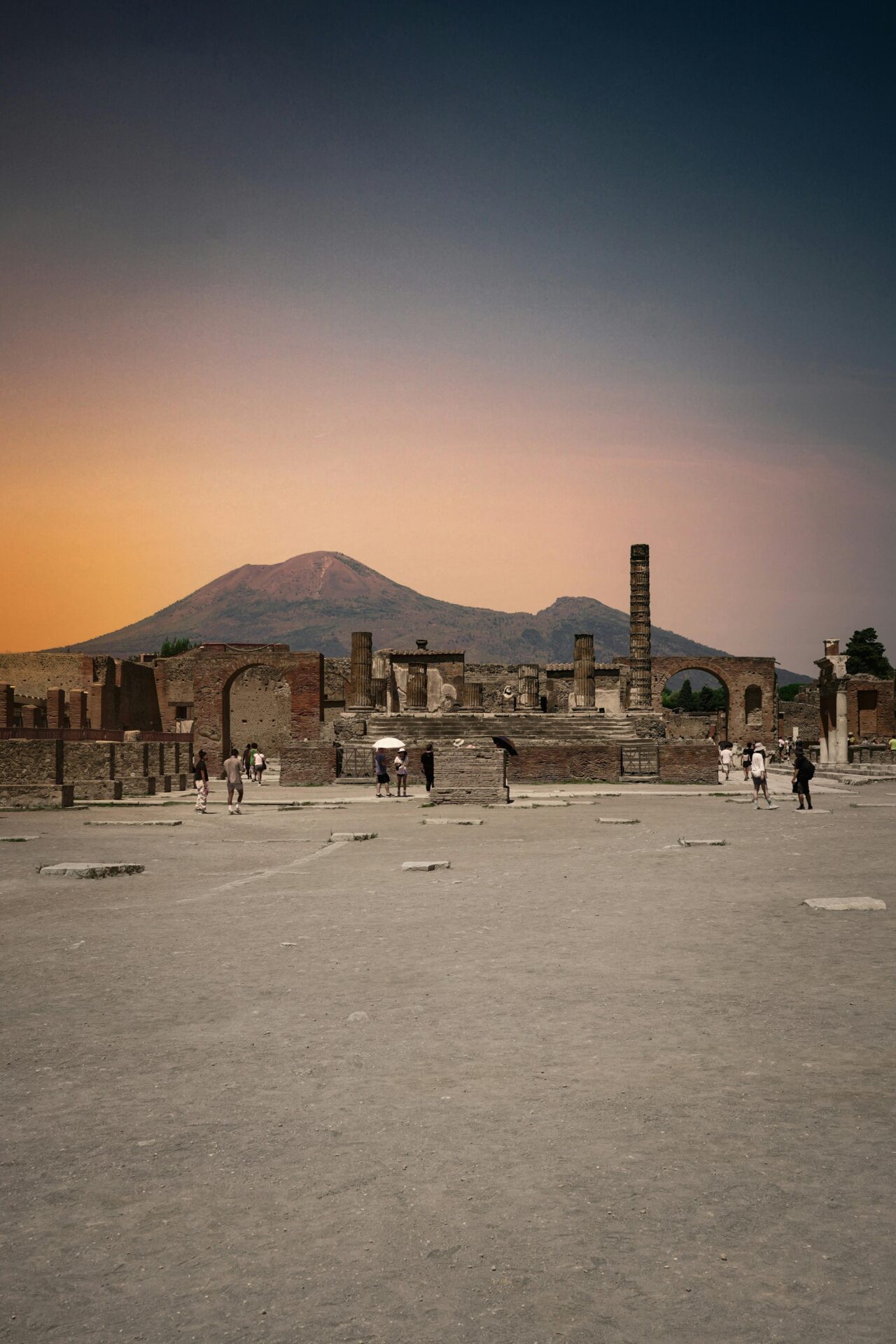
Walking into the Forum, I get goosebumps. This big rectangular plaza was the city’s pulse.
Romans gathered here every day to argue politics, do business, and catch up on gossip.
The Temple of Jupiter dominates the north end, columns stretching up to the sky. Mount Vesuvius looms in the background—a constant, eerie presence.
The Forum sits among important buildings:
- The marketplace (macellum)
- Government offices
- Religious temples
- Public scales for weighing goods
Market stalls lined the edges, where merchants sold everything from spices to pottery. Sometimes I think I can almost hear the old voices haggling or swapping rumors.
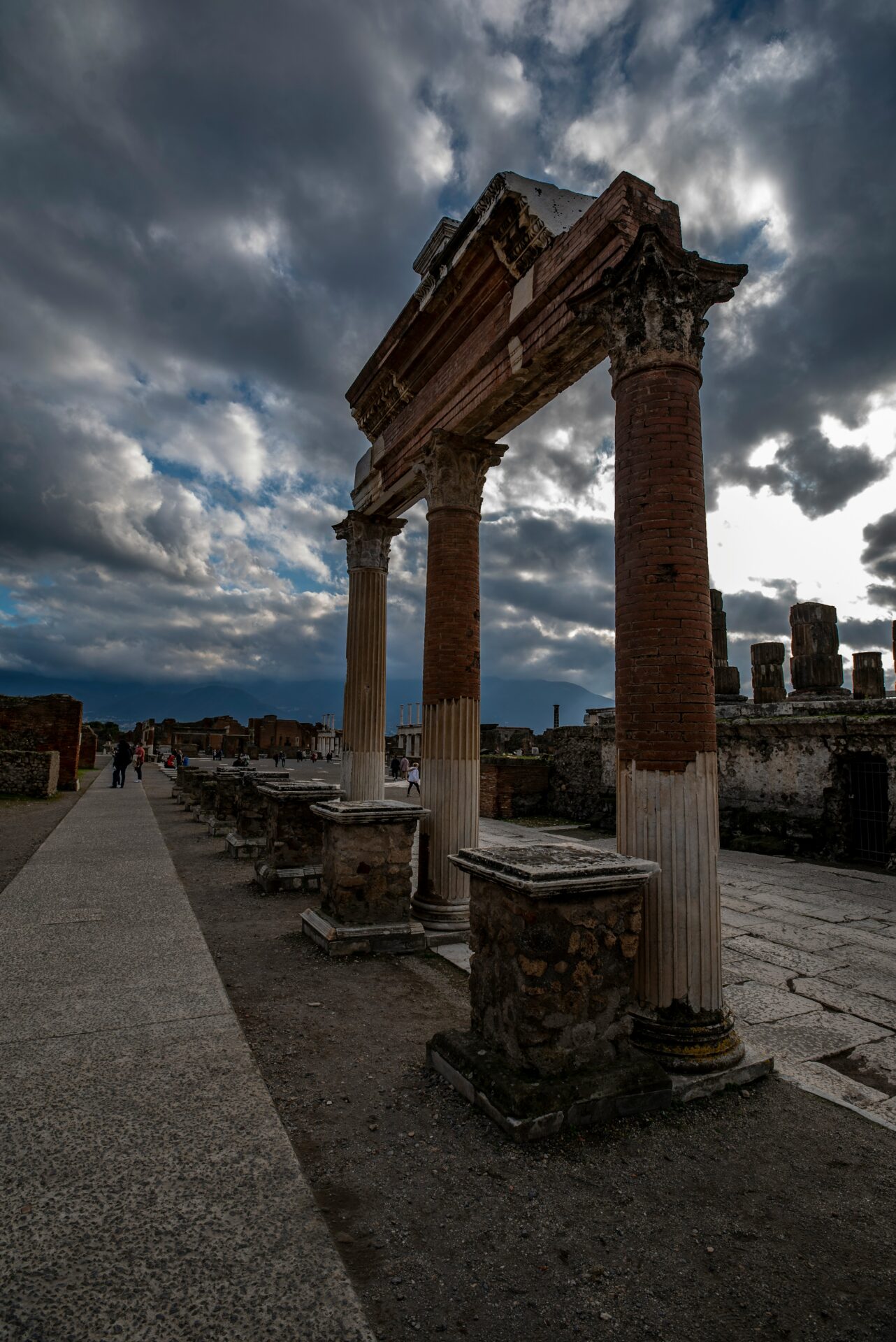
The Basilica and Civic Buildings
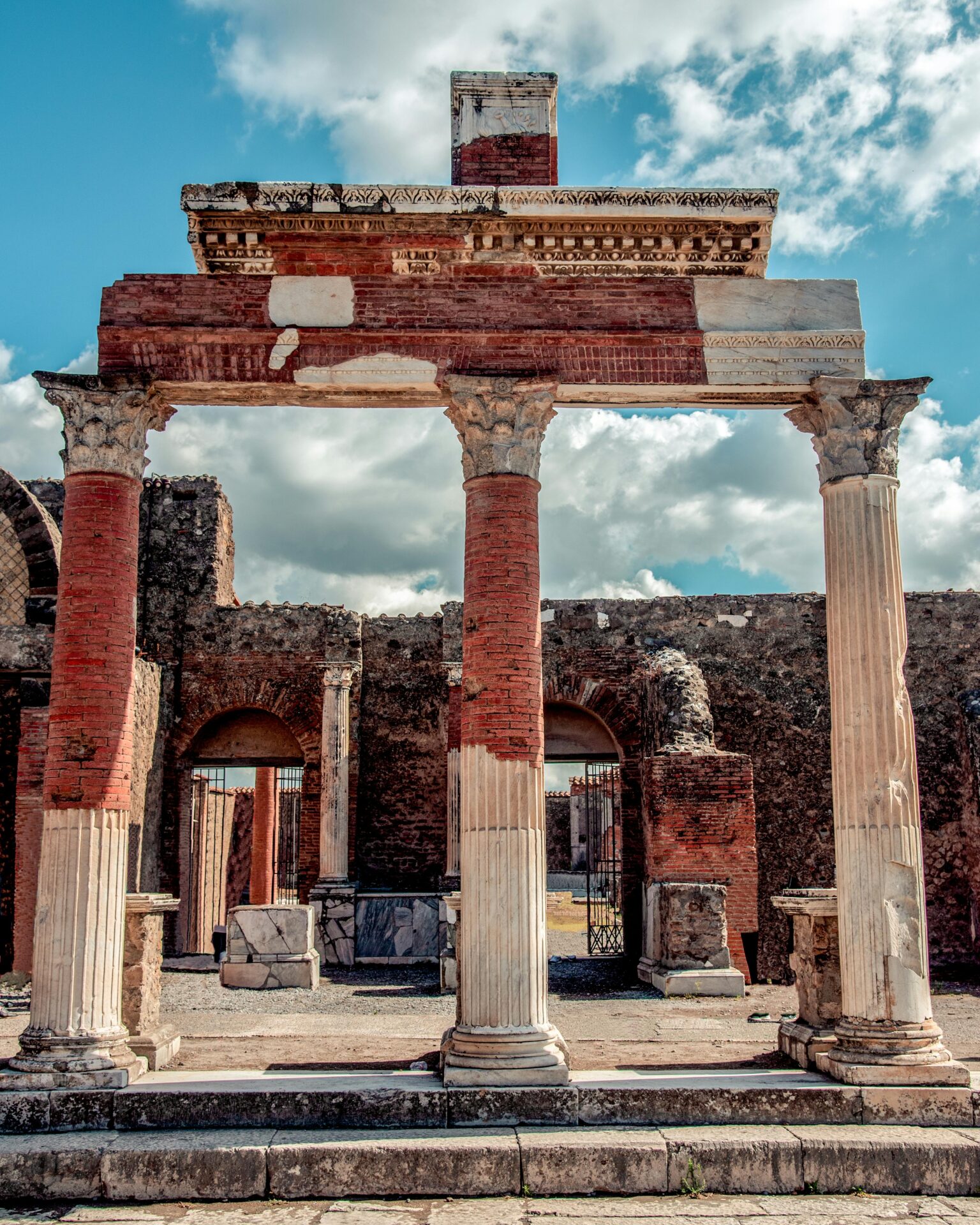
Just off the Forum, the Basilica stands as Pompeii’s old courthouse and business hub. Its remaining walls hint at how grand it once was.
I walked through what used to be a giant columned hall. Judges settled disputes here, and merchants closed deals.
The building’s style influenced many churches that came after.
Around the Forum, I spotted other key buildings:
- The Curia – where the city council met
- The Building of Eumachia – a wool market and business center
- The Temple of Apollo – with its graceful columns
What really caught my eye were the election notices still painted on some walls. Politics, it seems, never really changes. Citizens campaigned hard, leaving their endorsements all over town.
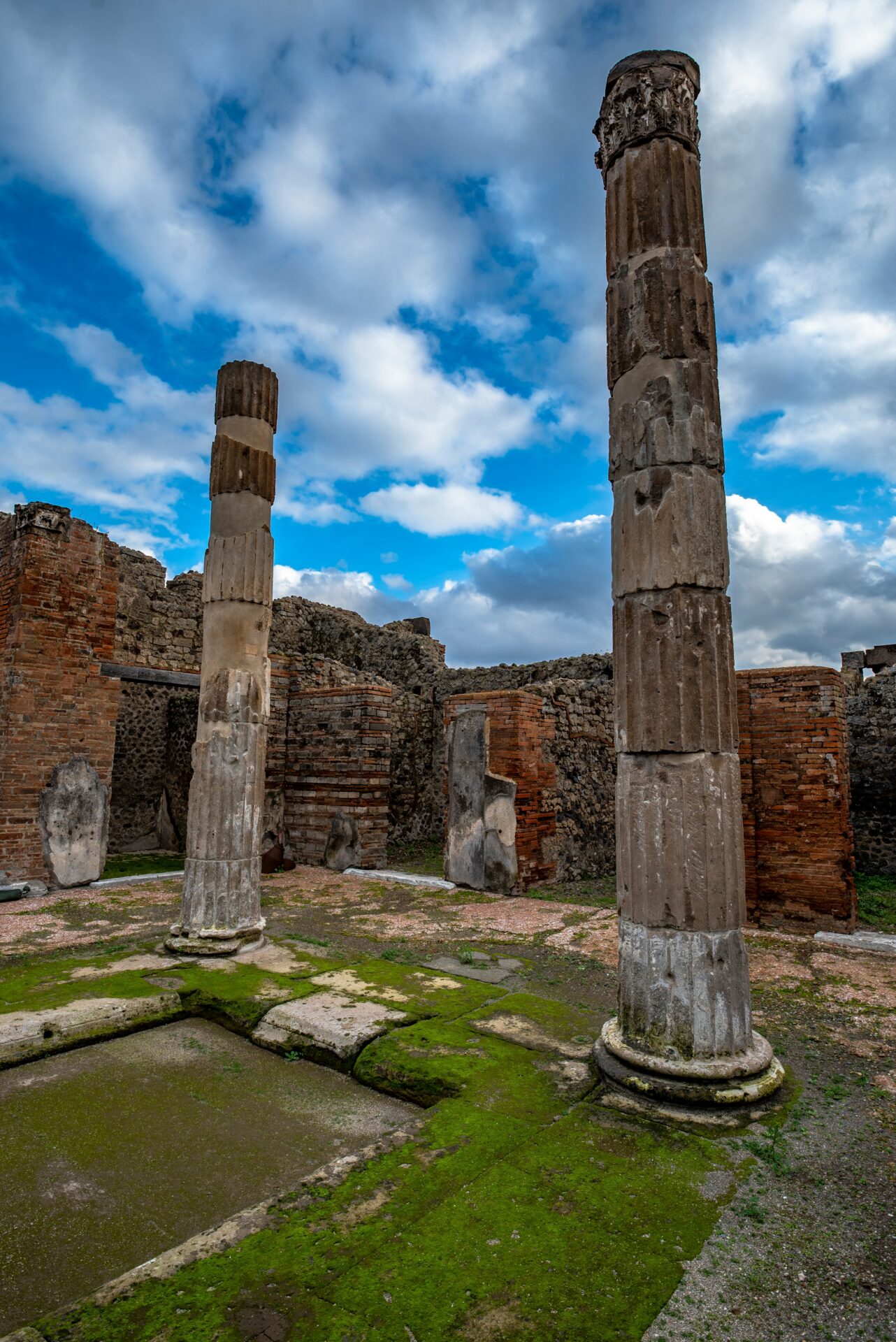
The Amphitheater and Gladiator Stories
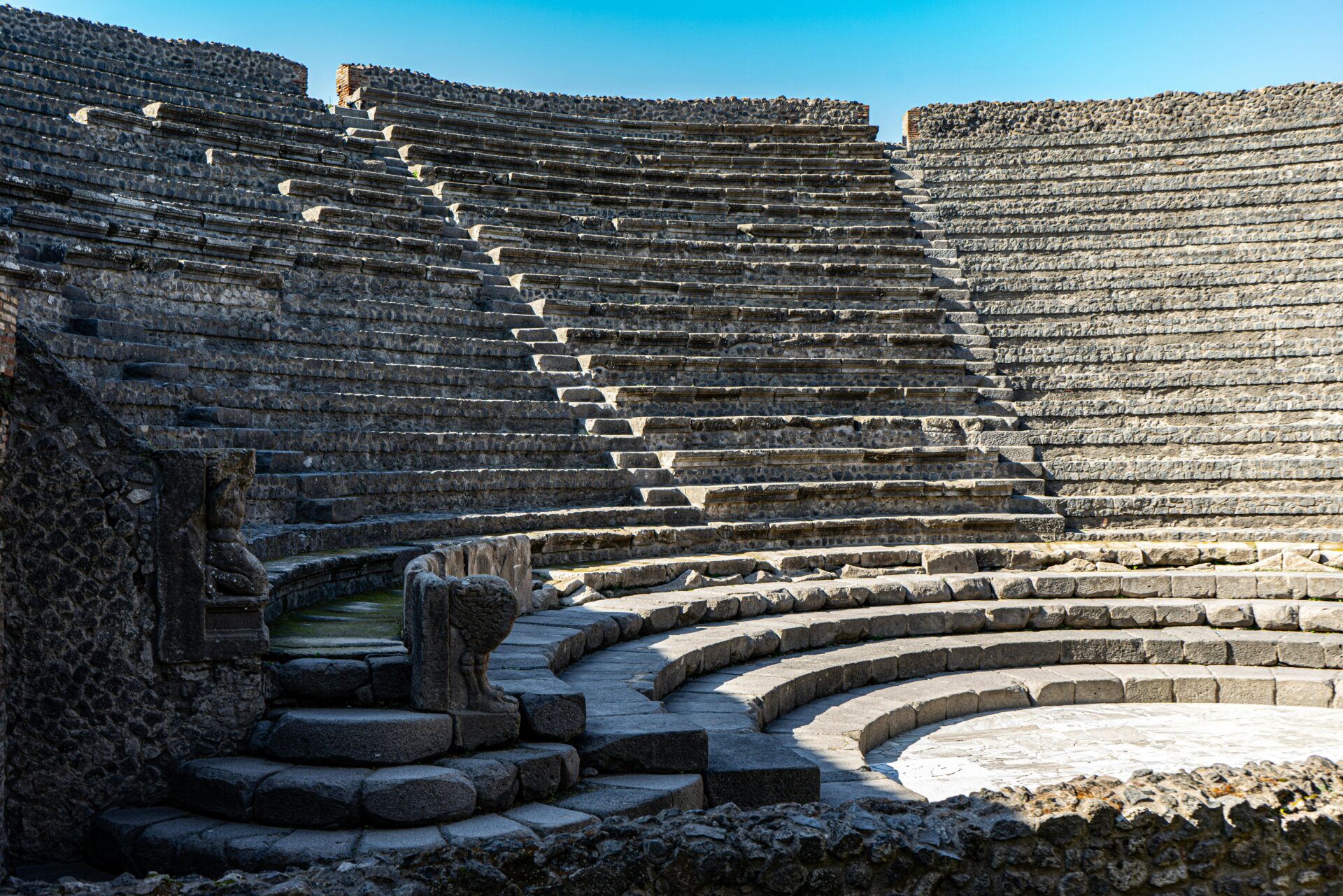
On Pompeii’s eastern edge sits the oldest Roman amphitheater still standing. Built in 70 BCE, it could seat 20,000 people.
I wandered through the same tunnels gladiators once used. The arena floor and seating are still easy to see.
Pompeii’s amphitheater offered more than just gladiator fights:
- Wild animal hunts
- Plays and performances
- Executions
- Athletic contests
The nearby gladiator barracks (Ludus Gladiatorius) let you peek into their lives. Archaeologists found training gear, weapons, and armor here. Most gladiators were slaves or prisoners, but some were free men chasing fame.
A notorious riot broke out here in 59 AD between locals and visitors from Nuceria. The emperor banned games for a while as punishment!
Beyond the Streets: Everyday Life and Unique Sites
Pompeii is more than ruins and roads—it shows you how people actually lived. The preserved spaces tell stories of pleasure, food, health, and, of course, tragedy.
The Lupanar: Pompeii’s Story of Pleasure
Hidden on a narrow street, the Lupanar is Pompeii’s infamous brothel—and it’s always busy with visitors. I was surprised by how small it is—just five rooms downstairs and five up. The stone beds are still there.
What makes this spot so unique are the explicit frescoes above each door. These paintings acted as a menu for visitors who didn’t speak the language.
The walls are covered in graffiti from workers and clients. Some notes are sweet, others not so much. Together, they show a rare side of Roman attitudes about sex and business.
Bakery and Food: Termopolium Capuano
I found the Termopolium Capuano—an ancient fast-food spot—while wandering. These little eateries popped up everywhere in Pompeii, serving people who didn’t cook at home.
Counters with big clay pots built in show how food was stored and served. Some pots still hold traces of ancient meals. Nearby, I came across a bakery with grinding stones and ovens still intact.
Seeing carbonized loaves of bread was wild—they look like modern sourdough. Romans even stamped their bread, dividing it into sections—maybe the first sliced bread?

Thermal Baths and Health
Thermal baths were a huge part of Roman life. I spent ages in the Forum Baths, blown away by the design.
The baths had a set routine:
- Apodyterium (changing room)
- Tepidarium (warm room)
- Caldarium (hot steam room)
- Frigidarium (cold bath)
Underground hypocausts heated the floors and walls. Two thousand years ago, and already so advanced!
The baths weren’t just for getting clean—they were social hubs. People met up, did business, and worked out. Women usually had separate times or their own spaces.

Plaster Casts: Faces of Tragedy
The most haunting thing in Pompeii, for me, is the plaster casts of the victims. Archaeologists found hollow spaces in the ash where bodies had decomposed.
They filled these spaces with plaster, creating casts that show people in their final moments. I saw a mother holding her child, a dog still chained, a man covering his face.
These casts, first made in the 1860s, bring the tragedy into sharp focus. You’ll find them around the site, sometimes exactly where they were found.
What really gets me is how much detail you see—faces, clothing, even hairstyles. It’s a raw, human reminder of what happened here.
Views, Volcanoes, and the Story of Vesuvius
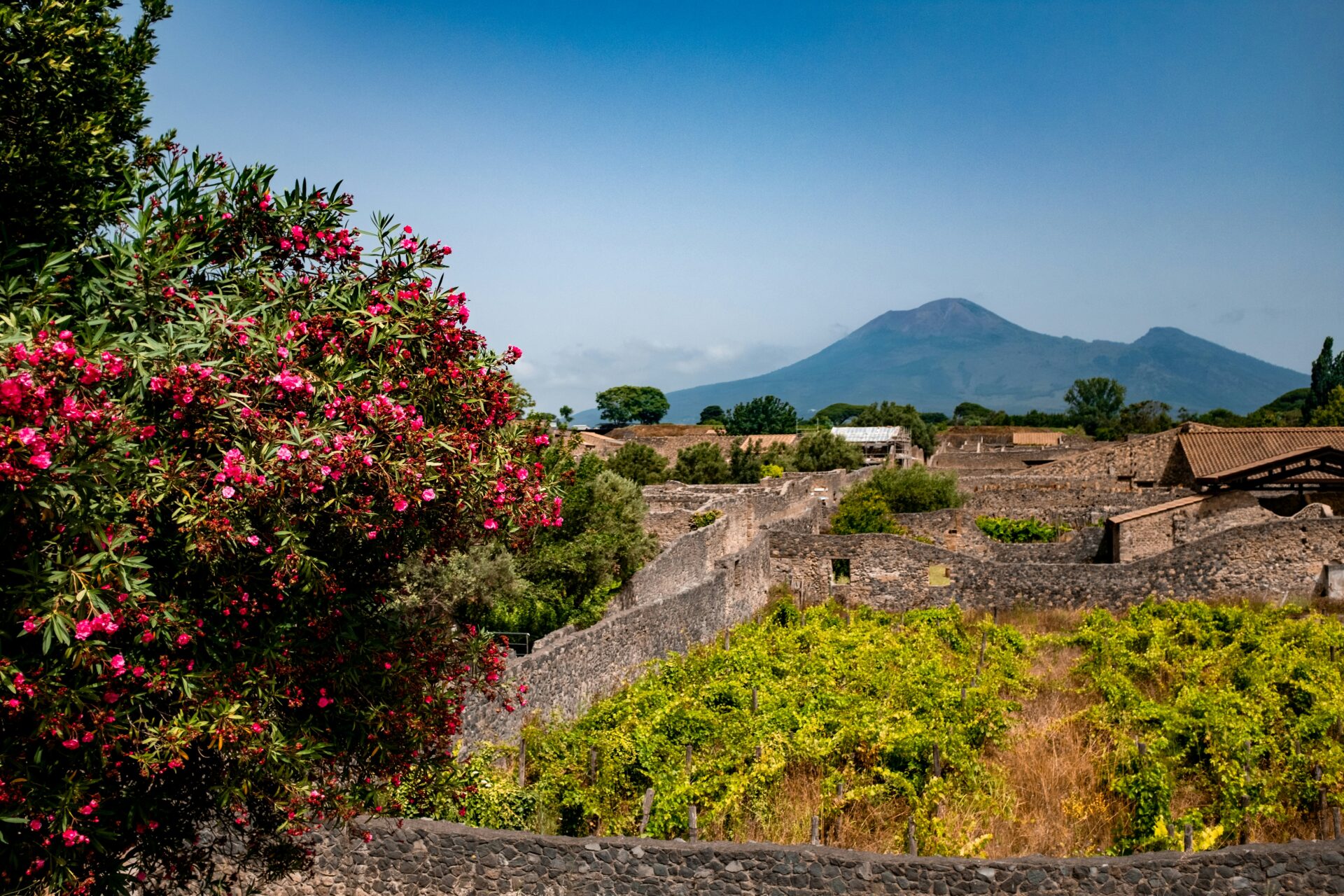
Mount Vesuvius towers over Pompeii, always reminding you of the power that destroyed—and preserved—this city. From certain spots, you can see both the volcano and the gorgeous Bay of Naples.
Mount Vesuvius: The Sleeping Volcano
Mount Vesuvius isn’t just any volcano—it’s probably the most famous in the world. Every time I walk through Pompeii, I can’t help but think about how this mountain shaped everything.
The 79 AD eruption buried the city under 15 feet of ash and pumice, freezing a moment in time.
Vesuvius is still active and dangerous—about 3 million people live nearby. Its last big eruption happened in 1944, wiping out several villages.
If you have time, hike up Vesuvius. The crater rim lets you look right into the heart of an active volcano. The walk up takes about 30 minutes—not too hard, but it’s all uphill.
Panoramic Views Over the Bay of Naples
From several spots in Pompeii, the views of the Bay of Naples are just stunning. I especially love the vistas from the Forum and the Amphitheater—the blue water stretches out forever.
On a clear day, I can spot Capri in the distance. It’s easy to see why wealthy Romans built their villas here, volcano or not.
For photos, early morning is best—the light is golden and the crowds haven’t arrived yet. The mix of ancient ruins, blue sea, and looming volcano makes for unforgettable shots.
Don’t skip the view from the Garden of the Fugitives. Here, you see both Vesuvius and the body casts—a powerful, bittersweet sight.

Pompeii and Its Neighbors: Expanding Your Journey
Pompeii is amazing, but the surrounding area is packed with history and beauty too. There are other archaeological wonders and gorgeous towns nearby that make the trip even better.
Herculaneum and Other Archaeological Sites
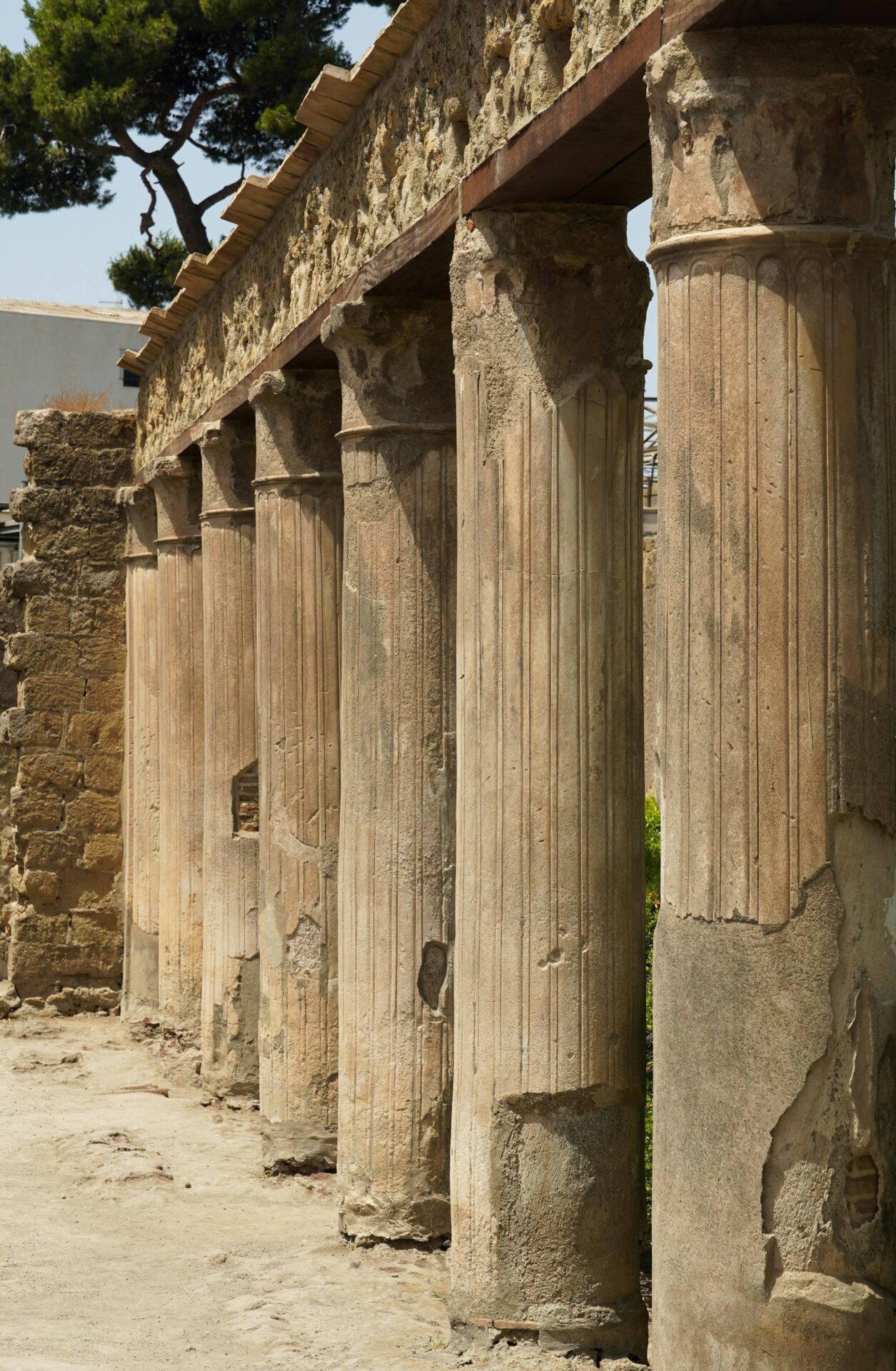
Herculaneum often gets overshadowed by Pompeii, but I think it’s just as impressive—and way less crowded. Unlike Pompeii, Herculaneum was buried under 60 feet of volcanic debris, which preserved wood, fabrics, and even food.
The site is more compact, so you can see it in half a day. The level of preservation is unreal—mosaics, furniture, and even balconies survived.
Don’t miss the Villa of the Papyri, home to over 1,800 papyrus scrolls—the only ancient library we’ve found. Modern tech is helping experts read these without unrolling them.
Naples, Sorrento, and the Amalfi Coast
Naples is the region’s hub and holds the National Archaeological Museum, where most of Pompeii’s best finds live. I always recommend spending a day there—the mosaics, frescoes, and even the Secret Cabinet’s erotic art are fascinating.
Sorrento is a great base for exploring. Sitting on cliffs above the bay, it offers plenty of places to stay and easy transport.
The Amalfi Coast is just beyond, with dramatic cliffs and sparkling water. Towns like Positano and Amalfi each have their own vibe—colorful houses, grand churches, and tiny winding streets.
Local buses connect the towns, but honestly, I prefer renting a car or joining a tour to handle those twisty roads.
Day Trip Destinations: Capri, Procida, and Ischia
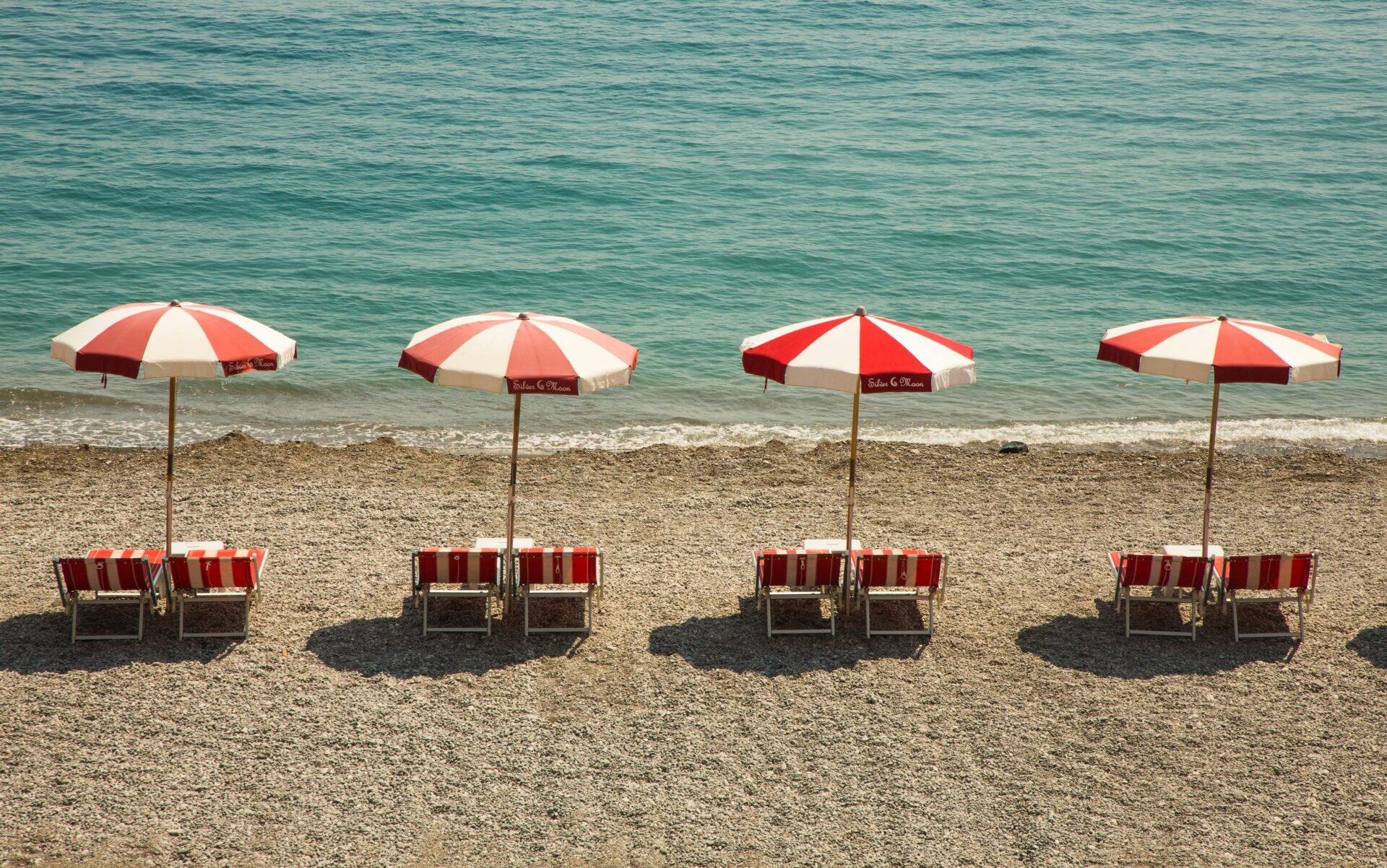
The islands in the Bay of Naples make for fantastic day trips. Capri is the most famous—its Blue Grotto is magical, with water that glows electric blue.
Take the chairlift up Mount Solaro for sweeping views, or wander Capri Town’s boutiques and the Gardens of Augustus.
Procida is quieter, with a fishing village feel and pastel houses. It’s small enough to see on foot.
Ischia, the biggest island, offers natural thermal springs, beautiful gardens at La Mortella, and the Aragonese Castle perched on volcanic rock. Its beaches are less crowded than Capri’s.

Hidden Gems: Stabiae, Oplontis, and Paestum
Just outside Pompeii, Stabiae hides some incredible Roman villas. Villa San Marco and Villa Arianna have gorgeous frescoes and hardly any tourists.
Oplontis is home to Villa Poppaea, which may have belonged to Nero’s wife. The frescoes and massive pool show off just how lavish Roman life could be.
If you’re up for something different, head south to Paestum. This old Greek colony has three of the best-preserved Greek temples outside Greece. The museum’s highlight is the “Tomb of the Diver” fresco—a rare piece of Greek painting.
These lesser-known spots offer a quieter, more personal brush with ancient history. Even in busy season, I’ve found them almost empty, which is honestly a relief.
