
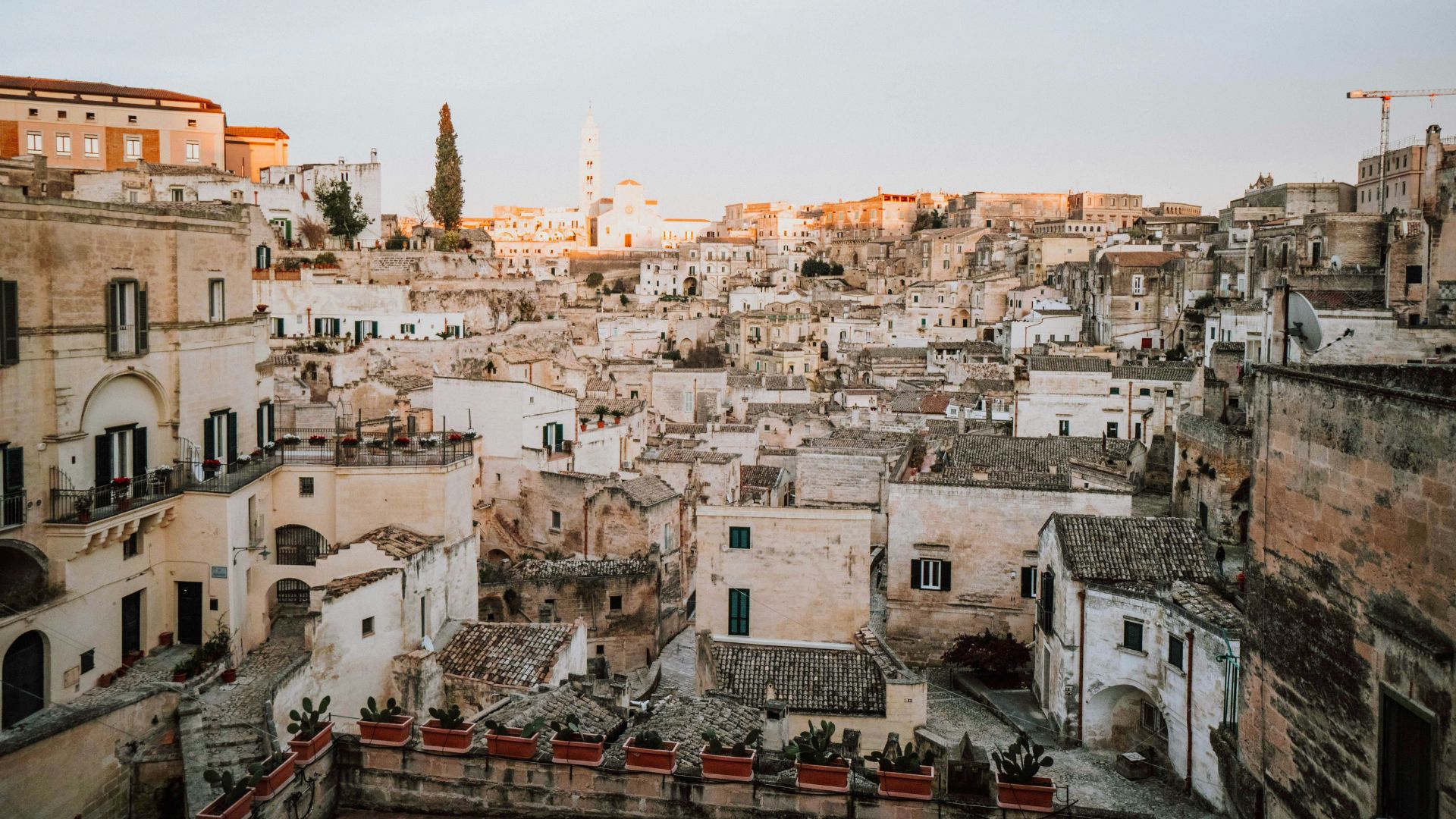
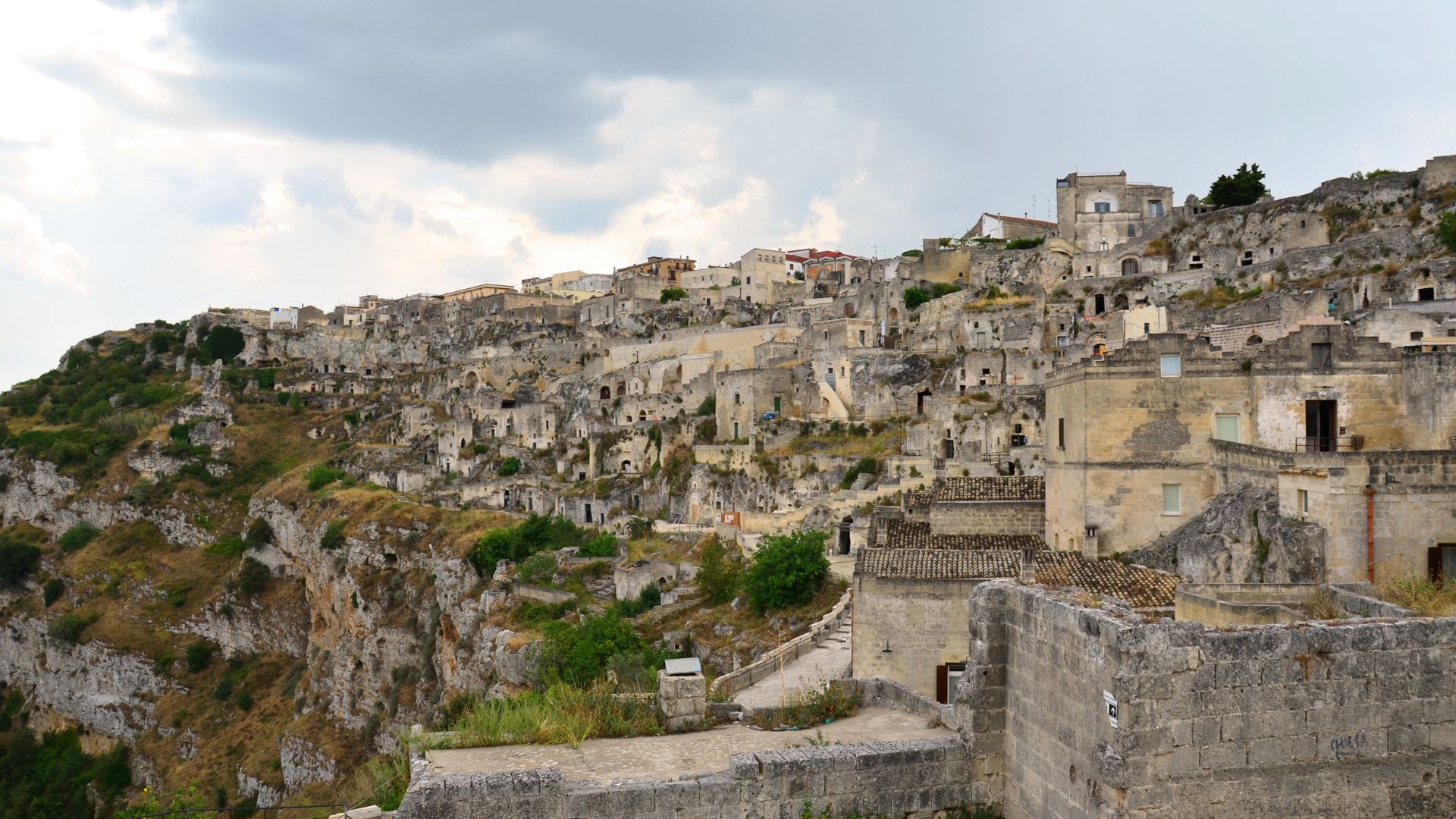
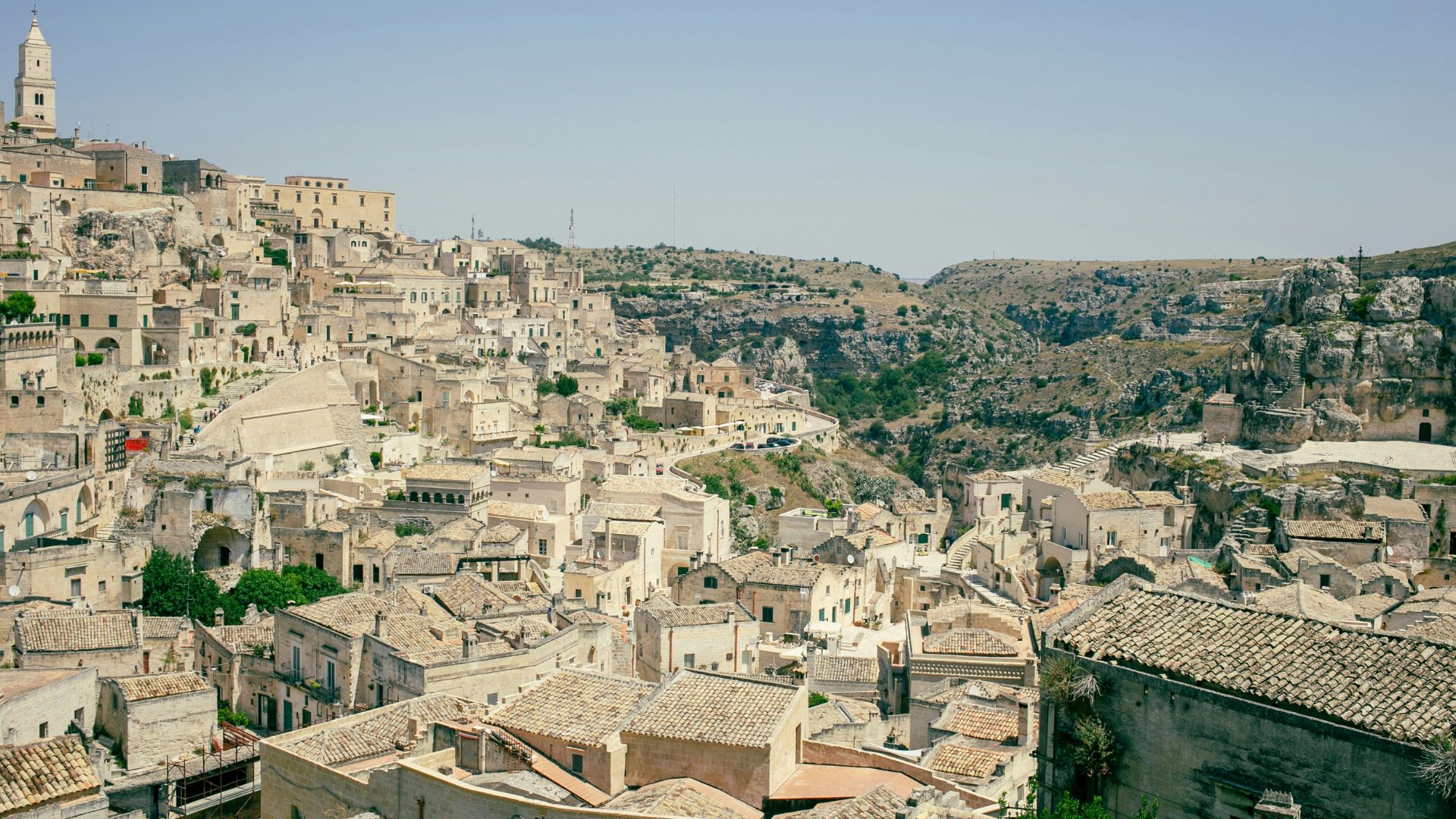
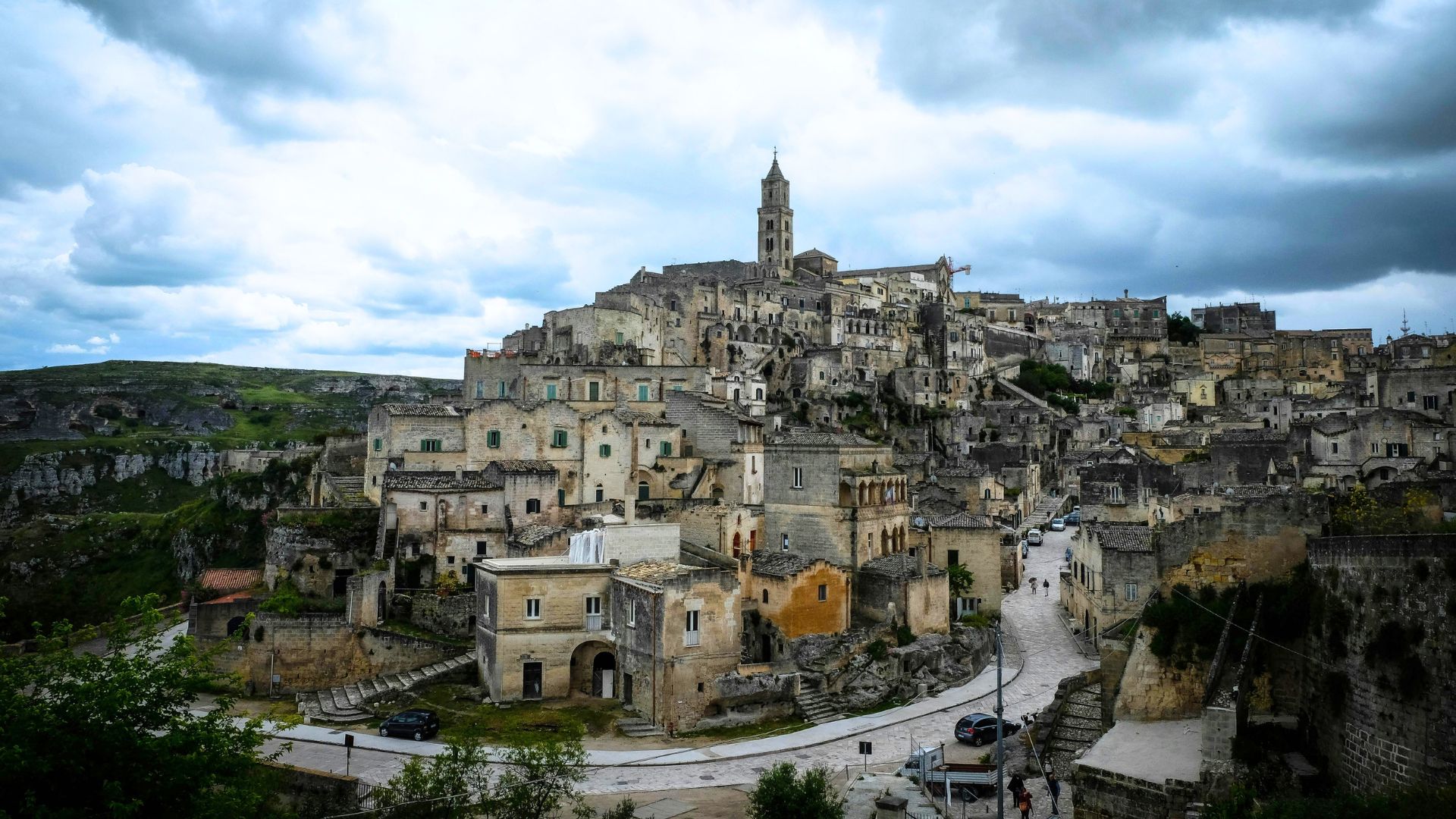
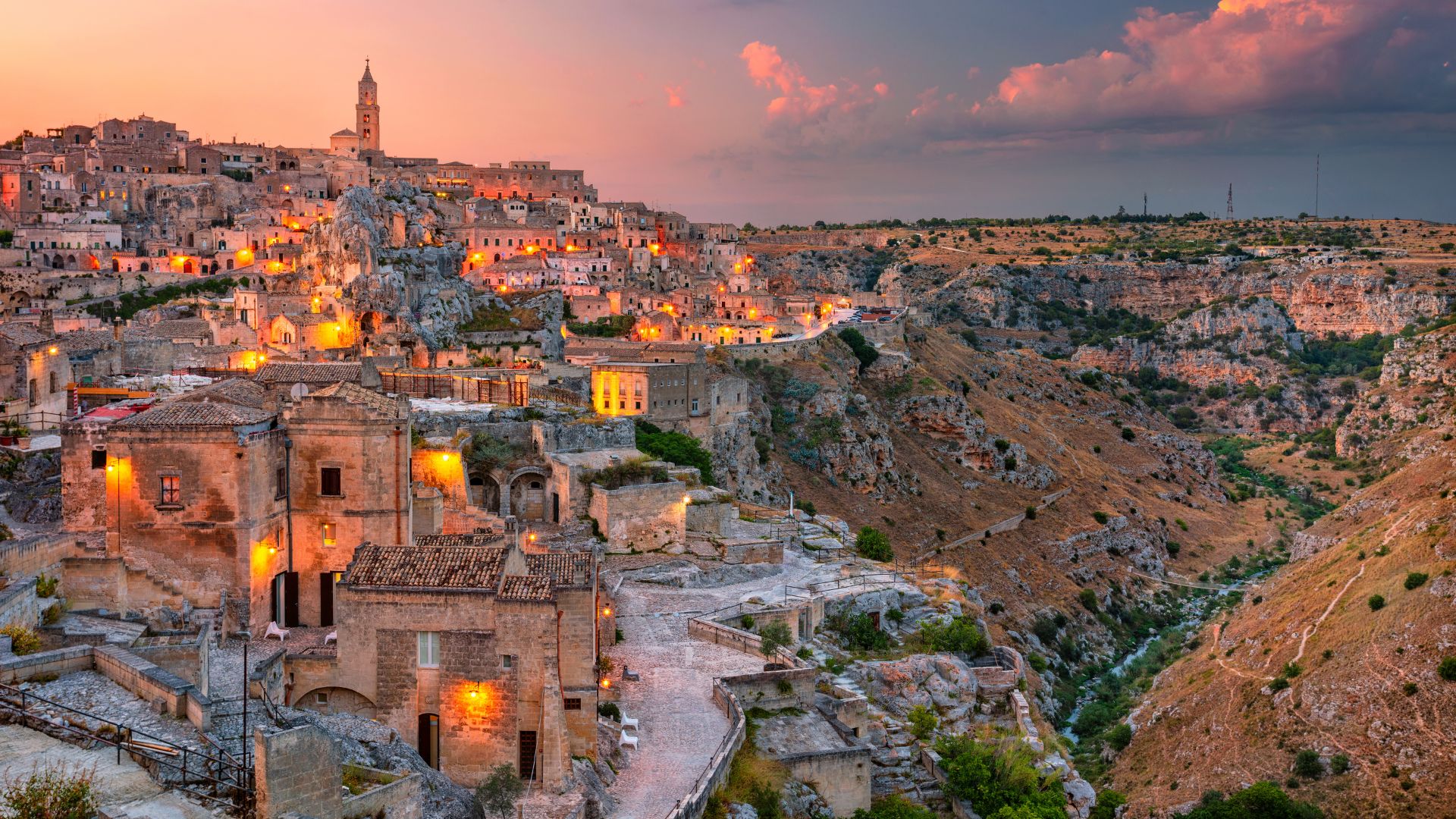
Tucked away in Italy’s southern region, Matera is one of the oldest continuously inhabited cities on Earth. When I first laid eyes on its stone maze, I just stood there, awestruck—a wild landscape of ancient cave dwellings carved into the cliffs.
People used to call Matera “the shame of Italy” because poverty and poor living conditions plagued the city for decades. But now? Matera’s made a comeback as one of Europe’s most celebrated cultural treasures.
Wandering through the Sassi districts, I tried to imagine life here in the 1950s. Families lived in cave homes, without electricity or proper sanitation. Eventually, the government forced everyone out, and the ancient cave city sat abandoned.
But Matera didn’t disappear. In 1993, UNESCO recognized its unique value and declared it a World Heritage site. That set off a revival, breathing new life into these ancient stones.
I’ve seen a lot of historic sites in Italy, but Matera’s story of rebirth stands out. Where people once lived in desperate poverty, you’ll now find boutique hotels, restaurants, and art galleries. Italians who once avoided talking about Matera now take pride in it.
In 2019, Matera even became the European Capital of Culture. That’s quite the turnaround.
A Storied Past: Matera’s Journey from Shame to Fame
Matera’s transformation is one of Europe’s most dramatic tales of rebirth. Locals once avoided mentioning it, but now it’s a UNESCO World Heritage site that attracts visitors from all over.
The Ancient Origins of Matera
Matera claims to be one of the oldest inhabited settlements anywhere. I found it wild that people have lived in these stone dwellings for more than 9,000 years.
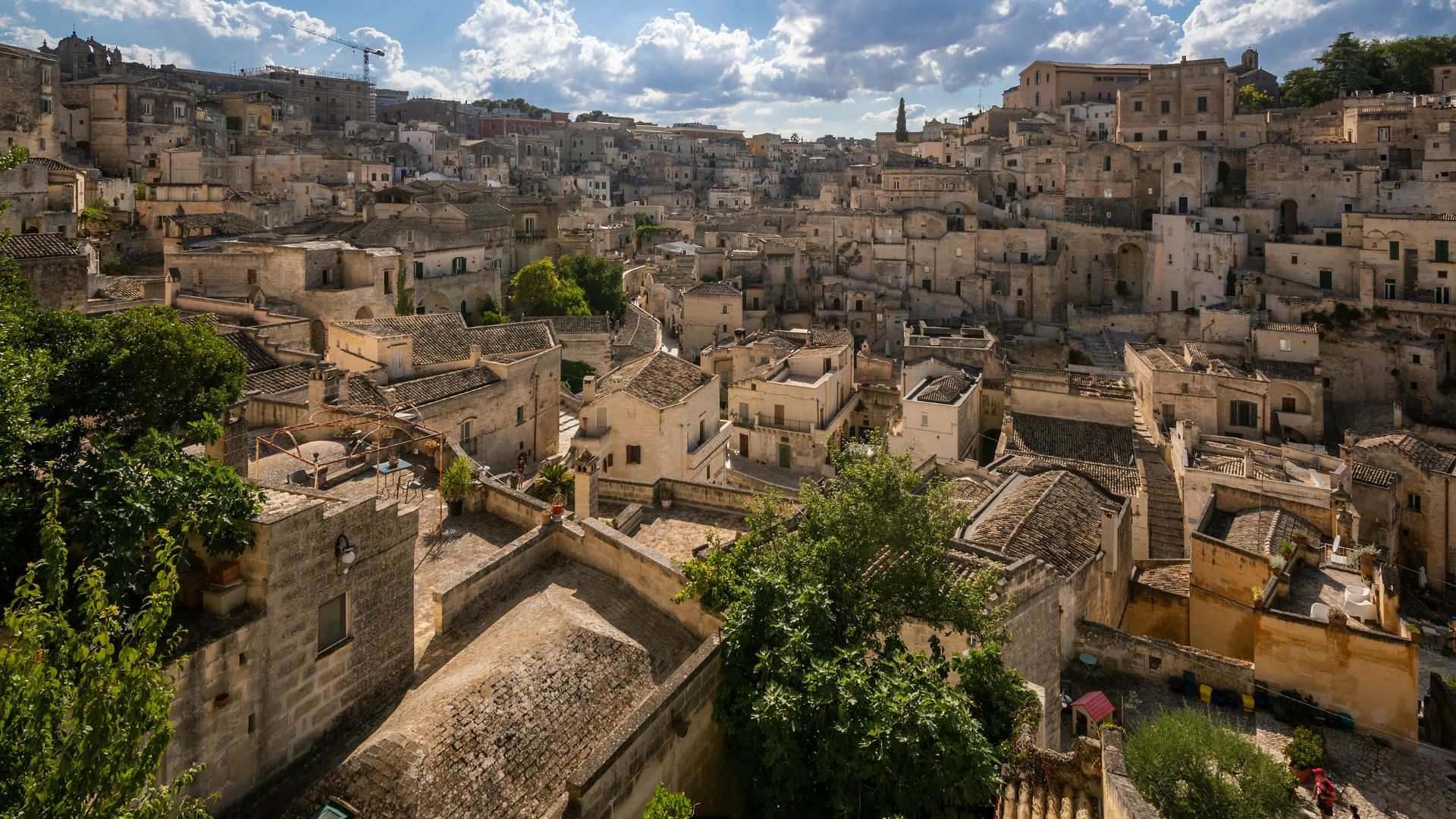
The “Sassi” districts show cave homes stacked in a vertical maze. As I wandered these ancient neighborhoods, I noticed how ingenious the early residents were. They built clever water collection systems and carved out living spaces that stayed cool in summer and warm in winter.
What gets me is how little the basic structure has changed. Many people still live where their ancestors did, though now with the comforts of electricity and plumbing.
Survival Amidst Isolation and Hardship
By the mid-20th century, Matera had a grim reputation. Families lived in these caves with their animals, often in extreme poverty.
Disease ran rampant in the cramped quarters. Infant mortality rates soared, and malaria was everywhere. In 1952, the Italian government forced about 15,000 residents to move to new housing.
The Sassi emptied. Caves that had housed generations stood silent for decades. Locals didn’t even like to talk about Matera—it was a symbol of hardship.
The isolation that preserved Matera’s ancient character also trapped its people in poverty.
Turning Points: From Judgment to Respect
Carlo Levi’s book “Christ Stopped at Eboli” changed everything. It drew attention to Matera’s struggles, and people started to see the city’s historical significance.
In 1993, UNESCO named the Sassi a World Heritage site. That recognition flipped the script—suddenly, Italians viewed Matera as a treasure.
Artists and entrepreneurs moved in, transforming caves into hotels, restaurants, and galleries. When Matera became the European Capital of Culture in 2019, the city’s transformation felt complete.
What amazes me is how the caves that once symbolized shame now attract visitors from everywhere. Matera proves that places people once judged can become sources of pride.
Rediscovering Identity: Matera’s Cultural and Spiritual Roots
Matera’s transformation isn’t just about buildings—it’s a spiritual and cultural rebirth tied to ancient religious traditions. The city’s caves and churches tell stories of faith that stretch back millennia.
Influence of the Bible and Biblical Figures
As I wandered Matera’s old streets, I couldn’t help but notice how much the landscape evokes biblical scenes. No wonder filmmakers like Mel Gibson used Matera as Jerusalem in “The Passion of the Christ.”
The cave churches here display frescoes of creation stories and biblical figures like Peter. These weren’t just decorations—they acted as visual Bibles for people who couldn’t read.
Families living in the sassi experienced conditions not so different from biblical times. Their water systems and communal spaces echo the practical wisdom found in ancient teachings.
The Legacy of Apostle Paul and Early Christianity
I learned that Apostle Paul’s influence reached this region. Early Christian communities gathered in Matera’s caves to hide from persecution.
Inside the rupestrian churches, you’ll spot primitive Christian symbols carved into stone—fish, crosses, and scenes of early church life. These silent carvings hint at a time when new faith took root here.
Some manuscripts link Matera to early Christian centers like Jerusalem. Pilgrims traveled these routes, blending outside teachings with local customs.
Religious Traditions and Repentance
Matera’s religious history runs deep. During Easter, I watched locals carry heavy wooden crosses through the narrow streets—a tradition that’s lasted centuries.
Themes of impurity and cleansing show up in many local rituals. Sacred springs and stone baptismal fonts highlight the importance of spiritual purification.
The Law of Moses still shapes community justice here. In the old neighborhoods, people often work out disputes through community mediation instead of courts.
Diversity and Adaptation in Social Fabric
Matera’s ability to blend influences impressed me. Byzantine monks fleeing persecution brought Eastern Orthodox traditions that mixed with local ones.
Jewish communities settled in parts of the Sassi, leaving their mark in street names and architecture.
Local art often shows the Holy Spirit as wind and fire. You’ll spot these symbols carved into doorways or painted on old beams.
Today, Matera draws strength from this diverse heritage. Festivals celebrate multicultural roots, turning what once felt shameful into a badge of pride.
A Modern Metamorphosis: Tourism, Business, and Global Influence
Matera’s revival has turned it from a forgotten cave city into a thriving destination. Now, visitors from around the globe flock here, and the city buzzes with new energy.
International Recognition and Emergence in Travel Circuits
I’ve watched Matera become one of Italy’s hottest destinations. The UNESCO designation in 1993 put it on the map.
Last summer, I saw tourists from Japan, America, and all over Europe exploring the Sassi. The 2019 European Capital of Culture brought even more attention.
Travel magazines now list Matera as a “must-visit.” Luxury hotels and boutique stays have popped up in the caves, offering experiences you won’t find anywhere else.
Filmmakers love Matera, too. Movies like “No Time to Die” and “The Passion of the Christ” have shown off their dramatic scenery.
Business Revival and Economic Growth
These days, when I walk through Matera, I notice the entrepreneurial buzz. Small businesses have sprung up where poverty once reigned.
Key Economic Developments:
- Boutique hotels and restaurants in restored caves
- Craft shops selling local goods
- Tour companies offering unique experiences
- Tech startups drawn to the city’s vibe
Tourism has created jobs in hospitality, services, and retail. I chatted with Maria, a restaurant owner, who said, “My grandparents left Matera because there was no future. Now my kids want to stay.”
International investment has followed. Visitors from Europe, North America, and even Asia and the Middle East have brought in new capital, funding restoration, and new ventures.
Fashion, Art, and the Creative Scene
Matera now attracts creative types from everywhere. Designers, photographers, and artists find inspiration in its wild landscape and ancient architecture.
Fashion brands use Matera as a backdrop for shoots and runway shows. The white stone buildings and winding stairs make for unforgettable photos.
Art galleries and studios fill the sassi, displaying both traditional and modern works. Festivals for film, music, and design bring in international crowds.
This creative energy has helped diversify Matera’s economy beyond just tourism. Digital nomads and remote workers are choosing to settle here, adding fresh ideas and global connections.
Life in Today’s Matera: Health, Wellness, and Community
Modern Matera blends its ancient roots with vibrant community life. It’s a place where wellness thrives among dramatic landscapes and old traditions.
Patience, Adaptation, and the Local Spirit
Living in Matera takes patience and a willingness to adapt. I’ve watched locals move up and down the steep streets with a grace that only comes from practice.
Nobody here rushes. The slow pace seems to add to their quality of life.
The community spirit is strong. When I struggled with my luggage, three people immediately stepped in to help. That kind of support is everywhere in the Sassi.
Newcomers need to get used to the rhythm. Shops close for long afternoon breaks, and appointments rarely start on time. But honestly, this slower pace encourages mindfulness and real connections.
Locals say “piano, piano”—slowly, slowly. It’s not just a saying; it’s a way of life that lowers stress and brings people closer.
Fitness, Running, and Outdoor Activities
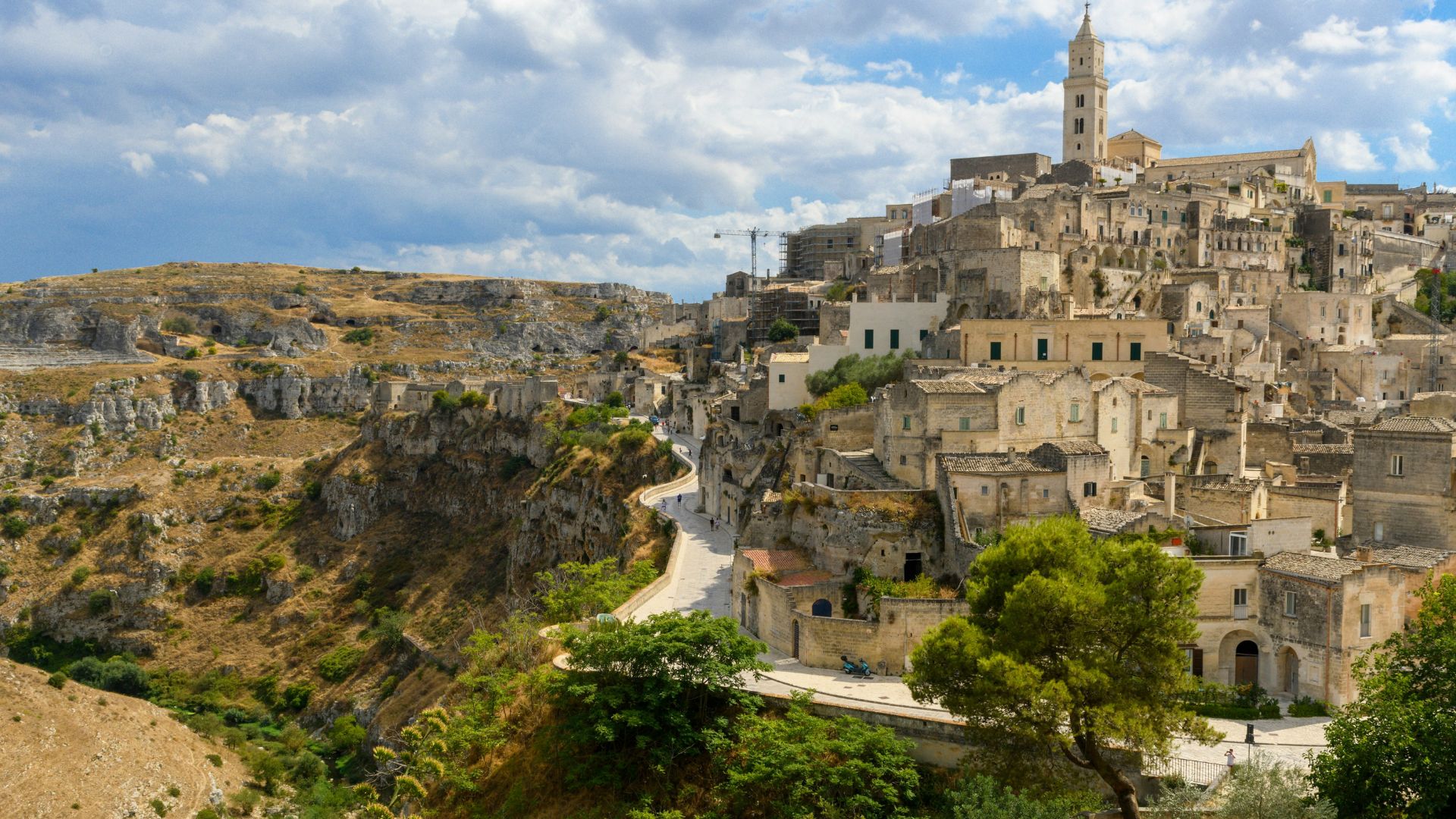
Matera offers natural fitness opportunities everywhere you look. My morning runs through the old paths give me a workout and killer views. The uneven ground turns every jog into interval training.
Popular activities include:
- Dawn hikes along the ravine
- Yoga on rooftop terraces with Sassi views
- Rock climbing on the limestone cliffs
- Cycling between historic sites
The Park of the Murgia Materana has trails for all levels. I’ve met locals in their 70s who outpace much younger visitors—proof that the Materan lifestyle is good for your health.
Community fitness events happen all the time, from weekend walks to seasonal sports competitions that bring everyone together.
Weather, Health Standards, and Quality of Life
Matera’s Mediterranean climate really boosts wellbeing. Summers are warm and dry, perfect for being outdoors, while winters stay mild. I especially love the spring—mild air and wildflowers everywhere.
The healthcare system here combines modern medicine with old traditions:
| Healthcare Element | Availability | Quality |
|---|---|---|
| Medical Facilities | 3 clinics, 1 hospital | High standards |
| Pharmacies | Throughout city | Well-stocked |
| Emergency Services | 24/7 access | Quick response |
People eat fresh, local food—lots of olive oil, veggies, and grains. Since I started eating like the locals, I’ve felt healthier.
Air quality is excellent, thanks to the city’s elevation and lack of heavy industry. Many residents credit the clean air for their long lives and vitality.
Navigating Challenges: Lessons from Matera’s Resilience
Matera’s journey from national shame to UNESCO World Heritage site offers real lessons about overcoming adversity through community resilience and cultural preservation.
Overcoming Inconvenience and Embracing Diversity
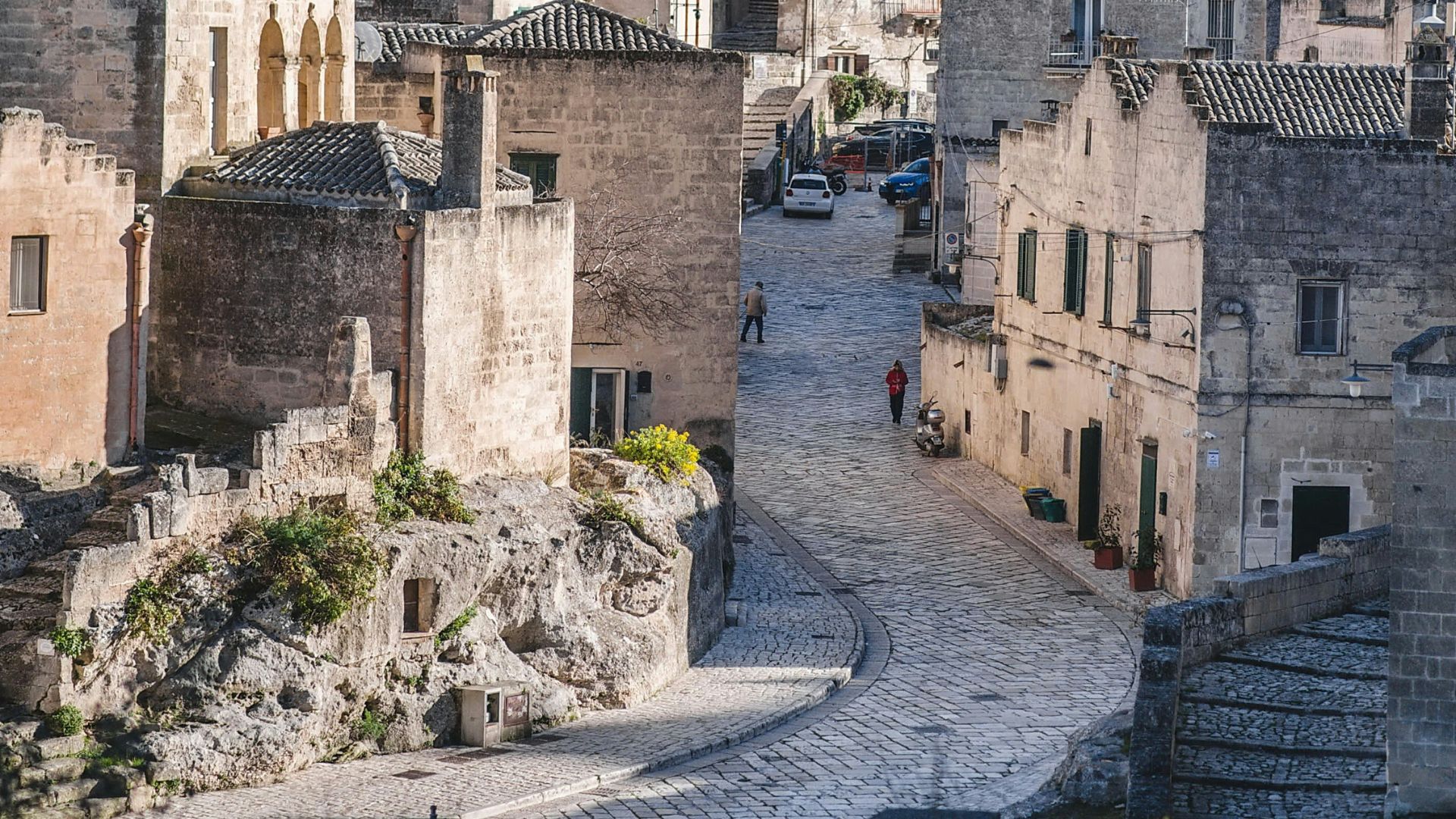
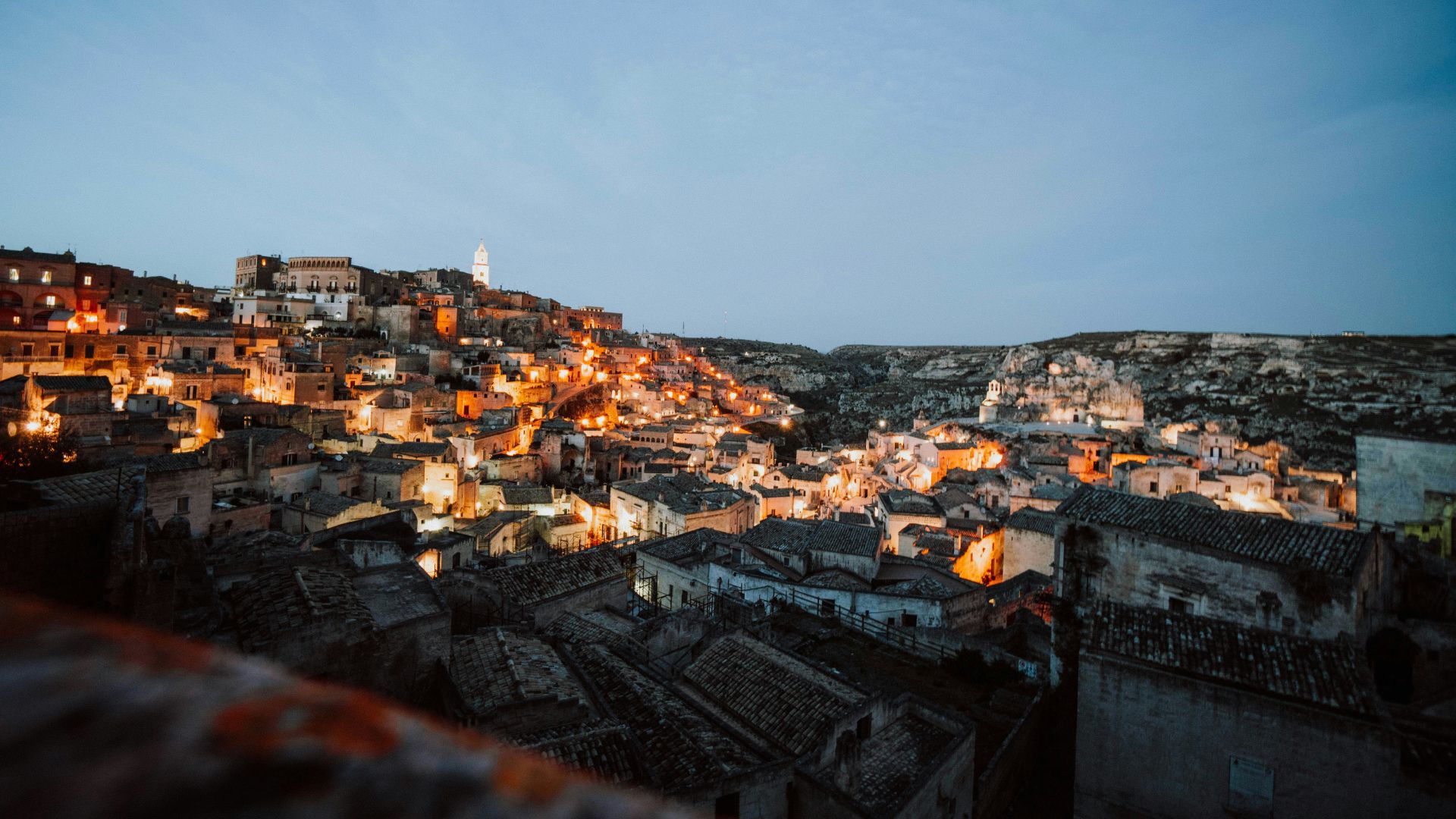
When I wandered through Matera’s ancient Sassi districts, it hit me fast—comfort really isn’t the main priority here. Those uneven stone steps and skinny pathways? They made exploring a bit of an adventure.
A lot of buildings don’t have the modern stuff we usually expect. But honestly, that’s part of what makes Matera feel so real. Locals have gotten creative over the years, coming up with smart fixes while still holding onto their traditions.
Some of the old cave homes now show off these space-saving designs that somehow mix the old with the new. It’s kind of impressive, seeing how much people can do with so little space.
Matera doesn’t just stick to the past, though. I met families who’ve been here forever, right alongside newcomers who started up boutique hotels or quirky art galleries.
This mix of old-timers and fresh faces gives the city a buzz you can feel. It respects its roots but doesn’t mind shaking things up a bit.
Understanding Foreign Perspectives
At first, I saw Matera like any tourist might—kind of swept up by the rugged beauty without really understanding what was underneath. That changed after I talked with locals who shared stories of what their families went through.
One older resident told me how, back in the 1950s, foreigners reacted with shock to the poverty here. That outside attention helped kickstart some real changes for Matera.
Even now, people from all over the world keep shaping the city’s future in positive ways. I had to remind myself to ask questions with real curiosity and to listen instead of just looking around.
Once locals noticed I truly wanted to learn, they opened up about everything—the tough times and the wins. Those conversations turned into connections that felt way deeper than just snapping photos and moving on.
Enduring Sin and Judgment in Community Growth
In the mid-1900s, people called Matera “the shame of the nation.” The city’s poor living conditions triggered that harsh label.
Sure, folks genuinely suffered, but critics missed the community’s grit and cultural depth. They just didn’t see it.
Poverty’s stigma felt almost like a sin. Authorities forced families out of their ancestral homes.
This upheaval strained relationships all over the community. Neighbors didn’t always know how to handle it.
I’ve seen Materans take back their story, bit by bit. Instead of hiding their tough past, they embraced it as part of who they are.
You can find museums that display those struggles alongside celebrations of local culture. It’s pretty moving, honestly.
By facing their history head-on, the community grew stronger. There’s a certain honesty in how they did it.
