
Tucked away in southeastern Sicily, Modica instantly grabbed my attention with its dramatic hillside views and its deep chocolate tradition. As I wandered through this UNESCO World Heritage Site, I couldn’t help but admire the baroque architecture that gives Modica its nickname, “The Sicilian baroque capital.”
Locals love to call it “The city with 100 churches,” and honestly, it’s not an exaggeration.
But what really makes Modica unforgettable? Its chocolate-making tradition, which goes back to the 16th century, when Sicily fell under Spanish rule. This isn’t the smooth chocolate most people expect from Europe. Modica chocolate feels rustic and grainy thanks to an old cold-processing method.
The Spanish picked up this technique through their contact with Mesoamerican cultures. Although, if I’m being honest, the direct Aztec connection you hear about in tourist brochures might be a bit overblown.
I spent hours wandering between grand baroque churches and tiny chocolate shops where artisans still stick to those centuries-old methods. There’s something wild about the mix here—ornate religious buildings right next to humble chocolate workshops, all tucked into the hillside.

The chocolate blew me away with its gritty texture and pure, bold flavors. It’s nothing like the sweets you find elsewhere in Europe. Honestly, it feels like time stopped when chocolate first landed on Sicilian shores.
The Origins of Modica: From Ancient Sicily to Baroque Gem
Modica’s past stretches back thousands of years. It grew from ancient Greek settlements into one of Sicily’s most dazzling baroque cities.
The town’s layers of history pop up everywhere—in archaeological ruins, medieval buildings, and those unforgettable baroque facades.
Historic Roots in Magna Graecia and Greek Colony
At Modica’s archaeological park, I stumbled across evidence of settlements from as far back as 1400 BC. The Greeks rolled in around the 7th century BC, turning Modica into a part of Magna Graecia.
You can still catch glimpses of that ancient world in the oldest parts of town. Stone buildings and artifacts hint at surprisingly advanced urban planning for the time.

Modica’s hilltop position made it a prize for whoever ruled Sicily. Its name probably comes from the old Sicilian word “Motyca,” meaning “little earth,” which fits the fertile land around it.
Medieval Influences and Norman Heritage
The Normans swept in during the 11th century and turned Modica into a powerful county. As I explored, the Norman Cathedral of San Giorgio really stood out as a reminder of that era.
Count Ruggero ran things back then, and Modica thrived as an administrative center. The castle—now mostly ruins—once towered over the city, serving as the seat of the mighty Counts of Modica.
You can see Arab influences too. The narrow, winding streets and stepped alleys come straight out of Islamic urban planning, blending with Norman architecture in a way that’s uniquely Modican.
The Emergence of Baroque Style After the 1693 Earthquake
A massive earthquake hit in 1693, flattening much of southeastern Sicily. That disaster completely changed Modica’s look.
Rebuilding meant embracing the ornate baroque style that defines the city today. The grandeur of San Giorgio Cathedral, with its 250-step climb and elaborate facade, really blew me away.
Noble families started competing to create the grandest palaces and churches. The result? Modica now has over 100 churches, each showing off dramatic stonework and rich interiors.
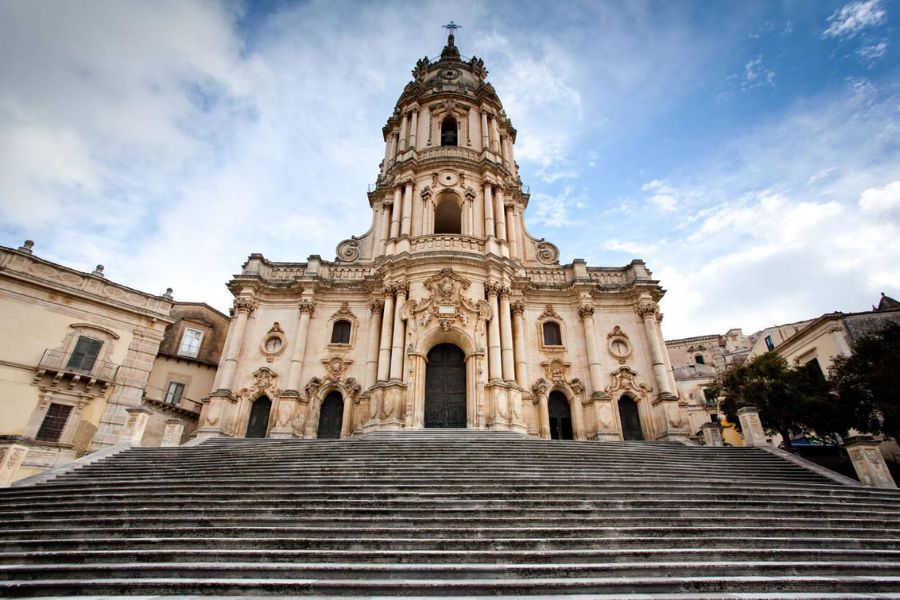
The city, built between two valleys, sets the perfect stage for these baroque wonders. They seem to tumble down the hillsides in a way that’s just… cinematic.
Modica’s Chocolate: Aztec Heritage Meets Sicilian Flair
In Modica, chocolate isn’t just a sweet treat—it’s a living tradition with roots that reach all the way back to the Aztecs. The Spanish brought this chocolate-making method to Sicily, and locals made it their own.
Ancient Aztec Techniques and Spanish Influence
The Aztecs started it all, and their chocolate-making methods crossed the ocean with Spanish conquerors. While wandering Modica’s alleys, I learned how the Spanish introduced this cold-processed chocolate to Sicily in the 16th century.
The Aztecs never melted cacao fully, which kept the chocolate gritty and intense. The Spanish swapped chili for sugar, putting their own spin on things.
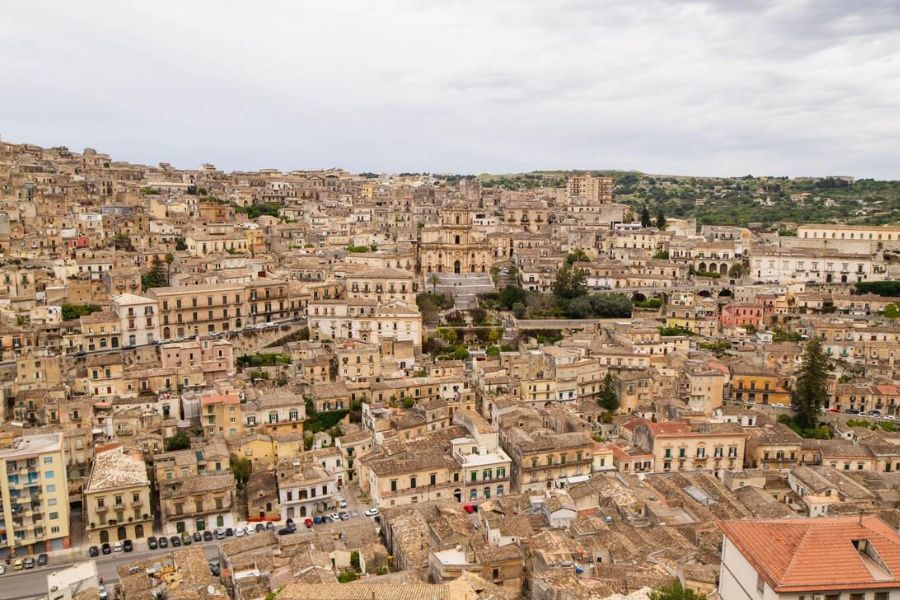
What gets me is how Modica still sticks to these ancient methods. While other places in Europe went for smooth, creamy chocolate, Modica’s makers kept the old ways alive, creating a direct link to pre-Columbian America.
The Craft of Cold-Processed Chocolate in Modica
Stepping into a Modican chocolate shop feels like time travel. Artisans still work cocoa beans by hand, using cold-processing techniques passed down for generations.
They grind cocoa on stone at low temperatures—never above 104°F (40°C). This keeps the sugar from melting, so you get that signature grainy texture that crunches when you bite in.
Watching them add flavors is a treat. Vanilla and cinnamon are classics, but some shops experiment with orange, pistachio, or even spicy chili, nodding back to Aztec roots. There’s no cocoa butter, preservatives, or additives—just pure chocolate.
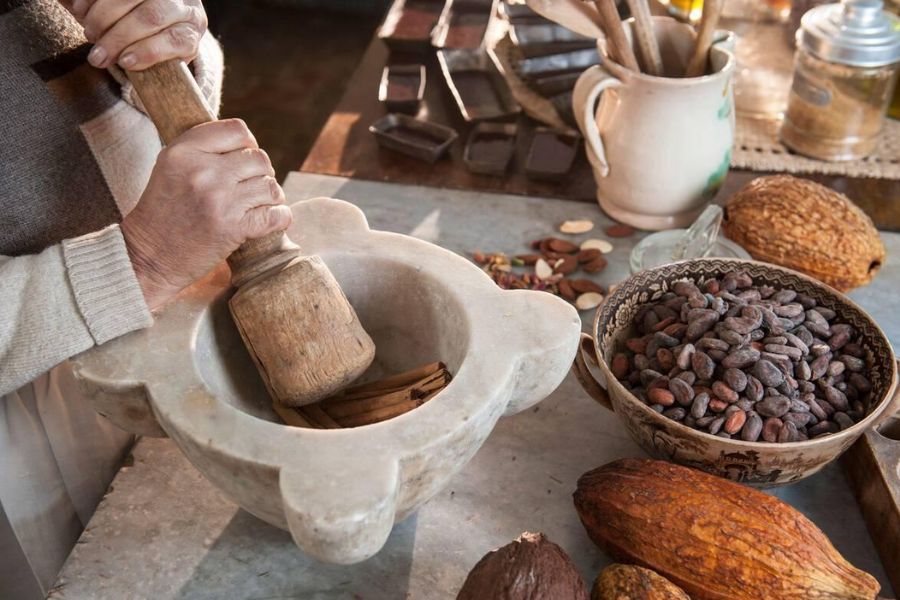
Locals claim Modica chocolate lasts up to two years if you store it right. That’s impressive, considering how simple the process is.
Local Chocolate Boutiques and Artisan Producers
Modica’s chocolate scene is a mix of old-school shops and new, creative makers. I spent a whole day hopping between boutiques, each with its own take on the classic recipe.
Most shops offer free tastings, so you can try everything from sea salt to carob or local citrus. Some even make the chocolate right in front of you.
If you’re around in December, the CioccoModica festival is a must. I caught live demonstrations and tasted chocolate from dozens of producers.
For souvenirs, go for small-batch makers like Antica Dolceria Bonajuto (they’ve been at it since 1880), Sabadì, or Casa Don Puglisi, which supports disadvantaged youth. Their chocolate bars look gorgeous and support local tradition.
Churches and Baroque Architecture: Sacred Landmarks
Modica’s skyline brims with baroque churches that helped it earn UNESCO World Heritage status. The city’s reputation as “The Sicilian baroque capital” comes alive when you see these sacred buildings.
Cathedral of San Giorgio: Icon of Sicilian Baroque
San Giorgio Cathedral steals the show in Modica. Its grand staircase and intricate facade are impossible to miss.
I climbed all 250 steps, and honestly, I was a bit out of breath by the top. But the view and the baroque detail made it worth every step.
The cathedral rose from the rubble after the 1693 earthquake. Inside, you’ll find elaborate stucco, sculptures, and paintings.

What I loved most was how the cathedral seems to grow right out of the rocky hillside. At sunset, the honey-colored stone glows, and the whole place feels magical.
Ragusa Ibla and Ragusa Superiore: Twin Baroque Towns
A short drive from Modica, I found the twin towns of Ragusa Ibla and Ragusa Superiore. The 1693 earthquake split the original town into two—Ibla below, rebuilt in baroque style, and Superiore above, more modern.
In Ragusa Ibla, I wandered narrow lanes lined with churches and palaces. The Duomo di San Giorgio stands out with its dome and sweeping staircase.
The contrast between the two towns gives you a peek at how people rebuilt after disaster. Their baroque churches and stone facades make a great pairing with Modica’s own landmarks.
Noto, Scicli, and Other UNESCO Jewels
I kept my baroque tour going in Noto and Scicli, both UNESCO-listed like Modica. Noto wowed me with its rows of honey-colored limestone buildings and perfectly balanced churches.
Scicli felt more intimate, tucked into a pretty valley. The Church of San Bartolomeo and Palazzo Beneventano show off the region’s style in a cozier way.
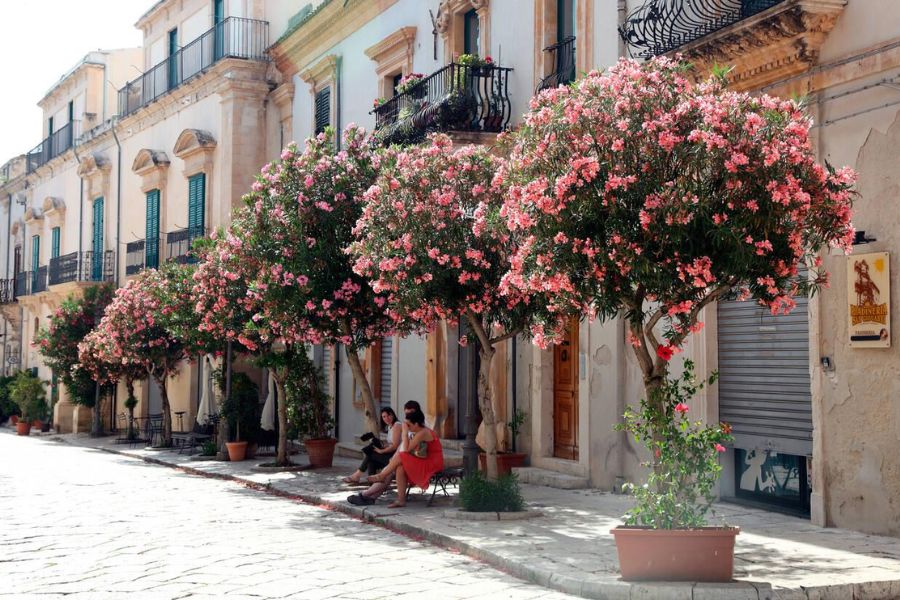
These towns, along with Modica, make up the Late Baroque Towns of the Val di Noto. Each has its own spin on baroque beauty, but together, they tell a story of rebuilding and creativity.
Exploring Modica and Beyond: Must-See Towns and Landscapes
Modica offers jaw-dropping baroque architecture and chocolate, but the area around it is just as rewarding. Southeastern Sicily is packed with dramatic landscapes, ancient ruins, and villages that pop up in books and TV shows.
Scenic Surroundings: Cava d’Ispica, Beaches, and the Mediterranean
Cava d’Ispica, a canyon near Modica, blew me away with its cave dwellings and tombs carved into limestone. Walking the 13km gorge, I felt like I’d stepped into the past.
A quick 20-minute drive took me to some fantastic beaches on Sicily’s southern coast. Pozzallo offers golden sand and clear water, perfect for a swim. Marina di Modica is quieter, with great seafood spots.
The coastline mixes rocky cliffs with sandy coves. I loved Sampieri beach for its laid-back vibe and the haunting ruins of the old brick factory right by the sea.
Charming Neighbors: Siracusa, Taormina, and Ortigia
Siracusa won me over with its Greek ruins, baroque buildings, and seaside views. The archaeological park includes a Greek theater still used for summer shows.
Ortigia, the island heart of Siracusa, deserves at least a day. I got lost in medieval lanes, checked out the Duomo (built on an ancient Greek temple), and sipped aperitivo by the Ionian Sea.
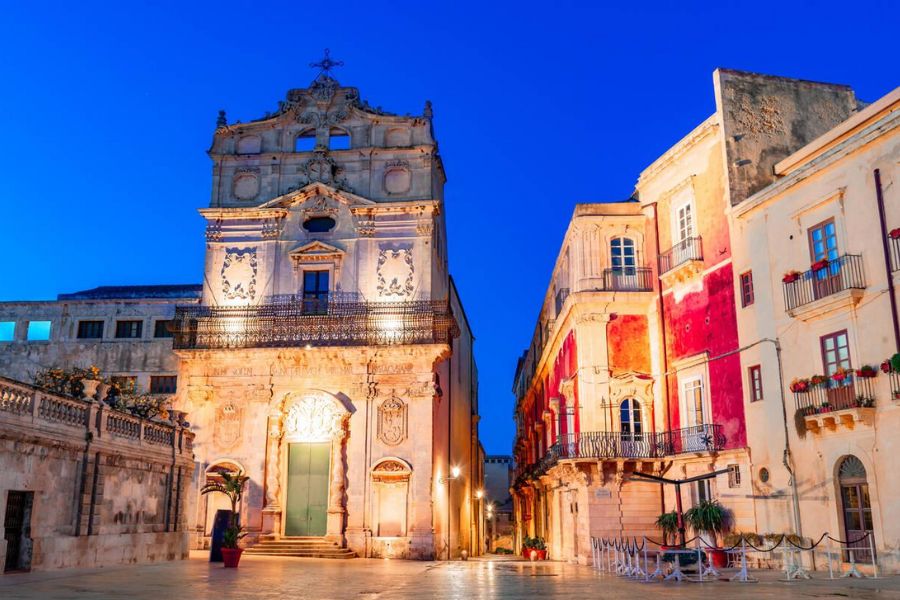
Taormina, a bit farther north (about two hours from Modica), rewards you with epic views. The Greek-Roman theater frames Mount Etna and the coast. The main street, Corso Umberto, is packed with shops, cafes, and jaw-dropping viewpoints.
Inspector Montalbano’s Sicily: Filming Locations
Fans of the Inspector Montalbano series will spot familiar spots all around Modica. I felt like I’d walked onto the set.
Punta Secca’s fishing village is home to “Montalbano’s house” with its famous seafront terrace. I even grabbed lunch at the same beachside restaurant from the show.
Scicli’s town hall stands in for the Vigàta police station. Ragusa Ibla often appears as the fictional town, with its baroque churches and winding streets.
In Comiso, I found more filming locations, including the main square that pops up throughout the series.
Travel Tips and Sicilian Cuisine: Experiencing Modica Like a Local
Exploring Modica means diving into a world of unforgettable food and experiences. I’ve picked up a few practical tips during my visits to help you make the most of this chocolate paradise.
Getting There: Catania Airport and Transport Options
Catania Airport sits about 120 kilometers from Modica and serves as the main gateway. Honestly, I think renting a car is the best way to explore Sicily on your own schedule.
The drive usually takes around two hours, and you’ll get some lovely views along the way.
If you’d rather use public transport, you can catch regular buses from Catania to Modica. They’re easy on the wallet, but expect a longer trip—usually about two and a half to three hours, depending on stops.
For more comfort (and less hassle), you can book a private transfer. Someone will wait for you at the airport with your name on a sign, but this option costs more than the bus.

In summer, I suggest booking your ride in advance. Sicily’s south coast draws big crowds, and transport fills up fast.
Traditional Sicilian Dishes and Modica’s Unique Flavours
Modica’s food scene mixes classic Sicilian tastes with its own local twists. The real showstopper? Modica chocolate. It’s got a grainy texture and is made with ancient Aztec methods—no cocoa butter.
When I visited, I stumbled into shops offering chocolate tastings. You can try flavors like orange, cinnamon, or even chili. If you’re a chocolate fan, check out Antica Dolceria Bonajuto, one of the oldest chocolate spots in town.
But Modica’s not just about chocolate. Try these local specialties:
- Impanatigghie: Sweet pastries with chocolate, meat, and spices
- Scacce: Folded flatbreads stuffed with different fillings
- Arancini: Fried rice balls packed with ragù or butter
Skip the touristy places on the main streets if you want a real meal. I found my favorite dishes at tiny trattorias hidden down side streets, where locals actually eat.
Most places don’t open for dinner until around 8 PM. Sicilians tend to eat later than folks in northern Italy, so don’t show up hungry too early.
Cultural Treasures Across Southeast Sicily
Southeast Sicily bursts with cultural treasures from thousands of years of history. You’ll find everything from Greek and Roman ruins to natural wonders and charming old towns.
This corner of the island might just have some of Italy’s most impressive heritage sites.
Roman Amphitheatre, Greek Theatre, and Villa Romana del Casale
Syracuse’s Greek Theatre blew me away when I first saw it. It’s one of the largest from the ancient world and dates back to the 5th century BCE.
Fifteen thousand people used to fill its seats, and even now, they still hold performances there. The setting on the hillside is just stunning.
Nearby, you’ll find the Roman Amphitheatre. It’s a bit smaller, but it’s packed with stories of gladiators and even mock naval battles.
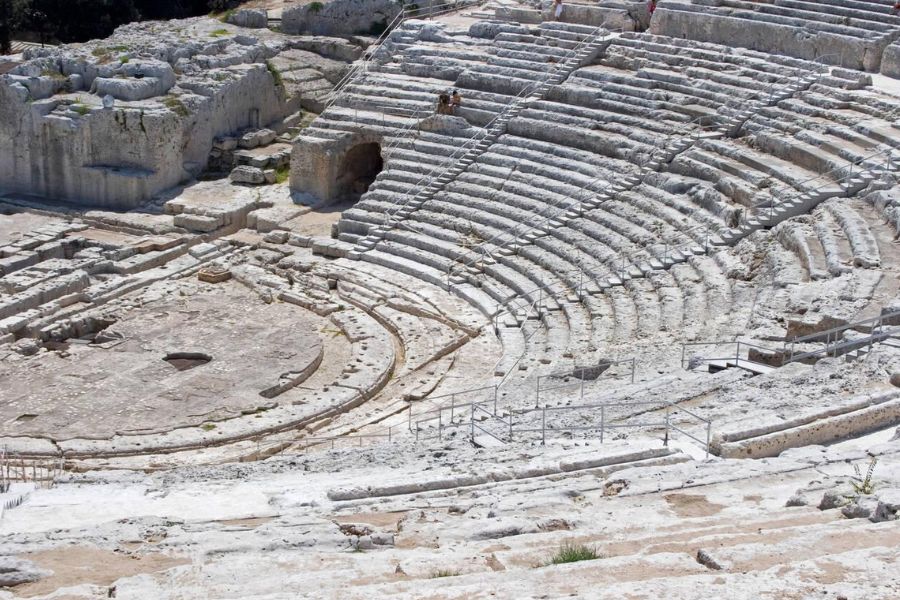
What really got me was how these places still sound amazing after all these centuries.
Villa Romana del Casale, near Piazza Armerina, left me speechless. The mosaic floors are so well-preserved—somehow, they’ve survived since the 4th century.
You’ll see everything from hunting scenes to the famous “Bikini Girls” athletes. The villa’s design shows off the luxury of Roman aristocrats, with thermal baths and elaborate reception halls.
I spent hours just staring at the details in those mosaics. Two thousand years, and they’re still vibrant.
Valley of the Temples and Archaeological Sites
The Valley of the Temples in Agrigento holds one of the world’s most impressive collections of Greek temples outside Greece.
Wandering among these 2,500-year-old ruins at sunset—well, it’s not something you forget.
The Temple of Concordia stands out as the best-preserved ancient Greek temple anywhere. Its huge Doric columns look amazing against the blue Sicilian sky.
Nearby, the Temple of Juno gives you sweeping views over the countryside and the Mediterranean Sea.
Selinunte’s Archaeological Park is massive, covering 270 hectares. That makes it Europe’s biggest archaeological park.
I spent hours wandering through the remains of this once-bustling Greek colony. At its peak, up to 100,000 people lived here.
Walking these sites, I started to understand how Sicily sat at the heart of ancient Mediterranean trade and culture. Every stone seems to have a story about conquest, commerce, or cultural exchange.
Mount Etna and Etna’s Volcanic Landscapes
Mount Etna towers over eastern Sicily, reaching 3,329 meters. It’s Europe’s tallest active volcano, and seeing its smoking summit for the first time kind of took my breath away.
Hiking up Etna, you’ll notice the landscape changes fast. The lower slopes are covered in vineyards, growing grapes for surprisingly good, mineral-rich wines.
Go higher, and suddenly everything turns stark and lunar—black lava fields, volcanic cones, and not much else.
The volcano shapes local life in so many ways. People here call it “Mongibello,” which means the beautiful mountain. Even with all the eruptions, communities have flourished in its shadow, building with volcanic stone and farming the rich soil.
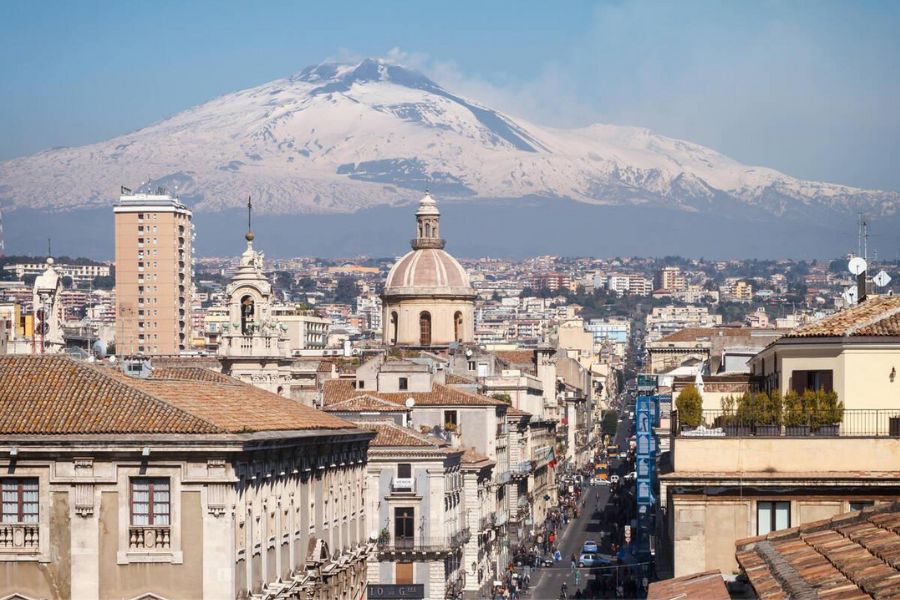
Etna earned UNESCO World Heritage status in 2013. That’s a nod to both its geology and its cultural impact.
If you get the chance, I’d say take a guided tour. It’s safer, and you’ll learn a lot about how this volcano keeps shaping Sicily.
Palermo: The Island’s Historic Capital
Palermo totally grabbed my attention with its wild blend of architecture. You can see the fingerprints of Sicily’s many rulers everywhere.
I wandered through the Norman Palace and the Palatine Chapel, where those Byzantine mosaics practically glow. The Arab-inspired details and Norman stonework sit side by side—honestly, it’s a bit surreal.
If you dive into the historic markets—Ballarò, Capo, Vucciria—you’ll feel the city’s heartbeat. Vendors call out over heaps of fresh produce and seafood, and the whole place buzzes.
I couldn’t resist grabbing arancini or panelle from a street stall. That’s where you really soak up the Sicilian vibe, just standing there with locals, munching away.
Palermo’s churches blew me away with their art. The Cathedral holds the tombs of royalty, and the Chiesa del Gesù? It’s packed with baroque marble inlays and sculptures. I lost track of time just staring at the details.
Teatro Massimo dominates the city with its neoclassical style. It’s Italy’s biggest opera house, and they still put on world-class shows inside those epic halls.
Honestly, if you get the chance, take a guided tour. The acoustics and the over-the-top interior are worth every minute.
