
When I stand before Palermo Cathedral, I can’t help but feel overwhelmed by how much history one building can hold. This massive structure, dedicated to the Assumption of the Virgin Mary, somehow weaves Norman, Arab, Renaissance, and Baroque styles together in a way that’s just… breathtaking. The cathedral’s unique architectural fusion mirrors Sicily’s tangled history of conquests and cultural exchanges. Every group that ruled here left its own stamp on this sacred space.
Back in 1185, Walter Ophamil, an Anglo-Norman archbishop, kicked off its construction under King William II. What grabs me most is how this spot has always been sacred ground—long before Christians, the Phoenicians, Romans, Byzantines, and Arabs all worshipped here. Walking inside feels a bit like time travel.
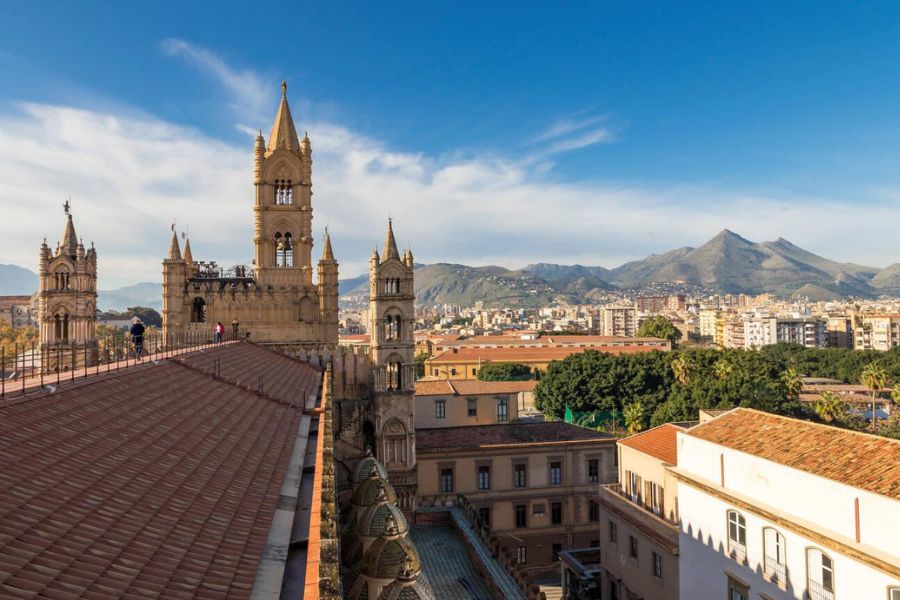
Wandering through the interior, I stumble upon royal tombs and coronation sites that shaped Sicily itself. Those Norman-Arab details—intricate carvings, grand columns, and decorative flourishes—really show off the island’s multicultural spirit. If you’re curious about Sicily’s soul, Palermo Cathedral lays it all out for you in stone.
Palermo Cathedral Through the Ages
Palermo Cathedral really acts as a living timeline for Sicily. Each stone seems to whisper stories of conquest, faith, and artistic evolution. Over the centuries, the building changed again and again, reflecting the island’s shifting identity.
Foundation and Norman Origins
Walter Ophamil, the Anglo-Norman archbishop of Palermo and King William II’s minister, founded the cathedral in 1184. He built it over a mosque that had earlier replaced a Byzantine church.
The Norman kings—especially Roger II—wanted to show off their power and legitimacy. So, they made sure the cathedral featured that distinctive Norman-Arab style, blending European and Islamic influences in a way that feels very Sicilian.
You can still spot those Norman touches on the exterior walls and in some decorations. The building’s rectangular, fortress-like shape just screams twelfth century.
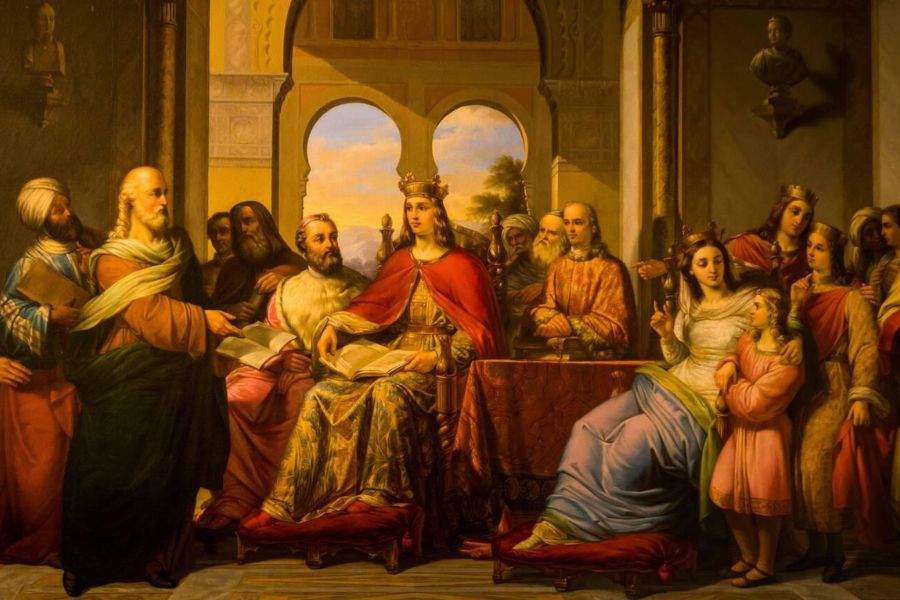
I find it fascinating that Norman builders worked alongside local Muslim craftsmen. That mix created the unique cultural fusion that defines early Sicilian architecture.
Transformations During the Middle Ages
After the Normans, new rulers kept tweaking the cathedral. The Swabians, Angevins, and Aragonese all added their own touches.
Gothic features showed up in the 14th century, especially the main portal on the western façade. The stone carvings around the entrance really caught my eye—they tell biblical stories in such intricate detail.
Inside, medieval tombs of rulers and nobles appeared, including royal sarcophagi carved from porphyry, that rare purple-red stone reserved for the elite. These are some of Europe’s most important medieval funerary monuments.
The bell tower and several chapels date from this era too. As I walked through, I felt the shift in artistic tastes that marked medieval Sicily.
Baroque and Renaissance Revivals
From the 16th to the 18th centuries, Palermo Cathedral went through some wild changes. Renaissance architects reimagined much of the interior, giving it a more classical vibe.
The biggest shake-up came in 1781 when they demolished the medieval nave and rebuilt it neoclassical style. That changed the whole feel of the place. The dome, added soon after, completely altered the cathedral’s skyline.
Baroque flourishes appeared everywhere—ornate chapels, marble decorations, and lavish altars. The Chapel of Santa Rosalia, dedicated to Palermo’s patron saint, really shows off the best of this style with its colorful marble inlays.
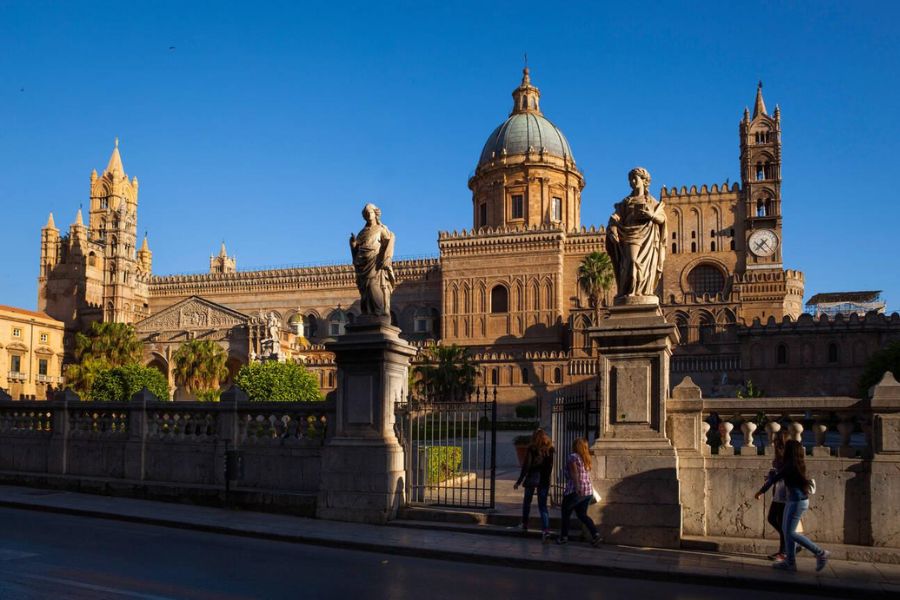
The meridian line from 1801 impressed me—a brass strip on the floor marks solar noon when sunlight comes through a tiny roof hole. It’s both clever and beautiful.
Modern Restorations and World Heritage Status
In the 20th and 21st centuries, people focused on preserving the cathedral’s many layers of history. After World War II, major restoration projects fixed damage and stabilized the building.
UNESCO added the cathedral to its World Heritage list in 2015, as part of the “Arab-Norman Palermo and the Cathedral Churches of Cefalù and Monreale” site. That honor recognized its unique blend of architecture and its historical weight.
Recent conservation used advanced tech to clean centuries of grime from the façade, revealing the original golden stone underneath. I visited before and after—what a difference.
Visitors today benefit from careful management that balances religious life and tourism. Modern lighting highlights details, and discreet panels help explain the cathedral’s complex story.
Architectural Styles and Influences
Palermo Cathedral feels like a living anthology of architecture. All these styles collide and coexist, telling the story of Sicily’s tangled past. The building layers nearly a thousand years of design, and each addition reflects a different cultural force.
Norman and Arab-Norman Architecture
Every time I walk through Palermo Cathedral, those Norman foundations stand out. Built in 1185 under Walter of the Mill, the cathedral shows off that Norman-Arab style born from Sicily’s cultural melting pot. The exterior still displays those blind arches and geometric patterns.
The Norman apses on the east end fascinate me most. Their decorative stonework and interlaced arches clearly borrow from Islamic art. Not surprising, really—Sicily’s Norman rulers inherited an island already rich with Arab influence.
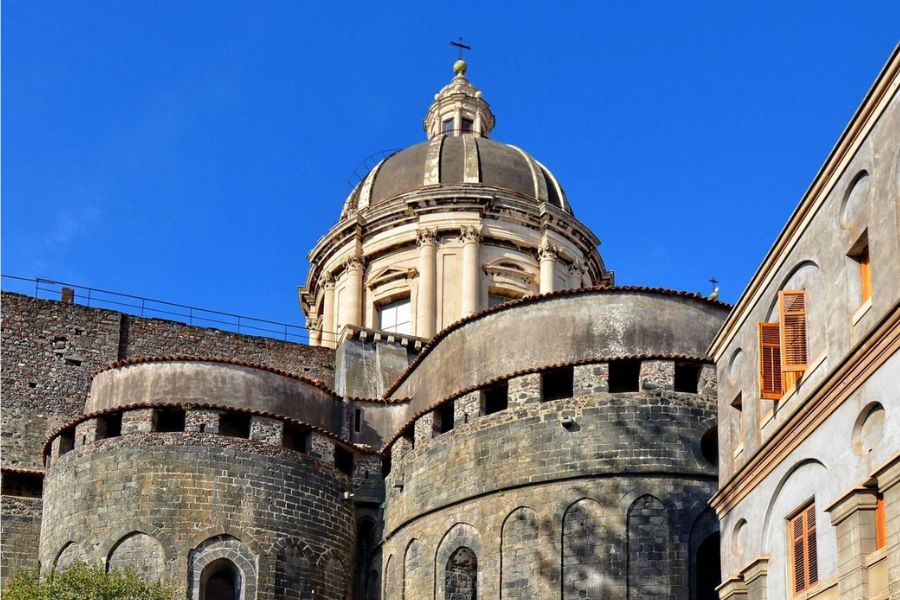
The square towers at the west front show off Norman military architecture, adding both drama and a sense of strength.
Gothic Style and Medieval Elements
In the 13th and 14th centuries, Gothic style swept in. The southern portico, with its pointed arches and delicate stonework, is a favorite of mine—pure Sicilian Gothic.
The western façade got its dramatic look during this period too. Those lancet windows and the pointed main portal connect Sicily to broader European trends.
Inside, you’ll notice soaring arches and ribbed vaults. The columns lift your gaze upward, creating that signature Gothic sense of reaching for the heavens.
Sicilian Baroque and Later Additions
The 18th century brought a flurry of changes under architect Ferdinando Fuga. His Neoclassical dome, added in 1771, changed the cathedral’s silhouette and let in more light.
I recommend taking time with the Baroque chapels inside. They’re decked out in the dramatic, decorative style that swept Sicily after the 1693 earthquake. Marble inlays, bold sculptures, and gilded details fill these spaces.
The baptistery is a prime example of Sicilian Baroque, with its colorful marbles and lively sculpture. This style really aimed to dazzle and inspire devotion.

Baroque caps top the western towers, giving Palermo’s historic center its unmistakable skyline.
Sacred Art and Symbolism Inside the Cathedral
Step inside Palermo Cathedral and you’ll find a treasure trove of sacred art, each piece reflecting Sicily’s religious journey. The interior holds a mix of styles, from Byzantine influences to Norman craftsmanship.
Mosaics and Byzantine Heritage
While Palermo Cathedral doesn’t have mosaics as extensive as Monreale or Cefalù, you can still spot fragments in the side chapels. These bits survived centuries of change.
The Byzantine influence pops up in the gold backgrounds and stylized religious imagery. The mosaics usually show saints and biblical stories, glowing when the light hits just right.
One mosaic of the Virgin Mary really drew me in—her serene face and gold halo almost seem to shine from within. The tiny tiles catch the light in a way that’s just magical.
Altars, Stuccoes, and Frescoes
The altars show off some serious craftsmanship. The main altar stands out, but the delicate stucco decorations on the chapel walls also grabbed my attention.
Baroque frescoes cover much of the ceiling and upper walls. These vivid paintings tell stories from the Bible and the lives of Sicilian saints.
The Chapel of Saint Rosalia is a personal favorite. Its stucco work and frescoes dedicated to Palermo’s patron saint are extraordinary. The sculptural details almost leap out at you.
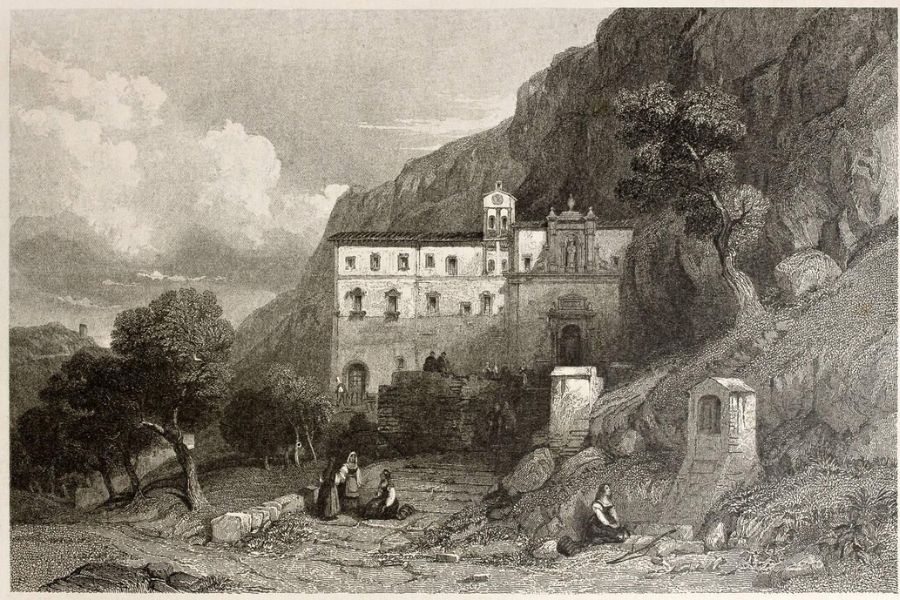
As sunlight streams through the windows, these decorations come alive, shifting with the day.
Nave and Choir
The nave blends architectural styles, its height pulling your gaze up to the ornate wooden ceiling. Painted panels from the 18th century depict religious scenes.
In the choir, beautifully carved wooden stalls line the area where clergy once gathered. Each seat features detailed carvings—biblical scenes and decorative motifs, all done with incredible care.
Nearby, the grand organ stands tall, its pipes forming a striking focal point. When played during special masses, its sound fills the entire cathedral.
Natural light pours through clerestory windows, constantly changing the atmosphere and highlighting new details.
Treasures and Relics
The Cathedral Treasury overflows with Sicily’s religious treasures. The Crown of Constance of Sicily, a golden tiara studded with gems, immediately caught my eye.
Gold monstrances, ornate goblets, and finely crafted vessels fill the cases. Many date back to medieval times, reflecting the wealth and artistry of Sicily’s rulers.
Intricately embroidered vestments, worn by clergy at important ceremonies, sit alongside a 14th-century breviary—its hand-painted pages still vibrant after all these years.
Relics draw the faithful, especially the silver reliquary holding Saint Rosalia’s remains. Every July, people parade it through Palermo’s streets.
Tombs and Historical Figures
Palermo Cathedral serves as the final resting place for many of Sicily’s most important historical figures. The tombs inside tell stories of power, faith, and the island’s tangled history.
Royal Tombs and Norman Kings
As I walked down the south aisle, I found the royal tombs of Sicily’s rulers. King Roger II, the first Norman king, lies beneath a mosaic baldachin. His porphyry sarcophagus, in that imperial purple-red stone, really stands out.
Other members of the Hauteville dynasty rest nearby. Their tombs show off the wealth and artistic flair of Norman Sicily.
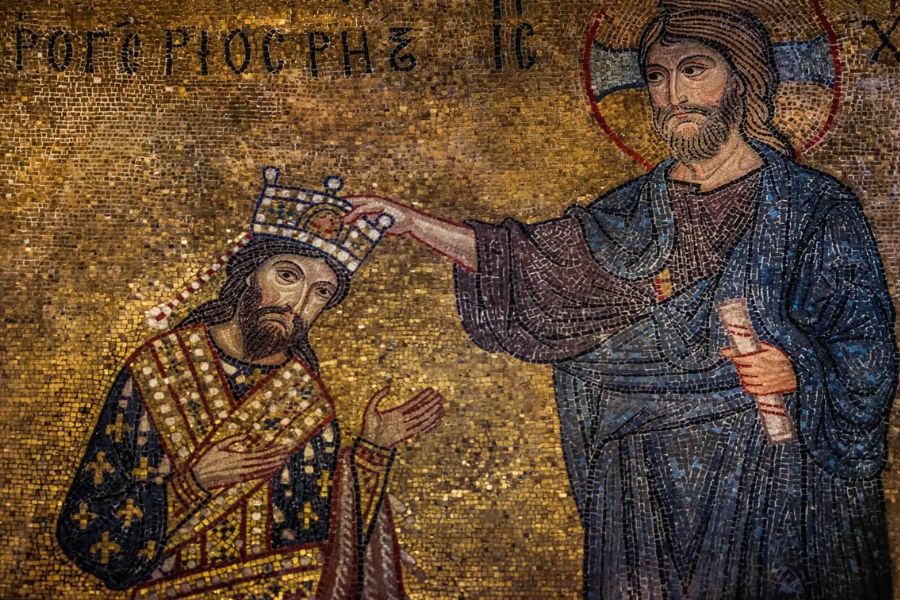
What really struck me was how these monuments mix Byzantine, Arabic, and Norman styles—mirroring the cultural blend of the era.
Frederick II: The Holy Roman Emperor
Frederick II’s tomb dominates the royal chapel. Nicknamed “Stupor Mundi” (Wonder of the World), Frederick turned Sicily into a hub of culture and learning in the 13th century.
His huge porphyry sarcophagus stands out. Frederick’s wife, Constance of Aragon, rests nearby in a reused Roman sarcophagus.
Henry VI of Hohenstaufen (Frederick’s father) and Constance of Altavilla (his mother) are also here. Standing among these tombs, I could almost feel the weight of European history.
Saints and Archbishops
The cathedral honors religious leaders alongside royalty. Walter Ophamil, the Anglo-Norman archbishop who commissioned the cathedral, has a prominent memorial.
Santa Rosalia, Palermo’s patron saint, is everywhere in artwork and devotional corners, even though her remains rest at Monte Pellegrino.
Several archbishops of Palermo are commemorated, creating a kind of timeline of church leadership here. Pope Gregory I, though not buried in the cathedral, is honored for his ties to Sicily’s Christian roots.
It’s fascinating how religious monuments and royal tombs sit side by side, showing how church and state were always intertwined in Sicilian history.
From Mosque to Cathedral: A Story of Faith
Palermo Cathedral’s stones tell a remarkable story of religious transformation. The building stands as a timeline of faith traditions that shaped Sicily’s identity.
Muslim Past and the Role of the Mosque
Standing before Palermo Cathedral, I almost feel the echoes of the muezzin’s call. Before anyone built the current cathedral, a grand Jami Mosque stood on this sacred ground during Sicily’s Islamic period (820s-1070s).
For over 200 years, the mosque served as the heart of Muslim religious life in Palermo. Archaeologists have found evidence that the cathedral builders preserved part of the mosque’s structure.

The most fascinating piece of this Muslim past? An Arabic inscription still survives, a rare and tangible link to Islamic Sicily. You can see it even today.
The mosque had a large prayer hall and probably a courtyard for ablutions. These Islamic elements ended up influencing the cathedral’s early design, blending faiths instead of wiping out history.
Catholic and Eastern Orthodox Influences
When Walter of the Mill, an English archbishop, established the cathedral in 1185, he created something remarkable. I always find it striking how Norman, Catholic, and Byzantine elements all coexist in one stunning building.
The cathedral’s transformation from mosque to church reflected Sicily’s political shift to Christian rule under the Normans. But Palermo Cathedral isn’t simply Catholic—it also incorporates Eastern Orthodox influences.
Golden Byzantine mosaics decorate parts of the interior, echoing the great churches of Constantinople. The mix of Western Catholic and Eastern Orthodox styles really shows Sicily’s place as a crossroads between Christian worlds.
You’ll notice:
- Norman-style arches and towers
- Byzantine-inspired decoration
- A Latin cross floor plan (purely Western Catholic)
Religious Symbolism and Practices
Walking through the cathedral now, I notice religious symbols from different traditions sharing this sacred space. The building reveals how faith practices evolved while staying tied to the past.
Royal tombs rest inside, including Frederick II, Holy Roman Emperor, who ruled with a spirit of religious tolerance. His sarcophagus blends Christian imagery with symbols that people across faiths would appreciate.
Prayer practices changed a lot from Muslim to Christian times. The qibla wall, which faced Mecca, made way for an altar facing east. Still, the sense of reverence somehow stayed the same.
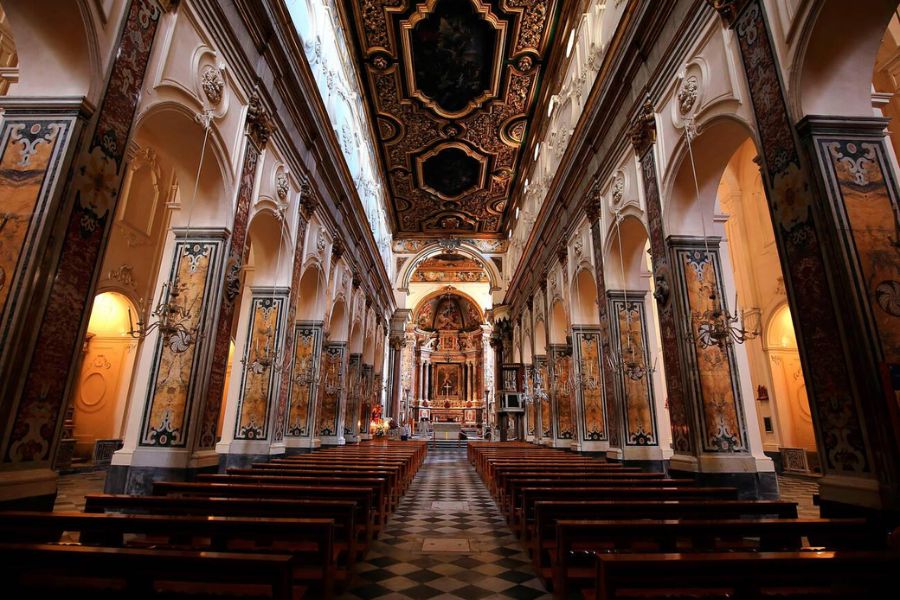
Today, the cathedral remains a vibrant place of Catholic worship and honors its multi-faith history. On holidays and feast days, processions fill the same spaces where Muslims once gathered for Friday prayers. It’s a beautiful, ongoing story of spiritual devotion.
Palermo Cathedral’s Place in Sicily’s Living Heritage
Palermo Cathedral stands as a cornerstone in Sicily’s cultural landscape. It connects the island’s past with its lively present.
Its architectural importance goes far beyond its walls. The cathedral sparks a conversation with other remarkable buildings, all telling Sicily’s rich story together.
Piazza Bellini and Surrounding Landmarks
Strolling through Piazza Bellini, I’m struck by how perfectly it frames Palermo Cathedral’s role in city life. This charming square serves as a cultural hub—locals gather here, and visitors marvel at the deep sense of history.
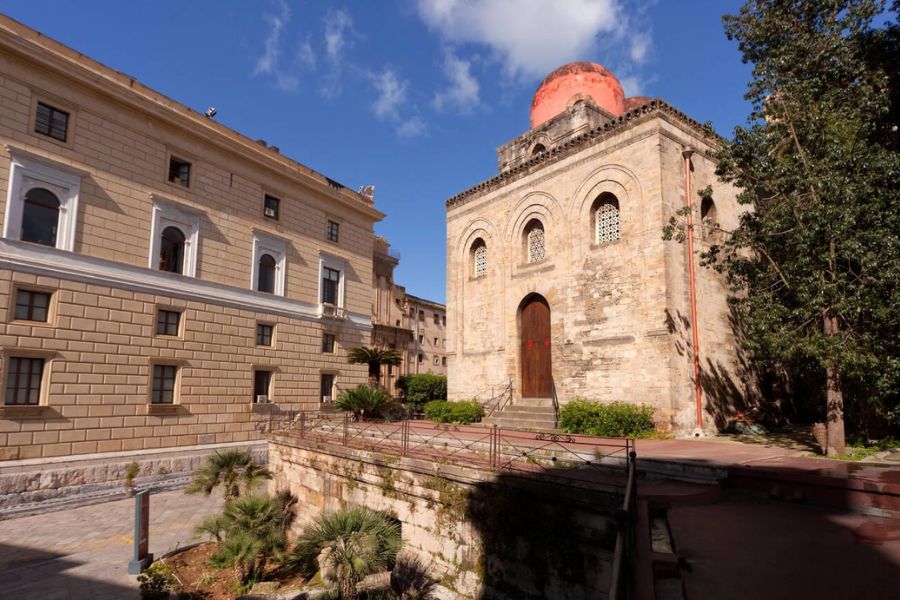
Just steps from the cathedral, I spot the Church of San Cataldo with its bold red domes, a clear nod to Sicily’s Arab influences. The square buzzes day and night, with small markets and a lively crowd, giving you plenty of angles to admire the cathedral.
What fascinates me most is how the piazza links the cathedral to other landmarks, creating a walkable timeline of Sicilian history. The nearby Quattro Canti intersection adds to this circuit, making the cathedral part of a living museum that stretches across the city center.
Monreale and the Arab-Norman Circuit
I couldn’t really appreciate Palermo Cathedral until I visited its spectacular cousin in Monreale, just 8 kilometers away. Both cathedrals share Arab-Norman roots, but they show it off in different ways.
Palermo Cathedral has evolved with a mix of styles, while Monreale Cathedral holds onto a more pure Arab-Norman look. Its golden mosaics, covering over 6,000 square meters, tell biblical stories in jaw-dropping detail.
Together, these cathedrals anchor Sicily’s UNESCO-listed Arab-Norman circuit. Traveling between them, I saw how Norman rulers balanced Islamic and Byzantine influences to shape Sicily’s unique identity.
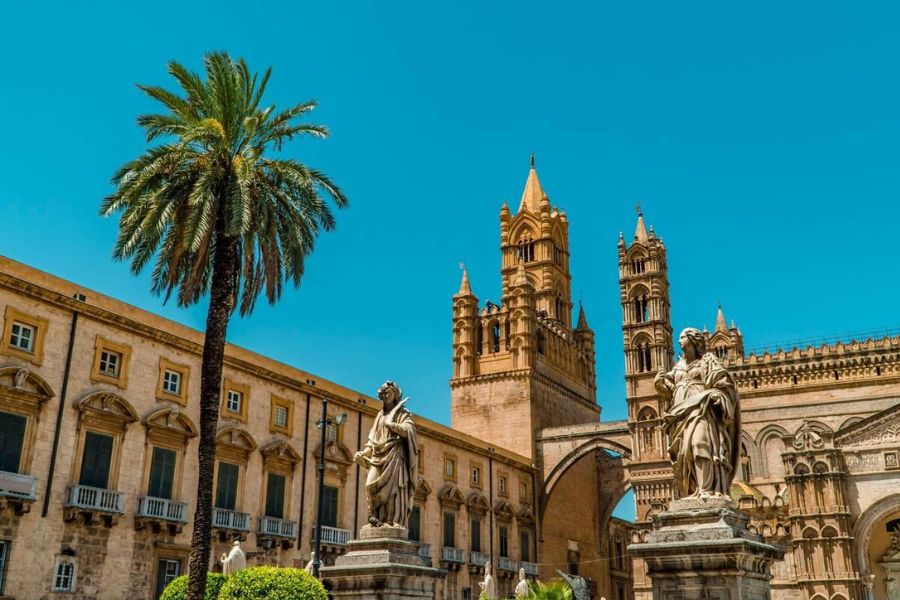
The bond between these buildings shows that Palermo Cathedral isn’t just a lone monument. It’s part of a bigger cultural statement that stretches across the region.
La Martorana and Santa Maria dell’Ammiraglio
A short walk from Palermo Cathedral brought me to the jewel-like church of La Martorana, or Santa Maria dell’Ammiraglio. This smaller church packs a punch with its art, complementing the cathedral’s grandeur.
La Martorana’s dazzling Byzantine mosaics stand in contrast to the cathedral’s broader mix of styles. George of Antioch (Admiral of King Roger II) founded it in 1143, adding another layer to Sicily’s multicultural heritage.
What really caught my attention was how La Martorana keeps Greek Orthodox tradition alive, while Palermo Cathedral stands for the Latin Catholic presence. Side by side, they show Sicily’s role as a bridge between Eastern and Western Christianity.
The architectural conversation between these buildings opens up a deeper understanding of how religion and culture blended in medieval Sicily.
San Cataldo and George of Antioch
Right next to La Martorana, you’ll spot the unmistakable San Cataldo church with its three bright red domes. It’s another architectural gem tied to Palermo Cathedral’s long, tangled history. I couldn’t help but feel drawn to the building’s bold simplicity—so different from the cathedral’s wild complexity.
They built San Cataldo around 1154. It shows off the Arab-Norman style at its most unfiltered. George of Antioch comes up again here; this influential admiral really left his mark on Palermo’s religious scene during the Norman era.
When I stepped inside San Cataldo, I found the interior surprisingly austere. It stands in sharp contrast to the cathedral’s rich and ornate decorations. This stripped-back look hints at the Islamic architectural influences that swept through Sicily at the time.
A loggia links these buildings, creating a physical thread in this ongoing architectural conversation. Alongside Palermo Cathedral, these places together feel like a patchwork textbook of Sicily’s religious and cultural journey. Each building seems to tell its own part of the island’s wild, remarkable story.
