
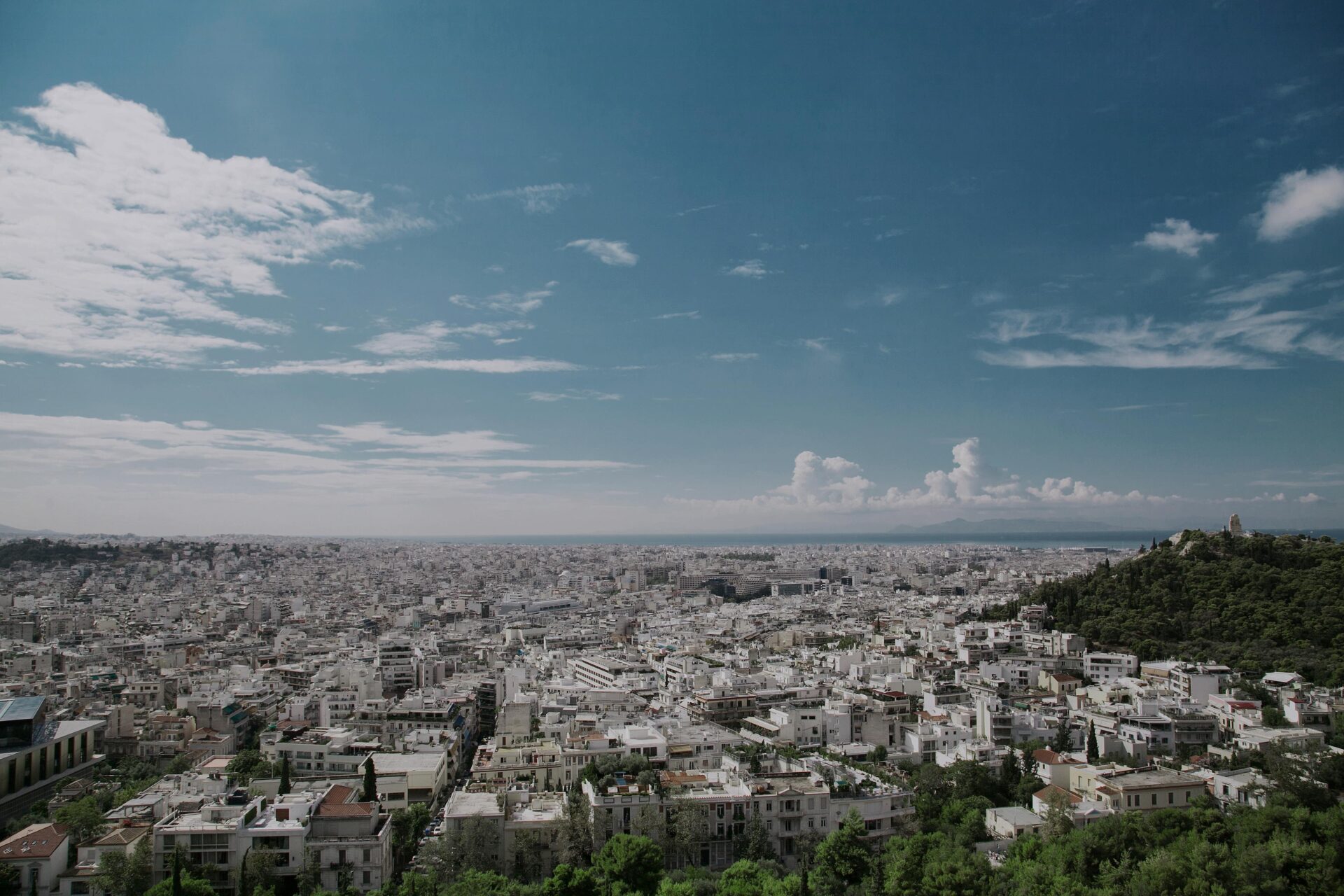
Standing at the foot of the Acropolis in Athens, I felt the city’s pulse soften, even as the streets below buzzed with energy.
Surrounded by ancient stone and olive trees, I stumbled upon a quiet corner where I could pause and breathe, even with crowds swirling around the famous ruins.
The Acropolis, with all its grandeur and history, draws thousands, but it’s still possible to find your own moment of peace up there.
As I wandered past those towering columns and intricate carvings, something shifted.
I wasn’t just a tourist anymore—I was a seeker, searching for something personal.
Hidden among the monuments, the sanctuary of Athena gave me space to slow down, reflect, and connect with both ancient and modern Athens.
If you’re longing for your own peaceful escape in a busy place, the Acropolis can give you that, if you know where to look.
Setting Out: Searching for Solitude on the Acropolis Hill
Winding through Athens, I set my sights on the Acropolis, lured by stories of ancient stones and the hope for quiet reflection.
The journey promised new impressions, a pull toward legendary heights, and maybe a better understanding of what drives a modern wanderer to seek peace among ruins.
Initial Impressions of Athens
When I arrived in Athens, the city’s contrasts hit me right away: lively cafés, roaring traffic, and ancient marble columns poking out between apartment blocks.
The city buzzed with life, almost restless, moving at a pace that challenged anyone searching for calm.
It was easy to feel small here.
Vendors sold memories in the form of souvenirs.
Locals hurried past, lost in their routines.
But as I followed the narrow streets winding upward, the ever-present silhouette of the Acropolis reminded me why I’d come.
Below is a quick list that stood out to me:
- Bustling markets near Monastiraki
- Whispers of ancient history at every turn
- A weaving soundscape of modern life and old myth
Every glimpse of the hill made it clear: even in a crowded city, the past isn’t lost—it just waits for someone willing to see it.
The Call of the Acropolis
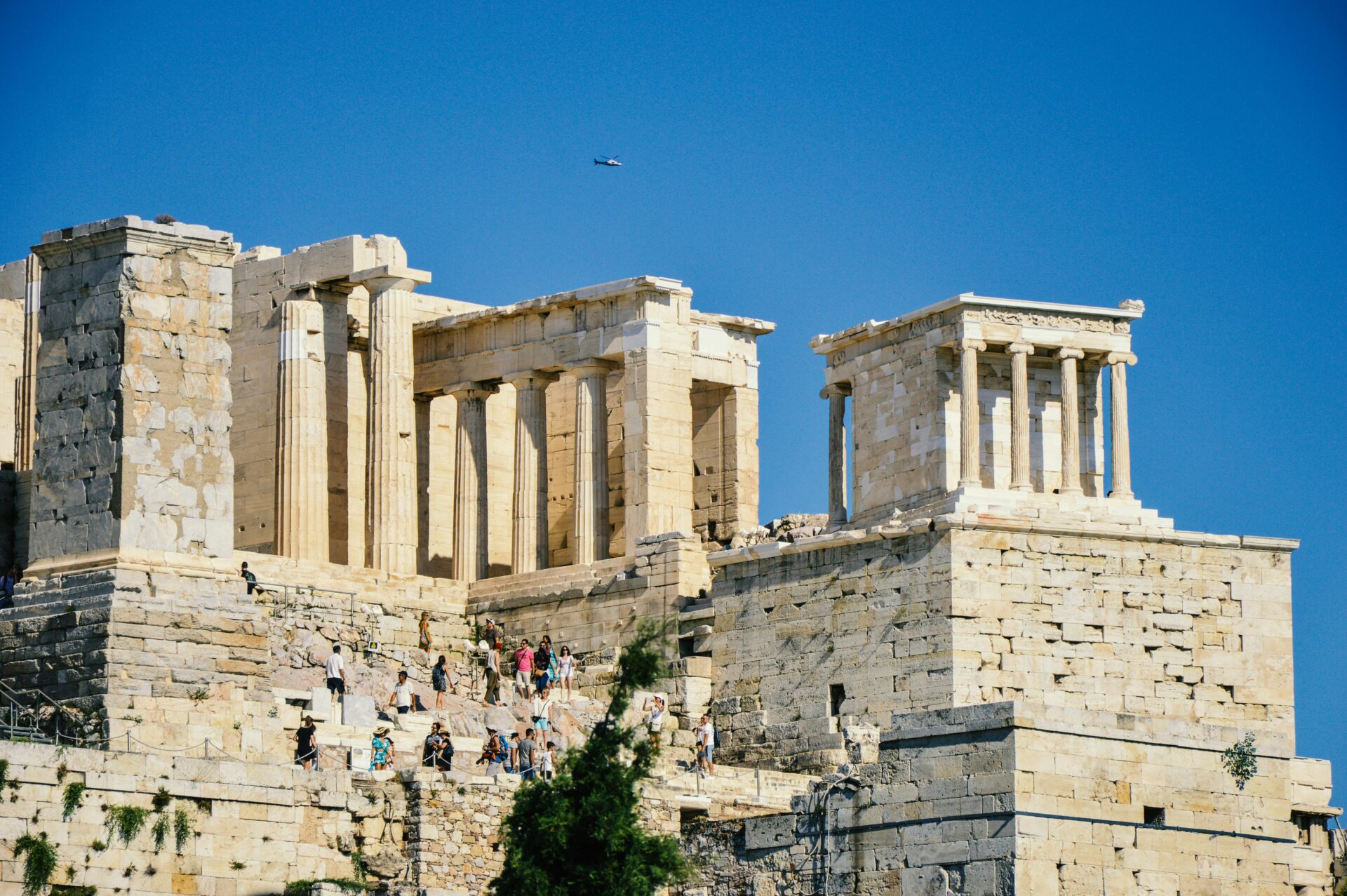
Standing at the base of the Acropolis, the Parthenon towering above, I couldn’t deny its pull.
This was the heart of Athens, dedicated to Athena and admired by countless wanderers before me.
Climbing the stone steps, excitement and calm settled in together.
The city’s sounds faded.
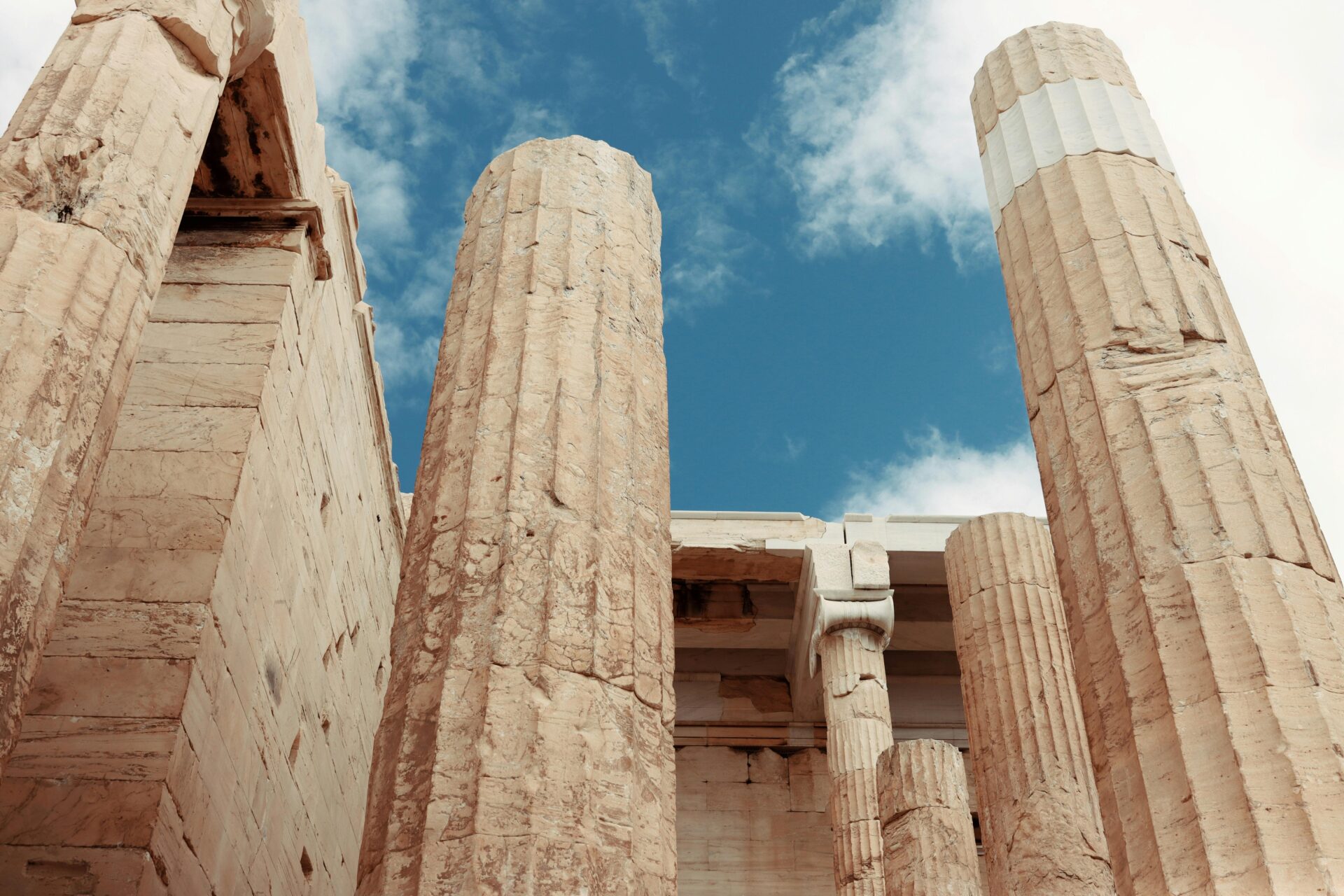
Up here, limestone pathways echoed with footsteps from centuries past.
The wind carried the scent of olives and a hint of distant sea air.
I noticed other travelers, each pausing in quiet awe or lost in their own thoughts.
Even with crowds, moments of solitude still appeared.
I found a quiet spot near the ruins and finally understood why this place has drawn seekers for millennia: it’s not just the view, but the feeling of belonging to a larger story.
Personal Motivations Behind the Journey
I didn’t come to the Acropolis for just another “must-see” photo.
I wanted quiet—a pause from the noise, both around and inside me.
Modern life barely leaves space for real stillness; ancient sites like this give what busy streets can’t.
The ruins reminded me that even in chaos, peace is possible.
Seeking solitude among columns dedicated to Athena, I reflected on why people—especially solo travelers—come to places like these.
It’s not always about history alone; sometimes, it’s the hope of reconnecting with yourself and finding clarity away from daily demands.
This pursuit of solitude became my guide, helping me find moments of stillness among the stones and giving my journey meaning far beyond sightseeing.
Echoes of the Past: History and Legend Along the Hill
On Acropolis Hill, I felt surrounded by layers of history.
This place has seen ancient trading routes, the rise of temples, creative bursts of art, and the movement of Mediterranean cultures.
Greeks, Trading, and Mediterranean Connections
From where I stood, I could almost picture ancient Greeks moving through busy markets.
Long before it became a symbol of Athens, Acropolis Hill was part of a network that stretched across the Mediterranean.
Greek traders sailed to distant shores, exchanging goods like olive oil, pottery, wine, and metalwork.
The Mediterranean Sea connected Greeks to Egypt, Anatolia, and the rest of Europe.
Acropolis Hill offered a strategic vantage point, letting locals watch for merchant ships sailing into the port of Piraeus.
Markets below the hill bustled with dealers haggling, the rattle of amphorae, and excited chatter in many languages.
These trading connections brought wealth to Athens, funding grand building projects and supporting a lively cultural scene.
Trade also introduced new ideas and influences, blending them into daily Athenian life.
Rise of the Parthenon and Greek Art
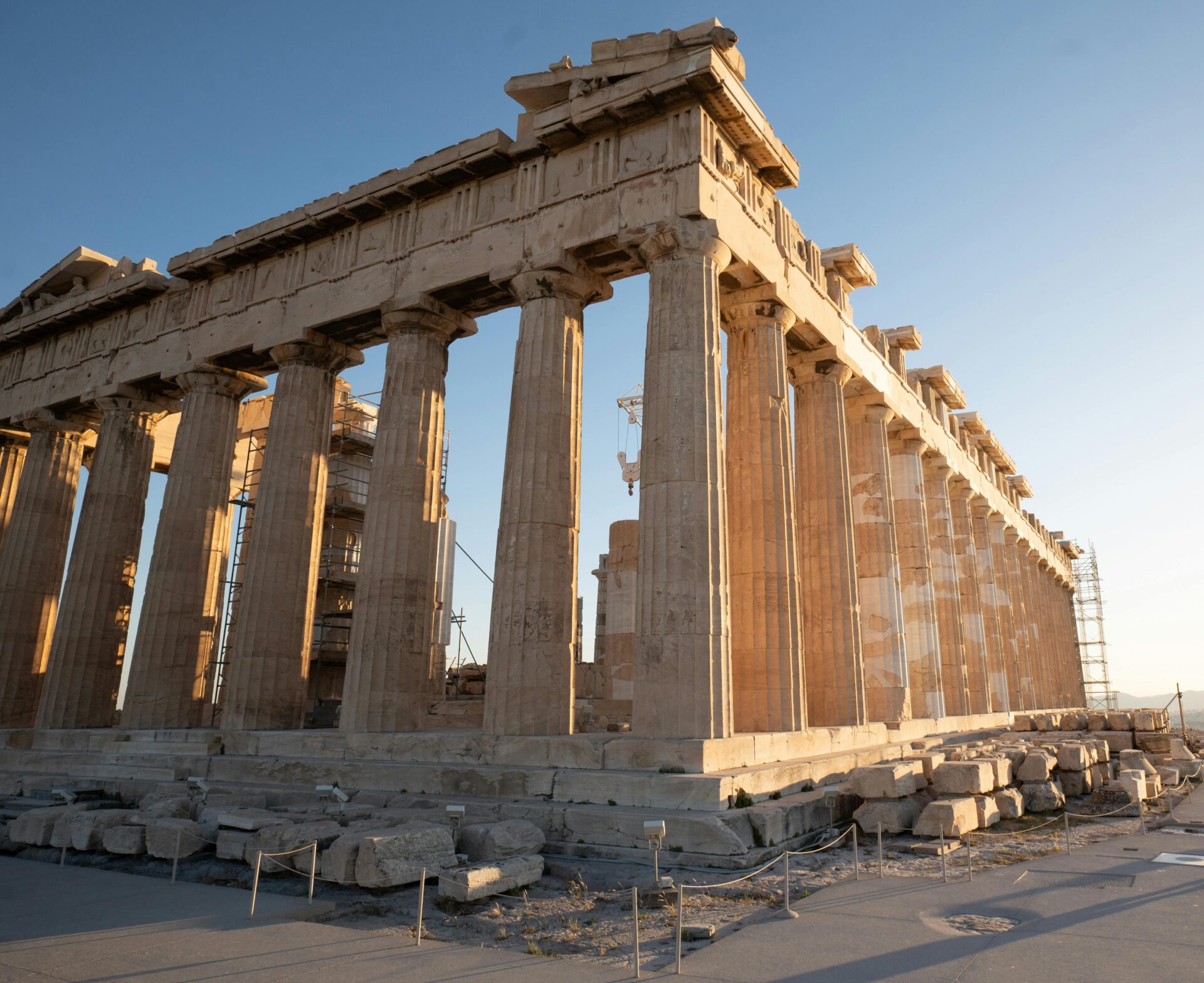
Looking up at the Parthenon glowing in the sunlight, I get why it was the heart of ancient Athens.
They completed it in the 5th century BC as a temple for Athena, the city’s protector.
It sits at the highest point of the Acropolis, showing off the power and ambition of ancient Greeks.
The architecture took my breath away—those perfect columns and stunning marble.
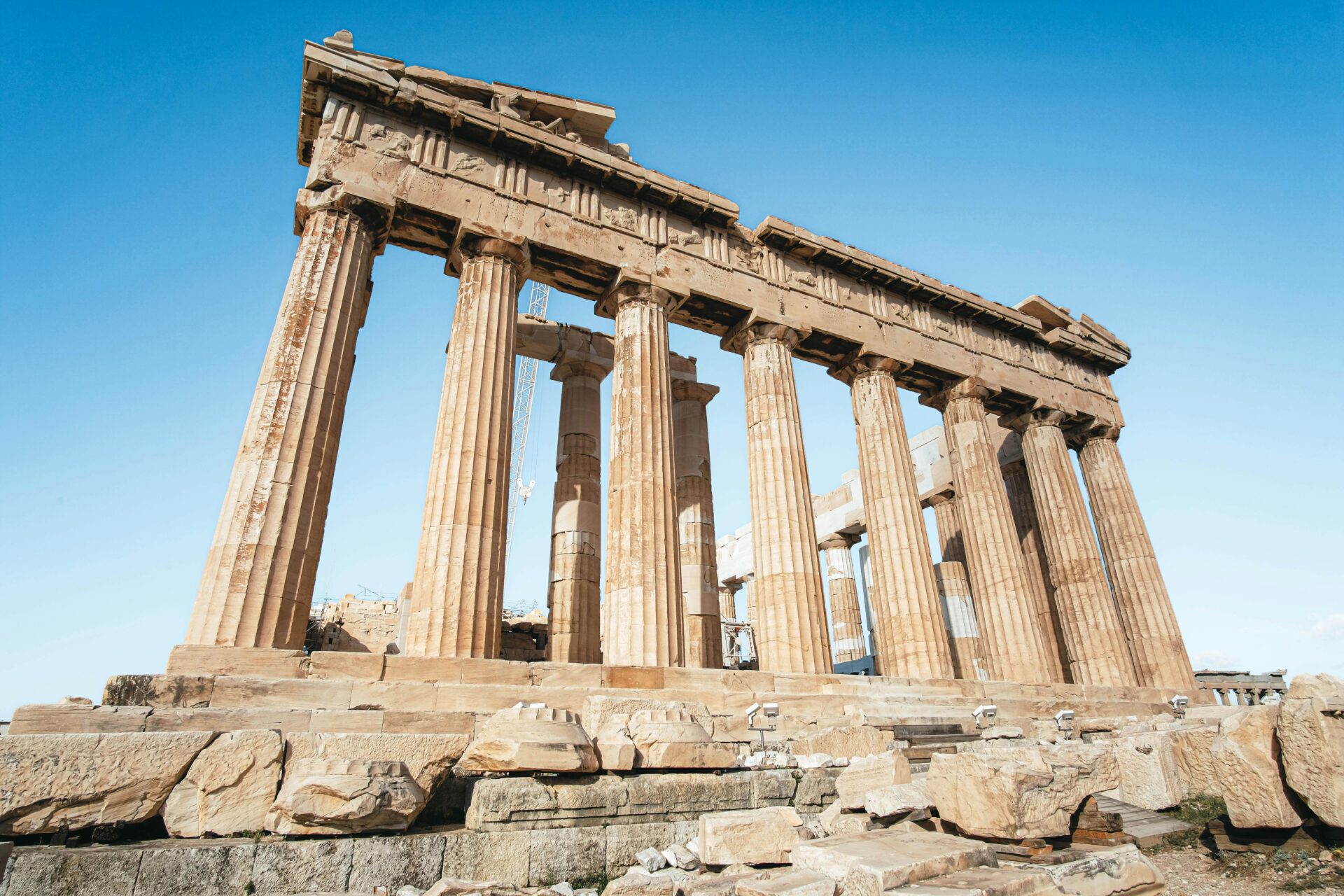
Skilled workers and artists made beautiful statues, friezes, and reliefs that told stories from Greek mythology.
The art reflected values like heroism, wisdom, and harmony.
Travelers come from all over the world just to admire the detailed carvings and feel that sense of wonder.
The Parthenon inspired generations of architects and artists, placing Athens at the center of the ancient art world.
Phoenician Influence and Navigation
The story of Acropolis Hill isn’t only about the Greeks.
The Phoenicians, famous for sailing and trading, crossed the Mediterranean centuries before Athens rose to power.
I wondered how these expert navigators might have brought new techniques, goods, and ideas through contact with Greek traders.
Phoenician traders were celebrated for their purple dye, glass, and shipbuilding.
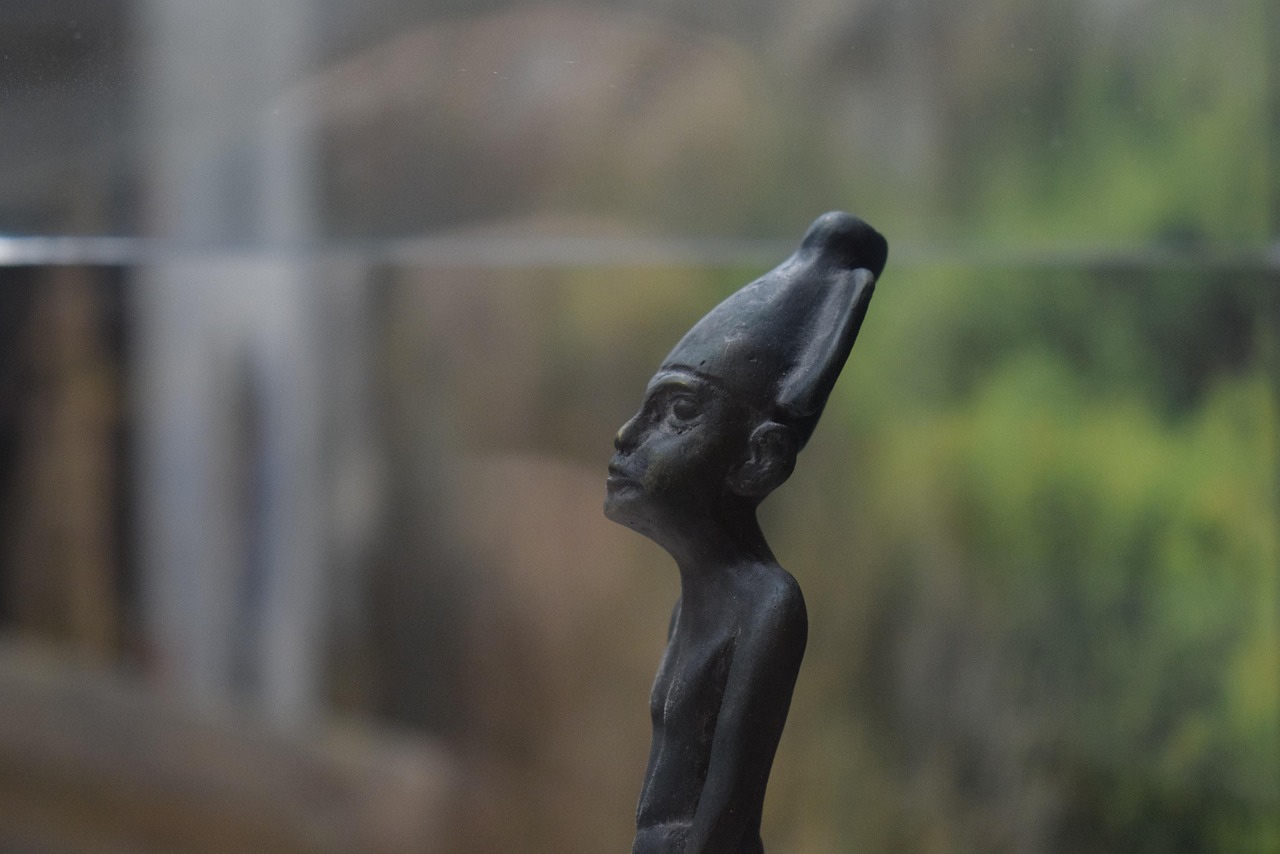
They spread the alphabet and other inventions across the Mediterranean, making communication easier for everyone.
The Greeks, always eager to learn, borrowed these advancements and adapted them.
Imagining Phoenician ships gliding past the Athens coast, I can see how different cultures shaped the hill.
Navigation made Acropolis a crossroads, where Greek and Phoenician influence blended, leaving traces in language, religion, and art.
Colonization and the Role of Villages
Long before Athens became famous, small villages dotted the land around the Acropolis.
Village communities depended on farming, olive orchards, and grazing goats on rocky slopes.
As Athens grew, these villages became the roots of its neighborhoods and social life.
Colonization took Greeks far beyond Attica.
I imagine families leaving home to found new towns on distant shores.
Each village brought its own traditions and stories, weaving them into Athens’s life.
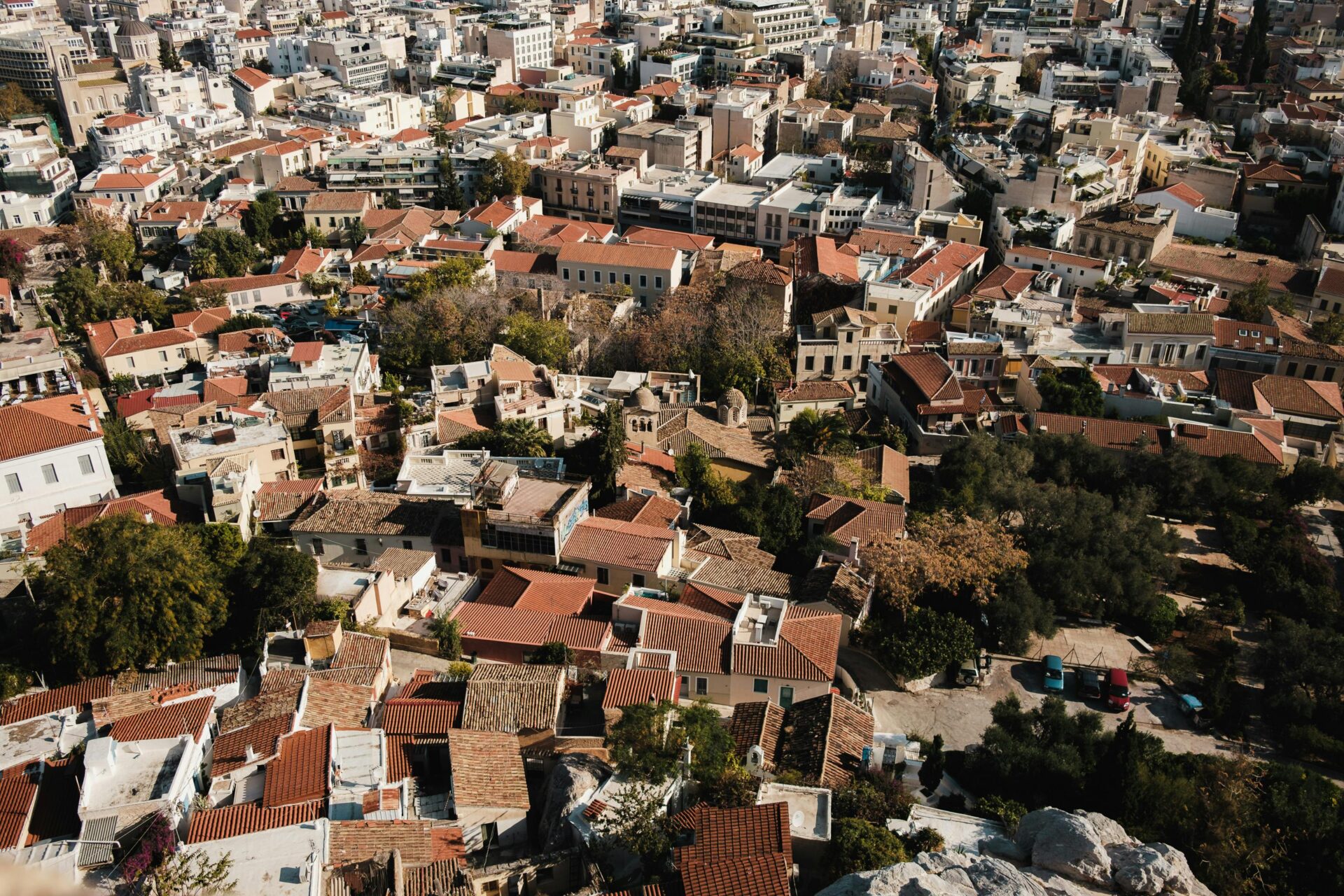
Exploring the paths around the hill, I saw how those ancient roots still shape the city’s layout.
Villages and colonization helped Athens absorb new people and ideas, turning it into a true Mediterranean hub.
Moments of Stillness: Finding Peace Above Athens
The Acropolis in Athens is more than a tourist destination; it’s a living connection to the past, full of lessons for anyone seeking calm in busy places.
Even with crowds all around, I discovered pockets of quiet and learned how ancient stones can inspire present-day peace.
A Seeker’s Techniques for Tranquility
To find stillness atop the Acropolis, I had to be intentional.
There are benches tucked along the pathways and shaded corners near the ancient columns.
I made use of these quiet spaces to slow my breathing and listen.
Early morning visits work best.
The site is less crowded just after opening, and the cooler air makes it easier to pause and take in the surroundings.I turned off my phone notifications.
This small step helped me stay present and notice the sounds of birds or the distant hum of Athens below.When sitting near the Parthenon, I focused on the details: the texture of the marble, the way sunlight played on the ruins, and the cool wind brushing my face.
Grounding myself in the sensory experiences of the Acropolis let me carve out moments of peace, even with others nearby.
Contrast Between Crowds and Quiet
The Acropolis draws people from all over the world.
At peak times, the crush of visitors can get overwhelming.
Tour guides call out in many languages, camera shutters click, and groups move quickly from one spot to the next.
Yet, between these waves of activity, I found surprising pockets of silence.
Sometimes, I’d slip behind a high wall or move toward the plateau’s edges.
There, the sounds faded.
It’s not always possible to be alone on the Acropolis, but even a few minutes away from the flow of tourists can recharge your spirit.
Watching Athens stretch out below, I felt how small and fleeting the crowds were compared to the billions of days these rocks have seen.
Connection with Ancient Ruins
Touching the warm stones of the Acropolis, I felt a link to countless others who stood in the same place over thousands of years.
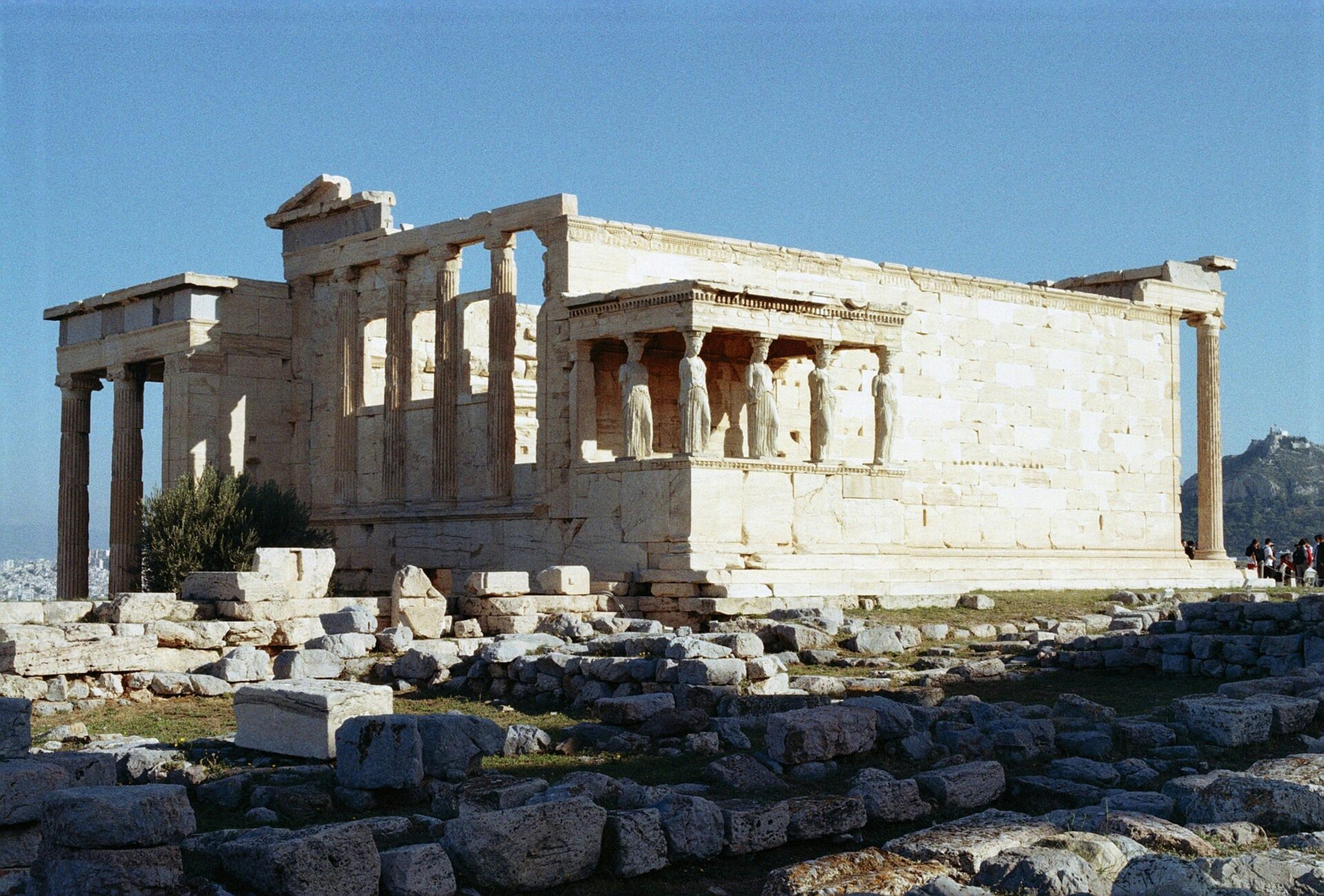
The Parthenon, the Erechtheion, and scattered remains teach patience and survival.
Being among these ancient ruins changes how I listen and reflect.
The stones hold stories—of builders, worshippers, seekers just like me.
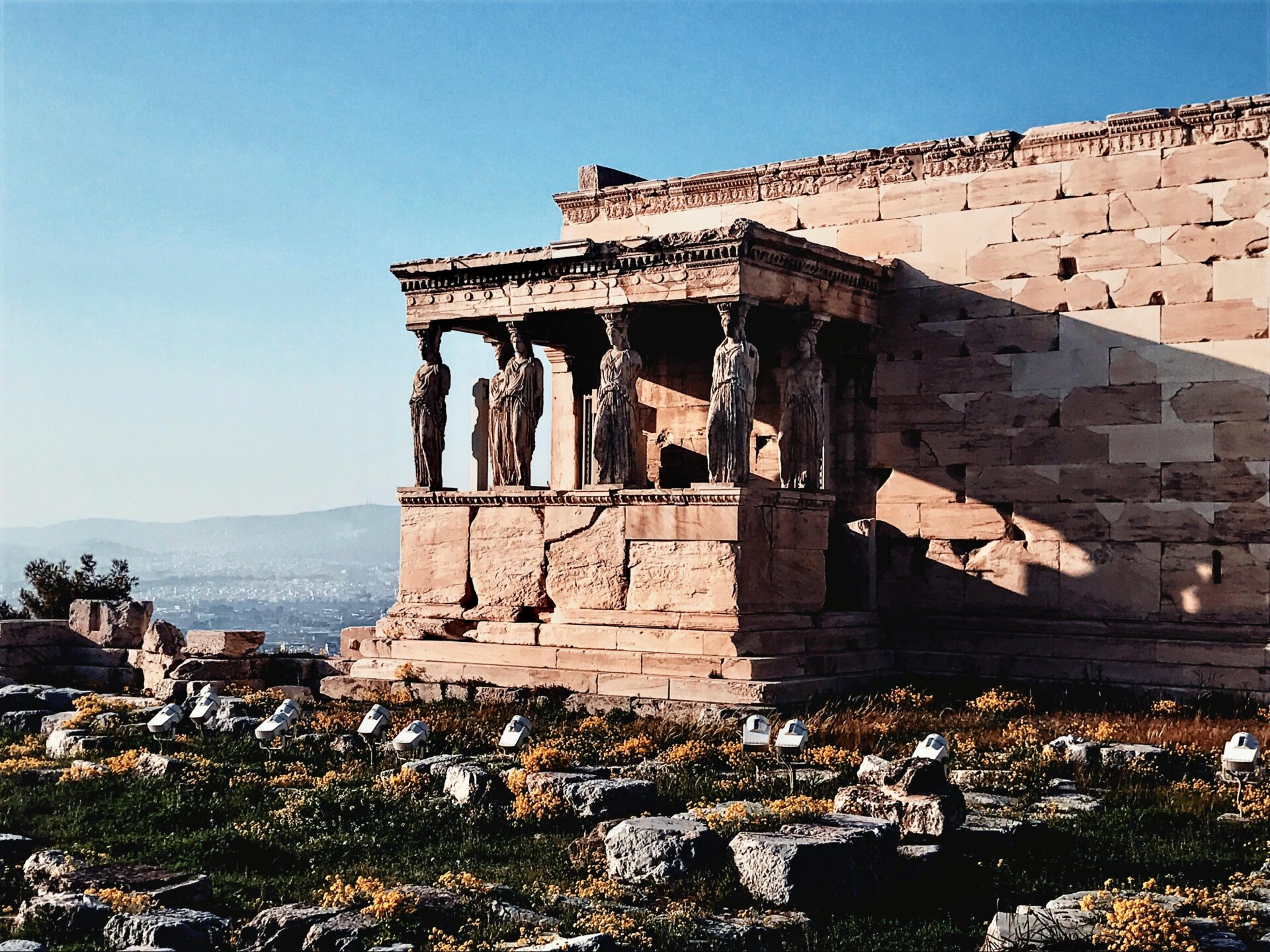
Sometimes I like to sit quietly and imagine what the hilltop sounded like centuries ago: priests, philosophers, poets, all sharing this view of Athens.
This sense of connection with the past helps me find meaning in my search for peace.
The Acropolis becomes not just a monument, but a partner in stillness, nudging me to slow down and live each moment as calmly as possible.
Practical Insights: Modern Exploration and Cultural Touchstones
Visiting the Acropolis is more than just walking through history—it’s about experiencing a vibrant connection between past and present.
How you plan, explore, and stay nearby can shape your entire adventure.
Planning an Expedition to the Acropolis
I learned early that timing is everything when exploring the Acropolis.
Arriving early in the morning helped me dodge the biggest crowds and savor the sunrise casting golden light over the Parthenon.
Buying tickets online in advance saved me time and sometimes money.
Packing List:
- Water (there’s little shade)
- Comfortable, non-slip shoes
- A hat and sunscreen
- Camera or smartphone
They check security at the entrance, so I left large bags at my hotel.
The climb is steady but manageable, though the marble stones can get slippery.
Staying hydrated felt like a small victory on hot days.
Role of Guided Tours and the Acropolis Museum
Joining a guided tour opened up new layers of the site for me.
The guides, often archaeologists, shared stories about ancient worship, battles, and rebuilding that I would’ve missed on my own.
Some tours included skip-the-line museum tickets, which was a nice bonus.

The Acropolis Museum stands just below the hill.
Walking through its glass floors and modern galleries, I saw statues and artifacts that once stood atop the Acropolis itself.
The layout connects directly to what I’d just seen outdoors, helping me piece together the monument’s story with fresh eyes.
Guided tours and museum visits also gave me a deeper look at ongoing restoration efforts, making the experience richer.
Navigating Nearby Landmarks and Hotels
Exploring the area around the Acropolis felt just as important as the site itself.
The Athens Gate Hotel became my base, right near the ancient gates and offering sunrise views of the Parthenon from its rooftop.
It was easy to walk from there to Plaka’s winding streets or the historic Theatre of Dionysus.
Landmarks like Hadrian’s Arch and the Temple of Olympian Zeus are only a short stroll away.
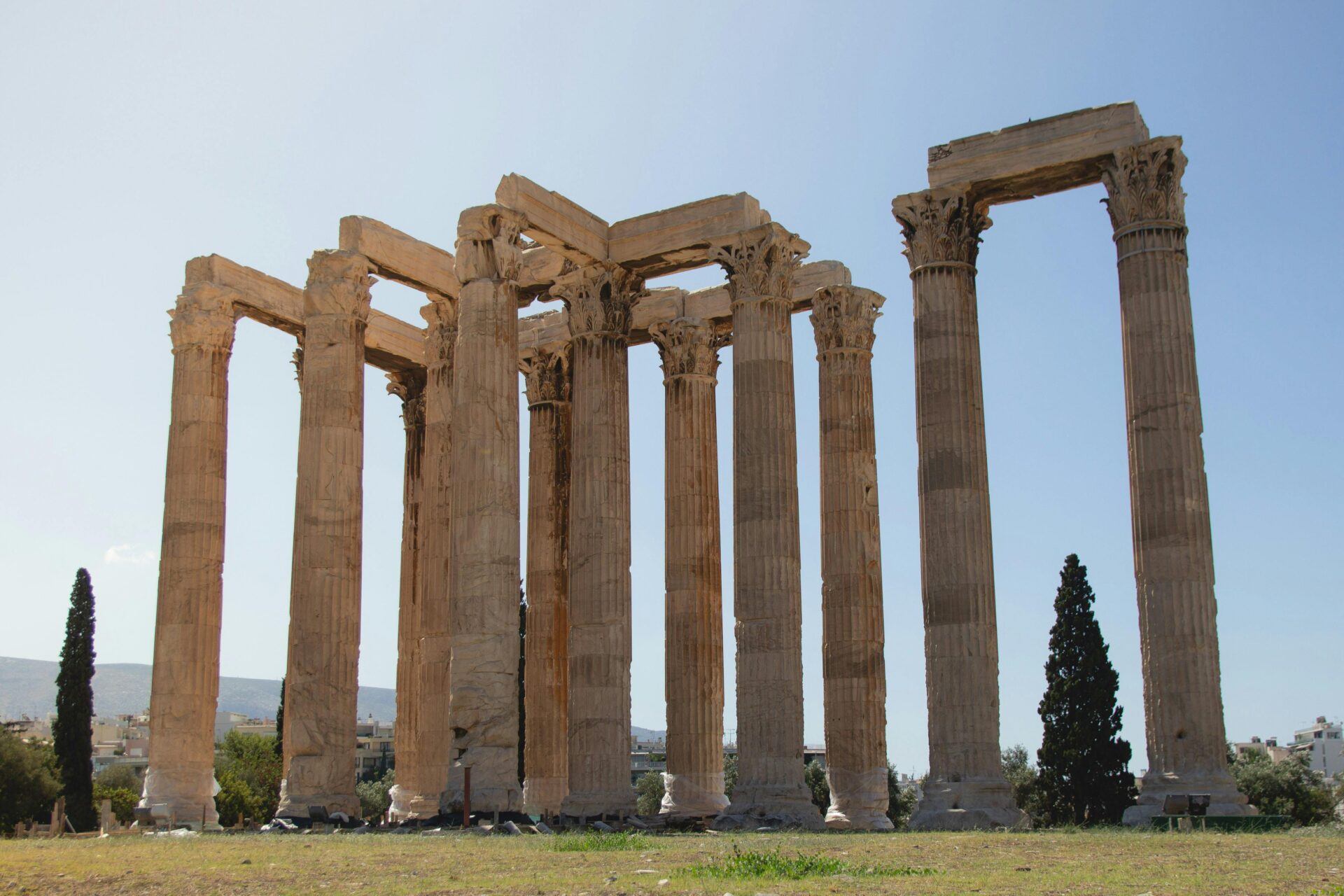
Staying nearby meant I could return to the hill at quieter hours and avoid the midday heat.
Hotel staff helped me organize early tickets and even suggested cafés with traditional Greek breakfasts nearby.
By blending landmarks, comfort, and local tips, my stay became memorable long after I’d left Athens.
Beyond the Hill: Broader Journeys and Inspirations
Venturing away from the Acropolis, my travels brought deeper connections with language, local learning, new places, complex histories, and modern social issues.
Along the way, I found inspiration—and a few hard lessons—about how history shapes daily life.
Learning the Greek Language and Embracing Local Education
When I first landed in Athens, Greek voices filled the air—cafes, shops, family homes. Wanting to blend in, I picked up simple phrases like Kalimera for good morning and Efcharistó for thank you.
Learning the language let me read signs, order food, and—more importantly—chat with locals. That felt like the real win.
In the evenings, I’d head to a small language class at a neighborhood school. We didn’t just memorize vocabulary; we dug into Greek history, old myths, and everyday values.
Teachers shared stories that made the ancient city pulse with life. I started to see that education here isn’t just about lessons—it’s about passing traditions along, person to person.
Learning Greek forced me to listen, mess up, and try again. Locals noticed my effort.
Their warmth pushed me to keep at it, to reach for more of their culture, both the old and the new.
Exploring Crete, Naples, and Sicily
Once I left Athens, I hopped on ferries and trains for Crete, then crossed to Naples and Sicily. Each place felt wildly different, yet somehow connected by the Mediterranean’s old heartbeat.
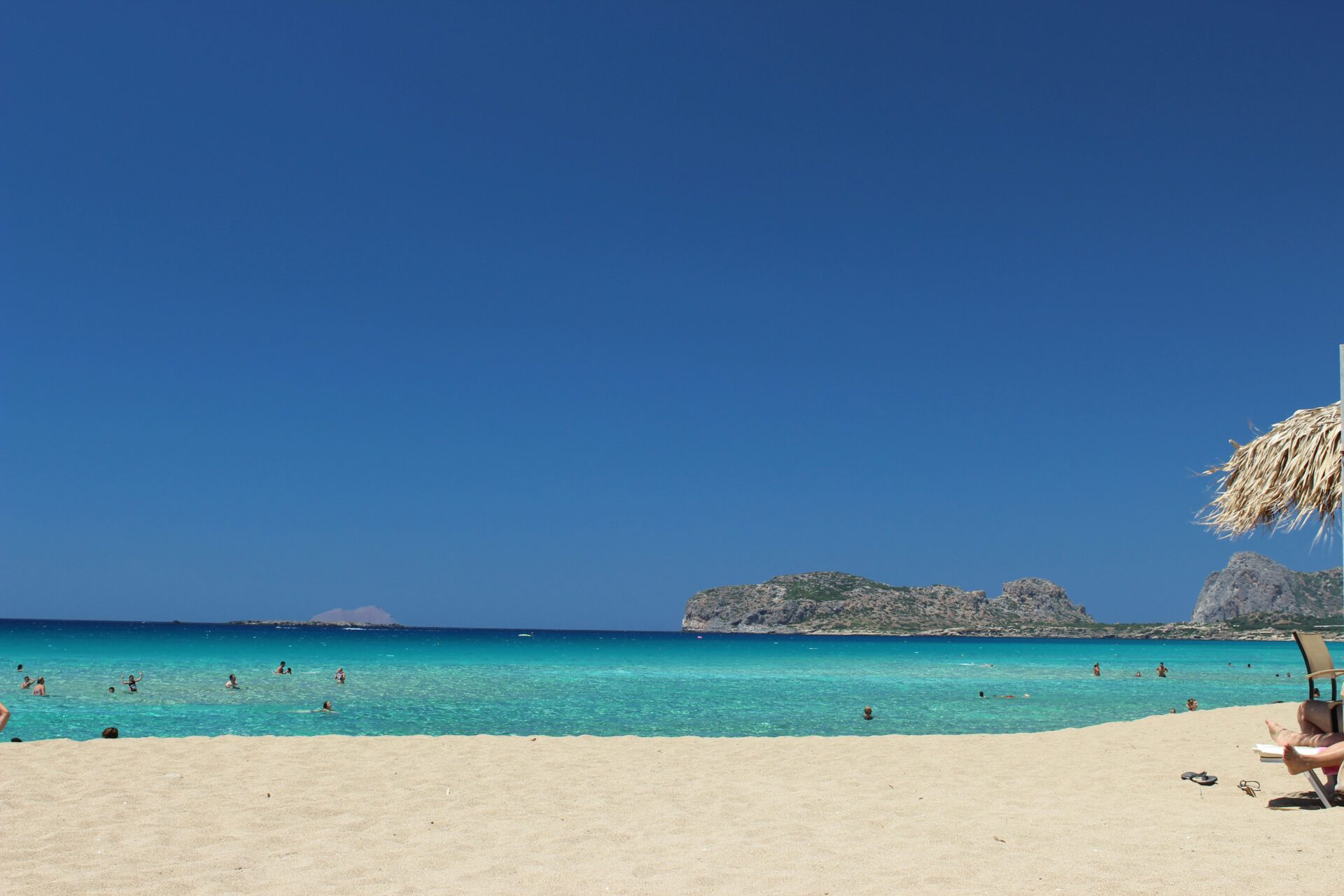
Crete showed off sun-drenched ruins like Knossos, and olive groves rolled across the hills.
Naples buzzed—crowded markets, street musicians, that unmistakable smell of fresh pizza. Castles perched on the coast, their stones whispering about empires and ships that came before us.
Sicily brought a whole new mix, with Greek, Roman, and Arab layers in every port. Every stop gave me a new flavor.
Trip Highlights:
| Location | Sites Visited | Local Food Tried |
|---|---|---|
| Crete | Knossos, Heraklion | Dakos, Moussaka |
| Naples | Pompeii, Castel dell’Ovo | Pizza Margherita |
| Sicily | Valley of the Temples, Palermo | Cannoli, Arancini |
You can really feel how education, culture, and migration have tangled these places together for ages.
Ships, Pirates, and the Shadow of Slavery
I wandered museums and harbor towns and kept spotting ships—paintings, models, old ship logs. The Mediterranean has never just been a calm blue highway.
For centuries, ships carried trade, armies, and sometimes families hoping for a new start.
Pirates prowled these waters, especially near Sicily and the Aegean. They targeted merchant ships, grabbing valuables and sometimes people.
Some stories made my skin crawl—so many enslaved men, women, and children moved along these same routes. The places I found charming once hid darker tales.

Guides in Sicily talked about Saracen pirates. In Crete, I heard about Venetian ships running from Turkish fleets.
Learning this history changed the way I looked at the sea—still vibrant, but marked by struggle and survival.
Social Reform, Poverty, and Modern Reflections
In Athens and Naples, I saw sharp contrasts—shiny hotels just down the street from faded, crowded apartments. Some neighborhoods wrestled with poverty, even with all that history nearby.
During tours, guides shared stories about social reform—things like public education and housing programs.
Watching kids at public schools or volunteers at community centers reminded me that the fight for a better life isn’t over. Old problems like poverty and inequality still hang around.
People try to fix things through local projects, policy, and honest conversation.
Talking with teachers and community workers, I heard a lot of hope. They want the next generation to feel proud of their city’s long, complicated story—a city that keeps learning and growing, still searching for a bit of dignity and peace.
Lasting Impressions: Resources and Further Reading
Climbing the Acropolis isn’t just about reaching the top; it’s about soaking in stories, history, and the people you meet along the way.
Sometimes, the right guide or even a good chat can completely change how a place sticks with you.
Travel Ebooks and Guides
Honestly, nothing got me ready for Athens like a solid ebook. Rick Steves’ Greece: Athens & the Peloponnese sits in my digital library, packed with maps and clever tips I didn’t expect.
I’d scroll through Lonely Planet’s Discover Greece on the plane, making a mental list of must-see spots.
Guides with walking tours felt like lifesavers—they make ancient steps and rocky paths way less intimidating. Lists of food spots, neighborhood breakdowns, and practical safety notes helped me solo travel with a bit more confidence.
Lots of ebooks even throw in handy tables comparing attractions, hours, and prices. That made planning a breeze.
Resource Table
| Guide Title | Features |
|---|---|
| Rick Steves’ Greece (ebook) | City walks, local tips |
| Lonely Planet Discover Greece | Safety info, maps |
| Blue Guides: Athens | History, deep detail |

Cultural Exchanges from Chicago to Athens
Before I ever set foot in Athens, I reached out to some local cultural centers back in Chicago. I went to Hellenic heritage events and tried picking up a few basic Greek phrases at community classes in Greektown.
Those little efforts gave me a surprising sense of belonging when I finally wandered around the Acropolis Hill. It’s funny how those moments stick with you.
In Athens, I actually bumped into other travelers from Chicago at the Acropolis Museum café. We swapped stories over coffee and ended up comparing how each city shapes its Greek community.
I also found new friends through online forums like Reddit’s r/solotravel and a handful of Athens travel Facebook groups. It’s wild how people you meet online can become real-life companions.
Connecting with people—whether at Midwest meetups or on late-night walks under the Athens sky—made my journey feel a lot richer. The right people and a few good resources really can change everything.
