
Just 45 minutes from the busy streets of Athens, Mount Parnitha sits quietly as a wild retreat where some of Greece’s most impressive creatures wander free.
I visited this natural paradise last spring, hoping I’d get lucky and spot the elusive red deer that rangers released into the wild decades ago.
Spotting these majestic red deer on Mount Parnitha has become rare, so each sighting feels like a real treat for nature lovers and photographers.
The drive to Mount Parnitha almost feels like leaving one world for another.
Athens disappears behind you, and suddenly the mountain’s 1,413-meter peak seems to call you into adventure.
I remember my excitement growing as we drove deeper into Greece’s highest mountain near the capital.
My camera was ready, binoculars swinging from my neck.
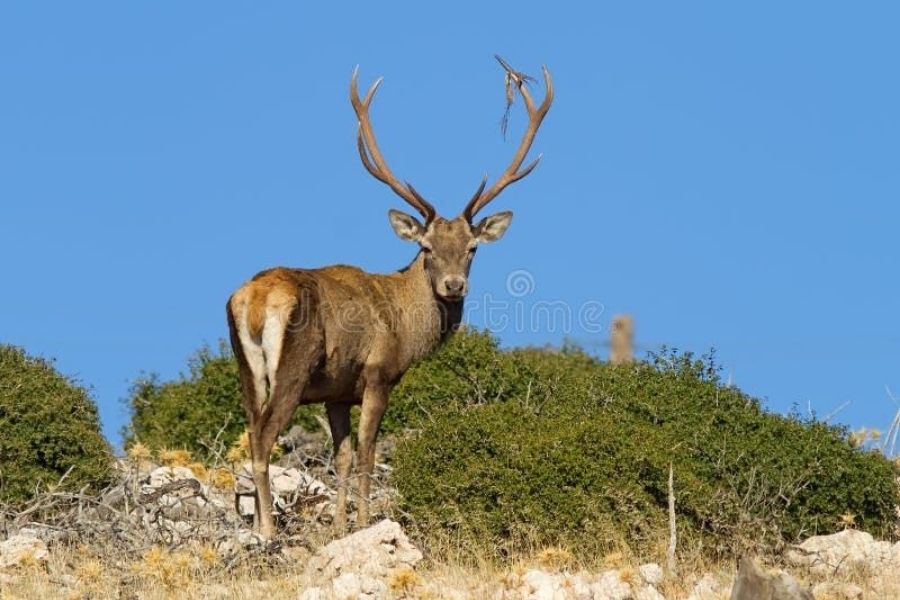
What really sets this place apart is the contrast—how often do you see wild deer roaming so close to a major European city?
The national park gives you amazing chances for wildlife photography, all in an easy-to-reach spot.
I learned to walk quietly along the hiking trails, always scanning the forest edge, especially in the early morning or late afternoon when the deer usually show up.
Discovering Mount Parnitha’s Wild Side
Mount Parnitha offers a shockingly wild experience just outside Athens.
I honestly didn’t expect to find such raw natural beauty so close to the city.
The red deer population really is the highlight of this mountain escape.
Why Mount Parnitha Is a National Park
Mount Parnitha became a national park because of its incredible biodiversity and ecological value.
When I visited, I found out it’s home to over 1,000 plant species, including some rare ones you won’t see anywhere else.
The mountain creates its own microclimate, and forests of Greek fir trees cover the slopes.
These trees are crucial for the wildlife here.
I managed to spot several red deer during my trip—these beautiful animals were reintroduced years ago and now thrive in the protected forest.
The national park status keeps urban sprawl from Athens at bay.
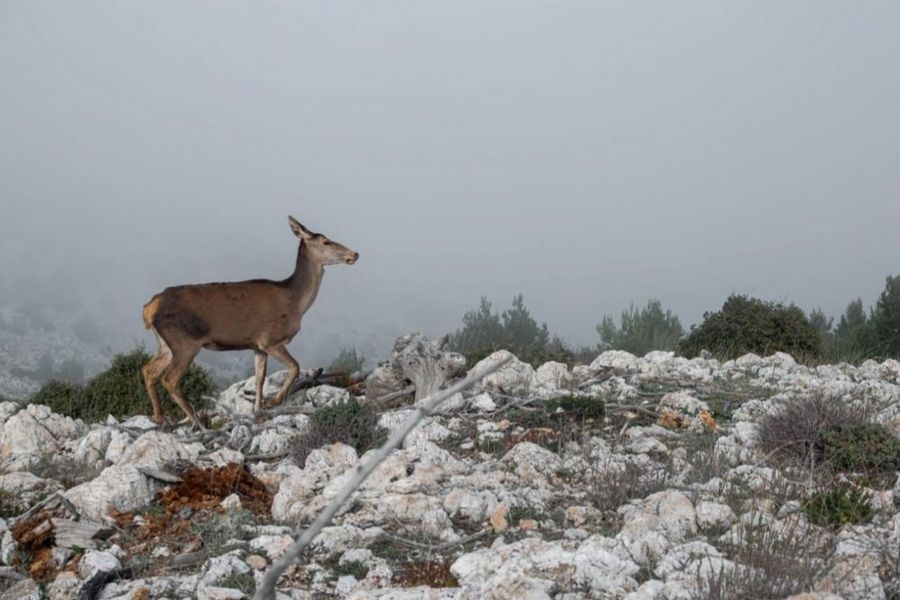
Rangers patrol the area, and I saw some conservation projects in action, especially those helping the ecosystem recover from wildfires.
Accessibility From Athens
Getting to Mount Parnitha couldn’t be easier.
I reached it in just 45 minutes by car from downtown Athens, so it’s an ideal day trip.
If you don’t have a car, public transport is an option—I’ve taken the B5 bus from Platia Egyptou in Athens to the cable car station at the mountain’s base.
The cable car ride itself is worth it for the sweeping views over the city.
At the top, I found well-marked trails for all fitness levels.
The most popular ones lead to viewpoints where I’ve spotted red deer grazing in the open.
Facilities are basic but good enough, with a couple of tavernas near the entry points serving up proper Greek food.
I’d suggest going early in the morning or in the evening, when the deer are out and the light is just right for photos.
The Red Deer: Majestic Residents of Mount Parnitha
Mount Parnitha’s forests hide one of Athens’ best wildlife secrets—a healthy population of red deer, roaming free across this green haven.
These animals add a wild beauty to the landscape, and it’s wild to think they’re living so close to the capital.
Red Deer Behavior and Habits
The red deer on Parnitha are most active at dawn and dusk, so those are the best times to go looking for them.
I’ve seen them gather in small herds, moving through the undergrowth with surprising stealth for such big animals.
The males have those impressive antlers that grow back every year, reaching their peak by late summer.
Those antlers aren’t just decoration—they become essential during the autumn rut, when males compete for the attention of females.

Their endurance is honestly amazing.
They climb the steep, rocky slopes of Parnitha with a kind of effortless grace that I can only envy.
In summer, I’ve watched them seek shade in thick forest, while in winter they’re easier to spot as they forage in open clearings.
Conservation Efforts and Sustainability
Decades ago, conservationists released red deer onto Mount Parnitha, and ongoing efforts have helped the population stabilize.
Local authorities and environmental groups work together to keep these animals and their home safe.
Recently, they relocated a wolf pack from the mountain to help the deer survive—a controversial move that shows how tricky wildlife management can get.
The park’s closeness to Athens makes the deer more vulnerable to people.
I’ve noticed that designated viewing spots help keep the disturbance down while still letting folks like me appreciate these animals.
National Park status gives the mountain and its wildlife crucial legal protection.
It limits development and controls how many visitors can enter sensitive breeding areas.
My Unforgettable Encounter With Red Deer
Seeing red deer up close on Mount Parnitha honestly took my breath away.
These animals looked completely at home, just a short drive from the chaos of the city.

First Impressions and Emotions
That crisp morning sticks in my memory.
The sun was barely up as I hiked a quiet trail at about 1,000 meters.
My heart jumped when I noticed movement in the trees.
A small group of red deer grazed about 50 meters away.
I froze, worried they’d bolt if I made a sound.
The biggest deer, probably a male with huge antlers, lifted his head and stared right at me.
Time just stopped for a second.
What really got me was how calm they seemed.
These weren’t nervous creatures—they acted like they belonged there.
Observing Red Deer in Their Natural Habitat
The deer moved through the mountain with a kind of easy confidence.
I found out they’d been released into the wild years ago and now thrive on Mount Parnitha, which stands 1,413 meters high.
I tucked myself behind a big rock to watch without bothering them.
Their reddish-brown coats almost disappeared into the forest colors.
For two hours, I watched them graze, interact, and react to distant noises.

One young deer even pranced around, showing off its new agility.
Best times for spotting deer on Parnitha:
- Early morning (6-8am)
- Late afternoon (5-7pm)
- Spring and autumn
Planning Your Own Mount Parnitha Red Deer Experience
When I planned my visit to Mount Parnitha, a little preparation really made the difference.
The national park has several trails where you might spot the growing red deer population.
Best Hiking and Cycling Trails for Wildlife Watching
The Bafi Refuge trail is my top pick for deer spotting.
This moderate 6km path winds through thick forest where deer often graze in the early hours.
I arrived at sunrise and saw three deer browsing just 50 meters away.
If you’re into cycling, the Mola-Houni route is a great choice for wildlife viewing.
This 12km trail has open meadows where I’ve spotted deer families during my rides.
It’s not too tough, so intermediate cyclists will be fine.

Another good option is the Flambouri Refuge path.
Deer often visit the small watering holes along this route.
Binoculars come in handy for watching them from a distance without spooking them.
Essential Tips for a Responsible Encounter
Timing really matters.
I’ve had the most luck from 6-9am and 5-8pm, when the deer are out and about.
Weekdays are quieter, so you’ll have a better shot at spotting wildlife.
Stay quiet and keep at least 100 meters away from the deer.
My guide told me the population has grown because there aren’t many predators, but people are still the biggest threat.
Bring the basics:
- Binoculars (8×42 worked great for me)
- Water and snacks
- Layers for changing weather
- Camera with a zoom lens
If it’s your first time, try a guided tour.
I learned a ton from local guides, and they really improved my chances of seeing deer.
The Athens Hiking Club runs regular trips with guides who know the area and promote responsible wildlife watching.
Activities and Adventures Around Mount Parnitha
Mount Parnitha isn’t just about wildlife encounters.
It’s become my favorite escape from Athens for both quiet moments and a bit of adrenaline.
Outdoor Activities Beyond Wildlife Spotting
Hiking is the main draw here.
I’ve tried several of the well-marked trails, but the most popular is a 10-kilometer (6-mile) walk through beautiful fir forests.
You can pick anything from easy strolls to tough hikes that really test your legs.
Mountain biking is another fun way to see more of the park.
I rented a bike from a local spot and spent the day exploring the forest trails.
If you’re into rock climbing, you’ll find plenty of spots on the mountain’s face.
Some tour operators offer guided climbs and provide all the gear you need.

Winter changes everything.
I’ve gone snowshoeing through the quiet, snowy woods—a magical experience, and it’s just 45 minutes from Athens!
Connecting With Nature: Mindful Exploration
I’ve really come to love bird watching. The mountain’s home to dozens of species, and some mornings, I just sit and listen, trying to spot as many as I can.
Forest bathing—this Japanese practice of slowing down and soaking up the forest—hits differently here. When I walk slowly, take a deep breath, and pay attention to every little sound, I notice my stress just kind of melt away.
There’s no shortage of photography moments, either. Sometimes the morning light sneaks through the fir trees, and suddenly everything glows gold. Those are the shots I can’t resist.
I joined a few guided nature tours, and they opened my eyes to Parnitha’s rare plants and unique geology. Learning about all that made me appreciate just how delicate and special this place is.
