
I stood at the top of Acrocorinth, legs still burning from the climb, and just had to catch my breath—maybe from the effort, but honestly, mostly from the sheer awe. This ancient fortress sits way up above the Peloponnese, and the views? Worth every sweaty step.
Up here, you get a panorama that stretches right across the isthmus of Corinth. Both the Saronic and Corinthian Gulfs shimmer in the distance, framing the ancient ruins in a way that just knocks the wind out of you.
Acrocorinth isn’t just another old pile of stones. What sets it apart is how it connects you to thousands of years of history, all while you’re surrounded by wild, rugged scenery.
Climbing up, you literally walk through layers of civilization—from ancient Greek to Byzantine, Ottoman, and Venetian. Each era left its mark on this strategic hilltop.
Getting to Acrocorinth isn’t exactly a stroll, but honestly, that’s part of the fun. I wandered through massive stone gates and tumbledown walls, and found quiet corners where barely anyone else goes.
The fortress sprawls over a surprisingly big area, hiding cisterns, temple remains, and secret passages. Seriously, bring plenty of water and good shoes—you’ll want to poke around every last bit of this place.
Acrocorinth’s Unrivaled History and Mythology
Acrocorinth stands as one of Greece’s most important fortresses, layered with myth and stories of shifting rulers across the centuries. This massive citadel watched civilizations rise and fall, all while keeping its grip on the Peloponnese.
Legends of the Mighty Citadel
Myths about Acrocorinth go way back. Briareus, a hundred-handed giant, supposedly settled a fight between the gods here. According to legend, he handed the fortress to Helios, the sun god, after Helios and Poseidon argued over it.
Helios claimed this rocky outcrop as his sacred spot. Later, people built a temple to Aphrodite on the summit. The goddess of love was worshipped here with a kind of wild devotion—the temple supposedly employed over 1,000 sacred prostitutes!
When I finally reached the top, I understood why ancient folks thought gods lived here. With those views and the natural defenses, it just feels like a place for immortals.
Key Historical Events That Shaped Acrocorinth
Ancient Corinth thrived as a trading powerhouse, and Acrocorinth protected it. The city’s spot on the isthmus made it a prize everyone wanted.
In 146 BCE, the Romans destroyed Corinth. Later, Julius Caesar rebuilt it as a Roman colony and brought Acrocorinth back into the spotlight.
During the Byzantine era, Acrocorinth served as a vital defense against invaders. The fortress changed hands a lot—Byzantines, Crusaders, Ottoman Turks, Venetians—everyone wanted it.
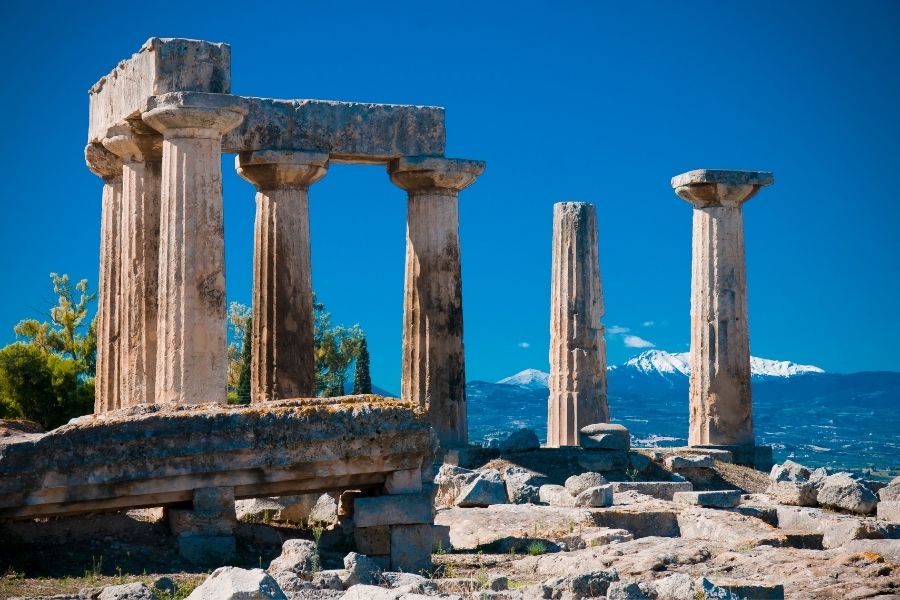
Each group left something behind. As I explored, I noticed Byzantine churches sitting right next to Ottoman mosques and Venetian battlements.
The Fortress Through the Ages: From Ancient Greece to Modern Times
Acrocorinth’s walls show off a timeline of military tech. The oldest parts date back to ancient Greece, with those massive stone blocks that fit together almost too perfectly.
The Byzantines expanded the place, building churches and cisterns for their garrison. Venetians, being the engineers they were, beefed up the defenses even more.
The Ottomans took over in 1715 and held on until Greece gained independence in the 1800s. They added mosques and baths, giving the fortress a different flavor.
I loved seeing how each culture built on top of what came before, instead of tearing everything down. Walking from level to level, you can literally feel the layers of history under your feet.
By the 19th century, the military moved out, leaving behind this wild, open-air museum.
Planning Your Acrocorinth Adventure
If you’re thinking about visiting this ancient fortress, a little planning goes a long way. You’ll want to make the most of those epic views and all that rich history.
When to Visit for the Best Views and Weather
Spring (April-May) and early fall (September-October) are the sweet spots for climbing Acrocorinth. Temperatures hover between 65-80°F (18-27°C), making the climb much nicer than the summer furnace.
I went in early May and found wildflowers everywhere, plus the visibility was unreal. Fewer crowds, too, which was a bonus.
Avoid July and August if you can—temperatures often hit 90°F (32°C) or more, and the climb gets brutal. Winter’s a gamble, with rain and wind turning those stone paths into slip ‘n slides.
If you can, get there early, like 8 or 9am. The morning light is gorgeous, and you’ll beat the worst of the heat and the crowds.
Route Choices and How to Reach the Summit
The main route starts at the parking lot near the first gate. From Athens, it’s about a 1.5-hour drive west. I’d say rent a car if you want flexibility, but you could also take a bus to modern Corinth and grab a taxi from there.
You’ll pass through three ancient defensive gates:
- First Gate: The Ottoman entrance—this is where your climb kicks off.
- Second Gate: Medieval walls with killer valley views.
- Third Gate: The last push to the summit.
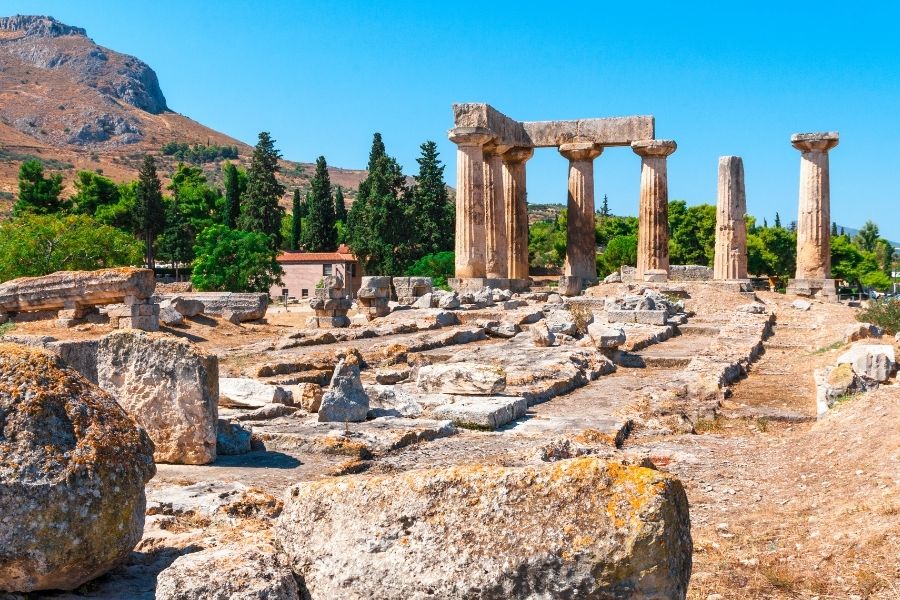
The hike takes 45-60 minutes at a moderate pace. Wear sturdy shoes—the path flips between stone steps and rough patches.
If you’re feeling adventurous, try the less-traveled northern path for a new angle on the fortress.
Essential Tips for a Comfortable Climb
Don’t forget:
- At least 1.5 liters of water per person
- Hat and sunscreen (trust me, you’ll need both)
- Light snacks or a picnic lunch
- Shoes with good grip
- Camera with a charged battery
Facilities? Basically none. I found zero water sources inside, so bring your own.
Stop often to take in the details and the views. The Temple of Aphrodite at the top is a great place to catch your breath.
The entrance fee is pretty low (about €4), but double-check before you go since prices can change. I rarely saw long lines at Acrocorinth, even when other Greek sites were packed.
The Hike: Conquering the Ascent to Acrocorinth’s Summit
Climbing up to Acrocorinth mixes a bit of a workout with a ton of history. The higher you go, the better the views get. The fortress sits up there, waiting for anyone willing to sweat a little.
First Impressions at the Starting Gate
At the base, I felt that mix of excitement and, well, a little intimidation. Those fortress walls just loom over you, stretched across the hilltop like a crown.
The trailhead is easy to spot, but honestly, it doesn’t hint at what’s coming. I noticed families with kids gearing up, which made me feel better about the climb.
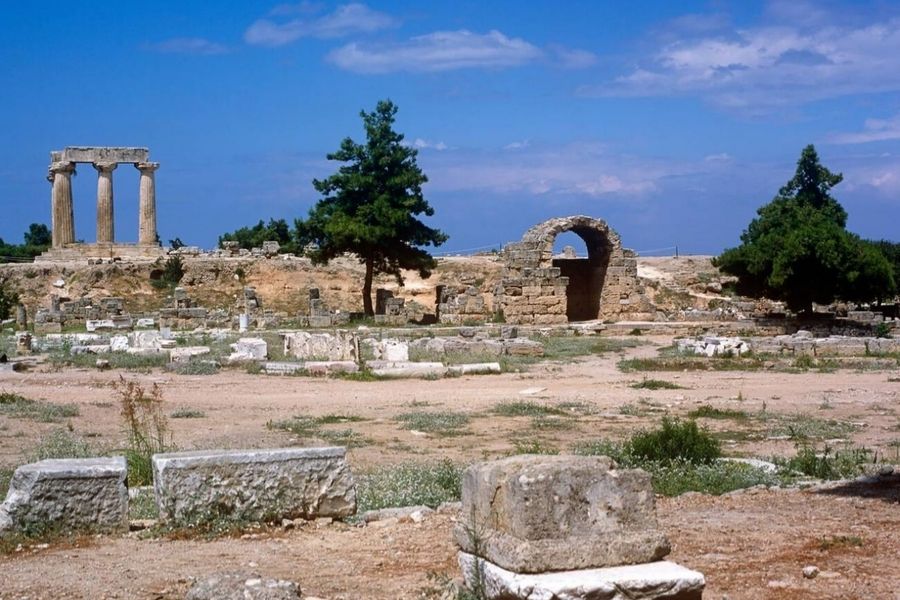
The first part is pretty gentle, winding through olive trees and scrubby Mediterranean plants. Morning air was crisp and cool when I started, and I’d definitely recommend going early to skip the afternoon heat.
Navigating Ancient Paths and Steep Turns
The trail ramps up fast. Suddenly, you’re following the same route people have used for centuries. Ancient cobblestones pop up here and there—leftovers from the days when this was the main road to the acropolis.
Sharp switchbacks make the climb manageable, but some spots need careful footing. I found trekking poles handy, especially on the loose gravel.
Halfway up, the path narrows and squeezes through a series of old gates. These chokepoints were once part of the fortress’s defenses and now make perfect places to pause, breathe, and grab a few photos.
Moving through each gate, you really get a feel for the military engineering that made Acrocorinth such a tough nut to crack.
Making Your Way Up: Challenges and Surprises
The middle stretch is the steepest. My breathing got heavier as the path got rougher, and in a few spots I needed both hands for balance.
Around one bend, I stumbled on a tiny Byzantine chapel—cool shade and a moment to just sit and reflect.
I didn’t expect the sudden breeze up high. The microclimate shifts as you climb, and those breezes felt like a reward.
Water is non-negotiable. I drank almost two liters on the hour-long climb. No water along the way, so come prepared with:
- 1-2 liters per person
- Sun protection (hat, sunscreen)
- Sturdy shoes with grip
- Light snacks
Unbeatable Panoramas: Catching Your Breath at the Top
That last push to the summit is tough, but wow, is it worth it. When I finally made it onto the plateau, 360-degree views just exploded all around me.
To the north, the Corinthian Gulf glows blue, stretching toward distant mountains. The old city of Corinth sprawls below, like a living map.
Looking south, you see the rugged Peloponnese, with mountains fading into blue haze. On a clear day, you can spot both gulfs at once.
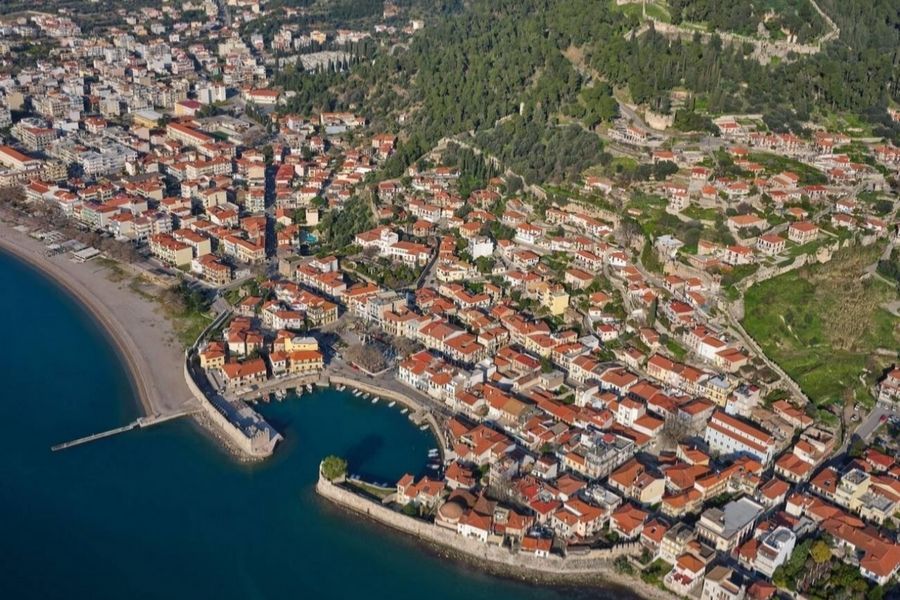
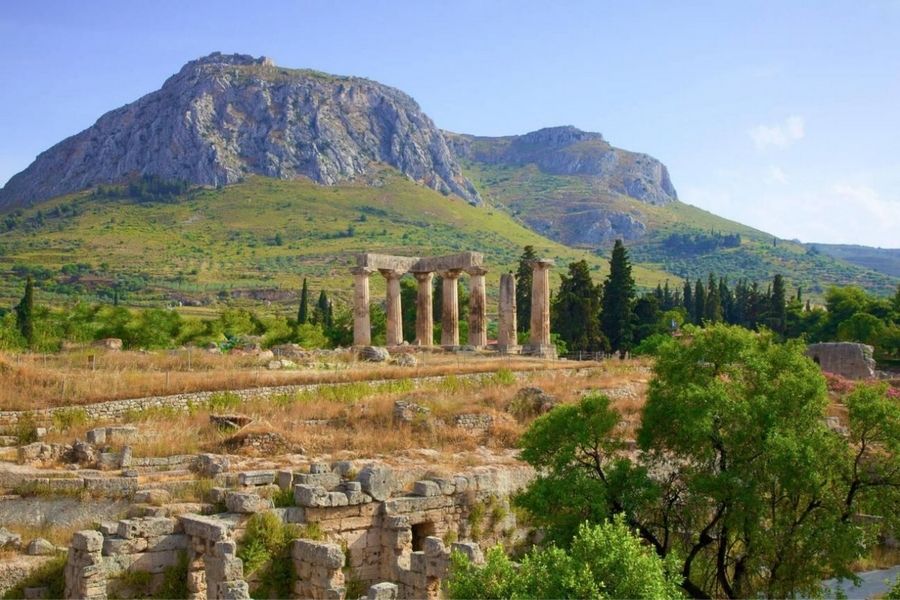
Take your time up top. Temples, cisterns, and old military buildings tell stories from Greek, Roman, Byzantine, and Ottoman times. The Temple of Aphrodite site marks the highest point—and the views from there are just unreal.
Epic Views and Photographic Moments
At the top of Acrocorinth, you get some of the most jaw-dropping vistas in Greece. The panorama sweeps across multiple regions and is a goldmine for photographers at any hour.
The Peloponnese at Your Feet: A 360º Panorama
From the summit, I could see the whole isthmus linking mainland Greece to the Peloponnese. The view just stops you in your tracks. To the east, the Saronic Gulf sparkles; to the west, the Corinthian Gulf rolls out toward the horizon.
On a good day, I could spot Athens way off in the distance and even catch the outline of Mount Parnassus. Down below, olive groves and vineyards patchwork the land, standing out against the rocky hills.
What really hit me was how smart the ancient Greeks were to pick this spot. From here, they controlled trade moving north and south. The natural defenses and the ability to see ships coming from both gulfs? Genius.
Best Spots for Stunning Photos
The inner gates of the three defensive walls give you perfect frames for shooting the landscape below. I loved the western ramparts—crumbling stone against a backdrop of mountains just looks epic.
If you’re into architecture, check out the little Byzantine church near the top. The old stones have so much character.
Favorite photo spots:
- The highest tower for full-circle panoramas
- The ancient cistern, especially when the light hits it just right
- The Temple of Aphrodite ruins at sunset
- The eastern wall with its view toward Athens
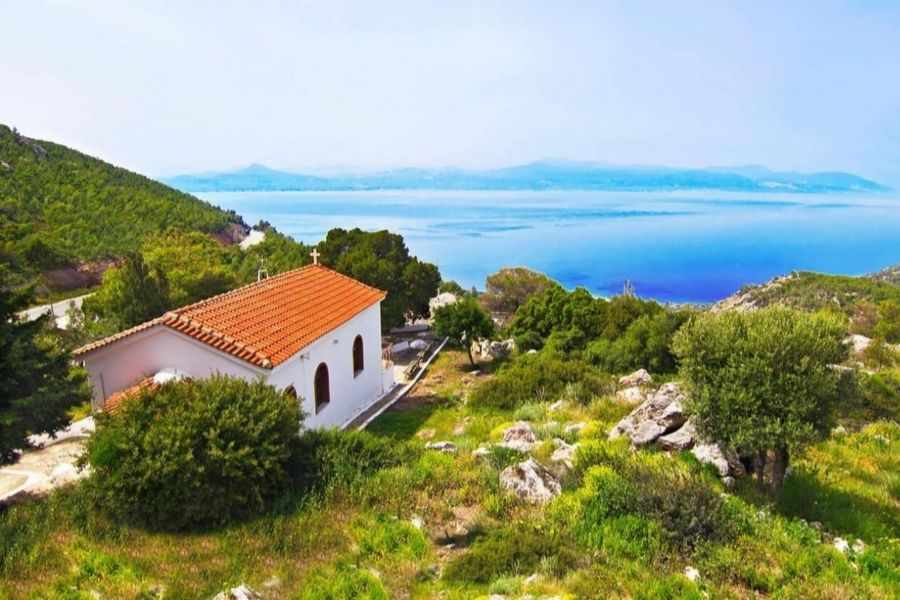
Bring a wide-angle lens if you have one, to really capture the scale. A zoom lens helps for picking out distant details, like tiny ships on the gulf.
Capturing the Play of Light at Dawn and Dusk
Acrocorinth gets downright magical during golden hour. I once arrived before sunrise and watched the fortress walls slowly turn gold as the sun came up.
The site opens at 8:00 am, but in summer, an evening visit is just as good. The setting sun throws long shadows over the ruins, making the textures pop.
At sunset, the limestone glows honey-gold against a deepening blue sky. The ruins become silhouettes, sharp against the colorful horizon.
My favorite moment? Watching the first rays hit the Temple of Aphrodite. The columns looked like they were glowing from the inside. Fewer people make it up here for sunrise, so you might just have the place to yourself.
Practical Insights: What I Wish I Knew Beforehand
Climbing Acrocorinth turned out to be one of my most rewarding travel experiences. Still, I wish someone had given me a few heads-up tips before I started the climb.
Staying Hydrated and Beating the Heat
That Mediterranean sun? It’s relentless, especially when you’re trudging uphill for over an hour. I only brought one water bottle—big mistake. Next time, I’d toss at least two more in my pack.
If you can, try to start before 9 AM or after 4 PM. The midday sun sits right overhead, and it’s brutal.
There’s barely any shade along the path. I wore a wide-brimmed hat and slathered on SPF 50+ sunscreen, which probably saved me from turning bright red by evening. Honestly, I reapplied sunscreen three times while I was there.
A small portable fan or a cooling towel? Absolute game changers. I used them every time I stopped for a break. Sure, it’s cooler at the summit—maybe 5 to 8 degrees less than at the base—but the climb up is where you’ll really notice the heat.
What to Pack for the Perfect Day Trip
Here’s what I’d throw in my Acrocorinth day pack now:
- Water: At least 2 liters per person
- Footwear: Sturdy hiking shoes with ankle support (those ancient stones are no joke)
- Sun protection: Hat, sunglasses, and high SPF sunscreen
- Snacks: Energy bars, nuts, and dried fruit for quick energy
- Camera: The views? Absolutely worth capturing
- Small first aid kit: For those inevitable scrapes on rocky ground
I really should’ve brought hiking poles. They would’ve helped a ton on the steeper parts, especially since those old stairs get slippery after rain.
A light jacket or windbreaker is a smart addition, too. Even when it’s hot down below, the wind at the top can catch you off guard and leave you shivering.
Local Cuisine to Reward Your Efforts
After you conquer Acrocorinth, you’ll probably find yourself craving something hearty. The small village of Ancient Corinth sits right at the base and has a handful of tavernas serving authentic Greek cuisine.
I’d say you have to try souvlaki with tzatziki, or maybe go for the local roasted lamb with lemon potatoes. When I stopped by the taverna “Archontiko,” they brought out this Greek salad—big chunk of feta on top, super fresh, and honestly, it was just what I needed after the hike.
You should definitely taste some local Nemea wines. Vineyards just a few miles away produce them, and I found the red varieties especially satisfying after a long trek.
If you just want a quick pick-me-up, grab some local yogurt with honey and walnuts. Most restaurants let you sit outside, so you can enjoy your meal with a view of the ancient ruins—kind of the perfect way to wrap up the day, if you ask me.
