
When I first landed in Serres, the city’s lively streets and warm vibe instantly caught my attention. Right in the heart of Macedonia, Serres pulses with history and local culture blending together.
Serres grabs your senses with its Byzantine fortresses and the addictive sweet treat called Akanes. It’s a place where heritage and flavor mix in a way you won’t soon forget.
As I wandered up to the Acropolis of Serres, I saw the city’s past carved straight into the stones. Every step reminded me of the region’s Byzantine importance.
After exploring those old neighborhoods, I just couldn’t resist trying the local treats. Tasting Akanes—made right here with fresh, simple ingredients—felt like joining a tradition that’s been cherished for ages.
If you love history or you’re always chasing the next sweet bite, Serres gives you more than your average city break. Strong historical landmarks and mouthwatering food come together, making it a must for anyone traveling through Macedonia.
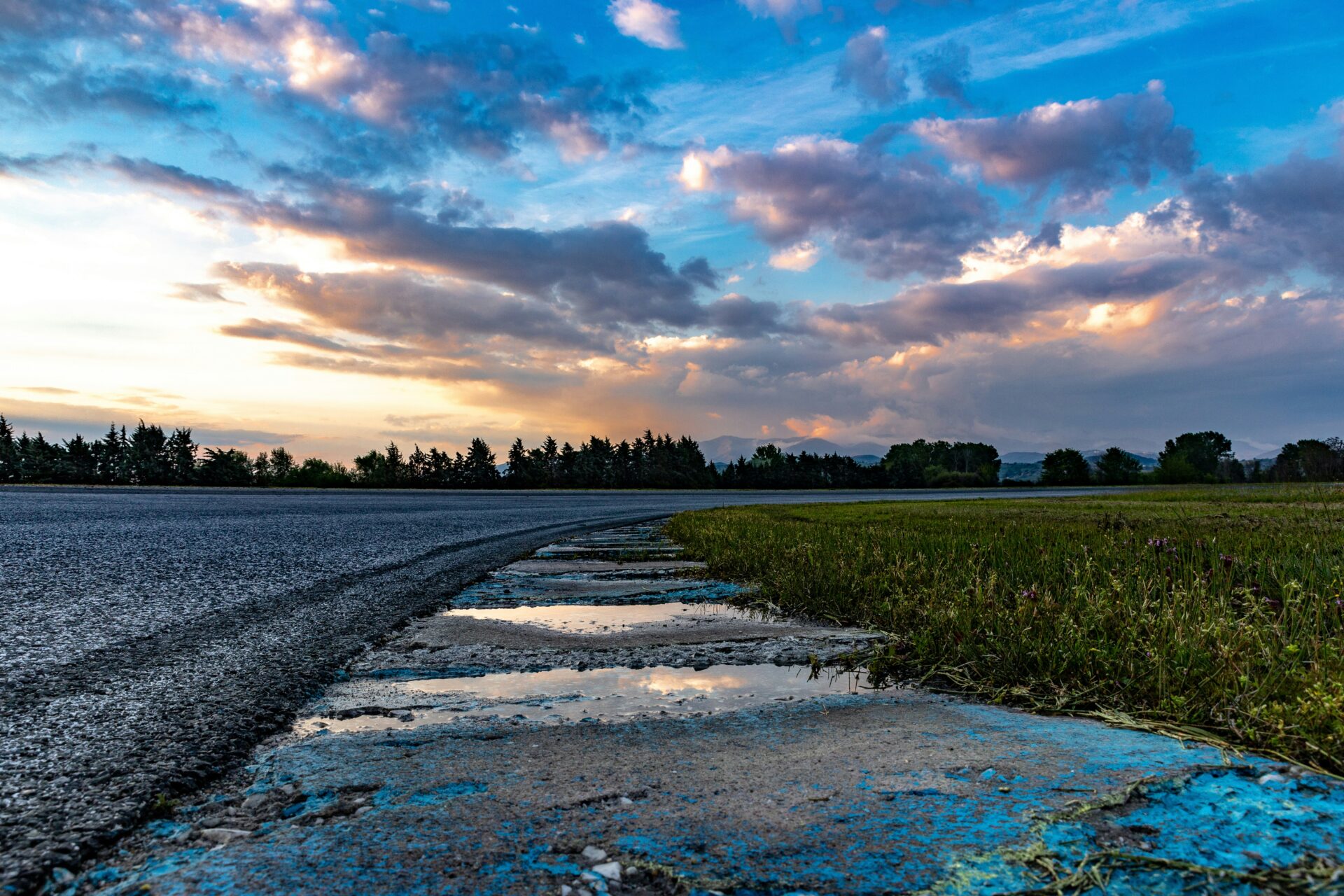
Tracing the History of Serres: From Ancient City to Modern Hub
Serres sits smack in the middle of Macedonia, Greece. Its long, unbroken heritage stands out.
The city’s past weaves together ancient city life, bustling industries, and the fingerprints of Byzantine builders.
Serres Through the Ages
Walking through the old city, I realized Serres isn’t just another Greek town. It’s rare—one of those cities where life has flowed from ancient days right up to now.
Serres goes back thousands of years. Archaeologists have dug up settlements from as early as the 6th century BC.
The city once served as a major crossroads in ancient Macedonia. The acropolis above protected locals, while markets buzzed in the lower town.
Even through wars and regime changes, Serres kept its spark. For centuries, it thrived as a trade and culture hub, linking east and west.
Today, you can still feel history underfoot as you stroll Serres’ winding streets.
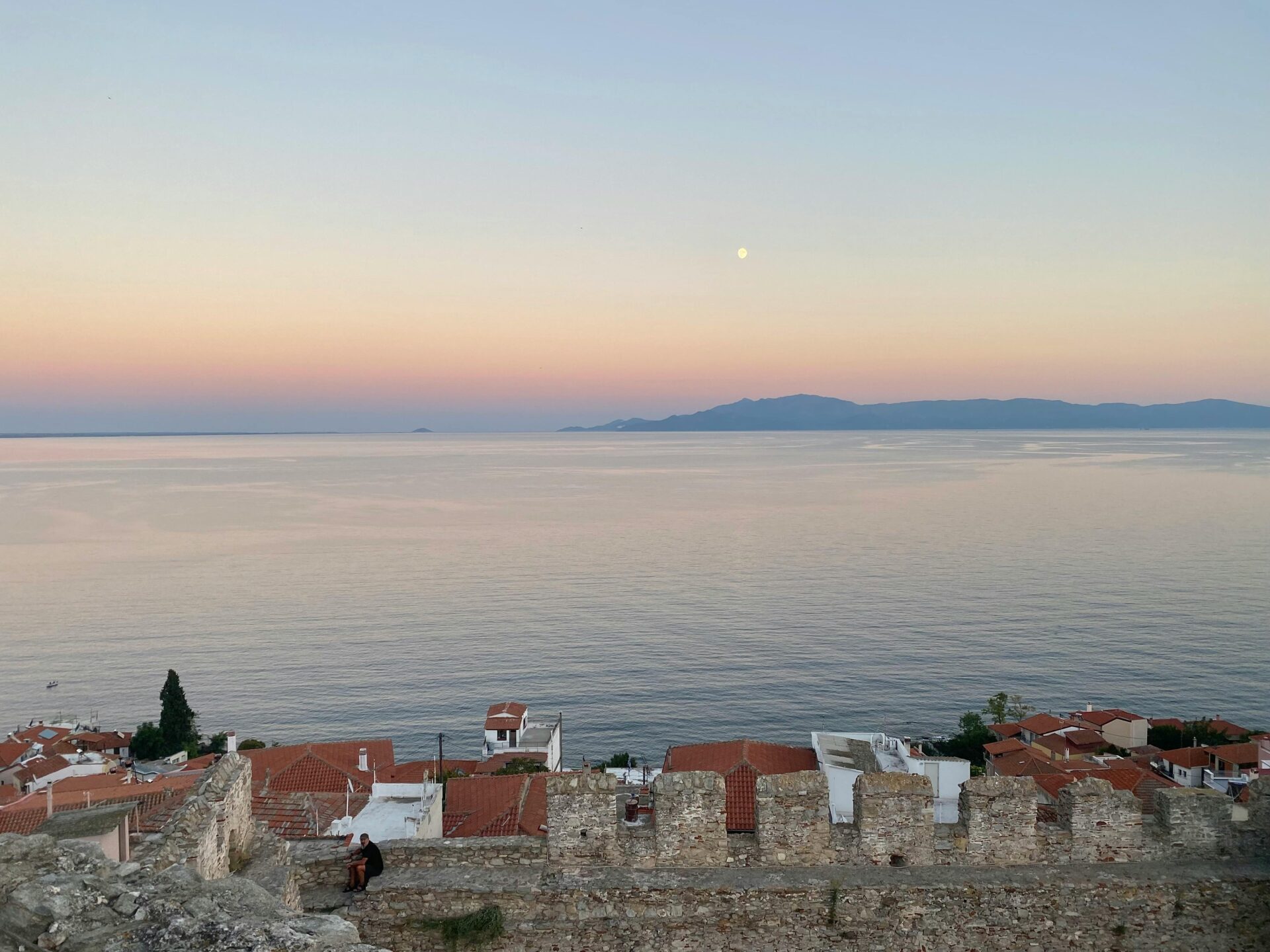
The Legacy of Metallurgy and Weaving
In the city’s museums and markets, I saw how important metallurgy and weaving have always been. Back in ancient and Byzantine times, Serres gained fame for its skilled metalworkers and weavers.
Craftspeople made everything from tools to jewelry. Excavations have uncovered these metal goods, each piece telling a story of trade and innovation.
Weaving played a huge role in daily life, too. Families produced woven textiles and carpets by hand, passing down techniques over generations.
Shops and museums display these detailed fabrics. The patterns aren’t just pretty—they’re living proof of centuries of learning and tradition.

Byzantine Influence in Urban Development
You can’t miss the Byzantine fingerprints on Serres. Fortresses and churches still dot the city, shaping its neighborhoods.
The Byzantines built defensive walls to protect residents from invaders. Some of those ancient walls still stand, battered but proud.
Byzantine architecture also influenced homes, community centers, and religious spaces. Education flourished, with schools tied to churches and monasteries.
I often stopped to read plaques or chat with locals, piecing together how these historic sites shaped social and educational life.
This blend of strong fortifications and everyday bustle left its mark. You can still trace the city’s layout, tight-knit neighborhoods, and customs back to those centuries of careful planning.
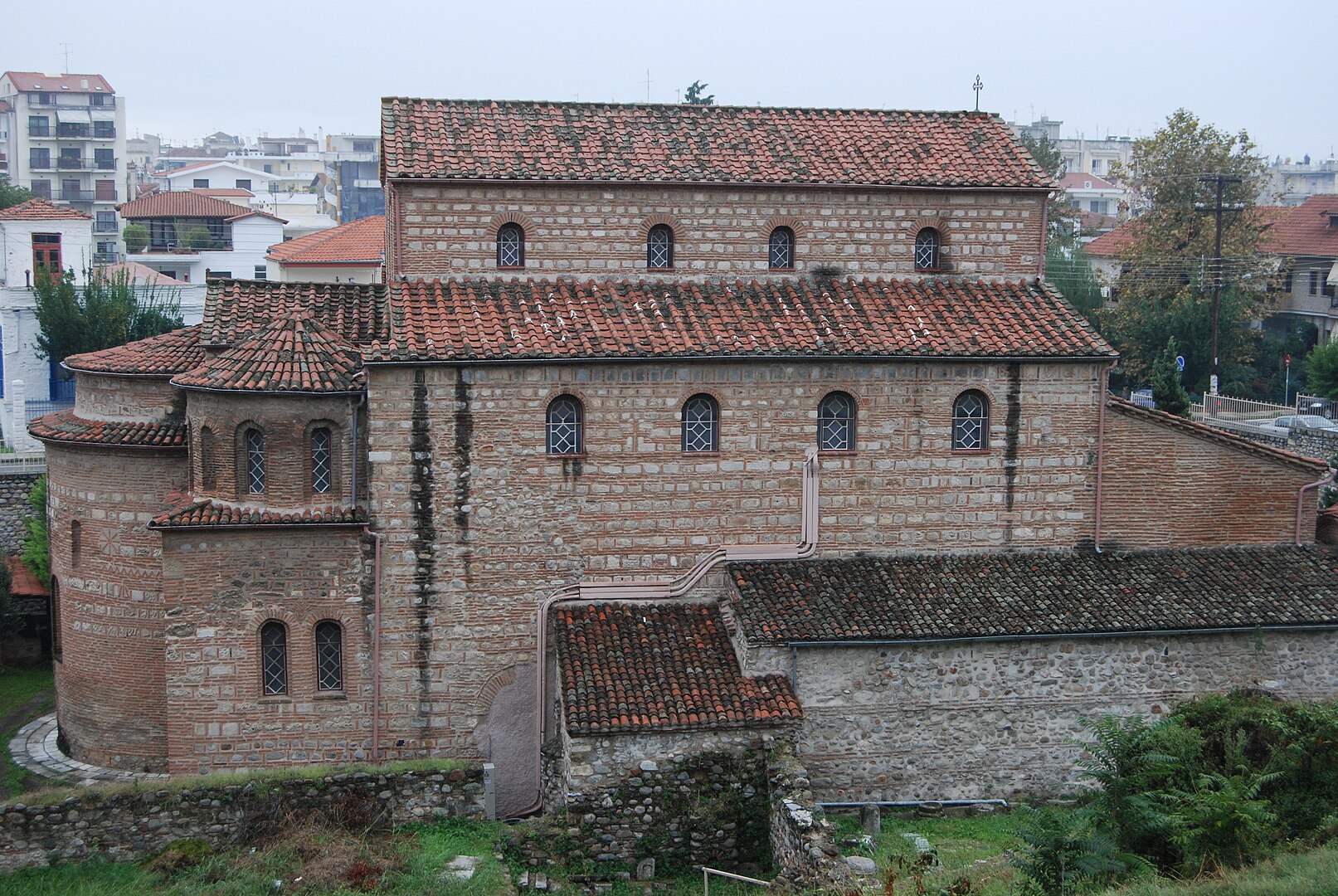
Exploring Byzantine Fortresses: Guardians of Serres
The hilltop strongholds of Serres tell stories of both defense and daily life from the Byzantine era. Their architecture mixes strength with clever design, making each fortress more than just old stones.
Acropolis of Serres and Its Strategic Role
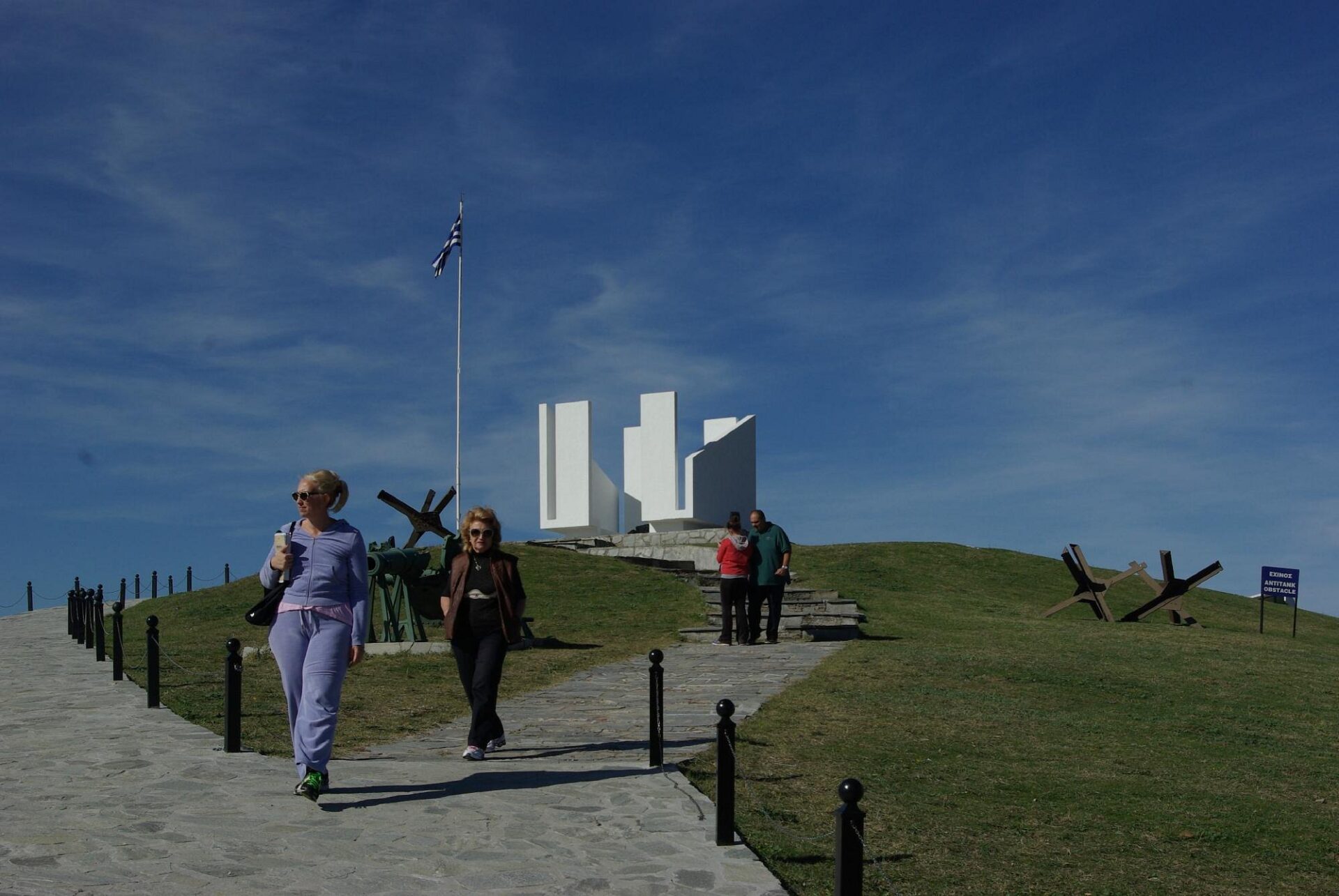
Climbing up to the Acropolis, I could feel history in the air. This ancient fortress stands high above the city, with sweeping views of the Strymon valley.
Byzantine planners picked this spot for its vantage point. Defenders could spot trouble coming from miles away.
The Acropolis served as more than a military base. Locals ran here for safety during sieges.
Thick walls and tall towers show just how serious they were about protection. Inside, I found cisterns for water and small churches—proof that faith and survival went hand in hand.
In the past, the Acropolis connected to outposts and bridges. Serres became a key hub for traders and soldiers.
Seeing those old stone paths winding through the hills made me appreciate how much planning went into every detail.
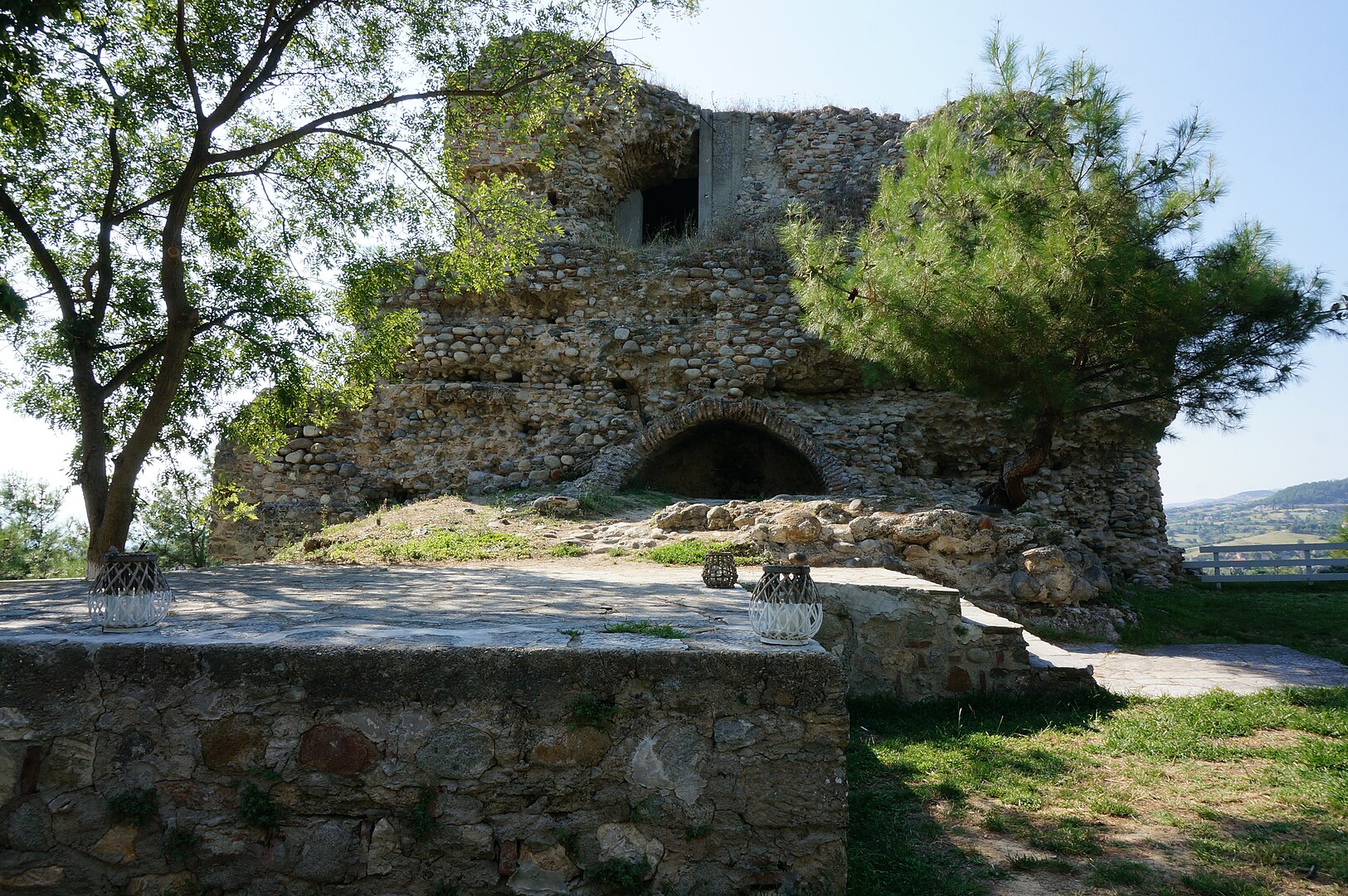
Defensive Mechanisms and Architectural Marvels
What really caught my eye were the fortresses’ smart defenses. The main entrance hides behind sharp turns, so attackers couldn’t just storm in.
Arrow slits and battlements line the outer walls. Simple, but brilliant—defenders could fight back with little risk.
Inside, thick layers of stone and clay made the walls tough against siege weapons. Some parts even have double walls, creating deadly traps for intruders.
Builders used local stone for strength and quick repairs. Every tower and wall feels carefully planned, not just for humans but for the siege machines of the day.
Each stone placement shows off both skill and a sense of urgency—people here really had to protect their own.
Technological Innovations in Fortress Construction
The Byzantines didn’t just build—they invented. As I explored, I spotted signs of old machines, like cranes for lifting stones and wooden scaffolds reaching high.
Underground tunnels lead to nearby springs, so people inside still had fresh water during long battles.
They used lime mortar as a kind of “glue” to make the walls tough against weather and battering rams.
Clever drainage channels kept water away from the foundations. It’s honestly impressive how survey work, inventive machines, and strict planning let these fortresses last centuries—outliving many old bridges and roads.

Sweet Akanes and Local Flavors: Savoring Culinary Traditions
Walking through Serres, I got pulled in by the smell of sweets and the buzz of bustling markets. From handmade Akanes to tangy cheese pies, local food connects you to the city’s heartbeat.
Story of Akanes and Its Unique Recipe
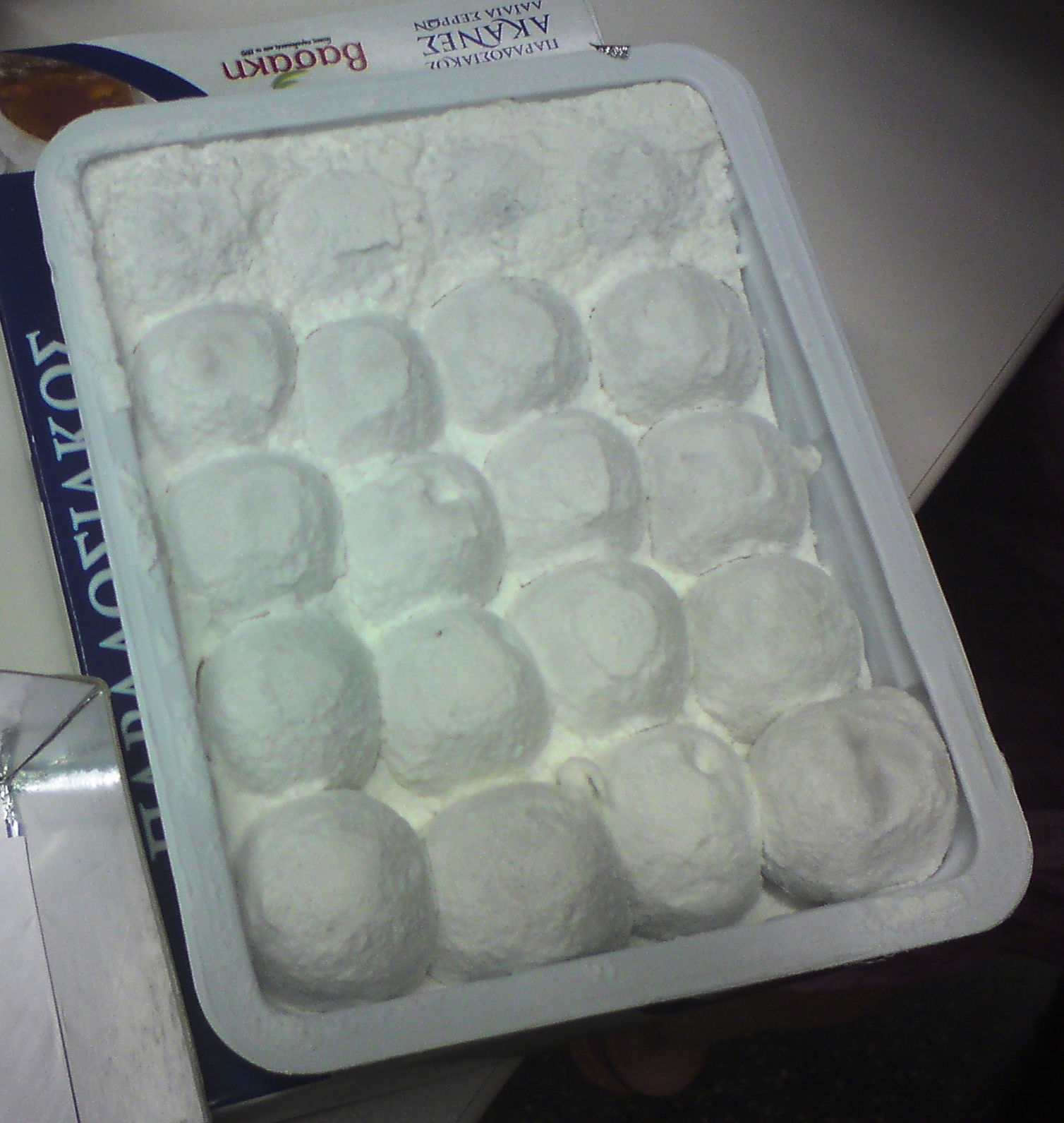
Akanes steals the show in Serres. Unlike Turkish delight, it uses goat’s milk butter, so it’s richer and more fragrant.
I learned that artisans cook Akanes in copper pots, mixing sugar, water, cornstarch, and roasted nuts—usually almonds or walnuts.
This candy’s roots go back to Ottoman days, but now it’s a true Serres symbol. At the Roumbos pastry workshop, I watched them stir that thick mixture until it looked perfect.
They dust the cubes in powdered sugar, and each bite melts in your mouth with a creamy, nutty sweetness.
Most Akanes is still handmade, using recipes passed down for generations. Locals serve it at festivals, give it as gifts, and sell it year-round.
Traditional Confectioneries and Local Markets
Serres bursts with lively markets and pastry shops. I loved wandering the main square, where stalls offer fresh Akanes, cheese pies (bougatsa), and honey-soaked treats.
The sweets are usually made fresh each morning.
Traditional products worth trying:
- Akanes (don’t skip it)
- Bougatsa with cheese
- Local honey
- Homemade jams
Most pastry shops also deliver and ship Akanes and other goodies. You can order at the counter or even send a box home to friends.
The markets feel small but personal. Vendors know their customers and often share samples or cooking tips if you ask.

Food-Related Events & Opportunities for Visitors
Every year, Serres throws food festivals that celebrate its culinary roots. Visitors get to taste Akanes, try new products, and meet the makers.
I caught a sweet festival last spring—live cooking demos, Akanes tastings, and a real sense of community.
Workshops let me roll my own Akanes with help from local experts. Pop-up food markets offered everything from wines to dairy.
Many vendors will deliver festival treats, so you can keep enjoying Serres flavors after you leave. The food scene here is open and welcoming, always pulling in travelers like me to try something new.
Living the Serres Experience: Culture, Community, and Daily Life
As I wandered Serres, I realized the city’s warmth comes from both its proud traditions and its busy, modern life. Each corner offered something different—lively markets, historic workshops, and a real sense of togetherness.

Community Activities and Social Events
One afternoon, I stumbled into a festival downtown. Vendors lined the squares with trays of akanes.
Musicians played Macedonian tunes, and families gathered, laughing and sharing stories.
Serres packs its calendar with events. Some of the best are Easter celebrations, local fairs, and outdoor concerts in the parks.
People of all ages join in, making the city feel like one big reunion.
Local clubs and groups—like cultural societies and dance teams—welcome visitors for workshops or lessons.
I even tried spinning wool with locals who were eager to share their craft. These events really make you feel part of the Serres family.
Modern Transportation and Infrastructure
Getting around Serres is refreshingly simple. The city’s got reliable buses linking neighborhoods, historical sites, and the central market.
Taxis are everywhere, and the newer roads make trips to nearby villages or fortresses easy.
If you want to explore further, Serres has a train station with routes to Thessaloniki and beyond.
Table: Key Local Transport Options
| Transportation | Destinations | Frequency |
|---|---|---|
| Bus | City & villages | High |
| Taxi | Anywhere in city/region | On demand |
| Train | Thessaloniki & other cities | Regular schedule |
Walking, though, remains the best way to soak up daily life, especially in the old quarters.
Parking’s available but fills up fast during big events. The city’s efficient setup makes Serres a great launchpad for adventures in Northern Greece.

Education, Healthcare, and Public Resources
Public services in Serres run smoothly. The city offers schools from primary level to technical institutes, plus a branch of the International Hellenic University.
I chatted with students at local cafes—they’re proud of their city’s future.
Healthcare centers around the main General Hospital. Clinics and pharmacies line the main streets, and I even spotted signs in different languages, which says a lot about how welcoming Serres feels.
Public libraries, sports centers, and free Wi-Fi zones add to the city’s resources.
Digital services make it easy for locals to book appointments or stay updated on city news. Serres feels both connected and supportive, whether you’re living here or just visiting.

Artisanal Crafts: From Spinning to Glass
Traditional crafts still thrive in Serres. I visited a spinning workshop and watched wool become thread, using age-old techniques passed down through generations.
Glass art shines here, too. Local artisans create colorful bottles and ornate vases, which you’ll spot in markets or small museums.
During festivals, craftspeople show off weaving, embroidery, and metalwork. These aren’t just for tourists—locals use and wear these handmade items every day.
It’s a daily reminder of how Serres keeps its history alive in community life.
Travel Insights: Visiting Serres Today
Getting around Serres is simple if you plan ahead. I found plenty of friendly places to stay, and digital maps plus local tips made exploring fortresses and sweet shops a breeze.
Practical Travel Tips and Itineraries
I arrived in Serres by train—honestly, it felt pretty simple. The road signs stood out, and the staff at the bus station pointed me in the right direction.
I always check the latest bus schedules online. Times change a lot, especially on weekends.
Taxis gather in the city center, and most drivers use GPS apps. That’s made every ride smooth for me.
I started my morning with a walk through the historic center. After that, I wandered up to the Byzantine fortress.
Local tour companies offer half-day guided walks. I found these tours made the city’s history a lot more accessible.
For food, I grabbed Akanes—a sweet you have to try—from markets and bakeries. Most places took cards or cash, so I never worried about payment.
If you like planning, plot the big sites on a map app before you go. It saves time, trust me.

Where to Stay: Accommodation Options
Finding a place that fit my needs wasn’t hard at all. Serres has mid-range hotels, family guesthouses, and even a few hostels for tighter budgets.
I usually book online so I can read recent reviews and compare rooms. The major booking sites seem to cover almost every option in the city.
Some hotels sit right in the historic part of town, which I loved because I could just walk everywhere. Guesthouses farther out gave me a quieter, more local feel.
Most places offer free Wi-Fi and breakfast. Staff often hand out printed maps or share digital guides.
Receptionists helped me out when I had questions about transport or where to eat. I appreciated their local tips.

Navigating Maps, Systems, and Technology
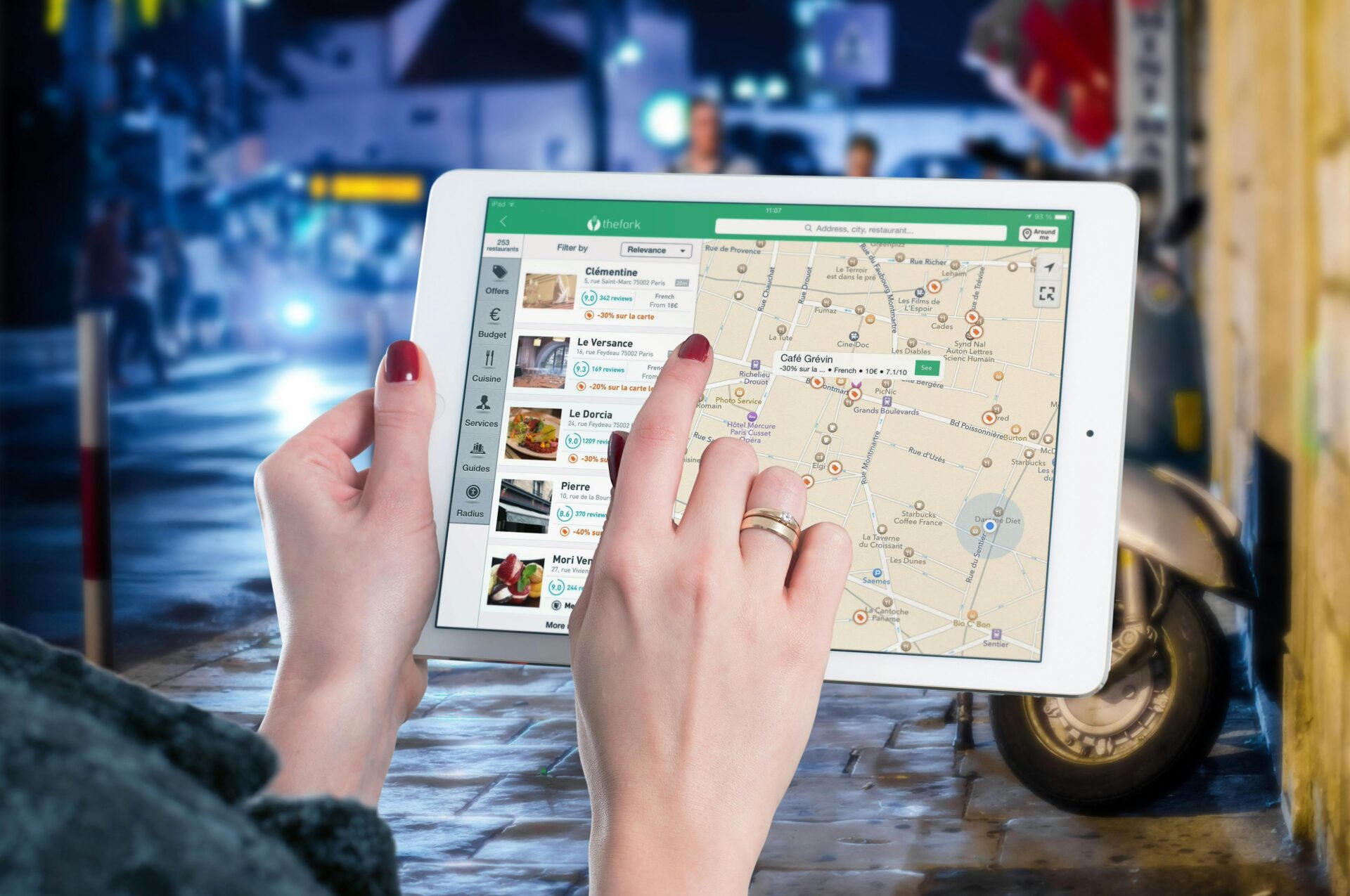
I mainly used my phone and Google Maps to get around Serres. You’ll find public Wi-Fi in a lot of cafes and main squares.
A few local apps show updated bus routes and taxi info. I found these super helpful for planning trips to places like the Byzantine walls or nearby monasteries.
Tourist info centers hand out printed maps, but digital versions update faster. Many city signs point out monuments with QR codes, which I scanned for extra info.
I liked using those codes. They linked me to databases and reports about local history right on my phone.
If I ever struggled with tech stuff, hotel staff helped me connect to Wi-Fi or gave me tips when my navigation app glitched.
Getting Noticed: The Evolution of Serres in the Digital Age
Serres isn’t just a hidden gem for history buffs and sweet lovers anymore. Over the past few years, online tools and digital trends have brought this Macedonian hub to a wider crowd—travelers, businesses, and even creators.
Online Engagement and Community Growth
The first time I shared photos of the Byzantine fortresses and lively squares in Serres, I was surprised by how quickly people responded. Social media—Instagram, Facebook, you name it—has become a meeting spot where stories about Serres spread fast.
Community groups post about cafes serving akanes and about local events. People comment, leave reviews, and sometimes even organize tours together.
Hashtags like #VisitSerres or #SerresByzantine pop up everywhere, and honestly, it’s kind of fun to see how connected everyone feels.
These online conversations invite travelers to join the local culture before they even pack their bags. I’ve watched families plan trips based on community feedback or posts about hidden corners, making Serres feel extra welcoming.

SEO, Content Creation, and Visibility
I learned quickly that showing up high on Google and travel sites matters just as much as word of mouth. Good SEO helps local businesses, museums, and blogs about Serres appear when someone searches for “Byzantine castles in Macedonia” or “Serres sweet shops.”
Content creators write guides, post photos, and share short videos—all optimized for keywords. I use analytics to see which topics trend, so I can write articles that answer real questions.
For example:
| Search Term | Content Type | Optimization Tactic |
|---|---|---|
| Serres fortresses | Photo guides | Local keywords, geo-tags |
| Best akanes in Serres | Review articles | Star ratings, user feedback |
| History of Serres | Blog posts | In-depth content, citations |
High-quality content boosts visibility. That’s helped Serres build a digital identity that stands out among Greek destinations.

Business Opportunities and Digital Strategy
The digital shift hasn’t just helped travelers—it’s totally changed the way local shops, hotels, and guides operate. Lots of them roll out slick websites, quick booking tools, and eye-catching social media ads to pull people in and boost sales.
I’ve chatted with shop owners who swear they get more leads from Google reviews and targeted Facebook ads than from those old-school flyers. They keep an eye on analytics to see what works, then adjust their game plan to get better results.
Even tiny bakeries selling akanes jump in now with online orders and delivery. When these businesses sharpen their digital presence, they reach bigger crowds and actually turn website visitors into paying customers.
Honestly, it’s pushing the city’s growth way past what you’d expect from just the town square.



