
When I first landed in Greece’s Macedonian region, I realized right away it’s not just a name on a map. This corner of northern Greece weaves together history, culture, and a kind of hospitality that pulls you in from the start.
I wandered through ancient ruins and bustling markets, and honestly, every street and every smile seemed to have its own story. Macedonia’s heritage grew from centuries of influences—think powerful kingdoms, Byzantine mosaics, Ottoman echoes.
These days, you can still taste the past in every meal and festival. Locals love to share their customs, and I found myself welcomed with homemade treats and stories that made me feel like I belonged.
If you’re even a little curious about what makes this region tick, stick with me. I’m diving into its vibrant culture, wild landscapes, and the warm spirit at its core.
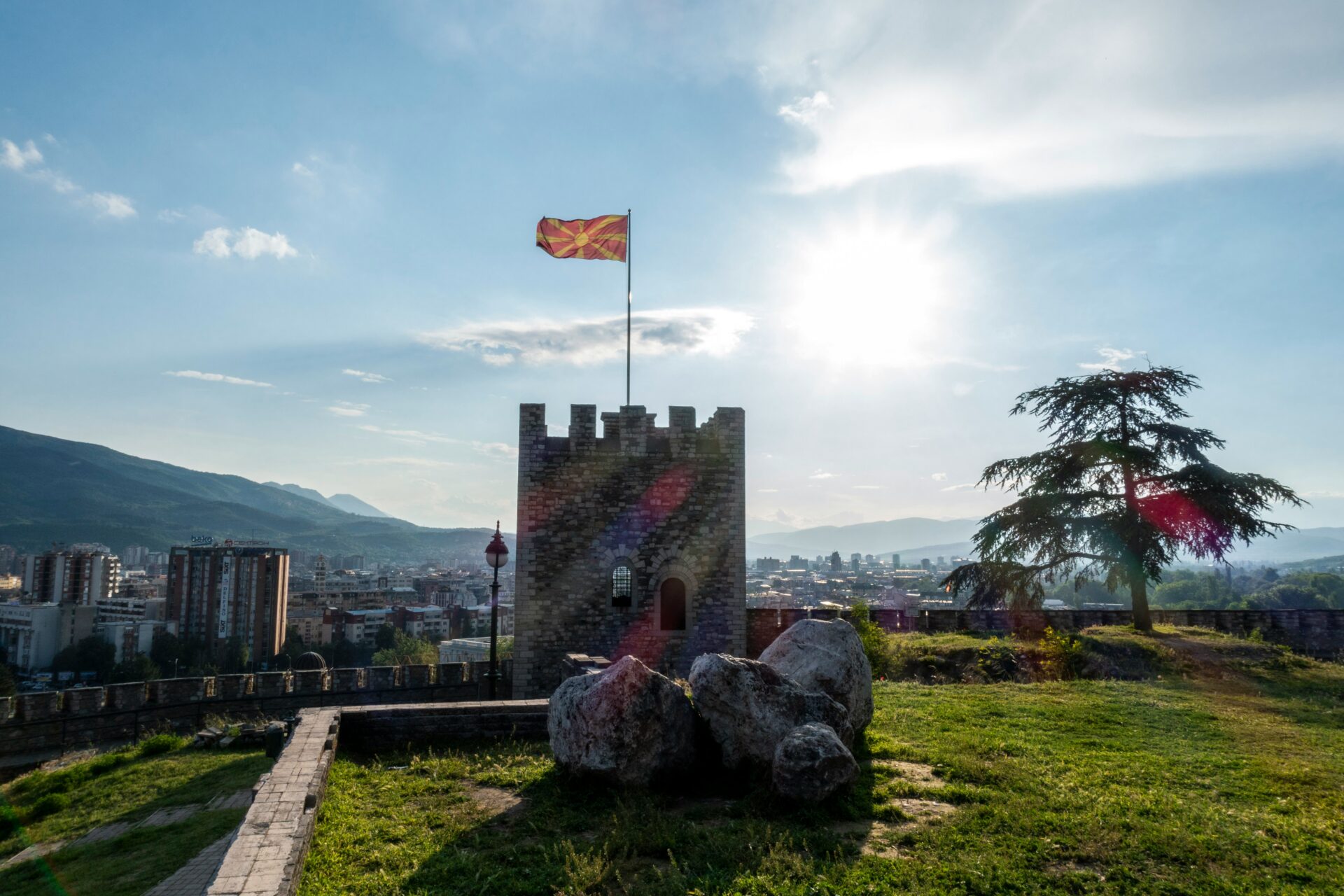
Greece’s Macedonian Region: Land of Legacy and Living Traditions
Macedonia sits in northern Greece, buzzing with history and dramatic scenery. Every trip here peels back another layer—ancient stories, real traditions, and views that just beg for a photo.
Birthplace of Heroes and Empires
When I walk through Macedonia, I swear you can feel the legends in the air. This is where Alexander the Great learned to walk. His dad, King Philip II, started his empire in Aigai (now Vergina), and the royal tombs there—especially the one believed to be Philip’s—connect you right to those larger-than-life figures.
But it’s not all about kings and battles. As I travel around, I see how ancient Greek culture mixed here with Celts, Illyrians, and others. That blend shaped a world-changing empire. Hercules pops up in local legends, and people still tell those heroic tales with a bit of pride.
Museums and archaeological sites show off artifacts from that lost world. Still, it’s the local guides—eager to share a story or two—who really bring the ancient Greeks to life for me.
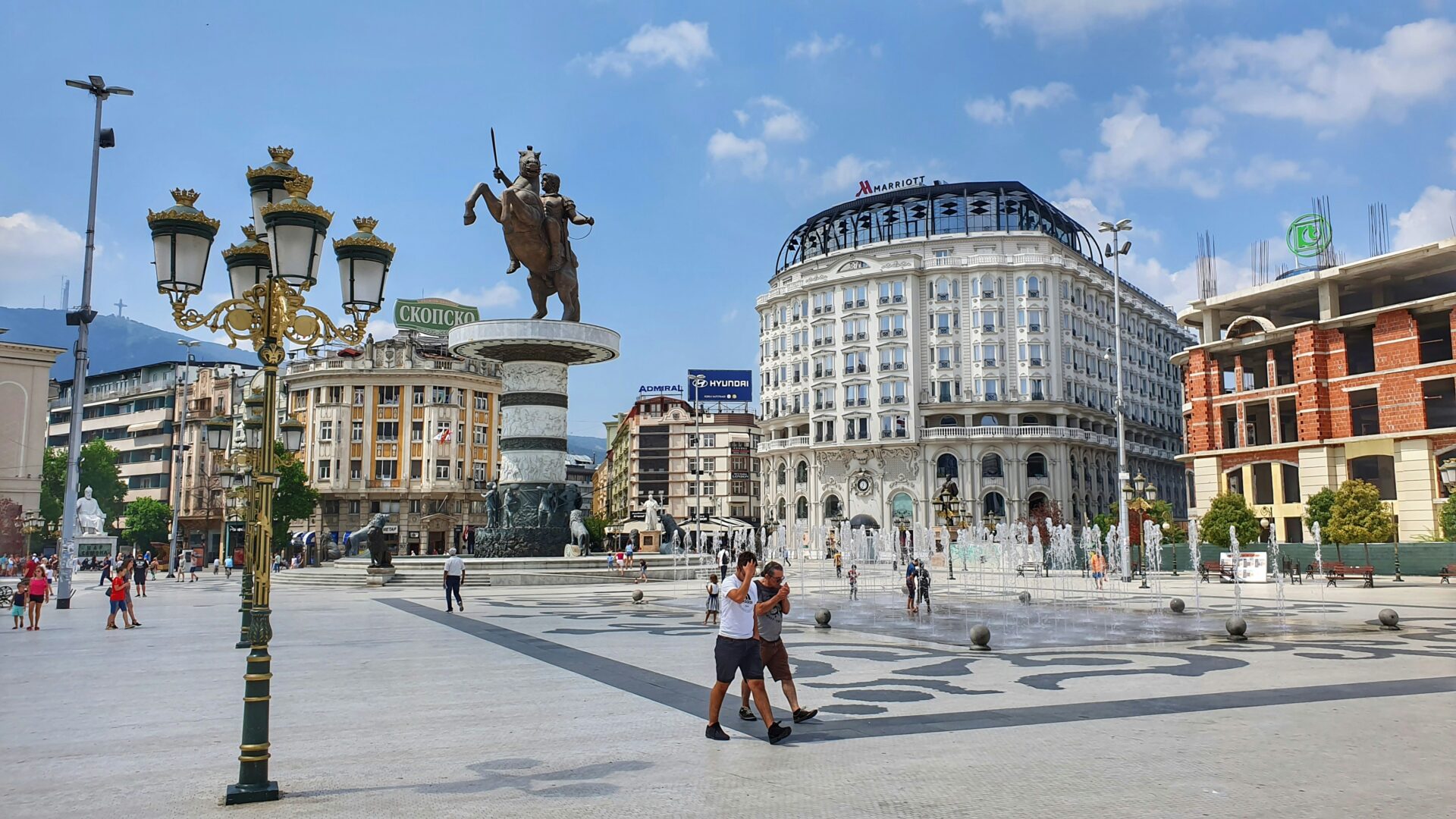
Geography, Sea, and Landscape
The scenery here is honestly something else. I’ve hiked gentle hills and scrambled up rugged mountains. Mount Olympus rises up, sharp and imposing—the ancient Greeks believed their gods lived up there. Rivers carve green valleys, and fertile fields keep villages alive with old traditions.
To the south and east, the coast meets the Aegean Sea. Some of my best summer memories come from quiet beaches or lively port towns where the sea feels like a warm embrace. The mix of mountains and sea turned Macedonia into a crossroads, shaping both its culture and daily life.
| Key Geographic Features | Details |
|---|---|
| Major Mountain: Olympus | Home of the gods, highest in Greece |
| Capital of Ancient Macedonia: Aigai (Vergina) | Site of royal tombs |
| Coastline: Aegean Sea | Popular for beaches and fishing villages |
| Neighboring Peoples | Illyrians, Celts helped shape local culture |
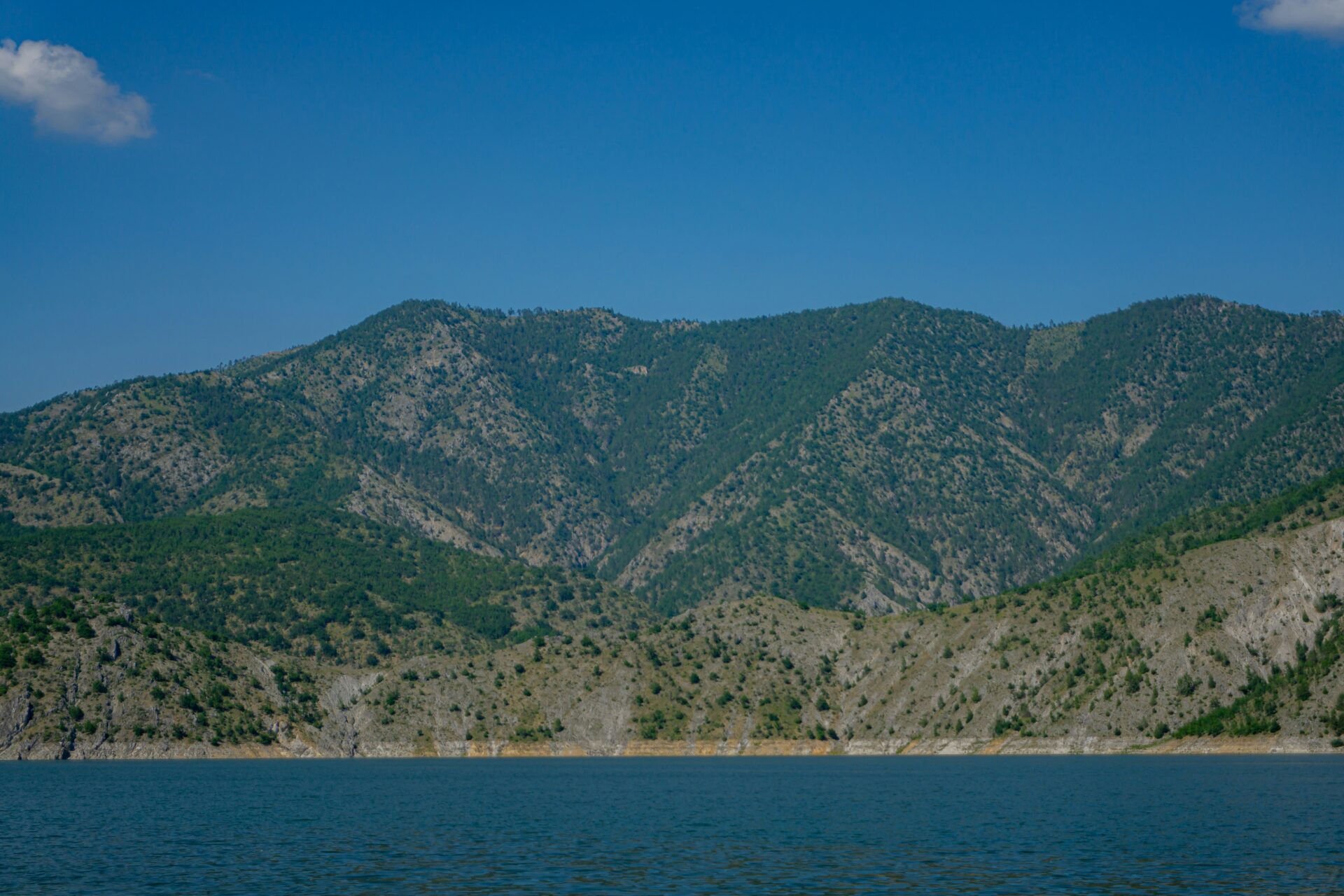
Intersecting Histories: From Alexander to Modern Marvels
As I wander Macedonia, I can’t help but notice how ancient stories still echo through its hills and towns. Heroes, battles, and powerful queens have all left their marks, and every ruin feels alive with the past.
The Golden Age: Alexander, Olympias, and the Macedonian Empire
Whenever I visit Pella, where Alexander the Great was born, I remember how a small kingdom flipped the world upside down. Philip II, his father, built up Macedonia and set the stage for a legendary empire.
His mother, Olympias, made her presence felt—some say her spirit still lingers in the ruins. Alexander, as a young king, swept through Thebes, crossed the Hellespont, and stopped by Delphi and Ephesus. He visited the Oracle of Apollo at Delphi, hoping for a little divine luck before his big campaigns.
Alexander’s empire stretched from Greece all the way to Egypt and Babylon. But honestly, it wasn’t just about conquering—everywhere he went, from the sands of Ammon’s temple to wild storms that supposedly unleashed thunderbolts, left stories locals still whisper about.
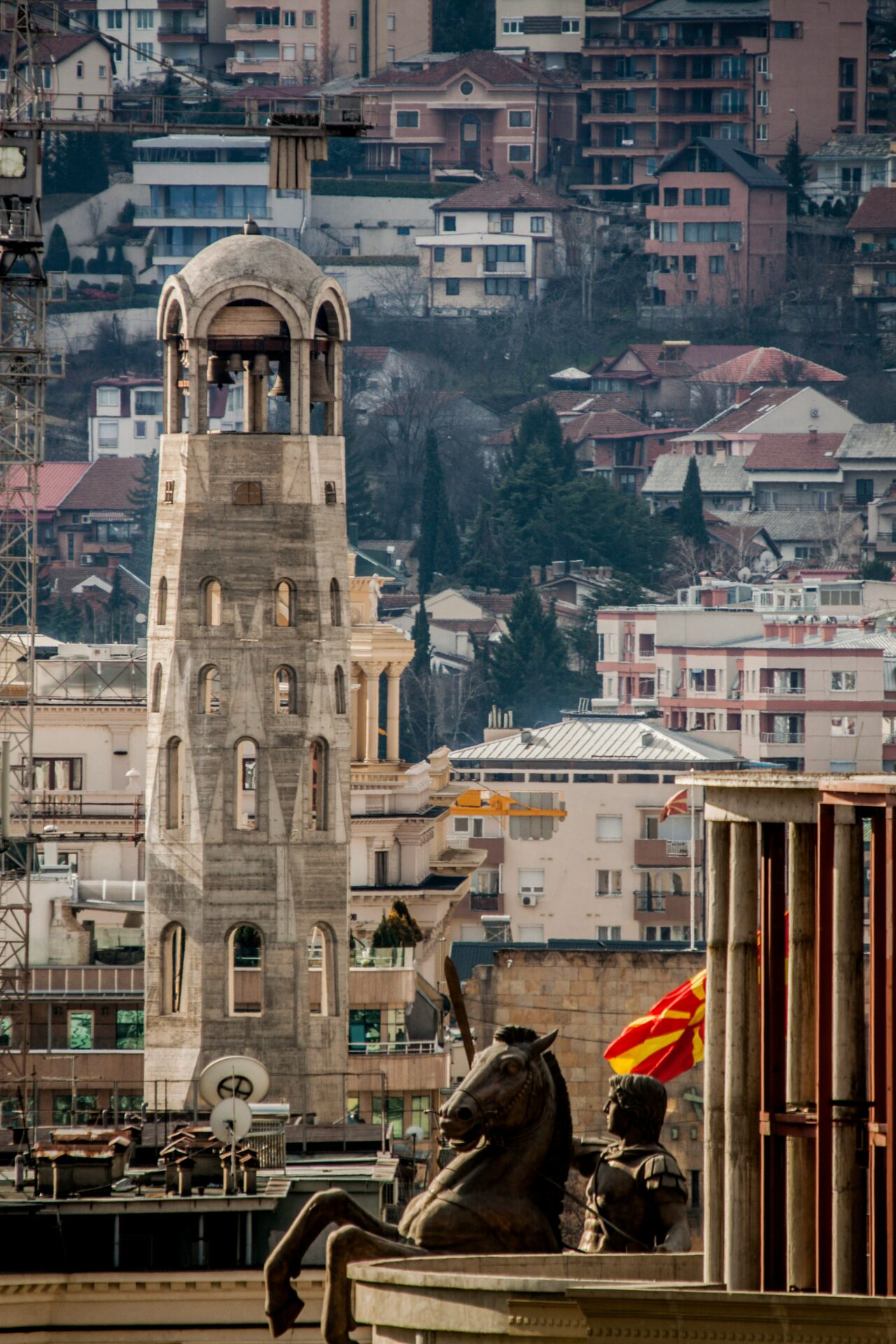
Wars, Glory, and Ancient Rivalries
Standing on ancient city walls, I try to imagine the rivalries that once split this region. Macedonia clashed with Athens and Sparta long before Alexander’s time. Those tensions exploded in battles like Chaeronea, where Philip and Alexander crushed a Greek alliance and secured Macedonian power.
Later on, Alexander faced new enemies far from home. His general, Parmenio, played a key role in their victories, but jealousy and intrigue were always lurking. Even today, you can feel echoes of those old conflicts in debates over Macedonian heritage—sometimes even families argue about it.
Romans like Caesar and Pompey admired the Macedonians, though they sometimes struggled to match their feats. If you’re a history nerd like me, you can almost hear the clash of swords and shouts of warriors on the wind.
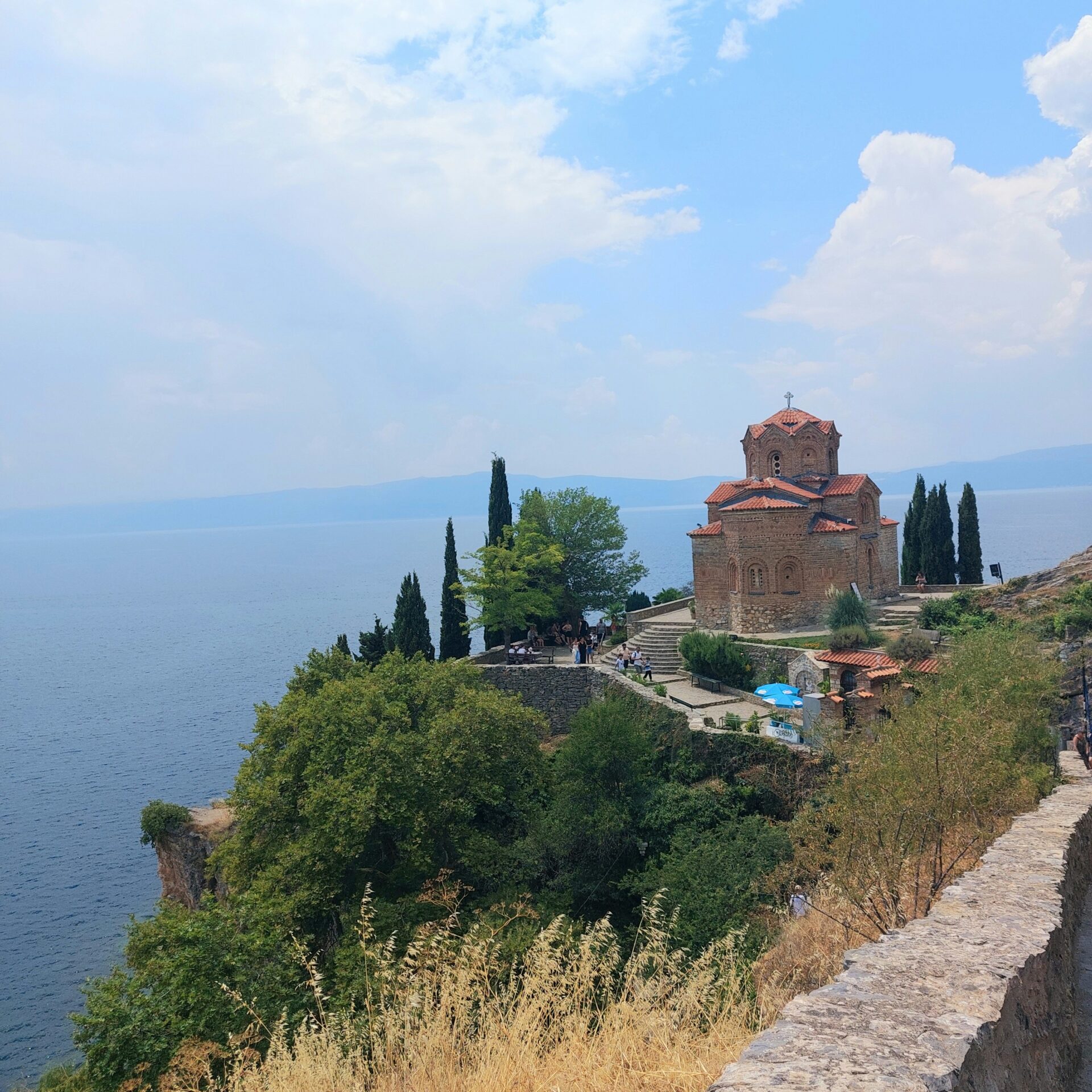
Legends, Exploits, and Historical Figures
No trip through Macedonia feels right without chasing down the local legends. Alexander’s adventures show up everywhere—from statues in city squares to paintings in quiet chapels. Some guides get a kick out of telling how Alexander visited the Oracle of Ammon, earning a god-like reputation with his men.
Stories about his friends—Parmenio, Neoptolemus, and others—pop up in the strangest places: an old stone here, a street name there. Strabo, the ancient geographer, described these landscapes, making it easier for travelers like me to follow in their footsteps.
That sense of adventure still hangs in the air, especially when sudden storms sweep over the plains. Locals sometimes joke that these are the same winds and thunderbolts that followed Alexander. Walking these paths, I don’t just see history—I feel it all around me.
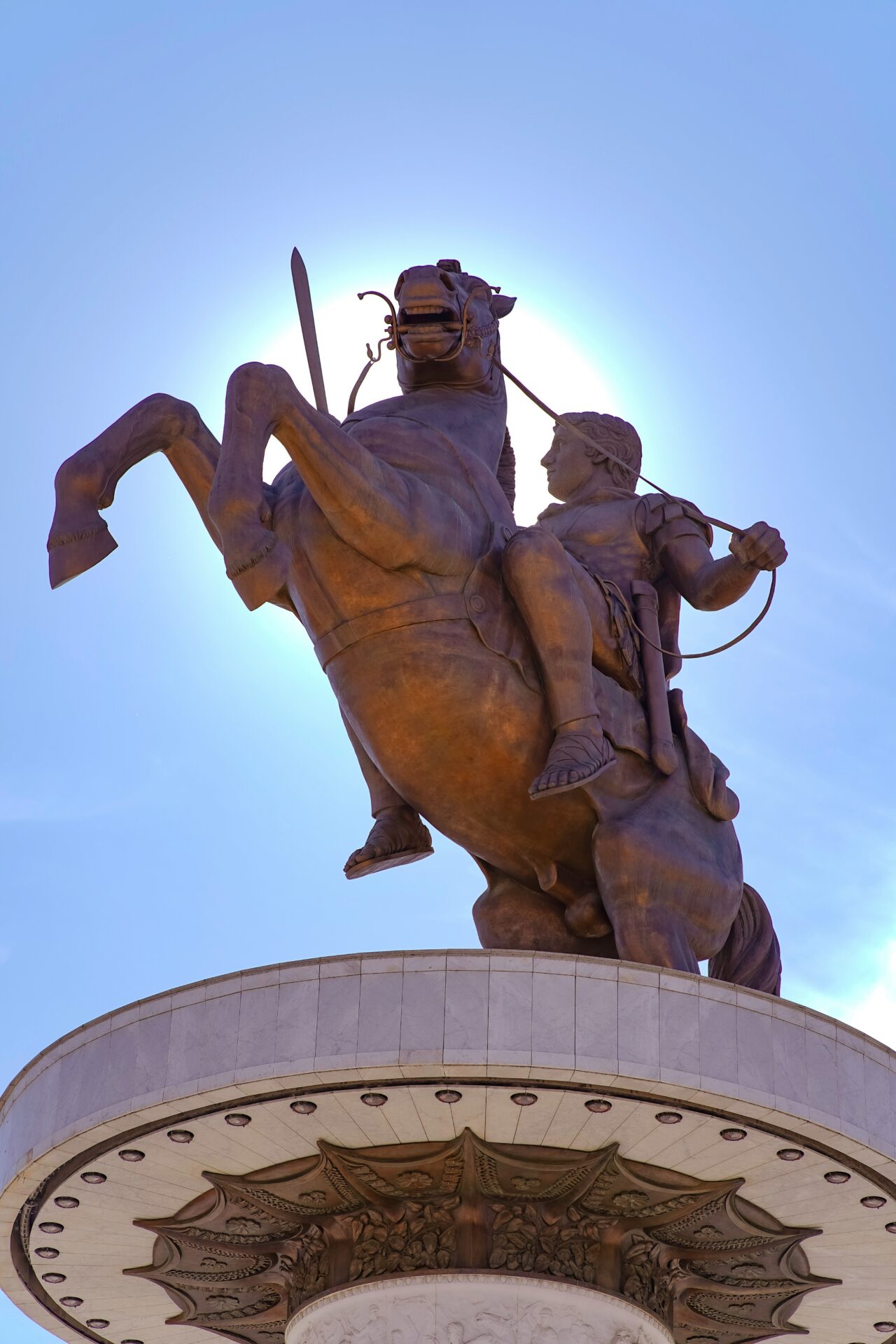
A Mosaic of Culture: Manners, Customs, and Daily Life
Every time I visit Macedonia, I notice how its culture blends old traditions with a creative spark. Local customs, famous thinkers, and small daily rituals all shape what makes this place special.
Art, Letters, and Legendary Poets
On my first morning in Veria, I stumbled across a statue of Aristotle—the legendary philosopher who was born here. It hit me how this region produced not just thinkers like Aristotle, but also scientists like Theophrastus and Eratosthenes. Local museums display their carefully preserved manuscripts.
Art is everywhere—mosaics in village squares, galleries echoing the style of Apelles. Watching artists at work, I sense the same drive that once fueled sculptors like Lysippus. Traditional music and poetry nights are still a big deal, and locals sometimes recite lines from beloved Macedonian poets. Public readings and small books of local stories connect me to a heritage that values wisdom, creativity, and beauty.

Customs, Virtues, and Everyday Wit
A typical day in Macedonia starts with strong coffee and warm greetings. Neighbors gather in the square, exchanging sharp jokes and friendly banter. Hospitality—xenia—runs deep. Even as a stranger, I got homemade pastries and a warm welcome.
Respect for elders is a given, and you’ll see kids helping their grandparents at the market or around the house. People here admire honesty and good judgment. Stories about famous poets or authors often come with quiet lessons about taste and character, passed down through the family.
Meals aren’t just about food—they’re for debate, laughter, and storytelling. Even the most casual chat reveals the Macedonian knack for wit, fairness, and pride in tradition.
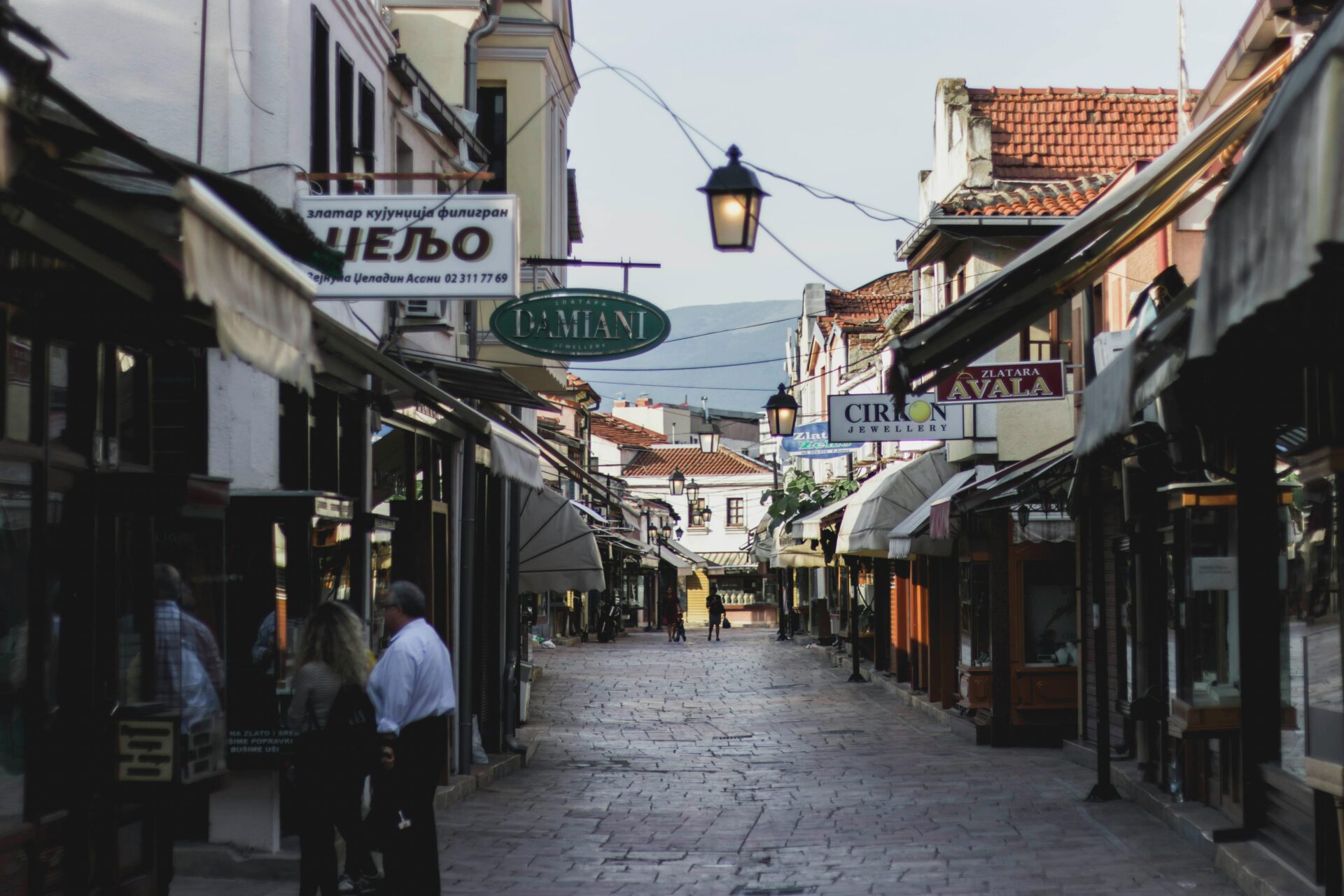
Festivities and Social Life: Processions, Feasting, and Revelry
Macedonian Greece loves a good celebration. Processions wind through city streets, and tables overflow with local dishes. Life here is packed with meaning, but also with plenty of fun.
Religious Ceremonies and Timeless Traditions
When I wander through a Macedonian town, I often stumble onto a colorful procession. Locals carry icons or fragrant herbs, singing hymns as they follow priests in flowing robes. Many festivals trace their roots to ancient customs—some even stretch back to the days of Greek enchantresses and Bacchus, god of wine.
Easter stands out. Everyone gathers outside churches at midnight, clutching candles. Smoke drifts up, mixing with incense and the scent of spring flowers. These ceremonies pull the whole community together—elders, kids, even visiting princesses eager for a taste of authentic Macedonian tradition.
I’ve learned to notice the little things: the proud ornament on a priest’s staff, the curious kids peeking out from behind parents, and the helpers making sure everyone feels at home.
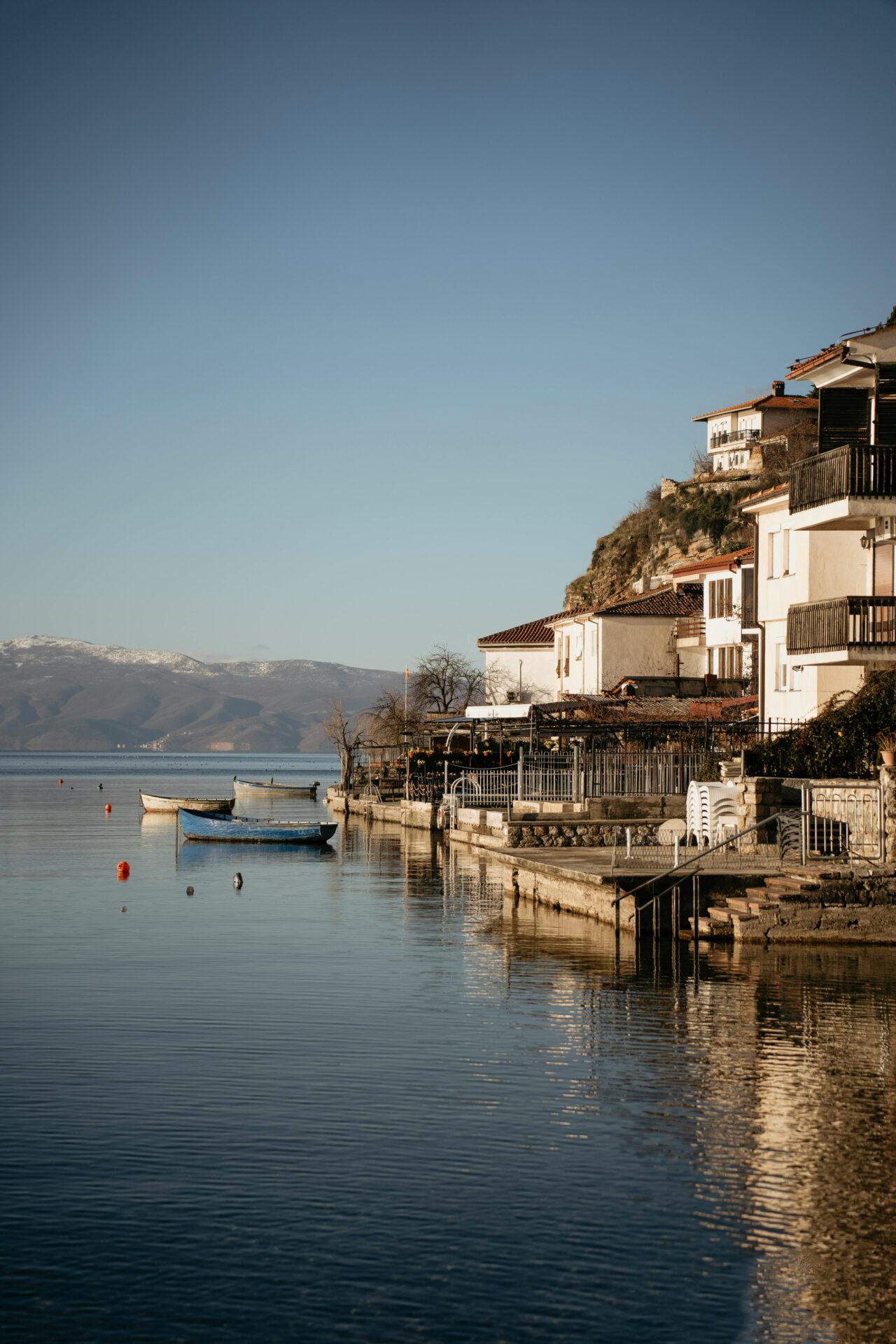
Feasting, Revelry, and the Warm Macedonian Heart
No celebration here feels complete without food and drink. Tables groan under roast lamb, olive salads, and sticky-sweet pastries. I love discovering new flavors, from tangy feta to honey-soaked desserts.
Wine and spirits flow as laughter fills the air. Locals pour drinks and invite guests to dance, turning strangers into friends. Macedonians really know how to host—sharing the work, pouring another glass, and making sure everyone joins in the fun.
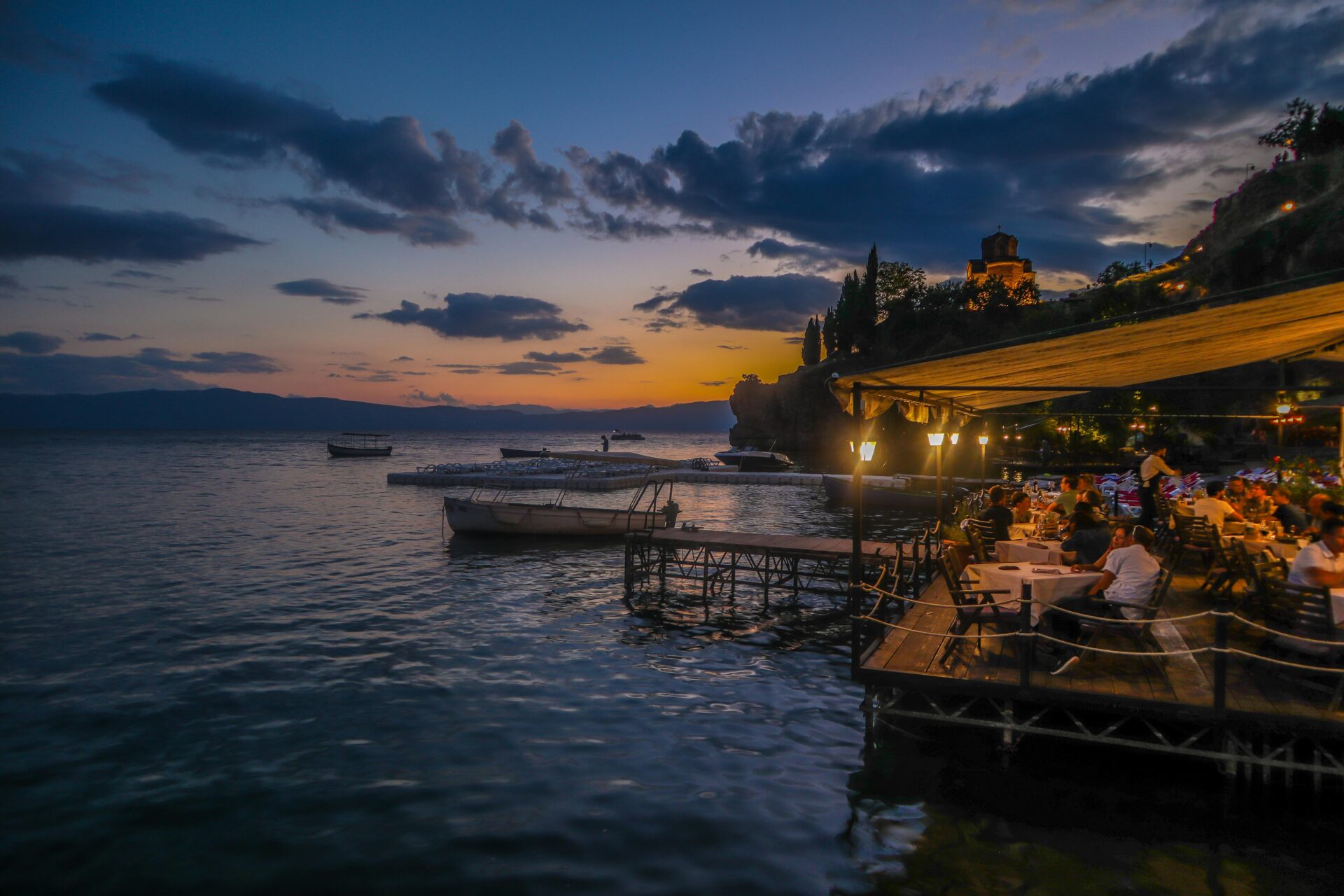
Revelry often spills out into the streets. Musicians play fast tunes, and people of all ages link arms for spirited group dances. Whether I’m by the lakes or in a village square, I always find that Macedonian celebrations are about community as much as joy.
Strength in Motion: Sports, Athletics, and Sea-Bound Adventure
Greece’s Macedonian region buzzes with energy. Athletes hit the trails, and the sea calls out to sailors and explorers. There’s always something going on—Olympic-level contests, age-old hunting, or just a pickup game in the park.
Olympic Games and Macedonian Athletes
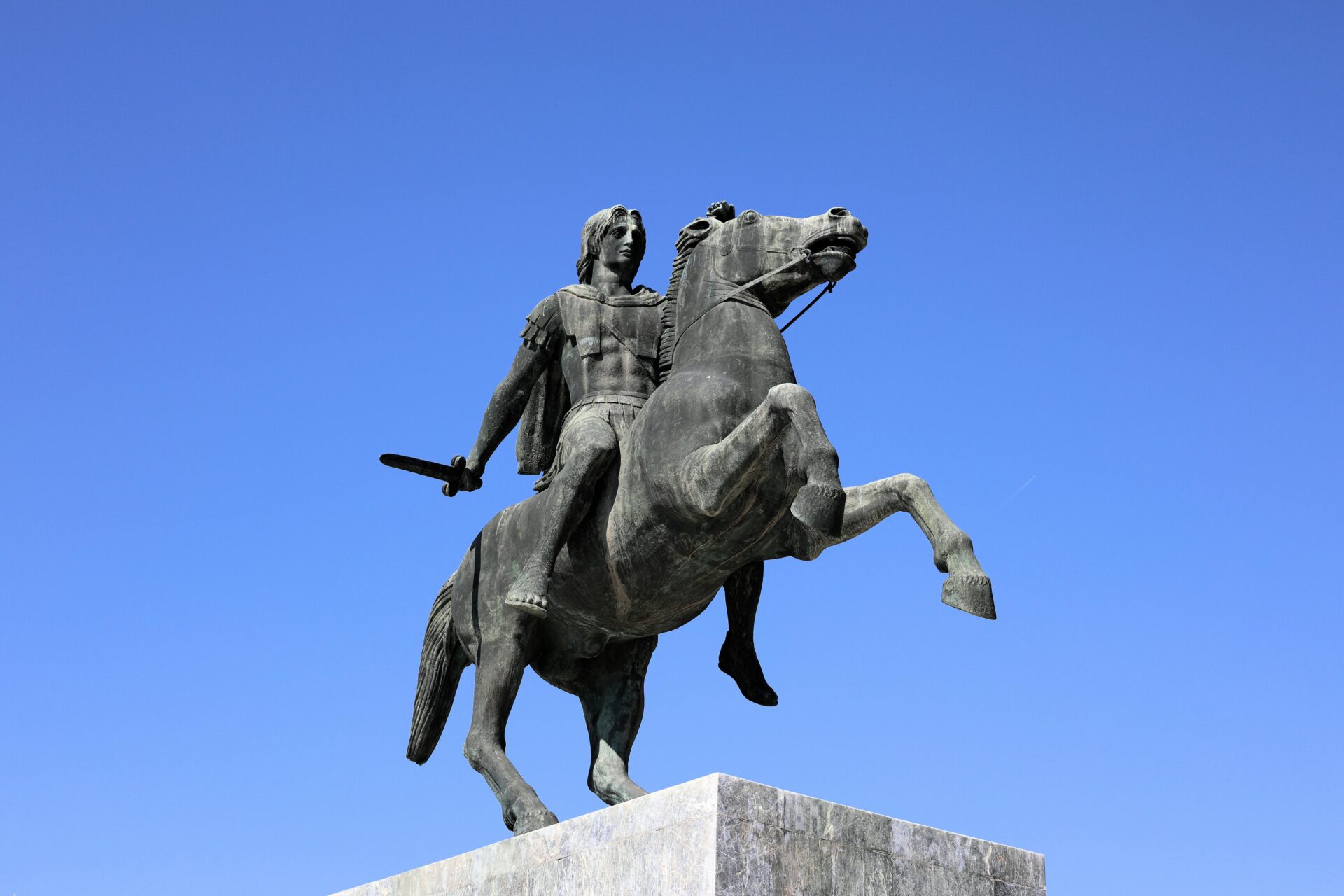
Whenever I’m in Thessaloniki, I notice how proud locals are of their athletic history. Philip II and Alexander the Great both loved sports and physical strength.
Macedonian athletes still make waves at the Olympic Games. Anna Korakaki, who snagged gold in shooting, gets plenty of local admiration. Sports clubs thrive in cities like Veria and Kavala, and young athletes sign up for football, basketball, and wrestling, dreaming of the world stage.
You’ll spot pickup games in the parks or championship matches by the sea. Visiting a stadium or sports center, I can feel the excitement and that sense of community. Here, athletics mix tradition with modern passion, and you can almost taste the energy in the air.
Hunting, Sailing, and the Spirit of Exploration
Once you leave the city, everything changes—lush forests, winding rivers, and the huge sweep of the Aegean Sea take over. Around here, most folks pick up hunting or fishing pretty early on. It’s not just a hobby; honestly, it’s woven right into daily life.
Sailing? That’s big along the Macedonian coast. Every summer, I spot little sailboats darting around Halkidiki. Local sailors love showing off their skills, and a few even make it to international contests. If you ever want to feel the wind on your face and get a little salty, you can rent a boat or hop onto a guided trip without much fuss.
Popular Outdoor Adventures in Macedonia:
| Activity | Best Location | Season |
|---|---|---|
| Sailing | Halkidiki, Kavala | May–September |
| Hunting | Mount Paiko, Vermio | Autumn |
| Fishing | Lake Volvi, Axios | Spring–Autumn |
Whenever I explore by land or water, I can’t help but think about the Macedonian spirit. It’s bold, a bit restless, always curious. Every trip out is a new chance to connect or just soak in something unexpected.
Character, Temperament, and Enduring Spirit of Macedonia
When I wandered through Macedonian villages and towns, I saw the people’s character in the smallest moments. Their history runs deep, shaped by kindness and a stubborn sort of strength.
Virtues, Wisdom, and Magnanimity
Hospitality isn’t just talk here. Locals invite strangers in for coffee or a chunk of homemade bread—guests feel more like family than outsiders. I noticed people’s gentle manners and their genuine curiosity about anyone new.
Tradition and wisdom steer a lot of choices. Elders love sharing old sayings about patience and temperance. Family gatherings often become little history lessons about heroes like Alexander the Great, whose ambition and courage still spark pride.
Generosity stands out everywhere. I saw tables loaded with food, even when times seemed tight. People just give, no questions asked. That spirit of magnanimity—of having a big heart—comes through in every conversation, whether you’re sharing coffee or watching a festival. Folks here celebrate the beauty in simple things, and honestly, they wear their dreams quietly but with a lot of pride.
Vices, Judgment, and Lessons from History
Macedonia, like anywhere else, has wrestled with its own struggles. Pride sometimes just digs in its heels, making it tough for families or neighbors to let old arguments go.
You’ll hear stories about ancient rivalries. Even friends sometimes hint at them in quiet village chats.
I’ve noticed that folks here can judge quickly, especially if someone doesn’t get the local ways. Still, they often step in to explain, and they’ll usually give you another shot.
People here have earned their lessons the hard way. They remember wars, shifting borders, and all kinds of tough times.
You’ll hear a bit of malice in the old stories, especially when grandmothers sit by the fire and talk about long-ago conflicts. But in daily life, Macedonians respect merit and humility.
They show you that being the best isn’t about bragging. It’s more about how you treat people.
The spirit here? It’s shaped by both light and shadow. Gentleness and resilience twist together, kind of like a serpent winding beneath a crown.