
As I wandered the streets of Komotini, the smells from nearby kitchens instantly pulled me in—spices, grilled meats, and something unmistakably Thracian. Every shop and stall seemed to have its own tale, especially with shelves stacked with sucuk, pastourma, and kavourmas. Komotini’s cuisine draws from a wild mix of cultures, serving up bold flavors and dishes I’d never come across before.
Pretty soon, I found myself sampling sucuk, that spicy, cured sausage, right next to slices of pastourma, which practically bursts with aroma. I tasted slow-cooked kavourmas too. Food here isn’t just about eating—it’s woven into local history and daily routines.
Trying these dishes made me realize how Komotini’s food shows off its varied past. You get Aegean touches like sun-drenched tomatoes and briny olives, plus those hearty, herby meats families have passed down forever. I couldn’t help wanting to dig deeper and share what makes eating in Komotini so special.

Discovering Komotini’s Food Scene
Komotini’s kitchens buzz with tradition, fresh ingredients, and daily rhythms. Every flavor I tried here seemed to offer up a little piece of the city’s soul—from savory meats to the lively markets.
The Cultural Mosaic of Thrace
As I walked Komotini’s streets, I could almost taste the city’s history in every bite. The food here really does reflect its diverse roots.
Back in 1922, refugees from Cappadocia, Armenia, and other places settled here. Their recipes and spices blended together, making flavors you just don’t find anywhere else.
It’s not just Greek food. It’s a mashup of Balkan, Middle Eastern, and Anatolian tastes. I tried pastourma cured with fenugreek, spicy sucuk sausages, and fluffy breads sprinkled with seeds. Many families still stick to old recipes, passing them down through the years.
You’ll spot this mix in tavern menus. Baklava sits next to manti dumplings or pilaf. People here really celebrate their differences, and every meal feels like a slice of living history—full of stories and heritage.

Local Markets and Streetside Aromas
On early mornings, I wandered Komotini’s open-air markets. Stalls overflowed with ripe tomatoes, olives, fresh cheeses, and handmade sweets. Vendors shouted out their produce, and the smell of roasting meat drifted from food carts.
I found souvlaki sizzling right by the sidewalk. Burek—a flaky pastry stuffed with cheese or meat—often tempted me for breakfast. I also spotted Soutzouk Loukoum, a local sweet made from nuts and grape must.
Street food staples in Komotini:
| Dish | Description |
|---|---|
| Sucuk | Spicy, cured sausage |
| Burek | Pastry with cheese or meat filling |
| Pastourma | Air-dried, spiced cured beef |
| Soutzouk Loukoum | Chewy sweet, nut-filled |
Eating right by the stalls, I felt like I was part of Komotini’s daily rhythm. The markets weren’t just for shopping—they were a feast for the senses and a real window into Thrace’s wild flavors.

All About Sucuk: Aromatic Turkish Sausage
Sucuk, packed with garlic, cumin, and smoky depth, fills the air with spice the moment it hits a hot pan. In Komotini, I realized every bite carries some history and a local twist, making it a favorite on many tables.
Traditional Preparation and Spices
People here make sucuk from ground beef or lamb, mixing it with loads of crushed garlic, black pepper, cumin, sumac, and a bit of paprika. They knead the meat and spices together, then pack it into natural casings.
Locals hang the sausages to air-dry for at least three weeks. This slow drying gives sucuk its firm bite and punchy flavor. My host family told me every spice counts, but garlic always takes the spotlight.
Some shops in Komotini sell homemade sucuk, made just like families did generations ago. They measure spices by hand, never by machine. A few butchers even toss in red pepper flakes for a gentle heat.
Where to Taste Authentic Sucuk in Komotini
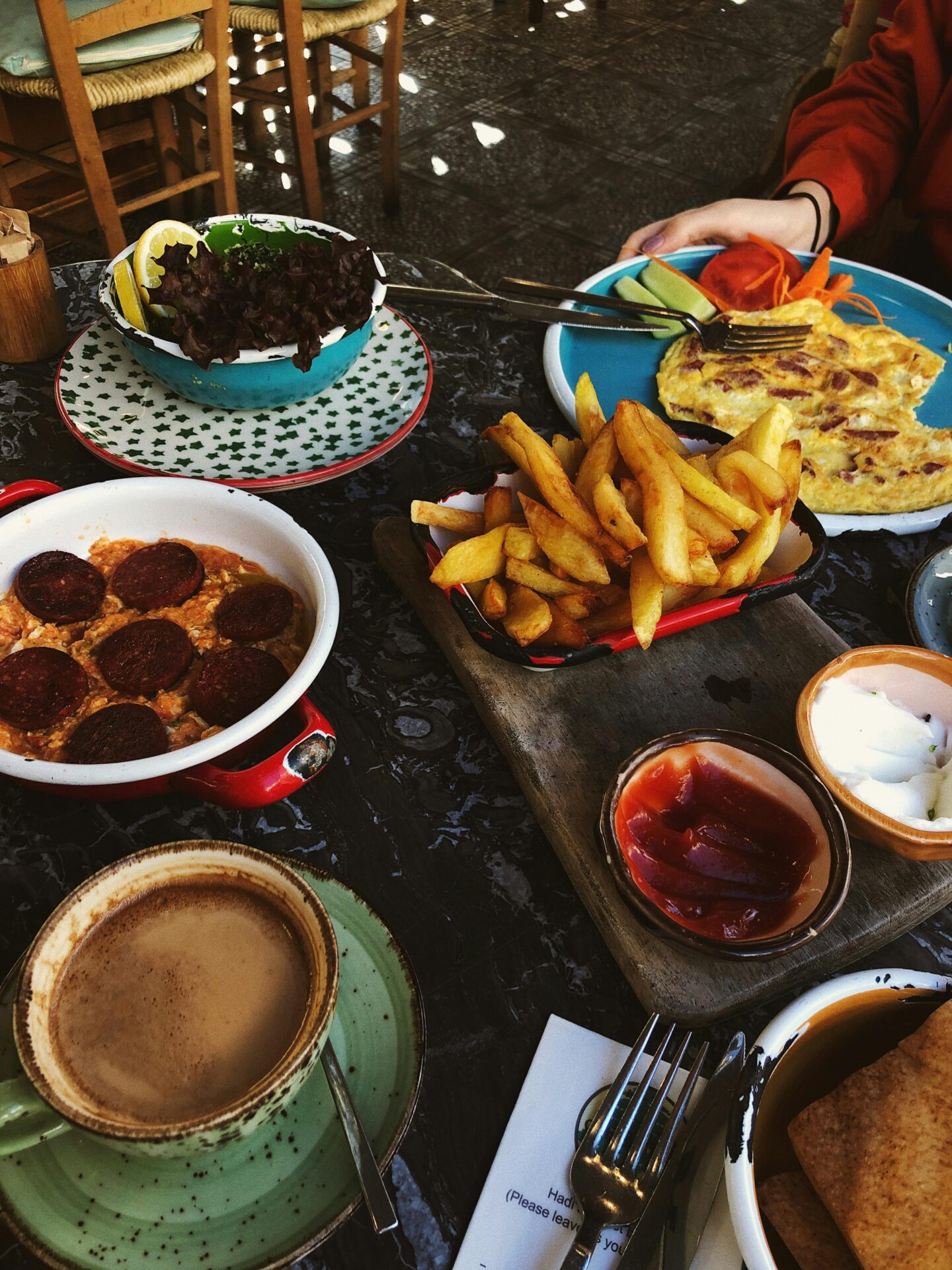
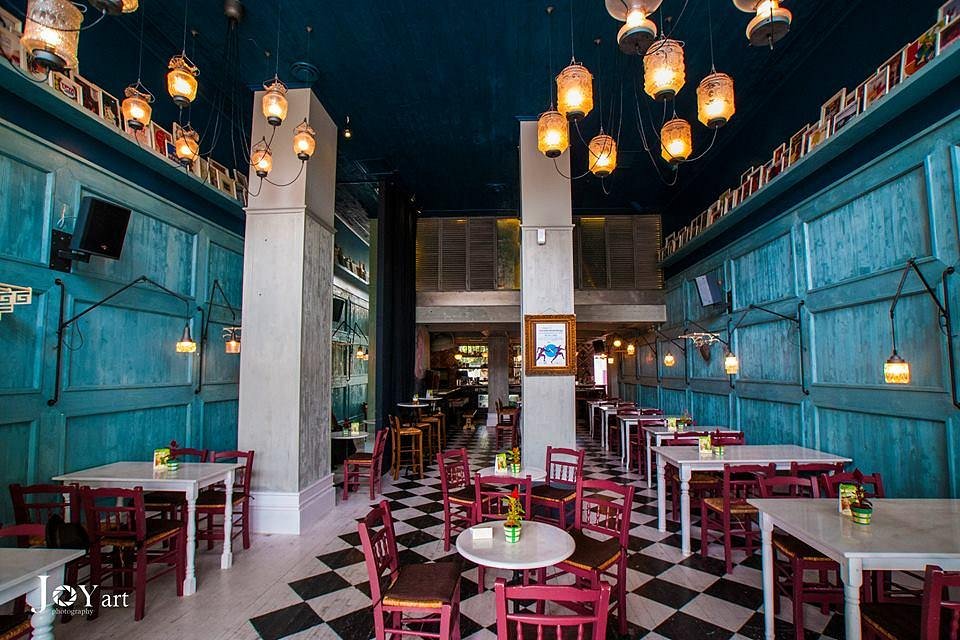
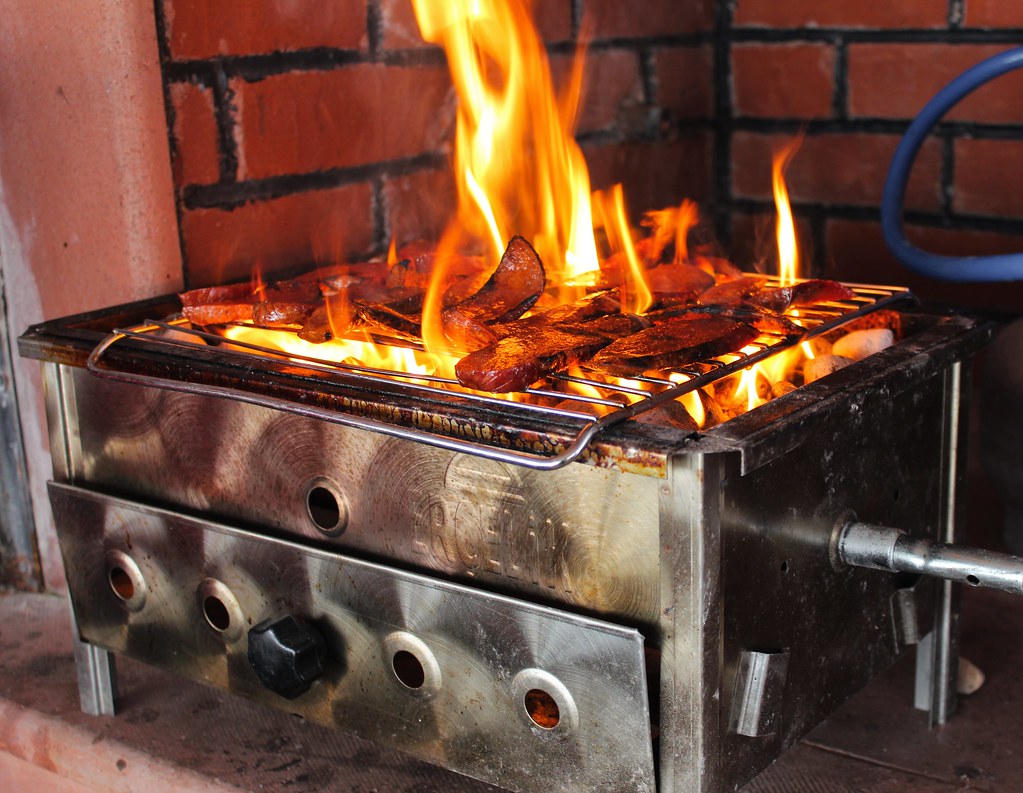
As I strolled Komotini’s old market, the smell of sizzling sucuk stopped me in my tracks. If you ask me, To Balkani—a tiny eatery behind the main square—serves the best grilled sucuk with fresh bread. That was the highlight of my afternoon.
For a more local vibe, I stopped at Ouzeri tou Thanasi. There, they fry sucuk and serve it with olives and tomatoes. The owners love to chat about their recipes.
Along the road to Nymfaia, I spotted farm stalls where women sell homemade sucuk with handwritten tags. These tasted more rustic and less salty than supermarket versions.
Pairing Sucuk: Local Drinks and Side Dishes
People in Komotini usually pair sucuk with strong local drinks. I tried mine with a glass of tsipouro—it really balances out the sausage’s richness. Some folks go for a dark Thracian red wine, or even ayran, a cool yogurt drink that takes the edge off the spice.
Common sides include sliced tomatoes, pickled veggies, and thick, crusty bread. Here’s a quick pairing table I put together:
| Sucuk Preparation | Drink Pairing | Side Dish |
|---|---|---|
| Grilled | Tsipouro | Tomato & Onion Salad |
| Fried | Red Wine | Fresh Bread |
| Rustic/Homemade | Ayran | Pickled Peppers |
Mixing and matching these, I got a taste of the many ways locals enjoy sucuk. It’s more than a snack—it’s a big part of Komotini’s social life.
Pastourma: The Bold Flavors of Cured Meat
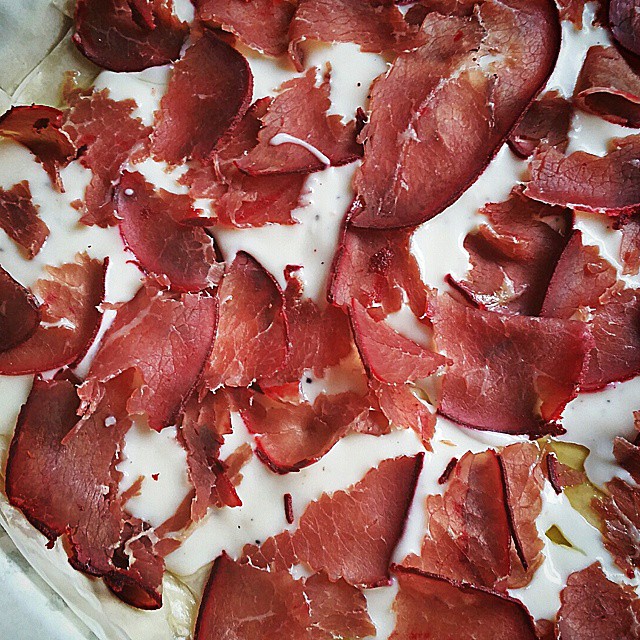
Pastourma grabbed my attention with its spicy aroma and deep red color. In Komotini, this traditional cured beef brings both a taste of history and a flavor you just don’t get anywhere else in Thrace.
Origins and Historical Significance
Pastourma’s story goes back centuries, connecting Greece, Turkey, and Armenia. Traders and shepherds carried this cured meat across the region, relying on it for protein and its long shelf life.
In Komotini, I learned it’s more than just food. Families pass down their spice blends, and butchers still make it by hand using old-school techniques. That mix of tradition and flavor makes every bite feel like a piece of the past.
What sets pastourma apart is its strong, garlicky kick and the special çemen spice crust—a mix of fenugreek, paprika, and garlic. The thick crust doesn’t just flavor the beef; it also preserves it. Eating pastourma in Komotini felt like I was joining in on a living tradition.
Tasting Tours: Best Pastourma Experiences
The best way to try pastourma in Komotini? Head to the local delis and spice shops. Some family-owned butchers downtown slice it fresh while you watch. Savoring a thin piece on warm bread with a drizzle of olive oil was honestly a highlight.
Restaurants serve pastourma cold or in a classic Thracian dish—scrambled eggs with pastourma, called pastourmadopita. I noticed small cafes often start the day with this, alongside strong Greek coffee.
I joined a food walk where local guides explained how pastourma is made and let us taste different varieties. Comparing Armenian, Greek, and Turkish styles, I noticed subtle differences in marinade and aging. Tasting them side by side made me appreciate the spiciness, the fat content, and how the çemen paste gives depth.

Cooking with Pastourma: Home Recipes to Try
Cooking with pastourma at home is pretty straightforward. The meat packs a ton of flavor, so you really don’t need much.
Popular recipes include:
- Pastourma omelet: Beat eggs, toss in chopped onions, then add thin strips of pastourma just before the eggs set.
- Pastourma pie: Layer chopped pastourma with cheese and pastry, then bake until golden.
- Grilled sandwiches: Toast pastourma with yellow cheese between crusty bread.
I found pastourma goes great with eggs, tomatoes, or sharp cheeses. To keep things balanced, I skip extra salt. When friends come over, I like to serve a pastourma platter with veggies and dips—a quick way to share a taste of Thrace.
Trying these at home brought Komotini’s flavors right to my own kitchen.

Unique Thracian Delicacies You Can’t Miss
Thracian food is a wild blend of flavors shaped by history and local produce. Komotini has some truly special foods—both sweet and savory—rooted in tradition, each with its own twist.
Komotini’s Sweet Treats: Bougatsa and Beyond
Waking up in Komotini, I’d catch the smell of fresh bougatsa drifting from bakeries. This flaky pastry, filled with sweet cream, custard, or cheese, is a breakfast favorite. Each bakery puts its own spin on it—some dust it with powdered sugar or honey, and the texture ranges from crisp to melt-in-your-mouth.
I also found soutzouk loukoum, a chewy sweet shaped like a sausage but made from grape must and coated in nuts. Shops line their windows with these treats, and I totally get why locals love them. They’re nothing like anything I’ve tasted elsewhere in Greece—fruity, nutty, and just plain fun.
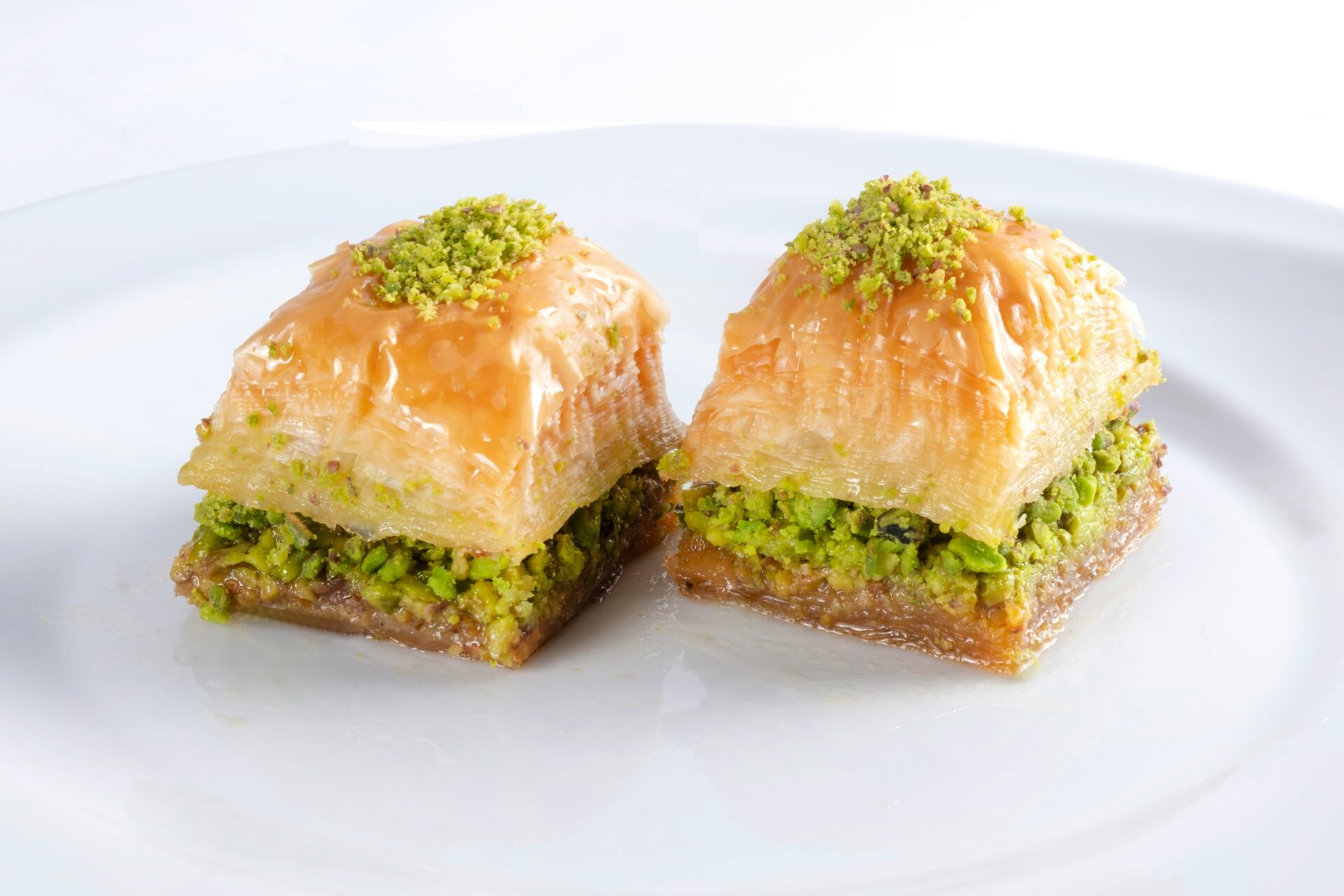
Sweet shops in Komotini serve dense, syrupy cakes like ravani and baklava, adding a Turkish touch to the city’s dessert scene. For anyone who loves food, these sweets are the perfect way to kick off or wrap up a day of eating.
Savoring Kavourmas: A Hearty Village Specialty
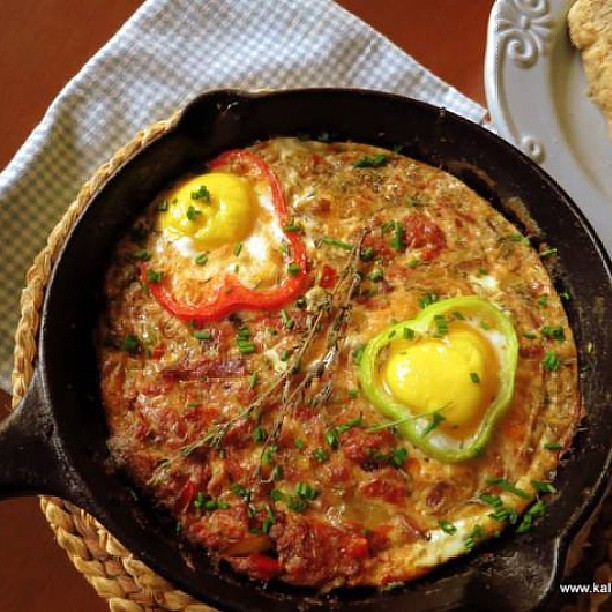
In one of Komotini’s old tavernas, I tried kavourmas for the first time. This traditional meat dish—usually pork or beef—gets slow-cooked with spices and its own fat until it’s super tender and full of flavor. People usually slice it and serve it with bread or stuff it in pies.
Every family seems to make kavourmas a little differently. Some add leeks, peppers, or even bits of sausage. The meat is always tender, a bit salty, and rich—just right for a chilly evening. Locals told me it used to be a go-to meal for workers and travelers because it keeps well and fills you up.
Some restaurants serve kavourmas as part of a meze platter, next to olives, cheeses, and fresh veggies. It’s a solid way to try a bunch of flavors at once and get a feel for Komotini’s farmhouse cooking.
Rare Traditional Cheeses of Thrace
Cheese in Thrace is no afterthought—it’s a real point of pride. I tried several types I’d never seen before, made from sheep’s or goat’s milk and aged in all sorts of ways. The local feta is creamier and tangier than any I’ve had elsewhere in Greece.
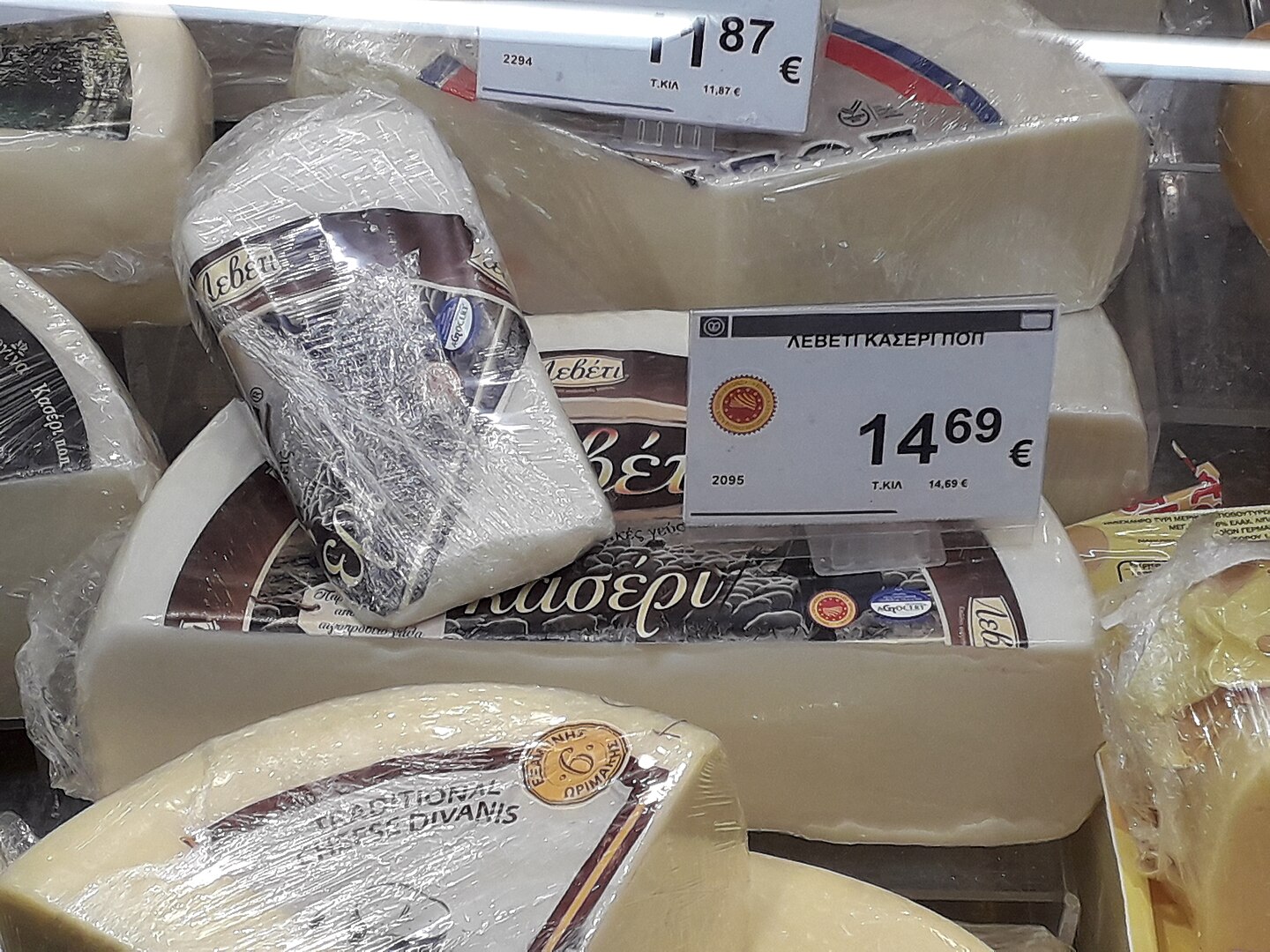
Kaseri popped up everywhere—a mild, buttery cheese that’s great in sandwiches or baked dishes. Some villages make old-style mizithra, a crumbly cheese that sometimes ends up in desserts or gets mixed with honey.
Lots of tavernas in Komotini let you sample homemade cheeses as appetizers. I’d definitely recommend asking what’s local and in season—the taste is always better when the cheese hasn’t traveled far. The freshness and variety really show why Thracian cheeses stand out.
Planning Your Own Komotini Food Adventure
Komotini offers a wild blend of traditional Thracian dishes, unique cured meats, and multicultural flavors. If you time your visit with local events and come with a bit of curiosity, you’ll find the city’s food scene incredibly rewarding.
When to Visit for Food Festivals
Food in Komotini isn’t just about grabbing a meal. It’s really about timing.
Local food festivals show off special dishes you won’t find on most menus. I found that late spring and early autumn work best if you want to catch these gatherings.
The Thracian Gastronomy Festival in May feels especially lively. Local producers set up stalls with cheeses, meats, and all kinds of sweets.
In autumn, Komotini puts on smaller harvest festivals that celebrate traditional products like honey and olives. I actually planned my trip to line up with these events.
Trying house-made pastourma and sucuk straight from the source surprised me—they taste nothing like the stuff from the store.
Here’s a quick look at key festival times:
| Month | Event/Festival | Notable Foods |
|---|---|---|
| May | Thracian Gastronomy Festival | Cured meats, sweets |
| September | Harvest Festivals | Honey, olives, local pies |

Essential Tips for Culinary Travelers
Honestly, I found that preparation mattered just as much as curiosity. Most Komotini eateries are family-run, and, well, English menus are rare.
A simple Greek food phrasebook—or just a decent app—made a world of difference for me.
I can’t recommend comfortable walking shoes enough. The best food spots are scattered across both the busy streets and the quieter alleys.
Talking with shop owners, even if my Greek was basic, usually sparked recommendations or led to unexpected tastings. Sometimes, I’d get a free slice of kavourmas or stumble into trying a local pastry I’d never even heard of.
Whenever I ordered cured meats like pastourma or sucuk, I’d ask for a small sample first. That way, I could actually taste the difference—spicy, smoky, or mild—and skip what didn’t suit me.
Carrying cash turned out to be pretty important, since a lot of the smaller tavernas just didn’t take cards.
If you blend a little planning with a willingness to embrace surprises, you’ll probably have a much richer food adventure. Isn’t that what travel’s all about?

