
Edessa usually pulls in travelers for its famous waterfall, but honestly, I wanted to see what else hid behind all that mist. When I wandered through Edessa’s old town, Varosi, and its web of hidden water mills, I stumbled onto a part of Greece that’s both historic and very much alive.
Roaming these traditional streets felt like stepping into another era. Stone houses and cobbled paths seem to tell stories of a working town shaped by water and time.
Once I moved past the crowds at the big waterfall, Edessa’s quieter side started to open up. The rush of water led me to old mills that powered the city back in the day.
Many of these mills sit tucked away, surrounded by wildflowers. They’re perfect for travelers who crave peaceful spots and a bit of local history.
As I wandered Varosi’s narrow lanes, I ran into small cafes, warm locals, and that special kind of charm you only get in places that still hold onto their roots. This slice of Edessa isn’t just a pit stop—it’s where you slow down and find a little magic in northern Greece.
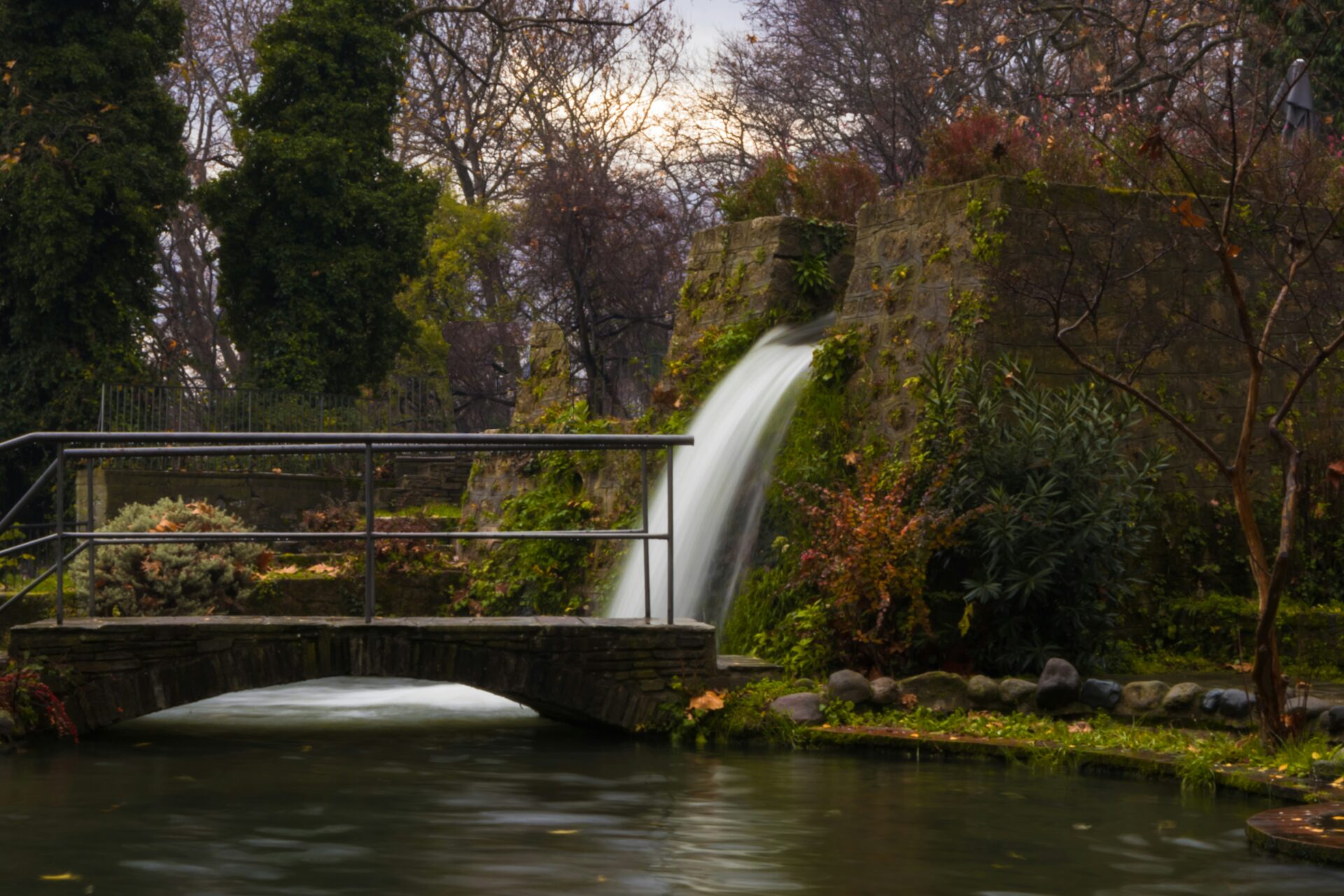
Exploring Edessa’s Famous Waterfalls
The first thing that hit me in Edessa was the sound of rushing water—even before I spotted the falls. The city’s famous waterfalls aren’t just for pretty pictures; they’re really the heartbeat of Edessa.
Reaching the Waterfalls
Getting to the waterfalls is a breeze and, honestly, part of the fun. I followed signs from the town center straight to the lush park on the city’s northeastern edge.
It took me about ten minutes to walk from the main streets to the park. The path winds down gentle slopes, shaded by tall trees.
Along the way, I noticed old water mills perched by the river. They hint at Edessa’s industrial past.
Some of them now open for visits or small exhibitions. They line the path and make the whole walk feel peaceful.
You can enter the main waterfall area for free. There’s a small cave waterfall nearby that charges €1 if you want to check it out.
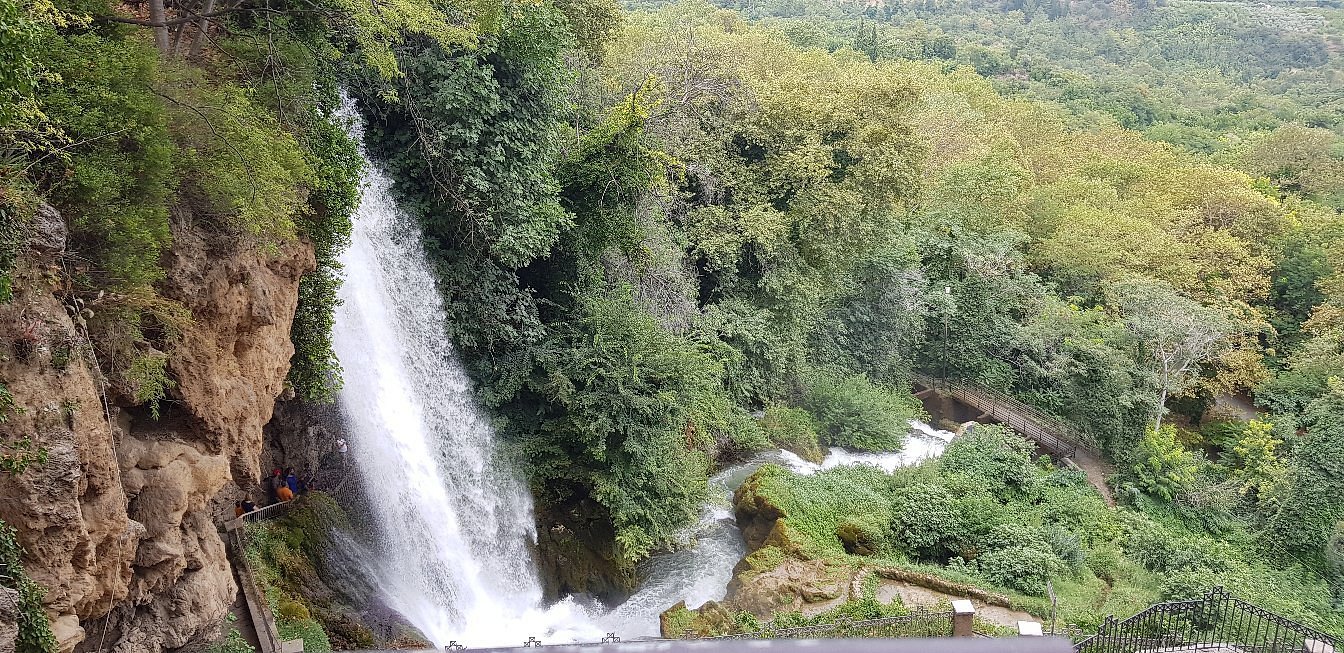
The main Karanos waterfall drops 70 meters, and you just can’t miss it. Its roar and mist cool the air, a relief on hot days.
Definitely wear comfortable shoes—the stones get pretty slippery near the water.

Photogenic Views and Hidden Corners
Every few steps, I found new photo angles. Viewing platforms on both sides of Karanos waterfall gave me wide, scenic shots.
Early mornings are best—the light is soft, and the falls look almost magical.
Below the main falls, paths lead to small bridges and quieter streams. I stumbled onto a narrow corner where water tumbled past wildflowers.
Hardly anyone stopped there, so it felt like my own peaceful hideaway. Garden spaces along the trails bloom in spring and early summer, adding color everywhere.
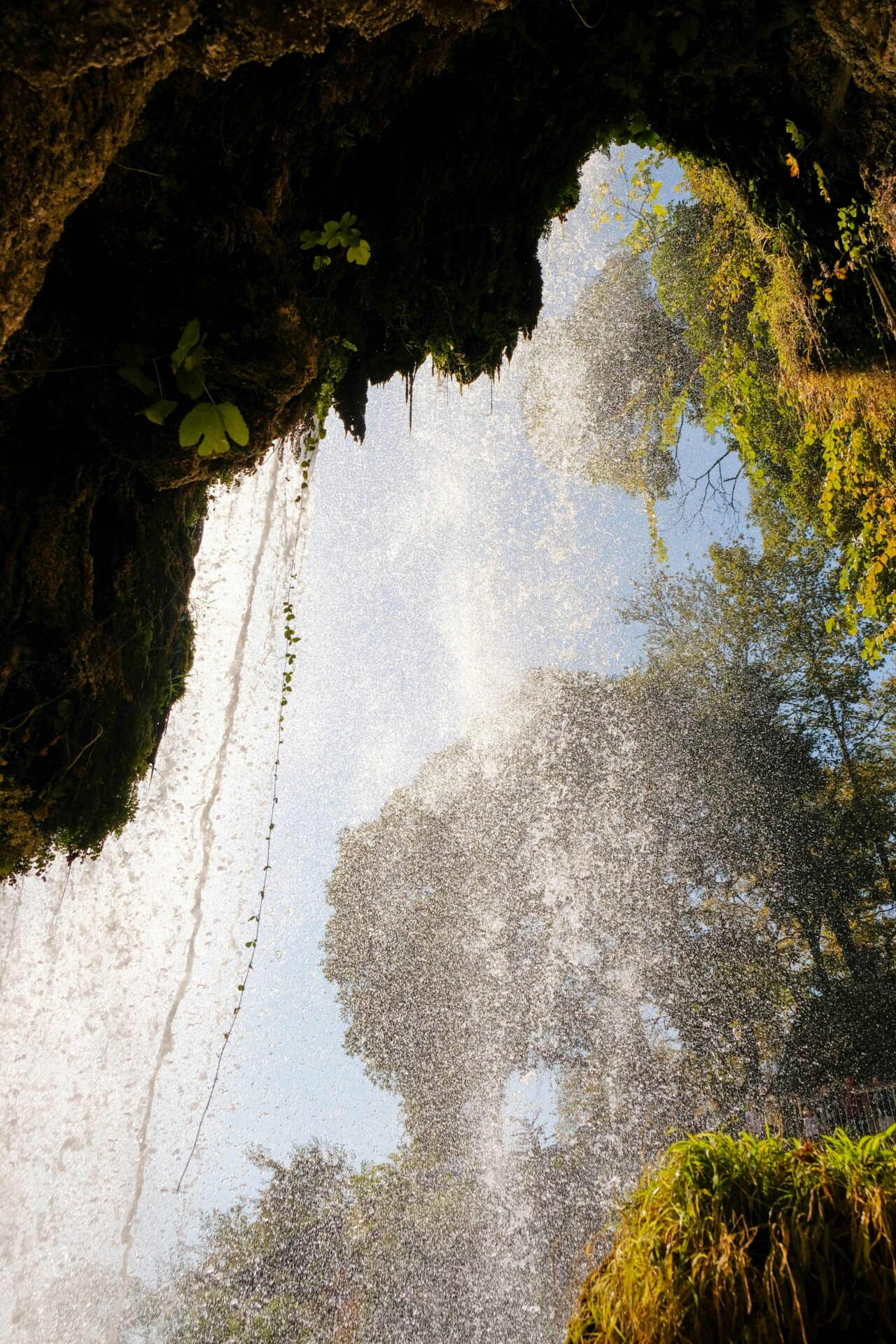
Some adventurous folks took the path behind the main waterfall. Walking through the spray, they stood behind the water curtain.
It’s a quick, wet walk, but honestly, the view is worth it. I had to watch my step and protect my camera from the spray, but shots from behind the falls ended up as some of my favorites.
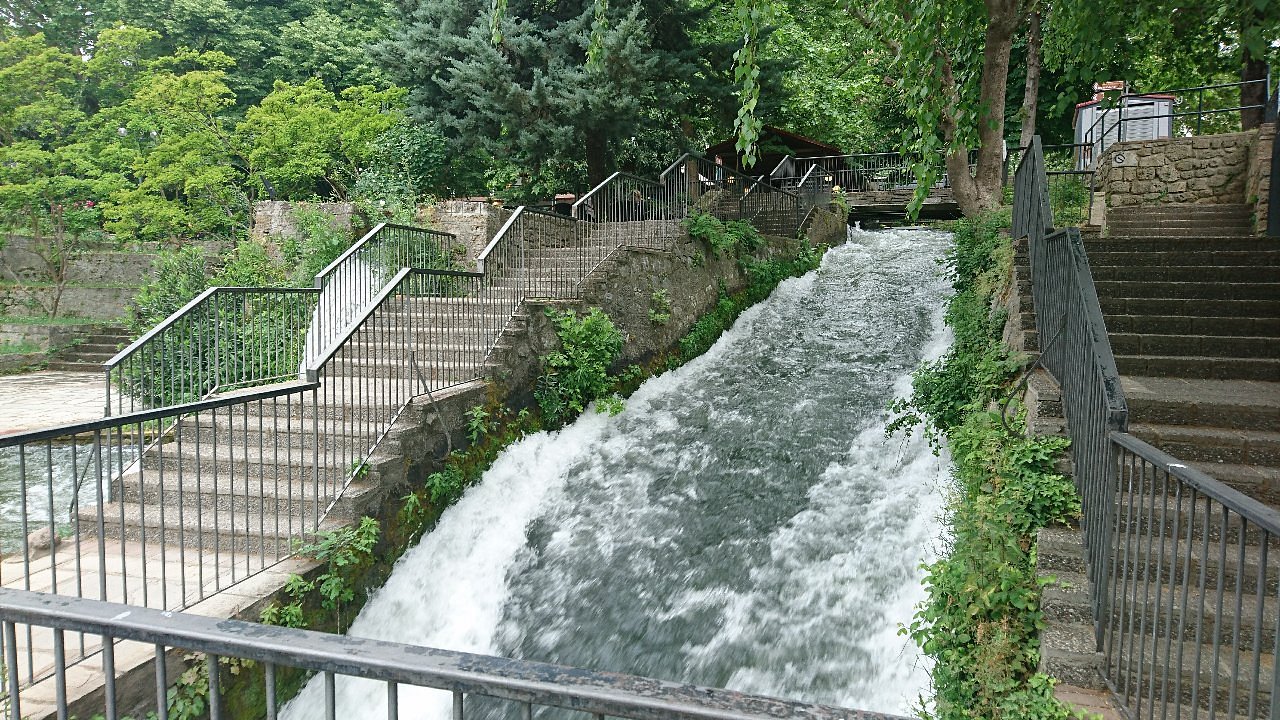
Seasonal Experiences at the Falls
No matter when I visited, the falls always felt different. In spring, melting mountain snow sends more water over the drops, making the sound and spray even more intense.
Flowerbeds and fresh green leaves turn the park lush. Summers get hot in Edessa, but the cool mist from the waterfalls is the perfect escape.
Locals and visitors relax in the shade or grab ice cream from street vendors outside the park. Evenings bring a soft pink sky—great for sunset photos with water glinting in the light.
When autumn hits, leaves turn gold and red. The water volume drops a bit, but the colors make everything feel new.
Other travelers told me fall is quieter, with fewer crowds. Even in winter, the falls sometimes freeze at the edges, and the sight is dramatic—a good reason to visit Edessa any time of year.
Strolling Through Varosi: The Heart of Old Town
Varosi, Edessa’s old neighborhood, holds a quiet beauty and stories from centuries ago. As soon as I wandered its lanes, I caught the mix of stone mansions, graceful churches, and the smell of home-cooked food.
Historic Mansions and Stone Pathways
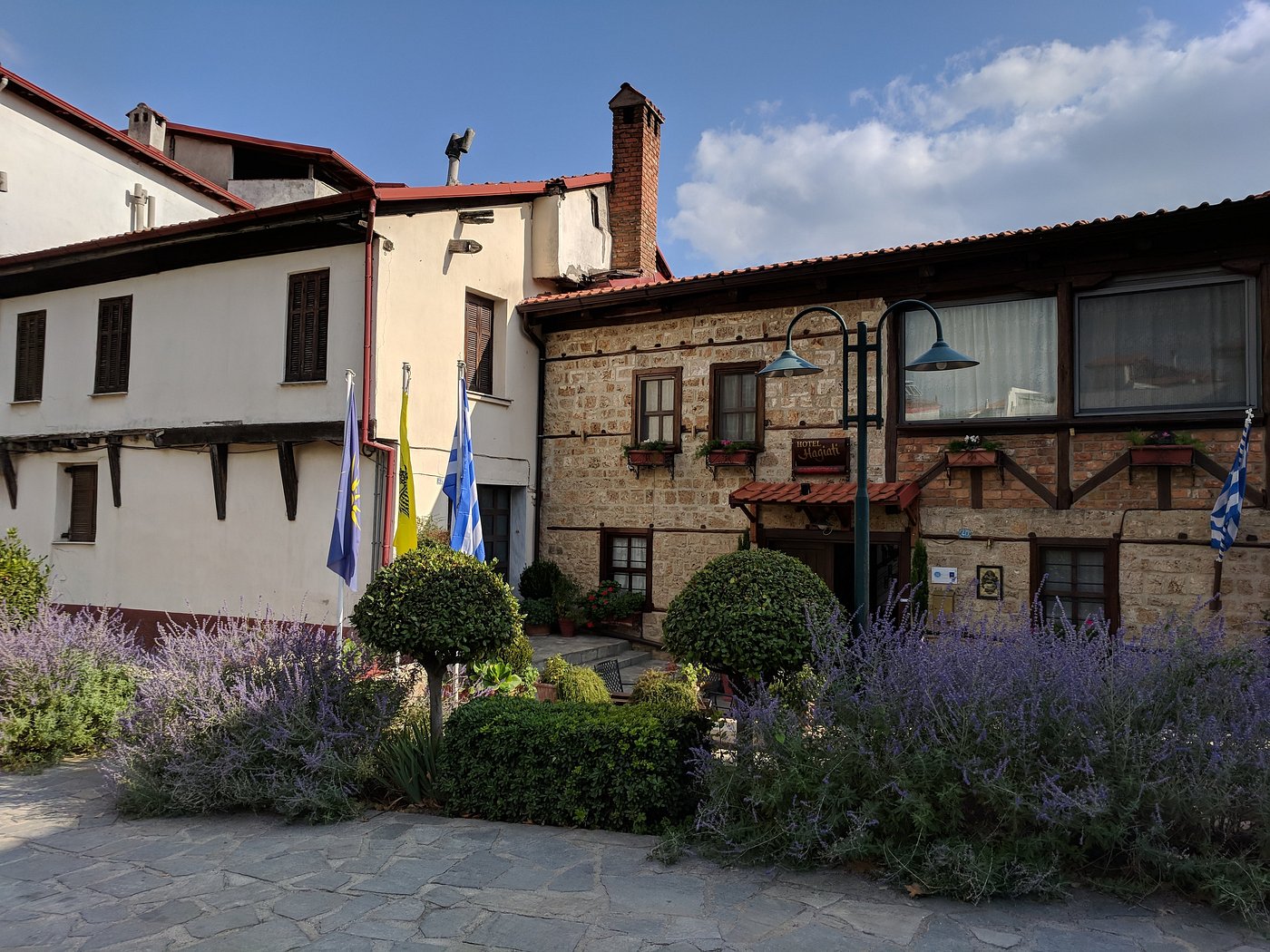
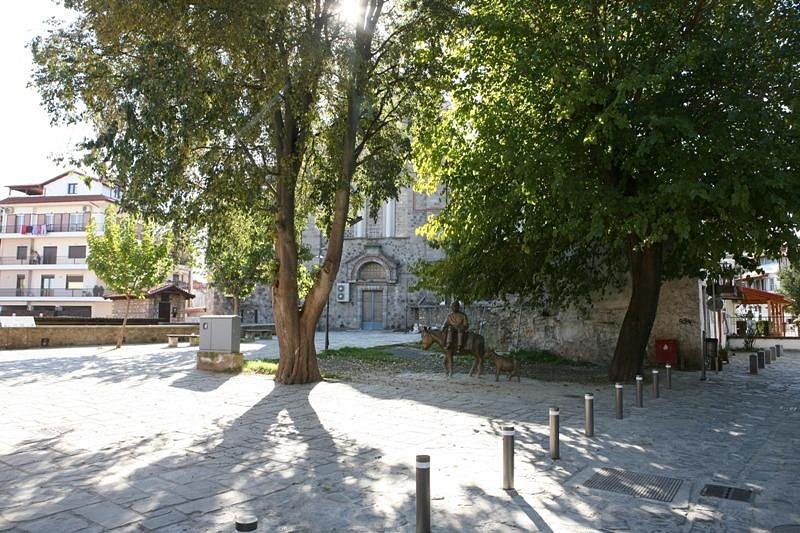
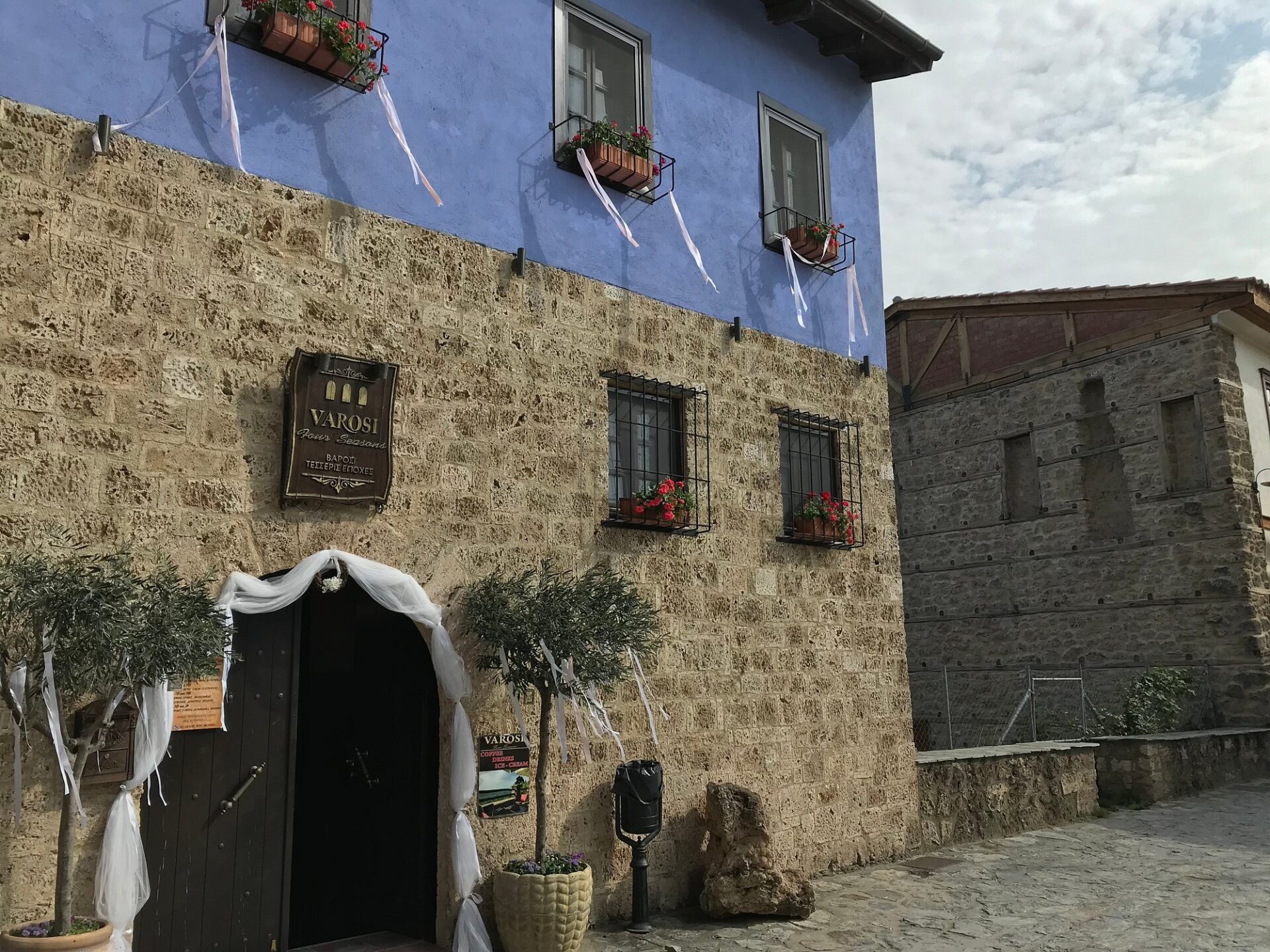
In Varosi, narrow cobblestone paths wind through clusters of old Macedonian mansions. Many are painted in soft whites, blues, and beiges, all under tiled roofs.
You’ll spot traces of the old tobacco trade in former warehouses and stone buildings lining the streets. Some houses have wooden balconies overflowing with plants.
Small courtyards hide behind winding gates. The sunlight filtering through tall trees made it feel like I’d stepped into another time.
I loved pausing to admire tiny gardens and carved doorways—each one had its own story. Some homes open as guesthouses or museums.
Locals sometimes share stories about Christmas dinners filled with traditional dishes and family recipes. It’s a peaceful place to explore, camera in hand.
Byzantine Churches and Local Heritage
Edessa’s old town brims with signs of deep spiritual history. Along quiet corners and main squares, I found several Byzantine churches.
One church grabbed my attention with its faded frescoes still showing scenes from centuries past. Inside, the cool air and candlelight made everything feel timeless.
A guide told me some churches date back to the 14th century and played a central role in Varosi’s Orthodox community. Locals still gather for annual religious festivals and rites that have survived wars and change.
Icons and mosaics tell stories about life, faith, and hope. Just steps from the churches, small heritage museums display old tools and photos showing Edessa’s changing pace.
Tobacco pipes and presses remind visitors of the town’s trading days.
Cafés, Tavernas, and Traditional Flavors
After a morning stroll, the smell of fresh bread and roasting coffee lured me to a cozy taverna on the main lane. Varosi is dotted with tiny cafés tucked into corners where old friends catch up over strong Greek coffee.
Tiled terraces overlook leafy streets and offer glimpses of the waterfalls below. Menus showcase local cheeses, olives, and savory pies—just like the dishes served at Christmas family dinners.
I tried a flaky bougatsa while watching neighbors laugh together. Some spots offer homemade liqueurs from old recipes, and in the evenings, music drifts out through open doors.
Sharing a meal or drink here made me feel part of a long tradition of Greek hospitality. Eating in Varosi was as much about the people and stories as the food.
The Enchanting Water Mills: Edessa’s Hidden Gems
Beyond the famous waterfalls, Edessa hides a world of water mills that feel almost untouched. These quiet corners of the old town blend history, ingenuity, and nature in a way that’s truly inviting.
Uncovering the Water Mill Museum
My first stop was the Water Mill Museum, set along the gentle river. Housed in a sturdy old stone building, the museum shows how Edessa’s mills powered local life.
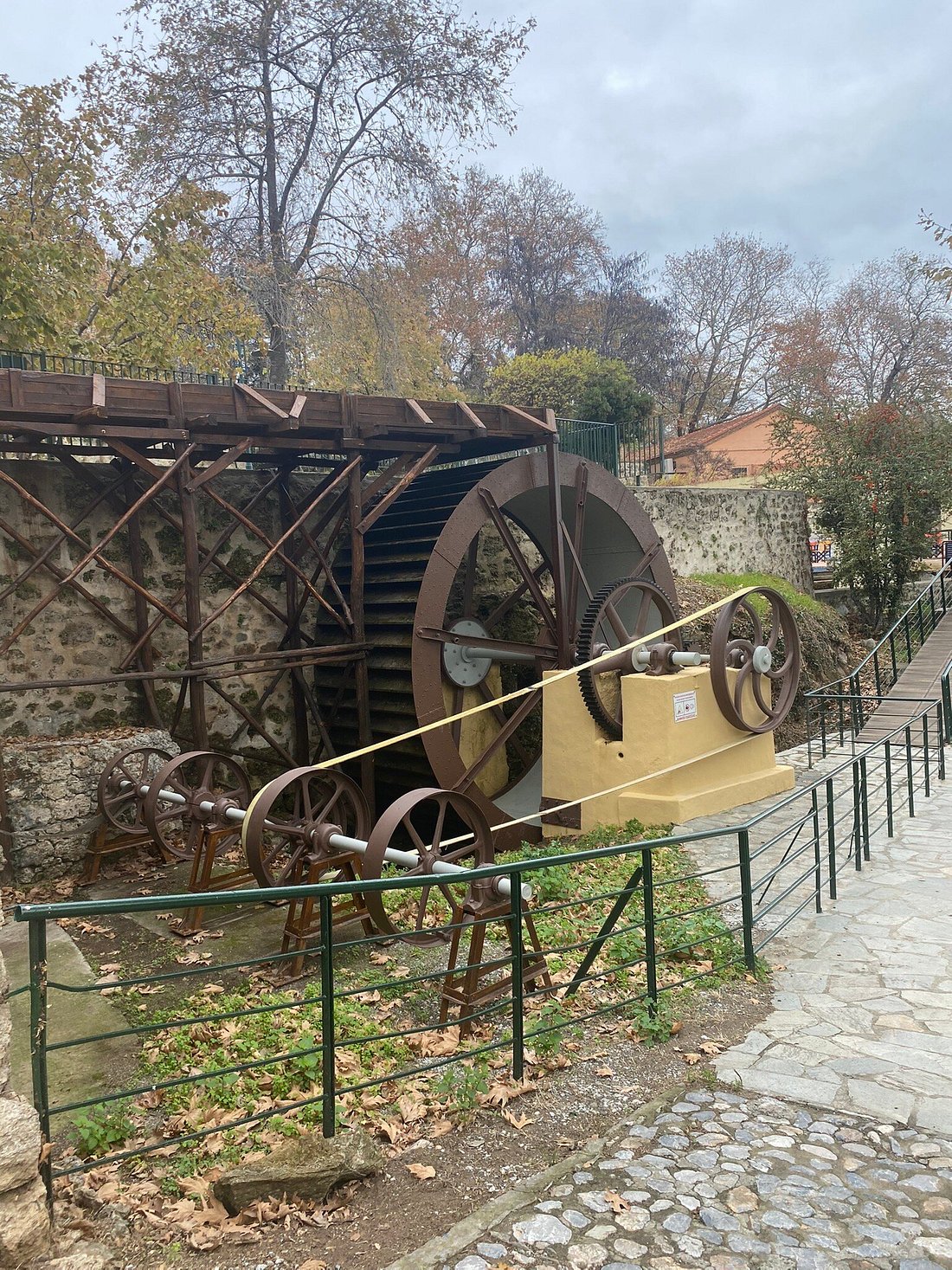
Displays show wooden gears, grinding stones, and tools for everything from flour making to rope spinning. I saw machines from the early 20th century, back when mills ran the town’s small factories.
Interactive models let visitors see how water channeled from the river turns wheels with surprising force. The museum really explains how important these mills were to daily life.
Maps on the walls show where each mill once stood. There’s a quiet garden outside—perfect for sitting and imagining the steady hum of work that once filled the air.
Ancient Engineering and Repairs
Walking around the old mills, I couldn’t help but admire the Greek engineering. Builders designed clever systems of canals and sluices to keep the mills running, even when the river’s flow changed.
Some mills have been carefully repaired and restored. I watched craftsmen use old-fashioned techniques—wooden pegs and local stone—to rebuild broken parts.
There’s a real respect for the past here. In a few places, plaques tell the story of the Kanavourgio rope factory and the Old Hemp Factory.
Both places depended on water mills for power well into the 1900s. Seeing the restored wheels turning again made the connection between past and present feel real.
Nature Walks by the Water
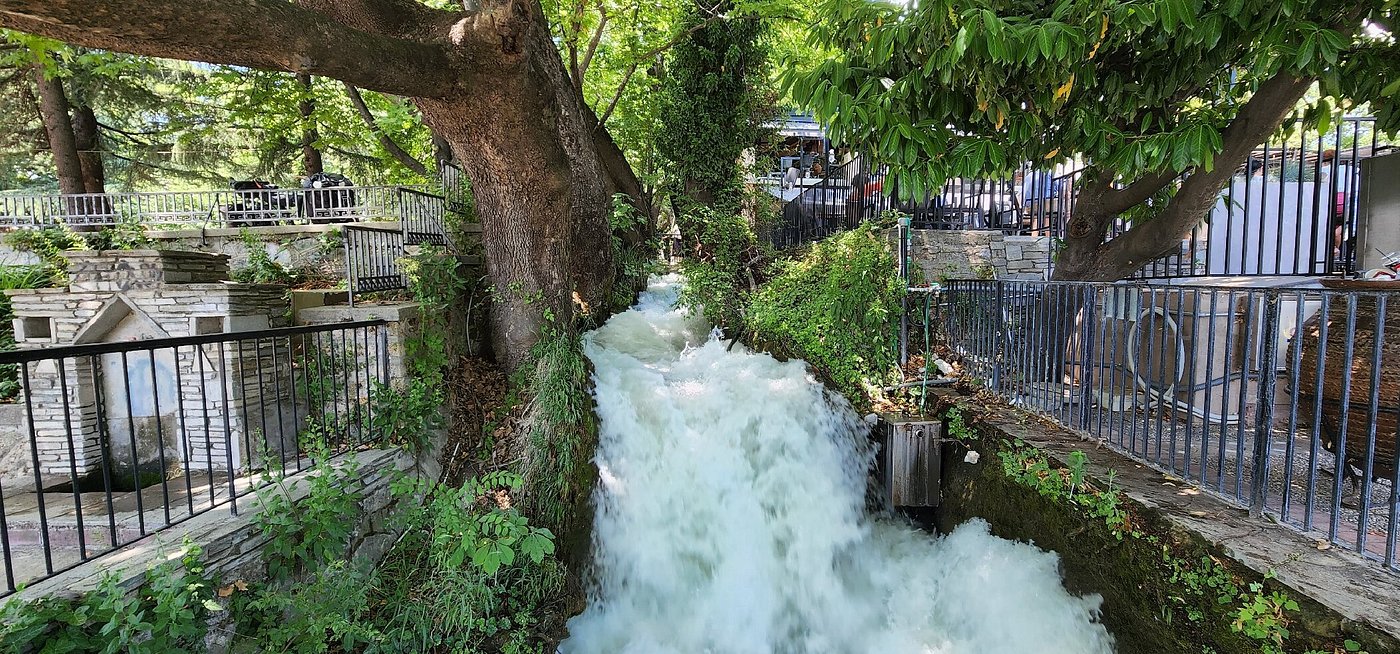
Away from the bustle, I followed footpaths winding through lush greenery along the riverbanks. The trails lead past hidden water mills—some almost swallowed by moss and wildflowers.
This part of Edessa feels peaceful, with only the splash of water breaking the quiet. Birdsong and the scent of damp earth fill the air.
I spotted small wooden bridges crossing streams and found a shady bench to rest. As I walked, I saw locals tending gardens and kids skipping stones near the old mill wheels.
If you love nature and history, these walks hit the sweet spot. Each path shows a new angle on Edessa’s connection to water, industry, and the gentle beauty of Greece’s countryside.
History and Legacy: From WWI to WWII
Walking through Edessa’s Old Town (Varosi), I felt how stories from the early 20th century still shape life here. Wars, commerce, and traditions have left their mark on these cobbled streets.
War Stories and Local Memories
During World War I, Edessa sat right on military routes and supply lines. Families here faced big changes as frontlines came close, and soldiers sometimes passed through town.
Local stone houses and mills became shelters or supply storage for both Greek and foreign troops. World War II brought new hardships.
Several old buildings were damaged or taken over by occupying forces. Townspeople still talk about times when food was scarce and life felt uncertain.
Simple acts, like gathering at the water mills, helped people share news and keep spirits up. Even after the wars ended, scars lingered.
I listened to elders tell stories of endurance, pride, and community during those hard years. Their memories turned Varosi into a living museum for me, not just a pretty corner of town.

The Role of Tobacco and Taxes
After the wars, Edessa’s economy leaned hard on tobacco. Many families grew tobacco or worked in processing it.
The smell of drying leaves used to fill the area every fall. Factories, some powered by the Old Town’s waterfalls, gave people work.
Tobacco brought both wealth and strict government rules. Taxes on the crop were high and tough for farmers.
Some families still remember paying large sums, and stories about “the tax man” come up over coffee. These issues shaped the rhythm of daily life, especially between the wars.
The ups and downs of the tobacco trade left a mark on Edessa’s character. Today, you can still spot old signs and abandoned factories that remind you of that era.

Milestones and Modern Celebrations
Edessa hasn’t forgotten its past, but it sure knows how to celebrate resilience. The city’s “birthday” in 2016 was a big deal, with public events, music, and walking tours honoring its journey from hard times to recovery.
Now, people gather in Varosi for annual events, sharing stories and honoring local heroes. Schools sometimes organize exhibitions about WWI and WWII, filled with photos and keepsakes passed down through generations.
Locals dress in traditional clothes on special days, bringing old customs back to life. Modern celebrations use the waterfalls and restored water mills as unique venues.
While exploring these areas, I joined families celebrating their city’s strength—a reminder that Edessa’s history is still part of its everyday charm.
Day Trips and Practical Tips for Visiting Edessa
Visiting Edessa isn’t just about the famous waterfalls. Getting here, making local connections, and tuning into the town’s easygoing rhythm will shape your whole experience in this charming Greek city.
Getting There: Thessaloniki and Beyond
Getting to Edessa from Thessaloniki is actually pretty simple. I usually hop on the train—it takes about two hours and is surprisingly comfy.
The train snakes through some lovely hills, so honestly, the ride itself feels like part of the trip. You could also catch a bus, which runs several times a day and drops you off right in Edessa’s center.
If you’ve got a car, driving from Thessaloniki to Edessa is a breeze. The trip usually takes around an hour and a half.
In winter, though, I’d check the weather first. The nearby ski resorts can clog up the roads a bit when it snows.
Once you arrive in Edessa, you’ll find most of the main sights—like the old town Varosi and the waterfall park—are close enough to walk.
Here’s a quick summary:
| From | Transport Options | Approximate Travel Time |
|---|---|---|
| Thessaloniki | Train, Bus, Car | 1.5 – 2 hours |
| SKG Airport | Bus, Train (+ taxi) | 2 – 2.5 hours |

International Connections: France, Switzerland, and Italy
Edessa might seem a bit tucked away, but honestly, it’s not that tricky to reach from Western Europe. I’ve caught flights from France and Switzerland straight into Thessaloniki’s SKG Airport—there are direct flights from big cities like Paris and Zurich.
Once you land, you just need a train or bus ride, and suddenly Edessa isn’t far at all, even if you started out in places like Nancy or somewhere over the border in Germany.
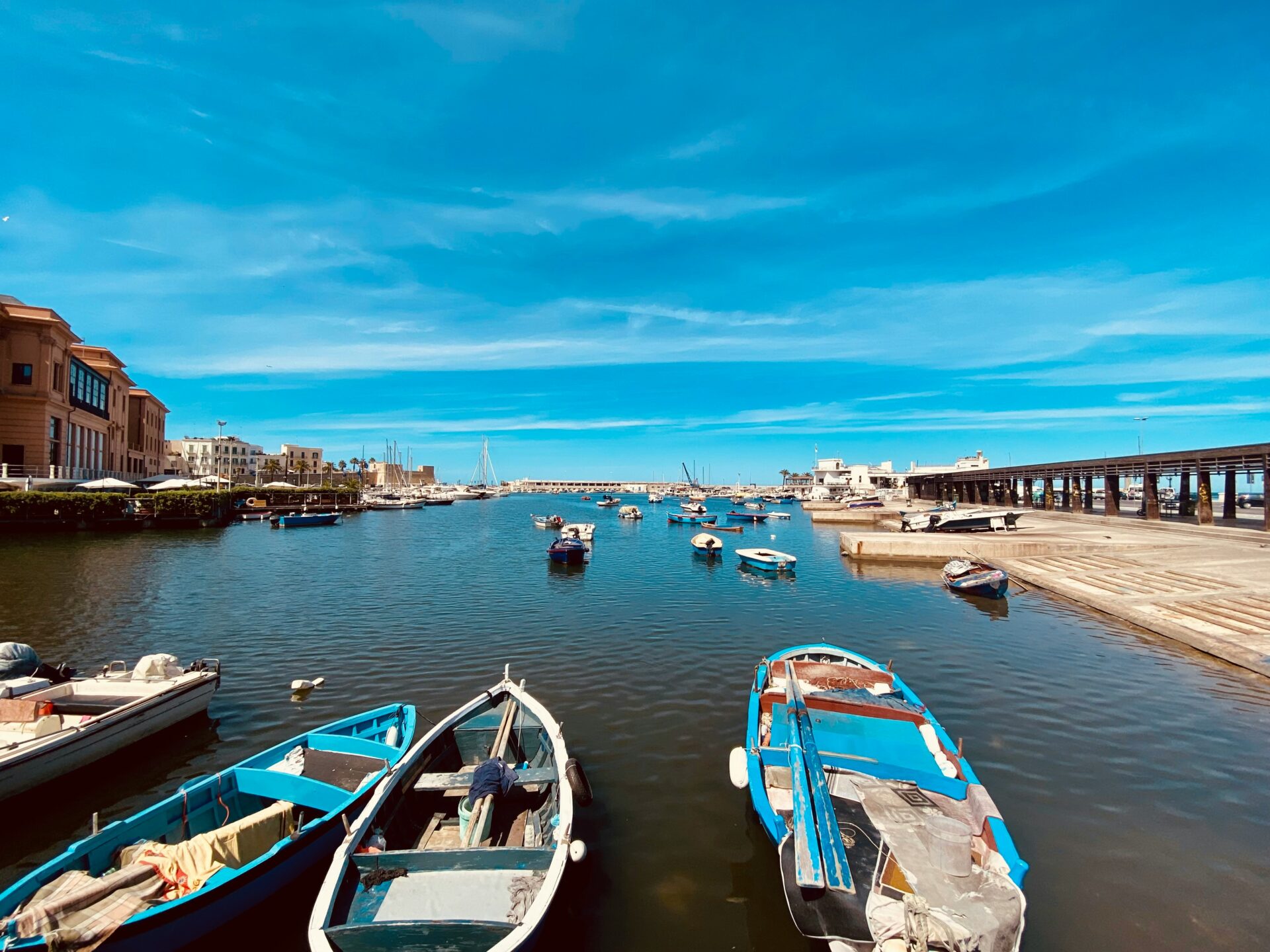
If you’re coming from Italy—say, Bari—ferries cross the Adriatic all the time. Bari to Thessaloniki is a classic route for road trippers.
You can take a ferry from Bari to Igoumenitsa or Patras, and then I usually grab a bus or rent a car to reach Thessaloniki, then Edessa. Booking ferries ahead, double-checking timetables, and nabbing a seat with a view really make the journey more fun.
Tip: A lot of European travelers mix it up—rail, ferry, bus—partly to save money, but also for the adventure.
Local Life: Stray Dogs and Community Spirit
One thing that really caught my eye in Edessa was all the stray dogs. They’re gentle, clearly used to people, and you’ll spot them sunbathing near the waterfalls or hanging out in the old town squares.
The locals actually feed them and give them names. That says a lot about how warm this town feels, doesn’t it?
I always felt safe when I walked around, even if it was early in the morning. People greet each other in the streets, and it’s honestly easy to start chatting at a bakery or on a random street bench.
If you’re kind to the dogs and respect the local spots, folks usually greet you with a smile.
Sometimes I’d watch families gather under the plane trees by the waterfalls. Edessa’s whole vibe really comes from its friendly people—both the humans and the dogs.
If you visit, maybe carry a few dog treats or just give a friendly pat. It’s a small gesture, but it’s a nice way to join in on the community’s caring spirit.
