Sailing across Santorini’s caldera in the Cyclades instantly felt unforgettable.
The sun glinted over the Aegean Sea, and I found myself surrounded by dramatic cliffs, deep blue water, and volcanic islets that just seemed to rise out of nowhere.
Every direction had something new to stare at—this place really is that beautiful.
Exploring the volcanic islets became a highlight, but slipping into the warm waters of the hot springs surprised me the most.
Floating there, steam swirling around, and those whitewashed villages high above, I realized how unique this adventure actually was.
If you’ve ever dreamed of sailing in Greece, this trip gives you more than just good views.
The fresh sea breeze and the history carved into the landscape made me want to hit pause and just soak it all in.
Why Sailing Santorini’s Caldera Is Pure Bliss
Sailing across Santorini’s caldera isn’t just about the sights—it’s about feeling the salty Aegean breeze, soaking in hot springs, and finding quiet volcanic islets.
There’s something magical in every sparkling wave and sunset, plus a mix of adventure and peace that’s hard to find elsewhere.
The Magic of the Caldera Views
The view from the water took my breath away.
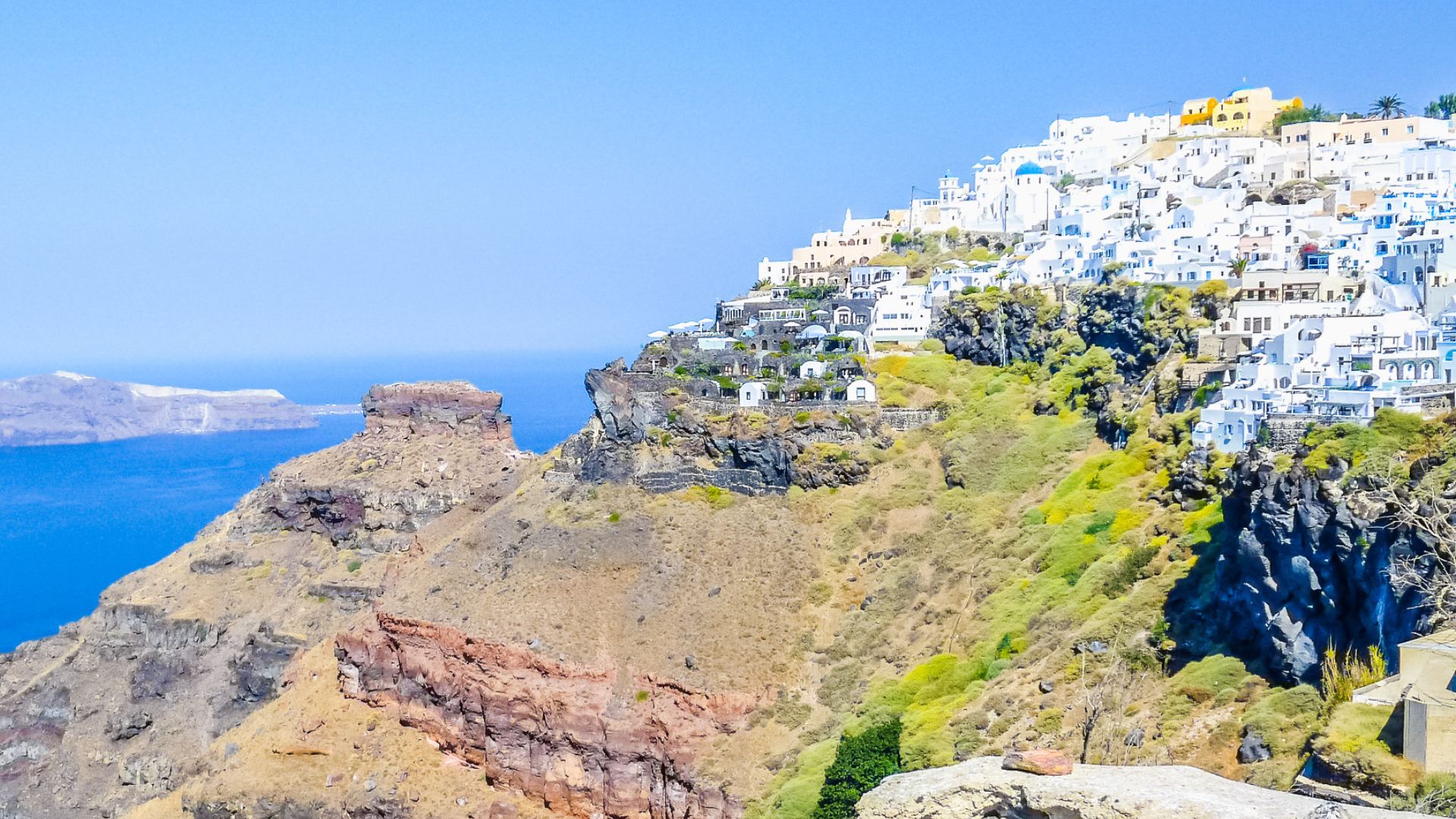
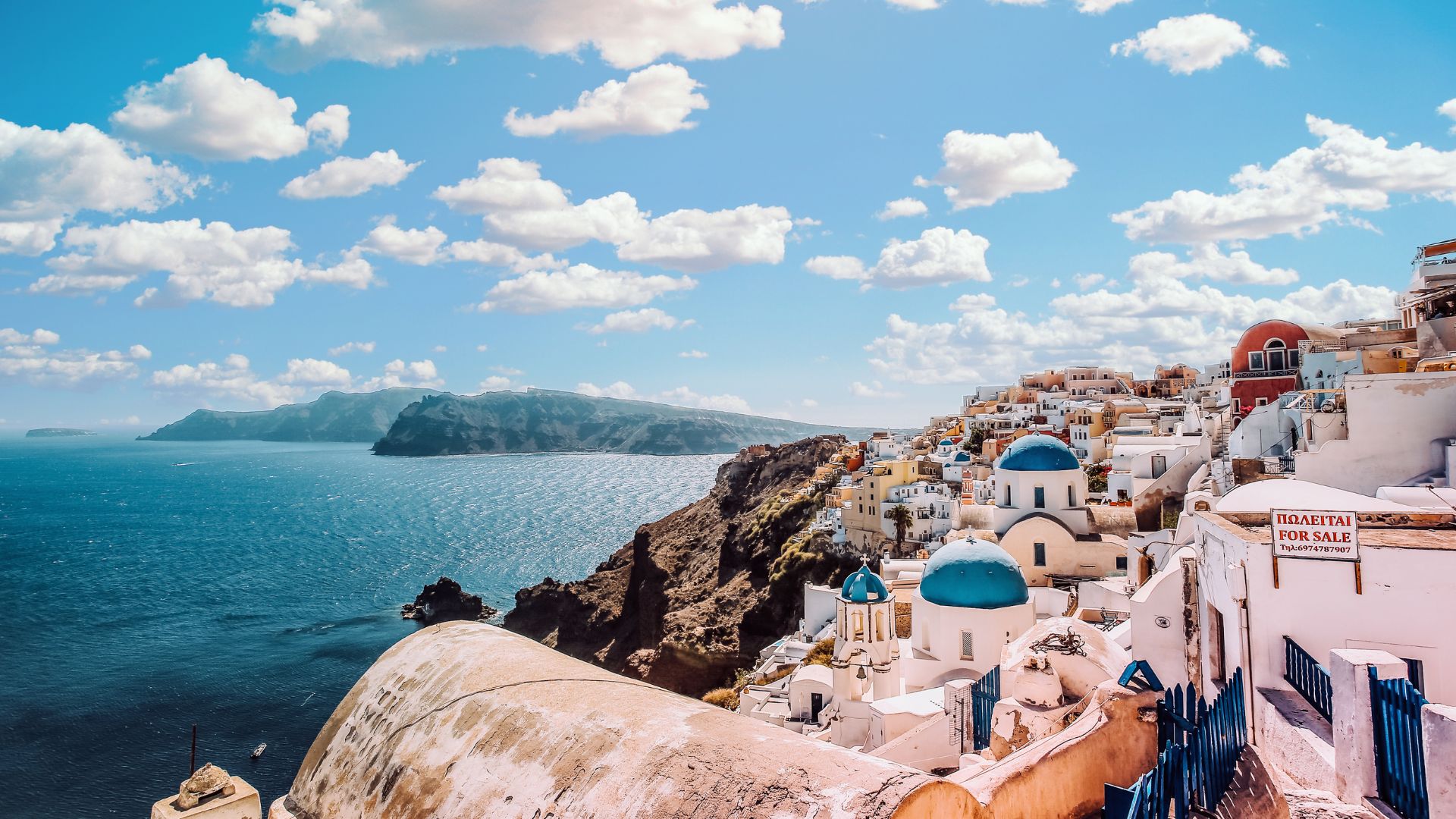
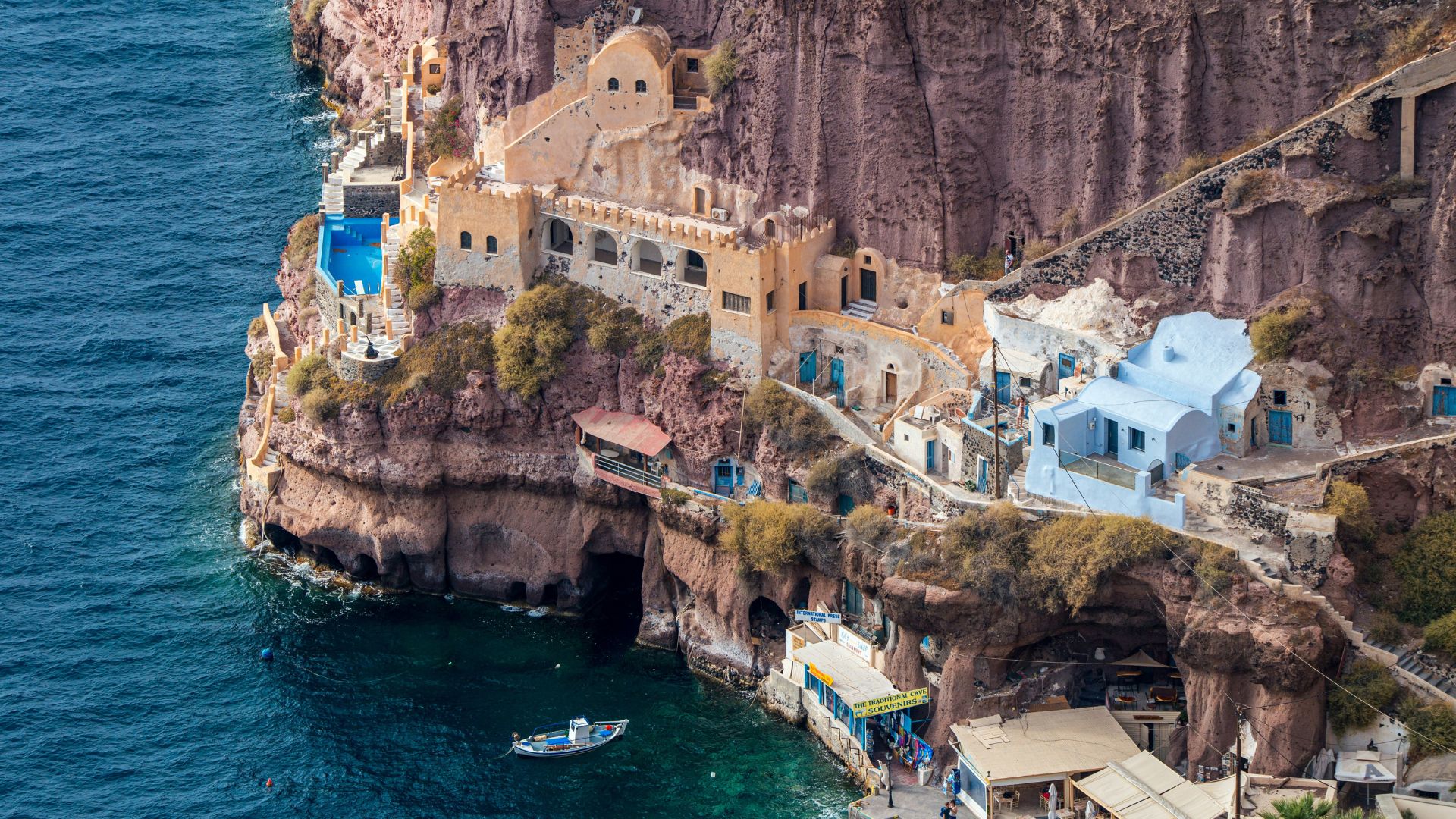
Jagged volcanic cliffs rose above the deep blue, with whitewashed villages—like Oia and Fira—spilling down the sides.
The caldera’s curves, shaped by a massive eruption, circled me in, making it feel like I’d sailed into a secret world.
Bright homes stood out against the dark volcanic rock, and the Aegean shimmered in the distance.
Each angle felt different depending on the time of day.
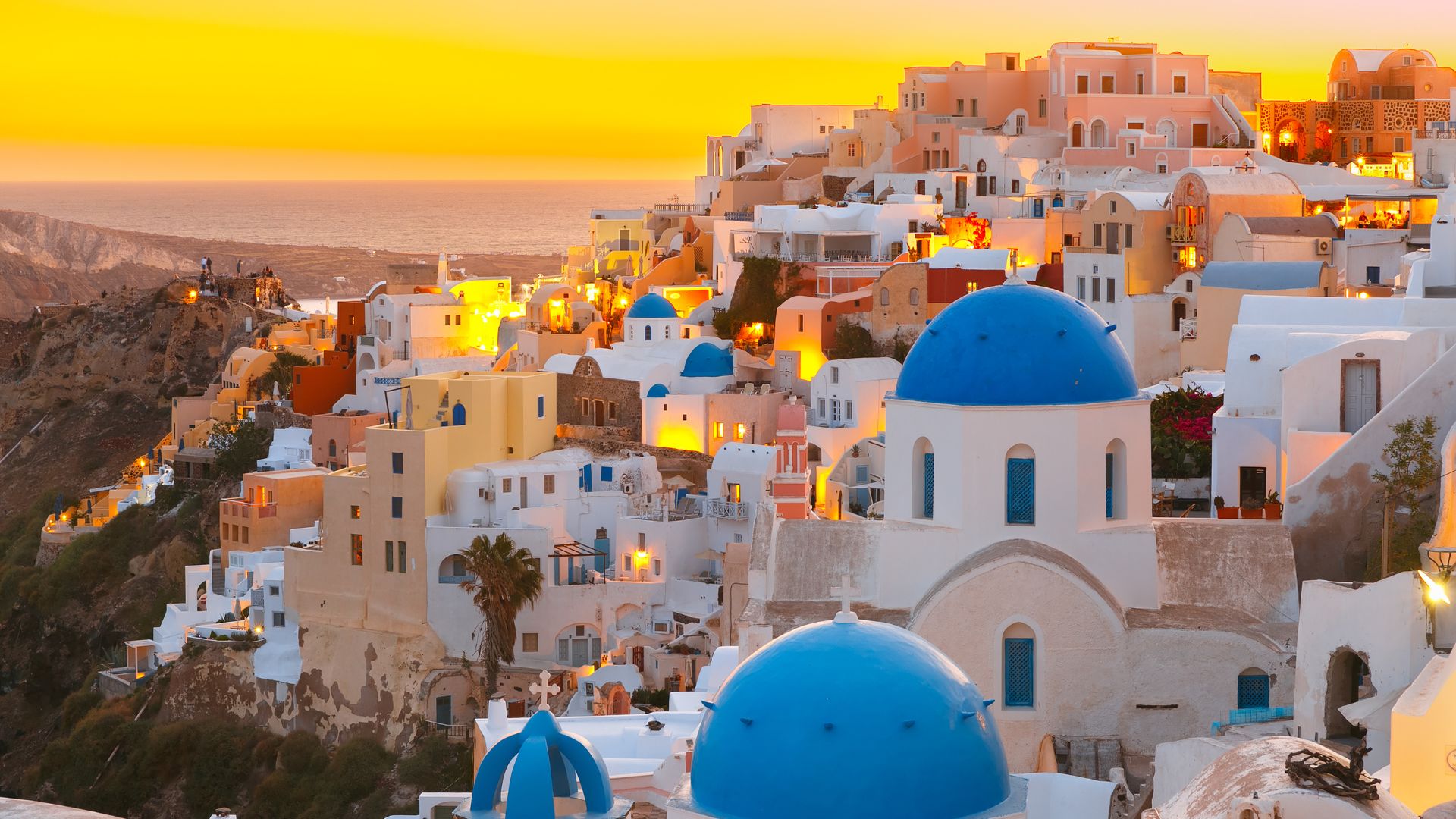
Morning light softened everything, while sunset turned the cliffs and blue roofs golden and pink.
Being on the boat gave me a full 360-degree perspective I never got from land.
Fresh air, sweeping views, and the endless Mediterranean horizon made the whole experience stick with me.
Unforgettable Moments on the Water
Every moment on the caldera’s turquoise waters felt special.
I jumped off the side of the boat for a swim, floating where the sea was warm in some spots and suddenly cool in others—thanks to underwater volcanic springs.
That mix of temperatures surprised me and made the swim stand out.
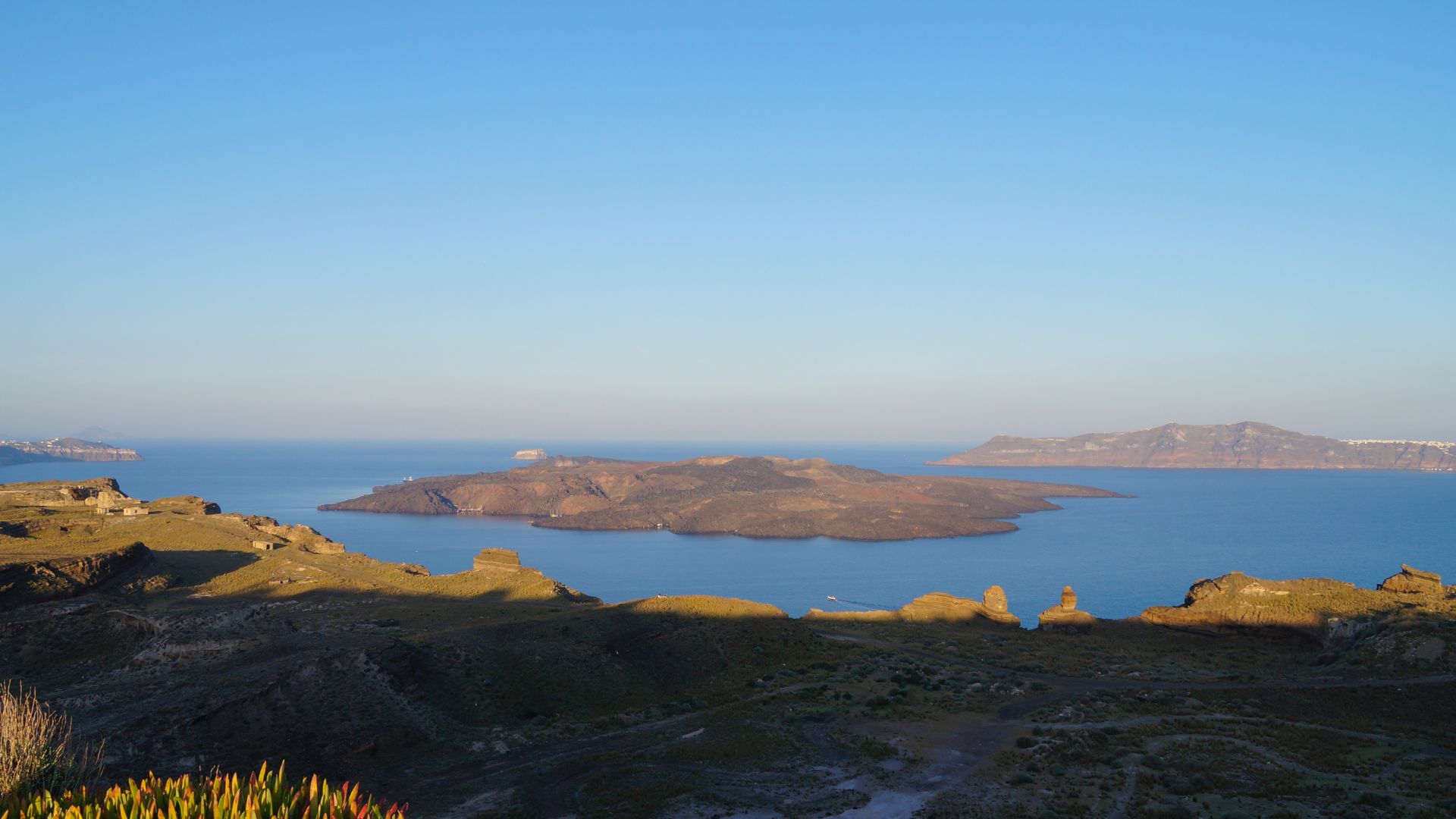
When we anchored near volcanic islets like Nea Kameni, I explored a landscape that looked almost lunar.
Black rocks, pockets of steam, and sulfur spots reminded me how alive the island still is.
Sharing the boat with others brought small joys too.
People laughed, swapped stories, and pointed out dolphins far off.
Whether I lay back in the sun or snapped photos of everything, I never felt bored for a second.
Embracing Unique Experiences
Sailing here isn’t just sightseeing—it’s about doing things I can’t do anywhere else.
At the famous hot springs, I floated in rusty-orange water warmed by volcanic activity.
The minerals made my skin tingle and left it soft.
Honestly, how many places offer a natural spa right in the middle of the Mediterranean?
Visiting the caldera’s volcanic islets felt like stepping onto another planet.
I hiked short paths across Nea Kameni, saw old craters up close, and caught the scent of volcanic earth.
What makes this activity stand out is how it mixes adventure, relaxation, and history:
- Unique swimming spots (hot springs and clear waters)
- Chance to explore otherworldly volcanic sites
- Views of both the Aegean Sea and classic white villages from a new angle
Sailing Santorini’s caldera brings the island’s story to life in a way that walking or driving never could.
Hot Springs and Volcanic Wonders
Sailing into Santorini’s caldera, I saw a landscape shaped by volcanic forces.
My boat journey took me past steaming waters, black cliffs, and rugged little islands that felt worlds away from the crowded white villages above.
Exploring Palea Kameni Hot Springs
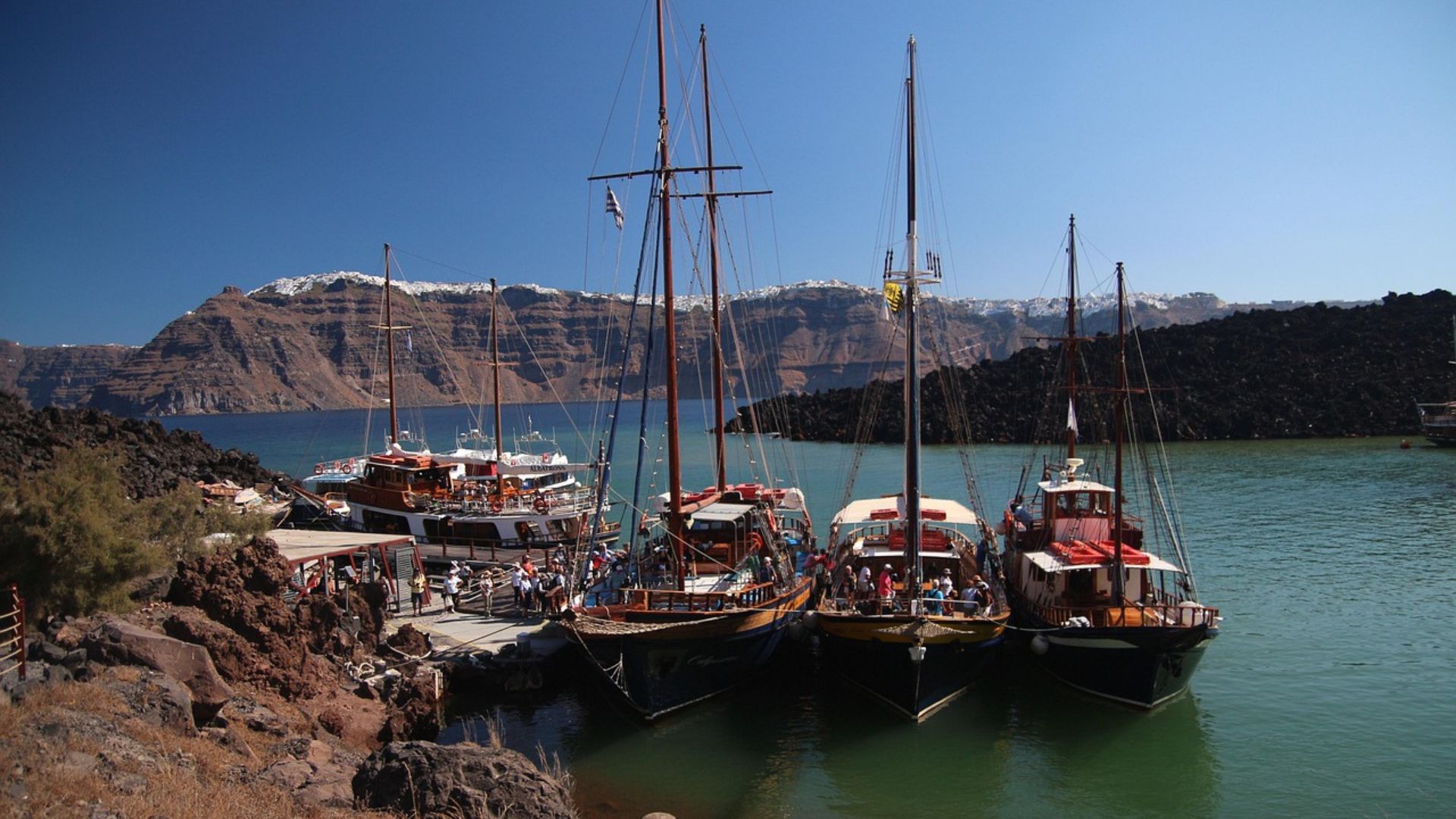
One of the main stops was Palea Kameni, a small volcanic islet known for its hot springs.
Boats anchor just offshore, and we got the chance to swim through cool Aegean water into a shallow bay.
As I got closer, the water turned rusty orange from the minerals below.
The hot springs felt warm, not scalding—think comfortable bath, not sauna.
The seabed here has iron and sulfur, which mix with the seawater and create that unique color and scent.
Locals say these minerals help your skin and joints.
A quick tip: the iron in the water can stain light swimsuits.
I wore an old suit and washed off after, which helped.
The area does get busy, but there was enough space for everyone to float and enjoy.
Bathing in Healing Waters
Slipping into the natural pools, I noticed the silky feel of the mineral-rich water right away.
Some folks say bathing here can soothe sore muscles and help with minor skin problems.
I found the warmth relaxing, especially after hiking earlier in the day.
The mix of hot and cooler water surprised me.
It’s not like a bath where the heat stays the same.
Warm spots mix with milder streams, so sometimes I’d drift into a pocket of extra warmth.
The sulfur smell is there, but not unpleasant—just part of the volcanic experience.
If you wear silver jewelry, leave it behind or stash it away, since the minerals can tarnish it.
I saw a few people surprised by how fast their rings and necklaces changed color.
Towels and water shoes came in handy since the rocks can be slippery with algae.
Volcanic Islets Adventure
Beyond the hot springs, Santorini’s volcanic islets—like Nea Kameni—offer a different kind of adventure.
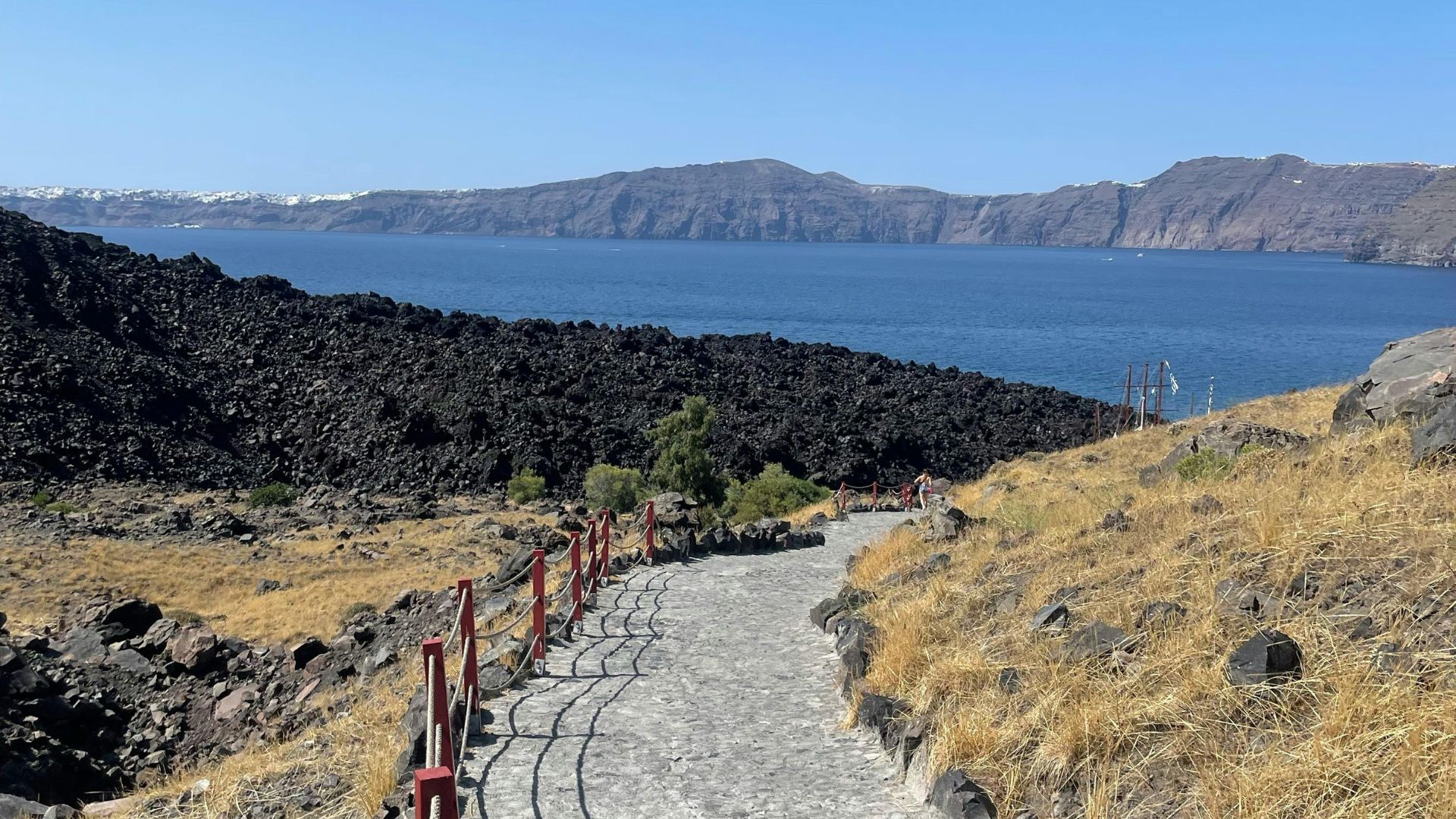
Stepping off the boat onto the dark volcanic soil made me feel like I’d landed on another planet.
We followed a marked trail up to the still-active volcanic crater.
The hike wasn’t tough but brought me close to steaming vents and odd rock formations.
Guides usually share stories about past eruptions that shaped the island.
The views from the summit are some of the best I found anywhere in Santorini.
If you love geology, this spot is a must.
The landscape feels rough, raw, and powerful.
I brought a lightweight backpack with water and sunscreen, which was important since there’s little shade on the volcano.
Tips for Visiting Safely
Safety matters when you mix water adventures with volcanic landscapes.
Here’s what I picked up during my trip:
- Wear sturdy water shoes: The rocks and seabed are uneven and sometimes slippery.
- Hydrate: Hot springs and sun can make you thirsty fast. I carried a refillable bottle.
- Check health conditions: If you have open cuts or sensitive skin, the minerals might irritate it.
- Watch your step: On the islets, the paths are rocky. Sturdy sandals or sneakers help.
- Listen to crew instructions: Stay within marked swimming areas and follow the boat crew’s advice.
Most boat tours include a quick orientation with these guidelines.
Feeling prepared let me relax and enjoy the experience.
Spectacular Santorini Views and Photography
Sailing around Santorini’s caldera, I quickly realized every angle showed off new colors and perspectives.
From the deck, the views stretched from dramatic cliffs to sparkling beaches, with the white-washed towns perched above.
Sunset Sailing: Awe-Inspiring Beauty
Watching the sunset from a boat on the caldera was unforgettable.
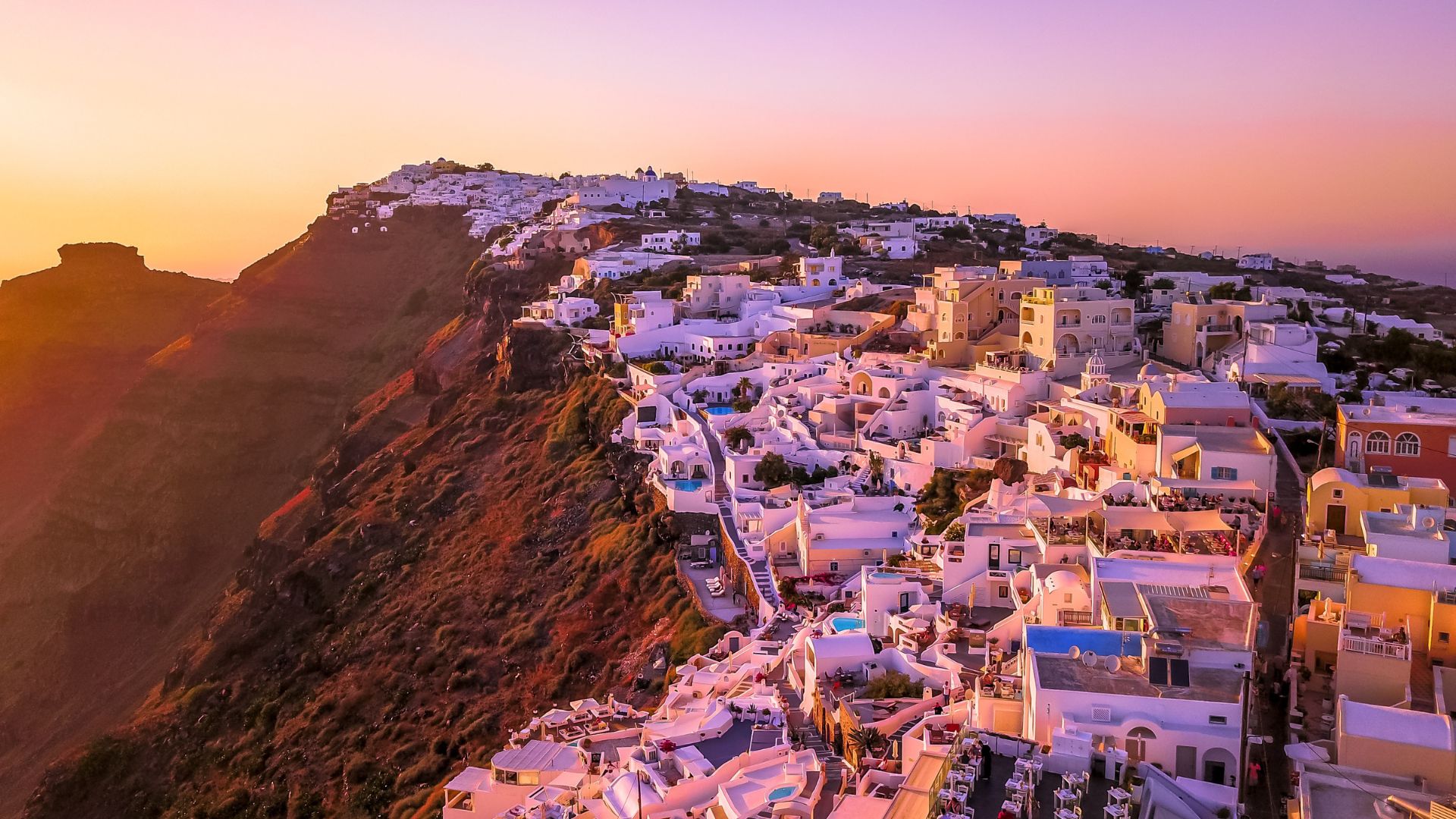
The sun dipped behind the volcanic islets and cast a warm light on the cliffs, turning the buildings in Oia and Fira pink and gold.
From the water, I could see the coastline glow as resorts and tiny houses lit up along the rim.
There was a calm feeling as the sky changed from orange to deep blue.
If you want to catch this magic, book an evening or late afternoon catamaran cruise for a front-row seat.
Many tours sail past Red Beach and White Beach—a bonus if you want to see both natural wonders and village life from below.
Best Spots for Caldera Panoramas
Some of the best panoramic views come from the boat as it circles near Nea Kammeni (the volcano) and Palea Kammeni (hot springs).
But the real showstoppers are the towns perched on the cliffs.
Oia gives postcard-perfect views, especially near the old castle and those famous blue-domed churches.
Fira, the island’s lively capital, has plenty of overlooks too.
Top Panorama Spots Table:
| Location | Features | Tip |
|---|---|---|
| Oia | Classic sunsets, blue domes, churches | Arrive 1 hour early |
| Fira | Cliffside cafés, resort pools | Explore small alleys |
| Imerovigli | Quiet, high viewpoints | Less crowded at dusk |
Even some luxury resorts around Imerovigli and Firostefani open terraces to non-guests at certain hours.
That makes iconic views a little more accessible.
Capturing Stunning Photos
Getting great photos in Santorini takes a bit of timing and planning.
I found early morning and golden hour (about an hour before sunset) gave the softest light, making the white buildings and blue water really pop.
A simple smartphone worked fine for landscape shots, but if you’ve got a camera with a wide-angle lens, bring it—the caldera is huge, and it’s tough to fit the cliffs and sea in one frame.
For beaches, I loved snapping pictures near Red Beach and Perissa.
The contrast of bright sand with deep blue sea was striking.
Photography checklist:
- Wipe your camera lens before shooting (sea spray sneaks up)
- Level the horizon for even landscapes
- Look for leading lines, like the winding paths from beaches to towns
- Be patient and wait for fewer people in the frame, especially at sunset spots
Every corner felt like a scene from a travel magazine, but honestly, the real magic came from wandering and noticing unexpected views—sometimes even better than the famous ones.
Planning Your Caldera Sailing Trip
Getting ready for a Santorini caldera cruise takes a bit of thought, from when you go to what kind of boat tour fits your style.
Simple choices shape the comfort, crowds, and fun of the adventure.
When to Go for Ideal Conditions
I learned pretty fast that Santorini’s weather makes a big difference.
After feeling the fierce July sun, I’d now recommend visiting between late April and early June or in September.
The air feels cooler, the sea’s perfect for swimming, and the crowds in Oia and Fira shrink a bit.
Peak summer brings cruise ships and packed boats.
The shoulder season still offers strong sunlight, but the island’s vibe is more relaxed.
Water clarity is best during these times, making the hot springs and volcanic islets extra inviting.
Late autumn and winter mean way fewer tours run, and the sea can get rough.
Some companies pause sailings entirely.
Spring, though, brings a green landscape and blooming wildflowers along the caldera cliffs—a sight I wouldn’t trade.
Choosing the Right Boat Tour
Picking a cruise can feel overwhelming, with classic wooden boats, speedboats, and big catamarans on offer.
I picked a six-hour sailing tour that stopped at Nea Kammeni (*Santorini’s main volcanic islet*), hot springs, and Thirassia.
This kind of full-day tour seemed to offer the best mix of adventure and relaxation.
Consider:
- Duration: Half-day trips hit the highlights but can feel rushed.
- Stops: Not all tours land at every volcanic spot. Double-check where you want to go!
- Amenities: Some cruises include lunch, drinks, or snorkeling gear.
- Departure Point: Many tours leave from the old port. Some offer pick-up from major hotels (a big help with Santorini’s steep streets).
Sunset cruises are especially popular.
Watching the orange light brush across the caldera was unforgettable—but it does mean bigger crowds and higher prices.
Group Tours vs. Private Charters
I had to pick: squeeze in with a group, or splurge on a private charter? Group tours cost less and make it easy to meet fellow travelers. On my shared boat, I met people from all over, swapping stories over grilled seafood and local wine.
Private charters definitely cost more, but you get custom routes, flexible timing, and a deck that feels almost empty. They’re perfect for families, special occasions, or anyone who wants a little peace. I noticed you can book special trips—snorkeling, photography, even sunset proposals—so it’s easy to shape the day your way.
Usually, both options come with a skipper and crew. You just need to give your name, and sometimes your passport number, for the passenger list.
What to Pack for the Adventure
Packing light made my day on the water so much easier. I never left without a few essentials:
- Swimsuit & Towel: For the hot springs and quick dips off the boat.
- Sun Protection: Sunscreen, a hat, and sunglasses—the glare is unreal.
- Layered Clothing: The wind can shift fast. A light jacket saved me after sunset.
- Waterproof Bag: My camera and phone stayed dry, thanks to this.
- Sandals or Water Shoes: Those volcanic rocks? Brutal on bare feet.
I always brought a refillable water bottle and a small snack, even though lunch was included. Cash came in handy for tipping the crew. Some tour operators asked for a copy of my passport, so I kept a photo of it on my phone just in case.
Santorini Essentials: Food, Nightlife, and Local Life
Santorini isn’t just about the views. The food, nightlife, and local energy really make the place come alive. Every evening, the island shifts as the sun sets—suddenly, everything feels more electric.
Best Restaurants with a View
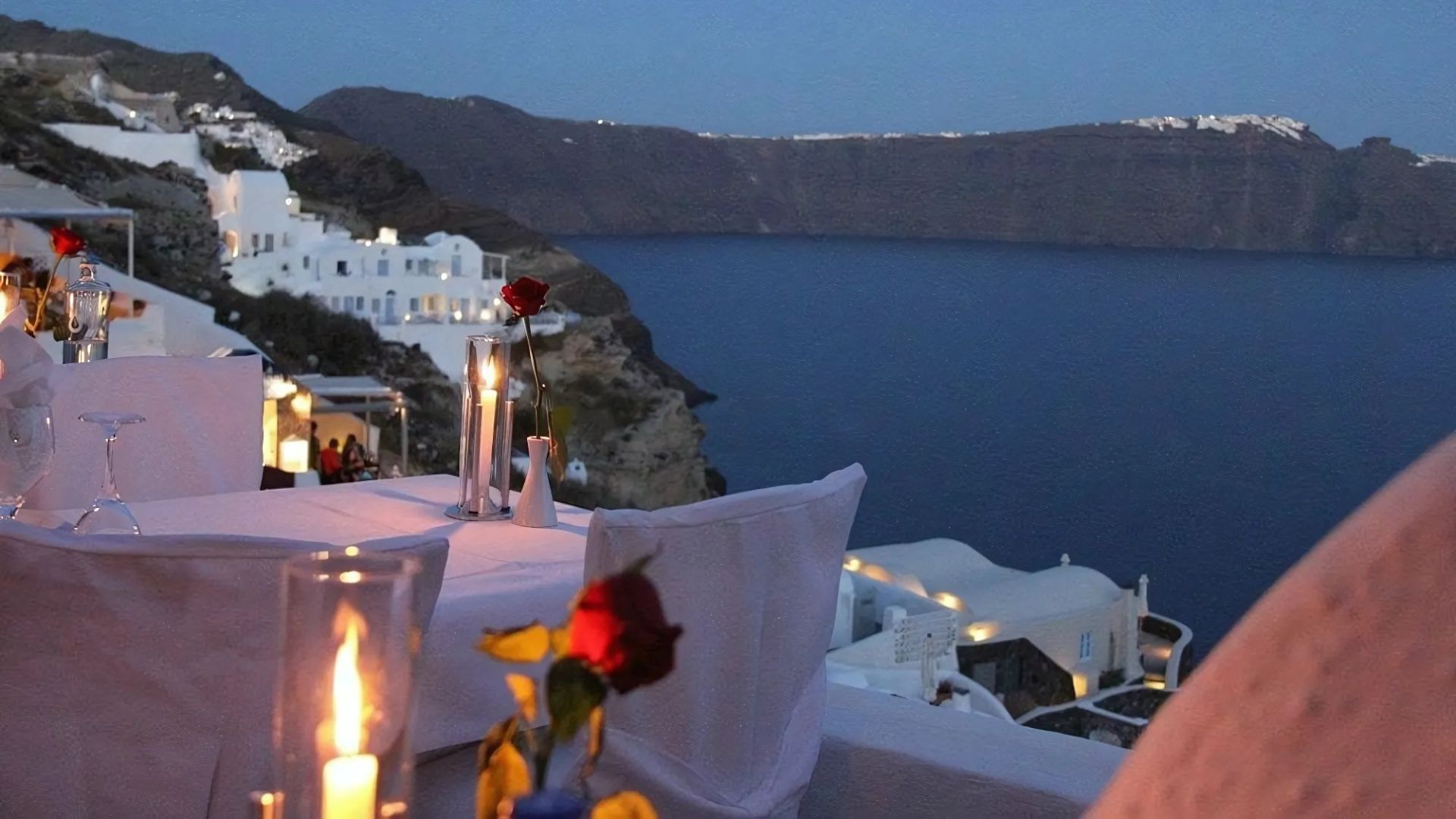
Dining in Santorini always feels special, especially when you get those caldera views. My favorite spot? Ambrosia Restaurant in Oia. The terrace overlooks the sea and those famous blue domes, and honestly, I still think about their lamb. At sunset, seats fill up fast, so I started making reservations early.
I also loved Sphinx Restaurant in Fira. Their fresh seafood and the view of the town’s glittering lights made it memorable. For something more laid-back, I grabbed grilled octopus at Argo in Fira—front-row seat to the cliffs included. Even breakfast felt magical on hotel terraces, with homemade yogurt and honey tasting better with that view.
| Restaurant Name | Location | What to Try | Best Time to Visit |
|---|---|---|---|
| Ambrosia | Oia | Lamb, Saffron Rice | Sunset |
| Sphinx | Fira | Grilled Seafood | Evening |
| Argo | Fira | Octopus, Salads | Lunch/Sunset |
Experiencing Santorini Nightlife
At night, Santorini gets a burst of energy that honestly surprised me. Bars in Fira light up first—my top pick was Koo Club for dancing and its outdoor patios. The dress code was pretty relaxed, though people definitely put in some effort, especially on weekends.
If clubs aren’t your thing, you’ll find elegant cocktail bars like PK Cocktail Bar, where I watched the sky shift colors with a peach spritz in hand.
Oia stays much quieter at night, but you can find cozy wine bars tucked away. One night, I tried local vinsanto while live music played softly. Some hotels have rooftop lounges just for guests, which felt like a peaceful escape after a busy day. Nightlife here can swing from wild to totally chill, all within a short walk.
Beyond Santorini: Discovering the Cyclades by Sea
The Cyclades’ magic doesn’t end at Santorini’s caldera. Sailing out to other Greek islands—Ios, Mykonos, Paros, Naxos—showed me a whole new side of Greece. Each place has its own flavor, its own vibe.
Other Greek Islands to Explore
Sailing to the nearby islands let me see just how different each one is. Ios surprised me with quiet beaches and hilltop churches that look out over endless blue water.
In Naxos, I wandered tiny villages and tasted cheese made right on the island. Naxos feels greener and less crowded than most. Paros quickly became a favorite for its whitewashed towns and hidden coves—some you can only reach by boat.
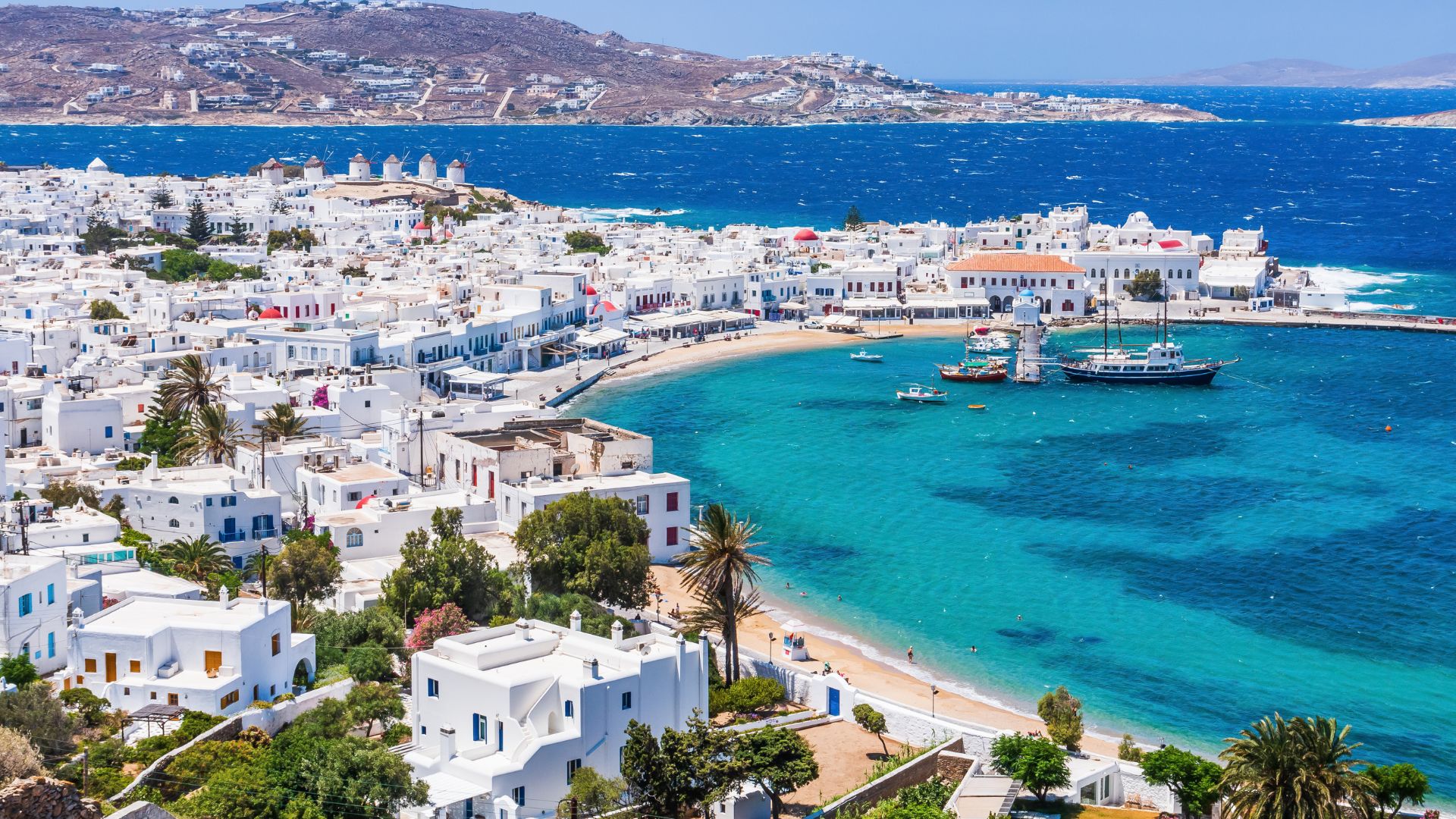
Mykonos buzzes with trendy cafes and beach clubs, but arriving by sea let me visit calm bays before the crowds arrived. Each island has its own specialty, from Naxos potatoes to honey-sweet baklava in Paros.
Connecting to Mykonos, Paros, and Naxos
Ferries make it easy to hop between these islands. I booked tickets online a few days ahead, since boats fill up fast in summer.
Some ferries run straight from Santorini to Mykonos, Paros, or Naxos. Others stop at places like Ios or Syros. Here’s what I learned: Morning ferries usually run on time, and high-speed ferries cut your travel time almost in half, though they’re a bit pricier.
Onboard, I met backpackers up on deck and families with strollers below. Ports can get really busy, so I kept my ticket and passport handy. Ferries often have a snack bar—perfect for a quick spinach pie or a cold drink.
Greek Island Hopping Tips
Island hopping in Greece? Honestly, it’s not hard, but I found that a little planning goes a long way.
I threw together a quick table to keep my route straight:
| Island | Ferry Time | Must-See |
|---|---|---|
| Ios | 1 hr | Chora Village |
| Paros | 2 hrs | Naoussa Town |
| Naxos | 2.5 hrs | Portara Ruins |
| Mykonos | 2.5 hrs | Little Venice |
I packed light, which made it way easier to zip around. I never really worried about taxis—buses and scooters popped up everywhere on each island.
I booked my ferry seats ahead of time. That meant I actually got to snag a window seat and just zone out with the sea view.
I tried to keep my plans loose. Sometimes I found a spot I loved and just wanted to stay a bit longer.
In the smaller villages, cash still rules. I kept a handful of euros for snacks or random souvenirs.
Honestly, Greek island hopping surprised me—it felt simpler than I’d expected, and every stop brought something new.