
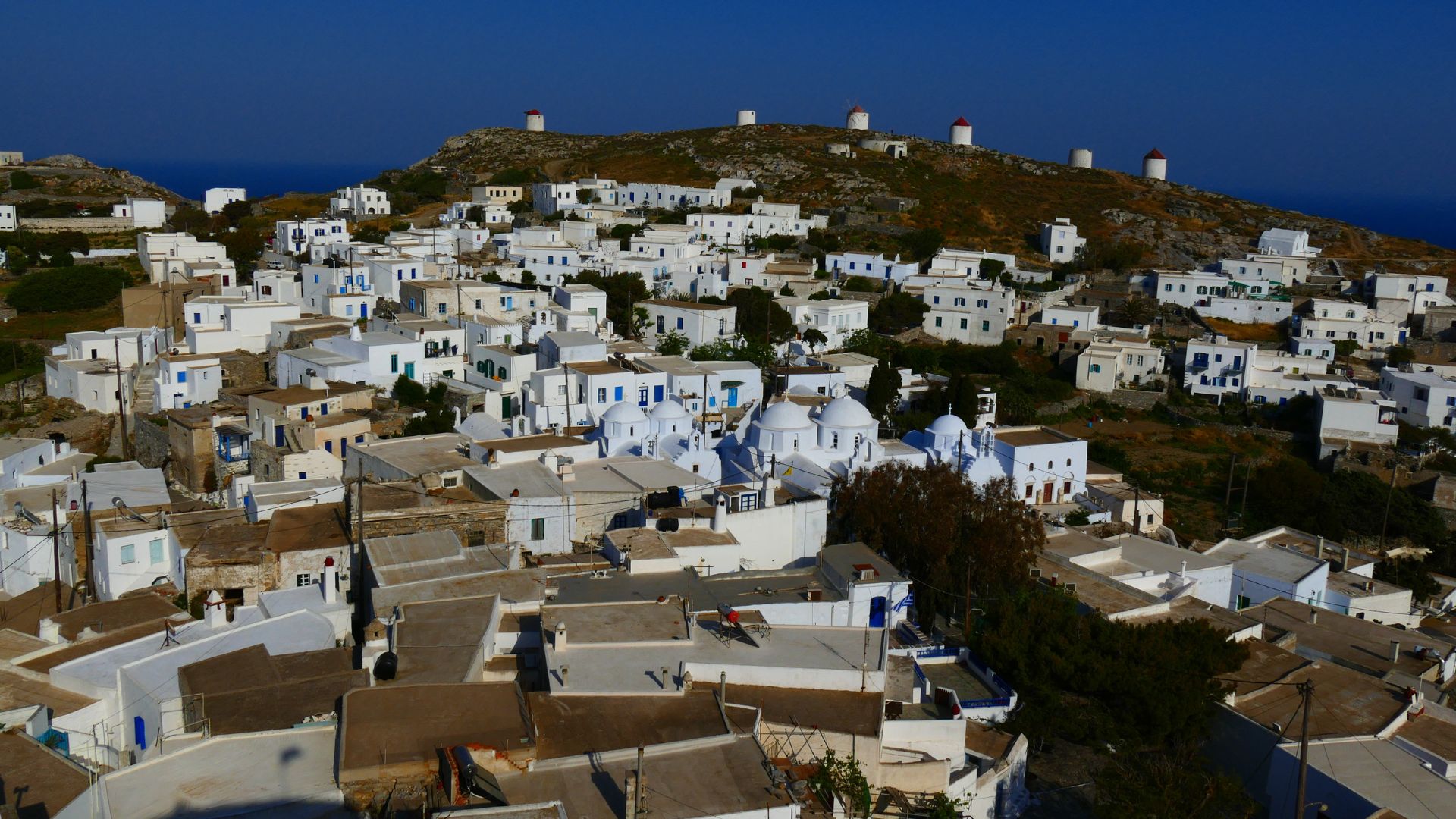
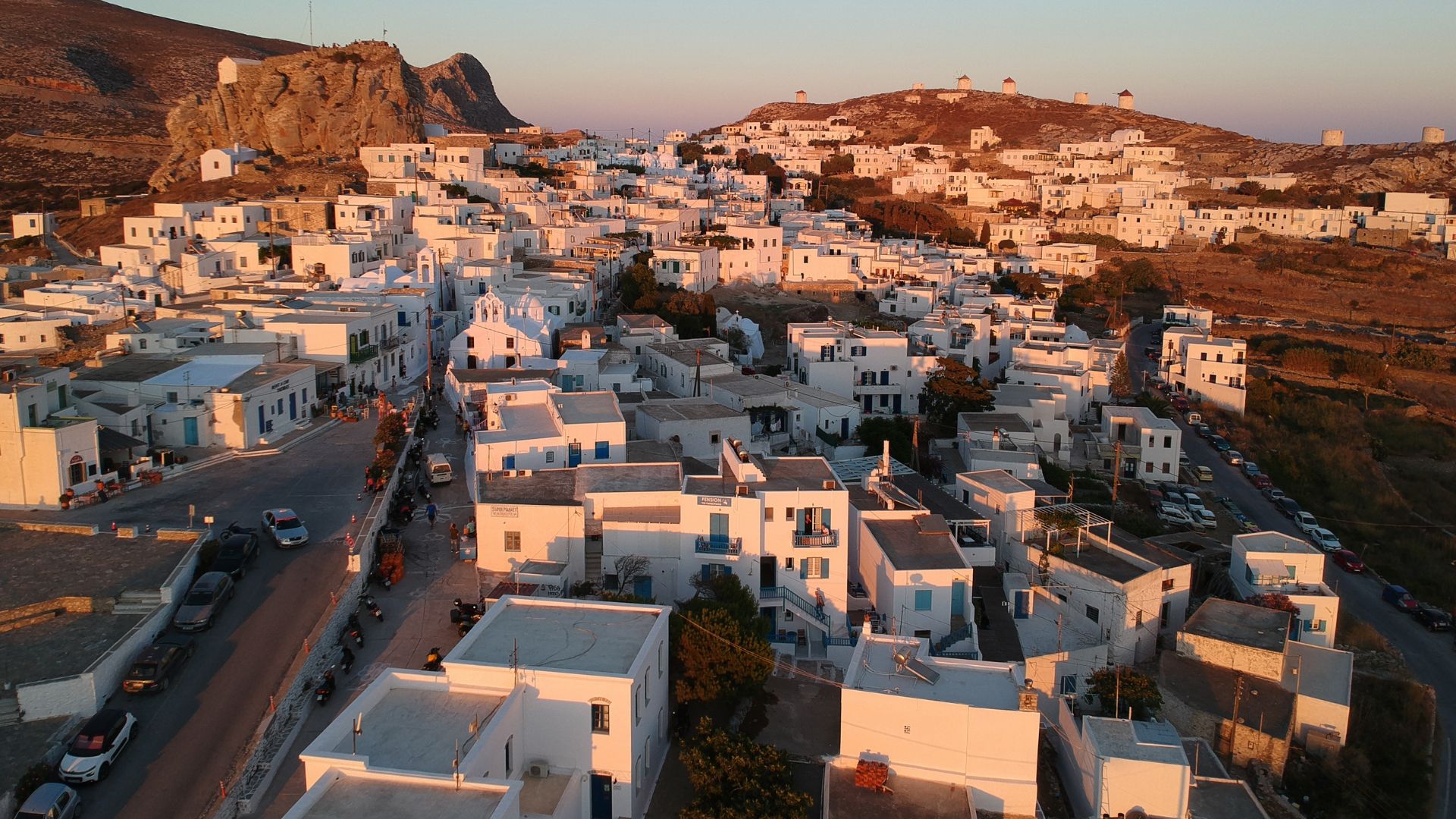
I landed on Amorgos thinking it might just be another pretty Greek island, but it surprised me. Amorgos really felt like the soul of the Cyclades—those ancient stone paths, the wild herbal smells, and the calm vibe just captured something essential and real about Greece. The mountains, whitewashed houses, and winding trails seemed to hold onto stories from all the people who came before.
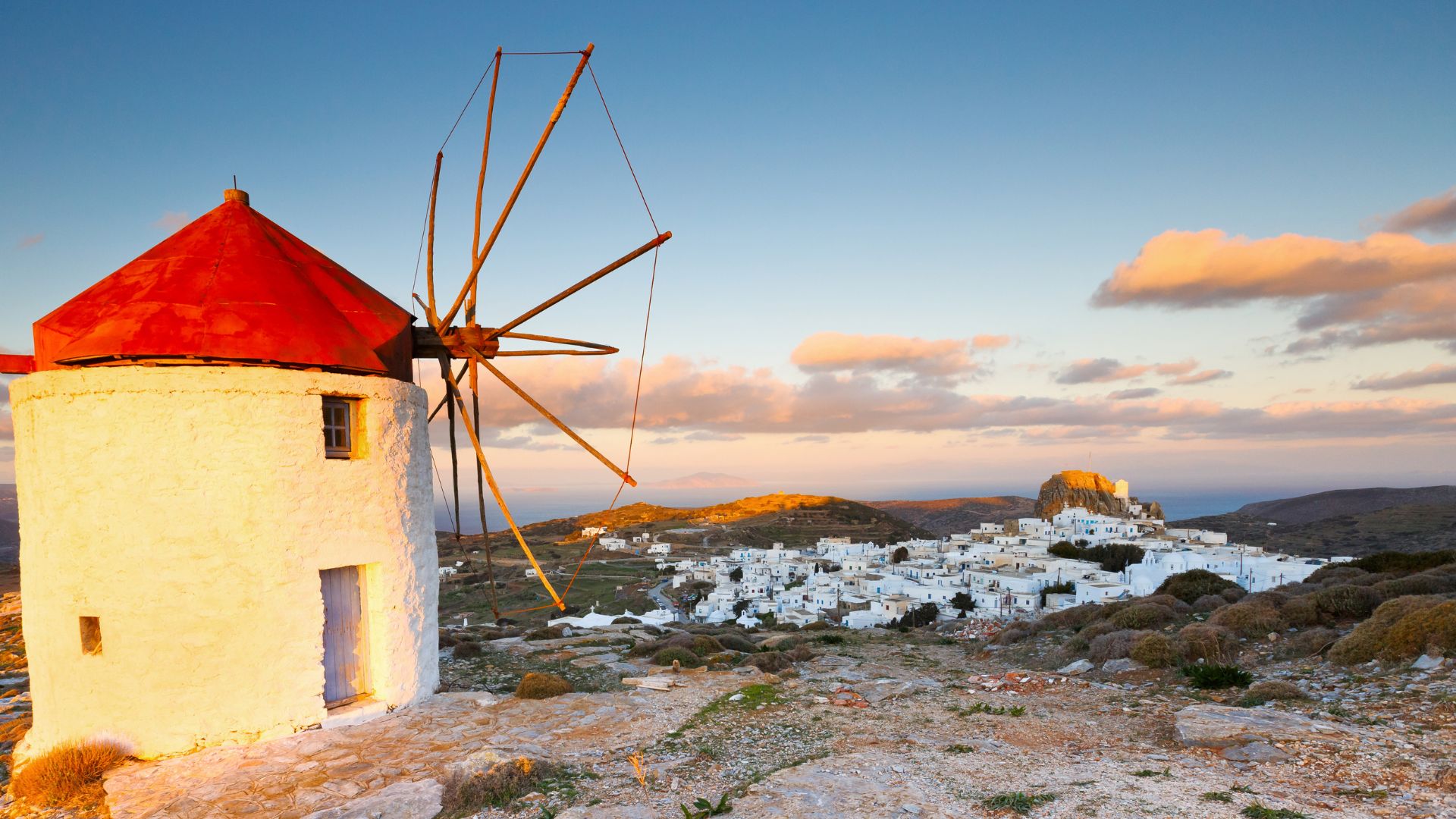
Wandering through Chora, the island’s capital, I kept noticing how the town’s simple beauty and strong traditions speak of its past. At every turn, the air filled with wild sage and thyme, and I couldn’t help but feel how daily life here stays deeply connected to nature.
There’s this humility and respect for the land that’s rare these days.
As I explored, I felt like Amorgos asked me to join in, not just watch. Travelers searching for the heart of the Cyclades will find it here, with every step on a stony path and every breath of herbal air carrying the island’s spirit forward.
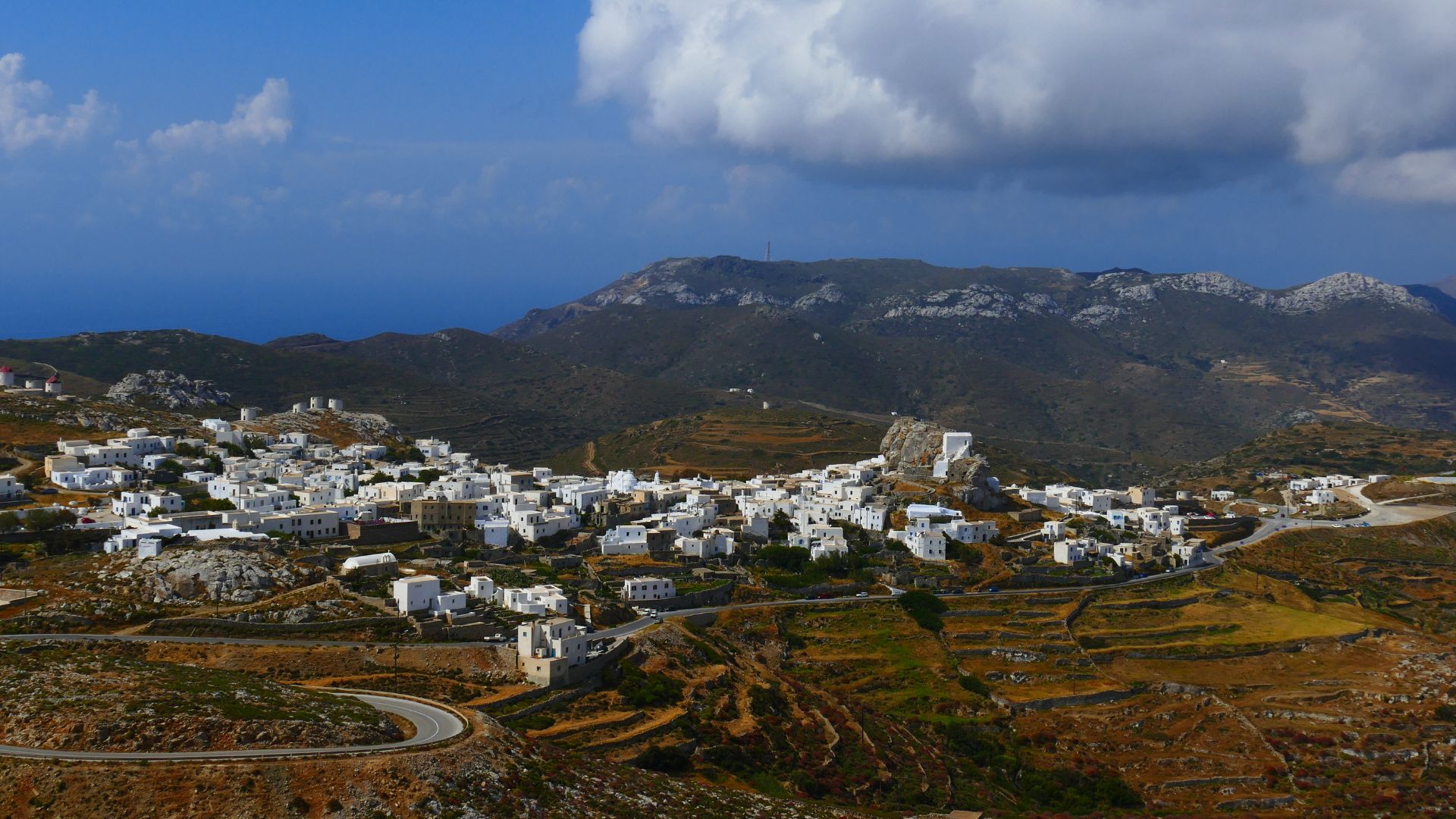
Exploring Amorgos: An Island Steeped In Ancient Lore
As I wandered Amorgos, I kept stumbling over layers of history and myth. Stories from ancient Greece seemed to mix right in with the smell of wild herbs.
Even in the quietest corners, I could sense the island’s heritage shaping daily life and spiritual traditions.
Myths, Legends, And the Heritage of the Cyclades
Amorgos felt like a living storybook. Locals say the island once housed a mythic Minoan king, and even now, villagers share old tales at every opportunity.
Ancient Greece left its mark here with ruins, archaeological sites, and inscriptions carved into stone.
Walking through old villages, I found that genealogy still matters. Many families trace their roots way back.
Festivals blend pagan and Christian rituals, keeping old beliefs alive in today’s celebrations. The lore here doesn’t just sit in museums—it shapes daily routines, architecture, and even the way people greet each other in the morning.
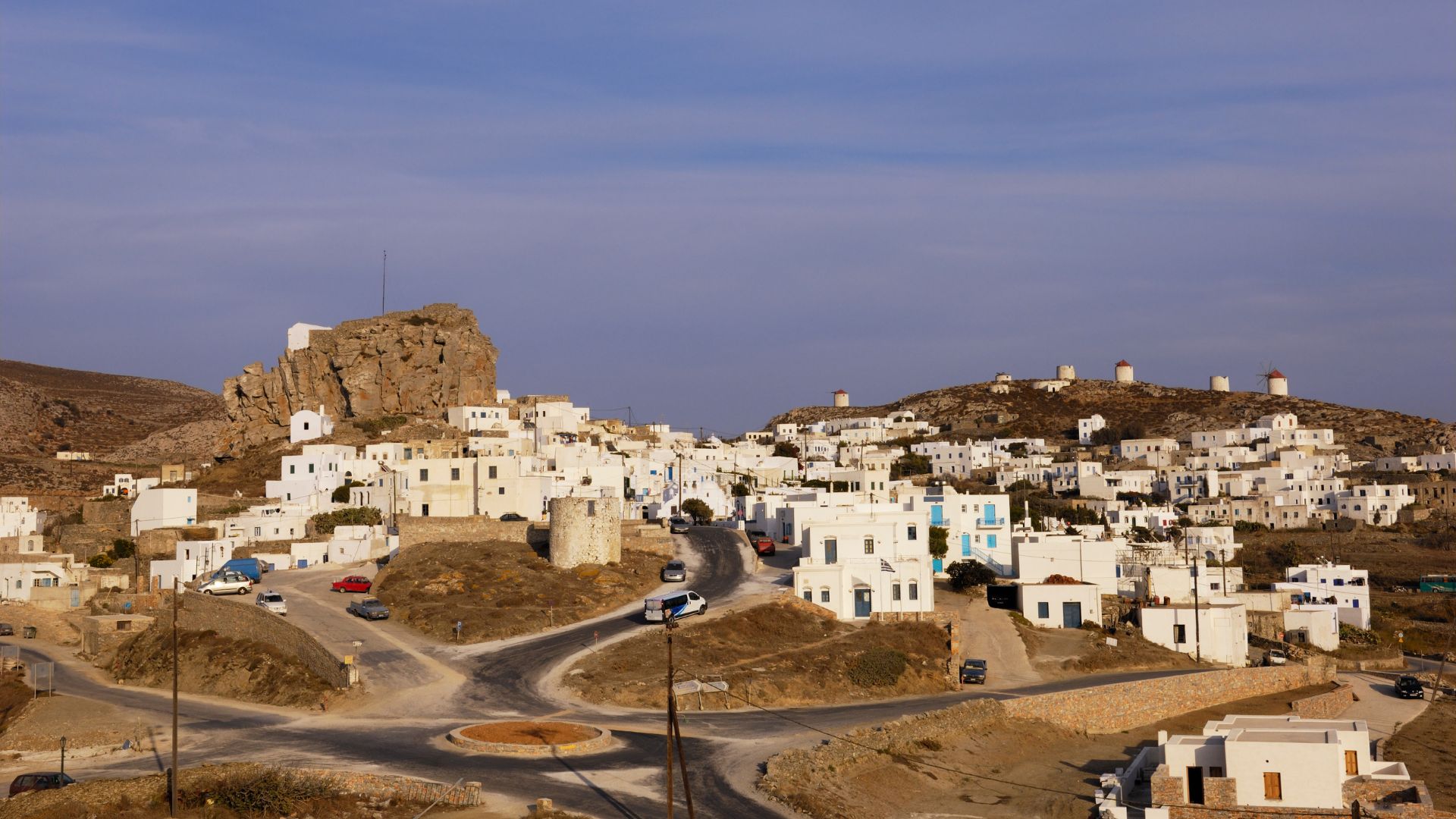
Sacred Spaces and Echoes of Religious Life
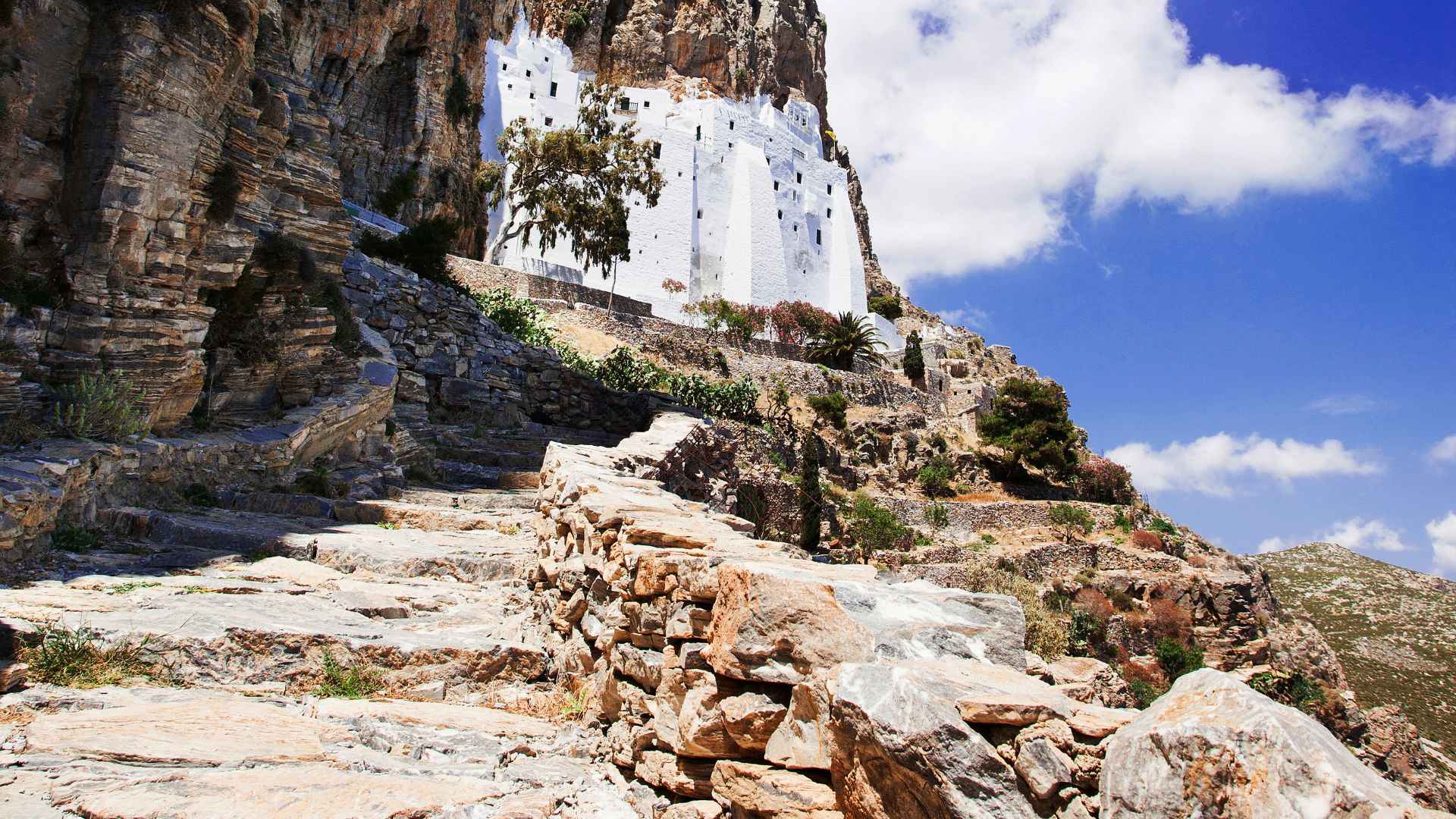
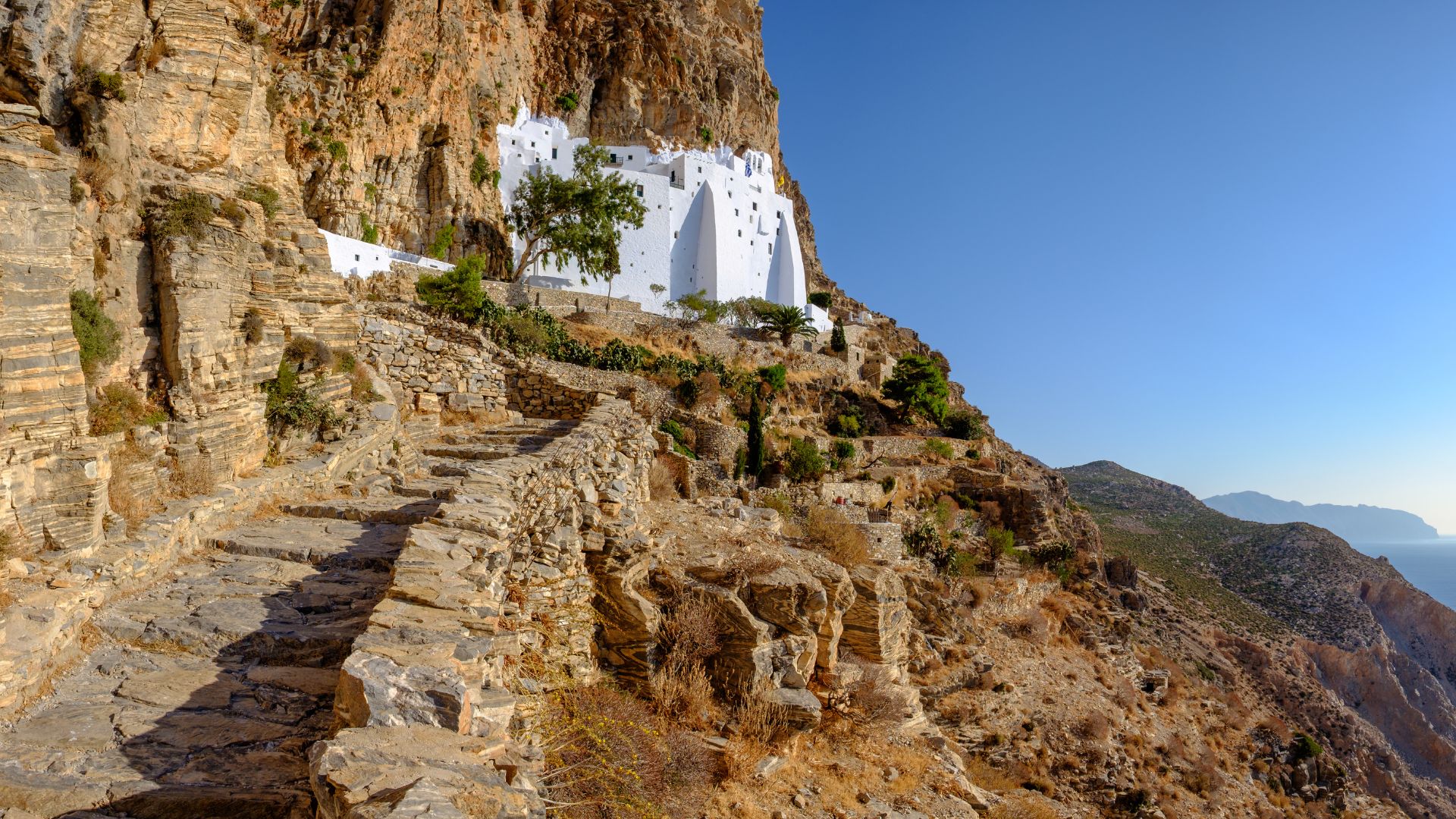
You can’t really miss the spiritual energy on Amorgos. The island’s most famous sacred place, the Hozoviotissa Monastery, clings to a cliff above the Aegean.
Climbing those white stone steps, I could almost picture monks from centuries past seeking peace and prayer.
Inside, incense drifted through vaulted halls, and sunlight spilled over old icons. Local guides explained that pilgrimages here have gone on for hundreds of years.
Smaller chapels hide along mountain trails, sometimes marked only by a blue-and-white cross. Even if you’re not religious, pausing at these quiet sites brings a sense of calm and a glimpse into the soul of Cycladic religion.
Epiphanies Along the Island’s Hidden Paths
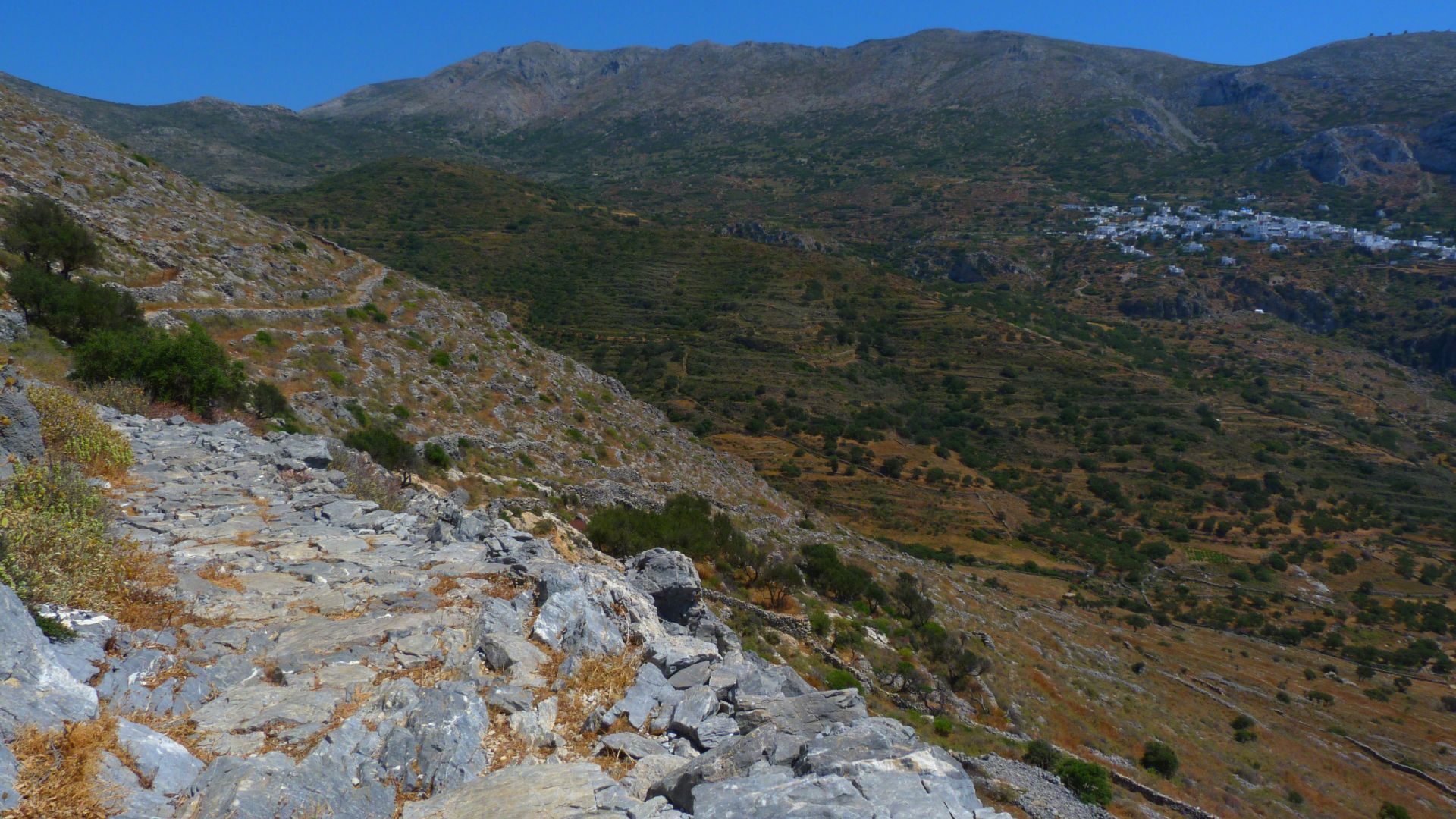
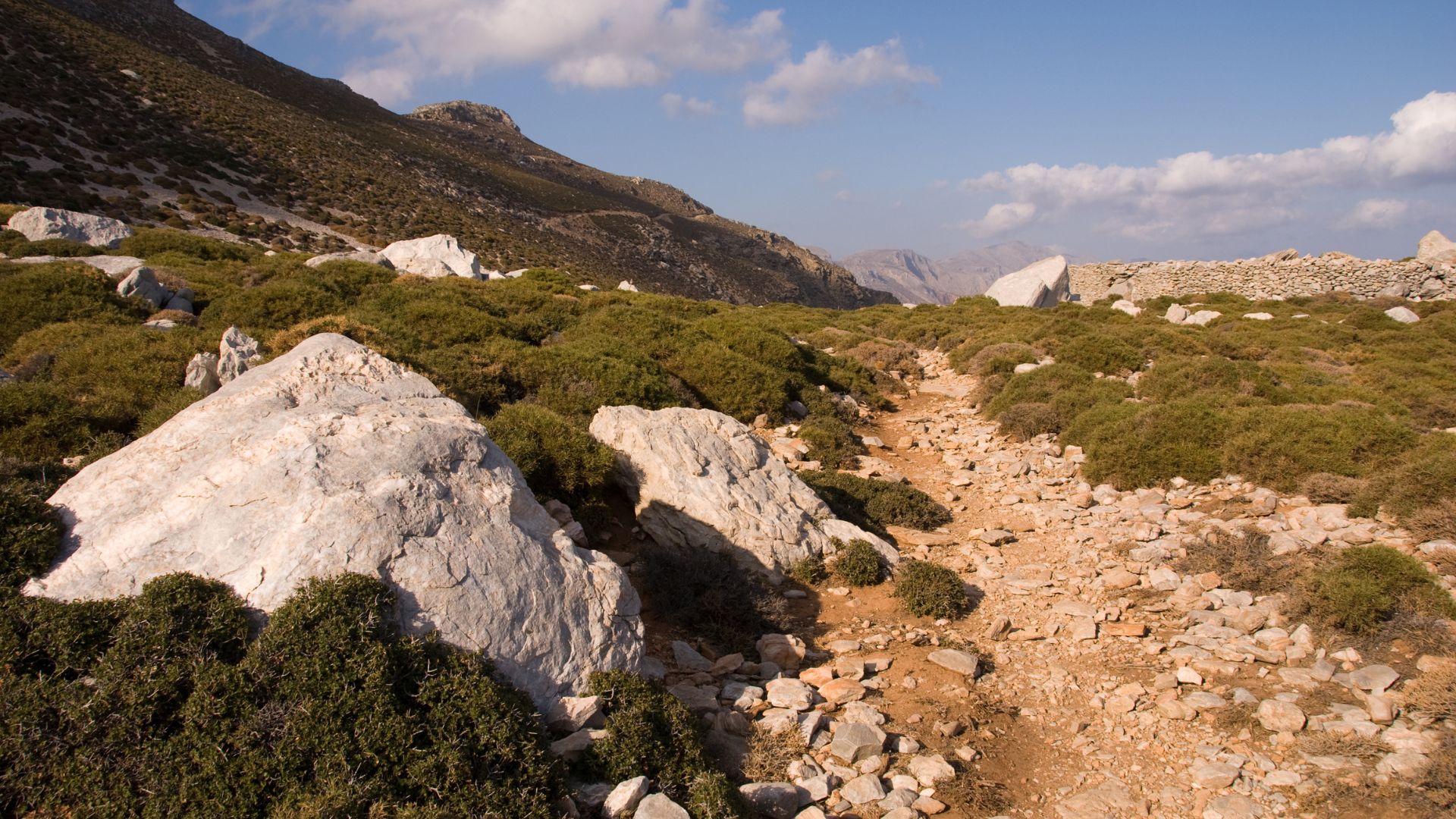
I set out on foot along old donkey trails that once linked ancient settlements. These paths twist through hills thick with herbs, passing marble fragments that whisper about the days when Amorgos was a crossroads in ancient Greece.
The air always carried oregano and sage. I often ran into locals gathering wild herbs, just as their ancestors did.
One afternoon, I reached a hillside with a sweeping view and realized the island’s beauty and resilience come straight from these ancient landscapes and the traditions rooted in them.
Each walk took me back through layers of time, revealing glimpses of genealogy and the enduring spirit of this Cycladic gem.
Wandering Amorgos’ Ancient Paths and Timeless Landscapes
Walking in Amorgos, I felt the Cyclades’ soul in every step. Ancient trails wound through mountains, past stone inscriptions, and down to small villages where time just seems to slow down.
Hiking the Storied Trails: From Mountains to the Sea
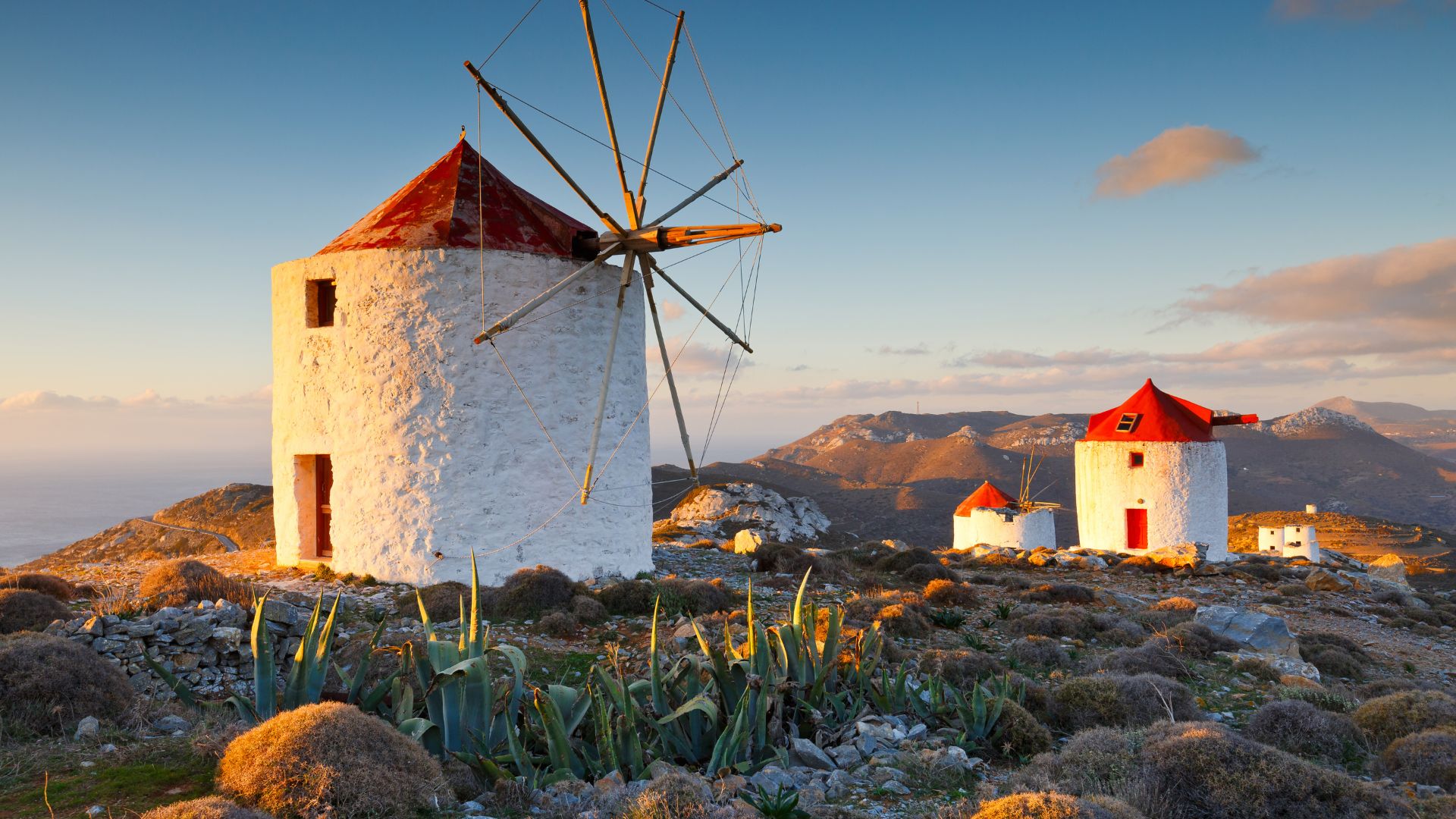
Amorgos is crisscrossed with old stone paths called kalderimi. These trails run through wild borderlands between cliffs, terraced gardens, and the endless blue sea.
Some paths climb high above the island, where cool breezes sweep over low shrubs and wild oregano lingers in the air.
One of my favorite hikes started in Chora and climbed rocky hills before weaving down through olive groves and small orchards.
Goats grazed quietly along the way, and I spotted dry-stone walls dividing family plots from open land. The landscape kept shifting—a shady cypress grove here, a rocky slope there.
As I got closer to the coast, the view opened onto dramatic bluffs above the water. Old shepherd huts showed signs of a rural life lived close to the land.
Knowing these trails have linked villages and gardens for centuries made every step feel like part of a bigger story.
Discovering Ancient Inscriptions and Lost Villages
All over Amorgos, I stumbled on weathered stones with Greek inscriptions. Some marked boundaries between old settlements; others told stories about gods, guardians, or daily island life.
I paused to trace the faded lines, wondering about the hands that carved these messages generations ago.
When I ventured into almost-forgotten villages, crumbling white-washed walls stood quietly among overgrown gardens and terraces.
Figs and pomegranates sometimes spilled over broken fences, gentle reminders of times when these places buzzed with rural life. Here and there, a half-buried olive press or pottery shard caught my eye—simple hints of the island’s deep roots.
I picked wild thyme near ancient wells while the wind carried faint echoes of voices from centuries past.
Each moment near these ruins pulled me deeper into the mysteries that make Amorgos so unique.
Moments of Serenity Amid Pastoral Life
As I met shepherds and farmers along narrow footpaths, I saw how much the people of Amorgos depend on their land. Sheep grazed in open meadows, and the soft ring of bells drifted across sunny fields.
Sometimes, I got invited to share cheese, olives, or figs freshly picked in a rocky orchard.
Quiet moments unfolded under shade trees, where the hum of insects mixed with the soft rustling of old garden walls.
Behind simple homes, I spotted neat rows of almond, citrus, and apricot trees. Small gardens bloomed with beans and tomatoes, bordered by low stone fences.
Life here felt slow and full—woven tightly with the mountains, the earth, and the history that lives in every field and path. Amorgos isn’t just scenery; it’s a lived experience handed down through generations.
Sensory Journeys: Herbal Scents, Vineyard Whispers, and Island Flavors
Amorgos hit my senses right away. The island’s gardens, vineyards, and orchards filled each day with fragrance, taste, and tradition, and honestly, that’s a big part of why life here feels so grounded and alive.
Herbal Aromas and the Art of Amorgos Gardens
Walking along old stone paths, I brushed past wild sage, thyme, and oregano—those scents rising in the warm air. Villagers gather these herbs for cooking or simple home remedies.
Family gardens overflow with basil, mint, and lavender, each adding their own note to the island’s unique smell.
By late morning, the air grows heavy with these aromas, especially in spring. Locals dry herbs under the sun, hanging bundles from balconies and fences.
Herbal teas here taste sharp and earthy. I learned to spot chamomile, pennyroyal, and dictamnus, all brewed into traditional drinks that refresh and heal.
In small tavernas, a simple plate can burst with flavor, thanks to those garden herbs. These scents mix with the sea breeze, sticking in my memory whenever I taste Greek food somewhere else.
Wine, Vineyards, and the Vintage Tradition
Amorgos has a long, understated winemaking history. Terraced vineyards climb the hills, their dry stone walls holding thin soil.
Local grapes like Fokiano and Mandilaria thrive in the sunny, rugged ground. People hand-pick these grapes each autumn, giving the wine a wild, sun-baked taste you just don’t find elsewhere.
Most of the island’s wine never makes it to export. Families and friends enjoy it at home or in small tavernas.
My favorite memory? Tasting a deep red vintage while locals shared harvest stories in a candlelit cellar.
Visitors can sometimes help pick grapes or watch the old-school pressing methods. A table set with homemade wine always comes with simple, honest food.
The taste and the company combine for a classic Cycladic experience.
Fruit Groves, Orchards, and Farmyard Feasts
I wandered through groves of fig, pomegranate, and pear trees, especially near village edges or old farmhouses.
The best figs ripen by mid-July, soft and sun-warmed, while oranges and lemons scent the air in winter.
Locals often invite you to try sweet preserved fruits with coffee or yogurt—a real treat if you’ve got a sweet tooth.
Chickens, goats, and sometimes sheep wander through the orchards, their clucks and bells breaking the quiet.
Fresh eggs, handmade cheese, and slow-roasted lamb or goat show up at family feasts, especially during holidays.
Down at the port, seafood tavernas serve grilled fish or octopus alongside roasted vegetables and torn bread, all seasoned with local herbs.
Every meal reflects what the land and sea offer—fresh, seasonal, and a little rustic. This is Amorgos at its most generous and flavorful.
The Spirit That Endures: Life, Culture, and Community
Amorgos is more than cliffs and blue domes. It’s about living culture, hidden rituals, and everyday moments quietly carrying on beneath the Aegean sun.
I found the island’s spirit in its traditions, its people, and the way old and new mix together.
Living Traditions: Local Dress, Ornaments, and Customs
Walking the stone alleys of Amorgos, I saw older women in patterned aprons and dark scarves, often with embroidered edges.
These clothes—passed down through generations—speak of practicality, respect, and a connection to the past.
Men sit in cafes with hand-carved walking sticks and flat caps, nodding a greeting that feels as old as the town itself.
I love that the jewelry here isn’t just for show. Silver pins and little pendants sometimes guard against bad luck.
On feast days, families gather to make “pasteli” honey bars, just like they’ve done for centuries.
Moments like joining a traditional circle dance or tasting homemade raki let you see a culture living on its own terms.
Quick Facts on Amorgos Traditions
| Custom | Who Practices | Purpose |
|---|---|---|
| Embroidered Dress | Mostly women | Celebration, Identity |
| Pasteli Making | Families | Feasts, Sharing |
| Amulet Pins | All ages | Protection |
Women, Gender, and the Female Life Cycle
In the evenings, I’d chat with local women and learn how Amorgos honors its matriarchs. Older women, often the heads of households, keep recipes, herbal remedies, and family stories alive.
Life here has always needed both men and women to work together, but certain customs—like weaving or baking bread—have long belonged to the world of women.
Rites of passage really matter. Girls are celebrated at name days and baptisms, and Artemis—the ancient protector of women—still gets honored at some chapels.
I noticed how the rhythm of life marks coming-of-age with songs, shared meals, and sometimes a special new ornament or handmade shawl from a grandmother.
Festivities, Theatre, and Ancient Entertainments
Amorgos bursts with lively panigiria—those village festivals that sometimes stretch until sunrise. I found myself swept up in one in Chora, where music bounced off whitewashed walls and everyone danced beneath the stars.
These celebrations have deep roots. Ages ago, theatre and outdoor performances played a huge role in both religious and daily life.
That tradition still thrives in open-air shows. Now and then, a local troupe will bring old myths to life, honoring not just entertainment, but the island’s love for storytelling.
Religious processions for saints—Artemis, in some villages—blend ritual with a bit of drama. Nights here often wrap up with lyre music and laughter. It’s hard not to feel that joy still anchors daily life.
From Antiquity to Today: Enduring Wisdom and Inspiration
As I wander Amorgos’s winding paths, the past seems to mingle with the present at every turn.
Ancient poets, flashes of wit, and the easygoing local lifestyle all shape the island’s spirit. Every day feels tied to something much older.
Greek Poets, Philosophers, and the Art of Eloquence
When I hike those old stone trails, names like Simonides and Meleager pop into my head. These poets left their imprint on the Greek Anthology, with verses inspired by islands just like this one.
Their poetry captures so much—the wild blue sea, the scent of herbs on the breeze, stone ruins scattered over hills.
Ancient Greeks really valued oratory. Cicero admired their gift for eloquence, and Demosthenes made his name with stirring speeches.
I still see echoes of that tradition today, especially in local stories shared at evening gatherings or in simple cafés. People here prize clear speech and quick wit, and they love expressing ideas with a touch of grace.
It’s a skill that keeps communities close and even inspires visitors—myself included.
Riddles, Satire, and the Tradition of Ancient Humour
Sometimes, when I sit in a shaded courtyard, I’ll overhear older men trading riddles that have survived for generations.
Back in ancient Greece, people used riddles and satire to entertain, teach, or gently tease the quirks of daily life.
Aristophanes, the old playwright, really nailed this—his sharp humor poked fun at politics and society.
Even Shakespeare, centuries later, borrowed from this Greek tradition for his own comedies.
When I talk with locals, I’ll catch a sly joke or a bit of wordplay that feels as old as the marble columns nearby.
It’s a little reminder that humor doesn’t fade—it travels through time, tying us to people who laughed here long before us.
Heritage, Education, and Expressions of Virtue
On Amorgos, heritage feels like more than just old churches or scattered ruins.
Parents tell their kids proverbs about honesty or bravery, passing down those ancient ideas about virtue and character.
The liberal arts—philosophy, music, mathematics—really shaped education in the Hellenistic kingdoms. I can still feel their influence in the island’s curiosity and openness.
Villagers often invite me to local festivals. There’s music, a few speeches, and plenty of moments that honor the past.
Education and tradition shape these gatherings. You see how people express virtue, not just in big gestures, but in the ordinary choices they make every day.
Learning, kindness, and respect matter here—honestly, just like they did in ancient Greece.
