
When I arrived in Ronda, I thought the Puente Nuevo bridge would steal the show—and honestly, those cliffside views alone made the trip worthwhile. But wow, there’s so much more to this dramatic Andalusian town than what you see at first glance. Ronda’s historic old town, ancient Arab baths, and centuries-old bullring open up a side of the city most travelers miss beyond the bridge.
Strolling through the whitewashed streets, I felt the past come alive with every step. The baths gave me a window into medieval Ronda, and the bullring—one of Spain’s oldest—seemed to hold a thousand stories within its walls.
Every corner seemed to whisper something new, whether it was a breathtaking view or a hidden alley overlooking the rugged landscape of Andalusia.
Ronda gave me more than just pretty views. The town’s history and charm have a way of pulling you in.
Marveling at Ronda’s Iconic Puente Nuevo Bridge
You’ll spot the Puente Nuevo Bridge in every photo of Ronda, and for good reason. Its massive arches stretch across the wild El Tajo gorge, linking the city’s old and new sides. Standing beneath it, I soaked up incredible views of the mountains and the deep chasm below.
History and Construction
They started building the Puente Nuevo in 1751 and didn’t finish until 1793. That’s over forty years! The bridge isn’t exactly “new” anymore, but it replaced earlier versions that just couldn’t handle the forces of the El Tajo gorge.
I kept thinking about the builders facing this 120-meter-deep canyon. That must’ve been a wild challenge.
They used local stone to create three impressive arches. In the center, there’s a chamber that once served as a prison—a pretty dark chapter in its story.
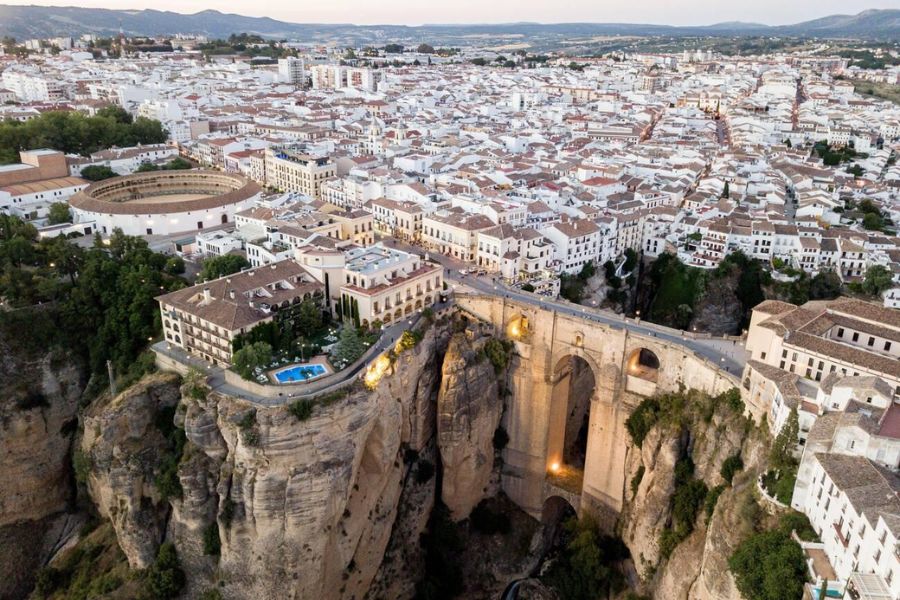
Crossing the bridge, I noticed the old iron railings and sometimes even horse-drawn carriages rumbling by.
Best Vantage Points for Stunning Views
If you want to really see Puente Nuevo in all its glory, you need to find the right spot. Here are my favorites:
- Mirador de Aldehuela: Right next to the bridge, this spot gives you a heart-stopping look into the Tajo and the hills beyond.
- The gorge pathway below: I hiked down to the bottom and looked up—it’s the only way to grasp just how massive the bridge is.
- The old town side (La Ciudad): At sunset, the view back toward the bridge feels downright magical.
Each place gives you something different. I recommend coming early or late in the day for the best light and fewer crowds.
The Power of El Tajo Gorge
El Tajo gorge cuts Ronda in half, creating a natural fortress that shaped its history. Standing on the bridge, I could feel the wind whip up from below and catch the distant sound of rushing water.
The gorge’s cliffs look both wild and strangely beautiful. Wildflowers and shrubs cling to the rock, and those white houses perched on the edge look like they could tumble down at any moment.
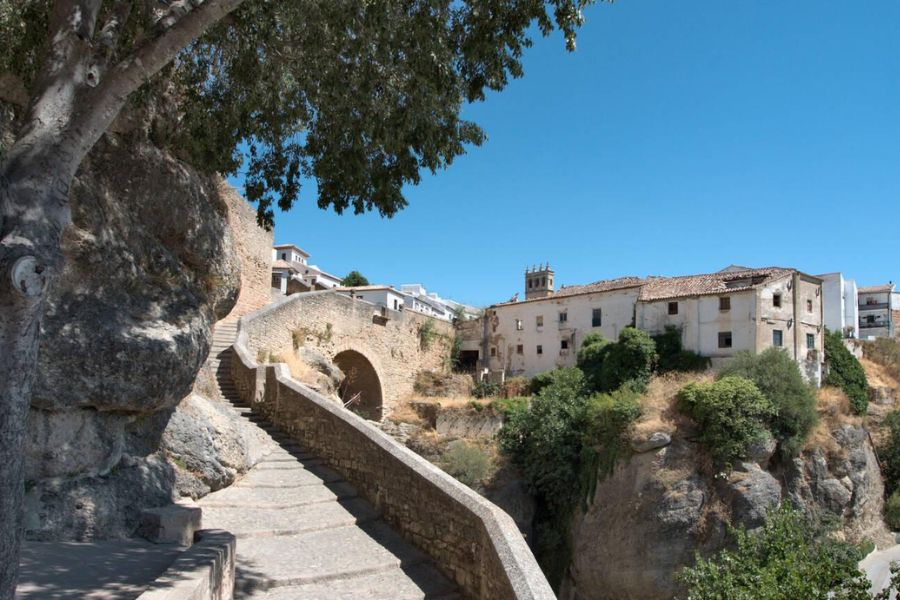
I watched birds of prey circle overhead, riding the warm air currents. The whole scene really drives home why Ronda is such a standout in southern Spain.
Stepping Back in Time at Ronda’s Ancient Arab Baths
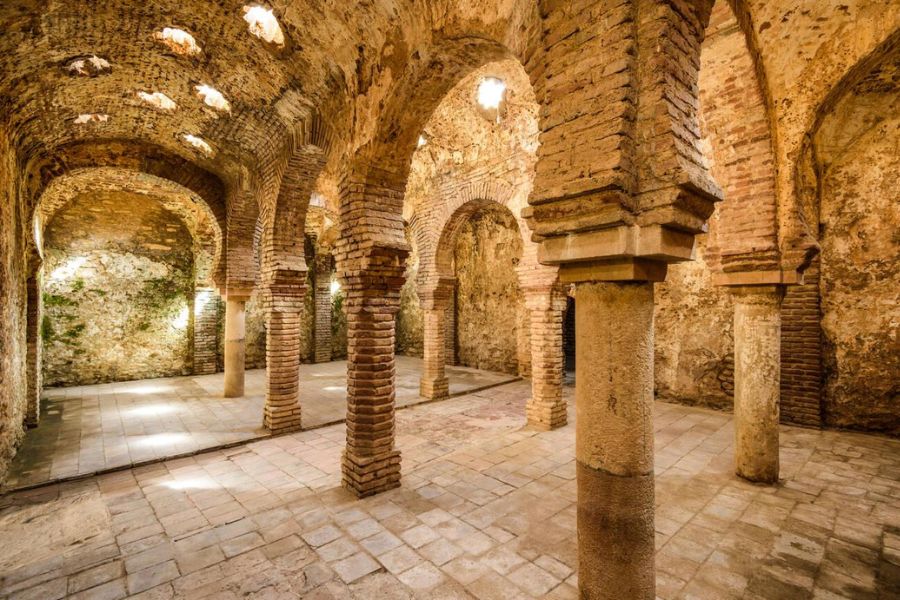
Right in the heart of Ronda, I stumbled on the Arab Baths—some of the best-preserved in southern Spain. Their stone arches and mosaic floors tell stories about daily life during the days of al-Andalus.
Origins and Restoration
They built the Arab Baths, or Baños Árabes, in the late 13th or early 14th century when Ronda belonged to Islamic Andalusia. You’ll find them by the old Moorish quarter, and the design borrows a lot from Roman bathhouses.
The layout has three main rooms: cold, warm, and hot steam.
As I wandered through, I noticed star-shaped skylights in the domed ceilings. These little openings let in sunlight and fresh air, casting a soft glow on the stone.
Time and neglect took their toll, but restoration teams have brought much of the baths back to life. Now, you can walk through the chambers and see how they rebuilt the arches and floors with traditional techniques.
Significance in Andalusian History
The baths weren’t just for getting clean—they served as social and spiritual hubs for Ronda’s Muslim community. Men and women gathered separately to relax, chat, and prepare for religious events.
Learning about this, I realized how the baths highlight the blend of cultures in Andalucia. Their design and purpose reflect the region’s rich heritage.
If you care about cultural history, the Arab Baths are a direct link to Ronda’s vibrant past. Visiting feels like stepping into the daily rhythms of another era.
Experiencing the Legendary Bullring and Bullfighting Tradition
When I stood in Ronda’s bullring, I could almost hear the roar of crowds and picture matadors facing down history. The place brings together tradition and striking architecture, and Spain’s bullfighting culture comes alive here in a way that’s hard to ignore.
Plaza de Toros: A Temple of Bullfighting
Ronda’s Plaza de Toros isn’t just any bullring—it’s one of Spain’s oldest, built back in 1785. Made from local stone, the grand arches and round arena really impress.
Walking onto the sandy floor, I felt tradition hanging in the air.
Inside, I checked out the museum. Old costumes, posters, and matador tools fill the displays.
The two tiers of seating, supported by graceful stone columns, caught my eye right away. Even without an event, the bullring buzzes with a weird kind of energy.
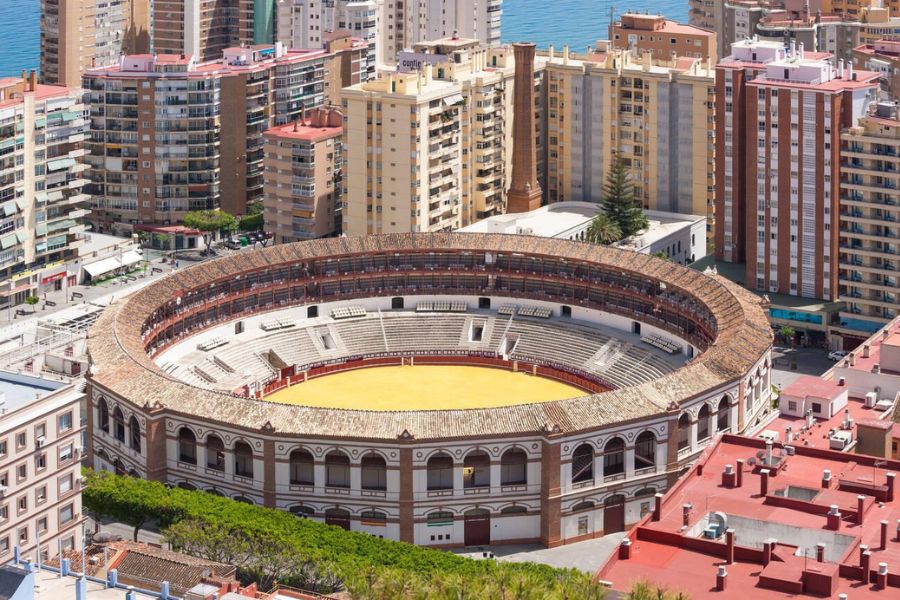
This place is a symbol of Ronda. Even if you’re not into bullfighting, the Plaza de Toros gives you a fascinating look at Spanish culture and artistry.
Evolution of Modern Bullfighting
Ronda claims the title as the birthplace of modern bullfighting. Guides and museum displays explain that before Ronda, bullfighting happened on horseback. Here, legendary matadors changed everything by facing bulls on foot.
Some of Spain’s most famous bullfighters, like Pedro Romero, made their mark here. Their daring style set the bar.
Modern bullfighting now focuses on skill, bravery, and artistry—not just brute force. I walked away with a new respect for how this tradition evolved.
Today, the bullring and its festivals still celebrate this unique performance. Old photos and storyboards show how costumes, rituals, and rules have shifted, but the energy remains.
Royal Cavalry of Ronda and Its Legacy
The Real Maestranza de Caballería de Ronda, or Royal Cavalry, helped build the Plaza de Toros and shaped many Spanish bullfighting traditions. I noticed their coat of arms all over the arena and museum.
They’re not just about bullfighting—they promote horse riding, run riding schools, and organize cultural events. For centuries, they’ve kept Ronda’s customs alive.
The bullring museum even has a section just for them, filled with antique riding gear and uniforms.
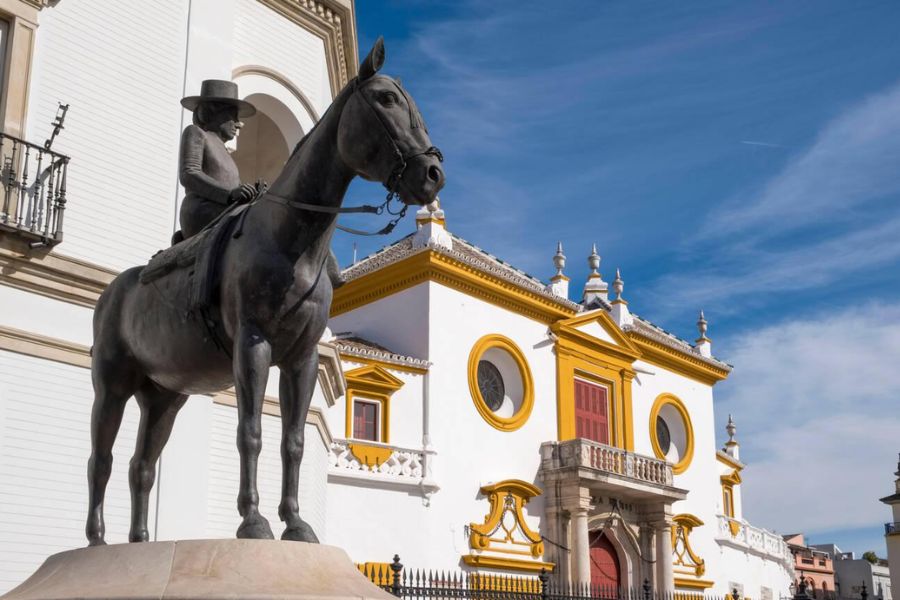
Whenever I visit, I see how their influence still shapes Ronda’s events and festivals. Learning about the Royal Cavalry shows just how much pride the city takes in its traditions.
Exploring Ronda’s Old Town Charm
Ronda’s old town, La Ciudad, pulls me in with its mix of Moorish history and Andalusian spirit. Historic palaces, ancient streets, and lively plazas make every step feel like you’re discovering something real.
Wandering the Cobbled and Narrow Streets
As I walk through La Ciudad, winding narrow streets paved with old cobblestones surround me. Small whitewashed houses hug the curves, their doors painted bright and balconies overflowing with flowers.
Shops selling local crafts and tiny cafes pop up everywhere. It’s so quiet here compared to the busy parts of Ronda.
A few things always catch my attention:
- Unique architecture: I love the arched doorways and old stonework.
- Friendly locals: People often greet me with a smile or a quick “hola.”
- Hidden courtyards: Sometimes a big wooden gate swings open, and I get a peek at a secret garden.
Getting a little lost in these streets turns into a mini adventure. The old town is perfect for slow, aimless exploring.
Discovering La Ciudad’s Historic Landmarks
Some of Ronda’s most fascinating spots hide right in the heart of La Ciudad. I like to start at the Mondragón Palace, once home to Moorish kings.
Its leafy courtyards, carved ceilings, and sweeping views over the gorge stick with me long after I leave.
The Town Hall on Plaza Duquesa de Parcent stands out with its clock tower and lively square. It’s a nice place to pause and watch daily life.
Nearby, the Casa del Rey Moro draws me in with its gardens, underground mine, and panoramic terraces.
These landmarks aren’t just for tourists—they really open a window into Ronda’s past. I always bring a camera and a little curiosity when I wander here.
Local Life: Tapas, Shops, and Hidden Cafés
I could spend hours in Ronda’s old town, where every corner seems to hide something new. Whether I’m digging into spicy chorizo at a busy tapas bar or browsing handmade ceramics, these small moments make Ronda stick in my memory.
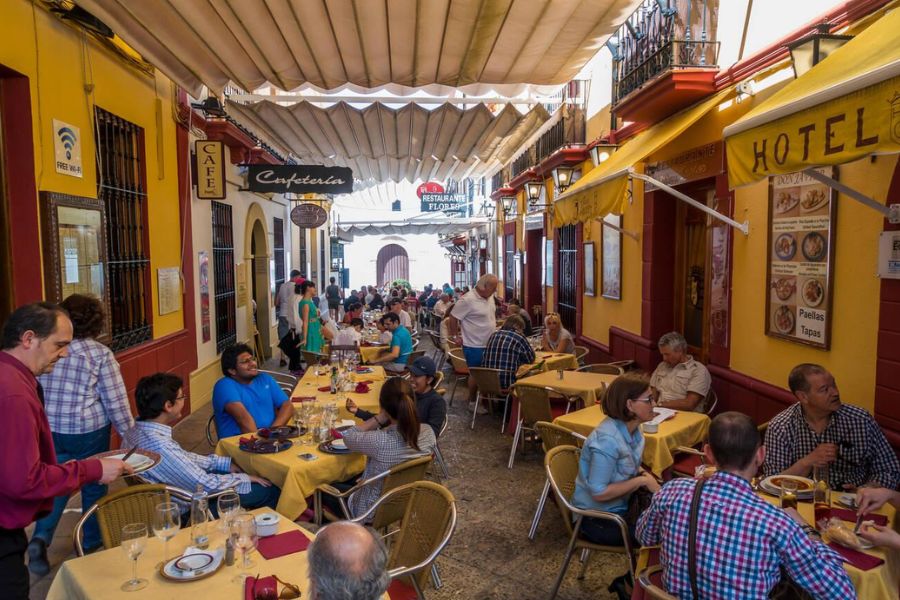
Favorite Tapas Bars and Restaurants
Trying local food is always at the top of my list in Ronda. Many restaurants line the cobbled streets, and the smell of grilled meat and fresh bread drifts through open doors.
Places like El Lechuguita serve classic Andalusian tapas for just a few euros each. I can’t resist a plate of salmorejo—that creamy tomato soup is the best I’ve tasted.
I always order berenjenas con miel (fried eggplants with honey) and spicy chorizo al vino. The bars get packed in the evenings, so grabbing a spot at the counter makes me feel like a local.
Since tapas come in small portions, I try something new every time. If you want to eat like a local, ask about the daily tapa specials and look for places buzzing with people.
Shopping for Andalusian Crafts
Wandering through Ronda’s shops is my go-to way to spend an afternoon. Small stores show off colorful ceramics, hand-stitched leather bags, and delicate jewelry.
Once, I found a tile shop where the owner still painted traditional patterns by hand. Each piece seemed to tell a bit of Ronda’s story.
Shopping here isn’t about big brands—it’s about personal touches. I love chatting with shopkeepers who’ve spent years perfecting their craft.
Some shops sell mantones (embroidered shawls) and lace fans. For gifts, I look for olive wood bowls, bright pottery, and handwoven scarves.
These souvenirs always remind me of Ronda’s easygoing, charming pace.
Relaxing in Charming Cafés with a View
Ronda’s cafés might just be the coziest places I’ve found anywhere. Many perch right on the edge of the gorge, and their outdoor terraces show off those wild Andalusian hills.
My favorite spot for morning coffee sits close to the New Bridge. The barista usually greets me with a grin, and I hear church bells ringing in the background.
I sip my hot café con leche and watch life down in the plaza—locals chatting, kids darting around, shopkeepers hauling out their displays. Some cafés bring out homemade pastries stuffed with sweet almonds or a bit of fig jam.
The pace here slows me right down. I just sit back and soak in the whole scene.

If I want the full Ronda experience, I grab a table outside, order a slice of tarta de Santiago, and let the sun warm my face.
Practical Travel Insights for Visiting Ronda
Ronda sits tucked away in southern Spain, and its walkable old town makes exploring easy. The city’s unique setting and closeness to other Andalusian gems really add to its charm.
I catch views from the Alameda del Tajo, and I can plan day trips to places like Seville or Granada. A little planning goes a long way.
Best Time to Visit and Where to Stay
Honestly, spring (April to June) feels like the perfect season for Ronda. Days stay warm but not too hot, the countryside turns green, and the city buzzes with festivals.
Autumn has its perks too—smaller crowds and cooler evenings if that’s more my vibe.
When I stay near Ronda’s old town, I’m within a short walk of sights like the bullring and the Puente Nuevo. I’ve tried out small boutique hotels and friendly guesthouses, and I always look for balconies with a view of the gorge or the rolling landscape.
The area near Alameda del Tajo strikes a nice balance. It’s lively but somehow still peaceful, which I really appreciate.
If I’m traveling in summer, I book ahead—especially if I want a hotel with a pool or a killer view. Many spots serve up local breakfasts, which is just what I need before heading out for the day.
Getting Around Ronda and Transportation Tips
Getting around Ronda feels simple. I walk everywhere in the old town and around the main sights—it’s honestly the best way to discover the whitewashed streets and little hidden plazas.
Most main attractions, like the bullring, ancient baths, and cliffside parks, are just a short walk apart. I don’t usually bother with taxis since the train and bus stations sit close to the center.
If I’m hauling a lot of luggage or need extra help, taxis are easy enough to find. Parking gets tricky during busy times, but a few public lots sit near the edge of town.
I usually just park and wander in on foot.

For trips outside Ronda—maybe a countryside hike or a visit to a vineyard—a rental car gives me the most freedom. Guided tours sometimes include transport, which makes things even easier.
Nearby Andalusian Cities and Day Trips
One of my favorite things about staying in Ronda? It’s just so easy to get out and see southern Spain. You can hop on a train, bus, or just grab a rental car—Seville, Cordoba, and Granada all work as day trips.
I’ve jumped on early trains to Seville just for the Alcazar and cathedral, then wandered back to Ronda in time for sunset. That’s a pretty good day, honestly.
Granada dazzles with the Alhambra. Cordoba draws you in with the Mezquita and those dreamy, flower-filled patios. Every city has its own vibe, and I can’t really pick a favorite.
Sometimes, when I want something quieter, I drive out to the pueblos blancos. Zahara de la Sierra and Grazalema both work for a low-key day trip, and the views out there are just unreal. Plus, if you like hiking, you’ll find some great trails.
Here’s a quick reference for travel times from Ronda:
| Destination | By Train | By Car |
|---|---|---|
| Seville | ~2 hours | ~1.5 hours |
| Cordoba | ~2.5 hours | ~2 hours |
| Granada | ~2.5 hours | ~2 hours |
