
I still remember the first time I wandered through the winding streets of Teruel, tucked away in Aragon, Spain. The legendary Lovers of Teruel drew me in, but honestly, the city itself surprised me—quiet, enchanting, and bursting with Moorish-inspired beauty.
Teruel’s Mudéjar architecture, with its bold brickwork and shimmering glazed tiles, earned the city a UNESCO World Heritage title. It’s a real gem for anyone exploring Spain.
Every corner revealed something new—an ornate church tower, a medieval arch, or a splash of color I hadn’t seen before. When I passed the famous Torre de El Salvador, I finally understood why they call Teruel Spain’s City of Lovers.
This place has a special romance, blending fascinating history with architectural wonders that quietly tell stories of its past.
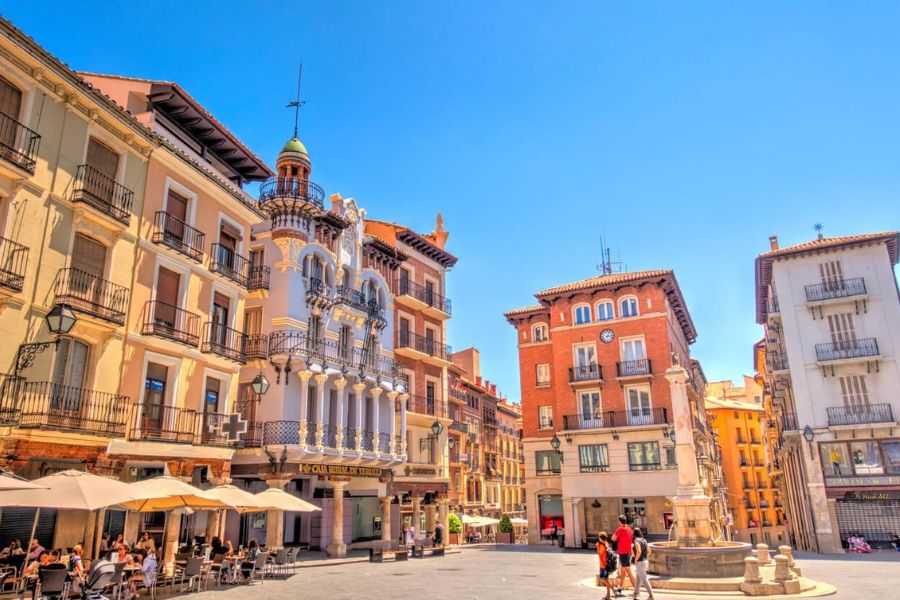
Teruel isn’t just for history buffs—it’s perfect if you love walking tours, photography, or discovering hidden treasures away from the crowds. If you want to fall in love with a lesser-known corner of Spain, let me show you why Teruel’s Mudéjar magic is worth the trip.
Teruel: Spain’s Enchanting City of Lovers
Teruel weaves romance and history together with its remarkable Mudéjar architecture. As I stroll its old streets, the city’s blend of legend, Spanish heritage, and medieval charm pulls me in.
The Legend of the Lovers of Teruel
One story truly defines Teruel—the tale of Diego and Isabel, the famous Lovers of Teruel. Their tragic love story dates back to 1217 and has captured imaginations for centuries.
Locals tell how Diego and Isabel, denied by fate and family, died of heartbreak only moments apart. Today, their tombs in San Pedro Church draw visitors from all over Spain.
This legend shapes Spain’s cultural identity, almost like Romeo and Juliet do for Verona. Every February, Teruel’s medieval festival brings their story to life.
Residents dress up in historic costumes, and the city fills with music, drama, and colorful processions. I joined the crowd once and felt swept up in the emotion and tradition.

This story isn’t just about romance—it gives you a glimpse into medieval Spanish values, showing how love, honor, and family shaped the culture.
Historic Heart of Aragon
Teruel sits in Aragon and stands out for its medieval old town. The city’s Mudéjar architecture, recognized by UNESCO, blends Islamic and Christian design.
Buildings like the Cathedral of Santa María and San Pedro Church show off this style with colorful tiles and arched towers.
I loved exploring Plaza del Torico, the main hub of local life. Families gather here, and small cafés invite you to relax and soak up centuries of history.
If you’re into Spanish history, Teruel lets you see how architecture reflects centuries of cultural mixing—Muslim, Christian, and even Jesuit influences.
Walking these streets, I can see why Aragon played such a big part in shaping Spanish identity. The city feels like a living museum, connecting the medieval past to today’s culture.
Navigating the Old Town
Teruel’s old town is easy to explore on foot. I suggest starting at Plaza del Torico.
From there, cobblestone streets wind past iconic Mudéjar towers—El Salvador, San Martín, and San Pedro. These landmarks help you imagine medieval Spain and the lively world that once filled these walls.
If you go, wear comfortable shoes. The distances are short, but some streets are steep. You’ll find plenty of benches and small parks for quick breaks.
I found the city’s signs helpful, and locals were always happy to point out must-see spots.
Shops sell traditional sweets and crafts, so you can bring home a bit of Teruel’s charm. If you visit during a festival, expect reenactments, open-air markets, and live music—each event reflecting the city’s strong sense of tradition and community.
Unveiling Mudéjar Magic: UNESCO Architecture in Teruel
Walking through Teruel, I felt surrounded by history. The city’s Mudéjar architecture mixes Islamic art with medieval Spanish styles, creating buildings that are both stunning and full of culture.
These landmarks tell stories from a unique chapter in Spain’s past.

Mudéjar Art and Architecture Defined
Mudéjar art and architecture grew in medieval Spain, especially after Christian kingdoms reclaimed land from Al-Andalus. It isn’t just a copy of Islamic style, but a real mix of Muslim and Christian influence.
You’ll notice brickwork, colorful glazed tiles, wooden ceilings, and detailed plaster everywhere.
When I looked up at the decorated towers and churches, I saw geometry and patterns that reminded me of both the Alhambra and Gothic cathedrals.
Local craftsmen, many of them Muslim, brought their own style to Christian buildings. Every brick and tile tells a story of Spanish history and cultural blending.
Teruel’s Iconic Mudéjar Landmarks
Teruel’s best Mudéjar sites rise above the city. I started with the Torre de El Salvador, covered in green and white tiles.
The Cathedral of Santa María de Mediavilla has a rare wooden ceiling painted with scenes from medieval Spanish life. It’s like a time capsule of Teruel’s culture.
Other sites like the Tower of San Pedro and the Torre de San Martín show off the city’s unique style. The patterns and colors on these buildings are so striking, I had to stop and admire every detail.
Walking from one landmark to the next felt like wandering through an open-air museum.
Legacy and UNESCO Recognition
UNESCO named Teruel’s Mudéjar sites a World Heritage Site because of their importance. This recognition highlights the city’s creative use of brick and tile, and the blend of Christian and Islamic art that survived through centuries.
UNESCO included several towers, the cathedral, and San Pedro Church as part of its protected group. They called these some of Spain’s most inventive medieval buildings.

Whenever I read about Spanish artists like Velázquez, I can’t help but think about how places like Teruel shaped their world.
Preservation and Cultural Impact
Preserving Mudéjar architecture in Teruel isn’t just about saving old buildings. It’s about keeping a shared history alive.
Locals, historians, and travelers all help with this. Careful restorations keep the colors and shapes fresh for future generations.
Today, Teruel’s unique buildings inspire modern Spanish art. You’ll spot their influence in festivals, crafts, and even shops that sell handmade tiles.
For me, each visit is a chance to learn—seeing how different cultures worked together in medieval Spain to build something lasting. That mix of past and present is what makes Teruel so special for anyone interested in history or architecture.
Journeys Through Time: Teruel’s Place in Spanish History
Teruel’s story stretches back thousands of years, shaped by ancient settlers, kingdoms, and artists. Walking its streets, I sense the city’s layered past—from prehistoric times to tales of star-crossed lovers and those Mudéjar monuments towering above.
From Prehistory to Visigothic Rule
Long before the Mudéjar towers, prehistoric communities called Teruel home. Archaeologists have found traces of ancient villages, rock paintings, and pottery from as far back as the Bronze Age.
The area’s hills gave people a safe place to settle, and resources like water and stone made life possible.
Over time, new civilizations arrived. The Iberians left their marks, then Rome came after the conquest of Hispania.
Roman roads and settlements tied Teruel to trade and culture across the region.
After the Western Roman Empire fell, the Visigoths took over. They brought Christianity, new languages, and laws, weaving Teruel into the fabric of a growing kingdom.
Al-Andalus and Christian Reconquest
In the 8th century, Muslim rule arrived, and Al-Andalus became a center of knowledge and culture. From Andalucía to Aragón, this blending shaped everything—language, daily life, even Teruel’s name, which might have Arabic roots.
During this era, towns like Teruel saw new irrigation, science, and art. Later, the Christian Reconquest reached these lands.
In 1171, King Alfonso II of Aragón founded Teruel as a fortress town. Homes, churches, and markets grew within its walls, and settlers arrived, drawn by promises of land and freedom.
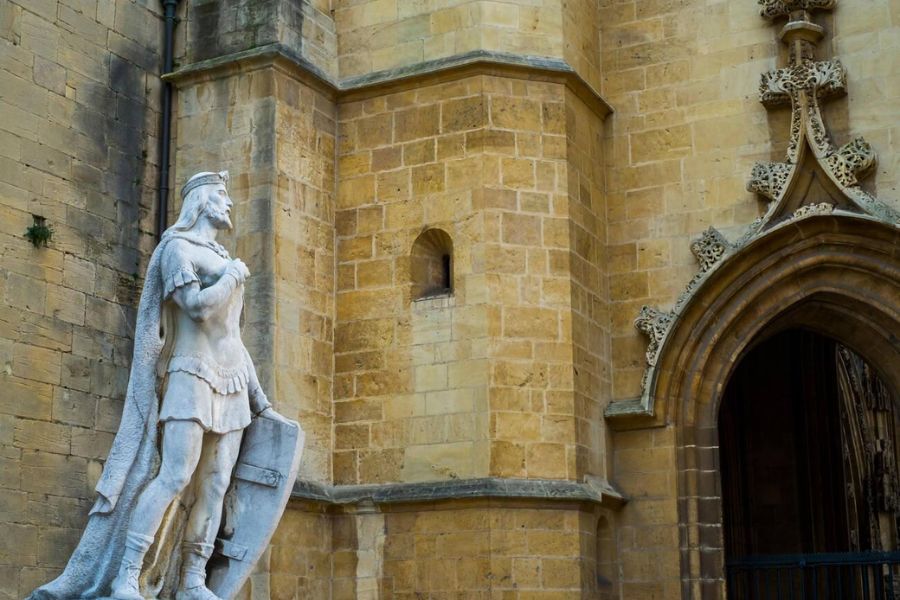
Teruel’s location made it a key border post between Christian and Muslim Spain, shaping its buildings and spirit for centuries.
The Mudéjar Period
The Mudéjar period truly sets Teruel apart. After the Reconquest, Muslims—known as Mudéjars—stayed and worked alongside Christians. Their artistry gave rise to Teruel’s most famous buildings.
UNESCO-recognized towers like El Salvador, San Martín, and the cathedral showcase this unique blend of Islamic design and Christian themes.
Walk the streets and you’ll spot colorful tiles, intricate brickwork, and soaring arches. These details aren’t just pretty—they’re a reminder of how cultures can blend and thrive.
For me, climbing a Mudéjar tower at sunset or wandering beneath those patterned ceilings feels like stepping into a living museum.
This architectural style is one reason Teruel stands out from other Spanish cities. Travelers come from all over to see this rare legacy.
Modern Influences and Literary Legacies
In more recent times, Teruel became a symbol in Spanish literature and world history. The tragic story of the Lovers of Teruel inspired poetry and drama, echoing the heartbreak of other legendary romances.
Writers like Hemingway, who covered the Spanish Civil War, found inspiration nearby and shaped how the world saw Spain’s struggles. The city’s fight during the war left a mark that still lingers in its neighborhoods and language.
Today, Teruel’s traditions, celebrations, and even its accent reflect this long cultural history. You can experience the city’s story firsthand by joining festivals, visiting museums, or reading the literature that began here.
The mix of old and new gives Teruel a vibrant, unforgettable atmosphere.
Art, Food, and Music: Savoring Everyday Teruel
Savoring Teruel means tasting delicious Spanish food, joining in on lively festivals, and noticing how the city mixes history with modern life. I found daily life here full of chances to eat, listen, and discover things you just won’t find anywhere else in Spain.
Local Gastronomy and Spanish Food
Eating in Teruel was a real treat. The city is famous for jamón de Teruel, a cured ham with its own DOP (Protected Designation of Origin).
I tried it in everything from tapas to hefty bocadillos, and it seemed like every café wanted to serve their best slices.
Wild mushrooms and black truffles pop up often, since the forests nearby are perfect for foraging. At lunch, I tasted miguelitos—little cream-filled pastries—and hearty lamb stews.
Local cheeses, olive oil, and sweet peaches from Calanda made even a simple picnic feel special.

Most restaurants offer both classic Aragonese dishes and flavors from all over Spain. If you want to eat like a local, try the menú del día—it’s tasty, affordable, and full of home-cooked Spanish food.
Teruel’s Festivals and Spanish Music
The music and festivals in Teruel are part of why I fell in love with this city. Every February, Teruel throws Las Bodas de Isabel de Segura, a medieval festival that brings the Lovers of Teruel legend to life.
The streets fill with costumes, old songs, and live performances.
Spanish music is everywhere—from the upbeat jota aragonesa folk dance to Latin pop and even the occasional classic rock cover. One night, I heard a local band play Pink Floyd.
Teruel hosts open-air concerts, flamenco nights, and brass bands during yearly fiestas.
In July, I stumbled onto a celebration for Santa Cristina, with parades, folk groups, and drummers. Joining these events made me feel like more than a tourist.
If you’re planning a trip, ask locals about festival dates—these parties really are the best way to connect with real Spanish culture.
Spanish Cinema and Contemporary Culture
Honestly, I didn’t expect Teruel to care so much about cinema and the arts. The city’s film festival brings in both Spanish and international movies, letting you peek into stories from all over Spanish society.
In the summer, people gather for outdoor screenings in the plazas. After sunset, it feels like the whole city comes together.
Local museums like to mix things up, too. You’ll find modern Spanish artists hanging right next to medieval Mudéjar art.
There’s this blend of old and new everywhere—the past isn’t frozen, and people seem proud of their roots but still look ahead. One evening, I watched a student group perform scenes inspired by Faust. They mixed Spanish tradition with classic European tales, and it actually worked.
Watching movies with locals or wandering through a gallery changed my experience of the city. Teruel’s creative side hides between ancient towers and busy cafés, just waiting for someone to notice.
Wider Connections: Teruel’s Role in Iberia and Beyond
Teruel isn’t just some hidden spot on the map. The city’s part of the bigger story of the Iberian Peninsula.
Its traditions, architecture, and art show how different regions, cultures, and even far-off universities connect here.
Pilgrimages and The Camino de Santiago
As I walked through Teruel, I started to notice its ties to Spain’s old pilgrimage routes.
Teruel doesn’t sit right on the main Camino de Santiago, but its churches and towers have given rest and inspiration to travelers heading for Santiago de Compostela.
Back in medieval times, plenty of lesser-known paths crossed Aragon. Pilgrims would stop in towns like Teruel.
The city’s Mudéjar buildings—with their mix of Muslim and Christian art—caught the eye of many on their journey. Pilgrims found peace here, offered prayers, and left their stories behind.
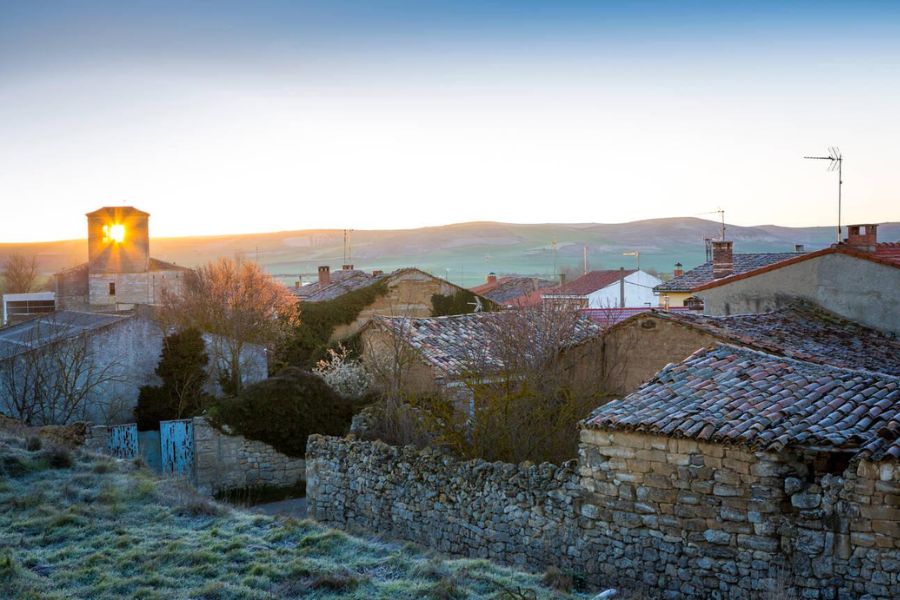
Even now, travelers treat Teruel as a quiet spiritual stop. It’s a place to breathe in history before moving north.
Influences from Granada and Andalucía
One thing that draws me to Teruel is how its beauty hints at stories from Granada and Andalucía.
When I look up at the painted tiles or run my hand along a Mudéjar arch, I notice the echoes of Islamic design from the south.
Granada was once the heart of Muslim rule in Iberia. Its influence spread through architecture across the peninsula.
Artisans made their way north, bringing bold mosaics and mixing them with Aragonese styles. In Teruel, you can see this blend in every shimmering tower and patterned brick.
The colors, tiles, and detailed woodwork in Teruel tie it to Andalucía’s artistic legacy. That connection makes the city feel bigger than just a local treasure—it’s a living museum of how cultures moved and mingled all over Iberia.
Links to Santiago de Compostela
After wandering Teruel’s streets, my thoughts drift west to Santiago de Compostela.
The two cities aren’t close neighbors, but there’s a thread connecting them through pilgrimage.
Pilgrims, merchants, and artists heading for Santiago often passed through Aragon. They brought ideas, swapped stories, and sometimes carried pieces of Teruel’s Mudéjar style with them.
Teruel also borrowed religious symbols and art from other ends of the pilgrimage.
Even now, when I meet people on walking routes across Spain, I spot hints of Teruel’s towers and domes—even in tiny chapels far from here. This ongoing influence keeps both cities linked in Spain’s spiritual and cultural heart.
Academic and Artistic Ties Worldwide
Teruel’s story actually stretches across the Atlantic. Universities in the U.S.—think Georgetown, Vanderbilt, Yale—dive into its architecture and history. Professors sometimes bring groups of students to Spain, and you’ll spot Teruel’s cityscape popping up in courses on art history or medieval studies.
I’ve bumped into travelers and scholars from all over, whether at academic conferences or on photography tours. Teruel’s unique mix of cultures draws them in. International artists have grabbed inspiration from Mudéjar patterns, and their work has carried the city’s influence as far as New York or Washington, D.C.

These global connections help boost Teruel as a UNESCO site. They also invite more people to experience its magic—maybe through research, maybe through travel.
