
When I landed on Formentera, I couldn’t wait to track down Caló des Mort—a tiny cove that travelers keep whispering about as the island’s secret paradise. It’s tucked between Migjorn and Es Ram beaches, and even though it’s small, it pops out thanks to its crystal-clear water, jagged cliffs, and an easygoing, quiet vibe.
Caló des Mort is honestly one of the most beautiful coves on Formentera, perfect if you want to dodge the bigger, crowded beaches.

Getting there felt like uncovering a hidden corner. A winding path took me past rocky hills and faded fishing huts, and then suddenly, the turquoise sea showed itself.
Even though more people know about it now, I still found space to throw down my towel and just breathe in the calm. If you’re after a photo-perfect spot or just want to melt into the Mediterranean sun, this cove quickly became my favorite nowhere-else-like-it escape.
Discovering Caló des Mort: Formentera’s Hidden Gem
Caló des Mort sits quietly on Formentera’s southern coast, offering up one of the island’s best views and a super intimate beach vibe.
Its untouched setting and rugged landscape really make it different from the bigger, busier Balearic beaches.
Where Is Caló des Mort?
I found Caló des Mort tucked into a curve along the Migjorn coastline in southern Formentera. It’s not far from the little town of Es Caló, and you reach it by driving a narrow road and then walking a short, rocky path.
Craggy cliffs surround the cove, so it feels hidden and sheltered. The spot is pretty remote, which keeps things quieter than at other beaches.
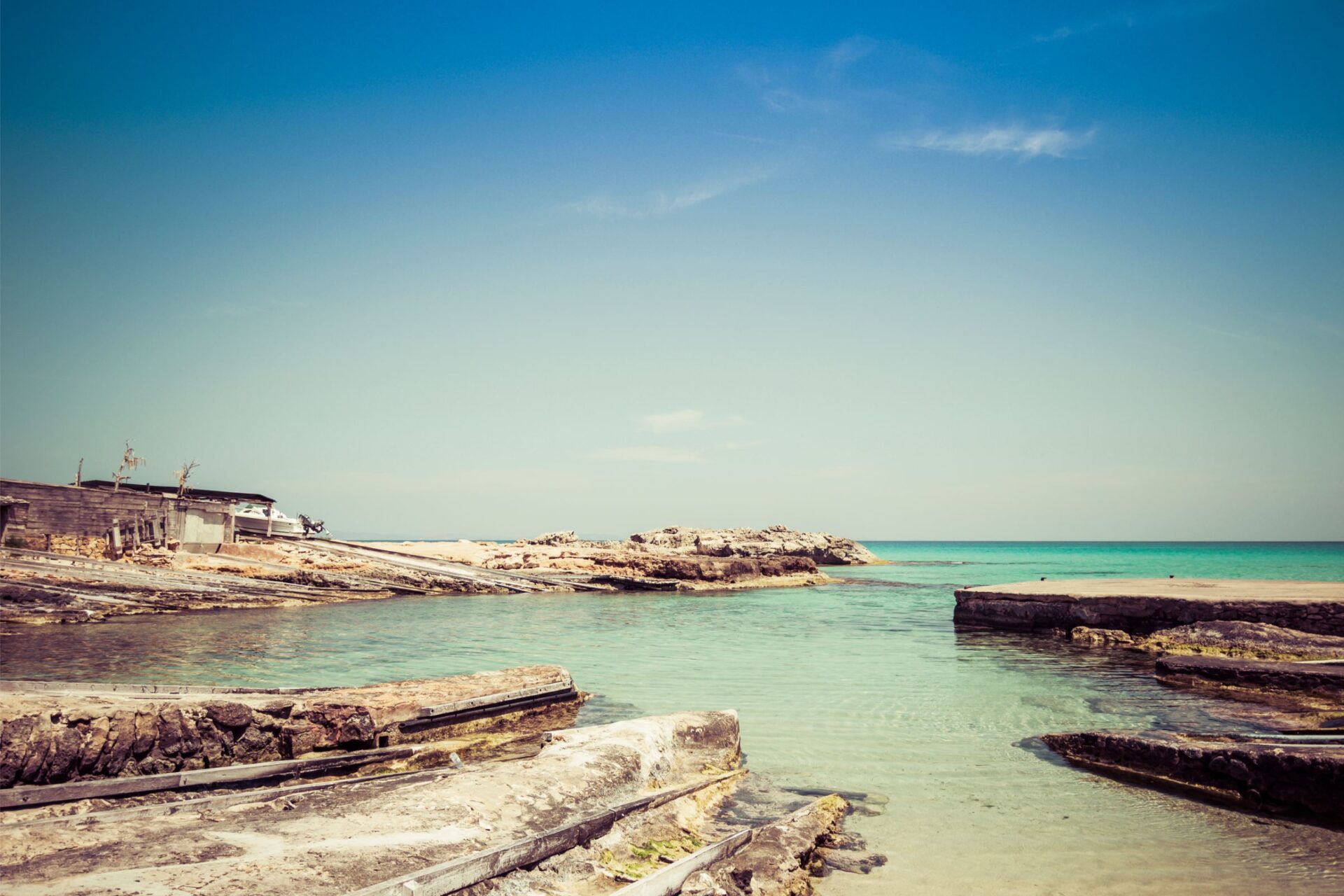
There aren’t any big signs or parking lots, so I checked directions before heading out. When I arrived, the turquoise water looked unbelievably clear, with sandy patches and smooth stones along the edge.
Even though Caló des Mort is tiny, it draws travelers who just want a peaceful escape. It’s also a popular sunset spot, and the scenery is perfect for swimming or just hanging out on the rocks.
Quick Facts
| Distance from Es Caló | Seclusion Level | Water Clarity |
|---|---|---|
| Around 2 km | High | Very clear |
A Brief History of the Cove
The name “Caló des Mort” means “Cove of the Dead Man.” The story behind the name is still a bit of a mystery. Locals sometimes mention old sailor legends, but honestly, there’s no dark tale haunting this peaceful cove.
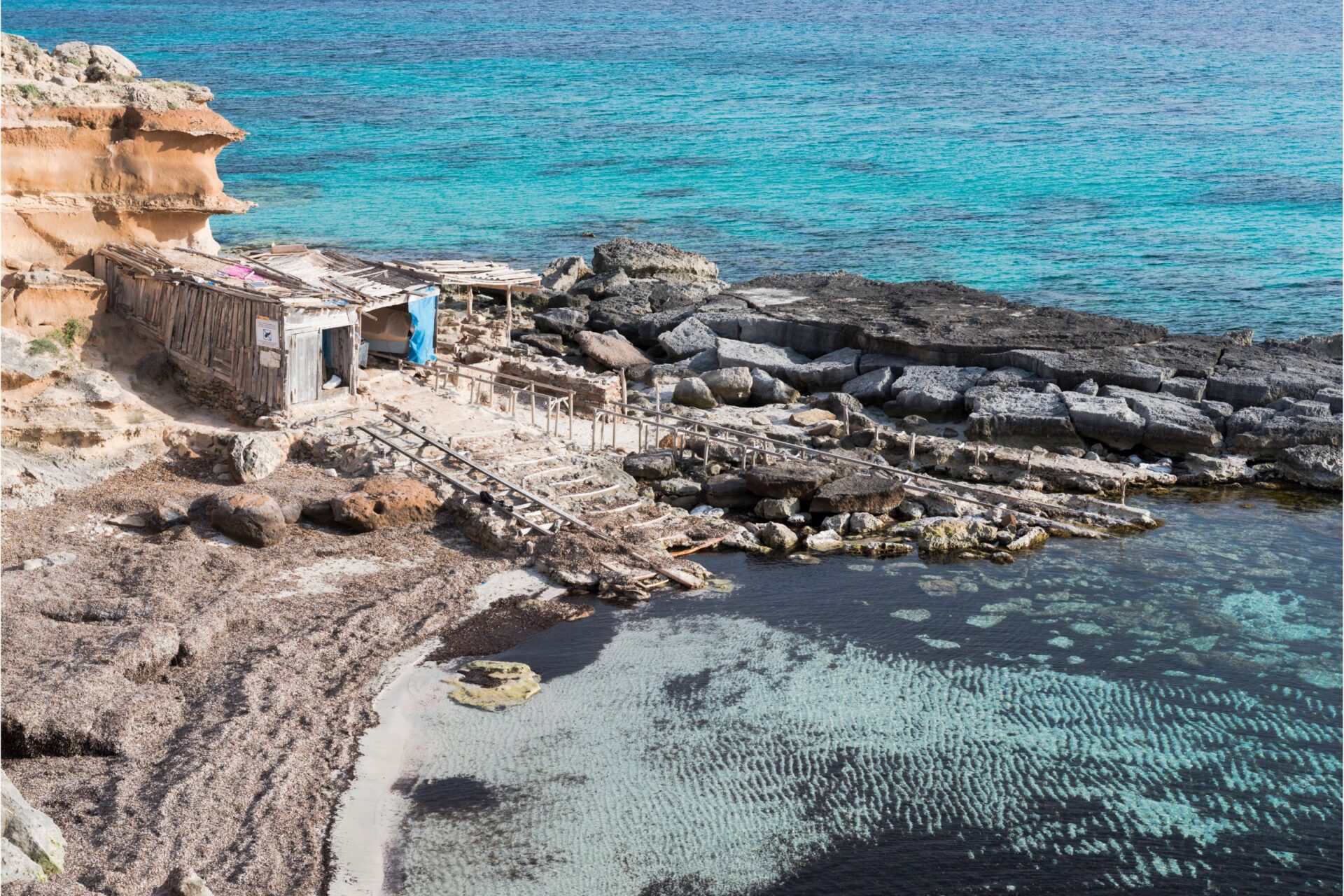
Early fishermen used to love this spot for its easy fishing. You can still spot the old fishing huts, perched right on the rocks by the water.
These little huts bring a rustic, weathered charm and hint at the cove’s more practical past. Over the years, Caló des Mort changed from a working fishing stop to a beloved swimming cove.
At first, only locals and a few adventurous travelers knew about it. In recent decades, more people from all over have discovered its special scenery and low-key magic.
Whenever I saw a small boat drifting by or walked past the weathered huts, I could feel that mix of old and new.
Why Caló des Mort Captivated Me
Tucked between bigger beaches, Caló des Mort immediately stands out with its rocky features and gentle, clear waters.
From my very first step onto the uneven rocks and soft sand, I noticed how different it felt from the rest of Formentera.
The Unique Landscape and Rugged Beauty
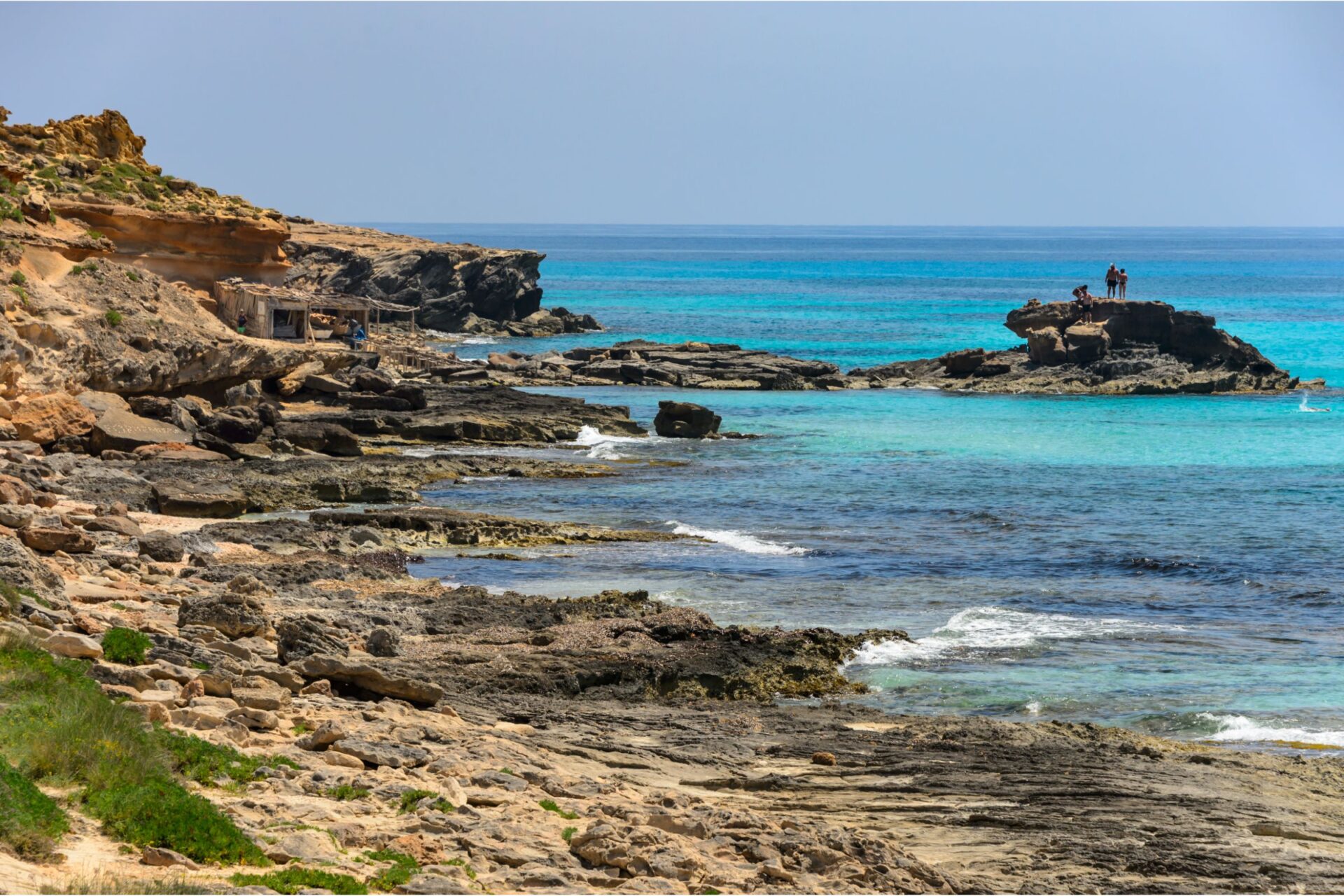
Caló des Mort isn’t your typical sandy stretch. Sharp rocks frame the cove, creating little pockets and natural seats.
Weathered fishing huts line the water’s edge, adding a touch of old island life. When I walked down the path, I saw how the jagged rocks cut right into the sea.
The contrast between rough stone and soft waves is kind of mesmerizing. That mix of hard and soft shapes gives the cove a wild, welcoming feel.
Even though it’s small, the rocks around Caló des Mort create a sense of privacy. These natural walls block out wind and most of the crowd, turning it into a secret hideout.
The path down is steeper than the flat Migjorn beach next door, but honestly, the quiet at the bottom makes the effort worth it.
Panoramic Views and Crystal-Clear Water
From almost every spot, the cove opens up to huge blue Mediterranean views. If you climb up to the higher rocks, you get a panoramic sweep you just don’t find at the busier beaches.
It’s a great place for simple pleasures—watching boats drift by or just soaking up the sunlight. The water here is crazy clear.
I could spot fish and sea plants just by looking down from a rock. Swimming here feels different than in open bays. There’s something special about sharing the water with just a few people and all that wild beauty.
The sunlight catches every ripple, turning the shallow bottom into dancing patterns of blue and white. If you’re into snorkeling, the underwater rocks are worth exploring, even just steps from the shore.
I’d definitely bring water shoes, since the seabed can get slippery.
Planning Your Trip to Formentera’s Most Picturesque Cove
Getting to Caló des Mort takes a little planning, but that’s part of the fun. The effort keeps the crowds away and makes the visit more peaceful.
The journey itself feels like part of the adventure. Picking the right time to visit can turn a busy spot into a calm escape.
How to Get to Caló des Mort from Ibiza and Beyond
To reach Caló des Mort, I hopped on a ferry from Ibiza to Formentera. The boat ride takes about 30 to 40 minutes, and there are plenty of departures in summer.
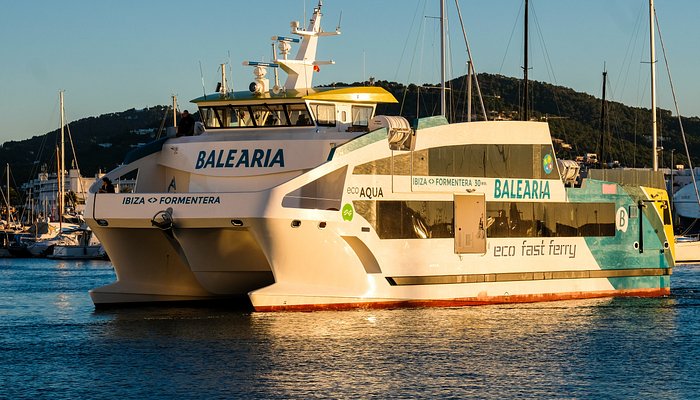
I booked my ticket ahead to avoid any last-minute mess, and I’d suggest bringing cash since some small operators might not take cards. After docking at La Savina, Formentera’s main port, I rented a scooter.
That made exploring way easier, especially since Caló des Mort isn’t close to any main towns. The cove sits between Migjorn and Es Ram beaches.
After a 20-minute scooter ride through winding roads, I parked at Urbanización Maryland and walked a short cliffside path down to the cove.
What you’ll need:
- Valid ID or driver’s license for scooter rentals
- Light hiking shoes or sturdy sandals
- Water and snacks, since the cove is totally undeveloped
Best Time to Visit for Fewer Crowds
Caló des Mort is no longer a secret, so I made sure to visit early or late in the day. Arriving before 10 a.m., I had the beach almost to myself. The morning light made the water look even more unreal.
Weekdays usually feel quieter than weekends. If I’m heading there during peak summer (June to August), I try for May or September instead. The weather’s still warm, but there are fewer people.
Shade is rare, so I always bring a hat, sunscreen, and sometimes a light umbrella to make things more comfortable.
Experiencing Caló des Mort Like a Local
Caló des Mort pulled me in with its wild cliffs, sea-carved rocks, and that almost unreal turquoise glow.
Formentera’s beaches generally feel wide open, but this tiny cove packs all the best parts into one rugged slice of paradise.
Snorkeling and Swimming Spots
The magic of Caló des Mort hits as soon as I step down the rocky path onto its pale sand.
The cove is small, hugged by natural rock walls, and the water is so clear that I can see tiny fish darting past my ankles.
Snorkeling here feels almost private. I like to start near the old fishermen’s huts, where the sea is calmest and the seabed is dotted with stones and sea grass.
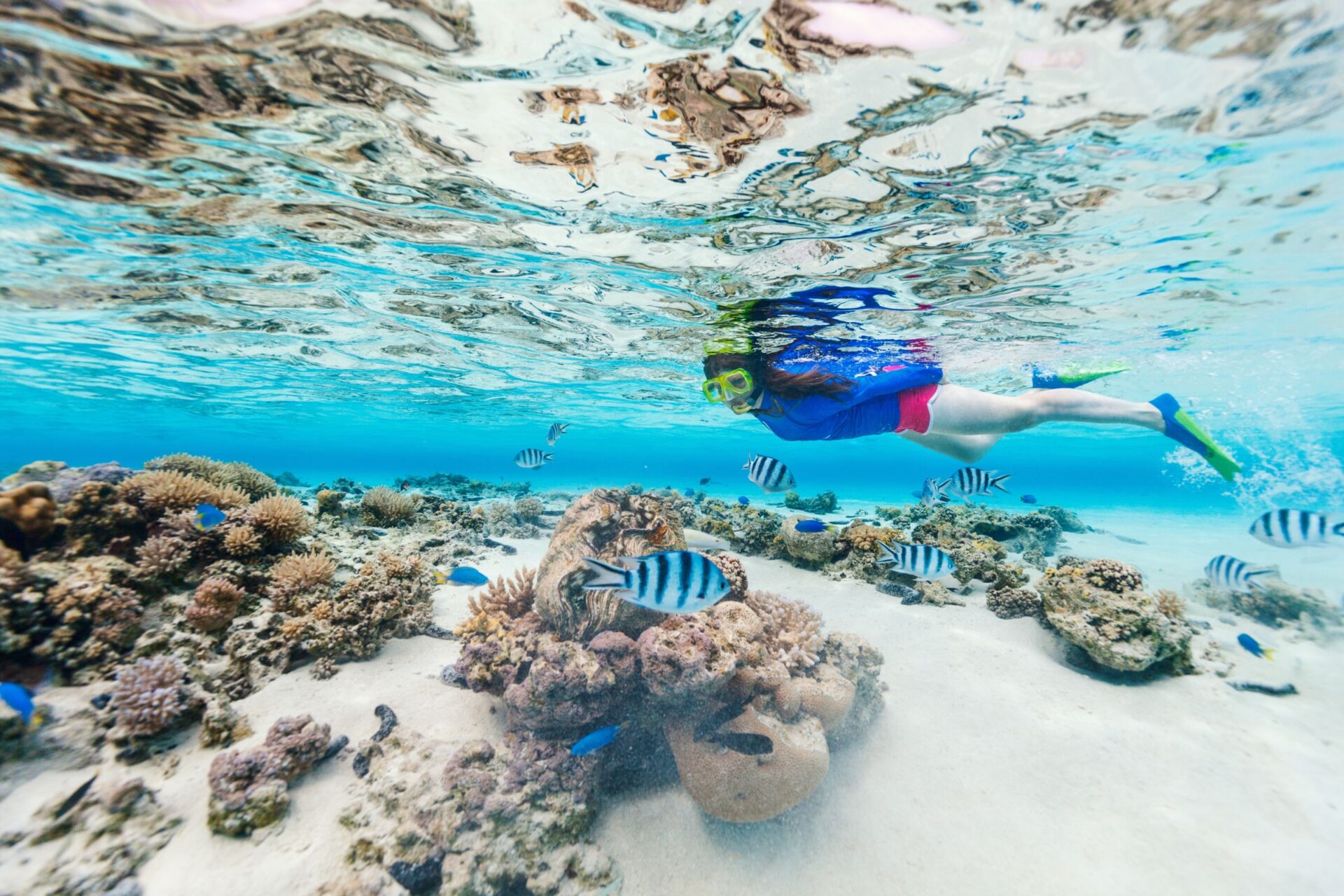
With my mask and fins, I drift along the cove’s edge. Bright little fish, bold crabs, and swaying plants make it feel more like an aquarium than the open sea.
The water stays shallow for several meters, so swimmers of all levels can enjoy it.
In the early mornings, locals often take a quick dip or float quietly. I always toss a lightweight snorkel set in my bag—there’s nowhere to rent gear, so it pays to come prepared.
The sunlight beams down and lights up the underwater rocks, making every swim feel like a discovery.
Finding Quiet Corners Away From the Crowd
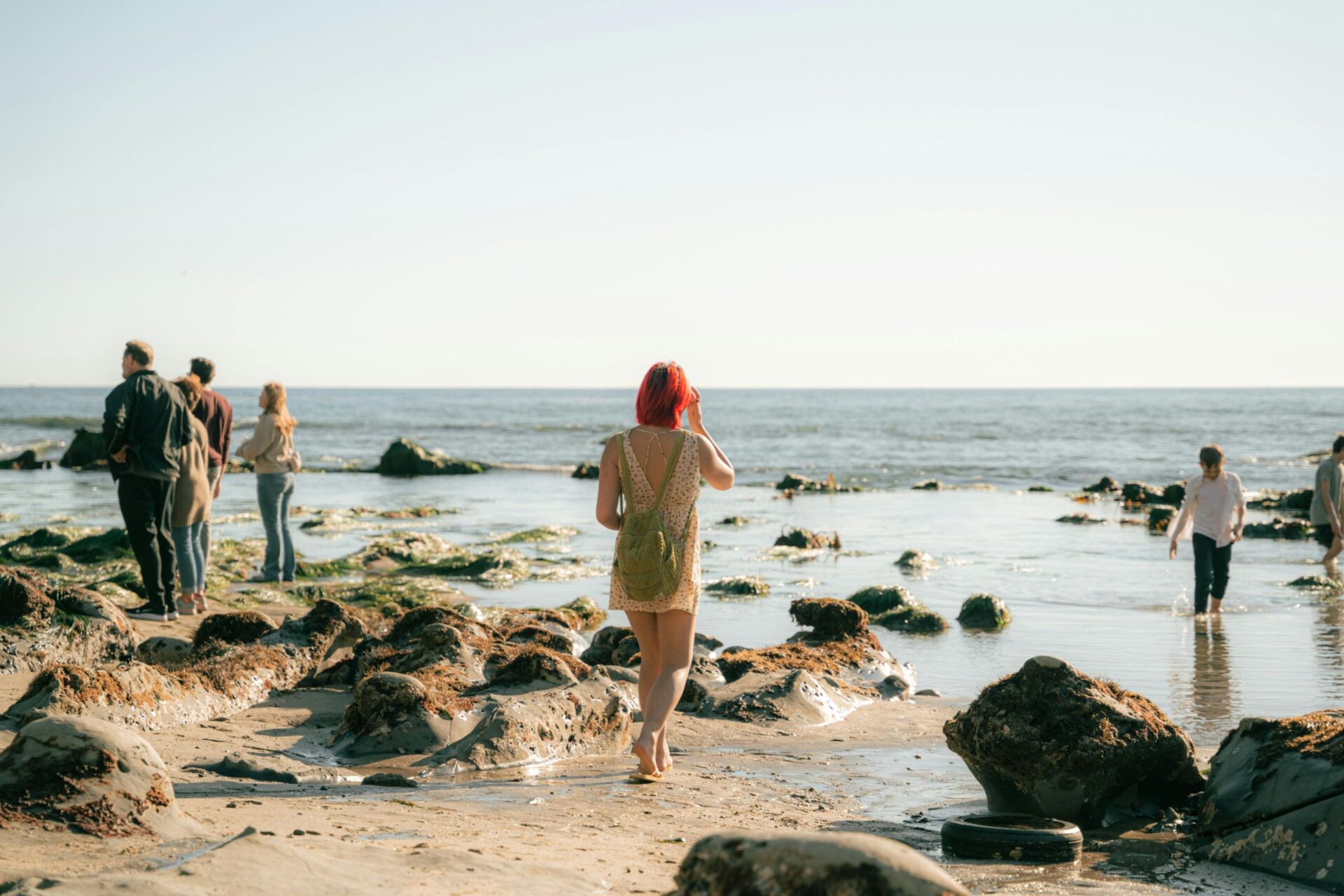
Most people stick to the main sandy patch, leaving some surprisingly peaceful corners along the edges. I learned to wander over to the far sides of the cove, past the biggest boulders.
There, the rocks make tiny, flat ledges—just big enough for a towel and a book. Locals often grab these spots to avoid the midday rush, since the small beach fills up fast.
I keep my sandals on when scrambling over the rocks—the stone gets hot and can be a bit slippery. The only sounds are gentle waves and the odd seabird overhead.
Packing a picnic for one of these hideaways turns a quick swim into a full afternoon escape. No bars or kiosks here, so I always bring extra water and snacks, plus a hat for the sun.
Formentera’s beaches always feel laid-back, and here it’s easy to lose track of time, hidden from the crowds but still close enough to dip into the crystal-clear sea.
Tips for an Unforgettable Day at Caló des Mort
Time at Caló des Mort always goes better with a bit of planning. What you pack can make or break your comfort, and knowing where to refuel nearby can turn a beach day into a real island experience.
What to Pack for a Day in Paradise
This cove is gorgeous but practical—shade is basically nonexistent and the walk down is steep. I always bring a lightweight umbrella or foldable sunshade.
The sand and rocks both get painfully hot, so water shoes are a lifesaver.
Packing list:
| Item | Why It’s Important |
|---|---|
| Sunblock (reef-safe) | Strong sun; protect skin |
| Water shoes | Rocky patches, hot sand |
| Lightweight towel | Small space, quick dry |
| Snacks & water | No shops on the beach |
| Umbrella or hat | Little natural shade |
| Portable speaker | Set the mood (keep it low, though) |
I keep a small beach blanket and a reusable water bottle handy. Trash bins are rare, so I bring a bag for my rubbish.
There’s no lifeguard, so I stay aware, especially if I’m swimming alone.
Nearby Eateries and Beach Bars
After wandering back up from Caló des Mort, sandy and starving, I always feel like food is the ultimate reward. You won’t find any spots to eat right on the cove, but if you walk or drive a little, Migjorn beach has some great places.
I usually end up at Chiringuito Bartolo. It’s super chill and they serve simple tapas with ice-cold drinks. Sometimes I head further down to Blue Bar—they do fresh seafood and the ocean views are just unbeatable, especially at sunset.

Image Source: Tripadvisor
Here’s a quick guide:
- Chiringuito Bartolo: Tapas, cold drinks, casual vibes
- Blue Bar: Seafood, cocktails, sunset views
- Es Cupina: Paella and Mediterranean dishes, right by the sea
Most places close up shop by late afternoon. I usually call ahead or check their hours online, since off-season times can be unpredictable.
