
Catching a Tower Bridge lift is one of those London moments you just have to try for, but honestly, it’s all about timing—and a little bit of luck. If you want to see Tower Bridge open, you really need to check the official lift schedule online before you go, since the bridge doesn’t just rise at random.
On my trip, I made a point to plan ahead, hoping I’d actually catch this engineering marvel in motion.
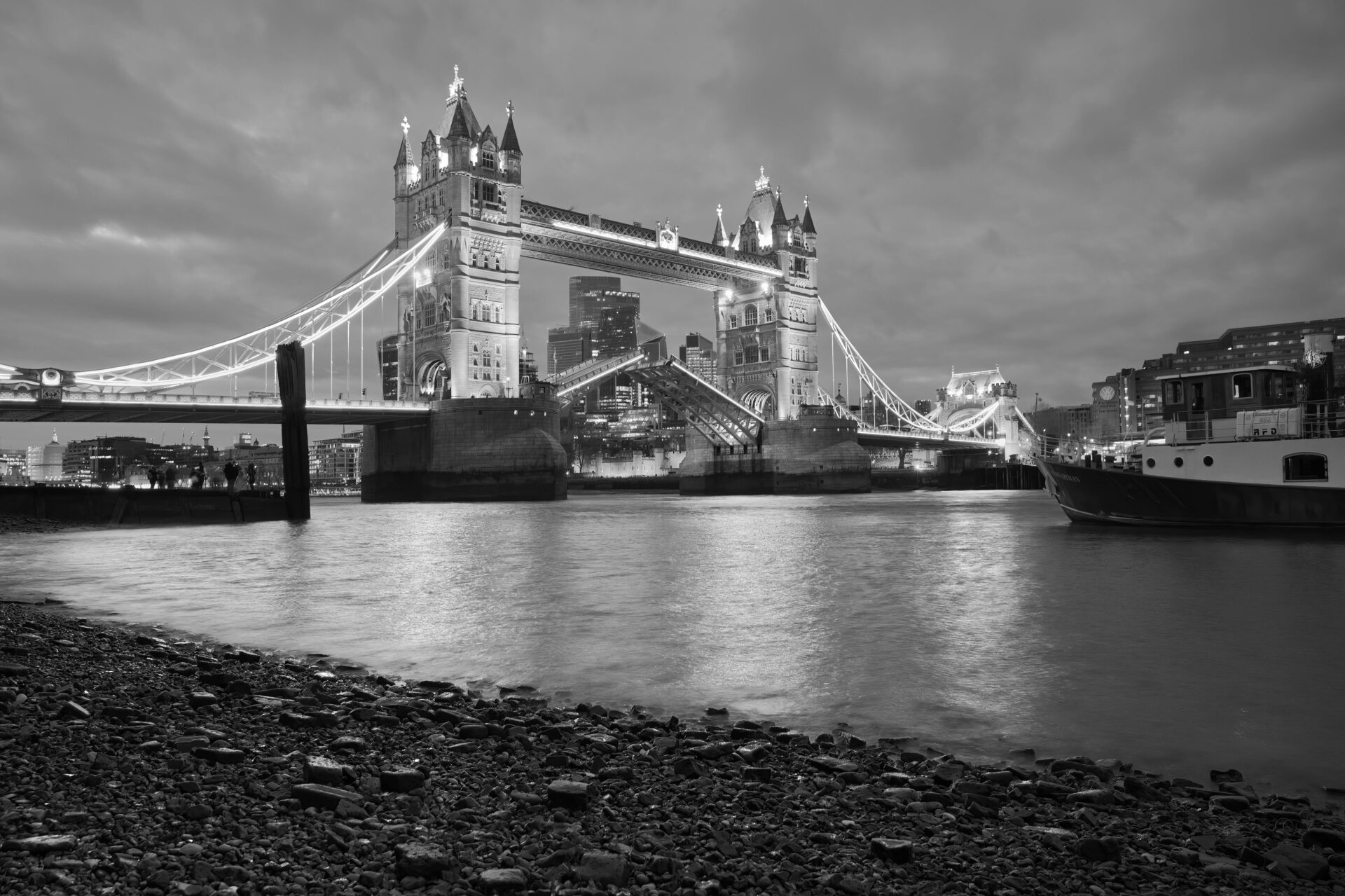
Standing along the Thames, waiting for the bridge to lift, felt a bit like hoping to spot a rare bird. The anticipation built up as crowds gathered, everyone’s eyes glued to the bascules.
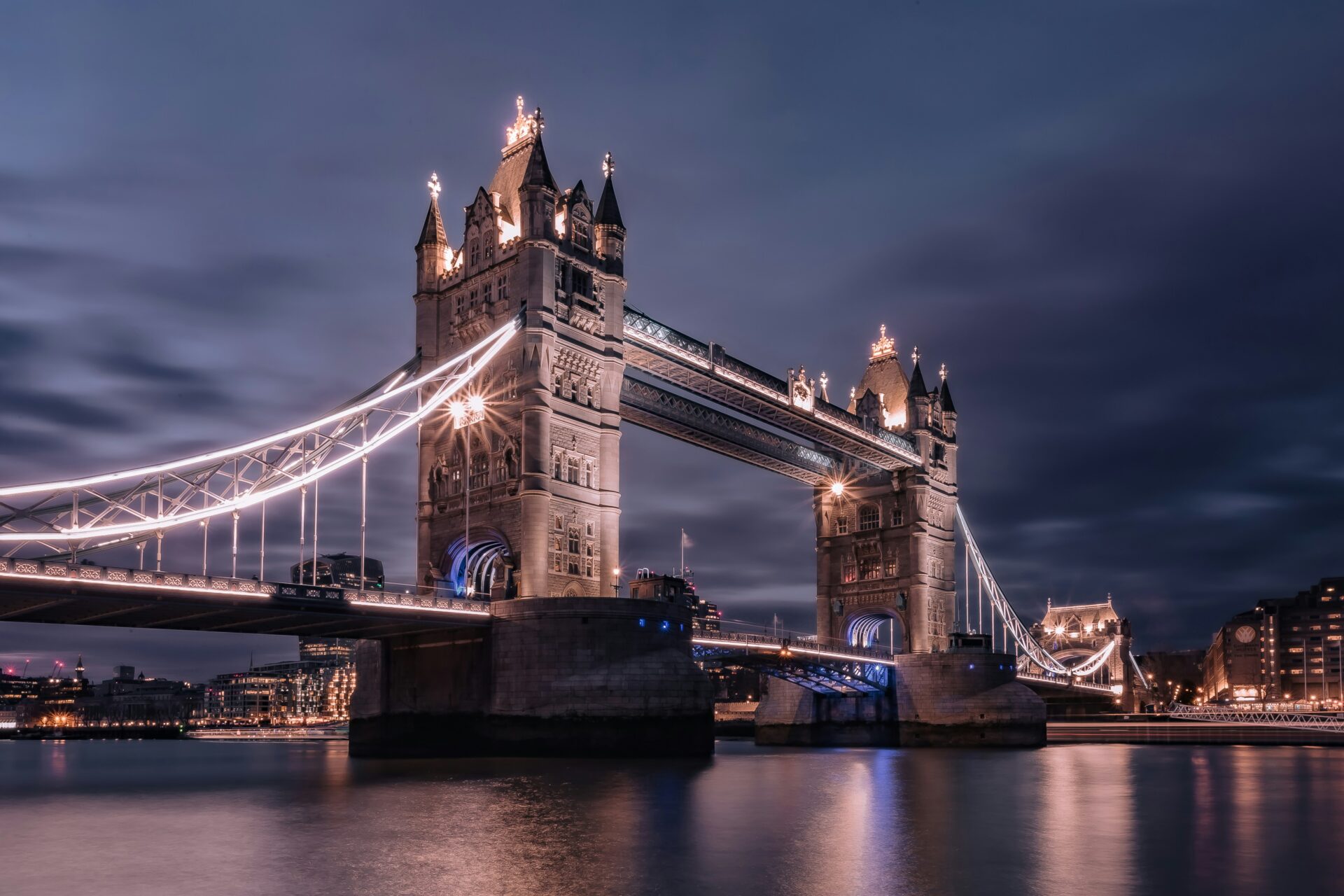
When the moment finally came, and those massive roadways slowly lifted against the river backdrop, it honestly felt worth all the effort.
A bit of planning and patience turned what could’ve been just another sightseeing stop into something way more memorable. If you want the same luck, a little research really helps.

When Does Tower Bridge Lift? Timing Your Visit for Maximum Impact
Catching Tower Bridge in action isn’t just about luck. You’ve got to plan and hope your timing’s right. The bridge lifts several times a day, powered by some serious machinery and scheduled around ships that need to pass.
How to Check the Tower Bridge Lift Schedule
Tower Bridge doesn’t open at random. It lifts whenever big boats and ships need to get through on the Thames.
You’ll find the schedule for these lifts online, and they update it pretty regularly.
Here’s what I usually do:
| Step | What to Do |
|---|---|
| 1 | Visit the official website |
| 2 | Find the “Bridge Lift Times” |
| 3 | Look for dates and times |
The schedule lists every planned lift, so you can plan your day down to the minute. Most lifts last about 10-15 minutes, so I like to get there a little early for a good spot and to watch the machinery do its thing.
Crowds gather fast, so checking the schedule can be the difference between catching the action and missing it by a few minutes.
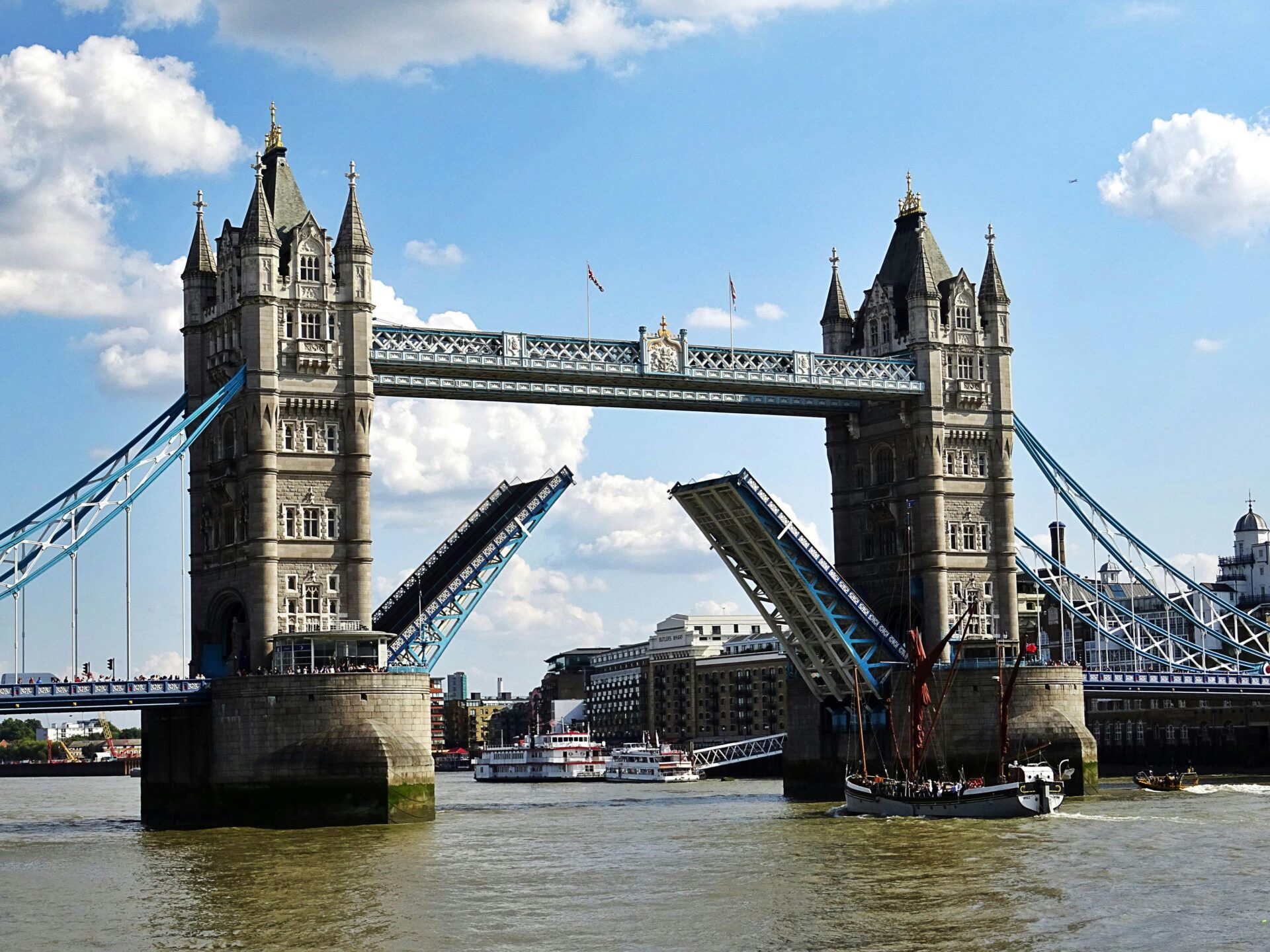
Luck vs. Planning: My Experience with the Tower Bridge Lift
The first time I visited, I just hoped to get lucky. I didn’t check the timetable—just showed up and crossed my fingers.
Turns out, I arrived right after a lift ended. That was a bit of a letdown, and it taught me that you really need to plan ahead for this one.
After that, I started checking the schedule before each visit. There’s something exciting about knowing exactly when those bascules will rise.
It takes the guesswork out and makes the whole thing feel a little more special. When I finally timed it right, I could feel the force of the machinery and hear the buzz from other travelers.

Best Times of Day and Year for a Spectacular Lift
Bridge lifts happen all year, but some times are better than others if you want a close-up view. Weekends and summer months usually have more lifts, thanks to tourist boats and special events.
Mornings and midday hours get more scheduled lifts, which works out for most sightseeing plans.
The second Saturday of each month is a bit different. From 9:30 to 11:30 a.m., Tower Bridge usually reserves entry, so that can affect crowds and where you can watch.
If you want fewer people and a better view, try early mornings or weekdays outside peak tourist season. Early evening sunlight can make your photos pop, catching every detail as the bridge rises over the Thames.
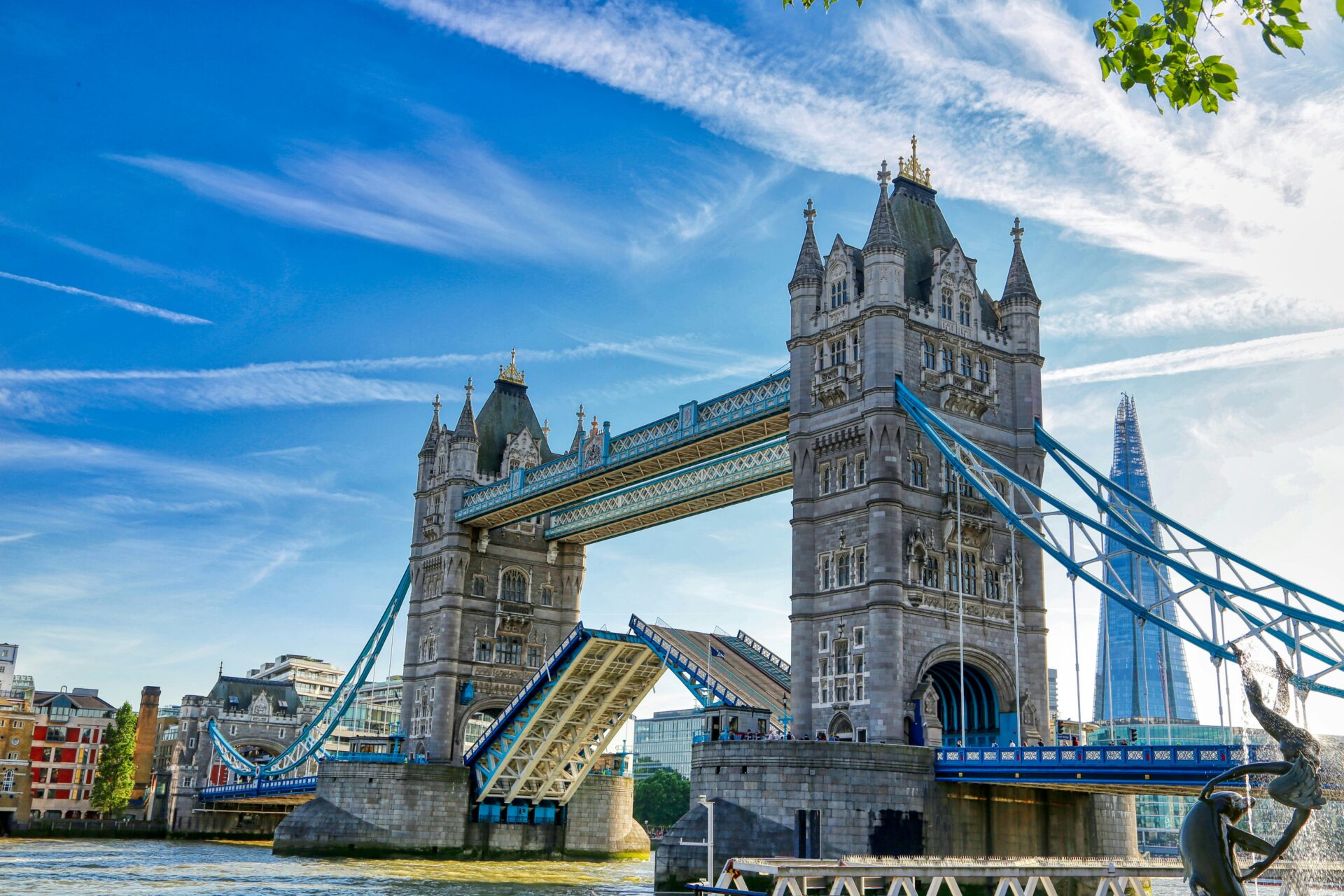
Catching the Action: Where to Watch a Tower Bridge Lift
Watching Tower Bridge open is a treat, but picking the right spot makes it even better. Sometimes I wanted a close-up of the bascules, other times I wanted a wide shot for my camera.
A few places really stood out.
Top Viewing Spots on and Around the Bridge
Standing right on Tower Bridge itself was my favorite place to watch a lift. The middle of the bridge gave me a great angle as the bascules moved, and I could see river traffic up close.
Crowds gather quickly, especially on weekends and holidays, so I tried to show up at least 15 minutes early.
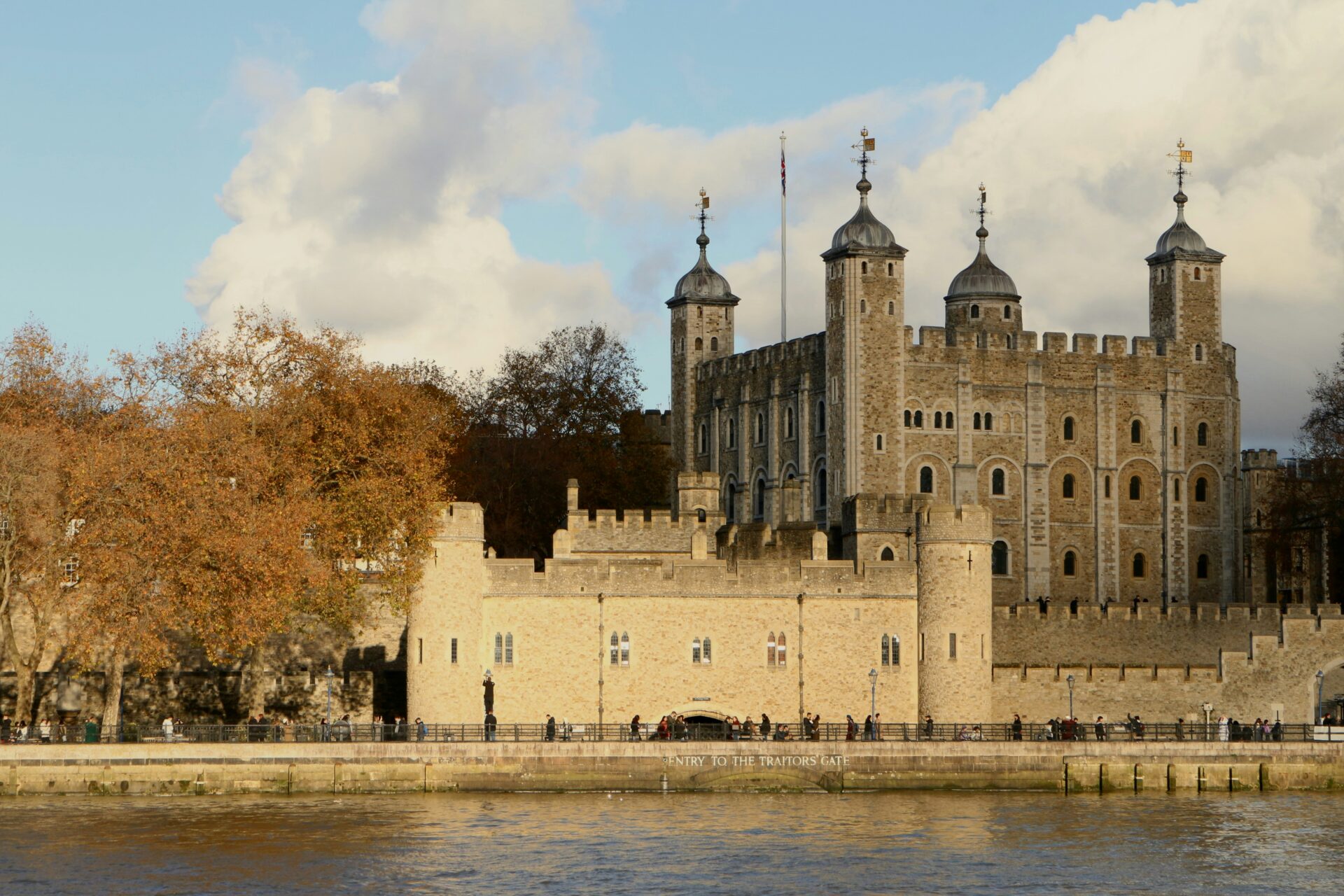
The riverside walk next to the Tower of London was another good spot. From there, I could get a side view with the whole bridge in the frame, perfect for photos.
The south side walk near City Hall worked well for wide, panoramic shots—especially at sunset.
If you’re more into a relaxed vibe, sitting on the benches in Potters Fields Park gave me a peaceful spot to watch the lift. Sometimes I’d just sit there, flipping through a travel guide or people-watching.
Fans of engineering design might enjoy spotting the mechanical details up close during the lift—it’s a real treat if you geek out over that stuff.

Tips for Photographing the Bridge in Motion
Getting that perfect shot takes a bit of prep. I always checked the official lift times before heading out, so I wouldn’t miss anything.
The bridge opens and closes pretty fast—about three minutes each way—so I kept my camera or phone ready.
Lighting changes a lot depending on the weather and time of day. Early morning or late afternoon usually gave me the best light and fewer crowds.
If I wanted something dramatic, I’d go during golden hour, right before sunset.
I used burst mode or video to catch each stage of the bascules moving. For crisp stills, I snapped photos just as the bascules started to rise or when a ship glided underneath.
Sometimes, I’d grab a wide shot from Potters Fields Park, including families and other onlookers, to show just how memorable this event is for everyone.
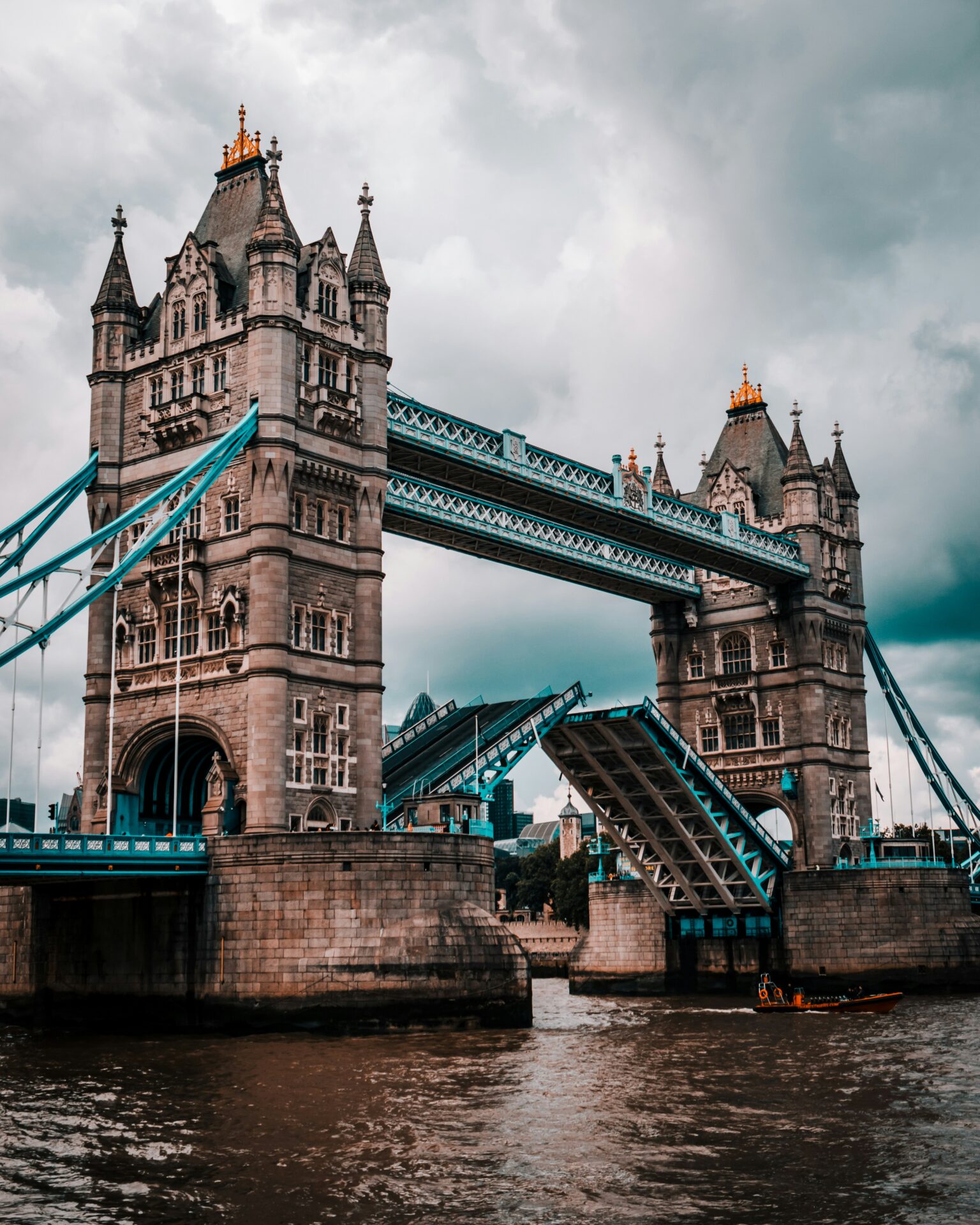
Unlocking the Engineering Marvel: How Tower Bridge Works
Tower Bridge stands as a symbol of London’s history and engineering genius. Every lift blends old-school ingenuity with powerful modern systems.
It’s kind of wild to watch something so massive move so smoothly.
The Mechanics Behind Each Lift
The first time I saw the bascules rise from street level, my jaw dropped. Each section weighs over 1,000 tons, but they lift up like it’s nothing.
It’s not magic, though—it’s all careful mechanics and control.
Down below, hydraulic engines do the heavy lifting. The bridge used to run on steam, but they switched to electricity and oil hydraulics in the 1970s.
Every lift is a well-rehearsed event. Red warning lights flash, safety barriers drop, and pumps fill pressurized tanks.
The bascules then pivot up on sturdy hinges.
Here’s a quick breakdown:
| Engineering Feature | What It Does |
|---|---|
| Bascules | Lift for ship passage |
| Hydraulic Pumps | Supply force to raise bascules |
| Counterweights | Balance weight and reduce effort |
| Control Systems | Manage timings and safety gates |
The whole thing happens in minutes. Boats glide through, the bridge comes back down, and traffic picks up again.
It’s pure teamwork and power.
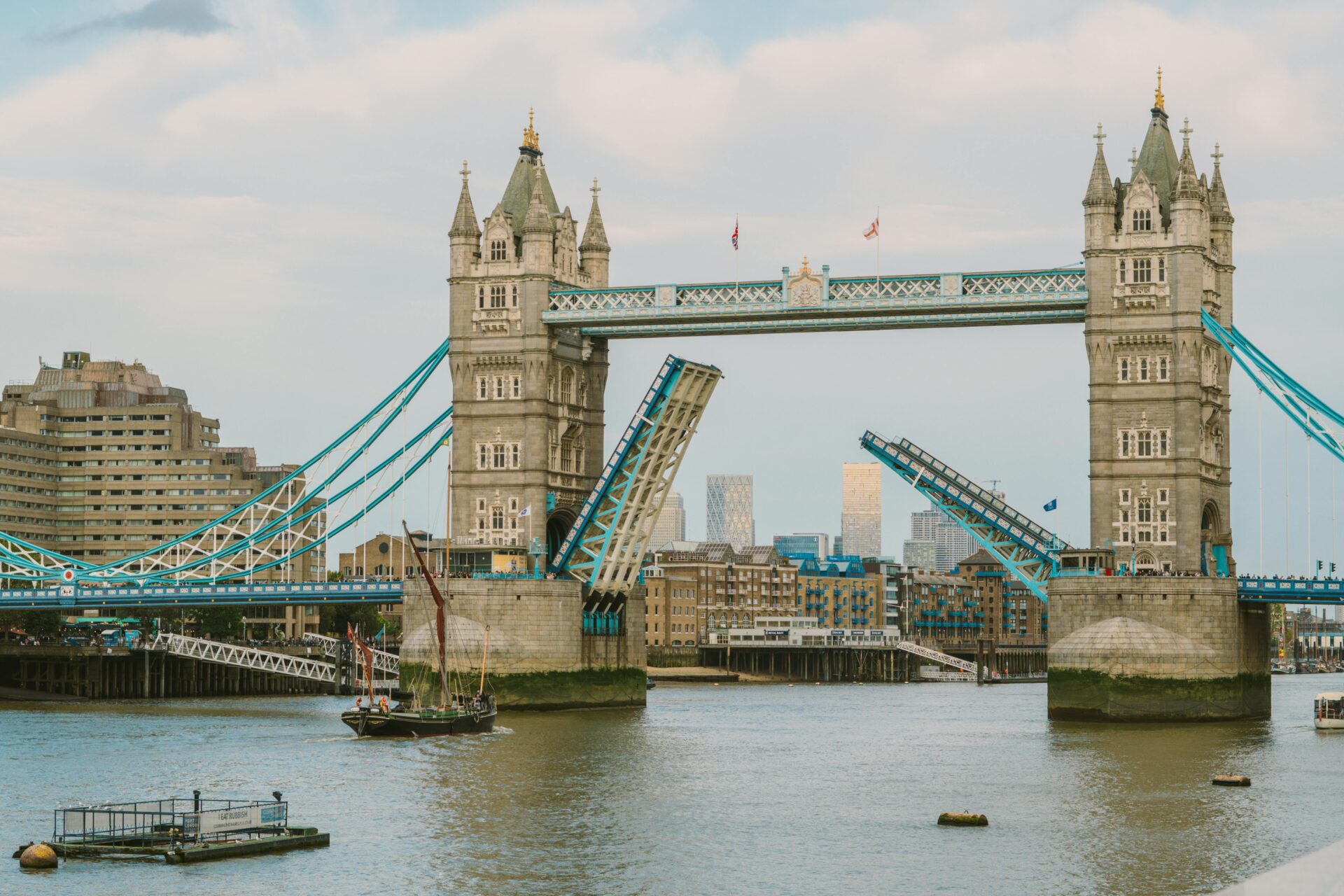
Historic Innovations and Unnatural Feats
Back in the late 1800s, this bridge was a bold idea—almost “unnatural” for its time. Londoners had never seen anything like it.
The engineers behind Tower Bridge pulled off something most people thought was impossible.
Victorian teams invented a clever counterweight system. Giant blocks, hidden below the bridge, balanced the bascules so much that even small engines could lift them quickly.
They used chain-driven mechanisms and a web of levers to keep everything moving together.
I can only imagine what it felt like in 1894 to see the first lift—probably a mix of awe and disbelief. Even today, it still feels like a leap ahead of its time, a real tribute to human creativity.
Making the Most of Your Visit: Guided Tours and Special Experiences
When I visited Tower Bridge, planning ahead made all the difference. Joining a guided tour or checking out the special exhibits helped me understand the bridge’s history and engineering.
Tower Bridge Exhibition: What to Expect
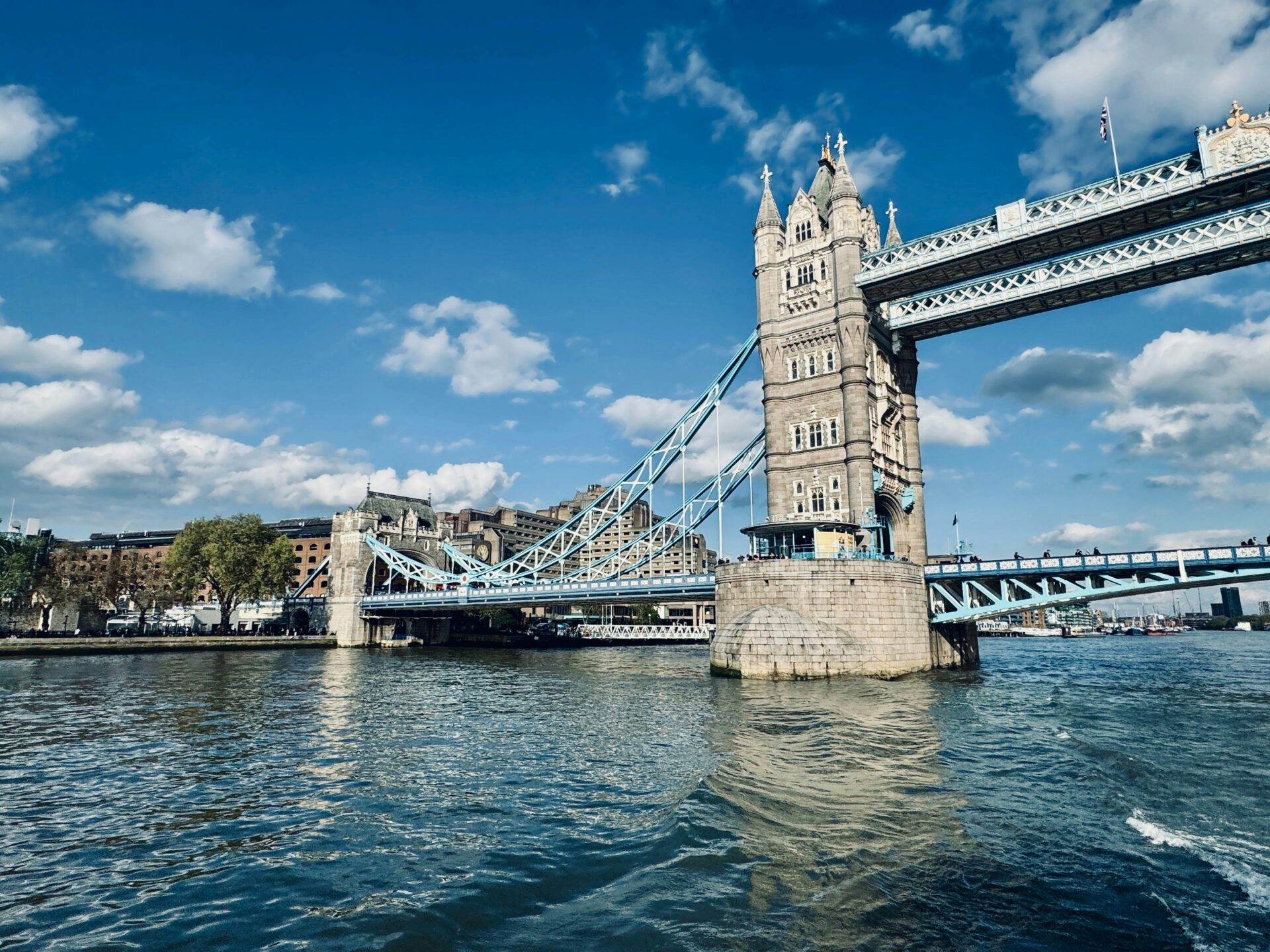
Walking into the Tower Bridge Exhibition, I immediately noticed how interactive everything was. The glass walkway, 42 meters above the Thames, gave me a thrilling view straight down.
The exhibition tells the story of how the bridge was designed and built. Panels, videos, and hands-on displays break down Victorian engineering in a way that’s easy to get.
Learning about the mechanics and the workers behind the scenes made me appreciate just how much goes into keeping the bridge moving.
Younger visitors and school groups get a lot out of the educational zones. There are interactive areas to test your bridge-building skills and highlight the teamwork and know-how needed to run Tower Bridge.
If you’re into history or science, it’s a fun way to bring those subjects to life.
Behind-the-Scenes Tours: What You’ll Discover
Getting a look behind the scenes was a highlight of my trip. The guided tour took me into areas usually closed to visitors, including the Victorian Engine Rooms.
Listening to the guide’s stories, I could almost hear the noise and feel the heat from the days of steam engines.
The guides explained that running Tower Bridge takes more than technical skill—it’s about real apprenticeships and ongoing training.
Seeing the old control panels and giant pistons up close made the engineering side of things feel much more real.
These tours are perfect if you want to dig deeper into how the bridge works. They’re packed with facts and stories I never would’ve found on my own.

Combining Tower Bridge With Nearby Landmarks
Tower Bridge sits right in the heart of historic London, so combining a tour of the bridge with other sights was super easy.
I walked across to the Tower of London in just a few minutes, going from Victorian industry to medieval history in no time.
To the west, the skyline stretches from St. Paul’s Cathedral to Canary Wharf, giving you some of the best photo spots along the river.
I found it handy to plan my route with maps and check opening times for ticketed attractions ahead of time.
Literacy guides and maps are available on-site, making it simple to keep your visit educational and efficient.
With so many cool places nearby, I felt like I really made the most of my day. If you love sightseeing, Tower Bridge is a great jumping-off point for exploring London.
Provost Insights: The Leadership Behind Tower Bridge’s Longevity
During my visit, I found myself wondering about the people who keep Tower Bridge running so smoothly. The bridge’s long life isn’t just about engineering.
It’s about steady stewardship, dedicated leadership, and adapting to whatever comes next.
Stewardship and Preservation Efforts
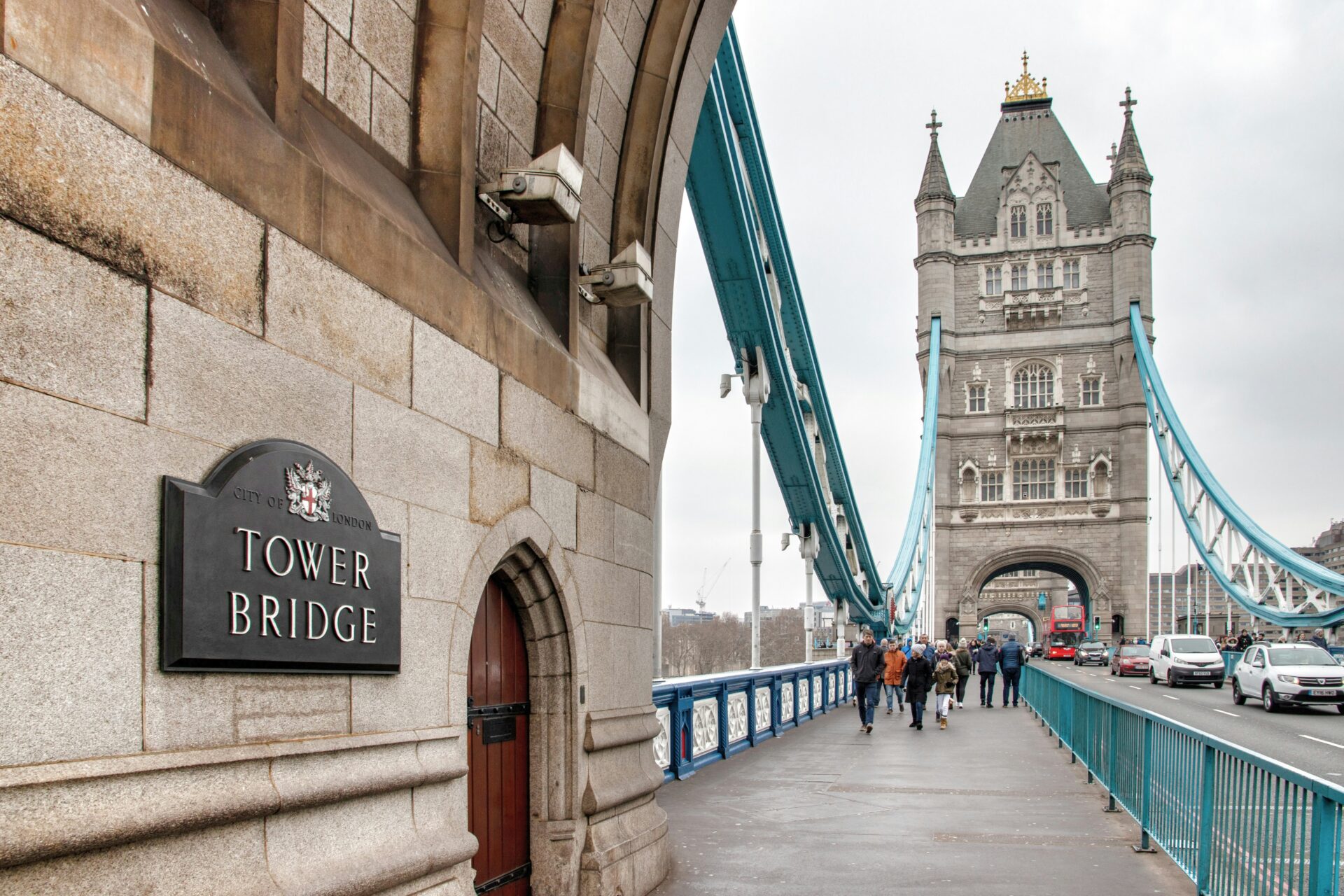
Every time I saw the bridge lift for a ship, I noticed how well-maintained everything looked. That’s not by accident.
Tower Bridge’s leadership makes regular inspections and cleaning a top priority. Teams check the mechanisms, walkways, and towers with care.
On my tour, I watched workers use specialized tools to inspect original parts from 1894. That level of attention keeps the bridge in great shape.
Preservation includes repainting, stone repairs, and protecting the steel from corrosion. The leaders’ focus on stewardship ties all these efforts together so future generations can enjoy the same view I had.
Leadership Stories: Voices From the Bridge
Running the bridge takes more than just mechanical know-how. The provost (or chief official) doesn’t just handle paperwork—they lead a big team.
I met a bridge supervisor who started as an apprentice. Their path to leadership was all about dedication and learning every inch of the bridge.
Long-time team members often mentor newcomers, sharing stories about lifts during Queen Elizabeth’s reign or tricky repairs late at night.
Their first-hand experiences show a real passion for keeping Tower Bridge alive and working for everyone to enjoy.
Adapting Through Tenure and Historical Challenges
Tower Bridge has faced all kinds of storms—world wars, shifting technology, and, more recently, the chaos of the COVID-19 pandemic. Honestly, seeing the bridge barely lift during lockdowns felt surreal, almost eerie, with those empty walkways where people usually crowd together.
Leaders switched up schedules and brought in extra safety measures to keep the staff safe. When the team lost people, or even faced death, leadership stepped up and created a real sense of support.
They adapted quickly to new health guidelines. The team made sure the bridge stayed open for emergency vehicles and kept records of all the changes for history’s sake.
The leadership’s long experience always made me feel that Tower Bridge could handle whatever came next.
