
I wandered the quiet streets of Ménerbes and Bonnieux and finally got why Peter Mayle felt so inspired by Provence. These hilltop villages just pull you in with their sweeping views, sun-warmed stone houses, and a slower rhythm that lets you actually breathe.
On a lazy afternoon, I stumbled onto those simple pleasures that really define Provence—fresh air, friendly faces, and a landscape that honestly looks straight out of a storybook.
Ménerbes and Bonnieux have this magic, not just because they’re beautiful, but because they’re so calm. Unlike the packed hotspots down south, these towns feel untouched and genuinely welcoming. You’ll find local markets, tiny cafés, and winding paths that beg for a slow stroll.
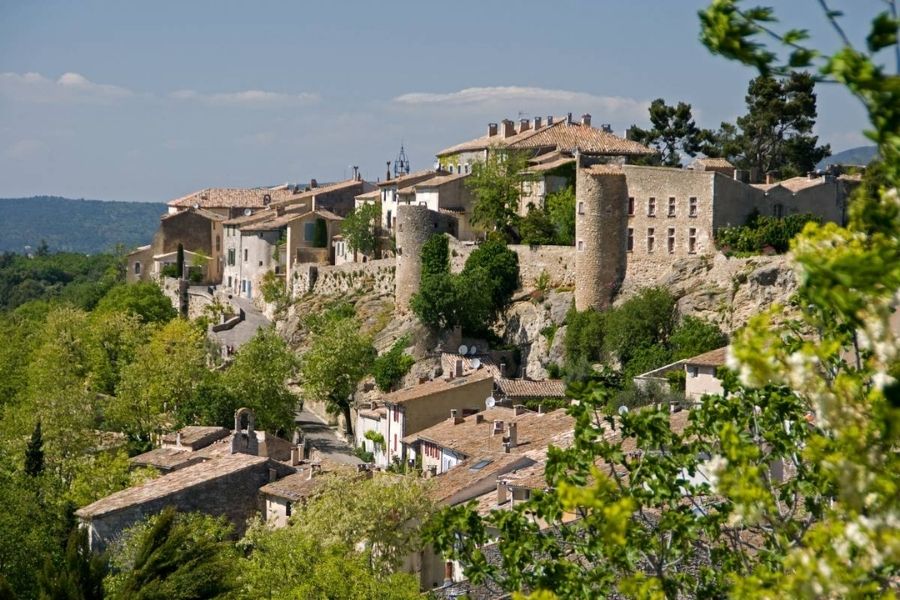
Every twist down a cobbled lane shows you why people fall for Provence.
Peter Mayle set his old house on the back roads between these villages. As I explored, I felt that same quiet wonder and contentment you find in his books.
This slice of Provence is for anyone craving real French country life, far from crowds and right in step with nature’s rhythms.
Embracing the Provençal Charm: First Impressions of Ménerbes and Bonnieux
When I arrived in Provence, I immediately noticed life slowing down. The air felt fresher, colors seemed brighter, and the mix of old stone and wild beauty drew me in.
Stunning Views and Village Atmosphere
Walking into Ménerbes, I got hit with panoramic views of the Lubéron mountains and rolling vineyards. Narrow lanes twist between honey-colored houses, many with blue shutters and potted lavender.
Bonnieux, perched even higher, treats you to jaw-dropping valley views. From the old church up top, I could spot olive groves and rows of cypress trees stretching for miles.
Every step kind of makes you understand why artists flocked here.
Village markets serve up the real south of France. Stalls overflow with bread, cheese, olives, and honey—each bite packed with local flavor.
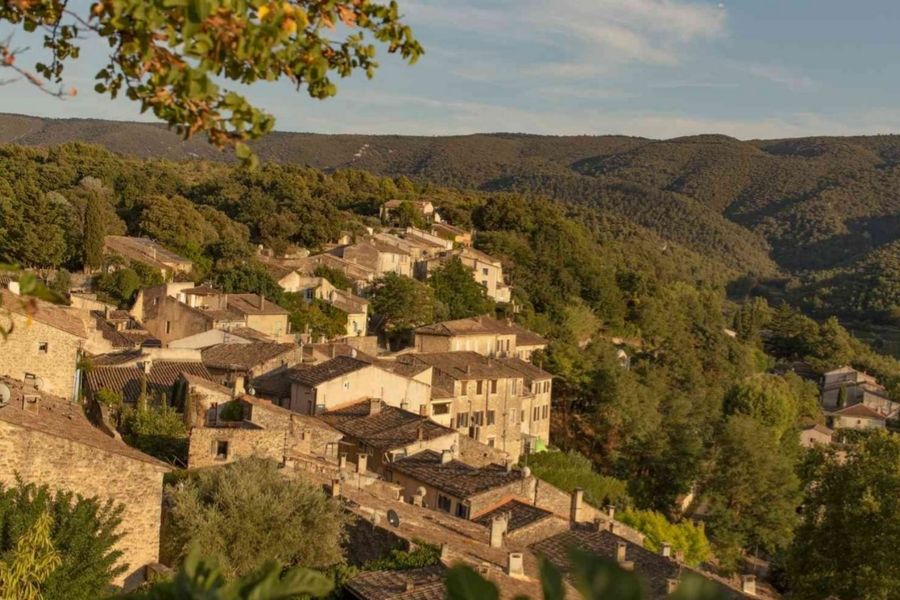
Locals greet each other in that quick Provençal, and somewhere, an accordion plays. I felt totally at ease wandering, even as the sun dipped.
Notable Neighbors and Local Culture
You can’t be in Ménerbes or Bonnieux without feeling Peter Mayle’s shadow—his books put this place on the map. I passed his old house on a quiet road toward Bonnieux, half-hidden behind plane trees.
Some locals still talk about the film crews that once showed up hunting for “A Year in Provence” scenes.
Neighbors here actually know each other and wave from bikes or garden gates. I didn’t expect such a strong sense of community or to be welcomed with real curiosity, not just as another tourist.
Evenings often spill into village squares, with live music and laughter echoing around.
Health and safety just blend into daily life here. People eat fresh produce, walk everywhere, and move to the village’s rhythm.
The culture feels relaxed but full of those small social rituals—like a nod at the bakery or a chat outside the pharmacy. It’s this mix of warmth and old-school Provençal charm that makes a short visit so memorable.
Peter Mayle’s Provence: Literary Landmarks and Landscapes
Peter Mayle’s books turned Provence into more than just another pretty French region. The real places in A Year in Provence and movie locations bring the area to life for visitors and readers.
A Year in Provence: Tracing the Book’s Legacy
As I wandered the winding roads between Ménerbes and Bonnieux, I could almost see Peter Mayle living his stories in a stone farmhouse. He described this stretch of rural France so vividly that every shuttered window and olive tree felt familiar.
His book, A Year in Provence, turned the region into a literary destination. For many, his tales of the Mistral wind, lively markets, and the slow village pace are an open invitation to experience Provence themselves.
His farmhouse sat near Ménerbes, and walking those back roads now, I caught glimpses of lavender fields and old mas (farmhouses) just like he did.
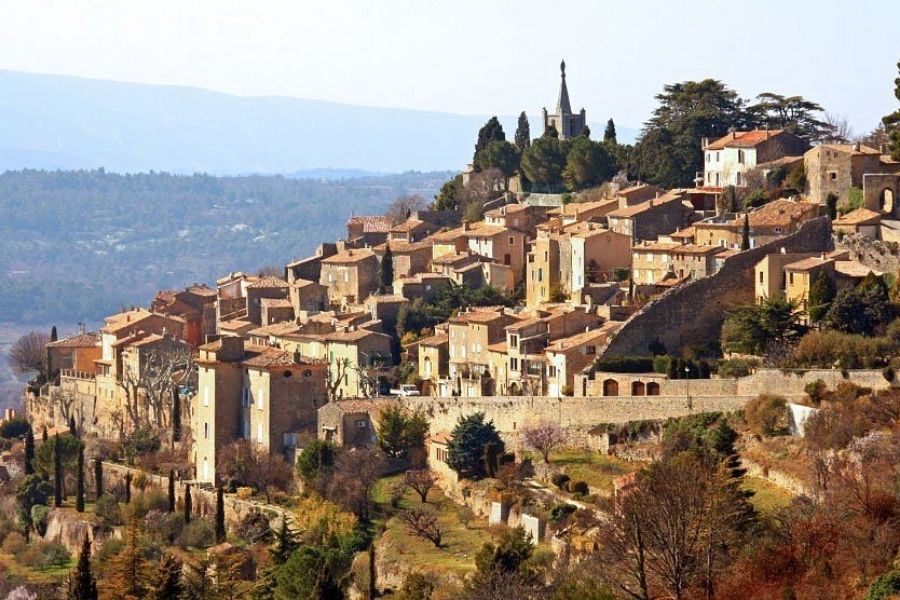
Fans still visit these peaceful landscapes, hoping for a taste of the Provençal charm that changed his life.
In town, bakeries and cafes sometimes mention Mayle’s time here, and you’ll spot maps or little signs pointing to places he wrote about.
Movie Magic: A Good Year Filming Sites
Provence also starred in A Good Year, the Ridley Scott film with Russell Crowe. Many scenes were shot around Bonnieux and Ménerbes, showing off vineyard-covered hills, sun-drenched terraces, and those iconic cypress-lined lanes.
I walked near Château la Canorgue—the real winery that played Crowe’s inheritance—and saw how the scenery just blends everyday rural charm with a bit of movie sparkle.
Travelers sometimes spot locations from the film: a stone bridge, a colorful square, or a winding drive through pine trees.
Whether you love the movie or just want a genuine slice of Provence, following these filming spots drops you right into the golden light and easy rhythm that Mayle and Scott both captured.
Exploring at Your Own Pace: Outdoor Activities and Local Life
Ménerbes and Bonnieux really invite you to slow down, soak up the Provençal sun, and enjoy every moment. Whether I wandered through vineyards, sampled local food, or browsed lively markets, every corner brought a new sensory surprise.
Walking Tours, Wine Tours, and E-Bike Adventures
I kicked off my afternoon with a walking tour through Ménerbes’ winding streets. Cobblestone paths led past old stone houses tangled in wisteria.
Our guide told us stories about local artists and how Peter Mayle captured this laid-back lifestyle.
If you want a little more adventure, e-bike tours let you cover more ground without feeling rushed. I rode past fields of lavender and thyme, the air fragrant and the bike humming quietly.
Most e-bike tours include photo stops and a quick break at a tiny bakery for a fresh croissant.
Wine tours here are special. Small vineyards around Ménerbes and Bonnieux offer tastings that feel personal and unrushed.
I tried rosé and red wines, learning about the Luberon terroir from winemakers who clearly love what they do.
Some tours fill up fast in high season, so I found booking ahead saved me from missing out.
Gastronomic Delights and Provençal Cooking
Lunch in Provence is never just a meal. I sat outside at a shaded table, catching the scent of roasting garlic and fresh herbs drifting from the kitchen.
Local restaurants often update menus daily, depending on what’s fresh at the morning market—think goat cheese salads, grilled lamb with rosemary, and baskets of bread.
Cooking classes are everywhere. I signed up for one in a farmhouse outside Bonnieux.
With a small group, we picked up lavender, ripe tomatoes, and bunches of thyme at the market, then learned to make ratatouille and tarte Tatin from a friendly chef.
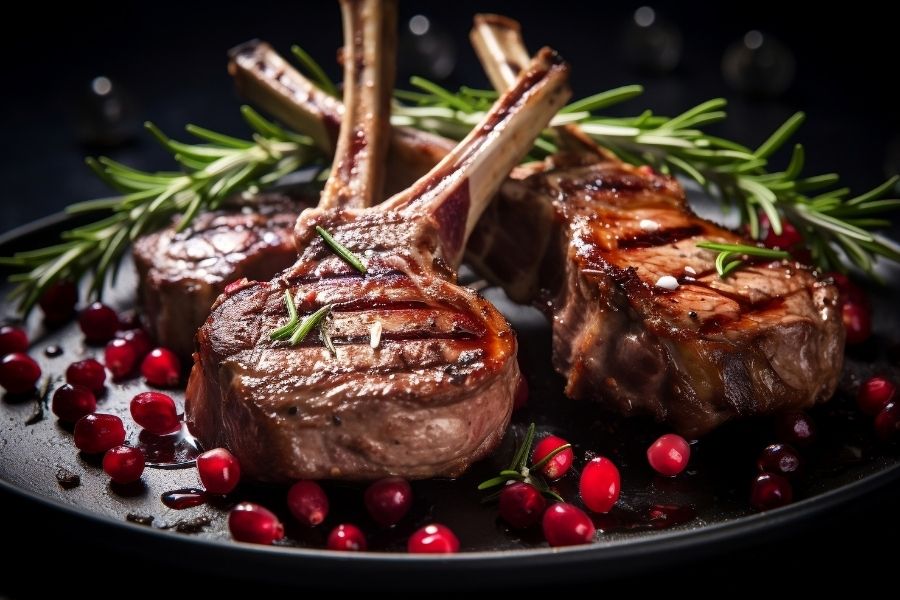
It was hands-on, and every dish just tasted like sunshine and good soil.
Gastronomic tours sometimes add stops at olive oil mills or truffle farms. Tasting olive oil straight from the press gave me a new respect for this “liquid gold.”
Each producer proudly shared their family’s traditions.
Village Markets, Wine Shops, and Shopping
Ménerbes and Bonnieux markets burst with color, scents, and chatter. Early in the day, I browsed stalls piled high with peaches, radishes, tomatoes, and bundles of lavender.
Artisans sold handmade soap, linen towels, and baskets woven from local reeds.
Shopping here feels nothing like a city rush. In wine shops, I chatted with owners about the best Côtes du Luberon bottles and sometimes arranged a private tasting.
Shops usually hand-pick their selections and wrap bottles carefully for travel.
Local boutiques offered pottery and Provençal fabrics in deep yellows and blues. I picked up a block-printed tablecloth to remind me of market mornings back home.
A fromagerie nearby let me sample nutty goat cheese before I bought. Every shop seemed happy to let me linger and ask questions.
Vineyards and Flavors: Sampling the Local Wines
The hills around Ménerbes and Bonnieux are lined with vineyards, sunlit and stretching off toward the horizon. Tasting the local wines here means experiencing flavors shaped by the Mediterranean climate and centuries of tradition.
Visiting Local Vineyards and Wine Tastings
I drove winding country lanes and found small, family-run vineyards eager to welcome visitors. Stepping into a tasting room usually means meeting a winemaker who loves sharing the story of their grapes and land.
These stops offer a personal touch that you rarely get from big Bordeaux houses.
Many vineyards let you walk among the vines and see how the wine is made. Tastings usually cover whites, rosés, and reds.
Provence is famous for its light, crisp rosé—a perfect match for sunny days. Still, I found reds and even some herbal whites that surprised me.
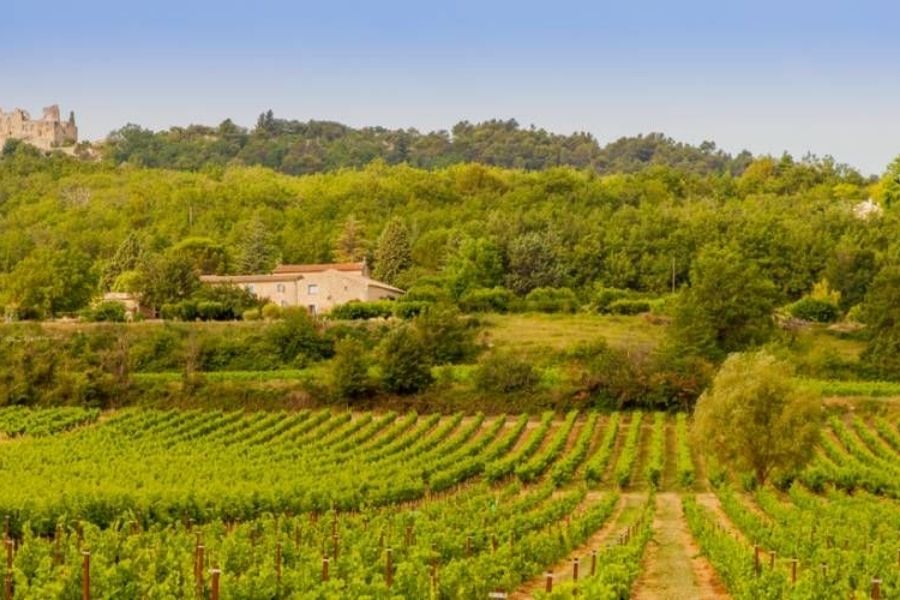
Here’s a quick rundown of what tastings often include:
| Wine Type | Flavor Notes | Food Pairing |
|---|---|---|
| Rosé | Fresh, fruity, light | Olives, goat cheese |
| Red | Earthy, peppery, berry | Lamb, ratatouille |
| White | Herbal, citrus, floral | Bouillabaisse, seafood |
One tip: call ahead or check vineyard websites before visiting, since small producers sometimes keep odd hours or only offer tours by appointment.
The Provençal Table: Culinary Experiences
Food and wine go hand in hand here. Local dinners often start with a glass of chilled rosé.
I tried ratatouille with vegetables from the morning market and lamb roasted with thyme and rosemary.
Cooking classes are big for travelers who want to bring Provençal flavors home. I joined one in a farmhouse near Bonnieux, learning classic recipes and pairing them with local reds.
The instructor explained how regional wines soften or brighten the flavors in each dish.
Markets stand out, too. Stalls are loaded with olives, artisan cheeses, and fresh bread. Some stands offer samples of tapenade or fig jam—simple bites that pair perfectly with the local wine.
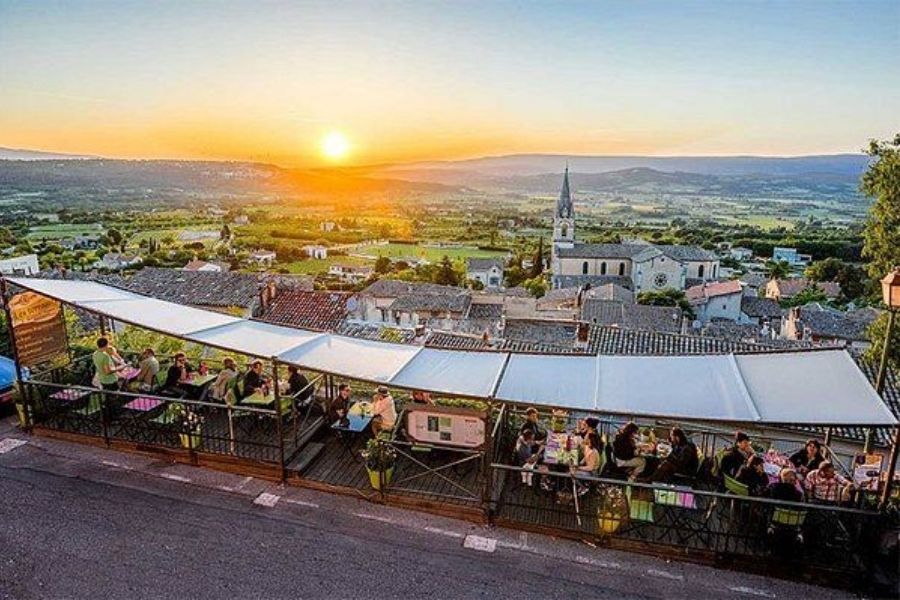
The unhurried pace let me really savor each glass and every bite, noticing how the flavors reflect the land.
Travel Tips for Serenity Seekers
Getting to the peaceful heart of Provence takes some effort, but honestly, it’s worth it. I picked up a few lessons about travel, health, and settling into rural French life.
Getting There and Navigating Rural France
To reach villages like Ménerbes or Bonnieux, I usually flew into Marseille or Avignon. After landing, renting a car became essential—public transport barely touches these quiet hilltop towns.
French country roads snake through lavender fields and vineyards, so I drove slowly, especially at dusk.
Navigation tips:
- Always keep an up-to-date road map or GPS handy.
- Cell service drops in remote spots, so I downloaded offline maps.
- Parking gets tricky in summer; tiny gravel lots fill up fast before noon.
Shops and petrol stations often close for long lunches, sometimes from noon to 2:30 pm. I learned to fill up the tank and grab snacks early.
Locals are friendly if you start with a polite “Bonjour!” before asking for help.
Practical Advice: Health, Safety, and Local Etiquette
When I stayed in Provence, I always carried a reusable water bottle and kept sunblock in my bag. Those afternoons? They got way hotter and drier than I thought they would.
Pharmacies show a bright green cross outside, and you’ll usually find them well stocked. Just don’t count on them being open Sundays—I learned that the hard way.
I saved the European emergency number, 112, in my phone. You never know when you might need it.
For international calls, I checked my phone plan or just used Wi-Fi in local cafés. French law really values privacy and quiet. I tried to keep the noise down and didn’t call neighbors after 9 pm; apparently, that’s just how things work here.
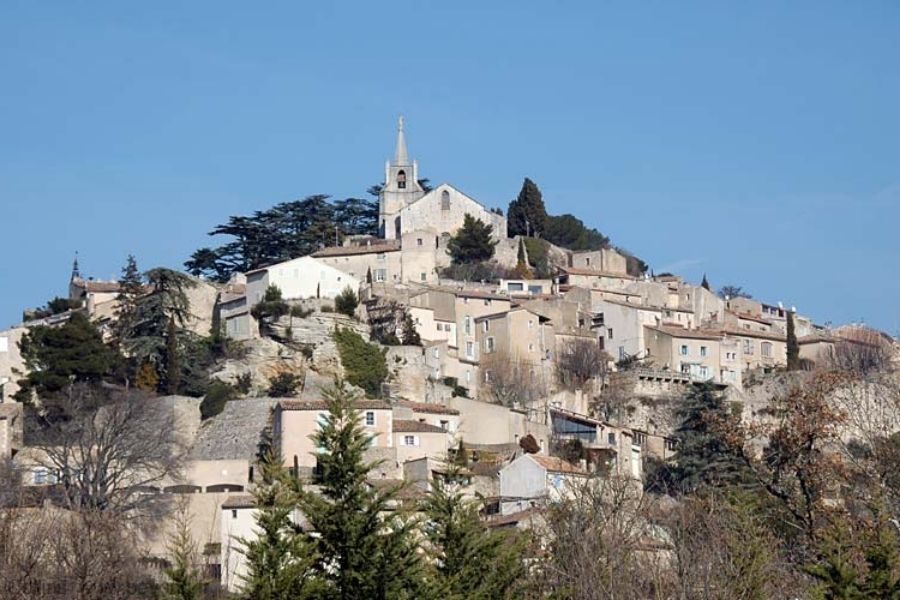
Greeting shopkeepers and neighbors became a habit for me whenever I walked into a room or garden. Even just saying s’il vous plaît or merci seemed to make a difference.
Honestly, these little customs helped me fit in better and enjoy the real warmth of Provence.
