
Walking the quiet roads of Saint-Rémy-de-Provence, I felt like I was literally following Vincent van Gogh’s footsteps during his last years. This beautiful town in Provence lets you step into Van Gogh’s journey, leading you from the lively center along the Route de Van Gogh toward the calm Saint-Paul-de-Mausole asylum where he painted masterpieces like “Irises.”
Standing where he once stood, with the Provence sun on my face, I started to see his art and struggles in a new light.
Saint-Rémy-de-Provence isn’t just about one artist. Just steps away, the ancient ruins of Roman Glanum open up a different chapter. Temples and monuments hint at a bustling Roman town.
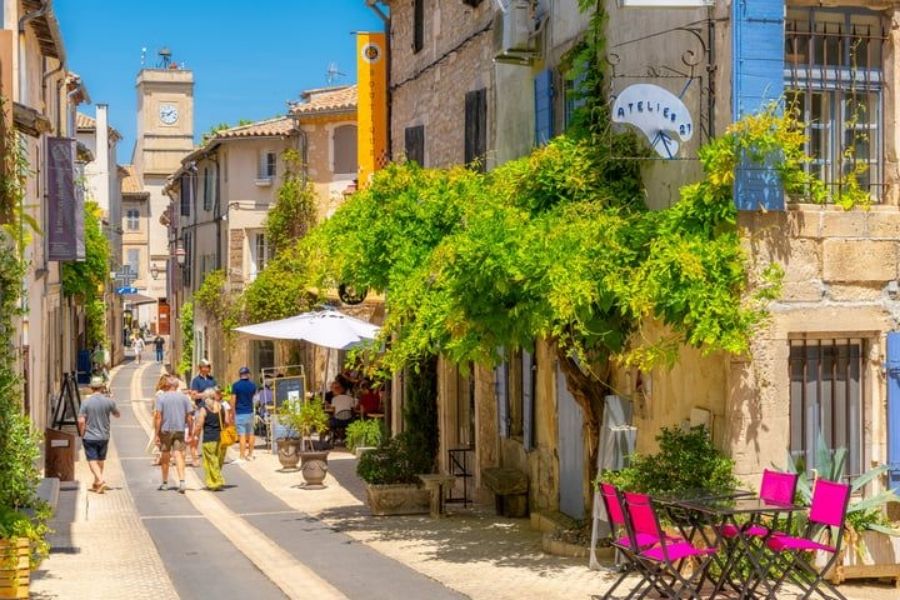
Exploring both Van Gogh’s legacy and Glanum’s ruins on foot turns a normal visit into a real journey through time and art, all set beneath the southern French sun.
Walking in Van Gogh’s Final Footsteps
In Saint-Rémy-de-Provence, I tracked down the landscapes that fueled Vincent van Gogh’s creativity during his year here. Each step brought me closer to the places where Van Gogh painted, lived, and found both calm and chaos.
The Life of Vincent van Gogh in Saint-Rémy-de-Provence
Van Gogh showed up in Saint-Rémy-de-Provence in May 1889, hoping to find some peace at the Saint-Paul de Mausole asylum. The gentle Alps, endless blue skies, and rolling fields around the monastery shaped some of his most powerful works.
Inside the asylum, he painted his room, the gardens, and scenes he could see from his barred window. It was a time of wild creativity but also real struggle. I could almost feel the isolation he faced, but also the comfort he found in Provence’s light and colors.
During that year, Van Gogh created over 140 paintings, including the famous “The Starry Night.” The way his inner world connected to the Provence landscapes feels almost physical in Saint-Rémy. It’s easy to catch his inspiration here.
Notable Van Gogh Locations and Landscapes
Walking around Saint-Rémy, I stumbled on several spots that show up in Van Gogh’s art. The Monastery Saint-Paul de Mausole stands out with its cypress trees and lavender fields, still looking much like his paintings.
Along the Route de Van Gogh, I found olive groves and wheat fields backed by the Alpilles mountains—scenes straight from his canvases.
Replicas of his paintings sit right where he set up his easel, so I could compare the real view to his version. The “Irises” gardens and the landscape from “Wheat Field with Cypresses” are among the most famous spots.
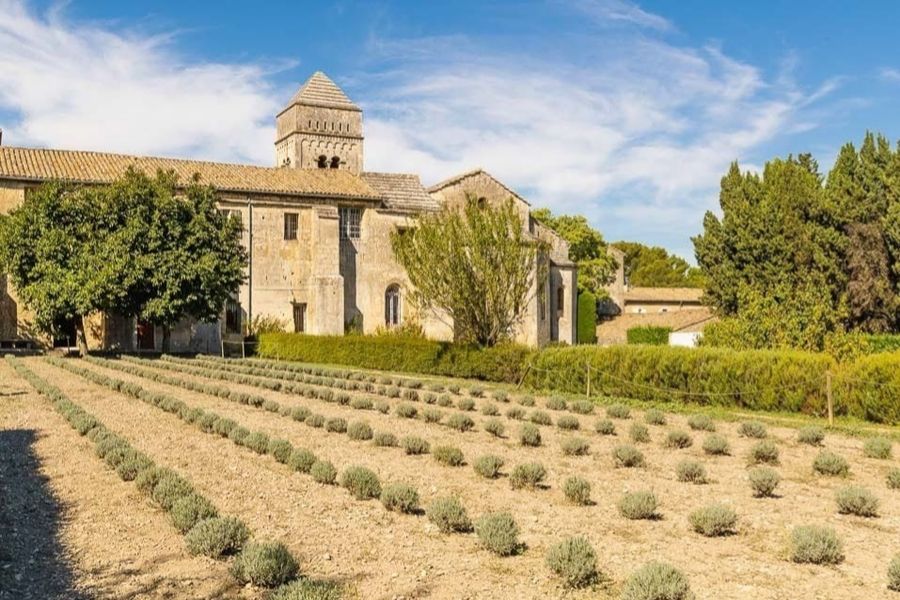
Saint-Rémy’s small squares and old stone walls appear in several of his sketches. It honestly felt like stepping into his world from over a century ago.
Van Gogh Trail: A Self-Guided Walking Experience
To really feel Van Gogh’s Saint-Rémy, I followed the self-guided Van Gogh Trail. The path starts in town and heads out along the same route Van Gogh walked between the asylum and the village.
Nineteen display panels show prints of his paintings at the exact places he painted them.
I spotted clear signs along the Route de Van Gogh and liked how the walk winds past olive groves, chapels, and open fields with the Alpilles always in sight.
The trail is easy—about 1.5 kilometers one way—and lets you get a sense of Van Gogh’s daily life.
Tips for travelers:
- Bring water and a hat, especially if it’s hot.
- Give yourself at least 1–2 hours for the walk and for stopping at each display.
- Early morning or late afternoon is best for catching that soft Provençal light Van Gogh loved.
Each stop offers not just history, but the colors and sights Van Gogh once saw. Honestly, it’s a must for art lovers or anyone just curious.
Discovering Roman Glanum: Ancient Roots Amidst Modern Beauty
As soon as I walked into Glanum, I felt the weight of history under my feet. Stone ruins poke out from wildflowers, and olive trees sway nearby—reminders that the ancient world and modern Provence still share this valley.
Exploring the site, I found layers of civilization and some of the region’s most impressive Roman monuments.
History and Significance of Glanum
Glanum started as a Gaulish settlement around 2500 BC, way before the Romans showed up. Over the centuries, it grew around a sacred spring, drawing Celts, Greeks, and then Romans.
When the Romans took over, Glanum got a makeover with big forums, baths, and temples.
Walking among these stones, I could picture how the town thrived as a trade and religious center. Finding out that floods in the 3rd century led people to abandon the city made its ruins feel like an open-air time capsule.
No, Glanum isn’t a UNESCO World Heritage Site, but it really does hold a lot of historical value.
Must-See Ruins and Archeological Sites
The main street, paved smooth by centuries, runs past ruins of homes, shrines, and public baths. I found myself drawn to the twin temples, their columns still standing tall.
Bath complexes and market areas give you a taste of Roman daily life.
There are informative signs everywhere, so it’s easy to explore on your own. I paused often, imagining fountains running and kids playing in the courtyards.
Quick tip: bring water—Provencal summers are no joke, and there’s barely any shade.
| Must-See Spot | Description |
|---|---|
| Twin Temples | Roman temples with standing columns |
| Public Baths | Remains of heated mosaic rooms |
| Forum | Center of Roman life, open square |
Les Antiques and the Mausoleum
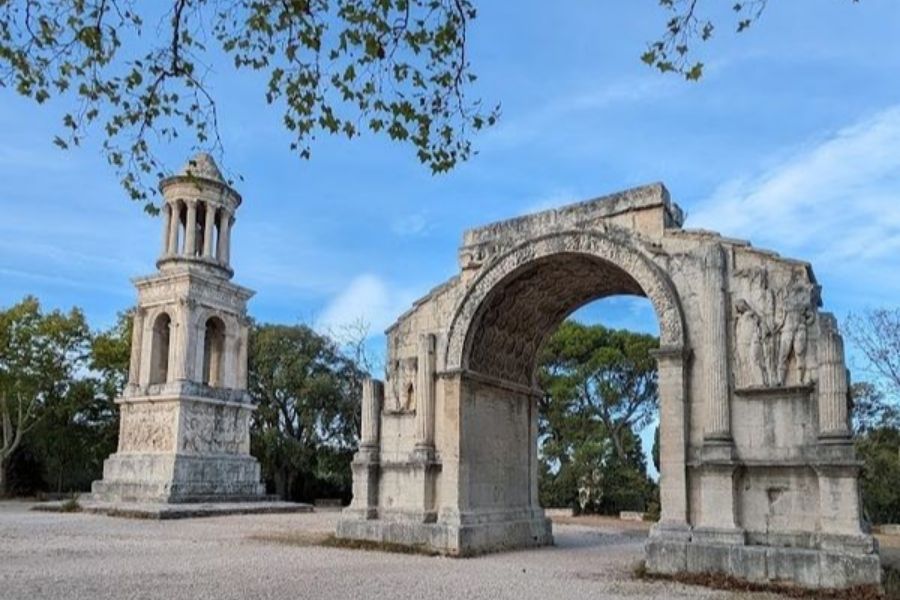
Right before you enter the site, two monuments stand alone in a field: Les Antiques and the Mausoleum of the Julii. These marble structures are Glanum’s most iconic sights.
The Triumphal Arch features carved reliefs of Roman soldiers, and the mausoleum—a tall, ornate tower—honors a local Roman family.
Standing next to these monuments, I admired the detailed carvings. They’re over 2,000 years old and still sharp against the blue sky.
Even if you skip the main ruins, Les Antiques are free to visit and easy to reach—a top photo stop right on the edge of Saint-Rémy-de-Provence.
Saint-Rémy-de-Provence: A Town of Art & History
Saint-Rémy-de-Provence is where art and history bump into you at every turn. I noticed the town’s creative spirit mixes with ancient stones and lively Provençal markets.
Art Galleries and Cultural Attractions
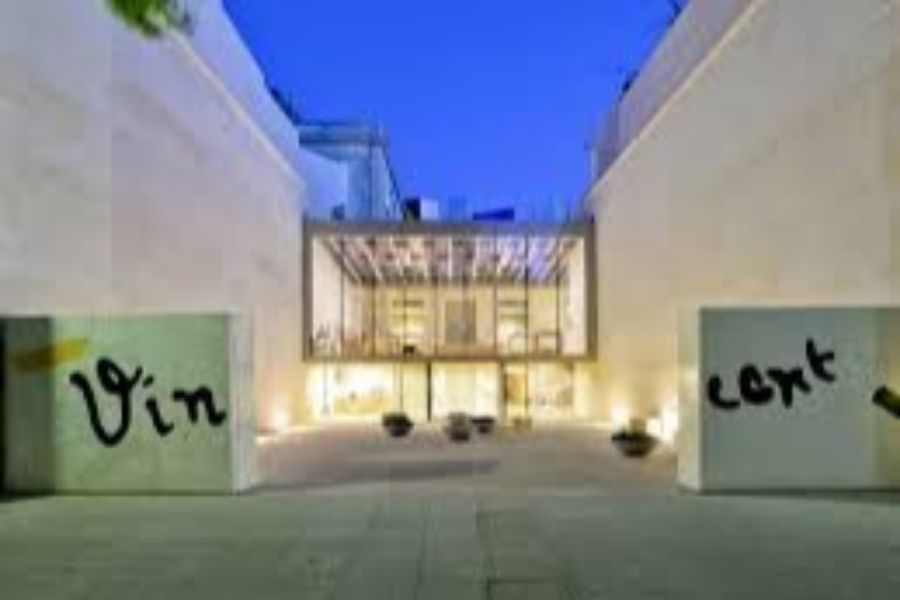
As I wandered through Saint-Rémy, I never felt far from the town’s artistic roots. The Vincent van Gogh Foundation especially pulled me in.
Inside, I found paintings and exhibits inspired by Van Gogh, celebrating not just his art but his time here.
Small galleries fill the winding streets. Each one brings something different, from local painters to modern art.
I loved popping into workshops where artists often work in the open, sometimes happy to chat.
In the summer, street artists and performers add even more energy to the city center. Markets buzz with creativity—vendors sell handmade ceramics, local sketches, and Provençal fabrics.
The town itself feels like a living gallery. Storefronts display art, and murals peek out on narrow lanes.
Even if you’re short on time, it’s easy to get a taste of what inspires artists in this region.
Historical Monuments and Medieval Architecture
At the heart of the town is its medieval city center. When I passed through the old ramparts, I felt the layers of history in the stone streets, sunworn squares, and shuttered windows.
Saint-Rémy is also famous for the Roman ruins at Glanum, just outside town. I wandered among ancient columns, baths, and temples, trying to imagine life here 2,000 years ago. Glanum’s preservation impressed me, with tombs and a triumphal arch that still stand tall.
Inside the medieval center, stone churches and the old Hôtel de Sade tell stories from long ago. Narrow lanes twist between Renaissance houses and quiet courtyards.
Even regular stairways and doorways are centuries old.
On market days, the town buzzes. Market stalls fill the historic squares with Provençal cheese, olives, and colorful goods.
History here isn’t just about ruins—it’s woven into daily life.
Provence Experiences Beyond Saint-Rémy
Wandering through Provence, I keep finding there’s so much more than just Saint-Rémy. Local traditions, hidden gems, and stunning hillside villages fill each day with new flavors and sights.
Visiting Local Markets and Tasting Provençal Olive Oil
Every time I hit a Provençal market, I’m greeted by a wild mix of colors, smells, and sounds. Stalls overflow with juicy cherries, sun-ripened tomatoes, and neat rows of tapenade.
Here’s a quick look at what I usually find:
| Product | Why It Stands Out |
|---|---|
| Lavender | Grown locally, its scent fills the air |
| Honey | Unique wildflower flavors |
| Goat Cheese | Creamy, full of character |
| Fresh Bread | Baked locally each morning |
| Olive Oil | Award-winning, golden, and peppery |
Sampling olive oil in Provence is a must. I’ve tasted oils straight from local mills, right where the olives are pressed.
Olive groves stretch across the hills, and each producer has their own style. Dipping bread in fresh, green oil is honestly one of my favorite ways to start the day.
Choosing Authentic Souvenirs
For souvenirs, I always look for things that bring Provence home with me. Hand-painted ceramics with bold sunflower patterns are a hit at Saint-Rémy’s weekly market.
I’ve picked up sachets of locally-grown lavender—perfect for freshening up drawers.
Buying a bottle of aromatic olive oil or a small jar of honey is a personal favorite. These gifts remind me of lazy mornings under the plane trees.
For art lovers, plenty of shops sell prints or small works inspired by Van Gogh’s time here.
Nearby Villages: Gordes, Roussillon, and Bonnieux
Exploring beyond Saint-Rémy brought me to three unforgettable villages. In Gordes, stone houses stack up along narrow lanes.
The view from the castle is just gorgeous, especially at sunset.
Roussillon pops with its bright ochre cliffs. Walking the Ochre Trail, I watched sunlight bounce off red and orange rocks.
Bonnieux feels peaceful, with hillside churches and little cafes tucked away on cobbled streets.
Each village puts on its own weekly market. I stopped for fresh goat cheese and a chat with locals, always ready to share their stories.
If you’re driving through Provence, these villages are must-sees.
Day Trips: Breathtaking Sights in the Surrounding Region
From Roman ruins and art-filled cities to wild nature parks and the sparkling Mediterranean coast, the area around Saint-Rémy-de-Provence offers some of the most memorable day trips I’ve found in France.
Every place I visited left a mark—whether for its history, its energy, or just the sheer beauty of it all.
Exploring Arles, Avignon, and Montpellier
I kicked off my adventures in Arles, a city where history and art seem to pop up around every corner. The Roman amphitheater really hits you with a sense of ancient grandeur.
I wandered the Van Gogh trail, walking those same streets that sparked so much of his creativity. That felt surprisingly moving.
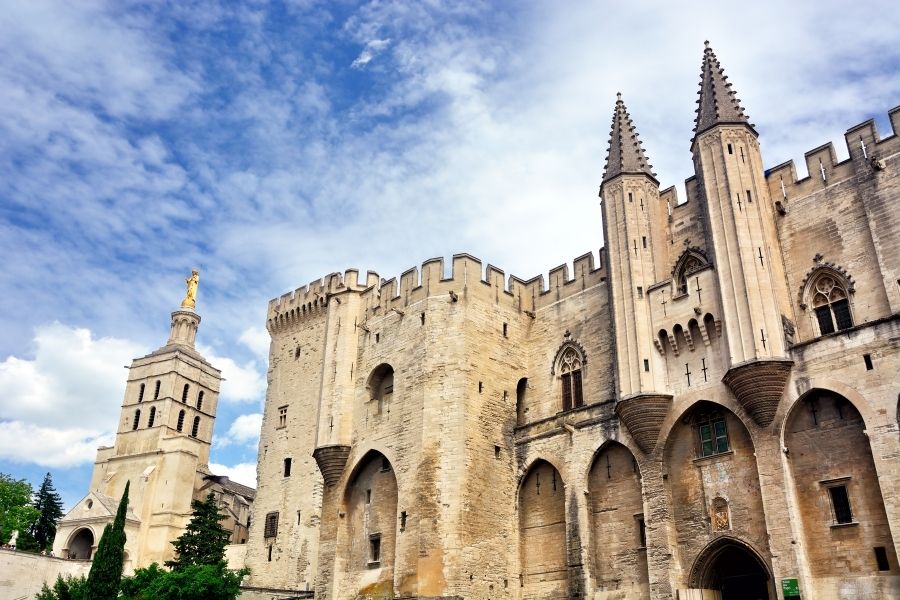
Just north, Avignon greets you with the massive Papal Palace. I love losing myself along the famous Pont d’Avignon and through those winding medieval lanes.
Every summer, the arts festival here turns the whole town into a big stage. It’s hard not to get swept up in the energy.
Montpellier brings a more modern vibe, but still shows off grand architecture and lively plazas. The Place de la Comédie is my go-to spot for people-watching over coffee.
I always notice the city’s blend of tradition and student buzz. It’s a mix that keeps things interesting.
Must-See List:
- Roman Theater of Arles
- Pont d’Avignon
- Montpellier’s historic center
Pont du Gard and UNESCO World Heritage Adventures
Not far from Saint-Rémy, I made sure to visit the legendary Pont du Gard. This ancient Roman aqueduct, now a UNESCO World Heritage Site, stretches across the Gardon River with jaw-dropping precision.
Standing under those arches, I really felt the weight of centuries of human achievement. It’s hard not to be a little awestruck.
The on-site museum shows how the aqueduct supplied water to Nîmes ages ago. I crossed the bridge and even cooled off with a swim in the river below—definitely a highlight on a warm day.
Other UNESCO sites nearby, like Avignon’s historic center and Arles’ Roman monuments, deepened my appreciation for the region’s layers of history.
Quick Tips:
- Bring a picnic to Pont du Gard
- Swim in the river beneath the arches
- Visit in the morning to beat the crowds
Nature Escapes: Camargue, Calanques National Park, and Gorges du Verdon
Nature lovers, take note: the Camargue is something special. I watched wild white horses roam the salt marshes and caught glimpses of pink flamingos at sunrise near Saintes-Maries-de-la-Mer.
Heading south, Calanques National Park between Marseille and Cassis boasts dramatic limestone cliffs and clear blue coves. I hiked along the coastal paths, finding hidden swim spots and plenty of photo ops.
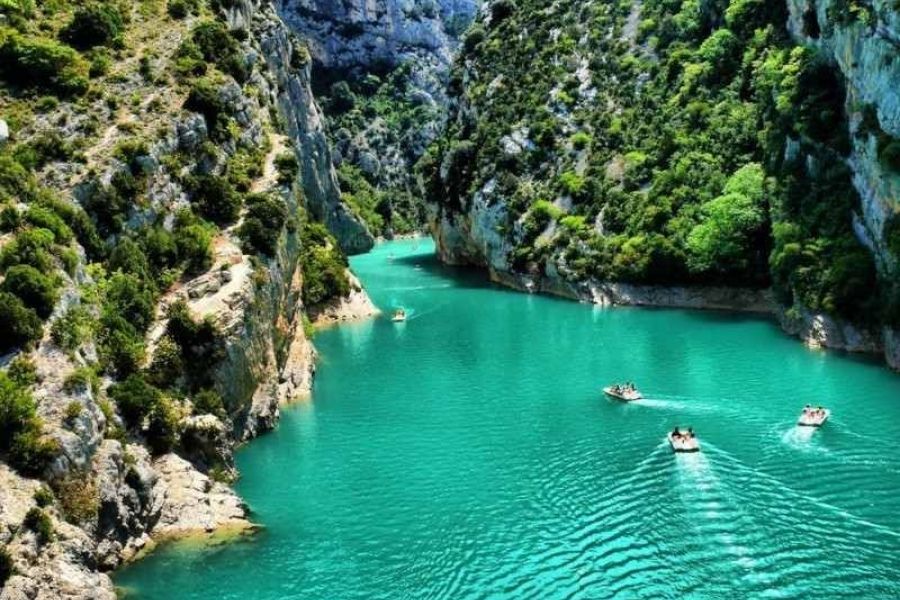
A bit farther out, the Gorges du Verdon—sometimes called France’s “Grand Canyon”—pulled me in with its turquoise river and towering cliffs. Kayaking here felt almost unreal, like floating between sky and earth.
Nature Highlights:
| Destination | What to Do |
|---|---|
| Camargue | Birdwatching, horseback riding |
| Calanques | Hiking, boat tours, swimming |
| Gorges du Verdon | Kayaking, scenic drives, hiking |
Relaxing by the Mediterranean: Cassis, Beaches, and Hidden Coves
When I needed a slower day, Cassis always delivered. This tiny port town sits tucked between vineyards and dramatic cliffs.
I sipped local white wine on a sunny terrace, then hopped on a boat tour to see the calanques from the water. Not a bad way to spend an afternoon.
Nearby beaches range from Cassis’s pebbled coves to sandy stretches closer to Marseille. Plage de la Grande Mer fills up fast, but a short walk usually led me to quieter corners.
The Mediterranean’s clear blue water and cute seaside villages offer a different kind of magic. Most evenings, I wrapped up the day with a sunset swim, feeling miles away from any city noise.
Favorite Mediterranean Moments:
- Boat ride to secret coves
- Seafood lunch on the harbor in Cassis
- Swimming at sunrise before the crowds arrive
Inspiring Moments and Tips for Travelers
Timing really shapes a trip in Provence. Getting around Saint-Rémy-de-Provence and the nearby sights can make or break your experience, and honestly, every trip leaves its own unique mark.
Best Times to Visit and Seasonal Highlights
For me, late spring to early summer (May to early July) is the sweet spot for Saint-Rémy-de-Provence. The weather feels just right, wildflowers burst into color, and crowds stay manageable compared to August.
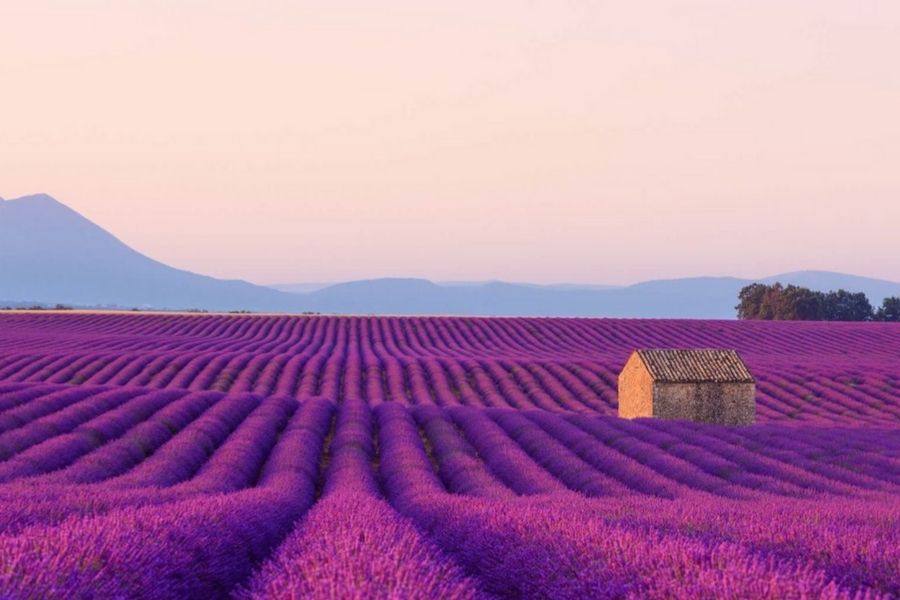
Lavender fields hit peak bloom on the Valensole plateau in late June. The sight and scent? Unforgettable.
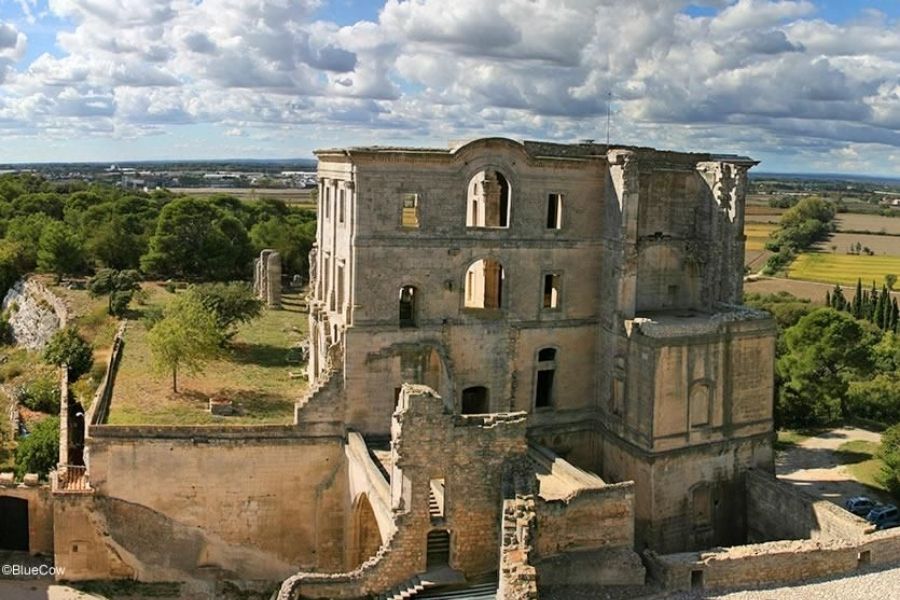
Autumn brings its own magic, with golden light and grape harvests across the region. Montmajour Abbey looks especially beautiful in this softer fall glow.
Local markets and festivals pop up in both spring and autumn, adding even more color to the experience.
Art lovers should walk the Route de Van Gogh in Saint-Rémy after sunrise or before sunset for peace and perfect photos. Roman Glanum, just a short stroll away, feels alive in the quiet morning before tour groups show up.
Getting Around: Transportation Tips
Renting a car gave me the freedom to explore Provence’s smaller villages and countryside, like Moustiers-Sainte-Marie and the fields of Valensole. Parking in Saint-Rémy is usually easy outside peak season, but gets tough during weekend markets.
Biking works well, especially on the scenic route between Saint-Rémy and Glanum. Local buses connect the bigger towns, though schedules can be pretty spotty—especially in rural areas.
If you’re pressed for time, guided day tours from Arles or Avignon pack in sites like Montmajour Abbey with almost no planning. I always double-checked train and bus times, since public transport often wraps up earlier than expected in rural Provence.
Favorite Personal Memories in Provence
One afternoon, I wandered the winding streets of Saint-Rémy-de-Provence. I grabbed some fresh pastries, found a shaded bench, and just watched the world drift by.
That slow pace? It’s a huge part of Provence’s magic.
I visited the Roman ruins at Glanum early in the morning and had the whole site to myself. Cicadas buzzed all around, and I could almost picture what Van Gogh might’ve seen or felt.
When I explored the lavender fields of Valensole, I watched the light shift across the petals. That landscape still inspires me—whether I’m painting, writing, or just stopping to take in the view.
Each place gave me quiet moments I still think about.
