
If you want to see the wild side of Portugal, summer hiking in Serra da Estrela’s glacial valleys and mountain lakes is tough to beat—but you’ve really got to start early if you want to stay comfortable. I learned that lesson the hard way on my first hot-weather hike here. The earlier you get moving, the better your day’s going to be.
The Serra da Estrela Natural Park sprawls across high peaks and hidden trails. If you plan well, you’ll find cool mornings, stunning views, and a real sense of escape.
Walking beside ancient glacial valleys or taking a break by a clear lake feels almost unreal. When summer’s at its hottest, the stone paths around Torre and the quieter trails to Lagoa Escura heat up fast, but if you’re out early, everything stays fresh and calm.
That’s when wildlife wakes up and the views seem untouched.
There’s a special peace up here when the day is just starting and everyone else is still asleep. I’ll share some tips for timing your hikes right and point out my favorite spots, so you can soak up Serra da Estrela’s beauty without letting the heat ruin it.
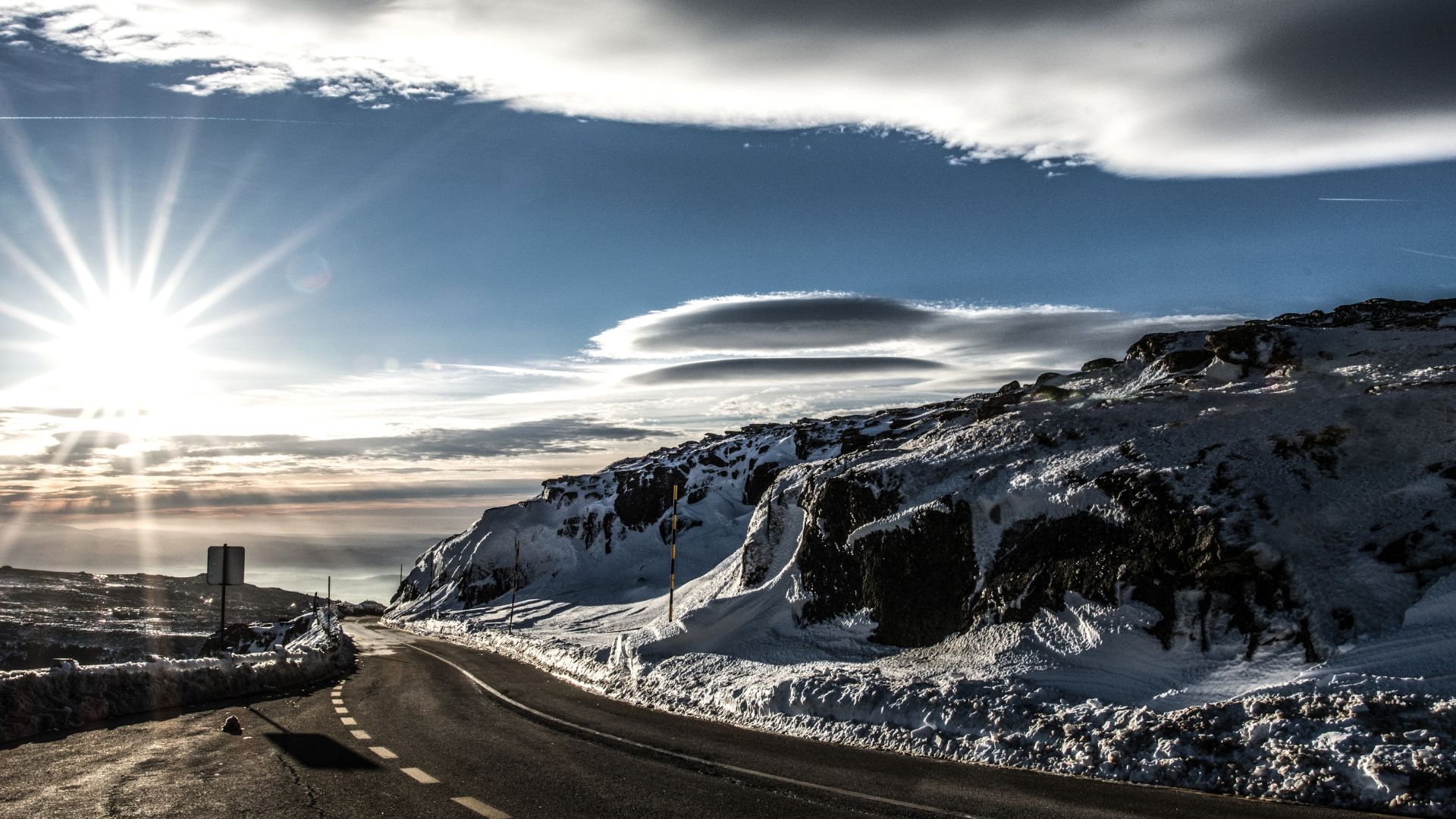
Why Start Early: Beating the Serra da Estrela Summer Heat
Hiking in mainland Portugal’s highest mountains during summer means you have to think about strong sun, sudden swings in temperature, and barely any shade. I found out quickly that starting early isn’t just more comfortable—it keeps the whole adventure safer and, honestly, way more fun.
Understanding the Unique Climate
Serra da Estrela rises to almost 2,000 meters, so the climate here feels totally different from anywhere else I’ve hiked in Portugal. Mornings can be cool and misty, even in July.
By midday, though, the sun gets intense. The air dries out, and the temperature climbs fast, especially in open valleys and ridges.
This place is famous for fast-changing weather. One moment, a cool breeze drifts up from the valleys; the next, the sun beats down, especially above the tree line. Even the river beaches and forests don’t offer much relief at the hottest times.
When you walk through glacial valleys or past the mountain lakes, you get amazing views, but not much shelter. Mornings are quiet and cool, with crisp air and almost no crowds.
There’s something about hearing just your boots on the path and a distant stream as the mist fades.
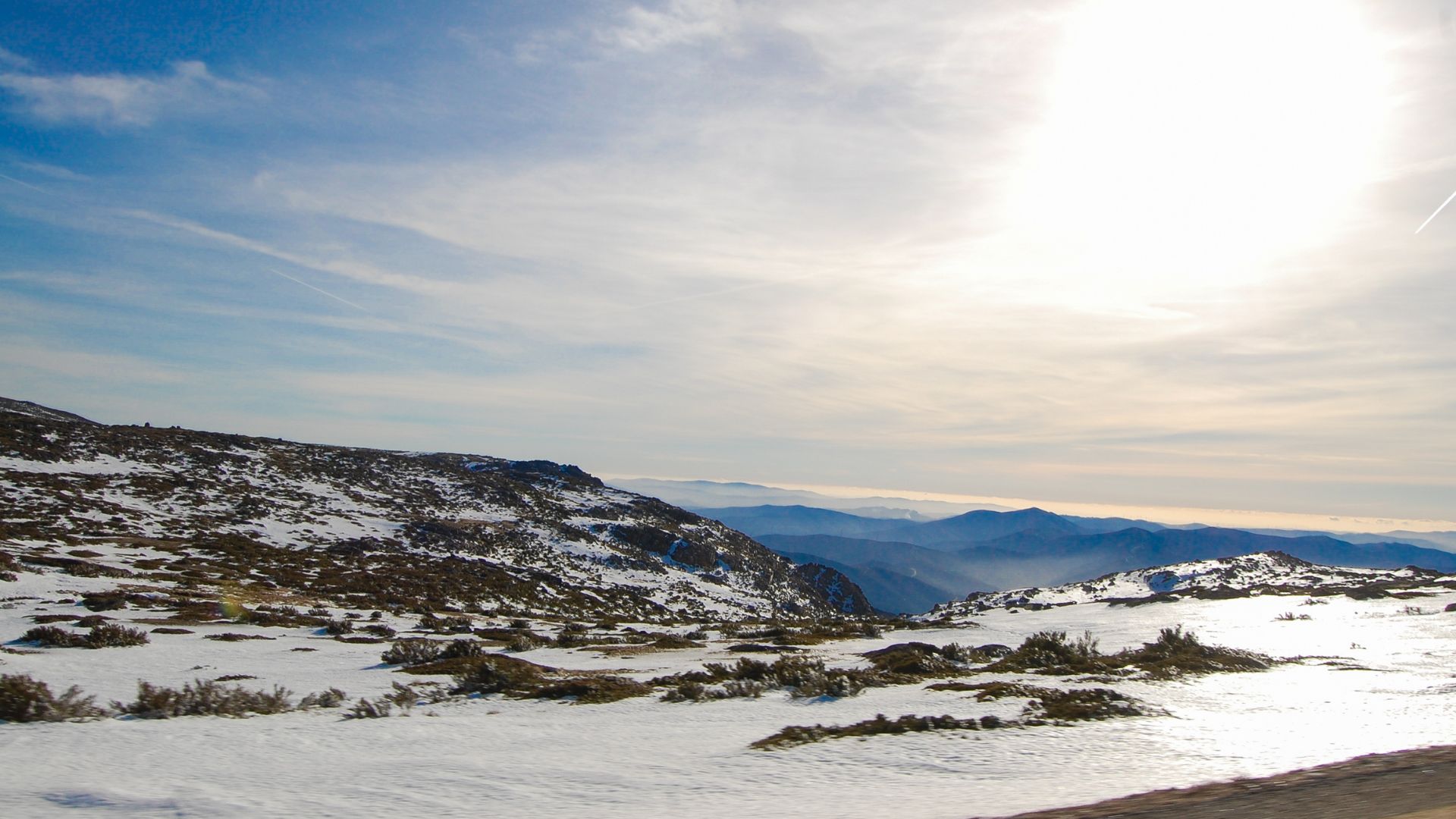
Benefits of Early Morning Hiking
I started leaving at sunrise, and wow, what a difference—cooler air, softer light for photos, and more wildlife out and about. I’ve spotted sheep and wild horses on the upper slopes when the day’s still young.
The best part: finishing the toughest climbs before the sun really gets going. If you start before 8 a.m., you can dodge a 10°C (18°F) jump by noon.
Hiking early gives you more time to relax by a mountain lake or river beach later, too. And you’ll skip the risk of heat exhaustion or sunburn, which can sneak up on you at altitude.
The early light makes the glacial valleys look magical. I focus more on the views and less on sweating under the sun.
Fewer people are out, and I find the trail markers easier to spot without the glare.
Temperature Swings and Safety Tips
Temperatures here swing from chilly to hot in just a few hours. I start with a light jacket, but by lunchtime, a T-shirt is almost too much.
I always bring layers, a hat, and plenty of water, even if it feels cool when I leave.
Safety checklist:
- Put on sunscreen, even if it’s cloudy.
- Sip water often, not just when you’re thirsty.
- Check the weather before you go—storms can roll in out of nowhere.
- Bring snacks that won’t melt.
- Tell someone your route, especially if you’re heading out early.
When I hiked through glacial valleys or up to Torre, these small steps kept me comfortable and safe.
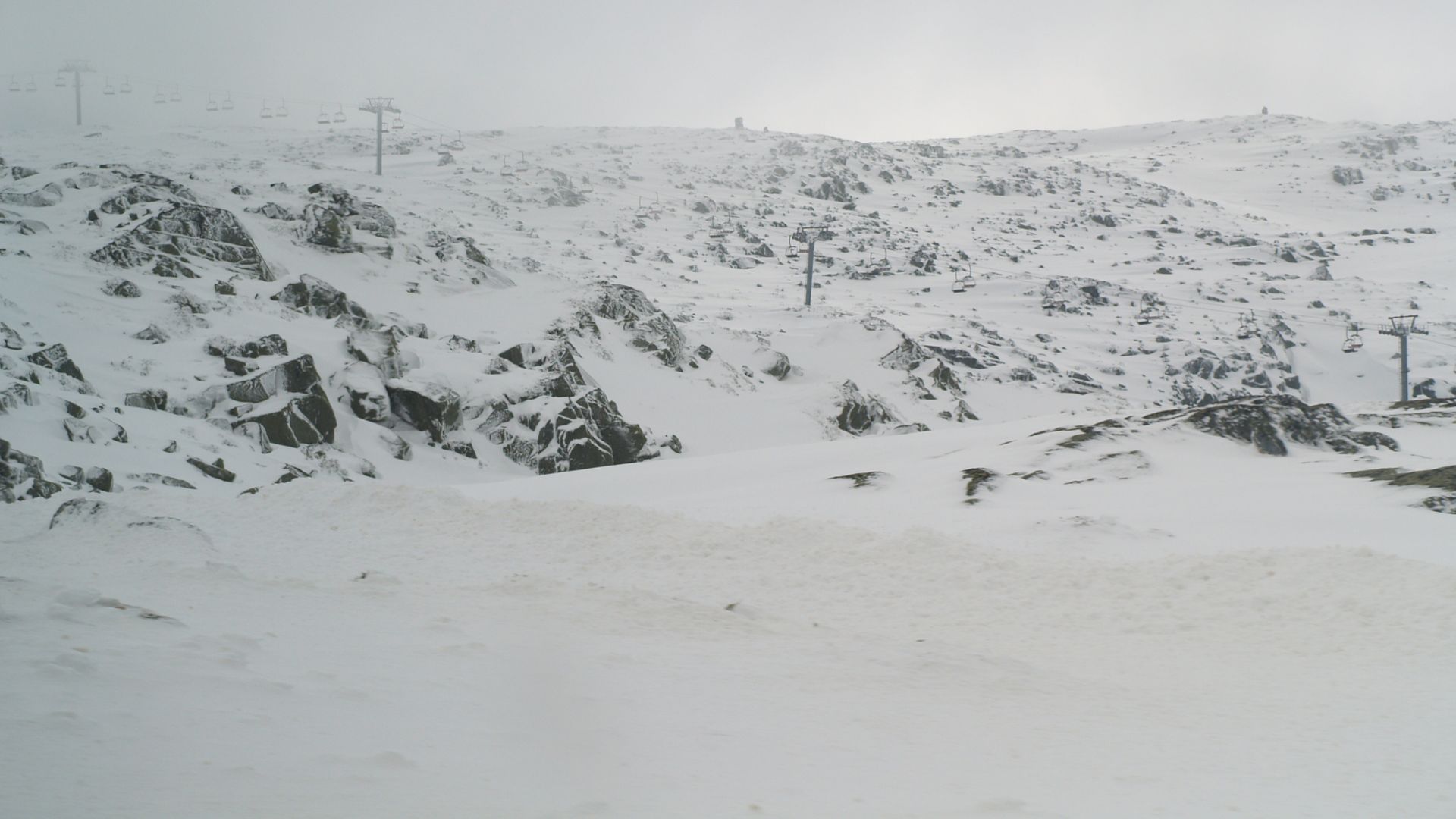
Exploring the Glacial Valleys: Nature’s Silent Giants
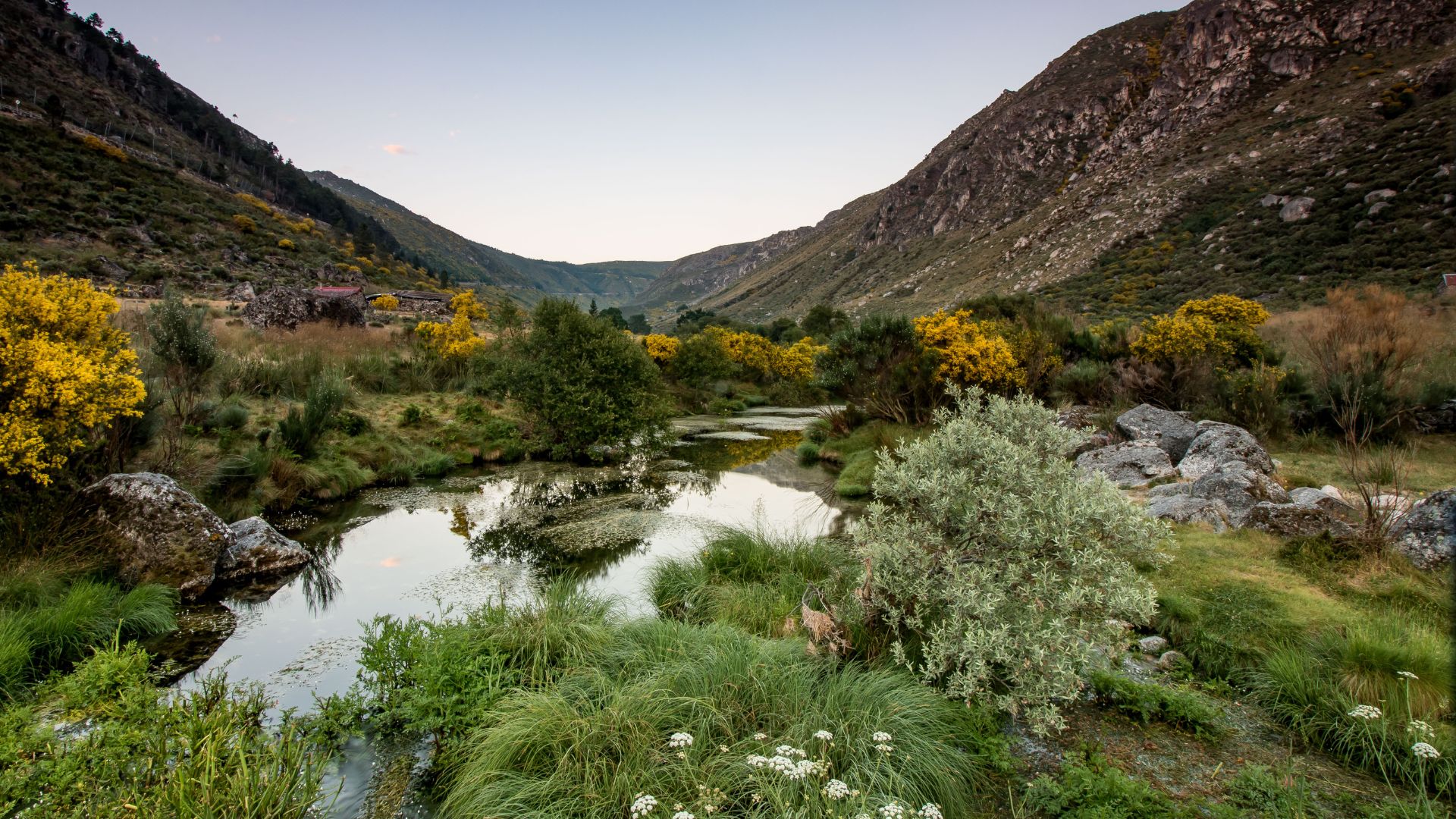
Deep in Serra da Estrela, the glacial valleys shape the land with ancient scars. Slow-moving glaciers carved out dramatic rocks, clear streams, and peaceful meadows.
Every valley has its own mood and story, from narrow cliffs to wide, open spaces.
Loriga Glacial Valley Experience
The Loriga Glacial Valley is my favorite spot in the park. A green valley curves between steep granite walls, telling a story etched by ice.
When I hike the Loriga route, I follow the old glacier’s path, seeing wildflowers popping up between scattered rocks.
I like to stop at lookout points to take in the valley stretching away. Meltwater streams run cold and clear, winding through quiet meadows.
The trail ends in Loriga village, where stone houses and friendly faces make me feel at home.
Pro tip: Start early to avoid the heat and catch the birdsong before the trails get busy. Bring extra water and sturdy shoes—these rocks don’t mess around.
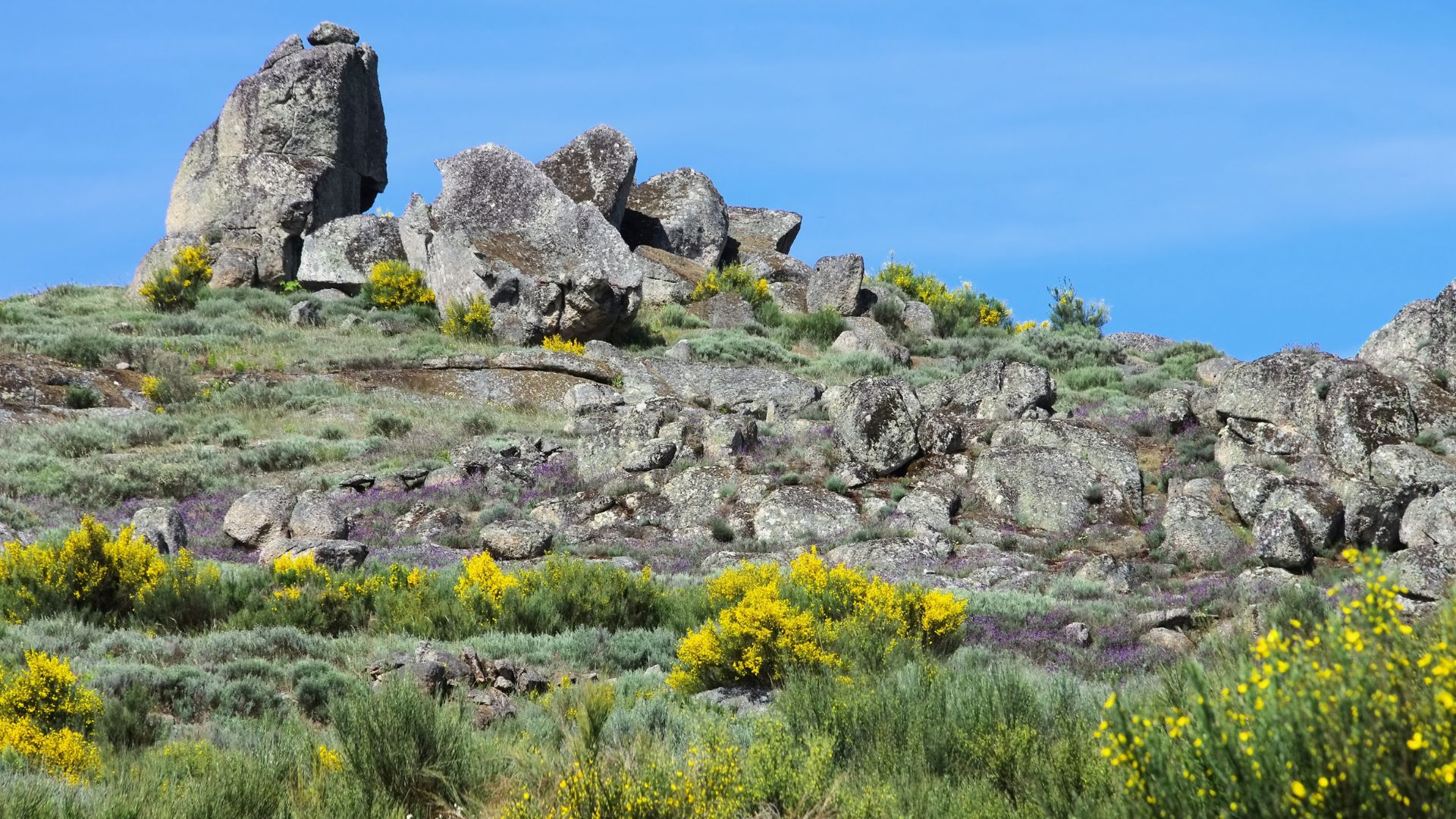
Vale de Amoreira and Mystical Landscapes
Vale de Amoreira has a totally different vibe. Here, the valley opens out with thick forests and secret pools.
Soft morning light filters through the pines, making everything look a bit enchanted. Sometimes, mist hangs in the shadows and the whole place feels otherworldly.
As I walk, I pass mossy stones, old oaks, and the gentle sound of water somewhere nearby. The quiet here is what really gets me.
If you love photography or birdwatching, this is the spot to slow down and look around.
Pack a snack and plan for breaks. You’ll find natural resting spots by the water, perfect for just soaking up the scene before moving on.
Wildlife and Vegetation Along the Trails
I always spot something unexpected out here. Foxes sometimes dart across the path in the early hours. If I’m lucky and patient, I’ll catch sight of an eagle soaring above the cliffs.
Meadows burst with wildflowers—thyme, broom, gentian. Sometimes I come across red deer grazing quietly.
Here’s a quick table of what you might see:
| Animal | Where to Spot |
|---|---|
| Red Deer | Forest edges/meadows |
| Fox | Along early morning trails |
| Bonelli’s Eagle | Cliff walls/sky above |
The plants change as you climb. Lower down, willows and ash trees line the rivers. Higher up, it’s all shrubs and tough grasses.
I keep an eye out for tiny orchids hiding in the grass or wild boar tracks in the mud. It’s a good reminder that you’re sharing the park with all kinds of life.
Chasing Lakes, Waterfalls, and Mountain Cool-Offs
Finding the best spots to cool off is a must in Serra da Estrela during summer. Some lakes and waterfalls look straight out of a fairytale, and mountain pools offer cold, clear water and peaceful places to rest.
Must-Visit Mountain Lakes
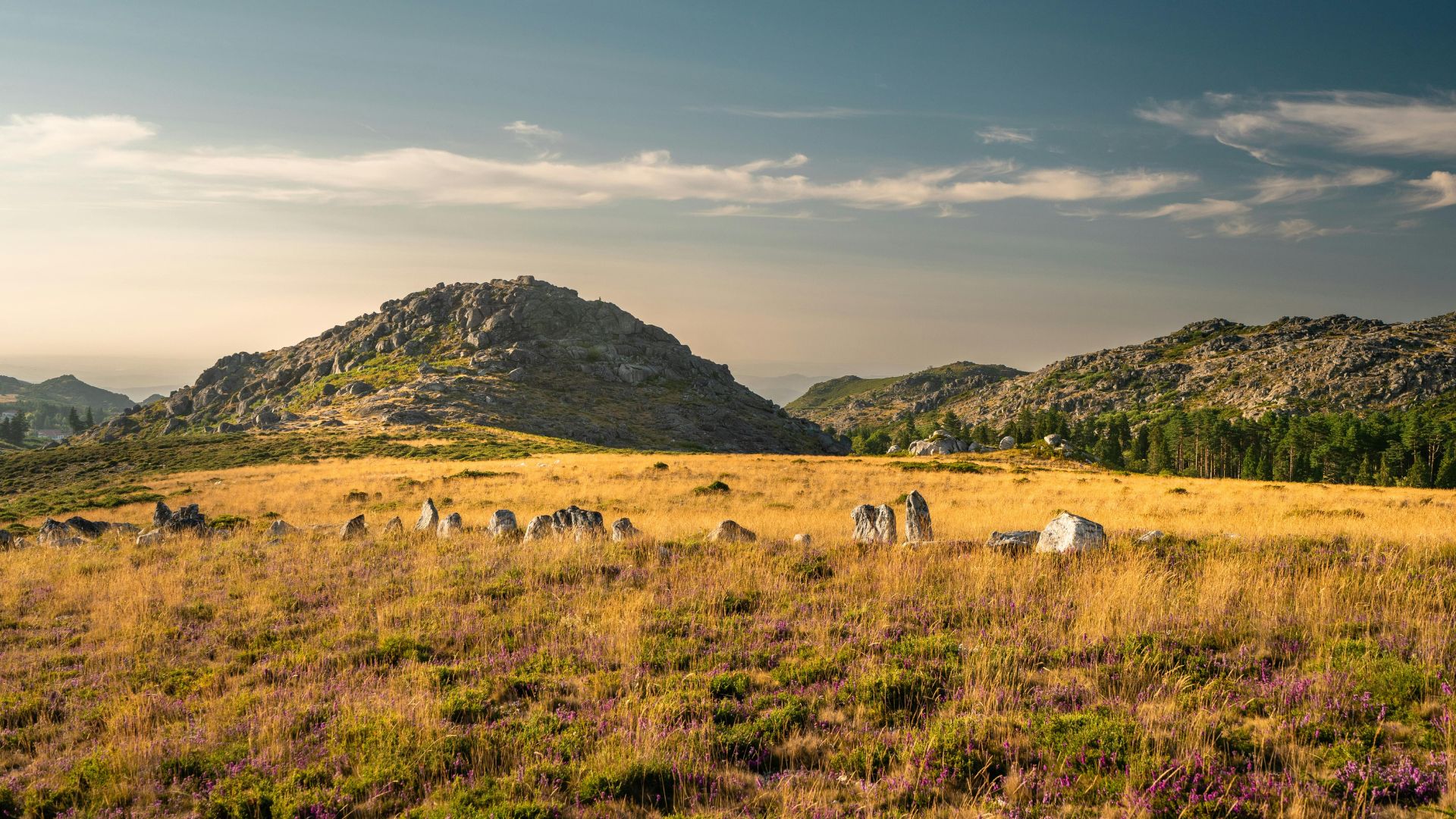
Most of my hikes start early so I can catch the lakes at their quietest. Lagoa Comprida is one of the biggest, surrounded by rough rocks that give it a wild edge.
Swimming isn’t always allowed, but it’s perfect for a peaceful rest or a photo break.
Near Sabugueiro, Lagoa Escura is a real gem. It sits between granite cliffs, stays less crowded, and the dark glacial water is striking.
A short walk gets you right into nature, and even beginners can handle the path.
For a more secret spot, Lagoa dos Cântaros has alpine meadows and scattered wildflowers. It’s tucked away from the busy routes, and I love stopping here for a quiet snack in the shade.
I always bring extra water and a hat—shade can be tough to find by afternoon.
Hidden Waterfalls for a Summer Dip
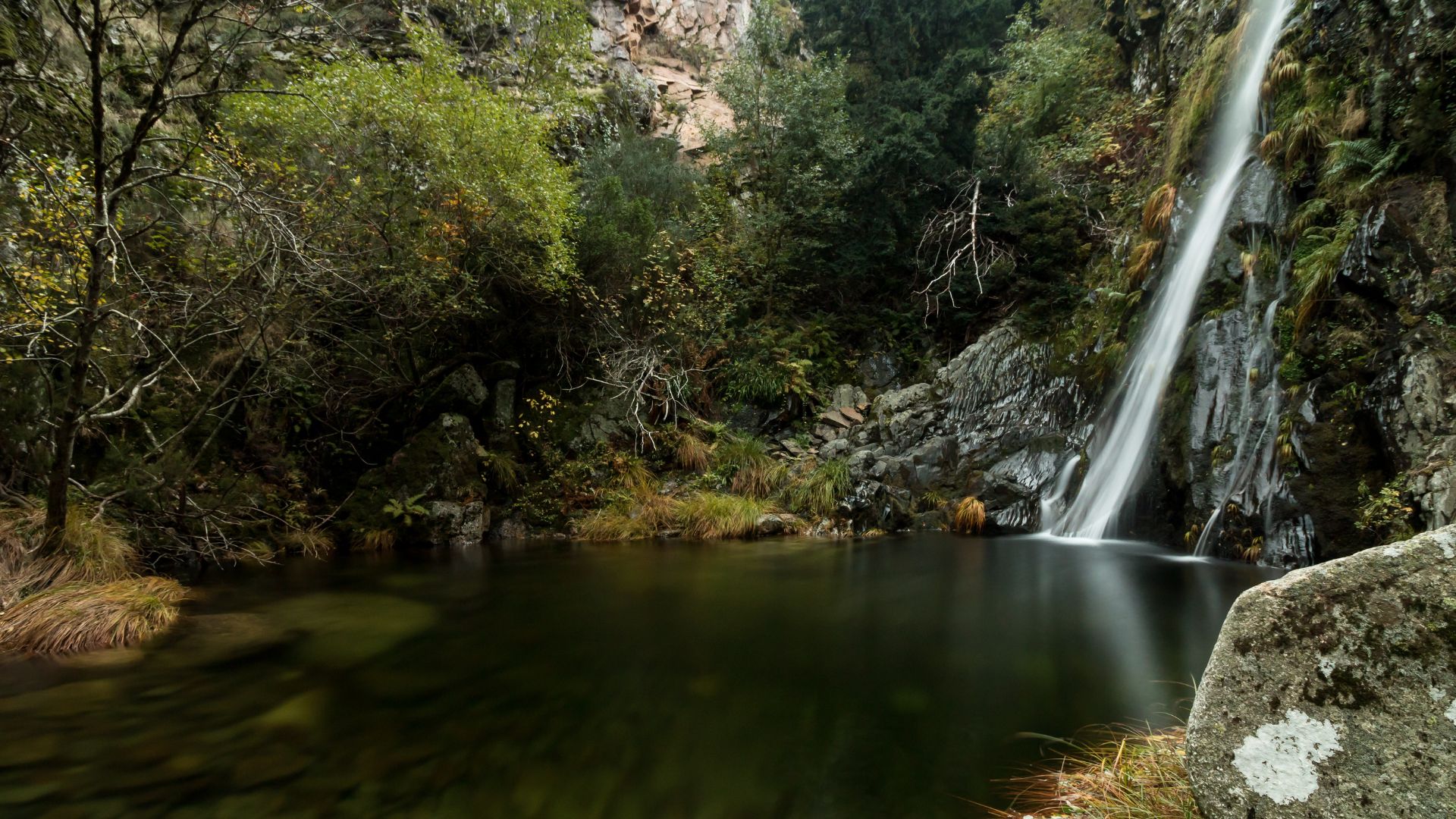
Nothing feels better than dipping your feet in a cold stream after a sweaty climb. The Alvoco da Serra area hides some lesser-known waterfalls, with pools deep enough for a swim or just cooling off.
I found these spots by following the sound of water behind thick shrubs and rocks.
The Casa da Cascata trail leads to a beautiful waterfall that’s not too hard to reach. The water is shockingly cold and clear, especially in midsummer.
For families, the Poço do Inferno waterfall has an easier path, and the spray from the falls is the fastest way to beat the heat.
If you get there early, you might have these places to yourself. I always pack water shoes for the slippery rocks and a quick-dry towel.
Photos That Capture the Magic
When the sun rises over Lagoa Comprida, the water turns silver. That’s my favorite time for landscape shots.
For waterfall photos, early morning is best—you’ll catch the mist and avoid crowds.
The deep green forests near Sabugueiro and the mirror-like lakes on calm mornings are perfect for phone photos if you don’t want to lug a camera.
I use a waterproof pouch for my phone, especially when I’m close to the spray. Glacial valleys look best with wide angles—try to get the rocky cliffs in your shot.
Some of my best photos come when I’m just resting and watching the clouds break. Wait for sunlight to hit the turquoise water, then snap away.
The memories last, but the photos help keep the mountain cool in your mind even after you’re gone.
Best Summer Hiking Routes and Valley Adventures
Serra da Estrela’s cool mornings and glacial valleys turn summer hiking into a real adventure. Mountain lakes, granite peaks, and shaded trails offer something special for both beginners and experienced hikers.
Top Recommended Hiking Routes
A few trails became my go-tos for summer. The Vale Glaciar do Zêzere is a classic, cutting through Portugal’s largest glacial valley.
I like to start early and walk past wildflowers, old shepherd huts, and massive granite boulders. The views of the deep valley and distant peaks are just wild.
The trail to Lagoa Comprida is another must. It’s short and leads to a blue mountain lake—perfect for cooling your feet.
If you want a bit more challenge, try the route from Torre (the park’s highest point) down toward Covão d’Ametade. The path winds past dramatic rocks and hidden springs.
I also like the Poço do Inferno route. The hike moves through shady forests and ends at a beautiful waterfall.
Here’s a quick overview:
| Route | Difficulty | Distance | Highlights |
|---|---|---|---|
| Vale Glaciar do Zêzere | Moderate | ~13 km | Glacial valley views |
| Lagoa Comprida | Easy | ~4 km | Mountain lake |
| Poço do Inferno | Moderate | ~5 km | Waterfall, forest |
| Torre to Covão d’Ametade | Difficult | ~10 km | Highest peak, rocks |
Routes Suitable for All Skill Levels
Serra da Estrela really does have trails for everyone. Beginners usually start with the Laguna Seca Trail, which meanders across highland pastures and around small lakes.
This path stays mostly flat, so it’s easy to follow, and the signs are clear—even if you’re hiking solo.
Families or anyone after a short stroll can check out Covão d’Ametade. The loop winds under alder trees and follows a gentle river.
When I walked here, I saw families picnicking and kids splashing in the water. It’s a relaxed spot, honestly.
If you want more of a challenge, Vale Glaciar do Zêzere and Poço do Inferno are great mid-level options. These trails climb steadily but don’t get too steep.
In summer, I always pack extra water and hit the trail before sunrise to dodge the hottest part of the day.
You’ll spot colored blazes marking every trail in the region. Still, I always bring a printed map or check my GPS app before heading out, especially if I’m trying a new route.
Tips for Navigating Rock Formations
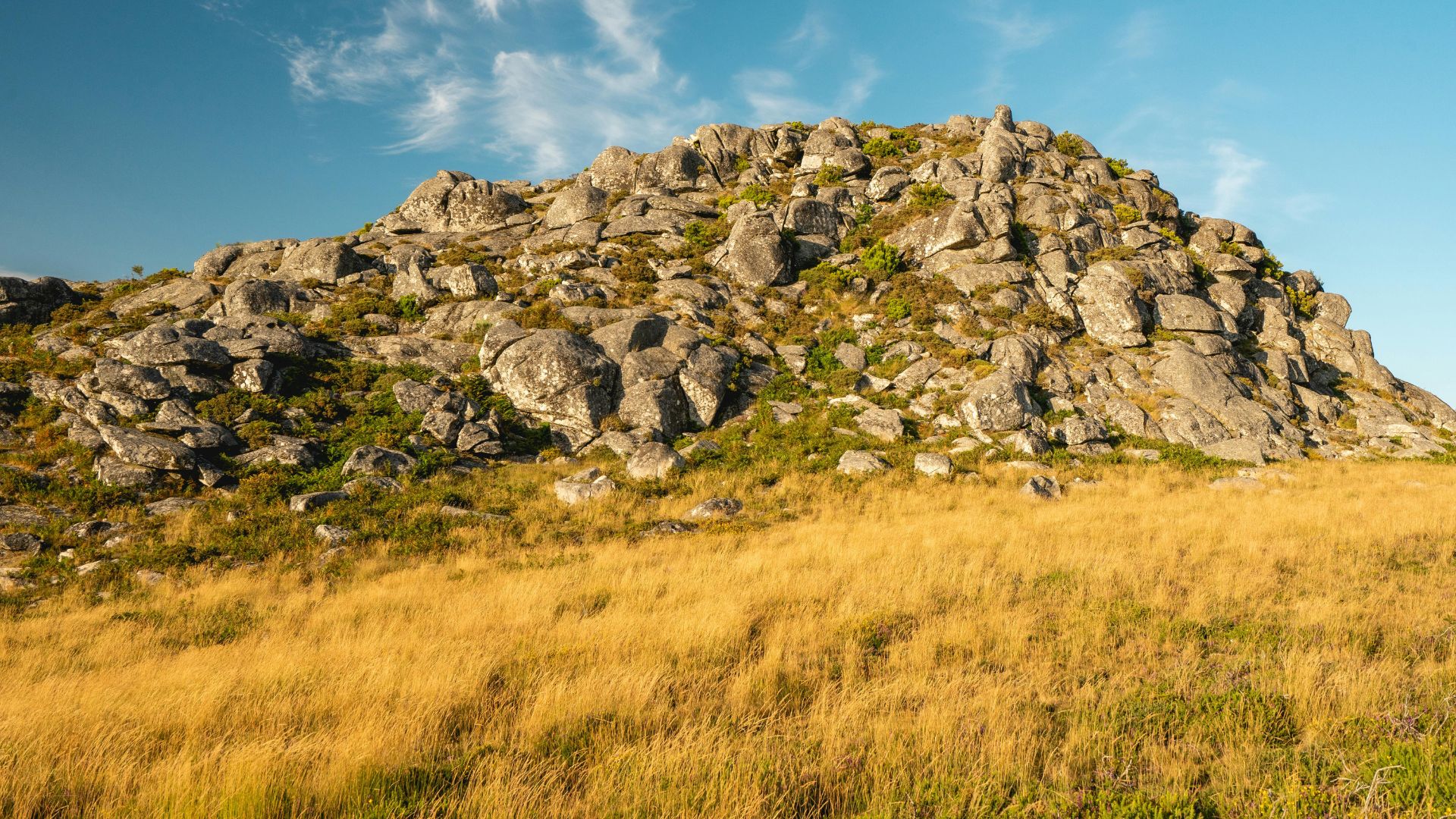
The rock formations here really make Serra da Estrela stand out. Some trails cut through fields of huge granite boulders, while others edge along crumbly cliffs or cross natural stone bridges.
I take my time and watch my step, especially when the ground’s slick with morning dew.
Good hiking boots with a solid grip have saved me more than once. I always go for shoes with strong ankle support, since loose rocks and uneven ground pop up everywhere.
On sun-blasted cliffs, the granite bounces back a ton of light and heat. A wide-brimmed hat and a bit too much sunscreen go a long way.
Whenever I reach a tricky section—say, scrambling over rock slabs—I hunt for painted trail markers. They’ve kept me from wandering off and getting stuck on some awkward detours.
If things get really steep, I use my hands for balance. I never feel bad about turning back if the rocks seem sketchy.
For anyone new to mountain hiking, my best advice is to slow down. Take in the wild shapes and massive stones, but don’t forget how quickly the weather can flip up here.
Even in summer, I pack a windbreaker and always check the forecast before I head out.
Villages, Culture, and Local Attractions to Add to Your Itinerary
As I wandered through Serra da Estrela, I found more than just wild scenery. The region buzzes with history, food, and small towns full of character.
From nibbling sheep’s cheese to exploring villages with stone streets, every stop added a twist to my hiking trip.
Discovering Manteigas, Seia, and Covilhã
Manteigas became one of my favorite places almost instantly. It sits deep in the Zezere Glacial Valley, with quiet streets and views of green hills and granite peaks.
As I wandered the narrow lanes, I met locals who shared stories about the valley and its rocks.
Seia felt like the perfect launchpad for hikes. I stopped by the Bread Museum and learned a bit about local baking.
Shops and a lively market made it easy to stock up before heading out.
Covilhã waits at the base of the mountains, famous for its textile roots. Murals and old factories hint at its wool-making past.
I spent a morning poking around the historic center and grabbed a quick coffee before climbing higher.
Traditional Shepherds and Serra da Estrela Cheese
The high pastures here are dotted with flocks of sheep and the occasional shepherd. Meeting a shepherd by chance turned my hike into something special—he talked about old grazing paths and let me watch his Serra da Estrela dog at work, guarding the flock.
Trying Serra da Estrela cheese felt essential. This rich, creamy cheese comes from local sheep’s milk and you’ll find it in village shops and at weekly markets.
I tasted the best cheese in Gouveia, where a family-run quinta (farm) offered samples with fresh bread. Eating it right there, I felt a stronger connection to the land and the region’s food.
Exploring Medieval Villages and Historic Sites
The medieval villages scattered through the region tell stories from centuries ago.
I wandered the steep streets of Linhares da Beira, where a stone castle still stands guard over the rooftops. Climbing the ancient tower gave me sweeping views of the hills.
In Celorico da Beira, narrow alleys led me past bakeries and old churches. The quiet mornings made the place feel frozen in time.
Belmonte offered another highlight, with its castle and the Jewish museum showing off layers of local history.
Valhelhas and Vide are quieter, but I think they’re worth a stop for their peaceful riverside spots. I spent an afternoon picnicking by the water and chatting with locals about village festivals.
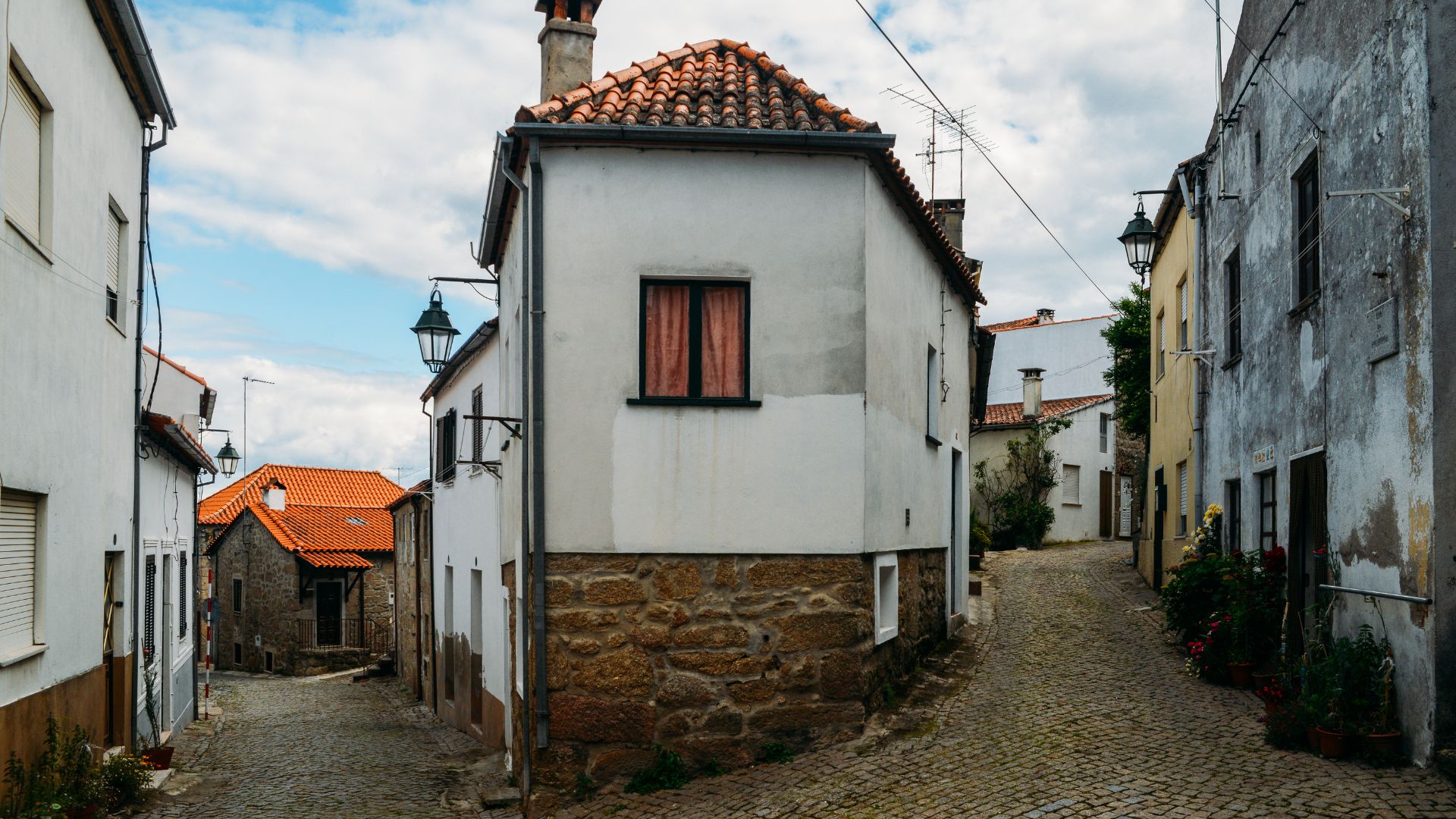
Scenic Towns and Accommodation Recommendations
I’ve found some of my favorite places to stay in and around Gouveia. This little town’s got great food, and the guesthouses feel genuinely welcoming. It’s an easy spot to base yourself if you want to bounce between hiking trails and the town’s cultural corners.
If you’re after something a bit special, look at the rural houses near Seia. After a long hike, I loved crashing at an eco-lodge just outside town. Chestnut forests and little waterfalls are right on the doorstep.
Manteigas really stood out for its family-run quintas. The hosts made me feel at home, and their healthy breakfasts were just what I needed before heading out again.
Then there’s Covilhã. I didn’t expect to find such modern hotels and affordable hostels here, but it’s perfect if you want mountain hikes by day and lively restaurants by night.
If you wander through villages like Santa Comba, Sameiro, or Linhares, you’ll find small inns that add a real rustic charm to your trip.
Just a quick tip: book early if you’re coming in summer, especially for the tiny villages. Rooms go fast.
Here’s a little comparison of my top picks:
| Town | Type | My Experience |
|---|---|---|
| Gouveia | Guesthouse | Friendly, great central location |
| Seia | Eco-lodge | Nature views, peaceful, unique stay |
| Manteigas | Quinta | Homemade breakfasts, family hosts |
| Covilhã | Budget Hotel | Good value, access to city center |
