
When I wandered through the charming medieval streets of Óbidos, Portugal, the scent of chocolate drifted everywhere. Spring in Óbidos already feels magical, but during the Óbidos Chocolate Festival, the whole town becomes a dream for chocolate lovers.
The Óbidos Chocolate Festival let me taste incredible sweet creations, spot amazing chocolate sculptures, and dive into one of Portugal’s most unique festivals.
For one week each spring, this small historic town hosts the world’s chocolate capital. Crowds flock in for displays, workshops, and treats. As I wandered past centuries-old walls, my day turned into an adventure—sampling artisan chocolates, watching chefs craft edible art, and soaking up the festival’s energy.
This festival isn’t just about sweets. It’s a lively celebration of culture, creativity, and the warm, welcoming spirit of Portugal.
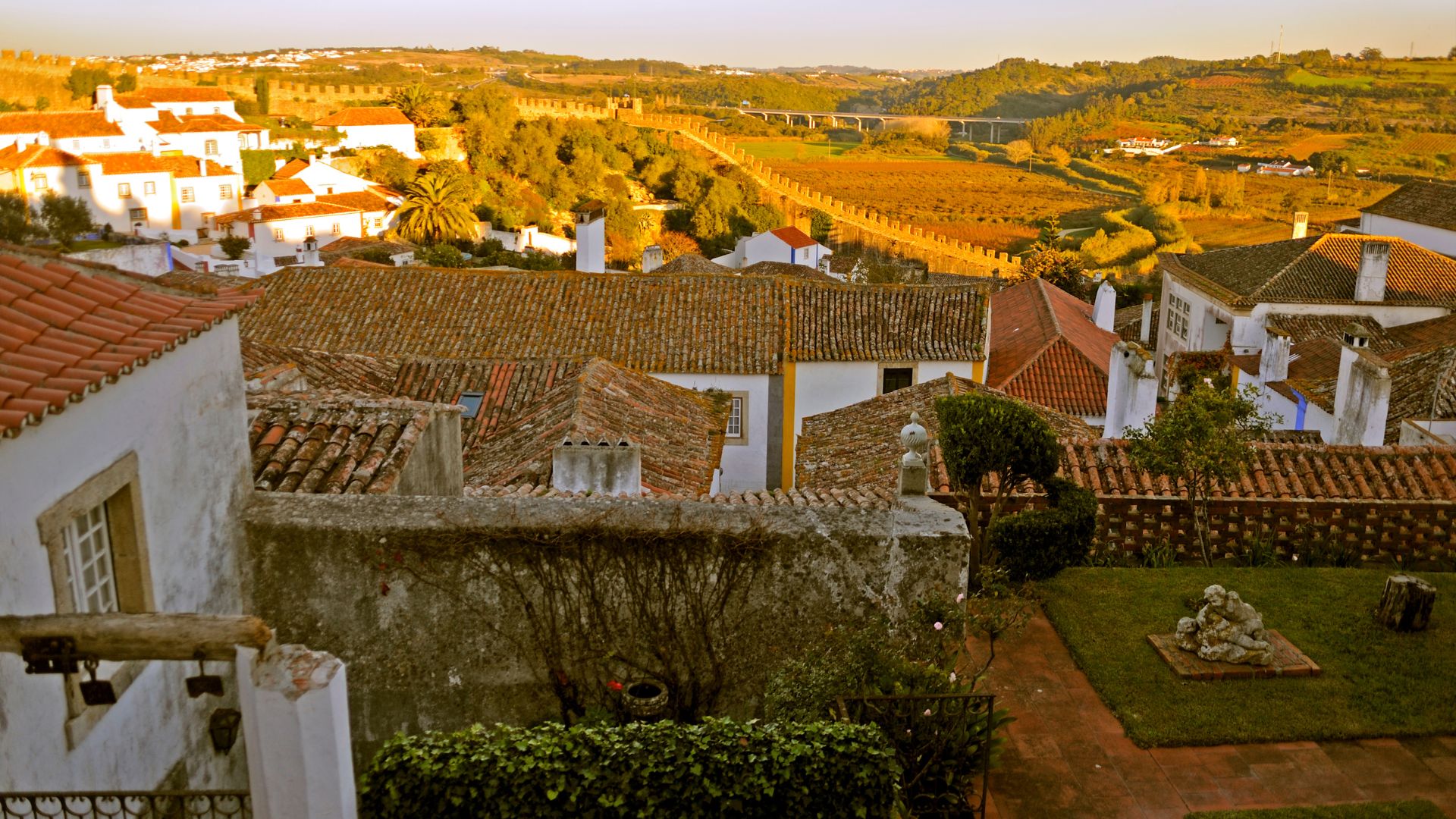
Arriving in the Medieval Village of Óbidos
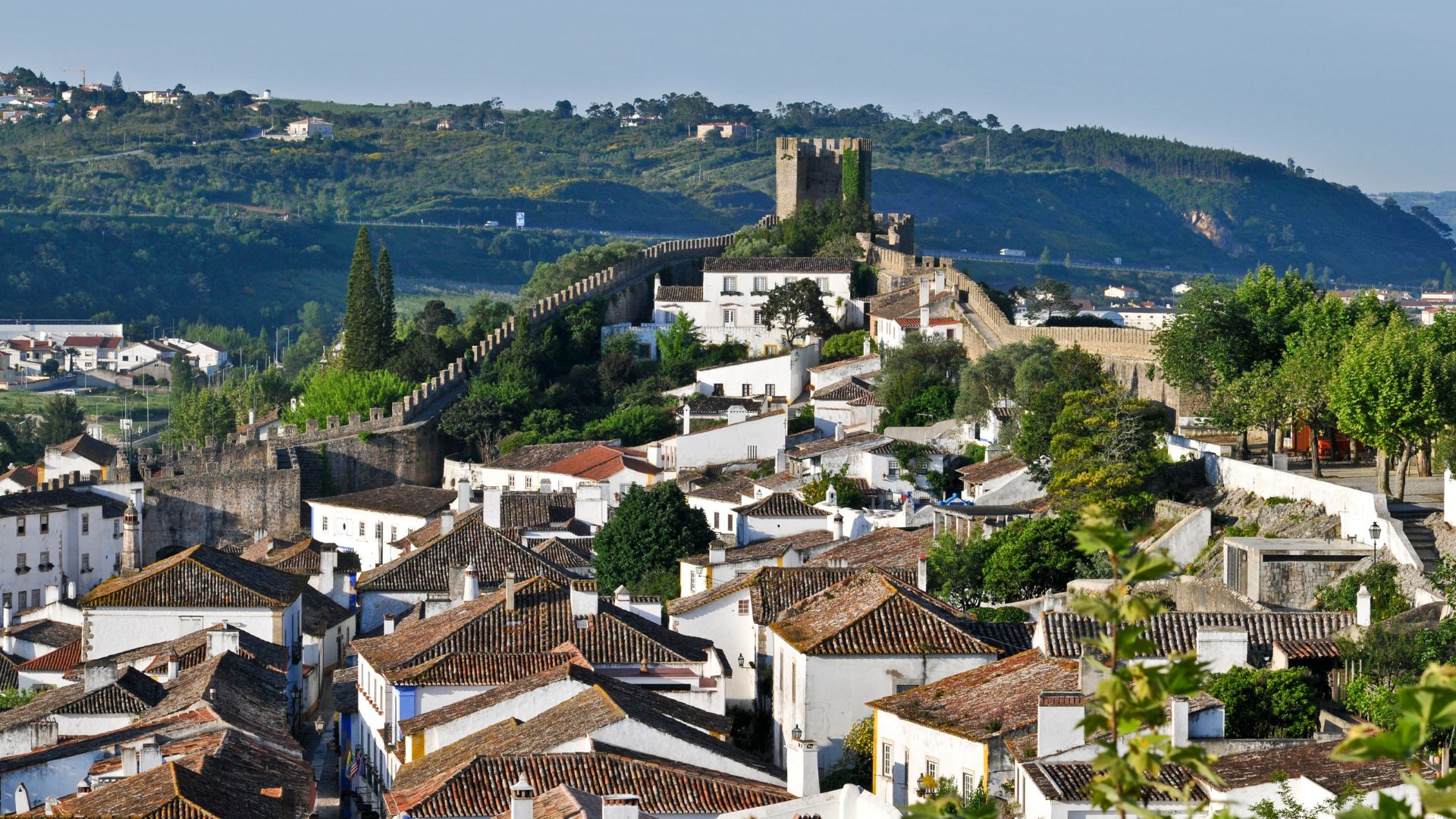
Stepping into Óbidos during the Chocolate Festival felt like entering another era. Ancient stone walls and narrow lanes twist through the village, with bursts of color from blooming flowers.
The whole place buzzes with excitement. Centuries-old traditions mix with the sweet aroma of chocolate.
Navigating Cobblestone Streets and Whitewashed Houses
As soon as I walked through the city gates, the cobbled streets welcomed me. The uneven stones underfoot made me slow down and really look around.
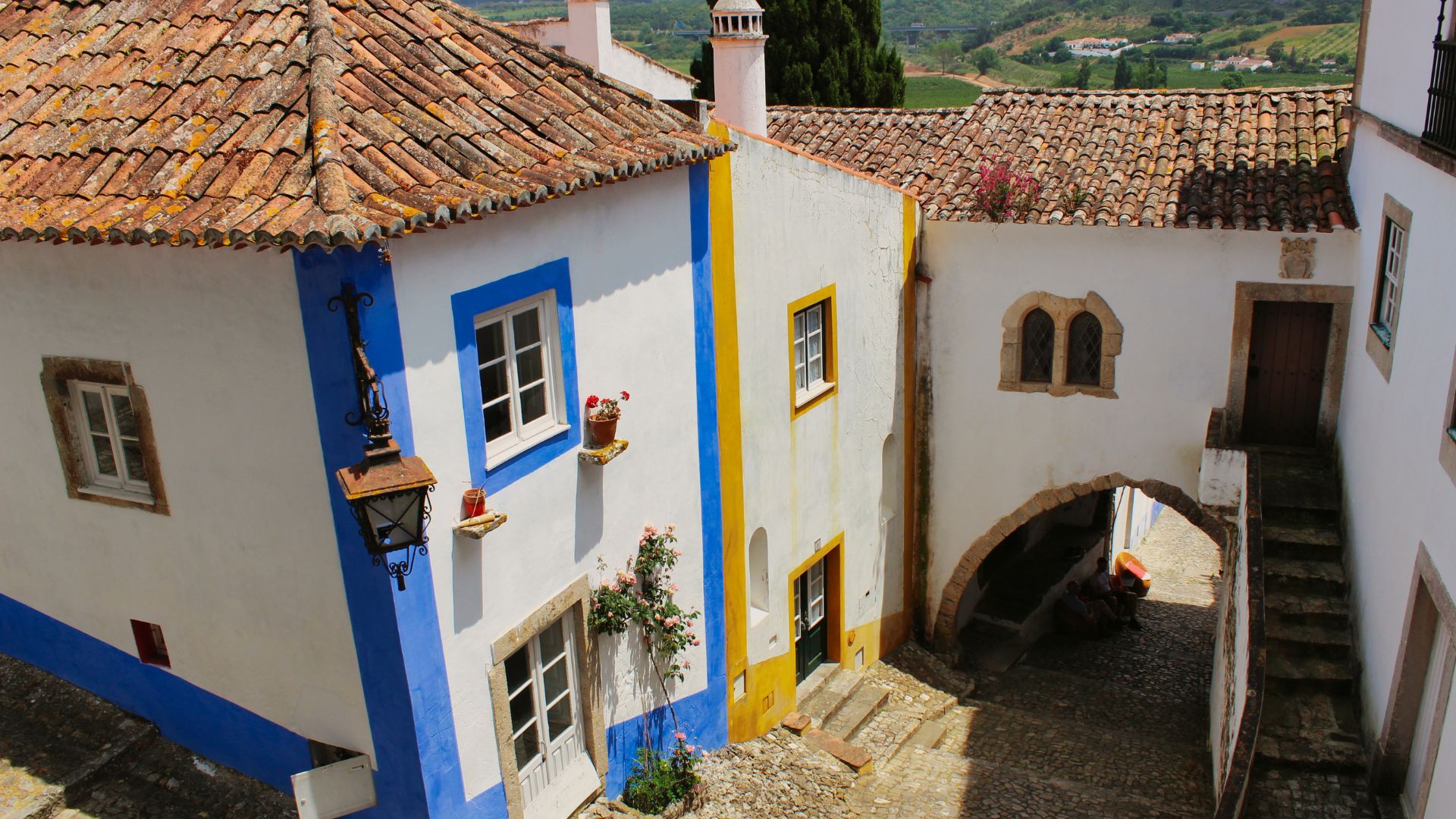
Whitewashed houses lined the paths, glowing in the spring sunlight. Blue and yellow borders, plus climbing bougainvillea, gave the village a splash of color.
Locals waved from open doorways, sometimes handing out samples of local treats. I had to stay alert; the narrow alleys filled up fast during the festival.
I often stopped—not just for photos, but to admire decorative ceramic tiles and iron lanterns beside flower pots. Many houses doubled as tiny shops or cafés.
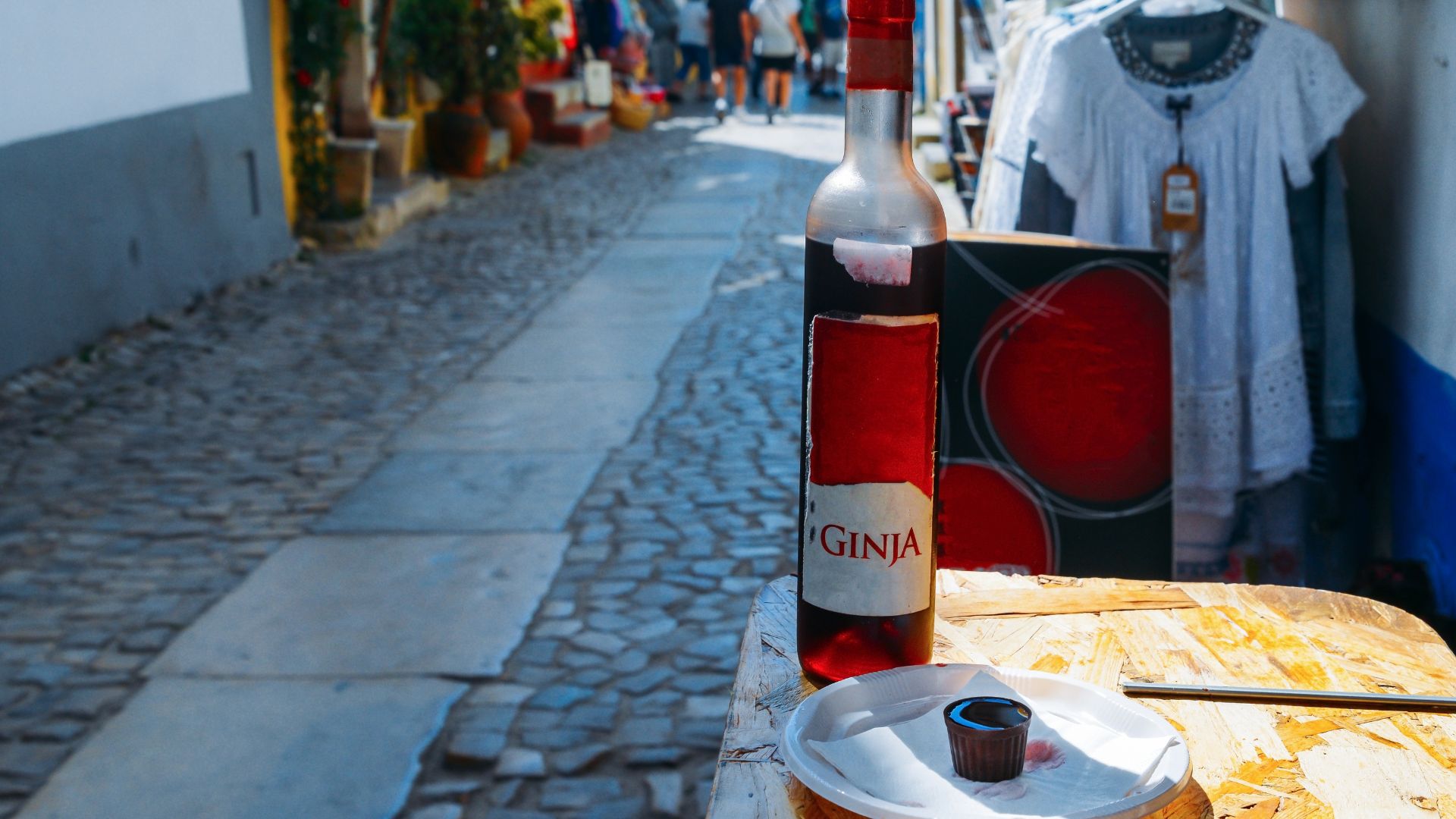
Some places offered ginjinha—the famous cherry liqueur served in edible chocolate cups. The mix of sweets and medieval charm left a lasting impression.
Exploring the Medieval Walls and Castle
The thick, towering medieval walls caught my eye right away. Curiosity pulled me up a steep stairway, and soon I was walking along the ramparts, looking down at red-tiled roofs and crowds below.
The view stretched out to the Portuguese countryside. To my left, the castle rose up—a stone fortress dominating the skyline.
The castle dates back to the 12th century. It once defended Óbidos from invaders, but now, during the festival, it buzzes with street performers and chocolatiers.
Even with the excitement below, standing atop the walls felt strangely peaceful. History lingered everywhere, and I caught myself imagining knights and townsfolk moving through these same passages.
Historic Sights on Rua Direita
Rua Direita runs straight through the center of Óbidos. As I strolled the main street, centuries-old storefronts and brightly painted doors surrounded me.
Every few steps, something new tempted my senses—warm pastries from bakeries, artists showing off their paintings, and buskers playing soft tunes. Key sights popped up along the way: small chapels, the old pillory, and the impressive Church of Santa Maria, where a royal wedding once happened.
Livraria de Santiago, a church-turned-bookstore near the castle, became one of my favorite stops. Shelves lined up under soaring arches gave the place a quiet, almost magical feel.
Shops along Rua Direita sold local crafts, artisan chocolates, and festival memorabilia. I always found something interesting in a window or a hidden courtyard café just off the street.
The Heart of the Óbidos Chocolate Festival
Every spring, Óbidos turns into a chocolate lover’s paradise. Impressive chocolate creations and sweet experiences fill the town. I figured out where to get tickets, what days to go, and how to catch the best kickoff events.
Festival Atmosphere and Opening Events
When I walked through the medieval gates during the International Chocolate Festival, chocolate aromas hit me right away. The narrow streets filled up with families, tourists, and local vendors handing out free samples and running live demonstrations.
The whole place felt upbeat and festive. Bright banners and chocolate-inspired art lined the cobblestone paths.
The festival usually kicked off with big displays—giant chocolate sculptures, street artist performances, and sometimes a parade celebrating chocolate from around the world. I couldn’t get over the creativity behind the chocolate statues and themed cakes, all out in the open for everyone to admire.
For kids, there were fun workshops to make their own sweets or decorate cakes. Musicians and entertainers played on small stages, filling the air with music and laughter.
Whether I sampled dark chocolate truffles or watched local chefs work, surprises waited around every corner.
How to Buy Festival Tickets and Get Discounts
Buying tickets to the Óbidos Chocolate Festival was easy. I grabbed mine through the official festival website, which saved time.
Prices for adults and kids were clearly listed, and family or group discounts popped up now and then. Kids under a certain age usually got in free, and early bird rates were a nice bonus if I booked ahead.
Here’s a quick table for ticket info:
| Ticket Type | Price Range | Where to Buy | Discount Available |
|---|---|---|---|
| Adult | €X-€Y | Online; Festival Gate | Early Bird, Group |
| Child | €A-€B | Online; Festival Gate | Sometimes Free (Age) |
| Family | Varies | Online | Yes |
It pays to check for special deals a few weeks before March. Sometimes, public transport partners offer combo deals that include festival tickets with train or bus fares to Óbidos.

Timing: Dates in March, April, and May
The festival usually happens in spring, though exact dates change each year. In 2025, the Óbidos International Chocolate Festival runs March 21 to April 6, open Friday to Sunday, 11:00 am to 9:00 pm.
That’s about two and a half weeks—plenty of time to fit the festival into your plans. Most years, it falls in late March or early April, but sometimes stretches into May.
Mild spring weather made wandering and sampling chocolate outdoors comfortable. Óbidos gets busiest on opening weekends, with more events and bigger crowds.
I liked visiting on a Friday, when things were lively but still manageable. If you’re traveling outside festival dates, Óbidos is still worth a visit, but the festival weeks have a special energy you just can’t find any other time.
Unforgettable Chocolate Experiences
The Óbidos Chocolate Festival goes way beyond just eating sweets. Every corner of the old town buzzes with creativity and excitement. Each activity feels unique.
Stunning Chocolate Sculptures and Artistic Exhibitions
The first thing I noticed at the festival was the gigantic chocolate sculptures. These weren’t simple statues—they were detailed works of art.
Each year, new themes inspire chocolatiers to craft everything from life-sized animals to castles and famous figures. One year, I saw a dragon with chocolate scales and sharp teeth, drawing a crowd eager for photos.
Live demonstrations often accompany the exhibitions. Experts mold, carve, and paint chocolate right in front of everyone. I found it hypnotizing to watch.
Signs next to each display explained the techniques. That made it easier to appreciate the skill and patience behind each piece. Art lovers and foodies both find something to love here.

Dazzling Chocolate Fashion Show and Body Painting
The chocolate fashion show was a real highlight. Models walked the runway in outfits partly made of real chocolate, blending food and fashion in ways I’d never seen before.
Some looks had chocolate hats or collars, while others featured edible accessories. Designers got creative with chocolate textures and colors, making each outfit pop.
Body painting added another bold twist. Artists painted detailed designs on models’ skin using chocolate-infused paints. Their steady hands amazed me, and the results looked vibrant—even though they were edible.
Crowds gathered for these performances, and it’s easy to see why. They combine art, creativity, and chocolate in a way that sticks with you.
Tasting a World of Chocolate Treats and Products
Sampling chocolate really sits at the heart of the festival. Dozens of stalls line the streets, each offering something different—traditional Portuguese bonbons, creative fusion treats, and more.
I tried chocolate-covered fruit, spicy chili chocolates, and silky mousse cups. Vegan and dark chocolate options popped up too.
I carried a small bag to bring home samples for friends. Some booths sold unique chocolate products like soaps, liqueurs, or homemade cocoa powder.
Vendors loved chatting about their craft and sharing tasting tips. Everything was easy to buy, with prices clearly marked.
Here’s a quick sample of the treats I tried:
| Treat | Flavor Highlight | Vendor Location |
|---|---|---|
| Ginja-filled bonbons | Sour cherry, liqueur | Near the main gate |
| Hot chocolate shots | Rich, creamy, warming | Central square |
| Artisan chocolate bars | Single-origin, intense | Castle entrance |
The tastes and smells lingered long after I left the medieval walls.

Delicious Activities for Chocolate Lovers
Óbidos Chocolate Festival packs in experiences for anyone who loves chocolate. Whether I’m learning to make truffles or hunting for rare treats, there’s a hands-on energy that makes each moment memorable.
Interactive Cooking Classes and Show Cooking
I signed up for chocolate cooking classes. Chefs ran sessions where I melted, mixed, and shaped chocolate from scratch.
The classes covered basics like tempering and advanced topics like artisan bonbons or chocolate mousse. Kids joined junior workshops, and adults had their own sessions.
Live show cooking happened on small stages throughout the festival. Experts performed demonstrations, explaining each step as they made elaborate chocolate desserts.
I always found their skills impressive and the recipes creative. These sessions were interactive, so I could ask questions and taste the finished results.
Workshops and demos often required advance tickets, especially on weekends. It’s smart to check the daily schedule and book early.
Participation was open to all skill levels, from beginners to those looking to perfect their technique.

Exciting Competitions and Games
Chocolate-themed competitions at Óbidos brought out my competitive side. Pastry chefs built huge chocolate sculptures that matched the year’s festival theme.
I watched as towering works of chocolate art slowly took shape. For the rest of us, there were games and fun challenges.
I joined a chocolate tasting contest, racing to guess different varieties while blindfolded. Other favorites included “decorate your own truffle” stations and chocolate trivia games with small prizes.
The event hosted special kid-friendly games too, which kept families coming back. Even if I didn’t win, I walked away with a smile—and plenty of chocolate on my hands.
Shopping at the Chocolate Market
The festival’s chocolate market? It’s a sensory overload, but in the best way. Stalls line the cobbled streets, overflowing with handmade chocolates, truffles, pralines, and even chocolate wine.
I love wandering from booth to booth. I end up chatting with local chocolatiers and sampling whatever catches my eye.
You’ll find everything from classic dark bars to wild, fruit-filled creations. I always try to make a list before I go, but honestly, I buy impulse treats like chocolate-dipped fruit skewers or spicy hot chocolate blends every time.
Prices jump around a bit, so I usually compare and taste before picking out souvenirs. It’s part of the fun.
Vendors hand out samples generously. Some even run little workshops at their stands, showing how to dip or pack chocolates.
The market gets packed on weekends. If you want a quieter stroll, show up early or come back late in the afternoon.
I can’t leave without at least one bag of goodies. Who could?

Gastronomic Discoveries Beyond Chocolate
Between bites of chocolate, Óbidos surprised me with flavors I didn’t expect. This festival isn’t just about sweets; it’s about the drinks and pairings that make this town stand out.
Cherry Liqueur and Traditional Sips
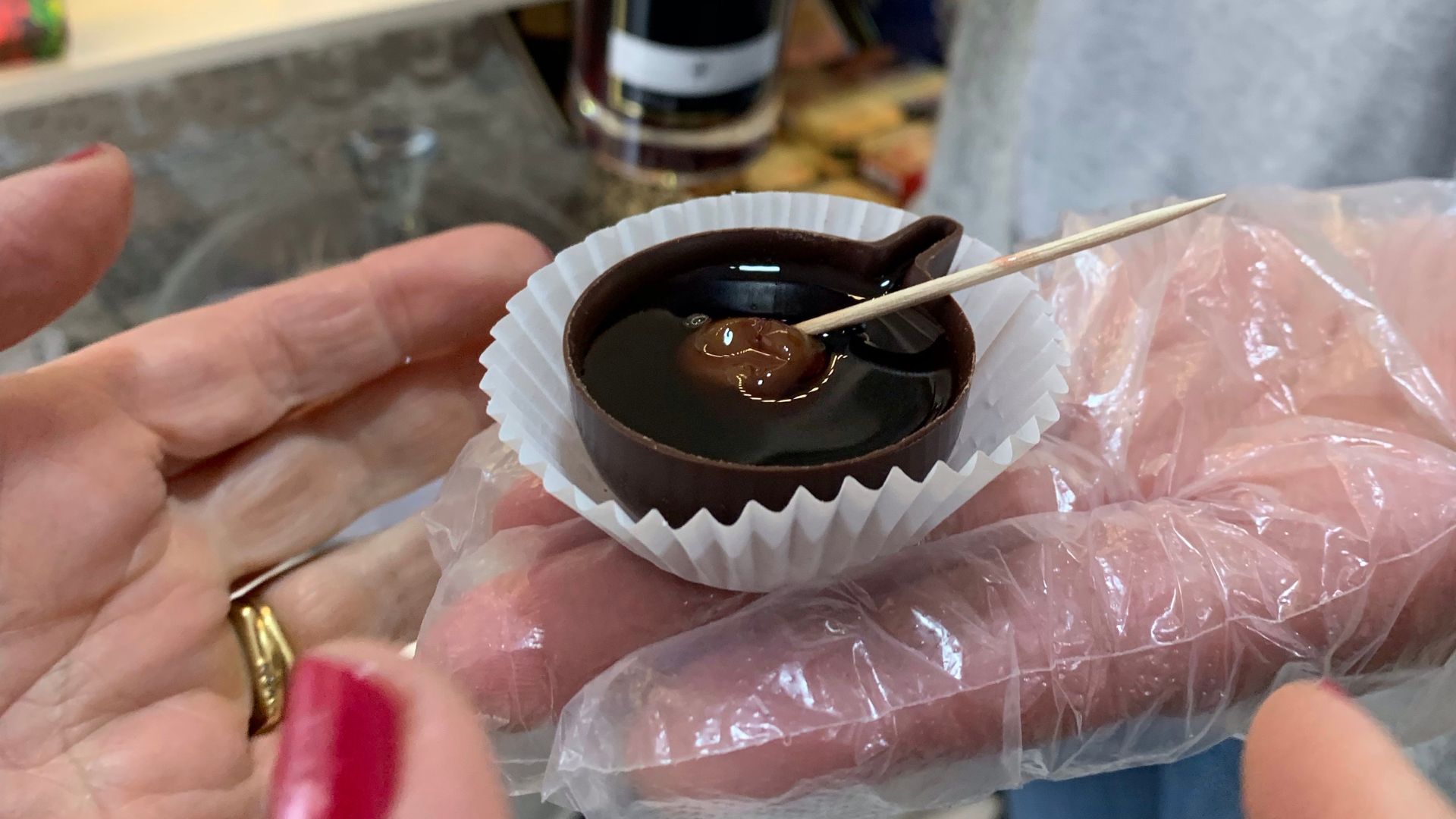
A local insisted I try ginjinha, the famous cherry liqueur here. It’s dark red, sweet, tart, and often comes in tiny edible chocolate cups.
Every sip bursts with Morello cherry flavor, and then the chocolate melts right after. It’s a combo I didn’t know I needed.
Vendors poured tiny shots for everyone, and the long lines made it clear how popular ginjinha is. The liqueur’s a staple in central Portugal, and Óbidos claims some of the best.
Shops invited me in for a quick taste, so I could sample different brands and compare flavors. If you prefer something non-alcoholic, you’ll find herbal teas and local fruit juices that are a refreshing break from all the sweets.
Chocolate Pub and Craft Beer Pairings
Inside the festival, I found the chocolate pub—my favorite hidden spot. It’s not just about chocolate drinks; they serve a full craft beer menu, too.
Bartenders suggested pairings, like a rich stout with a chocolate truffle or a crisp IPA with dark chocolate bark. That was a fun surprise.
The pub offered tasting flights to help guests try something new. Here’s a peek at what I saw on the menu:
| Craft Beer | Chocolate Pairing |
|---|---|
| Stout | Dark chocolate truffle |
| Wheat beer | White chocolate fudge |
| IPA | Chili chocolate square |
Local breweries showed off beers made with natural ingredients. I chatted with brewers about their process and tried a few limited-edition festival brews.
This mix of beer and chocolate was a highlight for me. If you want something beyond the usual sweet treats, it’s a must.
Practical Tips for Visiting Óbidos and the Festival
A little planning goes a long way at the Óbidos Chocolate Festival. The right steps before and during your visit make everything smoother, especially if you’re making a day trip from Lisbon.
Getting to Óbidos from Lisbon
Getting to Óbidos is pretty straightforward, which is great if you’re based in Lisbon. I took the public bus from Campo Grande station, and honestly, it was the most direct and affordable way.
The ride took about 1 hour and 15 minutes. A round-trip ticket cost me less than a taxi or rental car, and the bus dropped me right by the medieval town’s main entrance.
Driving works, too, especially if you want more flexibility with timing or hope to check out other places nearby (like Nazaré or Peniche). Óbidos sits about 85 km north of Lisbon, and the drive usually takes just over an hour on the A8 highway.
Parking gets tight during the festival. I’d say arrive early in the morning. There’s a big parking lot near the walls, but it fills up fast.
Here’s a quick reference:
| Mode | Travel Time | Notes |
|---|---|---|
| Bus | 1h 15min | Departs from Campo Grande, drops near entrance |
| Car | 1h+ | Easier for groups, parking may be limited |
| Train | Not direct | Not recommended; requires transfers |
Making the Most of Your Festival Day
You’ll need a ticket to get into the festival, but honestly, you don’t have to buy one just to soak up the town’s festive energy. The ticket gets you inside the castle walls, where you’ll find most of the chocolate tastings, workshops, and contests.
I grabbed my ticket online ahead of time. Trust me, those lines can drag on forever.
March in Óbidos is unpredictable. One minute you’re basking in sunshine, the next you’re dodging a rain shower. I tossed a light rain jacket in my bag and picked comfortable shoes—those cobbled streets are no joke.
Once I got inside, I tried not to go overboard with tastings. Seriously, don’t sample everything at once! Taking it slow at each stall helped me actually taste the differences.
If you’re coming with friends, maybe reach out to the organizers. They sometimes offer group rates.
Crowds get thick around lunchtime. I ended up eating a bit earlier (or later) just to skip the food stall lines.
Oh, and bring some cash. Some places took cards, others didn’t. Having both just made life easier.
