
I’ve wandered the winding trails of Buçaco Forest in every season, and honestly, the woods put on their best show at two times: the intense greens of spring and the brilliant golds, reds, and oranges of autumn.
The trees look most spectacular in autumn when the forest transforms into a mosaic of warm colors, but spring is just as breathtaking with its fresh, bright leaves and blooming flowers.
Each visit feels special, but catching the forest in peak color makes the experience unforgettable.
What keeps pulling me back every year is how Buçaco changes with the seasons.
In the fall, crispy paths get covered in a quilt of leaves, and the mild climate makes hiking a joy.
Spring wakes up the forest with new growth and the sound of rushing water, making every trail burst with energy and life.
Both times offer something unique for anyone who loves nature walks, photography, or just escaping somewhere peaceful.
If you’re wondering when to go, stick with autumn for the color or spring for the lushness.
Every corner offers a new view—so grab your camera, and let me show you my favorite spots to see Buçaco Forest at its best.

Why Buçaco Forest Is a Must-See for Every Nature Lover
Every time I step into Buçaco Forest, I notice its rich mix of plants and those century-old trees.
The peaceful paths, the unique arboretum, and the sense of living history draw in anyone who’s even a little curious about the natural world.
Unique Biodiversity and Tree Species
Buçaco Forest really overflows with life.
As soon as I walk through the gates, the cool shade from tall trees and tangled shrubs tells me this is a place where nature thrives.
More than 700 plant species grow here, creating a living display of biodiversity that’s rare in Europe.
The mix of native Portuguese oaks, cypresses, and chestnuts with exotic trees like Himalayan cedars and Japanese maples makes each visit feel like a mini-world tour.
Some trees, planted by monks centuries ago, tower above the forest like old guardians.
In spring, the bright green leaves pop against the deep evergreens.
Come autumn, I watch the canopy burst into golds, reds, and oranges—easily one of the best spots in Portugal to witness the seasons change.
Some Notable Tree Species in Buçaco Forest
| Common Name | Scientific Name | Origin |
|---|---|---|
| Portuguese Oak | Quercus faginea | Portugal |
| Himalayan Cedar | Cedrus deodara | Himalayas |
| Japanese Maple | Acer palmatum | Japan |
| Sweet Chestnut | Castanea sativa | Southern Europe |

Mata Nacional do Buçaco’s Unparalleled Arboretum
The heart of Buçaco Forest is its walled arboretum, the Mata Nacional do Buçaco.
When I wander here, I feel like I’m exploring a living museum for trees.
Dating back over 600 years, these grounds hold some of the oldest, rarest specimens in the country.
It’s honestly one of the most important tree collections in Europe.
I love how the landscape changes as I stroll: winding paths reveal massive ferns, shady groves, and ponds where birds dart through the trees.
Signs along the trail share stories of each species—where they came from, when they were planted, and why they matter.
For anyone into botany or just looking for a peaceful walk, this place brings constant discoveries.
Botanists and the Forest’s Living History
The forest isn’t just beautiful; it’s deeply tied to science and history.
Buçaco’s story goes back to 17th-century Carmelite monks, who shaped this wild area into a sanctuary for rare and sacred plants.
Over the centuries, botanists from all over the world visited, studied, and added to the collection.
Walking under trees that have stood for hundreds of years, I always think about the hands that cared for them and the knowledge passed down through generations.
Today, researchers still come to learn from this remarkable ecosystem.
Seeing scientists in the field alongside hikers shows how Buçaco is both a living laboratory and a space for regular people to connect with nature.
The Magic of Autumn: Buçaco Forest’s Vibrant Colors
Buçaco Forest transforms in autumn, showing off an amazing display of color among ancient trees, grottos, and winding trails.
I always look forward to this season because it highlights both the forest’s famous foliage and its best walking routes for photographers and nature lovers.
Peak Season for Autumn Foliage
The best time to see the autumn colors in Buçaco Forest usually stretches from late October to mid-November.
During these weeks, the leaves turn vibrant shades of red, orange, gold, and rusty brown.
The mature camellia shrubs, mountain ash, bunya pines, and Tasmanian mountain ash stand out the most.
Walking beneath maritime pines or catching the fiery leaves of exotic species like Mexican cypress adds to the wonder.
Crisp mornings are perfect for seeing mist rising through the trees, making the colors glow.
The Valley of the Ferns is a special spot where the mixed foliage looks especially beautiful.
Bring a camera—and maybe a light sweater—since it can get cool under the tall, shaded canopies.
Best Autumn Walks and Panoramic Views
If you want the full autumn experience, try the Bussaco Forest Park’s main circular trail.
The path is well-marked and passes historic chapels, mossy ruins, and scenic outlooks.
My favorite stretch follows the Valley of the Ferns, where winding trails are framed by golden leaves and soft ferns.
You shouldn’t miss the forest’s panoramic viewpoints.
Climb toward the higher elevations and you’ll see a patchwork of autumn colors spreading beneath you—camellias, ash, and pines all mingling together.
Benches sit along the way, making it easy to pause for the views or snap photos.
For accessible views, stick to the main paths, but for a quieter moment, take a detour onto smaller, less-traveled trails.
Spring Greenery: Exploring Buçaco’s Freshest Landscapes
When I explored Buçaco Forest in spring, I was surrounded by lush, bright greenery and the scent of new blooms.
Every step revealed more vibrant plants and refreshing water features, making the season unbeatable for nature lovers like me.
Reawakening Forests and Blooming Camellias
Walking along the forest’s meandering trails in March and April, I noticed the whole landscape bursting back to life.
Mosses and ferns lined the shady paths, and many rare tree species showed off their freshest leaves.
The famous Valley of the Ferns looked especially radiant, packed with brilliant greens.
In the gardens, I caught sight of camellias.
Their pink, red, and white blossoms stood out against the soft spring foliage.
I was surprised by how many varieties grow here—some bushes have thrived for over a hundred years.
For anyone who visits, seeing the camellias in full bloom is a spring highlight you really shouldn’t miss.
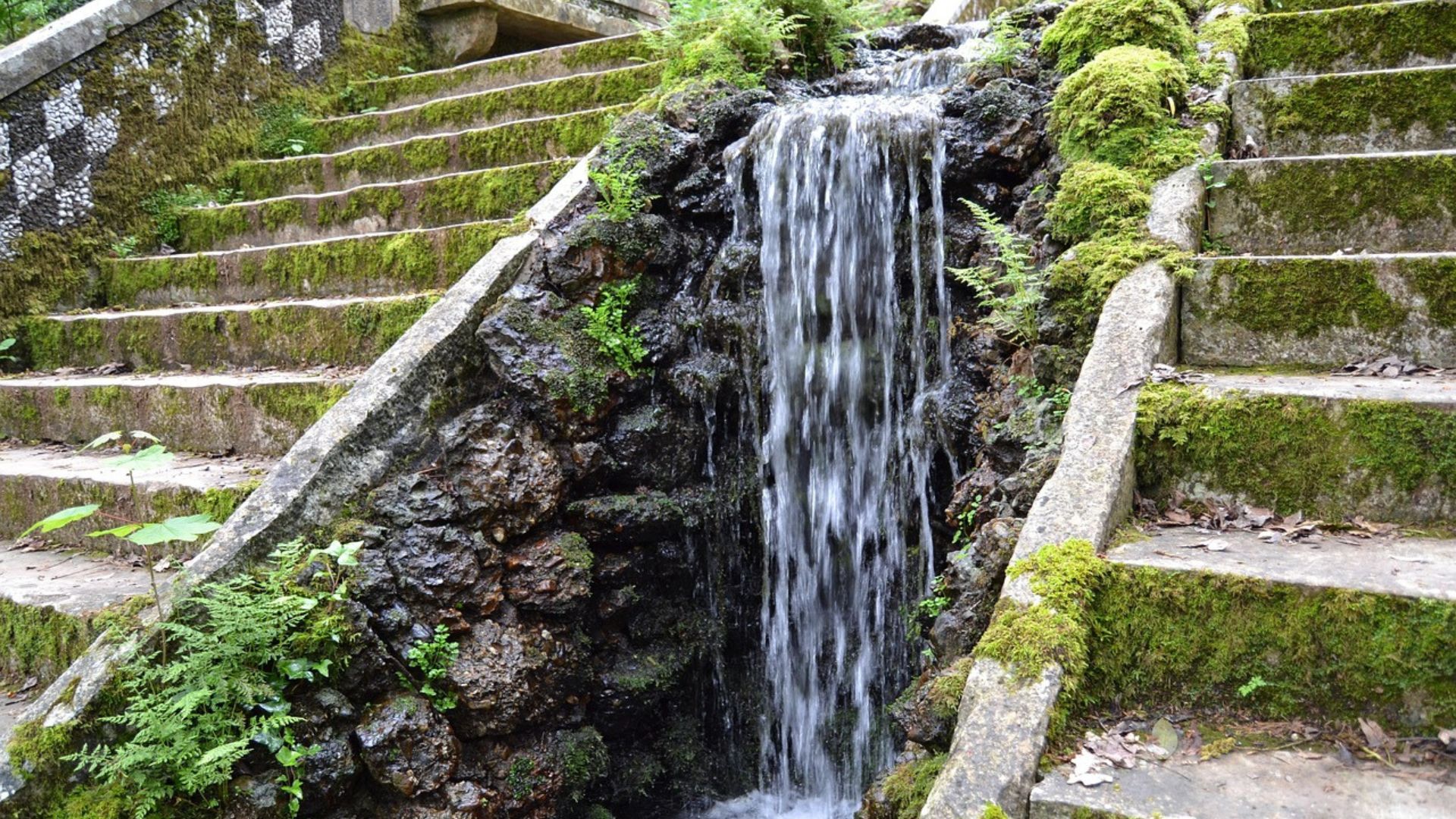
Water Features: Pools, Fountains, and Grottoes
Spring brings plenty of running water from winter rains.
Many forest trails lead to hidden pools and fountains.
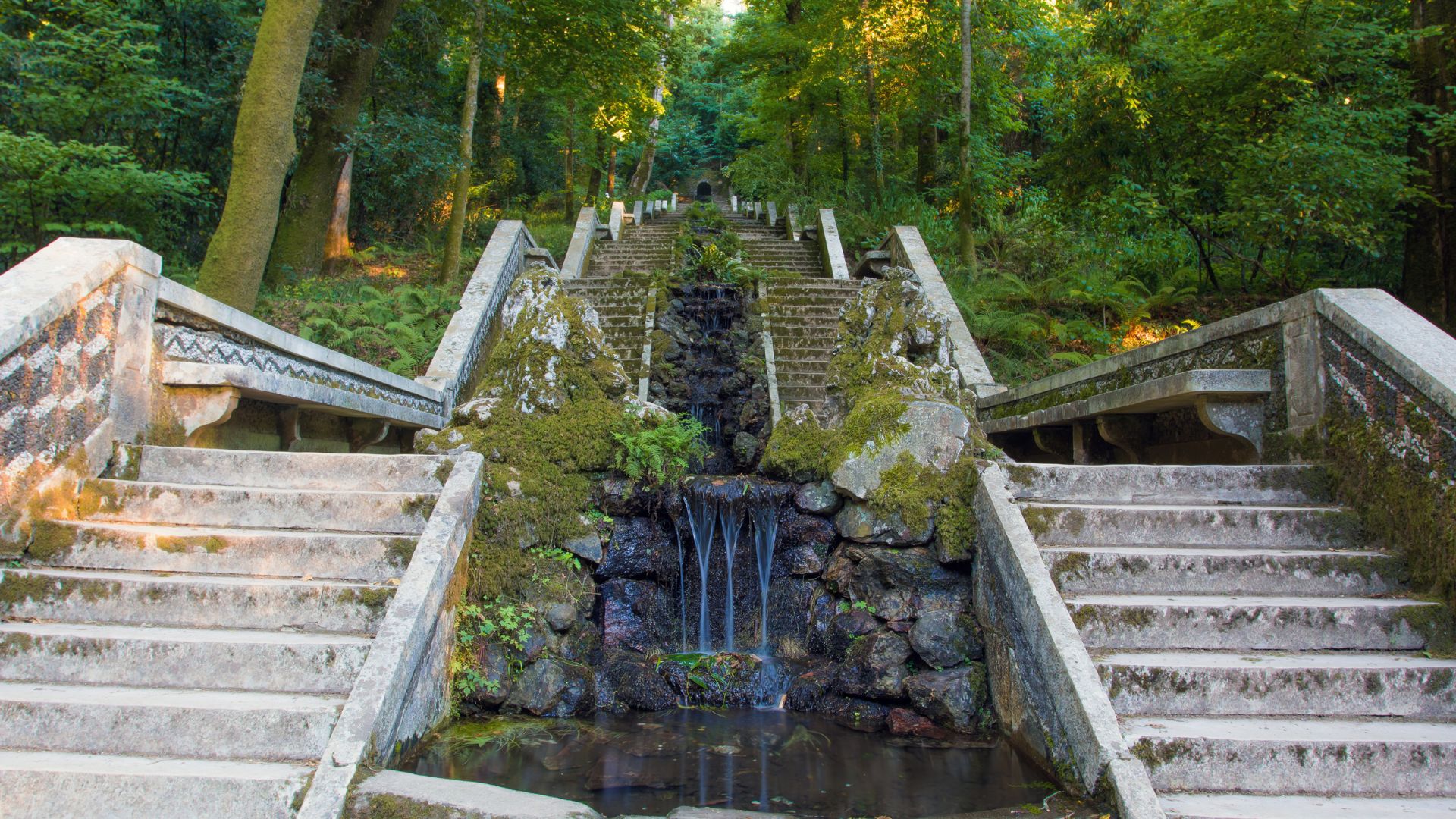
My personal favorite is the Fonte Fria (“Cold Fountain”).
Cool water flows down hundreds of stone steps, bordered by lush plants, and fills the whole area with a gentle rushing sound.
As I followed the valley, I found small grottoes tucked into mossy corners.
Some of these cool, cave-like spaces hold carved statues or little shrines.
The play of sunlight and shadow in these spots felt peaceful, and the water made everything feel fresh and alive.
For me, these water features are a must-see, and they add a magical vibe to Buçaco’s spring scenery.
Must-See Attractions Amidst the Color: Palaces, Monasteries & Chapels
History, architecture, and spirituality come together in Buçaco Forest, framed by gold leaves in autumn and vibrant greens in spring.
As I wandered through the woods, the artistry of man and the beauty of nature felt seamlessly woven together.
Buçaco Palace and Neo-Manueline Architecture
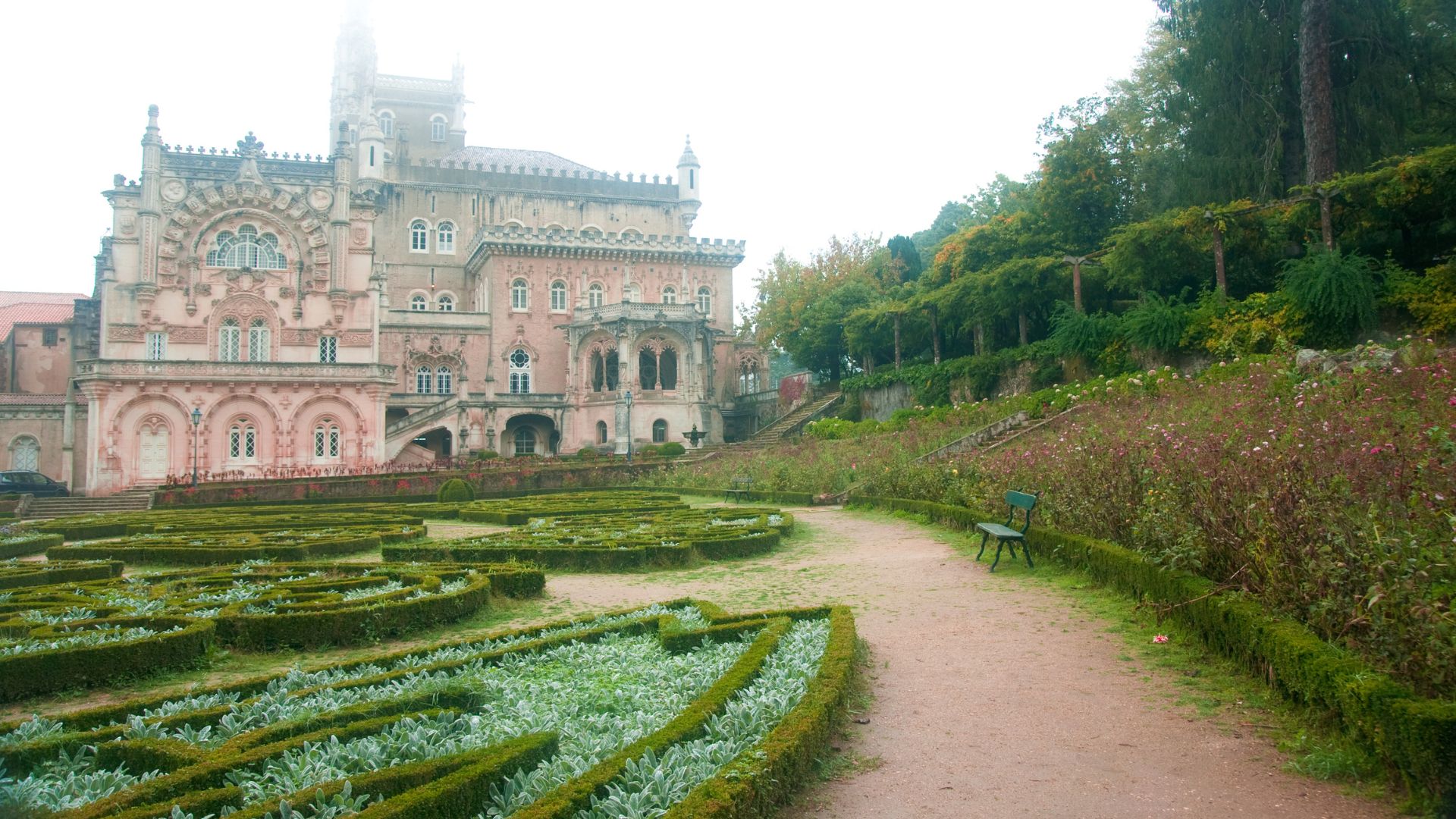
The impressive Buçaco Palace stands at the heart of Buçaco Forest, originally built as a royal hunting lodge and summer palace.
Its Neo-Manueline style really shows off Portuguese architectural flair.
Ornate arches, intricate stonework, and detailed tile panels cover its façade, making the palace a must-photograph spot during peak autumn colors.
Now operating as the Bussaco Palace Hotel, I stepped inside and felt the grandeur that once welcomed royalty.
Strolling the halls, stained glass and wooden carvings create an atmosphere both lavish and inviting.
If you’re after a unique experience, spending a night at this luxury hotel adds a memorable touch to your forest visit.
I loved spending time on the grand terrace, looking over the forest canopy.
The contrast of historic architecture against the lush scenery is especially striking when spring breathes new life into the gardens.
Here’s a quick snapshot of key palace features:
| Feature | Description |
|---|---|
| Neo-Manueline style | Ornate stonework, tile, and arches |
| Historic function | Royal lodge, now luxury hotel |
| Best photo spots | Façade, terrace, grand staircase |

Carmelite Monastery, Chapels, and Hermitages
Tucked deeper into the forest, the Carmelite Monastery feels like a place where time stands still.
Built by the Discalced Carmelites in the 17th century, its simple stone structure contrasts with the palace’s grandeur.
I admired the cool shade and peaceful silence here—nature and solitude blending perfectly.
All around the monastery are small forest chapels and hermitages.
Each is different, from tiny mossy shelters to more elaborate spaces, many with beautiful religious artwork.
One of my favorite walks in Buçaco is along the Via Sacra, where a series of the Stations of the Cross chapels winds through the trees.
These quiet places reflect the forest’s spiritual history.
I often stopped just to listen as the wind moved through tall cypresses.
Whether you admire art, architecture, or the calming pull of sacred spaces, these chapels and hermitages offer moments of reflection, especially when autumn leaves cover the ground in gold.

Insider Tips: Planning the Perfect Seasonal Day Trip
Planning a day trip to Buçaco Forest means making a few important choices: how you’ll get there, when to catch the best views, and what to do once you arrive.
Each detail can make your visit to this unique part of Portugal’s Centro region even more rewarding.
Getting There from Coimbra, Porto, or Lisbon
Getting to Buçaco Forest is pretty straightforward.
The forest sits about 30 km from Coimbra, less than an hour’s drive.
I usually take the train to the nearby spa town of Luso and then grab a local taxi or walk the last stretch.
Visiting from Porto is also easy—expect around 90 minutes by car.
For public transport, I catch a train heading south to Mealhada, changing at Coimbra if needed.
If you’re coming from Lisbon, I’d start early, since the drive is about 2 hours.
There are also express trains that connect Lisbon to Coimbra, and then you can continue on by regional train or taxi.
Parking is available near the entrance, but on weekends and during peak seasons, it can get crowded by noon.
I always try to arrive before 10 a.m. to beat the rush.

When to Visit for the Most Spectacular Views
Autumn is my personal favorite time for Buçaco—it’s when the forest looks its most vibrant, with fiery reds, golds, and oranges lighting up the trees.
The best color usually peaks from mid-October to early November.
Early morning light makes the leaves glow even brighter, so I try to arrive as soon as the forest opens.
Spring is another beautiful season when the forest bursts with fresh greenery and wildflowers.
Late March to mid-May is when I notice the most new growth and mild, comfortable weather for hiking.
Summer tends to be warmer and a bit busier, while winter can be misty and quiet, giving the woodland an almost fairytale-like feel, though you’ll see fewer dramatic colors.
Hiking Trails and Spa Town Experiences
I love how Buçaco Forest mixes easy strolls with tougher hiking trails.
One of my favorites leads up to Cruz Alta, the highest point in the forest, where you get these big views over the Centro region.
Sometimes the paths confuse me since they’re not well marked.
I usually just download a map or keep GPS open on my phone.
Signs? Not so much, so I always plan my route before I go.
After a hike, I can’t resist heading to Luso, the spa town just nearby.
It’s got that old-world charm, famous mineral water, and those classic thermal baths—honestly, nothing feels better after hours on the trail.
If you go, bring plenty of water, snacks, and comfy shoes.
Food options inside the forest are pretty limited, and the main restaurant near Bussaco Palace gets packed during busy times.
I like to pack a picnic instead, so I can eat wherever I want, surrounded by trees and fresh air.

History, Legends, and World Heritage Significance
Buçaco Forest isn’t just about nature; its trees have watched centuries of drama, faith, and adventure.
Over the years, armies have fought here, pilgrims have prayed, and explorers have set off for the unknown.
Battle of Buçaco and the Peninsular War
When I first heard about the Battle of Buçaco, I couldn’t believe how huge it was.
Back in 1810, the forest of Serra do Buçaco became the scene for a major clash in the Peninsular War.
British and Portuguese troops, led by the Duke of Wellington, actually defended the ridges against Napoleon’s army.
Imagine muskets and cannons thundering through the same woods where I now wander in peace.
The land itself changed the battle.
Trees gave cover, and those steep slopes made it almost impossible for the French troops to move forward.
Now, I walk the same trails where soldiers once marched.
Markers along the way tell their stories.
There’s even a small military museum tucked in the forest, filled with artifacts and old maps.
Every time I visit, the history feels a little bit closer.
Cultural Legacy and UNESCO World Heritage
Buçaco’s story isn’t just about battles.
The Fundação Mata do Buçaco takes care of the forest and its legacy, curating rare trees brought here from all over the world since the Age of Discovery.
The Buçaco Palace stands nearby, built where a Carmelite monastery once stood.
It’s this mix of elegance and devotion that really gives the place its character.
Lately, people have been pushing for Buçaco to become a UNESCO World Heritage site.
That would finally shine a light on its importance, both as a natural wonder and a cultural treasure.
With its rare plants, historic gardens, and ancient trees, I honestly think Buçaco deserves that recognition.
When I wander beneath 400-year-old oaks and pines in the Pinhal do Marquês, I can’t help but feel history all around me.
Historical Trails: Via Sacra and the Age of Discovery
I absolutely love walking the Via Sacra in Buçaco. This old trail winds through the forest, following chapels that early monks once visited.
Each stop shows a moment from the Passion of Christ. These spots now give you a chance to pause and think, surrounded by green.
Back in the Age of Discovery, Portugal’s explorers would come here to get a blessing before heading out to sea. The trails through Serra do Bussaco still carry some of that adventurous energy.
Every spring and autumn, light slips through the leaves—sometimes it’s fresh and bright, other times it’s golden and soft. I can’t help but picture those travelers from long ago, full of hope and curiosity. Honestly, I feel the same every time I’m here.
