
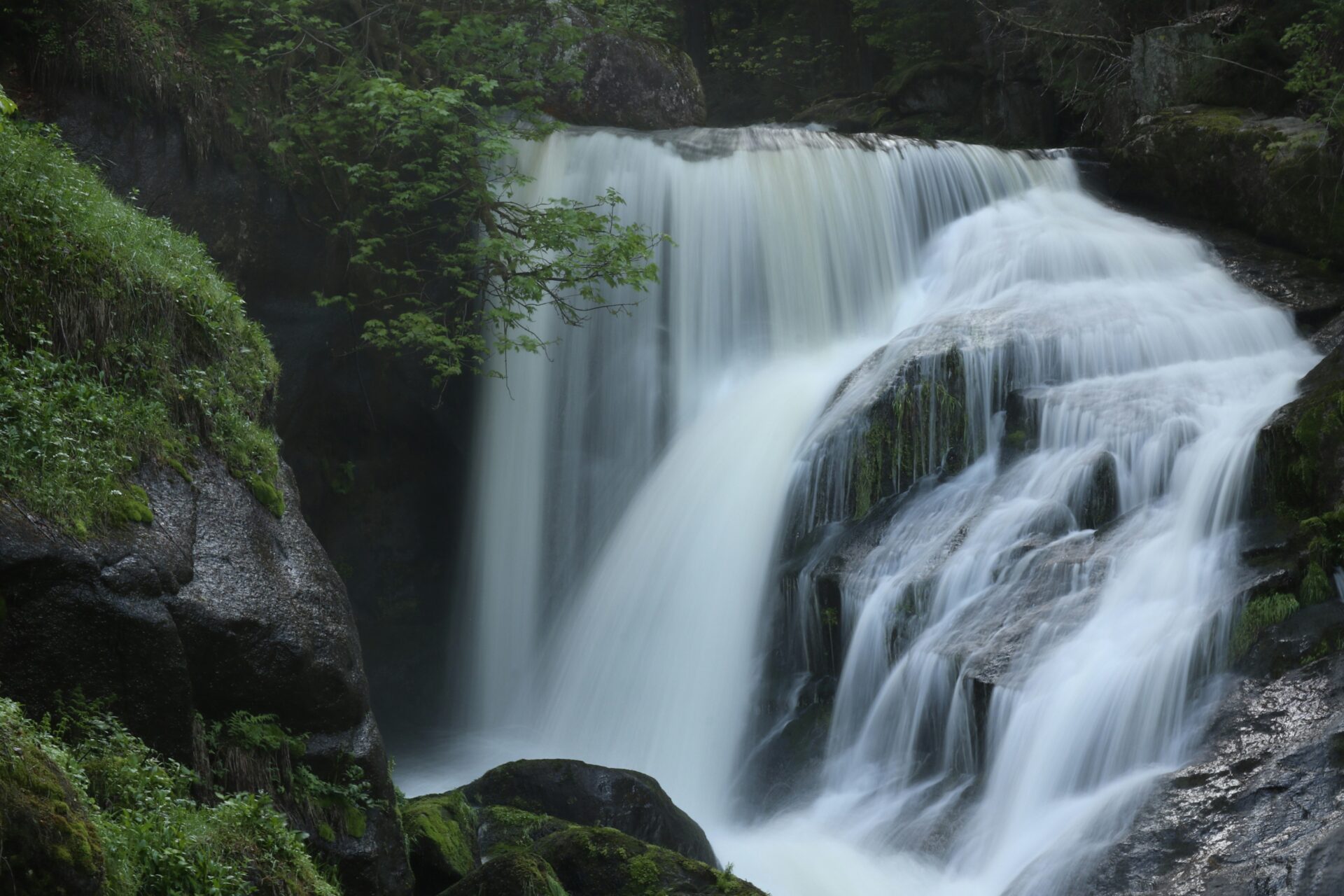
Hidden away in the Black Forest, Triberg is a small town with a surprisingly big reputation.
It’s known for its 163-meter waterfalls and those iconic cuckoo clocks—honestly, Triberg feels like the pulse of Schwarzwald tradition. I always wondered what it’d be like to stroll through narrow streets lined with cozy shops, each one filled with handcrafted clocks, while the sound of rushing water follows you everywhere.
When I visited Triberg im Schwarzwald, I wandered winding trails up to Germany’s highest waterfalls and stood beneath some truly massive clocks—some classic, some a bit quirky. Watching the hourly show on the world’s largest cuckoo clock felt like a highlight, and I kept searching for the best spot to snap that perfect photo of the forest and the falls.
If you’re planning a trip to the Black Forest, Triberg brings together nature, history, and old-school craftsmanship. It’s one of those places that lingers in your mind, even when the cuckoo’s call is just a memory.
Getting to Triberg: Planning a Scenic Journey
Getting to Triberg is a bit of an adventure. Winding train routes cut through dense forest, and classic German highways connect you to the heart of the Black Forest.
I took the train for those unbeatable views, but sometimes I drove just for the freedom to stop wherever I wanted. Each way felt like its own part of the Black Forest story.
Train Routes and Black Forest Railway
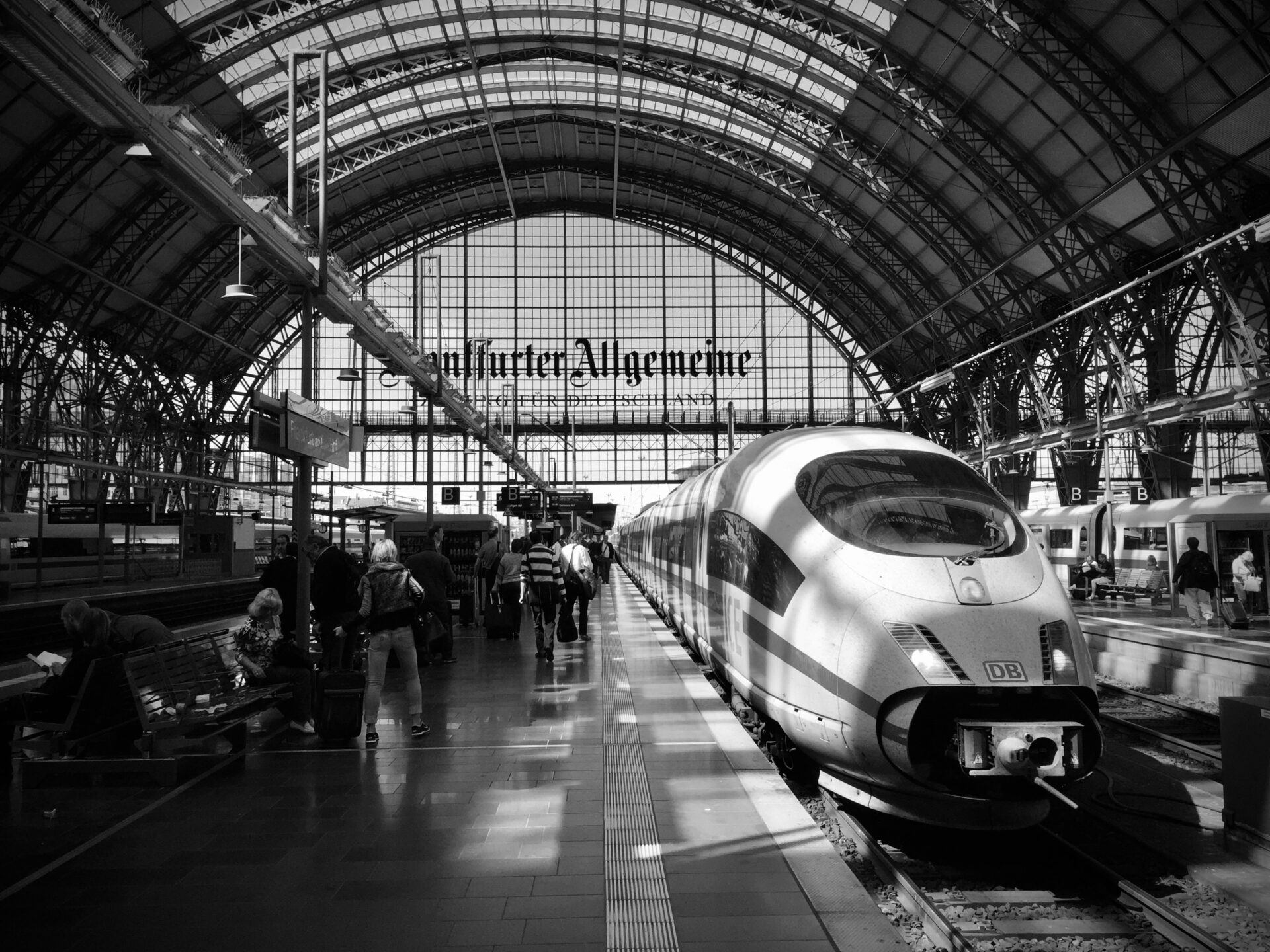
Taking the train to Triberg is honestly my favorite way to travel in Baden-Württemberg. Deutsche Bahn runs regular trains from big cities like Frankfurt, Stuttgart, Munich, and even Zurich across the border.
The Black Forest Railway is the real star here. It twists through valleys, over bridges, and past villages that look straight out of a storybook.
Triberg’s train station sits just outside the center. I took a short uphill walk and suddenly I was in the middle of town.
Booking tickets online or at the station is easy, and regional passes sometimes offer discounts. The ride is scenic, and if you can, grab a window seat.
There’s luggage space, but on busy weekends, big bags can be a squeeze.
Driving in Germany and Parking Advice
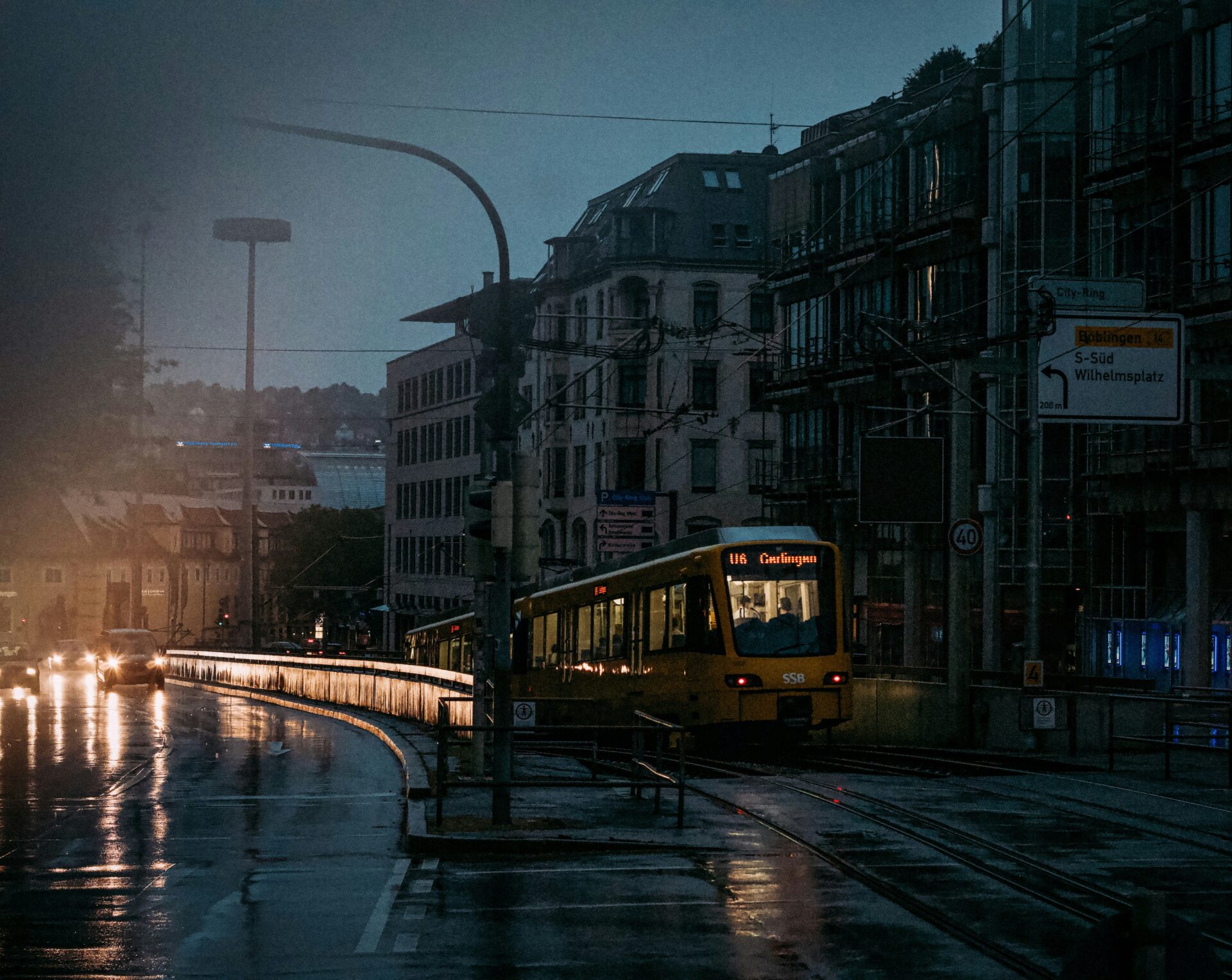
When I wanted more flexibility or traveled with friends, I’d just drive. The roads here—especially the B500—are in great shape and the views are stunning.
From Stuttgart, you can make it in about two hours by car, and from Zurich, it’s under three. I always double-check my GPS, because winding roads and tiny towns can throw you off if you’re not paying attention.
Parking in Triberg gets tricky, especially by the main sights. Large parking lots sit on the edge of town and are well marked.
Some lots charge by the hour, and street parking is pretty limited. I usually park at the waterfall entrance; everything’s walkable from there.
Bring coins for the machines—some didn’t take cards, which tripped me up once or twice.
When to Visit: Best Times, Festivals, and Weather
The best time to visit Triberg? It depends on what you want. In spring, the waterfalls roar with snowmelt.
Summer brings warm weather and long days—perfect for hiking or just wandering around. Winter is pure magic, especially during the Triberger Weihnachtszauber (“Christmas Magic”) festival, when the whole town and falls light up with decorations.
Fall is quieter, and the forest turns amazing shades of gold and red. Big events, especially the Christmas market, draw crowds but create a special festive vibe.
Local festivals often pop up on weekends, so I like to check the schedule and book my hotel early if I’m coming then. The weather changes fast, so I always pack layers.
Discovering Germany’s Highest Waterfalls: Triberg Waterfalls
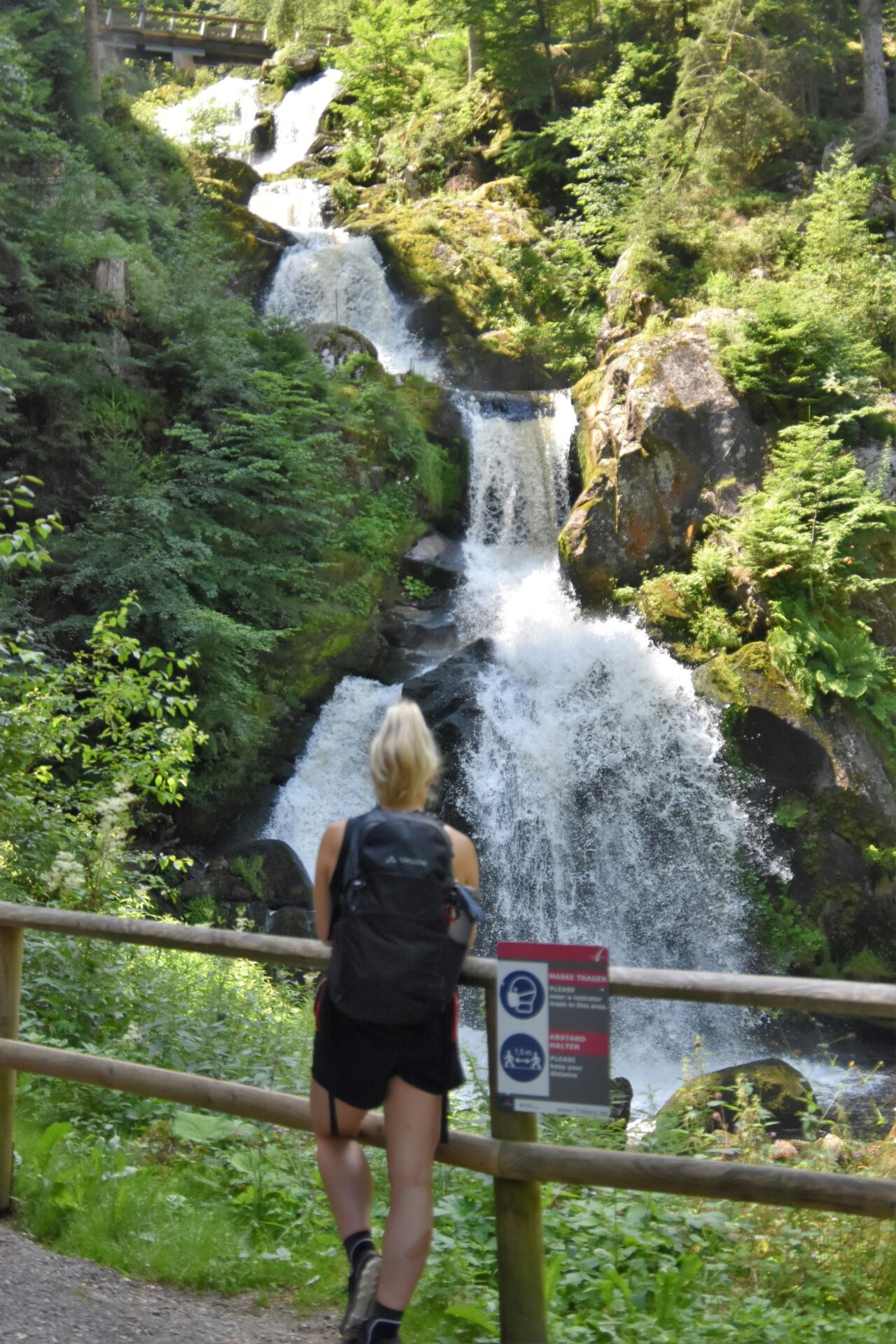
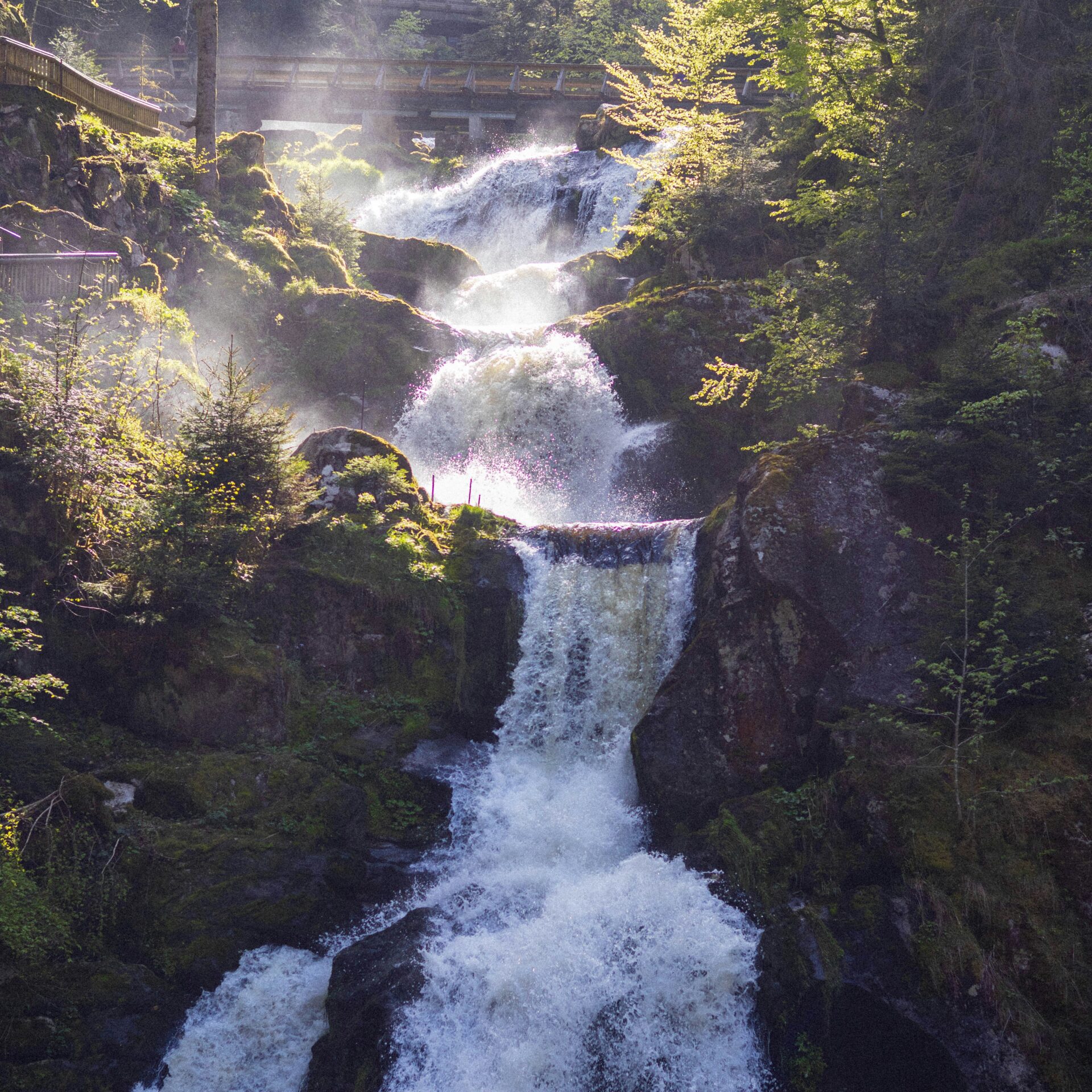
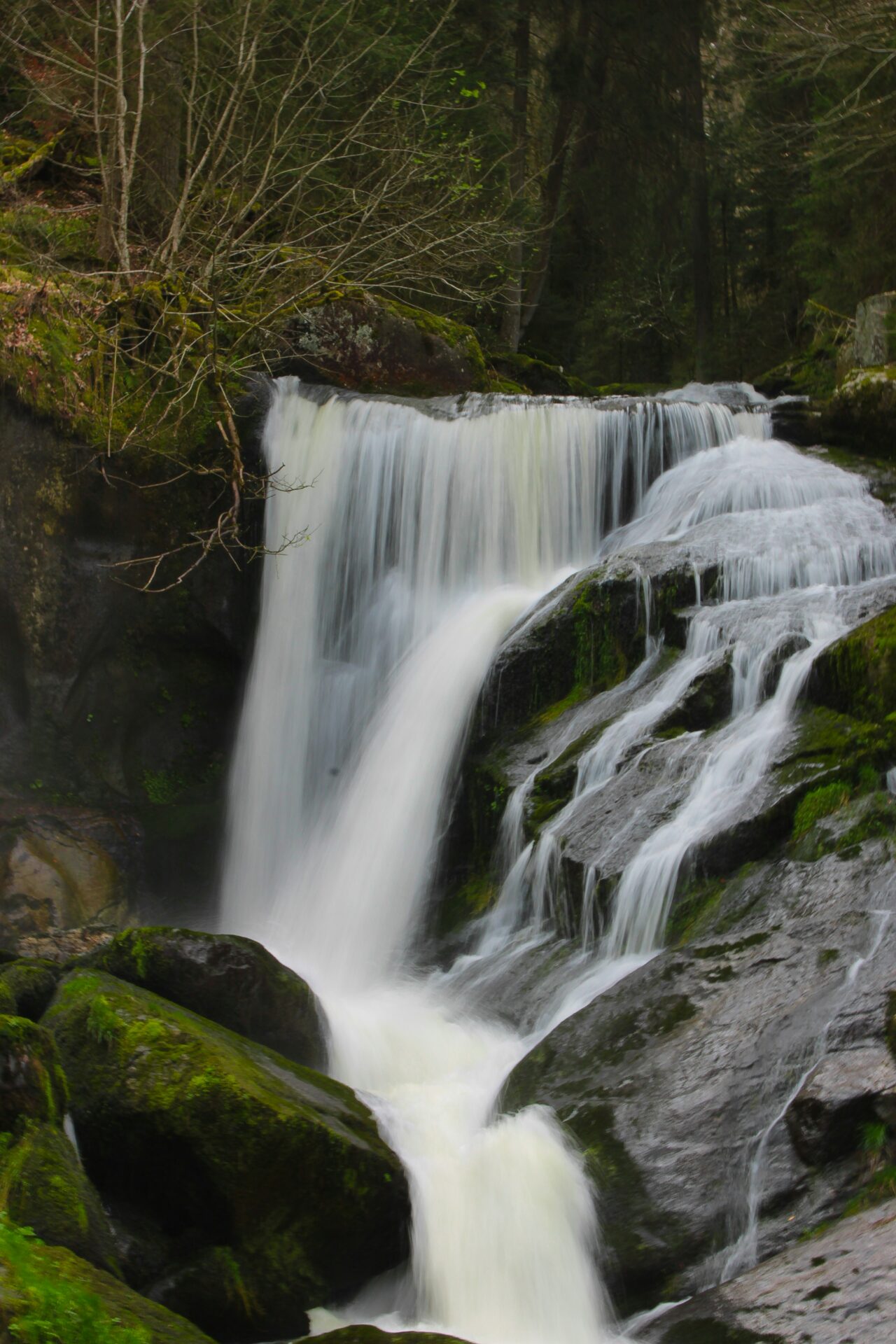
The Triberg Waterfalls in the Black Forest (Schwarzwald) are a wild sight. The Gutach River crashes over seven cascades, and the whole place feels alive with water and mist.
Visiting the falls brought just the right mix of adventure, beauty, and a little local flavor to my trip.
Hiking Trails and Natural Beauty
Hiking at the Triberg Waterfalls felt refreshing and honestly, a little thrilling. I tried a few marked trails, like the Cascade Path (Kaskadenweg) and the nature trail (Naturpfad).
Each trail has its own vibe and difficulty, so families, solo travelers, and serious hikers all find something that works.
The paths wind through thick forest. The sound of rushing water sets the mood from the start.
Squirrels darted across my path, and I found benches and info boards about the plants and animals—pretty cool if you like knowing what you’re looking at.
Wear sturdy shoes, especially if it’s rained. The trails get slick.
In spring and early summer, moss and wildflowers cover the steps, so every corner looks like a postcard. For a chill walk, the lower trail is gentle and great for photos.

Viewing Platforms and Entrance Information
Several viewing platforms gave me new angles on the falls. The main decks sit at the best bends, so you get clear views of the tallest cascades and plenty of chances for photos.
They sell tickets at the main gate or online. Here’s the quick breakdown:
| Type | Approx. Fee |
|---|---|
| Adult | €8.00 |
| Child | €7.00 |
| Family Pass | €19.00 |
By the entrance, there’s a small visitor center, toilets, and a big map to help you pick your trail. There’s a playground and picnic area near the lower entrance, which families seemed to love.
Most paths are paved, but some have steep steps. If you want to avoid crowds, come early or late in the day.
Shops nearby sell Schwarzwald souvenirs and snacks—perfect for a bite after hiking.
Exploring the Waterfall Area: Gutach River and Scheffelplatz
The waterfalls drop 163 meters (535 feet) as the Gutach River thunders over the cliffs. Standing close, I felt the cool spray—especially from the platforms right by the water.
The roar and fresh air stick with you.
Scheffelplatz sits about halfway up the main trail. It became my favorite spot to pause, catch my breath, and take in the view down the valley.
Benches and a little shelter made it a comfy break for photos or just soaking in the scenery.
As I followed the river’s edge, I saw how it winds through the Black Forest. Green hills and tall firs frame the whole scene.
Signs tell the story of the waterfalls and why the Gutach River matters to local life.
If you want a laid-back picnic or just need a break, Scheffelplatz is a great choice. It’s also a handy spot to meet up with friends or family if you split up on the trails.
Experiencing Cuckoo Clock Country: Triberg’s Timeless Tradition
Triberg lives and breathes Black Forest clockmaking. Giant clocks stand outside, and the shops fill every corner with the tick of tradition.
Exploring the World’s Largest Cuckoo Clock and Giant Clocks
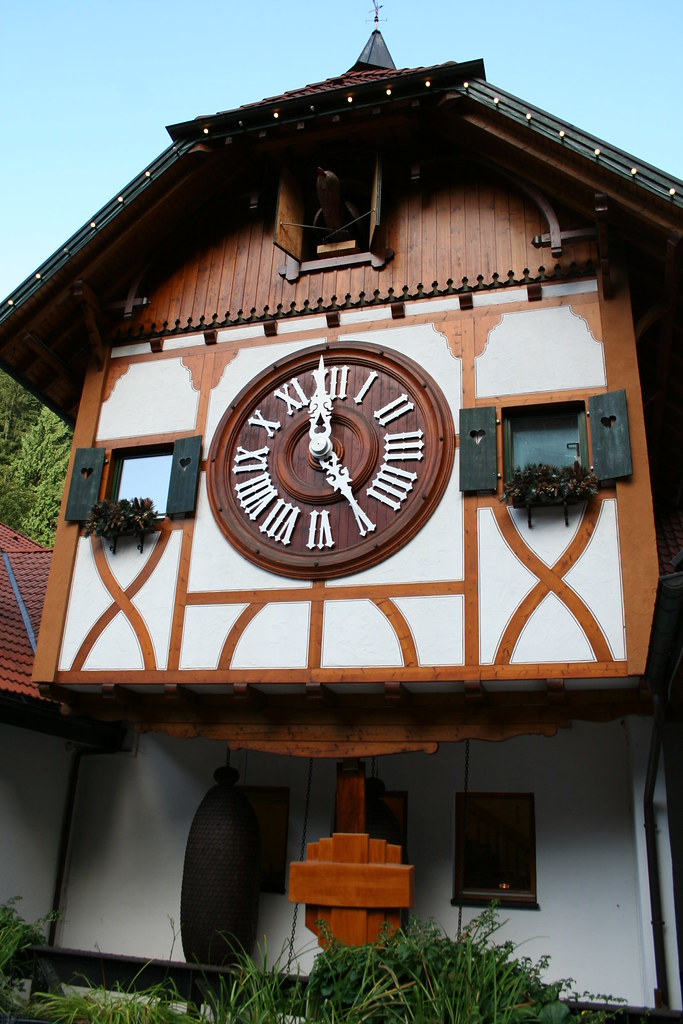
I felt a mix of curiosity and excitement when I pulled up to Eble Uhrenpark, just outside Triberg. It’s home to the world’s largest cuckoo clock.
This record-breaker looks like a cozy Black Forest house, but it’s a working, walk-in clock—gears and all. I stepped inside to check out the mechanics and the huge cuckoo bird that pops out every hour with a booming call.
Other giant clocks dot the area too, mostly along the German Clock Route. They’re fun to watch and show off the region’s clockmaking skills.
I learned that the outside displays are just the start. If you can, time your visit for the hour or half-hour to catch the big cuckoo show—it’s livelier than you’d expect.
The sense of tradition and local pride really comes through.
House of 1000 Clocks and Local Clock Shops
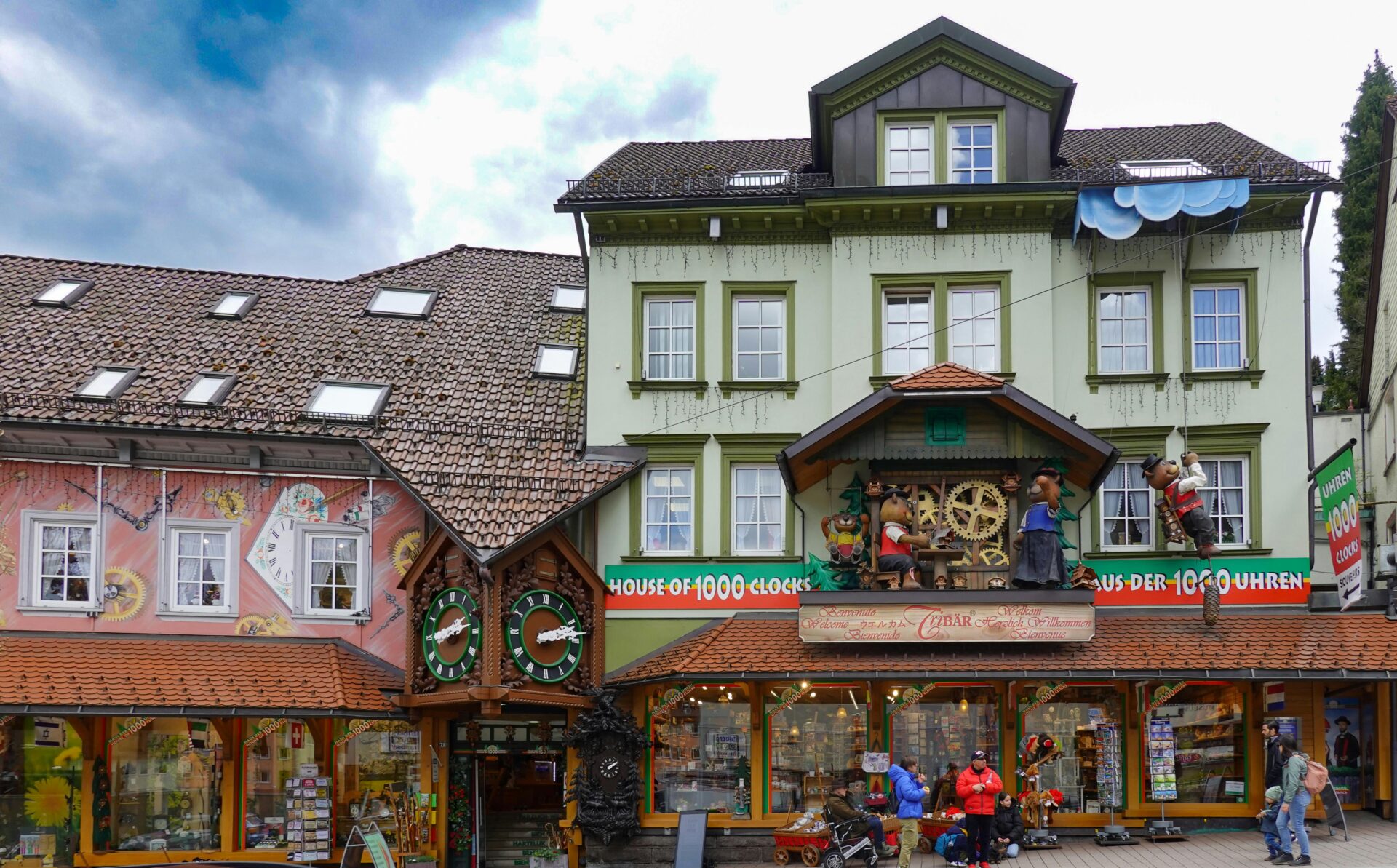
Walking into the House of 1000 Clocks in Triberg’s center felt like stepping into a storybook. Clocks covered every wall and ceiling—classic carved wood, modern designs, painted scenes, even musical clocks.
I lost track of time just admiring all the details.
Local shops invite you to browse, ask questions, or sometimes watch clockmakers at work, carving everything by hand. Some shops let you hear the cuckoo before you buy.
Salespeople were happy to explain the difference between quartz and mechanical clocks, or which designs are the most traditional.
Here’s what to look for:
| Feature | Details |
|---|---|
| Traditional Design | Wood-carved birds, leaves, hunting scenes |
| Modern Styles | Bright colors, simple shapes |
| Sound & Movement | Mechanical cuckoo, animated features |
Visiting these shops connects you to Black Forest heritage. It’s easy to see why people travel from around the world to buy a clock here—each one is a piece of local history.
Top Attractions and Things to Do in Triberg
Triberg manages to pack a lot into a small town—famous museums, local traditions, and family-friendly adventures. I spent my time jumping between historic exhibits, festival snacks, and fun activities for all ages.
Black Forest Museum and Schwarzwaldmuseum
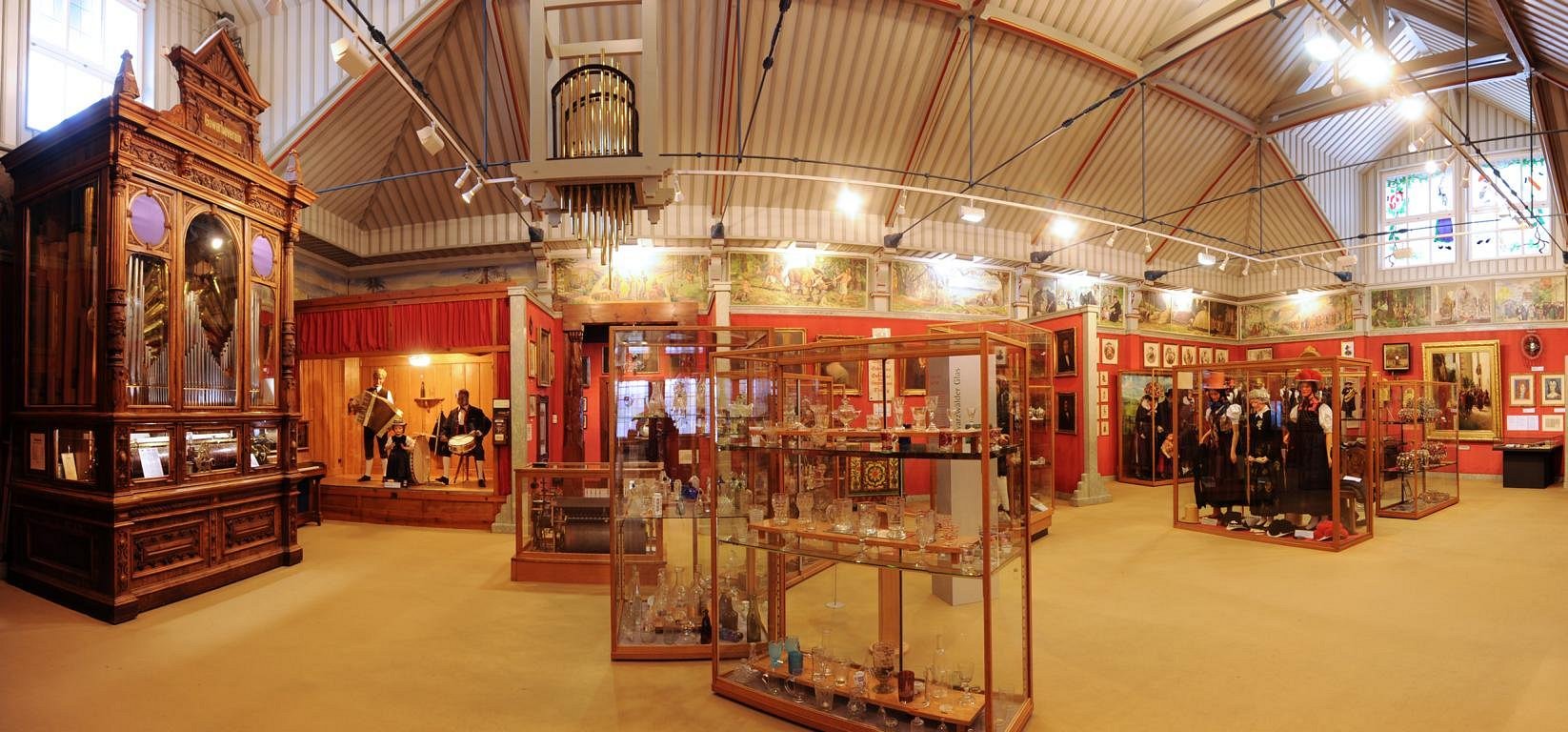
The Black Forest Museum (Schwarzwaldmuseum) was one of my first stops. Inside, I found rooms stuffed with old clocks, traditional costumes, and model villages showing Black Forest life.
The cuckoo clock section was especially fascinating. It covered the history, showed how they’re made, and even had working examples—some tall, some colorful.
One exhibit focused on local crafts and music. I listened to folk songs and checked out vintage instruments.
If you’re curious about Black Forest culture, this place is a must.
Here’s a quick overview:
| Feature | Details |
|---|---|
| Focus | Cuckoo clocks, folk art, rural life |
| Visitor Tip | Audio guides available |
| Location | Close to main falls and shops |
The museum shop is great for hand-made wooden souvenirs.
Cultural Experiences and Local Festivals
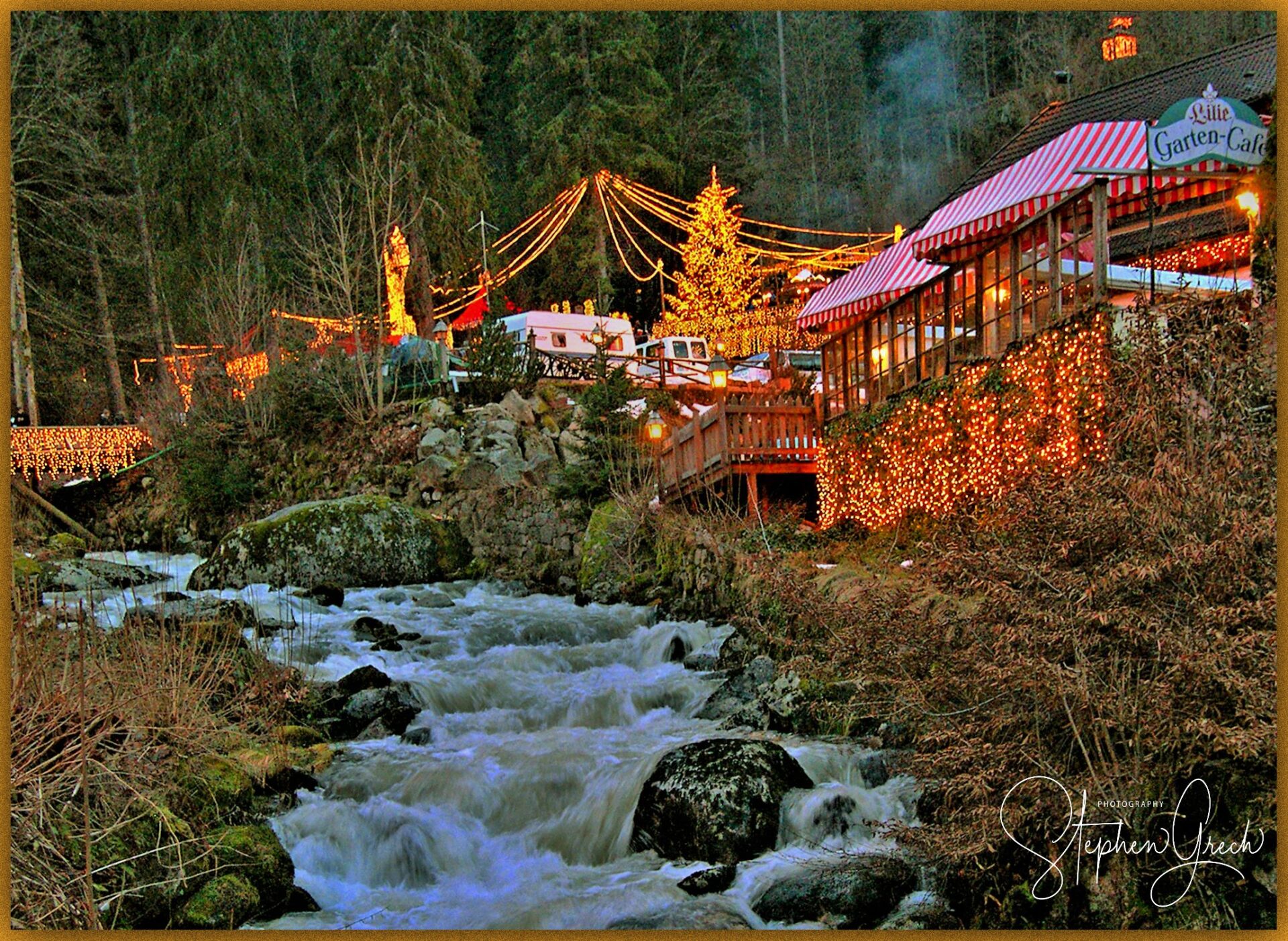
Triberg’s calendar gets busy, especially in winter. I timed my visit for the Triberger Weihnachtszauber—a Christmas Magic festival where the whole town sparkles.
Stalls sold gingerbread and local ham, and music played everywhere. At night, thousands of lights turned the snowy waterfalls into something out of a dream.
Other times, the village hosts folk music nights and dance shows. I caught a summer festival with parade floats and Black Forest cake made from an old recipe.
Restaurants sometimes offer live music or folk dinners, so it’s worth asking around.
If you like sampling local traditions and food, these events are some of Triberg’s best moments.
Adventures for Families and Children
Families have plenty to do here. There’s a big adventure playground on the way to the main waterfall—kids run wild while adults chill at picnic tables.
I saw families sharing packed lunches under the tall pines. It looked like a postcard.
Many families hike the easy trails around Germany’s highest waterfalls. The paths have signs and benches for breaks.
Along the way, we spotted squirrels and a few bold birds. Some areas even let kids watch wildlife up close.
A few shops let kids watch clockmakers at work, and there’s a mini-golf course near the train station. If you’re looking for something extra after the main sights, these smaller spots keep everyone happy.

Staying and Dining in Triberg
Finding the right place to stay and a memorable meal always makes a trip for me. Triberg, tucked in the Black Forest, has charming guesthouses and cafés serving local treats.
You’ll find something for every taste and budget—just be sure to book ahead during festival season.
Accommodation Options for Every Traveler
When I arrived in Triberg, I immediately noticed the variety of places to stay. Each spot has its own personality.
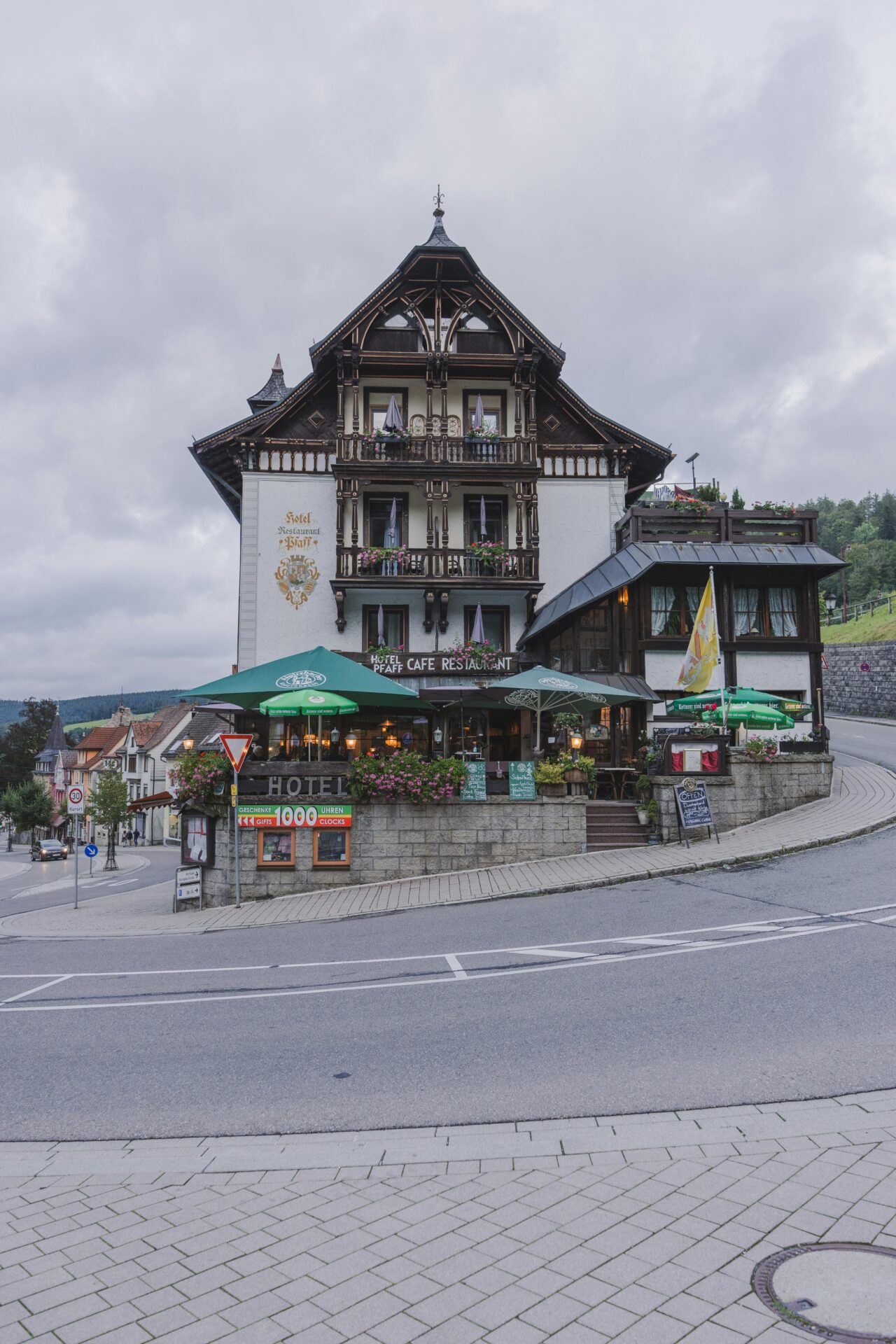
Classic family-run guesthouses sit tucked among the pine forests and hills. Many of them show off flower boxes and wood carvings, which I found pretty charming.
If you’re after a homey vibe and friendly hosts, these guesthouses really deliver. I felt welcomed right away.
Looking for something more modern? Some hotels in town offer updated rooms with views of the Triberg Waterfalls or the quirky clock shops. I loved waking up to those sights.
A lot of places serve a hearty breakfast. You might get Black Forest ham or local cheeses—honestly, it’s a great way to start the day.
Prices run the gamut, so whether you’re a backpacker or traveling with family, you’ll probably find something that works for your wallet.
Tip: If you plan to visit in summer, book early. Rooms disappear fast once waterfall and hiking season kicks in.
Accommodation Highlights Table:
| Type | Best For | Typical Features |
|---|---|---|
| Guesthouses | Solo & couples | Cozy, traditional, B&B |
| Hotels | Families, groups | Modern, central, amenities |
| Budget Hostels | Backpackers | Shared rooms, simple |
Where to Eat: Black Forest Cake and Café Schäfer
You really can’t visit Triberg without trying Black Forest cake (Schwarzwälder Kirschtorte). I made a beeline for Café Schäfer, which claims to use the original recipe.
Every slice comes stacked with rich chocolate, whipped cream, tart cherries, and just enough cherry liqueur to make things interesting.
Locals and travelers fill Café Schäfer, giving it a friendly buzz. The traditional decor brings a cozy vibe, and honestly, it just feels right.
Besides the famous cake, you’ll spot plenty of other regional treats—homemade pastries and some hearty lunch plates. The choices make it tough to pick just one thing.
If you’re still debating where to eat in Triberg, just start here. The café sits right on the main street, so you’ll stumble across it after wandering the waterfalls or poking around the clock shops.
I can never resist grabbing a second slice to take with me—maybe you’ll feel the same.

Love this website! Clean design and super easy to navigate.