
When I stepped into the famous brass elevator at the Eagle’s Nest, I felt like I was moving straight through a piece of history.
Riding this elevator—once reserved for Hitler’s inner circle—dropped me deep into the mountain, then shot me up to one of Bavaria’s wildest viewpoints.
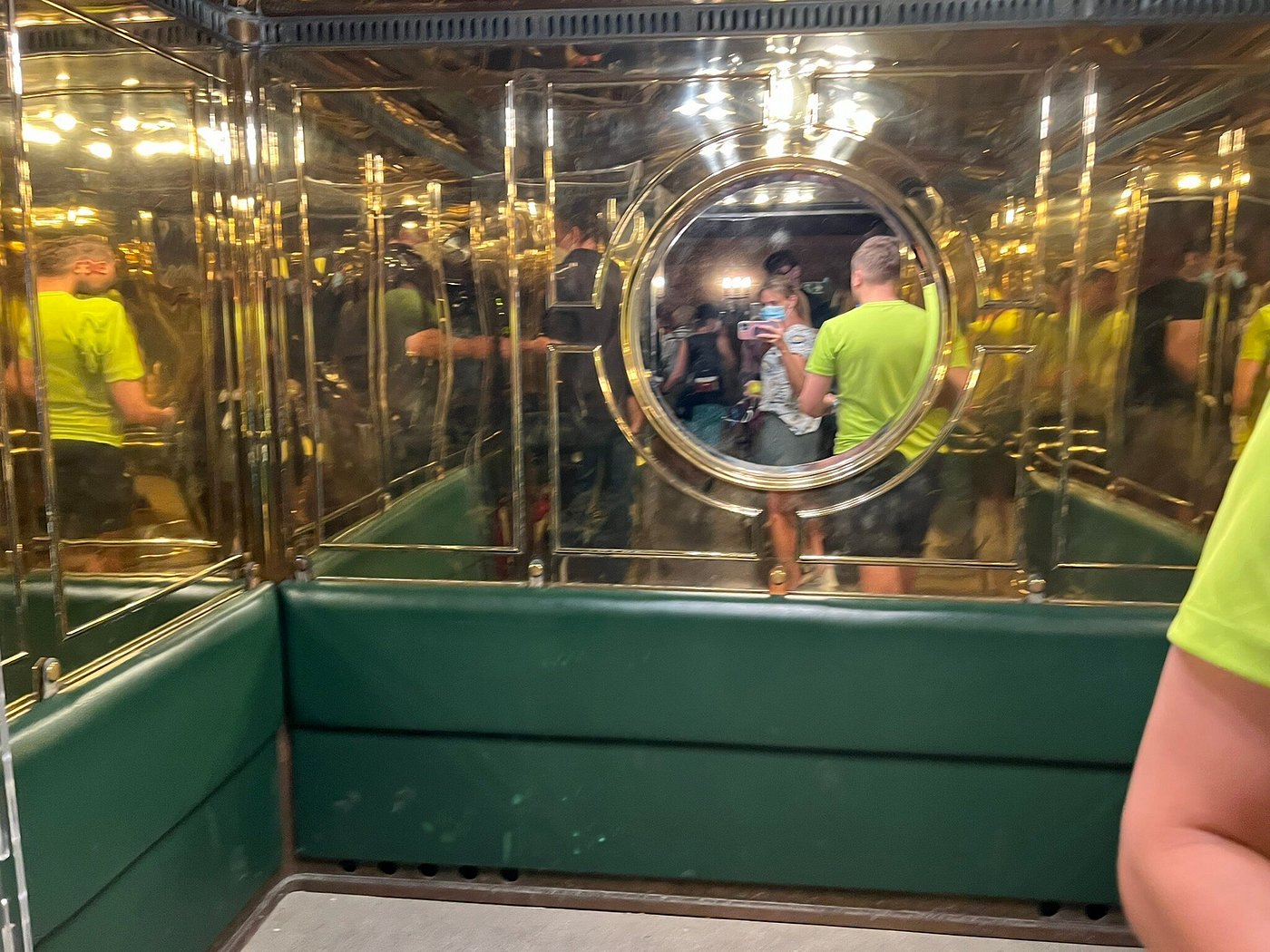
The original cylindrical lift gleams with brass, and the ride is fast, almost eerily quiet. It’s such a strange contrast to the heavy history echoing all around.
At the top, those sweeping alpine views really do go on forever.
It’s hard not to feel the weight of everything that happened here, mixed with the fresh mountain air and the scenery. The Eagle’s Nest isn’t just a pretty panorama; it’s a place where every step and every view feels charged with stories.

Arriving at Kehlsteinhaus: Journey to the Eagle’s Nest
Getting to Kehlsteinhaus—better known as the Eagle’s Nest—is a little adventure in itself. The route twists through Bavarian landscapes, up a steep mountain road, ending with a unique bus ride that really amps up the anticipation.
Setting Off from Berchtesgaden
I started in Berchtesgaden, a cozy town tucked into the Bavarian Alps.
First order of business? Make my way to the official Eagle’s Nest bus departure point at the Dokumentation Center Obersalzberg. You can’t drive your own car up there, so the mountain bus service is the only way.
Buying bus tickets ahead of time saved me some hassle, especially since summer crowds can get intense. They sell both round-trip and one-way tickets at the counter or online.
You can also book guided tours, which usually wrap the bus ticket in with some skip-the-line perks.
Getting to the bus departure point is easy—local bus, taxi, or just a quick drive from central Berchtesgaden. The signs are obvious, so you won’t get lost.
Even early in the morning, I saw other travelers gathering, all buzzing to see the famous mountaintop hideaway.
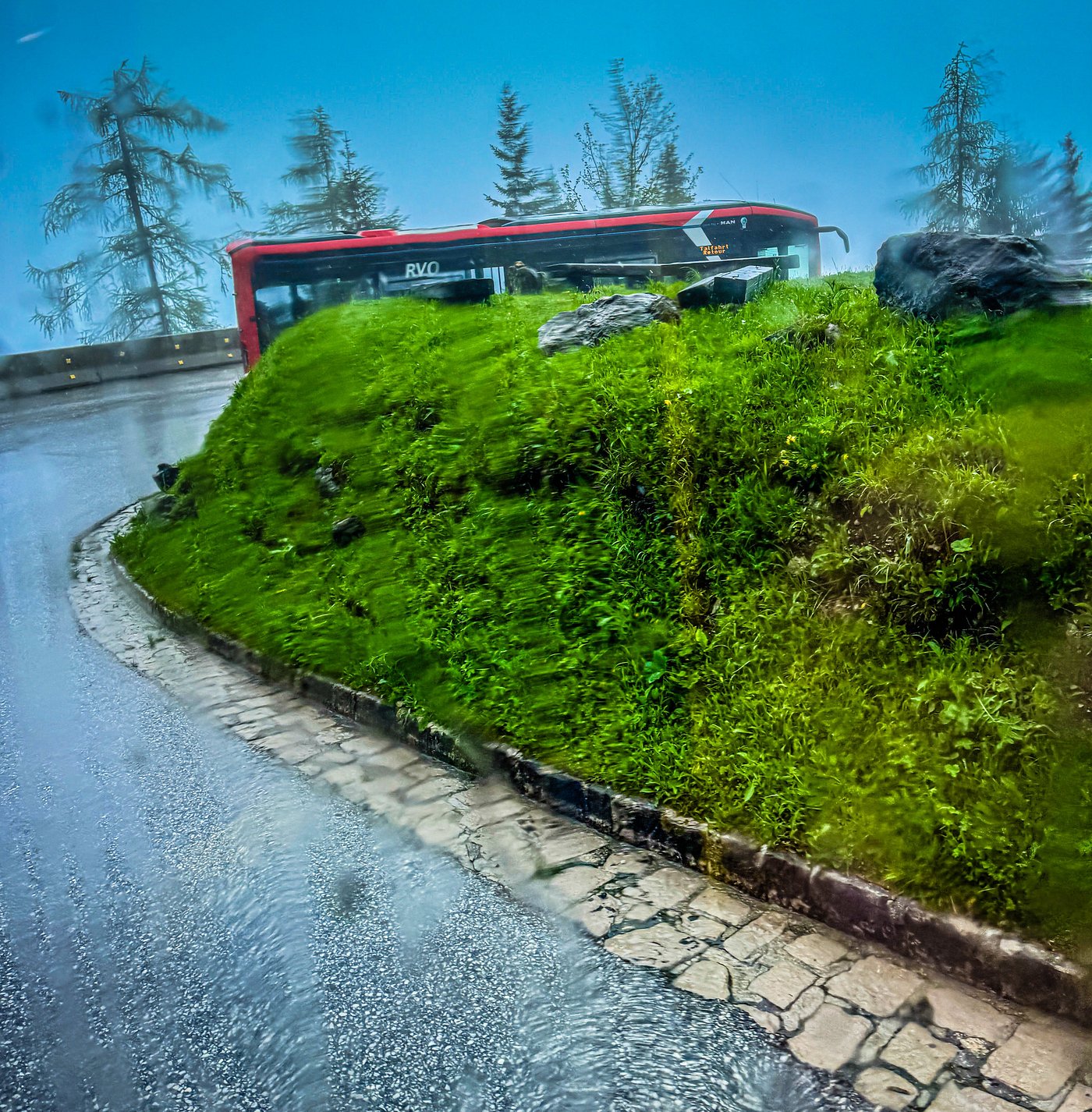
Navigating the Eagle’s Nest Road
The Eagle’s Nest road—officially called Kehlstein Road—impressed me and honestly made me a bit nervous. Only the special buses tackle this 6.5-kilometer stretch, since the road is narrow, super steep, and full of hairpin bends.
The bus takes about 20 minutes and climbs over 700 meters in elevation. That’s a lot of switchbacks.
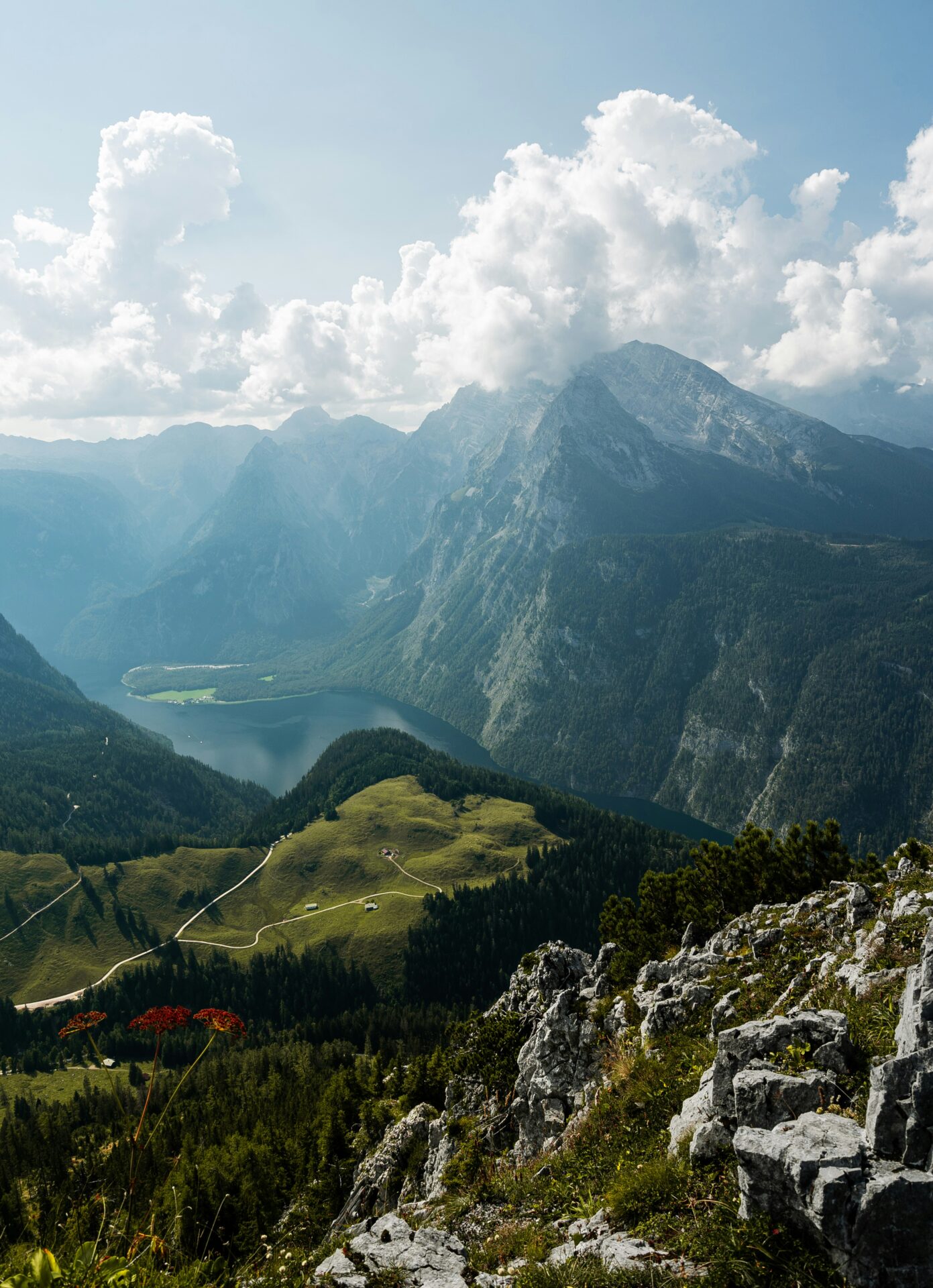
During the ride, I caught panoramic views of deep valleys, green forests, and even glimpses of snow-capped peaks. If you want the best photos, grab a window seat on the right.
The ride itself is an event—your heart’s in your throat as you look out over the edge of that twisting road.
The buses are comfy, with big windows, and a guide who shares interesting facts over the loudspeaker. If you have questions, the drivers and guides usually have answers and will point out landmarks as you climb higher.

Parking Lot and Bus Departure Point
Before boarding the mountain bus, I parked at the well-marked lot by the Dokumentation Center. There’s plenty of space, with clear signs for cars and tour buses.
Parking isn’t free, so bring coins or a card for the machine. The bus departure point sits right next to the documentation center.
There are signs, a ticket office, and a schedule board showing departure times. Even when it’s packed, the boarding process stays pretty calm and organized, thanks to marked lanes and announcements in both German and English.
Nearby, you’ll find restrooms, a little café with drinks and snacks, and multi-language info boards. If you’re with a group or need assistance, you can arrange help or priority boarding.
Everything’s set up to make getting from Berchtesgaden to the Eagle’s Nest as smooth as possible.
Through the Tunnel: Approaching the Brass Elevator
When I hopped off the bus at Kehlstein’s parking lot, my anticipation spiked as I stared up at the rocky mountain face. To reach the brass elevator, I had to slip through a hidden entryway and walk a tunnel carved deep into the mountain.
The Entrance Portal and Its History
The tunnel’s entrance isn’t flashy. It’s solid stonework tucked right below the Kehlstein peak.
Built in the late 1930s, this doorway blends into the mountainside, almost like a secret passage out of a spy film.
Armed guards once watched over this spot, but now it welcomes travelers from everywhere.
I spotted heavy ironwork above the door and a simple plaque. This portal was a real feat for its time, tough enough for alpine weather and heavy use.
The entrance is both a practical gate and a symbolic threshold—history, nature, and human effort all meet here. I paused before heading in, just to soak in the details and the history in the stone.
Walking the Tunnel to the Elevator
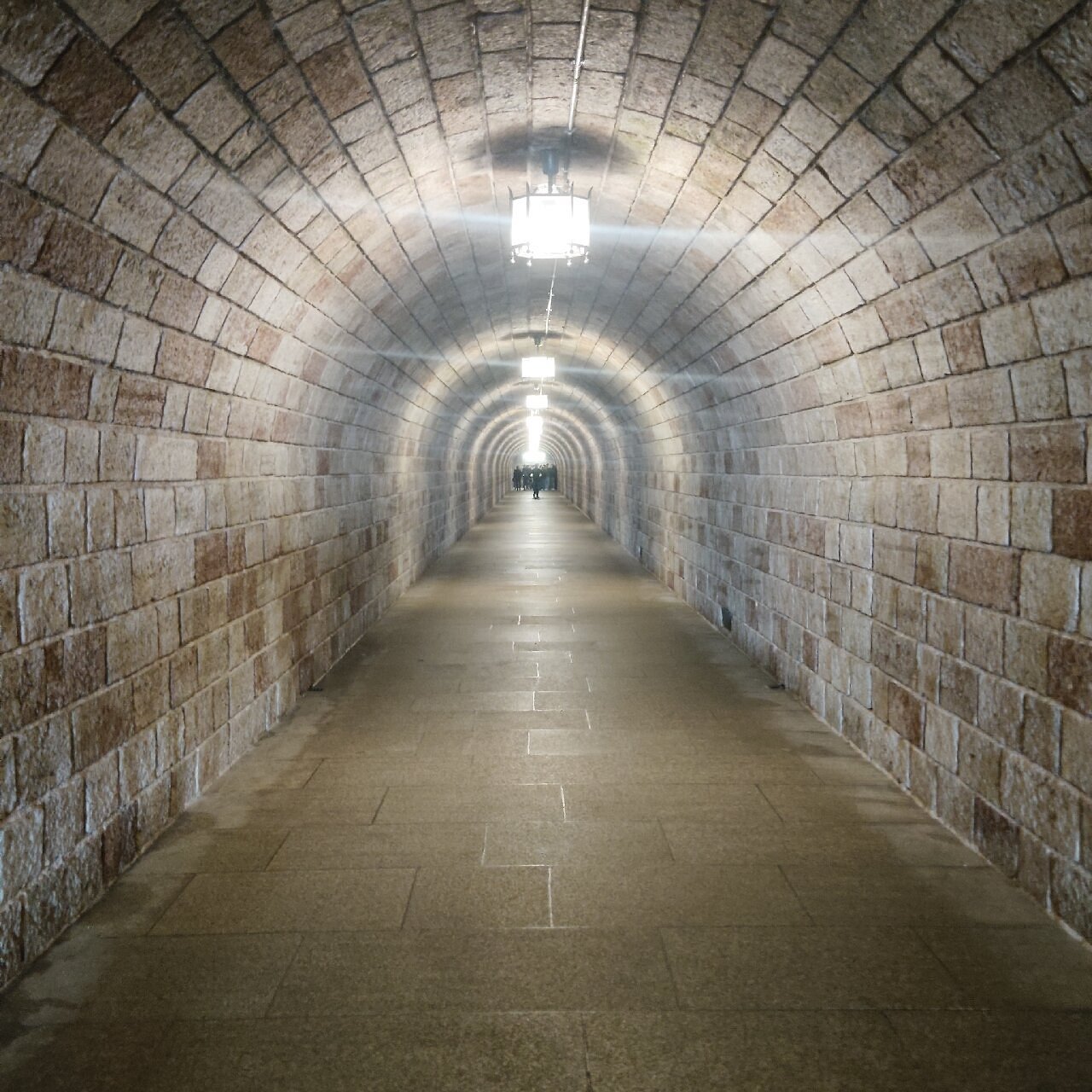
Inside, the air changed instantly. The tunnel stretches about 124 meters, straight through solid rock, dimly lit and echoing with every step.
The walls glistened with moisture, a reminder that I was deep inside a mountain built for someone powerful.
I took my time, noticing the polished stone, the arched ceilings, and the steady, cool temperature—so different from outside.
There’s a quiet energy along the path—a mix of curiosity and something like reverence. The tunnel leads to the elevator, but the walk itself feels like a step into another era.
At the end, I saw the famous brass elevator doors gleaming ahead. The tunnel definitely built up the suspense before the final ascent.
The Brass Elevator Ride: A Unique Ascent
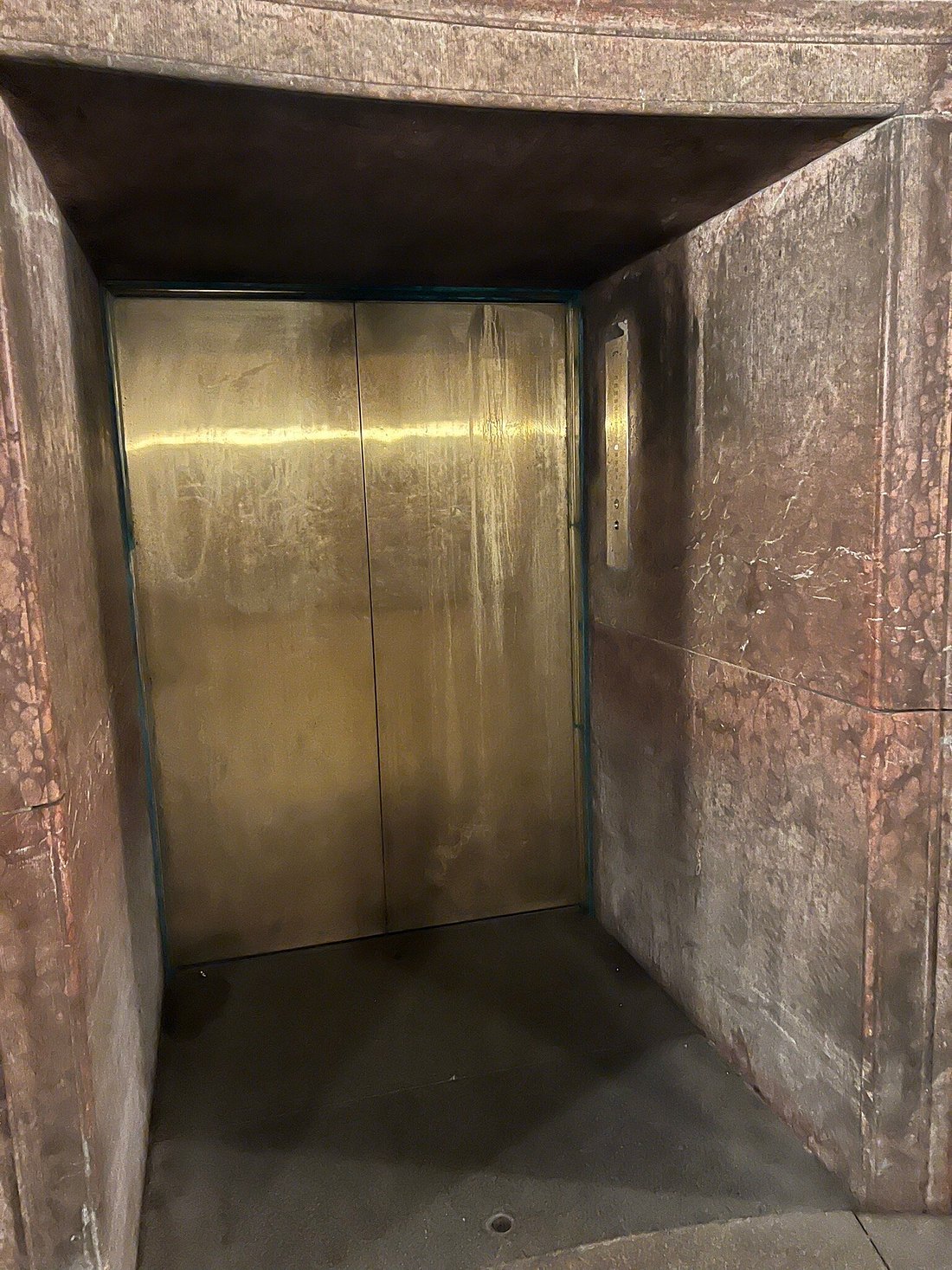
Stepping from the cool tunnel into the brass-lined elevator felt like entering a time capsule. The smooth ride and shiny metal filled me with both anticipation and awe.
The elevator’s place in history adds an extra layer to every second of the ascent.
Inside the Brass-Lined Elevator
The cabin was brighter than I expected, thanks to all the polished brass. It felt more like a gilded room than a machine.
Soft golden light bounced around, making faces glow and the mood feel both intimate and grand.
Standing there with a small group, I noticed how quiet everything was. The doors slid shut with a heavy thunk, sealing us off from the stone tunnel.
With barely a sound, we started the vertical climb—just over 120 meters—right through the mountain’s core.
The ride took about 41 seconds, but every moment felt distinct. It was so calm and steady, and I couldn’t help but wonder who else had stood in this same spot back in the 1930s.
The original control panel and brass details reminded me that even up here, attention to detail mattered.
The Elevator’s Historical Significance
Engineers designed the Eagle’s Nest elevator in the late 1930s, blending style and function. It let visitors move straight from the tunnel up to the mountaintop reception house—a spot that would have been unreachable just a few years earlier.
Building the tunnel and elevator took a year of work and careful planning. The brass-lined lift feels frozen in time, with Art Deco details that are still almost untouched.
It’s wild to think that, by all accounts, this elevator has barely ever broken down. There’s even a hidden rescue car inside for emergencies.
The elevator’s story is tightly woven into the Eagle’s Nest’s history, with powerful guests riding up in the same small space. These days, the system is kept running for visitors like me, making the ride both practical and a real brush with the past.

Eagle’s Nest at the Summit: Experiencing History and Scenery
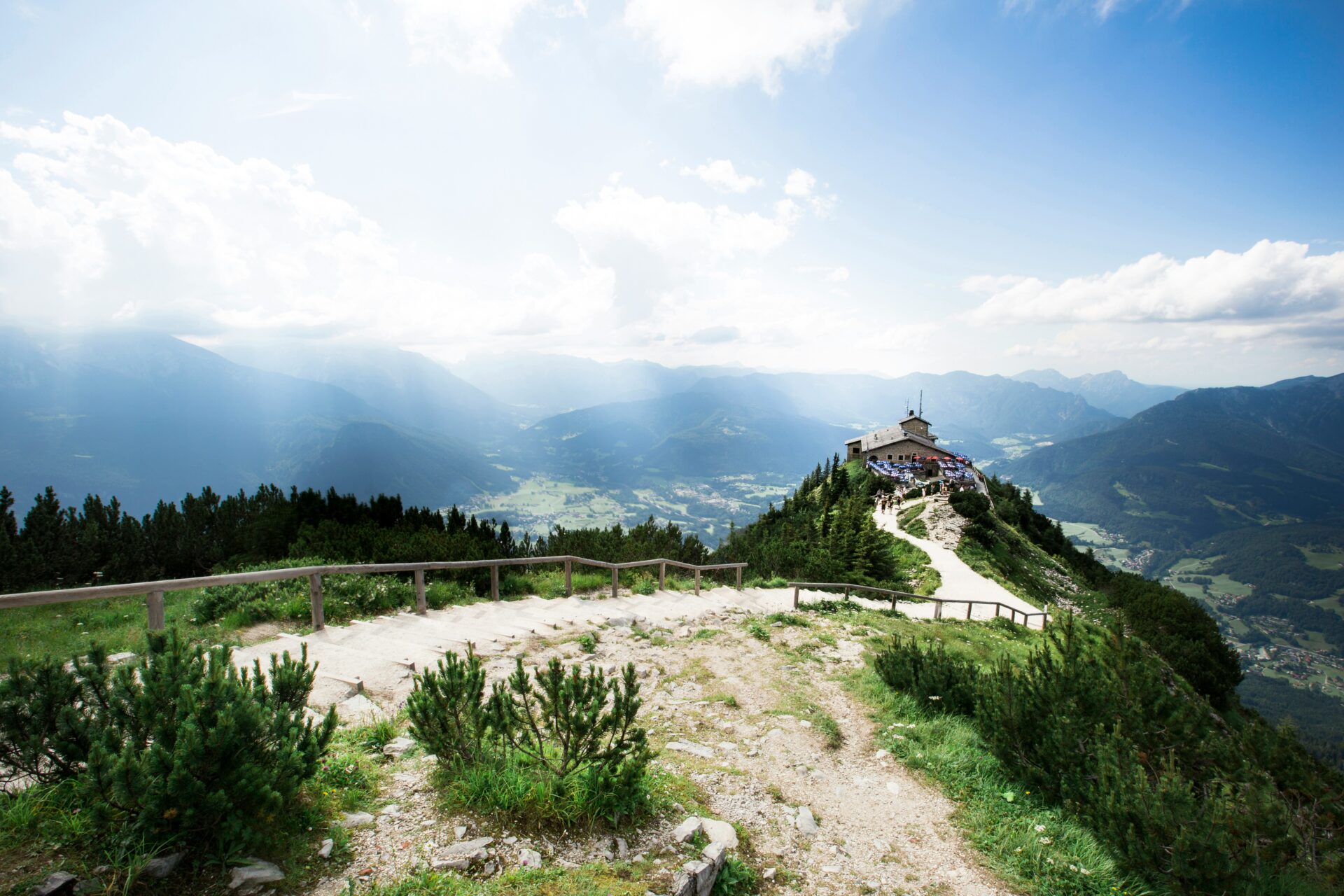
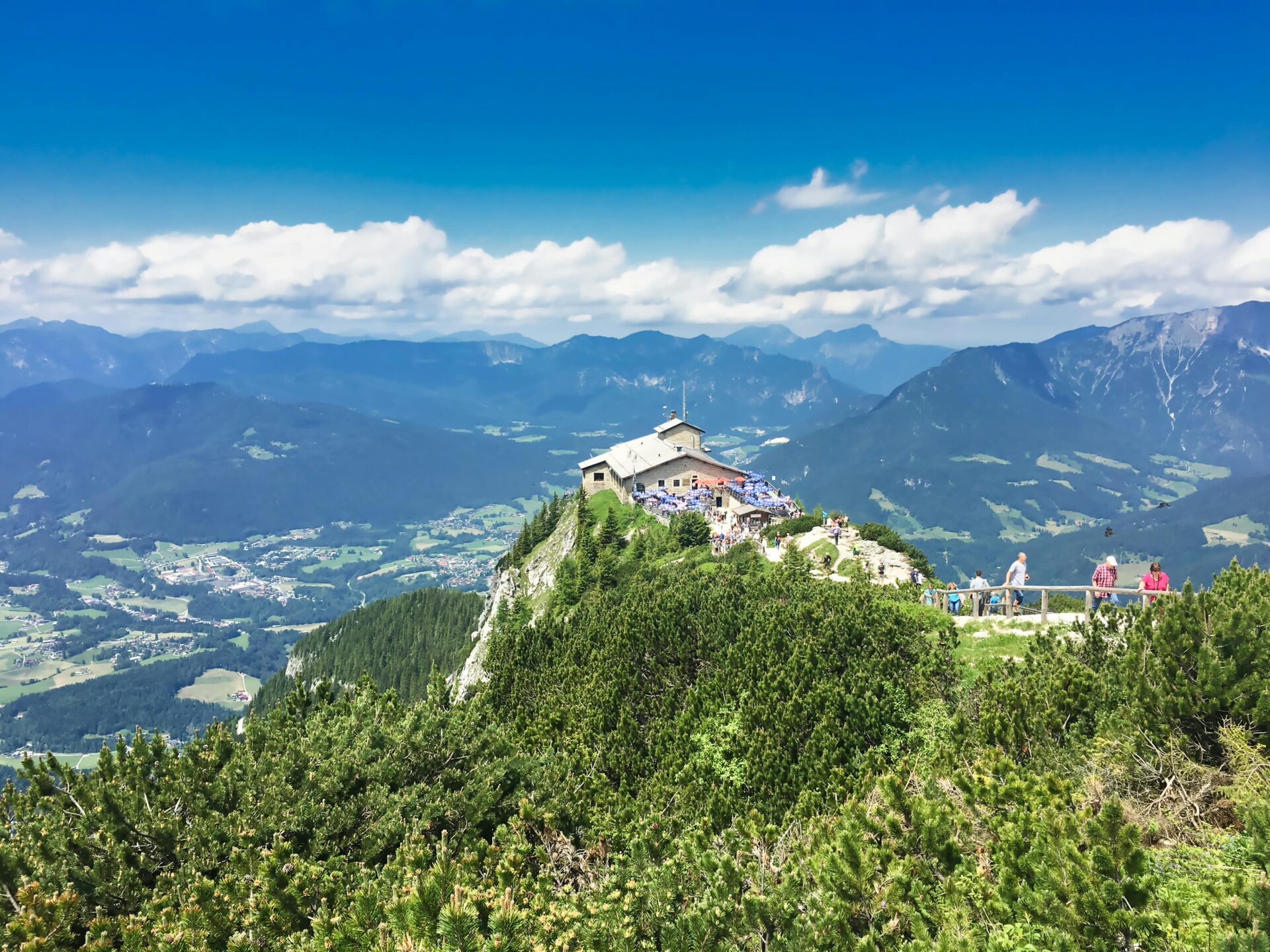
At the top of Kehlstein mountain, I felt surrounded by the Bavarian Alps and the complicated history that shaped this place.
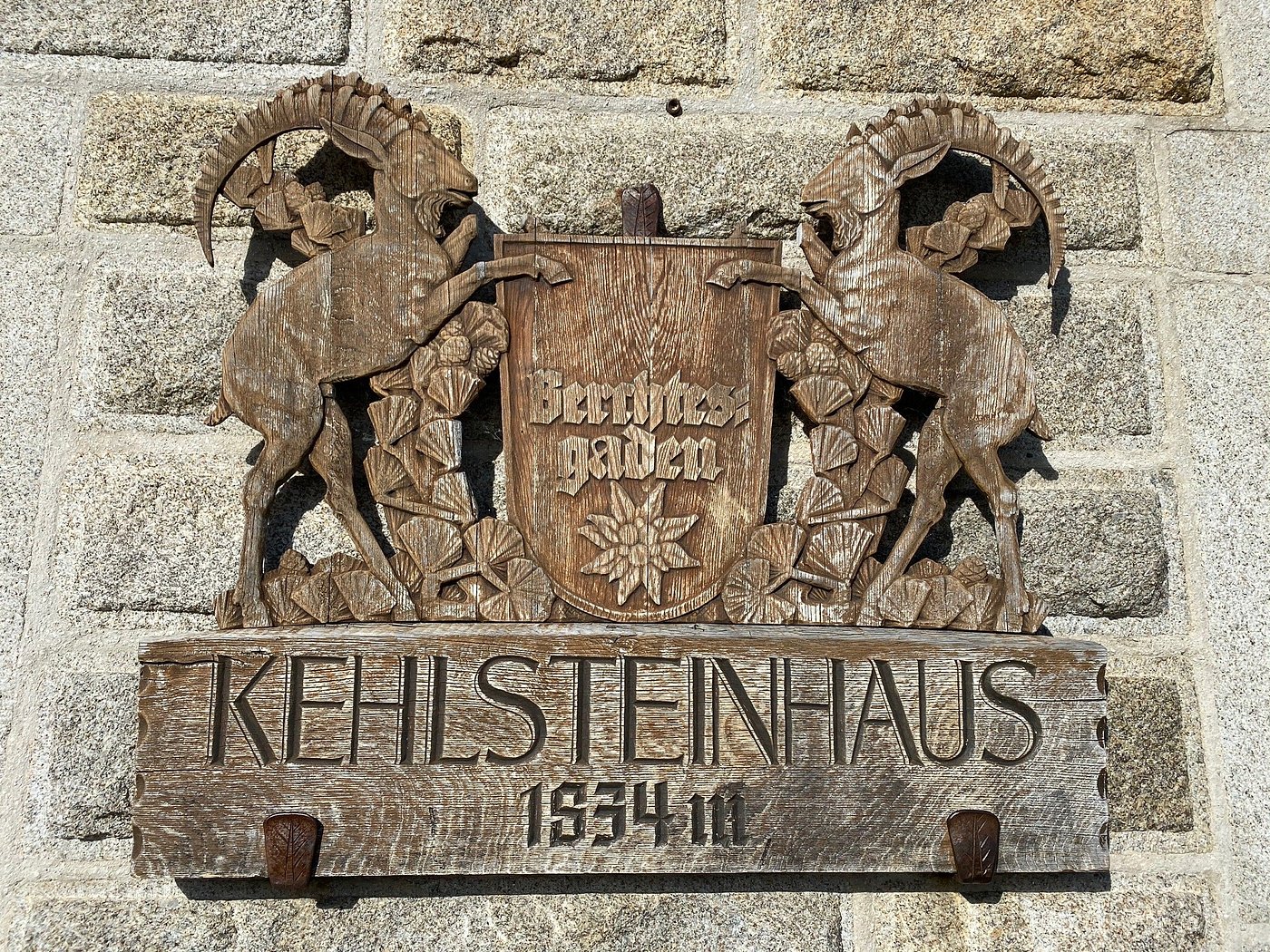
The Kehlsteinhaus, or Eagle’s Nest, mixes bold architecture, famous interiors, and sweeping mountain views in a way that’s hard to forget.
The Kehlsteinhaus Architecture
When I stepped out of the brass elevator and into the Kehlsteinhaus, the building’s solid architecture stood out right away.
Built from stone, it looks sturdy and intentional, blending into the cliffs above Berchtesgaden.
The hallways and rooms feel both grand and a bit compact, built with strength in mind. The thick walls provide insulation and a reminder of political power.
Every window seems angled to catch views of the Alps or the valleys stretching toward Lake Königssee.
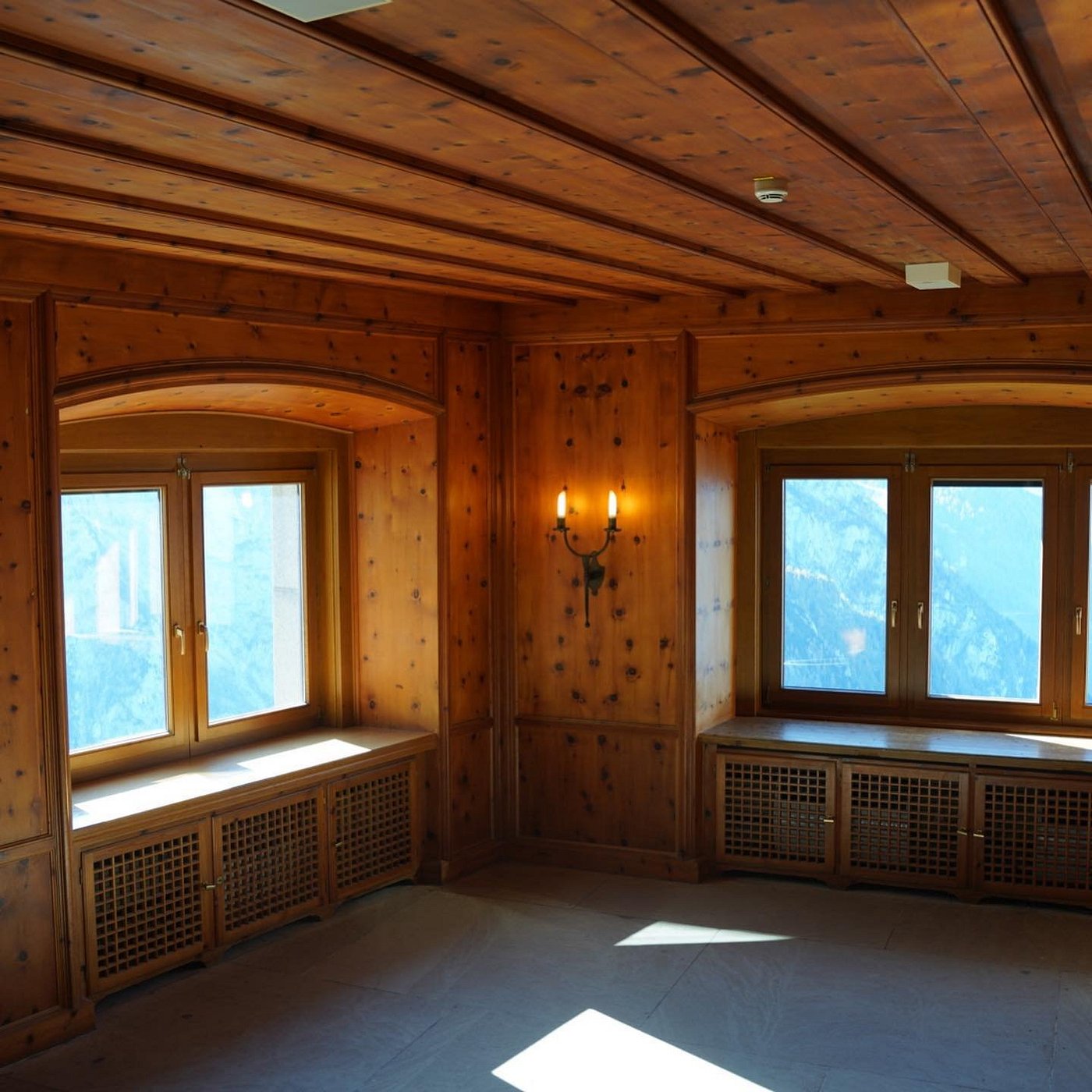
As I wandered, I noticed original details—sturdy wooden beams, heavy doors. Every corner is full of contrasts: beauty, but also reminders of the Eagle’s Nest’s shadowed past.
The Red Marble Fireplace and Tea House
In the main hall, the red marble fireplace really grabs your attention. The polished stone glows in the daylight, even if the weather is gray.
I found out it was a gift from Mussolini, which adds another twist to the building’s story.
The massive mantelpiece once symbolized propaganda and luxury, but now it’s more of a photo spot for visitors. Standing in front of it, I tried to imagine the room during historic gatherings, with tea and conversation filling the air.
Just past the fireplace, there’s a cozy tea house wing. I could picture myself sitting there, sipping tea and looking out over the valleys and green forests of Berchtesgaden National Park.

Exploring the Sun Terrace
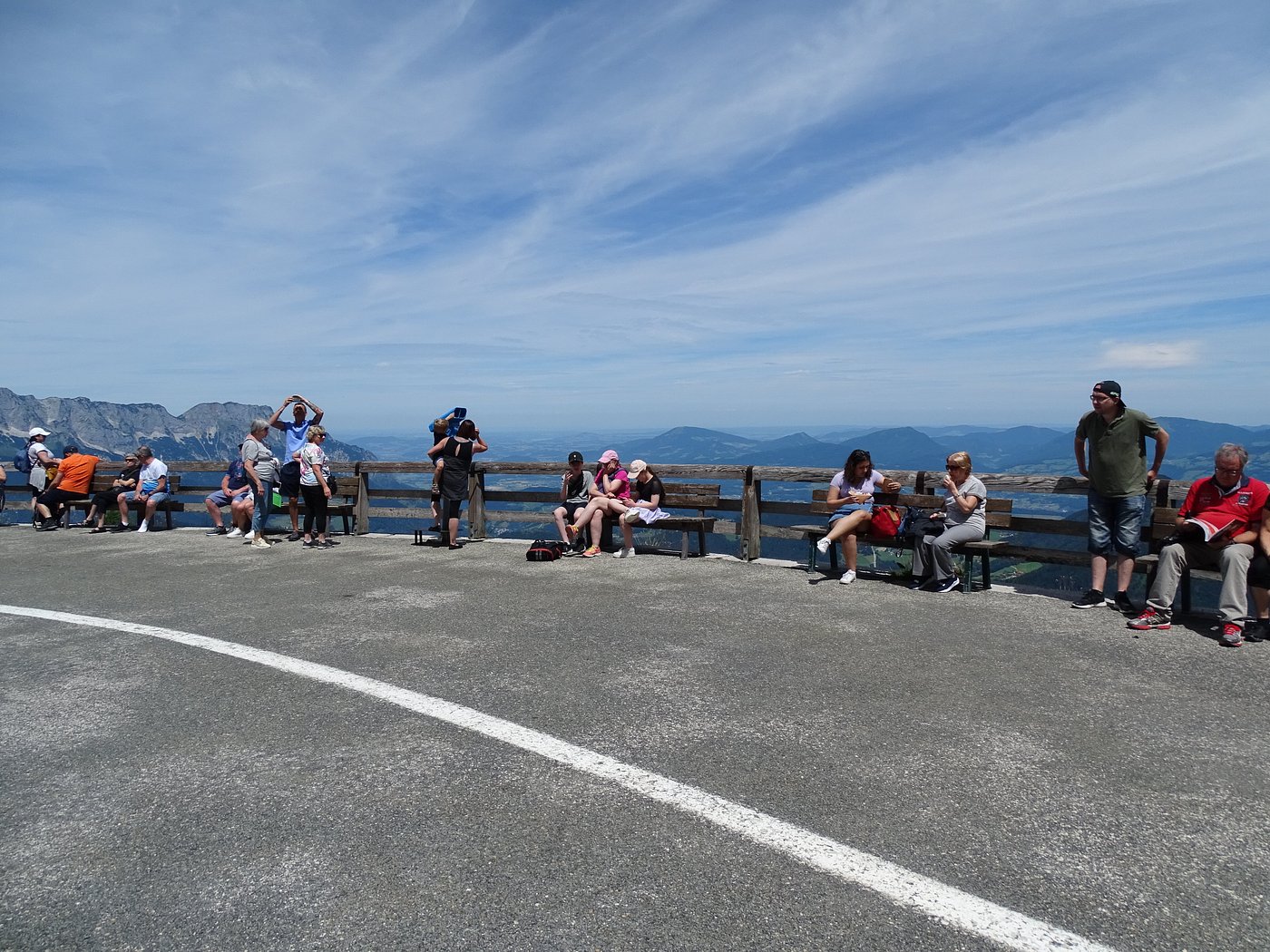
The sun terrace, built along the edge of Kehlsteinhaus, quickly became my favorite spot. It offers an open, panoramic view of peaks and ridges in every direction.
On one side, I spotted Lake Königssee shining between the mountains. The Mooslahnerkopf sits quietly across the valley.
I grabbed a seat at one of the outdoor tables and just watched the clouds drift over the Alps. The wind was cool, but the sun kept things comfortable.
Hikers showed up from nearby trails, catching their breath and snapping photos of the panoramic views that stretch deep into Berchtesgaden.
Tip: Bring a light jacket—even in summer, the weather can flip fast up here. The sun terrace is the best spot for photos, so have your camera ready when the mountain mist lifts.
Legacy and Anecdotes: Stories Etched in Stone
Inside the Eagle’s Nest, I felt surrounded by stories in every stone and shadow. The past lingers here—not just in the walls, but in the people, events, and symbols that shaped this mountain fortress.
From the Third Reich to WW2 Legends
The Eagle’s Nest sits high above Obersalzberg, built as a showpiece and retreat for the Nazi Party. Martin Bormann ordered it as a gift for Hitler’s 50th birthday.
The construction was an engineering marvel—perched atop cliffs, using Italian marble and local stone.
Some just call it “Kehlsteinhaus,” but the legend grew beyond that. Walking through the tunnels and halls, I almost sensed the presence of SS barracks and the intense security for Nazi leaders.
The place was both a private retreat and a stage for Nazi power, with dramatic scenery as backdrop to some of history’s darkest chapters.
Adolf Hitler, Martin Bormann, and the Nazi Officials
Adolf Hitler didn’t use the Eagle’s Nest that much, despite what people say. It was really more Bormann’s project than Hitler’s favorite spot.
He came here only occasionally, usually with Martin Bormann, Eva Braun, and other top Nazi officials.
Stories about conversations in the dining rooms and marble hall still swirl around. Some say Hitler didn’t like the altitude; others think the beauty was a rare escape from political tension.
Figures like Albert Speer and Heinrich Himmler visited too, so every corner feels touched by the regime’s shadow.
Notable Features:
- Italian marble fireplace, a gift from Mussolini
- Custom interiors designed by Paul László
- Sweeping views to Salzburg, Austria
The 101st Airborne and US Army’s Arrival
May 1945 flipped everything upside down. The 101st Airborne Division stormed up the mountain and took the Eagle’s Nest.
That moment shifted the place from a Nazi showpiece to a symbol of Allied victory. I found myself standing on those same stone terraces, thinking about the American soldiers who once looked out at that view.
Local stories say the paratroopers wandered through rooms scattered with Nazi memorabilia. Some even tried the champagne, supposedly saved for Hitler himself.
Their arrival ended the Third Reich’s hold over Obersalzberg. People still talk about it with a lot of pride when they share the story of the Eagle’s Nest.
Key facts:
| Date | Event |
|---|---|
| May 1945 | 101st Airborne captures Eagle’s Nest |
| Post-WW2 era | US forces occupy and protect the site |
Famous Visitors and Controversial Figures
So, the Eagle’s Nest went up for Hitler, but the guest lists? They included all sorts of German and international names.
Benito Mussolini, for example, never actually stopped by. Still, the Italian marble fireplace stands out—a stubborn symbol of those Nazi-Italian ties.
Eva Braun and a few other close associates apparently loved the view here. They hosted small gatherings, which adds this oddly personal touch to the place’s history.
Decades later, the building survived and started drawing in tourists, historians, and just about anyone curious enough to visit.
Some people feel a bit uneasy walking through rooms once haunted by such infamous names. Others come looking for lessons or warnings that maybe the stone walls still hold.
Honestly, when I visited, I couldn’t help but notice how the mix of beauty and darkness gives the place its strange pull.
