
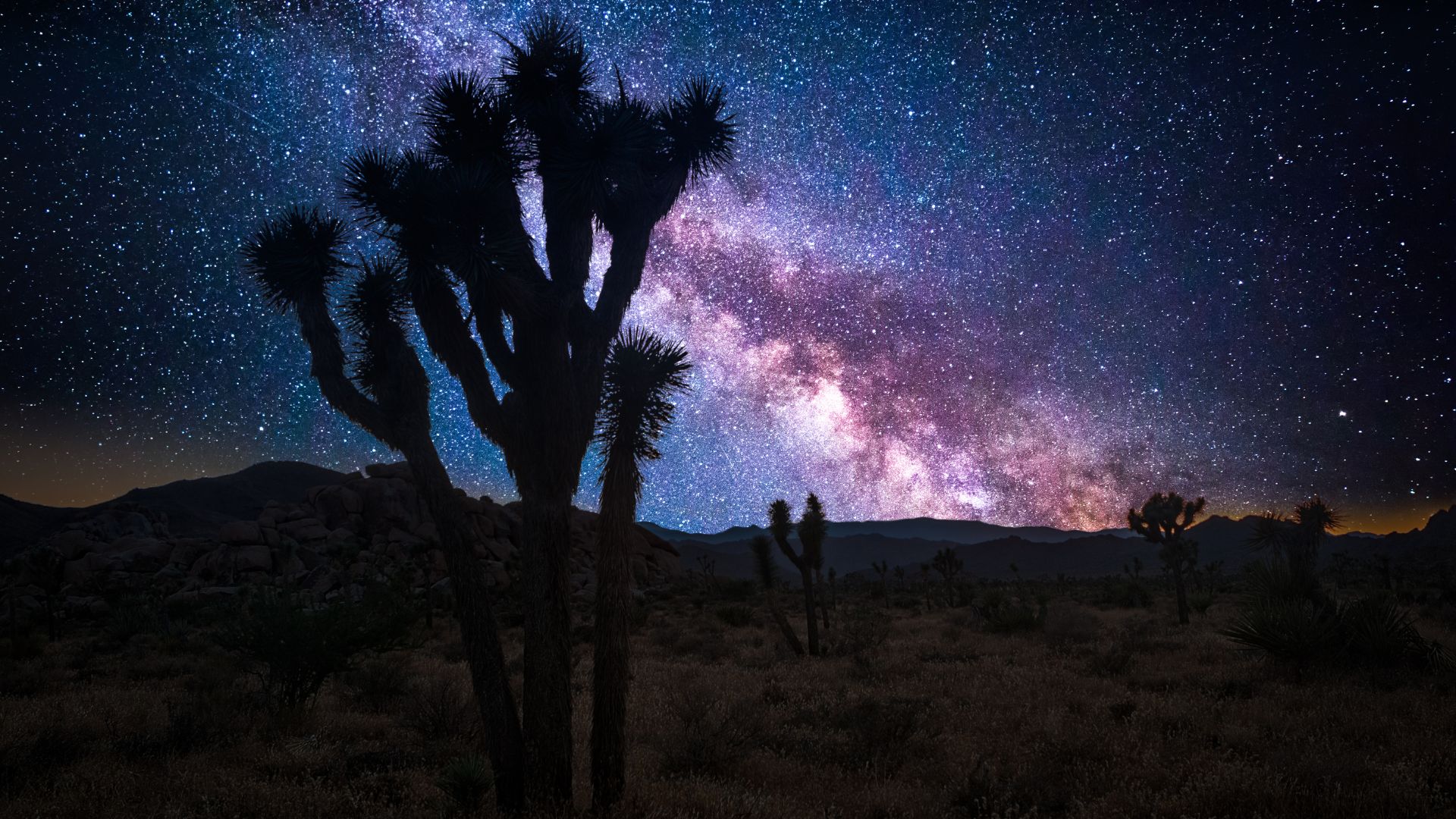
Joshua Tree National Park really caught me off guard with its wild blend of desert beauty, dramatic rock piles, and those calm, unforgettable sunsets. Hiking under the spiky arms of Joshua trees and wandering down quiet trails almost felt like stumbling into another planet.
The park’s gentle mornings and those wild bursts of color at dusk stuck with me. Every spot I found seemed to have its own quiet magic.
I uncovered so many places that felt special for their natural wonder and sense of peace. From easy strolls like Hidden Valley to stretching out on a boulder and watching the stars, each experience brought something new. I’d love to share my top 10 most magical moments in Joshua Tree—think sunsets, hikes, and a few lesser-known gems that made my trip feel like a dream.
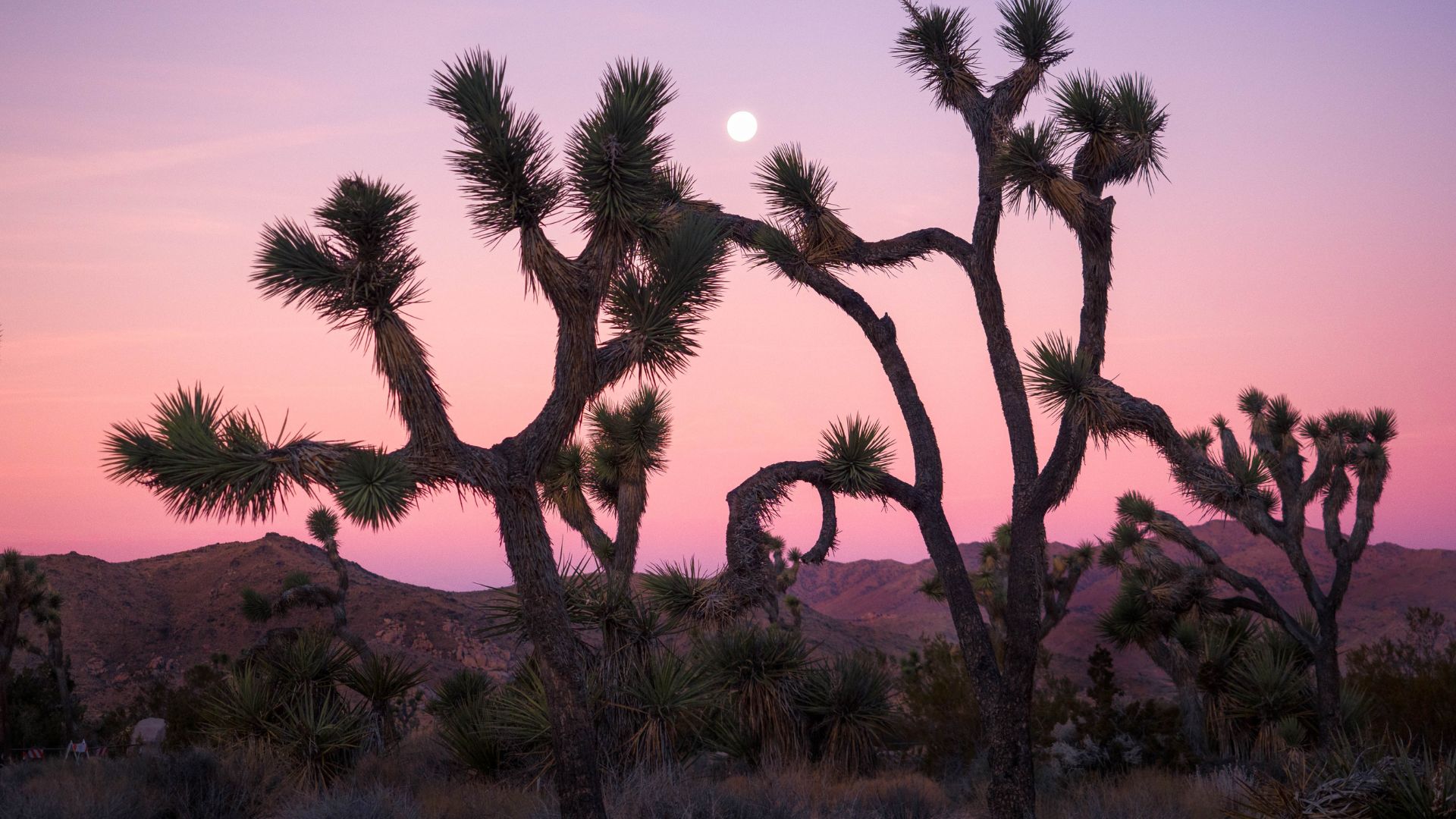
Mesmerizing Sunsets Over Iconic Joshua Trees
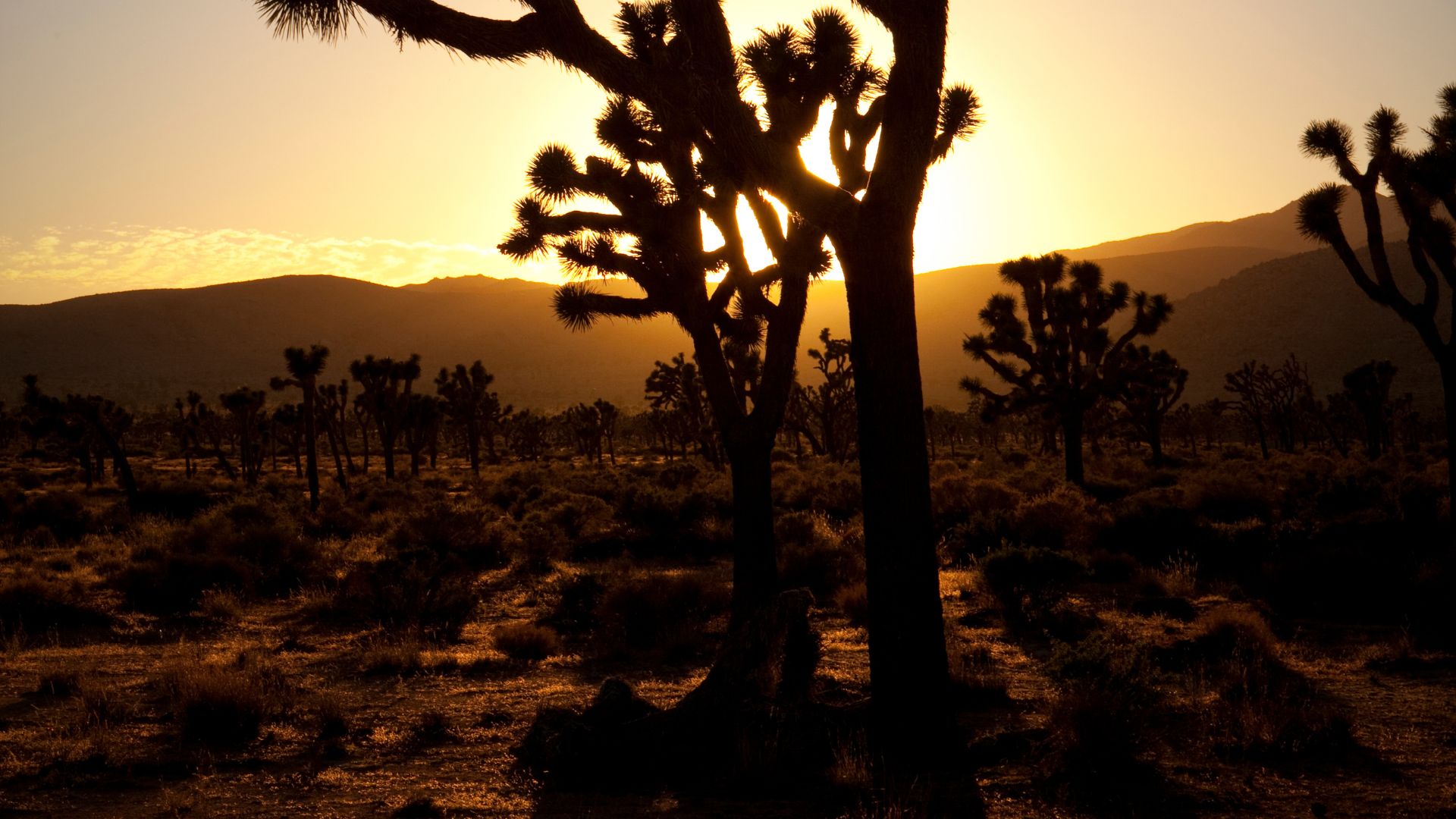
Watching the sun slip behind clusters of Joshua trees really makes an evening here. Most nights, I’d just find a spot and let the red, orange, and purple skies wash over the desert.
Best Sunset Spots in Joshua Tree National Park
I tried out a bunch of sunset spots in Joshua Tree, but Keys View stands out above the rest. Up there, I could see the Coachella Valley and distant mountains, all glowing as the sun disappeared. The high-up view made the colors even more intense.
Jumbo Rocks Campground is another favorite. The rocks catch the last light and throw long, dramatic shadows. I like to wander a short trail through the boulders while the sky changes above me.
Joshua Tree South Dispersed Campground surprised me—so quiet at sunset. The clusters of Joshua trees here almost seemed to light up as the sun dropped, giving the whole place a surreal vibe.
Here’s a table of top sunset spots and what makes each one pop:
| Location | Highlights |
|---|---|
| Keys View | Sweeping valley panoramas |
| Jumbo Rocks Campground | Rock formations, giant boulders |
| Joshua Tree South Dispersed | Quiet groves of Joshua trees |
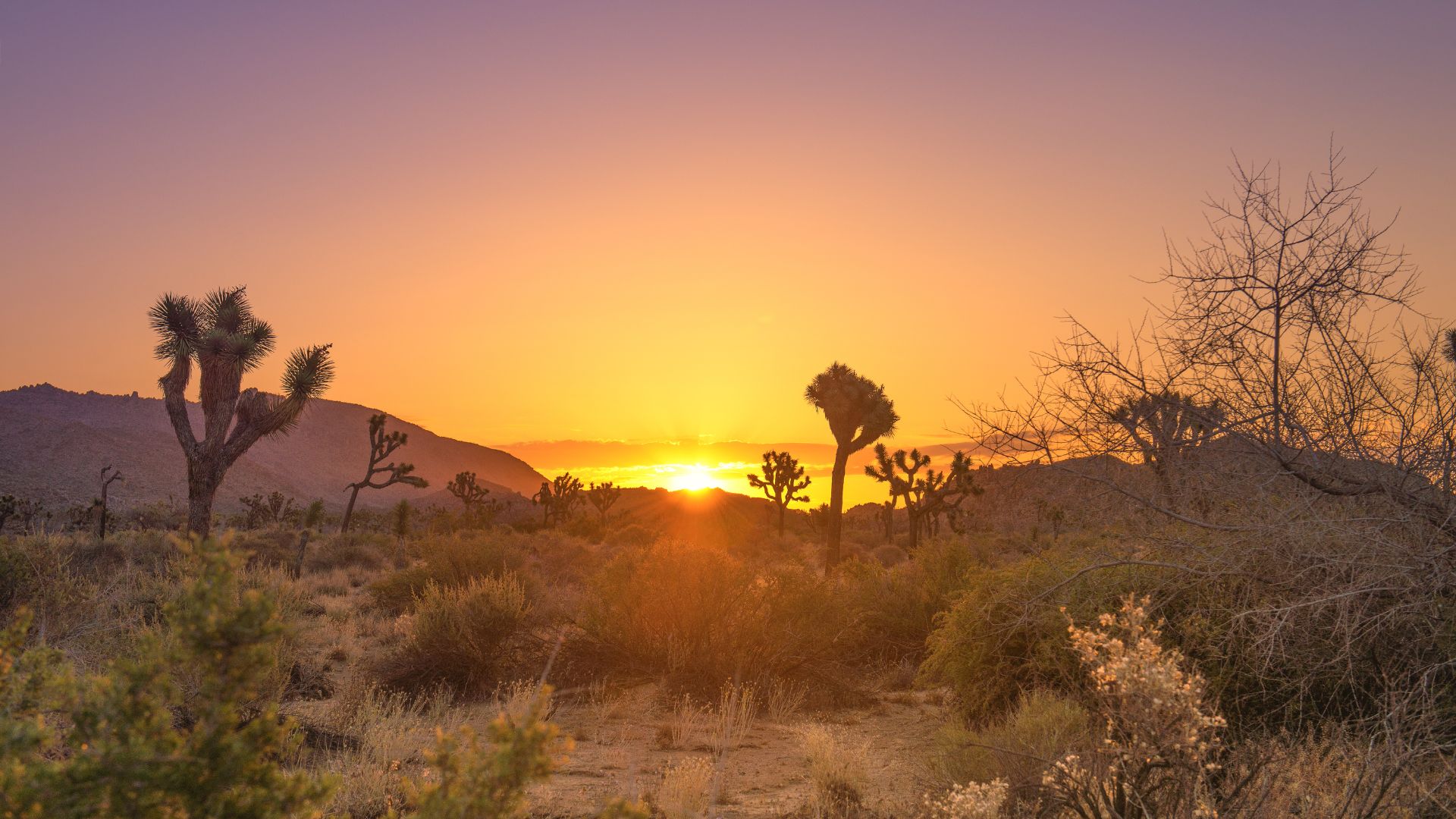
Tips for Photographing Sunset Landscapes
I usually toss a tripod in the car for these sunsets, especially since the light fades fast. A wide-angle lens helps me grab both the sky and the landscape. I try to show up early—sometimes twenty minutes before sunset is when the magic happens.
I like putting a Joshua tree or a big rock in the foreground for scale. It makes the weird shapes stand out, and honestly, it just looks cool. Sometimes I just use my phone for quick shots, but when I want those deep colors, I lower the exposure on my camera a bit.
Don’t leave right after the sun sets. The “blue hour” brings out soft purples and blues that you’ll miss if you pack up too soon. For fewer people in the frame, I wander toward the quieter southern parts of the park.
Why Joshua Tree Sunsets Are Unique
Joshua Tree sunsets are just different. The jagged rocks, spiky trees, and endless open desert come together in a way I haven’t seen anywhere else. Because there’s nothing tall to block the view, those Joshua tree silhouettes really pop against the sky.
The dry desert air makes the colors look extra sharp. Some nights, the sky layers gold, pink, and purple all at once. I never saw the same sunset twice.
The oddball shapes of the Joshua trees are a huge part of what makes these sunsets feel so special. If you love nature or you’re into photography, these views are hard to beat in California.
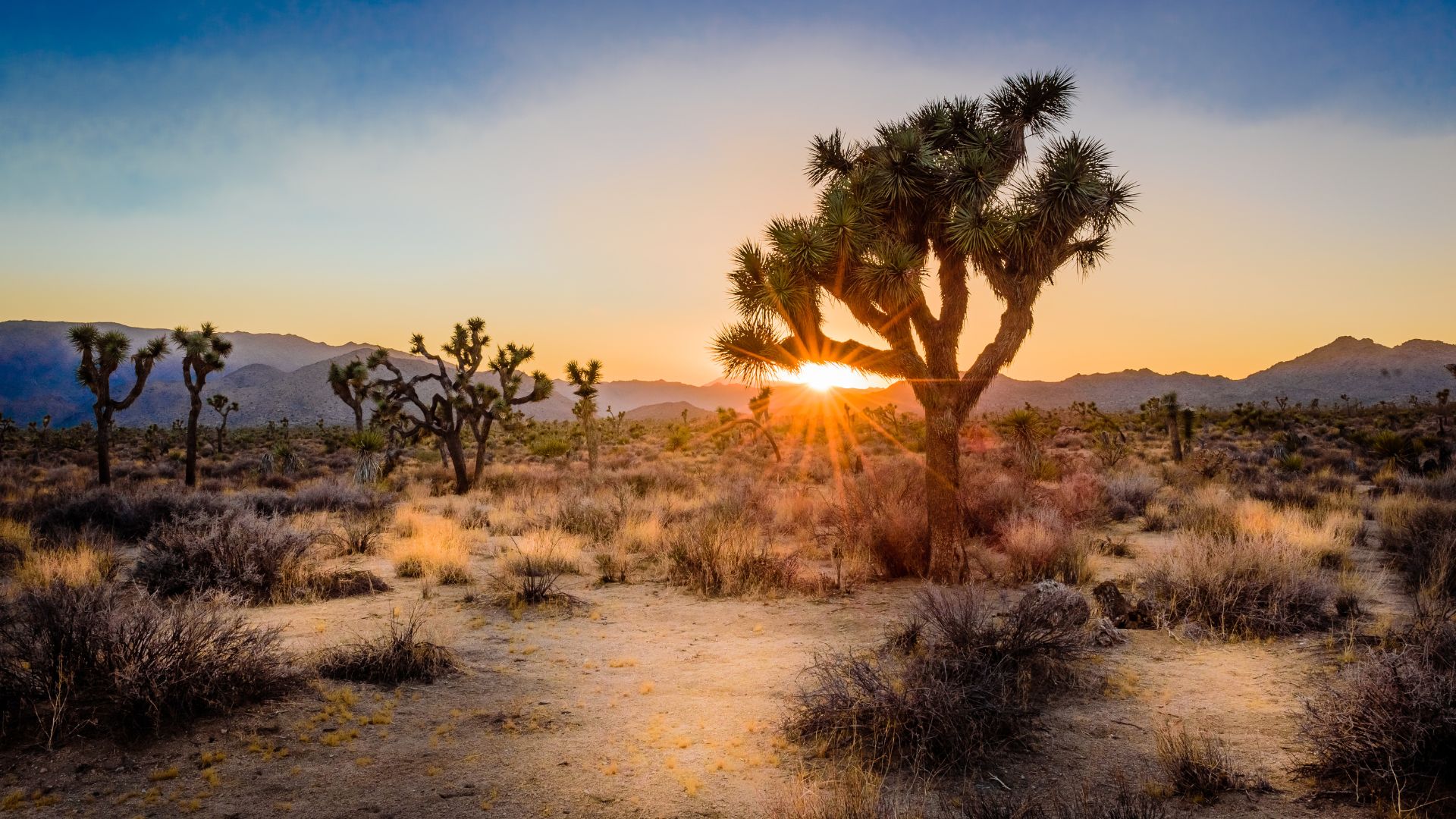
Unforgettable Hiking Adventures
Joshua Tree National Park has a wild mix of hiking trails. Some are short and sweet, others a bit more challenging. You’ll see ancient rocks, huge desert vistas, and even a few rare oases.
Top Joshua Tree Hiking Trails for Magical Views
Picking a favorite trail here? Honestly, it’s almost impossible. Each one brings something new. If you’re chasing sunrise or sunset, the Ryan Mountain Trail is a classic—it climbs over 1,000 feet and gives you wild views in every direction.
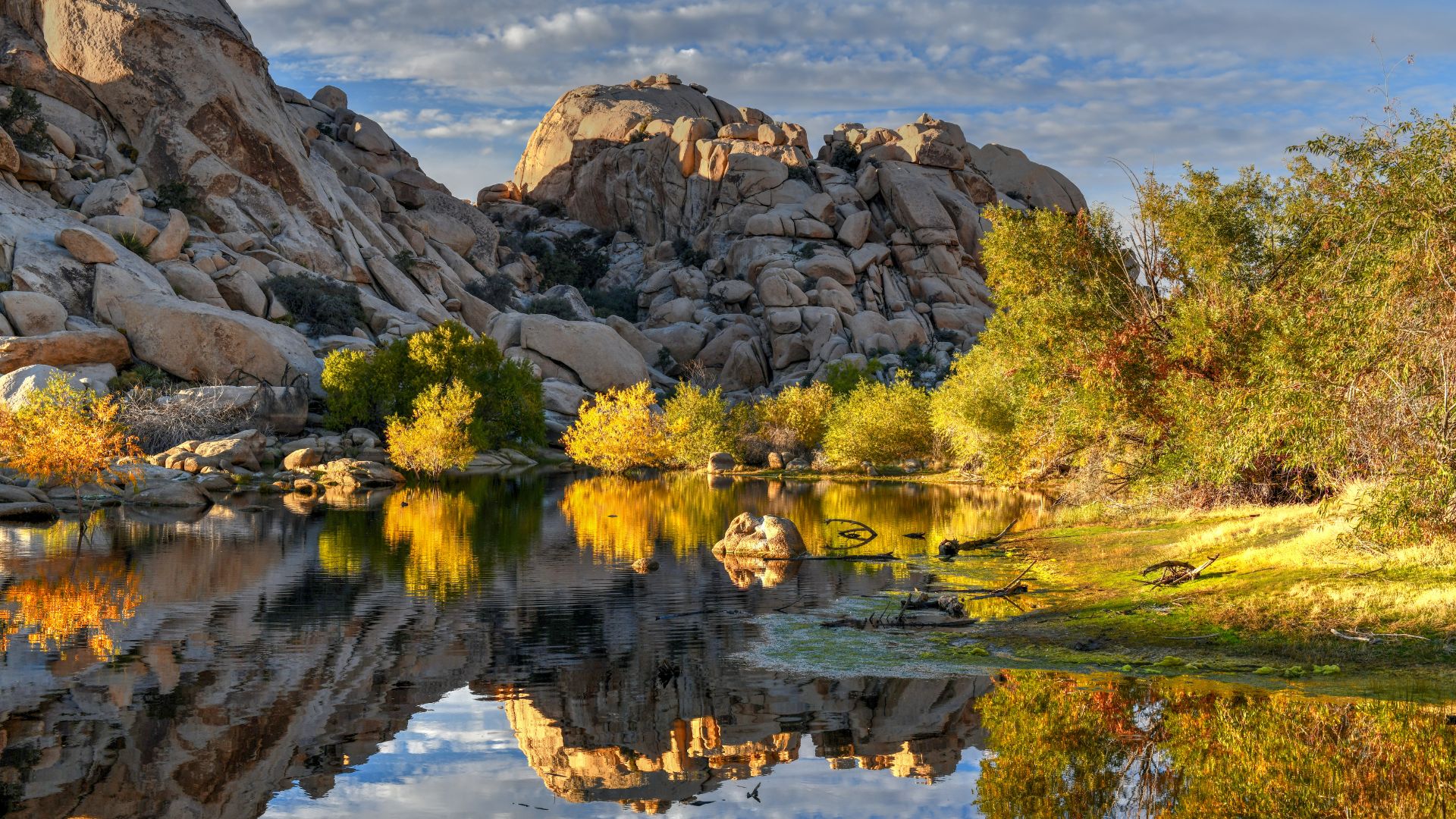
I’m a fan of the Barker Dam Trail too. You get peaceful water reflections and sometimes spot wildlife.
Skull Rock Nature Trail is always fun. The rock shapes are just quirky, and it’s never the same walk twice. For something easy, the Hidden Valley Trail packs a ton of boulders into a short loop.
I usually check AllTrails for the latest reviews since desert conditions can change fast.
| Trail Name | Distance | Difficulty | Best For |
|---|---|---|---|
| Ryan Mountain | 3 miles RT | Moderate | Views, sunsets |
| Barker Dam | 1.3 miles RT | Easy | Wildlife, history |
| Hidden Valley | 1 mile loop | Easy | Boulders, unique flora |
| Skull Rock | 1.7 miles RT | Easy | Rock formations |
Hidden Valley Nature Trail Experience
The first time I hiked Hidden Valley, I was struck by how peaceful it felt—even though it’s right off the main road. The loop winds through a bowl of high boulders, once rumored to hide cattle rustlers.
Every turn brings something new: a cluster of Joshua trees, a wild rock pile, or a sunlit patch of sand.
Signs along the way taught me about tough desert plants like piñon pines and yuccas. The one-mile loop is easy to follow, so beginners will feel at home. I stopped a lot to snap photos of climbers and the wild landscape.
Wearing sturdy boots really helped—some spots get pretty rocky.
Fortynine Palms Oasis: An Unexpected Desert Gem
Hiking out to Fortynine Palms Oasis felt like stumbling across a secret. The trail starts with a steady climb and then drops into a rocky canyon. After about 1.5 miles, you see tall palms and cool shade—a total surprise in the middle of all those sunbaked hills.
I spotted lizards and sometimes heard birds hidden in the palms. Water actually flows here most months, so you’ll find ferns and even frogs.
I always bring extra water for this hike, since the sun can be brutal, but reaching the oasis makes it all worth it. If you want something different from the usual Joshua Tree landscape, this trail is a must.
Hiking Essentials for the Desert Environment
Before any hike, I check my gear. The desert changes fast—hot at noon, chilly at sunset. I pack at least two liters of water, a big hat, sunscreen, and a map.
Light, moisture-wicking clothes keep me comfortable, and I never skip the hiking boots. Apps like AllTrails help me plan, but I always download offline maps just in case.
I start early to beat the heat. I also throw in a basic first-aid kit, snacks, and a flashlight. And I stick to the trails—leaving no trace matters out here.
Stargazing in One of the World’s Best Dark Sky Parks
Joshua Tree National Park is actually an International Dark Sky Park, which means it’s one of the best places for stargazing. The skies here are so clear—no city lights to mess with the view.
The Magic of Night Skies in Joshua Tree
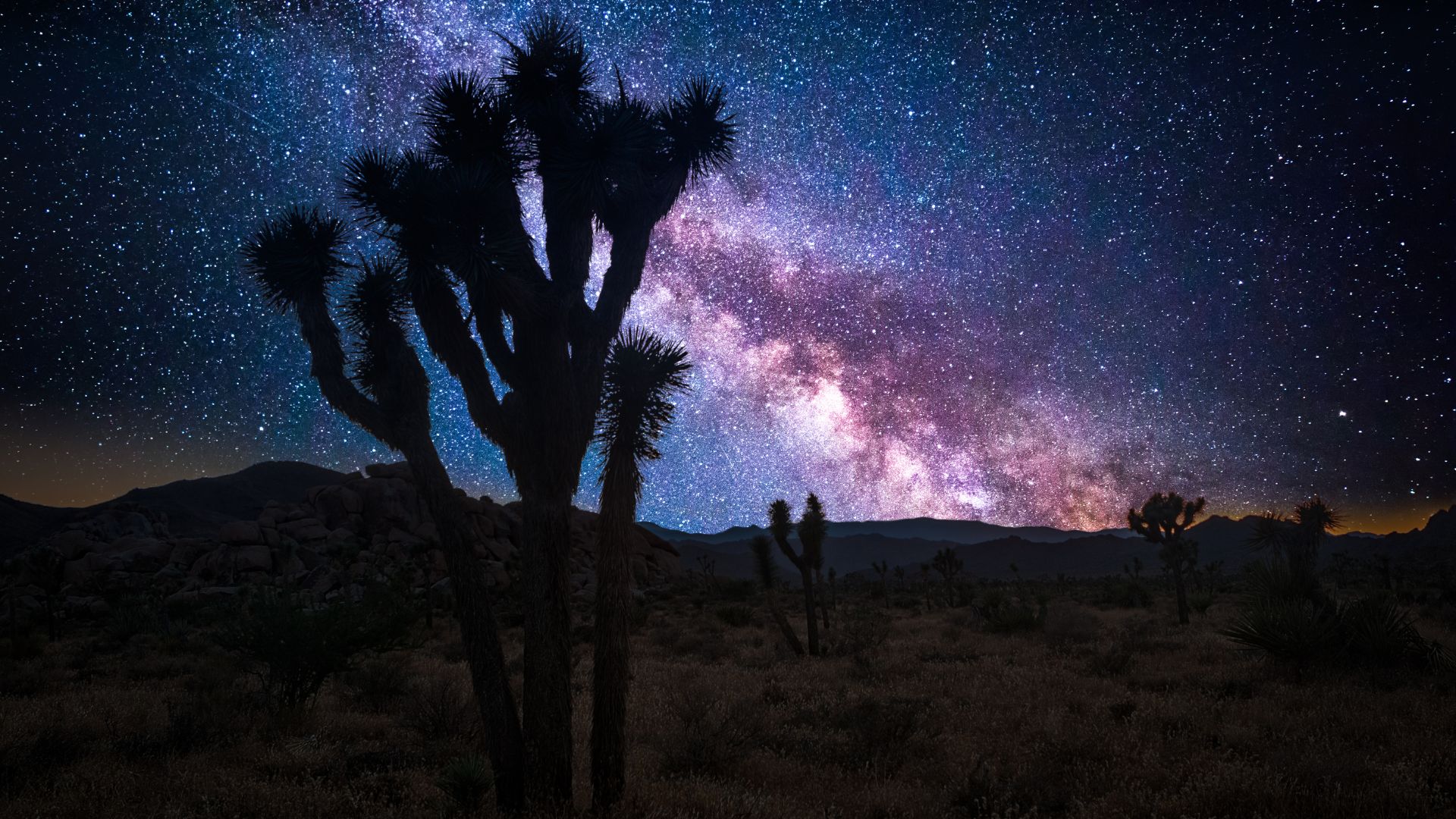
On clear nights, I could see thousands of stars stretching over the desert. The peace and stillness after sunset feel almost otherworldly.
The Milky Way sometimes stretches from one horizon to the other, and if you’re lucky, you’ll catch a meteor shower. You don’t need a telescope, but binoculars help you spot even more.
I always bring a jacket and something warm to drink—temperatures drop fast. There’s something about being out here at night that makes you feel completely connected to nature.
Joshua Tree’s wide-open spaces and almost zero light pollution make it a dream for night photography. I often spot other visitors setting up tripods, hoping to catch those long-exposure shots of the stars above the boulders.
Top Stargazing Spots and Tips
Some spots just work better for stargazing. I found great views at Quail Springs, Hidden Valley, Cap Rock, and Ryan Mountain parking lots. They’re all easy to reach and have wide-open horizons.
| Stargazing Spot | Features |
|---|---|
| Quail Springs | Open area, easy parking |
| Hidden Valley | Surrounded by rock formations |
| Cap Rock | Flat, wide view of the sky |
| Ryan Mountain | Higher elevation, broad view |
For the darkest skies, I drove out to the park’s east side, far from any towns. Arriving before sunset helps you get your bearings—no one wants to stumble around in the dark.
Stargazing is best with no clouds and during a new moon. I always bring a red flashlight to protect my night vision.
After dark, the air smells like creosote and feels cool and sharp. It’s honestly an experience you won’t forget.
Exploring Otherworldly Rock Formations
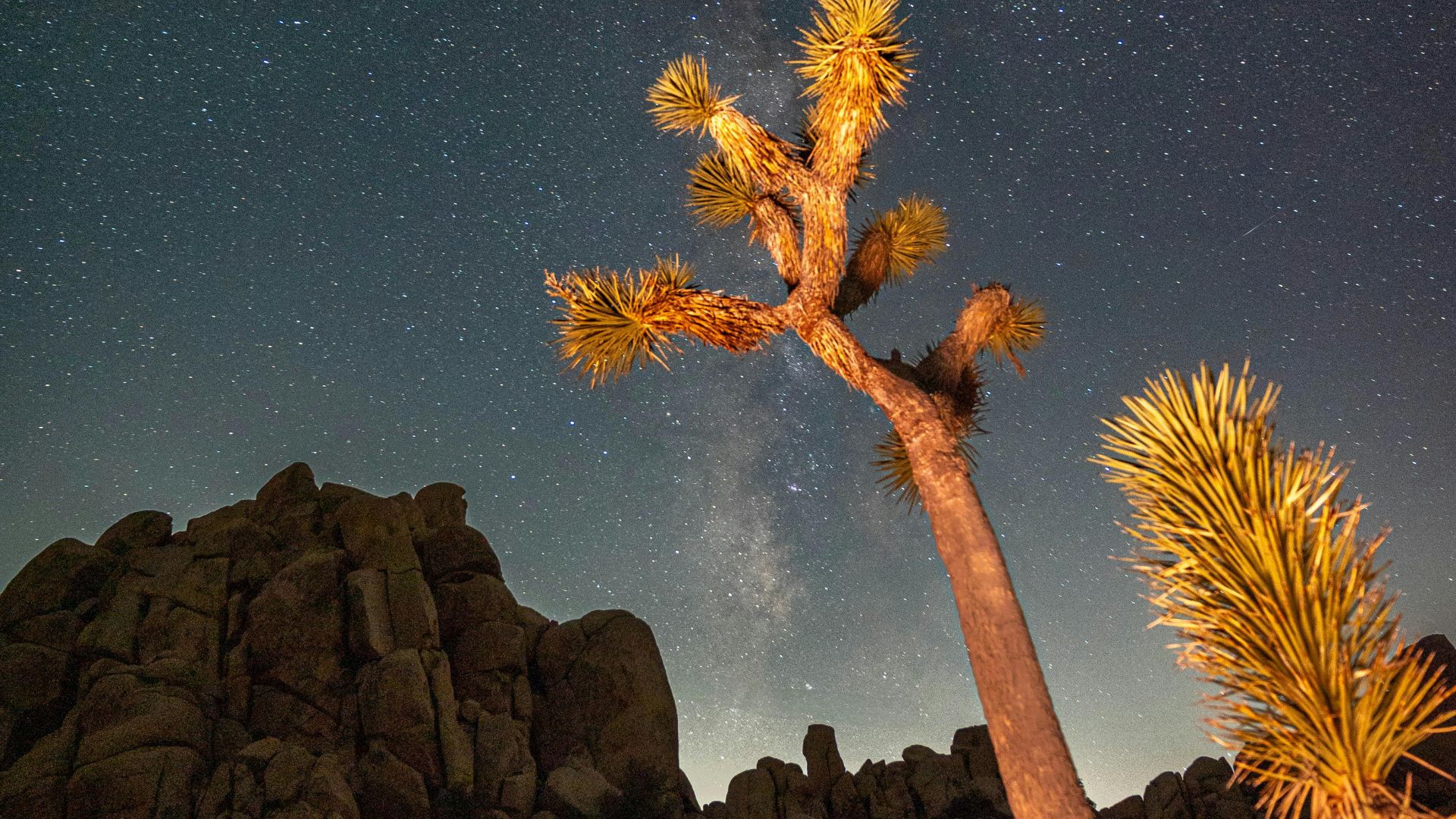
Joshua Tree is famous for its wild rock formations. These giant boulders and natural arches shape the whole park and make it perfect for hiking, photos, and adventure.
Jumbo Rocks and Skull Rock Highlights
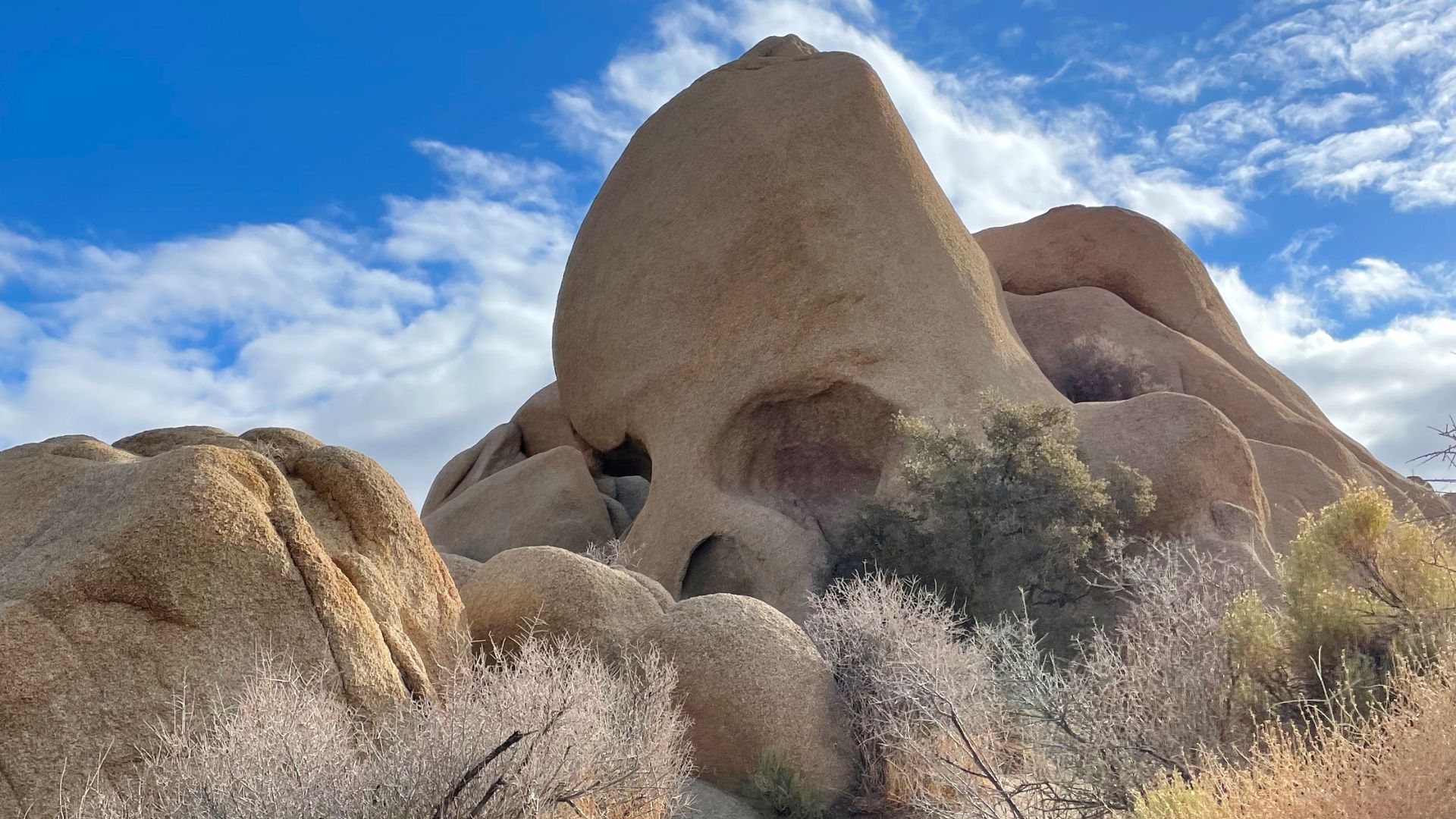
Jumbo Rocks is probably the most recognizable spot. Walking among these massive granite piles, I always feel tiny. Some boulders stack up so high they make little caves and tunnels to explore.
Skull Rock looks just like its name—a big stone skull with hollow “eyes,” shaped by wind and water. People always stop for photos here. The trail is easy and filled with more strange rock shapes.
Every visit, I find new faces and creatures in the rocks. It’s a bit like cloud-watching, but with granite.
Here’s a quick look at what makes these spots special:
| Name | Feature | Best For |
|---|---|---|
| Jumbo Rocks | Large boulder piles | Exploring, camping |
| Skull Rock | Skull-shaped formation | Photos, short hikes |
Arch Rock Trail: A Surreal Journey
Arch Rock Trail is a must if you love natural arches. The hike is about 1.4 miles roundtrip and winds through a maze of smooth, round rocks.
Arch Rock itself is a big granite arch perched on a pile of boulders. It’s easy to walk right up for a photo or just to take in the view.
The main path is simple, but you can wander off on side trails to find even more weird shapes. I like to go at sunrise or sunset for the soft light and fewer people. The signs along the trail explain how these rocks formed, which makes the walk even more interesting.
Rock Scrambling and Climbing Adventures
Rock climbing and bouldering are huge here. The Wonderland of Rocks area is packed with routes for every skill level.
I spent hours scrambling up smaller rocks and trying some easy bouldering problems. Most bouldering doesn’t need ropes, but climbing shoes help a ton.
There’s something for everyone, whether you want a gentle slab or a steep wall. Watching the pros climb the big faces is pretty wild.
If you’re new to climbing, local outfitters offer lessons and gear rentals. The whole park feels like a giant playground for anyone who wants to try something new.
Immersing in Joshua Tree’s Unique Desert Ecosystems
Joshua Tree National Park actually brings together two different deserts in one place. I saw all kinds of surprising plants, rare animals, and rocky landscapes—plus a few green oases where life gathers in the most unexpected ways.
The Magic of Cholla Cactus Garden
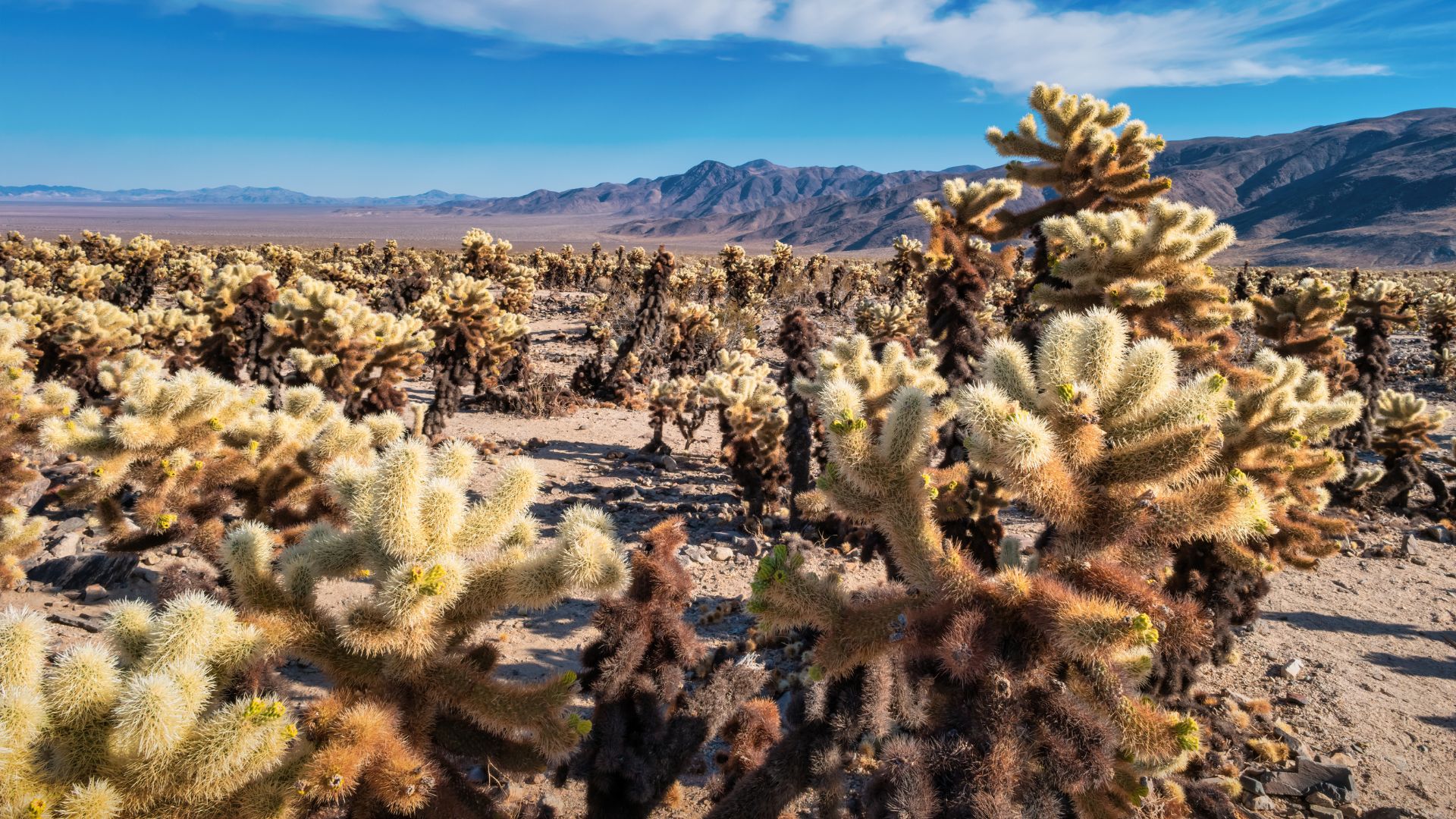
Walking through the Cholla Cactus Garden honestly felt like landing on another planet. The ground’s covered in teddy bear cholla cacti, their silver and gold spines catching the sunlight in a way that’s almost unreal.
In the early morning or late evening, the light filters through those spines, making them look soft—though trust me, they’re anything but. I’ve seen more than one photographer scramble for the perfect shot at sunrise or sunset.
Hummingbirds zipped around, sipping nectar from the flowers, while little lizards darted between the cacti. The garden proves that even the harshest desert can surprise you with life.
I stuck close to the marked path, not willing to test the “jumping” cholla stories. Those spines latch on fast and don’t let go easily!
Tip: Closed shoes are a must. Watch your step—the cholla really can “jump” onto you if you brush past it.
Mojave and Colorado Desert Landscapes
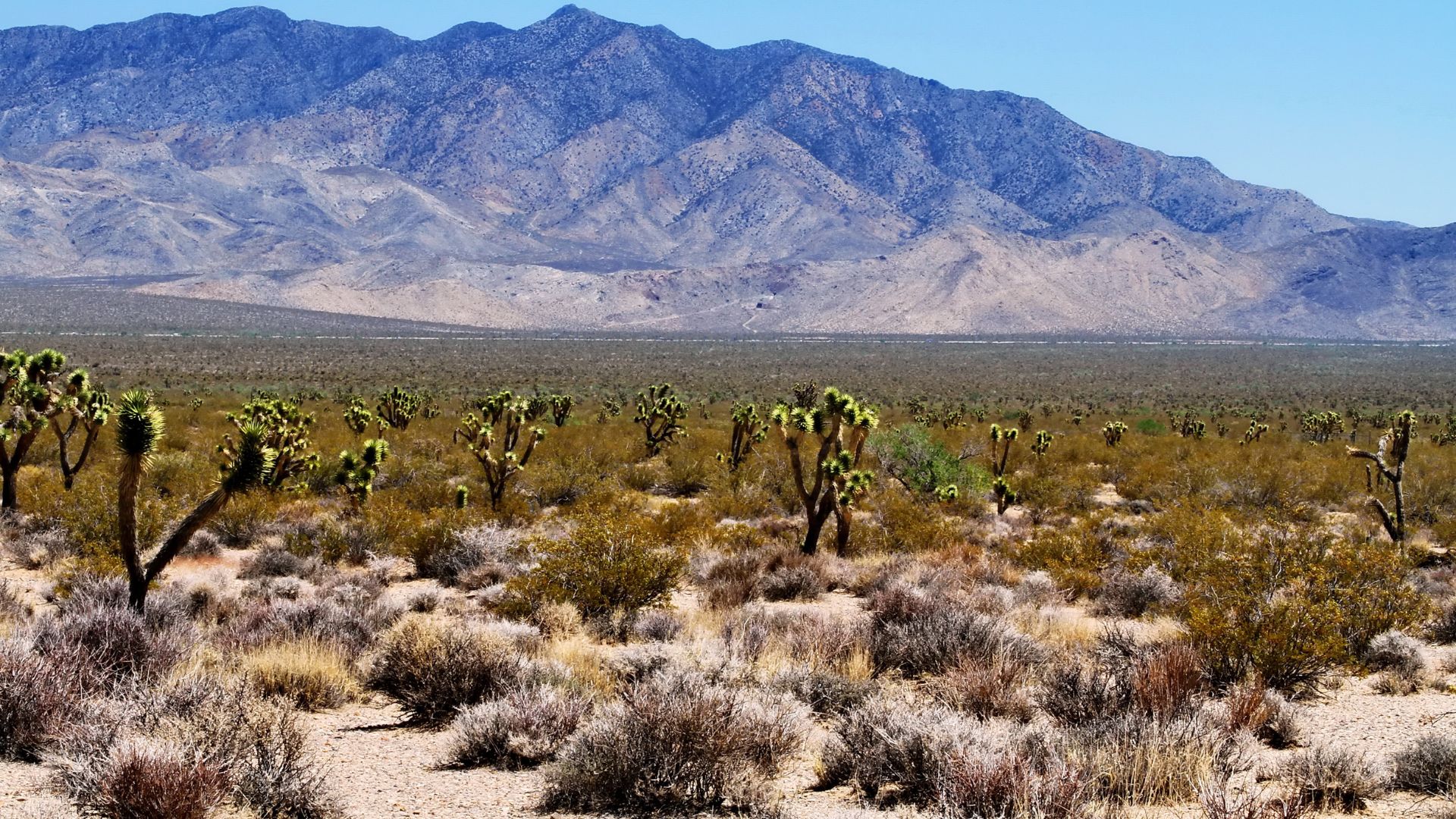
Joshua Tree sits right where the Mojave and Colorado Deserts meet. The landscape changes fast as you move through the park.
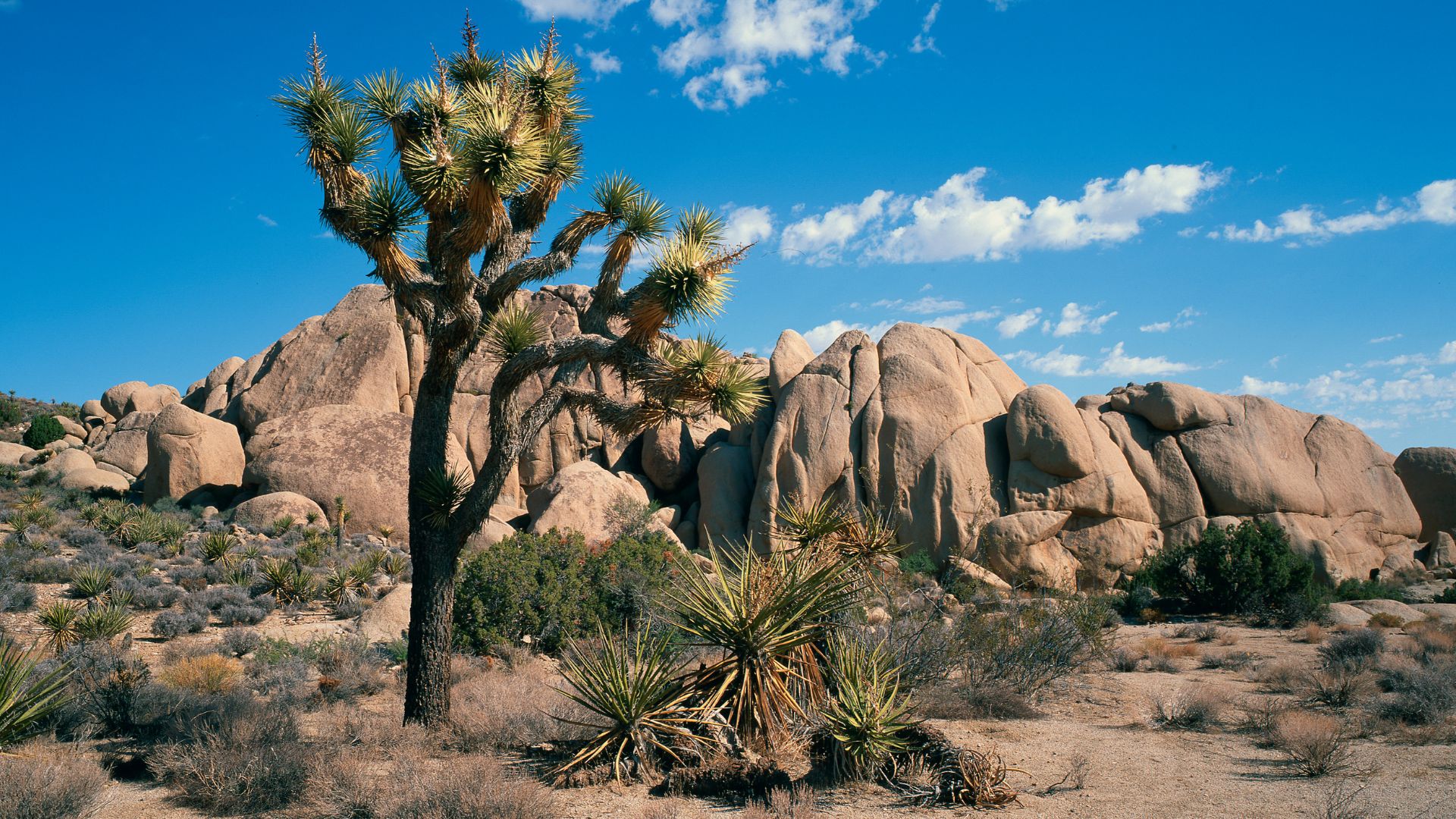
Higher up in the Mojave, I found tall Joshua trees with their wild, spiky branches. Huge boulders pop up everywhere, and the views seem endless. Nights get surprisingly cool up there.
Jackrabbits and coyotes made appearances when I least expected it. Then, as I dropped into the lower Colorado Desert, the air felt hotter and drier.
Creosote bushes and ocotillo replaced the Joshua trees. The difference between these two deserts is almost shocking—sometimes even the soil and rocks change color as you cross from one valley to the next.
Table: Differences I Saw
| Feature | Mojave Desert | Colorado Desert |
|---|---|---|
| Elevation | Higher | Lower |
| Main Plant | Joshua Tree | Creosote, Cholla |
| Climate | Cooler nights | Hotter, drier |
Discovering Palm Oases and Cottonwood Spring
Finding a palm oasis out here feels like stumbling onto a secret. I trekked to Cottonwood Spring Oasis and hiked out to Lost Palms Oasis.
These hidden spots sit tucked away in rocky canyons, where underground water bubbles up to the surface. Fan palms tower over willows and cottonwoods, casting thick, cool shade that’s such a relief after the desert heat.
Birdsong and the buzz of dragonflies fill the air near the pools. I spotted quail, lizards, and, once, a slow-moving desert tortoise.
Cottonwood Spring has a story, too. Old grinding stones sit near the water, proof that people have relied on this spring for hundreds of years. The green oasis inside the dry desert is something you just have to see for yourself.
Essential Tips for a Magical Joshua Tree Experience
Planning matters—sometimes even more than the adventure itself. I’ve learned to pay attention to the little things: where to camp, when to visit, and how to keep both myself and the park safe.
Camping and Lodging Options
I found several campgrounds inside Joshua Tree National Park. Favorites like Hidden Valley, Jumbo Rocks, and Black Rock fill up quickly.
Some sites work on a first-come, first-served basis, while others need a reservation. I always double-check the official site before heading out.
If I’m craving a real bed, I look for lodging in nearby towns—Joshua Tree, Twentynine Palms, or Yucca Valley. You’ll find motels, quirky inns, and unique vacation rentals in those spots.
Staying outside the park? I always start at the Joshua Tree Visitor Center for maps, updates, and a little local advice. Camping inside means I wake up to sunrise views and the sound of the desert at night.
I pack a warm sleeping bag, more water than I think I’ll need, and all my food—there are no services once you’re in the park.
Best Time to Visit and Day Trip Planning
Spring (March-May) and fall (October-November) are my go-to seasons. The weather’s perfect for hiking, exploring, and stargazing.
Winter nights get cold, and summer’s heat can make hiking tough. If I only have a day, I plan my route carefully—Barker Dam, Hidden Valley, and the Cholla Cactus Garden are must-sees.
Arriving early helps with parking and beats the crowds. I check the Visitor Center hours and make a loose plan so I don’t miss out.
Here’s what a simple day might look like:
- Morning: Quick hike at Hidden Valley
- Afternoon: Picnic and a stop at the best viewpoints
- Evening: Sunset at Keys View or back at the Cholla Cactus Garden
Staying Safe: Hydration, Leave No Trace, and Cell Service
I always toss at least a gallon of water per person into my pack for each day. In the dry desert air, you get thirsty faster than you expect—even those “easy” short hikes will leave you parched.
Sunscreen and a hat? Non-negotiable. I’ve learned the hard way that the sun here doesn’t mess around. Finding a patch of shade feels like striking gold, so I take breaks whenever I can.
For Leave No Trace, I pick up every scrap of trash and stick to the trails. I never pick plants or bother the wildlife. It might sound obvious, but keeping the park clean really does make a difference for everyone who visits.
Cell service? Pretty unreliable out here. Before I head out, I always tell someone where I’m going. I bring a printed map or download one to my phone, just in case I lose signal.
These habits let me actually relax and enjoy everything Joshua Tree throws my way.
