
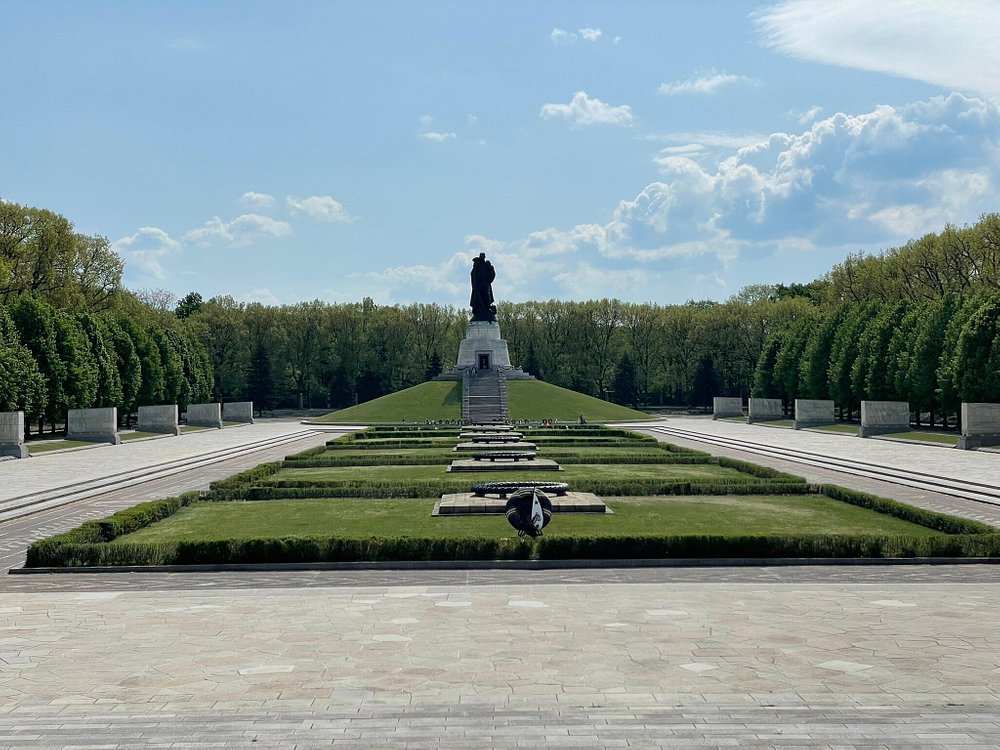
When I wandered through Treptower Park in Berlin, I felt instantly wrapped in a sweep of open lawns, towering trees, and winding, peaceful paths. Locals and travelers come here to unwind, ride bikes, or just stretch out on the grass for a lazy afternoon. The further I walked, the more the scenery shifted, and then—there it was—the imposing Soviet War Memorial rising up ahead.
The Soviet War Memorial at Treptower Park really stands out as one of Berlin’s most powerful monuments, honoring the Soviet soldiers who died in World War II. Massive statues, bold stone reliefs, and a wide, formal layout give the memorial a presence you can’t ignore. That main statue—a Soviet soldier holding a child, crushing a swastika beneath his feet, with weeping willows flanking the avenue—left a mark on me I didn’t expect.
My time here let me soak up both the calm beauty of the park and the heavy history at the memorial. There’s something unique about this place; it weaves together nature, memory, and reflection, making it so much more than just another city park.
Treptower Park: Berlin’s Expansive Green Space
Treptower Park isn’t just about green fields. It’s got peaceful river scenes, layers of history, and a real connection to Berlin’s past. As I strolled along, I passed broad walkways, striking monuments, and quiet nooks that all seemed to tell their own stories.
Location and Historical Background
You’ll find Treptower Park in the Treptow-Köpenick district, stretching out along the Spree River. It’s truly one of Berlin’s largest public green spaces outside Tiergarten, and you can feel that openness as soon as you step in.
The city built the park in the late 19th century, and it quickly became a favorite for Berliners—especially those who lived in what used to be East Berlin. The Soviet War Memorial is the park’s most famous landmark, but the whole area feels like a bridge between history and nature.
People come here to remember the past, especially the Red Army soldiers who died in the Battle of Berlin. Over the years, it’s become a place to reflect, but also to just enjoy the open meadows and shade.
Puschkinallee and Surrounding Landmarks
Puschkinallee, one of the main streets along the park, makes getting here a breeze. I noticed how it leads visitors straight from the S-Bahn station into the heart of Treptower Park. Tall trees line the avenue, making the entrance feel almost ceremonial.
On the south-eastern edge, there’s the Isle of Youth. It’s a small island, linked by a bridge, with boat docks and a quieter vibe if you want a break from the main park paths. Not far off, Plänterwald offers even more green space.
The Soviet War Memorial sits right in the center. On my way there, I passed gardens, big lawns, and quiet corners—each spot giving a slightly different glimpse of Berlin’s landscape and its layered past.

The Park’s Role in East Berlin
Back when Berlin was divided, Treptower Park played a big role for East Berliners. They came here for picnics, sports, and gatherings—there weren’t many places in the city that felt this spacious or welcoming.
You can sense the pride East Berliners felt for the park. The Soviet War Memorial especially stands as a reminder of the city’s role at the end of World War II, and later, as a symbol in the socialist era.
Good transport links, like the S-Bahn, made it easy for people all over East Berlin to reach the park. Even now, you can see how Berliners balance public memory with the simple need for green, restful spaces.
Soviet War Memorial: Design and Symbolism
Walking through the Soviet War Memorial, I realized just how much thought went into every statue and pathway. The sheer scale is overwhelming, but it’s the details—stone, bronze, the careful layout—that shape how visitors remember the end of World War II here.
Planning, Architects, and Soviet Influence
The Soviets finished the Treptower Park memorial in 1949. Soviet architects Yakov Belopolsky, sculptor Yevgeny Vuchetich, and Alexander A. Gorpenko led the project.
They wanted to show both the military might and the human sacrifice behind the Soviet victory in Berlin. The memorial covers nearly 100,000 square meters—one of the biggest Soviet memorials outside the former USSR.
The main procession route, the huge bronze soldier, the landscape design—all of it creates a sense of ceremony. This isn’t just a cemetery; it’s a statement about power, sacrifice, and the official Soviet perspective on the war and the defeat of National Socialism.

Granite and Stone Sarcophagi Details
Walking the central path, I passed a line of granite sarcophagi. They aren’t your average gravestones. Each one is carved with reliefs and inscriptions in Russian and German, dedicating the site to the soldiers who fought and died.
There are sixteen sarcophagi, one for each Soviet republic at the time. Some are decorated with war scenes, others with Soviet emblems like the hammer and sickle.
The tough granite feels heavy—both literally and symbolically. The sarcophagi line the main walkway, guiding you straight to the memorial’s centerpiece.

Processional Avenue and Triptych Reliefs
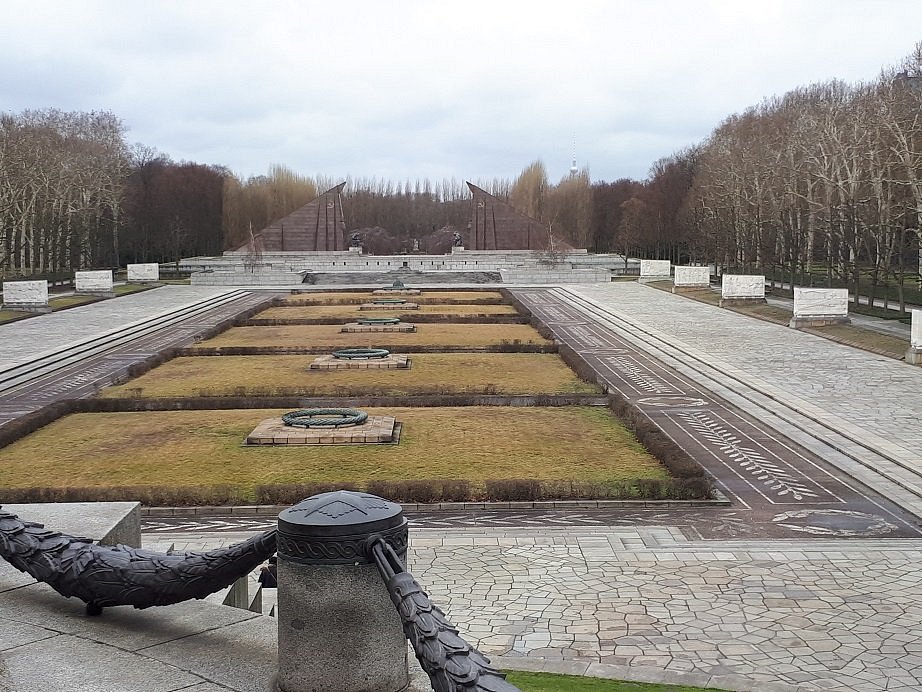
The processional avenue, broad and long, leads you right into the heart of the site. It’s formal, almost ritualistic, drawing you toward the statue at the end. Weeping birches and lawns run along both sides, adding to the solemn mood.
One detail that caught my eye: the triptych reliefs on the sarcophagi. Each set of three images tells a story—war, loss, and victory—almost like a comic strip carved in stone.
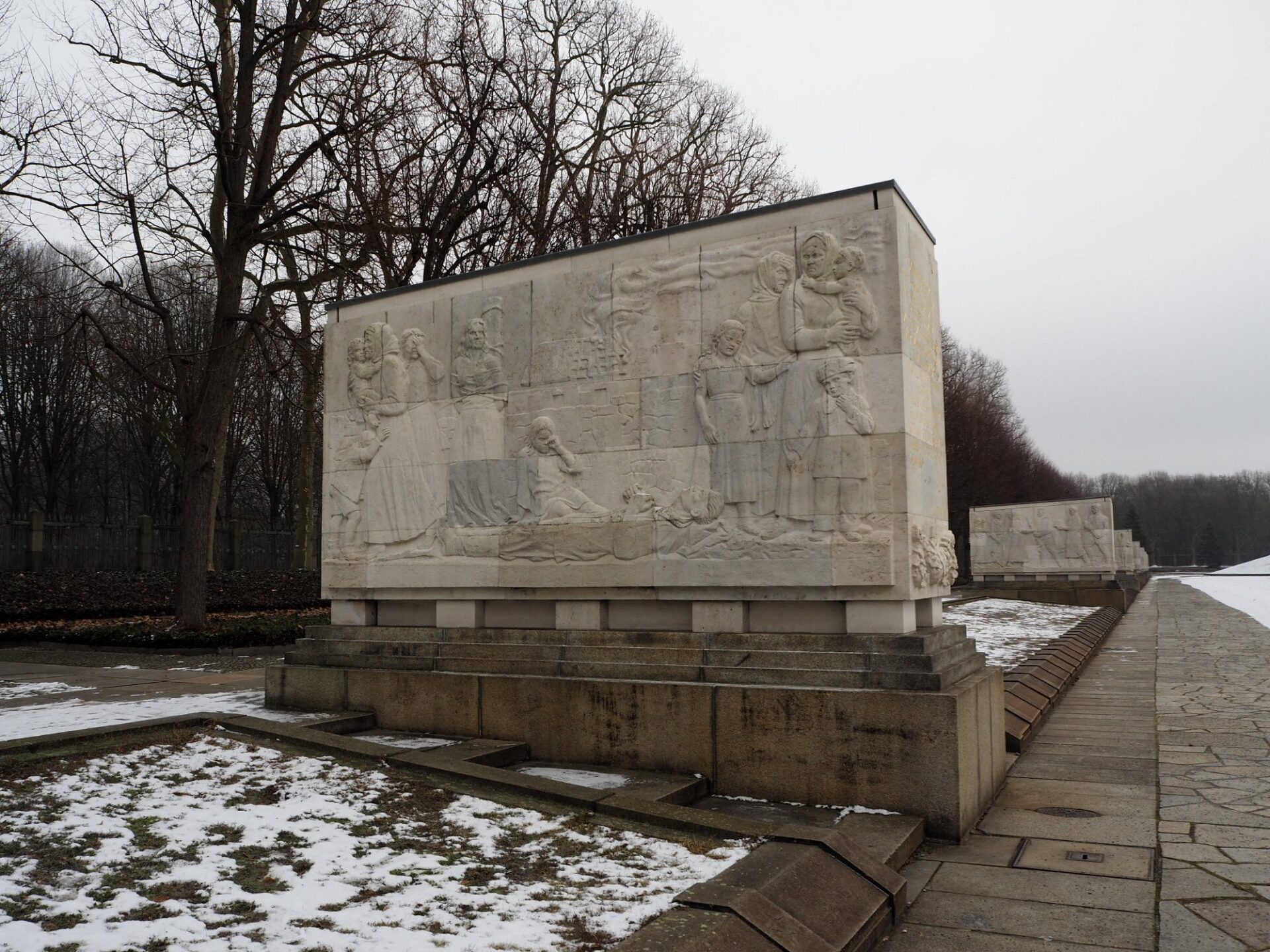
You’ll see families saying goodbye, soldiers in battle, and the celebration of peace. These images help visitors—me included—grasp the Soviet view of sacrifice and destiny in just a glance.

Symbolism and National Narratives
The symbolism here is thick and deliberate. The giant bronze statue, the Soviet Soldier, stands over a broken swastika—a clear image of the defeat of National Socialism and the Red Army’s role as both liberators and conquerors.
You’ll spot Soviet emblems everywhere: on banners, carved into stone, displayed with pride. The design favors symmetry, big lines, and grand scale—classic Soviet monumental style.
This place isn’t just about mourning. It’s about shaping memory, telling the USSR’s story of heroism, unity, and the cost of war. The memorial’s style influenced other Soviet sites across Eastern Europe, tying together politics, architecture, and remembrance.

The Statue of the Soviet Soldier
Standing at the heart of Treptower Park, I found myself face-to-face with a massive bronze Soviet soldier. This statue dominates the memorial and is packed with symbolism and detail.
Design and Artistic Elements
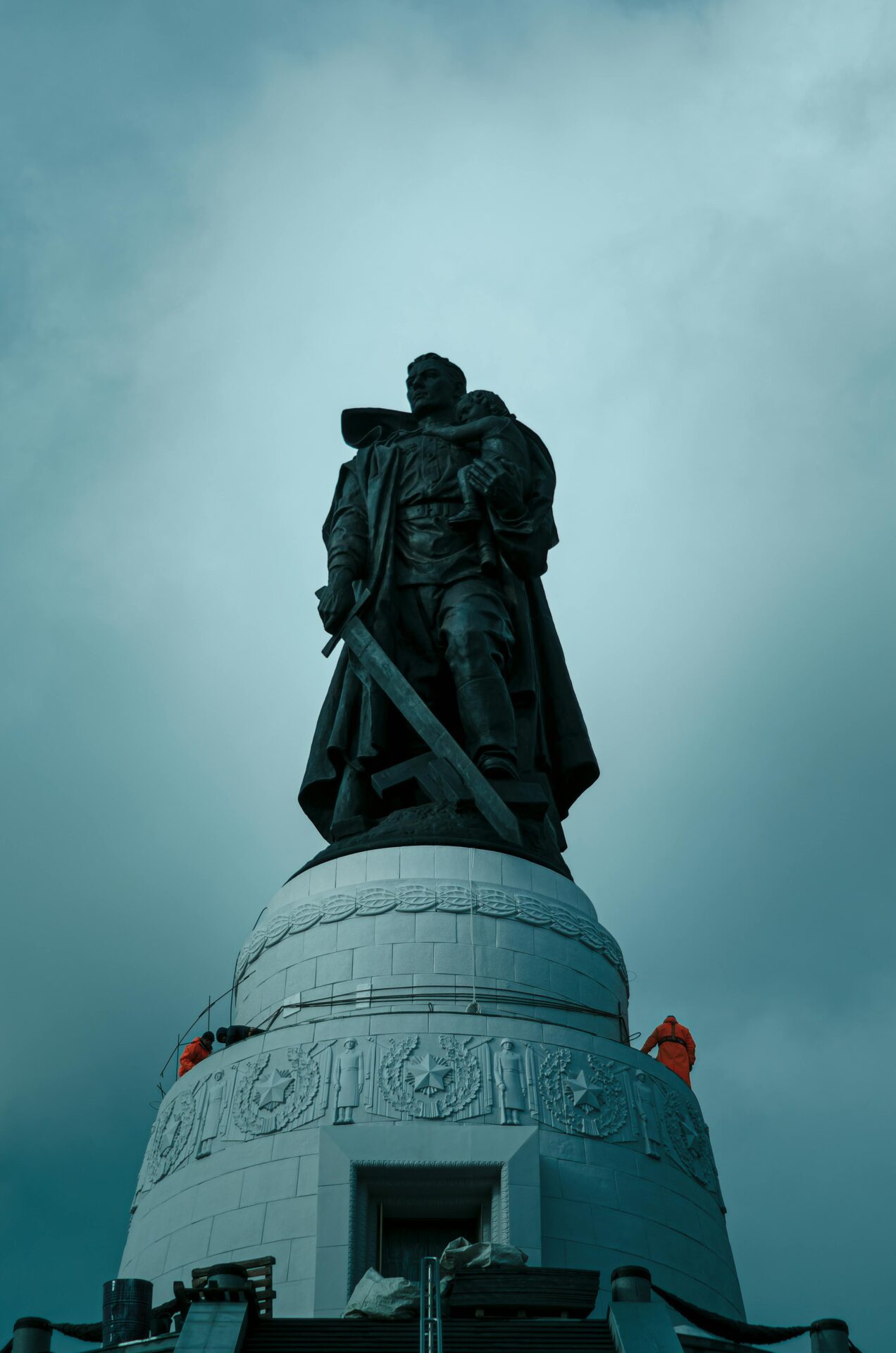
The statue rises about 12 meters high, cast in bronze. Sculptor Yevgeny Vuchetich designed it to be both imposing and detailed. The folds in the uniform, the heavy boots—everything feels intentional.
He grips a sword, drawing your eye down and emphasizing his strength. Even so, his posture is upright yet gentle. The expression isn’t fierce; it’s serious, maybe even kind.
Below, you’ll find big reliefs and carvings showing scenes from the war. Kneeling soldiers, moments of sacrifice—it’s all there. The statue stands on a mound, visible from far across the park.

Depictions of Sacrifice and Victory
But it’s not just about military power. For me, the statue sends a strong message about sacrifice. The soldier holds a child in his left arm—a vulnerable, hopeful symbol for the future.
Nearby, you’ll spot engraved tributes to “eternal glory” and references to battle sites like Stalingrad and Volgograd. The whole place serves as a cemetery for thousands of Soviet soldiers, underscoring their ultimate sacrifice.
The eternal flame and the sheer scale of the memorial invite visitors to pause and reflect on the cost of war and the meaning of peace.
The Shattered Swastika and German Child
One detail I couldn’t miss: the soldier crushing a shattered swastika under his boot. The sword points down, finishing the symbol’s destruction—a clear image of victory over fascism.
The child in his arm looks calm. This detail is based on a real story: Sergeant of Guards Nikolai Masalov reportedly saved a child during the Battle of Berlin. Here, the Soviet soldier isn’t just a conqueror; he’s a protector.
These elements combine to give the statue layers of meaning. Victory comes with compassion. Destroying the swastika is balanced by saving an innocent child. The monument feels both strong and deeply humane—rare among war memorials.
Memorial Grounds and Commemorative Features
As I wandered the grounds of the Soviet War Memorial, I found the atmosphere deeply moving. Every detail honors the Red Army soldiers who died in the Battle of Berlin and points toward both loss and hope.
Cemetery and Communal Graves
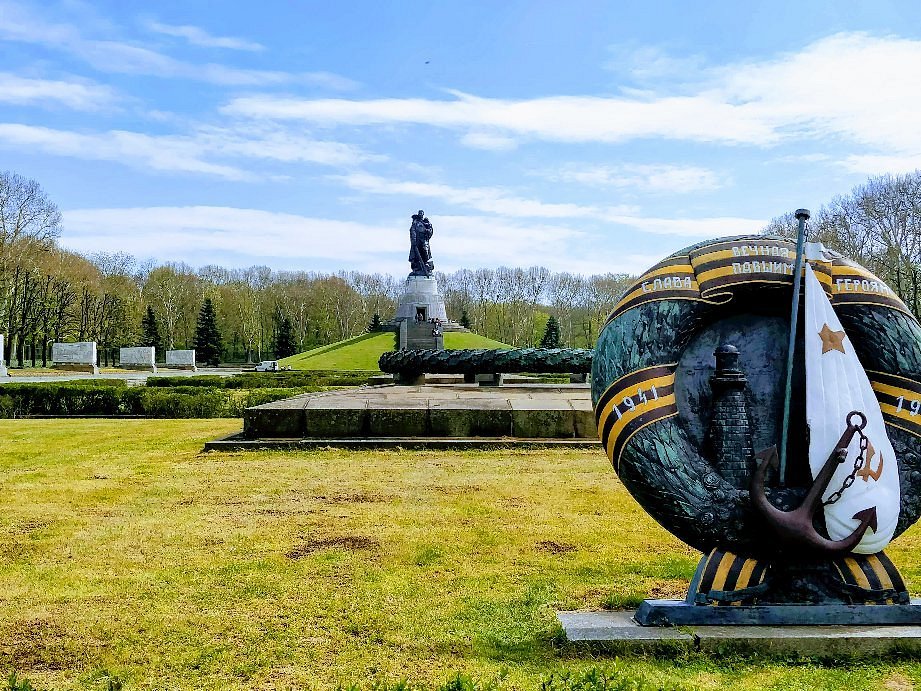
The memorial includes a sprawling military cemetery. Around 5,000 Soviet soldiers are buried here, making it one of Germany’s largest war graves. Many lie in communal graves, their names mostly unknown, though some stones bear names or ranks.
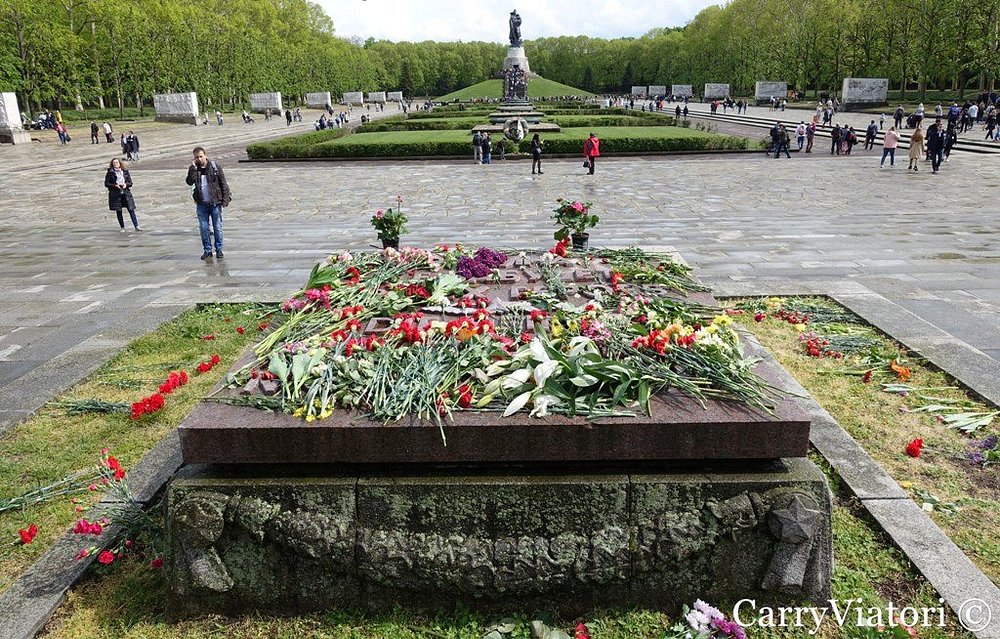
Rows of graves stretch out across the lawns, marked by simple stones. The weeping willows and green grass add a quiet sense of calm. Fresh flowers, often left by visitors or families, show that people still remember.
There’s no fence around the burial area, so I could walk quietly among the graves. Benches invite you to sit and reflect. On Victory Day and the Day of Liberation, people gather here to pay their respects.

Sarcophagi and Inscriptions
Along the main walkway, I passed those massive stone sarcophagi again. Each one is carved with reliefs and Soviet symbols—hammers, sickles, the Red Star. They work as both monuments and historical markers.
Inscriptions in Russian and German cover the sarcophagi. The texts honor the sacrifices of Soviet troops who liberated Berlin from National Socialism. The reliefs show scenes of mourning, battle, and hope.
The stonework feels impressive, even a little intimidating. Reading the inscriptions, I realized these words were chosen to stir memory and underline the value of peace.
Commemorations and Ceremonies
Throughout the year, people hold commemorations at the memorial. On May 9 (Victory Day) and May 8 (Day of Liberation), ceremonies bring together veterans, officials, and families. Wreaths and flowers pile up at the bases of statues and sarcophagi.
Sometimes, you’ll see small military parades or honor guards. Speeches recall the cost of war and the hope for peace. The mood stays solemn, but there’s a sense of respect running through it all.
During my visit, I caught personal moments too—a single flower left at a grave, a family standing quietly in remembrance. Even decades after World War II, the sacrifices of Soviet soldiers haven’t faded from memory.
Historical Context: The Soviet Legacy and Berlin
To really get what Treptower Park’s Soviet War Memorial means, you have to rewind to the final days of World War II. Soviet troops were pushing into Berlin, and everything was changing fast under the shadow of Joseph Stalin and the USSR’s influence on East Germany.

The Battle of Berlin and German Surrender
The Battle of Berlin kicked off in April 1945. Soviet forces poured into the city, determined to bring the war in Europe to a close.
Inside Berlin, Hitler and his loyalists clung to hope, but the city was surrounded. The fighting turned brutal, block by block, and both sides suffered terrible losses.
On May 2, 1945, Berlin finally fell. Just a few days later, Germany surrendered—May 8, a date that still carries a lot of weight.
The Red Army lost over 80,000 soldiers in that battle alone. For the Soviet Union, this victory wasn’t just about military triumph; it became a core part of what they called the Great Patriotic War. Treptower Park’s memorial stands as a tribute to these sacrifices.
Key Figures
| Name | Role in Berlin |
|---|---|
| Adolf Hitler | Led Nazi Germany |
| Joseph Stalin | Led Soviet Union |
| Red Army | Captured Berlin |

Soviet Occupation and East Germany
After Nazi Germany fell, the Allies carved up Berlin and the rest of Germany into occupied zones. The Soviets took control of the eastern sector, including East Berlin.
Berlin soon turned into a symbol of the Cold War. The Soviets didn’t waste time—they set up their own government, which led to the birth of East Germany, or the German Democratic Republic (GDR).
Daily life shifted dramatically as Soviet policies and symbols spread everywhere. Authorities built new memorials, schools, and institutions to cement ties with the USSR.
Treptower Park’s war memorial became a focal point for official ceremonies. For many, it was a daily reminder of Soviet power looming over the city.
Stalin, the USSR, and the GDR
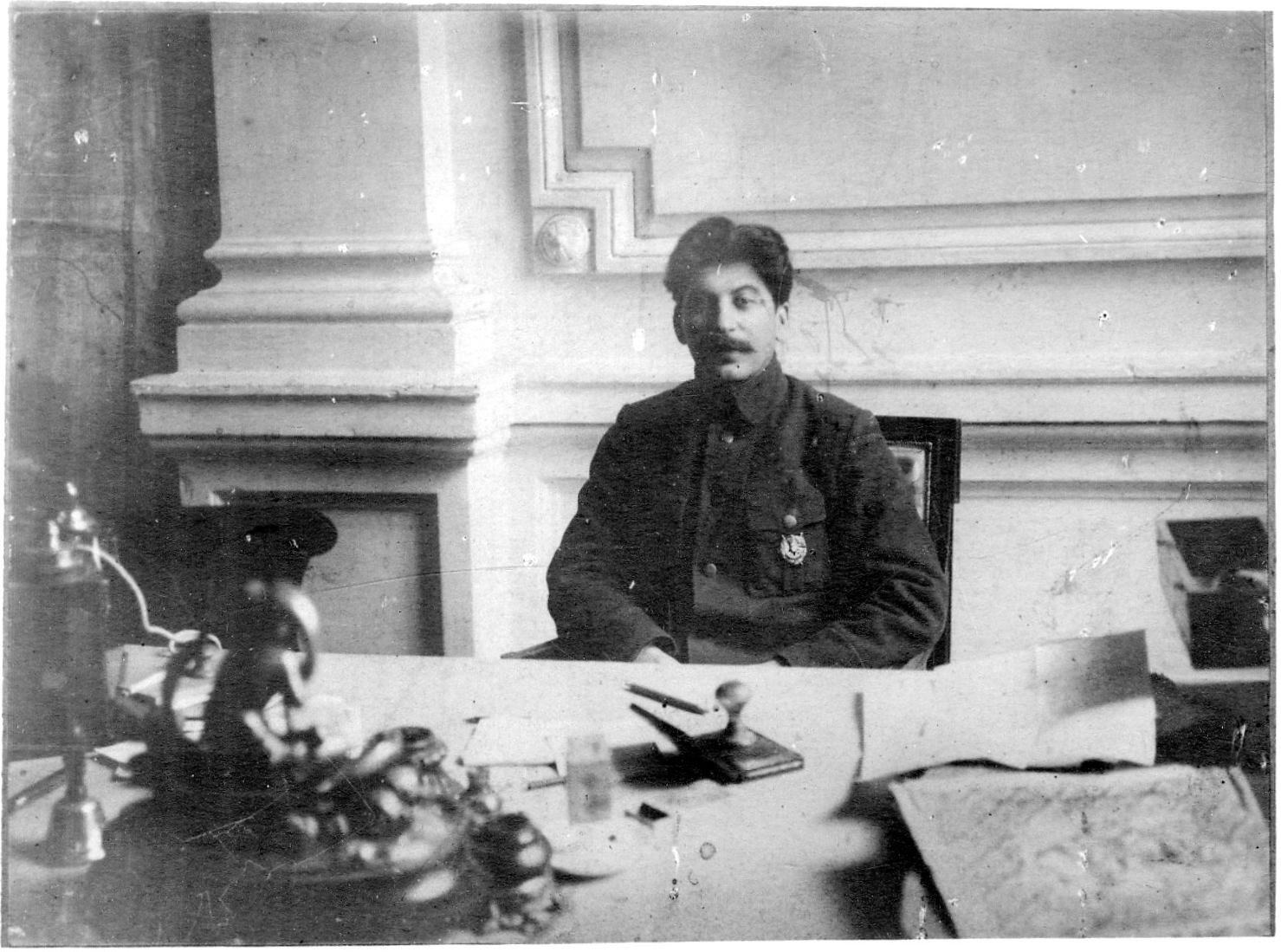
Joseph Stalin kept a tight grip on Soviet policy in Eastern Europe. His leadership shaped East Germany’s government and steered its economy in the years after the war.
Stalin pushed the GDR to follow the Soviet model—strict political control, a planned economy, and plenty of secret police. The Soviets helped rebuild Berlin, but they also made sure East Germany stayed loyal to Moscow.
Major Impacts
- One-party rule under the Socialist Unity Party (SED)
- Soviet-style education and propaganda
- Close military and economic ties with the USSR
Stalin’s legacy still lingers in Berlin. The eastern half of the city evolved along lines set by Moscow, and places like the Treptower Park Memorial keep that history visible day after day.
Legacy, Connections, and Reflections
Walking through the Treptower Park Soviet War Memorial, I couldn’t help but feel its weight in Berlin’s landscape. It’s not just a relic; it’s a piece of living history that connects to other Soviet memorials and keeps sparking new conversations.
World leaders come to pay their respects, and every visit reminds me how much these places still matter. The debates and ceremonies keep the story alive.
Role Among Berlin’s Soviet War Memorials
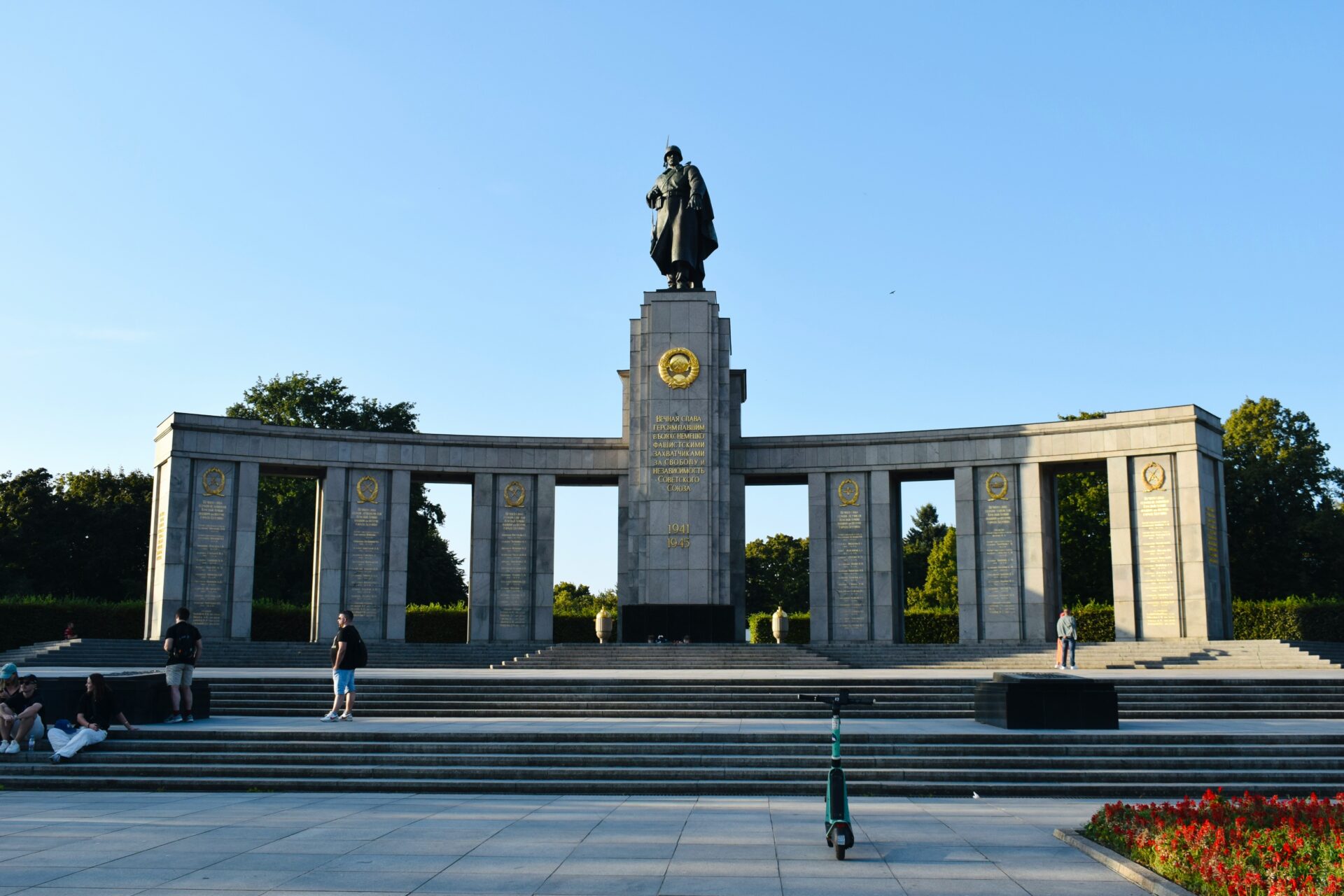
Treptower Park Memorial stands out—the biggest of its kind in Germany, covering nearly 90,000 square meters. It honors around 80,000 Red Army soldiers who died in the Battle of Berlin and serves as a cemetery for about 5,000 of them.
The place feels massive and carefully designed. As I walked the central path lined with statues and reliefs, the atmosphere felt both respectful and a little overwhelming.
They opened the memorial on May 8, 1949—exactly four years after the war ended in Europe. That date, May 8th, still means a lot in Russia and Germany: Victory Day and the anniversary of Nazi Germany’s surrender.
The memorial keeps the memory of the Red Army’s sacrifice alive in Berlin. It’s impossible to ignore.

Related Sites: Schönholzer Heide and Tiergarten
Treptower Park isn’t alone—Berlin has two other big Soviet war memorials: Schönholzer Heide in Pankow and Tiergarten near the Brandenburg Gate.
- Schönholzer Heide holds the graves of thousands of Red Army soldiers. It’s smaller but still powerful, with a central obelisk and walls carved with the names of the fallen.
- Tiergarten stands out for its location right near government buildings. You can’t miss it if you’re in the city center.
Together, these memorials form a kind of network. They show just how deeply the events of 1945 marked Berlin. Each one has its own style and atmosphere, but all of them press the reality of war into your memory.
Contemporary Narratives and Interpretations
Today, Treptower Park’s Soviet memorial sparks all kinds of reactions. Some people come to honor those who fought against Nazism, while others wrestle with the complicated legacy of Soviet history and the Berlin Wall years.
Berliners and tourists see more than just a monument—they see a symbol. Russians, Germans, and visitors from all over the world gather for ceremonies, especially on May 8th.
Sometimes, debates about the Soviet era make a visit feel complicated. I’ve overheard people sharing memories or just standing in quiet reflection, thinking about cycles of victory, loss, and occupation.
The memorial isn’t just a relic—it’s part of a bigger conversation about how we shape public memory and tell our national stories.

Visits by Leaders and Ongoing Relevance
Political leaders have visited the site, and honestly, that says a lot about its importance. I remember reading about Boris Yeltsin from Russia and Helmut Kohl from Germany—both came here to pay their respects. Those moments felt like real gestures of reconciliation between the two countries.
When leaders show up like that, it’s pretty clear the memorial means something beyond just Berlin or even Germany. Diplomats come, but so do students, tourists, and researchers. They use the space to dig into the history of war and peace, and I’ve seen school groups wandering the paths, sometimes looking a bit overwhelmed.
Treptower Park’s memorial has managed to stay relevant, even after the Berlin Wall fell and politics shifted. Walking among the sculptures and graves, I can’t help but feel how the echoes of that war still linger in Berlin’s air. The place wraps you up in its history—whether you’re ready for it or not.


