
Walking through St. Pauli in Hamburg, I set out to uncover the real spirit of the Beatles—way beyond the tourist-packed Reeperbahn and those bright neon signs. The heart of their early days beats quietly here, tucked away in old clubs and corners where they played night after night.
St. Pauli is where the Beatles grew from unknown teenagers into legends. As I traced their path, I stumbled on both the famous spots like Beatles-Platz and hidden stories that shaped their friendship and music.
This trip isn’t just about sightseeing. For me, it’s about connecting with a place that changed music history—and honestly, feeling a tiny bit of the thrill the Beatles must’ve felt when everything was still possible.
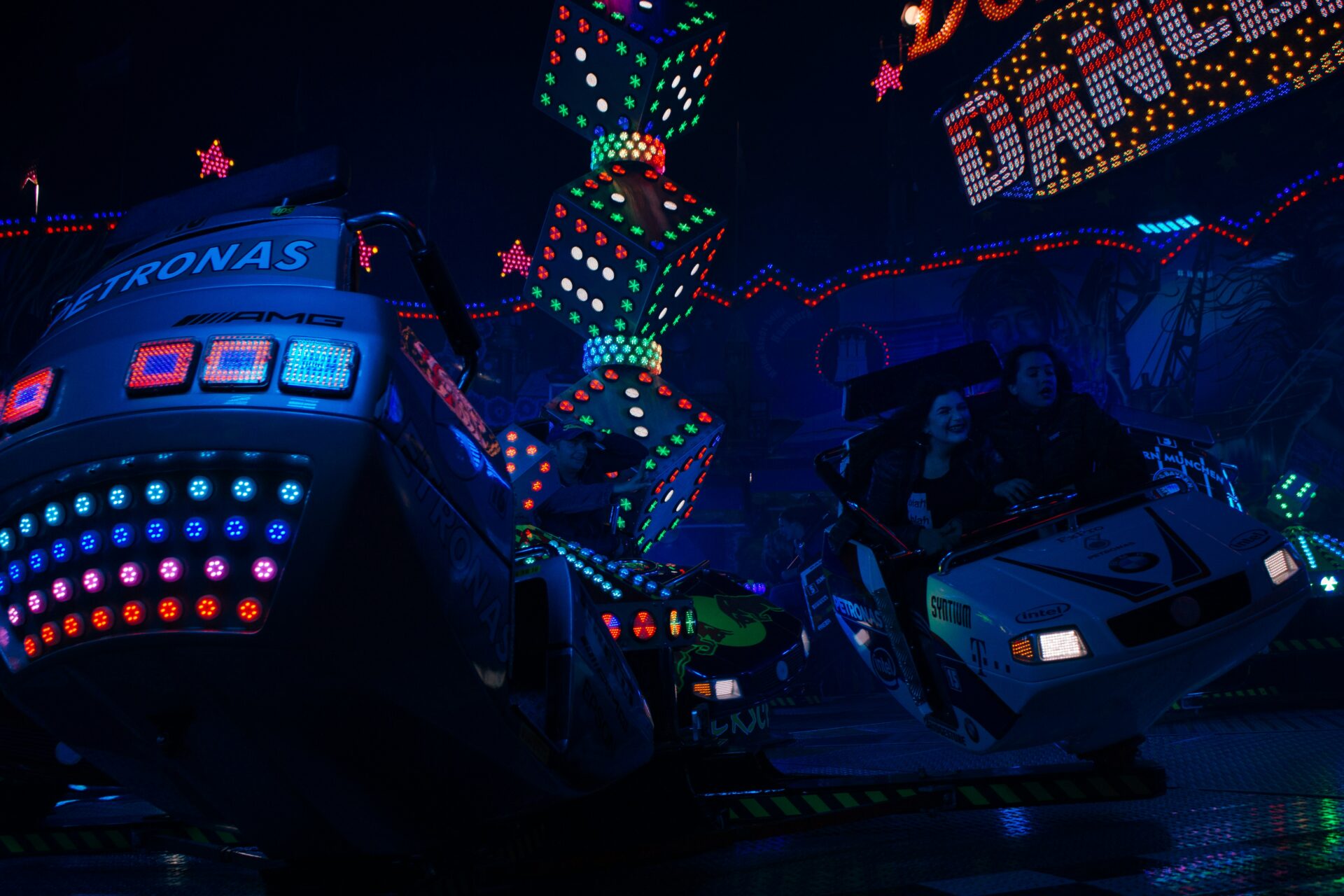
Tracing the Beatles’ Roots in St. Pauli
Visiting St. Pauli gave me a chance to see where the Beatles took their first big steps. Wandering these streets, I could feel how Hamburg shaped their sound and changed the city’s music scene.
The Beatles’ Arrival in Hamburg
The Beatles landed in Hamburg in 1960. Back then, they were just a scrappy group from Liverpool, hungry for any gig. They played endless sets in clubs on and around the Reeperbahn—places like the Indra Club and Kaiserkeller.
Life was anything but glamorous for them. They crashed in tiny, windowless rooms behind the clubs and played up to eight hours a night, just grinding to get better.
Hamburg’s nightlife in St. Pauli was fast and wild. The crowds didn’t go easy on them, so the Beatles had to step up their game. The city’s music scene pushed them to sharpen their sound and learn how to win over even the toughest audience.
Transforming St. Pauli: From Docklands to Music Hub
St. Pauli didn’t always buzz with music. It started as a docklands neighborhood, shaped by the port and working-class life. By the late ‘50s and early ‘60s, more clubs opened up, drawing in sailors, tourists, and local kids looking for something new.
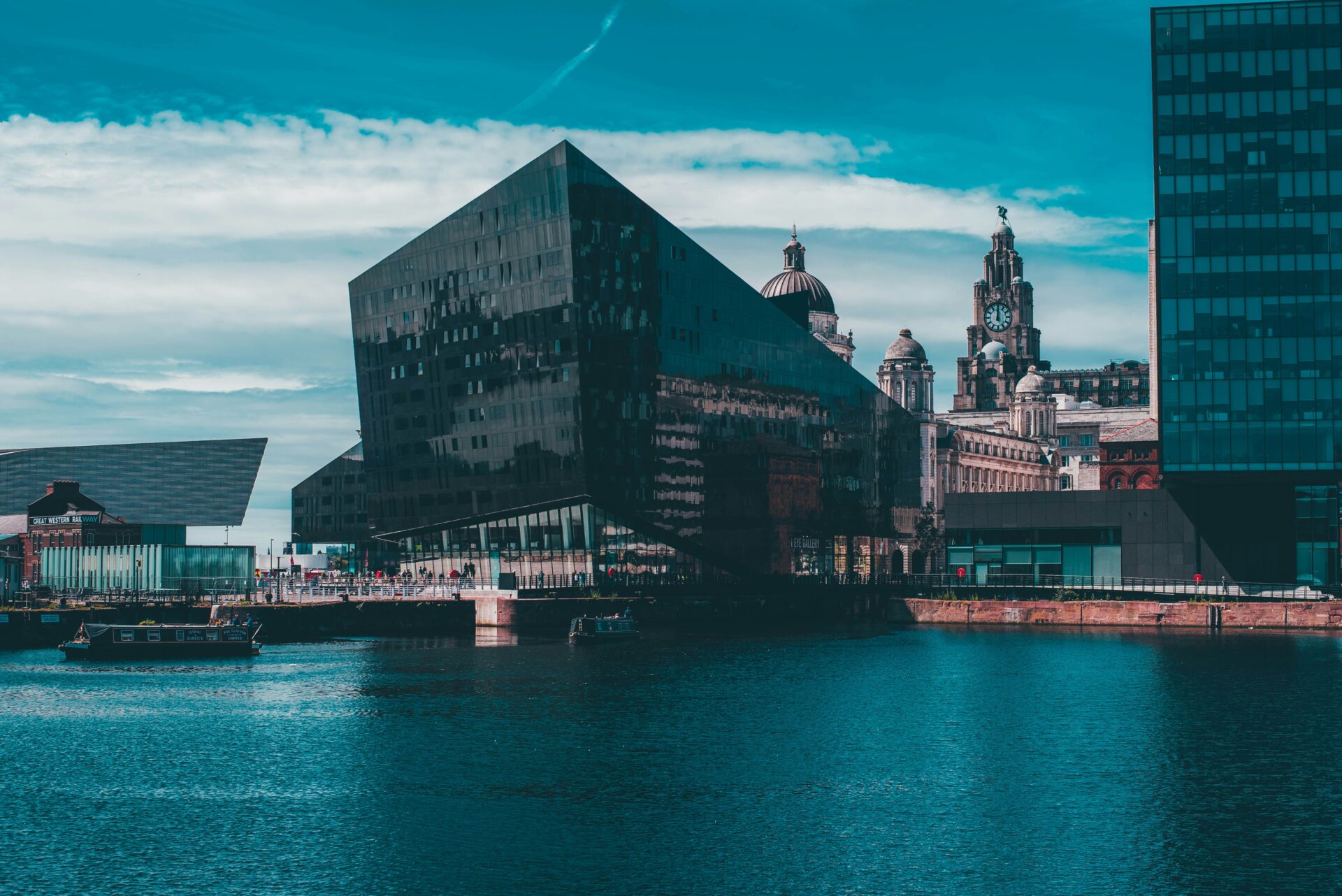
Rock ’n’ roll hit the district hard. Clubs like the Star-Club and Grosse Freiheit 36 became magnets for new bands and fans. The Beatles’ wild shows pulled in crowds and turned St. Pauli into Hamburg’s music epicenter.
Music tourism followed not long after. Nowadays, St. Pauli’s reputation is tied to those years. Places like Beatles-Platz and the Jägerpassage courtyard keep that energy alive, drawing fans from all over.
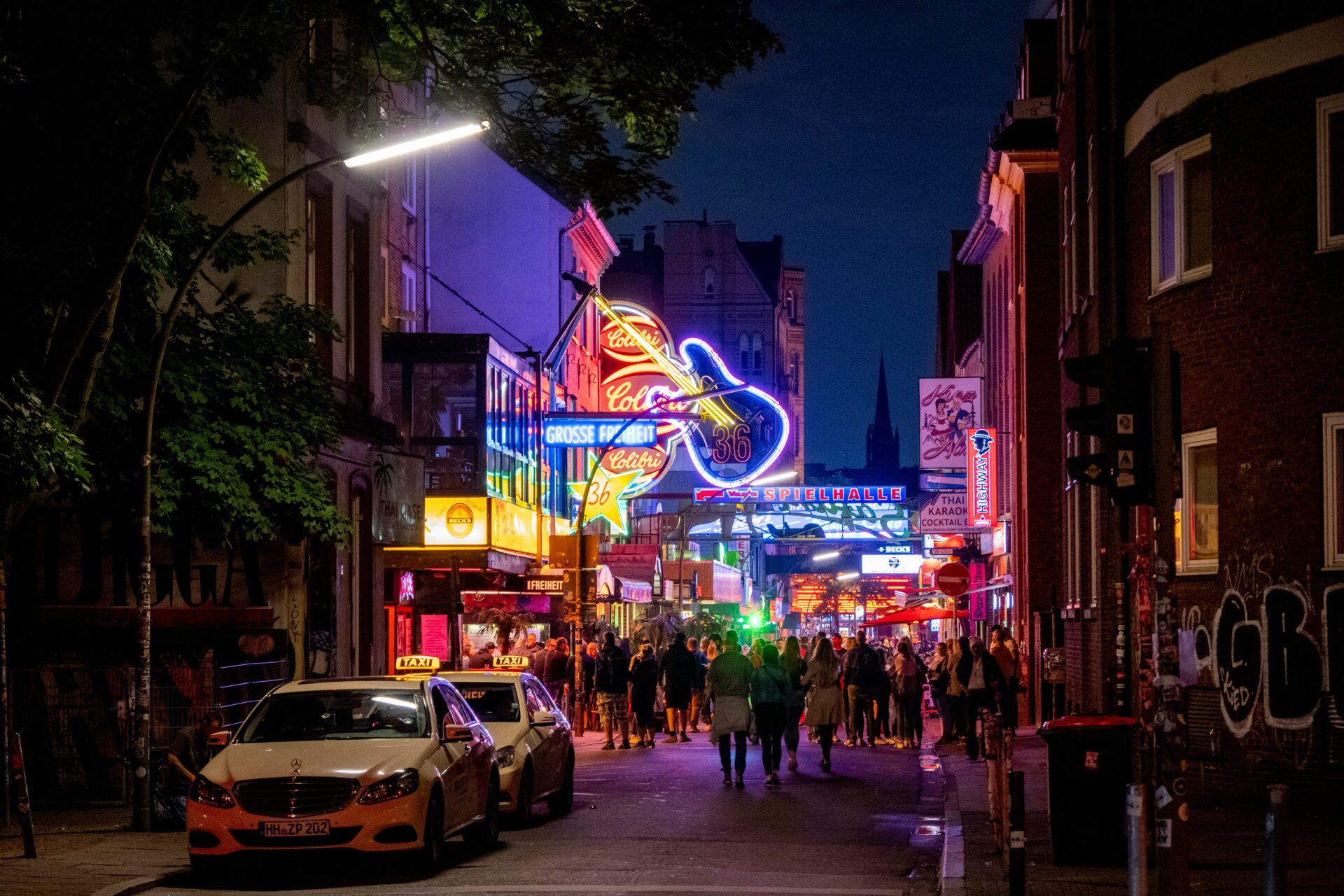
Liverpool to Hamburg: A Musical Journey
The jump from Liverpool to Hamburg did more than put miles behind the band—it changed them for good. Leaving home brought plenty of challenges and new influences. They already played together in Liverpool, but Hamburg gave them real experience and confidence.
The city forced them to expand their setlists, get funnier, and connect with a crowd that didn’t always speak their language. They met local musicians and soaked up new styles, mixing them into their own music. Hamburg is where the classic lineup—John, Paul, George, and eventually Ringo—finally clicked.
That move turned them into more than just a local band. By the time they returned to England, they were ready to take on the world.
Iconic Venues of the Early Beatles Era
St. Pauli is packed with places tied to the Beatles’ story. These venues shaped their early career, and most are easy to find on foot.
Historic Beatles-Platz
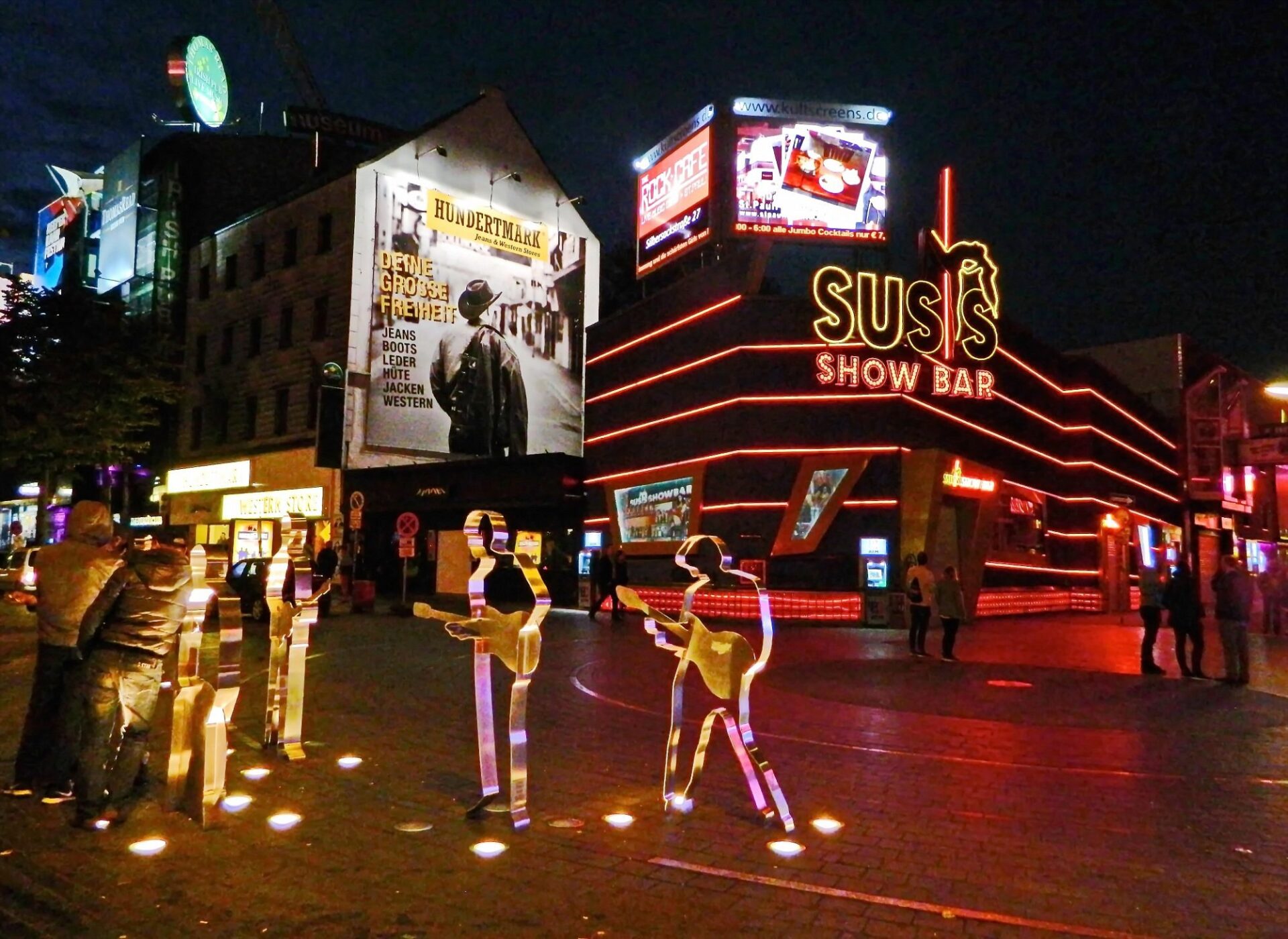
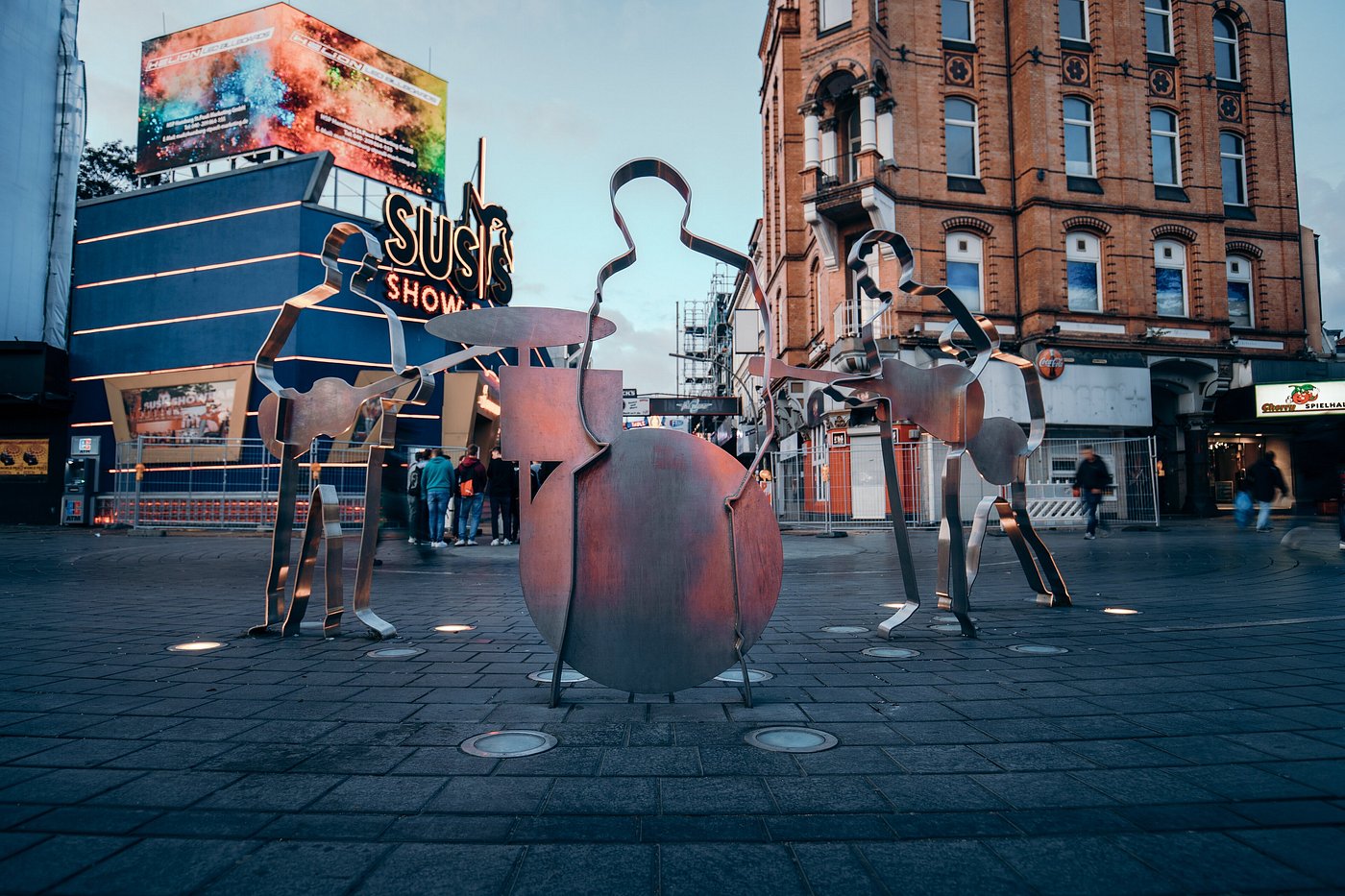
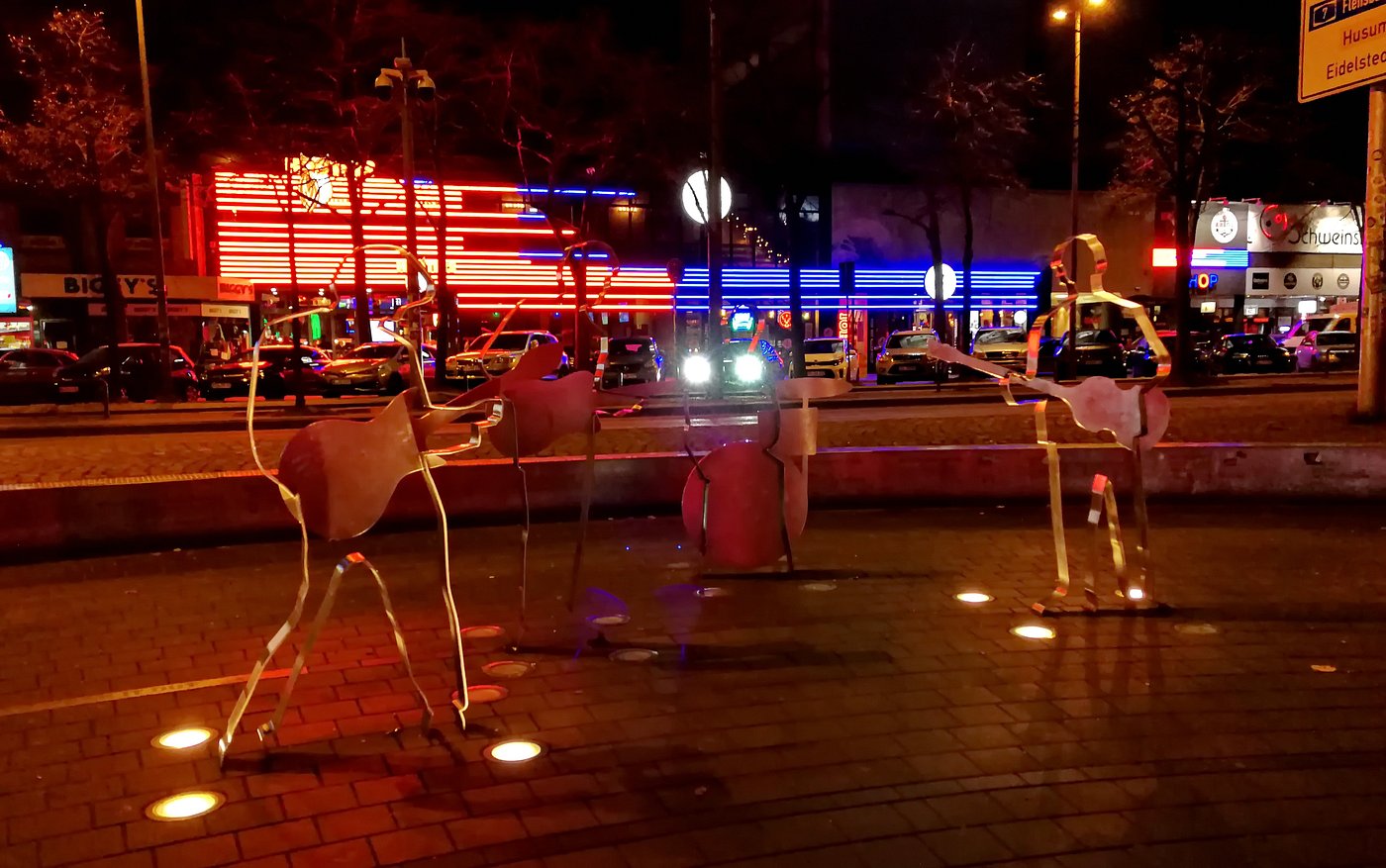
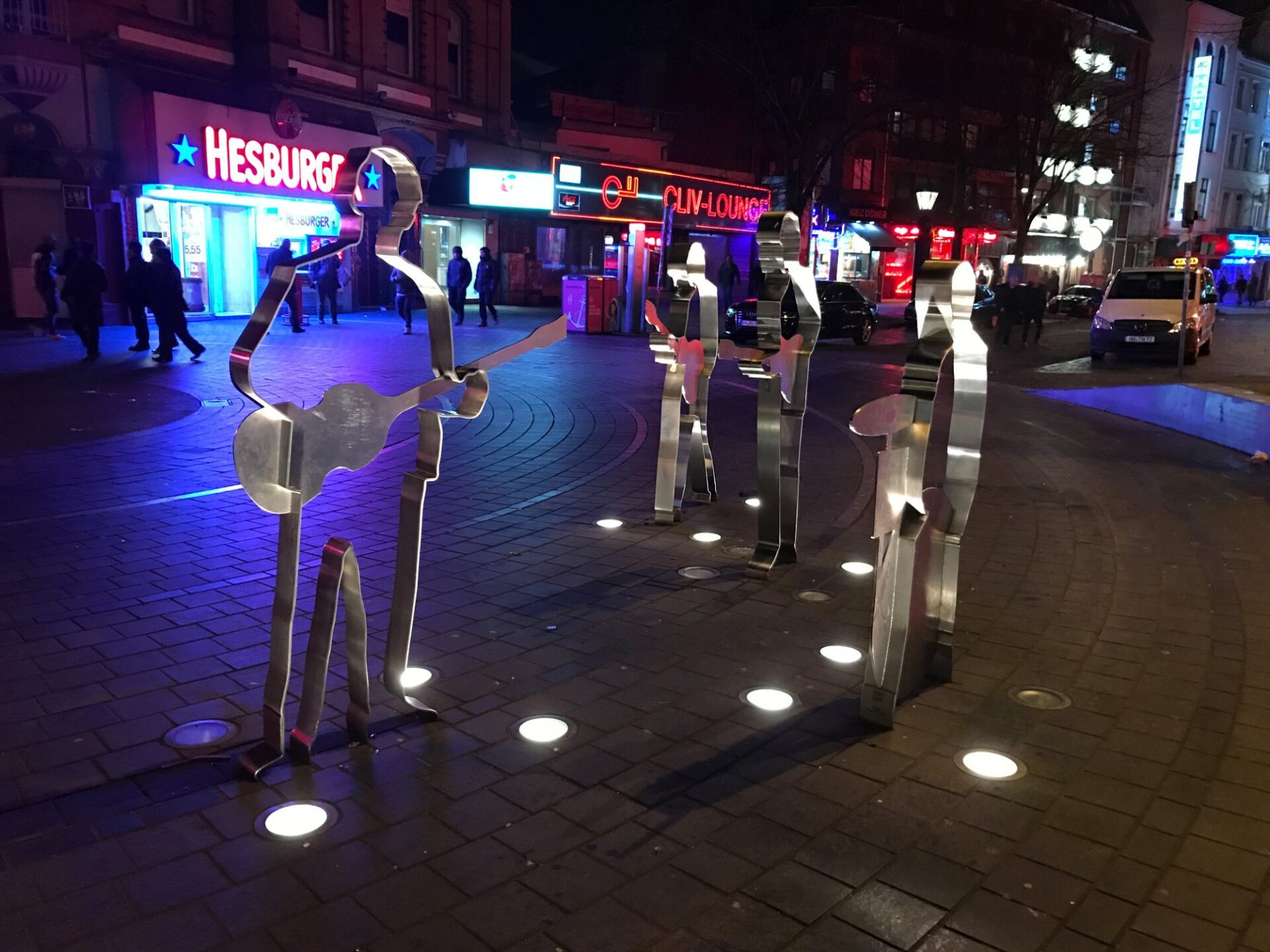
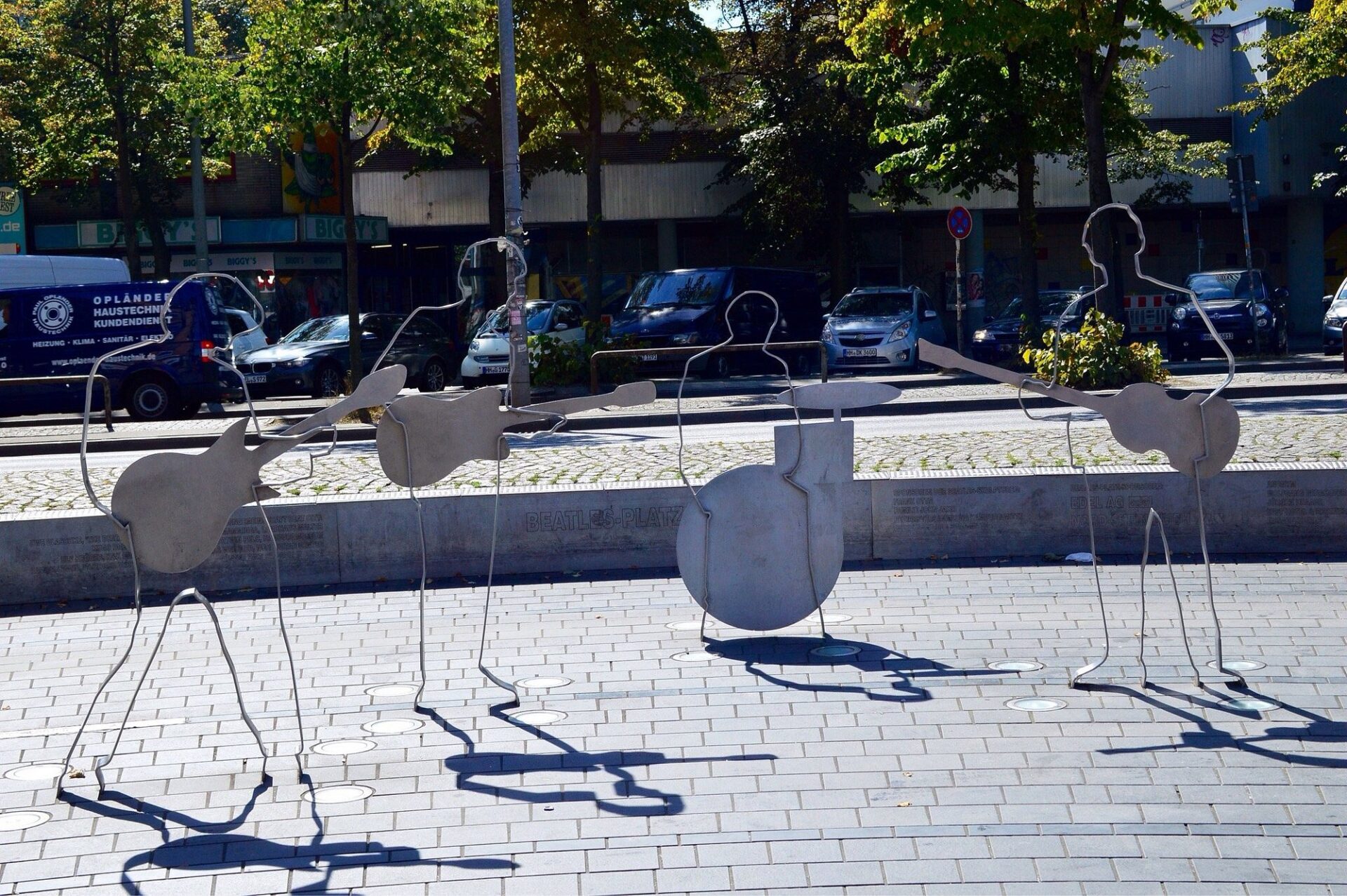
Arriving at Beatles-Platz, I noticed its round shape—it’s meant to look like a vinyl record. This isn’t just another square; it’s a memorial for the Beatles’ Hamburg days.
Metal statues of John, Paul, George, Ringo, plus Stuart Sutcliffe and Pete Best, stand here. Their outlines make for a popular photo spot, and I couldn’t resist snapping a few myself.
Band names and dates are etched into the pavement. Those details give the spot a sense of importance, like it’s marking the true start of something big. The square sits right at the corner of Reeperbahn and Große Freiheit, surrounded by legendary music venues.
Inside the Indra Club
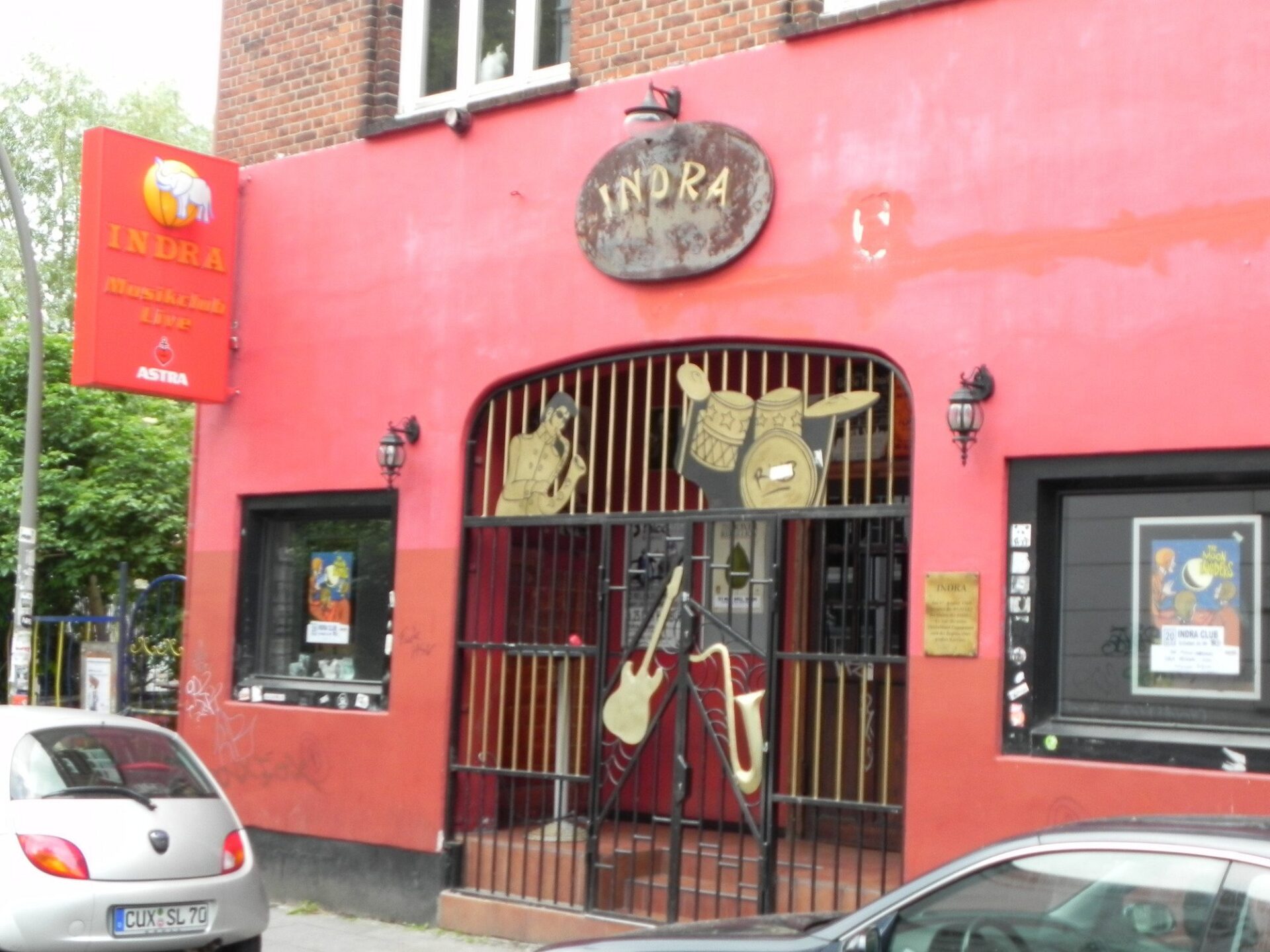
Next up was the Indra Club. It’s a small place with a neon star sign—pretty hard to miss. In August 1960, the Beatles played their first gigs outside England here, doing marathon sets every night.
Inside, I found dark walls and a tiny stage. The club still hosts live music, and the vibe feels almost unchanged. Photos and posters from the Beatles’ early days line the walls.
It’s easy to picture the band powering through hours of rock and roll for a tough crowd. The Indra is where they learned discipline and how to own the stage. For fans, the place feels like a direct link to their raw beginnings.
Kaiserkeller and the Birth of Beatlemania
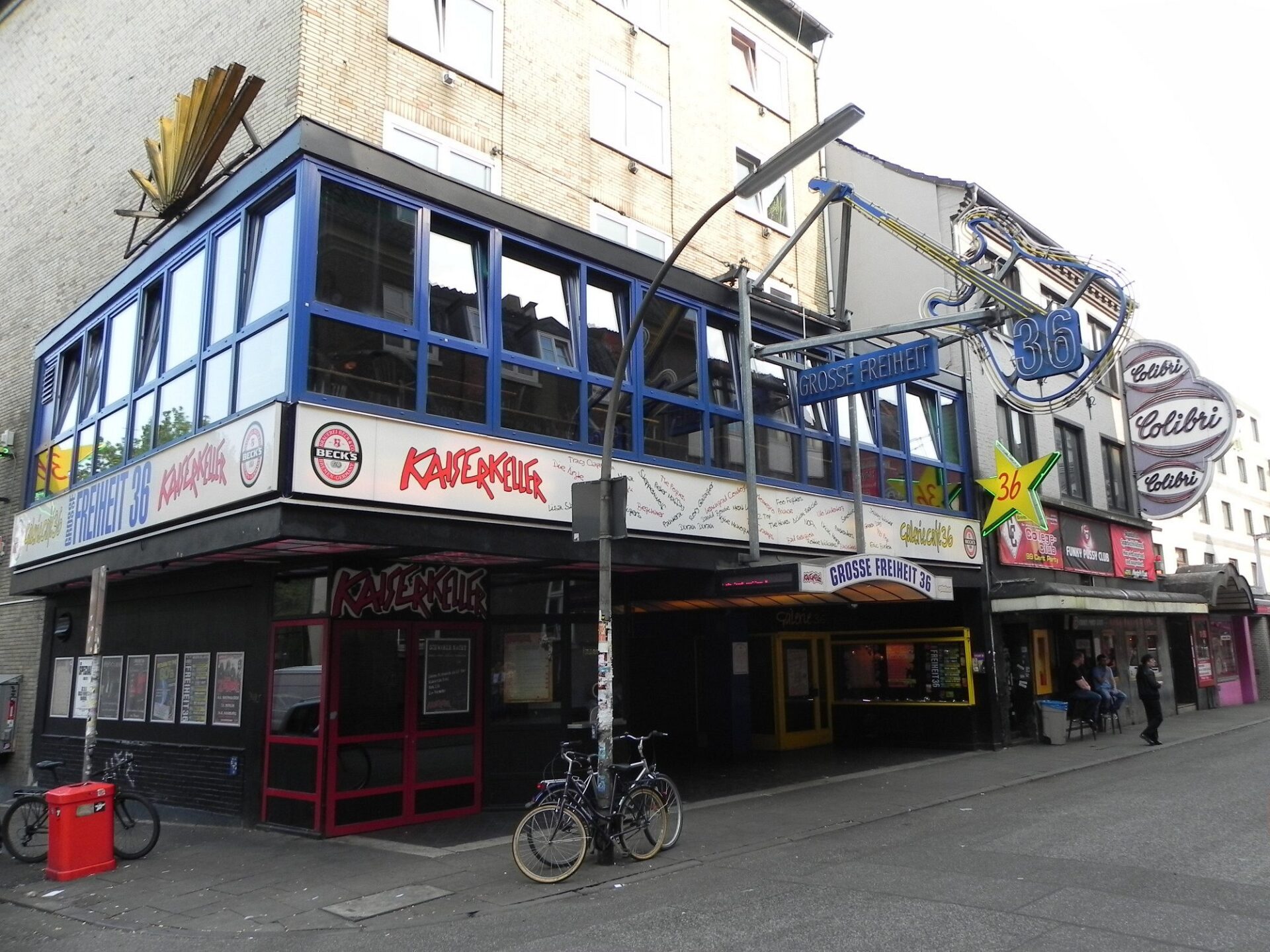
Just down Große Freiheit sits the Kaiserkeller. This was their next stop after the Indra closed. The venue feels bigger, with room for dancing and a crowd that could really get loud.
The Beatles shared the stage with other acts here, sometimes playing up to six hours a night. Klaus Voormann and Astrid Kirchherr, who became close friends, met the band here.
Big things happened at the Kaiserkeller. Those wild nights shaped the Beatles’ image and sound. Some say Beatlemania really started in this club, with small but rowdy crowds in the heart of St. Pauli.
Exploring St. Pauli’s Beatlemania Legacy
St. Pauli is where the Beatles became a real band, and honestly, you can still feel their presence everywhere. The area blends music history, wild nightlife, and creative art, all tied to the Beatles’ early days.
Influence on Local Nightlife and Entertainment
St. Pauli’s nightlife is legendary—wild, musical, and a little gritty. Many bars and clubs along the Reeperbahn once hosted the Beatles before anyone knew their name. I found it fascinating how places like the Star-Club and Kaiserkeller still come up in conversation.
People visit not just for today’s music but to walk where the Beatles walked. Bartenders and tour guides love sharing stories about the band’s long nights and the wild energy of the red-light district. St. Pauli’s reputation owes a lot to those years when the Beatles played for hours every night.
Even now, the nightlife draws visitors who want both music and a sense of history. Clubs play Beatles songs, and local musicians sometimes do tribute sets. The mix of music, entertainment, and the district’s raw side—including its red-light scene—is right out in the open.
Street Art and Beatlemania Museum
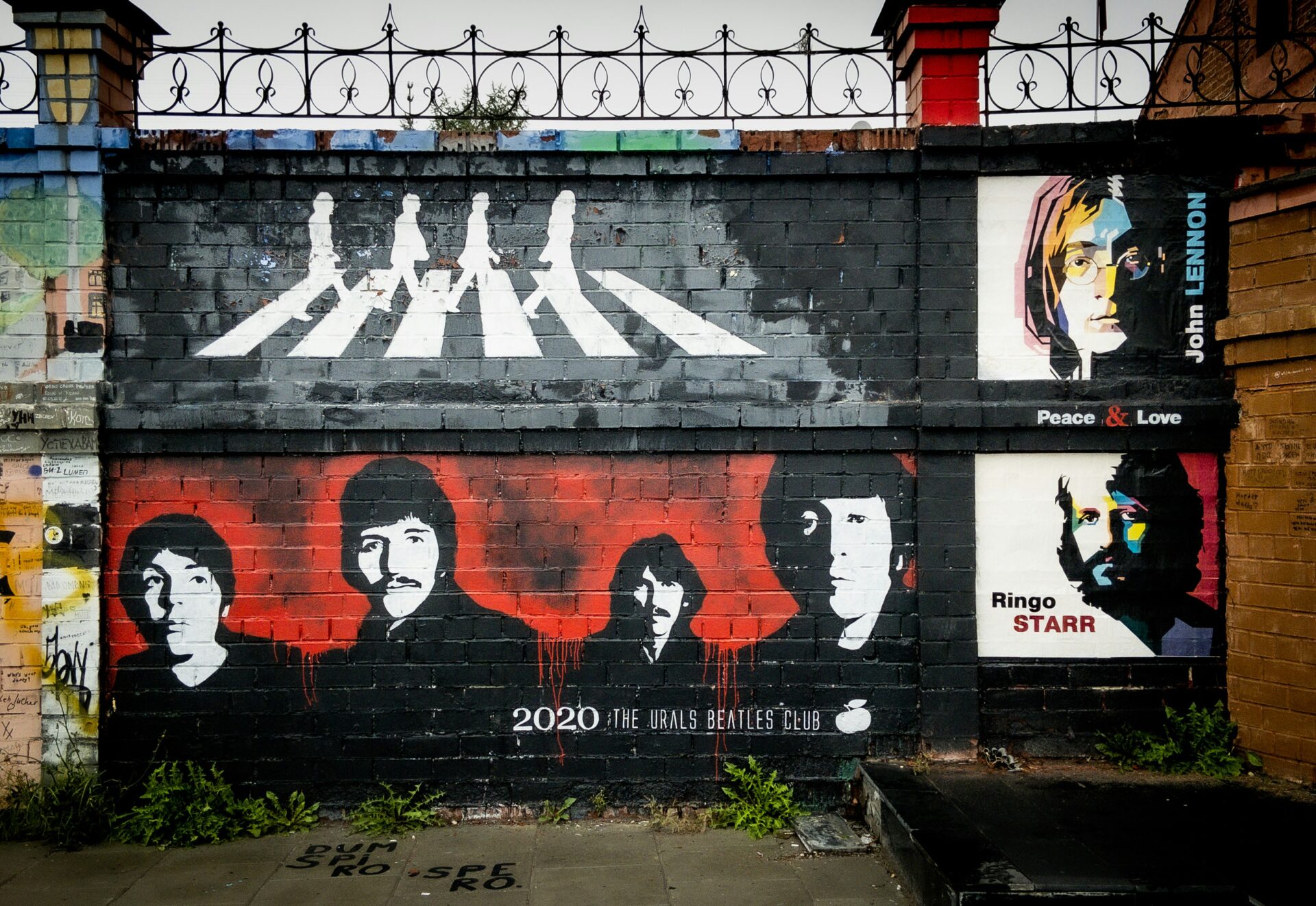
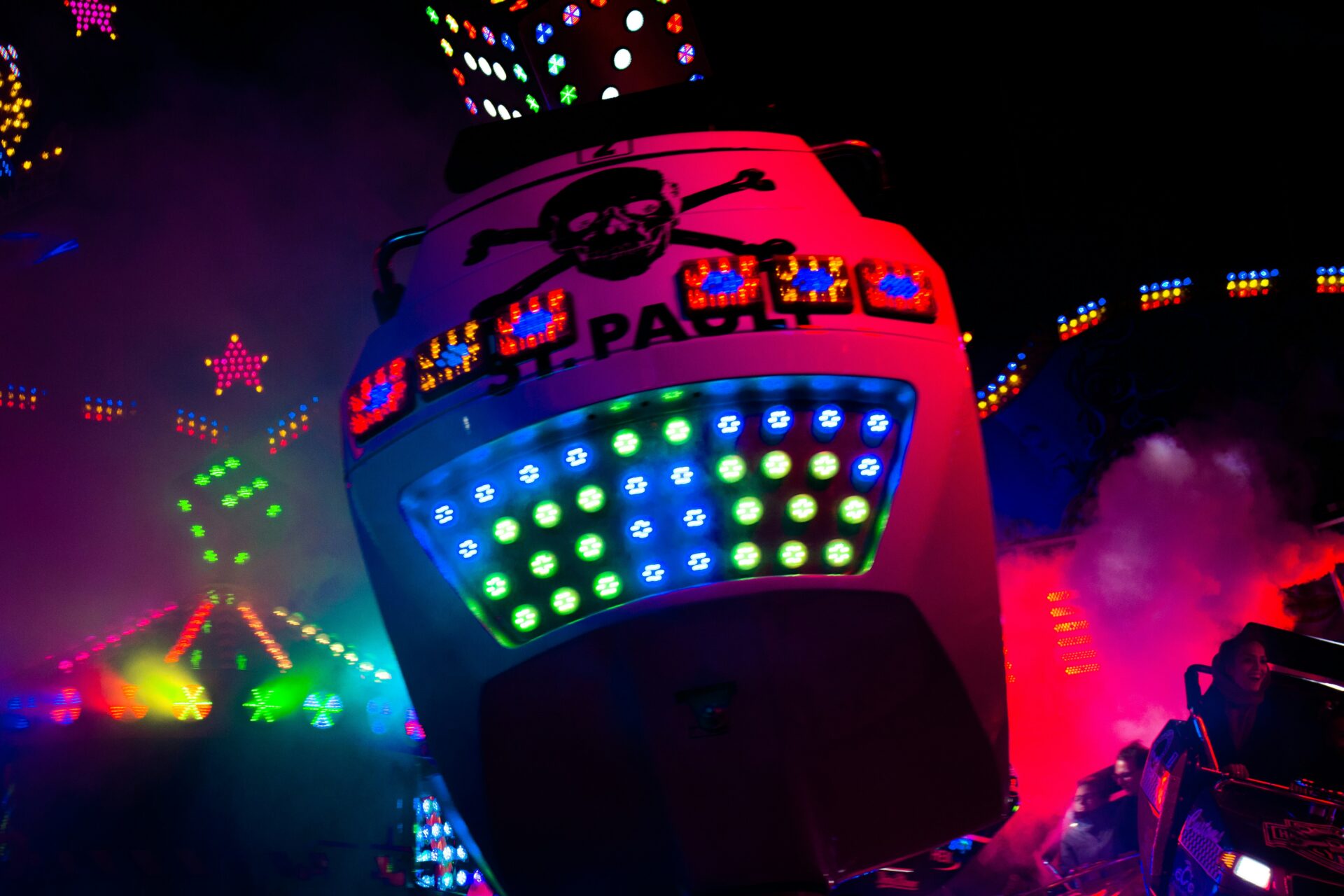
As I wandered through St. Pauli, Beatles-inspired street art popped up everywhere. Murals of their faces, silhouettes crossing the street, graffiti quoting their lyrics—it all keeps their spirit alive.
The Beatlemania Museum (it closed in 2012, but people still talk about it) was famous for interactive exhibits about the Beatles’ Hamburg years. Even though it’s gone, shops and cafés still display Beatles memorabilia. Postcards, posters, and records are easy to find.
Beatles-Platz stands out as a symbolic site. Sculptures of the Fab Four are there, and fans gather for photos or to listen to street musicians playing Beatles tunes. It’s a simple, honest tribute to their beginnings.

Beatles’ Impression on Artists and Music Lovers
I met music lovers from all over, drawn here to see where the Beatles became, well, the Beatles. Local musicians told me that playing the same clubs makes them feel part of something bigger.
Artists find inspiration and a market in St. Pauli. Murals, cover bands, and themed events show how the Beatles’ legacy still connects with fans. Songwriters here often pull from stories about those early days—the late-night gigs, the cramped rooms, the rough crowds.
Fans connect with the Beatles in all kinds of ways: walking tours, live shows, exploring old clubs, or just chatting in bars. What struck me most was the respect for the band’s journey. St. Pauli keeps that energy alive, letting new generations experience a slice of music history alongside the district’s nightlife and art.
On the Trail: Beatles Tours and Self-Guided Adventures
Exploring St. Pauli as a Beatles fan means walking the same streets the band did and checking out the clubs where it all started. Whether you join a tour or go solo, Hamburg offers plenty of ways to connect with the band’s history.
Walking Tour Highlights
I started at the Davidwache police station, a classic kickoff for Beatles tours in St. Pauli. From there, I wandered streets buzzing with music history. The Indra Club, where the Beatles played their first Hamburg shows, sits right on the lively Grosse Freiheit.
Walking at my own pace, I stopped to admire the Kaiserkeller, another spot the band played. Hamburg’s walking tours aren’t just about the sites. Local guides share stories—some wild, some quiet—about the band’s time here. Every step felt like a brush with the excitement that drew the Beatles to Hamburg.
Organized Guided Tours
I joined a Beatles-themed walking tour, and honestly, it added something extra. The guides know the band’s story and the city’s music scene inside out. Stefanie Hempel’s tour stood out—she’s a musician herself, so she blends music and storytelling.
Tours usually last a couple of hours. They include stops at iconic clubs, side streets, and hidden courtyards. Some tours even feature short live performances and personal stories. Being in a group meant I got to chat with other fans and swap tips. With public transport nearby, joining or leaving the tour was a breeze.
Crafting a Self-Guided Beatles Tour
If you want total freedom, planning your own Beatles tour in St. Pauli is easy. I found plenty of info online—walking maps, background on key sites, and audio guides. I started at the Indra Club and followed the trail to the Kaiserkeller, the old Star Club area, and Beatles-Platz.
Using a mix of walking and the S-Bahn, I covered more ground and kept things flexible. I set my own pace, lingered for photos, and took breaks in local cafés. Free audio guides and videos on my phone filled in the stories. The self-guided route worked well for me—I wanted time to soak it all in.

Essential Stops for the Beatles Fan
Any Beatles tour in Hamburg should hit a few must-see places:
| Stop | Why It Matters |
|---|---|
| Indra Club | The Beatles’ first Hamburg venue; where it all began. |
| Kaiserkeller | Early gigs; where they sharpened their craft. |
| Star Club site | Legendary stage for big performances pre-fame. |
| Beatles-Platz | Plaza with statues honoring the band. |
| Jägerpassage | Their old lodgings and stories from the backstreets. |
Most of these stops are close together—easy walking or a quick train ride. I made sure to see the statues at Beatles-Platz and read the plaques at each site. Every location felt like a step deeper into music history, and for me, that was unforgettable.

People, Places, and Untold Stories
In Hamburg’s St. Pauli, I found much more than noisy bars and neon lights. Down narrow alleys and inside old clubs, I traced moments that changed music forever—real people and real places, still holding onto their secrets.
John Lennon and the Fab Four’s Transformation
When the Beatles landed in Hamburg back in 1960, nobody really knew who they were. They played in St. Pauli’s clubs—places like the Indra and Kaiserkeller—where the owners demanded hours of music every night.
Those marathon gigs in smoky, cramped rooms pushed them hard. I wandered past those old club doors and honestly, you could almost hear the echoes. John Lennon once said, “I was born in Liverpool, but I grew up in Hamburg.” That line stuck with me.
Lennon’s style—his glasses, his swagger, that bigger, bolder sound—started to come alive here. Paul McCartney and George Harrison, too, found their edge playing those endless sets.
The Beatles first called themselves the “Fab Four” in this city, even though Pete Best sat behind the drums at the time. Every night, they tightened up as a band and built a chemistry that would eventually launch them out of Hamburg and into the world.
Astrid Kirchherr and Stuart Sutcliffe: Artists Who Shaped the Legacy
St. Pauli introduced me to Astrid Kirchherr, the photographer who helped invent that iconic “mop-top” look. Her black-and-white shots from 1960 captured a band still figuring out who they wanted to be.
Kirchherr didn’t just take photos—she became close with bassist Stuart Sutcliffe. Through her, the Beatles discovered new styles and creative ideas. Sutcliffe, more artist than musician, left the band in 1961 to paint and stay with Astrid.
His story ended way too soon, but his influence stuck around. Kirchherr’s photos, still hanging in local galleries, reveal the Beatles as more than just a band. She offered glimpses of their real lives, offstage and unguarded.
Sailors, Locals, and the Spirit of Great Freedom
Hamburg’s streets weren’t just about the Beatles. St. Pauli buzzed with sailors from everywhere, especially near Grosse Freiheit—“Great Freedom”—which might be the city’s wildest street.
I watched people gather outside old music bars, just like they probably did back in the ‘60s. Sailors looking for adventure, local workers, artists—they all mingled together.
This mix of people and energy shaped the Beatles’ sound. Great Freedom’s wild nights and surprises left a mark on anyone who wandered through, and honestly, I felt it too.

Other Landmarks: Landungsbrücken, Davidwache, and Beyond
Right by the Elbe River, you’ll spot the Landungsbrücken docks. They feel like the main gateway into St. Pauli. Back in the day, the Beatles wandered these same piers, searching for cheap eats and maybe some fresh air between gigs.
Ships come and go, the water rushes by, and you can’t help but sense the city’s deep roots in trade and migration. It’s almost as if every arrival carries a new story.
I wandered past Davidwache, the local police station, which glows at night like a silent guardian over Reeperbahn. Beatles fans still swing by, half-expecting some wild tale—after all, the band had their share of run-ins here, even if it was just for a night behind those walls.
You’ll stumble across old bomb shelters and tiny corner bakeries, echoes of World War II mixing with the pulse of Hamburg’s music scene. In St. Pauli, every street feels like it’s humming with stories—sometimes it’s not the famous clubs, but the quieter corners that surprise you most.

