
Honestly, the Cotswolds come alive from spring through autumn. Honey-stone villages glow in gentle sunlight, wildflowers spill over the hills, and golden leaves add a painter’s touch to the countryside. Every time I wander through this Area of Outstanding Natural Beauty, I notice how each season reveals a different side of Gloucestershire’s rolling fields and quiet lanes.
Spring brings gardens and stone walls to life with fresh blooms. By autumn, the trees turn orange and red, and the quieter paths make it perfect for slow, peaceful walks. I always feel like the historic villages blend with the changing colors in a way that sticks in your memory.

Depending on the season, you’ll find fresh flowers, warm summer days, or those golden scenes of fall. No matter when I show up, the Cotswolds’ charm is right there in front of me.
Spring in the Cotswolds: A Display of Blooms and Life
Spring in the Cotswolds? It’s a riot of color. Flowers splash across hills, valleys, and gardens.
Famous gardens and old villages wake up with seasonal displays. The countryside fills with peaceful spots for walks among wildflowers.
Spring Flowers and Seasonal Walks
Every year, I look forward to that moment when snowdrops peek out in late winter. Painswick Rococo Garden and the woodland trails around Painswick are my go-tos for these delicate white blooms.
By March, daffodils and bluebells take over the woodlands and meadows, especially near Batsford Arboretum and Cotswold Farm Park.
Wildflowers pop up all over as the days get warmer. Lambs play in lush fields, and paths along Arlington Row or beside the River Windrush in Bourton-on-the-Water get lined with blossoms and new leaves.
Every walk feels different—sometimes it’s the colors, sometimes the scent in the air. That’s what keeps spring in the Cotswolds fresh, no matter how many times I visit.

Best places for spring walks include:
| Place | Flower Highlights |
|---|---|
| Painswick Rococo Garden | Snowdrops, spring bulbs |
| Batsford Arboretum | Daffodils, woodland flowers |
| Bourton-on-the-Water | Riverside blossoms |
| Arlington Row, Bibury | Meadows, wildflowers |
Famous Gardens and Arboretums
Hidcote always stands out for me in spring. Its garden “rooms” burst with tulips and early perennials by April.
Batsford Arboretum and Westonbirt Arboretum show off with flowering trees—magnolias and cherry blossoms steal the scene. Their winding paths are perfect for slow strolls or just sitting and soaking it all in.
Painswick Rococo Garden sits on a hillside, and its bold spring planting makes it famous. Early in the season, snowdrops cover the slopes, then daffodils and other bulbs take over. By late spring, Cotswold Lavender fields start to green up, hinting at the purple waves of summer.
These gardens usually have events, marked trails, and quiet corners to relax. I often see families, photographers, and plant lovers wandering at their own pace, just enjoying the shifting scenery.
Charming Villages During Spring
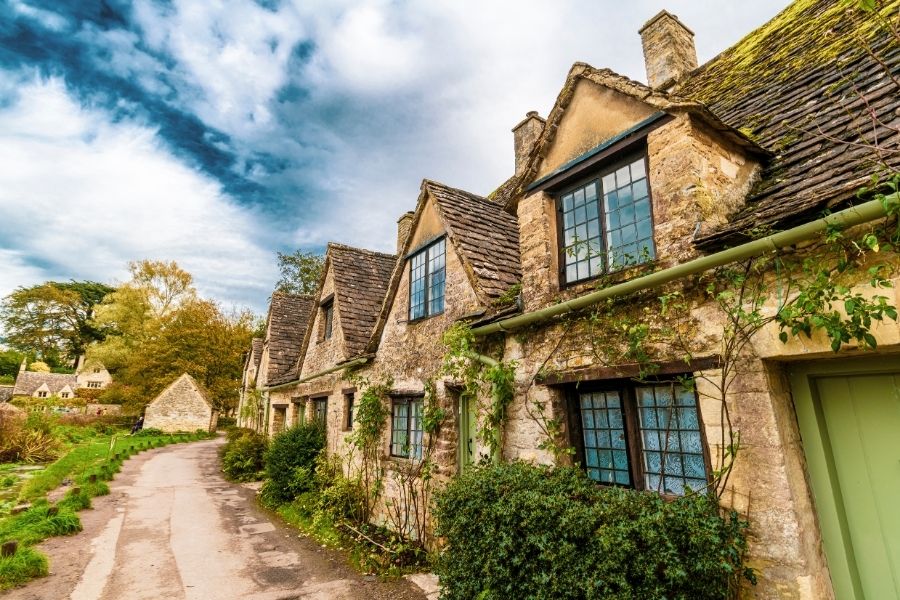
Spring breathes new life into the villages. In Bibury, Arlington Row’s stone cottages look even more storybook with wildflowers at their doors.
As I wander through these communities, window boxes overflow with daffodils, and old trees along shaded lanes show off fresh green leaves.
Bourton-on-the-Water feels peaceful in spring. Fewer crowds, a clear stream reflecting pink and white blossoms, and a slower pace.
Painswick, the “Queen of the Cotswolds,” bursts with color in gardens and churchyards. Every corner feels like it’s inviting you in.
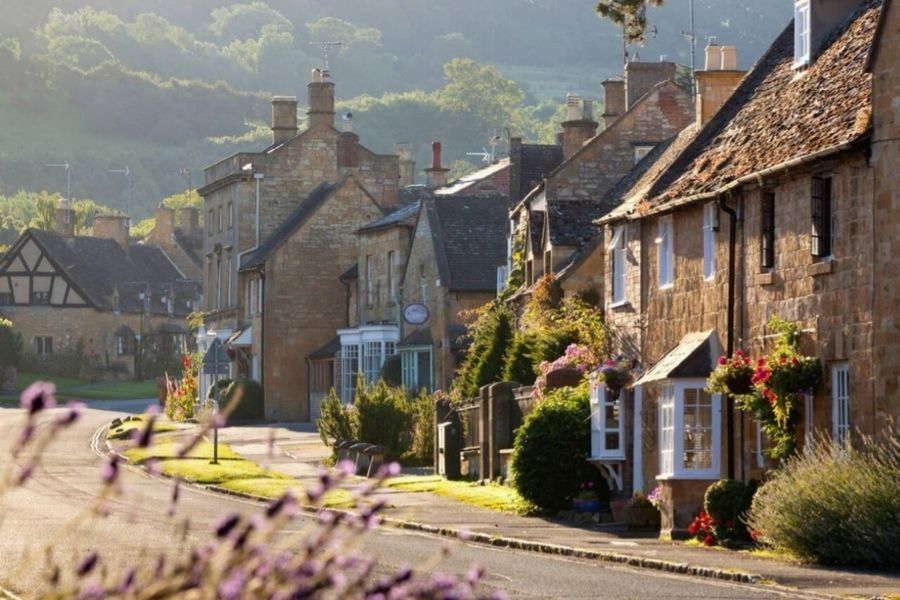
Spring also brings open farm days. Cotswold Farm Park draws families with young animals and fields dotted with blooms. I love how each village mixes natural beauty with centuries of history—spring is just the best time to explore their quiet lanes and hidden gardens.
Summer in the Cotswolds: Golden Days and Lavender Fields
Summer in the Cotswolds is all about brightness and energy. Wildflowers cover the hills, local events pop up everywhere, and there’s endless space for relaxing or exploring.
Lavender Fields and Rural Events
The Cotswold lavender fields near Snowshill open from mid-June to early August. In July, the purple rows are at their best, and the scent is honestly unforgettable.
Visitors can wander the fields, snap photos, and pick up lavender goodies. You buy tickets at the gate—no need to plan too far ahead. I often see families and couples with picnic baskets, enjoying the view and maybe some locally made ice cream.
All over the Cotswolds, summer brings rural shows, village fetes, and food festivals. Rodborough Common hosts outdoor events, and lots of small towns have fairs with local food and crafts. It’s a great way to see the community in action.
Outdoor Activities for Summer
Warm, sunny days make summer perfect for walking. The Cotswold Way offers long trails with big views, but there are plenty of shorter paths too—Rodborough Common is great for a quick stroll.
The Cotswold Lakes buzz with canoeing, paddleboarding, and wild swimming. Families rent boats, try water sports, or just hang out at outdoor cafes and picnic spots.
Nature reserves brim with butterflies and birds, and wildflowers line the field paths. Local cycling routes give you a relaxed way to discover stone villages and hidden valleys. If you’re traveling with kids, playgrounds and green spaces often have special activities during the holidays.
Hotels and Stays in Peak Season
Summer fills up fast in the Cotswolds, especially on weekends. There’s everything from cozy cottages to luxury country house hotels.
Many people book months ahead, especially if they want to see the lavender fields. The Lygon Arms and Calcot Manor are popular for a bit of country elegance.
Smaller inns and guesthouses give a more local vibe and can be easier on the wallet. It’s worth checking if your hotel has a garden—most guests love relaxing outside in summer.
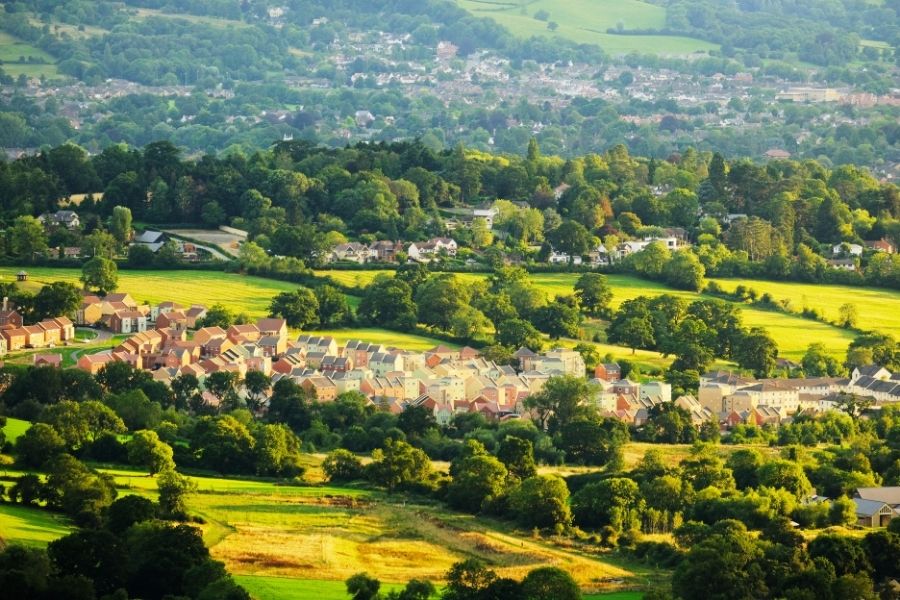
Booking early helps you snag the best spots. If you want rolling hill views or easy access to walks, try Broadway, Stow-on-the-Wold, or Bourton-on-the-Water. Some hotels throw in local tours or discounted attraction tickets, which is a nice bonus.
Autumn in the Cotswolds: Turning Leaves and Tranquil Beauty
Autumn in the Cotswolds brings a quieter pace, rich colors, and crisp air. The honey-stone towns and countryside shift as summer fades, and there’s something peaceful about it all.
Autumn Foliage and Scenery
October and November turn the Cotswolds into a patchwork of gold, orange, and red. Woodlands near Leckhampton Hill and Broadway fill up with fallen leaves, making every walk feel special.
Westonbirt Arboretum always stuns me with its autumn displays. Over 15,000 trees light up with color, and it’s honestly one of the best spots for autumn scenery in England.
Hills and hedgerows around Chipping Campden and Moreton-in-Marsh get dotted with ripe berries. Kiftsgate Court Gardens and Sudeley Castle put on seasonal displays, and even Cheltenham’s parks and Blenheim Palace lawns glow in the autumn sun.
I always pack a light jacket—clear skies can turn misty fast. The fresh air and a hint of woodsmoke from village chimneys make the setting feel just right.
Best Spots for Autumn Color:
- Westonbirt Arboretum
- Broadway Tower
- Kiftsgate Court Gardens
- Sudeley Castle Grounds
Exploring Historic Towns in Autumn
Villages quiet down in autumn, so it’s easier to soak up the stone cottages and winding lanes. Stow-on-the-Wold feels extra welcoming, with cozy cafes serving hot drinks.
In Cirencester, I like to sit under the ancient trees by St Mary’s Church and watch leaves fall. Chipping Campden’s Market Hall glows in the lower light, and Tetbury’s old market streets are made for browsing.
Broadway’s art galleries are perfect for a slow afternoon before heading up to Broadway Tower for sweeping views. Moreton-in-Marsh keeps its market lively, even in autumn, with fresh produce and flowers.
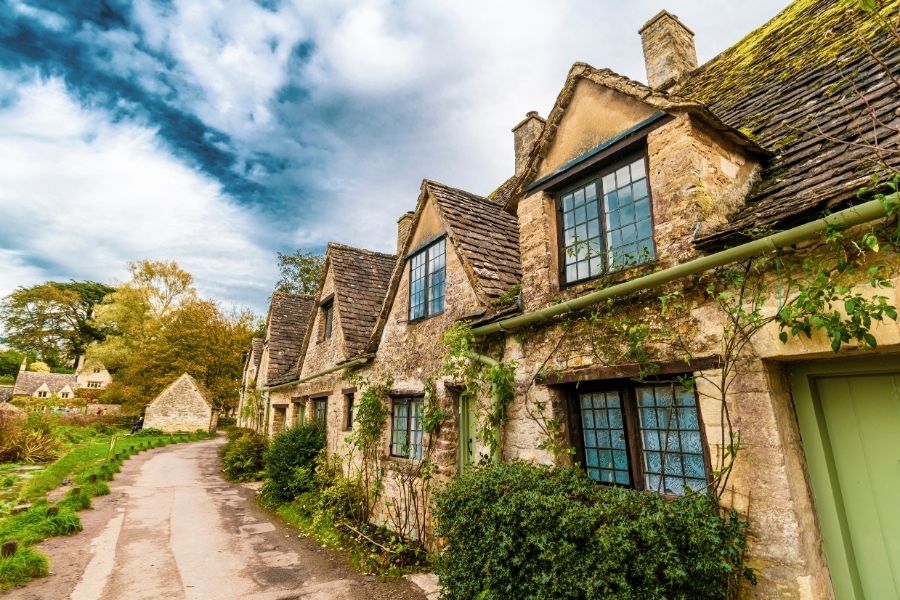
Many towns host food events and seasonal fairs. Fresh apples, pub lunches by the fire—autumn just feels right here. The mix of historic sites, friendly pubs, and a slower pace makes this season special.
Winter in the Cotswolds: Quiet Charm and Festive Spirit
Winter wraps the Cotswolds in a peaceful hush. Frost outlines the hills and settles on honey-colored stone villages, while local inns and attractions offer warmth and a festive spirit.
Frosty Villages and Cosy Pubs
Villages like Snowshill transform in winter, with rooftops dusted in frost and twinkling festive lights everywhere. The quiet is deeper, and you really notice the scenery when there are fewer tourists around.
Snowshill Manor, perched above the village, often hosts winter events and looks even more magical against a frosty or snowy backdrop.
Cosy pubs become the heart of village life. Historic inns like The Lygon Arms serve fireside meals and classic British comfort food. I love how they decorate with simple holiday touches and create a friendly spot to relax after a chilly walk.
That contrast—warmth inside, winter outside—captures the Cotswolds’ winter magic for me.
Winter Walks and Attractions
Winter walks show the countryside at its calmest. Trails stay quiet, and the landscape glitters under frost or the occasional snow.
Guided tours run through winter, offering insights into both nature and local history. I think these tours add something extra if you want to dig a little deeper.
Attractions like Snowshill Manor and some museums remain open, though hours may change. Seasonal exhibits and events pop up, and gardens take on a stark, peaceful beauty with bare branches and evergreens.
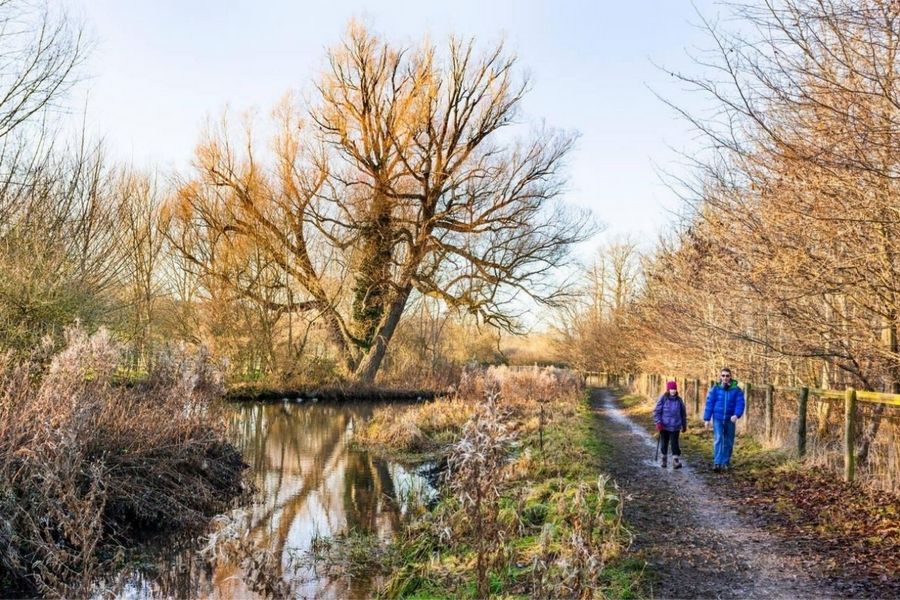
Nights get long, but villages glow with festive lights and holiday markets. The friendly winter spirit makes up for the early sunsets.
When and Where to Find the Cotswolds at Their Finest
The Cotswolds are famous for their honey-colored stone villages and rolling hills. Where and when you go changes everything—the views, the crowds, and the whole experience.
Iconic Views and Honey-Colored Stone
For that classic Cotswolds look, I always chase the villages built from golden limestone. Castle Combe and Lower Slaughter shine in late afternoon, their stone turning a deep yellow-gold in the sun.
Crickley Hill and Cleeve Hill give you sweeping views of the patchwork countryside. These spots really pop after a spring rain or in early autumn, when everything is extra green or glowing with orange and gold.
The Model Village in Bourton-on-the-Water is a quirky favorite. It’s a scaled replica, so you can get up close to the stonework details. For those big, dramatic views, Broadway Tower on a clear day is hard to beat.
Best Cotswold Villages to Visit by Season
Spring in the Cotswolds feels fresh and full of promise. I usually wander through Upper Slaughter and Lower Slaughter, where wildflowers just seem to pop up everywhere along the rivers and in the gardens.
When summer rolls around, Broadway really comes alive. Shops and tearooms fill up with chatter, and those long, golden evenings make every stroll feel special.
Autumn? That’s hands down my favorite. I always find myself drawn to the south Cotswolds, especially around Castle Combe. The trees lining the lanes explode into gold and red, and even a quick walk turns into a little adventure.
Winter brings a different kind of charm. The crowds thin out, and local places to stay often drop their prices. I love visiting Bourton-on-the-Water then—the frost on the honey-colored stone looks almost unreal, like something out of a storybook.
| Season | Best Villages | Special Features |
|---|---|---|
| Spring | Upper/Lower Slaughter | Flower-filled gardens |
| Summer | Broadway, Bourton | Lively, long evenings |
| Autumn | Castle Combe, South Cotswolds | Colorful tree-lined roads |
| Winter | Bourton, Stow-on-the-Wold | Peace, frosty mornings |
Managing Crowds for the Perfect Experience
Let’s be honest, places like Bourton-on-the-Water and Broadway can get packed, especially on bright weekends or during school breaks. I try to show up early or swing by later in the afternoon—that’s when you get the best photos anyway.
I’ve found that picking smaller villages or wandering the quieter back lanes in spots like Upper Slaughter or Stow-on-the-Wold makes a big difference. Staying overnight at a local inn means I can soak up the quiet once the day-trippers head home.

When I really need some peace, I plan my trips for late autumn or winter. Most tour groups have moved on by then, and the Cotswolds feel more like a national landscape than a tourist destination.
Planning Your Cotswolds Visit: Practical Tips and Seasonal Travel Guide
Honestly, there’s never a bad time to visit the Cotswolds. Whether you’re chasing spring blossoms or the crunch of autumn leaves, every season has its own vibe.
But getting around and knowing what to see? That’s where a little planning goes a long way.
Travel Options and Getting Around
From what I’ve seen, having a car is the easiest way to get around here. You can reach places like Daylesford Farm or the Cotswold Motoring Museum without much hassle, though you might have to squeeze down a few narrow country lanes.
If driving isn’t your thing, National Express coaches link up the big towns. Local buses exist, but they’re a bit hit or miss, especially on weekends. Sometimes I go for a guided tour—they take care of transport and usually include a few hidden gems along with the must-sees.
Hikers will love the Cotswold Way National Trail. It’s not just a route, it’s an experience. Some towns offer bike rentals too, which is a fun way to explore. Trains and taxis stick to the larger towns, so I always check routes and schedules before setting out.
| Travel Method | Pros | Cons |
|---|---|---|
| Car | Flexible, best for rural sights | Need parking, narrow roads |
| National Express | Affordable, reaches big towns | Limited local coverage |
| Guided Tours | Easy, covers highlights | Less flexible, set schedule |
| Walking/Hiking | Scenic, immersive | Time-consuming, long distances |
You didn’t provide a text passage. Please provide the text you’d like me to edit.
Top Things to Do Year-Round
Whenever I find myself in the Cotswolds, I gravitate toward those classic activities that never get old. Hiking along the Cotswold Way? Honestly, it’s hard to beat those countryside views. Sometimes I just want a quick stroll, other days I’m up for a real trek.
The scenery always surprises me—spring brings wildflowers, and by autumn, everything glows gold. It’s like the landscape has its own mood swings.
I usually pop into local spots like the Cotswold Motoring Museum in Bourton-on-the-Water. Rain or shine, there’s always something quirky to discover there.
If the weather turns, I duck into New Brewery Arts in Cirencester. Their galleries and workshops make a rainy afternoon fly by.
Markets and farm shops such as Daylesford tempt me with local cheeses, bread, and handmade crafts. In winter, the villages turn quiet and feel extra cozy. That’s when I linger in museums or seek out the warmest tea rooms.
Summer flips the script—festivals and outdoor events seem to pop up everywhere. Every visit feels a little different, and honestly, I never get bored.
