
Brighton Festival in May is when the city bursts into life. Music, art, theater, dance—everything creative just spills out onto the streets.
England’s biggest annual multi-arts festival, Brighton Festival, sparks an electric mix of shows and wild experiences in venues and outdoor corners all over Brighton, Hove, and Sussex. Every year, I’m honestly blown away by how much is packed in here. There’s just so much variety—no way anyone could get bored.
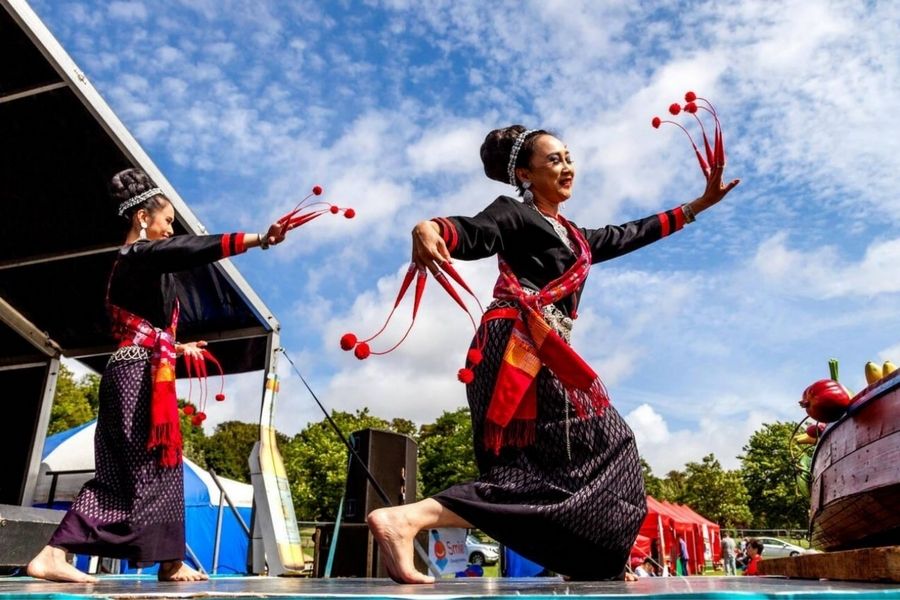
I’ve met some of the most interesting people at Brighton Festival—fellow art lovers, curious travelers, and even artists themselves. The festival’s got this infectious community spirit that pulls in both local and international talent. When I visited in 2025, I dove headfirst into the creative chaos and found out what makes this festival so addictive. I’ll share what I discovered both from brightonfestival.org and my own wanderings around town.
History and Evolution of Brighton Festival
Brighton Festival kicked off back in 1967 and has grown massively since then. Now, it’s England’s largest annual multi-arts festival, pulling in creative minds from all over the world.
Origins and Founding
The first Brighton Festival launched in 1967, thanks to some forward-thinking local leaders. They wanted to showcase Brighton’s growing art scene and give it a bigger stage.
Inspired by other European art festivals, these founders set out to put Brighton on the cultural map. They brought in artists and the public right from the start, forming partnerships across the city.
Early festivals mixed music, theater, literature, and visual art. This variety drew in both locals and visitors. Over the years, the festival built a reputation for its open-minded, creative energy.
Notable Guest Directors Over the Years
One thing that keeps Brighton Festival fresh is its rotating guest director. Each year, a different artist or cultural figure takes the reins and shapes the festival’s main themes.
Names like Anish Kapoor (sculptor), Laurie Anderson (musician and artist), Kae Tempest (poet), Lemn Sissay (writer), and Brian Eno (composer) have all led the charge. Their unique visions ripple through everything, from massive outdoor installations to experimental performances.
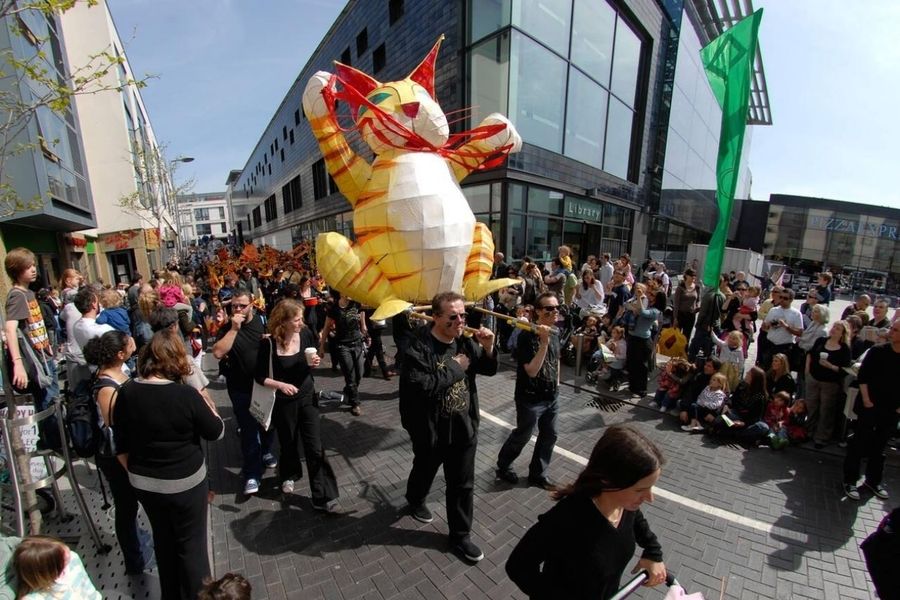
I always notice how each director leaves their mark. The festival never feels the same twice. That unpredictability is half the fun.
Brighton Festival’s Role in Arts and Culture
Brighton Festival isn’t just a May event—it’s a creative engine for the whole region. Local and international artists come together, and the energy spills out into the city’s daily life.
The festival backs both big projects and smaller, community-driven events. Local artists get to share the stage with international stars, sparking new connections and opportunities.
Brighton & Hove’s reputation as a lively, welcoming arts hub owes a lot to this festival. It’s a place where new ideas actually get a shot.
2025 Festival Highlights and Must-See Events
Brighton Festival 2025? It’s bursting with premieres, global artists, and interactive public art. Bold commissions and creative installations pop up everywhere, and there’s a big focus on community.
Headline Performances and World Premieres
World premieres headline the schedule—seven major debut performances this year. “Wembley” by Nikesh Shukla, starring Nikesh Patel and Himesh Patel, digs into life after the 2024 riots in a gripping new play.
They also introduced Songs of the Bulbul, a concert that fuses classical Indian music and modern sounds, led by the incredible Anoushka Shankar. Live theater, immersive music, and dance pieces fill up the rest of the program.
Honestly, the premieres stood out for their originality. Whether it’s a fresh twist on old stories or wild collaborations, each show feels like a one-of-a-kind experience.
Special Programs: ‘New Dawn’ and ‘Chapter III: We Return to Light’
This year, New Dawn invites everyone to get involved. It’s a public art project about ritual, rebirth, and hope—turning everyday spots into art.
I joined a workshop and wandered through large-scale creative displays scattered across the city. Even as a visitor, I felt like part of something bigger.
Chapter III: We Return to Light dives into themes of recovery and renewal. Light becomes a symbol, linking installations and performances. As night fell, illuminated displays brought people together, and I couldn’t help but feel the sense of community.
Guest Artists and Notable Performers
With Anoushka Shankar as guest director, the festival pulls in talent from all over. Arooj Aftab, classical vocalist Aruna Sairam, and writer Meera Syal each bring their own flavor.
Nadine Shah’s performance blew me away—her music just electrified the whole crowd. Writers like Rebecca Solnit and Nikesh Shukla led talks that got people thinking.
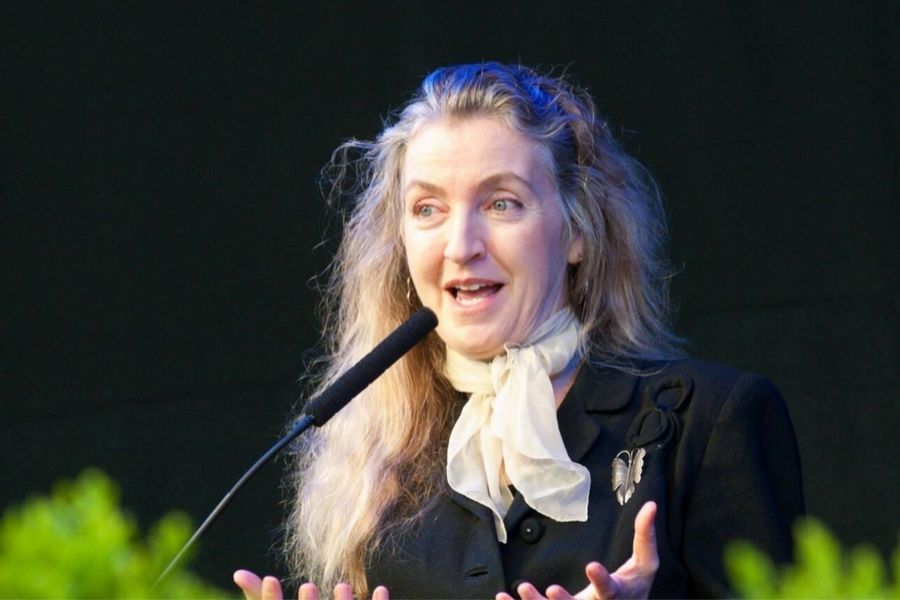
Choreographer Ceyda Tanc and visual artist David Shrigley added even more variety. The mix of music, literature, and visual art made the festival feel global and fresh.
Family Events and the Children’s Parade
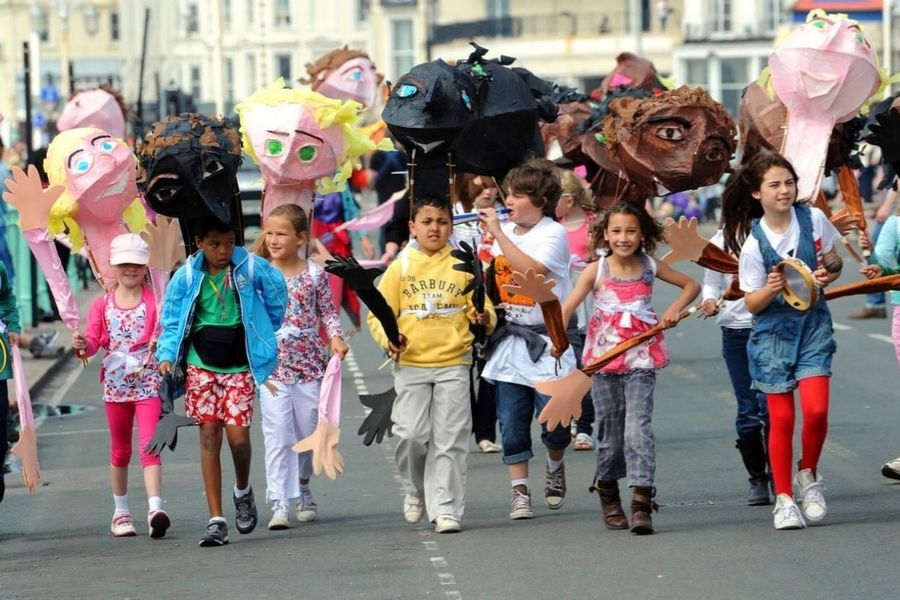
Brighton Festival’s family events are a highlight. The Children’s Parade kicks things off—imagine hundreds of kids in colorful costumes, dancing and playing music through the streets.
Local schools come together, and the parade feels like a true celebration of creativity. I loved how open and welcoming it was; families of all kinds joined the fun.
Free workshops, outdoor shows, and hands-on activities fill the schedule. Many exhibitions are designed for kids or let families jump in together. It’s a great way to get the next generation hooked on the arts.
Diverse Art Forms and Creative Experiences
Brighton Festival doesn’t stick to one lane. Every day brought something new—music, dance, hands-on workshops, film screenings, and honestly, surprises around every corner.
Music and Dance Performances
The music scene buzzed with energy. I caught sets from Nabihah Iqbal and Rokia Traoré, who both blended global influences with a modern twist.
Outdoor pop-up shows drew spontaneous crowds, making music feel accessible and fun. South Asian rhythms dominated at times, especially during Aakash Odedra’s dance company performances.
They mixed bharatanatyam and kathak with inventive moves, and Shiva Soundsystem’s blend of electronic and classical beats kept people moving late into the night.
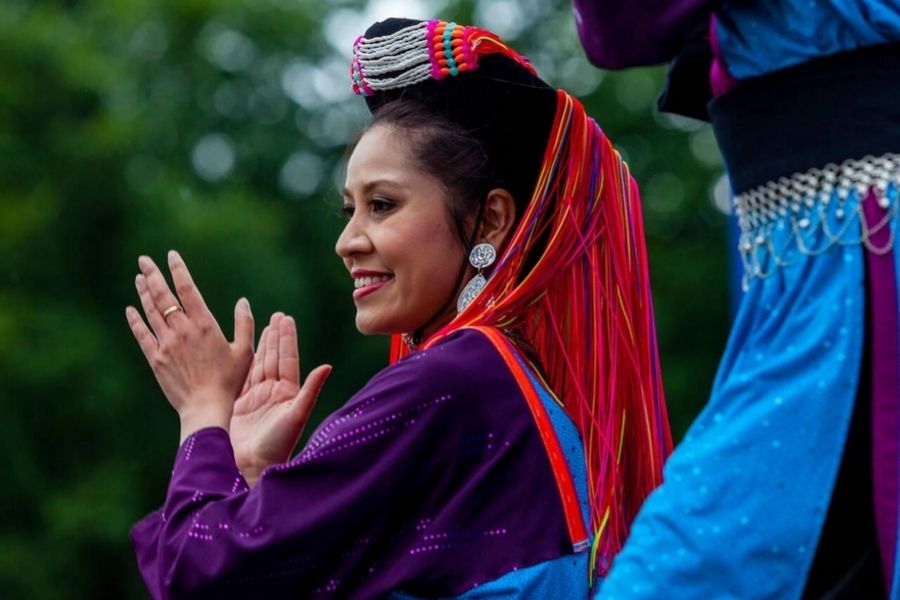
Local choirs and community groups filled venues with joyful noise. Each night, music and dance brought people together, no matter their age or background.
Theatre, Comedy, and Live Performance Art
Theater was everywhere I turned. I stumbled into gripping plays and bold performance pieces.
Dreamthinkspeak’s “Future City: Brighton 2125” really stuck with me—director Tristan Sharps turned the whole city into an immersive, walk-through show set in a future Brighton.
Street theater and pop-up performances surprised me in places like Pavilion Gardens. Comedy shows kept things light—stand-up, improv, and sketches brought plenty of laughs.
Interactive performances let the audience jump in. One night, I found myself part of a mini-album show, and honestly, those unpredictable moments are what I remember most.
Visual Arts, Exhibitions, and Film
Visual art was everywhere. The Brighton Dome and local galleries hosted installations, paintings, and photography.
I wandered through exhibits exploring both Brighton’s stories and global themes. One standout was “How Dark It Is Before Dawn: Chapter III”—sculpture and video combined for a powerful effect.
Film screenings added another layer. I caught short films and documentaries that gave me a fresh look at the city. Q&A sessions after the films pulled me deeper into the creative process.
Outdoor art and site-specific installations seemed to pop up everywhere. I couldn’t walk far without stumbling onto something unexpected.
Literature, Debate, and Workshops
Sometimes I needed to slow down, so I dropped into literature events and debates. Authors, poets, and thinkers shared new writing and sparked lively conversation.
Marwa Al-Sabouni’s talk on architecture and the future of Brighton got people debating the city’s changing face. Workshops were hands-on and relaxed.
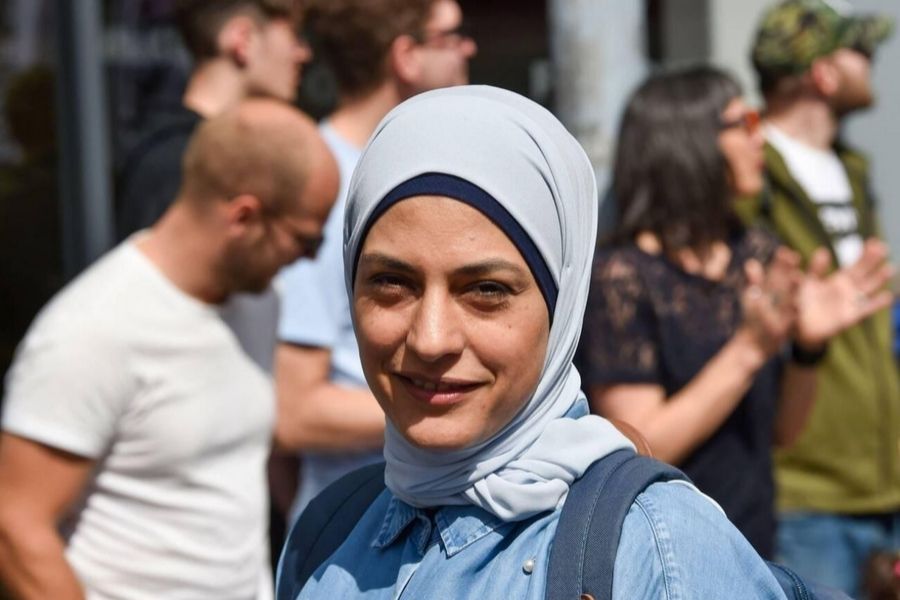
I joined a poetry session and a debate skills group—everyone was welcome to share ideas. Book readings, panels, and creative workshops brought people together from all walks of life.
Immersive Venues and Unique Festival Spaces
Brighton Festival sprawls across the city, filling landmarks, pop-up venues, and cozy community spaces. I loved wandering between historic sites, open-air events, and local hangouts—each day felt different.
Brighton Dome and Iconic Locations
The Brighton Dome sits at the heart of it all. I caught everything from classical concerts in the Concert Hall to cutting-edge dance in the Corn Exchange. Its central spot made it easy to hop between shows.
Theatre Royal Brighton charmed me with its history. Watching a play there felt special—the acoustics were great, and the staff made sure everyone felt welcome.
The University of Sussex hosted some big events too, offering space for lectures and experimental performances.
Venue highlights
| Venue Name | Type | Notable |
|---|---|---|
| Brighton Dome | Historic venue | Main stage for music and arts |
| Theatre Royal | Theatre | Classic and modern plays |
| Brighton Dome Corn Exchange | Flexible space | Art installations, dance |
Pop-Up and Outdoor Events
Brighton Festival thrives on surprise. I stumbled onto performances in St Peter’s Square and other unexpected outdoor spots.
Temporary stages popped up for live music and art installations, turning the city into a creative playground. The Without Walls program brought free outdoor shows—family-friendly and easy to join, even if you just happened to be passing by.
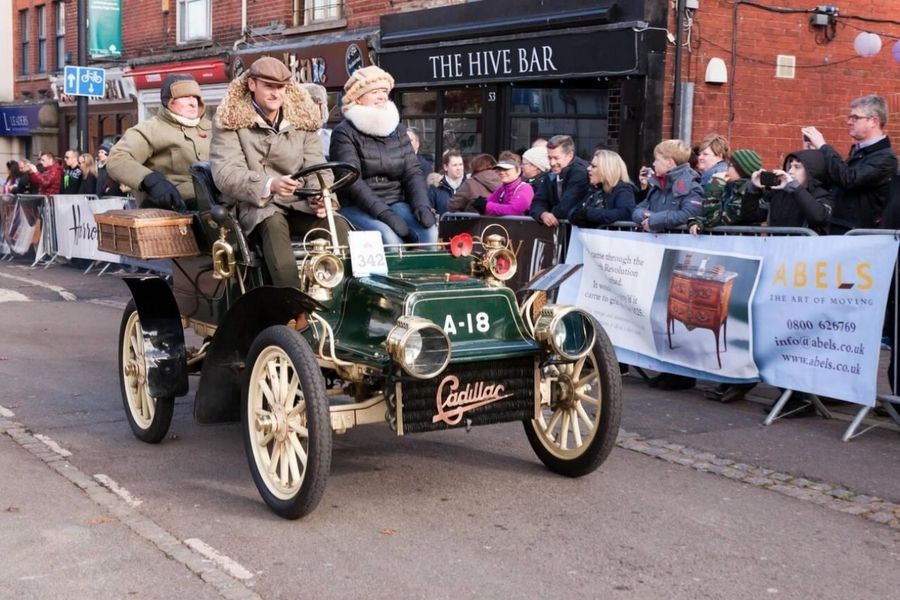
Some events reached as far as Crawley and East Sussex, bringing art into parks and public spaces. It felt like the whole region got in on the fun.
Neighbourhood and Community Spaces
I loved the smaller venues—The Old Courtroom, local galleries, pubs, and cafes. Shows in these spaces felt intimate, and I often chatted with performers afterward.
Many events ran on a “pay what you can” basis, making the festival accessible to everyone. Community programs like Our Place brought performances right into neighborhoods.
Local artists and families got involved, and even ordinary places—streets, shops, community centers—turned special for the festival. Brighton’s neighborhoods really drive its creative scene, and that mix of official and grassroots venues made my experience so much richer.
Community Engagement and Participatory Events
Brighton Festival stands out for the way it pulls people together. I saw how much effort everyone puts in to make things welcoming and inclusive, with creative activities for all ages and backgrounds.
Inclusive and Accessible Programming
The festival throws open its doors with a mix of free and pay-what-you-feel events, which takes the sting out of budgeting. I watched families and groups of friends soaking up performances in parks and on street corners—no tickets, no stress.
They really thought about accessibility, too. Wheelchair users rolled right up to shows with step-free access, while sign language interpreters stood by at many events. Some sessions felt more relaxed, perfect for anyone who needed a gentler vibe.
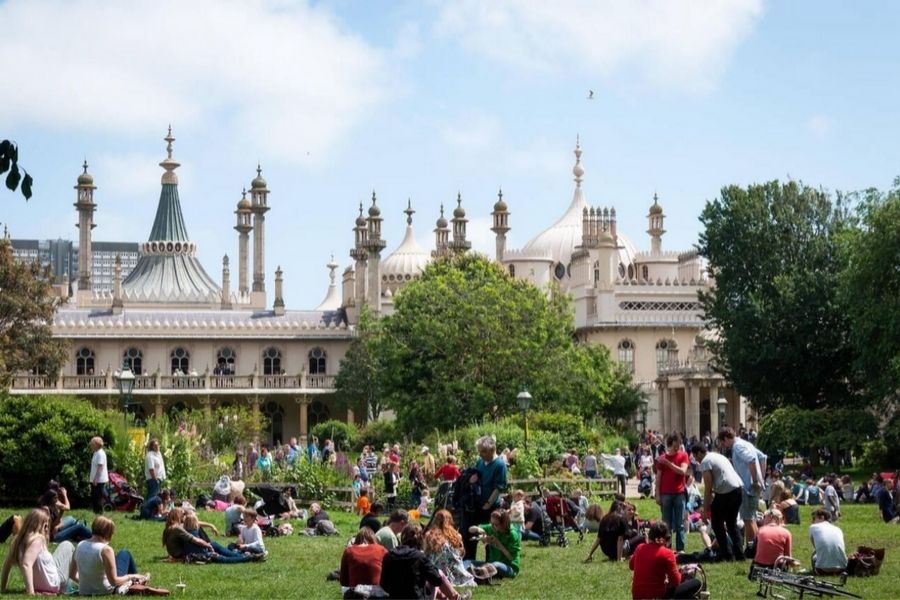
Brighton Festival teams up with The Pebble Trust and other local organizations to make all this happen. Their support means more people can get swept up in high-quality arts without worrying about barriers. Inclusivity here isn’t just a buzzword—it’s honestly the norm.
Workshops and Creative Initiatives
I dove into a handful of workshops during my time at the festival. Whether you’re a total beginner or have a few creative tricks up your sleeve, there’s something waiting. One year, I joined the annual Children’s Parade—what a sight! The streets exploded with color, wild costumes, and these massive puppets crafted by local schoolkids.
Community groups like Brighton Table Tennis Club brought their energy too. I spent an afternoon outdoors, just batting the ball back and forth with strangers and volunteers who patiently explained the basics. Even people walking by couldn’t resist joining in.
Other sessions ranged from poetry writing with guest artists to hands-on craft projects and digital art demos by teams like howareyoufeeling.studio. The whole atmosphere felt warm and welcoming, so it was easy to jump in—no one cared if you were a seasoned artist or just curious.
Local Partnerships and Sponsorships
You’ll find that these community events really come to life because of strong local partnerships. The Pebble Trust steps in to fund a lot of what’s happening, and that support means even the smallest community groups get a chance to join in.
Some workshops and activities pop up right inside neighborhood organizations, schools, and libraries. It’s great because folks actually know what’s happening close to home.
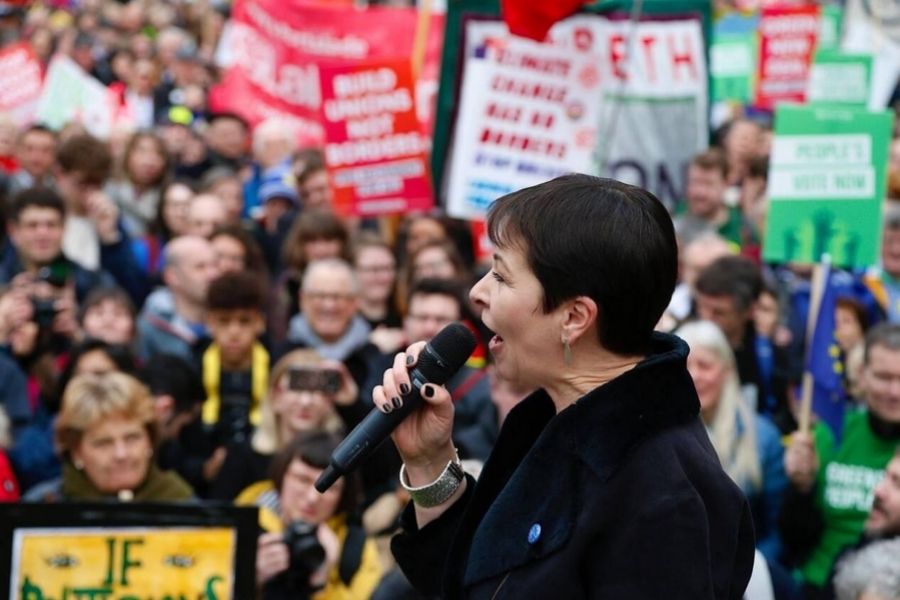
Caroline Lucas, the local MP, shows up pretty often and always seems eager to highlight the festival’s community vibe. I’ve spotted plenty of small businesses and sponsors pitching in with space, resources, or even just supplies for creative events.
Most of the performers and artists are Brighton locals, which honestly keeps everything feeling real and rooted. Thanks to these partnerships, the festival always feels warm and personal—like it couldn’t happen anywhere else.