When people mention Monterey, they usually talk about the famous aquarium. Honestly, I thought that would be the main draw too, but there’s a whole other side to this coastal California gem that surprised me. Around every corner, I stumbled onto something new—ocean drives that made my jaw drop, and neighborhoods with stories practically seeping from the old buildings.
Sure, the Monterey Bay Aquarium is incredible, but I think the real fun starts when you try whale watching, wander along the coastal trails, or get lost in the waterfront districts. I spent days getting lost (in a good way) in places where history and nature seem to compete for your attention.
I found myself pulled into outdoor adventures, family-friendly spots, and little seasonal surprises most tourists never notice. Monterey’s blend of wild beauty, old-school history, and easy-to-reach attractions gave me memories I honestly didn’t expect from a regular beach town.
Getting Up Close With Marine Life Beyond the Aquarium
Monterey Bay practically begs you to get out and see marine life in the wild. Kayaking with curious otters or watching whales breach just offshore? It’s all right there.
Kayaking Monterey Bay for Wild Otters and Sea Lions
I realized pretty quickly that kayaking in Monterey Bay is the best way to meet sea otters up close. These little guys sometimes swim right up to your kayak, checking you out like you’re the entertainment.
Adventures by the Sea rents kayaks and offers tours from several spots. I grabbed a kayak on Cannery Row and headed for the kelp forests—otter central.
Early morning or late afternoon is when otters seem most active. I watched one float on its back, cracking open a shell with a rock. Another wrapped itself up in kelp, looking way too comfortable.
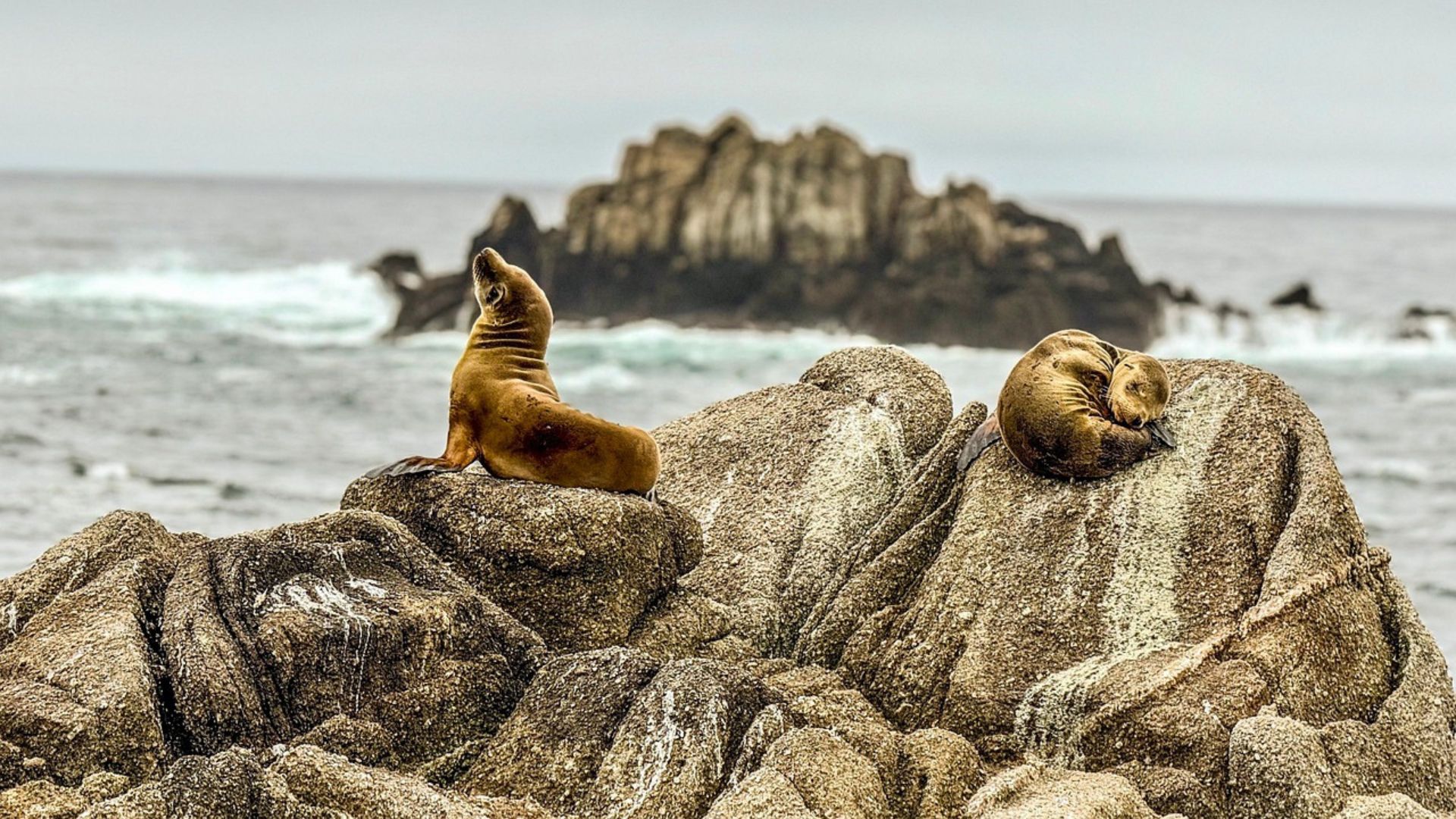
Sea lions are everywhere too, and they’re not shy. I spotted groups of them barking and sunning themselves on rocks near the harbor. They’re much bigger than you expect, and a little noisy!
A few quick kayaking tips:
- Always wear a life jacket
- Keep at least 50 feet from marine mammals
- Double-check the weather before you go
- Dress in layers—the bay can get chilly
Whale Watching Tours Along Monterey Bay National Marine Sanctuary
If you want to see whales, Monterey Bay National Marine Sanctuary is the place. The deep underwater canyon brings up nutrients, which means whales hang around year-round.
I joined a couple of Monterey whale watching tours and saw different whales depending on the season. Blue whales show up from June through October. They’re massive—nothing really prepares you for their size.
Gray whales migrate past Monterey twice a year. I spotted them in winter heading south and again in spring as they returned north with their calves.
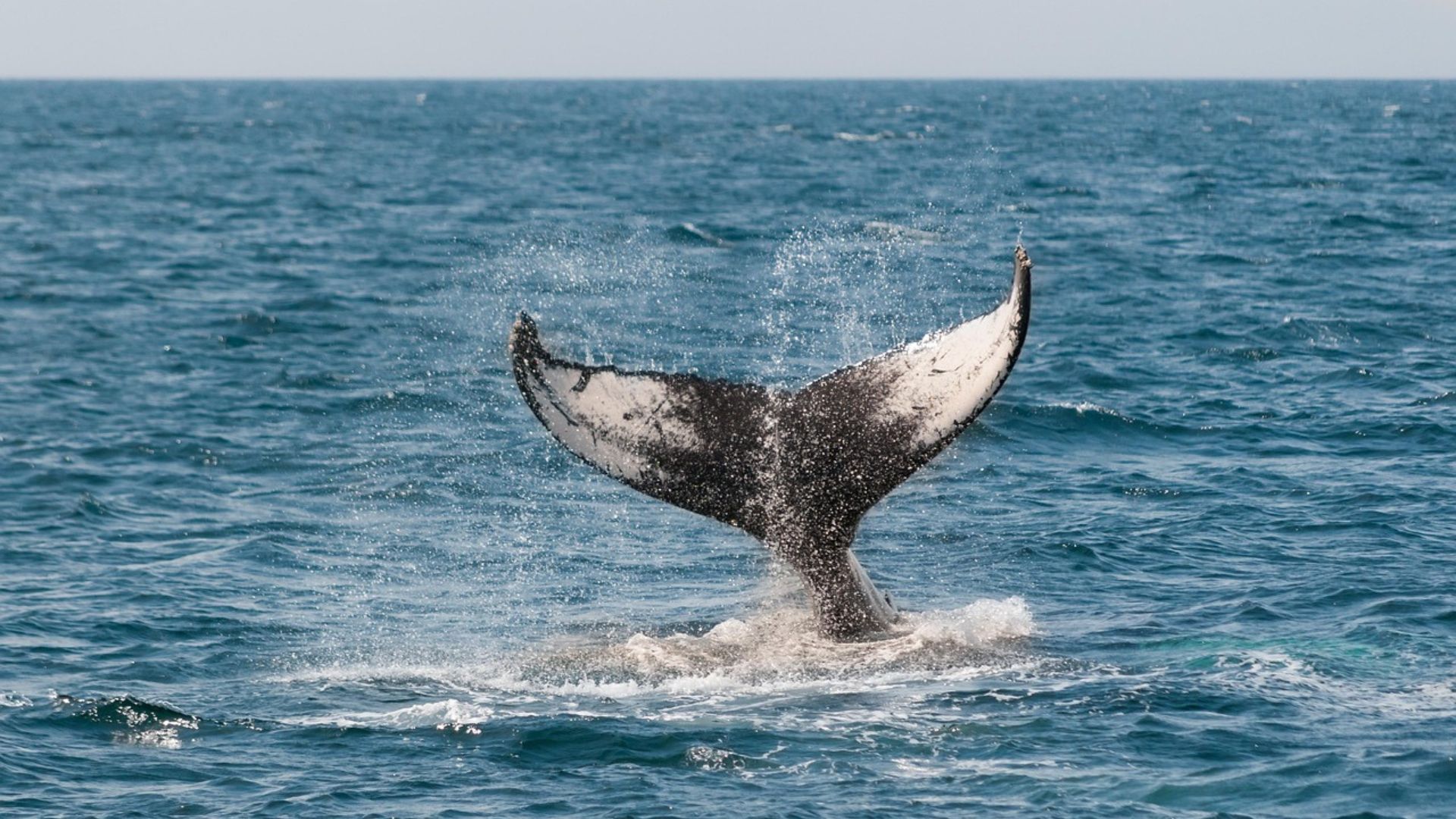
Humpback whales arrive from April to December. They’re the show-offs, breaching and slapping their tails. I once saw one leap out of the water three times in a row—unreal.
Dolphins are almost a given. Common dolphins travel in huge pods, sometimes hundreds strong. They surfed our boat’s wake and leaped alongside us, showing off.
Most tours last 2-3 hours and leave from Fisherman’s Wharf. Companies like Monterey Bay Whale Watch and Princess Monterey run daily trips, and the marine biologists on board make it way more interesting.
Discovering the Wildlife on the Coastal Recreation Trail
The Coastal Recreation Trail stretches 18 miles along the bay. I walked different sections and spotted wildlife from the path—no boat required.
Lover’s Point in Pacific Grove turned out to be my favorite for otter watching. I brought binoculars and found a bench overlooking the bay. Harbor seals lounged on rocks below.
Between Cannery Row and Pacific Grove, the trail passes tide pools. At low tide, I found sea stars, hermit crabs, and sea anemones tucked between the rocks.
Bird Rock is another good stop for sea lions and harbor seals. Cormorants and pelicans nest on the rocks, and during pupping season, I watched baby seals learning to swim.
Near Asilomar Beach, I spotted gray whales during migration. On calm days, their spouts are easy to see from shore.
Best times for wildlife:
- Early morning (7-9 AM)
- Late afternoon (4-6 PM)
- Low tide for tide pools
- Calm, clear days
Strolling Monterey’s Historic Waterfronts
Monterey’s waterfronts mix history, culture, and that laid-back coastal vibe. Old Fisherman’s Wharf serves up fresh seafood with bay views, while Cannery Row keeps Steinbeck’s legacy alive alongside new attractions.
Exploring Old Fisherman’s Wharf for Seafood and Views
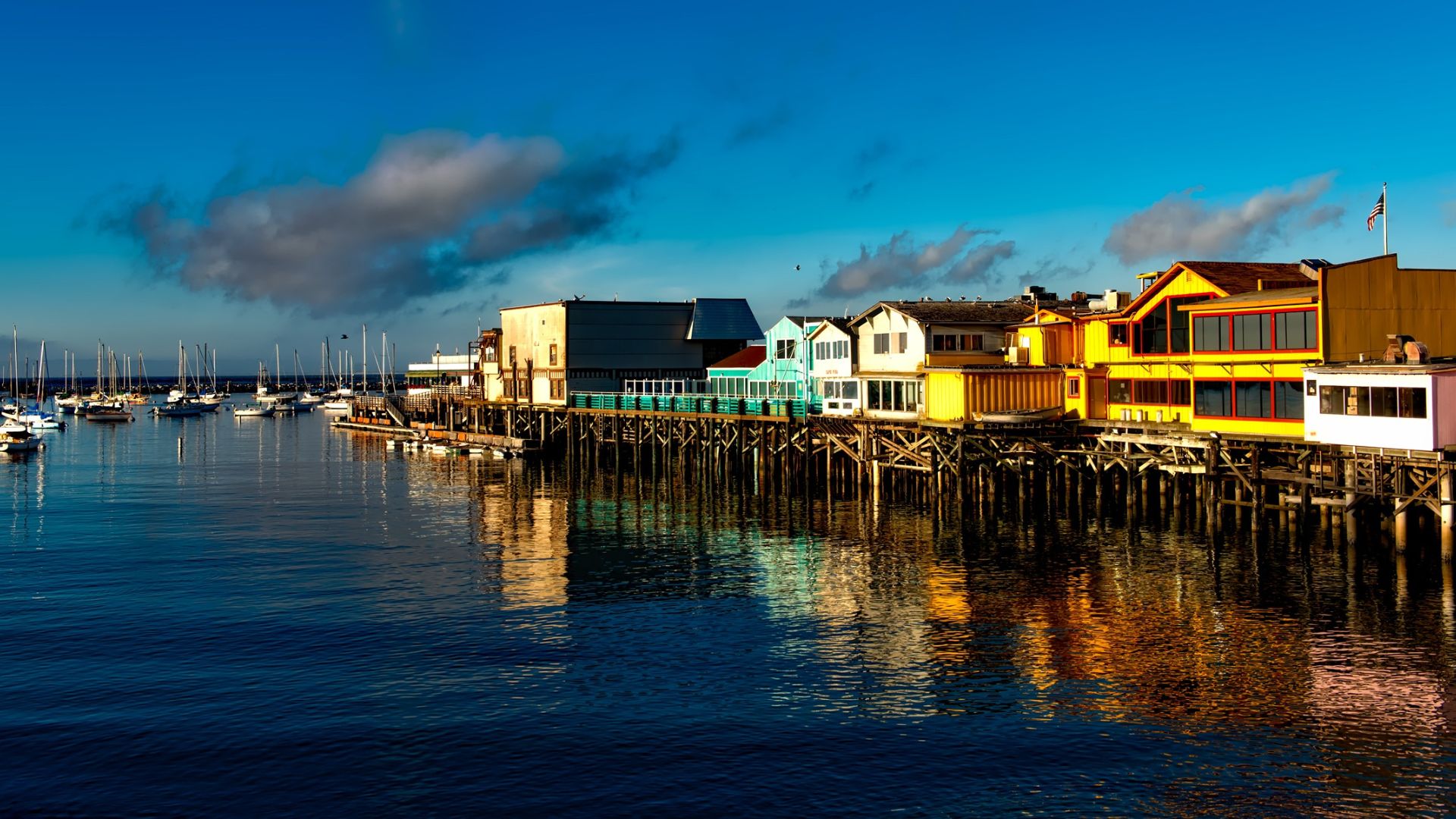
Old Fisherman’s Wharf felt like stepping back in time. The pier stretches into the bay, and the views are fantastic.
Seafood restaurants line the wharf—I couldn’t resist the famous clam chowder. As I ate, I watched sea lions lounging on the docks below.
What stood out for me:
- Fresh Dungeness crab and local fish
- Harbor seals swimming around the pier
- Souvenir shops selling local crafts
- Boat tours leaving right from the marina
The wharf still operates as a fishing pier. I watched fishing boats unloading their catch, with seagulls circling for scraps.
A walk down the pier takes about 15 minutes. Sunset is the best time for photos—the light is just right.
Walking the Iconic Cannery Row
Cannery Row has changed a lot since Steinbeck’s day, but you can still feel the history in the old buildings. I wandered the street, picturing the sardine factories that used to fill the air with noise and fishy smells.
Original architecture lines the street, and historical signs tell stories from the past. The Cannery Row Antique Mall is packed with vintage finds and quirky local memorabilia.
Stops I enjoyed:
- Old cannery buildings
- Steinbeck-themed shops
- Restaurants with bay views
- Art galleries and bookstores
I spent a couple of hours exploring the length of Cannery Row. The coastal trail connects it easily to downtown.
Between buildings, you get peeks of the ocean. I often spotted sea otters floating in the kelp.
Art and Culture at Monterey Museum of Art and Pacific House Museum
The Monterey Museum of Art highlights California’s creative side. I wandered through nearly 10,000 pieces, mostly by regional artists.
Rotating exhibits keep things fresh, but I especially loved the California landscape paintings. They really capture the spirit of the area.
The Pacific House Museum sits near Old Fisherman’s Wharf and is part of Monterey State Historic Park. I learned about Monterey’s time as California’s capital and its earlier days.
Museum highlights:
- Native American artifacts
- Spanish colonial and Mexican period displays
- Early California statehood exhibits
Both museums help you understand Monterey’s layered history. The Pacific House Museum also shares free walking tour info if you want to explore more historic sites downtown.
Iconic Drives and Scenic Overlooks on the Monterey Peninsula
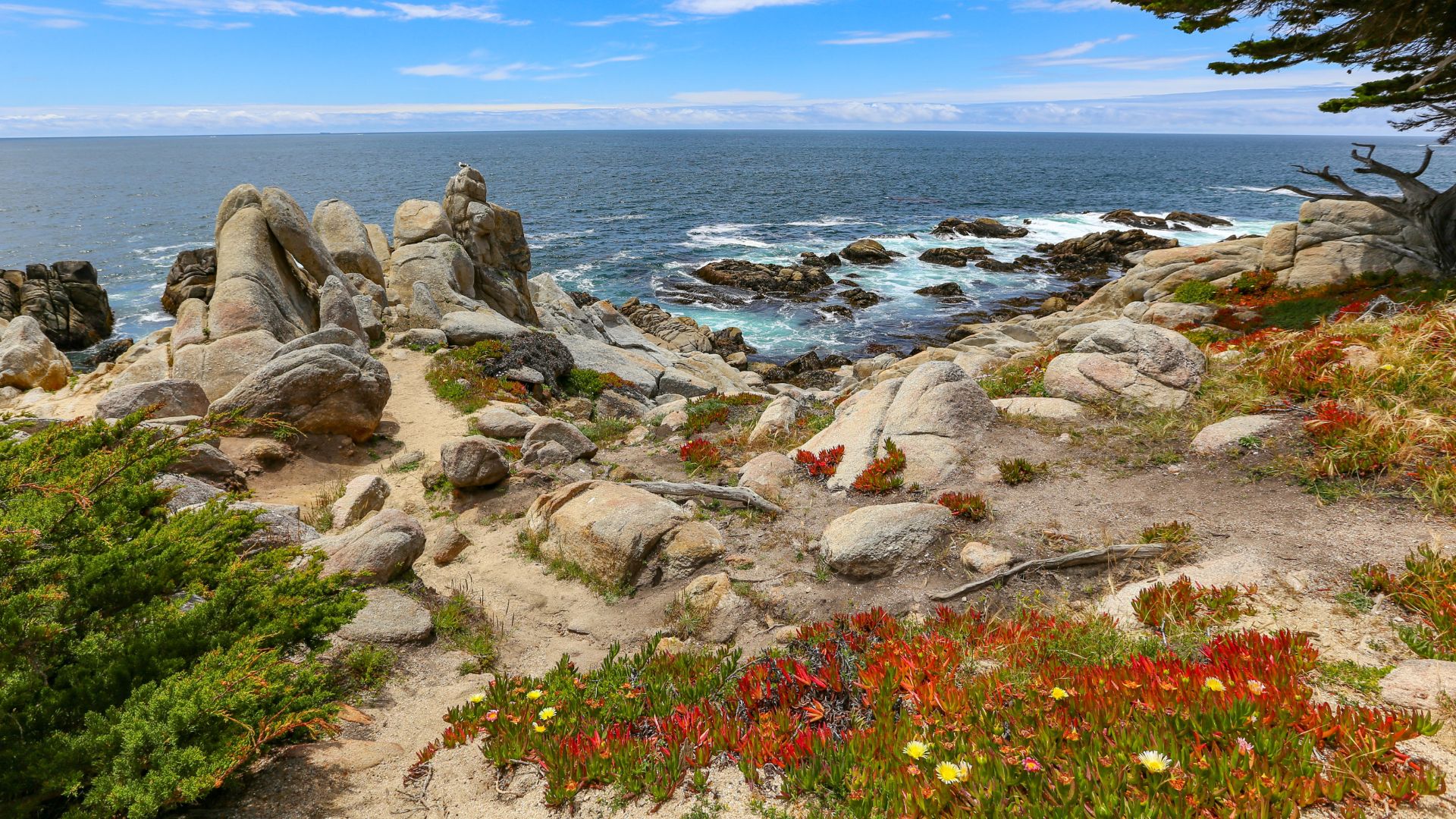
The Monterey Peninsula serves up some of California’s most iconic scenic drives. From the famous 17-Mile Drive through Pebble Beach to wild stretches along Highway 1, the views are just ridiculous—cliffs, beaches, and landmarks like the Lone Cypress.
Cruising the 17-Mile Drive and Seeing the Lone Cypress
I paid the entry fee and set off on the winding 17-Mile Drive. The road cuts through Del Monte Forest and offers some of the best Pacific views I’ve ever seen.
Stops I made:
- Lone Cypress: Probably the most photographed tree in the world, clinging to its rocky perch
- Bird Rock: Packed with sea lions and seabirds
- Seal Rock: Harbor seals play here, and tide pools are everywhere
- Cypress Point Lookout: My favorite sunset spot—panoramic ocean views
The drive took me about 2-3 hours with stops. I started early to dodge crowds and catch the best morning light.
The Lone Cypress stands alone, battered by wind and salt. The designated viewing areas gave me the best photo angles.
Exploring Pebble Beach and Del Monte Forest
Pebble Beach really does feel exclusive. Gorgeous homes line the coast, and the golf courses are legendary.
The Del Monte Forest is something special too. Monterey pines and cypress trees thrive here. I even spotted deer grazing near the fairways.
Pebble Beach highlights:
- Pebble Beach Golf Links: That famous 18th hole right on the water
- Spanish Bay Beach: White sand and big surf
- The Lodge at Pebble Beach: Classic luxury and good food
- Stillwater Cove: Calm water for kayaking or paddleboarding
At Spanish Bay, I caught the sunset bagpiper. Every night, 30 minutes before dusk, the bagpipes start up. Fire pits keep everyone warm as the sun goes down.
Photogenic Stops Along Pacific Coast Highway and Highway 1
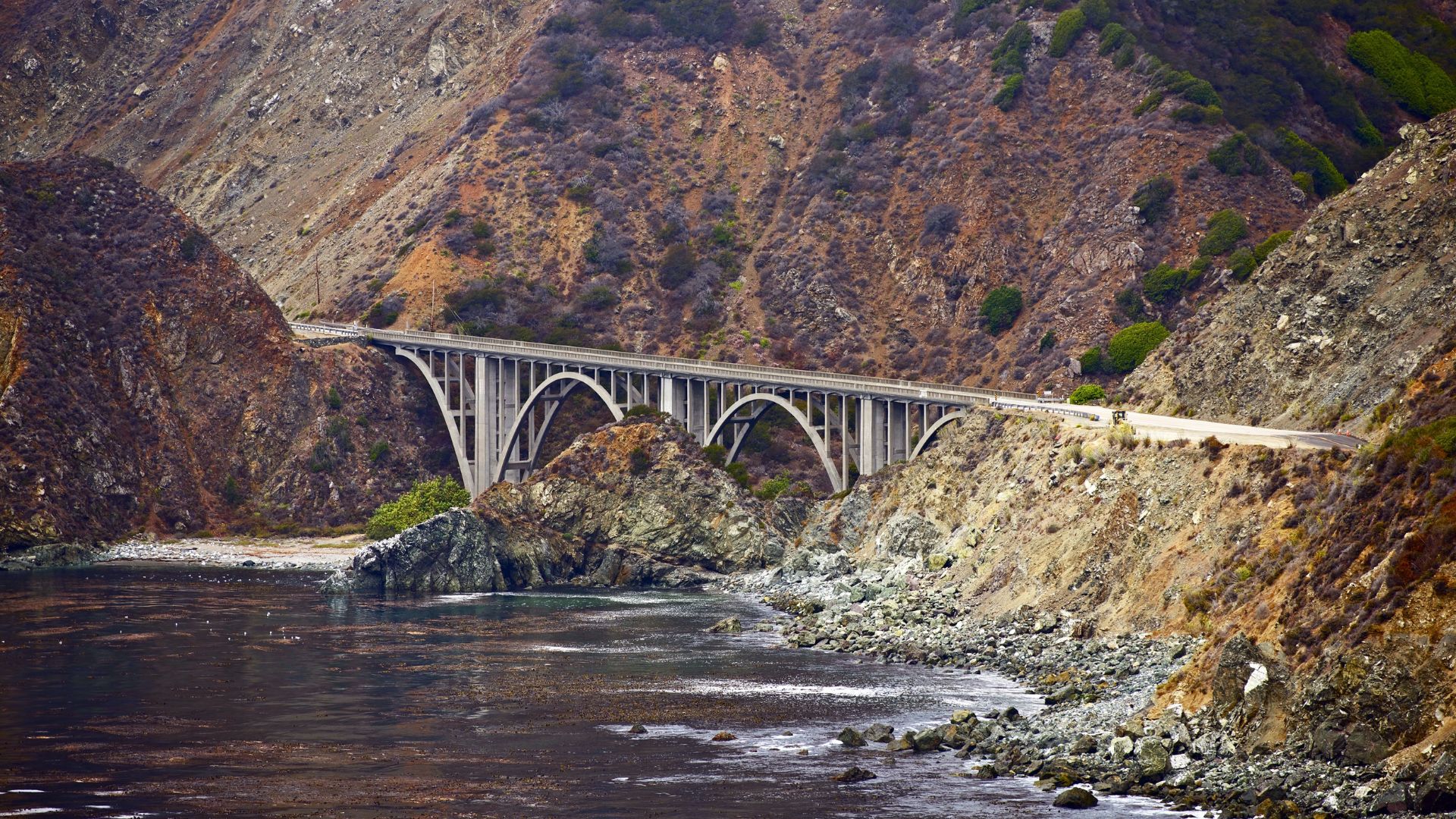
Highway 1 through Monterey County is a photographer’s dream. I drove it more than once just to see how the light changed.
Favorite viewpoints:
- Bixby Creek Bridge: That iconic arch over a deep canyon
- Point Sur Lighthouse: Perched on a volcanic rock, it’s dramatic
- McWay Falls: An 80-foot waterfall pouring onto the sand
- Nepenthe: Restaurant with sweeping Big Sur views
The drive from Monterey to Big Sur takes 2-3 hours. I stopped at almost every pullout for photos of the cliffs and waves.
Traffic can crawl on this winding road, so I gave myself extra time. The scenery made every slow mile worth it.
Unforgettable Outdoor Adventures and Natural Wonders
Monterey’s coast is packed with trails and beaches that are honestly some of the prettiest in California. The state parks and reserves are full of wildlife and water activities—just minutes from downtown.
Hiking Point Lobos State Natural Reserve
Point Lobos State Natural Reserve became my go-to hiking spot. The Cypress Grove Trail winds through ancient, twisted cypress trees.
From the cliffs, I watched sea otters floating in the kelp below. Harbor seals rested on the rocks at China Rock and Seal Point. The trail is easy and takes about half an hour.
Best times to visit:
- Early morning (7-9 AM)
- Late afternoon (4-6 PM)
The Bird Rock Trail gives awesome views of sea lions and cormorants. I caught pelicans diving for fish from the lookouts. There are eight trails in total, from easy to a bit more challenging.
Parking fills up fast, so I arrived before 9 AM. The $10 fee covers all the trails and beaches for the day.
Exploring Asilomar State Beach and Garrapata State Park
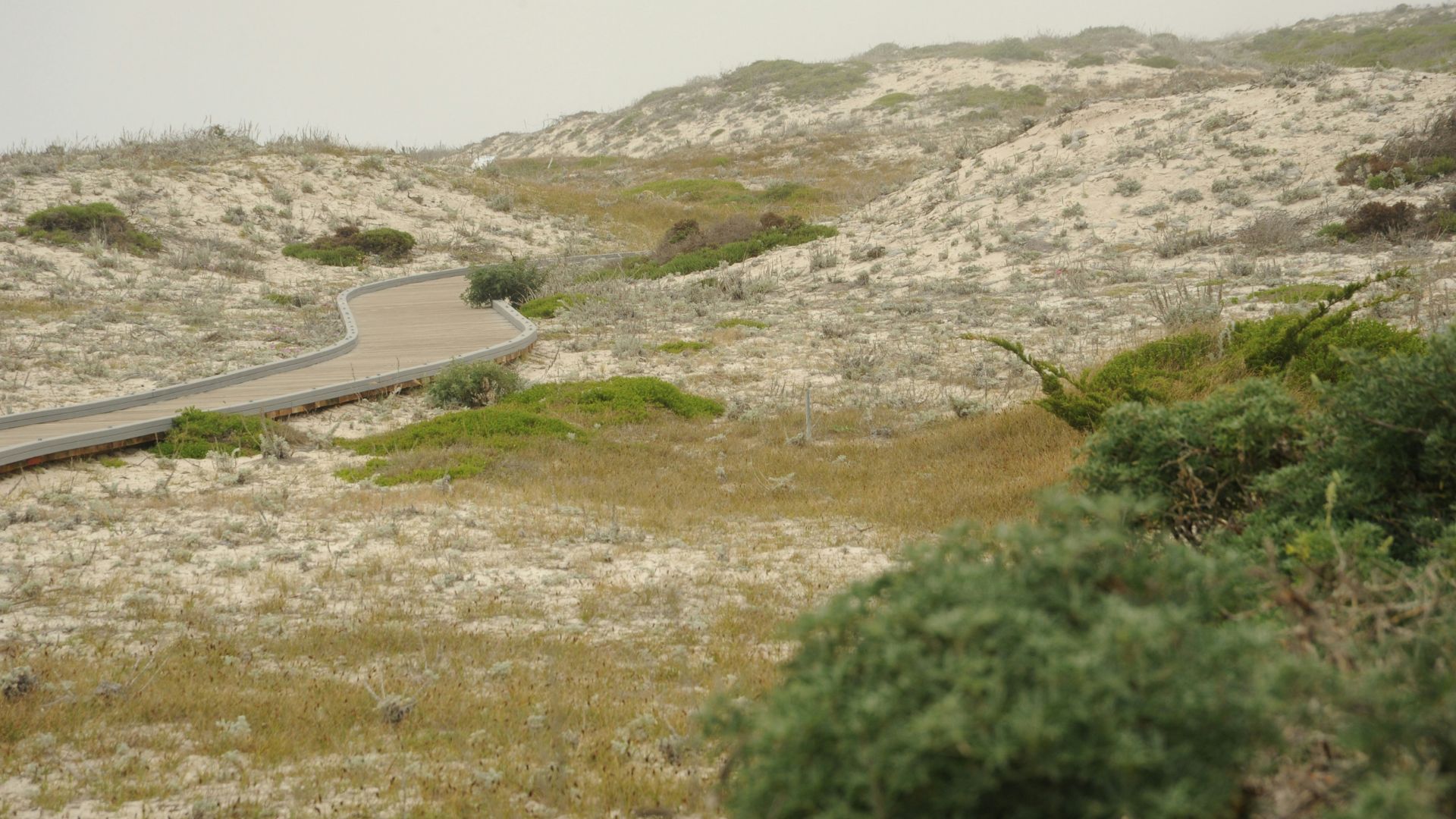
Asilomar State Beach has a boardwalk along the dunes and a mile of sand with tide pools at the north end.
I found purple sea urchins and hermit crabs in the rocks. The beach connects to Monterey State Beach, so you can walk for miles.
Garrapata State Park sits about 10 miles south, heading toward Big Sur. The trails climb steep hills with ocean views. I hiked the Soberanes Canyon Trail, which follows a creek through redwoods.
What I brought:
- Sturdy hiking shoes
- Water bottle
- Camera for wildlife
Garrapata has no facilities, so I packed everything I needed. Trails can get muddy in winter and spring.
Kayaking and Beachcombing at San Carlos Beach and Del Monte Beach
San Carlos Beach is a favorite for kayaking because the water stays calm. I rented a kayak and paddled out to see otters just offshore.
The beach has easy access and a small parking area. Scuba divers love it too. I spotted bright orange garibaldi fish in the shallows.
Del Monte Beach stretches forever with soft sand. I found sand dollars and colorful shells as I walked. The beach connects to Monterey State Beach if you want to keep going.
Beach activities I loved:
- Tide pooling at low tide
- Watching surfers at the breaks nearby
- Collecting sea glass and shells
Both beaches have restrooms and are free to visit. Del Monte Beach has more parking and picnic tables, making it a nice spot for a break.
Experiencing Monterey’s History and Charming Towns
Monterey’s rich past really comes alive when you wander through its old buildings and the nearby towns that have seen California’s Spanish, Mexican, and American eras. These preserved landmarks and cozy villages mix history and coastal charm in a way that’s honestly hard to resist.
Walking the Monterey State Historic Park and Custom House
I kicked off my morning at the Monterey State Historic Park, and wow, you can feel California’s political history in the air. The park connects several historic buildings with the Path of History, a trail marked by yellow tiles that winds through downtown Monterey.
The Custom House caught my eye right away. Built back in 1827, it’s California’s oldest government building—this is where ships once paid taxes on their cargo. I wandered inside and checked out displays of old goods, imagining what it must have smelled and sounded like when merchant ships unloaded here.
The park actually covers several city blocks, with historic adobes and little gardens tucked between them. I followed the path, stopping to read signs that explained what each building meant to early California. The self-guided tour took me about two hours, but honestly, I lost track of time.
Discovering the Carmel Mission and Carmel-by-the-Sea
A quick drive south landed me at the Carmel Mission, or Mission San Carlos Borromeo de Carmelo if you want to get official. Founded in 1770, this stone church basically led the mission system in California.
I poked around the museum, took in the gardens, and stood under the unique bell tower. The courtyard holds Father Junipero Serra’s tomb, and inside the museum, you’ll see religious artifacts and Native American items from the mission days.
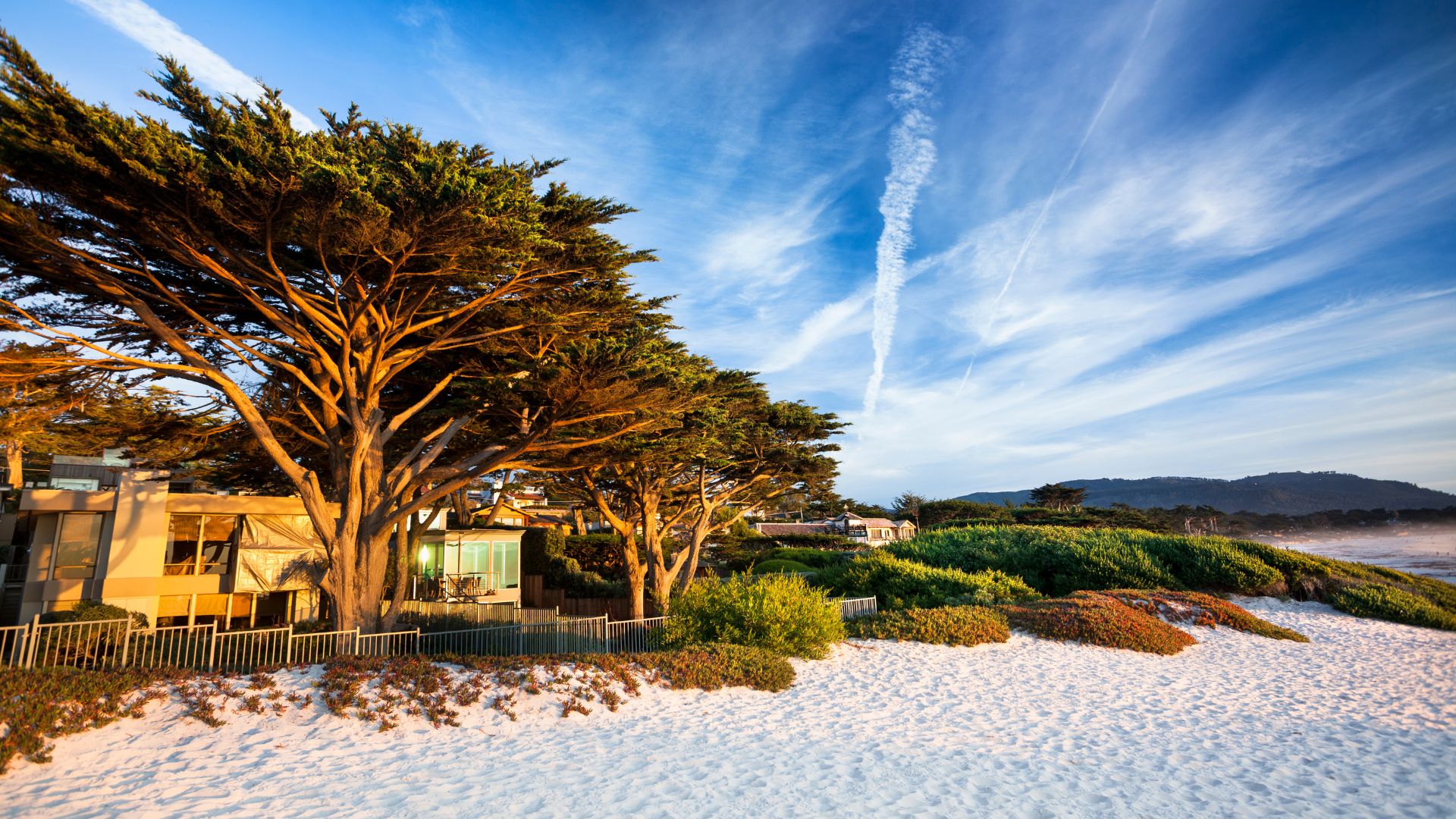
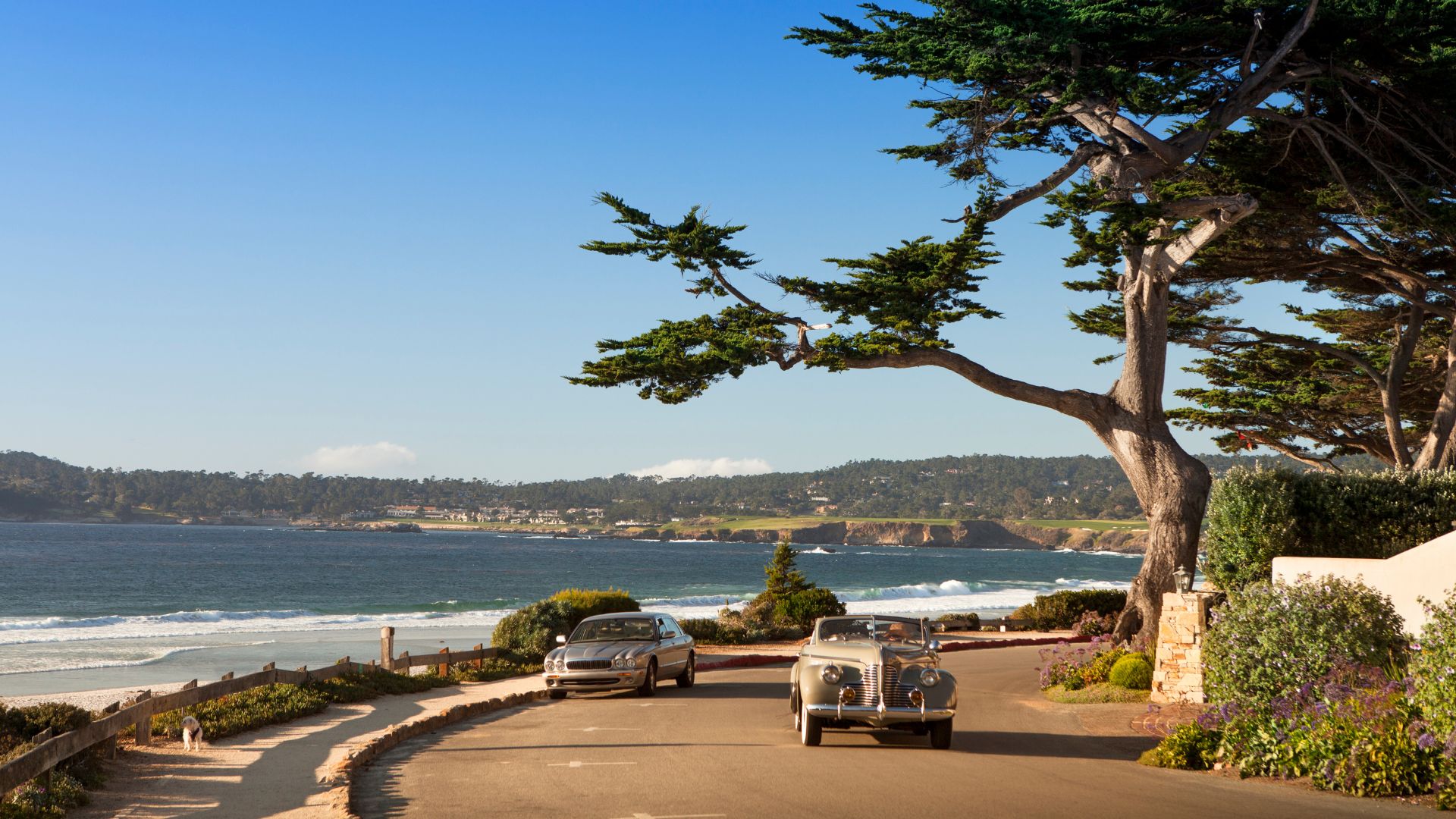
Carmel-by-the-Sea felt like something out of a storybook. The town’s quirky architecture means homes have names instead of addresses—how fun is that? I wandered the leafy streets, dipped into art galleries, and browsed shops along Ocean Avenue before wandering down to the soft, white sand.
Touring Colton Hall Museum and San Carlos Cathedral
Colton Hall Museum surprised me with its importance—it’s where California’s first constitution took shape in 1849. The two-story building features exhibits about the constitutional convention and Monterey’s big role in statehood.
Upstairs, I saw original documents and period furniture in the very room where delegates debated for weeks. The displays made California’s transition from Mexican territory to U.S. state feel much more real.
Right nearby, the San Carlos Cathedral wrapped up my historical stroll. Built in 1794, it’s the state’s first cathedral and still serves as an active parish. The simple stone design and peaceful vibe inside made it easy to imagine centuries of worshippers passing through.
Seasonal Surprises and Family-Friendly Activities
Monterey seems to always have something new going on, and the seasons really shape what you’ll find. I stumbled onto butterfly migrations at just the right time, and on rainy days, we ducked into museums that kept everyone happy.
Finding Butterflies at Monarch Butterfly Sanctuary
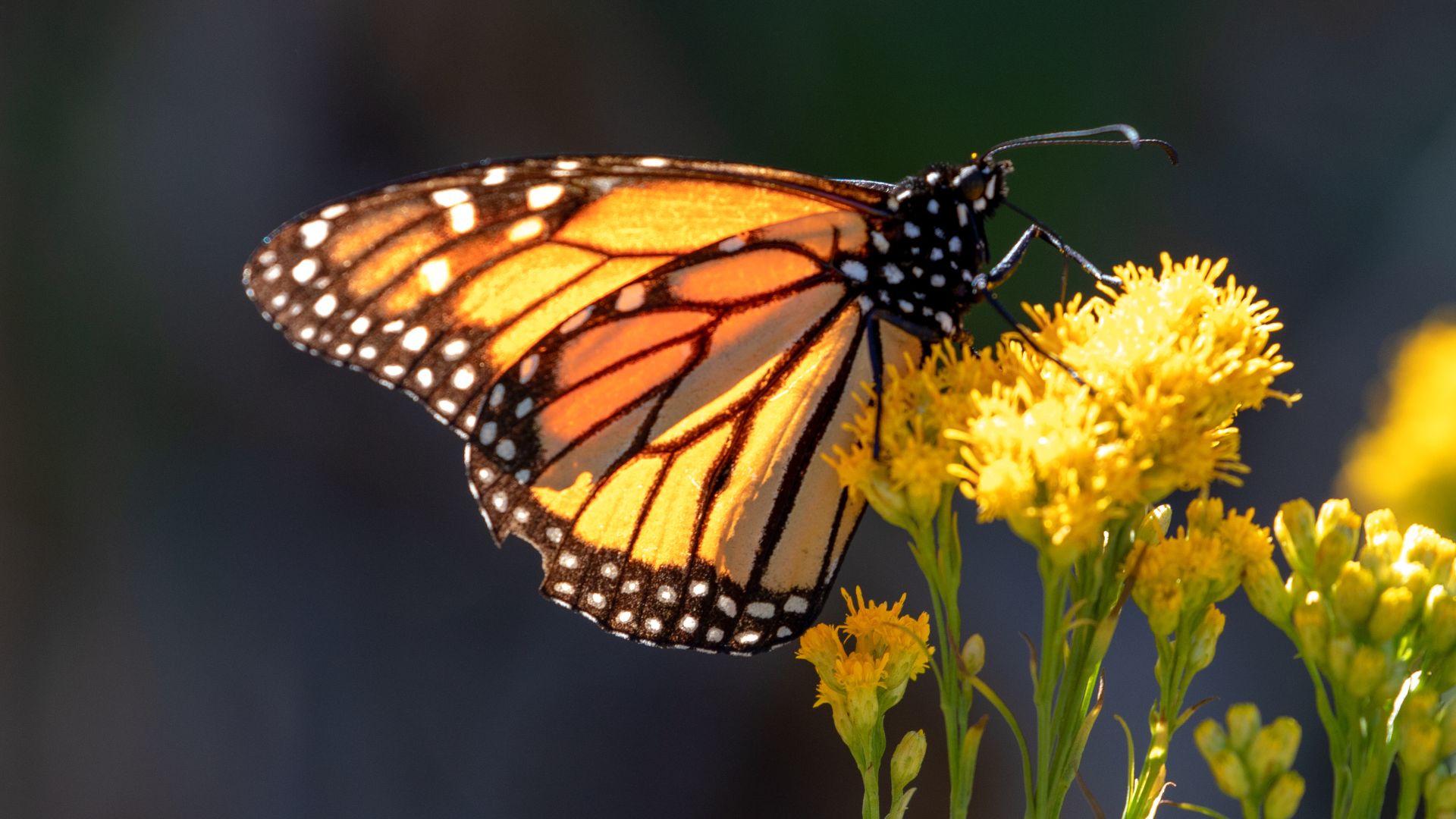
Between October and February, Pacific Grove’s monarch butterfly sanctuary turns into something magical. I visited in November, right in the thick of it, and saw thousands of orange-and-black butterflies clustered in the eucalyptus trees.
Late morning works best for visits since that’s when the butterflies flutter around most. The sanctuary is totally free, which makes it a win for families.
What to bring:
- Quiet voices (the butterflies don’t love noise)
- A camera with a zoom lens
- Warm jacket if you’re going early
I learned monarchs travel over 2,000 miles just to return to this exact spot. Volunteers pointed out how to tell males from females—a detail I’d never noticed before.
The sanctuary opens at sunrise and closes at sunset. If you catch a sunny day, you’ll see more butterflies flying instead of huddled together.
Hands-On Fun at Monterey County Youth Museum
The Monterey County Youth Museum saved the day when my kids needed to burn off energy indoors. Interactive exhibits kept them busy for hours.
It’s best for kids ages 2 to 10, but honestly, I found myself enjoying it too. My little ones played in themed areas like a veterinary clinic and a pretend grocery store.
Popular exhibits include:
- A real fire truck for climbing
- Water play with pumps and dams
- An art studio with rotating projects
- Building blocks and a construction zone
I liked that the museum limits how many people can enter each day, so it never felt packed. Staff members jumped in to help kids with activities and answered all sorts of questions.
They offer birthday parties and summer camps, too, which is handy if you’re local. Parking was easy in nearby lots, and the downtown Monterey location means you can grab lunch or shop when you’re done.
Family Picnics at Dennis the Menace Park and Beach Days at Carmel Beach
Dennis the Menace Park quickly became our family’s favorite picnic spot. The playground has this old train car you can actually climb inside, plus a maze and so many weirdly fun climbing things.
It sits right next to Lake El Estero, which I honestly didn’t expect to be so pretty. We took out pedal boats and ended up chasing ducks and watching water birds drift by.
Park highlights:
- Picnic tables with BBQ grills
- Clean restrooms and water fountains
- Big grassy spaces for tossing a frisbee or just sprawling out
- Free parking
Carmel Beach is just a quick 15-minute drive south from Monterey. The soft, powdery sand feels amazing—ideal for sandcastles, if you ask my kids.
Waves stay mellow, so even the little ones can splash around without worry. Dogs run free here, which turned into a real highlight for us.
We always packed snacks since the nearest restaurants are back in Carmel village. If you go in the afternoon, you’ll probably catch the fog rolling away.
Sunset at Carmel Beach? Absolutely worth it. Those golden skies make for the kind of family photos you’ll want to frame.