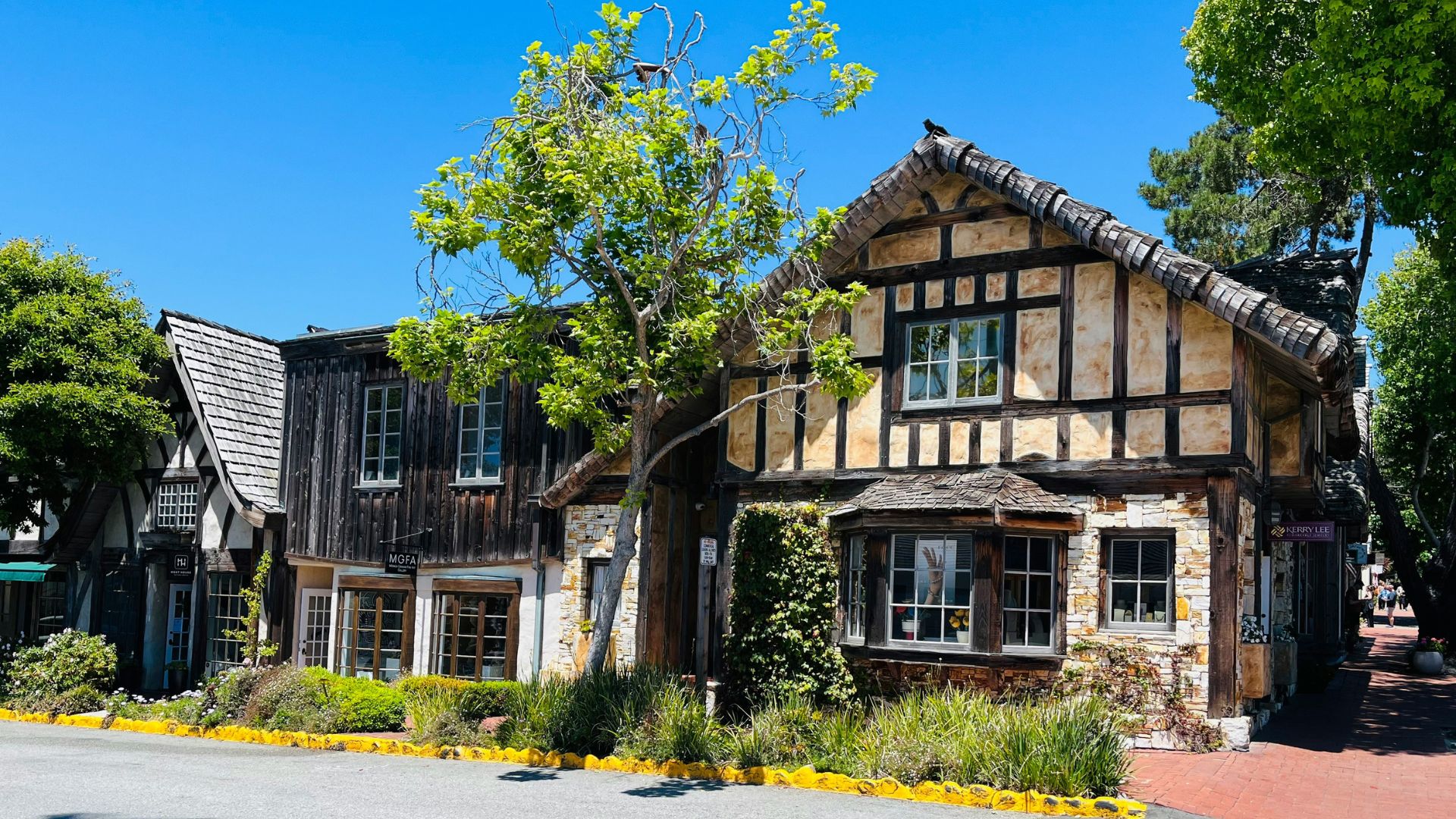
I stumbled upon Carmel-by-the-Sea almost by accident on a coastal drive. Honestly, it felt like I’d wandered into a real-life fairy tale.
This tiny California village sits just 90 minutes south of San Francisco. Storybook cottages with twisted chimneys and rounded doors line streets, but get this—no street addresses.
Hugh Comstock designed the town’s famous fairytale cottages in the 1920s. He turned an ordinary seaside stop into a magical escape, like something out of a children’s book.
What really grabbed me about Carmel-by-the-Sea was how every corner seemed to hide a new surprise. The whole village covers just one square mile, so it’s ridiculously walkable.
I wandered through hidden alleys that led to secret gardens and art galleries. Each cottage feels like it’s telling its own story, from the original Hansel and Gretel homes to dozens of quirky, whimsical structures.
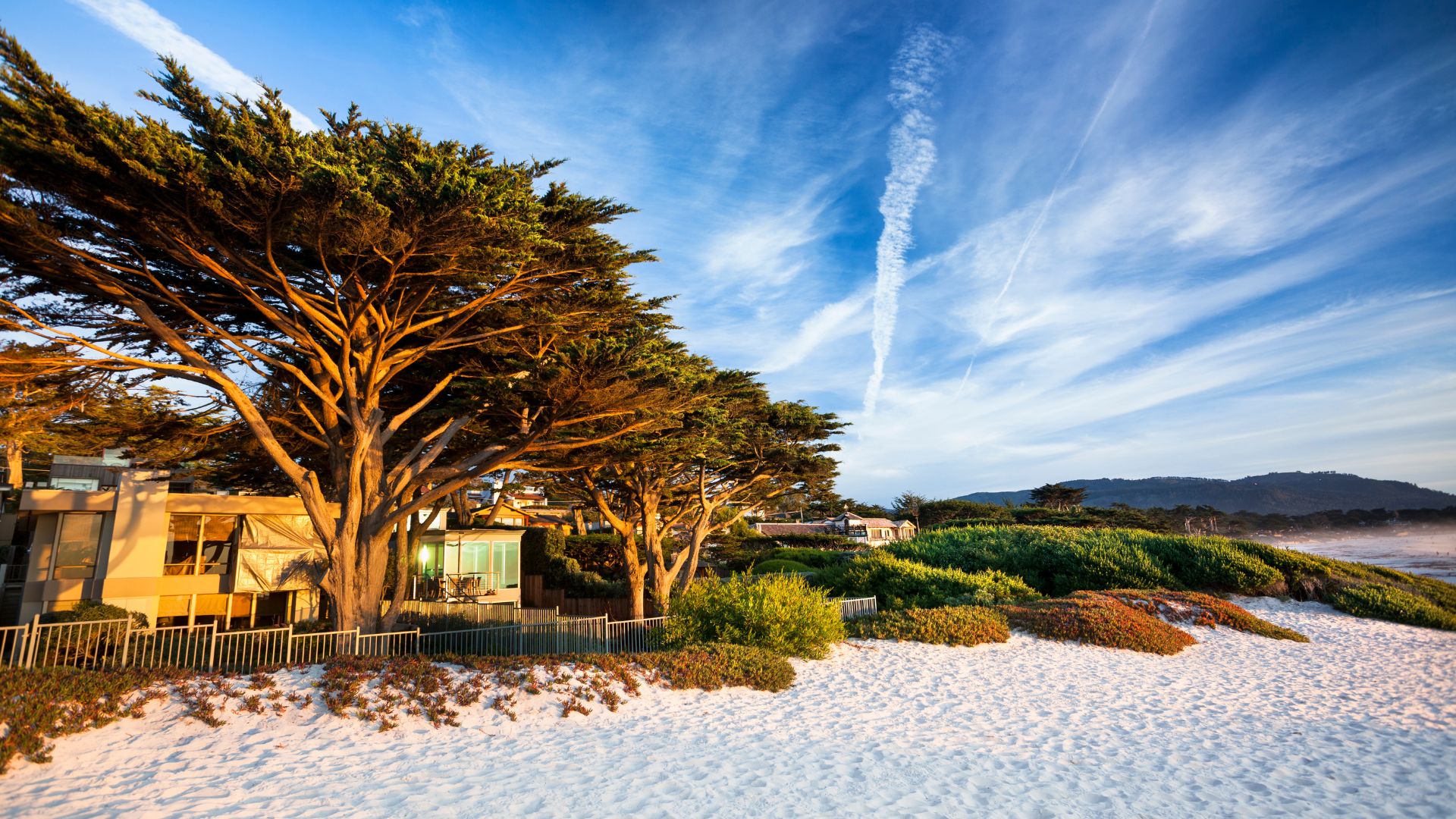
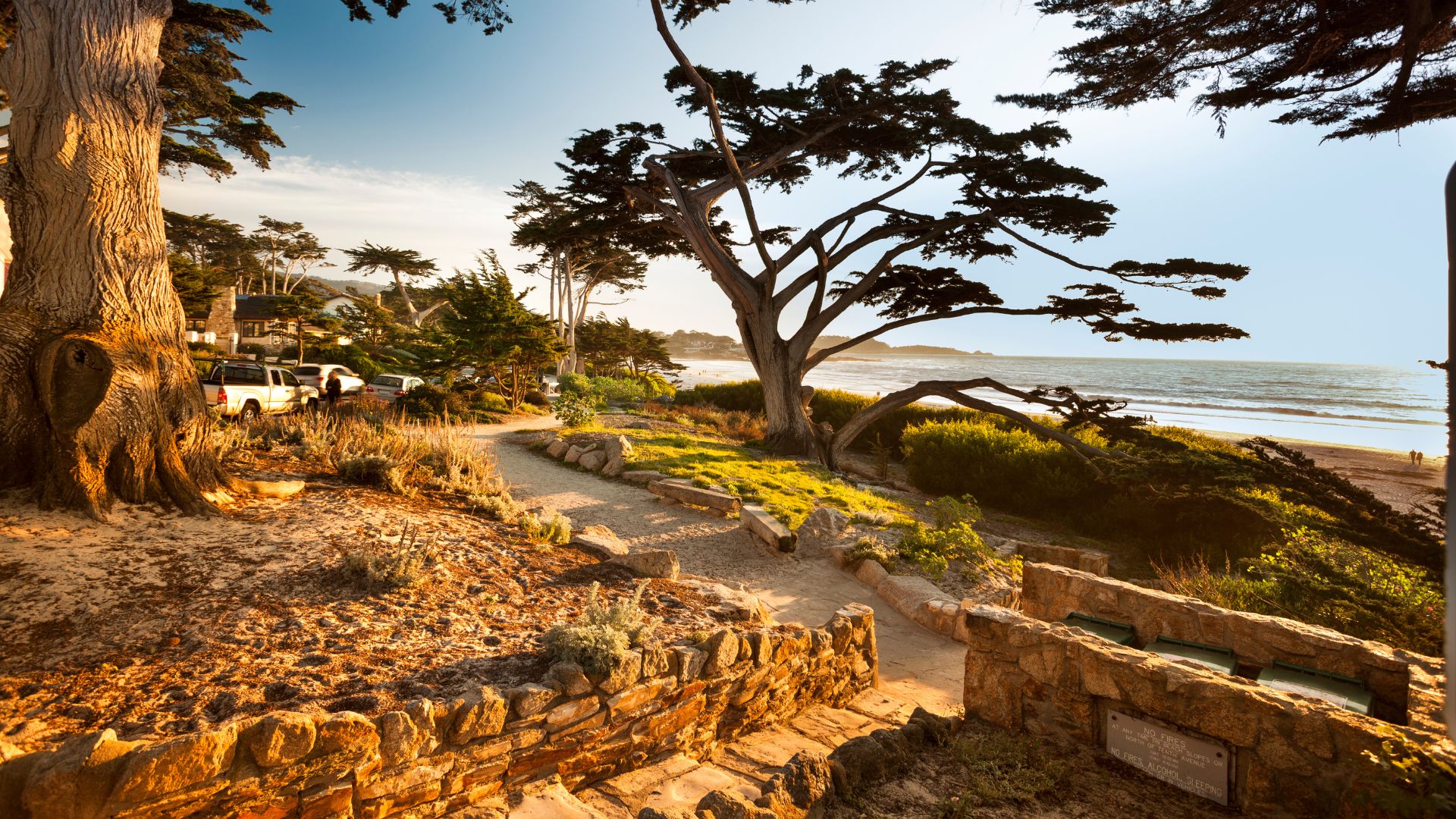
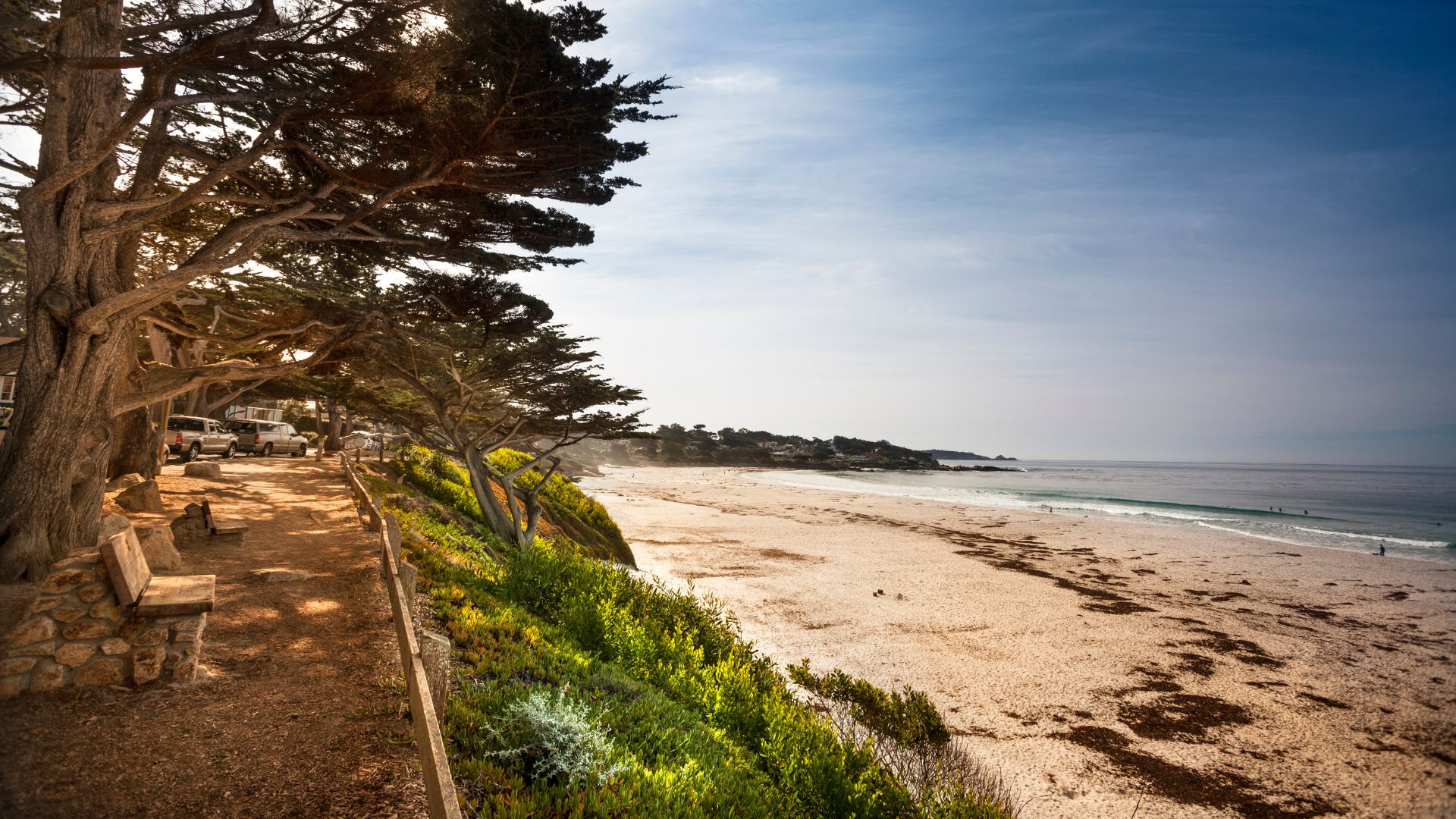
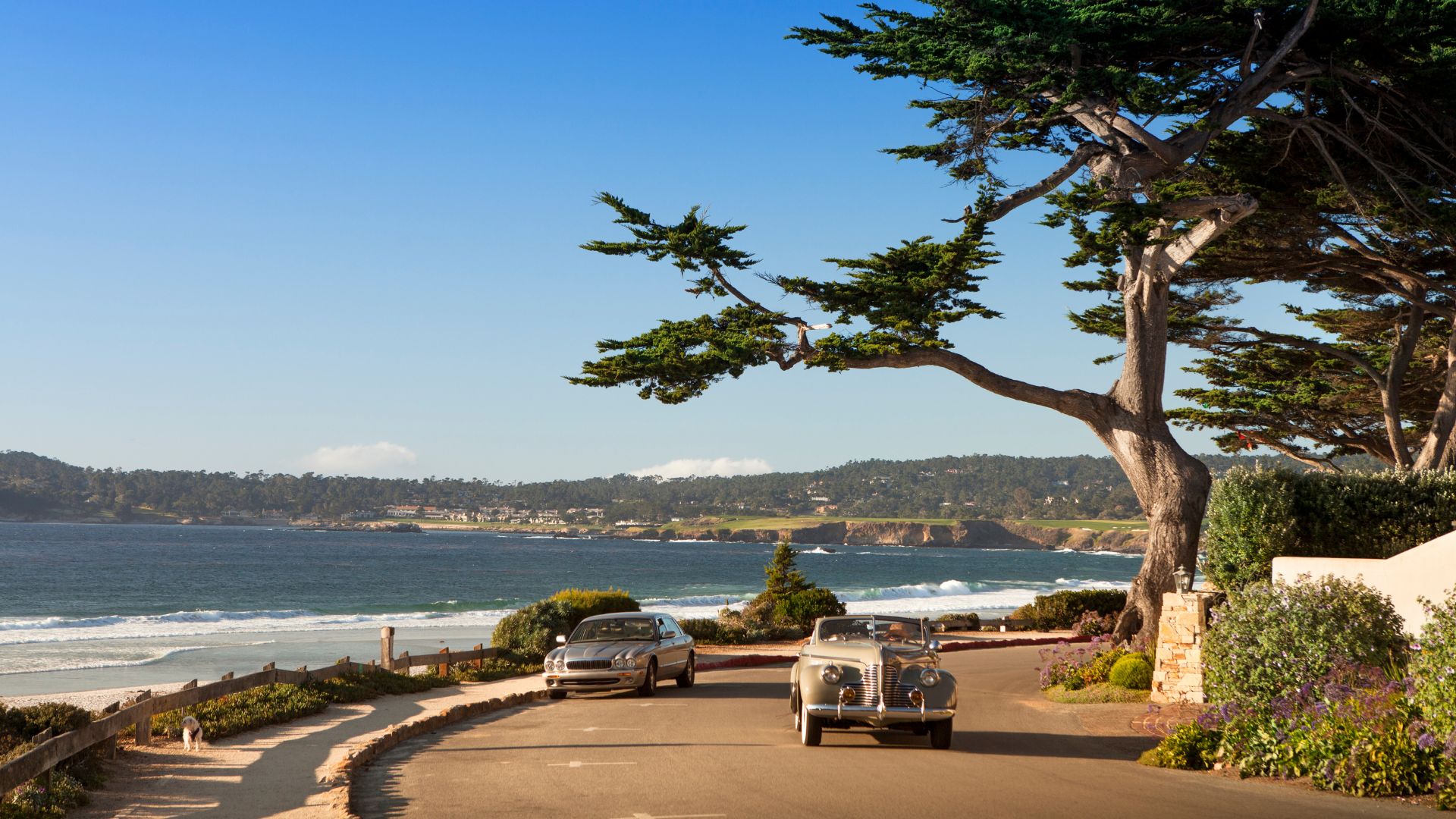
The mix of storybook architecture and wild coastal beauty creates a vibe that’s hard to describe. White sand beaches meet dramatic cliffs, and cypress trees frame the village like a painting.
I realized this isn’t just another tourist spot—it’s a place where fairy tales seem to come alive, and that’s not something you find every day.
Discovering Carmel-by-the-Sea’s Whimsical Charm
Carmel-by-the-Sea totally swept me up with its storybook atmosphere. Hugh Comstock’s fairytale cottages and a maze of hidden walkways give the village an enchanting, almost otherworldly character.
Storybook Atmosphere and Village Character
Walking through Carmel-by-the-Sea honestly feels like stepping right into a children’s book illustration. No street addresses here, which just adds to the mystery.
Artists, poets, and writers have flocked here since the early 1900s. That creative history shaped the village’s bohemian spirit, and you can feel it everywhere.
Narrow streets twist between homes that look like they’ve been plucked from a European fairy tale. Twisted chimneys poke above rooftops, and rounded doors peek out from behind lush gardens.
Each cottage has its own quirky personality. Some show off wavy rooflines, others have tiny, oddly shaped windows.
Builders used natural materials that blend perfectly with the coastal landscape. The village slopes gently toward the ocean, so you get picture-perfect views at every turn.
I kept stopping just to admire the whimsical details that make each place unique.
The Influence of Hugh Comstock
Hugh Comstock started transforming Carmel-by-the-Sea in 1924. He built his first cottage, “Hansel,” as a workshop for his wife’s handmade dolls.
He basically taught himself architecture by studying European storybook illustrations. His designs have textured stucco walls, corrugated roofs, and asymmetrical windows—all a little imperfect, but in the best way.
By the end of the 1920s, he’d built over 20 cottages. Each one shows off his signature style with uneven proportions and playful details.
His most famous creations include:
- Hansel and Gretel (1924-1925) – the original fairytale pair
- Our House (1928) – his own home
- Browne House (1926) – with that wavy roof that’s hard to forget
Comstock’s whimsical vision drew visitors from everywhere. He created what feels like an open-air museum of architectural fantasy.
Wandering the Secret Alleys
Carmel-by-the-Sea hides a bunch of secret passages between its main streets. These narrow walkways lead to hidden courtyards and tucked-away cottages that most people never spot.
I spent hours exploring these paths on foot. That’s really the best way to experience the village.
The alleys reveal glimpses of private gardens and architectural details you’d miss from the main roads. Fairy Tale Lane and Dolores Street have some of the most enchanting surprises.
I kept finding new things around every corner. These secret alleys link up different neighborhoods and keep the village feeling cozy and small.
Many lead to artist studios and galleries, which carry on Carmel’s creative tradition. Every walk feels like a treasure hunt.
If you go, take your time and follow whatever path looks interesting—you never know what you’ll find.
The Iconic Fairytale Cottages
Hugh Comstock’s whimsical cottage designs from the 1920s gave Carmel-by-the-Sea its storybook look. These architectural gems have twisted chimneys, rounded doors, and crooked rooflines that seem straight out of a European fairytale.
Comstock’s Architectural Legacy
Hugh Comstock showed up in Carmel-by-the-Sea in 1924 to join his wife Mayotta, who made “Otsy-Totsy” dolls. He built his first cottage, Hansel, as her doll workshop.
Comstock, a self-taught architect, drew inspiration from European storybooks. His designs feature corrugated roofs, textured walls, and windows of all shapes and sizes.
He used local stone and wood, and he liked deliberately imperfect proportions. That’s what gives each cottage its own quirky charm.
By the late 1920s, his work had turned Carmel into a kind of open-air museum. People from all over traveled to see these architectural fantasies.
Must-See Fairytale Homes and Locations
If you’re visiting, definitely check out these Comstock cottages:
Hansel and Gretel (1924-1925) are the most photographed in Carmel. Hansel served as the original doll workshop, and Gretel joined it the following year.
Obers House (1925) shows off simulated thatched roofing and textured stucco. Its windows come in all sorts of shapes and sizes.
Our House (1928) was Comstock’s own home. It’s packed with handcrafted details and imaginative flourishes.
Browne House (1926) stands out with a wavy roof and round windows. The chimney is ridiculously photogenic.

Tips for a Fairytale Cottage Walking Tour
Start your walking tour early if you can—the light’s better and there are fewer people. The cottages are scattered through residential neighborhoods, so wear comfy shoes.
Most are private homes, so be respectful and stick to the sidewalk. Snap photos, but don’t block driveways or disturb anyone.
Download a map before you go, since there aren’t street addresses here. Lots of cottages hide behind gardens or trees, so keep your eyes peeled.
Plan for two or three hours if you want to see a good number. The quiet streets and lush gardens make great spots for breaks between cottage visits.
Exploring the Secret Alleys and Hidden Corners
Carmel-by-the-Sea hides over 40 secret passageways and courtyards tucked between its cobblestone streets. These hidden paths take you to unique art galleries, boutique shops, and cozy cafés away from the crowds.
Best Alleys to Explore
Der Ling Lane is the oldest public alley in Carmel-by-the-Sea. It starts at Ocean Avenue and used to house a storybook-style shop owned by Adolf and Hallie Lafrenz, named for their friend Princess Der Ling.
The Secret Garden Passageway runs from Dolores Street to San Carlos Street through a bamboo-lined walkway. It leads to Pilgrim’s Way bookstore, a village staple for over 40 years. The courtyard boasts peaceful fountains and a geodesic dome—possibly Carmel’s oldest.
Court of the Golden Bough was Carmel’s first shopping center. Edward Kuster built it in 1923 around his Theatre of the Golden Bough. The original theater burned down in 1935, but the winding passageways remain.
Seven Arts Court, built in 1925 by Herbert Heron, once housed Edward Weston’s photography studio upstairs. The courtyard has grey stone walls covered in vines, mossy paving stones, and a central fountain.
Unique Art Galleries and Boutique Shops
The courtyards are home to all kinds of local artisan studios and galleries. Bennett Sculpture works out of Serena Court, run by a family of artists since the early 1980s. The Tudor-style cottage is perfect for displaying artwork.
Fourtané Jewelers sits in Pine Inn Courtyard, operating there since 1950. The red brick terrace makes an elegant spot to browse fine jewelry, and you can reach the courtyard from both Ocean Avenue and Mission Street.
Su Vecino Courtyard houses Cultura Carmel, an Oaxacan-Mexican restaurant. Fun fact: the space once displayed a serape Clint Eastwood wore in “The Good, the Bad and the Ugly.” There are also several art galleries here.
Las Tiendas, built in 1930 by M.J. Murphy, offers multiple boutique shops. Its Mexican-inspired design gives the place an authentic vibe. The Sierra Club opened offices here in 1977, with Ansel Adams on the board.
Charming Cafés and Local Eateries
Il Fornaio operates in Pine Inn Courtyard, serving up great lattes on a leafy red brick terrace. There’s a mini-dome added in 1972, so you can dine outdoors even when it’s chilly.
Katy’s Place became my breakfast spot, connected to Mission Lane. This flower-filled passage has red-tile roofs and bougainvillea climbing the stucco walls. The lane ends at a quiet bench near an arched gate.
Carmel Coffee House hides in the Las Tiendas passageway. They roast organic beans daily, and the greenery around the café makes it feel like a secret garden.
Bistro Giovanni opened in 2005 in a narrow courtyard with big red paving stones and blooming flowers. The wall mural is a local favorite, and the Bolognese sauce is legendary. The courtyard connects to Tony’s Frame Shop.
The Stunning White Sand Beach Experience
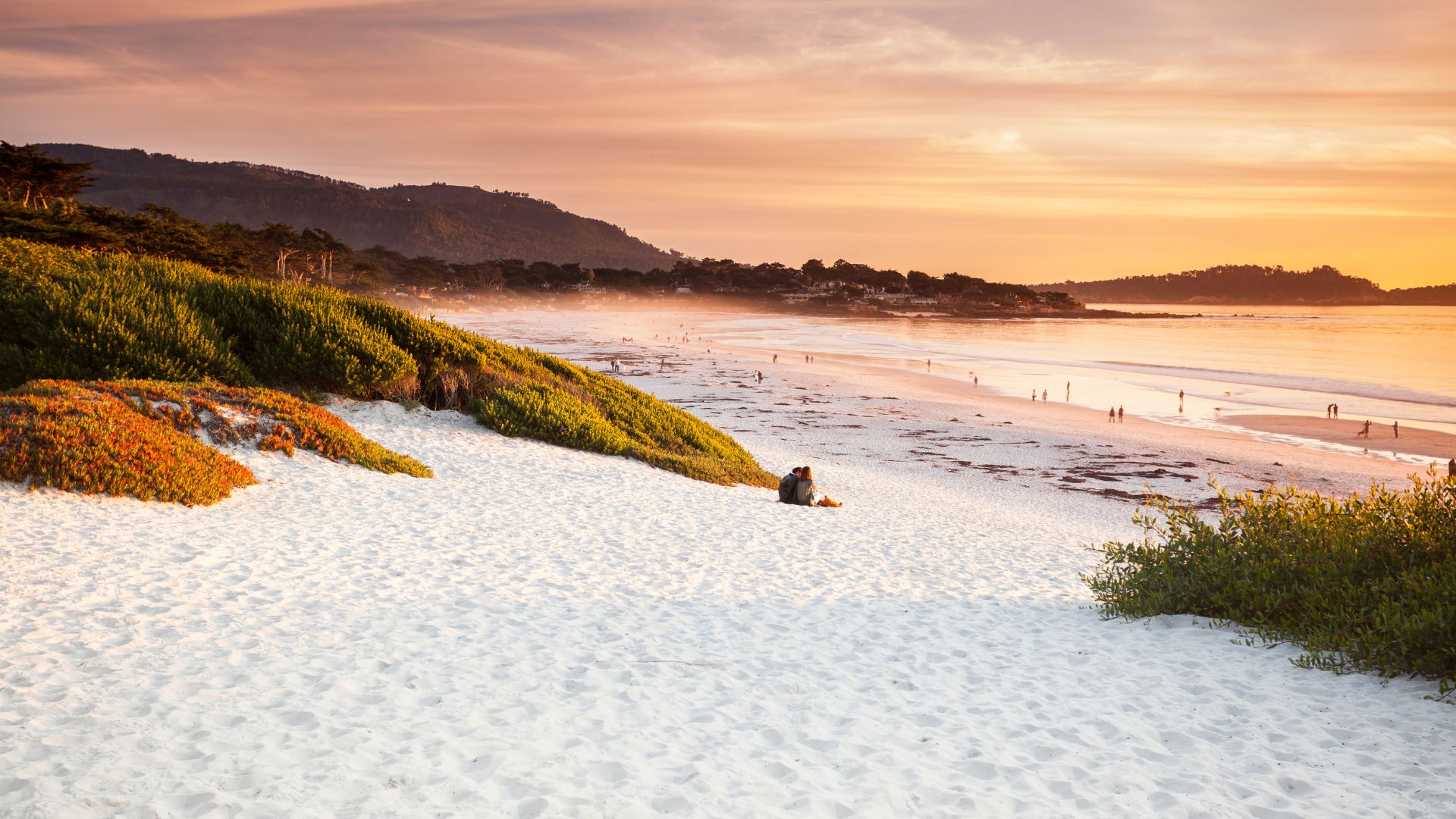
Carmel Beach is just pure coastal magic. Pristine white sand stretches along the Pacific, and the place feels both wild and welcoming.
Highlights of Carmel Beach
The soft white sand honestly blew me away the first time I set foot there. It runs for about a mile, and the contrast with the deep blue Pacific is unreal.
Cypress trees line the beach, giving it that classic California look. They also act as windbreaks and provide some much-needed shade.
Dogs are welcome here, which is rare for California beaches. I watched dogs running wild in the waves while their owners lounged nearby.
Fire pits dot the sand, perfect for evening bonfires. Watching the sunset with your toes in the sand and a fire crackling? Hard to beat.
The beach stays accessible all year. Summer brings the warmest days, but spring means wildflowers pop up along the coast.

Recreational Activities at the Shore
Swimming conditions change with the seasons, but summer is definitely best if you want to get in the water. The waves stay gentle, so families with kids can splash around safely.
Surfing draws both newbies and seasoned riders. Local surf shops rent out gear and offer lessons if you want to give it a shot.
Beachcombing here is oddly addictive. At low tide, the pools fill with starfish, anemones, and hermit crabs.
Beach volleyball courts sit in designated areas, and groups gather for pickup games, especially on weekends.
Walking along the shore is great exercise, and the ocean views are just incredible. The sand is firm enough for easy strolling in either direction.
Scenic Ocean Views and Photo Opportunities
The Pacific Ocean stretches endlessly from Carmel Beach. Sometimes morning fog rolls in, making the whole scene look mysterious.
Sunset photography here is next-level. The sun drops straight into the ocean, and the lighting gets that perfect golden glow.
Rocky formations jut from the water, giving you dramatic foregrounds for photos. The light changes everything throughout the day.
Marine wildlife likes to make appearances, too. I’ve spotted sea lions, dolphins, and even the occasional whale, especially during migration.
The beach sits close to Carmel-by-the-Sea’s fairytale cottages, so you can snap photos with both the dreamy village and the ocean in one frame. Not a bad way to remember the trip.

Planning Your Magical Visit to Carmel-by-the-Sea
Honestly, the best time to visit Carmel-by-the-Sea is September through October. By then, the fog finally clears and temperatures hit a sweet spot around 72°F.
Accommodation prices can swing wildly—from $150 a night at a simple inn to a hefty $850 for those dreamy luxury resorts. Your choice really sets the tone for the trip.
Recommended Times to Visit
If you ask me, September and October truly feel magical in Carmel-by-the-Sea. The skies open up, and the coastline looks incredible under the clear light.
Want reliable sunshine? I’d steer clear of June through August. That infamous “June Gloom” rolls in, bringing thick fog that just hangs around until the afternoon. It’s a bit of a letdown if you’re hoping for sunny beach days.
Winter, from December to February, brings cooler air—highs only reach about 57°F. But you know what? The crowds thin out, and hotel rates drop, making it a surprisingly peaceful time to wander the village.
Peak season? It can get a little wild:
- July and August draw summer crowds.
- February brings the AT&T Pebble Beach Pro-Am tournament.
- Monterey Car Week lands in August.
- July’s Bach Festival adds even more bustle.
If value matters, I’d try visiting Tuesday through Thursday in early November. You’ll catch pleasant weather, skip the crowds, and snag hotel rates that can be 40% less than those packed summer weekends.
Where to Stay in the Village
Carmel-by-the-Sea has everything from cozy cottages to splashy resorts. I’ve noticed three main price brackets, so there’s something for every budget.
Luxury Options ($550-850/night):
- L’Auberge Carmel has 20 unique rooms tucked around a charming Provence-style courtyard.
- They even do turndown service with house-made chocolates. It’s a treat.
Mid-Range Choices ($225-350/night):
- Carmel Garden Inn serves up cottage-style rooms and a daily wine hour.
- Those fresh-baked cookies? They vanish fast during the evening get-together.
Budget-Friendly ($150-200/night):
- Carmel Resort Inn offers simple cottage rooms, and you can walk downtown in just a few minutes.
Vacation rentals usually run $275-400 per night for a one-bedroom spot. If you stay east of Highway 1, you’ll pay 20-30% less, but it’s a 10-15 minute walk to the beach.
One thing to note: many neighborhoods require a 30-day minimum stay due to local rules. So if you’re planning a shorter trip, keep an eye on those details.
Visitor Tips for an Enchanting Escape
Getting Around: Honestly, I’d rent a car here—even if parking can be a bit of a headache. Public transportation barely covers the basics, and you’ll need wheels to reach gems like Point Lobos.
Parking Strategy: I’ve found a few free spots along Junipero Street and at the Sunset Center. If you don’t mind paying, the Vista Lobos parking lot lets you leave your car all day for $5.
Downtown parking enforcers don’t mess around. They stick to strict two-hour limits, and a ticket will set you back $53 if you overstay.
Navigation Quirks: Carmel-by-the-Sea skips street addresses altogether. Locals pick up their mail at the post office, so you’ll want to know the exact business name when you’re trying to find a spot.
Dining Tips: Snag a reservation before you go out to eat—places fill up fast. I love hitting happy hour at Hog’s Breath Inn for half-price appetizers between 4 and 6 PM.
Dog-Friendly Bonus: Almost every patio in town—seriously, about 95%—welcomes dogs. Some even treat pups to their own special menus.
The whole village spans just one square mile. You can easily wander around, discovering secret passageways and those storybook cottages that make Carmel so charming.