The Monterey Jazz Festival took over my September weekend and honestly, it felt like I stepped into a musical journey. This isn’t just any festival—it’s the world’s longest-running jazz event, and for three days, it brings together insanely talented artists, jazz lovers from everywhere, and the kind of California backdrop that just makes everything feel right.
Five stages, dozens of performances, food vendors that make you want to skip dinner reservations, and an atmosphere where you can actually bump into the musicians you just watched. That’s what I found at the Monterey County Fairgrounds. After wandering from stage to stage, I finally understood why people have been coming here for over sixty years. There’s something about the mix of jazz legends and new faces that really hits different.
From the moment I arrived, the festival felt like a welcoming community. Jazz fans swap stories, share their favorite sets, and just soak in the music together. The relaxed vibe, the ocean air, and that feeling of being surrounded by fellow music lovers—it’s more than a concert. It’s a whole experience, one that kind of lingers with you long after the weekend ends.
The Essence of the Monterey Jazz Festival
The Monterey Jazz Festival has been rocking since the late 1950s, and it’s still setting the standard for what a jazz festival should be. Nearly 70 years of music, culture, and unforgettable performances have shaped this event into something truly iconic.
It’s the blend of jazz greats, up-and-coming talent, and that cozy, friendly atmosphere that keeps people coming back year after year. The festival doesn’t just showcase music—it sets the mood for what a jazz festival can and should feel like.
History and Legacy Since 1958
Back in 1958, a jazz fan named Jimmy Lyons had an idea: bring world-class jazz to the little coastal town of Monterey. And that’s exactly what he did.
Key Milestones:
- 1958: Jimmy Lyons launches the first festival
- Present: The tradition continues with the 68th annual event
- Location: Always at the Monterey County Fairgrounds
What really stands out for me is the festival’s consistency. While other music events fizzle out, Monterey Jazz keeps booking both jazz legends and fresh faces.
They’ve survived changing music trends, rough economic times, and even the pandemic. That kind of resilience says a lot about what this festival means to people.
The festival operates as a nonprofit, and that’s a big deal. They donate hundreds of thousands of dollars to music education and scholarships every year. Supporting future musicians is part of the heartbeat here.
Unique Atmosphere and Festival Spirit
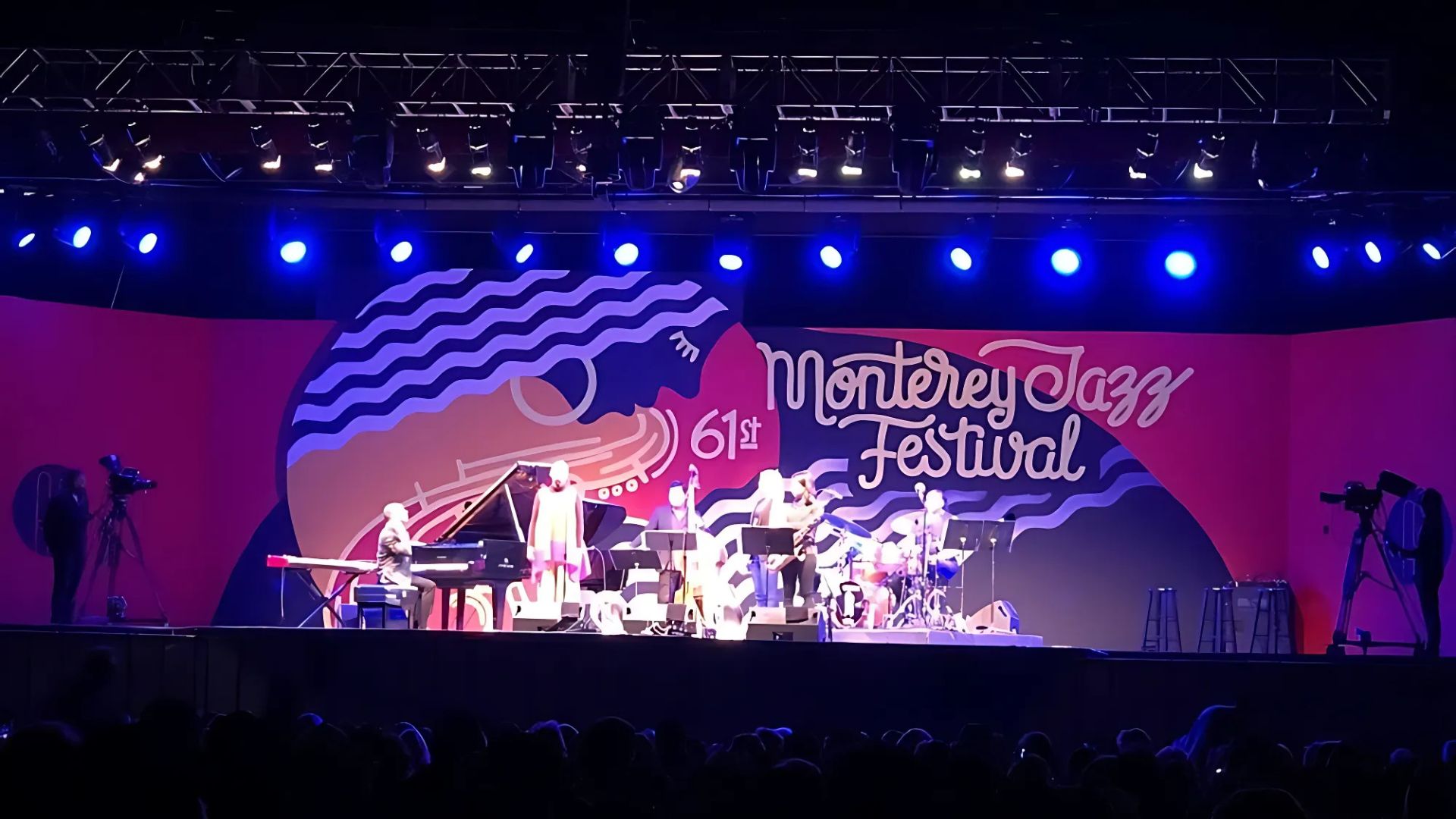
Walking through the oak-filled fairgrounds, I could tell this place isn’t like other music festivals. The 20-acre venue feels big, but not overwhelming—just the right size to keep things intimate.
There are eight stages with about 50 concerts packed into three days. But it’s not only about the music. You’ll find panel discussions, workshops, and clinics happening all weekend.
The accessibility is a game-changer. You can catch a headliner on the main stage, then wander over to see a new artist on a smaller stage just steps away. The outdoor setting and the laid-back California mood make everything feel easy.
Jazz fans from everywhere show up, and you can sense their respect for the music. People really listen here. It’s more about the music than the party, which honestly makes for a better experience.
Monterey Jazz’s Role in Jazz Culture
The Monterey Jazz Festival does more than just throw a party—it’s a cornerstone of jazz culture. It’s a place where the history and future of jazz come together.
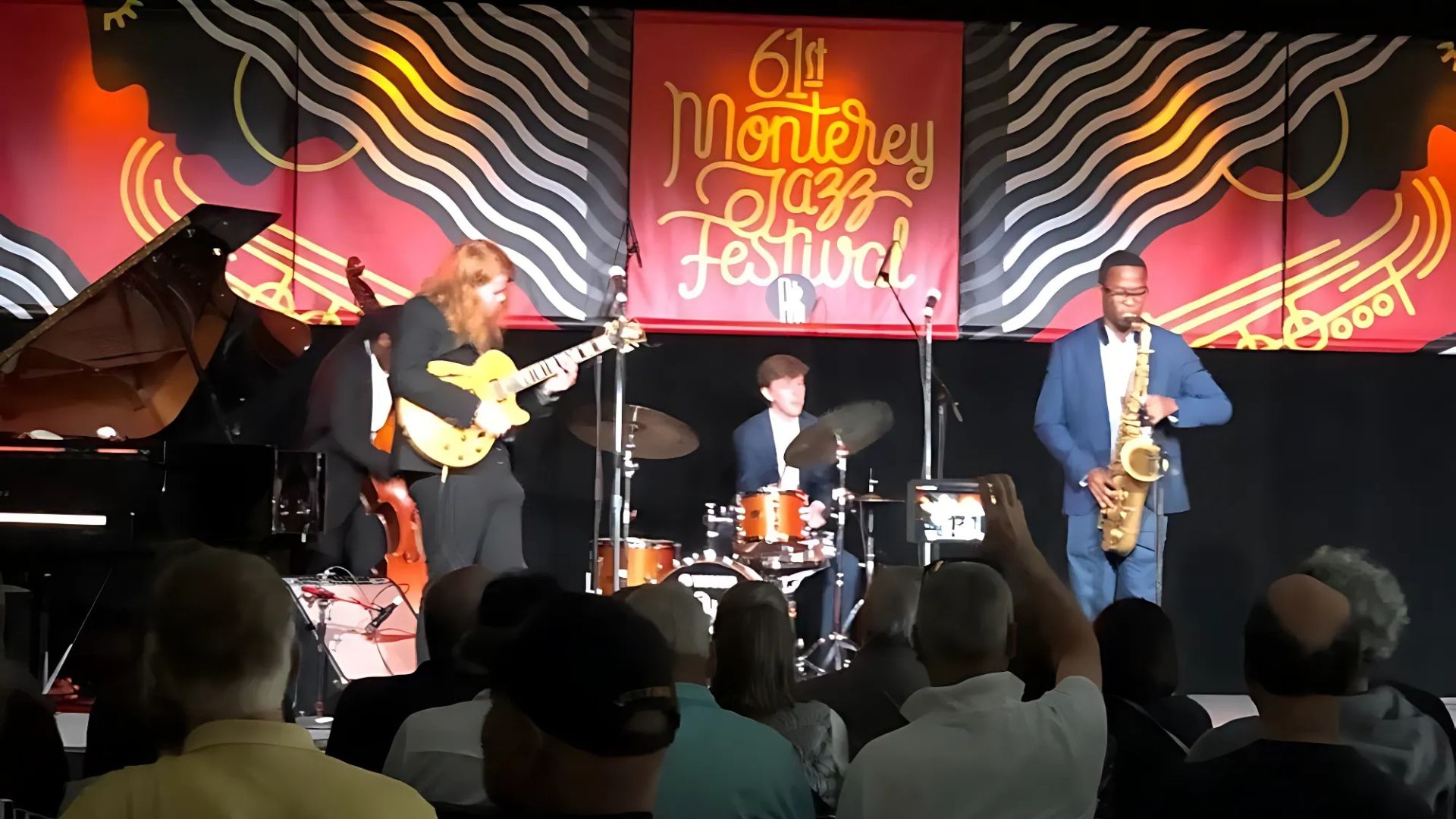
Here, seasoned artists share the stage with newcomers, and those collaborations spark magic you just don’t see elsewhere.
Cultural Impact:
- Keeps traditional jazz alive
- Highlights new directions in jazz
- Funds jazz education
- Records and archives performances for posterity
The festival’s programming always surprises me. One set might lean classic, the next feels experimental. That mix keeps jazz fresh and honors where it all started.
For musicians, playing Monterey is a badge of honor. The festival’s reputation draws the best, and it’s a platform for creative risks and big moments.
Location and Setting: Monterey County Fairgrounds
Every September, the Monterey County Fairgrounds morphs into a jazz haven. Twenty acres of oaks, multiple stages, and cozy venues—this place has the right mix of nature and sound.
It’s a historic spot, and somehow the fairgrounds manage to feel both grand and personal at the same time.
Festival Grounds and Main Stages
You’ll find the fairgrounds at 2004 Fairground Road, spread out under the oaks. I loved how the layout gave me room to explore without ever feeling lost.
The Arena is the star of the show. This venue once hosted the legendary Monterey Pop Festival, and it’s still where the biggest acts play. The sound is just… wow. No matter where I sat, every note was crystal clear.
Four more stages round out the experience:
- Garden Stage – Outdoor sets beneath the trees
- Night Club – Cozy indoor shows
- Coffee House Gallery – Acoustic vibes and new talent
- Dizzy’s Den – Late-night jams
Each spot has its own personality. Outside, you get that perfect 72-degree September weather. Inside, it’s all about getting up close with the music.
Navigating the Venue
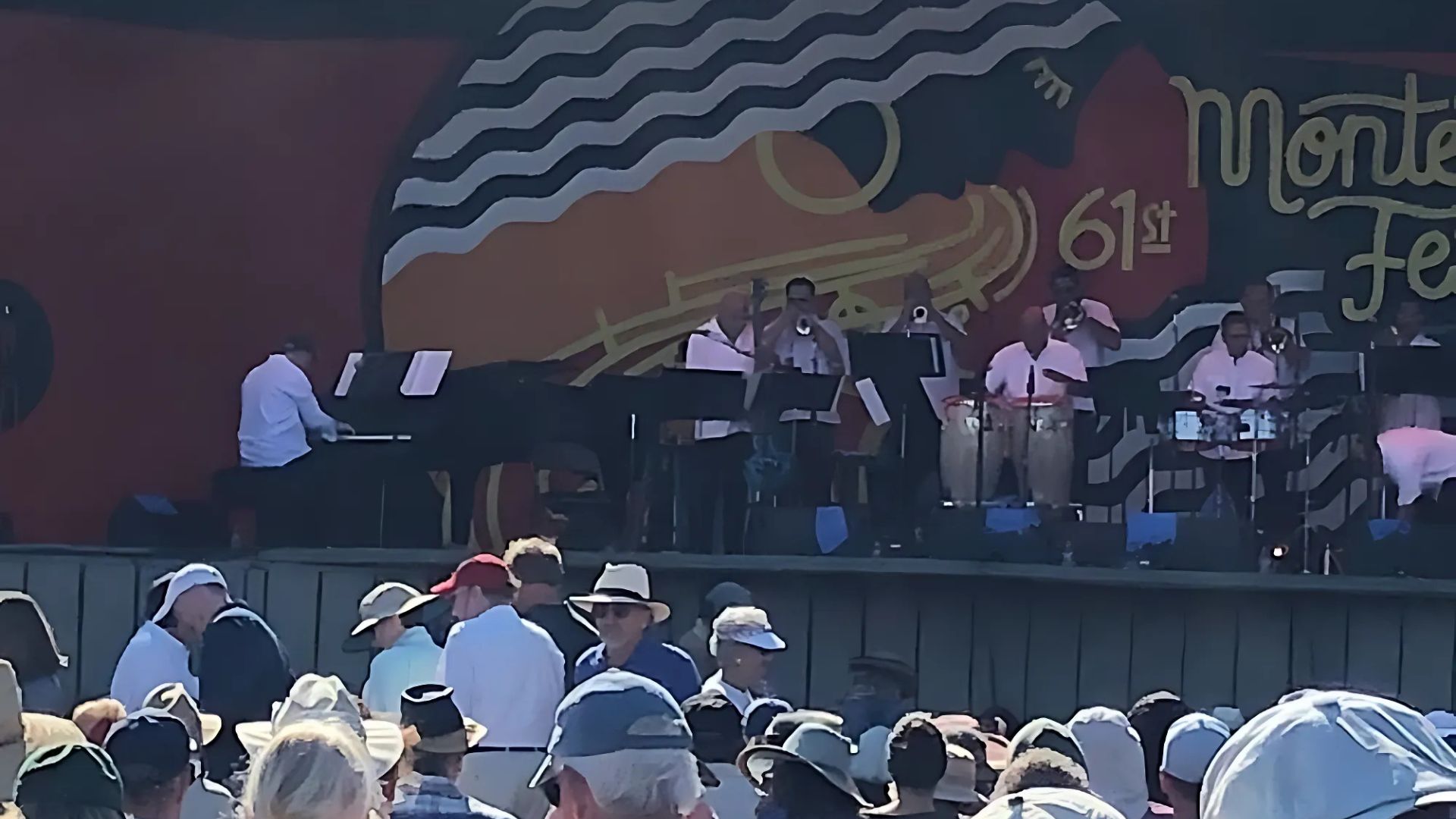
Once I got my bearings, moving around was a breeze. The main entrance leads you straight to a central walkway that connects all the stages.
I usually start at the Arena to get my sense of direction. The Garden Stage sits right behind it, and the Night Club and Coffee House Gallery are in permanent buildings nearby.
Navigation tips:
- Walking between the farthest stages takes about 5-10 minutes
- The main food court sits smack in the middle
- Restrooms are near every major stage
- Info booths wait at the entrance and in the middle of the grounds
You can’t bring your own chairs, but conCHAIRto rents them and delivers right to your spot. That little detail made my day.
Monterey’s Coastal Charm
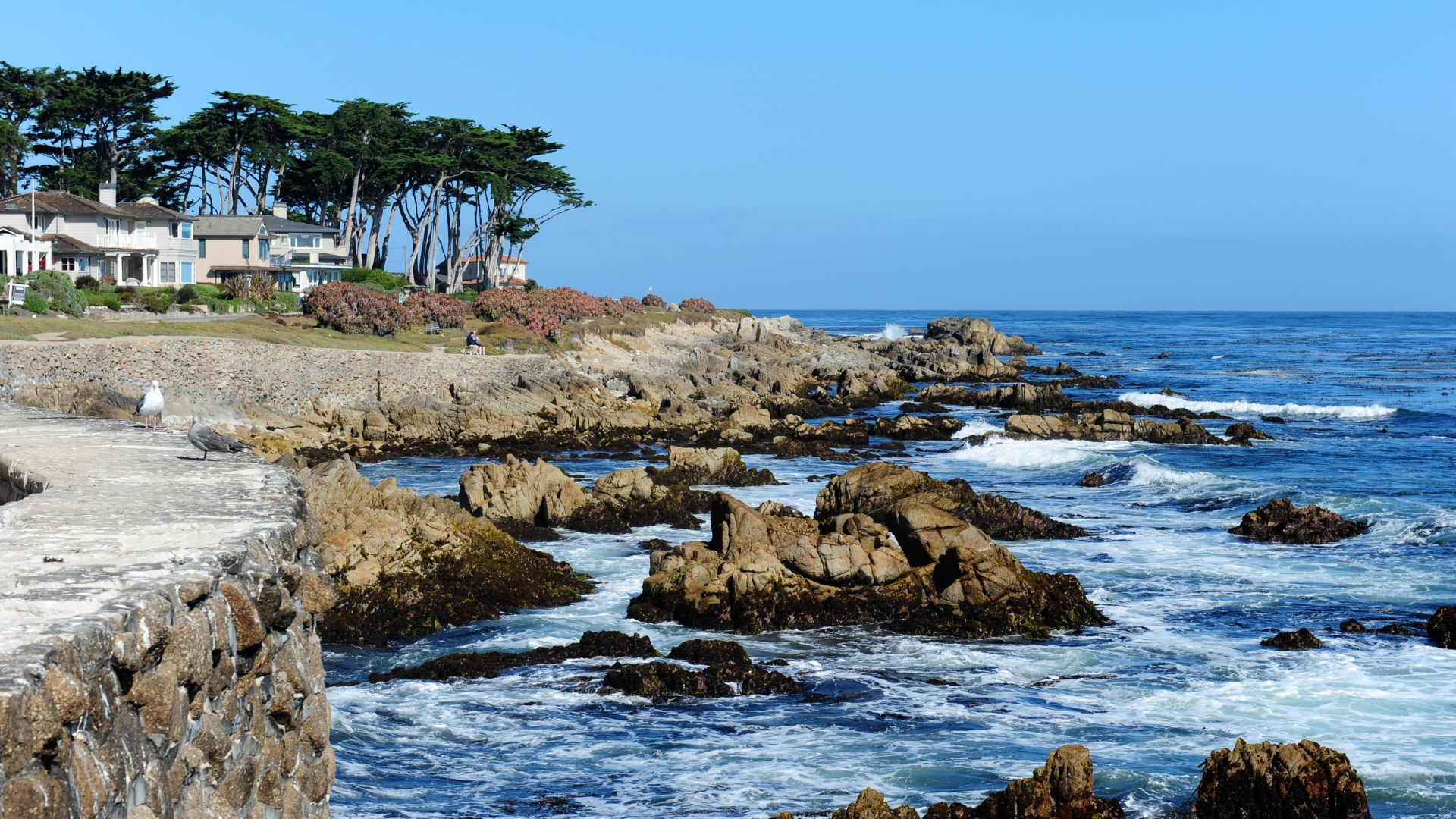
The fairgrounds are only minutes from some of California’s best coastline. Between sets, I could sneak off to explore or grab a bite in town.
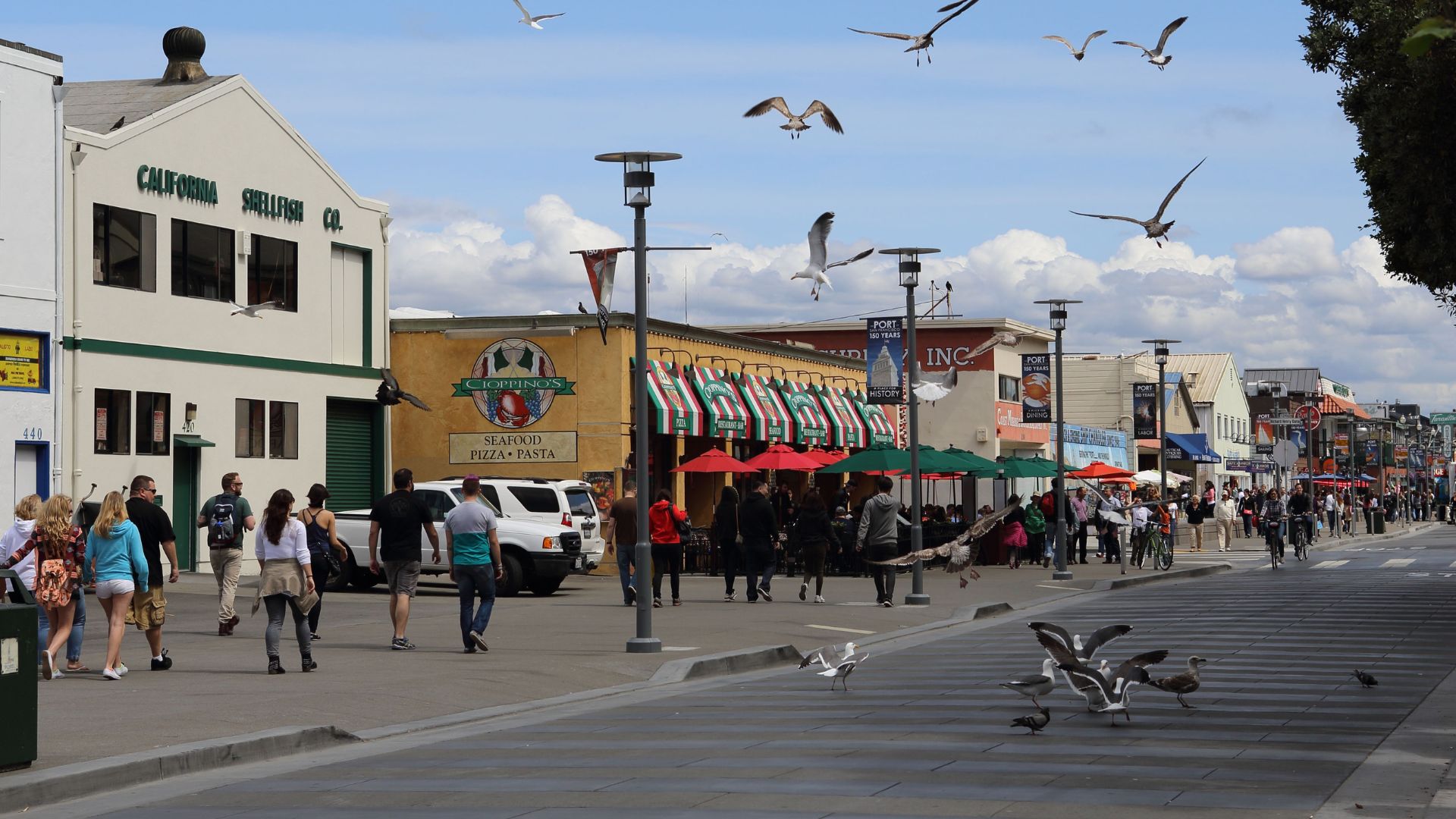
Cannery Row is just two miles away, packed with restaurants, shops, and the Monterey Bay Aquarium. The historic Fisherman’s Wharf offers fresh seafood and those classic harbor views.
Carmel-by-the-Sea is only a ten-minute drive south, with its storybook cottages and perfect beaches. If you’re up for a drive, Big Sur is half an hour away and totally worth it.
Downtown Monterey has plenty of food options within walking distance. I stumbled on killer Mexican food, fresh seafood, and some cozy coffee shops all close to the fairgrounds.
There’s something about the ocean air and the scenery that makes the whole festival feel magical. The cool breezes, the beaches nearby, and those scenic drives? It’s so much more than just music.

Unforgettable Performances and Jazz Musicians
The Monterey Jazz Festival packs its five stages with both jazz icons and fresh talent. Whether you’re into big-name headliners or more intimate tributes, you’ll find the full range of jazz here.
2025 Headliners and Rising Stars
This year’s lineup really hits the sweet spot between established jazz legends and up-and-comers. I caught acts that have shaped jazz as we know it, and then wandered over to hear young musicians pushing the genre forward.
The festival’s support for new talent is obvious. Educational programs put rising stars right on stage with the pros, and those collaborations are where the magic happens.
Performance Highlights:
- Main Stage: The biggest names in jazz, every year
- Garden Stage: Intimate, acoustic sets under the trees
- Jazz Theater: Experimental and avant-garde acts
- Nightclub: Late-night jams until 11 PM
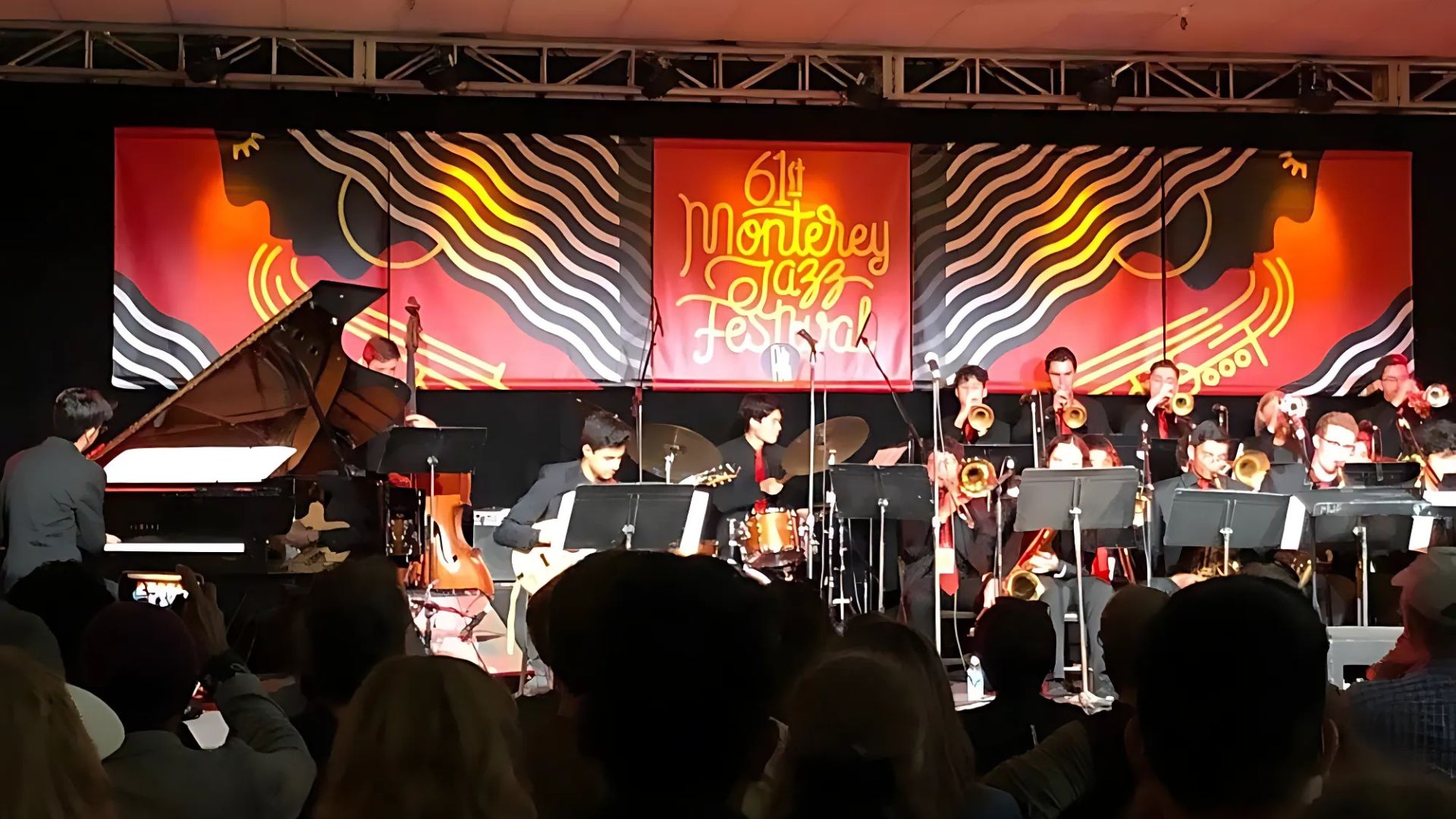
With 86 events scheduled, I never ran out of new artists to check out between the headliners.
Iconic Past Performers
Since day one, the festival’s brought in jazz royalty—Miles Davis, Dizzy Gillespie, Sarah Vaughan, just to name a few.
Herbie Hancock and Wayne Shorter have played here more than once, and those return gigs always feel special. There’s a sense of history every time a legend steps onstage.
The festival keeps detailed archives, so those huge moments don’t get lost. You can actually listen to how jazz has changed over the decades.
Some of the most memorable sets happened in the early years, and honestly, those shows helped put Monterey on the map as a jazz destination.
Special Collaborations and Tributes
Some of the best moments happen when artists team up for something totally unexpected. I saw seasoned jazz pros mentoring younger players right there on stage, and those spontaneous jams? Pure gold.
Tribute sets honor jazz greats who’ve passed on. These concerts introduce new listeners to classic sounds and keep the legends alive.
Tribute Highlights:
- Annual dedications to jazz icons we’ve lost
- Collaborative sets with musicians from different generations
- Public workshops where masters teach and inspire
The festival has this way of encouraging musicians to jump into each other’s sets. The result? Once-in-a-lifetime performances you’ll never hear again.
Those spontaneous collaborations—that’s the real heart of jazz. Monterey gives artists the freedom to experiment and connect in ways you just can’t plan.
Festival Experiences and Activities
There’s a lot more than concerts at the Monterey Jazz Festival. Five stages, 86 events, and a whole world of workshops, art, and community activities. I found myself pulled in by the interactive sessions and the chance to learn right alongside other fans.
Multi-Stage Concerts
The festival spreads out across five unique stages. Each one has its own vibe and musical flavor.
The Arena Stage is where the big names play. I caught Kyle Eastwood with the Monterey Symphony there, and the sound system blew me away.
The other four stages focus on new talent and more personal performances. I loved bouncing between sets, catching something different every time. Music goes from afternoon all the way to 11 p.m.
Stage Rundown:
- Arena Stage: Headliners and special productions
- Smaller venues: Fresh faces and experimental sounds
- Oak tree stages: Great shade and natural acoustics
- Late-night shows: Music until the night winds down
Thanks to the variety, I never felt stuck in one place. Each stage draws its own crowd and has its own loyal fans.
Workshops and Education Programs
Education’s a huge part of the festival. I joined a couple of workshops and left with a deeper appreciation for jazz.
Artists run sessions all over the grounds, sharing stories and showing off their techniques. I picked up a few tips on jazz composition straight from the pros.
They also run special programs for young musicians. Watching seasoned artists mentor the next generation felt inspiring and real.
What You’ll Find:
- Workshops and demos led by artists
- Mentorship programs for young musicians
- Jazz history and technique classes
- Interactive sessions anyone can join
These hands-on experiences add so much depth to the festival. Meeting musicians and learning from them gave me a whole new perspective.
Art Installations and Community Events
It’s not just about the music. The festival also celebrates art and community. I wandered through more than 70 vendor booths filled with artwork, records, and crafts.
Local artists display their pieces all over the fairgrounds, and the installations really capture the festival’s spirit.
Record Store Day Pop Up brings in rare vinyl and artist signings. I managed to snag a few autographs from musicians I bumped into just walking around.
Community Highlights:
- Over 70 booths with art and memorabilia
- Installations from local artists
- Pop-up record store with rare finds
- Meet-and-greets and signings
The festival’s “hang” culture means you can actually chat with musicians. I had a few great conversations between sets, and those moments stick with me even more than the concerts sometimes.
Tips for Planning the Perfect Soulful Weekend
If you want to get the most out of the Monterey Jazz Festival, a little planning goes a long way. I’ve picked up some tips after a few years of attending, and trust me, it makes everything smoother.
How to Get Tickets and Packages
Grab your tickets early. This festival sells out fast, and you don’t want to miss your chance.
You can buy 3-day packages or single-day tickets. The 3-day pass is definitely the best value if you want to soak up everything.
Single-day tickets are great if you only have time for one day. Friday and Saturday usually feature the biggest acts.
Check the official Monterey Jazz Festival website for on-sale dates—tickets usually drop in the spring for the September event.
Ticket Options:
- General admission lawn seats for the budget-friendly crowd
- Reserved seats if you want a guaranteed spot
- VIP packages for the full experience
What to Bring and Festival Etiquette
I always toss a few layers in my bag—Monterey weather loves to surprise you. By the time evening shows roll around, you’ll want a light jacket since it gets chilly, especially when the music goes late.
Essential items to pack:
- Comfortable walking shoes
- Sunscreen and a hat
- Blanket or a low-back chair for the lawn
- Water bottle
- Cash for vendors
The vibe at the festival feels super relaxed, but I still try to respect some basic jazz etiquette. I usually keep my phone off and avoid chatting during sets—seems only fair to the musicians and fellow fans, right?
You’ll find plenty of food and drinks on-site, which is pretty convenient. They don’t let you bring in outside alcohol, but snacks and water are totally fine.

Where to Stay and Local Dining
I always lock in my hotel months in advance—Monterey gets packed during jazz festival weekend, and trust me, you don’t want to scramble last minute. Cannery Row’s my go-to. It puts you right in the middle of everything, and you can stroll to the festival without worrying about parking.
Top areas to stay:
- Cannery Row (you’re steps from all the main attractions)
- Downtown Monterey (great for food, drinks, and a bit of nightlife)
- Carmel (absolutely gorgeous, but it’s about a 15-minute drive)
Instead of driving, I hop on the Monterey-Salinas Transit JAZZ line. This bus zips straight from Cannery Row to the festival grounds.
It’s honestly a lifesaver—no parking headaches, no getting stuck in traffic, and you save a bit of cash for more important things (like dessert).
When it comes to food, I like to mix things up. Sometimes I grab a quick bite at the festival, but I always make time for a proper meal at a local spot.
Cannery Row’s packed with seafood places that are perfect for a pre-festival dinner. Seriously, make a reservation early—these places fill up fast once the festival kicks off.