
Stepping into Columbia State Historic Park, you really do feel like you’ve wandered straight into 1850s California. This living gold rush town lets you get hands-on with history—think stagecoach rides, gold panning, and sipping sarsaparilla in an Old West saloon.
The park preserves California’s largest collection of gold rush-era buildings. It’s honestly one of the most immersive historical experiences you can find in the state.
My last visit to this Sierra Nevada foothills treasure reminded me exactly why folks call Columbia “The Gem of the Southern Mines.” The dusty streets buzz with shopkeepers in costume, hammers ring out from the blacksmith’s forge, and the smell of fresh-baked bread floats from old storefronts.
Columbia doesn’t just display artifacts behind glass. Instead, you get to jump right into daily life as it was nearly 175 years ago.
You can ride a century-old stagecoach or poke around the remnants of hydraulic mining operations. Columbia really brings California’s gold rush history to life.
With its preserved architecture, hands-on demos, and that unmistakable period vibe, the park turns a day trip into a real adventure—great for history buffs and families alike.
Immersing in a Living Gold Rush Town
Columbia State Historic Park turns visitors into time travelers. Authentic costumes, the clang of blacksmiths, and bustling Main Street businesses make it all feel real.
The preserved brick buildings and costumed locals set the stage for an 1850s mining town. You can sip sarsaparilla, watch gold panning, and see how life unfolded back then.
Main Street Atmosphere and Historic Buildings
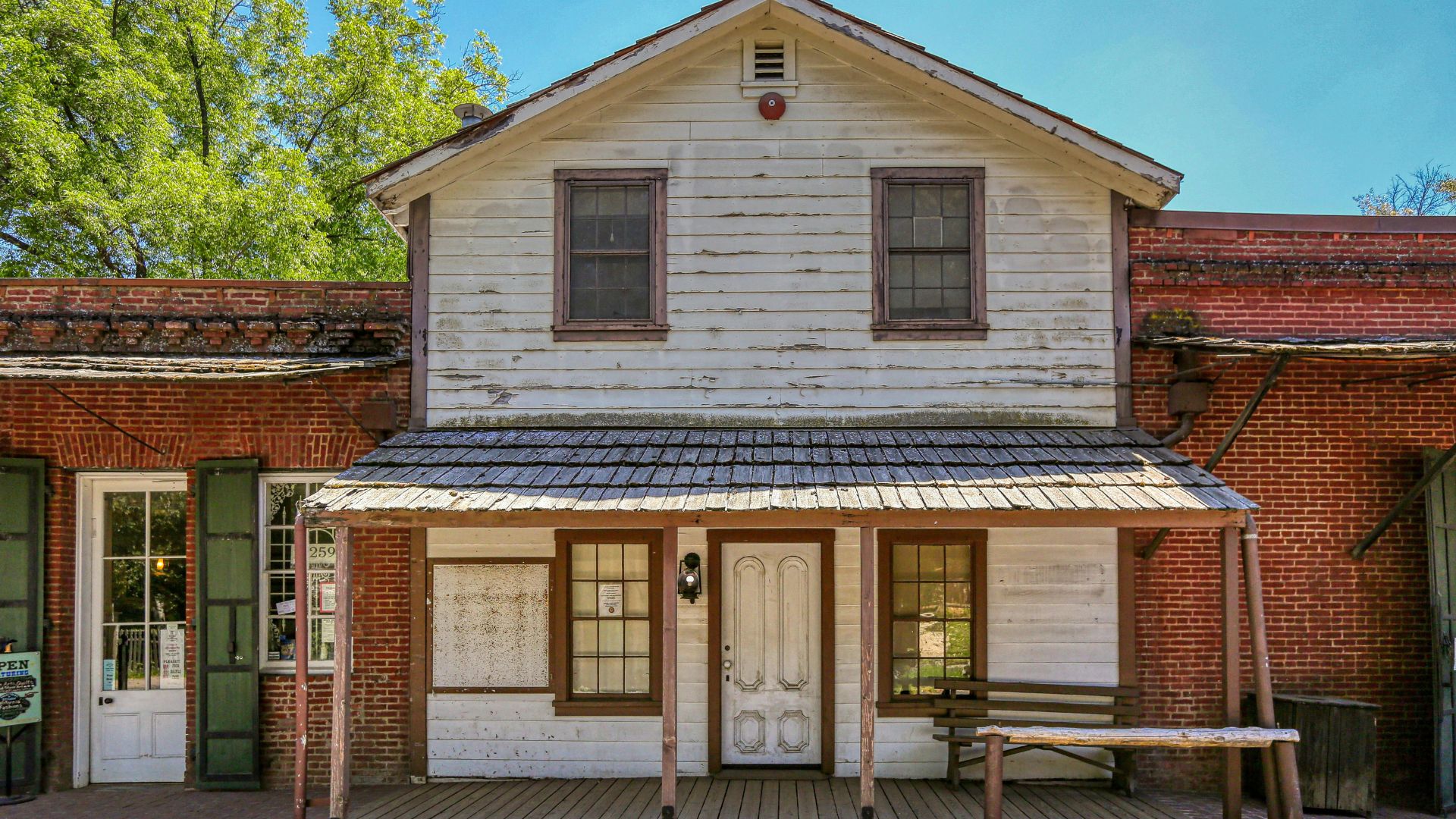
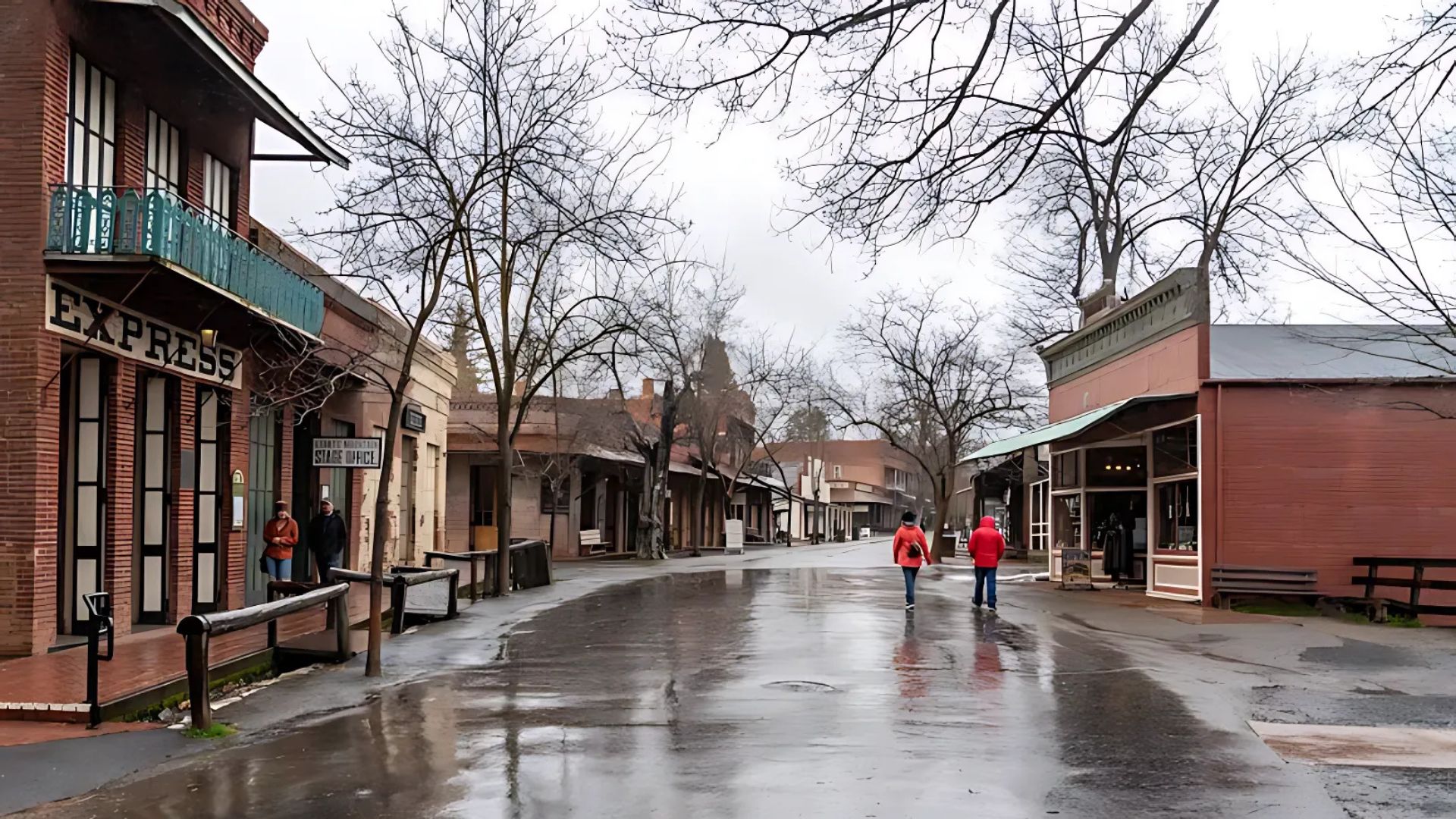
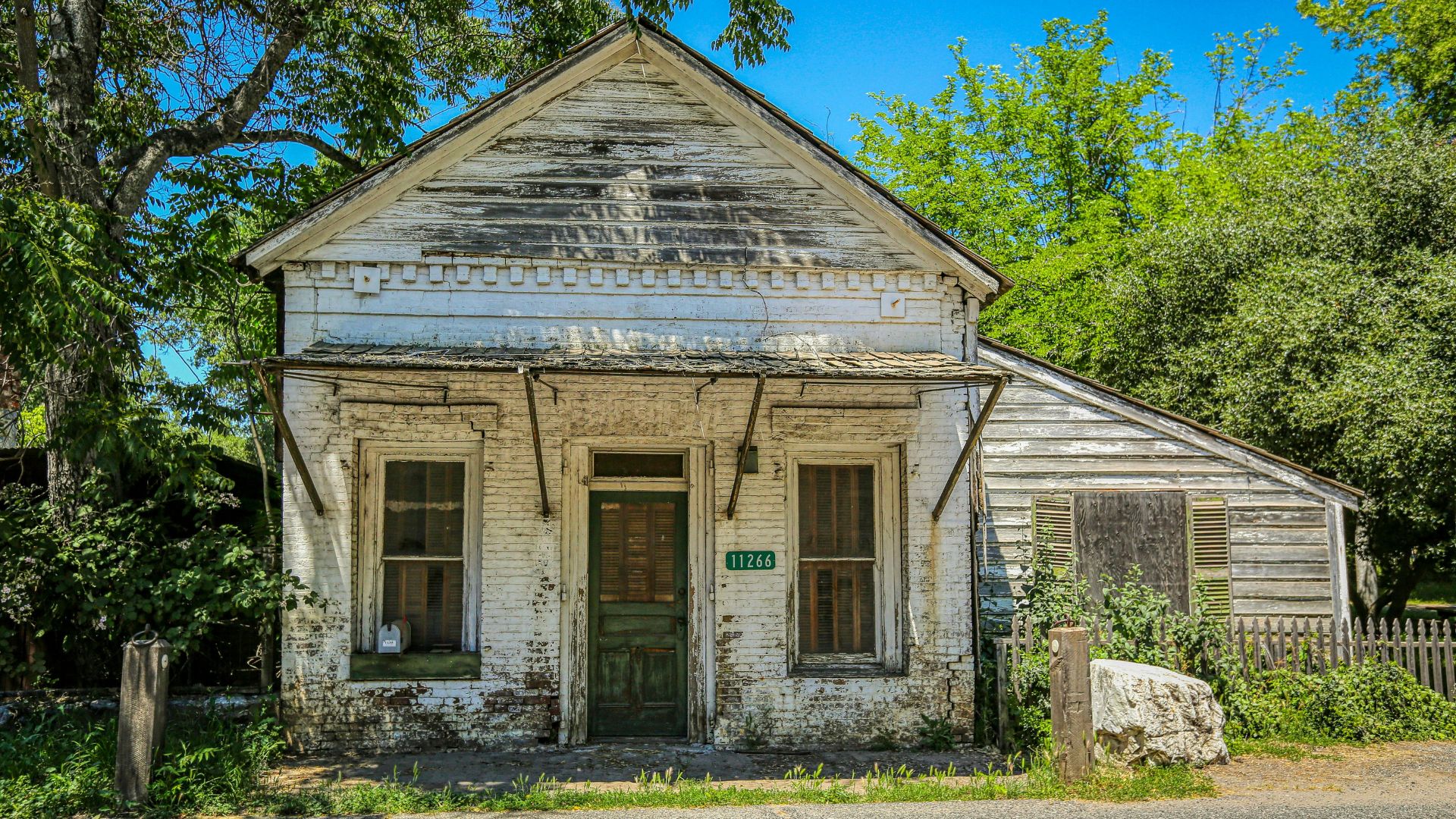
Walking down Main Street, I felt like I’d stumbled into 1852. Brick buildings line both sides, and they make up the largest collection of gold rush-era structures in California.
I couldn’t help but notice the thick brick walls and iron shutters—these buildings survived the big fires of 1854 and 1857.
The Donnell and Parsons store anchors the corner of Main and Washington. It’s the only building that survived the 1854 fire, which wiped out six city blocks.
Up the hill, the two-story brick schoolhouse sits among old oaks. I climbed the steps to peek inside the classrooms, but honestly, the old outhouses got more giggles from the kids.
Shops, restaurants, and museums keep the business district lively all year. You get free admission and parking, so exploring doesn’t have to break the bank.
Experiencing Period Costumes and Role Players
Shop owners and docents dress in authentic period clothes throughout the year. I watched a blacksmith in suspenders and a sooty apron hammer out horseshoes and tools.
On the second Saturday of every month, the Gold Rush Days bring even more costumed interpreters and special activities. The place feels even more alive.
During the Columbia Diggins Tent Town 1852 event, volunteers set up a whole mining camp with canvas tents and wood-fired ovens. I wandered through, watching bakers pull fresh bread from the coals.
Docents demonstrate mining techniques across the park. They explain how hydraulic mining sculpted those strange limestone formations below the main parking lot.
Shops, Saloon, and Unique 1850s Businesses
The saloon pours sarsaparilla instead of whiskey, so families can enjoy it together. I grabbed a bottle and watched the staff, all in costume, serve up drinks and snacks.
Brown’s Mercantile carries all sorts of 1850s goods—period items that give you a sense of what miners actually bought.
There are ice cream parlors and candy shops tucked into old storefronts. I couldn’t resist a cone and some fresh lemonade.
If you want a keepsake, the portrait studio will snap your photo in old-timey clothes. And the restaurants serve meals right inside historic buildings.
A theater hosts performances throughout the year. It’s wild to think this little town once supported 25,000 to 30,000 folks by 1853.
Signature Experiences: Stagecoach Rides, Gold Panning & More
Some activities here just stand out. The stagecoach rides, gold panning, and old-fashioned treats make Columbia State Historic Park different from other Gold Rush sites.
Riding the Historic Stagecoaches
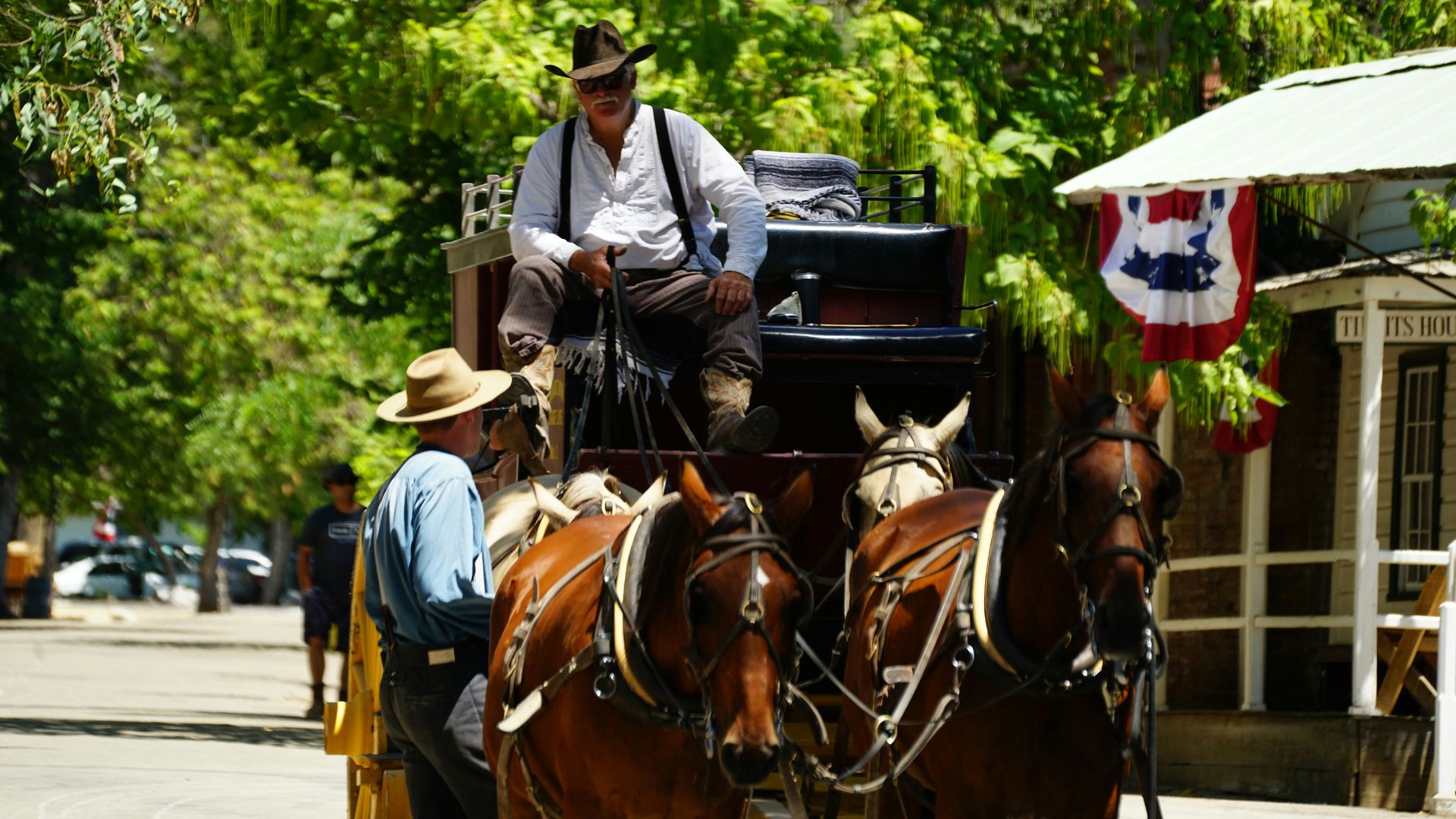
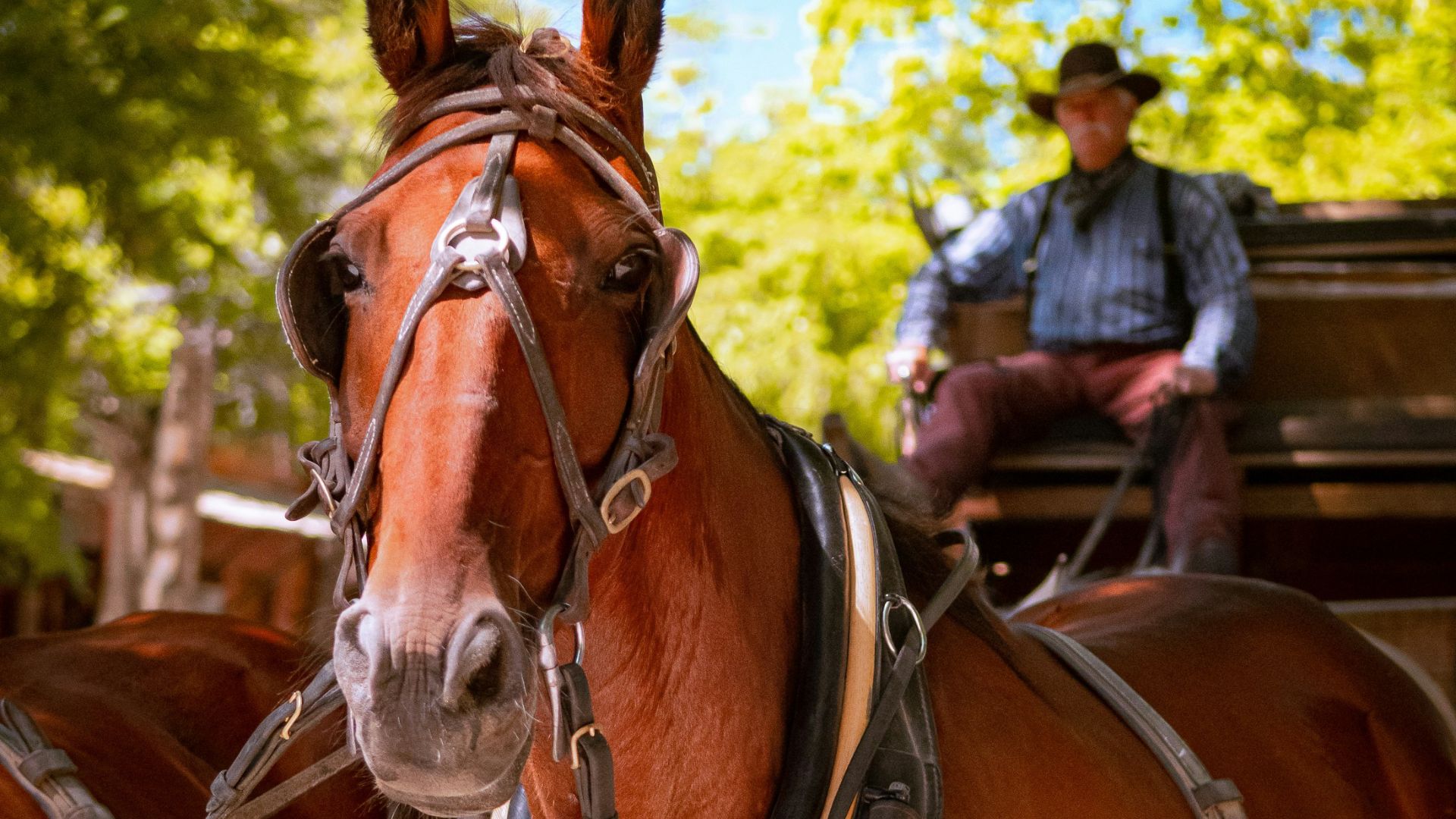
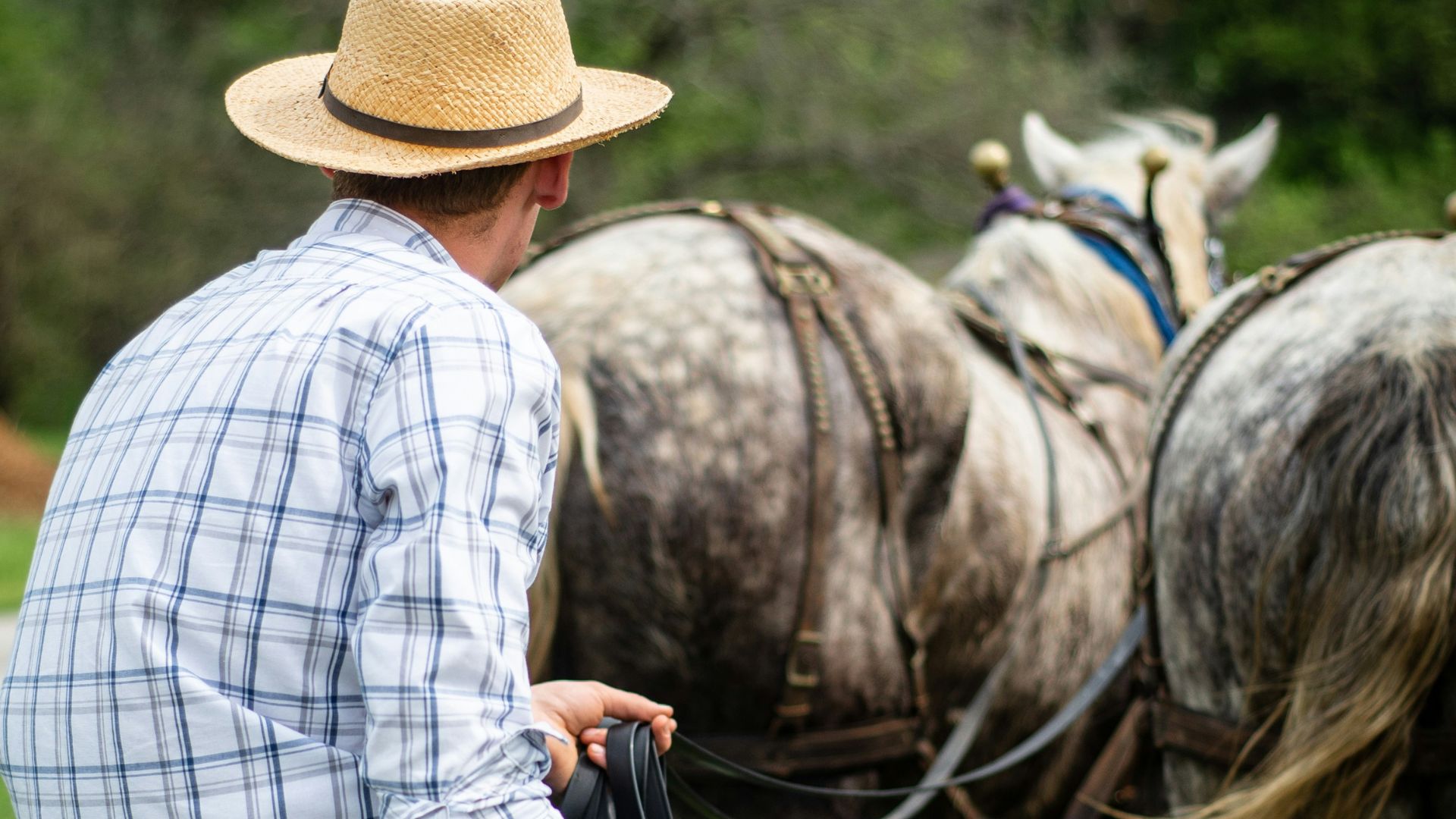
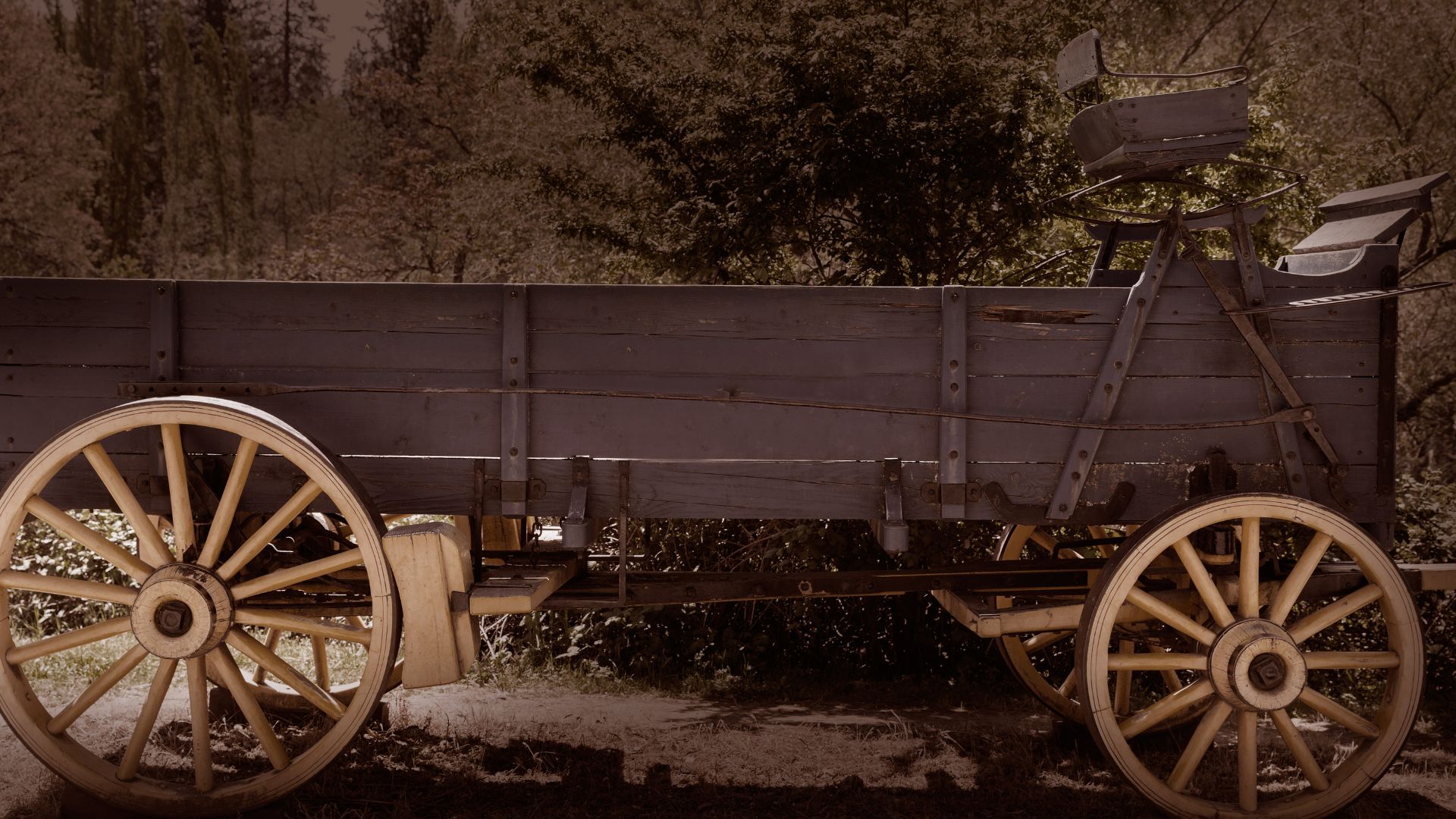
Real stagecoaches, pulled by horses, still roll down the original dusty roads. I climbed aboard, hanging onto the wooden seat, and got a taste of what travelers felt during the Gold Rush.
The stagecoach runs every half hour on weekends, and every day in summer. Each ride lasts about 15 minutes and loops through the heart of the historic town.
Drivers share stories about bandits and rough roads as you bounce along. I learned that these coaches once hauled miners, supplies, and gold between camps.
Ride Details:
- Cost: $5 for adults, $3 for kids
- Duration: 15 minutes
- Schedule: Weekends year-round, daily in summer
- Capacity: 8-10 passengers per ride
Gold Panning for All Ages
I gave gold panning a shot, using the same methods miners did back in the day. The park supplies pans, a little creek, and some real gold flakes to hunt for.
An instructor showed me how to swirl the pan just right. Turns out, telling fool’s gold from the real thing isn’t as easy as you’d think.
My family spent over an hour at the panning site. The kids lit up when they found a few tiny flakes to take home in glass bottles.
The panning area usually runs from 10 AM to 4 PM. If you go, bring a change of clothes—getting wet is pretty much guaranteed.
Sipping Sarsaparilla and 19th Century Treats
The saloon serves sarsaparilla in glass bottles, just like miners drank. I ordered one, along with snacks straight out of the 1800s.
You’ll find hardtack crackers, beef jerky, and penny candy in big glass jars. I tried horehound candy, which tasted herbal—miners swore it helped with coughs.
The saloon’s original bar and creaky wooden floors give it real character. Sitting there, I pictured Gold Rush miners swapping stories after a long day.
Authentic Treats Available:
- Sarsaparilla: $3 per bottle
- Penny candy: $0.50 each
- Hardtack crackers: $2 per serving
- Beef jerky: $4 per package
Exploring Notable Sites and Attractions
Columbia State Historic Park has a few standout experiences that really bring the gold rush era into focus. The blacksmith shop shows off traditional skills, while the schoolhouse and cemetery tell stories of early settlers. Nature trails let you wander the Sierra Nevada foothills.
Blacksmith Shop and Demonstrations
The blacksmith shop draws a crowd, and for good reason. I watched as craftsmen heated iron in coal forges and shaped it with heavy hammers.
Demonstrations run several times a day during busy seasons. Blacksmiths make horseshoes, nails, and tools—exactly what miners depended on.
Key items made on-site:
- Horseshoes for the stagecoach teams
- Mining tools and picks
- Household items like nails and hinges
- Decorative ironwork
They work in the same building blacksmiths used in the 1850s. Feeling the forge’s heat and hearing the hammer ring out is a real sensory throwback.
Schoolhouse and Cemetery Walks
The one-room schoolhouse gives you a glimpse of how kids learned during the gold rush. I sat in a creaky wooden desk, checking out the slate boards and old McGuffey Readers.
Wandering the cemetery, you find stories etched in stone—miners, shopkeepers, and families who built this town.
Notable grave markers include:
- Children lost to disease
- Miners killed on the job
- Business owners who stayed after the gold was gone
The schoolhouse still has its original bell tower. The space feels tiny when you imagine all ages squeezed into one room.
Nature Trails and Outdoor Activities
Two main trails wind through the park’s wild side. The Miners Trail follows old ditches that once carried water to the diggings.
The Oak Woodland Trail leads to Matelot Gulch. Walking under oaks and manzanita, you see the same landscape early miners did.
Both trails are easy and under two miles. I spotted lizards, squirrels, and plenty of birds along the way.
Sometimes, it’s nice to step away from Main Street and just breathe in the foothills air.
Columbia’s Role in California Gold Rush History
Columbia played a huge role in the California Gold Rush. It grew from a tiny camp to the state’s third largest city by 1859, producing an estimated $150 million in gold over five decades.
Origins and Discovery of Gold
In March 1850, Dr. Thaddeus Hildreth and his crew stopped here while heading back from Calaveras County. Rain kept them in camp, so John Walker tried panning a nearby gulch.
He struck gold on the first try. In just two hours, they gathered an ounce.
Word spread fast. By April, over 7,000 people had rushed to what folks first called “Hildreth’s Diggings.”
The settlement became Columbia on April 29, 1850, named for Christopher Columbus.
Surface gold ran out quickly, and many left when water got scarce. New ditches and flumes in 1851 brought miners streaming back.
Columbia’s Growth and Golden Era
Columbia boomed in the 1850s. By 1852, the town boasted 8 hotels, 4 banks, 17 general stores, 2 firehouses, and more than 40 saloons and gambling halls.
Fires in 1854 and 1857 nearly wiped out the town. After the first big blaze, folks rebuilt with brick and iron for fireproofing—many of those buildings still stand.
Columbia’s Peak (1859):
- Population: Third largest in California
- Gold production: Among the richest placer mines in the world
- Biggest nugget: 27 pounds, found in 1854
The Columbia and Stanislaus River Water Company finished a 60-mile aqueduct in 1858. That kept mining going strong into the 1860s.
Eventually, miners even dug under buildings and tore down houses to reach gold beneath the town itself.
Historic Preservation Efforts
Columbia started fading in the 1860s as gold became harder to find. By the 1870s, most miners moved on to new diggings elsewhere.
But unlike many boomtowns that vanished, Columbia’s sturdy buildings stood for decades. In the 1940s, state officials noticed the preservation and stepped in.
They stabilized the remaining structures and created Columbia State Historic Park. Now, Columbia stands out as both a historic site and a living town.
Today, the park protects the largest cluster of gold rush-era buildings in California. Visitors can still shop, dine, and explore inside these original 1850s structures.
Thanks to these efforts, Columbia’s gold rush story stays alive for future generations.
Annual Events and Gold Rush Days
Columbia State Historic Park throws special events year-round that bring the 1850s to life. The signature Gold Rush Days fill the streets with reenactments, and seasonal festivals offer plenty of fun for families, no matter when you visit.
Gold Rush Days: Living History Reenactments
Gold Rush Days is hands-down the park’s biggest draw every year. I remember watching costumed interpreters bring the 1850s mining boom to life right before my eyes.
Usually, the event pops up on select weekends in spring and fall. You can catch blacksmiths hammering out tools, miners showing off their panning skills, and cooks whipping up meals the old-fashioned way.
Key Activities During Gold Rush Days:
- Live gunfight shows right on Main Street
- Stagecoach rides driven by folks in full period dress
- Mining gear displays with hands-on explanations
- Traditional crafts like candle making and rope weaving
The interpreters really commit—they wear detailed, historically accurate costumes and never break character. I found myself drawn in by their stories and the little details they shared.
Kids get a kick out of the mock mining activities. The park hands out pans and teaches gold panning, so everyone gets a shot at striking it rich, at least for a few minutes.
Seasonal Festivals and Family Activities
Beyond Gold Rush Days, the park keeps things lively with smaller events all year. Summer evenings bring concerts filled with period music and folksy tunes.
Halloween? The whole town morphs into a shadowy mining camp. Guides in costume take you on lantern-lit tours, spinning ghost stories that’ll stick with you.
Popular Annual Events:
- Summer concert series (June-August)
- Halloween ghost tours (October weekends)
- Christmas in Columbia (December)
- Spring wildflower walks (March-April)
Christmas in Columbia feels like stepping into an 1850s holiday postcard. Carolers dressed in period outfits belt out traditional tunes, and the blacksmith shop stays open with live demos. I always end up humming along.
Special events come with their own admission fees. Most activities run between $5 and $15 per person, on top of the regular park entry.
The Gem of the Southern Mines: Legacy and Influence
Columbia earned its nickname, the “Gem of the Southern Mines,” thanks to its remarkable preservation and unique role among California’s gold rush towns. The place still carries a lasting economic impact and a sense of community spirit that you can feel when you stroll down its streets.
Columbia’s Place Among Gold Rush Towns
Columbia wasn’t just another mining camp—it stood out because it grew big and thrived. Back in the 1850s, more than 5,000 people lived here, making it one of the largest spots in the Southern Mines.
People called it the “Gem of the Southern Mines” for a reason. The town planners laid out wide streets and built sturdy brick buildings, not just rickety wooden shacks. That choice saved Columbia when fires swept through other camps.
Key features that set Columbia apart:
- Streets wide enough for wagon traffic
- Brick commercial buildings that could take a beating
- Several hotels, saloons, and even theaters
- Professional services—doctors, lawyers, the works
Location mattered, too. Columbia sat right in the heart of gold country, with easy water access. That combo let miners pull more gold from the ground than most places could dream of.
Enduring Community and Economy
Columbia’s economy kept going strong, even after the initial gold rush faded. The town didn’t just sit back—it shifted gears and became a trade center for nearby mining operations.
Local businesses stepped up to serve miners from smaller camps all around the region. It wasn’t just about gold anymore.
The people here built institutions that you just didn’t see in most mining towns. There were schools, churches, and cultural groups popping up. These things gave Columbia a sense of stability, something that helped folks weather the tough times.
Economic activities beyond mining:
- Lumber and timber operations
- Agricultural supply services
- Transportation and freight hauling
- Hotel and restaurant businesses
Today, you can still feel Columbia’s old spirit at Columbia State Historic Park. The park keeps many of the original buildings standing and lets visitors see how the town operated back in the gold rush days.
Columbia’s influence goes far beyond its preserved streets and storefronts. The town really demonstrates how gold rush communities could thrive by mixing smart business with a strong sense of community. It’s a model that ended up inspiring other mining towns all across the American West.