
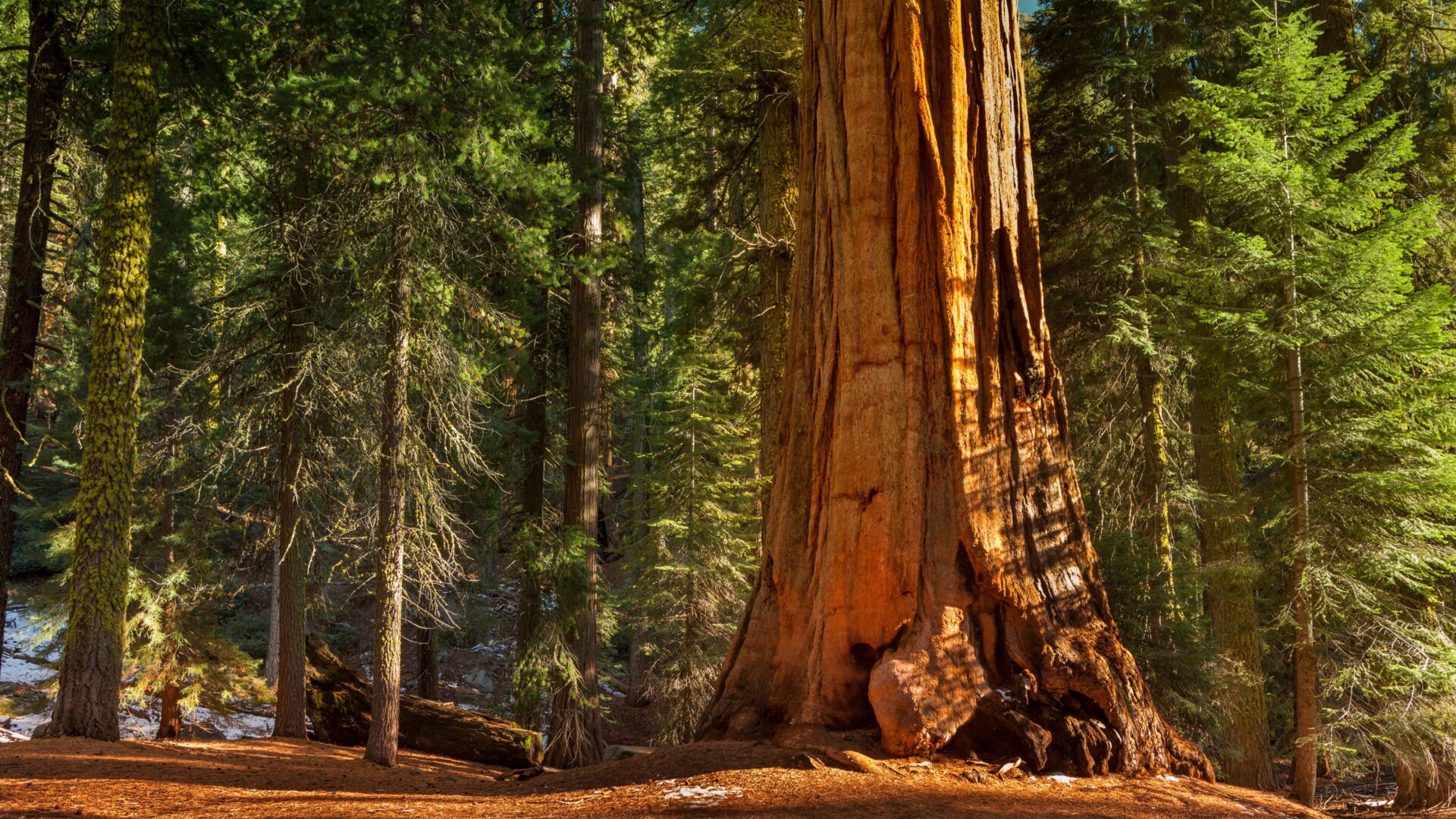
Wandering through the giant sequoias of Grant Grove in Kings Canyon National Park feels a bit like stepping into a natural cathedral. The real showstopper here is the General Grant Tree, a colossal sequoia crowned as America’s Christmas Tree by President Coolidge back in 1926.
The General Grant Tree rises from the forest as the second-largest tree in the world by volume. It’s rooted in a grove that’s honestly one of the most important sequoia habitats anywhere.
As I strolled through Grant Grove, I began to understand why this spot became the first protected area of what would later be Kings Canyon National Park in 1890. The paved trail winds easily through the grove, guiding you past some of the most jaw-dropping trees on earth.
You’ll even get to walk right through a fallen giant and poke your head into a historic cabin that whispers stories from the early days of grove visitors.
Grant Grove makes for a perfect introduction to the world of giant sequoias. The short trails let you stand among ancient giants, while the longer hikes open up views of the Sierra Nevada that’ll take your breath away.
This place mixes natural wonder with a rich, layered history. If you want to experience California’s legendary trees, you just can’t skip it.
Discovering Grant Grove and the General Grant Tree
Grant Grove sits tucked inside Kings Canyon National Park, up in California’s Sierra Nevada mountains. The grove’s most famous resident is the General Grant Tree, which serves as both America’s Christmas Tree and a national shrine for fallen soldiers.
Location and Getting There
You’ll find Grant Grove at about 6,600 feet above sea level in Kings Canyon National Park. The drive up is pretty straightforward.
Highway 180 leads you right from Fresno and the Central Valley up into the park. Once you arrive, you’ll spot the General Grant Tree just a short walk from the parking area.
The General Grant Tree Trail forms a 0.5-mile loop that takes you straight to the famous tree. The path is paved and manageable for most people.
Along the way, you’ll pass the historic Gamlin Cabin and the Fallen Monarch sequoia—both worth a pause. Parking sits close to the trailhead, but if you’re visiting during a busy weekend, snagging a spot can be a bit of a scramble.
Try to get there early if you can.
Historical Significance
Folks named the General Grant Tree after Ulysses S. Grant, the Civil War general and later U.S. President. That connection alone gives the tree a certain gravitas.
What sets the General Grant Tree apart, though, is its dual status as a Christmas tree and a national shrine. The grove itself used to be General Grant National Park, established all the way back in 1890.
By volume, the tree ranks as the second-largest in the world—though I’ve heard some say it’s slipped to third, just behind the President Tree. At about 1,650 years old, the General Grant Tree isn’t even the oldest around, but its size and history make it a true icon.
America’s Christmas Tree and National Shrine
President Calvin Coolidge officially named the General Grant Tree America’s Christmas Tree in 1926. Apparently, a little girl visiting in 1924 said it would make the perfect Christmas tree, and the idea stuck.
The Sanger Chamber of Commerce started holding Christmas ceremonies here in 1925, and those celebrations are still happening every December. In 1956, President Eisenhower made it a National Shrine to honor military members who lost their lives defending the country.
The tree stands as the only living shrine in the U.S. Fleet Admiral Chester Nimitz even compared its significance to the Tomb of the Unknown Soldier at Arlington.
The General Grant Tree Trail Experience
The General Grant Tree Trail is a simple paved loop that winds through one of the most awe-inspiring sequoia groves you’ll ever see. The trail offers accessible parking, clear signs, and a walk that’s easy for just about everyone.
Trailhead Details and Parking
The trailhead sits right in the heart of Grant Grove, which makes it the park’s busiest spot. Parking fills up fast, especially on weekends or holidays.
If you want a close spot, try arriving early in the morning or later in the afternoon. The main parking lot is small, but you’ll find overflow parking along the road and shared lots for the North Grove Loop and Dead Giant Loop trails.
You’ll need an America the Beautiful Pass or just pay the entrance fee at the Big Stump Entrance. Signs from the main park road point you right to the trailhead.
Trail Guide Overview
The General Grant Tree Trail loops through the sequoia grove for about half a mile. Most folks take 30 to 45 minutes to stroll it at a relaxed pace.
You’ll pass more than just the General Grant Tree. The historic Gamlin Cabin sits along the route, showing off how early settlers lived here.
A real highlight is the Fallen Monarch, where you can actually walk inside a hollowed-out sequoia. Standing inside that trunk, you can’t help but feel tiny.
Trail Highlights:
- General Grant Tree – Second (or maybe third) largest tree by volume
- Centennial Stump – A reminder of early logging days
- Gamlin Cabin – A glimpse into pioneer life
- Fallen Monarch – A sequoia you can walk through
The paved path makes the walk easy, but watch for gentle slopes. Markers and interpretive signs help you spot what’s special along the way.

Accessibility and Difficulty
This trail is probably the easiest in Kings Canyon National Park. The pavement and gentle grades mean wheelchairs, strollers, and anyone with mobility needs can enjoy it.
There’s hardly any elevation gain, and the short loop is doable for even little kids. You’ll find accessible restrooms at the trailhead too.
Accessibility Features:
- Fully paved trail
- Mild slopes
- Wide path
- Accessible restrooms
Since the trail loops, you don’t have to backtrack. Take your time at each stop—there’s no rush.
If it’s just rained or there’s morning dew, watch your step. The pavement can get slick.
Landmarks and Sights Along the Trail
The General Grant Tree Trail is packed with landmarks that tell the story of giant sequoias and the people who fought to protect them. Each stop gives you a new perspective on this ancient forest.
Fallen Monarch
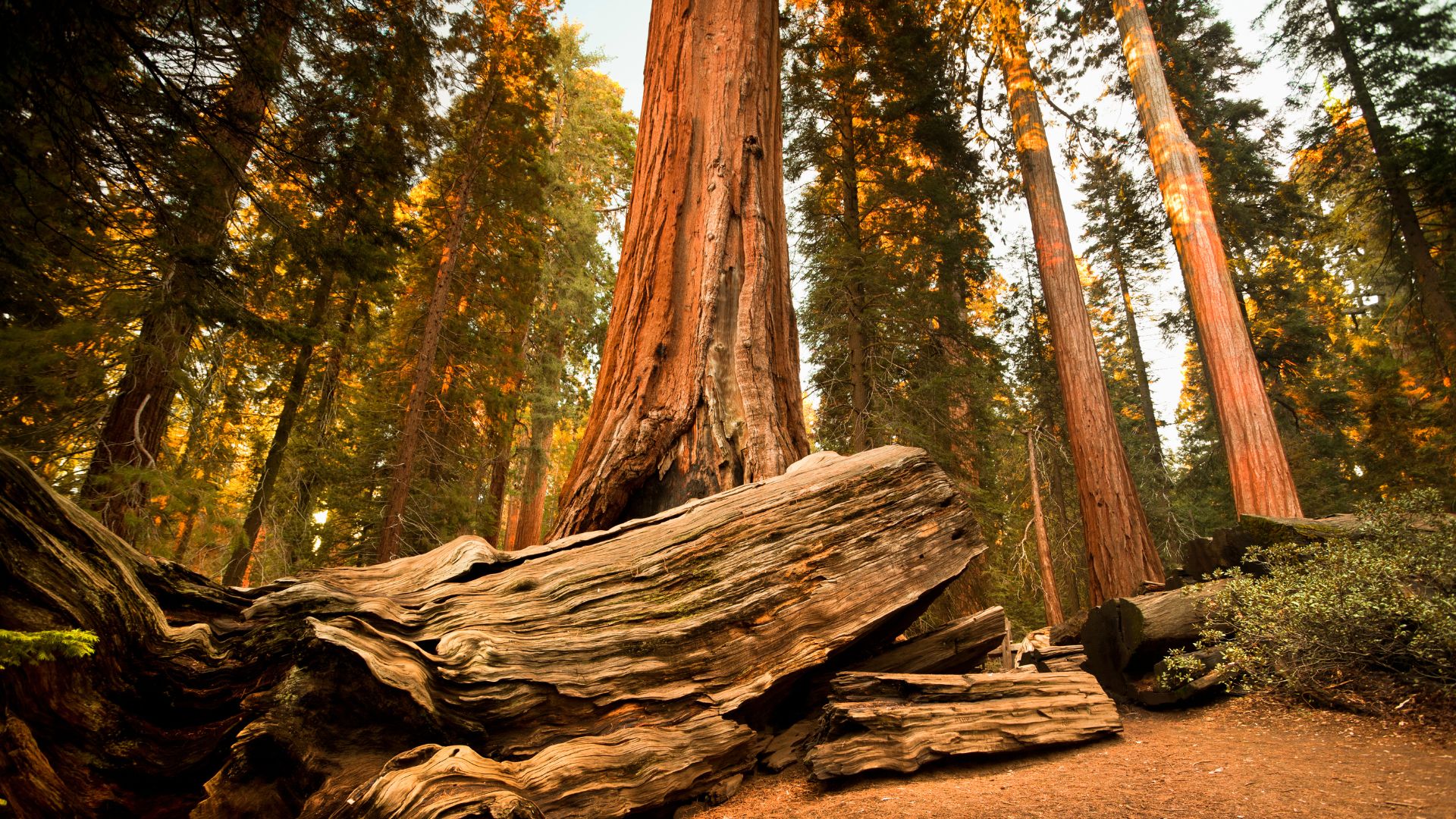
The Fallen Monarch is a sequoia that toppled centuries ago and now rests across the forest floor. You can walk right through its hollow trunk.
Standing inside, I couldn’t help but marvel at the sheer scale. Early pioneers even used the trunk as a shelter and meeting spot.
The Fallen Monarch stretches over 120 feet long and is about 25 feet wide. Walking through it, you really get a sense of how these trees dwarf everything else.
Even after falling, sequoias like this one can stick around for hundreds of years. Their thick bark and dense wood slow down decay in a way that’s almost hard to believe.

Gamlin Cabin
The Gamlin Cabin stands as one of the oldest buildings in the area. The Gamlin brothers built it in the 1870s while homesteading among the sequoias.
It’s wild to think people actually lived here, tucked under these ancient trees. The cabin’s just a single room with bare-bones furnishings—a real window into pioneer life.
The Gamlin brothers saw early on that these trees were something special. Their cabin now helps visitors connect with the human story of Grant Grove.
Centennial Stump
The Centennial Stump is all that’s left of a giant sequoia cut down in 1875. This old stump is a stark reminder of the days before conservation took hold.
They cut the tree to send a slice to the 1876 Centennial Exhibition in Philadelphia. Folks on the East Coast just couldn’t wrap their heads around trees this massive.
Looking at the stump, I was floored by its width. The growth rings show the tree lived for over 2,000 years before being felled.
It’s places like this that pushed people to protect Grant Grove. Seeing the loss firsthand made early conservationists take action.
Towering Giant Sequoias
Dozens of giant sequoias tower over the trail, creating a space that feels almost sacred. Walking beneath them, I felt like I’d stepped into another world.
Some of these trees reach over 250 feet high and have stood for more than 2,000 years. Each sequoia tells a different story—some bear fire scars, living proof of their resilience.
The grove supports its own ecosystem. Smaller plants thrive in the shade, and wildlife finds shelter among the roots and fallen logs.
These giants remind us just how old and vast the forest once was. There’s something humbling about standing among them.

Unique Features of Giant Sequoias in Grant Grove
The giant sequoias here aren’t just big—they’re truly unique. Their enormous size and quirky features set them apart from any other trees I’ve seen. These ancient giants survived early skepticism and a whole lot of challenges.
Largest Trees on Earth
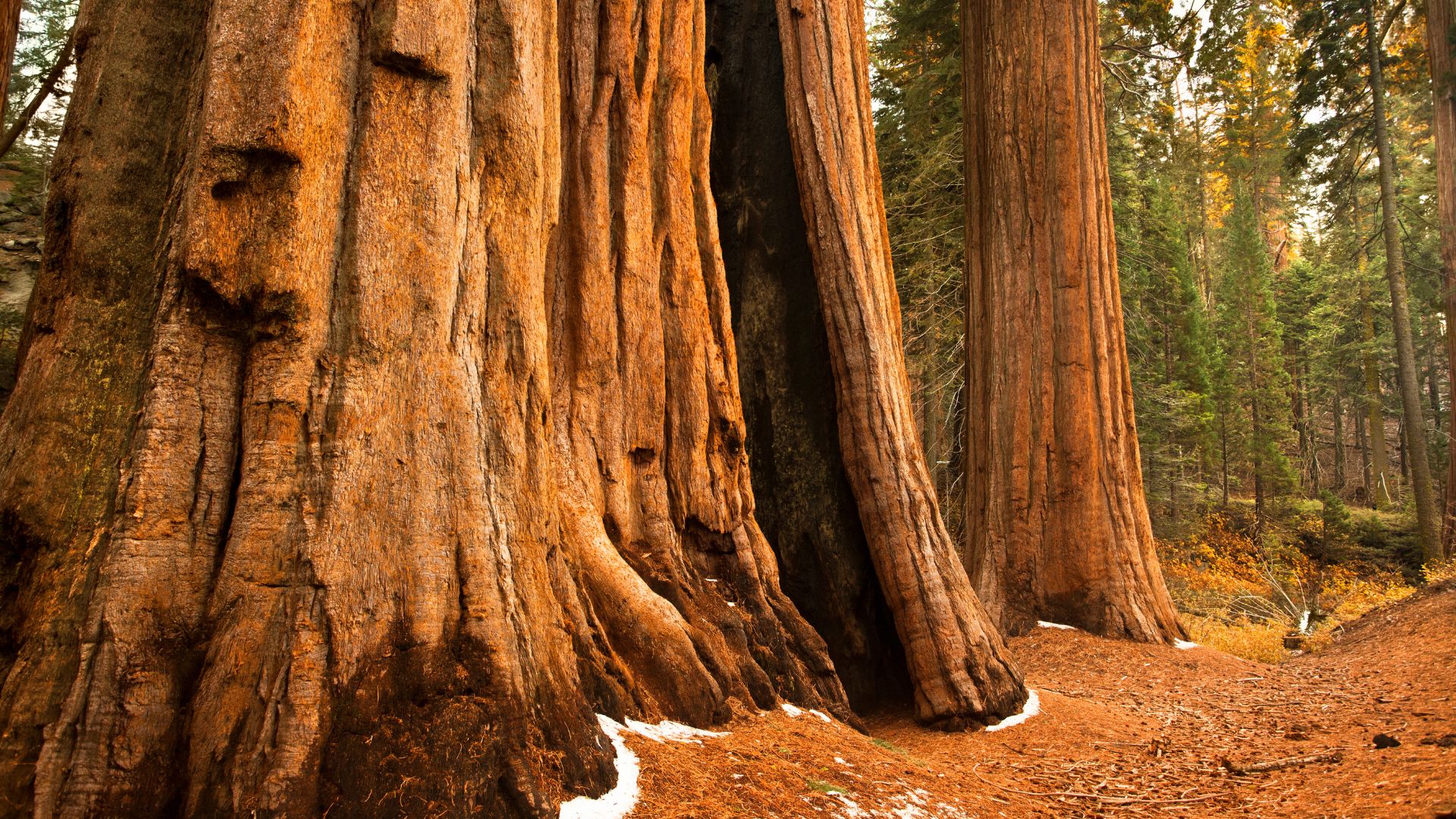
The General Grant Tree is either the second or third largest tree on the planet, depending on who you ask. I measured its trunk at around 40 feet across at the base.
Unlike most trees, sequoias add girth instead of shooting up much taller once they mature. The General Grant Tree tops out at about 268 feet.
Some wild numbers:
- Base diameter: 40+ feet
- Height: 268 feet
- Age: Over 1,500 years
Their bark gets up to 2 feet thick, which protects them from fire. Up close, the bark feels fibrous and looks almost reddish-brown.
Differences from the General Sherman Tree
The General Sherman Tree in Sequoia National Park claims the title of largest tree by volume. There are some differences between these two titans.
Quick comparison:
- General Sherman: 275 feet tall, 52,500 cubic feet of wood
- General Grant: 268 feet tall, 46,600 cubic feet of wood
The General Grant Tree has a broader base, which makes it look stockier. Its crown bears more scars from past fires.
They actually grow in different conditions—Grant Grove sits higher up and gets a different mix of rain and snow than the Sherman Tree’s grove.

California Hoax and Early Public Skepticism
Back in the 1850s, when news of giant sequoias first reached the East Coast, most folks just didn’t believe it. Newspapers called the stories a “California hoax.”
People doubted the measurements and thought the photos were faked. Some even said it was all a publicity stunt to draw tourists.
Once actual bark and wood samples arrived in the East, folks started to come around. By the 1860s, most people accepted that these giants really did exist in California.
Visitor Tips and Seasonal Planning
Planning a visit to Grant Grove means paying attention to timing, weather, and what’s open when you arrive. The seasons can change quickly up here, and park rules sometimes catch people by surprise.
Best Times to Visit
Spring (April-May) really shines for hiking. The weather feels just right—mild, not too hot—and, honestly, the trails don’t get nearly as crowded as they do in the summer. Check out why spring wins here.
Summer (June-August) draws the biggest crowds, no surprise there. All the trails stay open, though, which is a plus. If you go, try to hit the park early in the morning or later in the day to dodge the rush. More summer tips here.
Fall (September-October) feels like a secret season. The weather stays lovely, the crowds thin out, and suddenly, parking isn’t such a headache.
Winter (November-March) completely transforms the park. Snow blankets the area, turning it into a quiet wonderland. You’ll find snowshoe trails open, but you’ll want to bring chains for your car. Some trails close if snow piles up.
Winter road conditions can change in a flash. I always check the National Park Service website before heading out.
Travel Safety and Park Policies
A seven-day entrance pass costs $35 per vehicle. If you’re planning to hit more parks this year, the America the Beautiful Pass runs $80 and covers all national parks for twelve months.
Vehicle Requirements: From November through March, you’ll need chains. Most rental cars don’t provide them, so I usually buy a set before arriving.
Trail Safety: Stick to the paved paths near the General Grant Tree. The park asks everyone to avoid touching or climbing the sequoias.
Wildlife: Black bears roam Grant Grove, especially in summer and fall. Always stash your food in the bear boxes.
Weather Preparation: Temperatures can swing by 20 degrees from day to night. Even in summer, I bring a few layers—just in case.
Nearby Facilities and Amenities
Grant Grove Village sits about a mile from the General Grant Tree. There’s a visitor center, a cozy gift shop, and restrooms for a quick pit stop.
Lodging: Grant Grove Cabins stay open all year. They fill up fast in summer, so I’d book early if you can.
Dining: The Grant Grove Restaurant serves hearty meals during peak season. In winter, the hours are pretty limited.
Gas and Supplies: The village market stocks snacks and basic supplies. Heads up—there’s no gas station in Grant Grove, so fill up before you get here.
Parking: Free parking waits at the General Grant Tree trailhead. On summer weekends, I try to arrive early to snag a spot.
Accessibility: The main trail is paved and wheelchair-friendly. Accessible restrooms sit right by the parking area.
Exploring More in Kings Canyon and the Surrounding Area
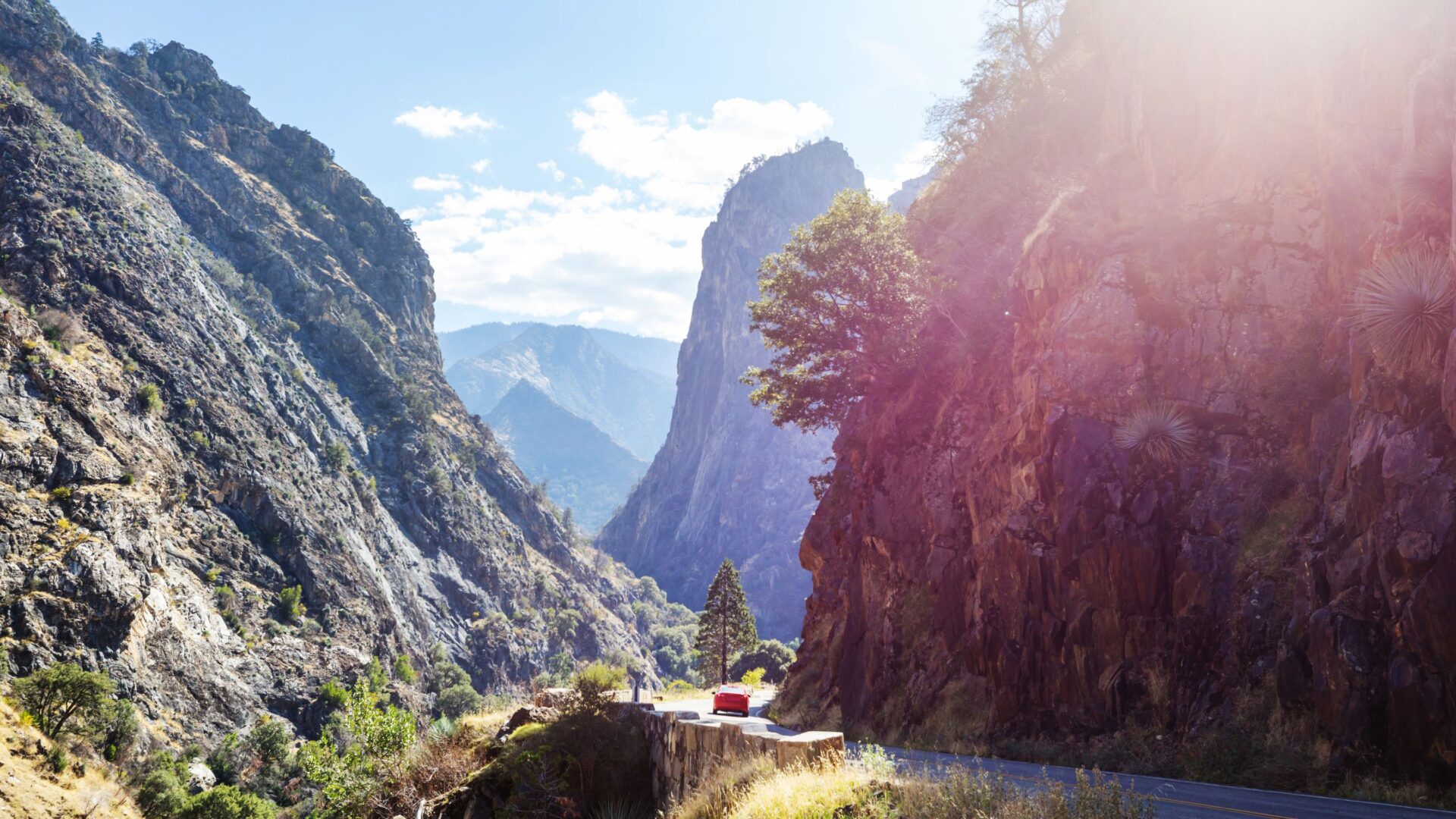
Grant Grove makes a perfect jumping-off point for exploring Kings Canyon National Park. It links up with Sequoia National Park and offers several options for overnight stays if you want to linger.
Connecting Trails and Extended Hikes
The North Grove Loop starts right at the General Grant Tree parking area. This 1.5-mile trail winds through a mix of conifers and sequoias, and I’ve found it’s usually less crowded.
If you’re curious about the area’s logging past, check out the Big Stump Loop Trail. It’s a 2-mile loop just past the Big Stump Entrance, and you’ll see massive sequoia stumps from the late 1800s. It’s a little haunting, honestly.
Moderate Day Hikes:
- Buena Vista Peak: 2 miles round trip, with sweeping 360-degree views
- Big Baldy Ridge: 4.4 miles round trip, 600 feet of elevation gain
The Buena Vista Peak trailhead sits 6 miles southeast of Grant Grove Village on Generals Highway. From the top, you can spot Redwood Canyon and the high Sierra—pretty epic.
Big Baldy Ridge also gives you a stunning look into Redwood Canyon. The trail starts 8 miles south of Grant Grove Village and climbs to 8,209 feet. The views are worth the effort.
Nearby Attractions and Groves
Converse Basin lies 6 miles north of Grant Grove, tucked inside Sequoia National Forest. Logging hit this grove hard in the early 1900s—it was once the largest sequoia grove anywhere.
The Boole Tree somehow survived the saws. It’s now the eighth largest sequoia in the world. A 2-mile loop trail leads you straight to this giant from the parking area.
Note: Redwood Canyon trails are still closed due to dangerous conditions after the 2021 KNP Complex Fire. About forty percent of the grove burned badly.
Hume Lake offers something different. You can relax on the beach or walk the loop around the lake if you need a break from the big trees. Sometimes, I just sit by the water and take it all in.
Accommodation and Dining Options
John Muir Lodge stays open all year in Grant Grove Village. You’ll find the lodge just a short stroll from the visitor center and the famous General Grant Tree.
When it’s operating season, Grant Grove Restaurant cooks up meals for hungry travelers. If you’re just after something quick, there’s a small market in the village with snacks and basic supplies.
Grant Grove Village includes:
- John Muir Lodge
- Grant Grove Restaurant
- Small market
- Kings Canyon Visitor Center
Grant Grove remains open no matter the season, while Cedar Grove shuts down for winter once the snow hits. If you’re thinking about a winter trip to Kings Canyon National Park, Grant Grove is hands down the best base.
Staying in the village means you’re close to both Kings Canyon and Sequoia National Park highlights. Most trailheads are just a few miles away, so you can wake up and get moving without a long drive.
