
Wandering around Kos Town feels a bit like flipping through a living history book. Here, ancient Greek ruins rub shoulders with medieval fortresses and, yes, even legendary trees.
The town packs 2,500 years of history into a network of walkable streets. Every corner seems to reveal something new—sometimes it’s a crumbling column, other times a bustling café shaded by the branches of a famous tree.
Kos Town gives you the rare chance to explore ancient Greek agoras, medieval Crusader castles, and the legendary plane tree linked to Hippocrates—all within a stone’s throw of each other. I honestly think this Greek island capital stands out as one of the Dodecanese’s most fascinating spots for history buffs.
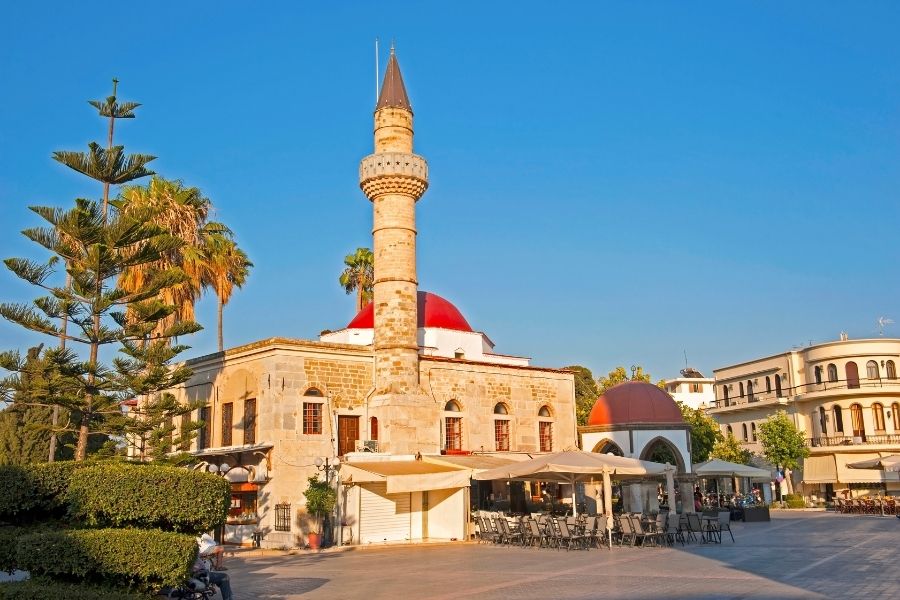
You can stroll from ancient Roman baths to Ottoman mosques in just a few minutes. It’s wild how much history is packed into such a small area.
What really sets Kos Town apart is how close you can get to its past. The ancient agora sprawls right across the town center. Neratzia Castle still stands guard over the harbor, and the plane tree’s shade now covers modern cafés.
Whether you’re chasing archaeological sites, admiring medieval walls, or just soaking up island life, Kos Town has a knack for connecting the past and present in ways that feel surprisingly fresh.
Exploring the Ancient Agora of Kos
The Ancient Agora of Kos is one of Greece’s largest uncovered marketplaces. Built in the 4th century BC, it sits close to the island’s harbor.
This archaeological site gives a glimpse into how ancient Greeks traded, worshipped, and socialized for over a thousand years. It’s honestly hard not to be impressed by the layers of history here.
Historical Significance and Origins of the Agora
The Ancient Agora of Kos fascinates me because it remains one of the largest ancient marketplaces ever found in Greece. Builders kicked off construction in the 4th century BC, just a short walk from the main port.
Kos became an administrative hub after 366 BC, prompting local leaders to pour resources into grand buildings and temples near the harbor. The timing feels intentional.
Italian archaeologists first dug here during the 1930s, after a devastating earthquake in 1933. That tragedy ended up revealing centuries-old secrets beneath the town.
Key Historical Facts:
- Built in the 4th century BC
- Situated near the ancient harbor
- Excavated by Italian archaeologists
- Among Greece’s largest ancient marketplaces
Marketplace and Social Life in the Agora
The agora wasn’t just a market—it was the beating heart of ancient Kos. Picture merchants haggling, locals gossiping, and visitors weaving through stalls.
Three covered walkways lined the north, west, and east sides. They wrapped around a big inner courtyard where most of the action happened.
Craftsmen set up workshops in these covered areas. Shops sold everything from fresh produce to pottery. Altars for religious offerings sat alongside the hustle and bustle.
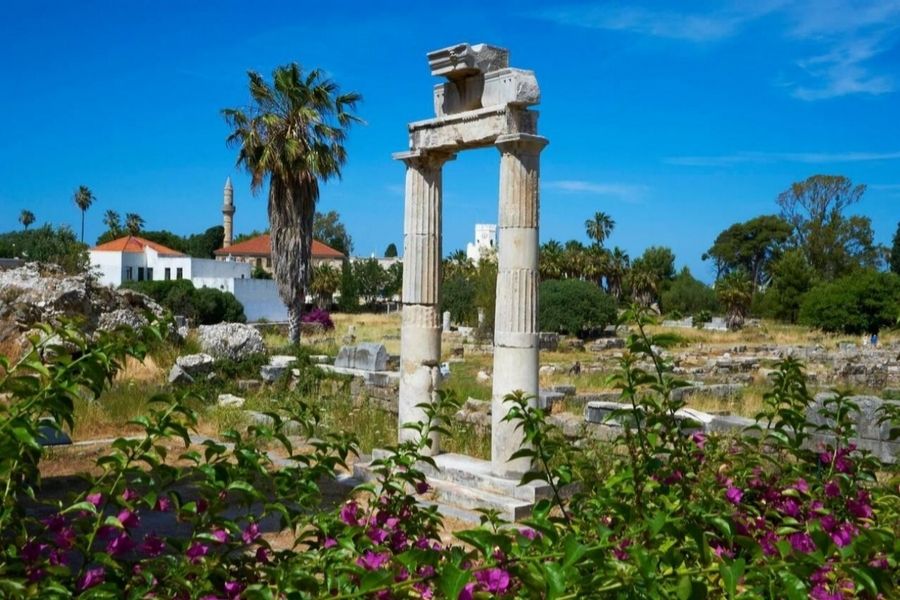
Being so close to the harbor made trade easy. Ships could unload goods straight into the marketplace, and local merchants could meet traders from across the sea.
Temples, Shrines, and Religious Practices
Religion ran deep in daily life here. Even now, you can spot the remains of temples and altars scattered throughout the site.
Shrines dedicated to various Greek gods and goddesses stood right inside the agora. They weren’t tucked away—they were part of the everyday scene.
Ancient Greeks often made offerings at these altars before sealing big business deals. The agora also hosted religious festivals and ceremonies in its open spaces.
Religious Features Found:
- Temple foundations
- Sacred altars
- Gathering spaces for ceremonies
- Religious artwork and inscriptions
Evolution From Classical to Christian Era
The agora didn’t just fade away after the Greeks. Romans took over and expanded the site, adding new buildings and features.
The place kept its role as a marketplace and social center for centuries. Even as Christianity spread, some pagan temples got converted or replaced by early Christian structures.
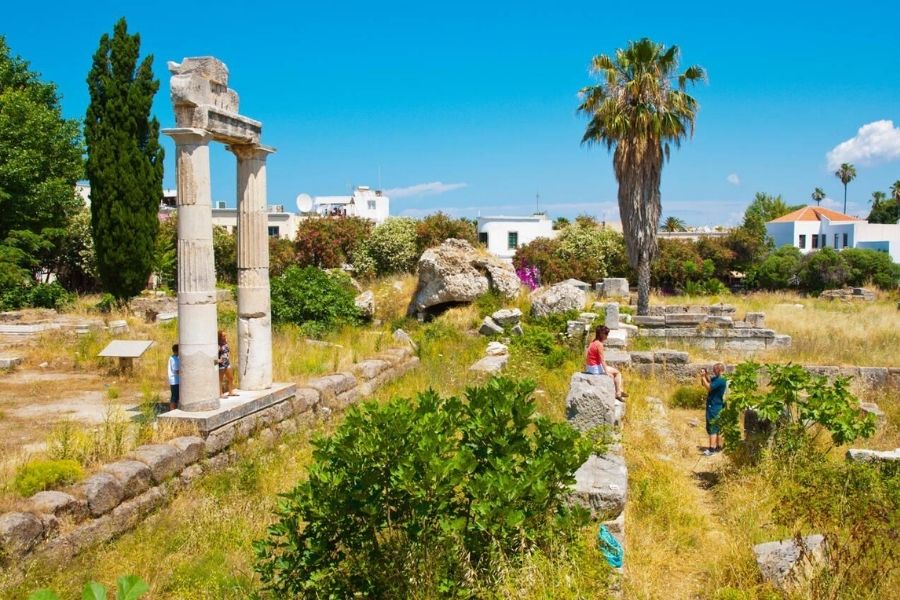
Honestly, it’s amazing how this spot adapted through so many eras. The agora’s thousand-year run shows just how central these marketplaces were in Mediterranean life.
Knightly Castles and Medieval Heritage
The Knights Hospitaller definitely left their mark on Kos Town. Their fortifications once protected crusader routes to the Holy Land.
Neratzia Castle stands out as the centerpiece of this medieval story, blending defensive architecture and ancient stones from the original Greek city.
Neratzia Castle: Fortress of the Knights
Neratzia Castle always catches my eye when I visit Kos Town. The Knights Hospitaller started building it in 1436 and wrapped up around 1514, right at the port’s entrance.
The name “Neratzia” comes from the bitter orange trees that once grew here. Construction stretched across decades, starting in the late 14th century.
Knights scavenged stones and marble from the ancient city of Kos and the Asklepieion. You can still spot those ancient pieces in the castle walls.
The fortress has two main sections: an inner and outer enclosure. The inner part came first, finished before the 14th century ended.
A round tower displays the coat of arms of Grand Masters De Lastic (1437-1454) and De Milly (1454-1461). This tower links the two enclosures with a sloping bridge.
Defensive Architecture and Strategic Importance
The castle once sat on its own island, making it perfect for controlling who sailed in and out of the harbor. Knights could keep a close eye on every ship from the towers.
Neratzia Castle, working with the castle of Agios Petros across the channel, kept the sea passage to the Holy Land safe during the Crusades. Its position let the Knights control maritime traffic in the eastern Aegean.
They added the outer walls later, starting around 1495 under Grand Master D’Aubusson. Construction continued under D’Amboise and wrapped up in 1514 under Del Carretto.
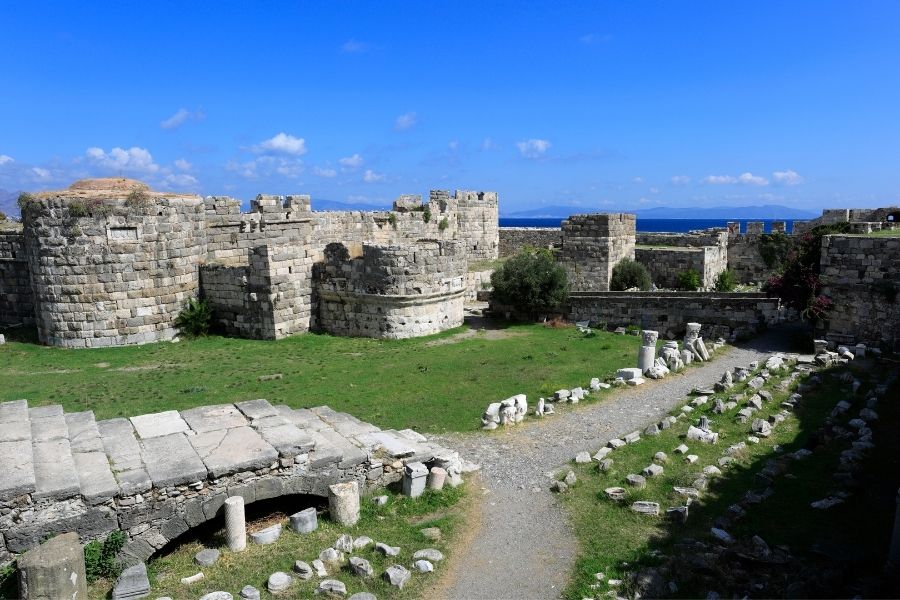
A Hellenistic frieze decorates the area above the main gate. Granite columns from an early Christian basilica sit atop the entrance roofs.
The famous stone bridge still links the castle to Phoinikon Street and Plateia Platanou. Back in the day, the bridge crossed a moat that connected the harbor with the eastern sea.
Museum of the Castle of the Knights
Between the two walls, the Knights built a warehouse that now houses a museum. During the Italian occupation, archaeologists removed Ottoman-era additions and tried to restore the castle’s medieval look.
The Italians knocked down later Turkish structures and rebuilt sections using old techniques. They aimed to bring the fortress back to its original form.
Today, the museum displays architectural elements from ancient Kos. You can check out altars, sculptures, and inscriptions that tell the island’s long story.
The collection pulls together pieces from all over Kos. Stone carvings and decorative fragments help you imagine what the ancient city once looked like.
Note: The castle stayed closed for renovations in 2024, so double-check before planning a visit.
Under the Tree of Hippocrates: Legends and Legacy
The massive plane tree in Kos Town has become one of the island’s most iconic sights. Locals tie it to stories of Hippocrates teaching medicine beneath its branches.
The current tree clocks in at about 500 years old, so it can’t be the original. Still, its connection to Hippocrates runs deeper—it’s about the roots of medicine and the way legends shape how we see history.
The Tree of Hippocrates: Fact and Folklore
The enormous plane tree stands in Platanos Square, drawing crowds year after year. Legend says Hippocrates taught his students right here, under a plane tree, more than 2,400 years ago.
But let’s be real—the tree you see now is only about 500 years old. It can’t be the original, but many folks believe it could be a descendant.
Key Facts About the Tree:
- Species: Platanus orientalis (Oriental Plane)
- Age: Around 500 years
- Location: Opposite Neratzia Castle
- Historical claim: Tradition says 2,400 years old
A French travel writer first mentioned the tree in 1783, describing both the tree and the lively square. The story has stuck ever since, weaving Hippocrates into the town’s identity.
Hippocrates and the Roots of Medicine
Hippocrates lived on Kos from about 460 to 370 BCE. People call him the “Father of Medicine” because he changed how folks understood illness and healing.
Before Hippocrates, most blamed sickness on angry gods. He taught that diseases had natural causes and showed students how to observe patients closely.
He also wrote the famous oath that doctors still recite (or at least reference) today.
Hippocrates’ Key Contributions:
- Wrote the Hippocratic Oath
- Argued for natural causes of disease
- Developed careful patient observation
- Founded the first medical school
The legend says he taught students under the plane tree’s shade. Whether this is the actual tree or not, the story connects visitors to where medicine began. The tree turned into a symbol of knowledge passing from teacher to student.
Plane Tree Square and Modern Life
These days, the tree sits at the heart of Kos Town, close to the Ancient Agora. People still gather in its shade, just as students might have done centuries ago.
The trunk twists and turns, showing off patterns from decades—well, centuries—of growth.
Cafés and shops line the square. Tour groups pause here to hear stories about Hippocrates and ancient medicine.
Local authorities do their best to protect the tree. It needs extra care because of its age and the sheer number of visitors. Support beams help keep the heavy branches up.
The plane tree links Kos Town’s ancient roots to its modern buzz. Medical students and doctors from all over the world stop by to see where it all began. The tree reminds us that knowledge keeps growing, passed down from one generation to the next.
Roman and Hellenistic Landmarks of Kos Town
Kos Town hides some of Greece’s best Roman ruins. You’ll find a villa with jaw-dropping mosaics and an ancient theater that once echoed with music and poetry.
These places pull back the curtain on how Romans lived and entertained themselves on this strategic island.
Casa Romana: Splendors of a Roman Villa
Casa Romana stands out as one of Kos Town’s top Roman sites. This ancient mansion dates to the 3rd century AD.
The villa wows visitors with stunning mosaic floors—some of the best-preserved on Kos, honestly.
Rooms cluster around a central courtyard, showing off how wealthy Romans lived back in the day.
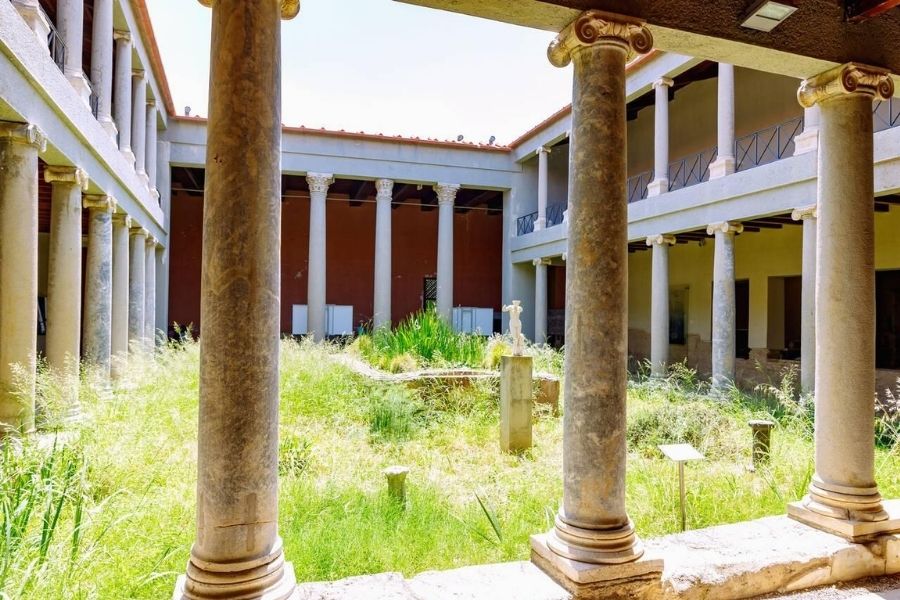
Key features include:
- Colorful geometric mosaics
- Well-preserved rooms
- An ancient heating system
- Marble columns and decorations
You can easily combine a visit to Casa Romana with a stop at the Tree of Hippocrates or other nearby ruins.
The villa offers a window into Roman daily life. The layout and décor speak volumes about the owner’s wealth and social standing.
The Roman Odeon and Artistic Performances
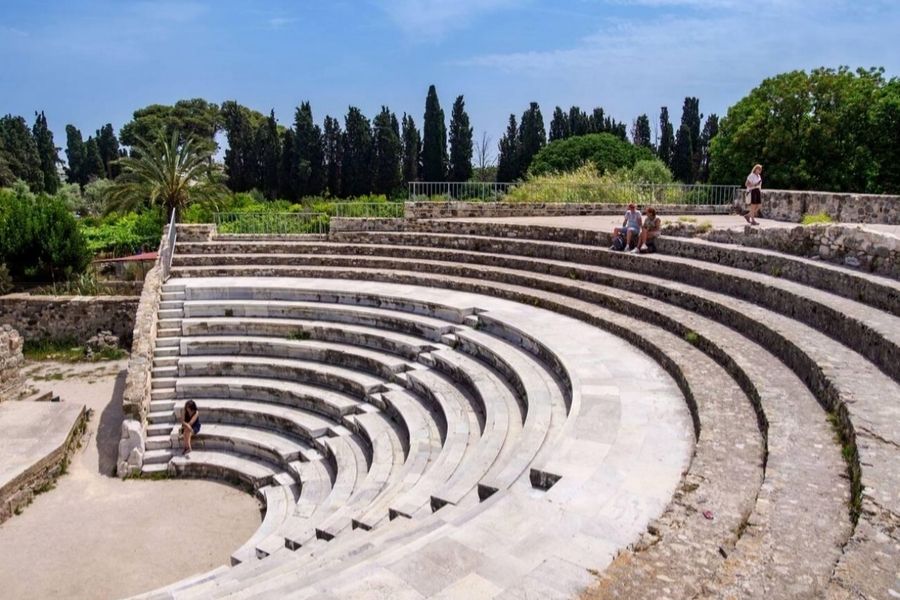
The Roman Odeon once hosted music and poetry, not big drama shows. This semicircular stone theater could seat a few hundred people.
Original stone seats still curve up the hillside. The acoustics? Surprisingly good even now.
The Odeon features:
- Semicircular stone seating
- A central performance area
- Impressive acoustics
- Views over the surrounding ruins
Romans gathered here for cultural events. Musicians and poets performed for an audience that valued the arts.
The Odeon sits among other Hellenistic ruins, showing how Greek and Roman cultures blended on Kos.
Western Archaeological Zone
The Western Archaeological Zone holds ruins from both the Roman and Hellenistic periods. After a massive earthquake shook Kos in 1933, archaeologists uncovered this whole area.
I love wandering through the ancient gymnasium ruins from the Hellenistic era. Imagine young men training and studying right where I’m standing now.
Major sites include:
- Hellenistic gymnasium remains
- Roman-era building foundations
- Ancient street layouts
- Pottery and artifact fragments
The Archaeological Museum of Kos displays many of the finds from this zone. These artifacts really help paint a picture of daily life back then.
As I walk here, I can’t help but notice how one civilization literally built on top of another. Romans often reused stones from earlier Greek structures.
The zone sits close to the main tourist areas of Kos Town. It’s easy to reach while checking out other nearby landmarks.
Modern Experiences in Kos Town
Kos Town today feels like a lively blend of ancient history and modern Mediterranean life. The port, the bustling markets, and those Italian-era buildings all add to its unique vibe.
Port of Kos: Gateway and Scenic Promenade
The Port of Kos isn’t just a busy transit spot. I think it’s one of the best places for a scenic waterfront stroll on the island.
Every day, big ferries pull in from Athens and other islands. The harbor buzzes as fishermen haul in their catch.
I always recommend an evening walk along the promenade. The views stretch across the Aegean, and you can even spot Turkey on a clear day.
Port Activities:
- Ferries to Rhodes, Athens, and beyond
- Fishing boats and daily fish markets
- Waterfront cafés and restaurants
- Evening strolls with sea breezes
The port connects right to the old town. From the ferry terminal, it’s just a quick walk to the main sights.
Markets, Cafés, and the Old Town Atmosphere
Kos Town Market sits just across from the Archaeological Museum of Kos in Freedom Square. It’s the spot for everything from fresh produce to quirky souvenirs.
I enjoy browsing the morning stalls. Local olives, honey, and cheese always tempt me—they really show off the island’s flavors.
Cafés cluster around Platia Elefteria (Freedom Square). You’ll find old-school Greek coffee shops alongside trendier places.
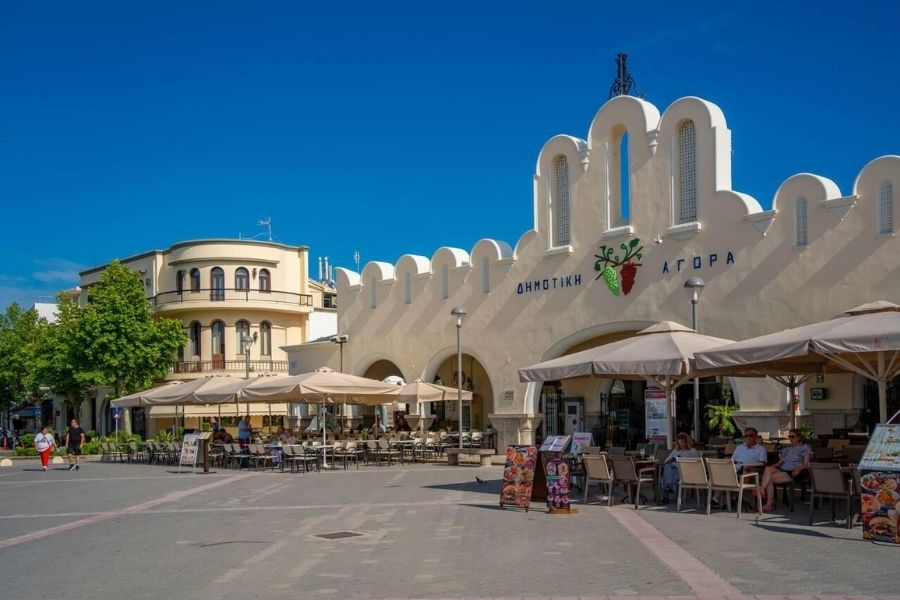
Market Highlights:
- Fresh produce and herbs
- Handmade crafts and textiles
- Greek specialties
- Souvenirs and gifts
A lot of cafés serve frappé and traditional sweets. I love grabbing a coffee outside and watching the world go by.
Footsteps of the Italian Occupation Era
From 1912 to 1943, the Italians left their mark on Kos Town. I spot Italian design details everywhere in the city center.
The Archaeological Museum of Kos itself occupies a 1936 Italian-era building. It’s a real standout from that period.
Many government buildings and public spaces reflect Italian influence. The street grid and big squares date from this era.
Italian-Era Features:
- Urban planning with wide streets
- Mediterranean architecture
- Public buildings and squares
- Modern infrastructure touches
As I walk through town, I see traces of the Italian legacy everywhere. The mix of Greek, medieval, and Italian styles gives Kos Town its special character.
Frequently Asked Questions
People often ask me about must-see landmarks, opening times, and the best ways to walk through Kos Town’s archaeological sites. The Tree of Hippocrates and Neratzia Castle always top the list, right along with the ancient agora.
What are the top attractions to visit in Kos Town?
The Ancient Agora is Kos Town’s main archaeological site. I’d start here—it’s packed with temples, mosaics, and old commercial buildings from the 5th century BC.
Neratzia Castle brings you into the medieval era, built by the Knights of St. John. It’s right by the harbor, with round towers at each corner.
The Tree of Hippocrates stands next to the castle. Locals say Hippocrates taught his students under this very plane tree, though the current one is about 500 years old.
Casa Romana gives you a taste of Roman luxury—36 rooms, three courtyards, and floor mosaics with leopards and dolphins. Pretty impressive.
Can you visit the Castle of the Knights in Kos, and what is its historical significance?
Absolutely, you can visit Neratzia Castle, or the Castle of the Knights of St. John. It’s open to tourists and has regular hours.
The Knights built this fortress in the 14th and 15th centuries. Originally, it sat on an island linked to the mainland by a drawbridge.
The castle defended Kos harbor from Ottoman attacks. Now, you can wander through the inner and outer walls.
Some stone inscriptions from the knights still show in the masonry. The four corner towers are classic examples of medieval military design.
Where is the Tree of Hippocrates located, and what is its historical importance?
You’ll find the Tree of Hippocrates right next to Neratzia Castle, close to the harbor. Just walk along Finikon Avenue—the main bike route—and you can’t miss it.
The tree’s trunk is about 12 meters around. At 500 years old, it’s not the original, but it’s still impressive.
Legend says Hippocrates taught medicine under a plane tree at this spot. The famous Greek doctor lived here over 2,000 years ago.
Today, the tree stands as a symbol of medical wisdom and healing. Metal supports now prop up its older branches.
What activities can tourists engage in while visiting Kos Town?
Walking tours connect all the big archaeological sites. The Western Archaeological Zone features a gymnasium, stadium, and Roman baths.
The Archaeological Museum in Eleftherias Square showcases artifacts from local digs. You’ll spot statues of Hippocrates and Hermes, plus ancient pottery.
The Roman Odeon still hosts cultural events. This restored amphitheater once held 750 people for music and Senate gatherings.
Biking around Kos Town is easy since it’s mostly flat. Most of the sites cluster close together, so you can explore at your own pace.
What historical sites can one explore in the city of Kos?
The Altar of Dionysus dates back to the 2nd century BC. Only the foundation remains, but you’ll spot parts of a Doric temple nearby.
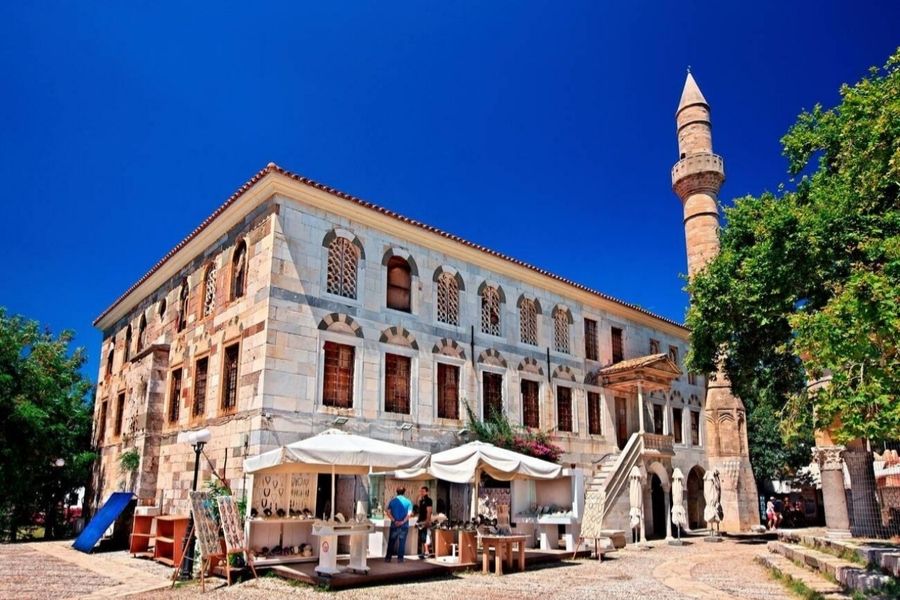
Two Ottoman mosques recall the Turkish era. The Defterdar Mosque has 12 arches, while the Hanji Hassan Mosque sits behind the Tree of Hippocrates.
The Government House shows off 1920s Italian architecture. Florestano Di Fausto designed it around a big central courtyard.
Roman ruins include the Odeon, Casa Romana, and several public baths. These sites offer glimpses into daily life during Roman times.
How does Kos Town blend ancient history with modern amenities for travelers?
You’ll find modern cafes and restaurants all around Eleftherias Square, right by the Ancient Agora.
It’s pretty wild to grab lunch with a view of ruins that have been there for 2,500 years.
Locals and visitors gather at the Roman Odeon these days for concerts and cultural events.
There’s something special about watching a show in a place where ancient crowds once sat.
Bicycle paths stretch along Finikon Avenue, winding past all sorts of historical sites.
It’s easy to hop on a bike and zip between landmarks—modern life makes exploring the past a breeze.
Hotels and shops sit just steps from the main archaeological zones.
The way the town’s laid out, you never have to choose between comfort and history.