
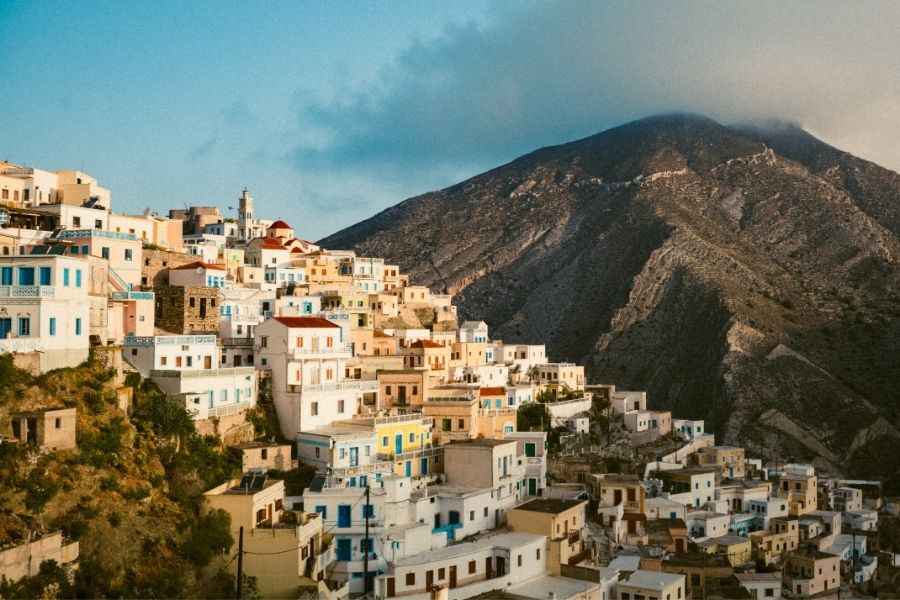
High up in the rugged mountains of Karpathos, I stumbled into a village that honestly feels like a leap into another century. Olympos is one of those rare places in Greece where elderly women still walk the streets in traditional dress every day, turning the village into what locals proudly call a “living folklore museum.”
Narrow stone alleys wind through brightly colored houses and ancient windmills. The whole place sweeps you into a slower rhythm, a world where time seems to linger.
But what really sets Olympos apart? It’s not just the remote mountain setting or the old architecture—though those are impressive. For generations, this village ran as a matriarchal society, with women running households and daily life.
These customs, mixed with the isolation that kept Olympos off the grid until the 1980s, created a rare pocket of Greek island culture that feels almost untouched.
Today, you can wander through this mountain village and actually see traditions that have lasted for centuries. Religious festivals fill the streets with music and dancing. Local craftspeople still make boots and embroidered clothes by hand—nothing mass-produced here.
Olympos offers something you just can’t find in the usual tourist hotspots.
Olympos Village: Location, Origins, and Timeless Atmosphere
Olympos clings dramatically to the northern mountains of Karpathos. Pirates once forced ancient settlers up here, and that necessity shaped everything.
This remote spot kept the village almost frozen in time. Traditions stuck around because, well, there wasn’t much outside influence creeping in.
The Geographic Setting of Olympos Village
Olympos perches on steep slopes, about 43 kilometers from Pigadia. The houses spill down the mountainside like a natural amphitheater.
Honestly, the view is breathtaking. Cars can’t even make it into the village itself; you have to park outside and walk in.
Narrow stone pathways and stairs snake between the houses. Getting here takes over an hour from southern Karpathos, with winding roads and jaw-dropping sea views at every turn.
Key Location Facts:
- Distance from Pigadia: 43 kilometers
- Drive time: Over 1 hour from the south
- Elevation: High mountain setting
- Access: Asphalt road only recently finished
The tiny port of Diafani sits just a few kilometers away. For ages, it was Olympos’ only real link to the outside world.
Historical Origins and Purpose of Settlement
Olympos sprang up in the 7th century AD. Pirates kept raiding the coastal town of Vrykounda, so folks packed up and moved inland for safety.
You can still spot the ruins of old Vrykounda along hiking trails from Avlona to Tristomo. It’s a little haunting, honestly.
By moving up here, the villagers dodged pirates completely. Sure, they traded sea breezes for mountain winds, but they gained security.
That defensive move shaped Olympos. The villagers built a stronghold far from the coast, and pirates never really stood a chance.

Over time, the community thrived in its mountain hideaway. They eventually set up Diafani port for trade, but everything about life here revolved around the mountains.
Isolation and Preservation Through the Ages
Centuries of isolation kept ancient Doric traditions alive in Olympos, long after they faded elsewhere on Karpathos. The village just didn’t let outside trends in.
Until recently, there wasn’t even a paved road connecting Olympos to the rest of the island. The only way in was by foot or through Diafani port.
This isolation made it easy to keep things authentic. Women still wear their traditional costumes, not for tourists, but because that’s just life here.
Preserved Elements:
- Language: Ancient Doric dialect
- Dress: Traditional costumes, daily wear
- Customs: Religious festivals as they’ve always been
- Architecture: Byzantine-style buildings
About 270 people live here now, according to the latest census. Many families trace their roots back centuries, holding onto the same customs their ancestors brought from Vrykounda.
The mountains that once kept pirates out now protect a way of life that’s vanished almost everywhere else in Greece.
Distinctive Traditions: Women, Matriarchy, and Daily Life
In Olympos, women call the shots in ways that flip typical Greek culture on its head. Property gets handed down from mother to eldest daughter, and women make the big decisions, especially since men often work away from home.
Women’s Role in Olympos Society
Women here don’t just handle chores—they own the family property and control the money. The eldest daughter inherits the house; sons might get a few gifts, but the main inheritance stays with the women.
When fathers leave for years to work abroad, mothers take charge. They work the olive groves, manage the farms, and create gorgeous embroidered clothes that tell their own family stories.
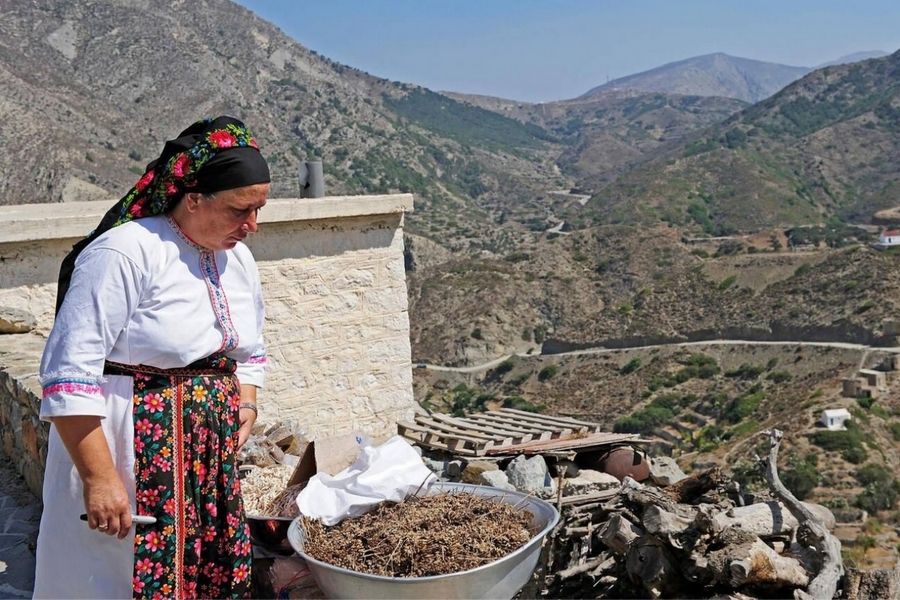
Older women still wrap their heads in scarves and wear full traditional dress every single day. It’s not a show—it’s just how things are done.
Matriarchal Customs and Social Structures
The matriarchal system in Olympos stands out in Greek culture. Women hold the keys—literally and figuratively.
Family homes pass to daughters, not sons. Women handle the money, decide when to sell crops, and make the big calls about land and business.
Men who return from working abroad often need their wives’ approval for major decisions. That’s just how the balance works here.
Karpathos‘s remoteness helped shield these customs. With so little outside influence, the old ways survived.
Arranged Marriages and Family Life
Marriage in Olympos sticks to tradition. Parents pick partners for their kids, especially daughters set to inherit property.
Families look at land and social standing when arranging marriages. The bride’s side usually provides the house; the groom’s family might chip in with livestock or tools.
Sometimes, women even keep their own family name after marriage. That keeps the female line strong for inheritance.
Kids learn their roles early. Girls get lessons in sewing, cooking, and running a household, while boys prepare for work or military service. Grandmothers play a big role in passing down these traditions.
Traditional Dress: Living Culture on Display
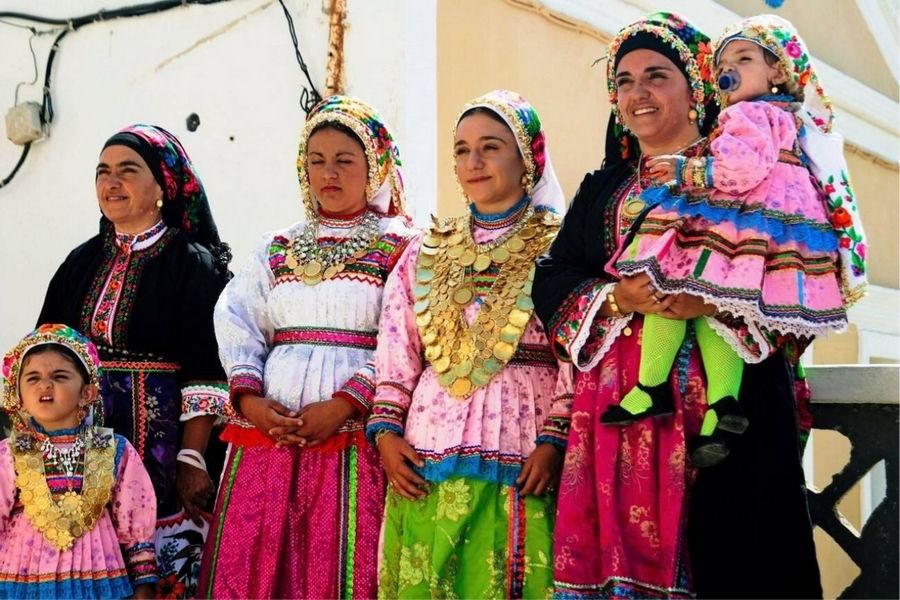
Women in Olympos keep a centuries-old tradition alive by wearing elaborate costumes with detailed embroidery, long headscarves, and handcrafted accessories. These outfits mean more than just fashion—they’re family treasures passed down, handmade using weaving techniques that haven’t changed much in ages.
Elements and Evolution of Women’s Traditional Attire
The costumes here come in layers—stiff skirts, embroidered tops, and plenty of color. The embroidery shows off the village’s textile skills.
Gold dowry coins dangle from necklaces, showing off family wealth and history. Mothers pass these costumes to daughters, and making each piece takes months of careful work.
During religious festivals like the Dormition of the Virgin on August 15th, women break out their most ornate outfits. Older women wear these clothes daily, but younger ones usually save them for special occasions.
Local craftspeople still make new pieces using the same techniques their grandparents used. If you’re interested, you can find real handmade items in village workshops.
Headscarves, Boots, and Garments: Symbolism and Styles
The headscarves catch your eye first—long, embroidered, and sparkling in the sun. Each pattern carries a meaning, telling stories or marking family history.
Traditional boots finish the look. Local bootmakers stick to old methods, crafting shoes the same way people did in Byzantine times.
Women weave fabric on traditional looms, learning the craft from childhood. That’s how the know-how survives.
When I visited, I saw women wearing these outfits while going about daily chores. It really does turn Olympos into a living folk museum, where tradition isn’t just for show.
Architecture and Landmarks: A Village Frozen in Time
Olympos is all about stone houses, white cubes stacked up the mountain, and working windmills that still grind grain. There’s also a historic church filled with golden Byzantine icons.
Stone Houses and Village Layout
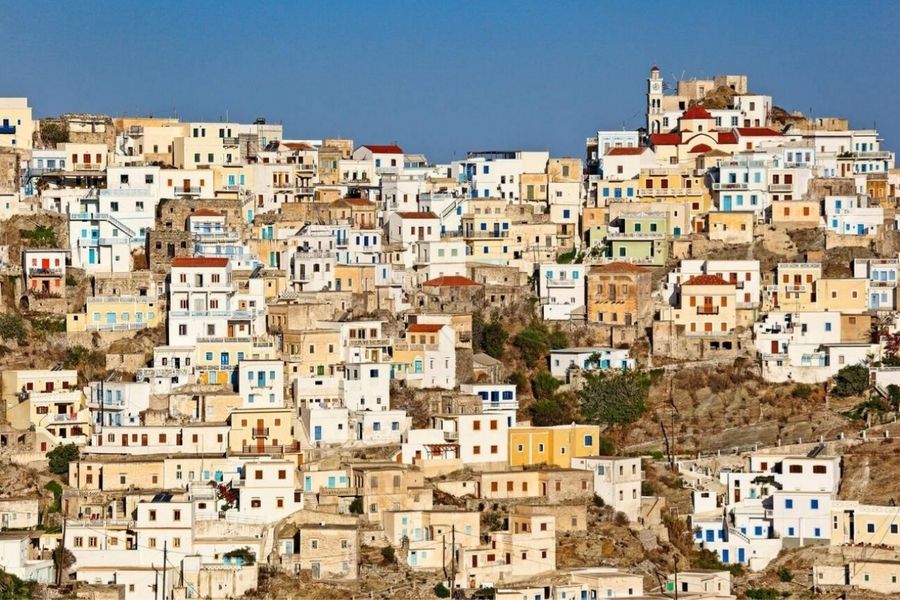
Stone houses here form a patchwork against the mountain, painted in white, blue, and ochre that shines in the sunlight.
The houses crowd together along narrow cobbled streets. This tight design helped protect villagers from pirates long ago.
Balconies with carved wood and hidden courtyards are everywhere. Builders used local stone and old-school techniques passed down through families.
Key features:
- Thick stone walls keep things cool
- Small windows for shade
- Flat roofs for collecting rainwater
- Courtyards tucked behind walls
Some homes are over 400 years old, still holding original furniture. The whole village layout hasn’t changed much since families left Vrykous in the 6th century.
The Iconic Windmills of Olympos
The windmills are Olympos’ calling card. White towers line the western edge, standing out against the sky.
A few windmills still grind grain, just like they have for centuries. Locals keep the old mechanisms running and will show you how the millstones work.
These windmills were crucial for survival during the village’s most isolated years. They turned wheat and barley into bread, powered by mountain winds.
You’ll find them near the ruins of an old castle, with sweeping views of the Aegean and surrounding mountains. If you’re curious, you can step inside and watch the milling in action.
The Panagia Church and the Role of the Virgin Mary
The main church in Olympos honors the Virgin Mary (Panagia). It’s the heart of village life and history.
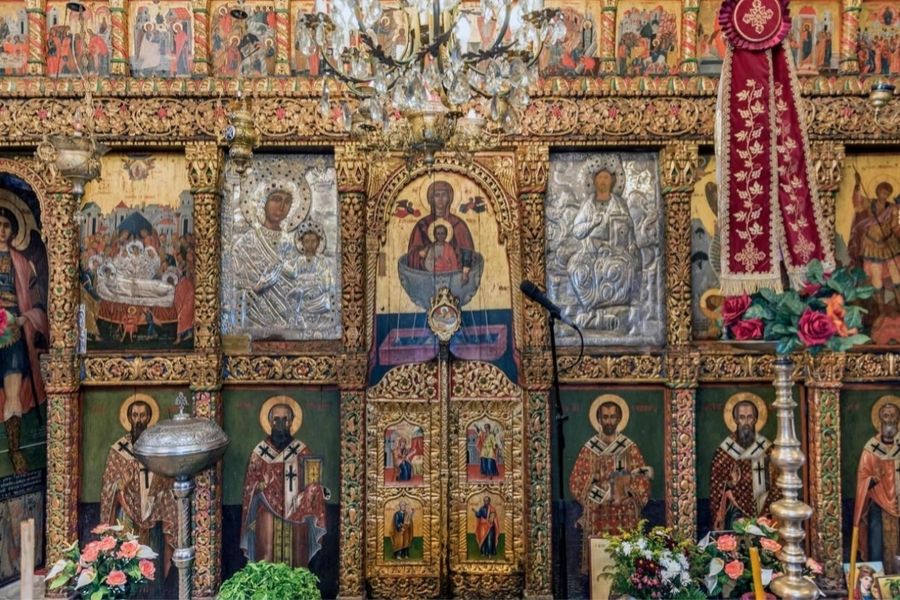
Inside, golden Byzantine icons have survived for centuries. These pieces are some of the finest Orthodox Christian art on Karpathos.
The church becomes the center of everything during Easter and the Feast of the Assumption on August 15th. The whole community gathers for ceremonies.
Notable features:
- Ancient stone structure
- Hand-painted frescoes
- Ornate wooden iconostasis
- Sacred relics and artifacts
Locals believe the Virgin Mary protects Olympos, guiding the village through wars, disasters, and long years of isolation.
Living Traditions and Cultural Heritage
Women here still dress in traditional costumes every day. Artisans keep old crafts alive, from boot-making to instrument carving.
Music, language, and cooking all stick to the old ways. Olympos feels like a time capsule, where the past isn’t just remembered—it’s lived, every single day.
Weaving, Handicrafts, and Passed-Down Practices
I sat and watched local women as they worked on intricate embroidery. Their hands moved with a practiced rhythm, using techniques their grandmothers taught them.
Their traditional garb bursts with bright colors and geometric patterns. Every stitch carries a story from the past.
Village craftsmen still shape musical instruments by hand. One day, I wandered into a workshop and saw an artisan carving a stringed instrument, just like his grandfather once did.
Boot-making is alive and well in Olympos. Local shoemakers cut sturdy leather and shape it with old tools, creating boots that suit both mountain life and traditional celebrations.
Weaving weaves its way into daily life, too. Women pick up these skills from mothers and grandmothers, turning thread into textiles for homes and ceremonies.
The patterns they choose aren’t random—they reflect Greek culture and the village’s own history.
Language, Music, and Religious Festivals
People here speak a dialect you won’t hear anywhere else. It preserves ancient Greek words and sounds, thanks to centuries of isolation.
Music fills the air during village life. I’ve listened to traditional songs at celebrations, played on instruments made right in the village.
These melodies have echoed through Olympos for generations. It’s wild how some songs just never change.
Religious festivals unite the whole community. Easter celebrations stand out as especially important, with Byzantine traditions that feel different from those in modern Greece.
Church services follow old liturgical practices. Stone chapels host ceremonies that keep ancient customs alive, connecting everyone to their roots.
Local Cuisine: Makarounes and Other Specialties
The smell of makarounes—Olympos’ signature pasta—hits you as soon as you walk into a taverna. Women roll and shape each piece by hand, and you can taste the care in every bite.
Wild herbs, picked from the mountainside, flavor nearly every dish. Maybe it’s just me, but food here tastes like the landscape—earthy, fresh, a little wild.
Bread baking is a tradition, too. Women use wood-fired ovens and recipes that have survived for generations. The result? Dense, flavorful loaves that feel like a meal on their own.
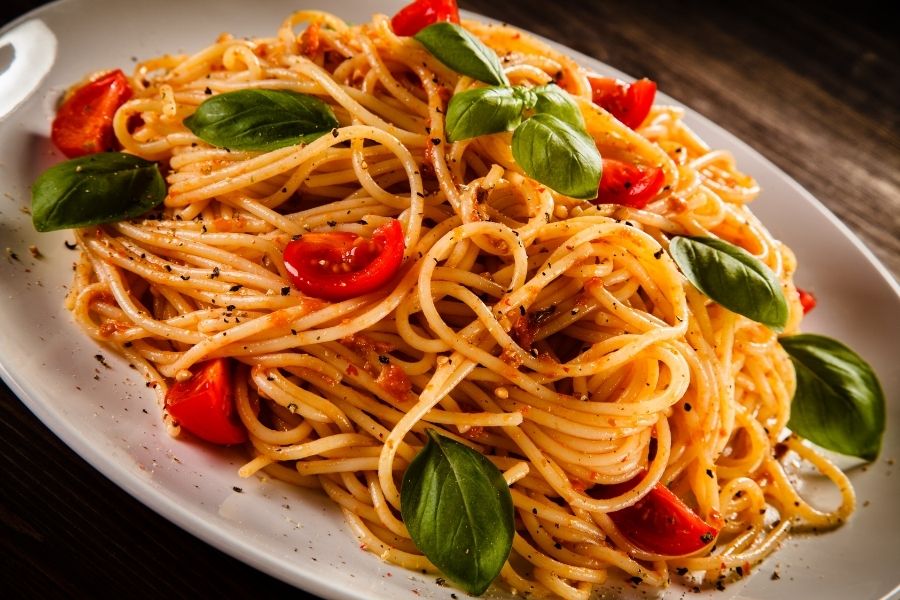
Meals here rely on local vegetables and herbs. Preparation takes time, but the slow methods make every dish feel like a piece of history.
Visiting Olympos: Authentic Experiences and Practical Tips
If you’re planning a trip to this remote mountain village, you’ll want to look into transportation and consider the timing of your visit. The village offers a chance to meet locals and enjoy food made from recipes that haven’t changed in centuries.
Getting to Olympos and Exploring the Area
Getting to Olympos isn’t complicated, but it’s definitely an adventure. The most scenic way involves a boat ride from Pigadia Harbor to Diafani, then a winding bus trip up the mountain road.
This journey usually takes about 1.5 hours and runs from May through October. I’d suggest booking the day trip that leaves at 8:30 AM from Pigadia Harbor.
The boat glides along Karpathos’ rugged northern coast, passing dramatic cliffs and secret coves before docking at Diafani’s tiny fishing harbor.
Transportation Options:
- Boat + Bus Tour: €30 adults, €15 children (10 hours total)
- Private Car: Direct drive from Pigadia (1.5 hours on mountain roads)
- Local Bus: Limited schedule, so check the latest timetables
The village nestles between two mountains, with over 100 kilometers of hiking trails. Trust me, you’ll want comfortable walking shoes—those stone paths can get steep and uneven.
Community, Hospitality, and Responsible Tourism
Women in Olympos still wear traditional dress every day. It’s not a show for tourists; it’s just who they are.
Before snapping any photos of locals, I always ask if it’s okay. Respect goes a long way here.
Families keep centuries-old practices alive. You might spot artisans making musical instruments, boots, or embroidery using the same techniques their ancestors did.
Respectful Visiting Tips:
- Don’t step into private homes unless you’re invited
- Buy directly from local craftspeople
- Keep things quiet in residential areas
- Support the small cultural museum if you can
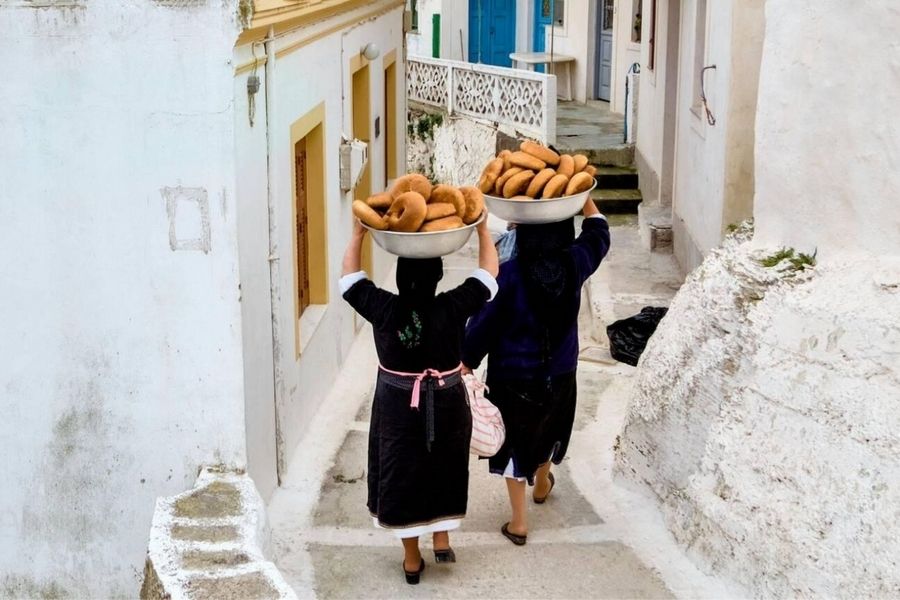
Windmills turn in the mountain breeze, and chapels carved into stone still host services. These aren’t relics—they’re part of daily life.
Local Shops, Gastronomy, and Events
Traditional tavernas serve makarounes—hand-rolled pasta made fresh every day. Meals come with vegetables and herbs grown right on the mountainside, plus bread baked in wood-fired ovens.
When I eat here, I always go for the locally sourced dishes. They tell the island’s story in every bite. Just a heads up: tours rarely include food, so bring a little cash for meals.
Local Specialties to Try:
- Fresh-baked traditional breads
- Handmade makarounes pasta
- Wild mountain herbs
- Locally caught fish in Diafani
Small shops line the village, selling handmade textiles, musical instruments, and leather goods. These aren’t your typical souvenirs—they’re authentic, crafted by local hands.
Throughout summer, the village comes alive with festivals. Traditional music, dancing, and customs take center stage, and it’s easy to feel swept up in the energy.
Frequently Asked Questions
People visiting Olympos often ask about the village’s unique traditions and the role of traditional dress in daily life. The community keeps ancient customs alive through religious celebrations, artisan crafts, and dress codes that stretch back for centuries.
What are the unique cultural practices preserved in Olympos, Karpathos?
Women here still wear traditional costumes every day—long headscarves, stiff skirts, and gold dowry coins that hang around their necks.
Artisans keep old crafts alive, like bootmaking and instrument carving. I’ve seen the windmills spinning in the mountain breeze, just as they always have.
Religious celebrations bring everyone together. Special feasts highlight the village’s preserved way of life.
How has the traditional dress of women in Olympos contributed to its reputation as a living museum?
The ornate costumes stand out—sparkling headscarves trailing behind, gold coins glinting at the neck. These aren’t just for festivals; women wear them as part of daily life.
That authenticity gives visitors a glimpse into the past. Walking through the village, you can almost feel time slow down.
Can visitors participate in any local traditions when visiting Olympos, Karpathos?
You can wander narrow stone paths and step inside ancient chapels. Local guides introduce travelers to women in traditional dress and working craftsmen.
If you can, visit during religious festivals—Easter and August 15th are especially vibrant. That’s when traditions come alive for everyone to see.
Some historic houses open their doors to visitors, offering a peek at daily routines and customs from another era.
What historical influences are evident in the customs of Olympos, Karpathos?
Olympos traces its roots to the 6th century, when 70 families from ancient Vrykous settled here. That old city is now called Vroukounda.
Piracy forced residents inland, shaping the community’s layout and lifestyle. Farming and mountain living, not the sea, influenced most traditions.
Are there any specific festivals or events in Olympos where traditional dress is prominently featured?
Easter is the big one—women wear their most ornate costumes for the celebration. The August 15th festival is another highlight, drawing former residents back from Rhodes and beyond.
Religious feasts throughout the year keep traditional dress front and center. The community continues these customs as a living part of their faith.
What measures are being taken to preserve the heritage of Olympos, Karpathos for future generations?
Every summer, tourism brings in a burst of energy—and money—that really helps keep the village going. Locals use this income to hold onto their traditional way of life, even as things change around them.
A lot of houses sit empty when the crowds leave, which can feel a bit eerie if you’ve ever wandered these streets in winter. Still, families who’ve moved away always seem to come back for the big holidays. They reconnect with their roots and keep those family ties alive.
You’ll notice the community puts a lot of heart into keeping traditions going. Local craftsmen don’t just practice old skills—they teach them, passing down ancient knowledge one generation at a time.
