
I’ve stood on plenty of castle ruins across Greece, but honestly, nothing quite hit me like the view from Astypalea’s Querini Castle at sunset. This 15th-century Venetian fortress perches above the island’s main village, like a golden crown, and hands down, it’s one of the most stunning spots in the Dodecanese.
The best sunset viewing spot on the island? That’s Querini Castle, no question. You get these sweeping views over whitewashed houses tumbling below, with the endless blue of the Aegean Sea stretching out forever. Standing on that historic perch, I watched the sun turn the sky wild shades of orange and pink. The Cycladic architecture below looked almost too perfect, a white canvas against the deep blue sea.
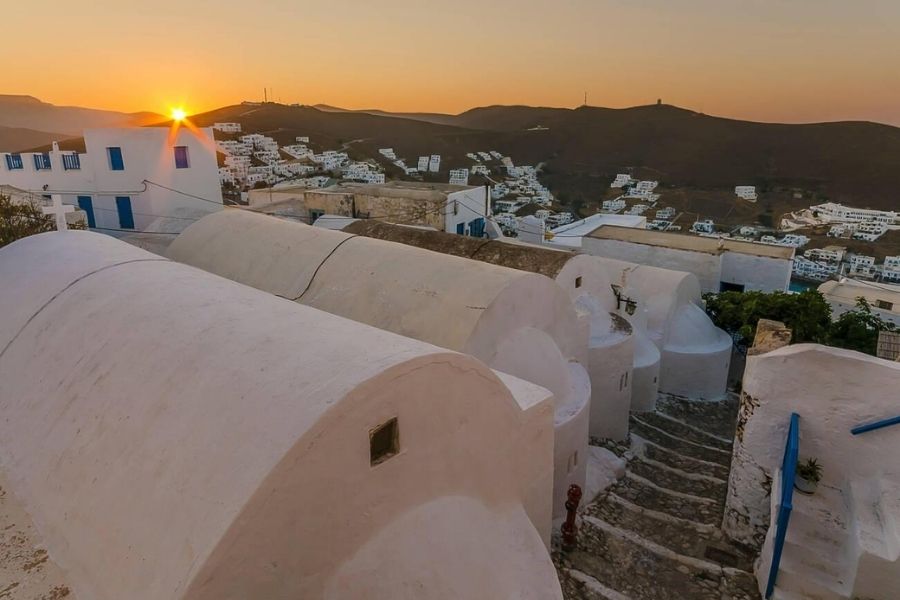
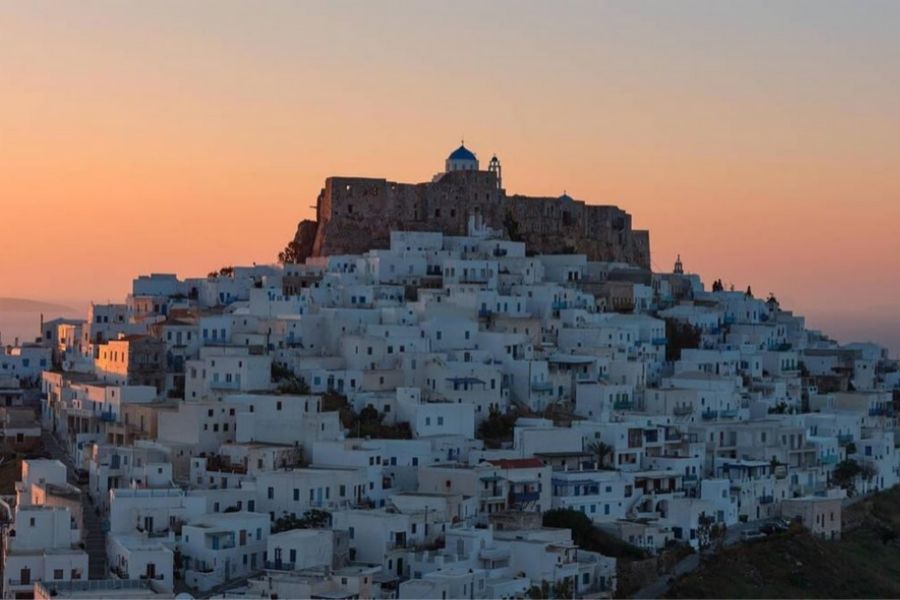
What really makes this place special is how the castle’s dark stone walls frame everything. The white houses of Hora spill out below like scattered pearls, their flat roofs and blue-domed churches painting a classic Greek island scene. It’s the kind of view photographers dream about. Let me walk you through what you need to know for visiting, from the castle’s wild history to the best photo spots and some hidden corners you might stumble upon on this quirky, butterfly-shaped island.
Experiencing Sunset from Querini Castle
The Venetian castle gives you the island’s most jaw-dropping sunset. Around the fortress, you’ll find several vantage points, each serving up a different angle of that golden hour glow over Astypalea’s whitewashed village and the Aegean Sea.
Best Sunset Viewing Spots at Querini Castle
I’ve tried out three favorite spots inside the castle for sunset. The highest ramparts give you the widest views, with all of Hora and the Dodecanese sea below.
If you head to the eastern walls, you’re perfectly placed to watch the sun drop behind the houses. I love grabbing both the castle architecture and the village in one shot from here.
The main courtyard isn’t a bad backup if the walls get crowded. It’s a bit sheltered from the wind and still gives you a clear line to the horizon.
Pro tip: Show up at least 30 minutes before sunset. The castle sits high enough that you get open views from pretty much anywhere, but the best spots fill up fast.
What Makes the Sunset Here Unique
It’s all about contrast here. White cube houses scatter below like sugar cubes, set against that deep blue Aegean Sea.
The Querini family built the castle in 1413, and its dark stone walls make the colors of the sky pop. Venetian silhouettes add drama to every photo you take.
Hora’s windmills stand out as quirky shapes against the fading light. These landmarks give you layers in your pictures, changing as the sun slides down.
The castle sits right on the old acropolis, so you get 360-degree views. Nowhere else on Astypalea matches this mix of history and natural beauty.
Tips for Capturing Stunning Sunset Photos
Timing is everything. I like to start shooting about 45 minutes before sunset, just as the light shifts.
Try these camera settings for best results:
- ISO 100-400 to keep things crisp
- Aperture f/8-f/11 for sharpness front to back
- Tripod is a must for those longer exposures
Use castle stones or archways in the foreground for depth. The Venetian details make perfect frames for the village below.
Wide-angle lenses capture the whole sweep of white houses and sea. Telephoto lets you pick out windmills or little architectural details against the sky.
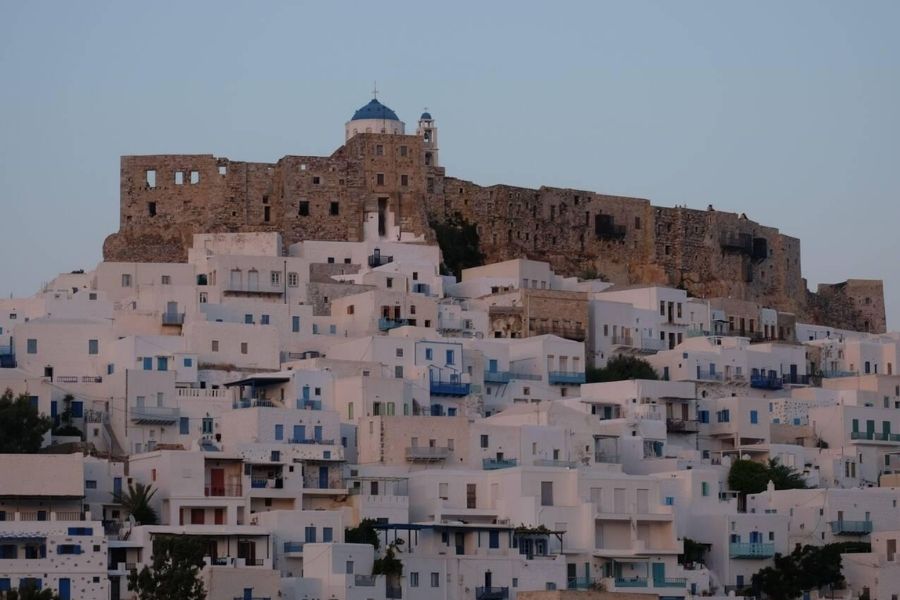
Bracket your exposures if you can. The sky’s bright, the walls are dark, and you don’t want to lose details in either.
The Allure of Astypalea’s White Houses and Blue Views
Astypalea’s main town is a visual feast—a mashup of architectural styles that somehow fits together. White cube houses spill down the hills, blue accents frame windows and doors, and the sea just keeps going.
The Architecture of Hora: Dodecanese Meets Cyclades
Hora’s architecture is a weird, beautiful puzzle. It belongs to the Dodecanese, but you’ll spot classic Cycladic touches everywhere.
Traditional Cycladic Features:
- White cube houses
- Blue doors and windows
- Stone-paved alleys
- Windmills scattered on the hills
The houses climb up two hills like an amphitheater. Each one sticks to the Greek island style—flat roofs, simple shapes, nothing fancy.
Blue shutters and window frames pop against the white walls. There’s some logic here too; those colors help keep things cool in the brutal summer heat.
Winding cobblestone streets snake between the buildings. They pull you through a maze of tradition, always leading up toward the castle.
The Sea of White: Photogenic Scenes of Astypalea
The whitewashed buildings make Hora feel almost dreamlike. Every turn throws a new photo op your way.
Bougainvillea spills over the walls in wild bursts of purple and pink. Sometimes it frames a doorway or creates a little archway between houses.
Stone windmills stand watch on the hills. They add height to the otherwise flat sprawl of houses.
Key Photo Spots:
- Castle walls looking down at those rooftops
- Blue-framed alleys
- Windmills silhouetted at dusk
- Flower-filled courtyards tucked between homes
Because the town is built like a theater, every level gives you a new angle. Higher up, you get sweeping views. Down low, it’s all about the details.
The Townscape at Golden Hour
Golden hour works magic on Astypalea’s white houses. Late afternoon light throws long shadows and brings out hidden details.
Blue accents get deeper as the sunlight softens. Window frames and doors almost glow against the gold-tinted walls.
The Aegean stretches out, endless and blue. From the castle, you can really see how the houses flow down toward the sea—like a frozen waterfall, honestly.
Shadows carve out space between the cubes. As the sun drops, each building stands out just a bit more.
Right at sunset, the contrast is at its best. White walls soak up the golden light, but still feel cool against the warm air.
Querini Castle: History, Legends, and Architectural Highlights
This medieval fortress packs in centuries of Venetian history. Giovanni Querini built it in 1413, hoping to keep pirates at bay. The unique design and the Querini family’s legacy make it one of Greece’s most fascinating fortified towns.
Origins of the Venetian Fortress
Giovanni Querini founded the castle in 1413. Back then, Astypalea was under constant threat, and pirate raids had nearly emptied the island.
Querini picked the ancient acropolis for his fortress. He used the natural high ground to his advantage, building with local ferrous rocks that gave the castle its dark look.
Key construction features:
- Built on old Greek acropolis ruins
- Used local iron-rich stone
- Designed as a fortified town, not just a castle
- House walls doubled as defenses
For over 400 years, all island life happened inside these walls. The castle was the only settlement until the 19th century.
Stories of the Querini Family
The Querini family ruled Astypalea from the early 1200s, part of Venice’s reach into the Aegean. They were Venetian nobles with power on several Greek islands.
Giovanni IV Querini designed the castle town so whole families could live inside. Their coat of arms still sits above the entrance, a reminder of their long rule.
They built their main homes near the eastern gate—two-story buildings for the family and close allies. The last people moved out of these houses in 1956.
Their architecture blended Venetian and Greek methods. Small windows worked as embrasures for defense, while bigger ones faced the safe inner courtyard.
The Castle Churches and Archaeological Secrets
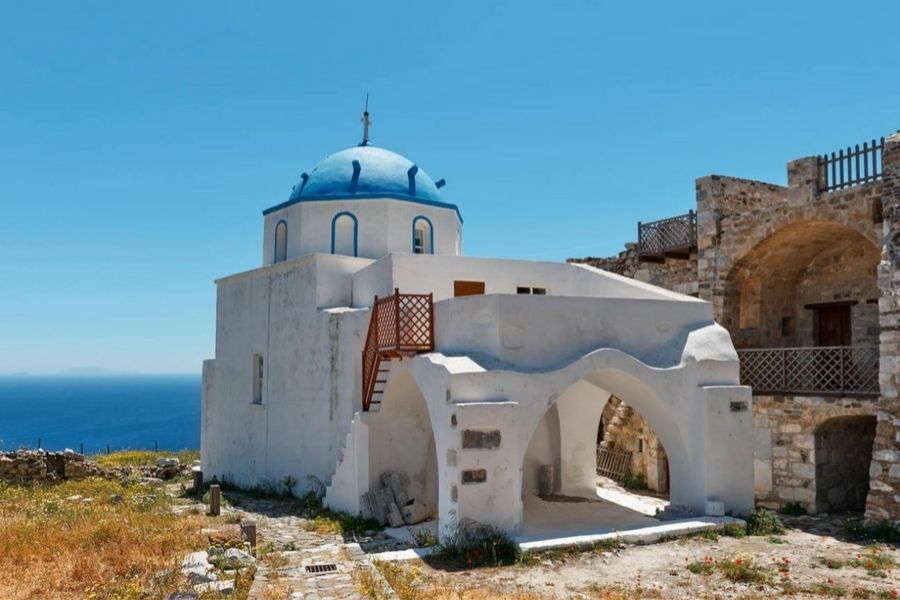
Inside the walls, you’ll find several tiny churches. These chapels served the community through centuries of castle life.
The castle stands directly over ancient Greek ruins. Archaeologists have uncovered pottery and stones from classical times, mixed right into the medieval foundations.
Religious and archaeological elements:
- Several small churches inside
- Ancient acropolis foundations below
- Medieval and classical artifacts side by side
- Stone carvings from different eras
The Archaeological Museum of Astypalea houses many finds from the castle. These pieces tell the story of people living here from ancient Greece through the Venetians.
Now in Hora, the castle rises above a cascade of white Cycladic houses, a striking clash of dark medieval stone and bright modern life.
Exploring Hora and Its Must-See Sights
Astypalea’s main town is full of surprises. There are eight traditional windmills in the central square, white cube houses with blue balconies tumbling down the hills, and the old harbor of Pera Gialos just below the castle.
Windmills and Panoramic Views
The eight windmills in Hora’s square are ridiculously photogenic. Locals once brought their grain here to grind.
These days, some windmills have new lives. One’s now a lending library with foreign books, another is an info kiosk for visitors.
From this spot, you get awesome views over the white houses and out to the Aegean.
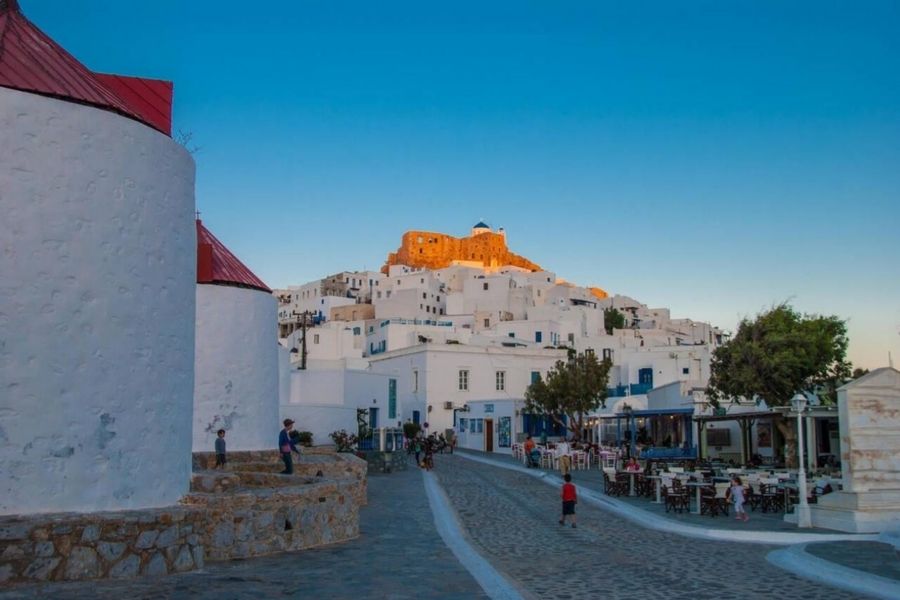
Photographers love the area. The round stone windmills and blocky houses make for classic Greek island shots.
Traditional Houses and Local Life
Hora’s architecture mixes Cycladic and Dodecanese styles in a way you won’t see elsewhere. White cube houses tumble down the hills, set off by blue window frames and balconies.
Courtyards burst with bougainvillea and geraniums. Pink and red flowers pop against the white walls.
Many homes show off old-school details. Balconies, wooden shutters, and stone paths link the different levels.
Alleyways hide tiny shops and trendy bars. These have brought new life to the town, but it still feels authentic.
People built much of Hora using stones from the old castle settlement. When residents moved out of the fortress in the 1940s, they reused what they could.
Pera Gialos: The Old Harbor
Pera Gialos, the old port, hugs the base of Hora. Its deep harbor protects fishing boats and little yachts.
Along the water, you’ll find fish tavernas and coffee shops—perfect for watching the early morning catch come in.
From here, both hillsides of Hora rise above you. The white houses form a dramatic backdrop against the blue sky.
The Archaeological Museum sits right in Pera Gialos. Inside, you’ll see finds from prehistoric times, like clay vases, bronze tools, and Mycenaean tomb pieces. There are also votive ornaments from ancient sanctuaries.
Walking up from Pera Gialos to the castle takes about 20 minutes. The path winds through traditional neighborhoods and past the windmill square.
Beyond the Castle: Beaches, Villages, and Natural Beauty
Astypalea isn’t just about its castle—it’s a place where beaches like Kaminakia, Vatses, and Livadi really steal the show. Sometimes I just hop on a boat to a little islet and find myself completely alone with the sea.
The villages of Maltezana and Vathy? They sit quietly off the main path, offering a slice of Greek life you just won’t get in the busier spots.
Kaminakia, Vatses, and Livadi: Astypalea’s Iconic Beaches
Let me tell you, Kaminakia Beach is one of those places that sticks with you. The water is so clear, and the pebbles underfoot just add to the calm.
The cove is well-protected, so even when the wind picks up, swimming stays easy and safe.
Vatses Beach has a totally different vibe—sandy bottom, shallow water, and a gentle slope. I always see families here, and honestly, it makes sense.
Rocks nearby cast enough shade that you can skip the umbrella, even when the sun’s blazing.
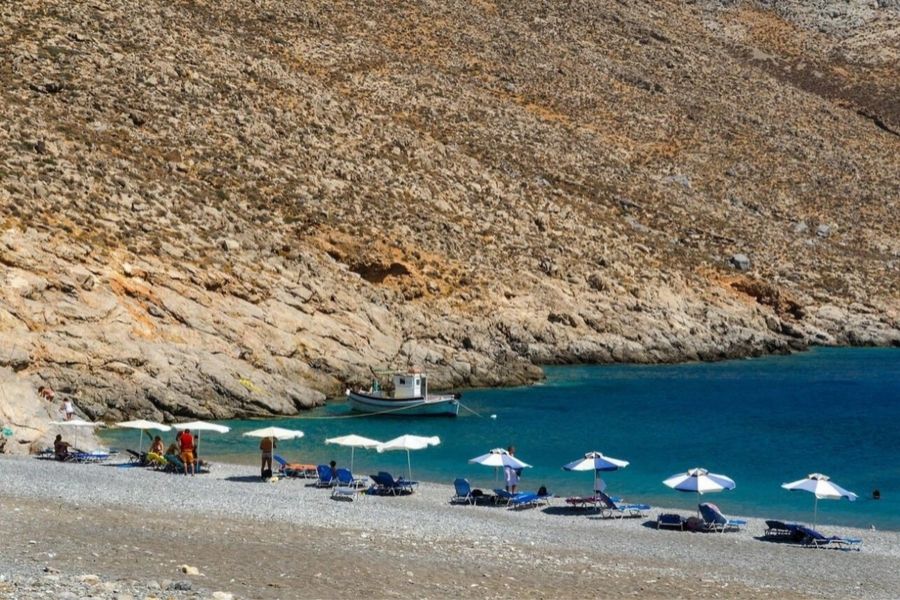
Livadi Beach is definitely the easiest to reach. It’s right by the main town and there are a few handy facilities if you need them.
You get a mix of sand and pebbles, so you can pick your spot depending on your mood or maybe just your feet.
Boat Excursions to Kounoupa and Nearby Islets
If you ever get the chance, take a boat out to Kounoupa Island. I’ve never seen water so clear, and the islet feels worlds away from the bustle of the main island.
Swimming here is a dream. The water stays calm, and visibility for snorkeling is top-notch.
I love booking morning trips—the light is just perfect for photos, and the colors almost don’t look real.
Local boats usually run half-day trips with stops at Kounoupa and a couple of other tiny islets. The schedule shifts with the weather, so it’s always good to check ahead.
These trips happen mostly from April to October. On a good day, you’ll see the sand and sea meet in the brightest shades of blue.
Highlights of Maltezana, Vathy, and Remote Corners
Maltezana has this peaceful energy as a fishing village on the east coast. I’ve sat in its tavernas, sampling seafood that probably came in on the boat I watched pull up.
Fishermen dock right in the little harbor, and their daily catch ends up on your plate by evening.
Vathy feels like it’s in its own world, tucked into a protected bay. The village keeps its old-school charm—no big crowds, just the gentle pace of island life.
Roman ruins dot the area, giving a walk around Vathy a bit of a time-travel vibe.
If you’re after solitude, both villages have places to stay. Life slows down here, and honestly, it’s a nice change.
Some beaches near these spots need a bit of a hike to reach. But when you finally get there, you’ll probably have the whole place to yourself.
Astypalea’s Distinct Flavors and Unique Experiences
Astypalea’s got its own flavor, literally and figuratively. Local herbs, genuine hospitality, and that unbeatable Mediterranean weather set the scene. The food? It’s fresh, organic, and the views from your room are just as good as anything you’ll eat.
Local Saffron, Sage, and Organic Specialties
What surprised me most was how much the island’s cooking leans on its own herbs and produce. Astypalea grows some fantastic saffron—the color and taste it brings to a dish are just something else.
Sage grows wild everywhere. Locals use it in everything from meat dishes to herbal teas, and honestly, it’s more aromatic than any sage I’ve tasted on the mainland.
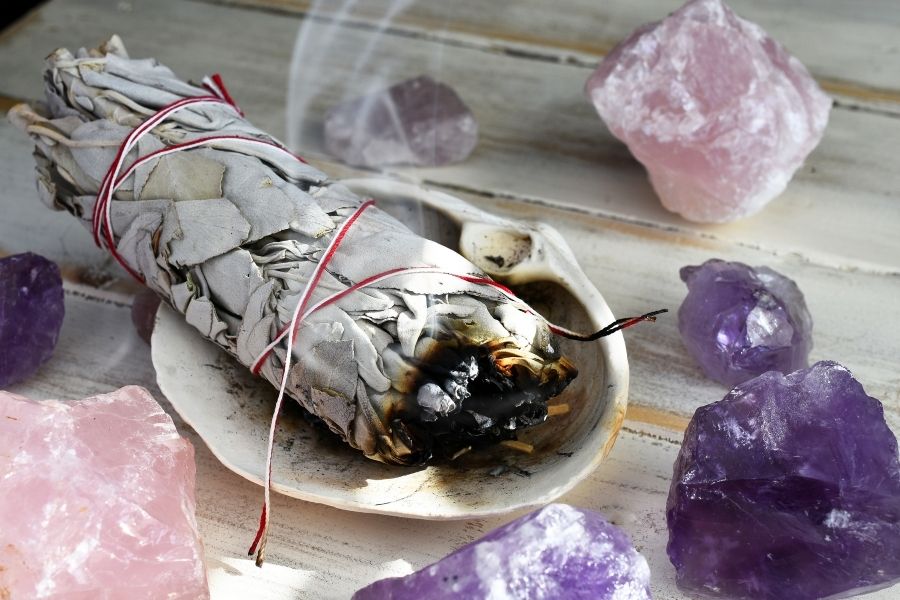
Many tavernas get their veggies and herbs from farms just up the road. Some places even serve meals made entirely from ingredients grown within walking distance.
Some must-try specialties:
- Rice dishes colored with saffron
- Grilled fish topped with wild sage
- Honey straight from local beehives
- Cheese made from the milk of island goats
Since the island sits so far out, most food comes from right here. The flavors feel real and different from what you’d find on the busier tourist islands.
Hospitality and Places to Stay in Hora
Hora’s accommodations have a personal touch you just can’t fake. Anatoli Luxury Studios blends modern comfort with that classic white-washed look.
Most places in Hora have terraces with sea views, and the owners are always ready with tips about where to swim or eat.
These aren’t big resorts; they’re mostly family-run spots, and you can feel it. Sometimes the owner’s kids are running around, or you’ll get a breakfast made from whatever’s fresh that day.
Perks you’ll find:
- Balconies with Aegean views
- Classic Cycladic style
- Walkable to the castle and main square
- Local breakfast spreads
Prices tend to be friendlier than Santorini or Mykonos. Because the places are smaller, you get more attention and plenty of local secrets from your hosts.
Aegean Atmosphere and Mediterranean Climate
The Mediterranean climate here is just about perfect for being outside all year. Summers hover around 75–85°F, and the sea breeze keeps it comfortable.
I love hiking to the castle or wandering down to the beach, especially since rain is rare from May to September.
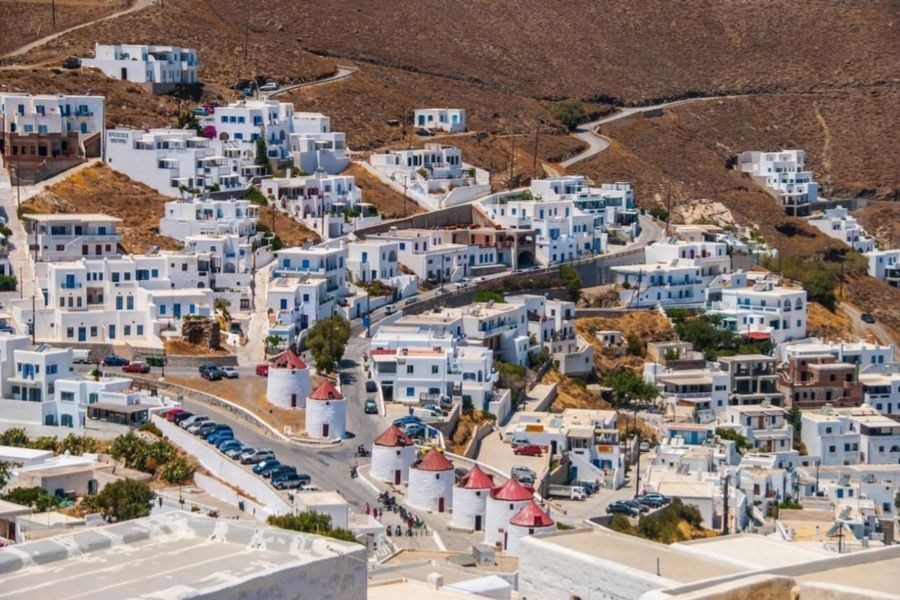
Winds from the Aegean cool things off, even in the hottest months. That means you can catch the sunset from the castle without sweating through your shirt.
Weather at a glance:
- Over 300 sunny days a year
- Low humidity
- Gentle northern Meltemi winds
- Winters are mild, with just a bit of rain
Herbs like sage and thyme thrive in this climate. Sometimes as I walk through Hora, the scent of wild herbs fills the air—it’s one of those little things that makes the island special.
Frequently Asked Questions
If you’re planning a sunset trip to Querini Castle, you’ll want to know the best times, what to bring, and how to get there. Most people have similar questions, so I’ll try to cover the essentials.
What is the best time of year to experience the sunset from Querini Castle in Astypalea?
I’d say late April to early October is your sweet spot for sunset viewing. The weather stays warm, the skies are clear, and rain is a rare event.
If you want those long summer evenings, June to August is ideal. Just be ready for more people at the castle during these months.
Spring and early fall offer great weather without the crowds. It’s easier to find a quiet spot for the sunset and the walk up is more comfortable.
Winter? It’s possible, but I wouldn’t count on clear views. Winds can get wild, and rain sometimes makes the climb less appealing.
Are there guided tours available that include a sunset viewing at Querini Castle?
Yes, local guides run sunset tours that cover Querini Castle. These usually start late afternoon and come with a bit of history about the old Venetian fortress.
Most tours weave through Chora’s winding streets before heading up to the castle. Guides love to share stories and point out the best places for photos.
If you’re coming in summer, book ahead—groups are small, usually 6 to 12 people.
Some tours even throw in local wine or snacks for the sunset. Just check with travel agencies in Chora for the latest options and prices.
Can visitors access Querini Castle throughout the year, and are there any entrance fees?
You can visit Querini Castle any time of year, and there’s no entrance fee. The grounds stay open during daylight and into the evening for sunset.
To reach the castle, you’ll walk up narrow cobblestone paths from Chora. It takes about 10 to 15 minutes, depending on your pace.
Parts of the ruins are off-limits for safety, but clear signs mark those spots.
If a winter storm rolls in, check local updates before heading up—sometimes the path gets slippery or blocked.
What should visitors bring to enhance their sunset viewing experience at Querini Castle?
Wear comfortable shoes with good grip—the cobblestones can be tricky, especially if it’s damp.
Even in summer, bring a light jacket or sweater. The wind climbs as the sun drops, and it cools off fast.
Pack some water and a snack since there’s nothing to buy at the castle itself. You’ll find shops and restaurants back in Chora.
A camera is a must, and I always carry extra batteries. A small flashlight helps for the walk down after dark.
How long should visitors allocate for a visit to Querini Castle, including the sunset?
Give yourself at least two hours for the full sunset experience. That covers the walk up, time to explore the ruins, and the sunset itself.
Try to arrive about 45 minutes before sunset. You’ll have time to wander and pick your favorite spot for the view.
Sunset itself lasts around half an hour—from golden hour to dusk. Add 20 minutes or so for the walk back down to Chora.
During summer, sunset falls between 7:30 and 8:30 PM. It’s worth checking the exact time for your visit so you don’t miss the show.
Are there any photography restrictions at Querini Castle during sunset hours?
Honestly, there aren’t any strict photography restrictions at Querini Castle, whether you’re there for the golden hour or just wandering around midday. You can snap photos pretty much anywhere on the grounds or in the surrounding area.
The castle sits up high, so you get these unreal 360-degree views. If you’ve got a wide-angle lens, definitely bring it—those white houses scattered below look amazing from up here.
Thinking about flying a drone? Greek aviation laws can be a bit tricky. It’s smart to double-check with local authorities before you pack your drone gear, just to avoid any headaches.
Tripods are totally fine here, and honestly, they’re a lifesaver if you’re chasing that perfect sunset shot. The light changes fast as the sun dips, so having a steady setup really helps.
