
I stumbled upon Tilos while hunting for a truly sustainable Greek island escape. This tiny Dodecanese gem surprised me in the best possible way.
With just 300 folks living here, Tilos has become Greece’s first energy-independent island. The whole place runs on renewables, all while keeping its wild, natural beauty totally intact.
Tilos delivers one of Europe’s most unique eco-tourism experiences. Here, cutting-edge sustainability blends with untouched nature reserves, haunting medieval ruins, and beaches that somehow stay blissfully crowd-free. The whole island is a protected nature reserve under the European Network of Natura.
Rare birds and other wildlife thrive here, and honestly, you feel that wild energy everywhere.

But what really caught my imagination? Tilos’s paleontological past. Dwarf elephants—yes, actual elephants—lived here until around 3500 BC. They were the last elephants in Europe.
Today, you can explore the Cave of Harkadio, where these creatures once wandered. The island also tempts with hiking trails, hidden coves, and villages that feel as authentic as Greek island life gets—no tourist mobs in sight.
Eco-Friendly Innovation and Sustainability
Tilos has pulled off something wild: it’s the world’s first certified zero-waste island. Groundbreaking renewable energy projects and community waste management have changed everything.
The island now generates all its power from solar and wind. Locals have eliminated waste through grassroots programs.
The Tilos Project and Renewable Energy Transformation
The Tilos Project is a game changer for island sustainability. I found out the European Union’s Horizon 2020 program helped fund this ambitious vision.
This project turned Tilos into what people now call the “Green Island of Greece.” The island produces 100% of its electricity from renewables.
No fossil fuels here—just sun and wind.
The team set up solar panels and wind turbines all over the island. Battery storage keeps the lights on even when the weather isn’t cooperating.
Locals got involved from day one. They learned to use new tech and shifted their energy habits. This community spirit made all the difference.
Zero Waste and Just Go Zero Initiatives
The “Just Go Zero Tilos” initiative? It’s not just about recycling. It’s a full-on lifestyle shift.
The program runs on three main ideas:
- Reduce single-use stuff
- Reuse as much as possible
- Recycle whatever’s left
Local businesses ditched single-use plastics. Restaurants swapped in biodegradable packaging and reusable containers.
Hotels set up serious recycling systems for guests. Composting turns organic waste into fertilizer for local gardens.
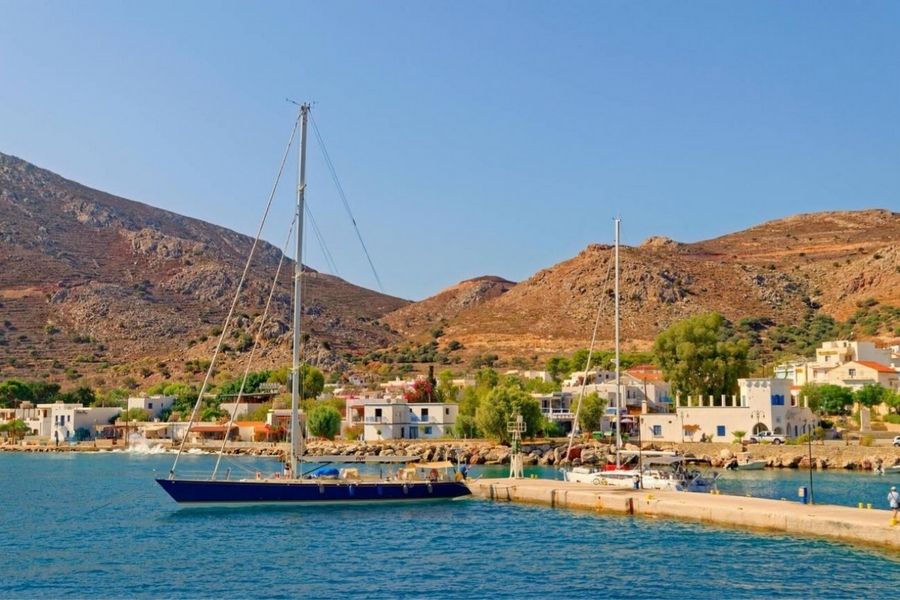
Everyone separates their trash, and regular workshops teach waste management. The island even scored the European Enterprise Promotion Awards 2024 for these efforts—a pretty big deal if you ask me.
Solar and Wind Energy Milestones
Solar panels cover public buildings, homes, and solar farms. I spotted them everywhere during my visit.
The main solar farm powers everyone during those busy summer months. Batteries store extra juice for nighttime or cloudy days.
Wind turbines pick up where solar leaves off. The Aegean’s steady breezes keep them spinning, and they’re surprisingly quiet—so peace and quiet remain untouched.
Real-time monitoring tracks energy use and production. Officials can tweak things as needed, and nothing goes to waste.
A Nature Reserve of Rare Birds and Unique Wildlife
Tilos is a living ecological park. Over 400 plant and animal species and 150 bird species call this place home.
Conservation isn’t just a buzzword here—it’s a way of life.
Protected Biodiversity and Nature Reserve Status
The entire island operates as a nature reserve under international protection. This 63-square-kilometer patch of land has become one of Greece’s top ecological havens.
Tilos banned hunting back in 1993. Wildlife populations bounced back because of it.
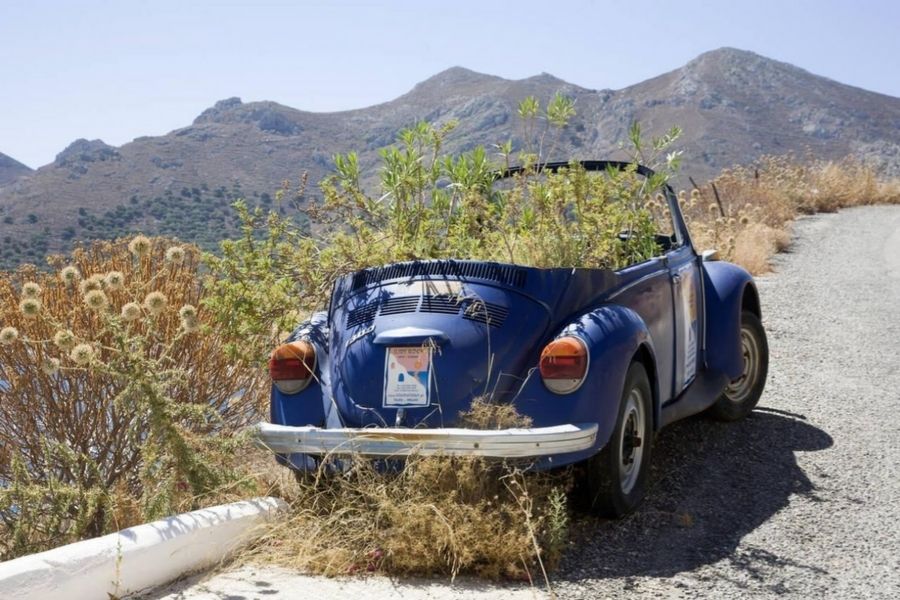
Protection covers both land and sea. Over 650 plant species thrive here, including rare orchids and herbs you won’t find anywhere else.
The Mediterranean climate helps everything flourish.
Key Conservation Features:
- International treaty protection
- Hunting ban since 1993
- Marine and land habitat protection
- Programs for endemic species
Birdwatching Haven: Endangered and Migratory Species
Birders, take note—Tilos is a magnet for both resident and migratory birds. The island lies on a major route between Europe and Africa.
Endangered species like Bonelli’s eagles soar above the mountains. Hawks circle overhead, and nightingales fill the air with music.
You’ll also spot herons, bee-eaters, and goldfinches. The range of habitats—from coast to hills—supports this wild diversity.
Notable Bird Species on Tilos:
- Bonelli’s eagles (endangered)
- Several hawk species
- Nightingales
- Herons
- Bee-eaters
- Goldfinches
- Partridges
Pygmy Elephants and the Paleontology Legacy
Tilos hides some wild secrets underground. Thousands of years ago, pygmy elephants roamed here.
They adapted to island life during the Ice Age. Fossils show these elephants survived here until pretty late in geological terms.
Their small size? It’s classic island evolution—less space, less food, smaller animals. This legacy gives Tilos an extra layer of intrigue.
Serene Villages and Island Life
Tilos moves at a slower, gentler pace than most Greek islands. About 500 people live in a handful of small settlements.
Each village brings its own vibe, from the lively port to sleepy hamlets where time just drifts by.
Livadia: Bustling Port and Accommodation Hub
Livadia is the main port and the most developed spot on Tilos. It made sense to base myself here, since it has the widest range of hotels and apartments.
The village hugs a long pebble beach dotted with tamarisk trees. Several tavernas line the shore—Gorgona upstairs with sea views, Armenon Seaside Restaurant right on the sand.
Livadia just works. Ferries connect to Rhodes and other islands, so getting in and out is easy.
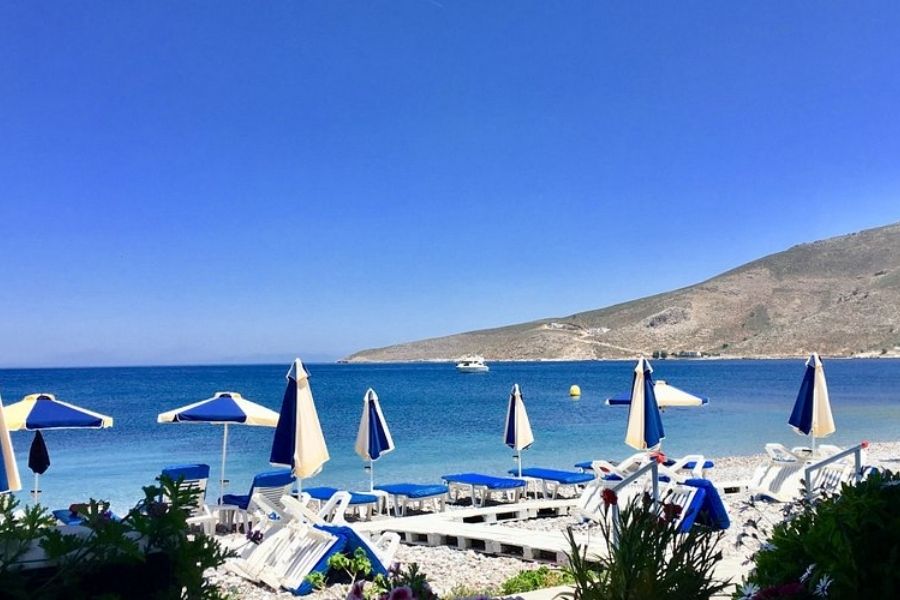
Shops, cafes, and rental agencies cluster near the harbor. The town beach isn’t the most pristine, but it’s convenient and has organized sections with sunbeds.
Megalo Chorio: Historic Capital and Castles
Megalo Chorio, the capital, sits inland. The white houses and bougainvillea give it that classic Cycladic look.
Narrow alleys twist through the village. Church courtyards with pebble mosaics stopped me in my tracks more than once.
Above town, a medieval castle built by the Knights of St. John crowns the hillside.
I climbed up to explore the ruins and the half-ruined Agios Taxiarchis church. The castle sits on the old acropolis, and the views are something else.
For food, Palió Meraki Café-Ouzeri serves simple meze in a traditional setting.
Traditional Life in Eristos and Agios Antonios
Eristos and Agios Antonios are the quietest places to stay on Tilos. Eristos centers around a wide, sandy-pebbly beach shaded by tamarisk.
There’s not much here—just a few houses and To Delfini taverna with fresh fish and home-cooked fare. The isolation is perfect for reading and swimming undisturbed.
Agios Antonios sits on the west coast near a tiny beach. The sunsets across the water are unforgettable.
Neither village has shops or many facilities. You’ll need to bring supplies or head back to Livadia for essentials.
It’s so quiet here. No cars, hardly any people—just waves and cicadas.
Idyllic Beaches and Coastal Escapes
Tilos serves up pristine pebbled shores and hidden sandy stretches where crystal-clear water laps untouched coastlines.
Beaches range from organized Livadia to remote coves you can only reach by foot or water taxi.
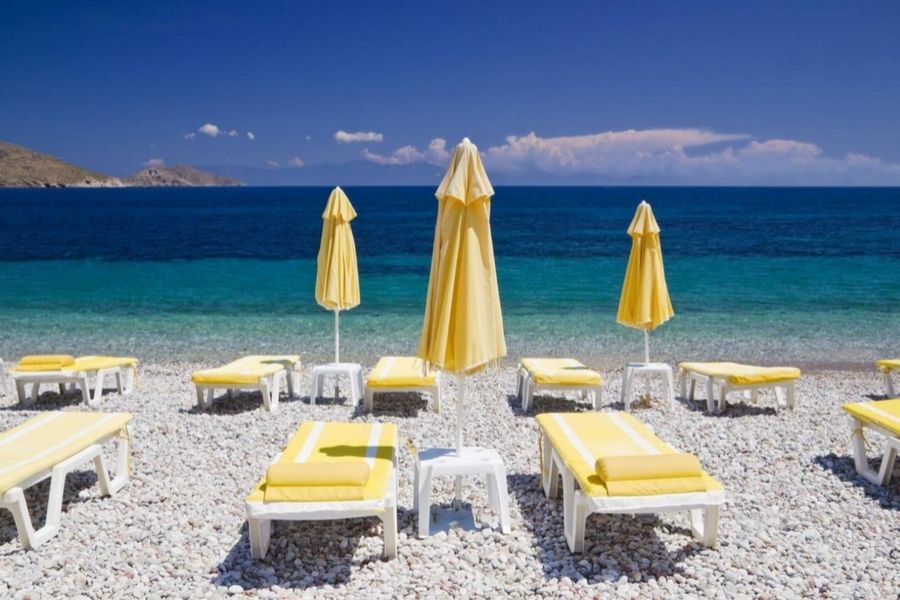
Livadia Beach: Crystal Clear Tranquility
Livadia Beach is the main swimming spot and the only organized beach on Tilos. It’s right by the port, with all the practical amenities I needed for a lazy beach day.
Beach Features:
- Umbrellas and sunbeds for rent
- Shade from tamarisk trees
- Clean, clear water
- Wheelchair access
It’s just 7 km from Megalo Chorio and easy to reach by bus. Restaurants and cafes are close by, which I found handy.
The pebbled shore means the water stays super clear. The gradual depth suits swimmers of all ages.
Eristos Beach: Sandy Shores and Seclusion
Eristos Beach is the spot for true peace and quiet. Just 3 km south of Megalo Chorio, this wide sandy beach became my go-to for relaxing.
The soft sand and turquoise water are ideal for swimming.
Tamarisk trees give plenty of shade. There are no sunbeds or commercial facilities, so bring what you need.
Naturists hang out at one end, adding to the free, laid-back vibe. You can get here by public transport—no car or hike required.
Hidden Coves and Sunset Spots
If you’re up for adventure, Tilos hides plenty of secret coves. Plaka Beach, 5 km west of Megalo Chorio, offers a narrow bay with bushy shade.
Remote Beach Access:
- Tholos Beach: Take a water taxi from Livadia
- Lethra Beach: Hike a medium-difficulty trail
- Skafi Beach: 45-minute hike or water taxi
Kokkini Beach stands out with its copper-red sand. This quiet spot lies 9 km from Megalo Chorio.
For sunsets, I loved the western coves near Agios Antonios Beach. The calm water up north is perfect for an evening swim as the sun dips low.
Outdoor Adventures and Unspoiled Footpaths
Tilos really surprised me with its hiking trails. Across its 63 square kilometers, you’ll find footpaths that wind past medieval castles and up to panoramic viewpoints.
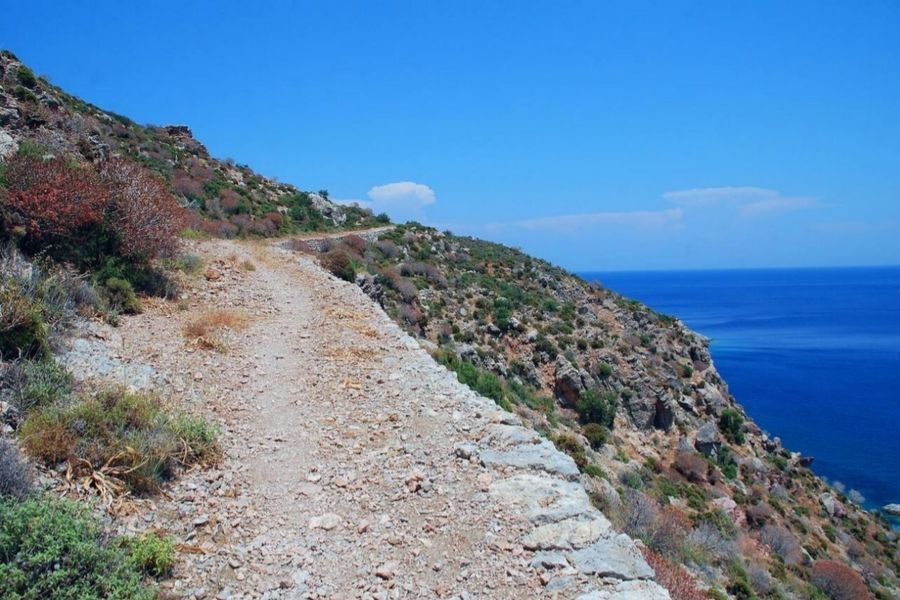
The island’s spot in the Dodecanese makes it a sweet launchpad for boat trips to nearby Greek islands. There’s a real sense of adventure here, honestly.
Hiking the Island’s Extensive Trail Network
I’ve wandered a lot of Greek islands, but Tilos has some of the most untouched walking paths I’ve seen in the Dodecanese. The trails connect every main village and historic site, so you never feel stranded.
Agios Antonios Peak became my personal Everest. The trail’s tough, no doubt, but those views—rolling hills, endless blue sea—are worth every drop of sweat.
If you want something gentler, the footpaths between Livadia and Megalo Horio are a dream. Walking here, I kept spotting flashes of color—turns out, there are about 150 bird species fluttering around.
Trail Highlights:
- Paths clearly marked between all villages
- Mountain springs pop up along a few routes
- 400 species of flora and fauna to keep things interesting
- Trails for every fitness level, so no excuses
Most hikes start from Livadia harbor or Megalo Horio village. I can’t stress this enough: bring more water than you think you’ll need, and don’t skimp on sunblock, especially in July or August.
Mountain Castles and Historic Sites
These trails lead you straight into the past, right up to medieval fortifications built by the Knights of Saint John. I clambered over a few castle ruins and the mix of history and scenery is wild.
Castle of the Knights stands tall on Agios Stefanos hill, right above Megalo Horio. Built in the 15th century on the bones of an ancient acropolis, it’s mostly outer walls now, but wow—those views.
On the eastern edge of Megalo Horio, you’ll find the Fortress of Messaria. Built in 1366, it’s got the old building foundations and even a vaulted chapel for Prophet Elias.
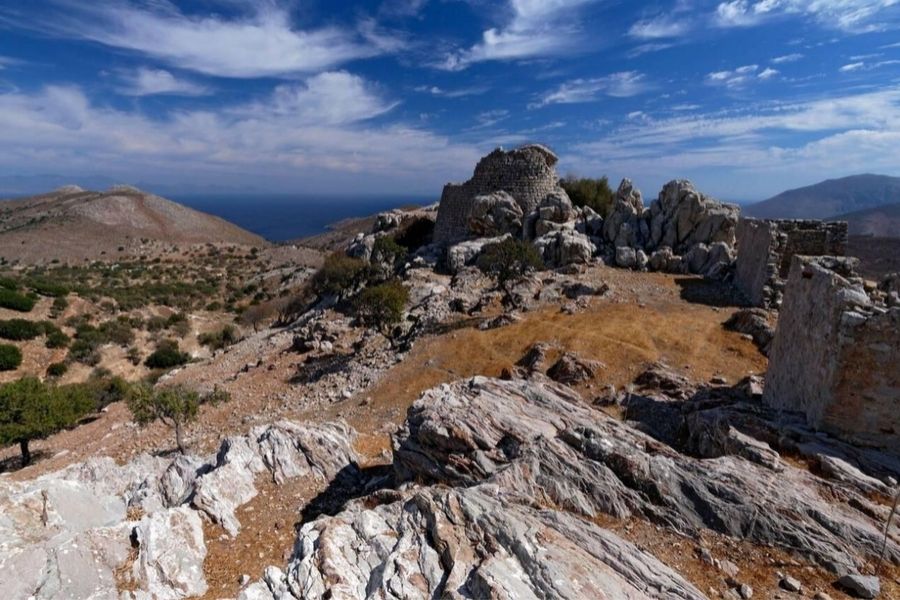
Then there’s Mikro Horio, the abandoned village. I wandered through stone houses, castle remains, and a little whitewashed church with a view over the valley. During summer, a quirky bar pops up in this ghost town—one of those only-in-Greece moments.
Exploring Neighboring Islets and Boat Trips
From Tilos, I could hop on a boat and be off to another island in no time. It’s a great way to mix things up if you’re itching for a change of scene.
Halki is the closest and honestly feels like a painter went wild. UNESCO calls it the Island of Peace and Friendship, and the harbor is all neoclassical mansions in every color you can imagine.
If you’re after something different, Nisyros has an active volcano. The landscape looks like the moon, and the sulfur smell around the crater is unforgettable—definitely not your average Greek island vibe.
Most boat trips leave from Livadia harbor. I found it easy to book a day trip with local operators, especially between May and early October.
Frequently Asked Questions
Tilos stands out for its bold zero waste programs, renewable energy, and its status as a protected nature reserve. With over 150 bird species and strict tourism controls, the island really feels peaceful—almost like a secret.
What conservation efforts contribute to Tilos’ reputation as an eco-friendly destination?
Tilos has gone all-in on zero waste. The community really gets involved, cutting out single-use plastics and making recycling second nature.
The island runs almost entirely on solar and wind power. That means Tilos is nearly 100% energy self-sufficient—pretty impressive for such a small place.
As a designated nature reserve, Tilos protects its 400 species of flora and fauna. Locals focus on saving endemic plants and keeping endangered birds safe.
Strict biodiversity preservation programs keep the ecosystem healthy. Over 650 plant varieties thrive here, and you really feel the difference.
How can visitors experience the rare bird species unique to Tilos?
Tilos is a bird lover’s paradise. More than 150 species show up throughout the year, and the whole island serves as a bird watching hotspot.
The best way to spot rare eagles and other birds? Just hit the trails. With only about 500 residents, the birds have plenty of peace.
Bring binoculars, and if you can, visit during migration seasons—your odds of seeing something special go way up.
Many trails pass through areas where rare orchids bloom right next to bird habitats. It’s a treat for anyone who loves nature, honestly.
In what ways has Tilos implemented sustainable tourism practices?
Tilos doesn’t just talk about eco-tourism—it lives it. Visitors are encouraged to cut down on waste and look after the island’s ecosystems.
Tourism infrastructure stays limited on purpose. That keeps Tilos pristine and avoids the crowds that swamp other islands.
Local businesses teach visitors about conservation and sustainable habits. It’s a nice touch, and you feel like you’re part of something bigger.
Nature-based activities take center stage here, not mass tourism. That keeps the island’s calm vibe intact and the natural resources protected.
What historical findings link pygmy elephants to Tilos?
Tilos made headlines when archaeologists found Europe’s last dwarf elephants here. That discovery put the island on the paleontology map.
The dwarf elephant cave still holds fossil evidence from ancient times. Scientists use these finds to figure out how animals adapted to island life.
Turns out, these pygmy elephants lived on Tilos during the Pleistocene era. The fossils show how big mainland animals shrank over generations on the island.
Researchers and tourists both flock to the paleontological site. It’s a cool blend of science and sightseeing.
Can you detail the measures taken by Tilos to maintain its tranquility and minimize tourism impact?
With only 500 people spread over 63 square kilometers, Tilos feels peaceful by design.
The island keeps tourist infrastructure to a minimum, which helps protect its wild side. Most people arrive via Rhodes, so visitor numbers stay manageable.
Tourism moves at a slow pace from May through early fall. That way, the island never feels overrun, even in summer.
Local leaders always put the environment first. They’d rather attract eco-minded travelers than chase after mass tourism—and honestly, it shows.
What are the key attractions for nature lovers and eco-conscious travelers in Tilos?
Tilos greets you with pristine beaches and crystal-clear waters—honestly, I haven’t seen many places that feel so untouched. Most of the beaches haven’t changed much over the years, so you can really unwind and enjoy the raw beauty.
I wandered along some wild hiking trails, and wow, the island’s ecosystems are just everywhere. If you’re planning to explore, don’t forget sturdy walking shoes; some of these paths get pretty rugged.
Tilos surprises you with over 650 different plant varieties. Rare orchids pop up here and there, and you’ll stumble across all sorts of endemic plants, especially if you wander from the coast up to the mountain springs.
You’ll spot medieval castles and old monuments as you roam, scattered among the natural sights. There’s something special about how history and wild landscapes mix here—it’s the kind of place that makes you want to linger a little longer.
