
When I first landed in Lanzarote, I figured I knew the drill—another Canary Island escape, right? Turns out, I was way off. This volcanic wonderland flipped all my expectations with its wild, alien landscapes and that unmistakable creative energy that just pulses through the place.
You get this mashup of stark volcanic terrain, eco-friendly living, and a bold artistic vision. Honestly, it sometimes feels like you’ve left Earth and stepped onto some other planet. Black lava fields stretch forever under those crazy-blue skies. Caves morph into art galleries. Wine grows out of gritty volcanic soil. Surprises just keep coming.
What stuck with me long after I flew home? Sure, the dramatic scenery and those underground worlds blew me away. But it’s the way Lanzarote blends raw natural power with human creativity—old and new, side by side—that really got under my skin. Little villages hide in lava flows. Panoramic viewpoints frame the Atlantic like a painting. The island keeps challenging what you think a getaway should be.
Lanzarote’s Stark Beauty: Volcanic Landscapes and Natural Wonders
Lanzarote’s volcanic past carved out a landscape you just won’t find anywhere else in the Canaries. Dramatic lava fields, emerald lagoons, and beaches as black as night—it’s more Mars than your usual island vibe.
Timanfaya National Park: Awe-Inspiring Mars-Like Scenery
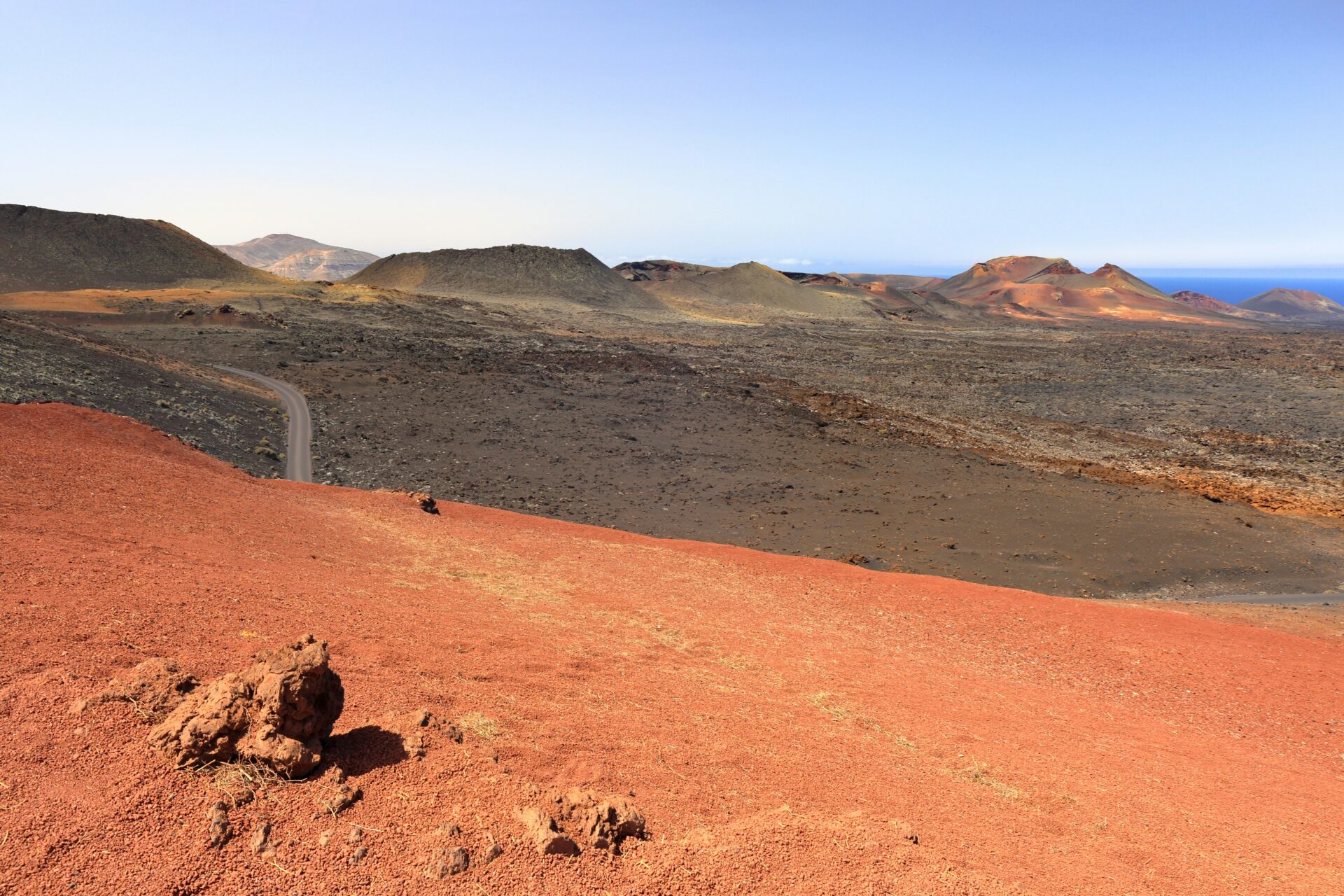
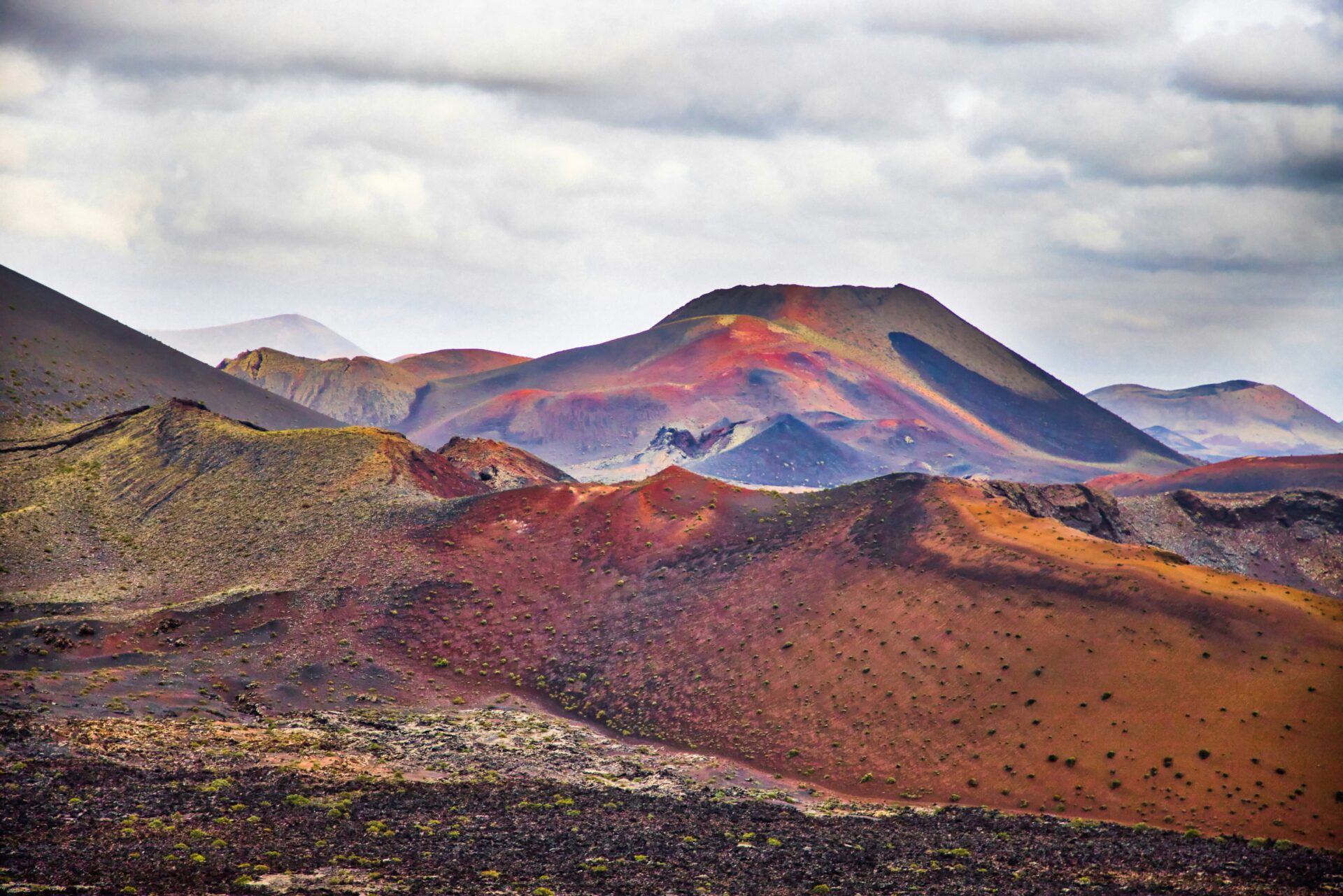
Walking through Timanfaya National Park, I honestly felt like I’d landed on another planet. The park stretches across 51 square kilometers of solidified lava from eruptions back in the 1700s.
Park rangers pour water into holes, and you watch steam burst up—proof the ground’s still roasting hot underneath. Even now, it hits 400-600°C just six meters down.
The “Route of the Volcanoes” bus tour winds through a sea of red, black, and brown rock. Those Mountains of Fire just rise up—huge, silent, and a little intimidating.
Nothing grows in most of the park. The soil’s too young, too harsh. It’s hauntingly empty, and photos never quite do it justice.
Filmmakers come here for good reason. Timanfaya has played the role of alien planets in more than a few movies.
Lava Fields and Black Sand Beaches
Lava fields spill out far beyond Timanfaya. These malpaís (badlands) create a wild mosaic of black rock, with white villages popping out like little beacons.
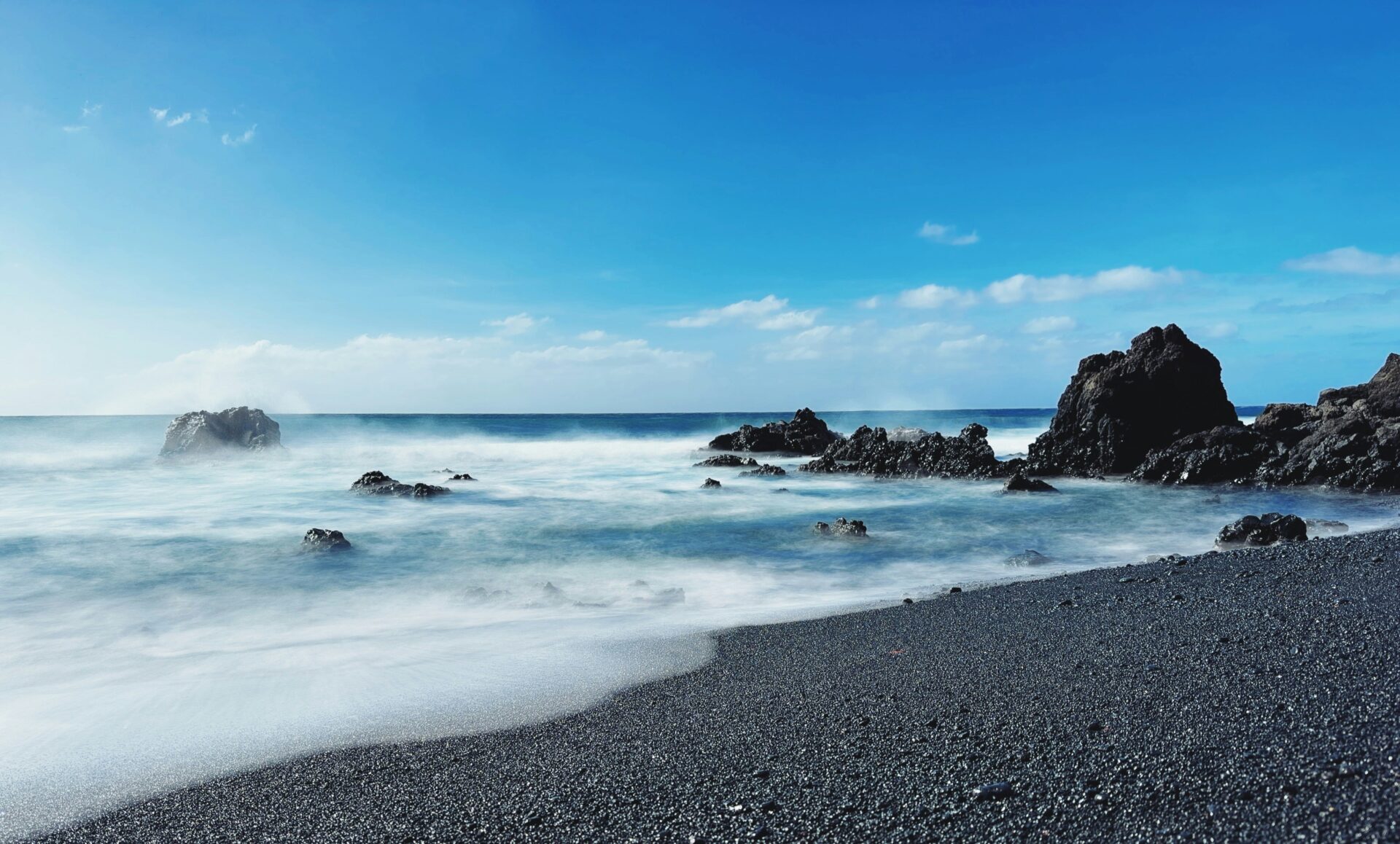
I wandered a few black sand beaches where lava once crashed into the Atlantic. Playa de la Madera near Tinajo? That spot is pure drama. The sand gets scorching hot, so bring sandals.
Old lava flows tell their stories underfoot. Some areas show off smooth, ropey pahoehoe lava; others are all jagged and sharp, the classic aa lava.
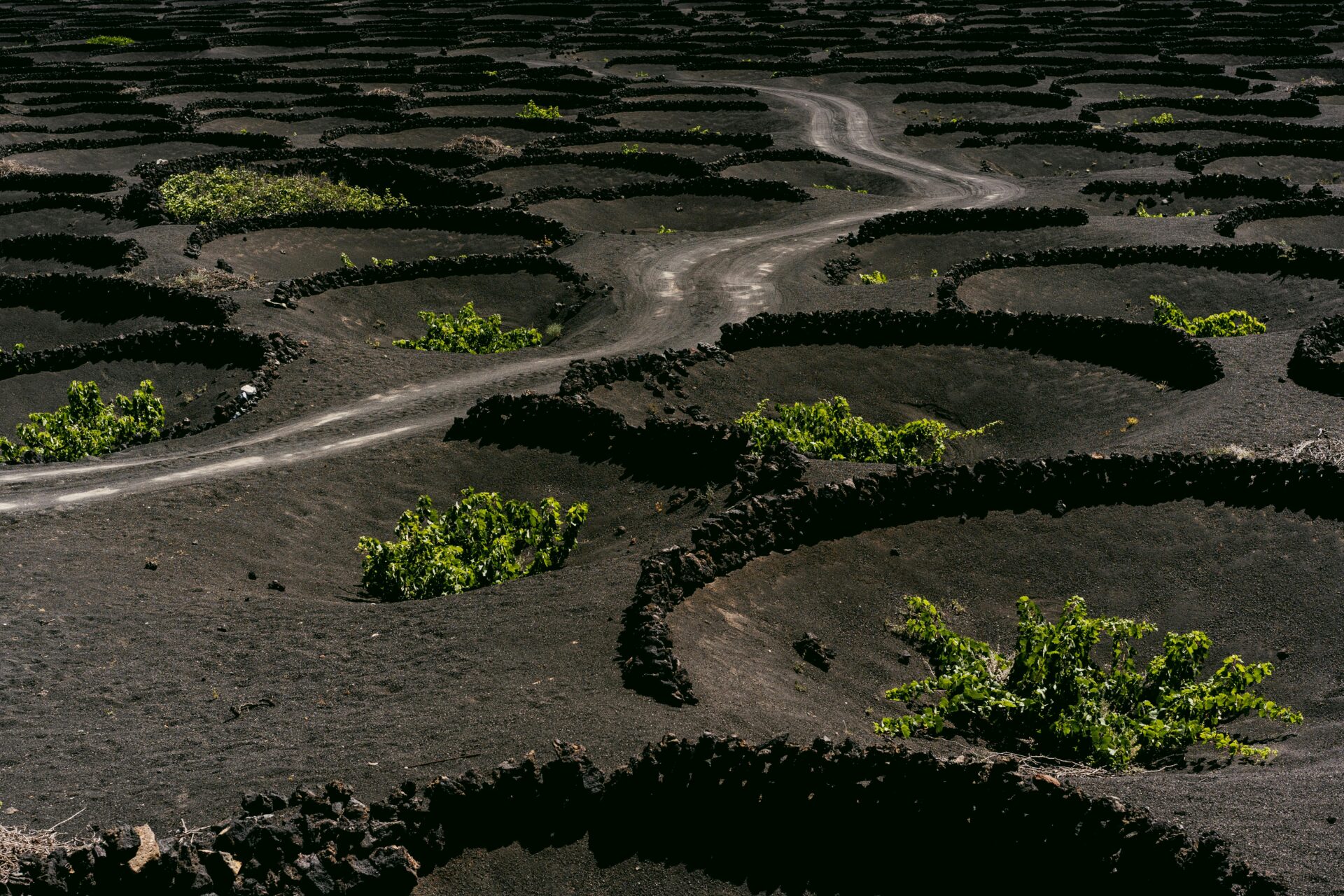
But I think what blew my mind most was the wine. Farmers dig pits in the ash, surround vines with stone walls, and somehow coax grapes out of this harsh land. The La Geria region produces wines you won’t taste anywhere else.
The Green Lagoon and El Golfo
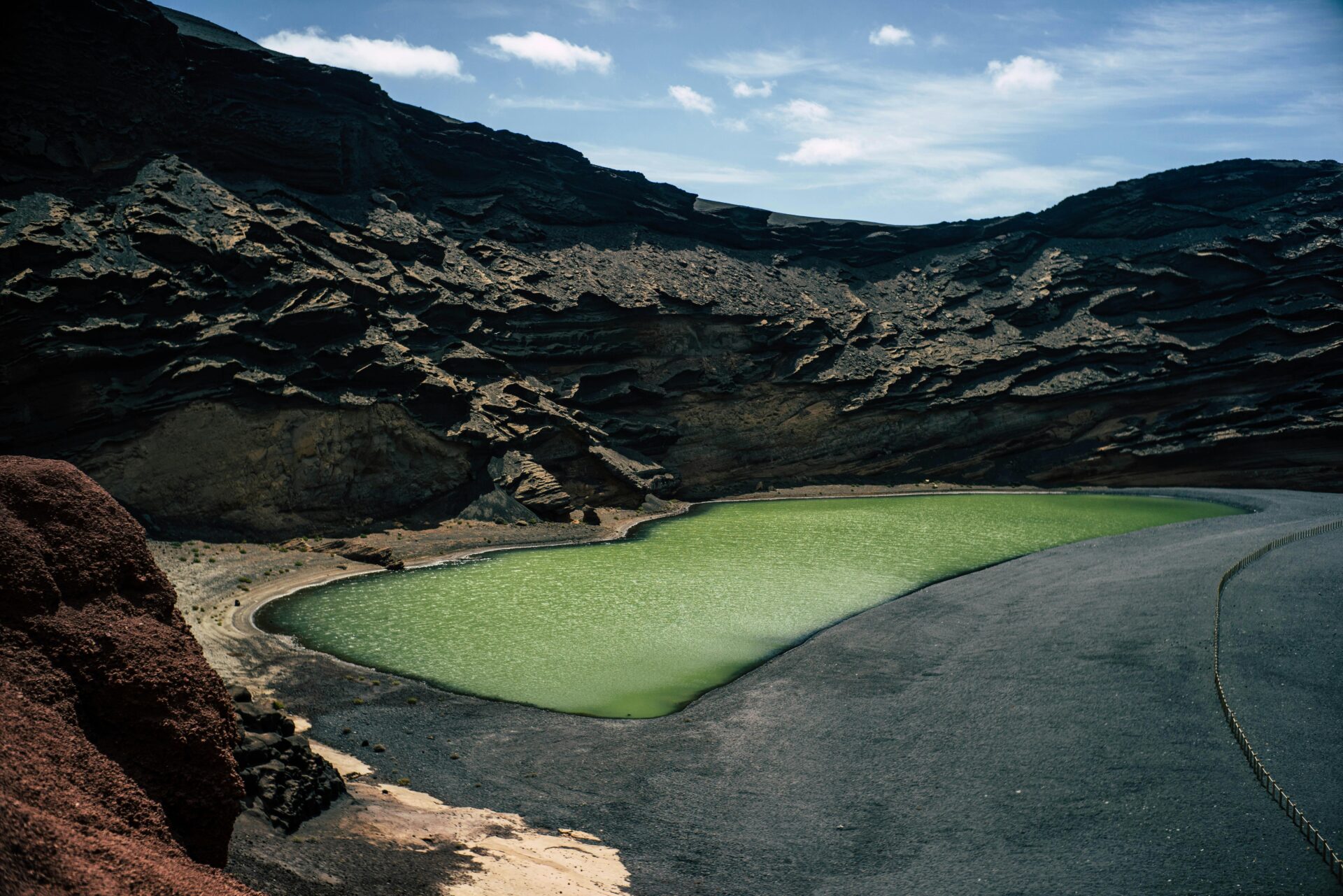
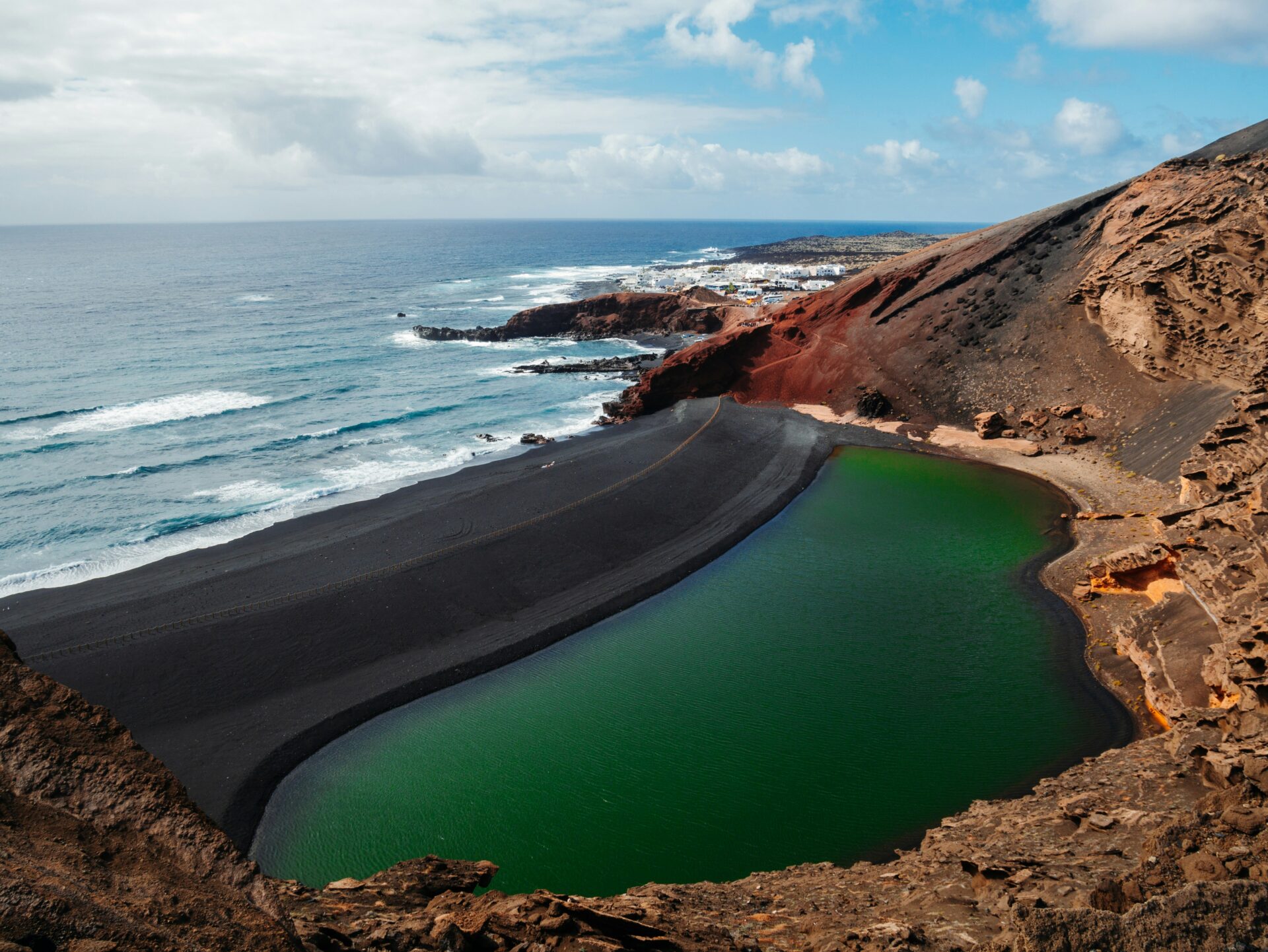
The village of El Golfo sits right next to one of Lanzarote’s wildest sights. The Charco de los Clicos, or Green Lagoon, glows an unreal emerald against black volcanic cliffs.
Algae called ruppia maritima give the lagoon its color. A thin strip of black sand is all that separates it from the Atlantic’s blue.
I climbed up to the viewing platform for photos. The colors—green, black, blue—all together, almost look fake.
Volcanic eruptions and the sea shaped the bay into a half-moon. Ocean waves carved out the volcanic cone, leaving this wild geological wonder.
Los Hervideros and Dramatic Coastlines
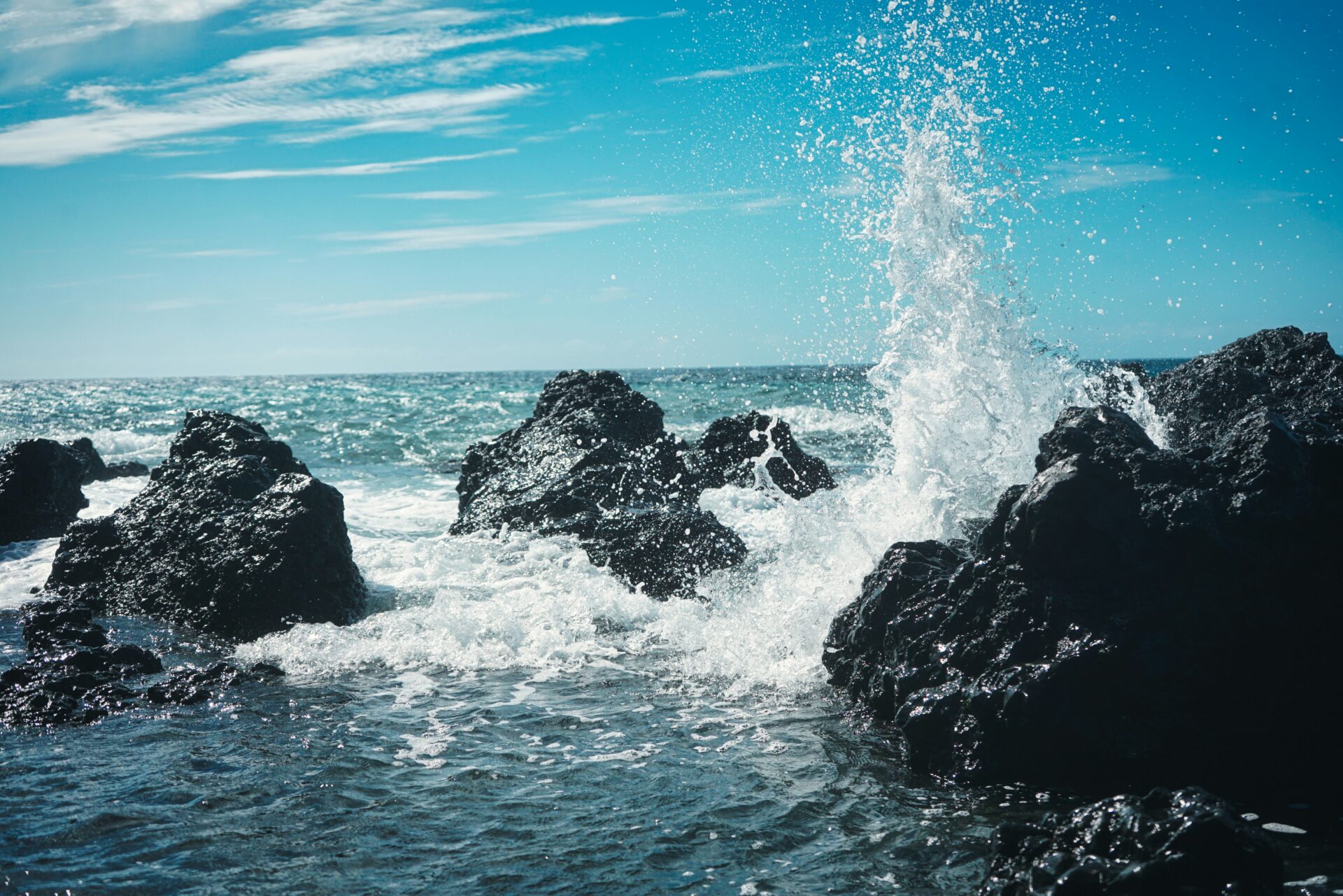
Los Hervideros, or The Boiling Pots, really show off Lanzarote’s explosive past. The Atlantic crashes into old lava tubes, sending water shooting up through the rocks.
I stood there and watched waves blast through blowholes. It looks like the water’s boiling, churning through those black formations.
Lava from the 1730s hit the ocean here, cooling fast and creating a honeycomb of caves and tunnels.
Walking along the cliffs, I heard the waves thundering below, echoing in hidden chambers. That constant roar? It’s why they call it Los Hervideros.

The Unique Vibe: Culture, Art, and Architectural Harmony
Lanzarote’s vibe runs deep. It’s all about César Manrique’s vision—merging art with volcanic landscapes and keeping strict building rules. The island’s concert halls sit inside lava tubes. White buildings shine everywhere. There’s a harmony here that’s hard to describe.
César Manrique’s Influence and Vision
César Manrique left his mark everywhere. Born in Arrecife in 1919, he came back from New York in the ‘60s with big ideas.
He believed art and nature should work together, not fight each other.
Manrique fought for building rules—no high-rises, just low, white buildings with green or blue trim.
The César Manrique Foundation in Tahiche brings his ideas to life. Built into five volcanic bubbles, his old home shows how architecture and lava can blend.
I toured the foundation and saw how he lived right inside the lava. Rooms flow from cave to open space. Tropical plants grow out of rock.
His influence isn’t just in buildings. Manrique shaped Lanzarote’s whole identity. The island stands out across the Canaries, thanks to him.
Jameos del Agua and the Concert Hall
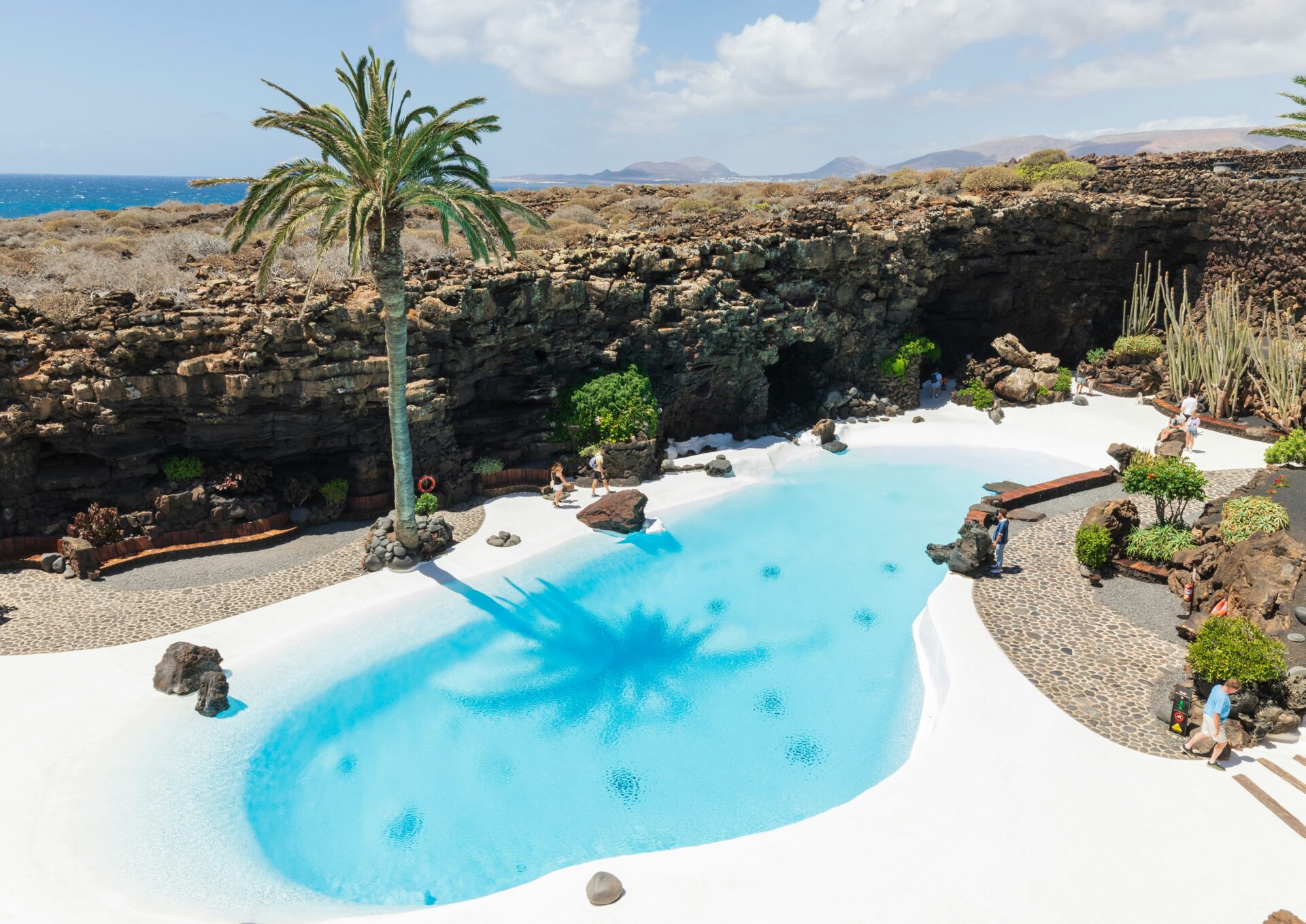
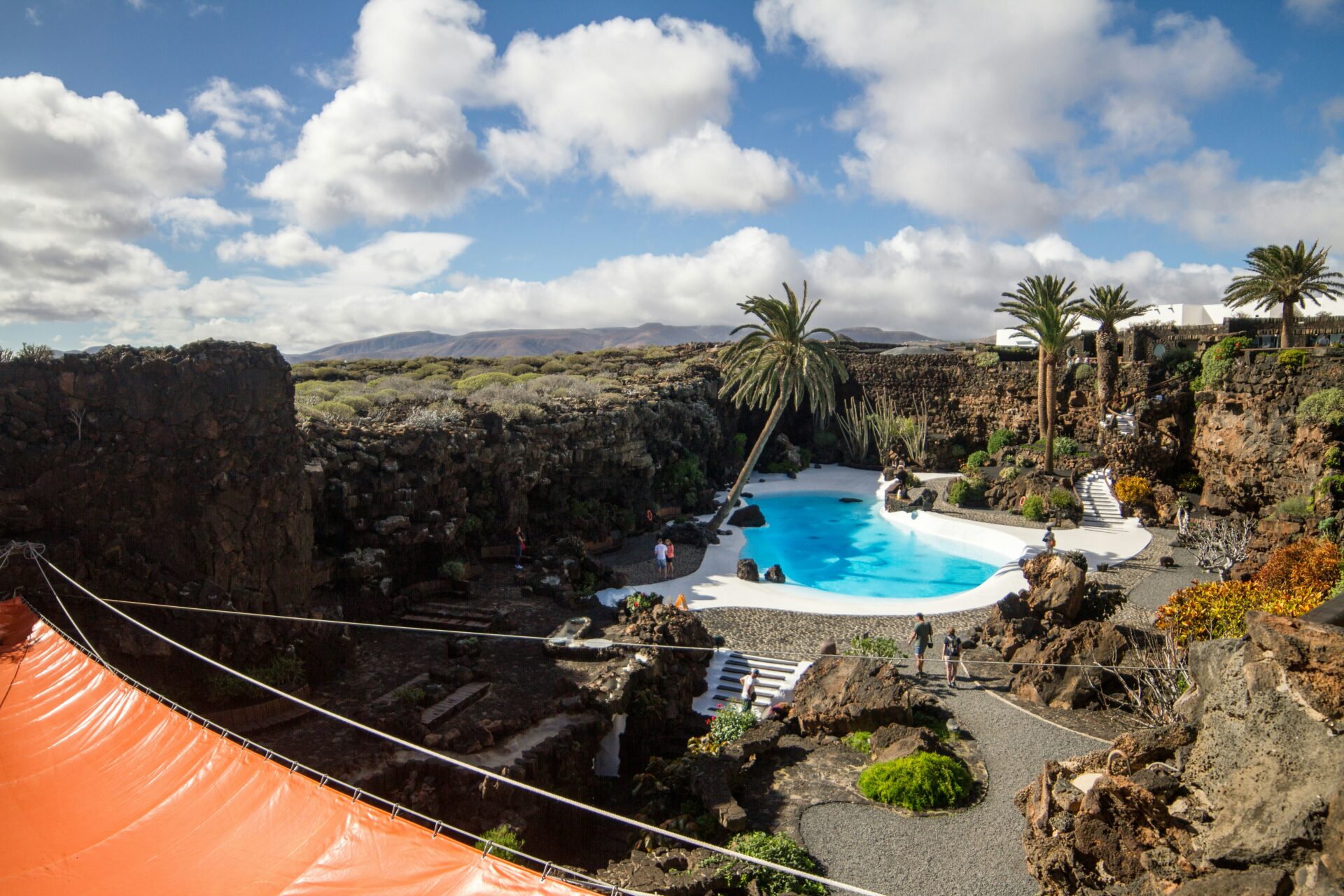
Jameos del Agua might be Manrique’s masterpiece. He took a collapsed lava tube and turned it into a cultural hotspot.
The concert hall sits underground, inside a volcanic cave. The acoustics are wild—music seems to rise straight from the stone.
I caught a performance here and honestly, it gave me chills. The sound just fills the space in a way you don’t expect.
There’s a saltwater lagoon with rare blind albino crabs, too. The blue water against the black rock is something else.
You’ll also find a restaurant and a volcanology museum tucked in. Everything here teaches you about Lanzarote’s wild geology.
Jameos del Agua Highlights:
- Underground concert hall with perfect sound
- Saltwater lagoon with albino crabs
- Restaurant inside a lava tube
- Volcanology museum
Whitewashed Buildings and Architectural Identity
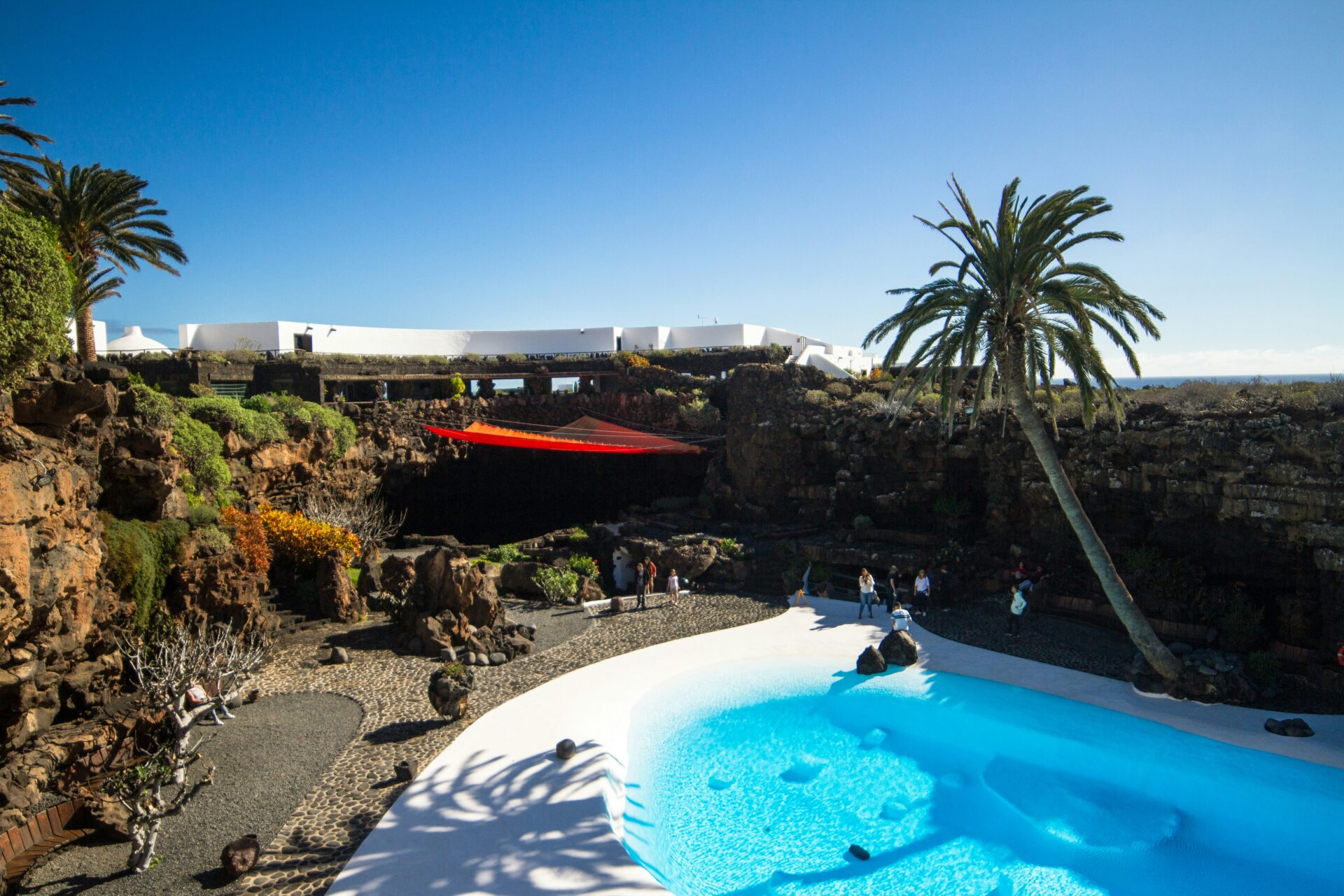
Lanzarote’s whitewashed buildings tie the whole island together. Manrique’s rules keep the look clean—specific colors, low heights.
Buildings have to be white, with green, blue, or brown trim. Most can’t go above two stories.
The black volcanic backdrop makes these buildings pop. The contrast is just gorgeous.
Everywhere I went—tiny villages, bigger towns, even new hotels—the rules hold. Modern shops and old houses blend together.
Flat roofs and small windows aren’t just for looks. They help residents handle strong winds and little rain.
Tourist spots mix in with old homes without clashing. Lanzarote dodged the concrete tower trap that hit so many other islands.
Arrecife and Urban Life
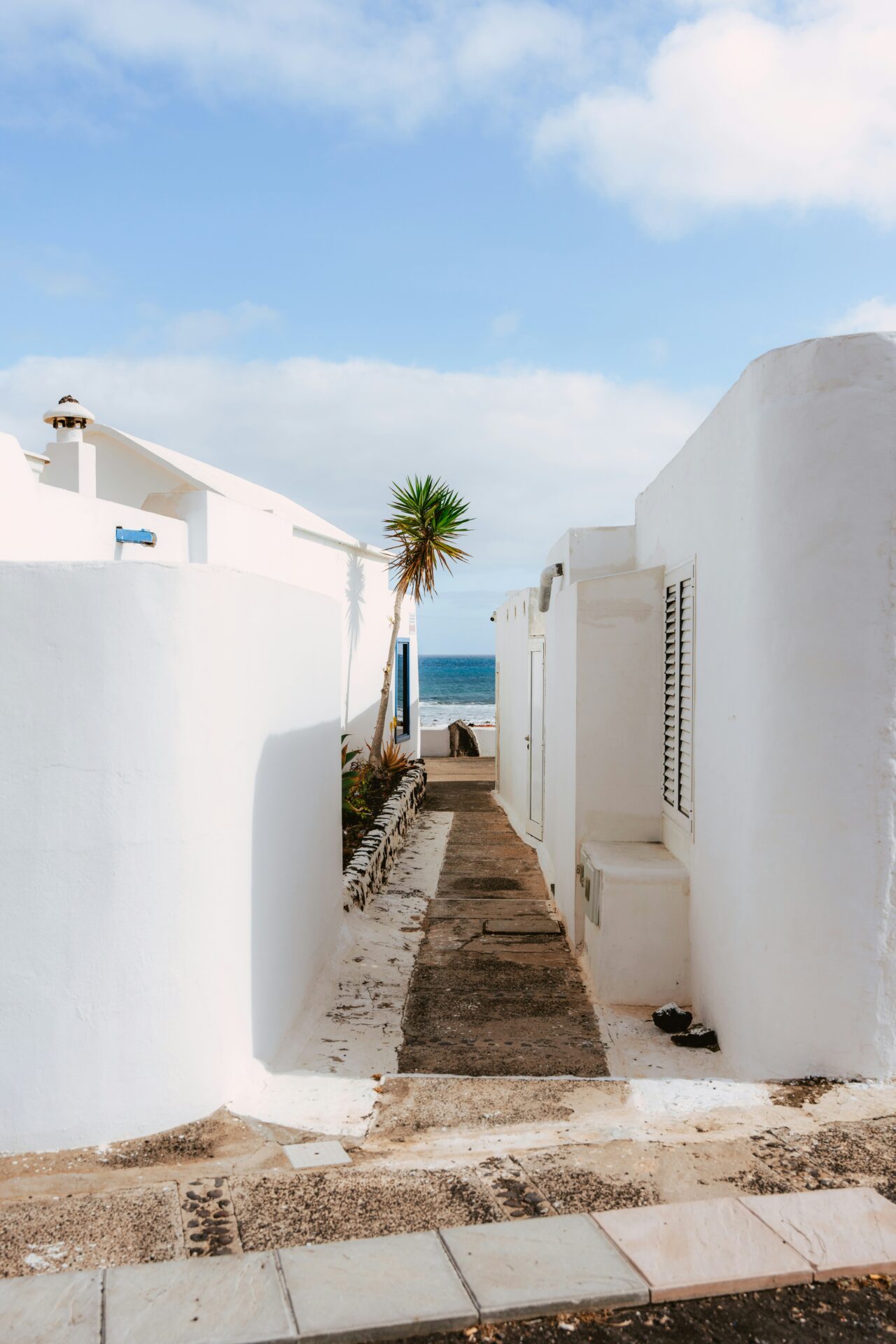
Arrecife, the capital, shows how all this works in a city. The white buildings and low-rise vibe stick around, even in busier areas.
The waterfront mixes fishing traditions with modern art. You spot Manrique’s touch in public spaces and cultural centers.
Markets and shops use the same color rules as the villages, so the city feels connected to the countryside.
I wandered Arrecife’s streets and noticed how the building codes keep things calm, not chaotic. It’s rare for a city to feel this harmonious.
Public art pops up everywhere—murals, sculptures, you name it. Manrique’s spirit lives on in the city’s creative corners.
Even the port area looks tidier than most. The consistent style just makes Arrecife a nicer place to explore.
Otherworldly Caves, Marvels, and Panoramic Views
Lanzarote’s underground world blew me away almost as much as its surface. Volcanic tubes form giant, echoing spaces. Strange creatures thrive below ground. Up above, viewpoints reveal wild Atlantic panoramas.
Cueva de los Verdes: Volcanic Caves and Mysteries
I went down into Cueva de los Verdes thinking it’d be a standard cave tour. I was wrong—it’s so much more.
Lava flowed underground here more than 3,000 years ago, carving out miles of tunnels.
Cave Features:
- 1.5-mile lava tube system
- Concert hall with unreal acoustics
- Mirror lake optical illusion
- Always 66°F inside
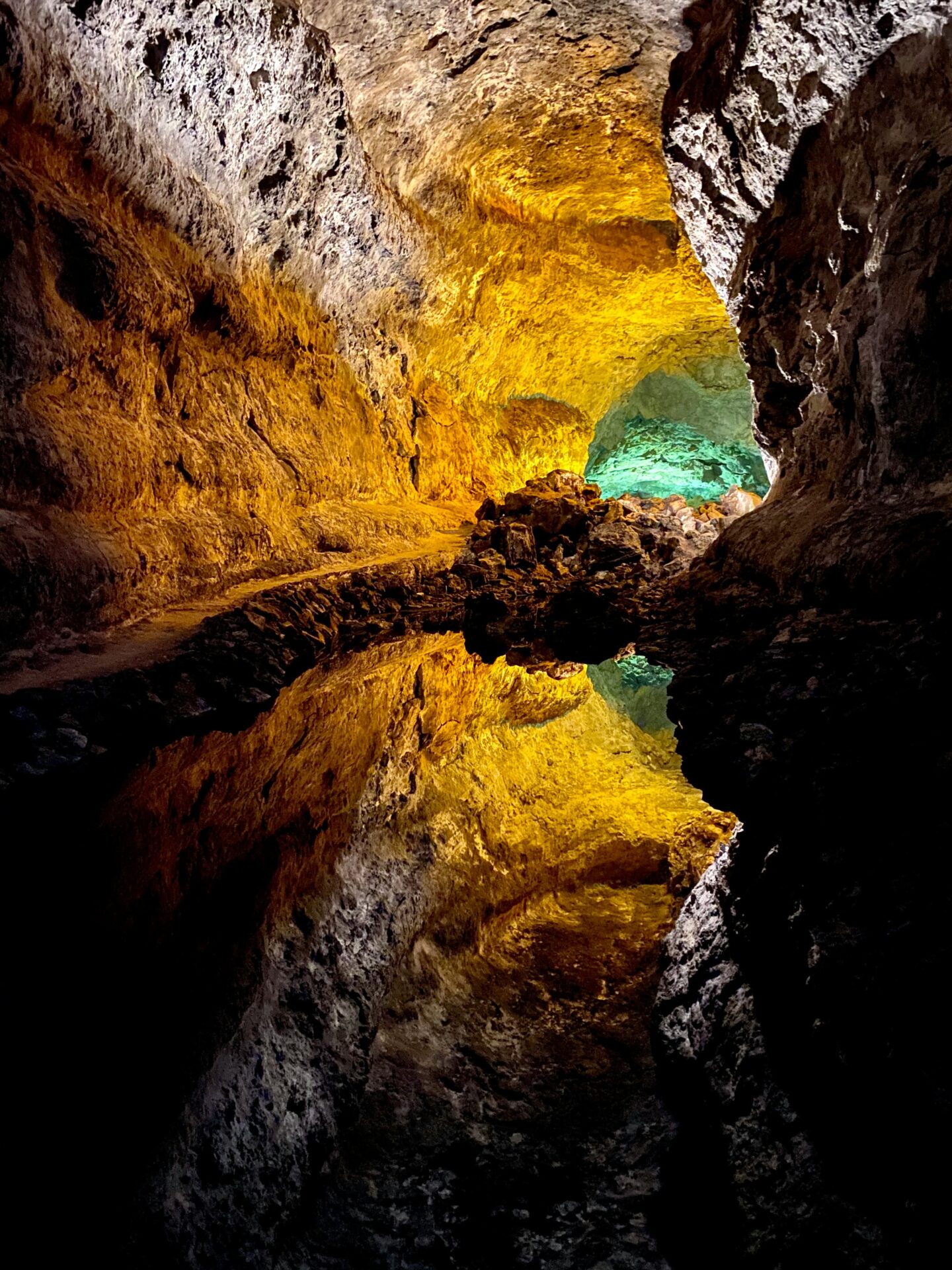
The tour winds through chambers that feel like a natural cathedral. Colored lights make the walls glow, giving the place a surreal vibe.
My guide told stories about pirates hiding out here. Locals used these caves as shelters during raids, too.
At the end, there’s this mirror trick—what looks like a deep underground lake is just a shallow pool, but it reflects perfectly.
Mirador del Río: Breathtaking Vistas
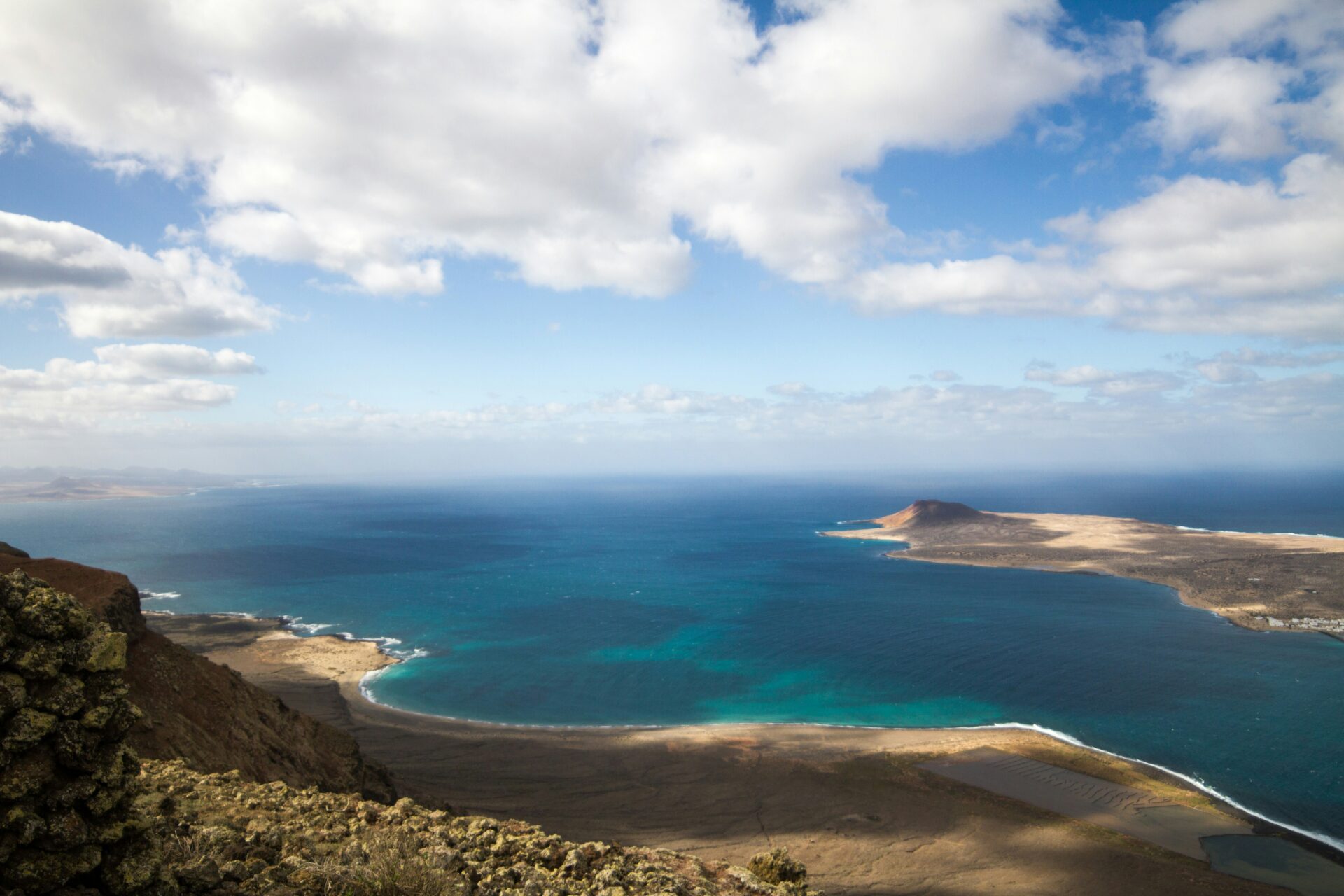
The road to Mirador del Río climbs through lonely volcanic hills. I wasn’t sure it’d be worth the drive—until I saw the view.
César Manrique designed the lookout to blend right into the cliff. You barely spot it from outside.
Inside, giant windows frame a jaw-dropping scene. The island of La Graciosa floats in turquoise water, 1,500 feet below.
Why this place stands out:
- 475-meter-high cliffs
- Views of four islands
- Manrique’s seamless design
- Café with panoramic seats
The contrast hits hard. Lanzarote’s dark terrain just drops away into bright blue sea. La Graciosa looks untouched—no big hotels, just golden beaches.
I hung out for ages, watching tiny fishing boats drift by. From up here, they look like little white dots.
Albino Crabs and Subterranean Lagoons
Jameos del Agua hides one of the weirdest ecosystems I’ve ever seen. A collapsed lava tube forms an underground lagoon full of rare creatures.
Tiny albino crabs—Munidopsis polymorpha—live here. They’re blind, colorless, and you won’t find them anywhere else.
I watched these tiny, ghostly crabs scuttle along the lagoon floor. They’re only half an inch long, but they’ve evolved for life in total darkness.
Albino Crab Facts:
- Only in Lanzarote’s lava tubes
- Blind and colorless
- Eat organic stuff in the water
- Protected—no flash photos allowed
The lagoon connects to the ocean through secret passages. Saltwater fills the cave, creating the perfect home for these odd little guys.
Manrique turned part of this natural wonder into an art space. There’s a restaurant and a concert hall tucked into the lava tube.
It’s the contrast that gets me. Above ground, Lanzarote can look almost barren. Below, life has carved out its own strange niche.
Lanzarote’s Sustainable Living and Wine Traditions
Lanzarote takes sustainability seriously. The island’s unique wine-making in volcanic soil and its UNESCO Biosphere Reserve status shape everything here.
Traditional farming and thoughtful tourism make Lanzarote feel authentic, respecting both wild nature and local culture.
La Geria: Vineyards on Volcanic Soil
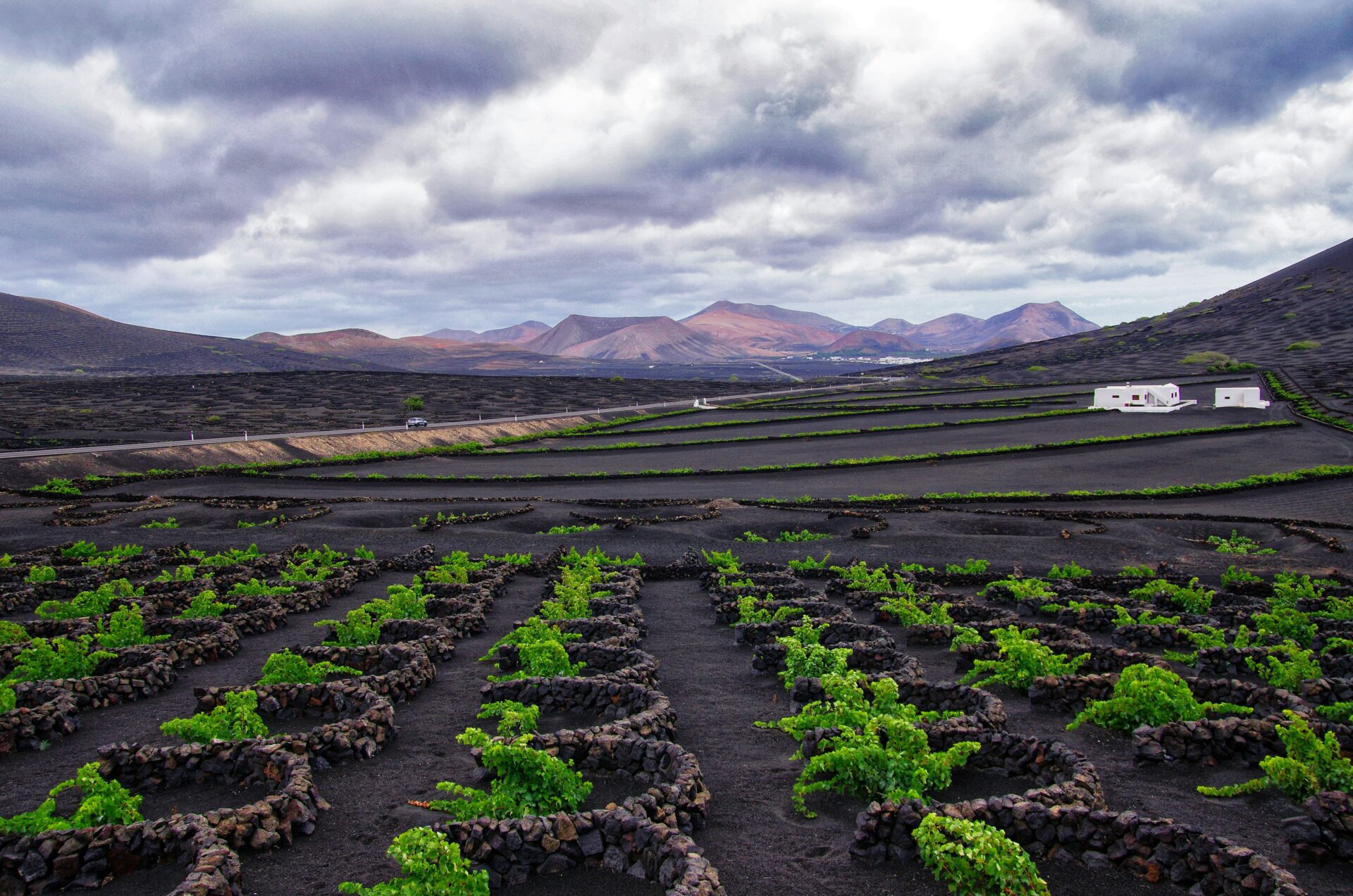
La Geria wine region blew my mind with its unusual farming. Here, farmers dig deep pits in black volcanic ash—locals call it picón—just to plant each grapevine.
They build crescent-shaped stone walls, known as zocos, around every vine. These walls do a great job shielding the grapes from the fierce winds that whip across Lanzarote.
The volcanic ash traps moisture from the air and the morning dew. Somehow, this method lets vineyards crank out 400,000 to 600,000 bottles of wine every year, even though rain barely shows up for 16 days annually.
Malvasía Volcánica grapes thrive here. They turn into sweet, aromatic wines bursting with tropical fruit and honey flavors. The volcanic soil gives the wine this wild, mineral edge you just can’t find anywhere else.
Walking through La Geria honestly feels like landing on another planet. Black fields stretch out, dotted with endless rows of stone-walled pits.
Commitment to Biosphere Reserve and Eco-Friendly Tourism
Lanzarote earned its UNESCO Biosphere Reserve status back in 1993. This means the whole island follows strict environmental rules.
You won’t spot any billboards cluttering up the scenery here. Buildings stay low, and every new construction uses the classic white-and-green color scheme that fits right in with traditional Lanzarote style.
The island really leans into sustainable tourism. Tour operators keep group sizes small in fragile volcanic areas, like Timanfaya National Park.
Local businesses take eco-friendly practices seriously. Many hotels now use solar panels and recycle water. Restaurants usually buy ingredients from nearby farms when they can.
This mindset changes the whole travel vibe. Instead of packed resorts, you get real moments with Lanzarote’s wild landscapes and culture.
Traditional Cuisine and Local Specialties
Lanzarote’s food scene totally reflects the island’s tough volcanic setting. Chefs get creative with whatever grows in this stubborn soil.
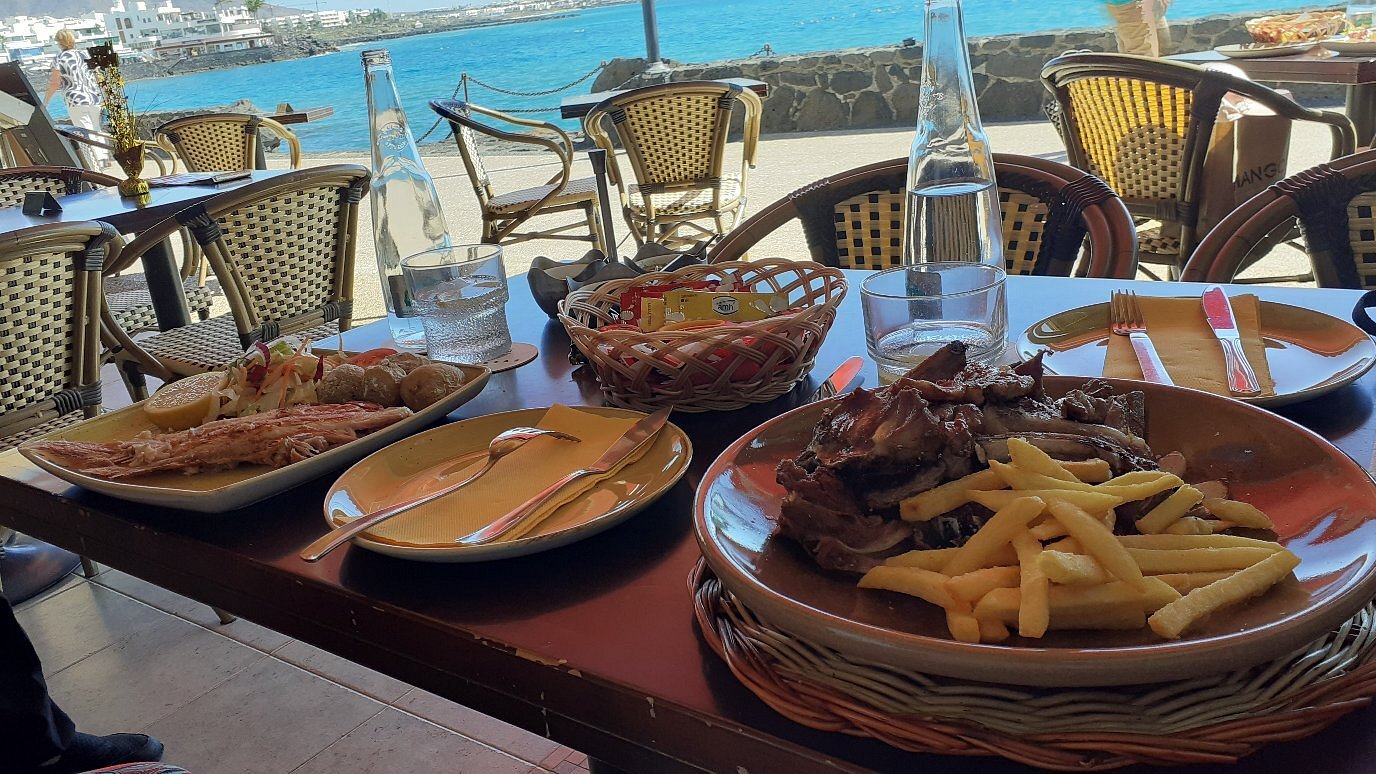
You’ll find papas arrugadas—those wrinkly little potatoes—on every menu, always served with a punchy mojo sauce. They boil the potatoes in super-salty water until the skins wrinkle up and the insides turn perfectly fluffy.
Fresh fish is everywhere, thanks to the Atlantic. Most restaurants serve up vieja (parrotfish) or cherne (wreckfish) that local fishermen bring in daily.
At any café, you can try gofio, a roasted grain flour. People mix it into soups, desserts, or sometimes just eat it with milk.
Wine from La Geria pairs so well with these dishes. The volcanic soil gives Lanzarote wines a character that just works with the island’s simple, bold flavors.
Some restaurants even grow their own vegetables, sticking to old-school farming tricks that suit the volcanic ground. It keeps the food real and cuts down on environmental impact.
Distinctive Towns, Villages, and Hidden Corners
Every village on Lanzarote seems to tell its own story. Whitewashed walls, volcanic backdrops, and a sense of history—these places go way beyond the usual tourist beaches.
Yaiza, Teguise and Historic Charm
Teguise used to be the capital, and you can still feel its old-school elegance. I wandered narrow cobblestone streets lined with traditional houses and green wooden shutters.
On Sundays, the town bursts to life with its famous market. Local artisans set up stalls, and musicians fill the plaza with music.
Some highlights:
- Santa Barbara Castle Museum – Epic island views
- Museum of Sacred Art – A peek into Lanzarote’s religious history
- LagOmar – An artist’s dream home built right into the volcanic rock
Yaiza sits right below the Timanfaya mountains. The village pops with bright white buildings against the deep black volcanic ground.
Palm trees break up the landscape, and the houses look almost too perfect to be real.
Valley of 1000 Palms and Haria
Haría caught me off guard with all its greenery. This valley town feels worlds away from Lanzarote’s usual stark landscapes.
Hundreds of palm trees offer shade, while volcanic peaks wrap around the village like a natural amphitheater.
I dropped by on a Saturday morning for the local market. Farmers bring fresh produce, and artisans show off their crafts.
Just outside town, you’ll find César Manrique’s former home. The artist built his house right into the volcanic landscape—seriously inspiring stuff.
If you’re up for a hike, the La Corona volcano trails give you sweeping views over the valley. It almost feels tropical up here.
Puerto del Carmen and Playa Blanca
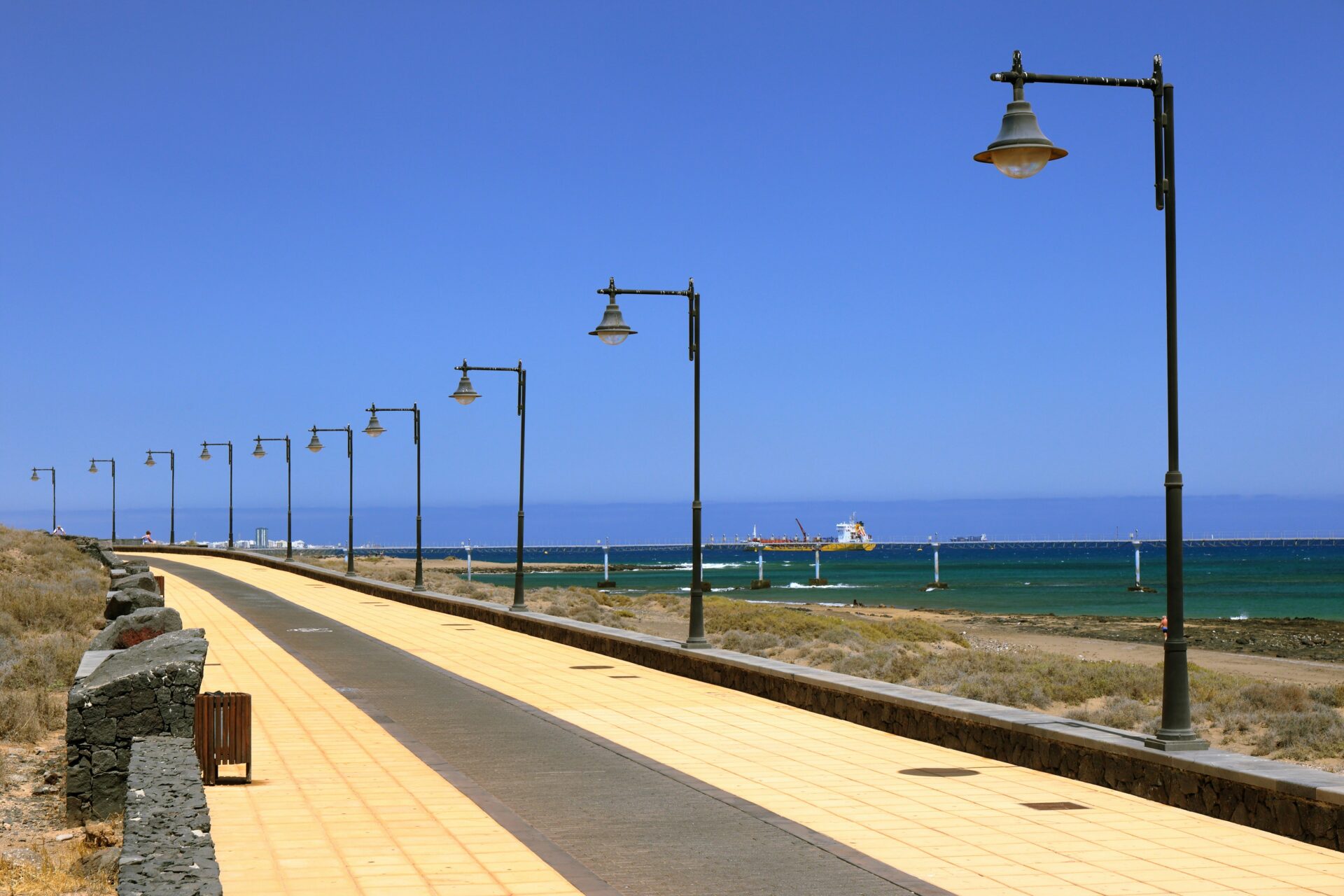
Puerto del Carmen is the island’s main resort hub. The coastline runs for kilometers, lined with golden beaches.
Despite all the tourism, the old fishing village vibe still lingers around the harbor. Traditional restaurants serve the day’s catch as boats pull in.
The Avenida de las Playas links up different beach spots, each with its own energy and crowd.
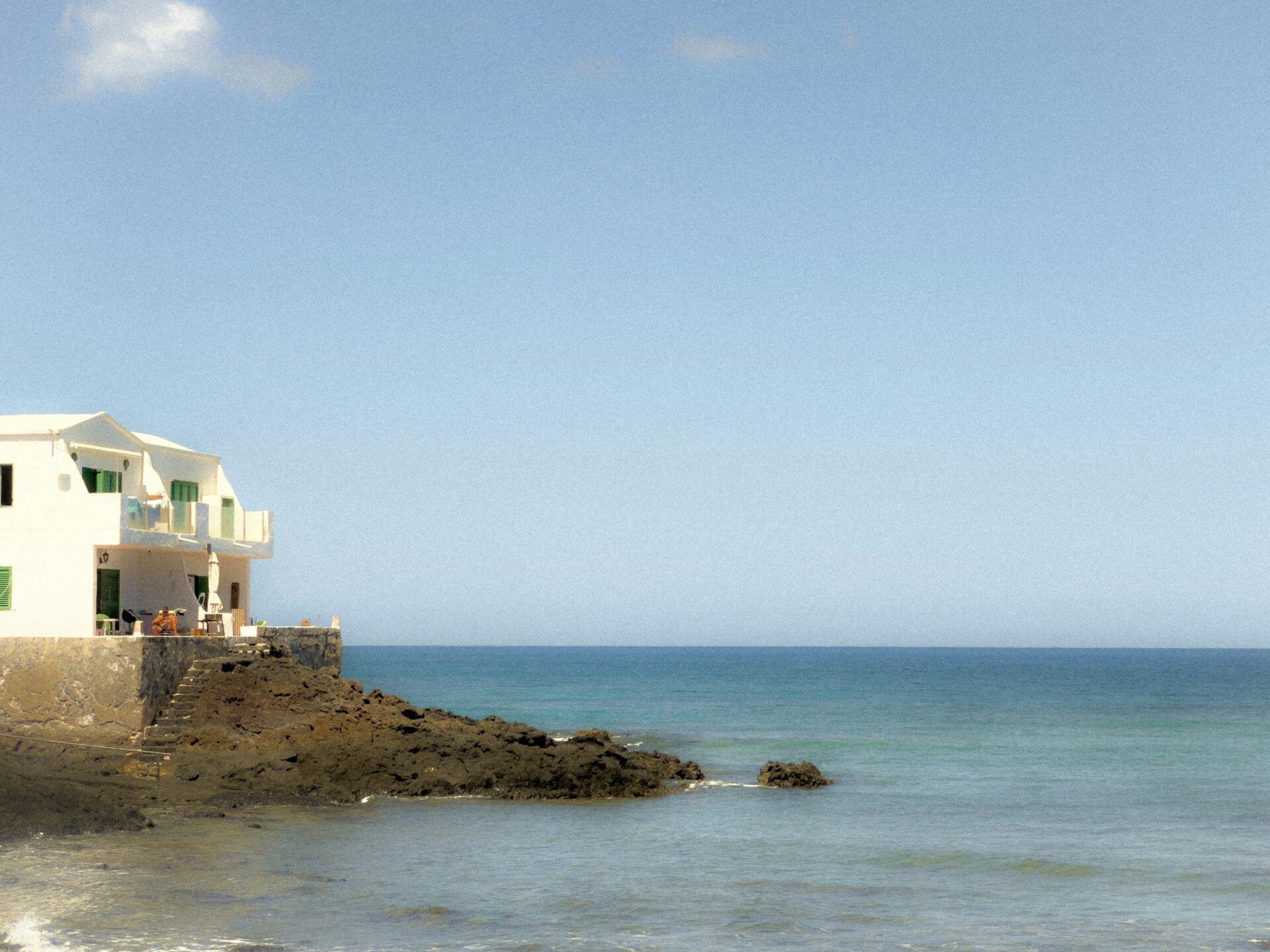
Playa Blanca sits at the southern tip and has shifted from a sleepy fishing village to a more upscale resort.
At the Rubicon Marina, you’ll find restaurants and shops with mountain views. White buildings tumble down the hills toward the sea.
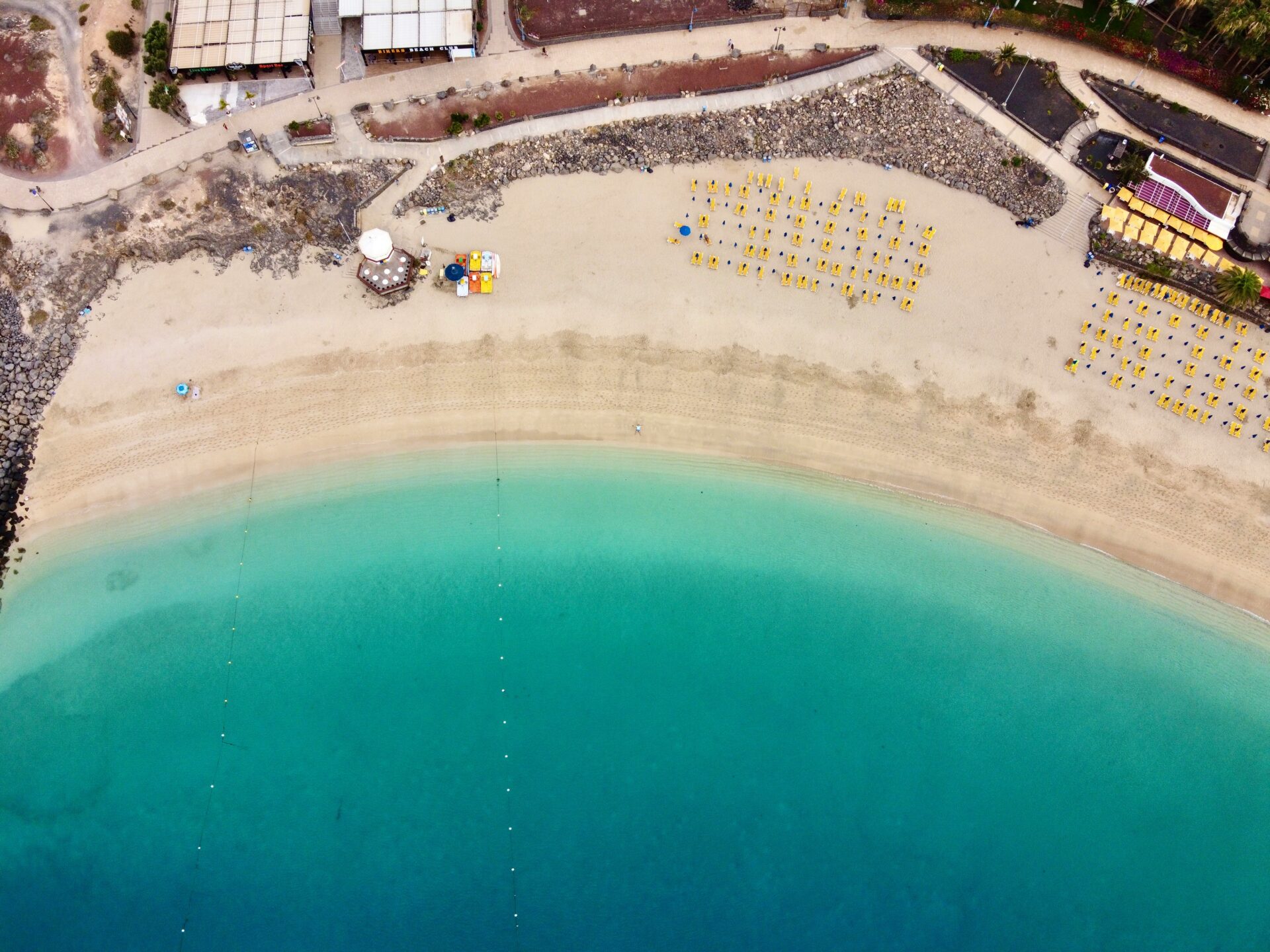
Just east, the Papagayo beaches hide in sheltered coves. These spots have golden sand and that perfect turquoise water.
La Graciosa: The Untouched Neighbor
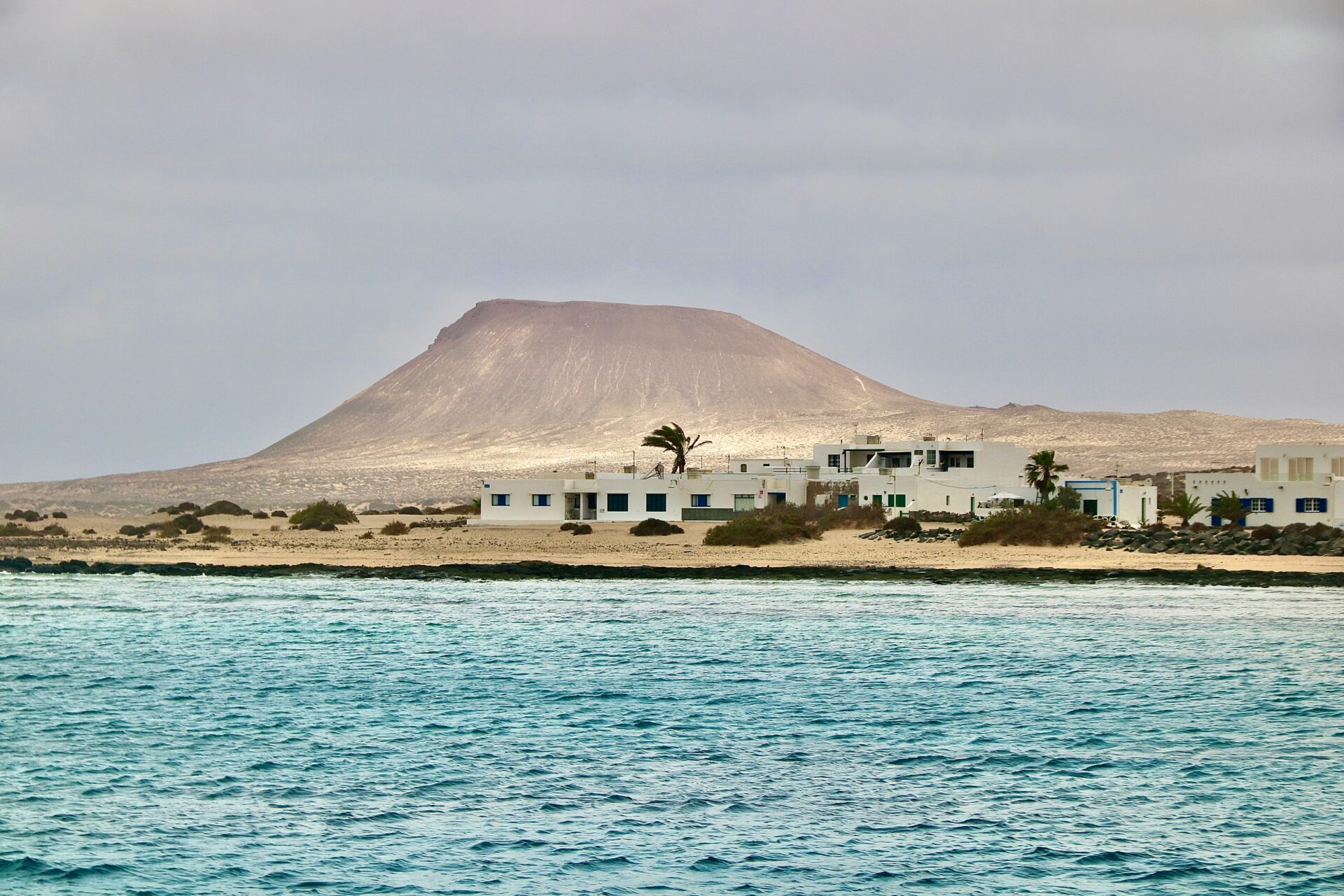
La Graciosa is Spain’s “newest” Canary Island, and it’s still mostly untouched. I hopped on the ferry from Órzola—just 25 minutes across the water.
There aren’t any paved roads here. Sandy tracks link the two main villages, Caleta de Sebo and Casas de Pedro Barba.
La Graciosa feels like time stopped. Fishermen mend their nets, and kids run around on dusty streets.
Playa de la Francesa is a dream: endless white sand, zero development, and volcanic peaks in the background.
Cars are off-limits except for essentials. Everyone either bikes or walks, so the whole place stays peaceful.
Travel Tips: Arrival, Exploration, and Practical Essentials
Getting to Lanzarote is a breeze through Arrecife Airport. With a rental car, you can reach any corner of the island in under an hour. If you time your trip right, you’ll get great weather and avoid the crowds—plus, smart booking can save you a bundle on where you stay.
Arriving at Arrecife Airport
Arrecife Airport sits on the east coast, just below the capital. The airport code is ACE, which, honestly, is pretty easy to remember.
You can fly direct from big European cities like London, Paris, Berlin, and Madrid. Budget airlines like Ryanair often have solid deals, especially if you travel off-season.
The airport itself is small and straightforward. Since Lanzarote is part of Spain and the Schengen zone, customs is usually quick and painless.
Getting from the airport:
- Rental cars are right outside the terminal—super convenient
- Taxis cost about €15-25 to Puerto del Carmen
- Buses run to the main towns, but they’re slower
I always grab my rental car right away. If you want to see the best volcanic spots, driving is a must. Public transport just doesn’t get you to those hidden places.

Getting Around the Island
To really explore Lanzarote, you need a car. The island is only 60 kilometers long, so nothing’s ever too far away.
Driving basics:
- Roads are smooth and easy to follow
- Traffic rarely gets heavy, except maybe in town centers
- Any car size works—no crazy mountain passes or tight squeezes
- Parking’s usually free at the main sights
Driving from Playa Blanca in the south to Orzola in the north takes about 70 minutes. You can easily stay in one spot and do day trips all over.
Main routes I used:
- LZ-2: The backbone highway, linking all the big towns
- LZ-67: Winds through Mancha Blanca and up to Timanfaya
- LZ-1: Follows the coast with some jaw-dropping sea views
Gas stations are easy to find, but I always fill up before heading to the more remote volcanic areas up north. The roads twist a bit through the lava fields, but honestly, it’s never stressful.
Accommodation and Booking Resources
Three main resort areas dominate the island, each with its own vibe. Booking early usually means better prices and prime locations.
Best places to stay:
- Puerto del Carmen: Biggest resort, buzzing with beaches, food, and nightlife
- Playa Blanca: Calmer, family-friendly, and down south
- Costa Teguise: Centrally located, easy beach access, lots of parking
I used Booking.com to compare hotels and check fresh reviews. Location matters here—some “beachfront” places are a bit of a trek from the actual sand.
Booking tips:
- Reserve 2–3 months ahead for deals
- Double-check parking if you’ll be driving
- Adults-only hotels are usually quieter
- All-inclusive can help save on what’s honestly a pricey island
Aparthotels are great for longer stays. Having a kitchen saves you from eating out every meal, which adds up fast. Many accommodations have pools, but if you’re like me, you’ll probably spend more time out exploring than lounging at the hotel.
When to Visit for Unforgettable Experiences
Lanzarote really shines any time of year, but some months just feel made for certain adventures. This Canary Island treats you to mild weather even in the middle of winter, which feels almost unfair compared to the rest of Europe.
Best months by activity:
- Swimming: July to October—the water’s at its warmest, and you’ll actually want to dive in.
- Hiking: April, May, September, and October. These months offer comfortable temperatures, so you won’t melt on the trails.
- Photography: November to March. The skies clear up, and you don’t have to elbow through crowds for that perfect volcano shot.
- Windsurfing: June and July, thanks to those reliable, stronger winds.
Seasonal considerations:
- Summer gets both hot and busy. Sometimes it feels like everyone in Europe decided to come.
- Winter draws in sun-seekers escaping the cold back home.
- Spring and fall? Honestly, they strike the best balance—pleasant weather, fewer people.
- You’ll rarely see rain, but if it happens, it’s most likely from December through February.
When I went in October, I lucked out. The days hovered around 24°C (75°F), the ocean still felt like summer, and the crowds had mostly vanished.
If you’re not a fan of packed beaches and long lines at volcanic parks, steer clear of July, August, and Easter week. European school holidays ramp up the crowds, and that peaceful island vibe can get a bit lost.
