
Greek Easter—Pascha—really is something else. It’s the most important religious celebration in Greece, and honestly, it’s nothing like the commercialized Western Easter you might know. Here, centuries-old traditions and deep spirituality take over entire communities, turning villages into living, breathing expressions of faith. Spring’s arrival just makes it all feel more magical.
My first Greek Easter was a revelation. It wasn’t just a holiday; it was a spiritual journey that grabbed all my senses and pulled me into customs handed down through generations. From the quiet, candlelit processions of Holy Week to the wild joy of the midnight Resurrection, every moment felt charged with meaning. Locals and visitors alike got swept up in the emotion.
I’ll never forget standing in a village square, the air thick with incense and the scent of fresh flowers. Suddenly, thousands of candles flickered to life as “Christos Anesti” echoed all around. The whole week is a rush of reflection and celebration—unique foods, local twists, and memories you just can’t shake.
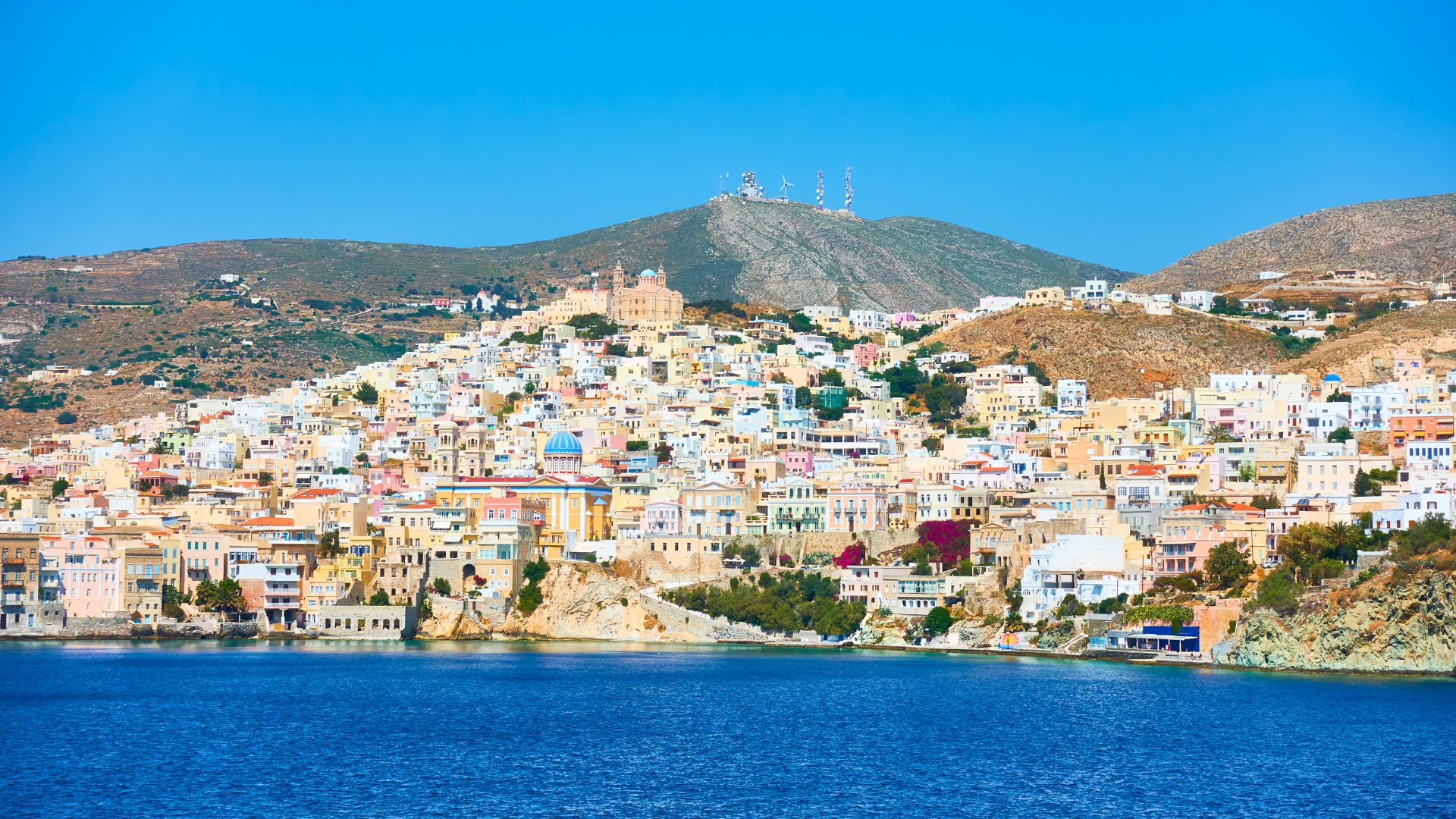
The Spiritual and Cultural Heart of Greek Easter
At its core, Greek Easter celebrates Christ’s resurrection and the victory of light over darkness. But it’s not just about faith; it’s about community, renewal, and holding onto ancient Orthodox traditions that make the experience unforgettable.
The Meaning of Pascha and the Resurrection of Christ
Pascha isn’t just the Greek word for Easter. It’s loaded with meaning—directly connecting to the Jewish Passover and the resurrection of Jesus Christ. Greeks use “Pascha” because it ties the holiday to its ancient roots.
Everything during Greek Easter points back to that central miracle: Christ rising from the dead. I spent time with families who read scripture together, reliving Christ’s final days and his return.
Key Pascha elements:
- Christ’s victory over death
- The promise of eternal life
- Fulfillment of God’s salvation
- Hope and joy after suffering
People I met spoke about the resurrection like it was personal proof that love and life always win. It’s not just a story—it’s something they carry with them.
Significance of Light, Renewal, and Community
Light is everywhere during Greek Easter. I saw it firsthand at the midnight service, where candles became symbols of Christ lighting up the world.
The greeting “Christos Anesti” (Christ is Risen) spreads like wildfire. People shout it to neighbors, strangers, anyone in earshot. It’s pure joy.
Renewal isn’t just spiritual. Families scrub their homes top to bottom, cook special foods, and take time for prayer or confession. There’s a sense of starting fresh.
Community bonds grow stronger through:
- Shared meals and laughter
- Group church services
- Neighbors helping each other prep for Easter
- Swapping gifts and greetings
It struck me how everyone, from toddlers to grandparents, came together. Whether in church, at home, or out in the square, the whole village felt like one big family.
How Easter Differs in the Greek Orthodox Tradition
Greek Orthodox Easter usually falls later than Western Easter because they follow the Julian calendar. That alone makes the whole season feel a bit more Greek—there’s a different rhythm here.
I saw rituals that were totally new to me. On Good Friday, the epitaphios service had people carrying a flower-decked bier through the streets. The midnight resurrection? The church just exploded with light as everyone lit candles from the Holy Fire.
Some Orthodox differences:
- The Julian calendar (so Easter’s often later)
- 40 days of fasting
- Unique liturgies and processions
- Celebration as a community, not just at home
Greek Easter doesn’t end after a day or two. The celebration stretches on, with more gatherings, more food, and more chances to reconnect with faith and family.
Journey Through Holy Week: Traditions and Rituals
Holy Week in Greece is a sensory overload—in the best way. The Orthodox calendar shifts into high gear as people prep for Pascha through rituals that mark Christ’s final days. Each day brings its own mood, from strict fasting to solemn processions that fill the streets with flickering candles and soft prayers.
Lenten Fast and Preparation
The Lenten fast ramps up as Holy Week nears. Greeks call this time Sarakosti, and it lasts a full 48 days before Easter.
I watched families skip meat, dairy, eggs, and even fish. The discipline is honestly impressive.
During Holy Week, fasting gets even stricter. Many try a total fast on Holy Monday, Tuesday, and Wednesday, only breaking it with simple meals before church.
Homes get a deep clean, too. Women cook up special fasting foods, and markets brim with things like tarama and fresh veggies.
Starting Holy Monday, churches drape everything in black and purple. The mood turns somber, and it’s impossible not to feel the weight of what’s coming.
Palm Sunday and Holy Monday Observances
Palm Sunday kicks off Holy Week. I joined a procession where kids waved palm and bay branches, weaving through the streets.
Churches hand out these branches, and families tuck them behind icons at home. It’s a direct nod to Christ’s entry into Jerusalem.
On Holy Monday, the focus shifts. Priests chant hymns about Christ cursing the fig tree, and the music turns serious.
The vibe in town changes fast. Decorations get darker, the music slows, and people start their final house cleaning. I saw neighbors pitching in to help each other prep for Easter.
Washing of the Feet and Holy Tuesday Practices
Holy Tuesday is about Christ teaching in the temple. The evening service features readings about the wise and foolish virgins.
I witnessed the foot-washing ritual—a priest kneeling to wash the feet of twelve church members, echoing Christ’s humility before the Last Supper. It’s humbling to watch.
The congregation sings quietly during the ceremony. There’s a hush in the air; you can almost feel everyone reflecting.
Later, churches read the twelve passion gospels on Holy Thursday night. This service can stretch on for hours, with priests recounting every detail of Christ’s suffering.
The Epitaphios Procession of Good Friday
Good Friday stands out as the most solemn day of all. The epitaphios—a flower-covered shroud—represents Christ’s burial.
I joined a procession that night, walking with the whole community behind the epitaphios, candles in hand, funeral hymns filling the air.
The procession usually starts around 9 PM, winding through the neighborhood in near silence or soft prayer.
Earlier in the day, churches get busy decorating the epitaphios with fresh flowers. I watched women carefully arrange roses and carnations into intricate patterns.
As the bier passes, it moves under flower arches built across the streets. People lean over balconies, tossing petals onto the crowd below.
It’s a ritual that pulls everyone together in mourning, just before the joy of Easter bursts in.

Easter Vigil and the Midnight Resurrection Service
When Holy Saturday night falls, anticipation is everywhere. The Easter Vigil builds toward the most sacred moment in the Greek Orthodox calendar. The midnight service transforms churches into glowing hubs of celebration, and everyone gathers to witness Christ’s victory over death.
Holy Saturday: Lighting the Way
Holy Saturday is the last day before the big celebration. Churches stay dim and quiet, the mood heavy with expectation.
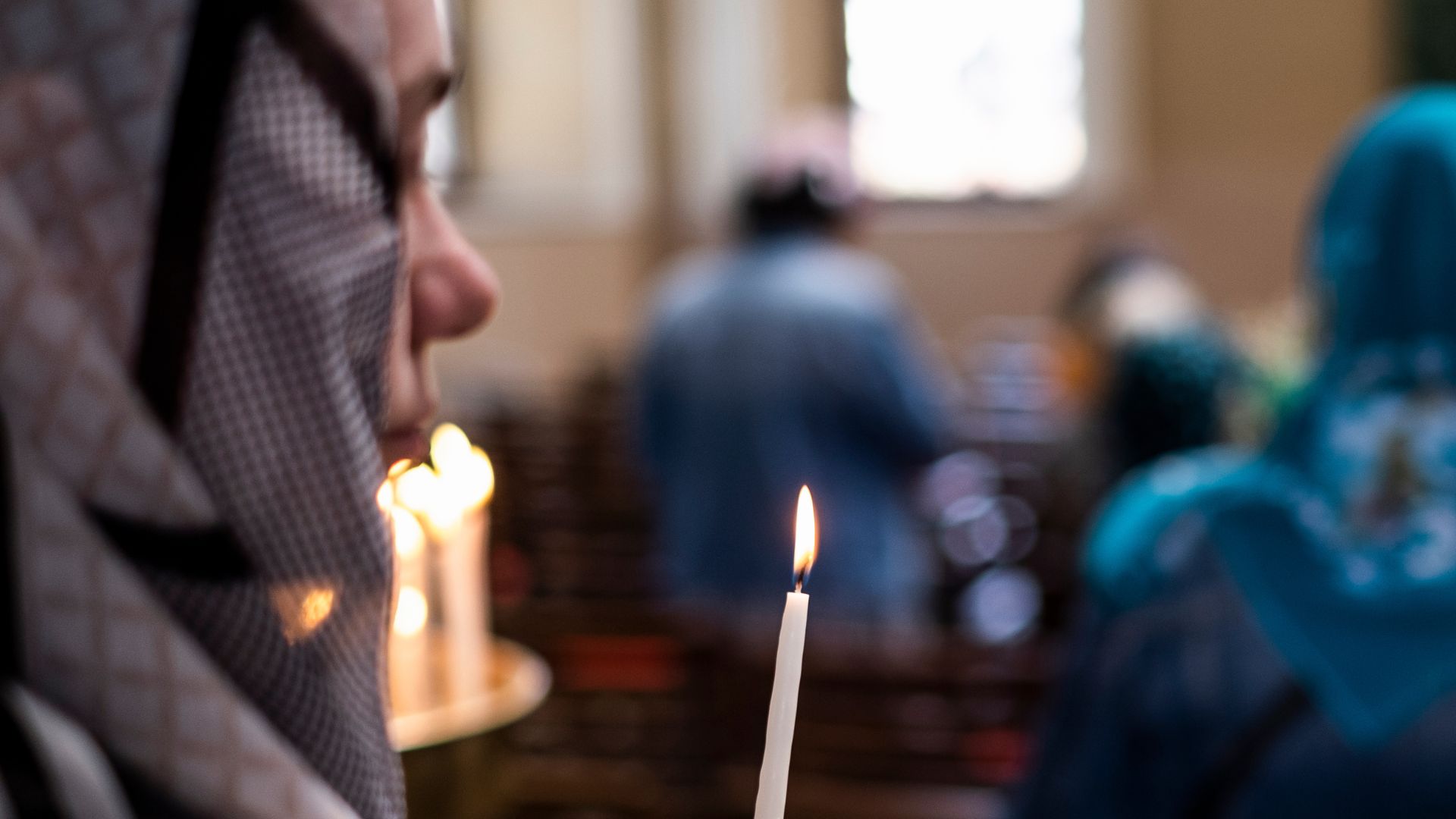
I watched as volunteers handed out candles to everyone packed outside the church. Then the priest came out, holding the Holy Light—a flame that travels all the way from Jerusalem each year.
This fire stands for Christ as the light of the world. People light their candles from the priest’s flame, and soon the whole crowd glows.
It’s hard to describe the feeling. We stood together in the dark, and one by one, the light spread until the night sparkled.
The Proclamation of Christos Anesti
Midnight strikes, and suddenly the priest shouts, “Christos Anesti!” (Christ is Risen). The crowd erupts, answering, “Alithos Anesti!” (Truly He is Risen).
Bells ring out, fireworks explode in the sky—especially in villages and cities that love a bit of drama.
In some churches, I saw a unique tradition called “Lift Up Your Gates.” The priest knocks on the closed church doors three times, chanting verses from Psalm 23, symbolizing Christ’s victory and his entrance into heaven.
The Resurrection Gospel is read outside, in the open air. It’s a reminder that Christ’s victory started in the darkness before he returned to the world.
Community Celebrations and Church Rituals
The celebration moves inside for Paschal Matins. The service is simpler than usual but bursting with joy. Hymns of resurrection fill the church, and incense swirls everywhere.
Families cup their candle flames against the wind as they walk home. They believe the Holy Light brings blessings, so they use it to light lamps that stay on through the season.
The sense of togetherness is overwhelming. Strangers hug, kids stay up late, and everyone shares the Easter greeting with real excitement.
After the service, families break their fast with traditional foods—cracking red eggs and tearing into Easter bread. The mood is electric.
Iconic Customs and Festive Foods of Greek Easter
Greek Easter shines brightest through four classic traditions: cracking red eggs, the sweet scent of tsoureki bread, the midnight magiritsa soup, and the feast of roasted lamb on Easter Sunday.
Red Easter Eggs and the Tsougrisma Tradition
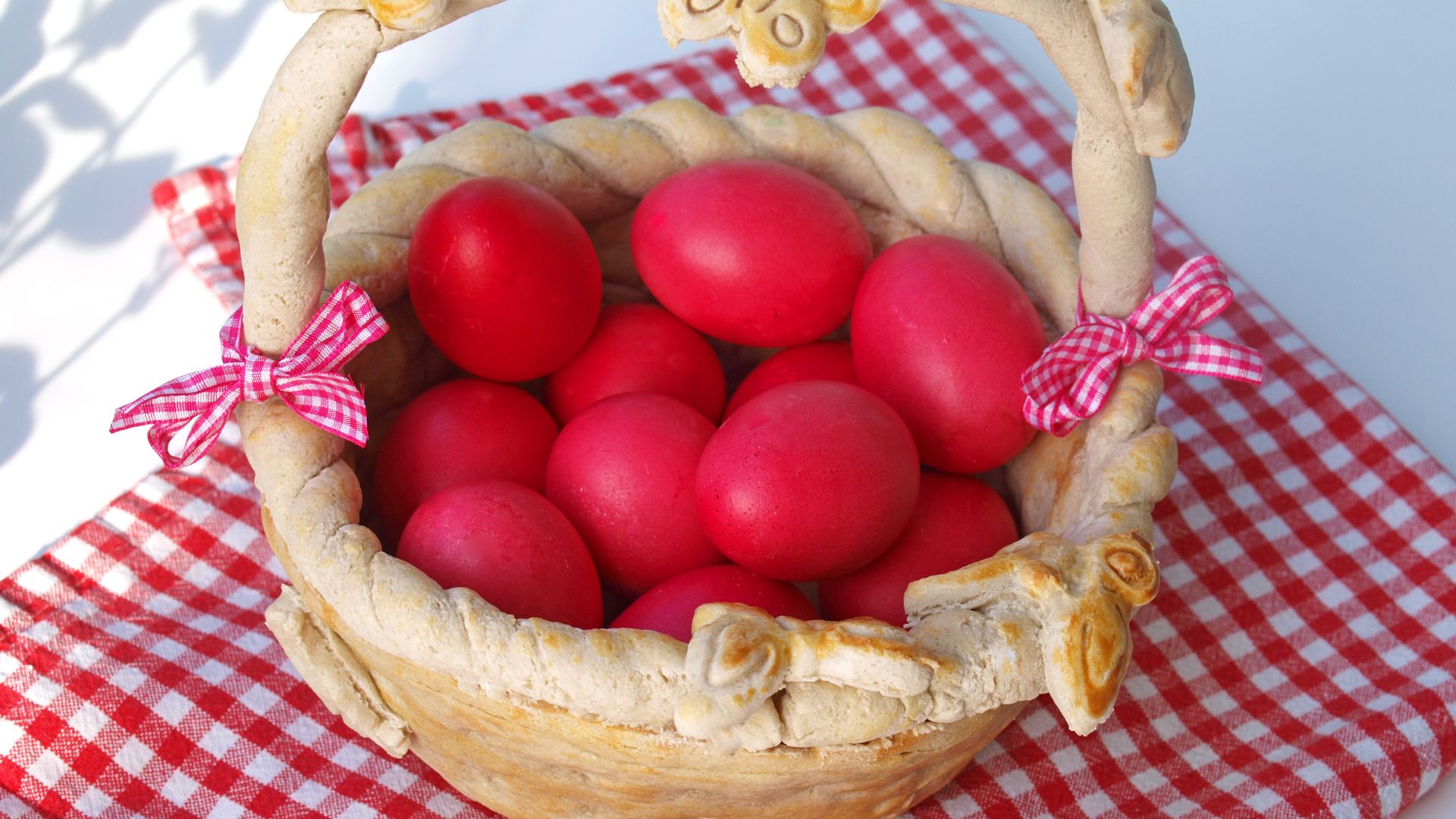
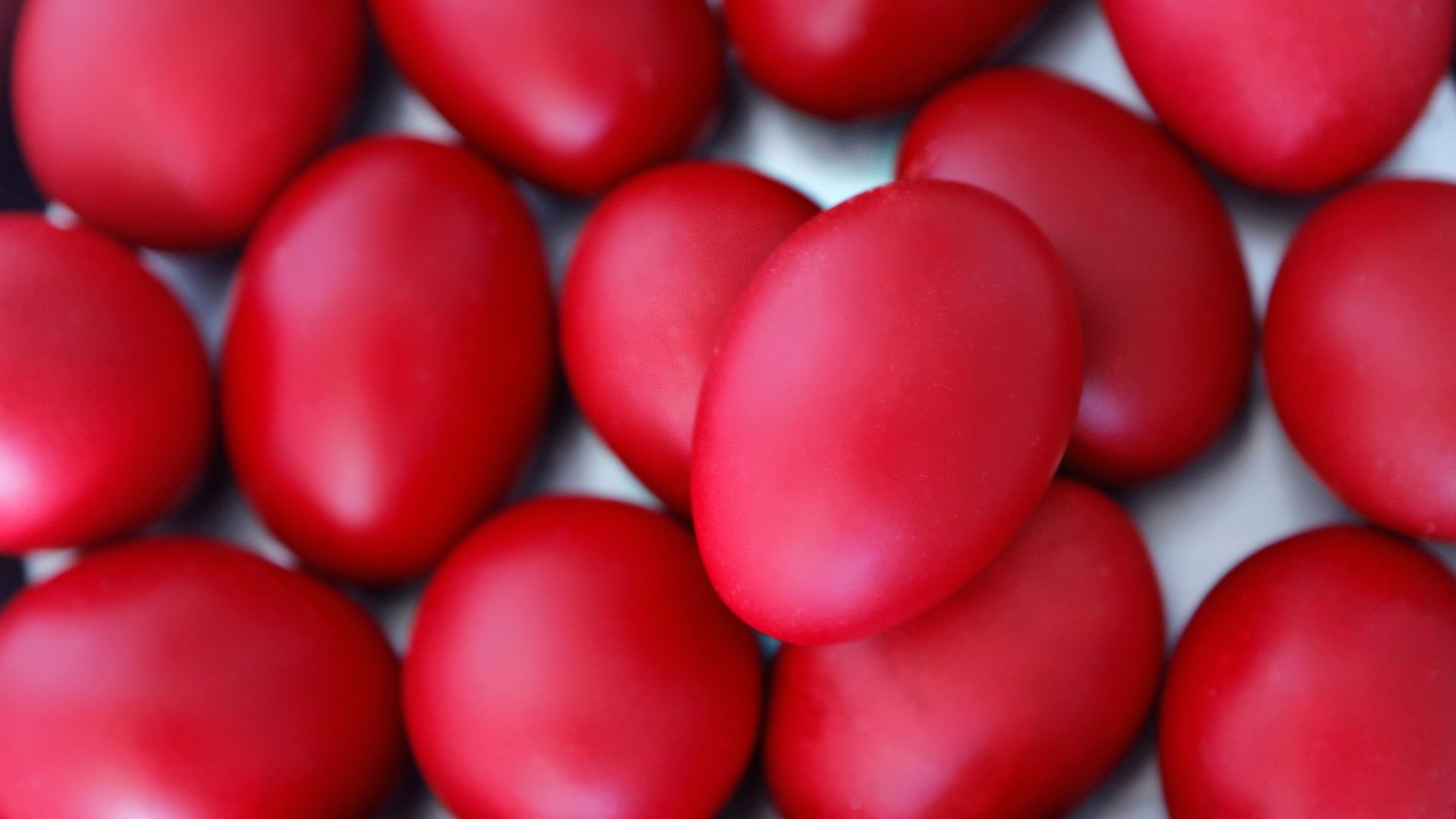
Red Easter eggs are everywhere. The color stands for Christ’s blood and the promise of new life.
On Holy Thursday, families gather to dye eggs red. Some use natural dye, others go for food coloring. It’s a messy, laughter-filled tradition.
After midnight mass, the tsougrisma game begins. Two people tap their red eggs together—top to bottom. The winner is the one whose egg doesn’t crack.
How tsougrisma works:
- If your egg stays uncracked, you move on to challenge someone else
- The last egg standing is said to bring its owner good luck all year
The egg battles are loud and hilarious. Kids especially get into it, and the losers don’t mind—they just eat their cracked eggs or save them for breakfast.
Some families bake red eggs right into their tsoureki bread, making for gorgeous, festive loaves.
Baking Tsoureki and Traditional Easter Bread
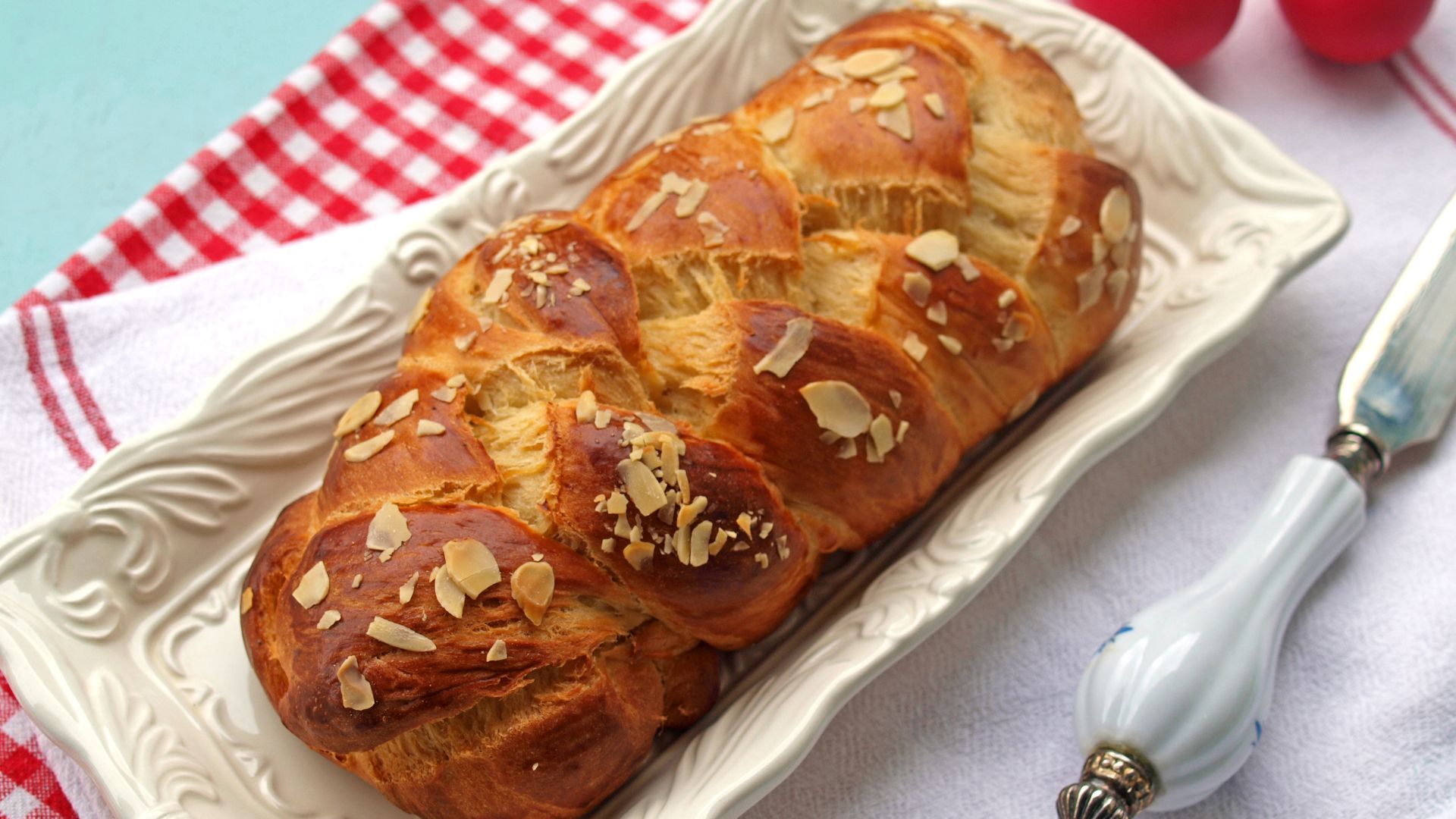
Tsoureki is the heart of Greek Easter baking. The smell alone is enough to make you hungry.
This sweet bread gets its unique flavor from mahlepi (ground cherry pits) and mastiha (Chios tree resin). The result is a soft, slightly sweet loaf with hints of almond and something floral.
I learned a few secrets from local bakers:
- Keep all ingredients warm when mixing
- Add butter last
- Fold the dough gently—no rough kneading
- Let it rise until it doubles in size
Families braid their tsoureki into circles for eternity or long loaves with red eggs nestled in. The bread rises twice, and bakers brush it with egg yolk and warm water for that signature shine.
Fresh tsoureki tastes like orange, vanilla, and just a hint of spice. If you store it right, it stays soft for days—though honestly, it rarely lasts that long.
Magiritsa Soup: A Midnight Feast
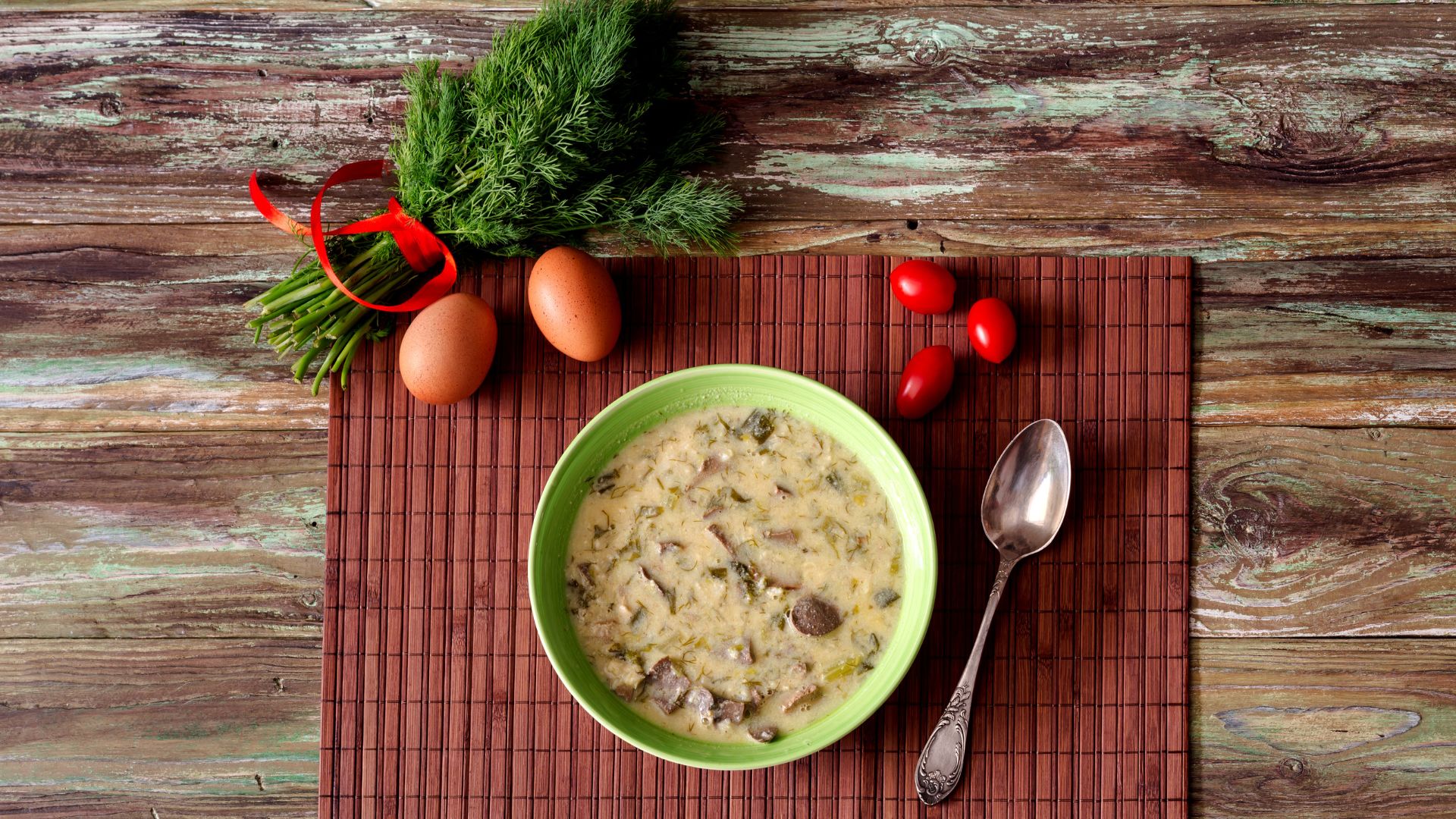
Magiritsa soup marks the first bite of meat after the 40-day Lenten fast. Families dig into this traditional soup right after coming home from the midnight Easter service.
Classic magiritsa calls for lamb offal—liver, heart, intestines, even the head and neck for extra flavor. These days, plenty of cooks swap in lamb shanks or chicken wings if the classic version feels a bit much.
Key magiritsa ingredients:
- Lamb meat or offal
- Tons of fresh dill and parsley
- Green onions and regular onions
- Carrots and celery
- Rice or tiny pasta shapes
- Avgolemono (egg-lemon sauce)
I once watched Greek cooks prepping magiritsa on Holy Saturday afternoon. The soup bubbled away for hours, drawing out all those deep, rich flavors. They always toss in the herbs at the very end—keeps everything bright and fresh.
Avgolemono makes magiritsa truly special. Cooks whisk eggs with lemon juice, then slowly stir in hot broth. The result? A creamy, tangy finish that just feels like comfort.
This soup gently welcomes your body back to meat after weeks of fasting. Protein, veggies, and herbs come together for a nourishing bowl that feels like a warm hug.
The Easter Sunday Roasted Lamb Table
Easter Sunday’s roasted lamb sits at the heart of Greek Easter. This feast pulls families together for the year’s most important meal.
In mainland Greece, whole lambs slowly spin on spits over open fires. Men take turns manning the spit, swapping stories and sipping drinks. The lamb roasts all day, filling the air with that irresistible scent.
On the Greek islands, folks usually roast lamb in big ovens. Both ways turn out juicy meat with crispy skin—can you really go wrong? The lamb stands for Christ’s sacrifice and resurrection.
Traditional Easter Sunday dishes:
- Whole roasted lamb or leg of lamb
- Kokoretsi (seasoned organ meat wrapped in intestines)
- Greek village salad loaded with fresh veggies
- Roasted potatoes with lemon and herbs
- Fava beans and other legumes
- Local cheeses and olives
The atmosphere at these feasts is something else. Long tables groan under piles of food, and generations gather for hours of laughter and eating.
Easter tables overflow with joy and celebration. Homes ring with music, laughter, and wishes for health and happiness. Kids dart between tables while adults toast with wine and ouzo.
These dinners often stretch well into the night. Sharing food, for Greeks, means strengthening family bonds and honoring their Orthodox faith together.
Unique Regional Easter Experiences in Greece
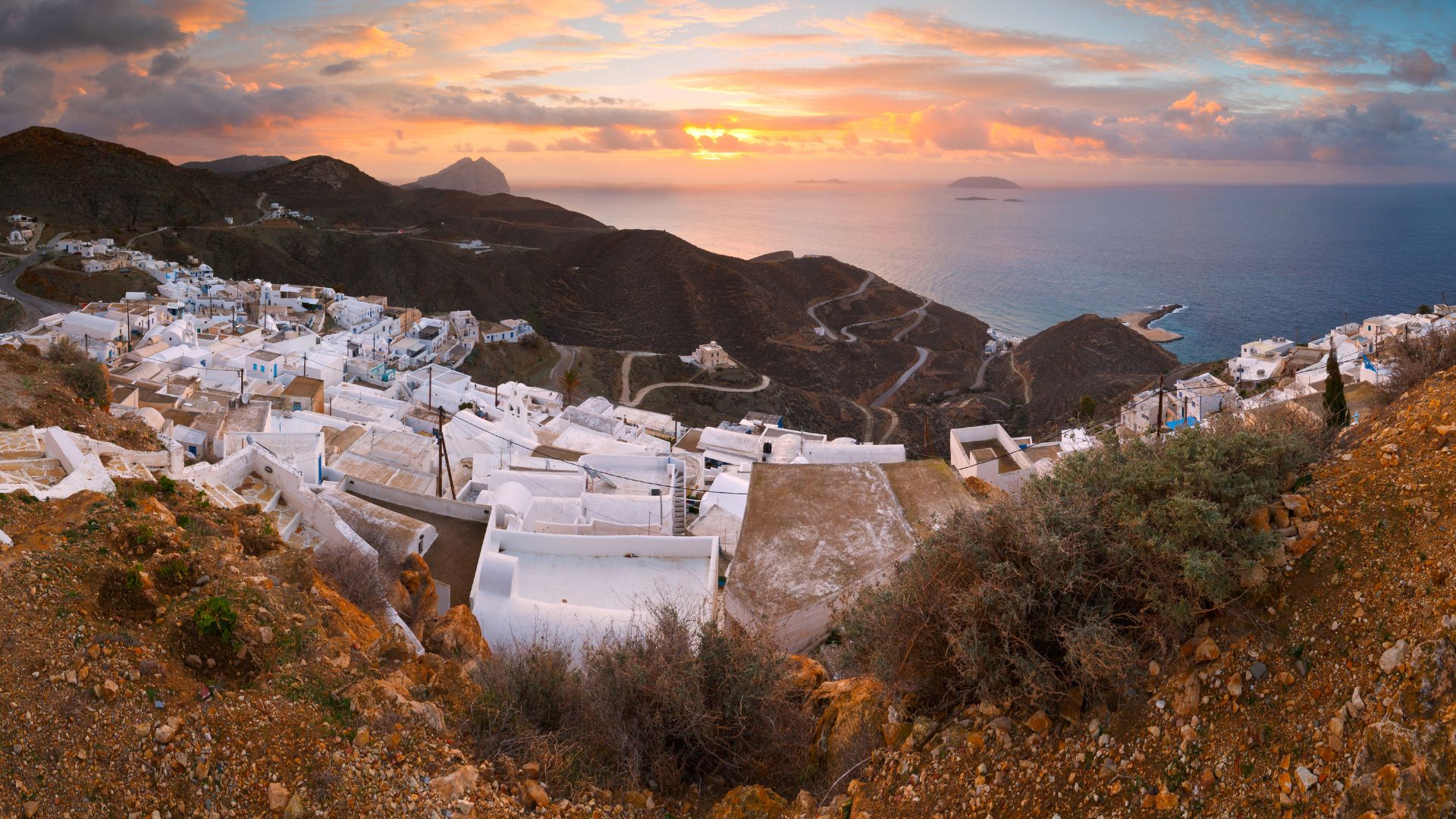
Every Greek region adds its own twist to Easter, from Corfu’s legendary musical parades to mountain villages where ancient customs meet wild natural beauty. You’ll find everything from urban ceremonies with full orchestras to tiny island rituals in places like Chora, where sacred moments play out against jaw-dropping backdrops.
Easter in Corfu: Philharmonic Bands and Vibrant Parades
Corfu really goes all out for Easter. I remember seeing three separate philharmonic bands weaving through the old town’s narrow streets. Their music bounced off the Venetian buildings, creating this echoing, surreal soundscape.
One wild tradition? The pot-throwing at 11 a.m. on Holy Saturday. Locals fill clay jugs with water, tie on red ribbons, and hurl them from balconies. The crashing pots supposedly chase away bad luck—a holdover from Venetian times.
Corfu’s Easter highlights:
- Multiple philharmonic orchestras playing classical music
- Elaborate Epitaphios processions on Good Friday
- The famous pot-smashing event
- Venetian-inspired church decorations
Blending Orthodox and Venetian traditions makes Corfu’s Easter truly unique. Hearing Beethoven’s funeral march during the Epitaphios procession gave me chills—one of those moments that sticks with you.
The Island of Chora: Sacred and Local Observances
Chora keeps things small and heartfelt. The island’s tiny churches become the center of deeply personal celebrations. I’ve watched locals prepping weeks in advance, crafting decorations and planning community feasts.
The midnight Resurrection service feels extra magical here. With barely any artificial lights, candles light up the night. When everyone lights their candle from the priest’s flame, the whole harbor glows.
Chora’s distinctive features:
- Celebrations centered on the community
- Fishing boat processions
- Handmade church decorations
- Family-style Easter meals
Locals often invite visitors to join their Easter tables. I once shared lamb, red eggs, and wine with a family, learning about traditions passed down for generations. Those connections often last long after the holiday ends.
Mountain Villages and Outdoor Celebrations
Head into Greece’s mountain villages and you’ll find Easter traditions set against breathtaking scenery. Many villages celebrate outdoors, soaking up the spring air and dramatic views.
Villages in the Peloponnese, for example, host communal lamb roasting in the town square. Neighbors gather around big fires, sharing food and stories. The whole thing feels like a sacred festival.
Mountain village traditions:
- Open-air church services
- Community meals cooked over wood fires
- Traditional folk dancing
- Wildflower decorations everywhere
Celebrations here can go all night. The mix of religious devotion and nature’s beauty is unforgettable. Watching dawn break after an all-night party, mountains all around, is something I’ll never forget.
Combining Easter with Hiking and Nature
More regions now blend hiking with Easter traditions. I once joined a walk that hopped from village to village, soaking in different customs and the gorgeous Greek spring.
Easter lands during Greece’s prettiest season. Hillsides explode with wildflowers, and the weather’s just right for being outside. Hiking between villages lets you see how traditions shift from place to place, even a few miles apart.
Some hiking routes connect traditional villages alive with Easter celebrations. My favorite paths led to mountaintop chapels for sunrise services. The climb made the spiritual side feel even more meaningful.
A few tours mix multi-day hiking with homestays in villages celebrating Easter. It’s a great way to dive deep into local culture while staying active. If you’re after both adventure and authentic experiences, this combo really delivers.
Frequently Asked Questions
Greek Easter bursts with unique customs—midnight services, red eggs, and special foods you won’t find in Western celebrations. It all ties back to the Julian calendar and ancient Orthodox rituals.
What are the traditional activities observed during Greek Easter?
The midnight Resurrection service on Holy Saturday is the big one. Churches fill up with families holding unlit candles, waiting for the priest to announce “Christ is risen!”
Holy Week brings daily church services. Good Friday sees congregations walking with the Epitaphios, a symbolic burial shroud.
During Holy Week, families dye eggs red and bake special breads. They also get magiritsa soup ready for after the midnight service.
Many towns hold outdoor processions with candles. People carry the flame home to light their own lamps and candles.
How is Greek Orthodox Easter different from Western Easter celebrations?
Greek Orthodox Easter follows the Julian calendar, so it usually falls later—sometimes by several weeks.
The focus is on the midnight Resurrection service, not sunrise. Families head to church at midnight on Holy Saturday, not Sunday morning.
Orthodox fasting is stricter—no meat, dairy, or eggs for 40 days before Easter.
The big feast happens after midnight, not in the morning. Western Easter traditions lean more toward egg hunts and breakfast.
What is the significance of red eggs in Greek Easter traditions?
Red eggs symbolize the blood of Christ. The color stands for life, renewal, and resurrection.
Families dye eggs on Holy Thursday or Good Friday. These eggs end up on the Easter table and in games.
The shell stands for Christ’s tomb. Crack it open, and new life emerges.
People give red eggs as gifts to family and friends. They’re tokens of hope and eternal life.
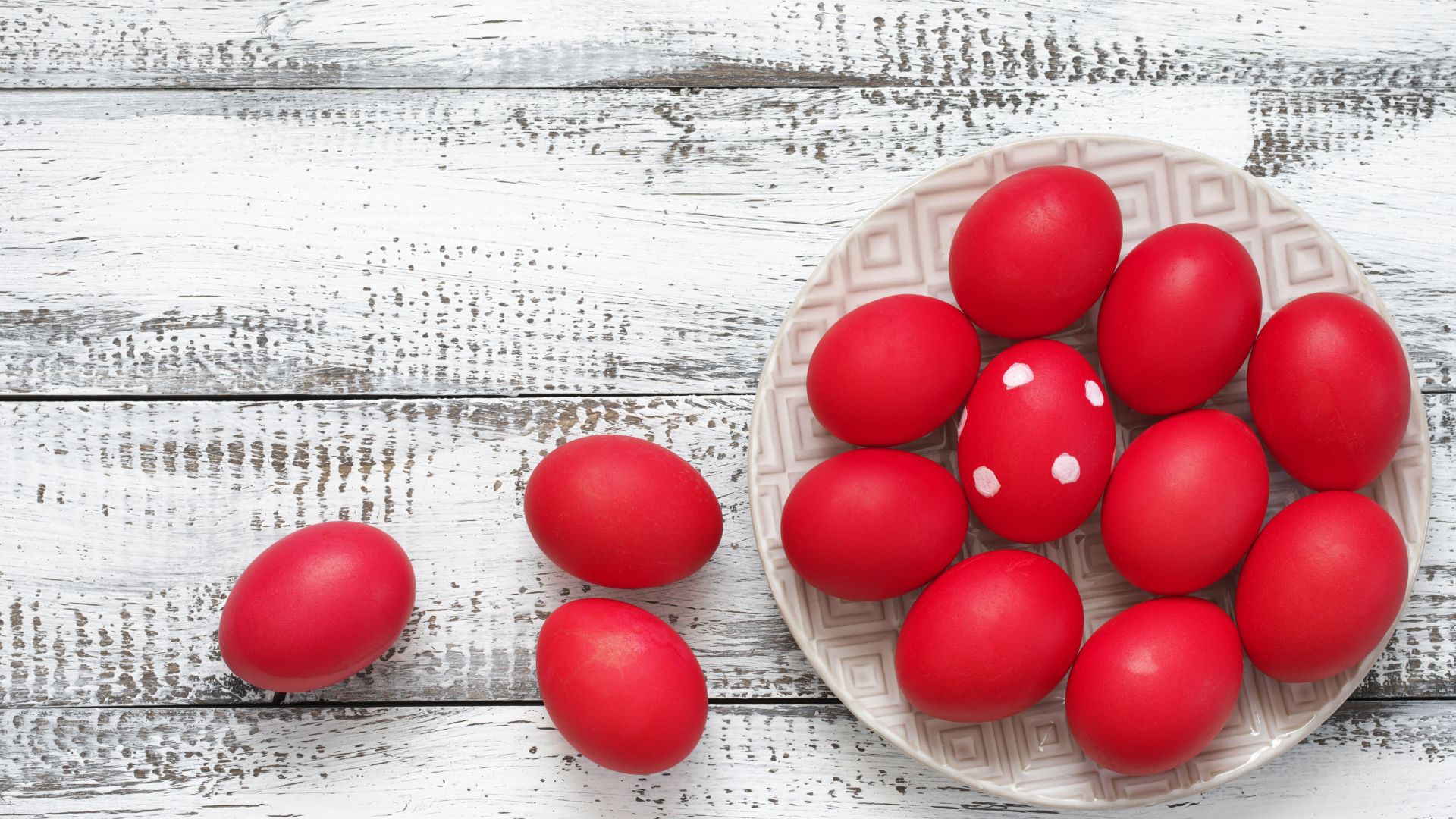
Can you describe the Greek Easter egg game and how it is played?
The game’s called “tsougrisma.” Players each grab a red-dyed, hard-boiled egg and try to crack the other person’s egg.
One person holds their egg still while the other taps it. Whoever’s egg stays uncracked wins.
If your egg survives, you’re said to have good luck for the year.
The game happens during the Easter feast, right after midnight. Everyone joins in, young and old.
What are the customary foods prepared and consumed during Greek Easter?
Tsoureki is the classic Easter bread—sweet, braided, with orange flavor and sometimes a red egg tucked inside.
Magiritsa soup breaks the fast after midnight. It’s rich with lamb organs, rice, and fresh herbs in a creamy broth.
Roasted lamb takes center stage on Easter Sunday. Some families cook whole lambs on spits outdoors.
You’ll also see Greek salads, roasted potatoes, and plenty of cheese dishes. Wine and ouzo flow freely at the table.
What should one expect when attending a Greek Orthodox Easter candle lighting service?
If you show up for Greek Orthodox Easter, expect the service to start late—usually around 11:30 PM on Holy Saturday. The church goes completely dark; they turn off every single light.
At midnight, the priest steps up and lights his candle from the altar’s flame. He passes the flame to the nearest person, and soon everyone’s reaching out, sharing the light down each pew.
People grip their candles, singing resurrection hymns together. The music and the soft glow of candles fill the church, and honestly, it’s hard not to feel moved by the atmosphere.
Once the service wraps up, families try their best to shield their candle flames from the night air as they head home. They use this blessed light to ignite candles and oil lamps in their own houses—something about carrying the celebration with you just feels right.