
Planning your first trip to the UK? It can feel like a lot—so many places to see, new customs to figure out, and practical details that sneak up on you.
I’ve watched plenty of travelers wrestle with London’s crowds or get lost in the Scottish Highlands, and honestly, I’ve made my share of rookie mistakes too.
The secret to a great UK trip? Nail the practical stuff before you go—think visas, transport, weather, and a few cultural quirks. Whether you’re chasing castles, city lights, or rolling green hills, a little prep goes a long way.
Let me share the tips that have saved me (and others!) from travel headaches. Visa know-how, getting around, not embarrassing yourself at the pub—it’s all here. Hopefully, these ideas will help you dodge common pitfalls and get the most out of your British adventure.

UK Entry Requirements and Travel Planning
Getting into the UK starts with the right paperwork and a bit of timing. Your passport, visa status, and a basic grasp of customs rules can make or break your arrival.
Visa and Passport Essentials
Your passport needs to stay valid for your whole UK trip. Double-check those dates well before you book anything.
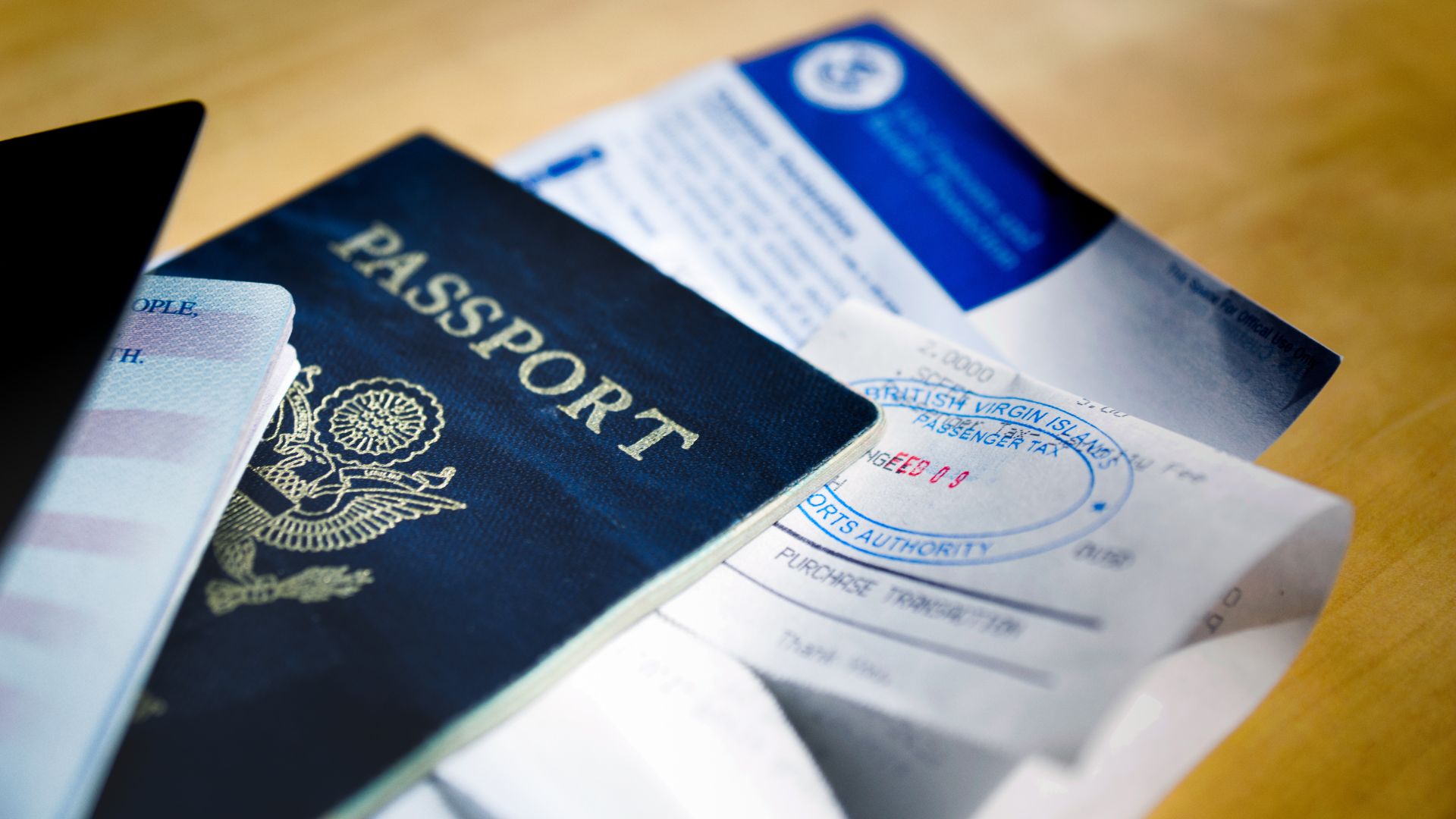
Starting January 8, 2025, US travelers have to get an Electronic Travel Authorization (ETA) before entering the UK—even if you’re just passing through Heathrow.
This ETA rule isn’t just for people leaving the airport. You have to apply online ahead of time.
Visa requirements depend on your nationality:
- Some EU citizens need an ETA, others don’t
- Certain countries require a full visitor visa
- If you’re over 16 and planning to study, you’ll need a student visa
I always tell folks to check the UK government’s official site for their own country’s requirements. Rules can change fast, and the process covers all four UK nations under one system.
Customs and Arrival Tips
UK customs officials will check your passport or ID when you arrive. They want to see that you’re allowed in.
Declare these at customs:
- Anything over your duty-free limit
- Banned or restricted items
- Goods you plan to sell
- More than €10,000 in cash from outside the EU
Officials might search your bags for undeclared stuff. Keep receipts handy for pricey purchases—just in case they ask.
Arrival times really depend on where you land. Ferries can take an hour or a whole day, depending on the route.
Print out your bookings, visas, and insurance info. Show up at airports early, since passport control lines can be slow.
Best Times to Visit and Seasonal Considerations
Summer (June to August) brings the best weather but also the biggest crowds. I actually prefer spring or early fall—fewer tourists and better deals.
Seasonal weather at a glance:
- Spring (March-May): Mild, flowers everywhere
- Summer (June-August): Warmest, longest days
- Fall (September-November): Cooler, gorgeous leaves
- Winter (December-February): Cold, short days, possible snow
Scotland and Northern Ireland usually feel chillier than England and Wales, no matter the month. Always pack layers.
Book your place to stay early if you’re visiting in summer or around holidays. Off-season (November to March) is cheaper and quieter.
Weather turns on a dime in the UK. I never skip packing a rain jacket and warm clothes, even for summer.

Getting Around the UK: Transportation Tips
The UK’s transport system is pretty solid, so hopping between cities and regions isn’t hard. London’s public transit works best with an Oyster Card, and trains zip you between big destinations.
Understanding the UK Transport Network
The UK runs several transport systems that link up across England, Scotland, Wales, and Northern Ireland. I usually use Google Maps to compare routes and prices before booking anything.
Trains connect major cities like London, Edinburgh, Bath, and Liverpool. They drop you right in the city center and the views are often stunning.
Coaches (buses) are the cheapest way to cover long distances. National Express is the big name here, and booking 12 weeks ahead gets you the best deals.
Domestic flights make sense for really long trips (over 300 miles). Airlines like easyJet and Ryanair can be a bargain, but remember to factor in time getting to and from airports.
If you want to explore rural spots like the Cotswolds or the Scottish Highlands, renting a car is a good move. Most rentals are manual, so request an automatic if you need one.
Using the London Underground and Oyster Card
The London Underground (locals just call it the Tube) is the quickest way around the city. Most lines run from early morning until after midnight.
Grab an Oyster Card at any station and top it up for trains, buses, and even boats. The card always charges you the lowest fare automatically.
You can also use contactless payments—just tap your bank card or phone instead of getting an Oyster Card.
I rely on the Citymapper app for real-time updates and the best routes. It highlights delays, closures, and the fastest ways to get around.
Peak hours are 7:30-9:30 AM and 5:00-7:00 PM on weekdays. Fares jump during these times, so plan your trips outside peak if you can.
Trains, Coaches, and Regional Connectivity
BritRail Passes are great for unlimited train travel if you’re visiting from outside the UK. You have to buy them online before your trip and only if you haven’t lived in Britain for six months.
Book regular train tickets on Trainline.com for the best prices in advance. Avoid weekday mornings before 9:30 AM—tickets are pricier then.
Typical train times:
- London to Edinburgh: 5 hours
- London to Bath: 2 hours
- London to York: 2 hours
- Edinburgh to Inverness: 2-3 hours
Coach travel takes longer but saves you money. National Express runs between all major cities and airports. In London, Victoria Coach Station is the main hub.
The Caledonian Sleeper train runs overnight between London and Scottish cities like Edinburgh, Glasgow, and Inverness. It’s a clever way to save on a hotel and wake up somewhere new.
Regional airports in Manchester, Birmingham, and Edinburgh offer good alternatives to London’s crowded airports for both UK and international flights.
Money Matters and Staying Connected
Sorting out money and communication ahead of time makes any UK trip less stressful. The pound sterling works a bit differently than other currencies, and a few payment and phone tips can save you hassle.
Using Pound Sterling and Currency Exchange
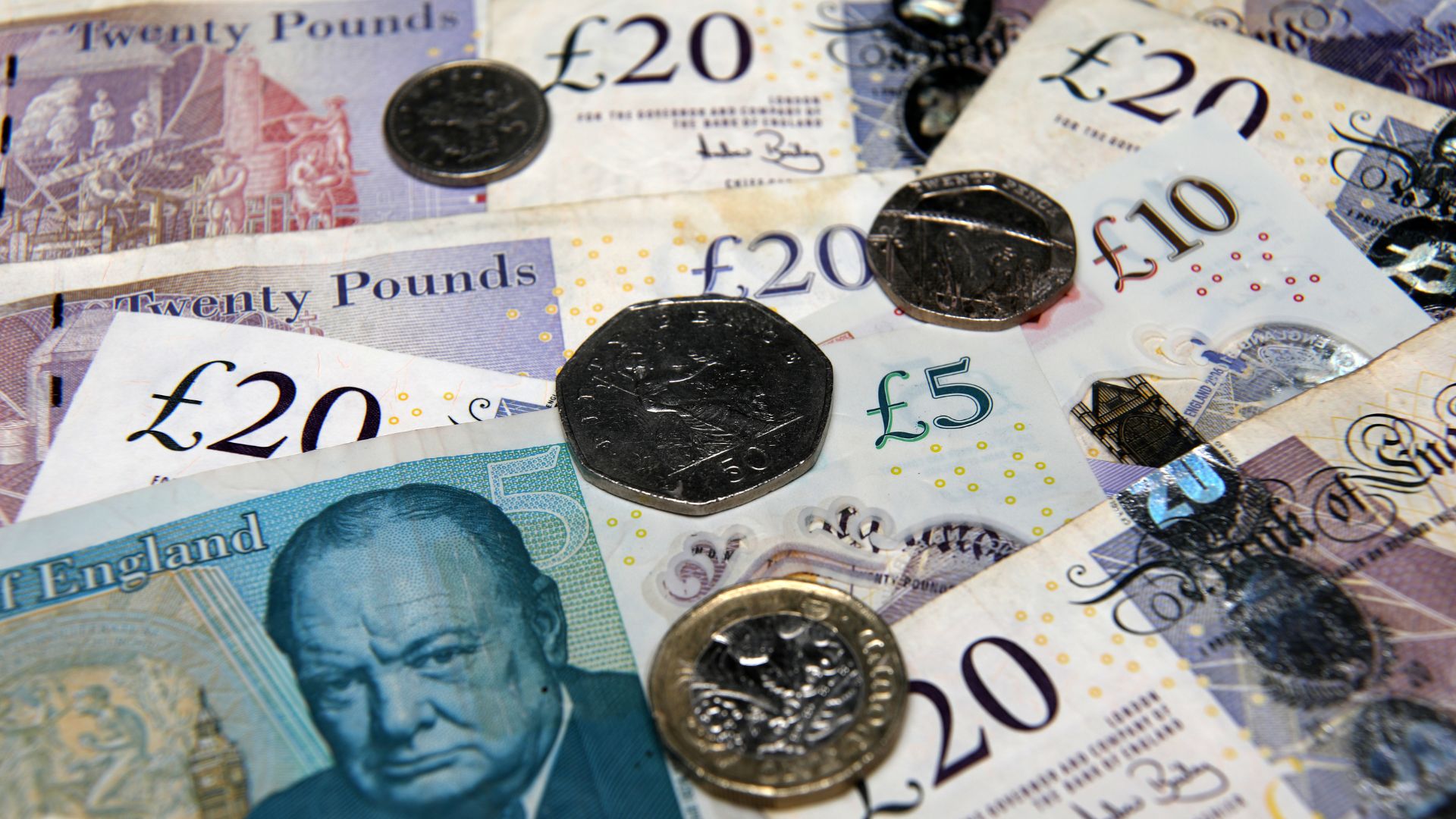
The UK uses pound sterling (GBP), sometimes just called the British pound. There are 100 pence in a pound.
You’ll get coins for 1p, 2p, 5p, 10p, 20p, 50p, £1, and £2. Notes come in £5, £10, £20, and £50.
Best ways to exchange money:
- Skip airport currency counters—they’re expensive
- High street banks are better but charge fees
- Post Office branches usually have solid rates
- Online options like Wise are great for transfers
I usually swap a small amount before flying for cabs or snacks. Don’t exchange big sums at the airport, since rates are 10-15% worse.
ATMs are everywhere and typically offer fair rates. Your bank might tack on foreign fees, so check before you go.
Contactless Payments and Budgeting
Contactless payments rule in the UK. Most places accept tap-to-pay cards and mobile wallets like Apple Pay or Google Pay.
The contactless limit is £100 per transaction. Just tap your card or phone for smaller buys—no PIN needed.
How people pay:
- Contactless cards (super common)
- Mobile wallet apps
- Chip and PIN for bigger purchases
- Cash (still around, especially at markets and pubs)
Some small shops, pubs, or markets still prefer cash. I keep about £20-50 in small bills and coins for these.
Oyster and other transport cards in London work with contactless payments too. You might not even need a separate travel card if your bank card works.
Outside London, plan for £30-50 a day for food and activities. In London, budget more like £50-80 per day.
Mobile Connectivity and eSIM Options
Getting online quickly is a lifesaver for maps, bookings, and staying in touch.
Best mobile options:
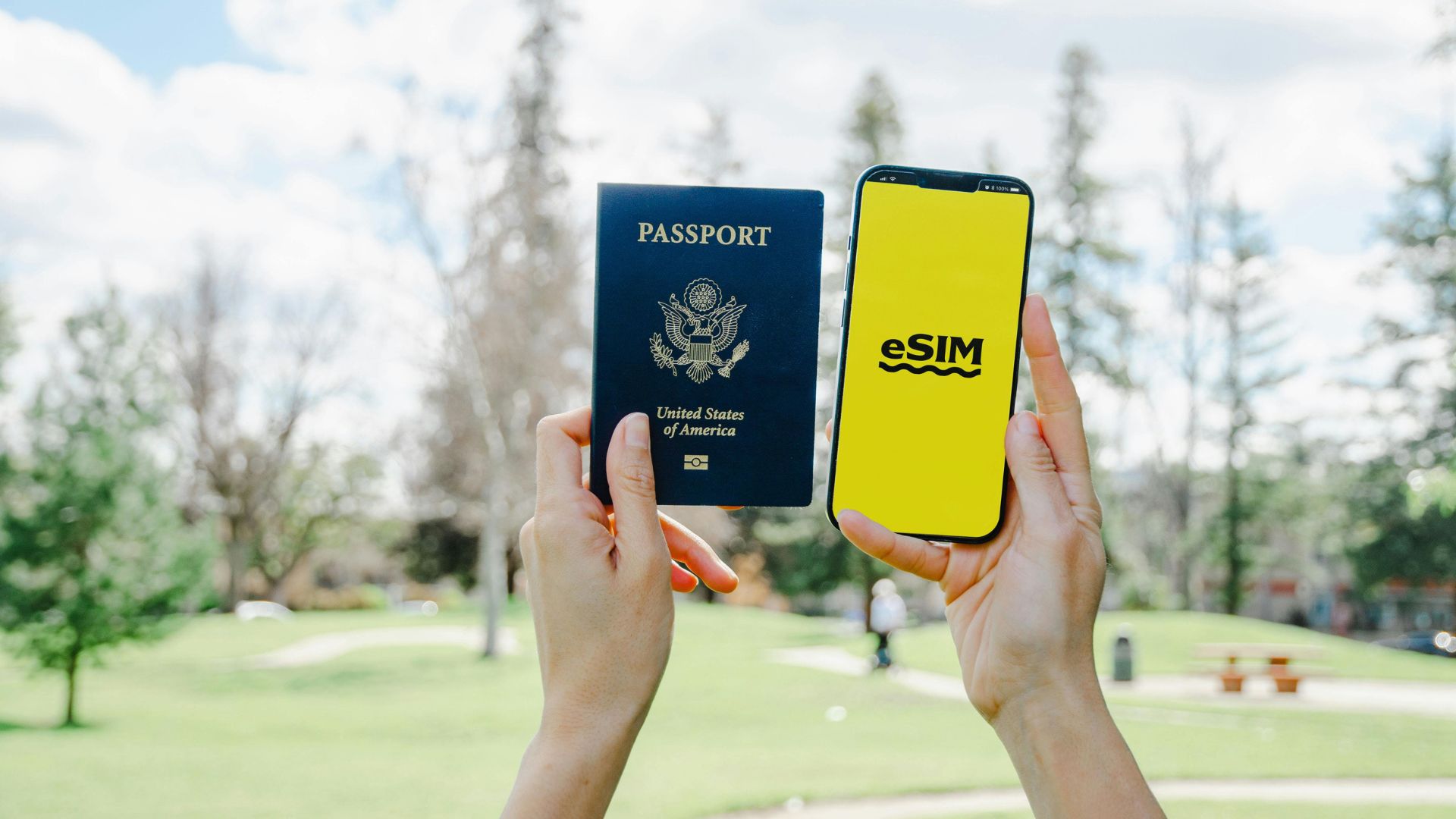
- eSIM plans (if your phone supports them)
- Pay-as-you-go SIM cards
- International roaming (but check the rates—sometimes they’re wild)
Top UK networks are EE, Vodafone, Three, and O2. I’ve found Three offers solid value for short visits, especially with unlimited data.
You can buy SIM cards at airports, supermarkets, or phone shops. Bring your passport—they sometimes ask for ID.
Why eSIM rocks:
- Instant setup
- No fiddly SIM cards
- You can keep your home number active
- Easy to manage in an app
Free WiFi shows up in most cafes, hotels, and public spaces. Big cities often have public WiFi in shopping areas and transit stations.
I always download offline maps before leaving home. Google Maps and Citymapper both work offline for basic navigation.
Packing and Practical Essentials for UK Travel
Packing for the UK is all about bracing for unpredictable weather, lots of walking, and those quirky electrical outlets. Think layers, waterproofs, and the right adapters.
Weather-Appropriate Clothing Recommendations
UK weather can throw anything at you. I pack layers instead of heavy coats—sun, rain, and wind can all hit in one day.
Must-pack clothes:
- Waterproof jacket or raincoat
- Light sweater or fleece
- Jeans or long pants
- T-shirts and long sleeves
- Warm socks and underwear
I never leave without a solid rain jacket. The UK sees rain about 164 days a year—sometimes a drizzle, sometimes a downpour.
Neutral colors like black, navy, or gray blend in and hide dirt. Handy when you’re out all day.
A sturdy, compact umbrella helps, but UK wind can shred cheap ones. Go for quality if you bring one.
Pack clothes you can layer. It’s way easier to add or shed pieces when the weather flips.
Comfortable Walking Shoes for Sightseeing
Good walking shoes are my #1 essential. You’ll rack up miles exploring cities, parks, and old ruins.
Wear shoes you’ve already broken in. I learned the hard way—new shoes = blisters.
Best shoe picks:
- Supportive sneakers
- Waterproof walking boots
- Cushioned flats (if you prefer)
Look for grippy soles. Wet streets and cobblestones get slick fast.
Bring two pairs if you can. If one pair gets soaked, you’ll be glad for dry shoes the next day.
Save high heels or dress shoes for fancy dinners, not sightseeing.

Travel Adapters and Everyday Necessities
The UK uses Type G outlets—three chunky rectangular pins. Your chargers won’t fit without an adapter.
Buy a universal adapter before you leave. Airport ones are overpriced and not always reliable.
Don’t forget:
- Universal power adapter
- Portable phone charger
- Small first aid kit
- Prescription meds
- Reusable water bottle
Bring extra prescription meds, just in case. Always pack them in your carry-on.
A mini first aid kit is handy for blisters, headaches, or minor scrapes. Toss in band-aids, painkillers, and any essentials.
A reusable water bottle saves cash and cuts down on plastic. UK tap water is safe everywhere.
Top Destinations and British Experiences
The UK is packed with unforgettable spots—London’s icons, Scotland’s castles, Wales’ wild beauty, and Northern Ireland’s dramatic coast. Whether you’re into history, culture, or just jaw-dropping scenery, there’s something here that’ll stick with you long after you’ve gone home.
Unmissable Sights in London
If you’re heading to the UK, London just has to be your first stop. There’s something about this city—centuries of stories, a wild mashup of old and new, and those iconic sights you’ve seen in movies.
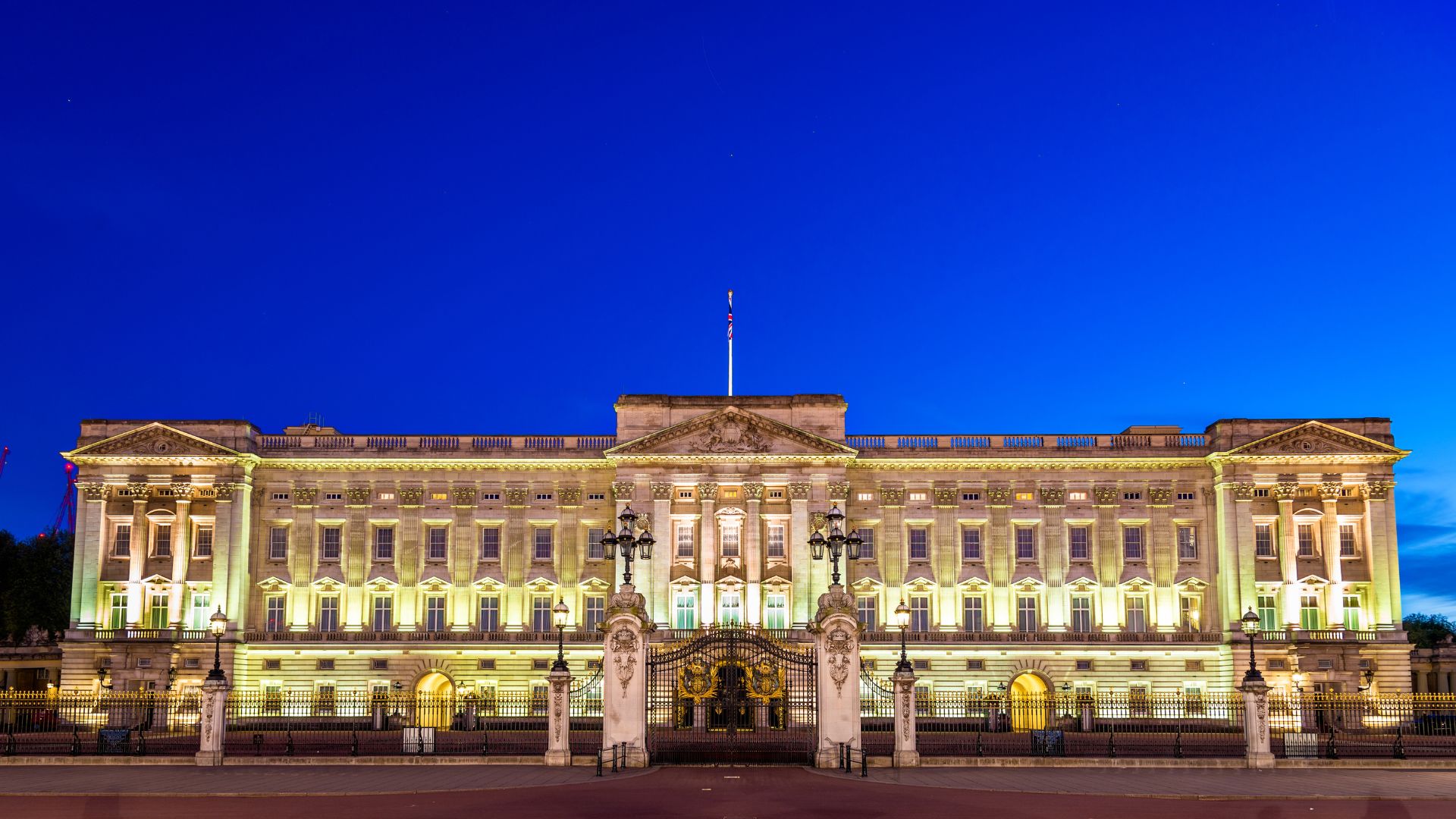
Buckingham Palace always draws crowds for the Changing of the Guard. I’d go on a Wednesday or Sunday morning if you want the full experience. The palace gardens? Absolutely worth a wander if you can get in.
The British Museum holds treasures like the Rosetta Stone and actual Egyptian mummies. I always book a free timed entry ticket online, just to avoid waiting. Three hours here fly by—there’s just so much to see.
At the Tower of London, history feels alive. The Beefeater tours crack me up while they tell the grimmer tales—royal drama, ravens, and the Crown Jewels all in one spot.
You can’t really skip Big Ben and the Houses of Parliament. Westminster Abbey stands right nearby, and it’s where kings and queens have been crowned for nearly a millennium.
Hop on the London Eye for those postcard city views. I always grab fast-track tickets—life’s too short for endless lines.
Highlights of Scotland: Edinburgh and Beyond
Edinburgh just oozes character. The city perches on ancient volcanic hills, and every turn gives you a new, jaw-dropping view.
Edinburgh Castle towers over everything from its rocky throne. Inside, you’ll spot the Scottish Crown Jewels and the Stone of Destiny. Listen for the One O’Clock Gun—except on Sundays, of course.
The Royal Mile runs from the castle down to Holyrood Palace. It’s cobblestone all the way, lined with whisky shops, tartan scarves, and the occasional bagpiper. Street performers add their own flair.
Heading out of Edinburgh, the Scottish Highlands are pure magic. Loch Ness gets all the monster hype, but honestly, the lake’s beauty stands on its own.
The Isle of Skye feels like another world. Fairy pools, ancient castles, and wild landscapes—it’s like stepping into a fantasy book.
Exploring Wales and Northern Ireland
Wales is rugged, green, and full of surprises. The coastlines are wild, and the castles look straight out of a medieval movie.
Snowdonia National Park draws hikers with its mountain trails and Wales’ tallest peak. In the villages, you’ll still hear Welsh spoken every day.
Cardiff blends old and new. There’s a castle smack in the city center, and locals fill the Millennium Stadium for rugby matches.
Over in Northern Ireland, the Giant’s Causeway blows minds with those weird, hexagonal rocks. Nature built them thousands of years ago, and they still look unreal.
Belfast has shaken off its troubled past. Now, you’ll find top museums and some of the friendliest people around. The Titanic Belfast museum is a must—after all, they built the famous ship here.

Day Trips and Iconic Landmarks
Stonehenge is mysterious and a bit eerie. Those stones have stood for more than 4,000 years, and no one really knows why.
Bath is all about Roman ruins and elegant Georgian streets. The Roman Baths still bubble with hot springs, and Jane Austen once called this place home.
Oxford and Cambridge are classic university towns. Walk the old colleges where prime ministers once studied and soak up the academic vibe.
Windsor Castle is the Queen’s weekend escape and the world’s oldest inhabited castle. The State Apartments dazzle with royal art.
The Cotswolds are ridiculously pretty. Think honey-colored stone cottages, winding lanes, and villages that look like they belong on a postcard.
British Culture, Food, and Etiquette
British culture can feel a bit quirky if you’re new to it. People value politeness, personal space, and a whole set of unwritten social rules. You’ll spot traditional foods like fish and chips everywhere, but the dining scene has gone modern too.
Navigating British Customs and Social Norms
Queueing is sacred. I always join the end of the line and wait my turn—nobody likes a line-cutter here.
People in Britain love their personal space. I keep a comfortable distance when chatting and never touch strangers.
Politeness rules. I say “please,” “thank you,” and “excuse me” all the time. It’s just part of daily life.
“Sorry” is the magic word. I apologize for everything—bumping into someone, asking for directions, or just squeezing past.
Talking about the weather? Totally normal. I mention the rain or sun to break the ice.
On public transport, unwritten rules run the show. I let others off before boarding and offer my seat to anyone who needs it.
Classic British Foods to Try
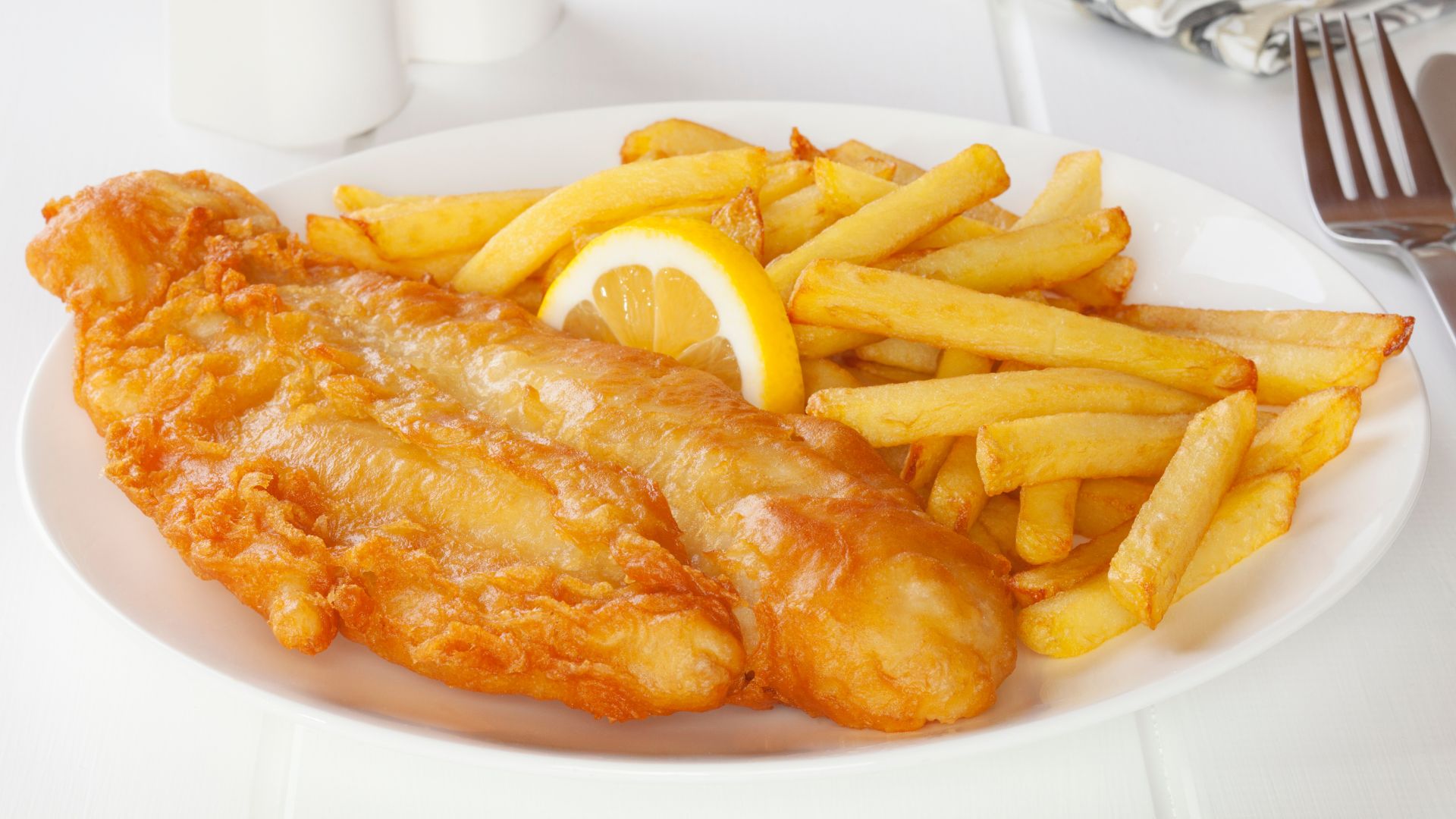
Fish and chips is a must. I order from a local “chippy” for the crispiest battered cod and thick-cut chips.
Sunday roast is a tradition—roast meat, Yorkshire pudding, potatoes, and veggies. Pubs usually serve up a great Sunday lunch.
For breakfast, I go all in with:
- Black pudding
- Baked beans
- Grilled tomatoes
- Back bacon
Afternoon tea is pure indulgence. I book ahead for finger sandwiches, scones with clotted cream, and little cakes.
Pub food never lets me down. Bangers and mash, shepherd’s pie, or steak and kidney pie—just order at the bar, not the table.
Hospitality, Tipping, and Local Manners
Tipping isn’t a big deal here. I leave 10-15% at restaurants if there’s no service charge, but pubs don’t expect tips.
I usually round up taxi fares to the nearest pound. For hotel staff, £1-2 per bag is the norm.
Table manners are a bit formal. I keep my knife in my right hand and fork in my left—no switching hands mid-meal.
Greetings are simple—firm handshake, eye contact, and use titles like “Mr.” or “Ms.” until told otherwise.
If someone offers tea, I accept, even if I’m not thirsty. Refusing can come off as rude.
Gift-giving is low-key. Flowers, wine, or chocolates are perfect when you’re invited to someone’s home.
Frequently Asked Questions
Traveling to the UK for the first time? There’s always a bunch of practical questions and cultural surprises. Here’s what I wish I’d known before my first visit.
What should I prepare before my trip to ensure a smooth experience in the UK?
Start with the basics: your passport and, if needed, a visa. Double-check the requirements for your nationality.
I always exchange a bit of cash for British pounds before landing. Most places take cards, but cash is handy for small stuff.
Pack layers and a waterproof jacket. The weather loves to change its mind, and rain shows up whenever it wants.
I download Citymapper for London transport and a weather app for daily updates. Book your accommodation early if you’re traveling in summer.
Look up your must-see attractions ahead of time. Many spots need advance booking, especially when it gets busy.
What are the cultural etiquette dos and don’ts I should be aware of in the UK?
Always queue—seriously. Brits take lines to heart, and skipping ahead will get you some serious side-eye.
Say “please,” “thank you,” and “sorry” a lot. Even if nothing’s your fault, just go with it.
Keep your voice down in public. Loud conversations, especially on the Tube or bus, aren’t the done thing.
I avoid asking about money or politics right away. People here take time to warm up to personal topics.
Tipping is nice but not required. Leave 10-15% at restaurants if there’s no service charge, and round up on taxis.
What are the best modes of transportation for tourists traveling throughout the UK?
Trains are my go-to between major cities. The network is pretty good, and booking early saves cash.
In London, the Underground and buses get you everywhere. Grab an Oyster Card or use contactless payment for the best rates.
If you want to explore the countryside or the Highlands, rent a car. Just remember—they drive on the left.
National Express coaches are a budget-friendly way to hop between cities. They’re slower than trains, but your wallet will thank you.
For Scotland’s islands, you’ll need a ferry. I always book car spots ahead in summer.
What are some essential tips for first-time visitors to England?
Start with London, but don’t get stuck there. England’s countryside, historic towns, and beaches deserve some love too.
Try more than just fish and chips. Shepherd’s pie, Sunday roast, and afternoon tea are all part of the experience.
Tons of museums and galleries are free—like the British Museum and Tate Modern. Take advantage!
Pubs are at the heart of English social life. Drop in for a pint or a casual meal—you’ll meet locals that way.
Book big attractions in advance. The Tower of London, Stonehenge, and Windsor Castle can sell out fast.

How can American tourists best adapt to common UK practices?
Brush up on the metric system. Distances are in kilometers, weights in kilos, and it’s always Celsius for temperatures.
Bring a UK plug adapter. Outlets have three rectangular pins, not the round ones you might expect.
Tipping isn’t as intense as in the US. You won’t offend anyone by skipping it, but 10-15% is appreciated for good service.
Restrooms are called “toilets” or “loos.” Some public ones, especially in train stations, charge a small fee.
Pharmacies are “chemists” here. You can get basic meds easily, but bring prescriptions for anything specific you need.
What are some lesser-known things I should know before exploring London?
Stand on the right and walk on the left when you’re on an escalator. Locals swear by this rule in the Underground—ignore it and you might get a few annoyed looks.
Some attractions actually stay open late, but only on certain weekdays. For example, museums often extend their hours on Fridays, which is perfect if you want to squeeze in more exploring after dinner.
You’ll find free walking tours happening every day, and they’re all over the city. These tours run on tips and, honestly, the guides usually share stories you won’t find in any guidebook.
If you can, skip the Tube during rush hours—think 7-9 AM and 5-7 PM. It gets ridiculously packed, and you’ll thank yourself for avoiding the crowds.
Markets like Borough Market and Camden Market? Don’t miss them. They’re bursting with unique food stalls and quirky shops, way more fun than the high street chains.
London’s parks are a game-changer if you need a break. Hyde Park, Regent’s Park, and Hampstead Heath all offer peaceful spots for a picnic or just to unwind with some fresh air.
