
Every October 3rd, Germany takes a breath and remembers one of the most peaceful revolutions in modern history. German Unity Day marks the 1990 reunification of East and West Germany, transforming a divided nation into the democratic country we know today.
When I wandered through Berlin’s streets not long ago, I felt the echoes of that historic moment everywhere. You can still see how it shapes German identity and culture, even after all these years.
The fall of the Berlin Wall in 1989 cracked open the door to reunification, but the real work started after. Traveling across Germany, I noticed how people navigated the tricky process of merging two wildly different political and economic systems.
Legal frameworks, cultural integration, and ongoing challenges—there’s so much more to this story than just celebration. I found layers of complexity everywhere I looked.
Exploring Unity Day took me through Berlin’s historic corners and out into the countryside. I started to understand how reunification rippled out, changing not just Germany but all of Europe.
From the political groundwork that made unity possible to the everyday lives of Germans living through this transformation, the journey reveals insights into one of the 20th century’s most significant peaceful transitions.
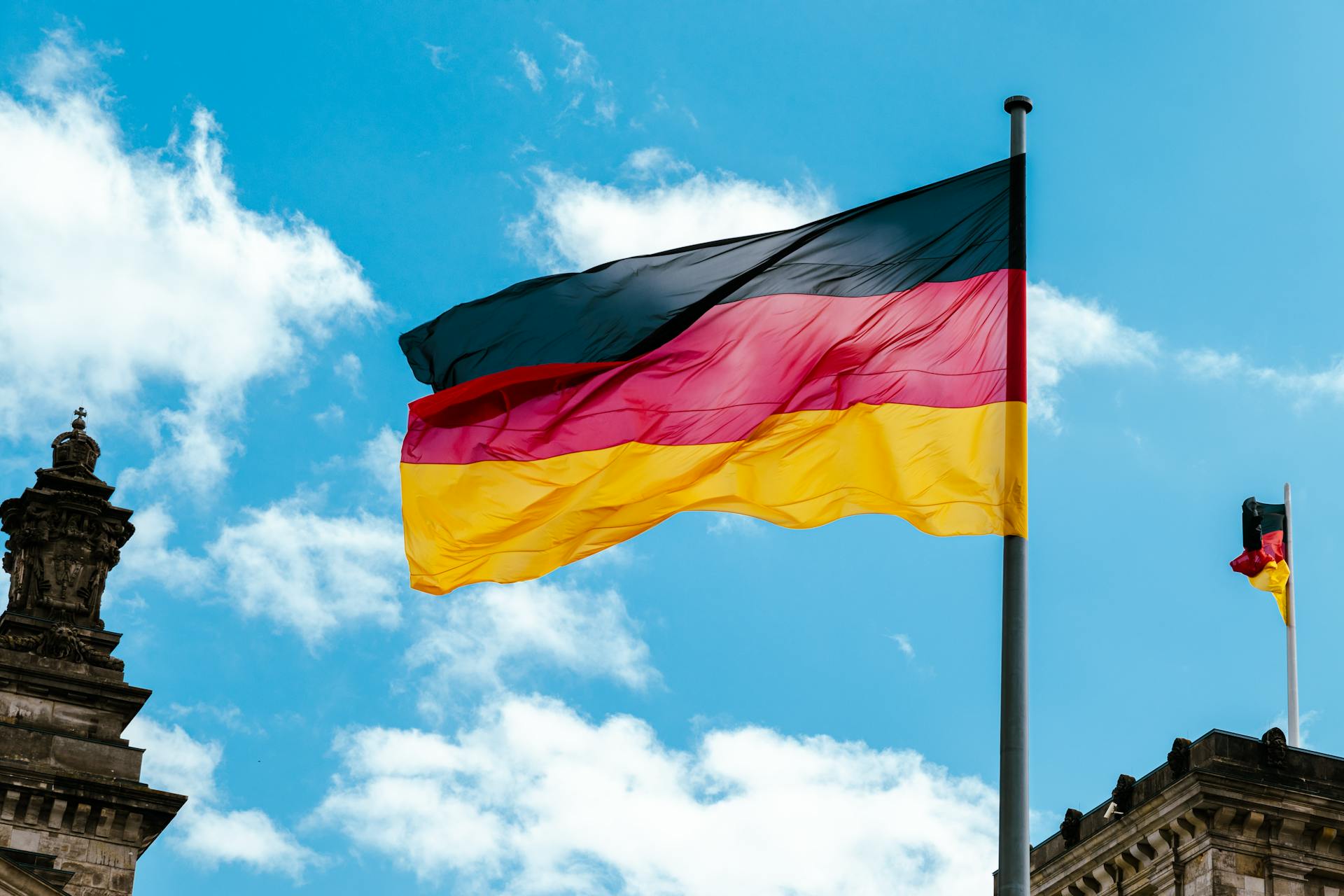
German Unity Day: Origin, Significance, and National Celebrations
October 3rd stands as Germany’s most important national holiday. It commemorates the peaceful reunification of East and West Germany in 1990.
You’ll find nationwide celebrations—everything from the annual Bürgerfest to regional festivals that bring communities together in their own unique ways.
What Makes October 3rd a Historic Day
October 3, 1990, changed everything for Germany. On that day, East Germany officially joined West Germany, closing the chapter on 41 years of division.
The path to unity didn’t just appear overnight. I find it fascinating that events like the 1980 Polish shipyard strikes and Gorbachev’s rise in 1985 helped set the stage.
The Berlin Wall fell in November 1989. But legal reunification needed careful planning and the Two Plus Four Agreement.
This treaty brought together both German states and the four Allied powers from World War II. They hammered out Germany’s borders and its international status as a unified country.
A few milestones on the road to October 3rd:
- August 1980: Polish workers strike in Gdansk
- March 1985: Gorbachev becomes Soviet leader
- November 1989: Berlin Wall falls
- October 1990: Official reunification
After reunification, Germany replaced its old national holidays with this single day. Now, October 3rd represents all Germans under one democratic government.
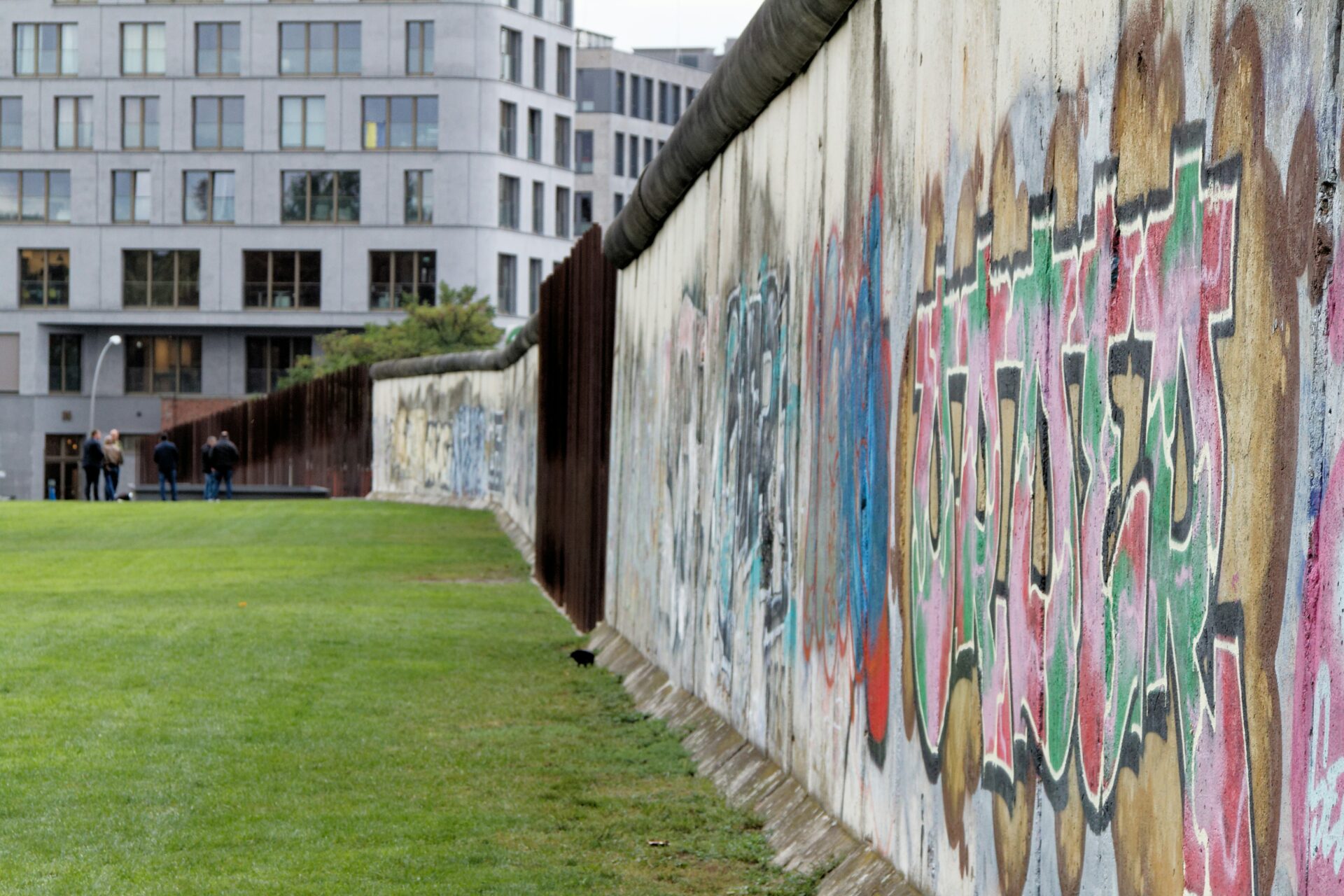
Tag der Deutschen Einheit and National Traditions
Tag der Deutschen Einheit translates to “Day of German Unity.” I’ve noticed this holiday feels different from other national days—it’s about peaceful reconciliation, not military victory.
The federal government picks a different German state every year to host the main celebration. This way, all regions get a turn to honor unity.
Official ceremonies with political speeches are a central part of the day. Leaders reflect on the journey from division to democracy.
Some classic Unity Day traditions:
- State-hosted official ceremonies
- Speeches about democracy and unity
- Cultural exhibitions
- Historical displays about reunification
- Community gatherings and local events
Churches often hold special services on October 3rd. Many focus on reconciliation and hope for lasting unity.
Schools get involved, too. They organize programs so students can learn about life in divided Germany and the reunification process.
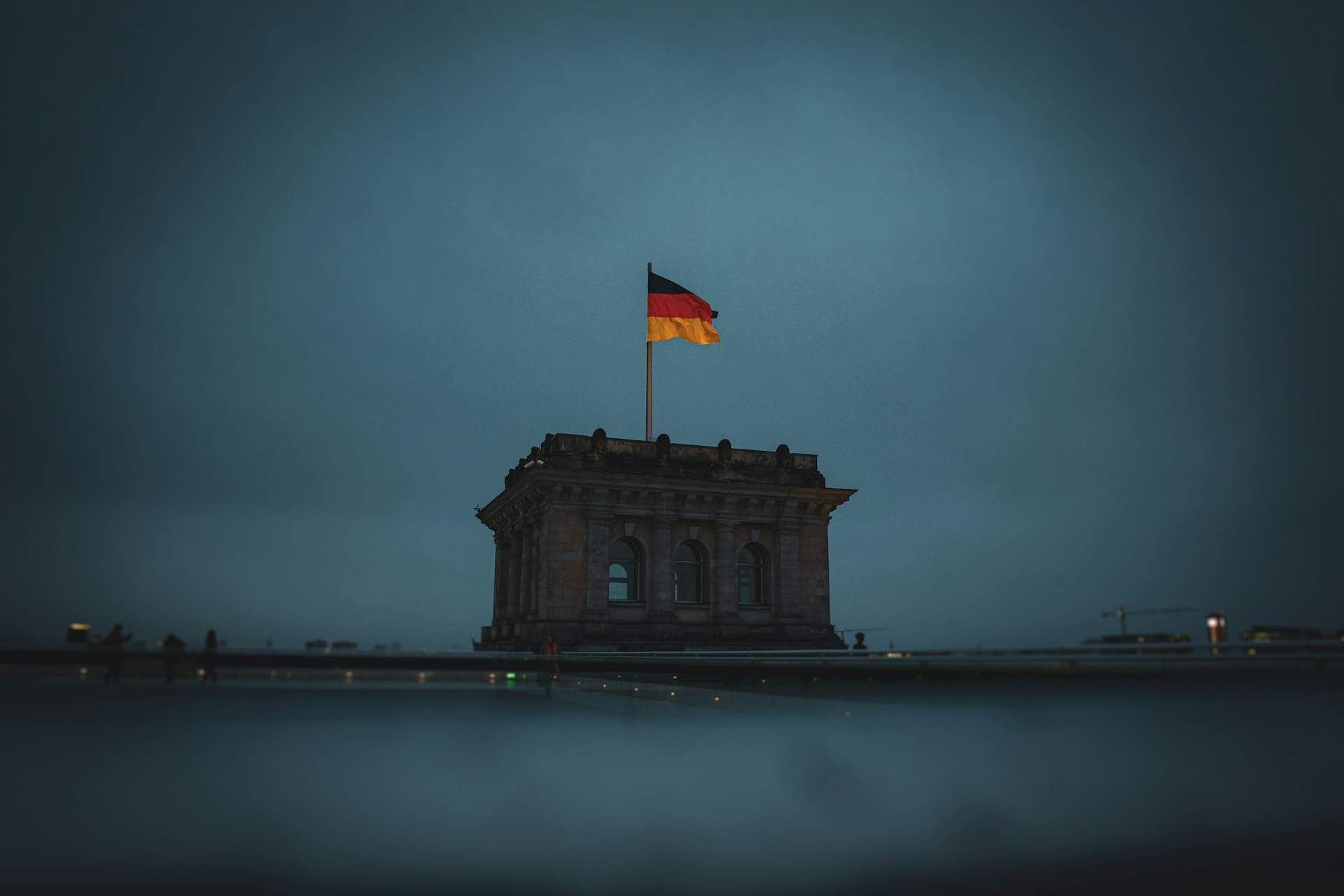
The Bürgerfest and Modern Commemorations
The Bürgerfest is Unity Day’s modern heartbeat. This “citizens’ festival” pops up in the hosting state’s capital city.
What I love about the Bürgerfest is its open arms—everyone’s invited. You’ll find live music, food stalls, and cultural activities from all over Germany.
Each year, the Bürgerfest showcases the local culture of the hosting region. Visitors can taste regional dishes, catch performances, and get a real feel for the area while celebrating national unity.
A few Bürgerfest highlights:
- Live concerts and performances
- Regional food specialties
- Cultural exhibitions
- Activities for kids
- Historical presentations
Cities across the country join in with their own celebrations, too. Fireworks, parades, and neighborhood festivals pop up everywhere.
Modern commemorations offer a mix of serious reflection and pure joy. They honor the past but keep an eye on Germany’s future as a unified democracy.
Local museums usually put together special Unity Day exhibitions. These displays help younger generations understand their country’s divided past and peaceful reunification.
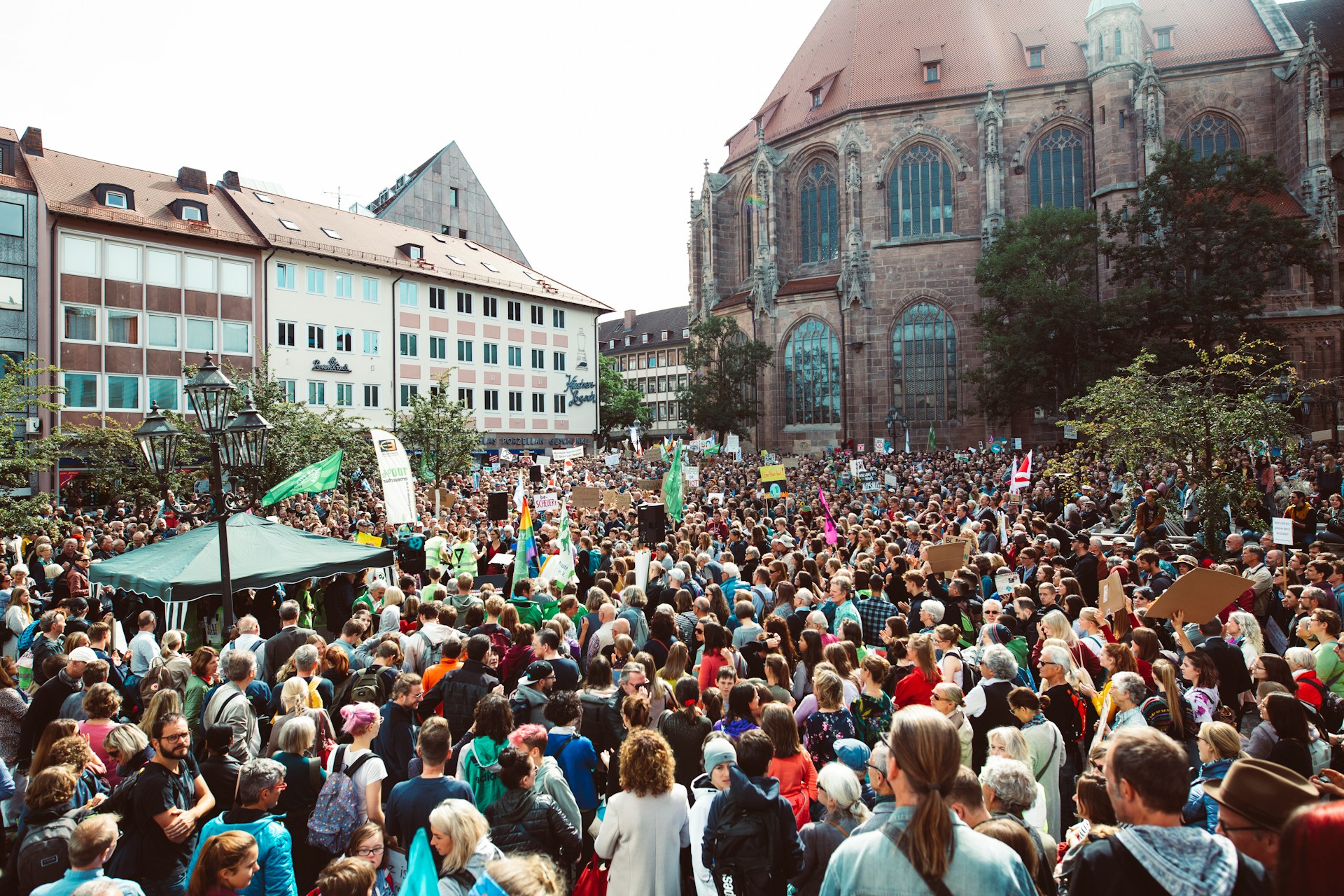
Division and Reunification: East and West Germany’s Transformative Journey
Germany’s split after World War II created two countries with clashing ideologies. The Berlin Wall separated them for almost three decades.
Then, in 1989, a peaceful revolution brought the Wall down. By October 3, 1990, reunification was official.
The Division of Germany After World War II
After Germany’s defeat in 1945, the Allied powers divided the country into four occupation zones. The Soviets took the east, while Britain, France, and the United States managed the west.
By 1949, these zones had become two separate states. The German Democratic Republic (East Germany) grew into a communist regime under Soviet influence. The Federal Republic of Germany (West Germany) became a capitalist democracy, closely tied to the West.
This split mirrored the bigger Cold War struggle between the Soviet Union and the Western Allies. East Germany joined the Eastern Bloc, with a centralized economy and tight restrictions on personal freedom.
Meanwhile, West Germany enjoyed rapid economic growth and a stable political climate. The contrast between the two sides only grew sharper over time.
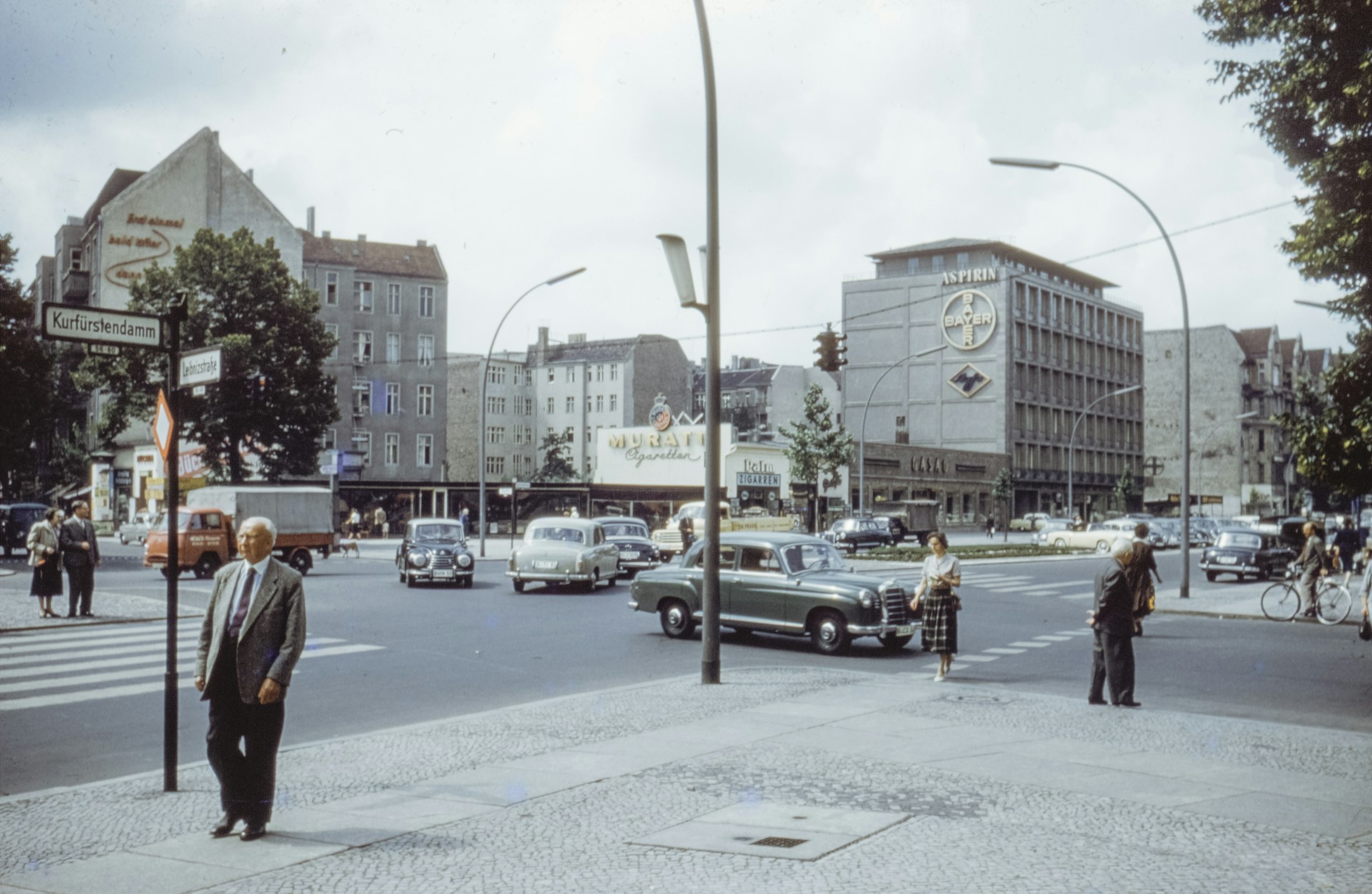
Life Behind the Berlin Wall and the Cold War Reality
The Berlin Wall, built in 1961, became the starkest symbol of Germany’s division. I still can’t get over how it separated families and friends overnight.
East Germans lived under constant watch from the secret police. Travel to the West was almost impossible, and those who tried to escape risked everything.
A quick look at the differences:
| East Germany | West Germany |
|---|---|
| Centralized economy | Market economy |
| Limited travel freedom | Open borders to West |
| State-controlled media | Free press |
| One-party system | Multi-party democracy |
The Wall stood for 28 long years. It wasn’t just a barrier—it represented the bigger ideological battle of the Cold War. Two different German cultures grew up on either side.

The Peaceful Revolution and the Road to Reunification
The Peaceful Revolution kicked off in 1989, when East Germans began demanding more freedom and democratic reforms. Mass protests in cities like Leipzig and Dresden challenged the government’s grip.
The fall of the Berlin Wall on November 9, 1989, changed everything. It’s wild how quickly things moved after that.
Political negotiations raced forward. The Unification Treaty, signed August 31, 1990, merged the legal and political systems of both German states.
On October 3, 1990, East Germany joined West Germany, ending 45 years of division. That’s why German Unity Day matters so much—it celebrates the peaceful shift from division to unity.
Reunification took massive economic investment to modernize East German infrastructure and blend two very different societies.
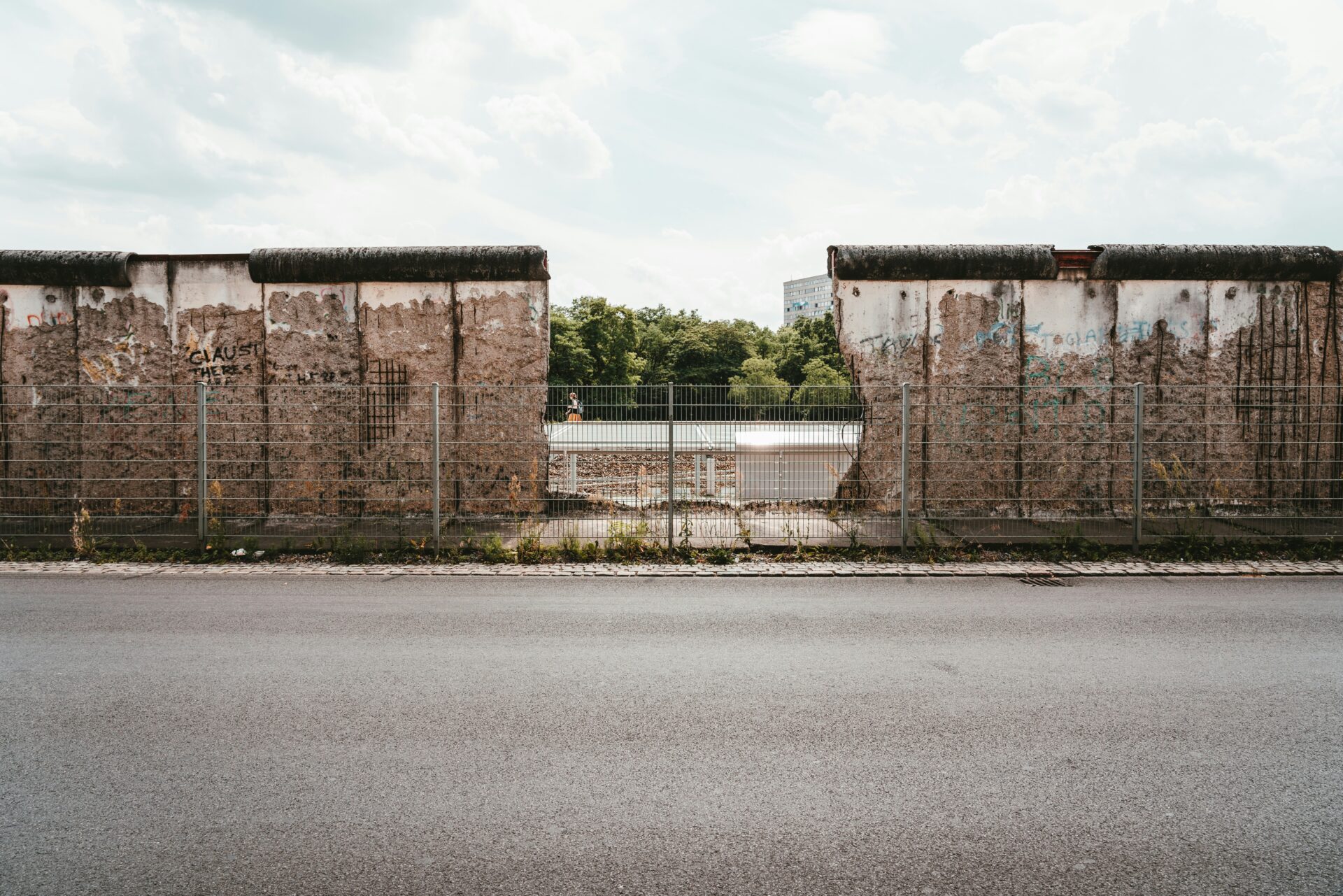
Legal and Political Foundations of Unity
Reunification called for complicated legal frameworks and international agreements. Two separate German states had to become one.
The Basic Law paved the way constitutionally, and the Two Plus Four Agreement secured international approval. Gorbachev’s reforms made unity politically possible.
The Role of the Basic Law (Grundgesetz)
The Grundgesetz (Basic Law) set the stage for reunification through Article 23. This article let new states join the Federal Republic of Germany.
East Germany used this path on October 3, 1990. The country dissolved itself and joined the existing constitutional system.
I find it pretty impressive that the Basic Law’s framers in 1949 planned for this. They wrote Article 23 with reunification in mind.
The legal process was pretty direct. East German states declared their accession, so there was no need for a brand-new constitution.
The Accession Treaty spelled out the details on August 31, 1990. It explained how East German law would merge with West German law and laid out the timeline for unity.
The Two Plus Four Agreement and International Negotiations
The Two Plus Four Agreement brought together the two German states and the four Allied powers: the U.S., Soviet Union, Britain, and France. They signed the treaty on September 12, 1990.
This agreement gave unified Germany full sovereignty and officially ended the Allied occupation rights.
A few key points:
- German borders: Confirmed existing borders with Poland and neighbors
- Military limits: Set restrictions on armed forces size
- No nukes: Barred Germany from developing nuclear weapons
- Foreign troops: Outlined Soviet troop withdrawal
Negotiations weren’t easy. Each Allied power had its own concerns about reunification and European security.
I’m still a bit amazed at how fast they wrapped up these complex talks. It really showed how much the world was changing in 1990.
Mikhail Gorbachev, NATO, and the Path to Sovereignty
Mikhail Gorbachev’s reforms—glasnost and perestroika—made German unity possible. Without the Soviet Union’s green light, peaceful reunification would’ve been a nonstarter.
At first, the Soviets didn’t want unified Germany in NATO. Gorbachev changed course after West Germany offered economic aid and security guarantees.
Chancellor Helmut Kohl’s negotiations with Gorbachev were crucial. Germany promised substantial financial help in exchange for Soviet approval.
The final deal let unified Germany stay in NATO. But NATO forces couldn’t be stationed in the former East Germany during the Soviet withdrawal.
Soviet troops left East Germany by 1994. That ended nearly 50 years of Soviet military presence on German soil.
Gorbachev’s openness, paired with Western diplomacy, created the window for peaceful reunification inside existing Western security structures.
Experiencing Unity in Berlin and Across Germany
When I walk through Berlin today, I see a city transformed. Decades of rebuilding have shaped its buildings and its social fabric.
The Brandenburg Gate stands as a powerful symbol of that transformation. Cultural spaces all over the city share stories of renewal and hope.
Brandenburg Gate and Iconic Memorial Sites
The Brandenburg Gate is Germany’s most recognized symbol of unity. Standing before it, I can’t help but remember it once marked the border between East and West Berlin.
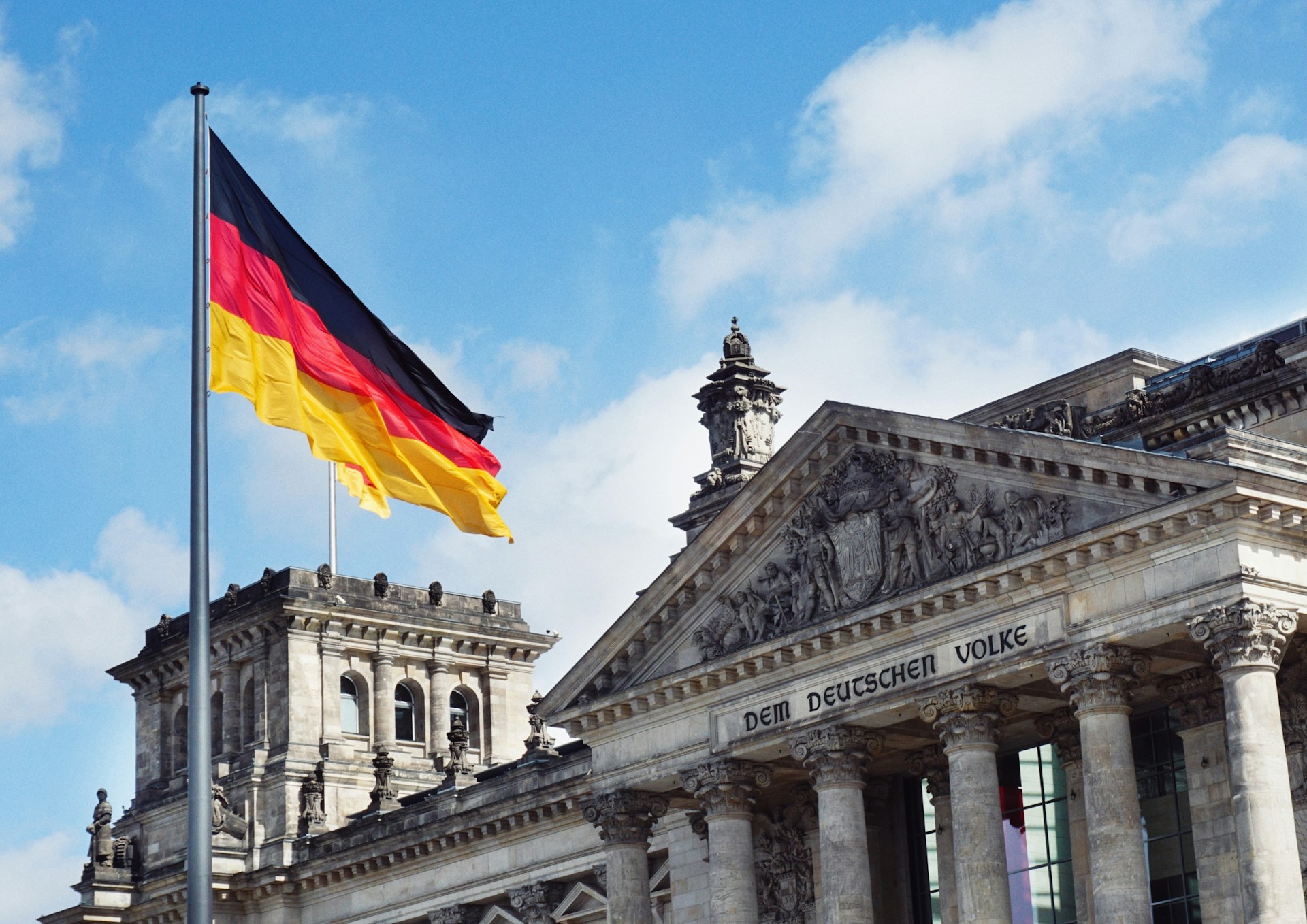
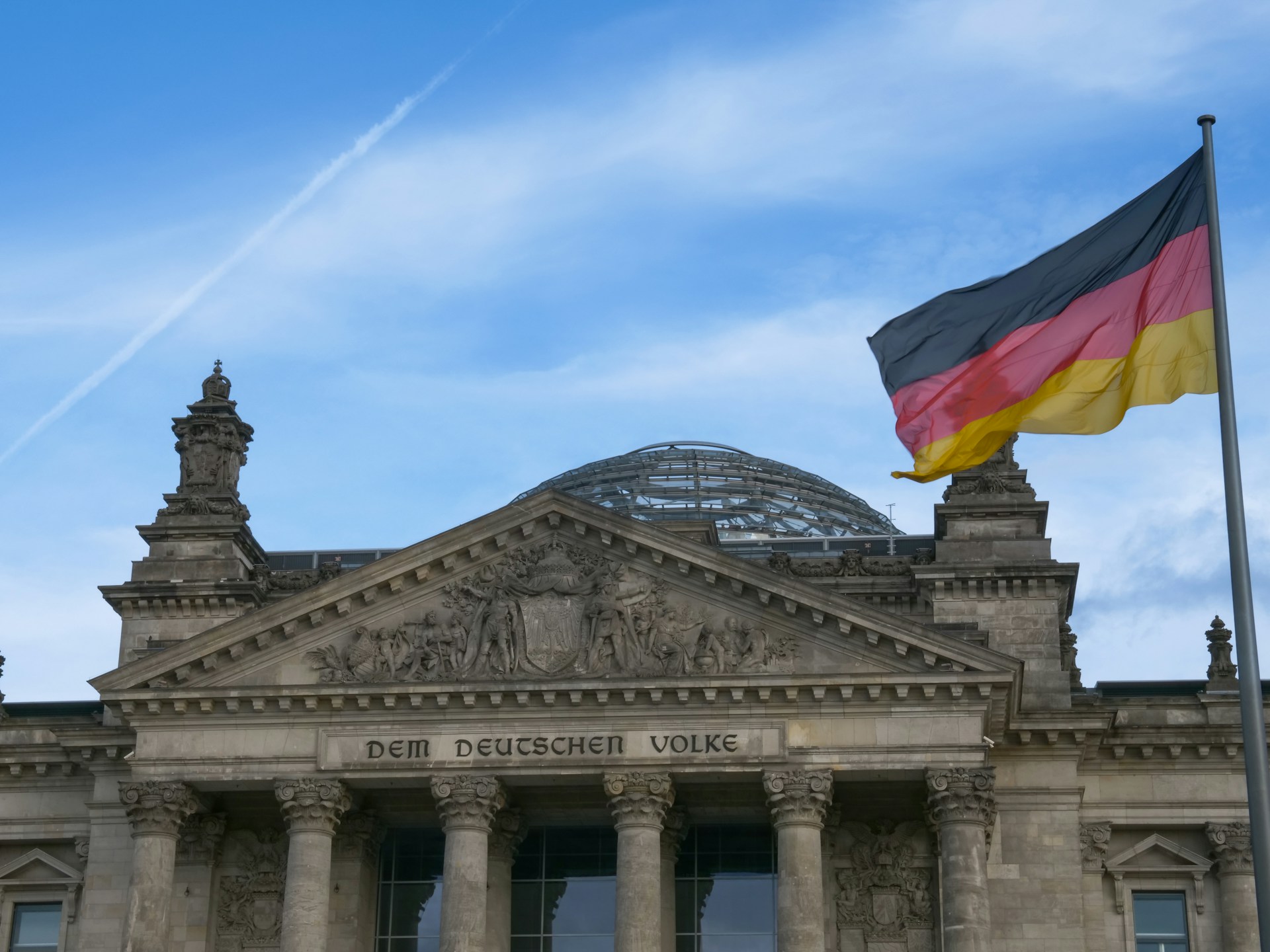
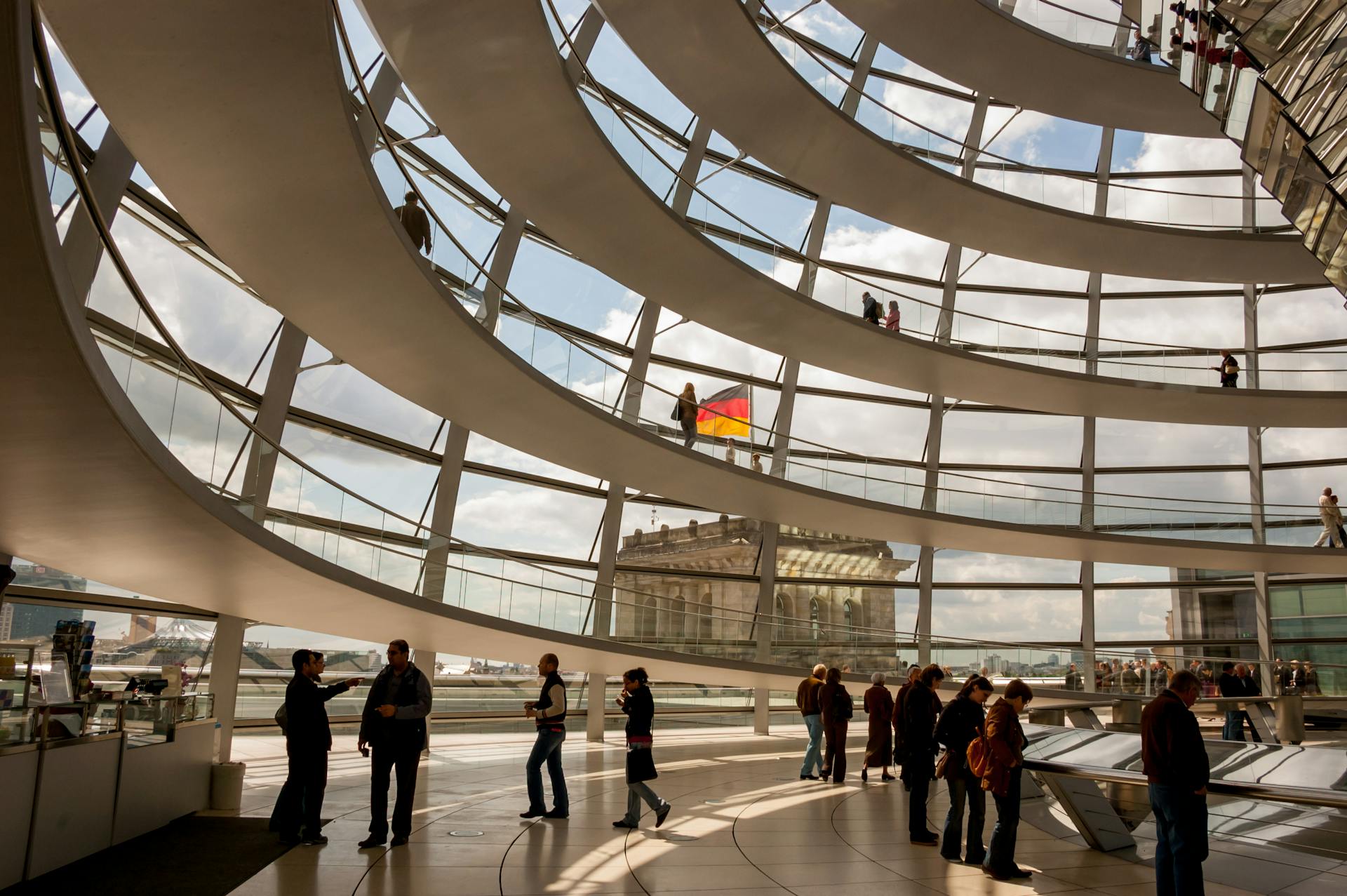
On October 3rd, crowds gather around Platz der Republik for Unity Day celebrations. The festival stretches from the Reichstag to the Brandenburg Gate, filling the area with music, food, and cultural performances.
Some memorial sites I’ve explored:
- East Side Gallery (the longest remaining section of the Berlin Wall)
- Checkpoint Charlie museum
- Memorial to the Murdered Jews of Europe
- Topography of Terror documentation center
The fall of the Berlin Wall on November 9, 1989, paved the way for reunification less than a year later. If you walk along the old Wall’s path—marked by cobblestones—you can trace the 96-mile barrier that once split families and friends.
At the Brandenburg Gate, bronze plaques show where East Berliners first climbed over the Wall. The Unification Treaty, signed September 20, 1990, officially made October 3rd Germany’s national holiday.
Berlin’s Cultural Revival Since Reunification
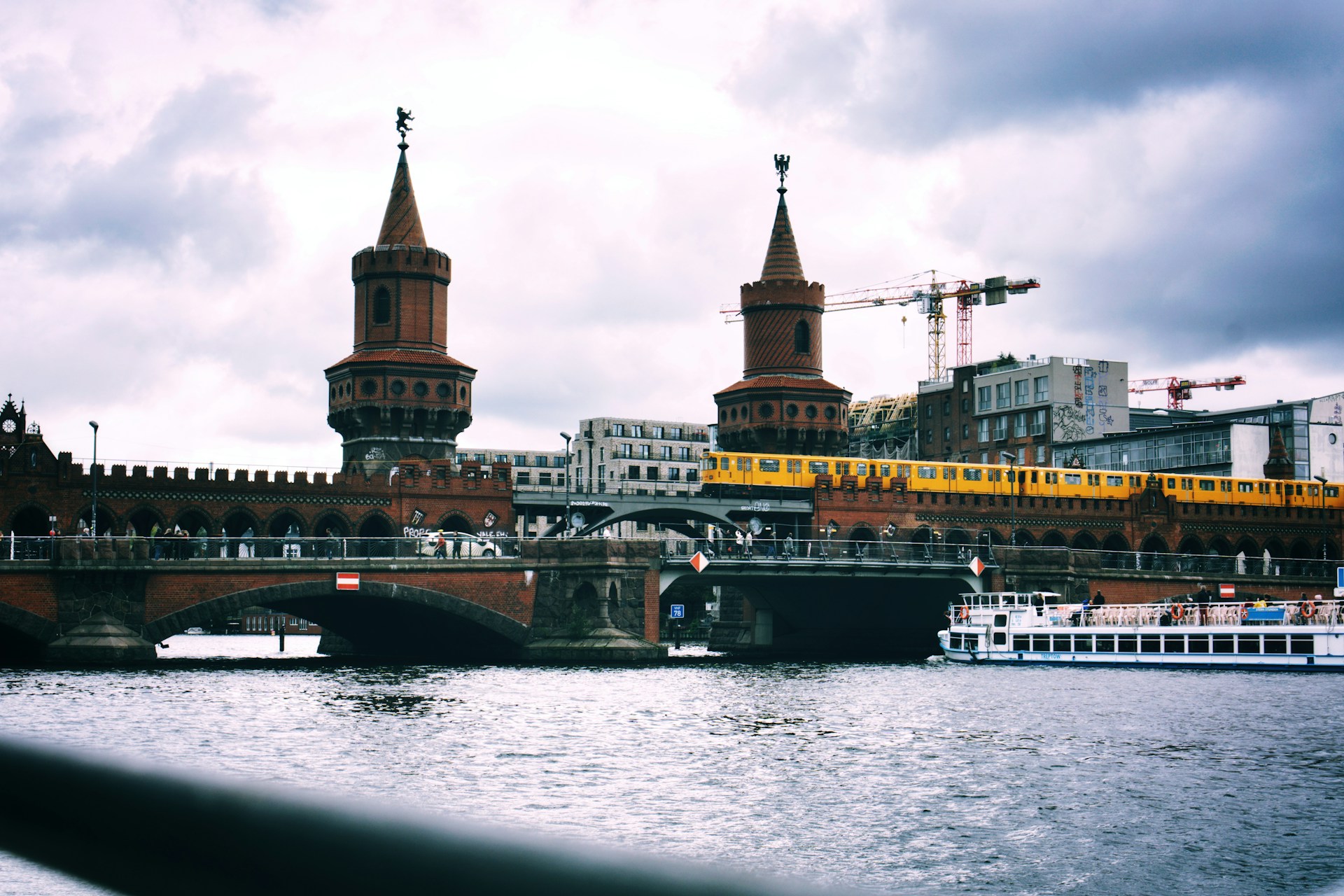
Berlin’s cultural scene has changed wildly since 1990. I still remember wandering through neighborhoods like Prenzlauer Berg and Friedrichshain, where old East Berlin streets now pulse with galleries, theaters, and a wild mix of international restaurants.
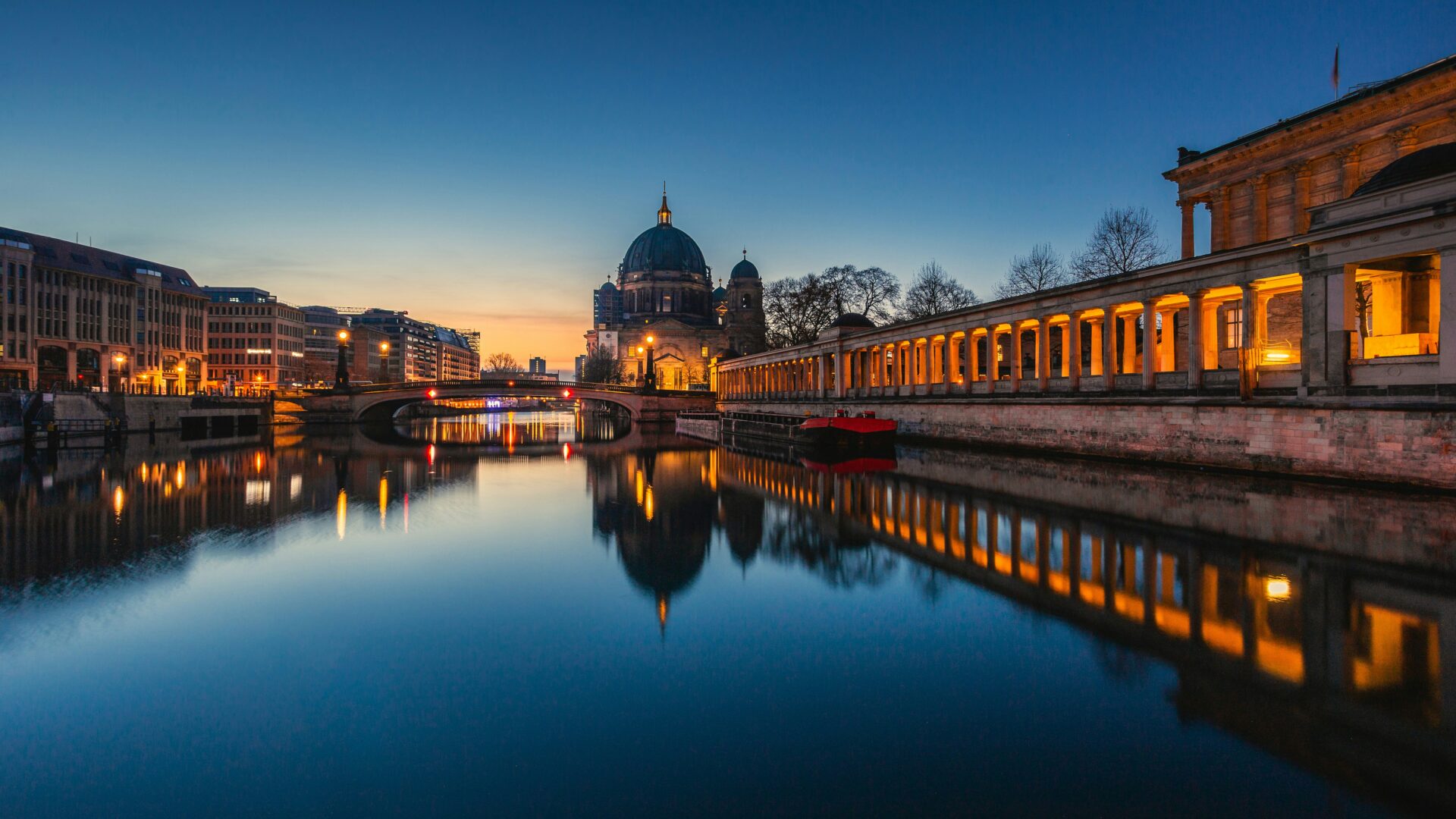
You can feel this unity in the museums, too. Museum Island brings together collections that once sat on opposite sides of a divided city. The Pergamon Museum and Neues Museum now tell a fuller story of Germany’s past.
Some cultural developments I’ve noticed:
- Over 35 years of cultural exchange programs
- New performance spaces popping up in former East Berlin
- International film festivals and art exhibitions everywhere
- Historic buildings brought back to life with modern uses
Music venues really showcase Berlin’s blend. I’ve sat in crowds where East German bands jam alongside Western artists. And every fall, the Festival of Lights turns the city’s buildings—on both sides—into glowing canvases.
Street art? It’s everywhere. In Kreuzberg and Mitte, murals remember the peaceful revolution and celebrate what it means to be German today.
National Identity and the Spirit of a Unified People
Germans are still figuring out what national identity really means after all that division and reunification. I’ve noticed that people born after 1990 see unity differently than those who lived through the split.
Unity Day celebrations really show this shift:
- Politicians talk about democracy and freedom
- Local festivals put the spotlight on regional traditions
- Schools run programs about reunification history
- Community events bring people of all backgrounds together
When I talk with locals, I hear all sorts of views. Some East Germans point out that economic gaps are still real. Others are just glad for the new opportunities. West Germans sometimes share stories about how weird it felt to adjust.
The party doesn’t just happen in Berlin, either. Cities all over Germany hold their own Unity Day events from October 1st to 3rd. These usually focus on what each region brings to German culture and history.
Symbols of unity I’ve seen:
- German flags in public squares
- Plaques marking historic sites
- Cultural exchange programs across the old East-West line
- Shared sporting events and national team pride
Young people seem especially proud of the peaceful path to democracy. For them, Germany’s role in Europe just feels like the natural next step after reunification.
Post-Reunification Challenges and Integration
When the wall came down, joy swept the country. But the real work? That started right after. Germany had to deal with huge economic gaps and cultural divides that didn’t just vanish overnight.
Economic Disparities Between East and West
The economic difference between East and West Germany was huge at reunification. East Germany lagged far behind after decades of communist rule.
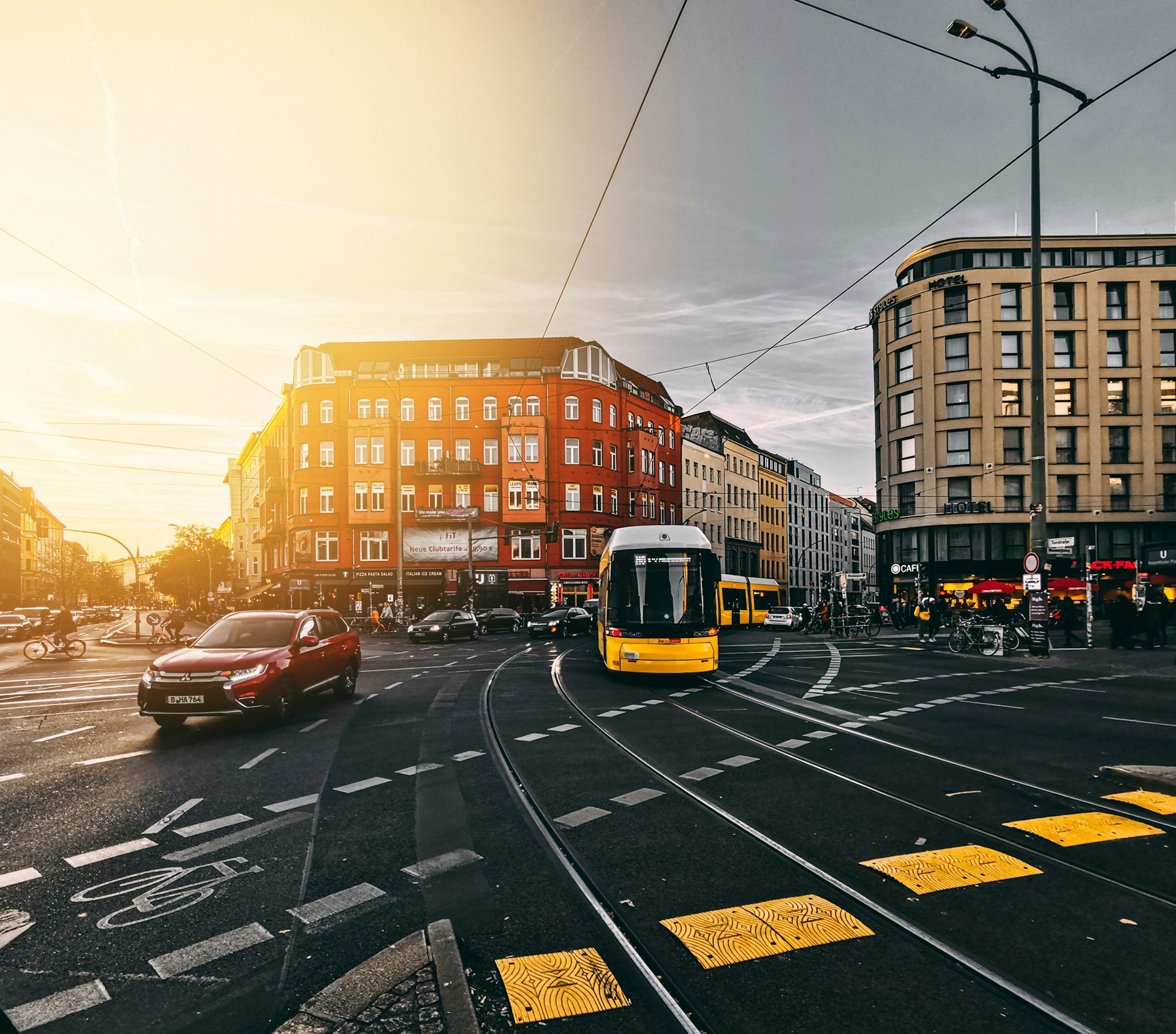
I could see it in Berlin. Eastern districts still show slower development compared to the west.
Key Economic Challenges:
- Unemployment in the East hit 20% in the early ’90s
- Wages in the east stayed 30–40% lower for years
- Many factories in the east shut down due to old technology
The government poured over €2 trillion into rebuilding roads, schools, and businesses in the east.
Things have improved, but some gaps stick around. Eastern states still have lower incomes and fewer big companies than the west.
Bridging Cultural Differences and Social Integration
Cultural differences have been even trickier to handle. East and West Germans lived under totally different systems for nearly 50 years.
A lot of eastern Germans felt like second-class citizens after reunification. They even have a word for the nostalgia—”Ostalgie.”
Major Cultural Divides:
- Different work habits and business styles
- Varying trust in government and authority
- Distinct regional identities and traditions
During my travels, I noticed these differences. Eastern Germans often talked about being misunderstood by westerners.
Marriage rates between east and west Germans rose slowly. Voting patterns also showed deep regional splits for a long time.
Younger Germans who grew up after 1990 help bridge these divides. They don’t carry the same historical baggage.
German Unity’s European and Global Impact
Reunification didn’t just change Germany—it shook up Europe and even global politics. The unified Federal Republic of Germany quickly became a main player in European integration and international diplomacy.
Germany’s Role in Advancing European Integration
I saw how Germany stepped up as Europe’s top advocate for deeper integration. Its economic power and political stability made it a natural leader.
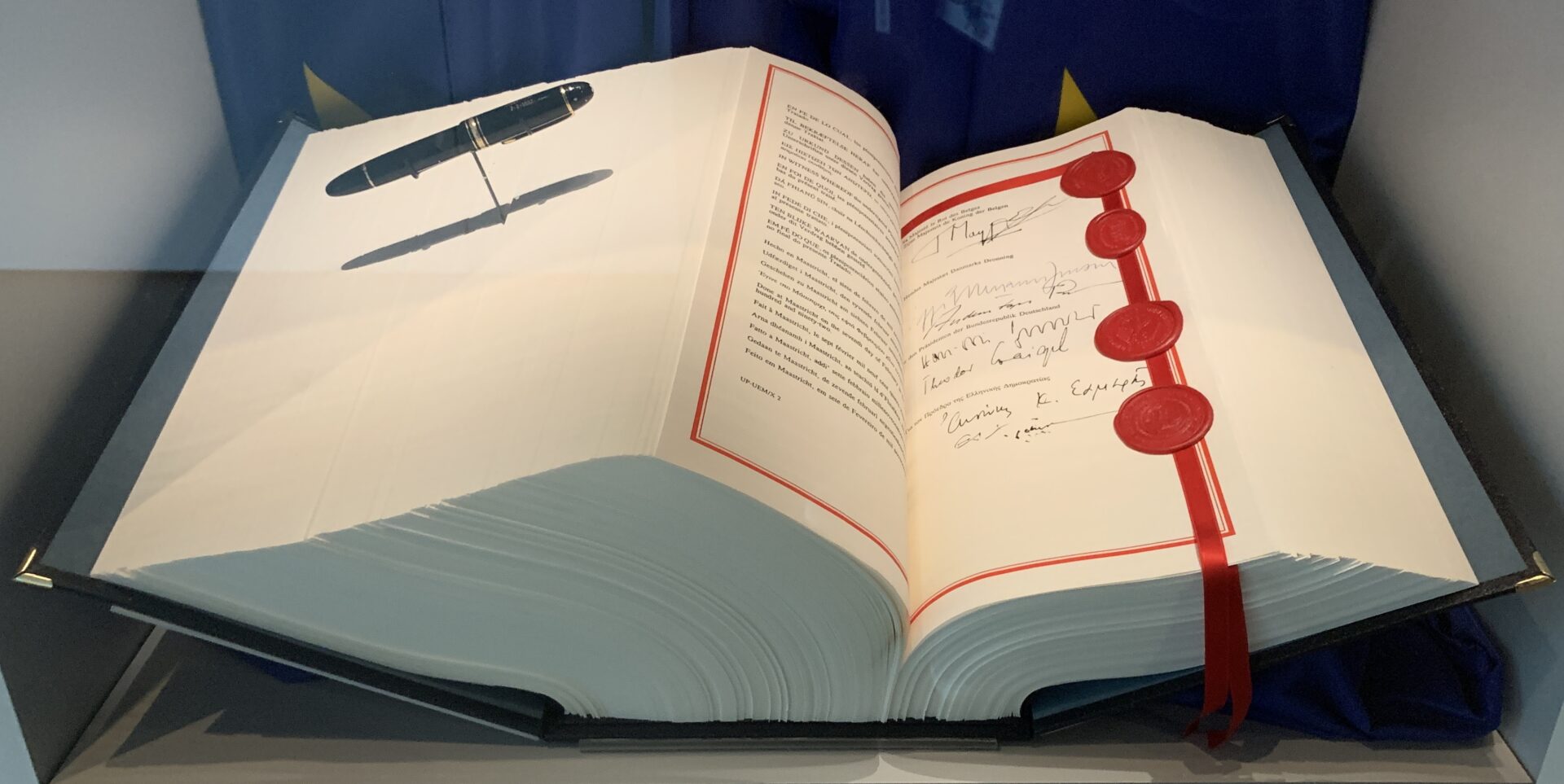
Germany pushed for the Maastricht Treaty in 1992, which created the European Union. Chancellor Helmut Kohl really pushed for the euro to tie European countries together for good.
When Europe hit rough patches, Germany led the way. It spearheaded bailouts during the 2008 financial crisis and the Greek debt crisis. The country also took charge during the 2015 refugee crisis.
Germany’s key contributions:
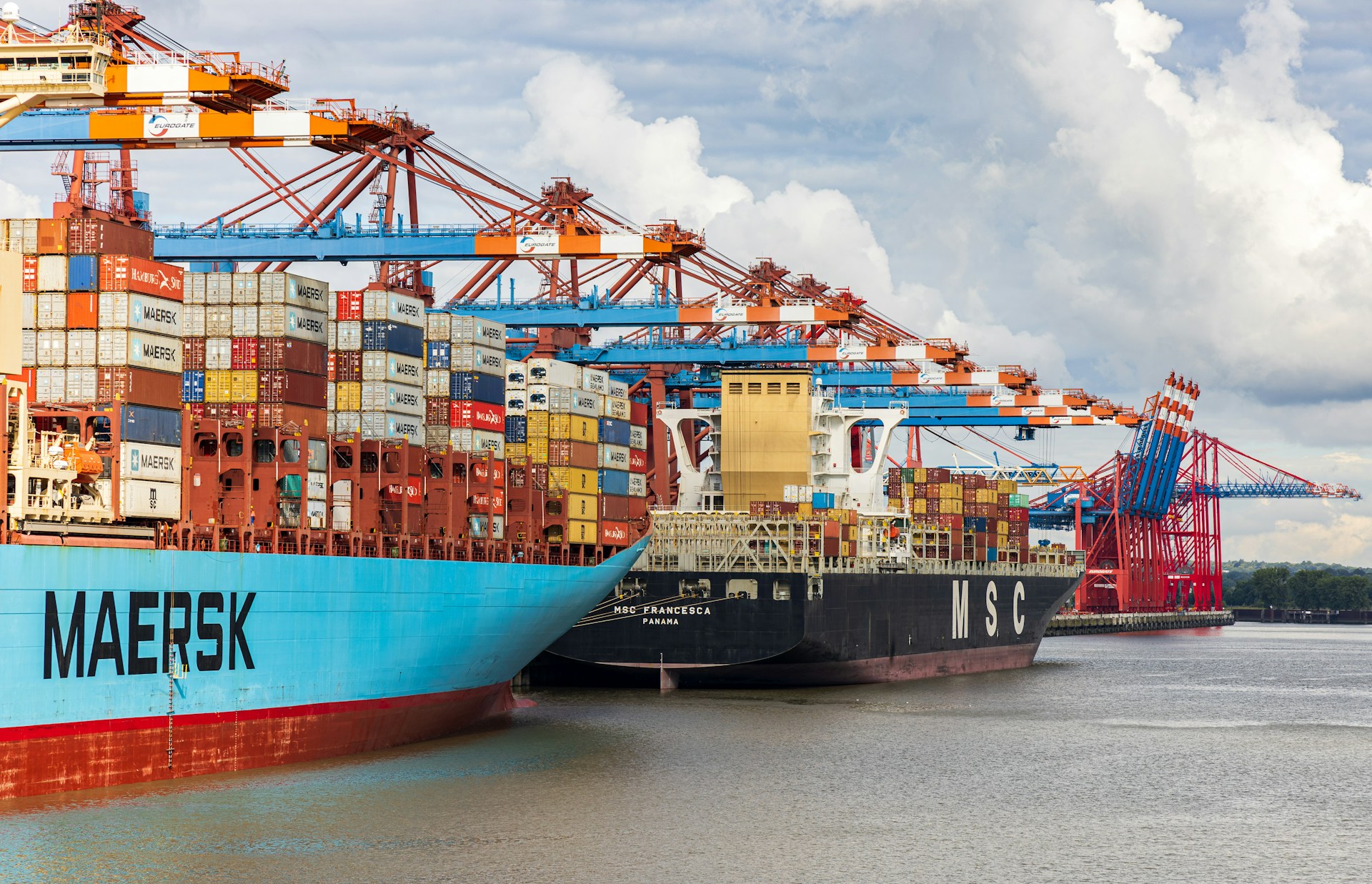
- Biggest financial backer of the EU
- Strong supporter of expanding eastward
- Major backer of common European policies
- Champion of the single market
Germany’s spot in the middle of Europe made it a bridge between east and west. That helped former Soviet states join European institutions.
International Diplomacy and Human Rights Leadership
Unity gave Germany moral authority to stand up for human rights worldwide. The country’s peaceful reunification became a model for others.
After 1990, Germany expanded its diplomatic reach. It served as a non-permanent UN Security Council member several times and boosted its peacekeeping missions.
Germany’s history of division makes it a natural mediator. The country helped out in Balkan peace talks and Middle East negotiations.
Human rights initiatives I’ve seen:
- More development aid to new democracies
- Support for international criminal courts
- Advocacy for press freedom
- Leadership in refugee protection
Germany’s economic success after reunification showed that democratic transitions can pay off. This inspired political movements from Eastern Europe to Africa and Asia.
Legacy of Unity for Future Generations
German history proves peaceful change is possible—even after decades apart. I honestly think this lesson still inspires people fighting for democracy elsewhere.
The reunification process set important examples for international law. It showed countries can come together peacefully, respecting minority rights and property.
Germany’s transformation from a divided nation to a unified democracy still shapes how diplomats approach places like Korea or Cyprus.
Long-term global impacts:
- Template for peaceful reunification
- Proof democracy can beat authoritarianism
- Model for economic integration after political unity
- Example of transitional justice that works
Young Germans now grow up in a country that values human rights and international cooperation. This generation leads the charge for European unity and democratic ideals.
Frequently Asked Questions
When I travel in Germany, I get tons of questions about Unity Day. Germans celebrate it with festivals and cultural events, all rooted in the 1990 reunification of East and West Germany.
Germans celebrate Unity Day on October 3rd, and it’s a federal holiday. Most people get the day off, and many use it for a long weekend.
In Berlin, big festivals pop up around Brandenburg Gate and Platz der Republik. I’ve seen parades, concerts, and fireworks lighting up the city. Cultural festivals take over the streets.
Some Germans release colorful balloons into the sky. It’s a hopeful gesture—symbolizing unity and peace.
Many states time autumn school breaks around Unity Day. Families get to celebrate together, and students often join special history programs.
The Berlin Wall’s fall on November 9, 1989, kicked off reunification. That moment opened the door, but the process took almost a year.
On October 3, 1990, East Germany officially joined West Germany. That’s why October 3rd became Unity Day.
The Two Plus Four Treaty cleared the legal path for reunification. East and West Germany worked with the four Allied powers to end the Cold War division.
The peaceful revolution in the east made it all possible. People demanded democracy and freedom of movement, and their protests changed everything.
Unity Day doesn’t really have its own traditional foods. Instead, celebrations highlight regional German cuisines, showing off what each state brings to the table.
At Unity Day festivals, I’ve tasted dishes from both east and west. Street vendors serve bratwurst, pretzels, and local specialties. Each region puts its best food forward.
In Berlin, currywurst and döner kebab are everywhere. They really capture the city’s mix of cultures. Beer gardens and food stalls make the whole thing feel like a giant picnic.
Bakeries get in on the action, too. I’ve spotted stollen, lebkuchen, and all sorts of regional breads at these festivals. These treats connect people to their roots.
The Brandenburg Gate stands out as the top symbol of reunification. It once sat right at the wall, divided. Now it’s the heart of German unity.
The East Side Gallery preserves sections of the Berlin Wall covered in murals. I walked its mile-long stretch along the Spree River, taking in art that tells the city’s story.
Checkpoint Charlie marks the old crossing between east and west. The museum there dives deep into the wall’s history, and the replica checkpoint shows how divided things once were.
The Berlin Wall Memorial on Bernauer Strasse offers the most complete look at the old border. I explored preserved wall sections and a watchtower, plus a center packed with historical exhibits.
Reunification brought both new freedoms and real challenges. East Germans gained the right to travel and vote, but economic differences between regions still linger.
Cultural exchange between east and west made German society richer. I’ve noticed more Eastern European influences in music, art, and literature. The two sides really blended.
After reunification, language changed in subtle ways. East German words crept into everyday speech, and regional dialects got more recognition.
Family reunions became especially meaningful. Relatives who’d been separated for decades finally reconnected. Weddings and big family gatherings surged in the early ’90s.
Every year, the main Unity Day celebration hops from one German state to another. Last time I joined in Berlin, the city buzzed with official ceremonies—think speeches from politicians and a lineup of cultural performances.
On October 3rd, mosques across Germany throw open their doors for Open Mosque Day. I wandered into a few myself, chatting with locals and learning about different faiths. It’s a simple but powerful way to encourage interfaith dialogue.
If you’re into something a bit more lively, the Medieval Juggler Festival at Spandau Citadel is a must during Unity Day weekend. Performers in full historical garb juggle and entertain, and honestly, it’s hard not to get swept up in the fun. Families and history buffs both find something to love here.
Design markets and pop-up cultural exhibitions also spring up for Unity Day. I spent an afternoon browsing vintage furniture and quirky art displays. Museums usually get in on the action, too, with special tours and reunification-themed programs. It’s the kind of day where you stumble into something new around every corner.


_(cropped).JPG)