
Planning a national park adventure can feel expensive. But there’s a simple bit of math that changes everything.
If you visit more than two major national parks in a year, the $80 America the Beautiful Annual Pass pays for itself. Most popular parks charge $30-35 for a week-long vehicle pass. So by your third park, you’re basically getting in for free.
I’ve seen so many travelers miss this and pay individual entrance fees that add up to way more than the annual pass. The pass isn’t just for the big-name parks, either—it unlocks over 2,000 federal recreation sites across the country.
Let’s break down when the annual pass actually makes sense, what types of passes are out there, and some real-life scenarios where this $80 card can save you a surprising amount of money on outdoor adventures.
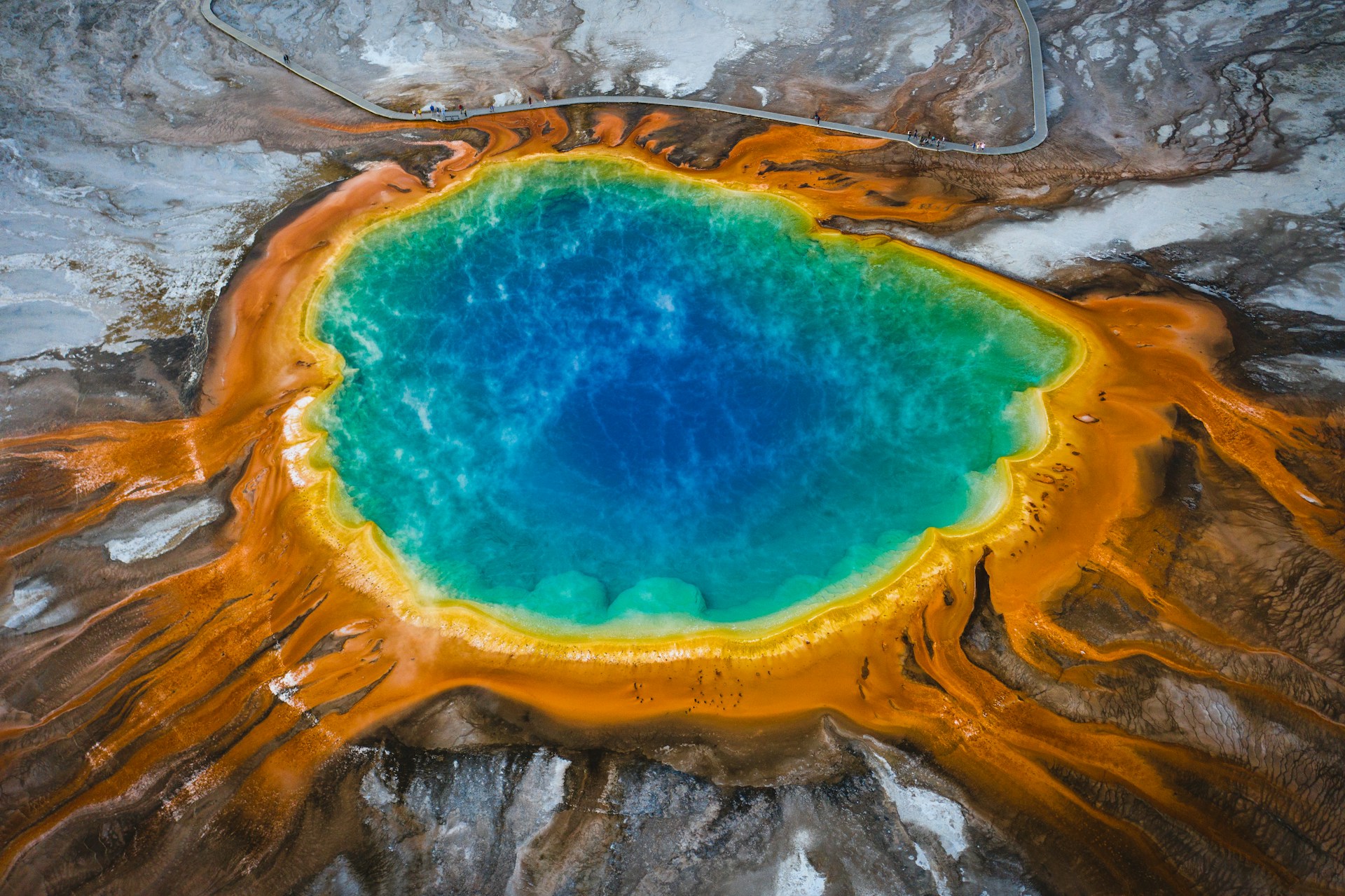
Understanding the America the Beautiful Annual Pass
The America the Beautiful Annual Pass costs $80 and gives you access to over 2,000 federal recreation sites for a full year. If you’re planning to hit more than a couple of parks or forests, this pass is a no-brainer.
What the $80 Annual Pass Covers
This pass covers entrance fees at national parks, national wildlife refuges, national forests, and grasslands. You also get into sites managed by the Bureau of Land Management and Bureau of Reclamation.
When you roll up in your car, everyone inside gets in with you at places that charge per vehicle. At spots with per-person pricing, the pass covers you and three other adults.
What’s included:
- National park entrance fees
- National forest standard amenity fees
- BLM recreation area access
- National wildlife refuge fees
What’s NOT covered:
- Cave tours
- Guided tours
- Bus transportation
- Camping fees
- Special activities
Kids 15 and under always get in free at federal recreation sites, pass or no pass.
Who Should Consider Purchasing the Pass
I always suggest the annual pass if you plan to visit three or more national parks in a year. Most parks charge $25-35 for entrance, so you come out ahead pretty quickly.
If you live near federal lands and visit regularly, this pass pays for itself. Hikers, RVers, and families who love the outdoors will see the savings add up fast.
Who benefits most:
- Frequent national park goers
- People living close to federal recreation sites
- Families taking several trips a year
- RV travelers exploring public lands
Military members get a free annual pass, which is an awesome perk for service members and their families.

How Much You Can Save With the Pass
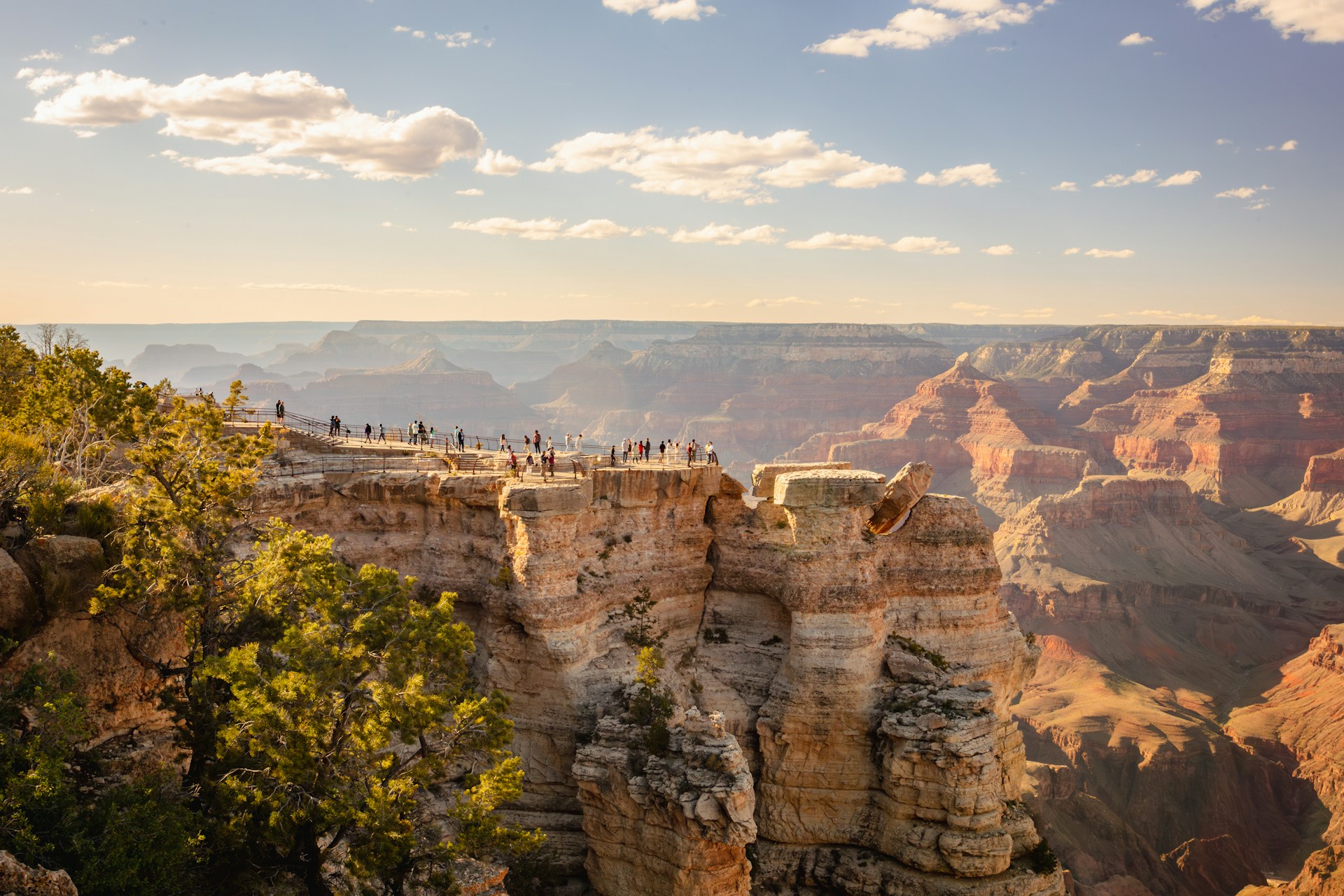
A single visit to Yellowstone ($35) or Grand Canyon ($30) means you only need two more park visits to break even.
If you visit five parks in a year, you usually save $50-75 compared to paying each entrance fee. Hit up ten parks? You’re looking at $150-200 in savings.
Sample savings:
- 3 parks: Save $15-25
- 5 parks: Save $50-75
- 8 parks: Save $120-160
You really rack up savings at pricier parks or if you make repeat visits. Some parks are $30+ per visit, so even going back to your favorite spot a few times justifies the pass.
National forests often charge $5-10 per day. If you hike or picnic a lot, those fees add up quickly over the year.

Where the Pass Grants Access
The America the Beautiful pass opens the door to more than 2,000 federal recreation sites. Five different government agencies manage these spots, so your $80 covers a lot of ground.
National Parks and Iconic Destinations
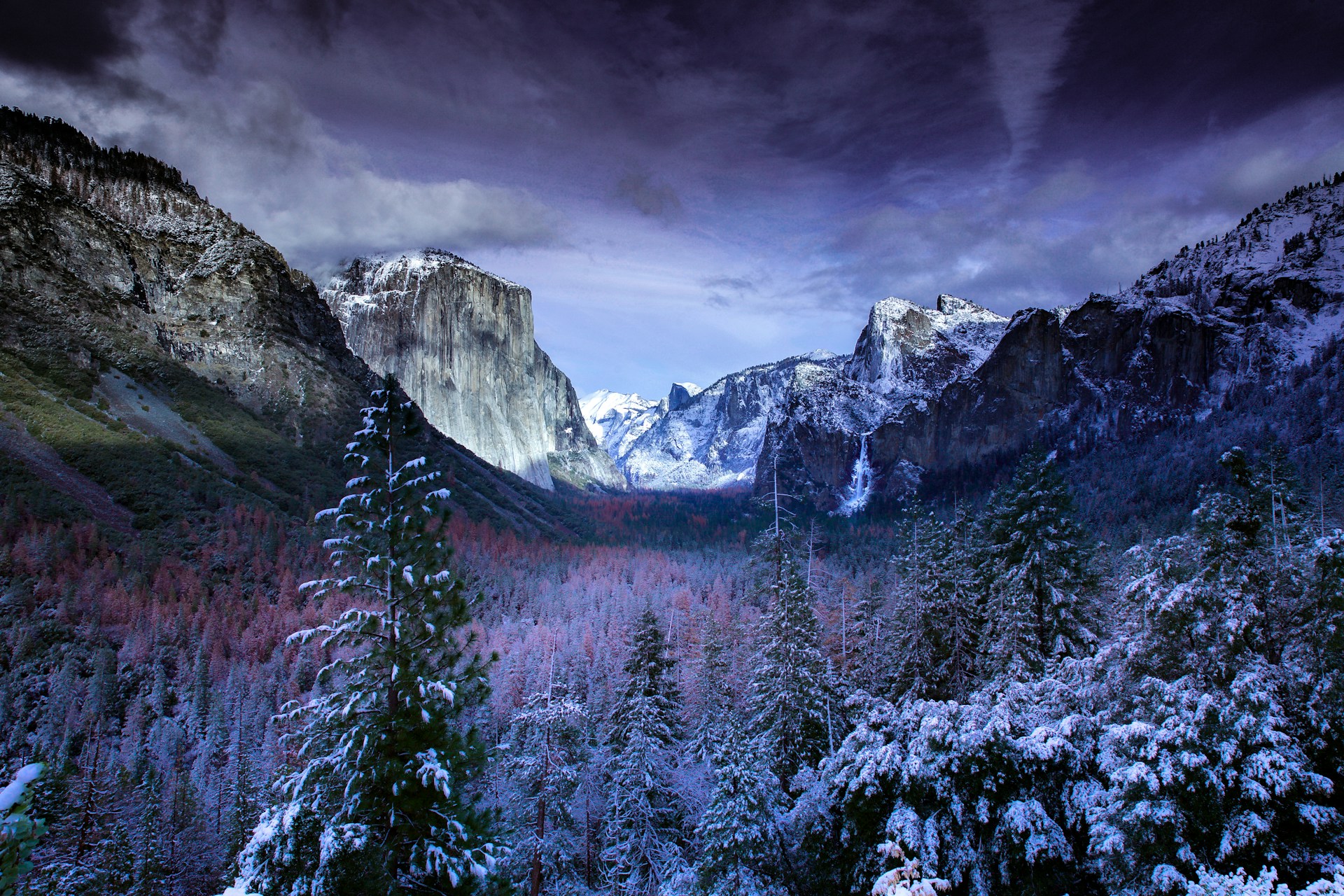
The pass gets you into all 63 national parks across the U.S. That means places like Yellowstone, Grand Canyon, and Yosemite are all fair game.
But it doesn’t stop there. Over 400 additional sites managed by the National Park Service are included—think:
- National monuments
- National historic sites
- National battlefields
- National recreation areas
- National seashores and lakeshores
At parks that charge per vehicle, everyone in your car gets in. If the park charges per person, you and three other adults are covered.
Kids under 16? They always get in free, which is a nice bonus for families.
National Forests and Grasslands Benefits
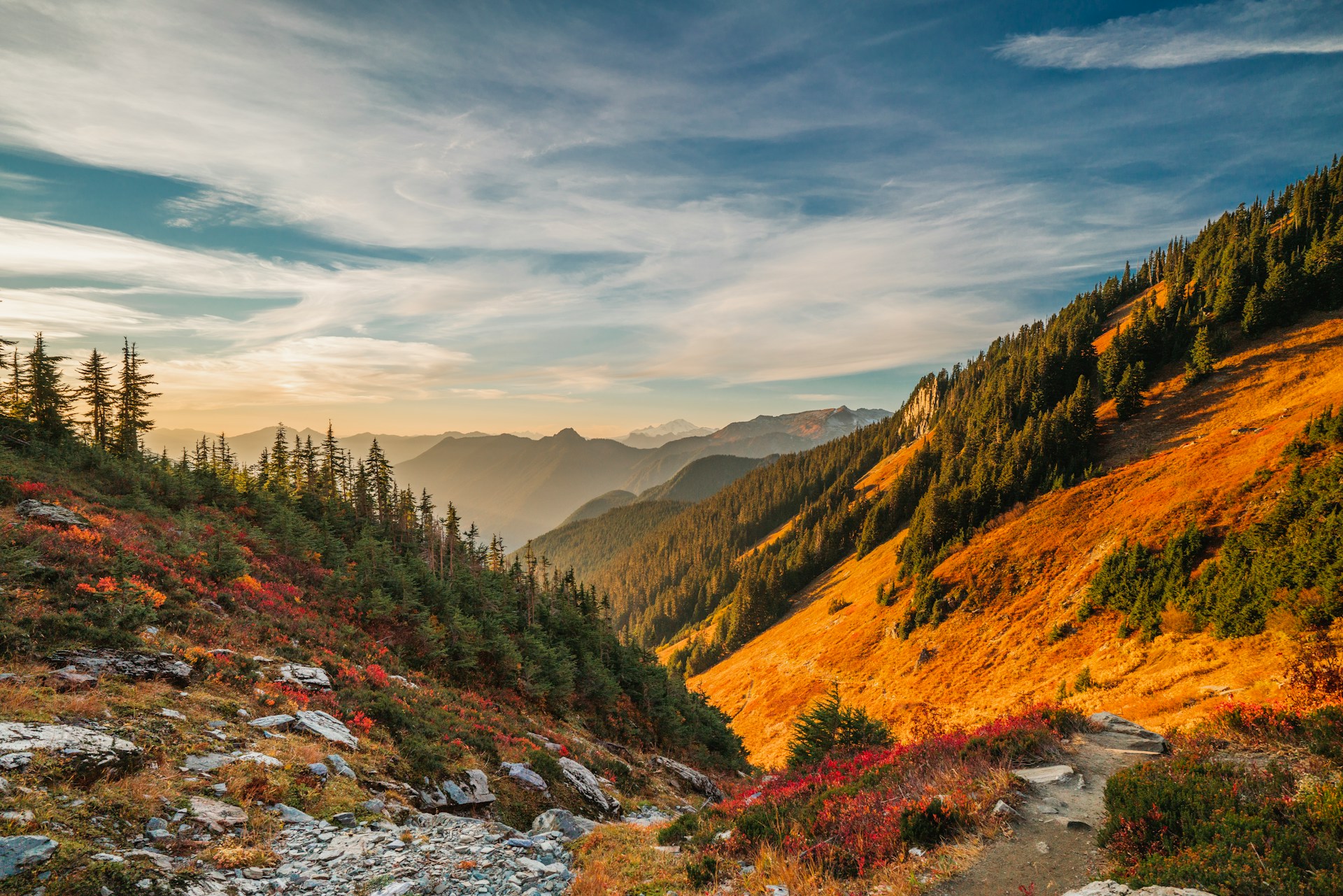
The pass covers standard amenity fees at national forests and grasslands. These are usually day-use fees for things like parking at developed trailheads, picnic spots, and some campgrounds.
National forests offer a different vibe than national parks. You can hike, fish, hunt, or just wander across 193 million acres of wild land.
Some popular forests where the pass comes in handy:
- Mount Baker-Snoqualmie National Forest, WA
- White Mountain National Forest, NH
- Angeles National Forest, CA
- Coconino National Forest, AZ
Heads up: The pass doesn’t cover overnight camping. Campsites at both national forests and parks still cost extra.
Bureau of Land Management and Bureau of Reclamation Sites
The Bureau of Land Management (BLM) manages 245 million acres of public land. The pass covers entrance and day-use fees where they charge them.
BLM areas are great for off-roading, rock climbing, or just camping out in the wild. Utah’s red rock country and California’s deserts are full of BLM spots.
Bureau of Reclamation sites focus on water recreation. These are usually around big reservoirs and dams—think boat launches or swimming beaches. The pass covers standard fees at these spots, so you can boat, swim, or fish without worrying about daily entrance fees.
Maximizing Value: Real-World Scenarios
The $80 annual pass pays for itself when your entrance fees add up to more than the cost of the pass. With a bit of planning, you can stretch your savings across multiple trips and group outings.
Cost Comparison: Road Trips vs. Individual Fees
Road trips really make the annual pass shine. One week-long trip to four big parks can easily justify the cost.
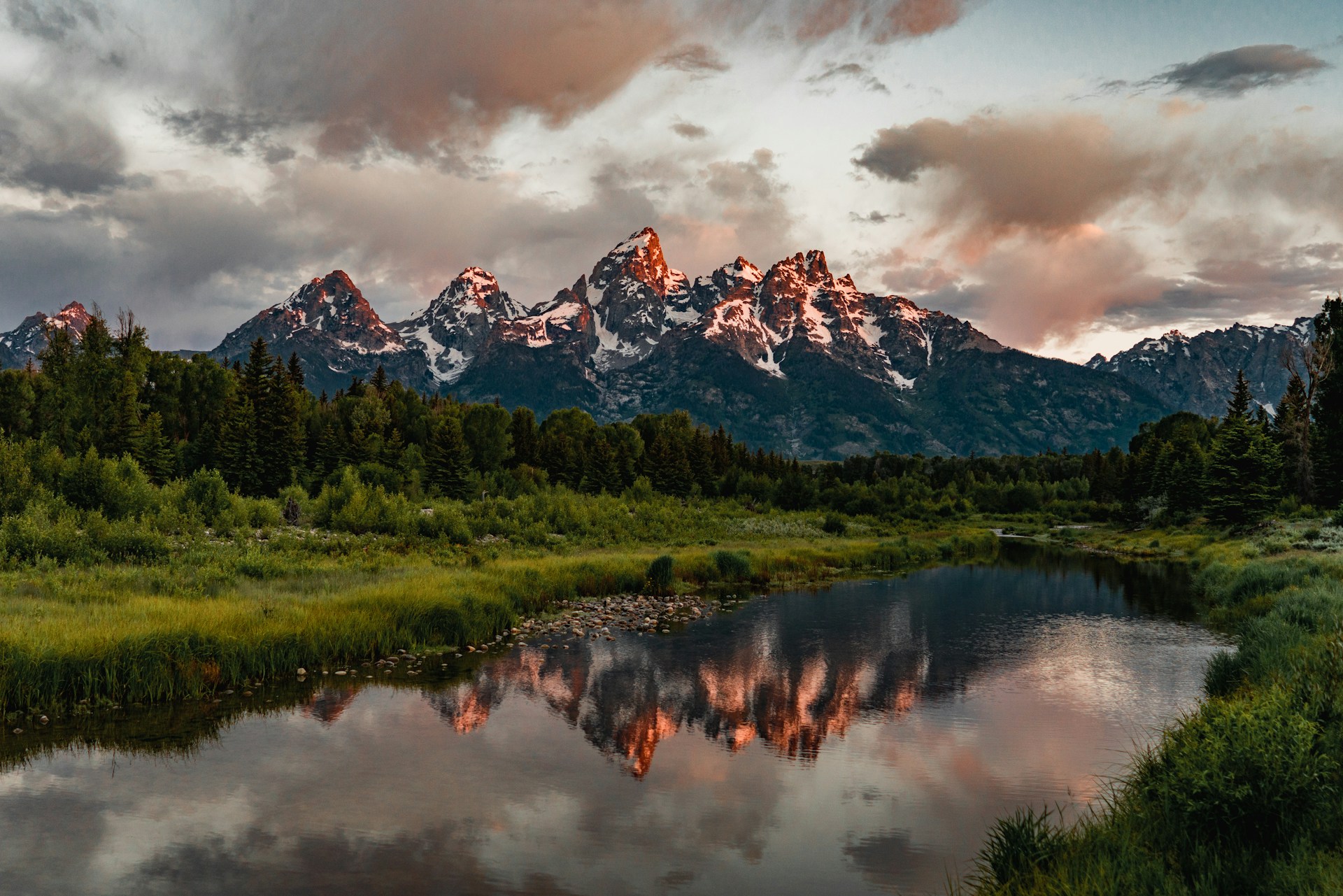
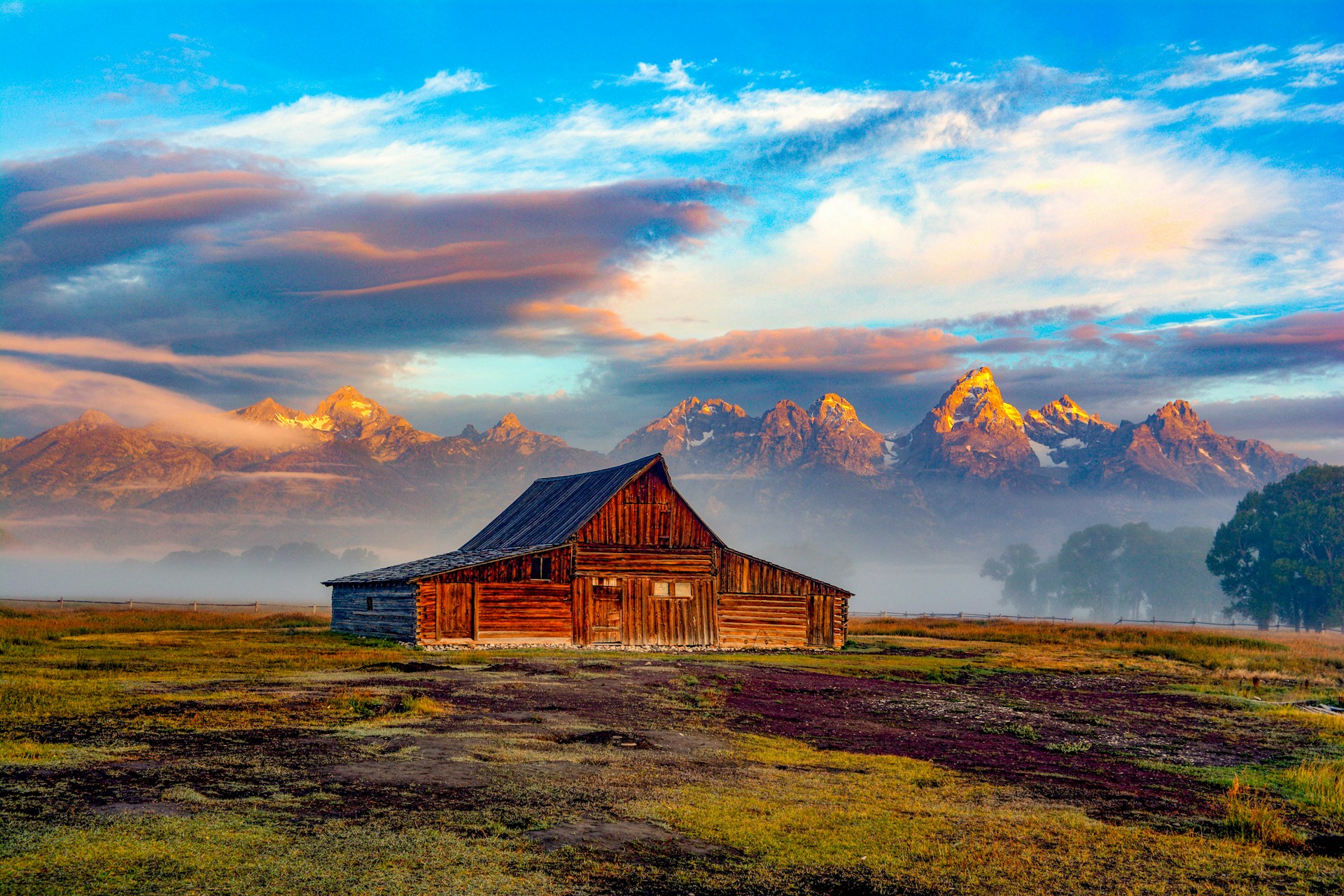
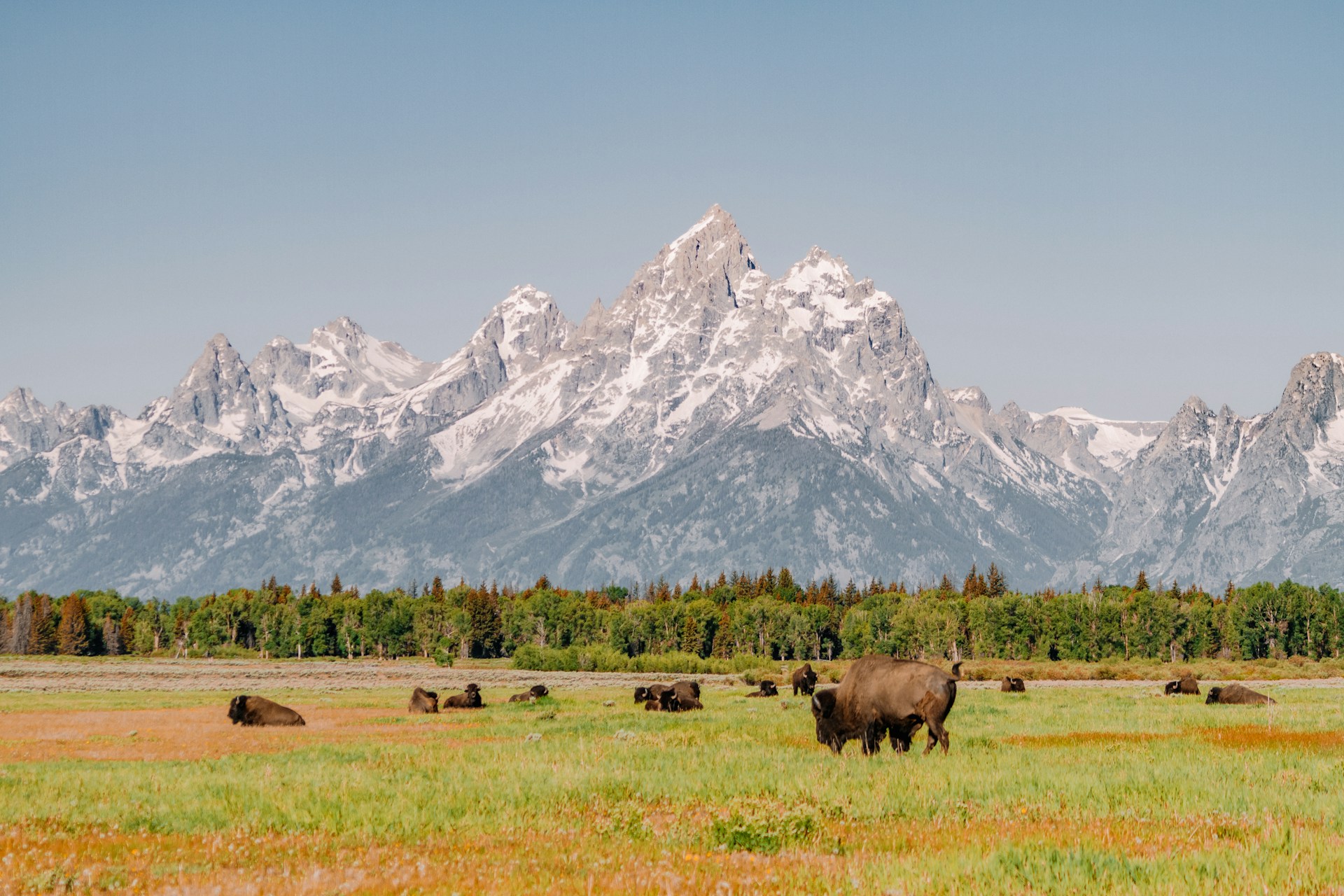
Picture this: Yellowstone ($35), Grand Teton ($30), Rocky Mountain ($30), and Arches ($30). That’s $125 in entrance fees for just one adventure.
Popular Road Trip Routes:
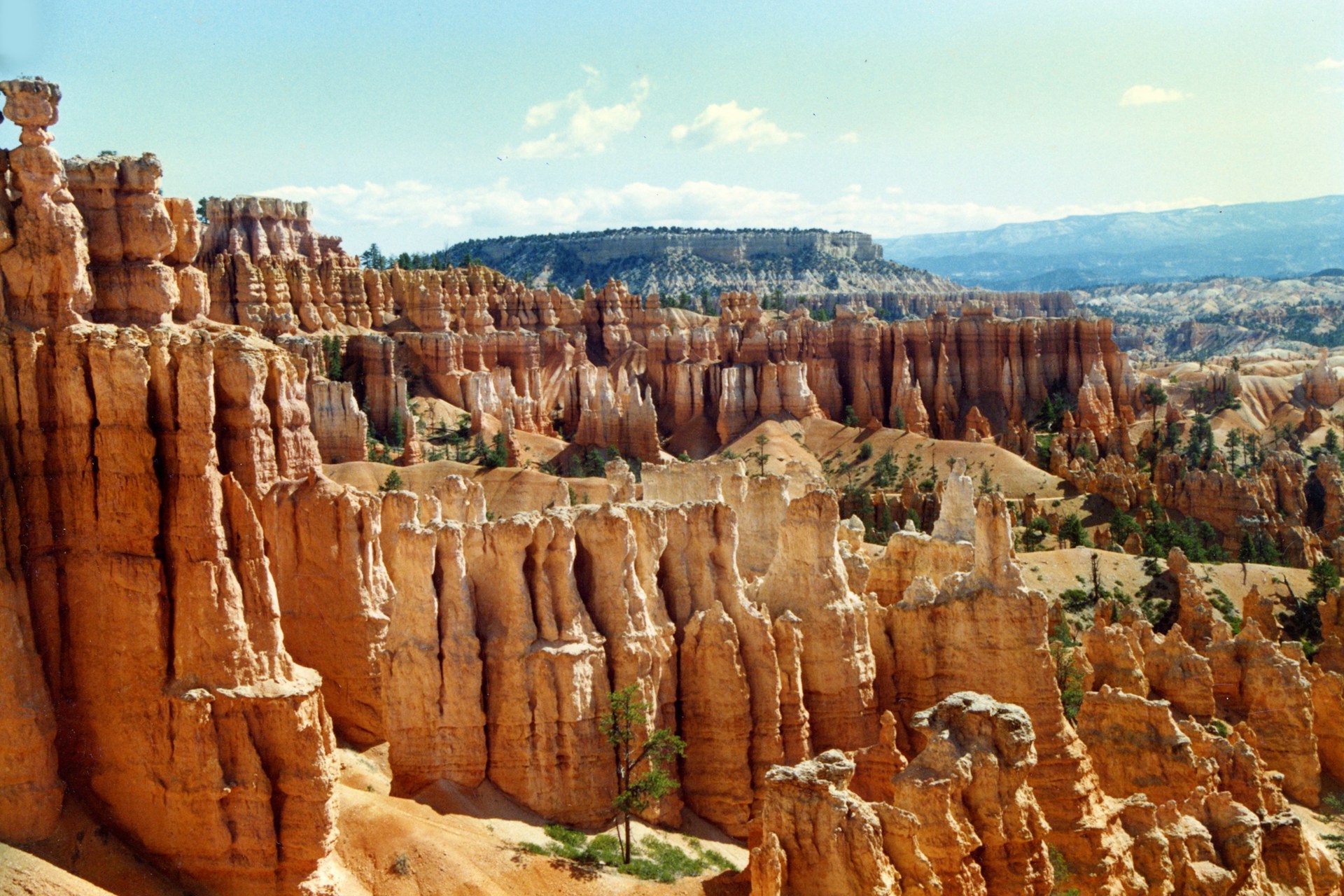
- Southwest Circuit: Zion ($35), Bryce Canyon ($35), Capitol Reef ($15), Arches ($30) = $115
- California Parks: Yosemite ($35), Joshua Tree ($30), Death Valley ($30) = $95
- Washington State: Mount Rainier ($30), Olympic ($30), North Cascades (free) = $60
Even a two-park trip often breaks even. The pass takes away the hesitation when you spot an unexpected park along your route—just pull in and go.
Annual Pass for Families and Group Travel
The annual pass covers everyone in your vehicle at parks that charge per vehicle. For families, this is a game changer.
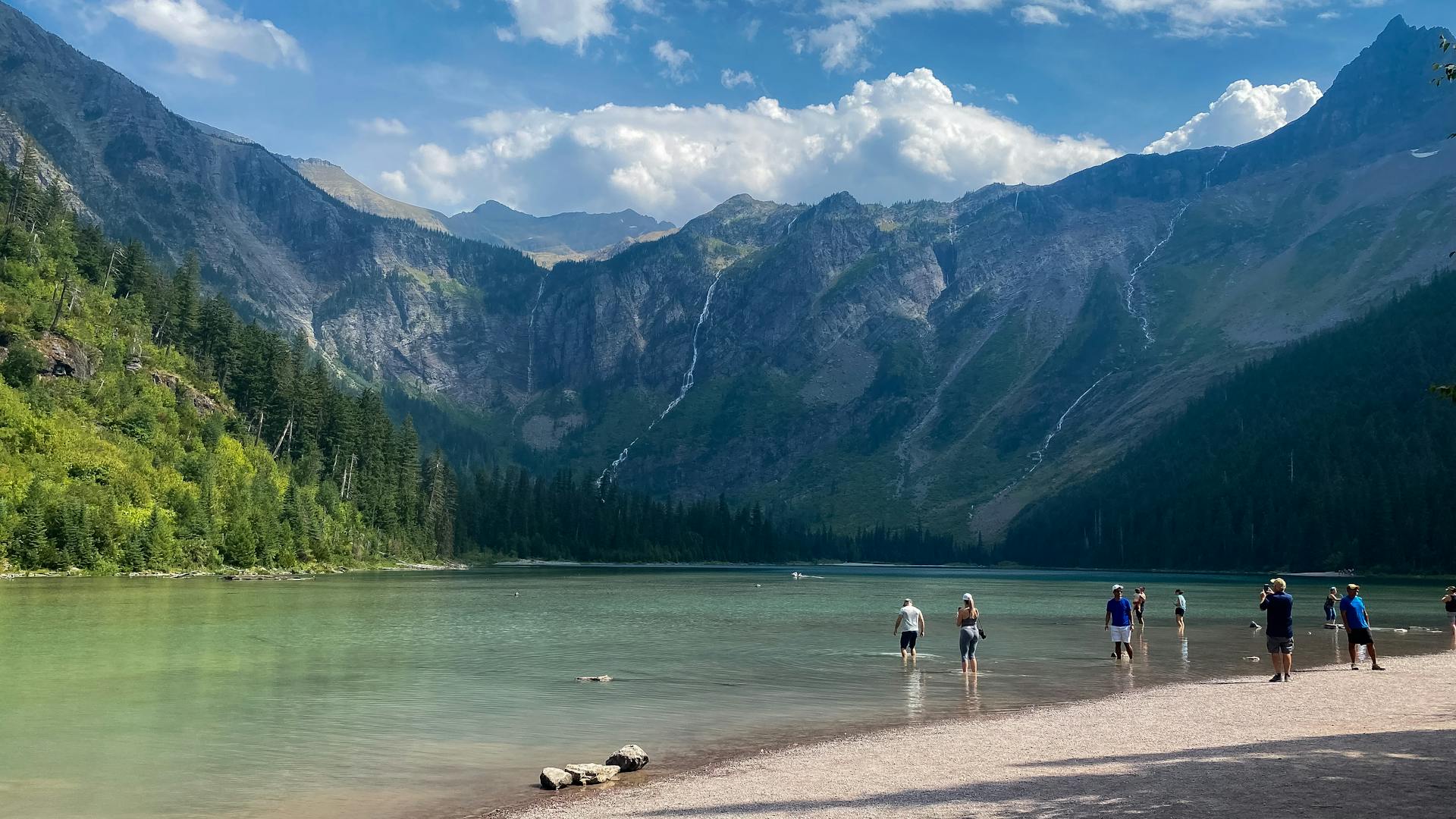
A family of four visiting Glacier National Park pays $35 with the pass—same as the entrance fee—but visit three parks and you’ve saved $70.
Why families love it:
- Kids under 16 always get in free
- Pass covers up to four adults at per-person parks
- Two people can sign as co-owners
- Works for RVs and rental cars
Traveling with friends? Split the $80 pass and you both get access to over 2,000 sites. Not a bad deal.
Timing Strategies for Purchasing Your Pass
Buy your pass with the calendar in mind. The pass expires at the end of the purchase month one year later, not on the exact date you buy it.
If you’re planning summer and fall trips, snag your pass in January for almost two full camping seasons.
Smart Timing Tips:
- Buy before your first pricey park visit
- Purchase at the park to avoid shipping delays
- Think about seasonal park access when timing your purchase
- Some parks still require timed entry reservations, even with a pass
I always check if a park sells its own annual pass for less than $80. Sometimes that’s a better option if you’re only visiting one place repeatedly.
Alternative Passes and Special Access Programs
The National Park Service offers more than just the standard $80 annual pass. Seniors, disabled visitors, military families, and volunteers all have special options—and some are even free.
Senior Pass and Lifetime Access
If you’re 62 or older and plan to visit parks regularly, the Interagency Lifetime Senior Pass is a steal at $80. It’s good for life, and you break even in just a year compared to buying annual passes.
Not ready for the lifetime commitment? The Annual Senior Pass is only $20 and gives you a year of access.
Both passes admit you and all passengers in your personal vehicle, or up to three extra adults at per-person sites.
You’ll need to show proof of age and U.S. citizenship or residency. Pick up your pass at any park visitor center or order it through the USGS online store.
Access Pass for Visitors With Disabilities
The Interagency Access Pass gives U.S. citizens or permanent residents with permanent disabilities free lifetime access to federal recreation sites.
You get the same benefits as the other passes—free entry for you and your passengers at per-vehicle sites, and up to three adults at per-person locations.
To get this pass, bring documentation like a doctor’s statement, a VA disability letter, or state-issued proof.
Special activities like guided tours or cave tours aren’t covered, so expect to pay extra for those.
Military and Gold Star Family Benefits
Active U.S. military members can grab a free annual pass through the Military Pass program. This includes all branches, plus Reserve and National Guard.
Who qualifies:
- Current military and their dependents
- Former military (but not their dependents)
- Gold Star Families
Show valid military ID, like a Common Access Card, Form 1173, Veteran Health ID Card, Veteran ID card, or a driver’s license with veteran designation.
Gold Star Families get free lifetime access if they lost a service member in combat.
The pass works just like the standard annual pass, but it’s free for qualifying military families.
Volunteer Passes and Other Notable Options
Volunteers can earn a free annual pass by putting in 250 hours through the Volunteers-In-Parks program.
Some parks offer local annual passes for less than $80, but those only work at one park. If you’re visiting the same place over and over, it might be worth it.
Sometimes employers or membership groups like AAA offer discounted passes. It’s worth asking around before you buy.
How and Where to Buy Your Pass
You can buy your America the Beautiful annual pass online at the USGS store or in person at federal recreation sites. Depending on the pass, you’ll need certain documents, especially for discounts.
Buying Online at the USGS Store
The USGS store is the official online spot for all America the Beautiful passes. It’s super convenient and always has passes in stock.
Buy the standard $80 pass online anytime. It’s good for one year from the purchase date.
Available online:
- Standard Annual Pass ($80)
- Military Pass (Free with verification)
- Senior Annual Pass ($20)
- Senior Lifetime Pass ($80)
- Access Pass for disabilities (Free with documentation)
All proceeds go to improving recreation services. Your physical pass arrives in about 2-3 weeks.
If you’re traveling soon, buy online—the digital confirmation works at most parks while you wait for your card.
Purchasing In Person at Federal Sites
You can also buy passes at visitor centers and entrance stations at national parks, forests, and other federal lands.
Why buy in person:
- Get your pass right away
- Ask rangers about park-specific perks
- Support the park you’re visiting
Call ahead to make sure the site sells passes—some don’t carry every type. Hours and availability can vary, especially in the off-season.
Visitor centers usually offer the most reliable pass sales all year.
Documentation and Proof Requirements
Different passes come with their own paperwork, and honestly, figuring out what you need can get confusing fast.
Military Pass requirements:
You’ll want to bring one of these: a Common Access Card (CAC), a Military ID (Form 1173), a Veteran Health Identification Card, or even a state driver’s license that has a veteran designation.
Senior Pass requirements:
If you’re 62 or older, just show a valid government-issued photo ID. Make sure it proves your age, and don’t forget something that shows you’re a U.S. citizen or permanent resident.
Access Pass requirements:
For folks with permanent disabilities, you’ll need a note from a licensed physician, or paperwork from a federal agency like the VA or Social Security. State agency disability documentation works, too.
The standard $80 annual pass is the easiest of the bunch. Just pay up and provide a way for them to send you the pass—no extra documents needed.